Electric Peak – 13,297, Graystone Peak – 13,503 and Mount Garfield – 13,087

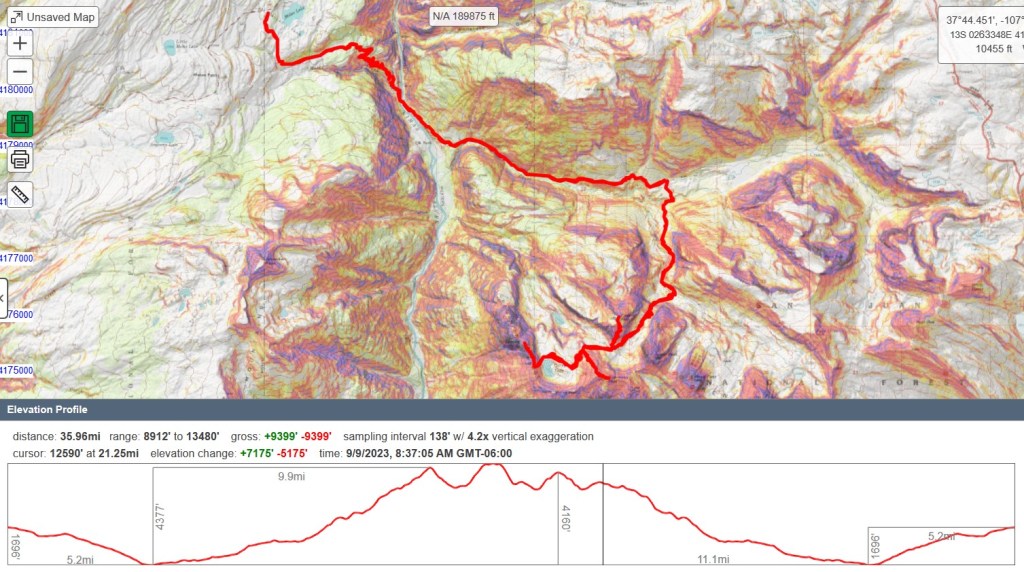
RT Length:  35.96 miles

Elevation Gain: 9399’

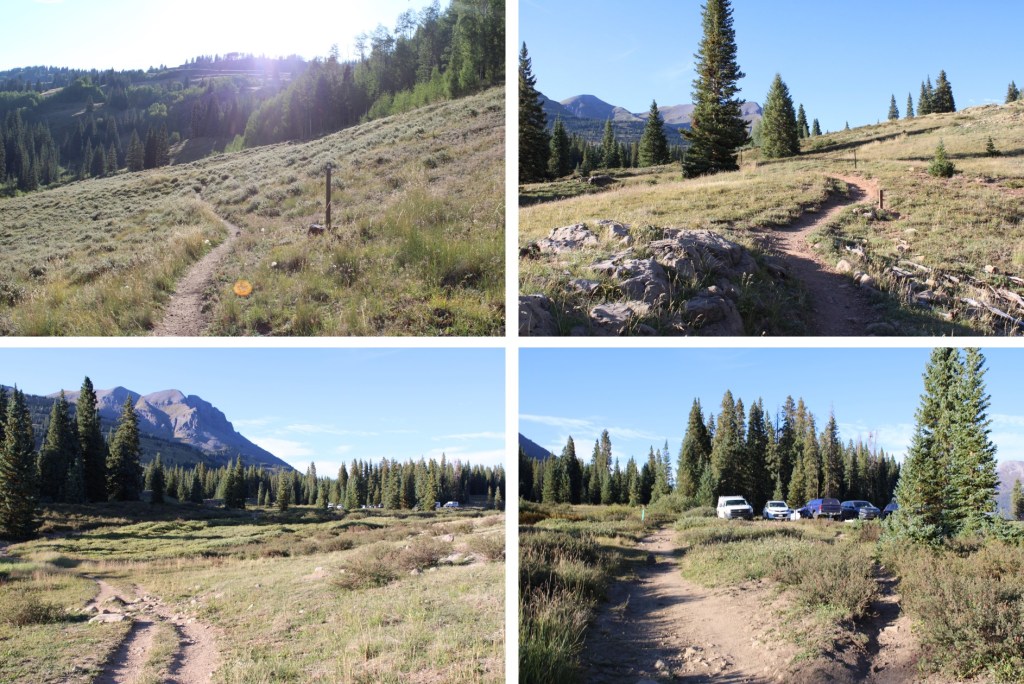
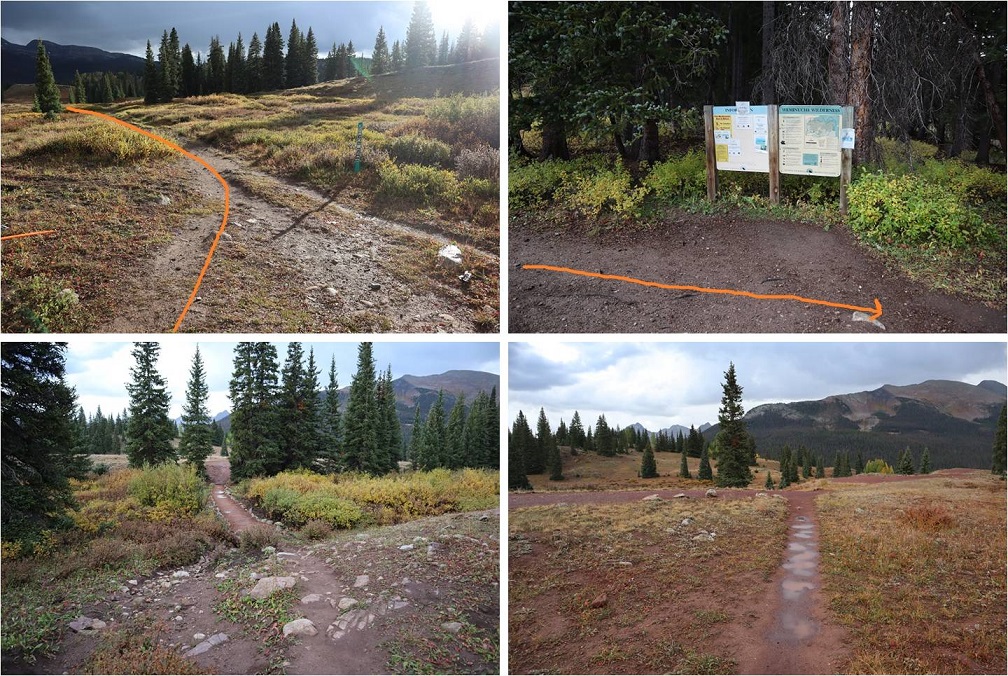
I started from the Molas Trailhead parking area.  This trailhead has plenty of parking, and is a popular spot among CT hikers. 
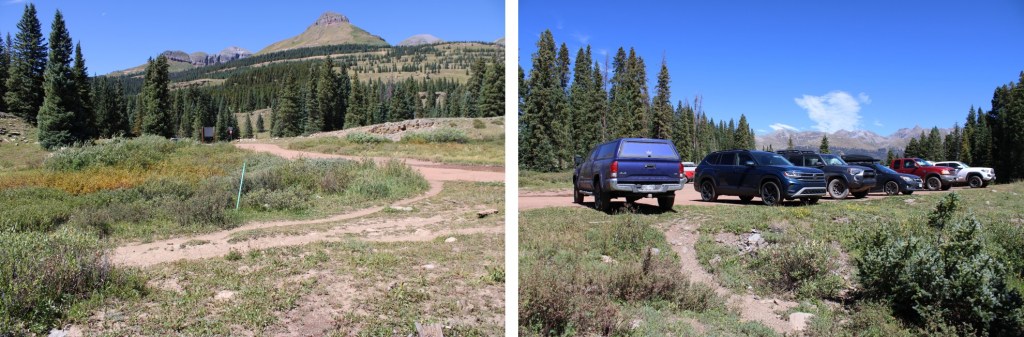
The trail starts at the south end of the parking area. 
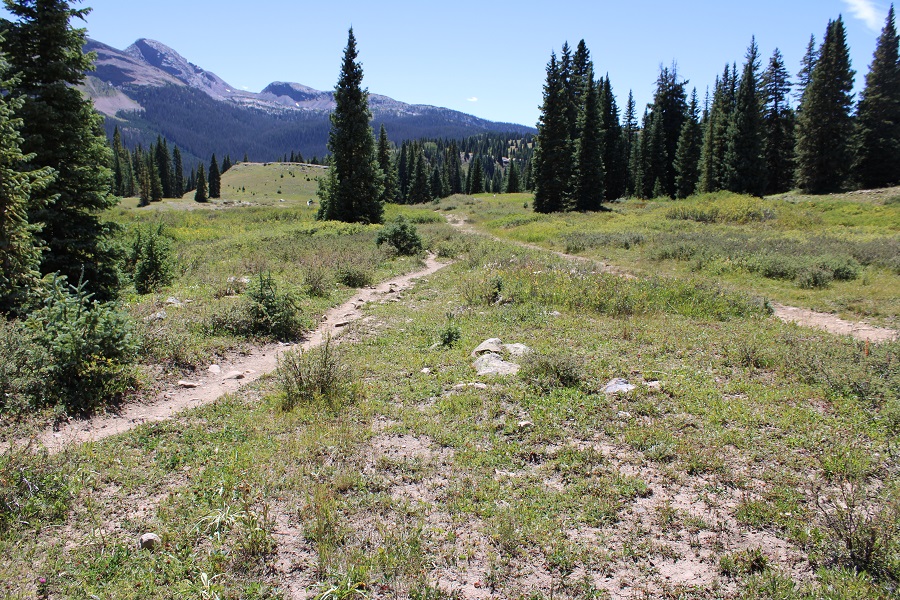
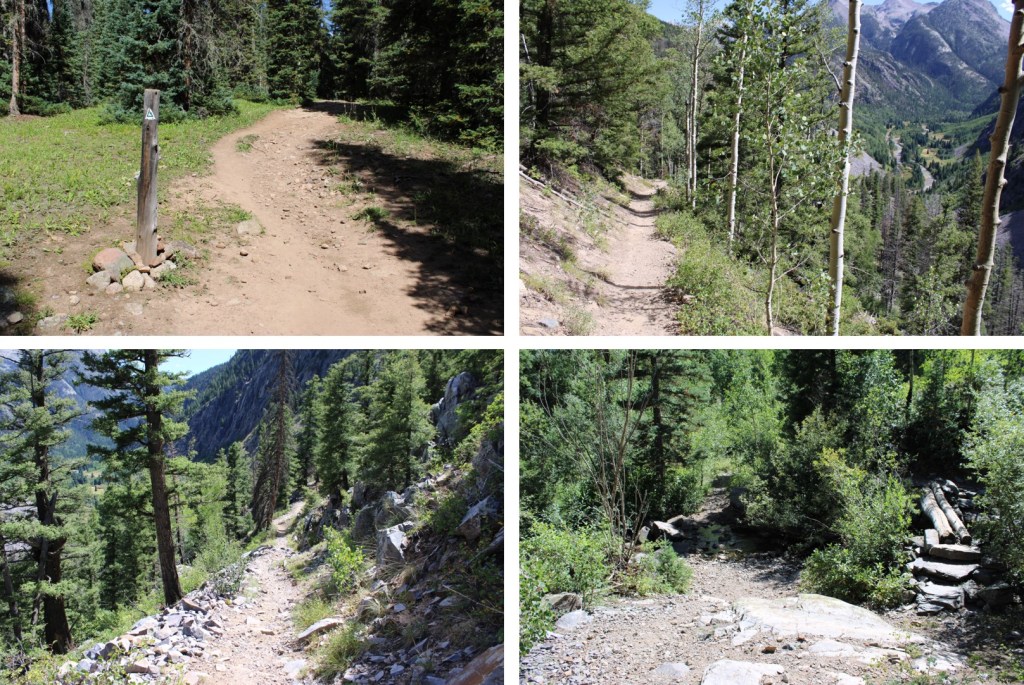
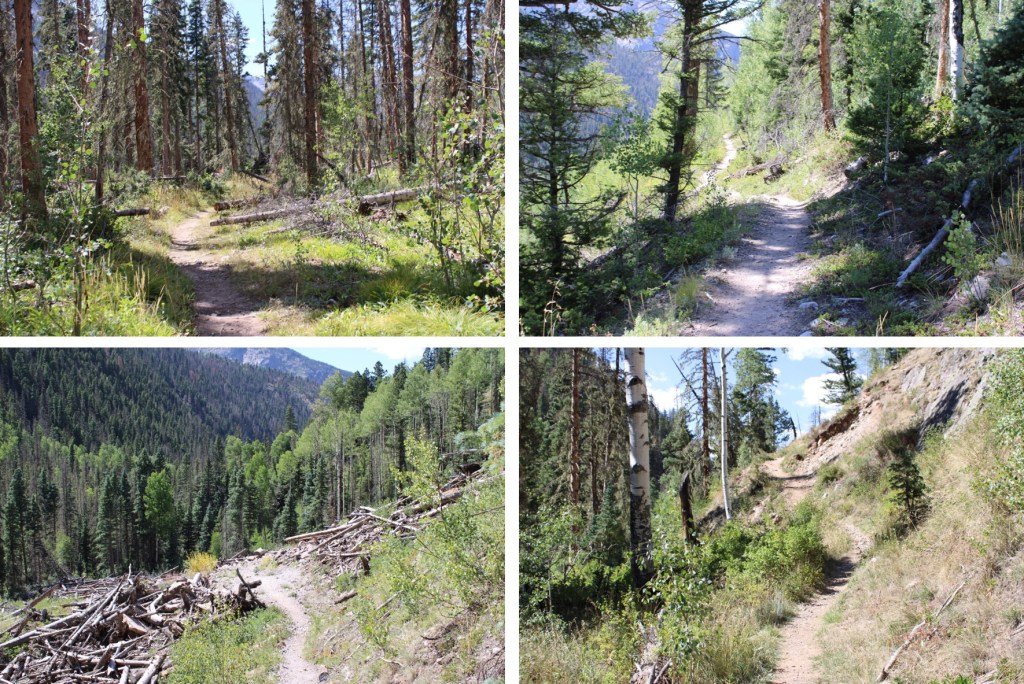
Much of the approach route follows the Colorado Trail, so it’s well maintained and easy to navigate.  I followed the trail as I descended 1700’ to the Animas River.

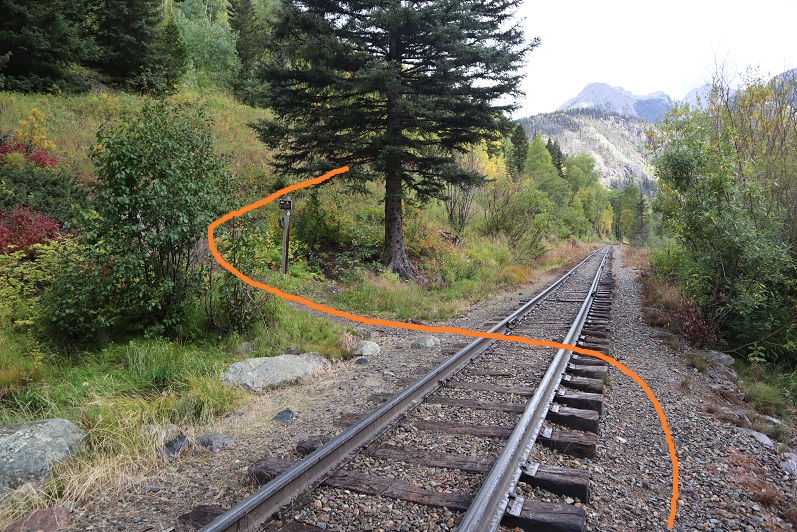
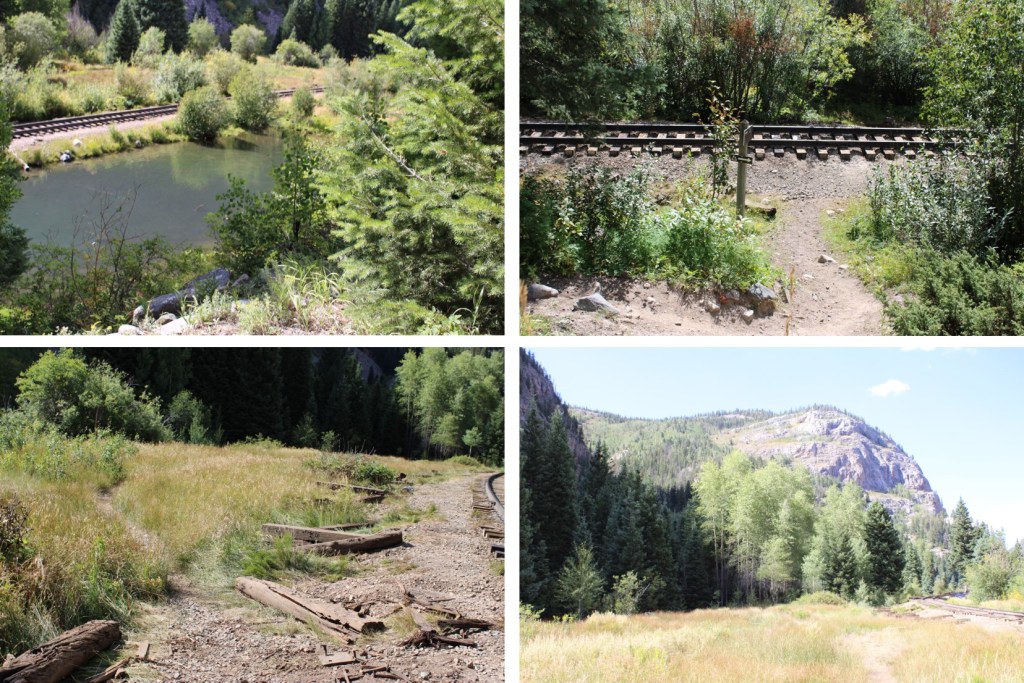
I crossed the river on a well-maintained bridge, and then followed the trail as it crossed the railroad tracks
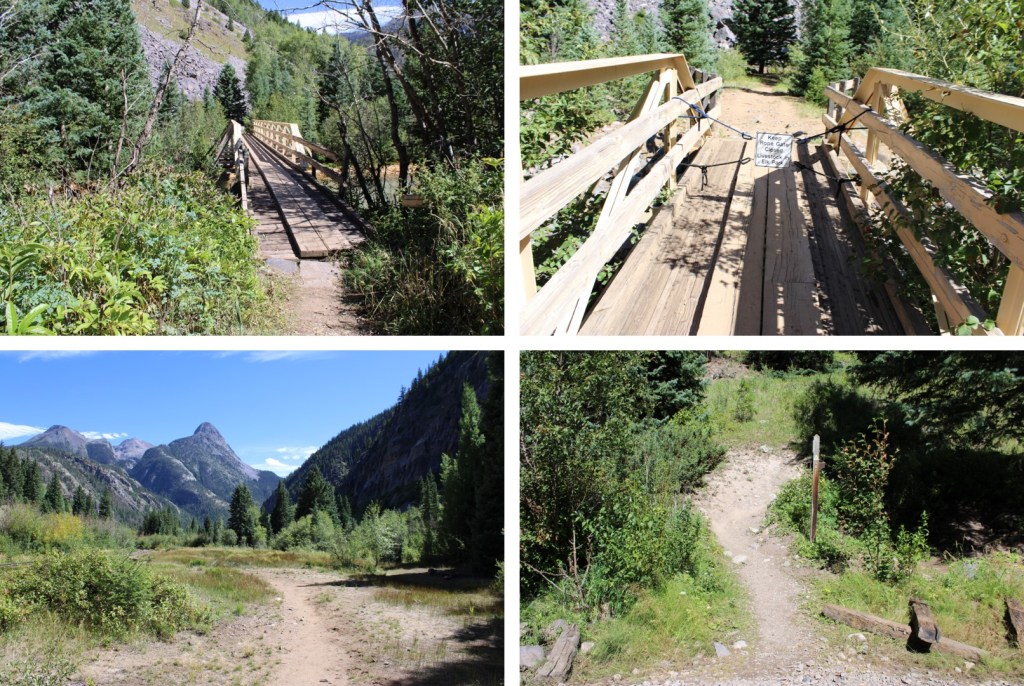
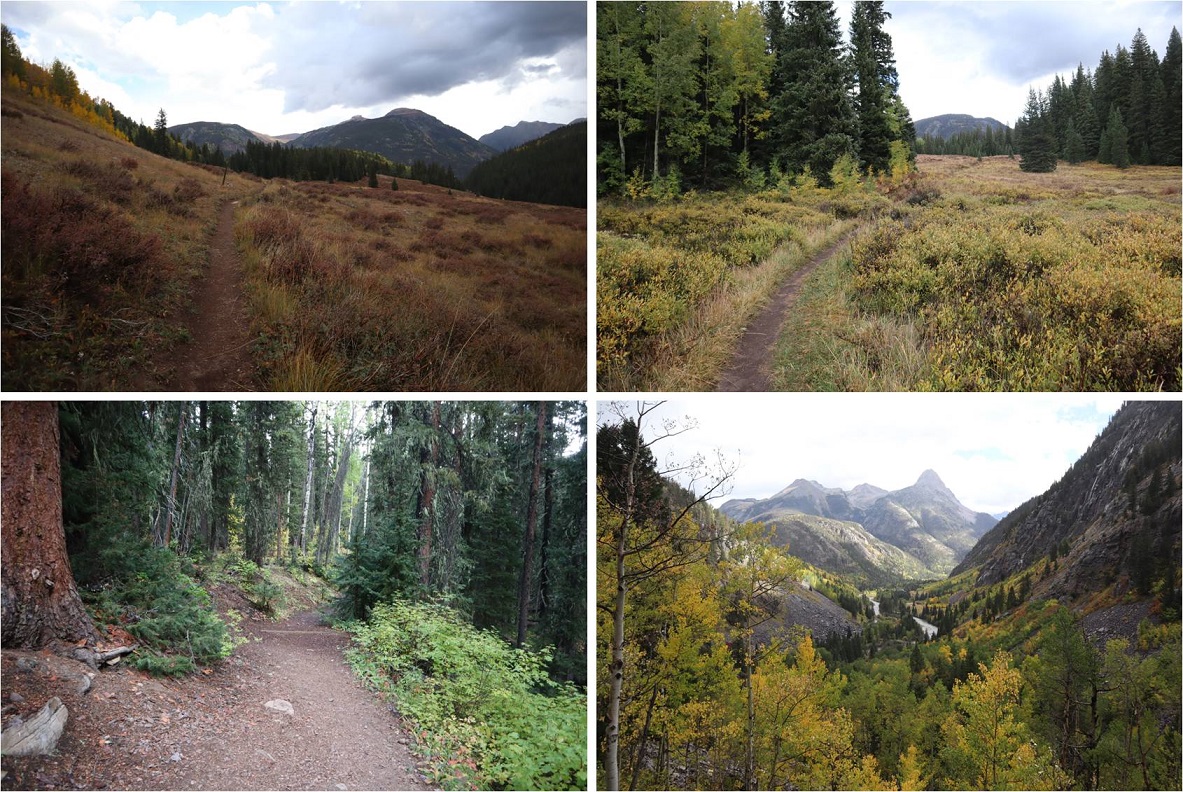
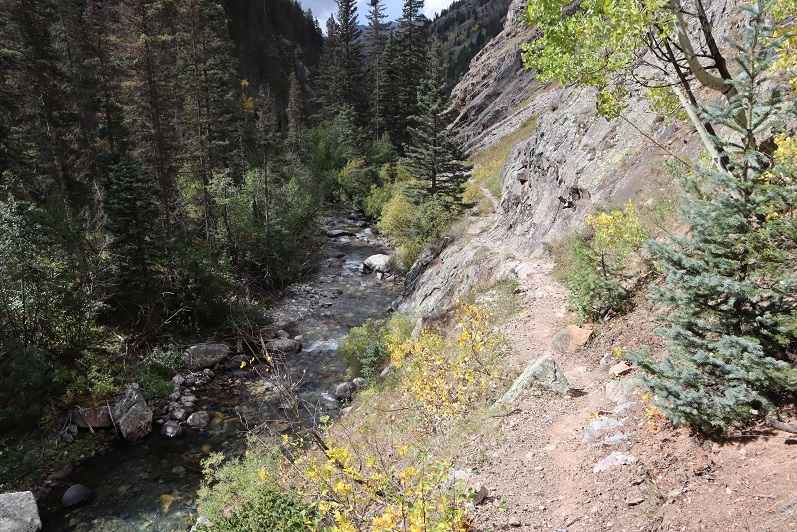
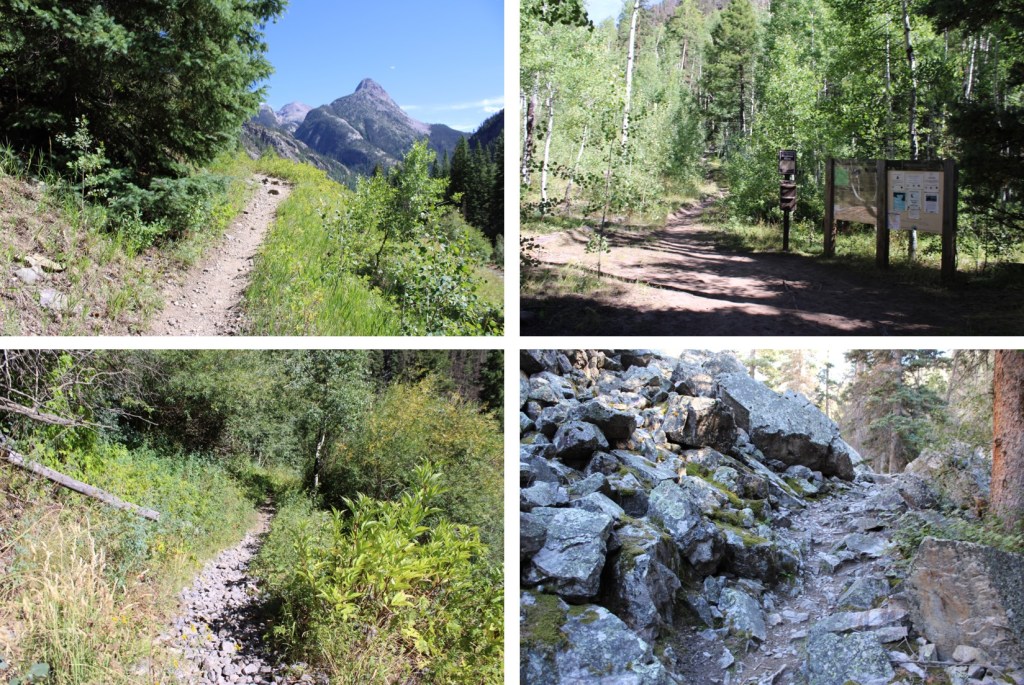
Here is where the elevation gain begins.  I hiked along the Colorado Trail east to the Beaver Ponds, following Elk Creek and passing through a couple of cleared avalanche areas.  This trail is easy to follow, with no trail junctions.
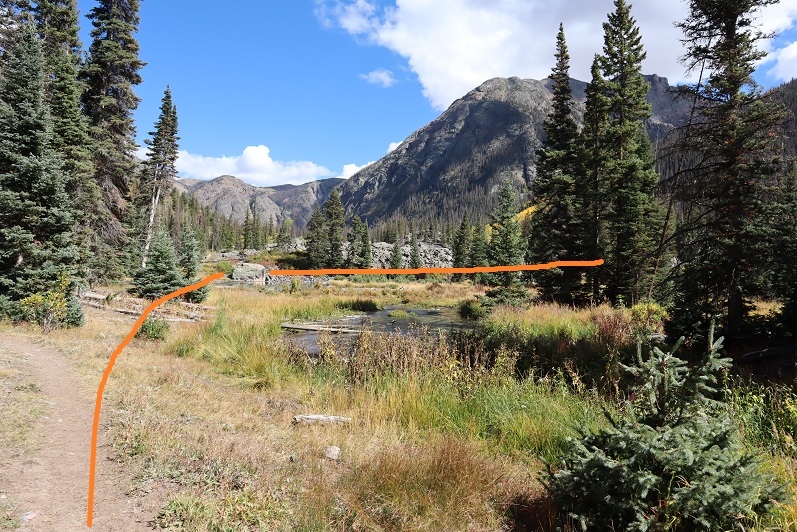
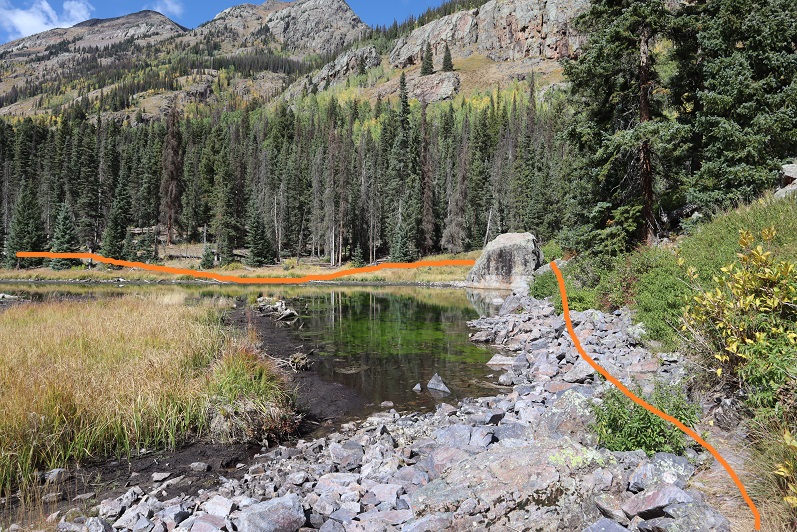
This part trips people up all the time when headed towards Vestal Basin: Once at the beaver ponds, I turned right off the trail and traversed behind this large boulder.  There’s a faint trail here that picks up again once you’re past the ponds.

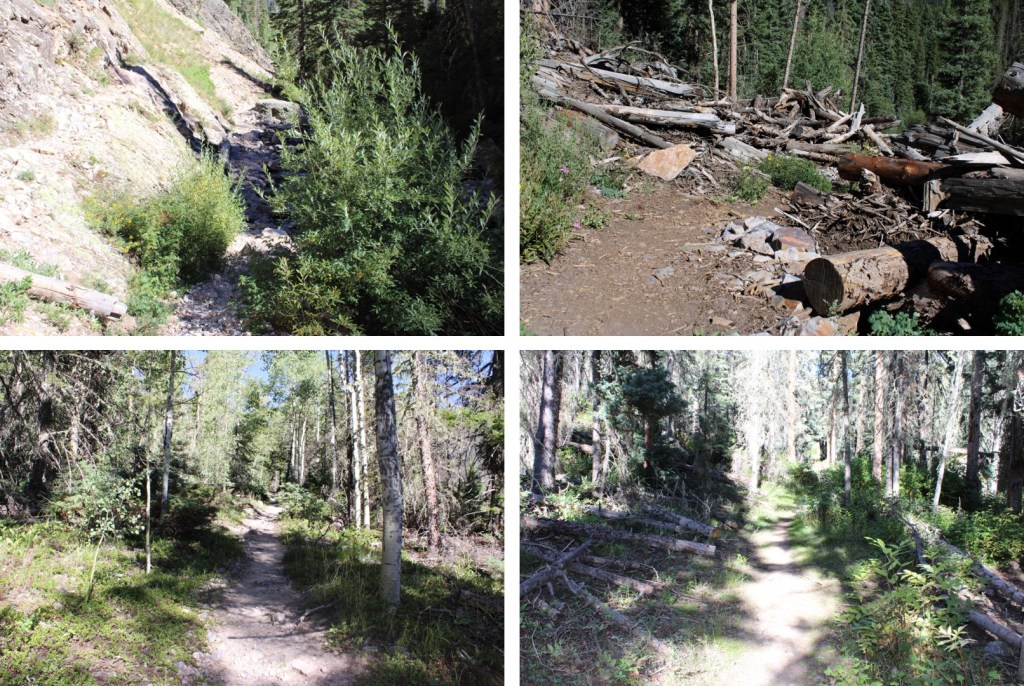
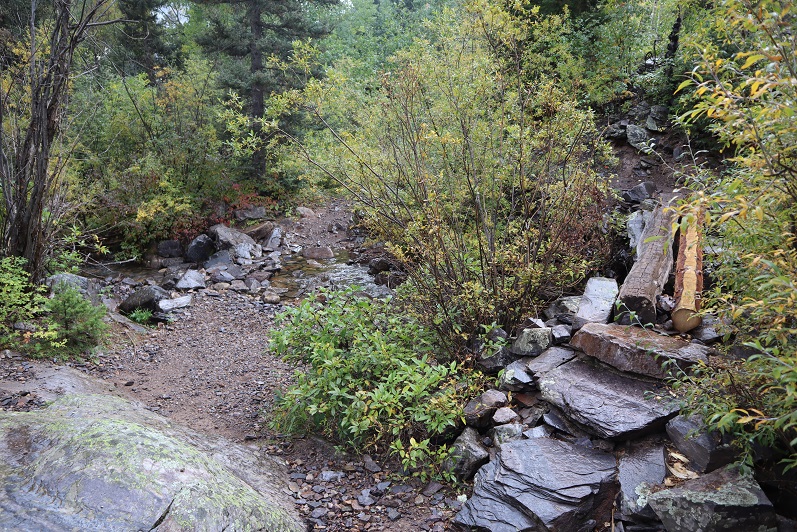
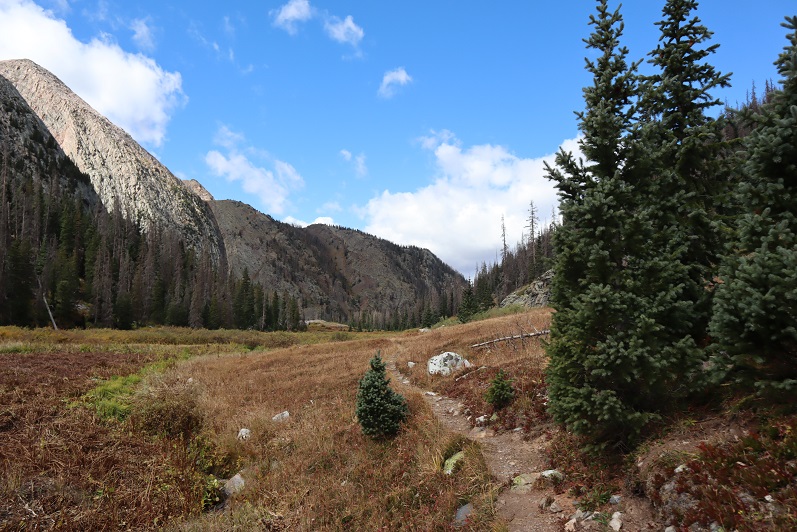
The trail picks up again after the beaver ponds, but it’s no longer as well maintained as the Colorado Trail.  There are fallen trees to navigate, but the trail is easy to see.  I followed the trail as it crossed a beautiful creek and headed south.

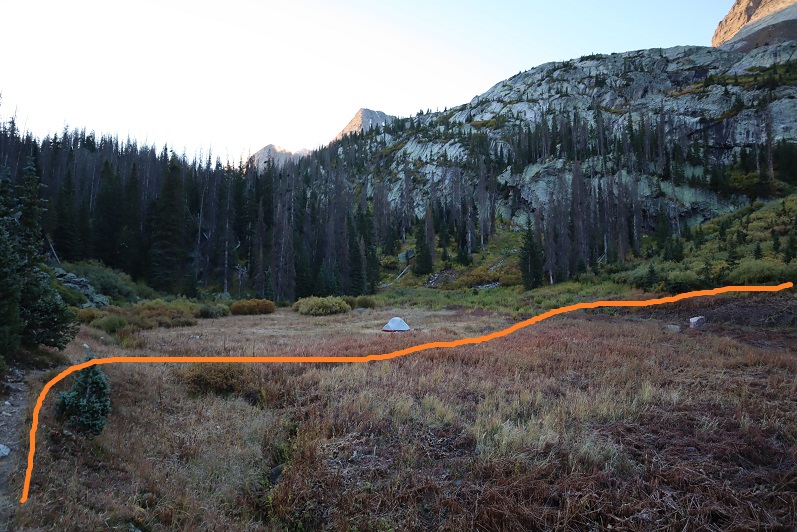
At 11260’ of elevation I left the trail.  There are several options to do this, but here’s a visual of where I was headed. 
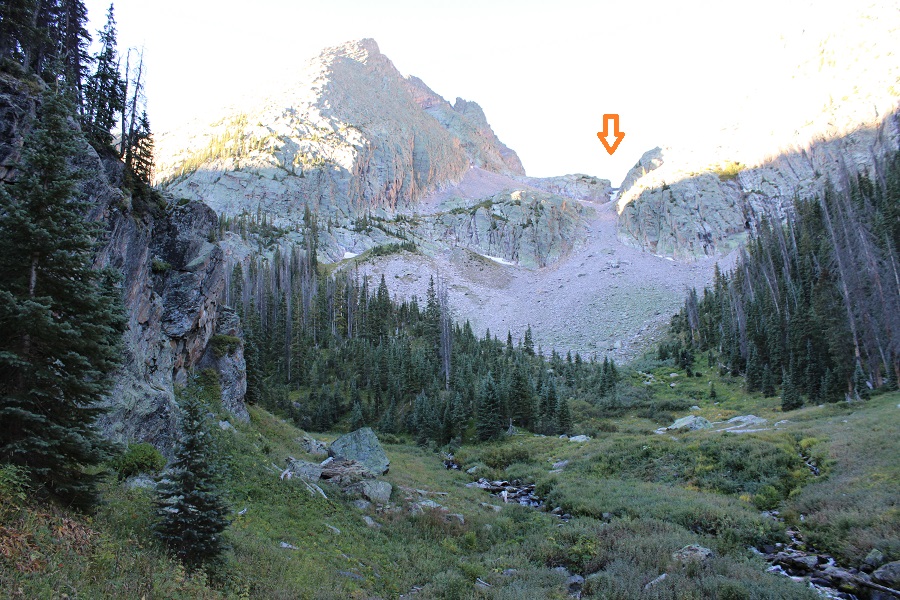
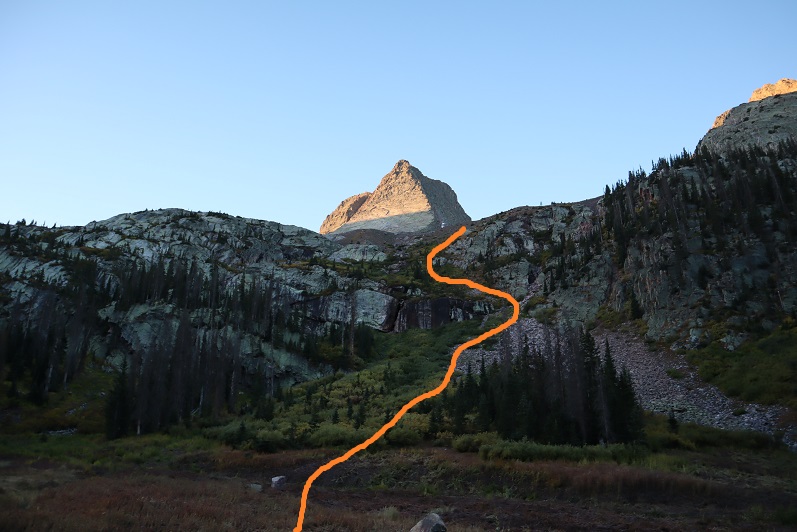
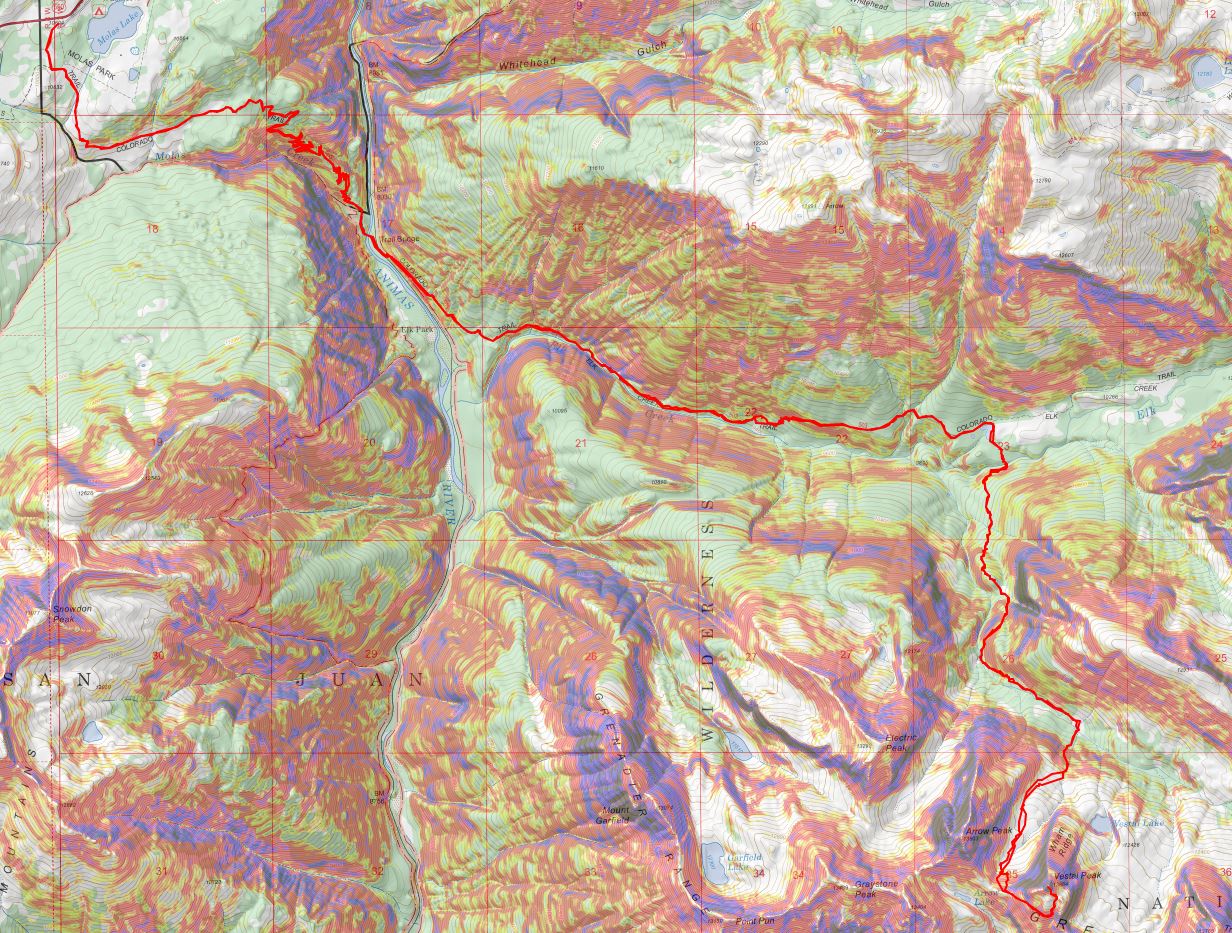
This is the route I took:

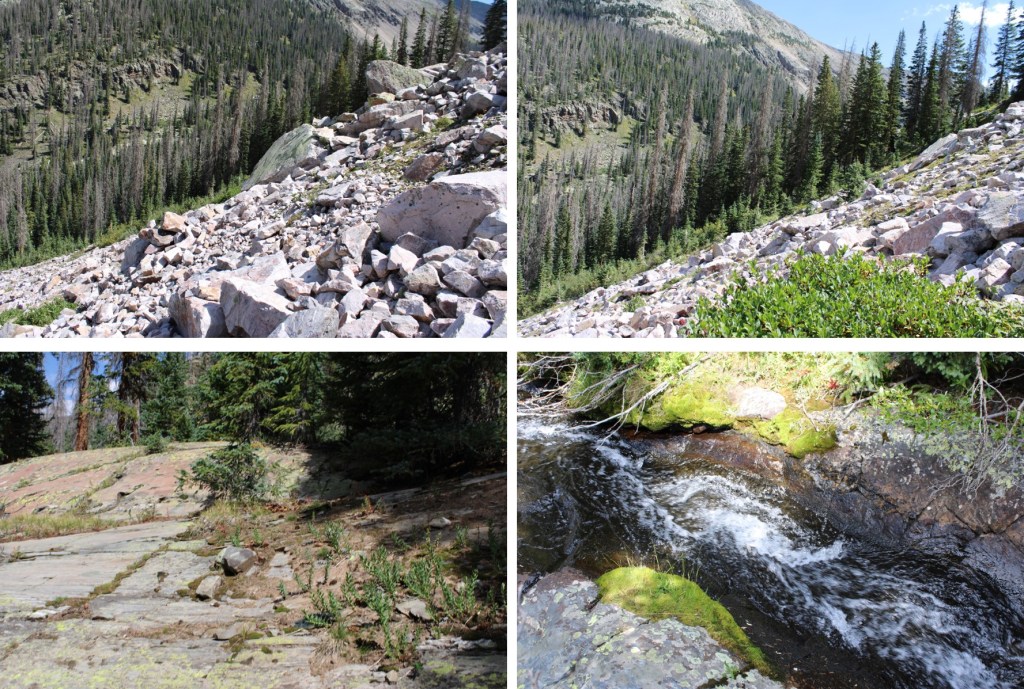
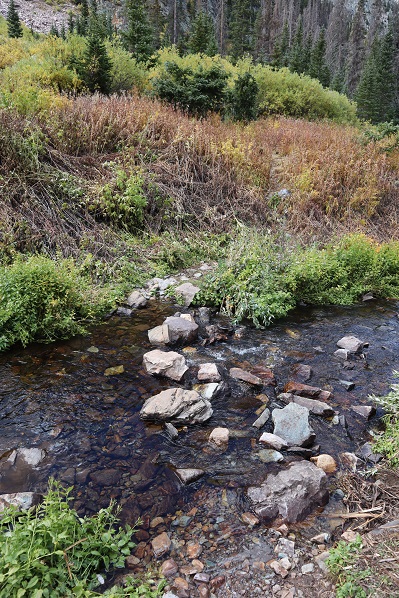
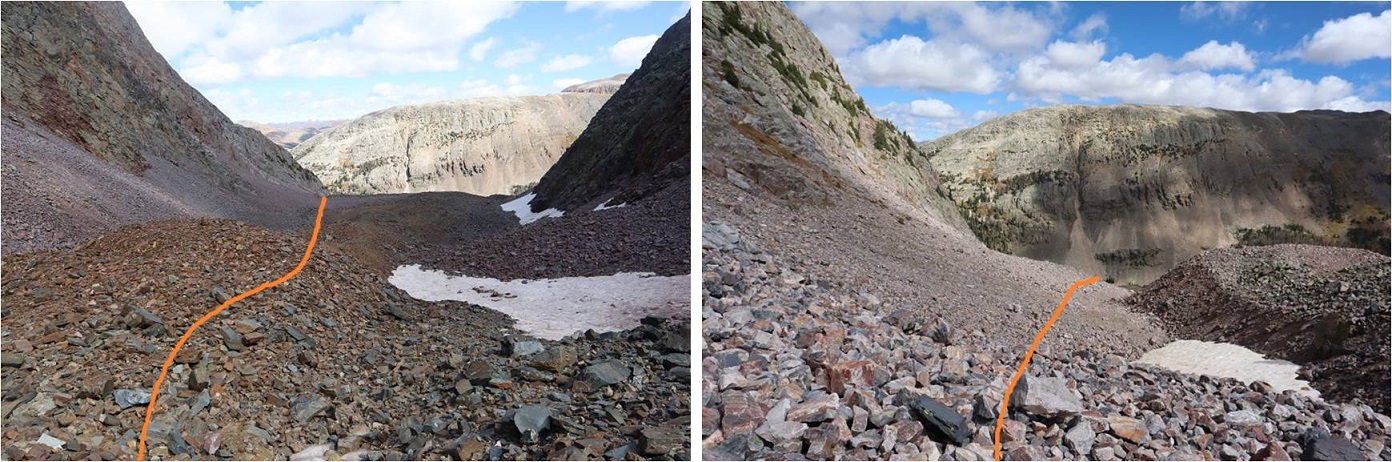
I headed a little further up the trail, crossed the creek at an easily accessible spot, and headed southwest up the slope.  However, this is choose your own adventure, and you can climb straight up the talus/scree if that’s your choice.  I decided to skirt around it.
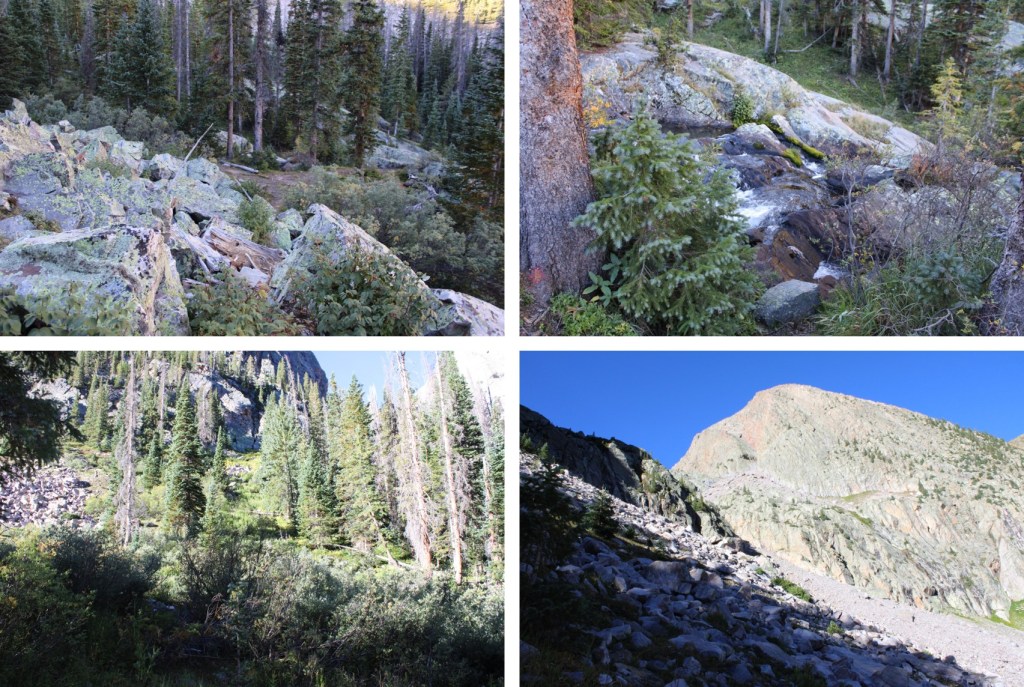
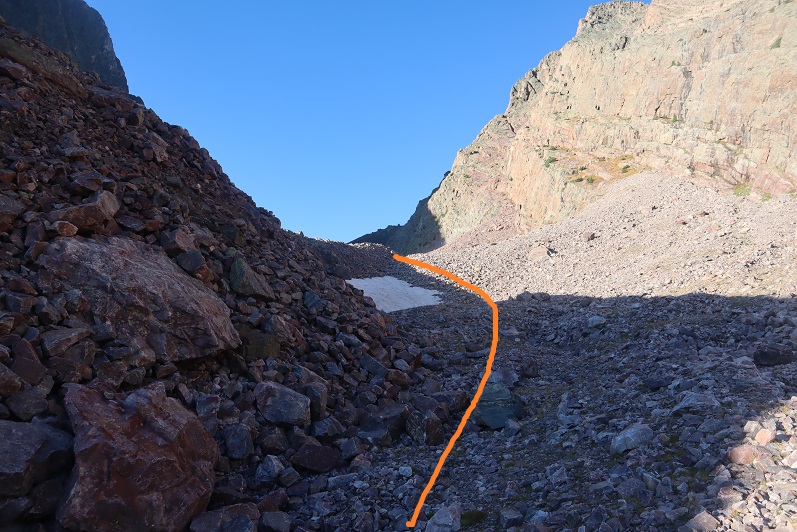
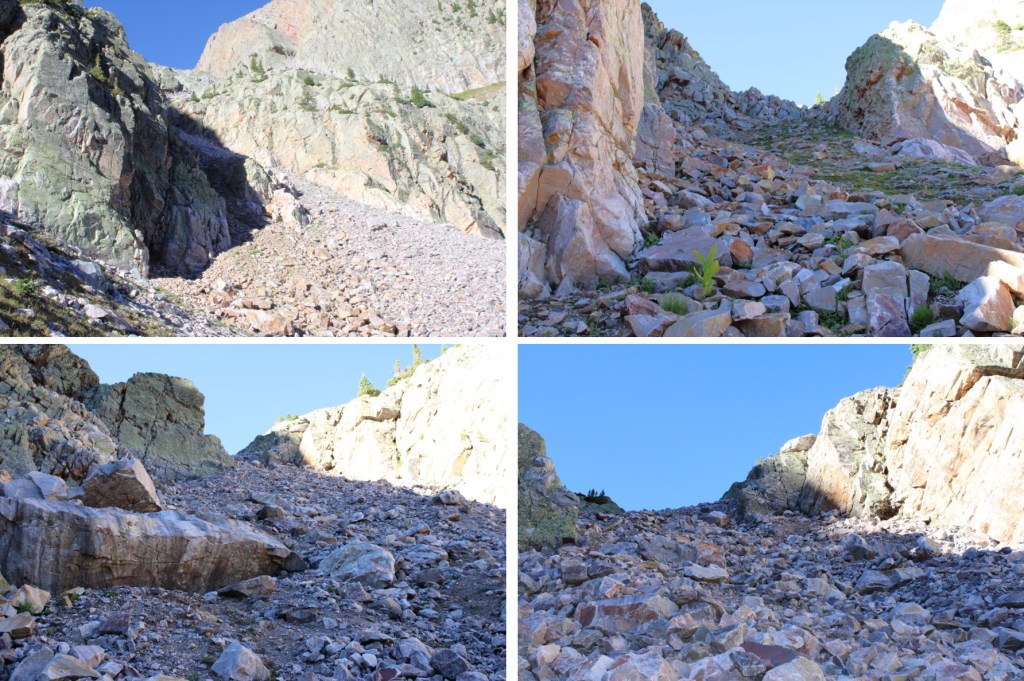
This gully wasn’t too bad as far as gullies go, but I put on my microspikes anyway. 
Towards the top I could see quite a bit of snow still left in the gully.
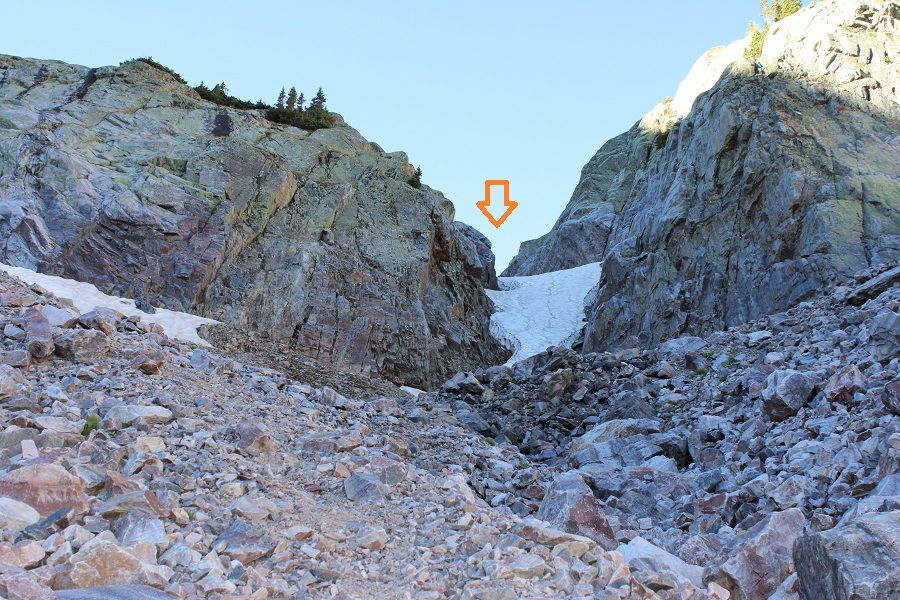
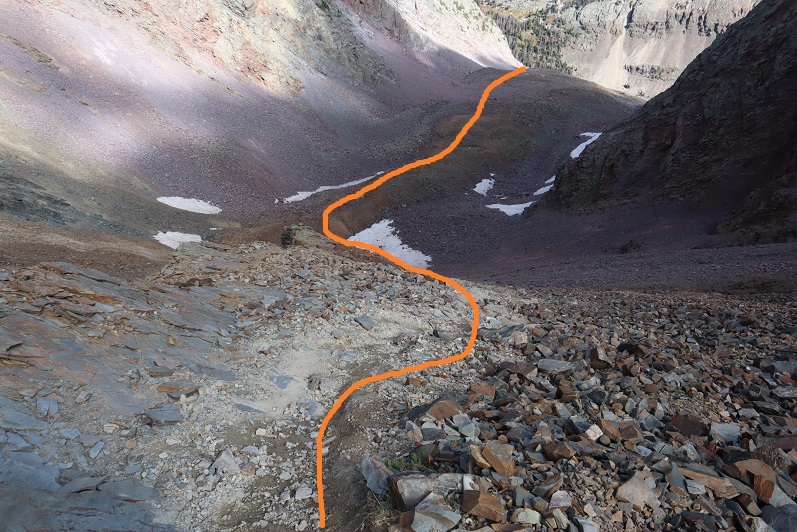
I traversed the gully to the right, finding there was about 2 feet of space where the snow had melted away from the rock.  The snow was avoidable until the last 30 feet or so, when I climbed on top of the snow and walked to the top of the gully on several feet of rock-solid snow.

However, if this is outside of your comfort zone, you can also traverse to the left and make it to the top of the gully on more scree.  Both routes lead to the same place (I took this route on my way down).

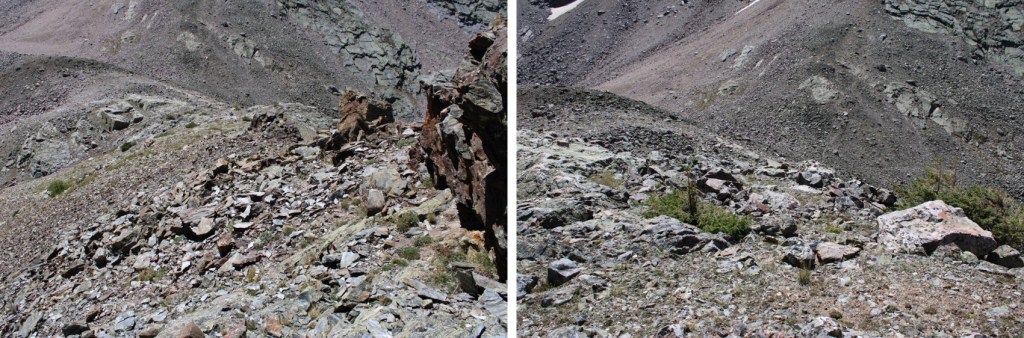
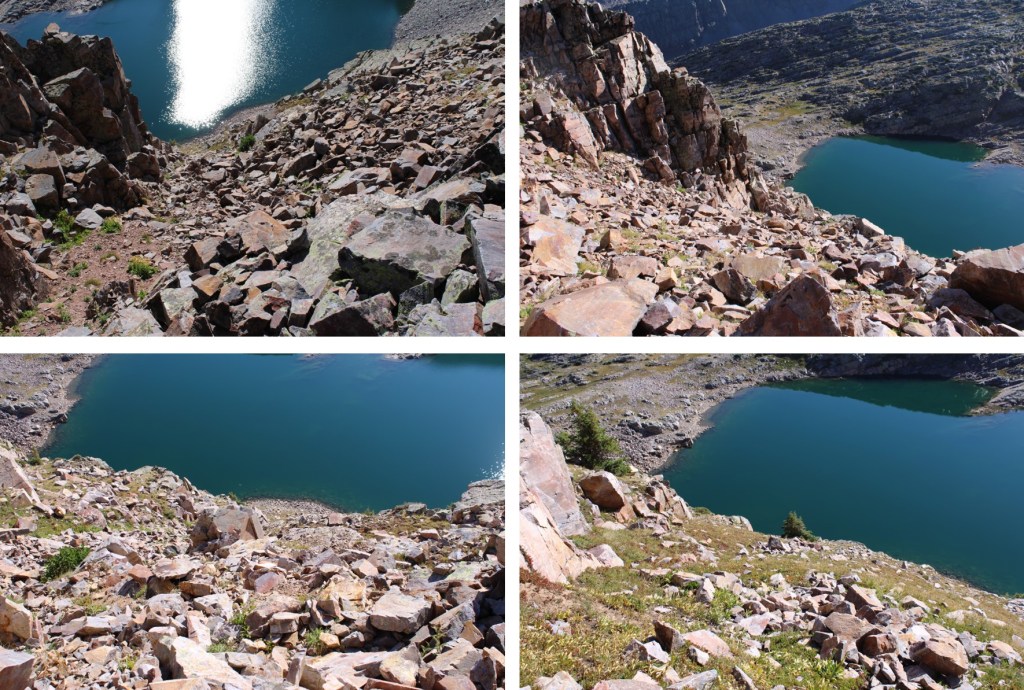
I was now in an upper basin, full of all different sizes of loose rocks.  This wasn’t difficult to navigate, but it was extremely time consuming.  I was headed southwest, staying to the right.
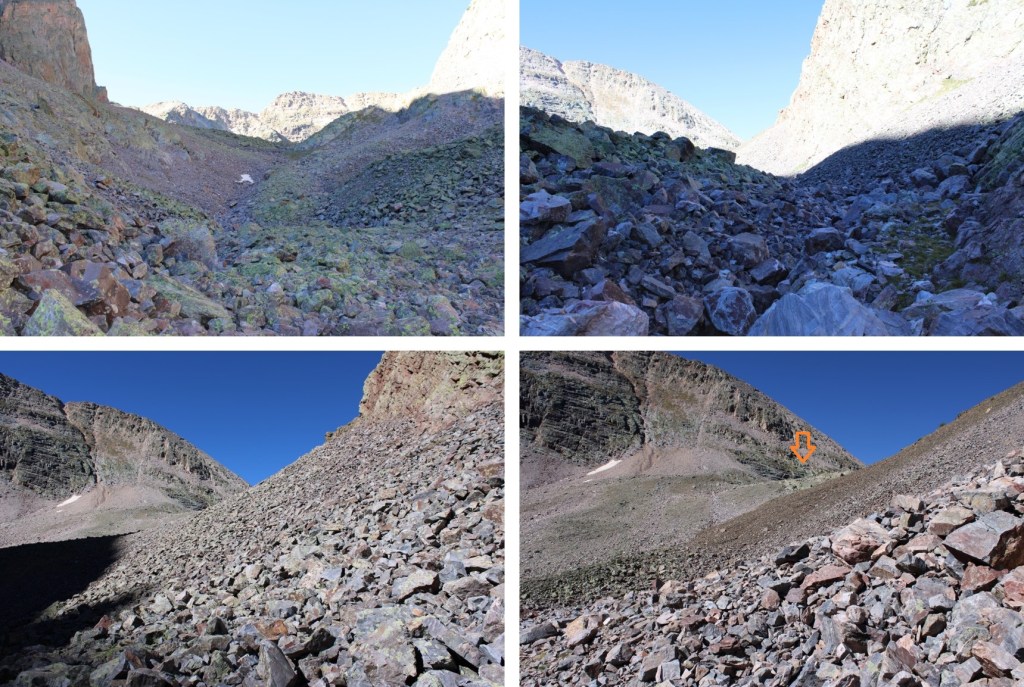
At 12500’ of elevation I turned right to start my climb up Electric Peak’s south side.  If you don’t already have your helmet on (I usually put them on for scree-filled gullies) now is the time to do it. 
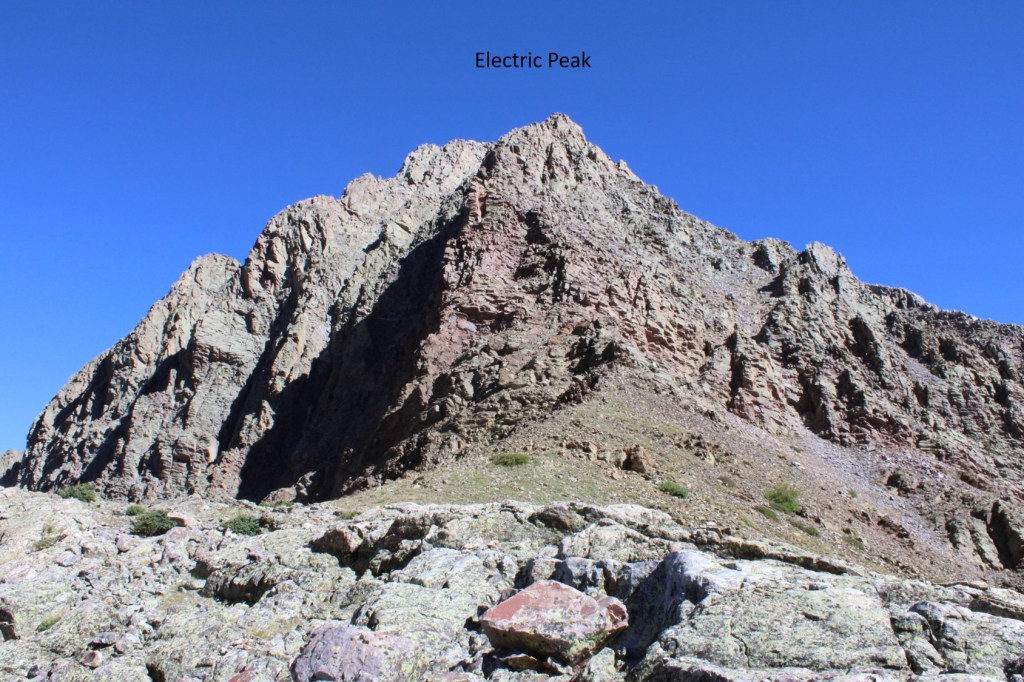
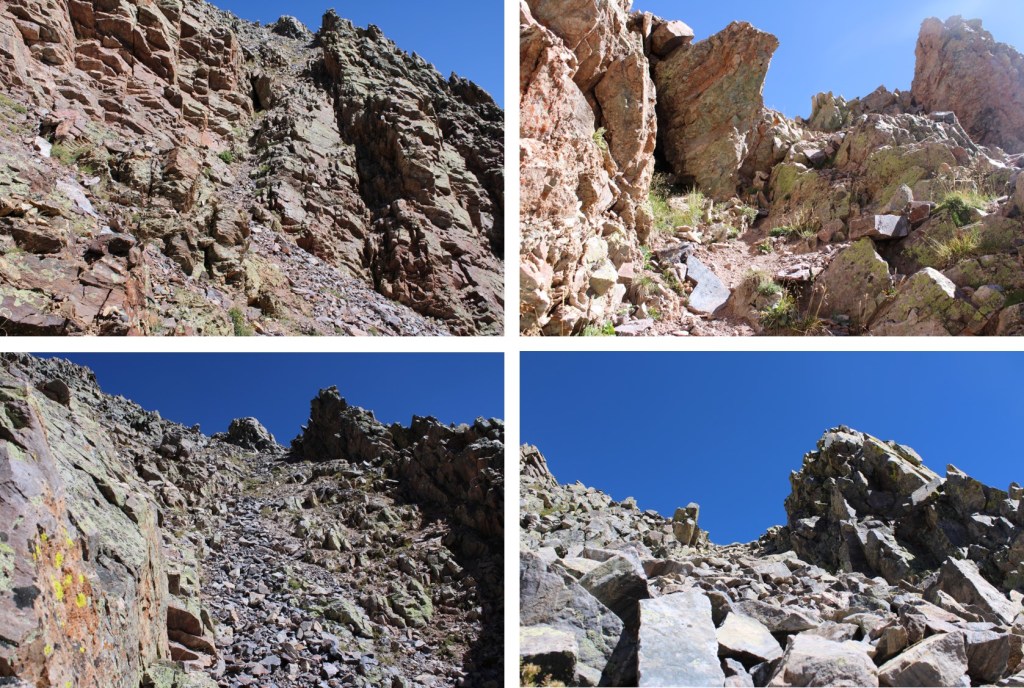
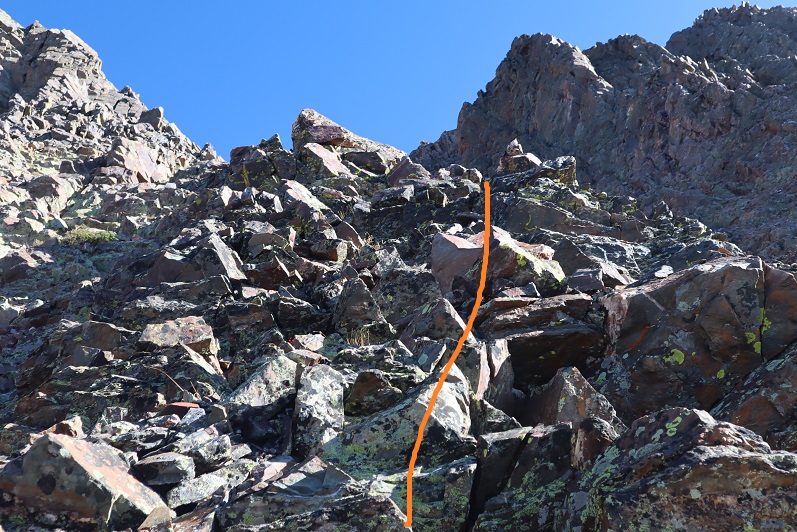
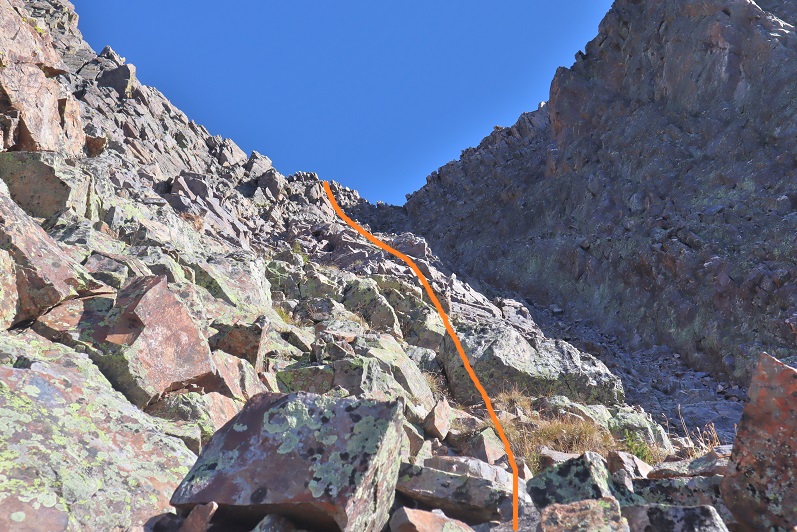
Much of the route to the summit is hidden at this time.  I started by climbing up a class 3 gully to the right

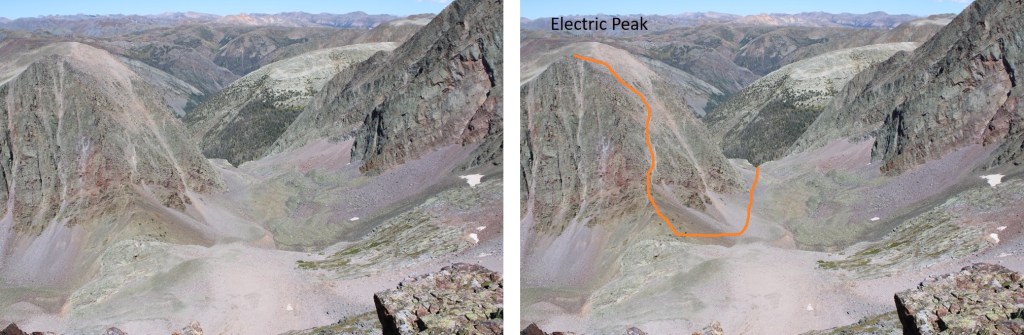
From Graystone Peak, I had a good visual of the route I took, keeping it mostly class 2 after the initial class 3 gully
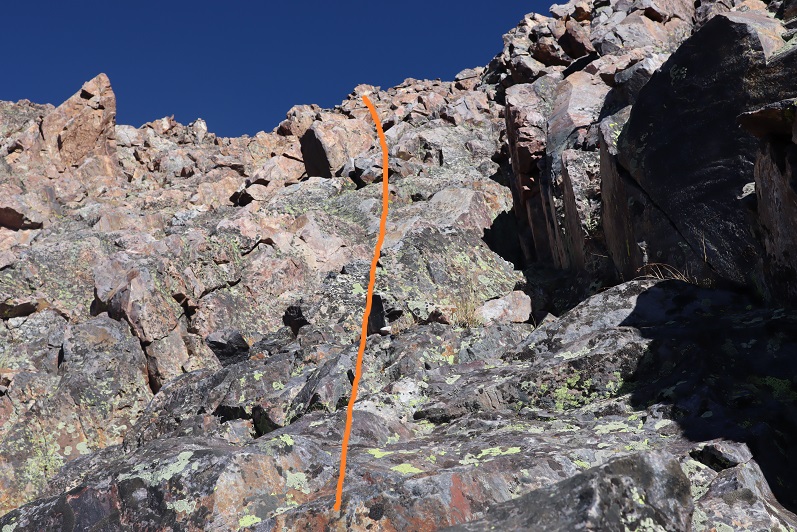
Once on top of this gully, there are several options to make it to the summit.  Here are some on the ground pictures.  The terrain was rocky most of the way to the summit.

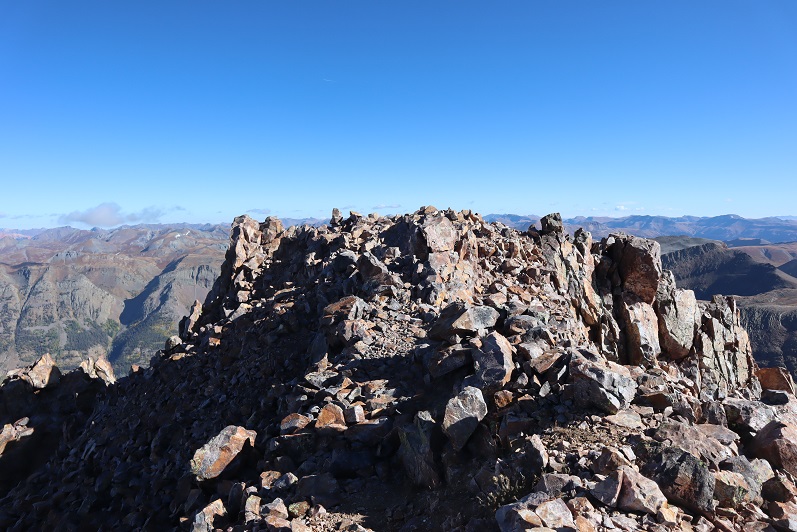
The summit was fairly flat and rocky.
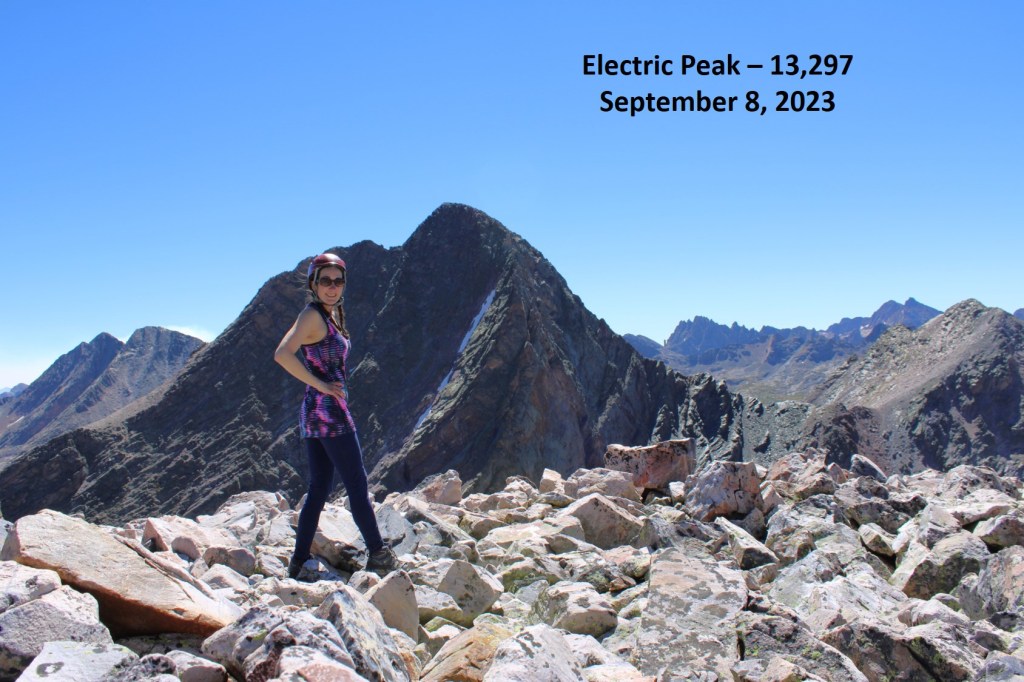
Electric Peak:

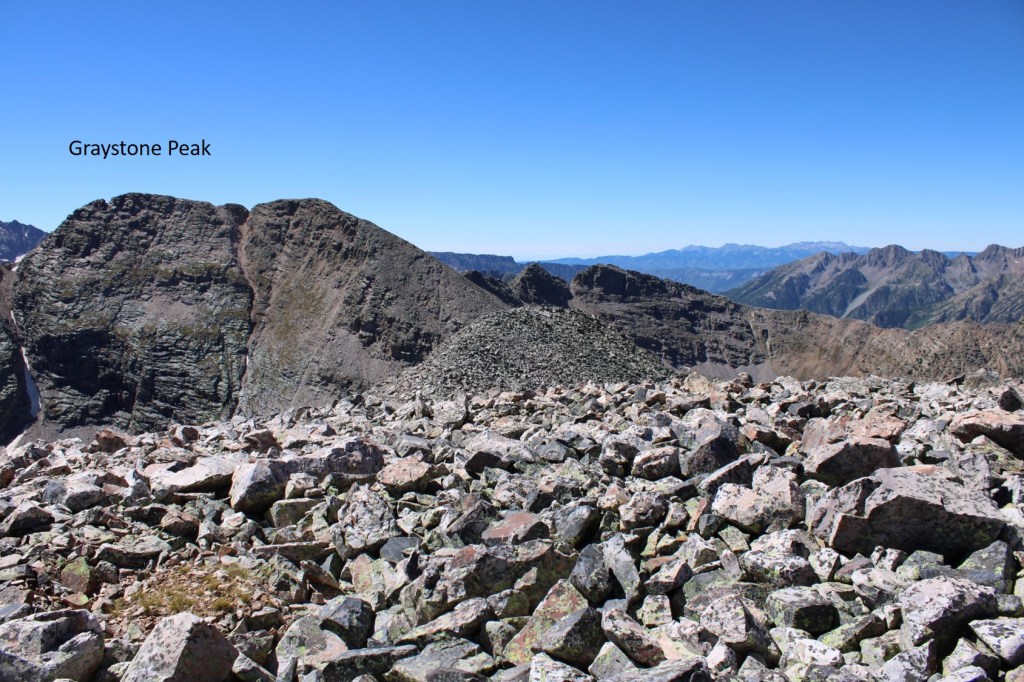
From the summit of Electric Peak, I could see my next objective, Graystone Peak, to the south.
I re-traced my steps back to the saddle
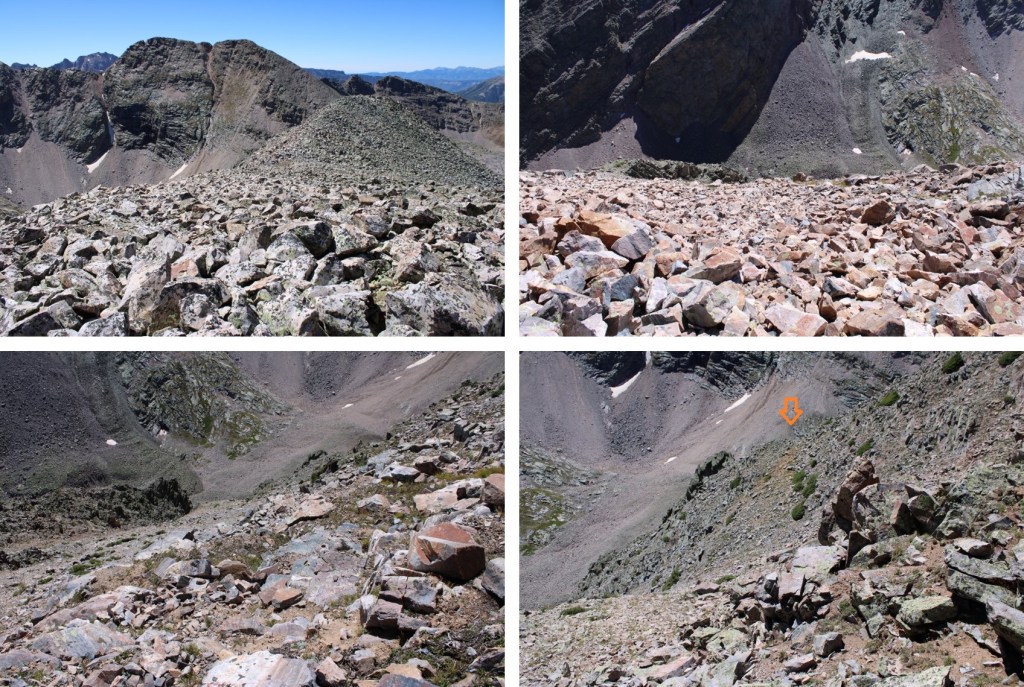
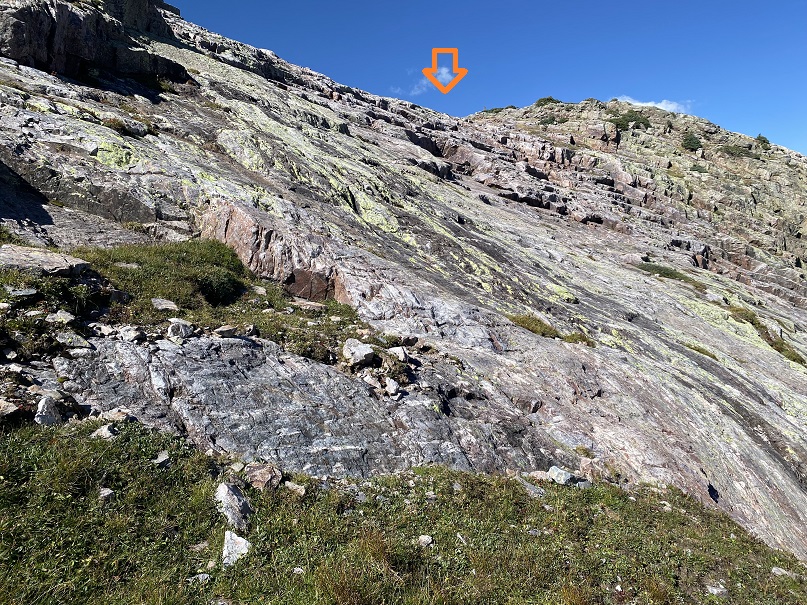
Now to head over towards Graystone Peak.  I looked east, and saw these wonderful rock slabs.

Traversing up and down large rock slabs is mostly a mental exercise in not freaking out. I kept telling myself “My shoes have got this, trust your shoes. Also, don’t look down”. This is the route I took.  There’s no avoiding the slabs.

Another view of the rock slabs, with a little bit of climbing towards the end (which was favorable to the smooth slabs)
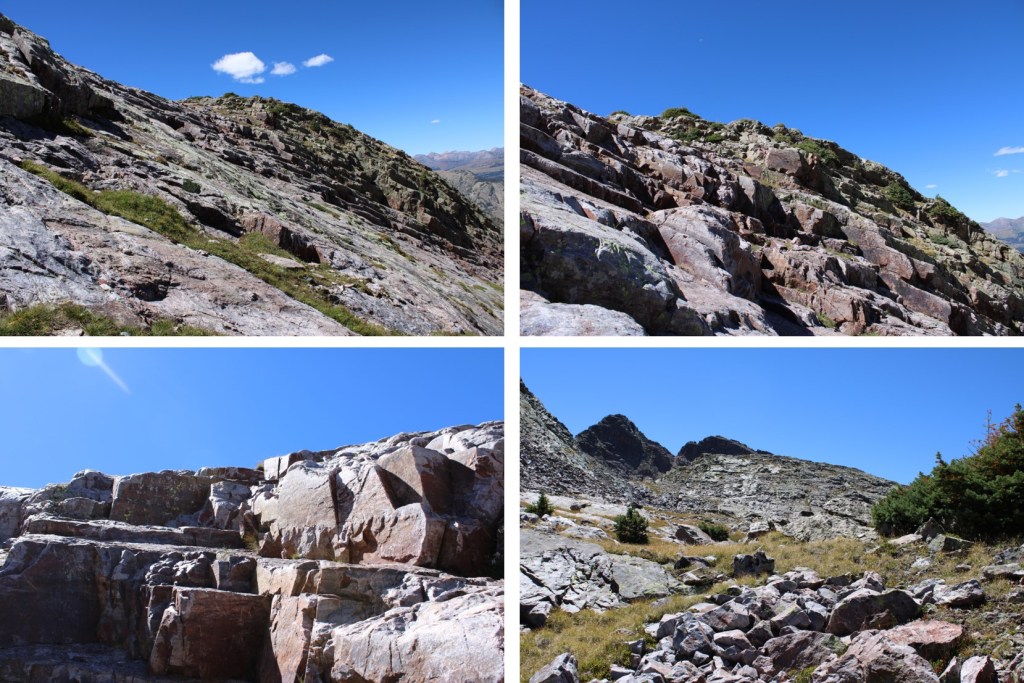
After making it up the rock slabs, I turned left, now ready to scale Graystone Peak
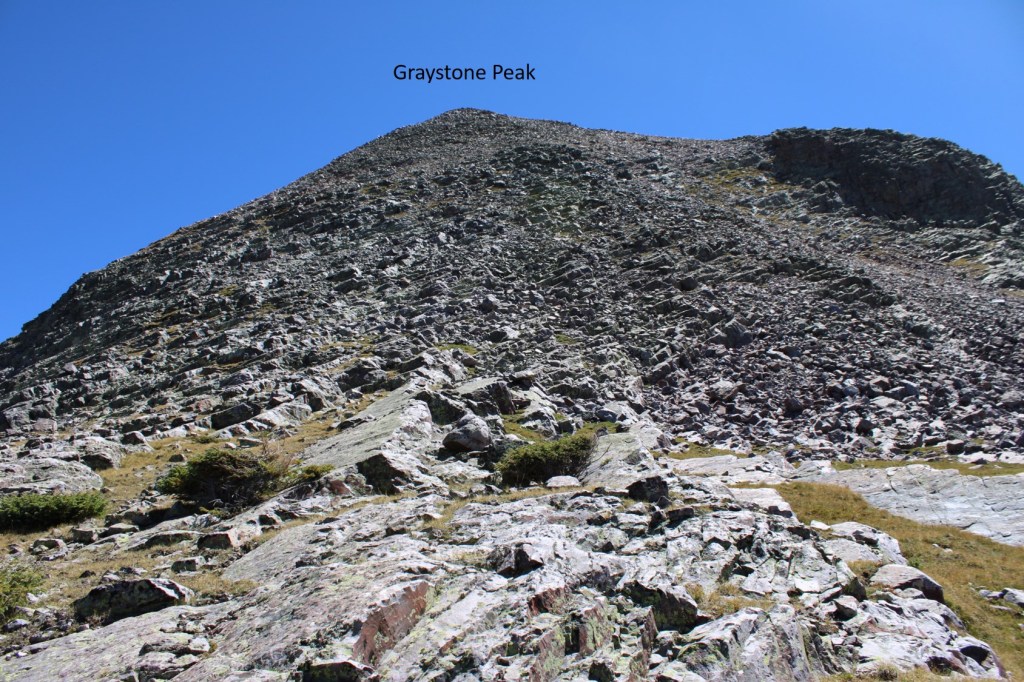
Scaling this peak is exactly what it looks like:  straight up the side with a lot of various sized rocks to traverse that are loose.  I headed southeast up the mountainside.
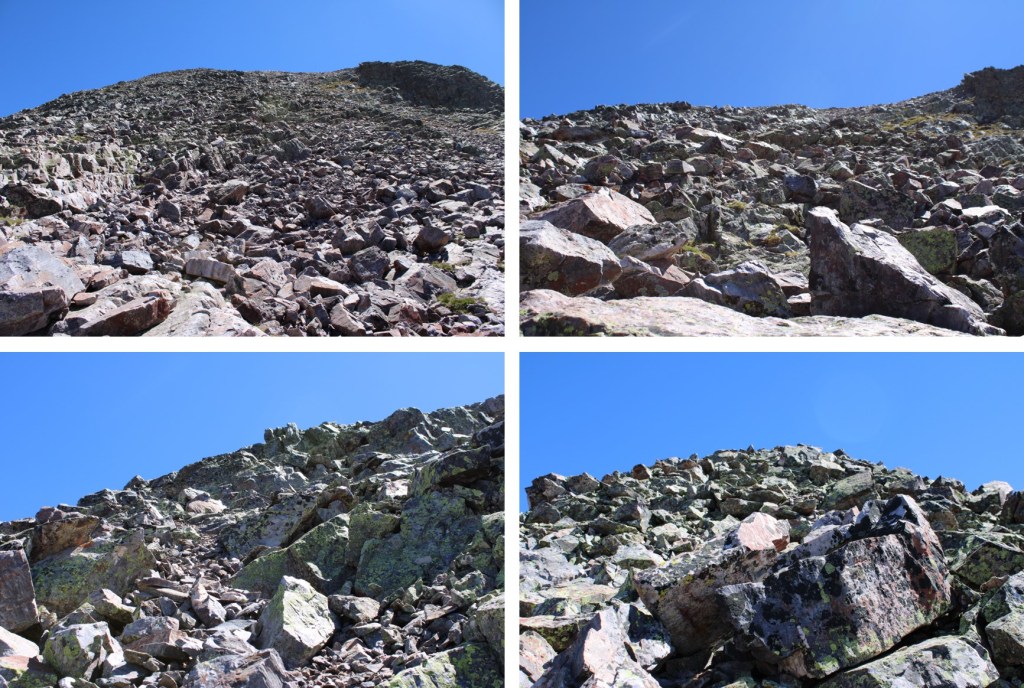
Once making it to the ridge, I stayed on the ridge proper to the summit, with some easy class 3 ups and downs along the way.
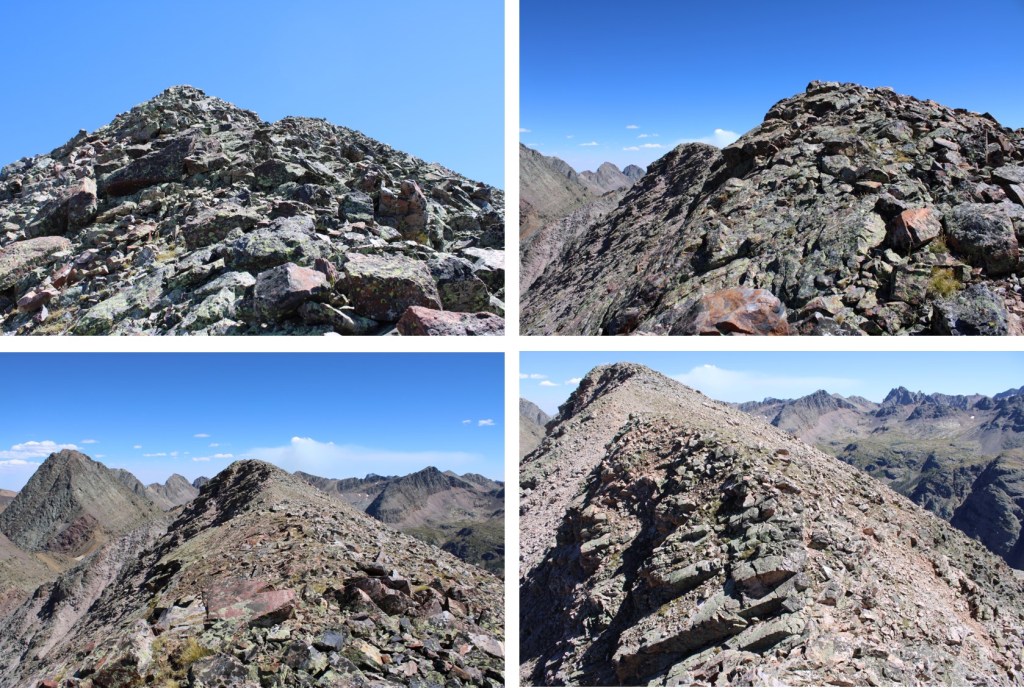
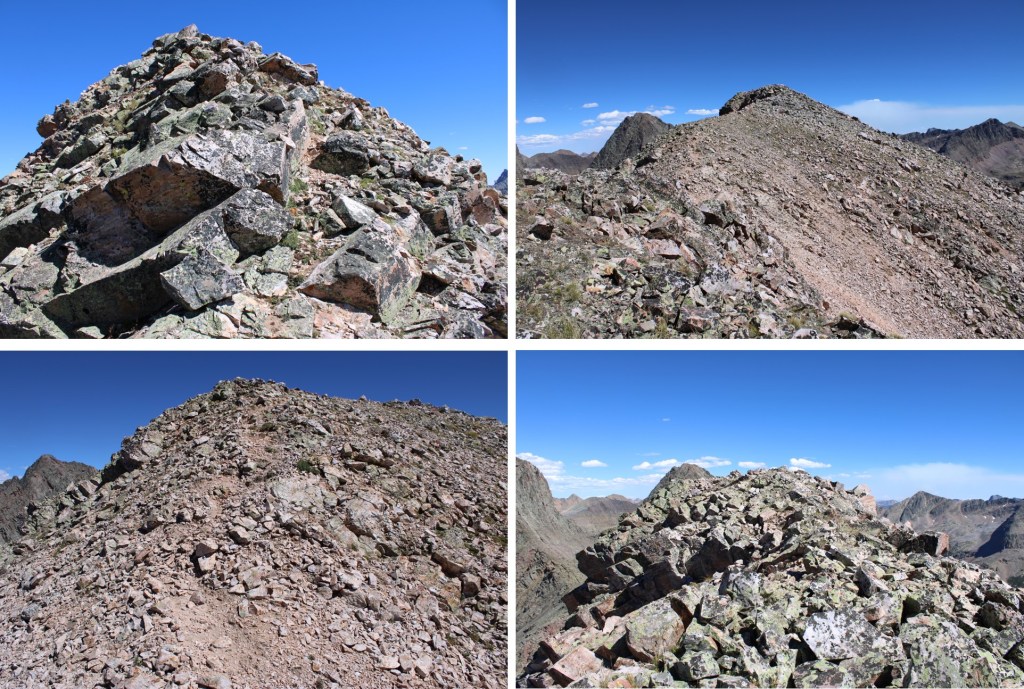
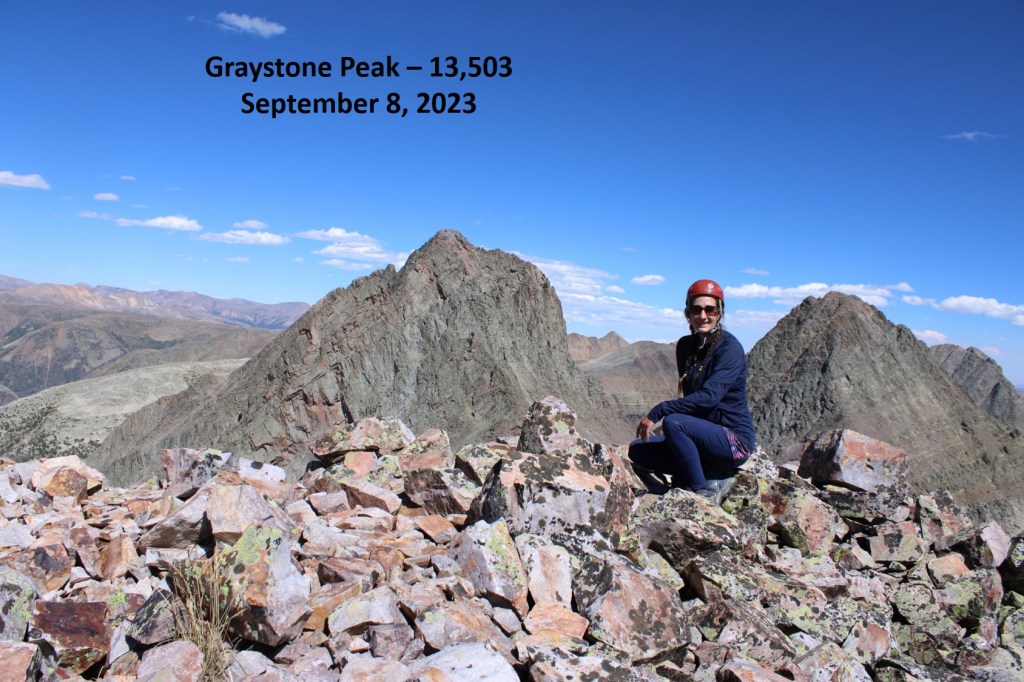
There was a large cairn at the summit
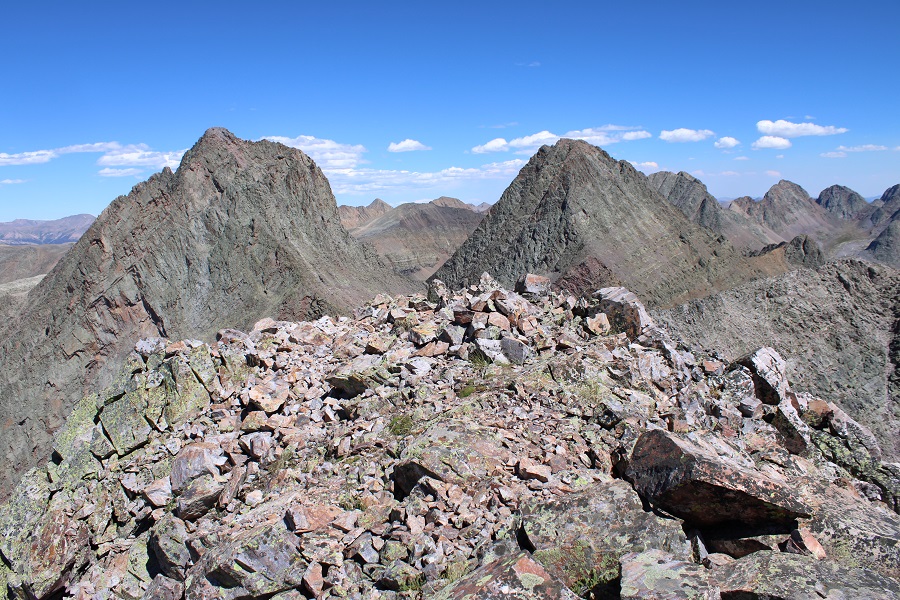
Graystone Peak

I turned around and headed back down the peak the way I’d ascended, doing my best to keep my balance and navigate the loose rocks.

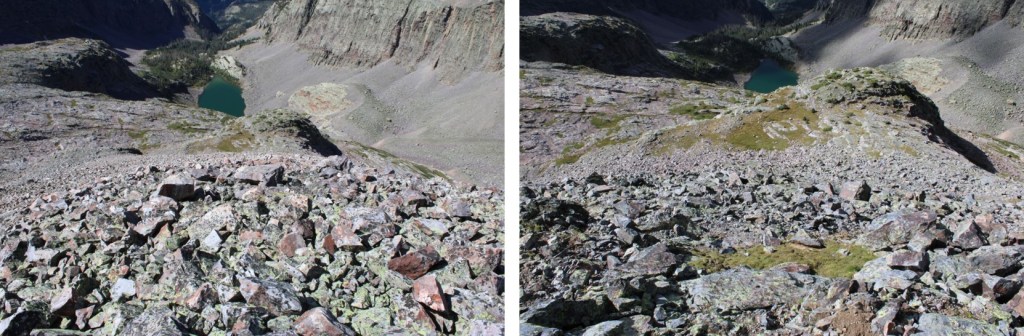
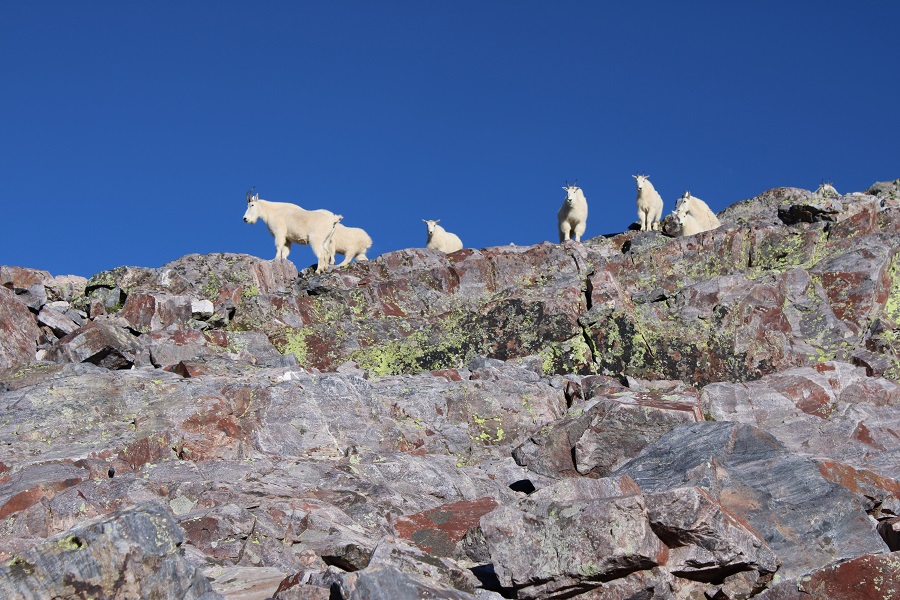
It had been a long day, so once I made it back down to the little patch of grass at the base of Graystone Peak I decided to call it a night and set up my bivy.  I dried out my clothes, ate some dinner, and wrote notes down in my journal.  Just before settling down for the night, I heard rocks tumbling and then skidding to a halt behind me.  I turned around, and about 30 mountain goats were standing on the ledge, about 20 feet away.  Most of them dashed away before I got a picture, but they seemed just as surprised to see me as I did them.  They were probably headed towards the patch of grass I was using as a bivy site, and seemed a little disappointed to find me already occupying the space.  I wish I could have told them I wouldn’t bother them and they were free to stay, as there wasn’t any other grazing areas around, but they all bounded away to find another site.
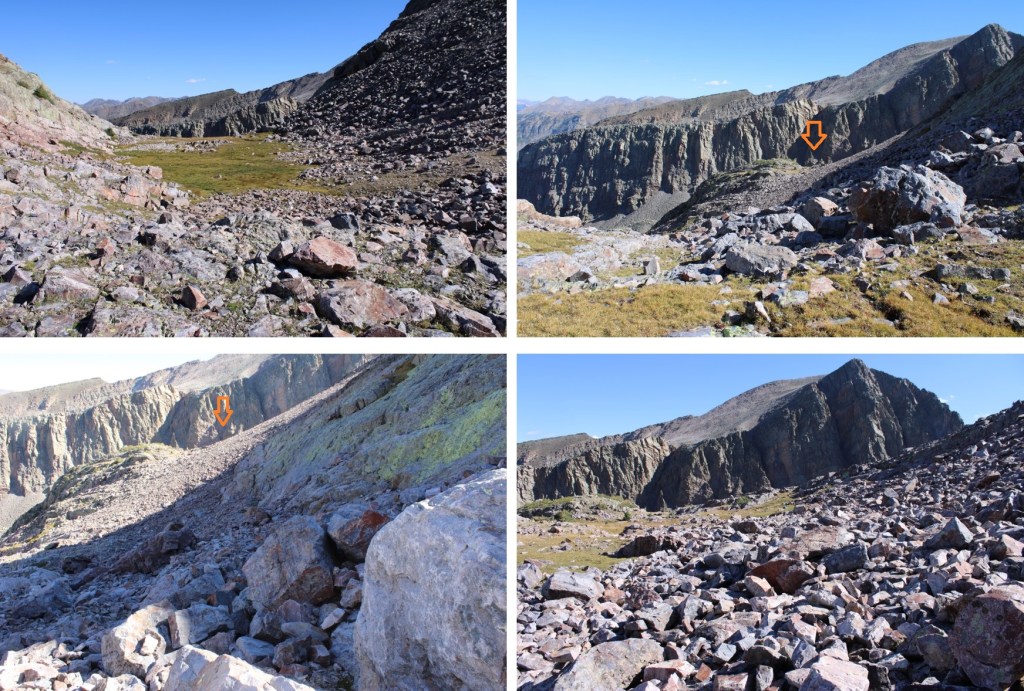
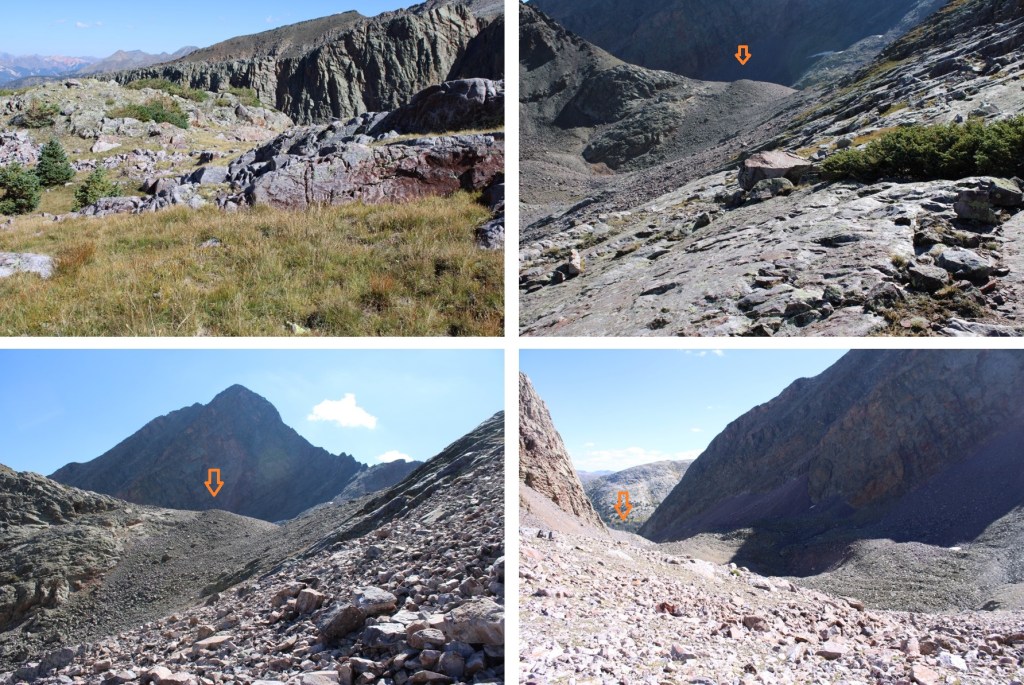
I was up early the next morning and on route to Mount Garfield.  Even though this was the shortest of the peaks I was doing this weekend, it was by far the most challenging.  Once on the ridge it was consistent class 3 the entire way.  I started out by heading southeast around the base of Graystone Peak. I was headed here:
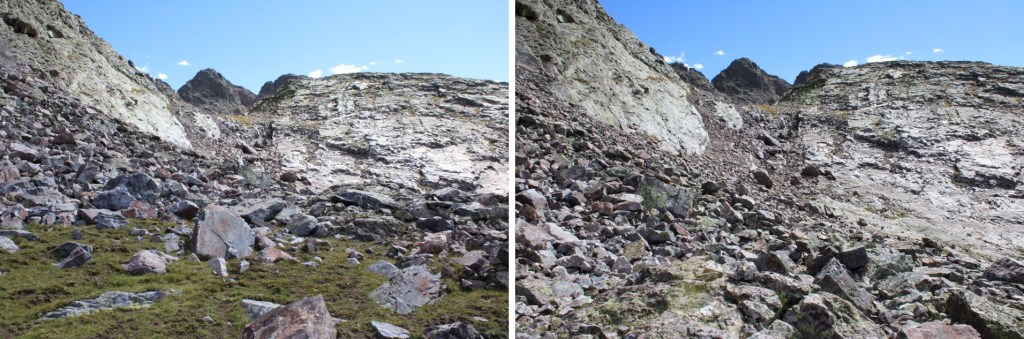
This was a quick and easy gully to climb.  Once out of the gully, I passed through an open grassy area and then descended over 300 feet down grassy slopes to the right, towards Garfield Lake. 

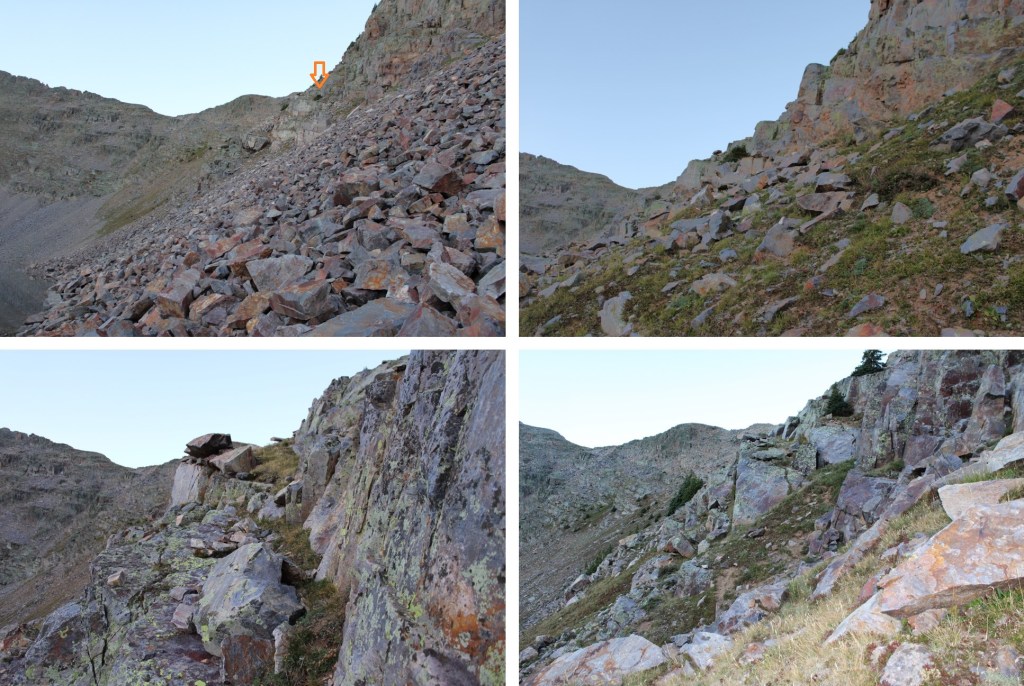
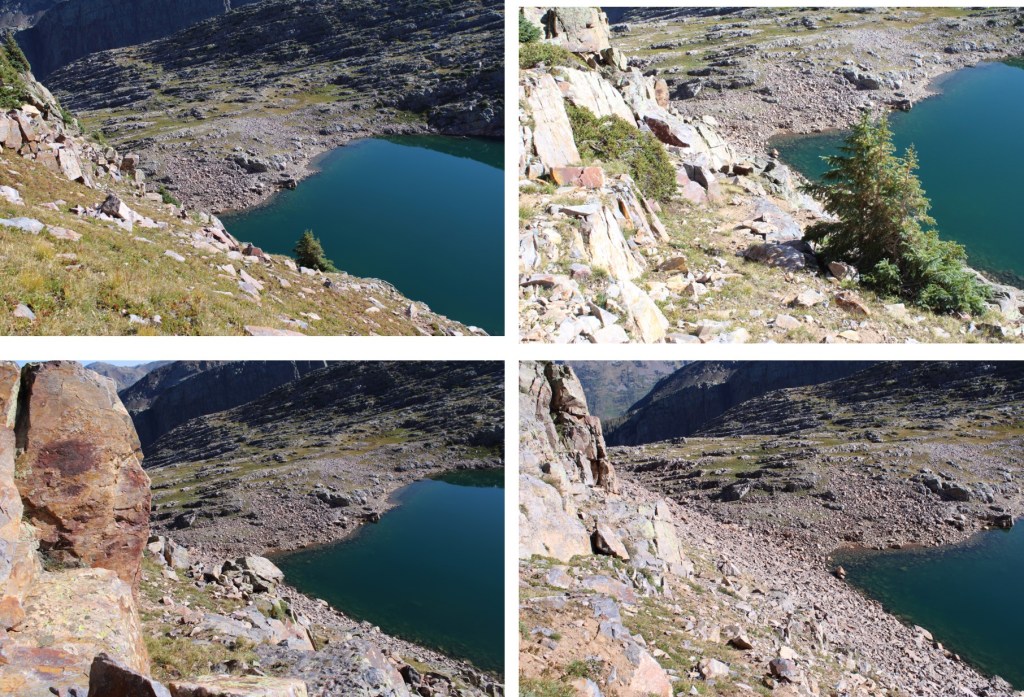
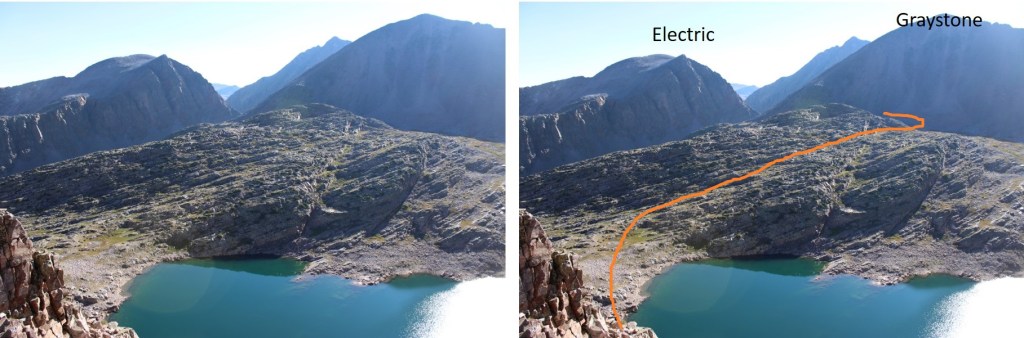
Once at Garfield Lake, I needed to gain the ridge.  This can be done in several ways, but this is the overall route I took.  There were a couple of nicely placed trees I used as a guide on the ledges.  I just aimed for one tree, and then the next.  Here’s an overview of the route to the ridge as seen from Graystone Peak
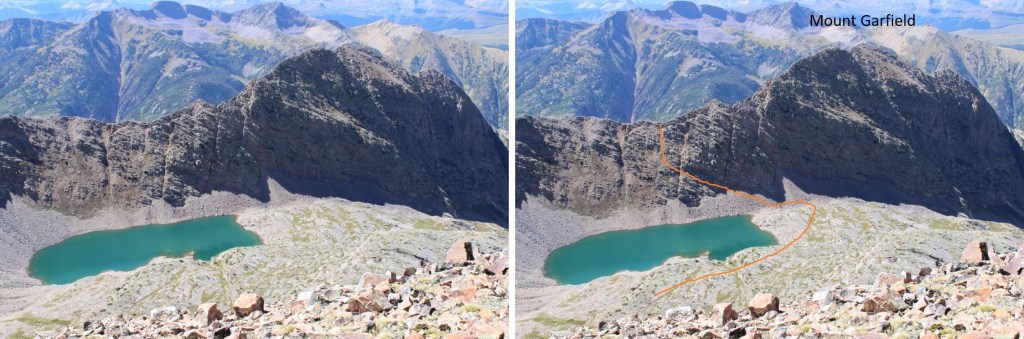
From Garfield Lake, I aimed for the rock ledge with two trees on it, spaced about 300 feet apart.  It was class 2 to the ridge.

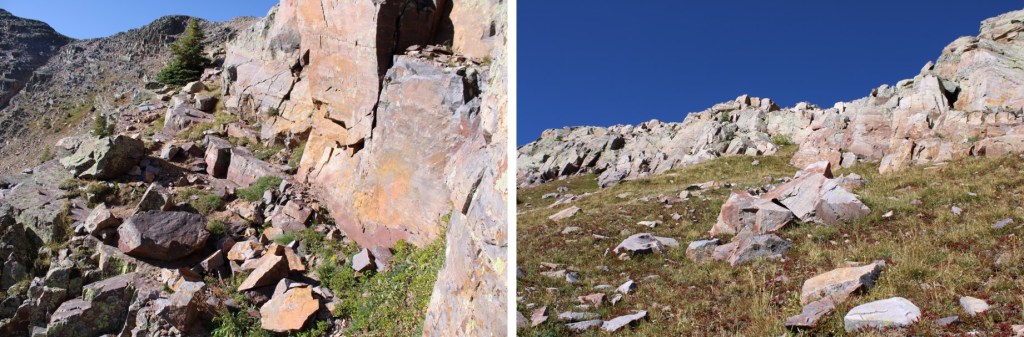
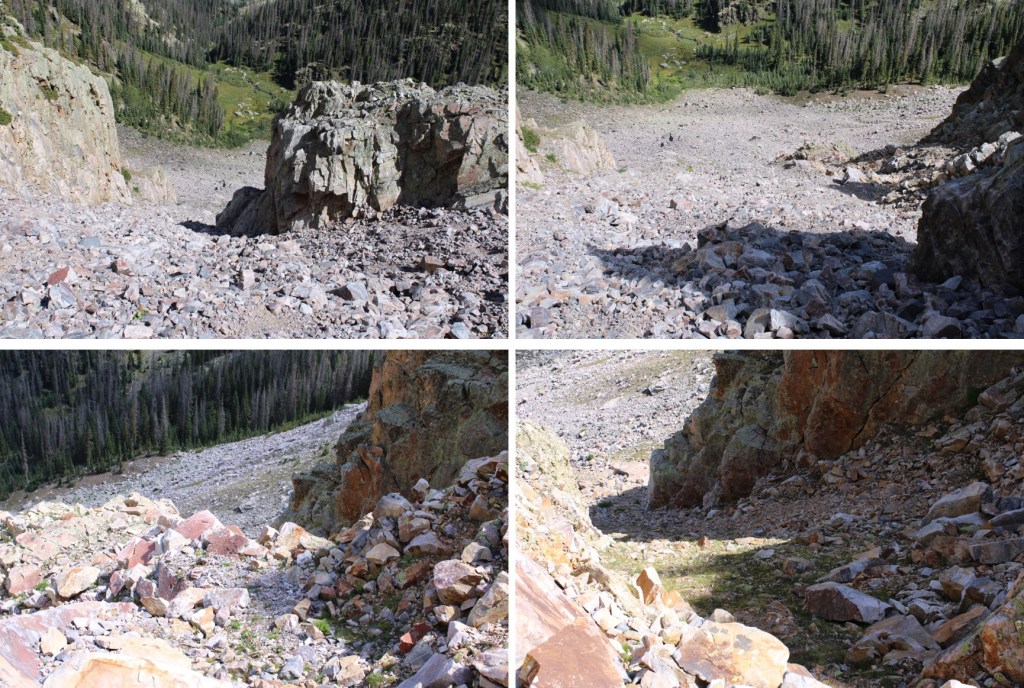
When I’d passed the two trees, I looked up and saw this gully. 
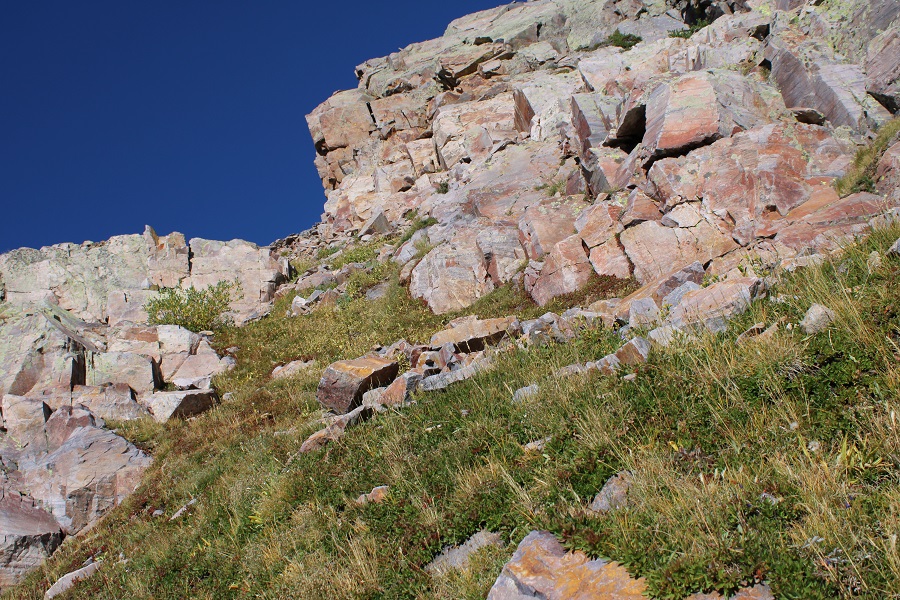
I made my way straight up the gully to the ridge.
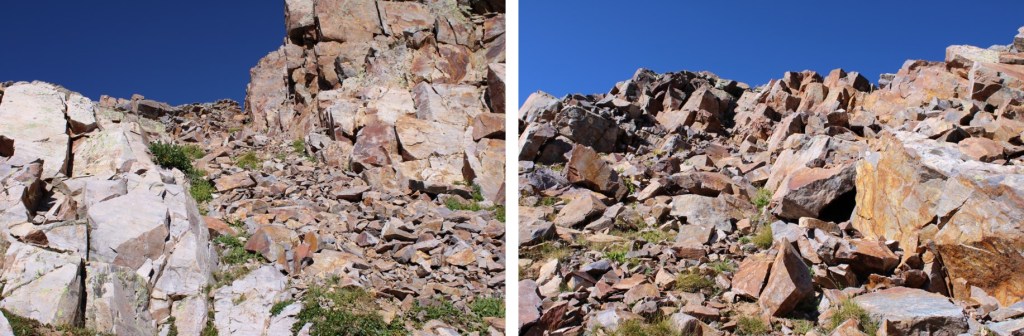
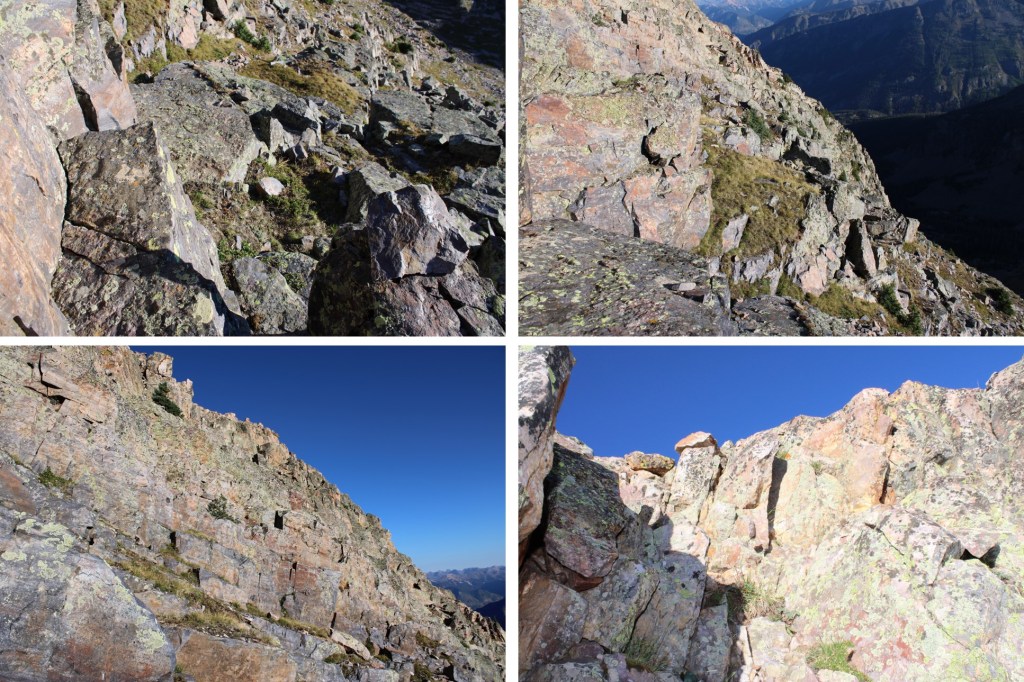
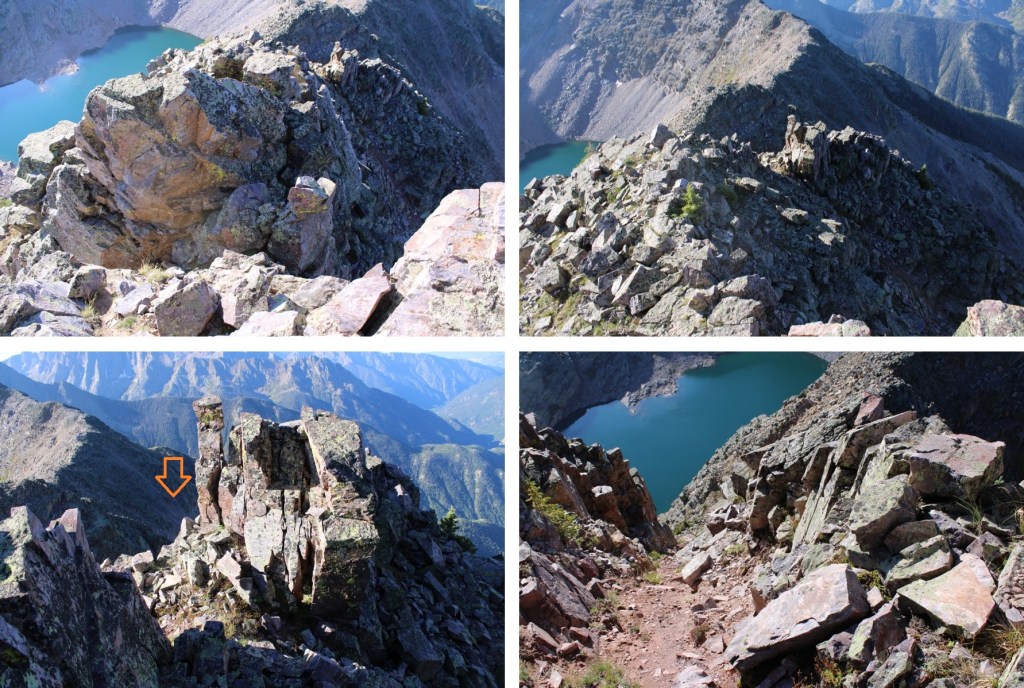
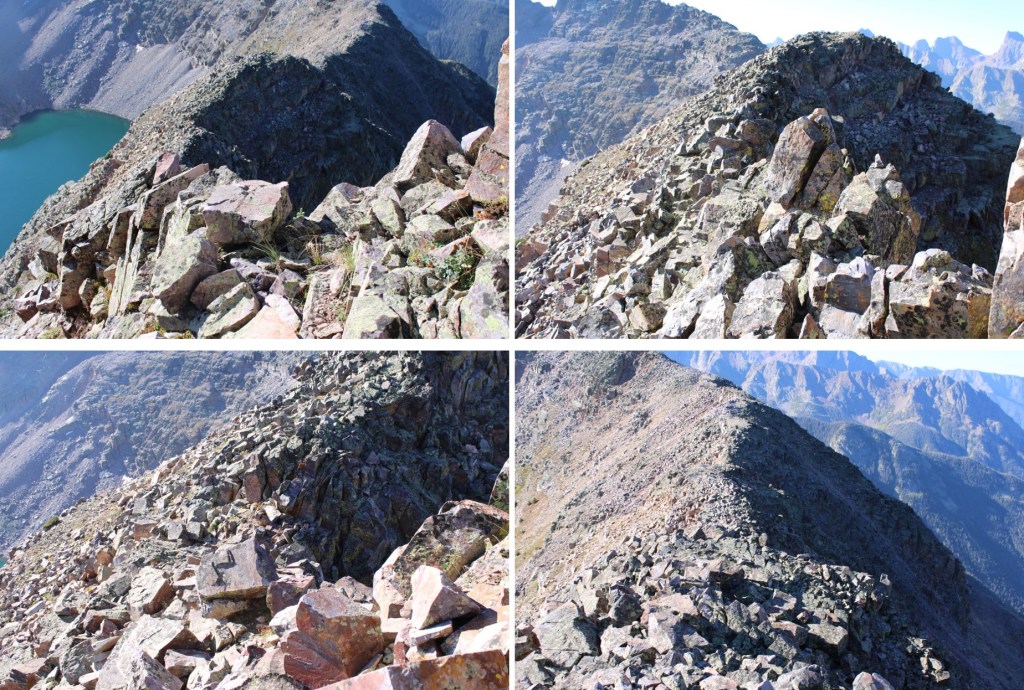
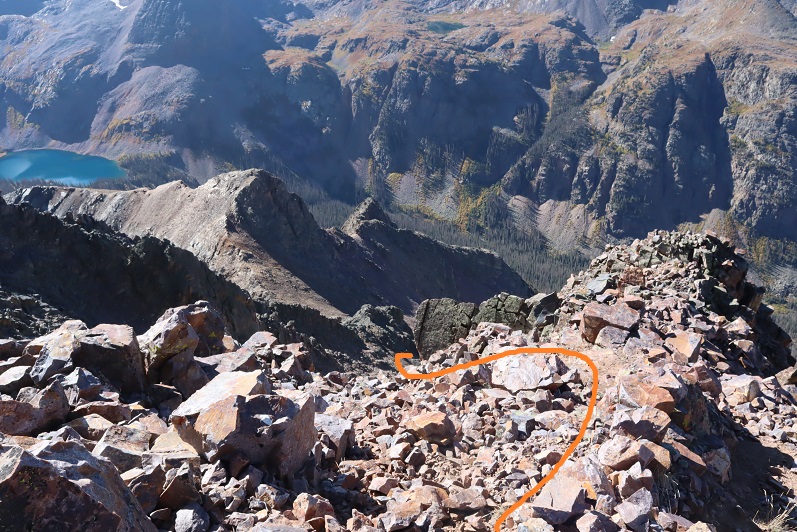
Once on the ridge I turned right, and this became a class 3 ridge hike all the way to the summit.  I was able to mostly stay on the ridge, dipping to the right one time.  If you encounter a class 4 move, you’re off route.  Here are some pictures of the ridge.

I stayed to the left of this gully, climbing up the rocks instead of on the scree.

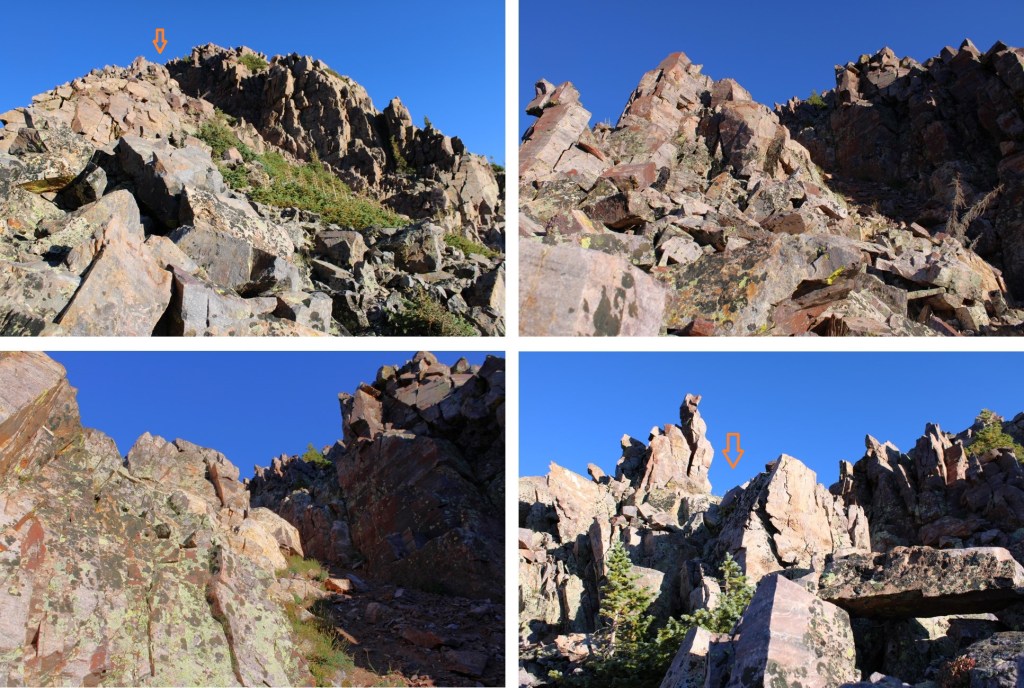
At the top of the gully I turned right, and continued following the ridge.

The only time I dropped off the ridge was when I came to this large rock.  At this point I dropped to the right and descended about 30 feet before re-gaining the ridge.

Back on the ridge, I followed it to the summit, class 3 the whole way

Mount Garfield

Here are some pictures of the route back down the ridge

Then back down the gully to Garfield Lake
Back at Garfield Lake, I took the same route back to the base of Graystone Peak, this time going up the grassy ledges
This was an out  and back hike, so I re-traced my steps down the rock slabs, across the rock field, and back down the gully to the trail.
This time, instead of going down the snow-filled gully I went to the right, and descended on scree

Back on the trail, I followed it back to the Beaver Ponds

Then I followed the Colorado Trail back to the Animas River
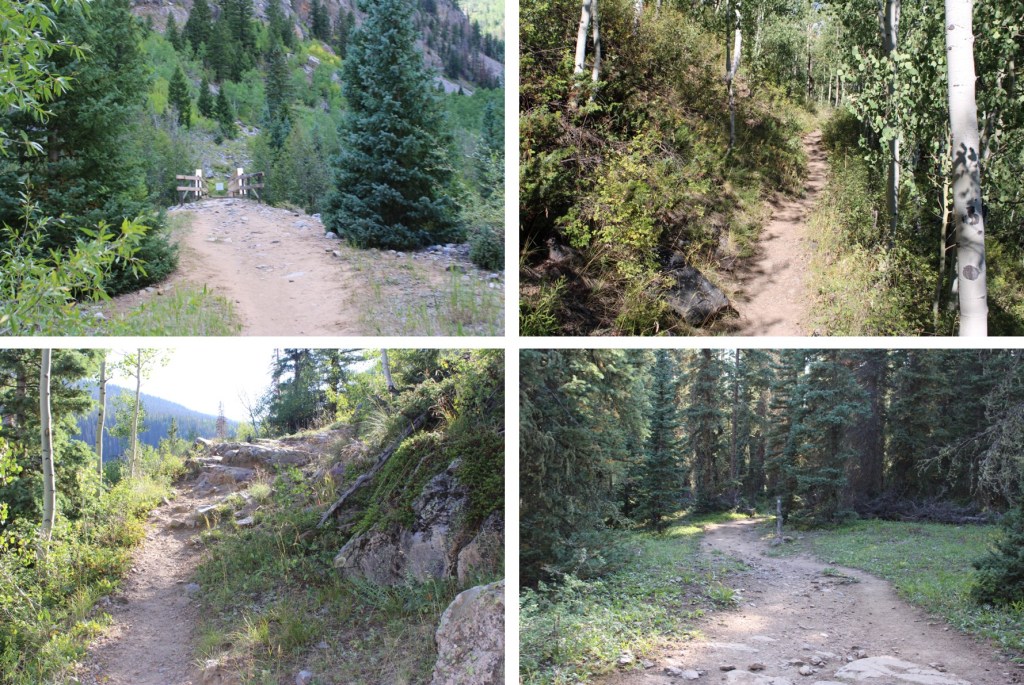
I crossed the train tracks, and trudged back up to Molas Pass, something I timed just right so I’d be doing later, during the cool part of the day.
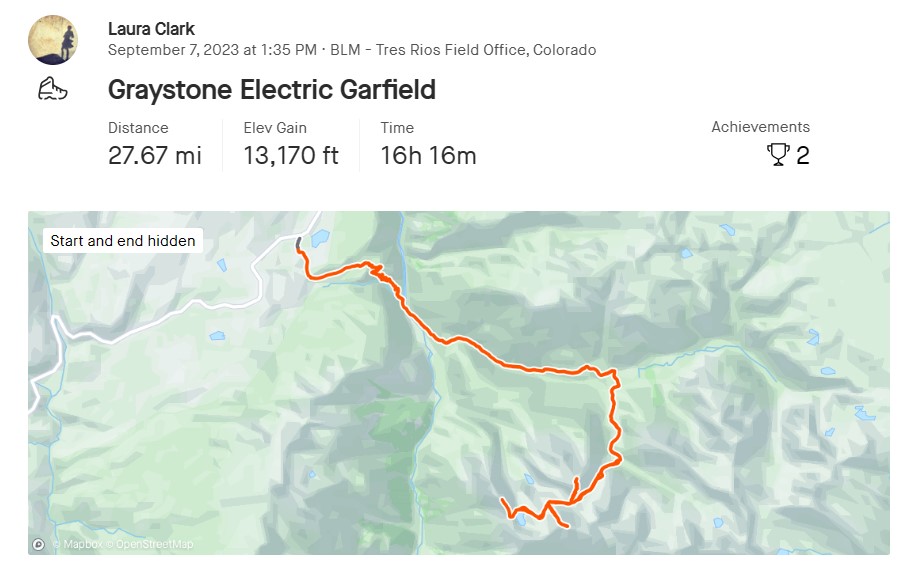
I usually go by CalTopo stats to keep things consistent.  CalTopo gave me 35.96 miles with 9399’ of elevation gain, but Strava gave me 27.67 miles with 13,170’ of elevation gain.  Take your pick! 

On to the next trailhead!
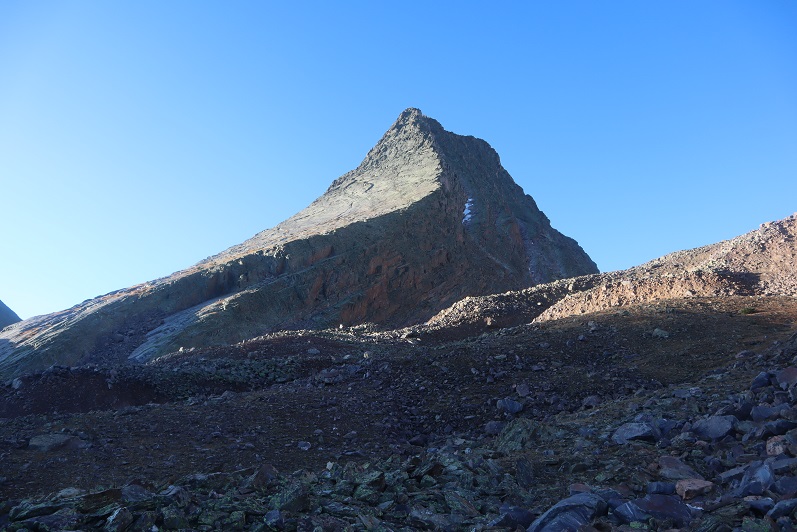
#100 Vestal Peak – 13,867

1

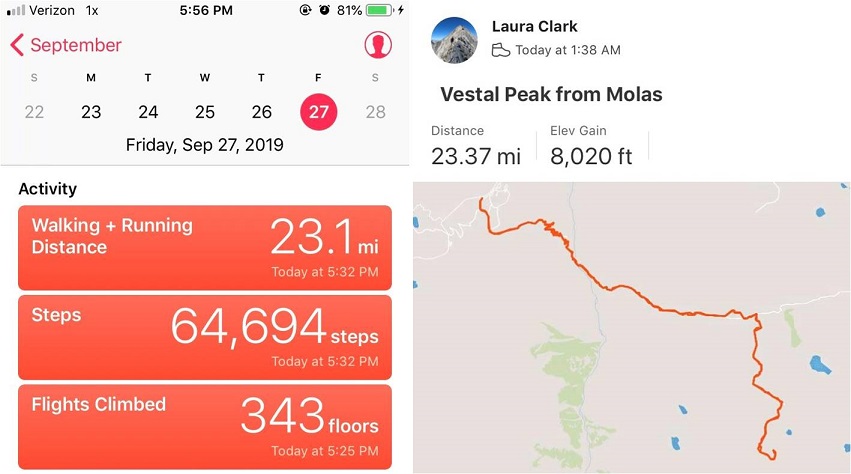
RT Length: 23.5 miles

Elevation Gain: 8020’

After a full week of work in Tennessee where I gorged myself on comfort food (fried chicken, fried oysters, collard greens, cornbread, etc.) and went highpointing in Mississippi because I could, my flight got in at 1:30pm and I drove from Denver to Molas Pass and slept for about 3 hours in my truck before waking up at 1:30am and hitting the trail.  There was one other truck in the large parking area when I arrived.

2

I checked the weather reports and anticipated rain/snow/wind for today so I put on my snow pants and went light on gear. Initially I’d planned on camping in the Vestal Basin and hiking Arrow and the Trinities as well, but with snow in the forecast I decided to make this a one summit/day trip.  The trail started at the south end of the parking lot.  It was really easy to follow and had plenty of signs

3

For about a mile the trail stayed pretty much level, and then it descended 1500+ feet down to the Animas River

4

At 3.8 miles I crossed a small creek

5

And heard a rustling in the bushes. I knew there was an animal about 6 feet off the trail, and it felt larger than a coyote but smaller than a bear. I tapped my trekking pole loudly against a rock a few times to flush it out/scare it away.  Usually when I do this the animal quickly runs in the opposite direction, but this time it started advancing towards me in the dark.  Thinking this was not a good sign I braced myself as the animal came closer to me, moving through the tall brush.  Was it a rabid raccoon?  A baby bear? (I swung my head from side to side:  Oh no!  Where’s mama???) and then suddenly it was on the trail in front of me and I realized it was a rather large beaver.

6

This beaver wanted nothing to do with me, it was just aiming for the trail as an escape route, and kind of looked like a land manatee (BTW, I just finished reading the book “On Trails” by Robert Moore and the experience of hiking has broadened for me and I was immediately reminded of why animals are attracted to trails. It’s a good book with no direct conclusion but connects many aspects of hiking:  you should check it out).

Seeing the beaver was cool: it was much larger than I thought they’d be.  The downside?  I had the “Beaver Song” in my head for the next 2 hours. Not as much fun as it sounds…

At 3.9 miles I crossed the bridge that goes over the Animas River

7

Turned right (southeast) and followed the train tracks for about a dozen yards, crossed the tracks, and followed the trail up the mountainside.

8

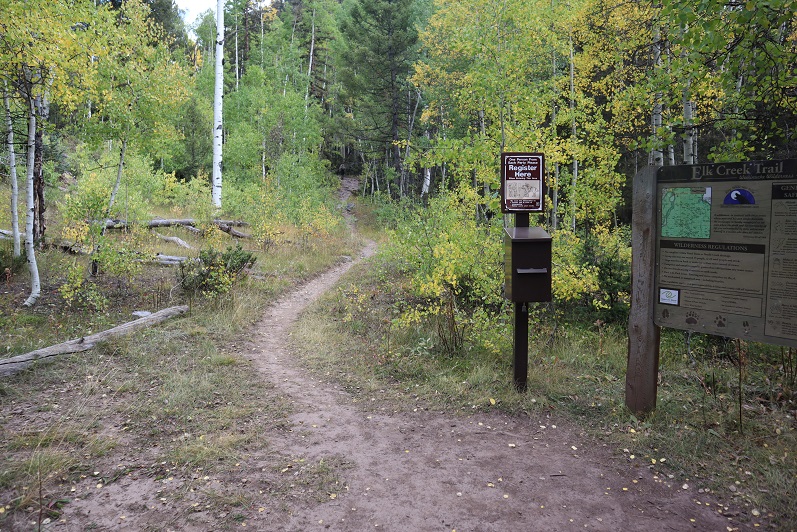
At 4.7 miles I came across the trail register and signed it in the dark.

9

The trail parallels Elk Creek

10

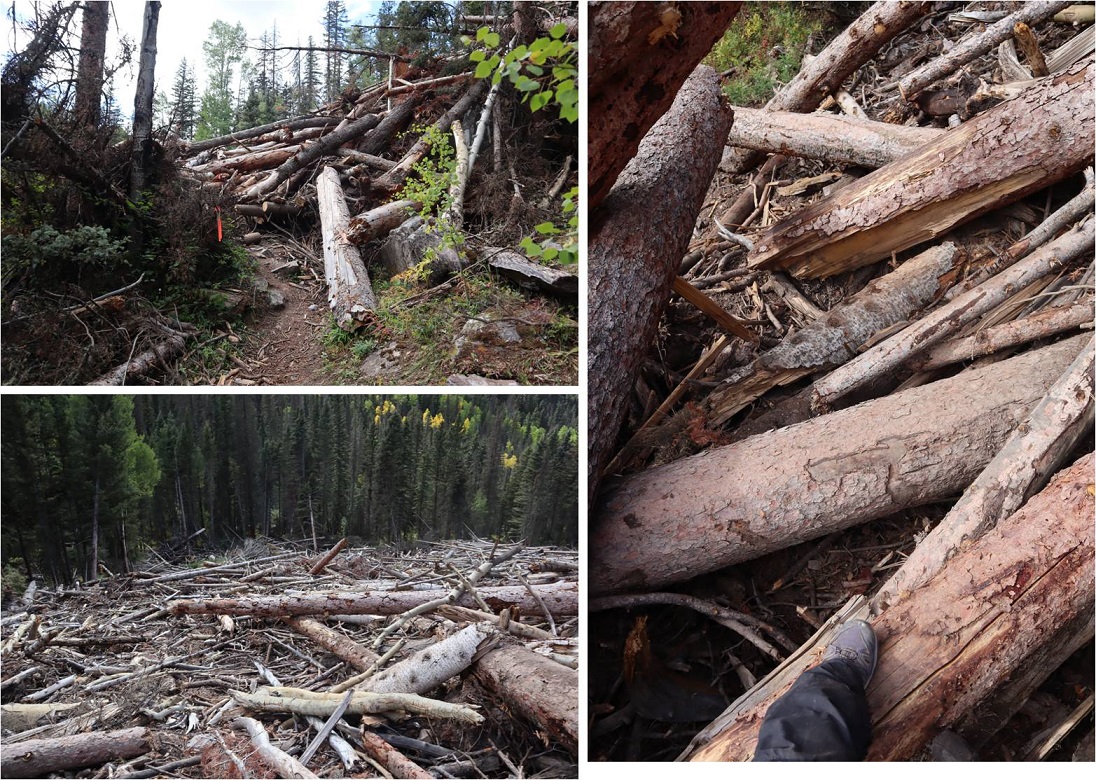
At 6.1 miles I came across the first area of avy debris. I’m guessing there were 3-4 slides all in close proximity that kind of ran together.  I’d heard there’d been avalanches here and to just follow the marked tape through them, but was surprised at how dense and large the debris was.  I was able to follow the marking tape easily through the first area but got lost in the second and ended up climbing a little higher than necessary.

11

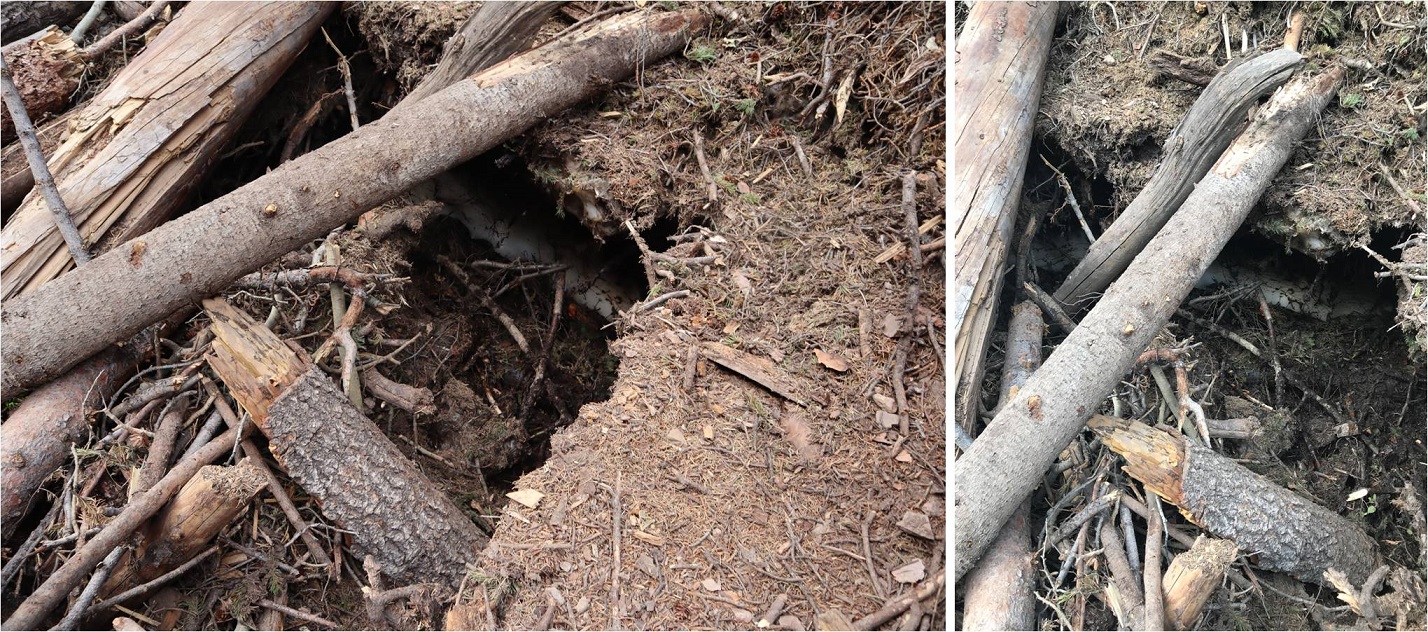
In the daylight I had no issues getting across the debris, but noticed there’s still ice and snow under the logs that’s melting and forming caverns, so be careful where you step! There were flies circling the debris.

12

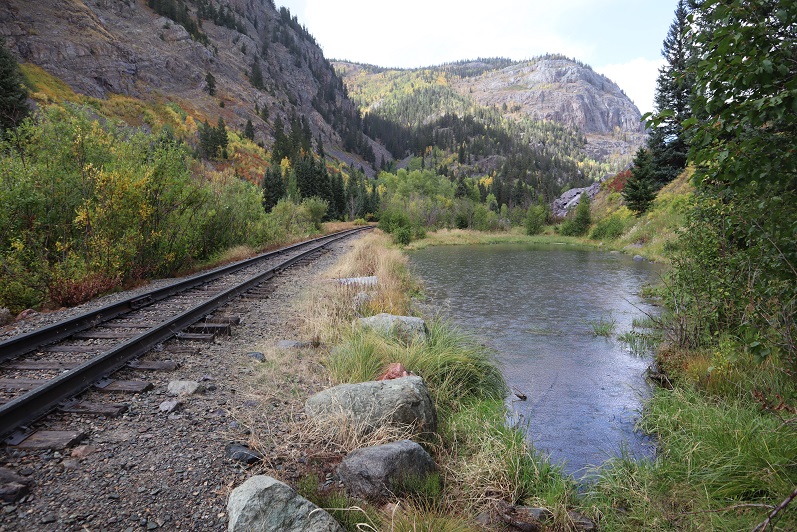
After the avy area I came across some beaver ponds and turned right (south). The best place to do this was just after the large boulder:  the trail parallels a pond at this point

13

There was a good camping spot after the beaver ponds. Side note: anyone else’s carabineers hanging off your pack double as bear bells?

14

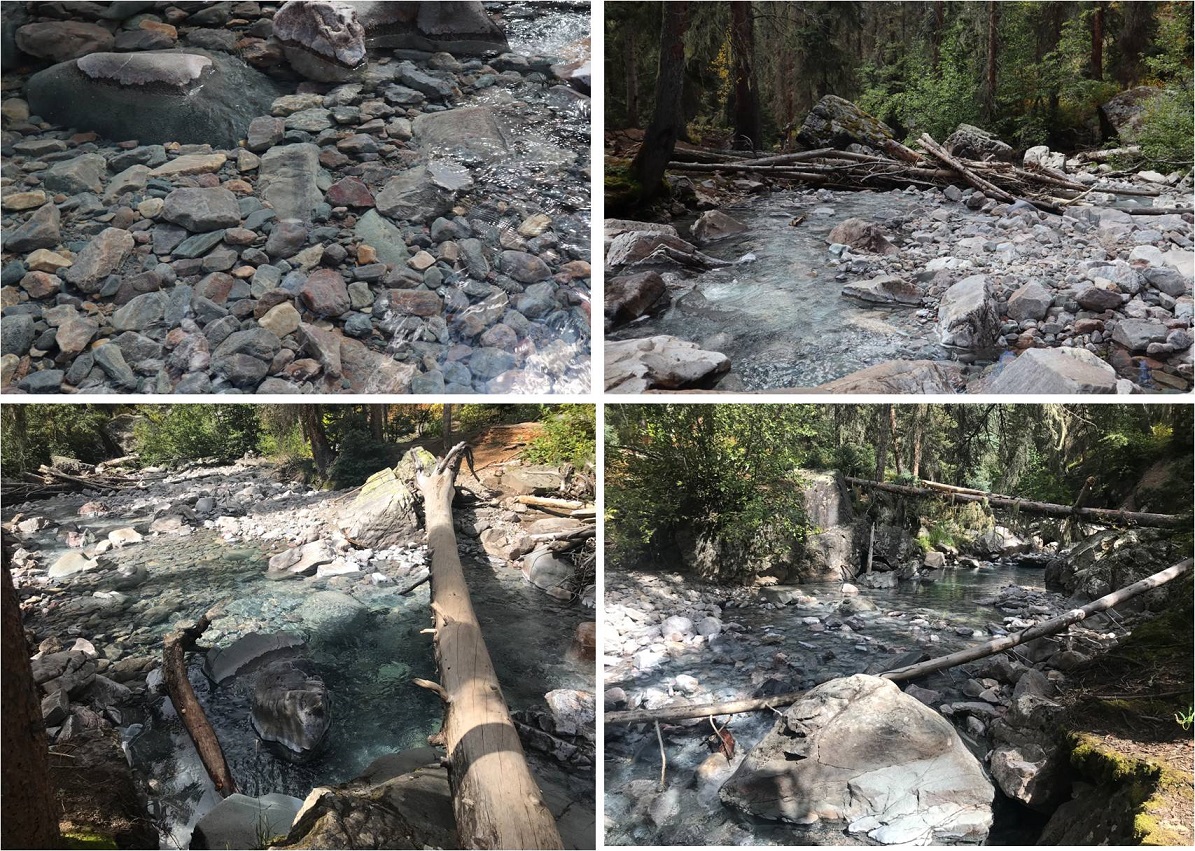
Mile 7 was the mile of creek crossings. What I couldn’t tell in the dark was this was some extremely clear water (it was refreshing on the way back to dip my bandana in it and cool off).  All of the creek crossings were easy and had several options (rocks and fallen trees abound)

15

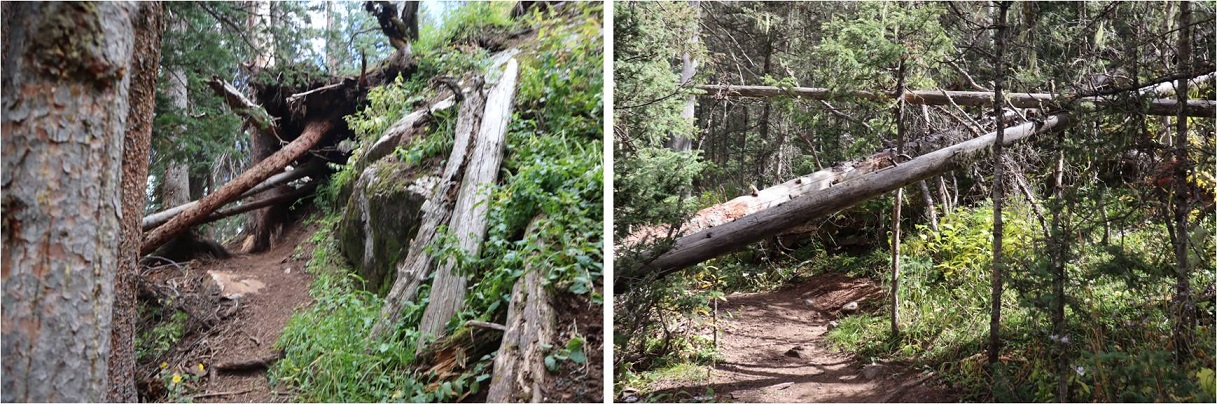
The trail continued to climb up the mountainside. There were frequently fallen trees on the trail (not from avalanches) but they were all passable and for once I celebrated in being short because I could pass under them easily.

16

This part of the hike was really cool because I started hearing elk bugling. I tried to get some of it on video but it’s hard to hear (turn your volume to the max).  The bugling lasted for over an hour and came from all directions.

Elk Bugling:

The trail was well defined all the way to the basin. I reached the basin at 9.1 miles, just as the sun was coming up.  There was a light dusting of snow on the Trinities.

17

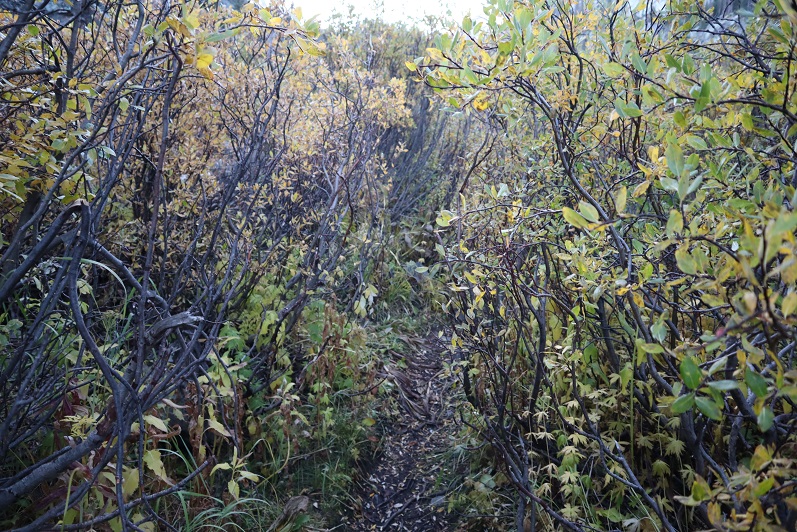
I followed the trail through the willows and lost one of my gloves. No worries though, because of my Raynaud’s I always bring at least 2 pairs (I had 3 today).

18

There’s an obvious campsite in the basin. I turned right (southwest) at the campsite at 9.8 miles- 11,380’, careful not to make too much noise because the campers were obviously still sleeping.

19

The trail crosses another small creek

20

And then climbs up the hill to another (rocky) basin/amphitheater

21

This is where the trail ends. I made my way over the talus, hiking closer to Arrow than Vestal

22

23

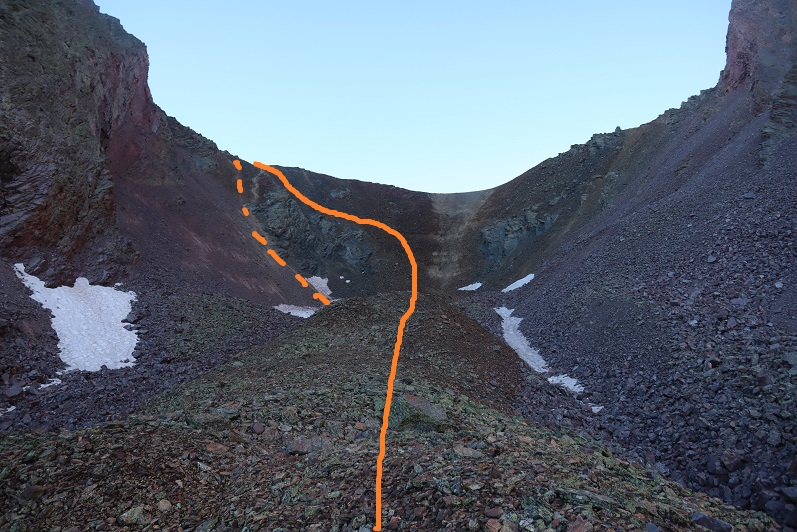
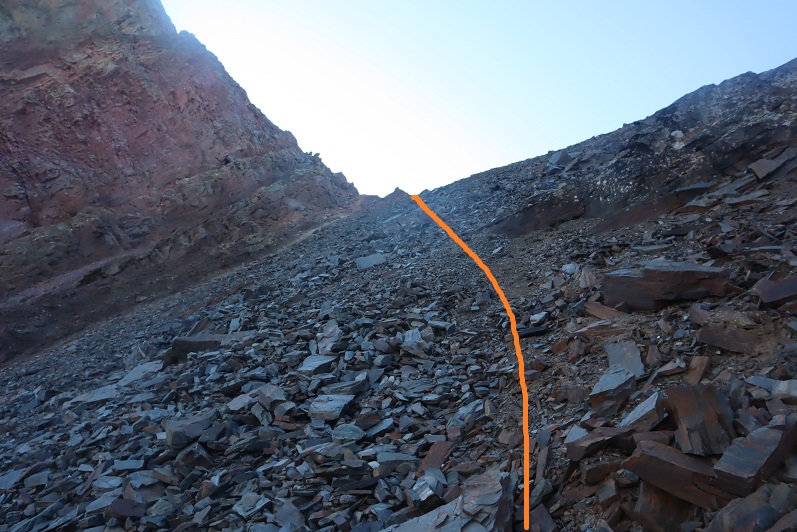
The goal is to gain the saddle at the top of the gully. This was harder than it sounds because that scree/talus is terrible.  I was glad I’d worn my helmet.  I strapped on my microspikes and took the solid line up, dotted line down.  I’d do it the same way if I did it again.

24

25

Once on the saddle I headed southeast around the backside of Vestal

26

27

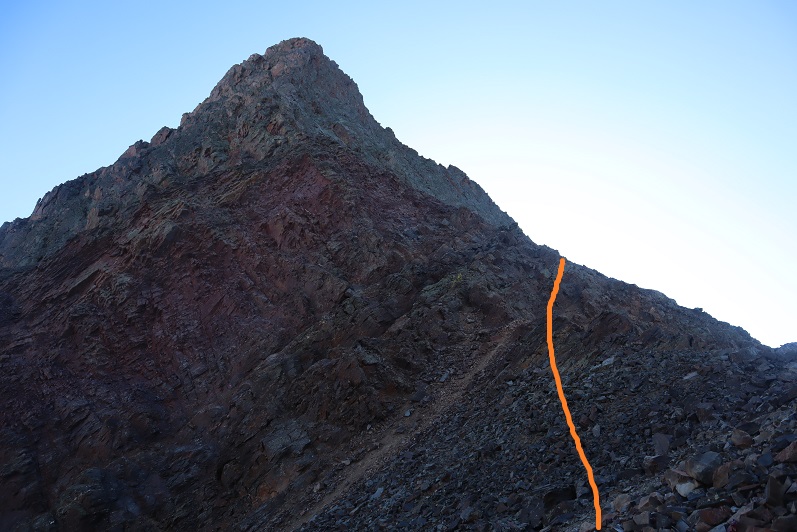
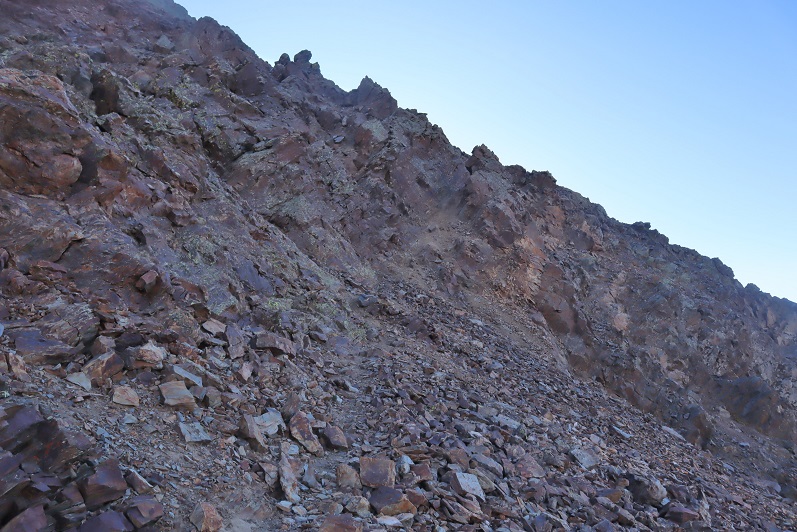
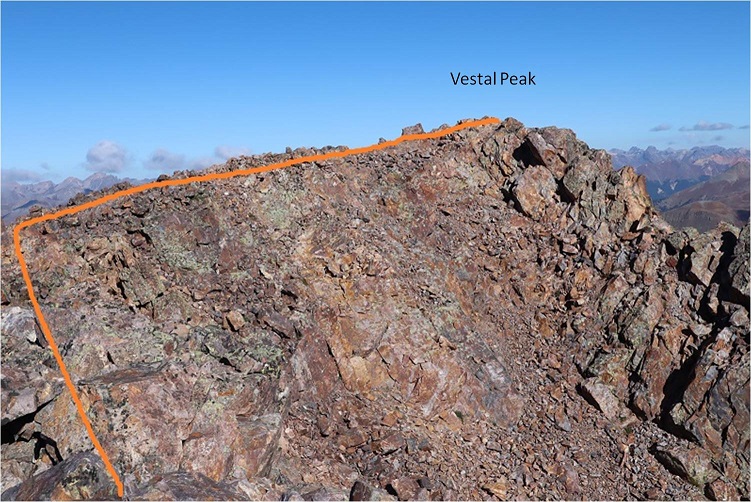
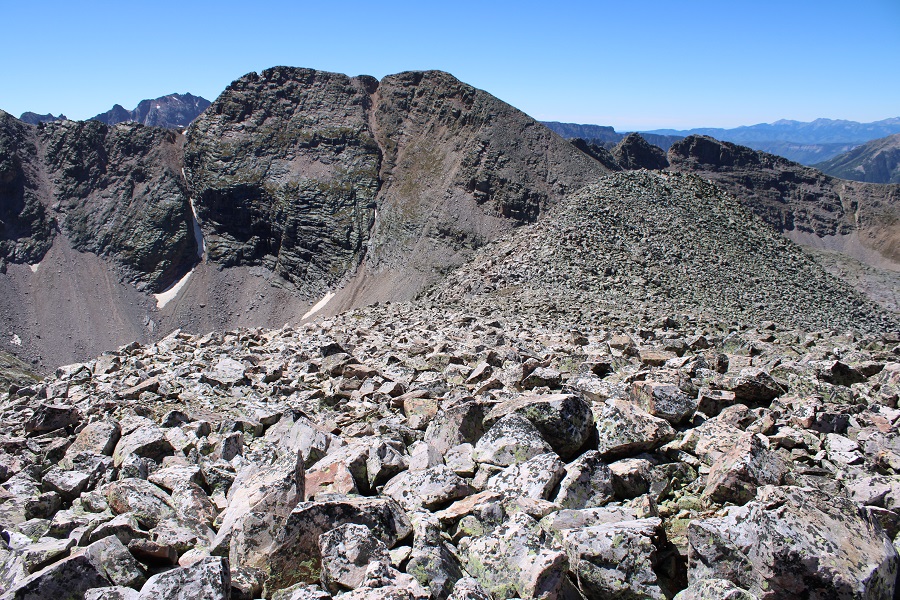
This eventually led me to an area of the mountain separated by a gully. Here I turned left (north) and climbed what I’d consider class 3 terrain towards the summit, careful not to go into the gully, aiming for where the gully originates.

28

29

30

At the top there’s a false summit, but the true summit isn’t far off

31

32

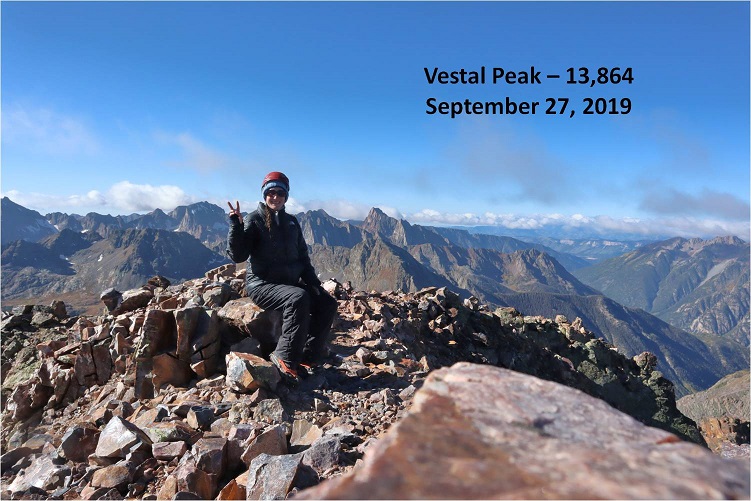
I summited Vestal Peak, my 100th Centennial, at 10am, after 8.5 hours and 11.4 miles of hiking.

33

Vestal Summit:

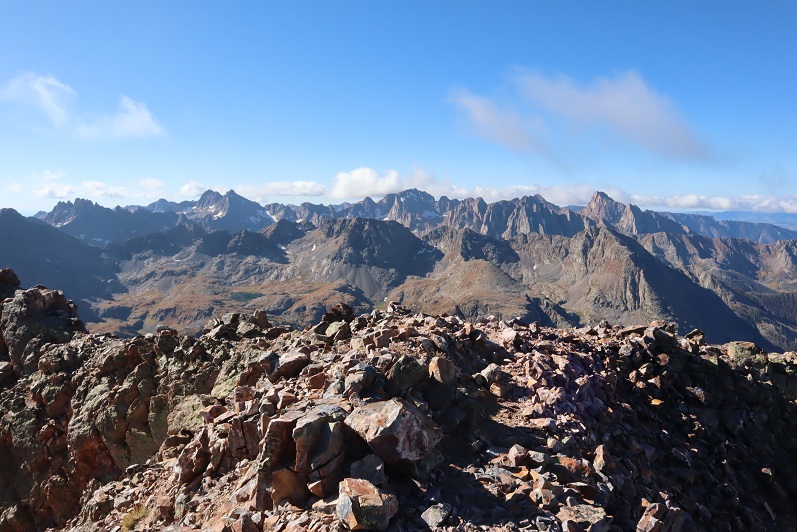
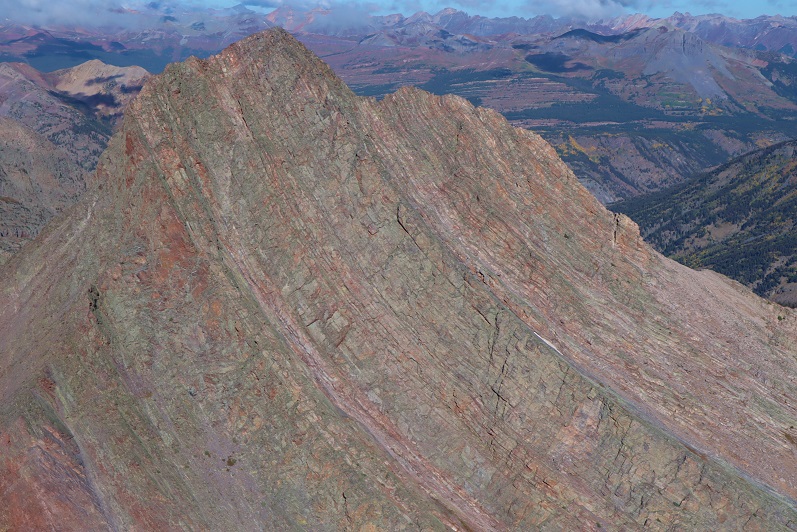
Despite the forecasted winds and cold temperatures and rain/snow it was a perfect day! I spent over half an hour on the summit, something I’ve rarely done, and took pictures of the Grenadier range and the beauty of the San Juans

34

35

Knowing the weather was nice now but it was supposed to turn I decided it was time to head back.

36

37

Here’s the path I took back down into the talus basin

38

It wasn’t pretty. In fact, I did something to a ligament in my ankle and it became very sore on the way down (still hurts, but it’s just bruised)

40

41

I decided to keep my microspikes on until I made it back down to the camping area. As I approached the area above the campsite I could hear someone shouting excitedly about nothing in particular and it looked like there were two people just finishing tearing down their tent.  I figured it was a parent and child out camping and slowed down a bit to give them time to head out before me.

42

At the camping area I sat down for a bit, enjoyed lunch (peanut butter and pretzels) and took off my microspikes.

Here’s a look heading out of the basin

43

I found my lost glove (woot!) and caught up to the couple within about a mile of hiking. They were two girls in their early 20s who were out backpacking together.  They seemed like they were having a terrific time (or high on something:  I don’t judge) and were wonderfully boisterous.  One of their boyfriends had dropped them off at one trailhead and was picking them up tonight at another one so they could make it a longer trip.  We chatted for a bit and then I was on my way.  The best part about the conversation?  No one mentioned we were women out here alone.

The hike out was beautiful in the daylight. I made it back to the beaver pond area (I suspect the beavers moved to down by the Animas river because there’s no current sign they’re here anymore).

44

The avalanche area was much easier navigated in the daylight. I followed the Elk Creek Trail back to the Animas River

45

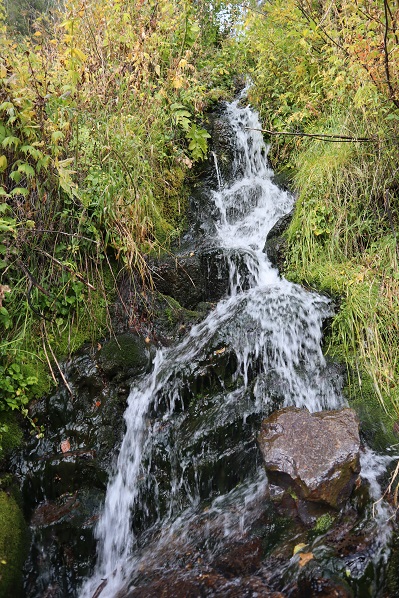
There were a few waterfalls along the way

46

I made it back to the trail register and even though it was sunny it started raining. For the rest of the hike it rained and didn’t stop.  I was glad I’d worn waterproof clothing, even if it hadn’t been needed for much of the day.  The rain was nice in the beginning but eventually the thunder started and I got a bit antsy.  It was a beautiful hike out though, and much better than the trail back to the Purgatory trailhead (I’d take Molas over Purgatory any day).

47

48

The downside to the rain was the mud. It got really bad about half a mile before the trailhead and mud was starting to stick in layers to my boots.  The last mile felt like it took forever to finish, but that was most likely because by this time I was quite tired.  I’d made a good decision to make this a day trip:  as I turned and looked back at the Vestal Basin I could see it was covered in dark clouds full of rain/snow/graupel/etc.

I made it back to my truck at 5:30pm, making this a 23.5 mile hike with 8020’ of elevation gain in 16 hours.

49

50

I changed in my truck into new hiking clothes and took a quick wet-wipe bath. I re-braided my hair, ate a packet of tuna and drove to the next trailhead.  It rained the entire 5 hour drive there.