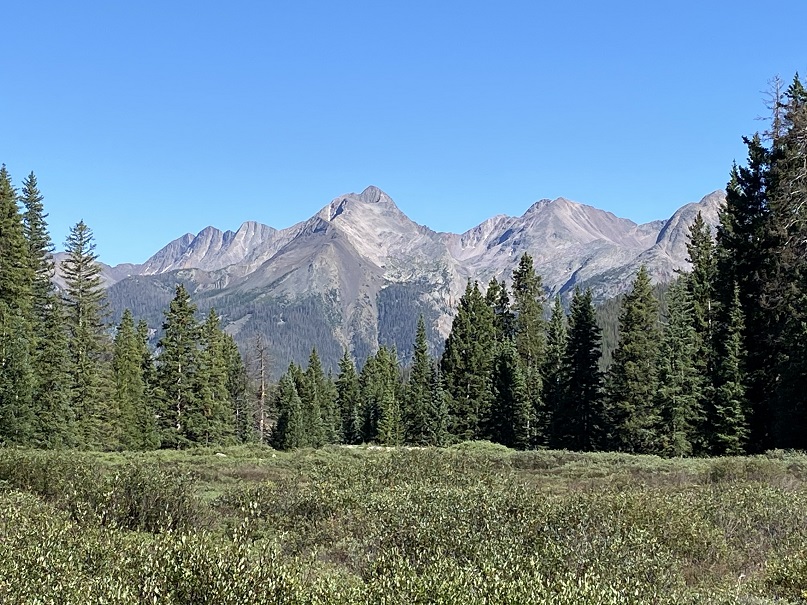
Electric Peak – 13,297, Graystone Peak – 13,503 and Mount Garfield – 13,087

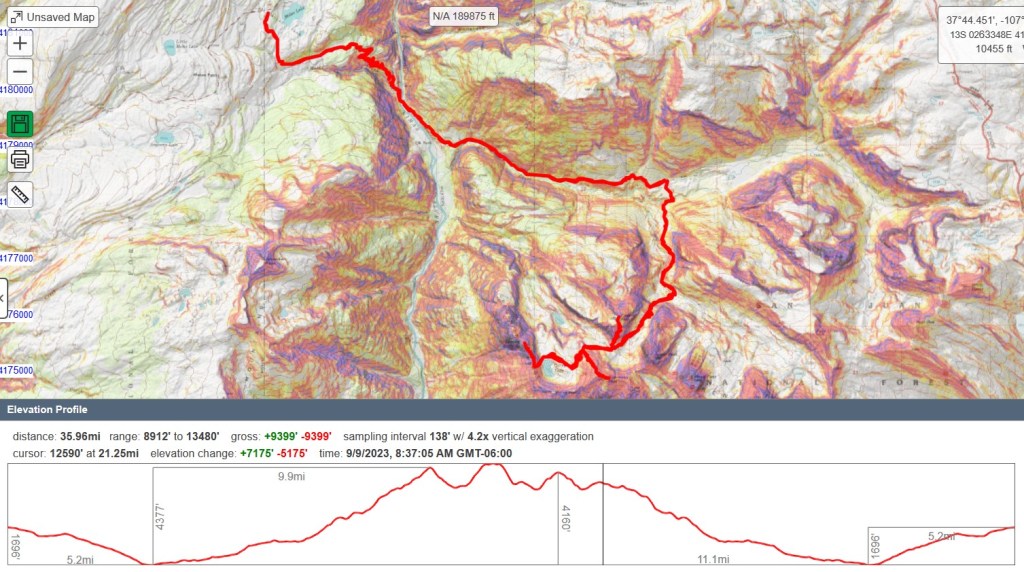
RT Length:  35.96 miles

Elevation Gain: 9399’

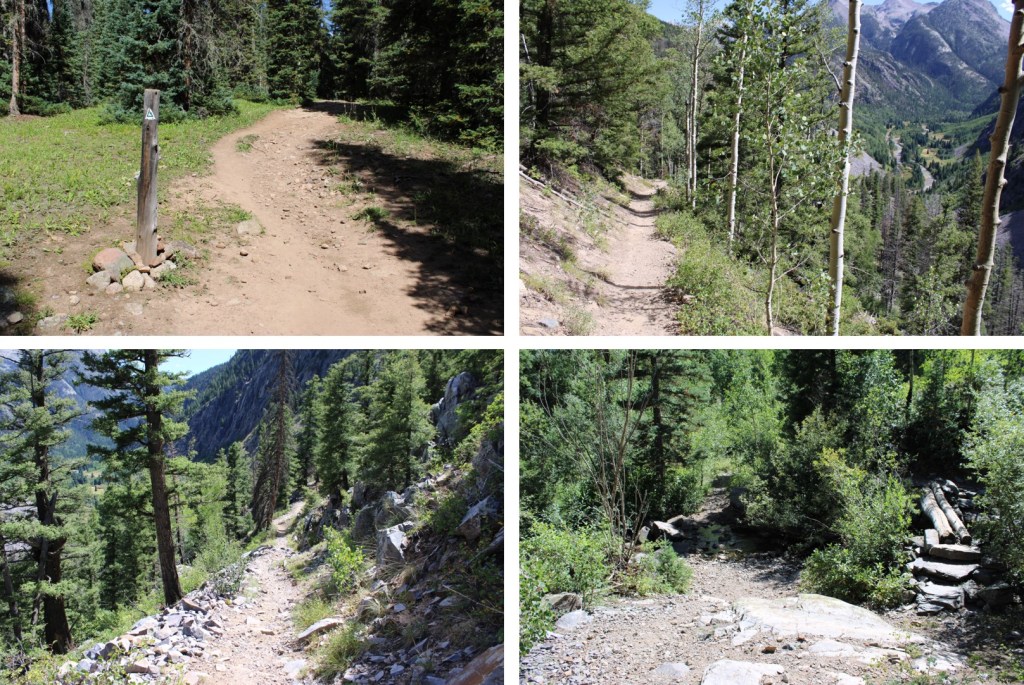
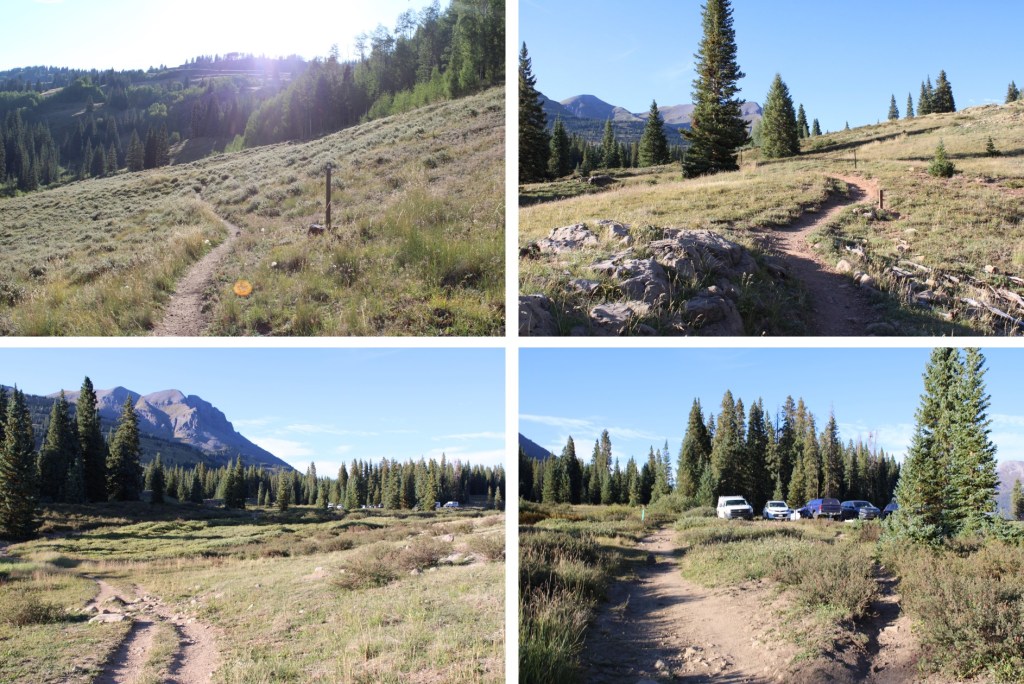
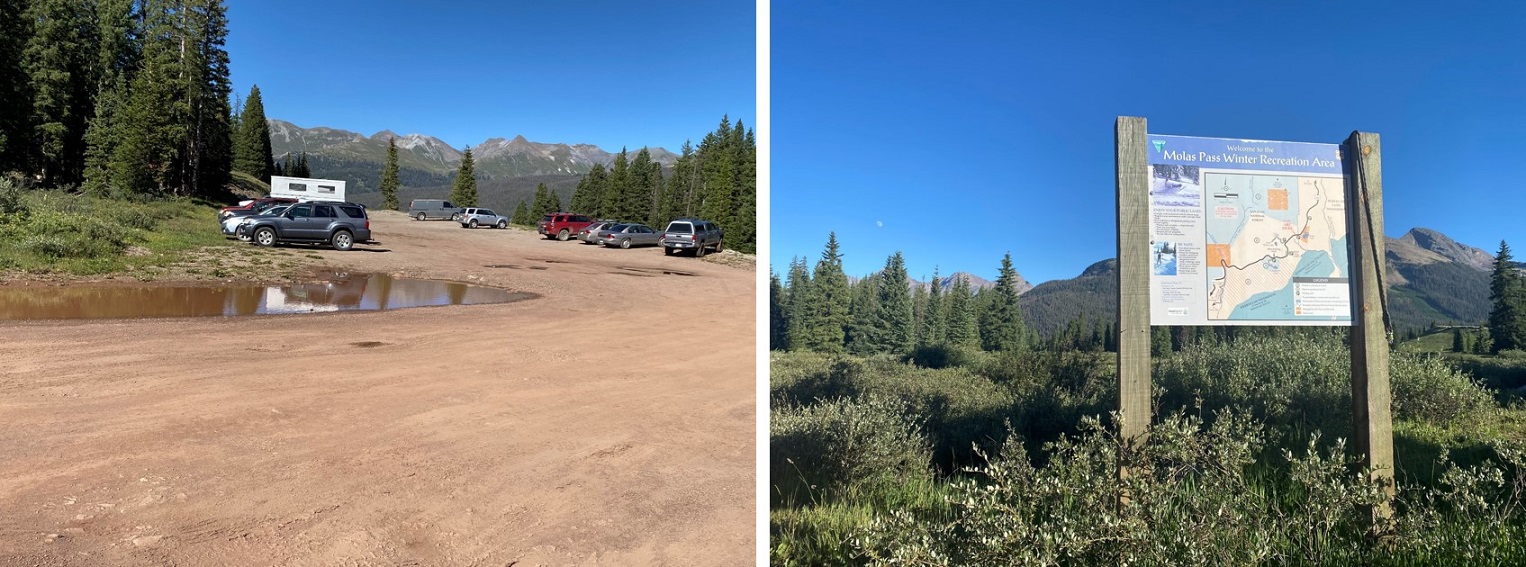
I started from the Molas Trailhead parking area.  This trailhead has plenty of parking, and is a popular spot among CT hikers. 
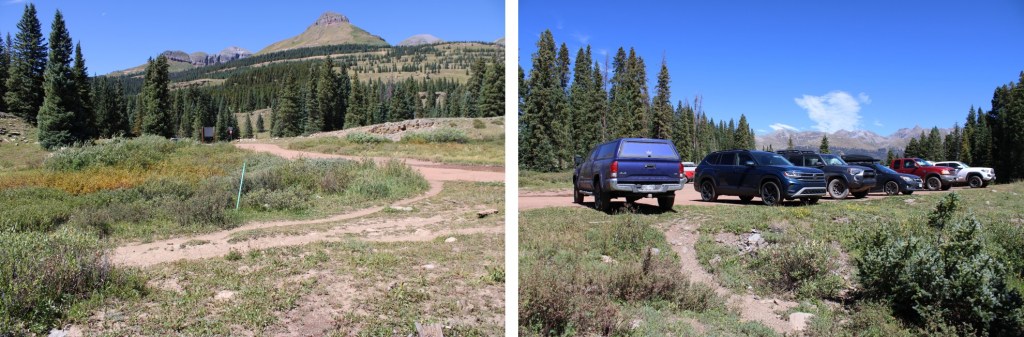
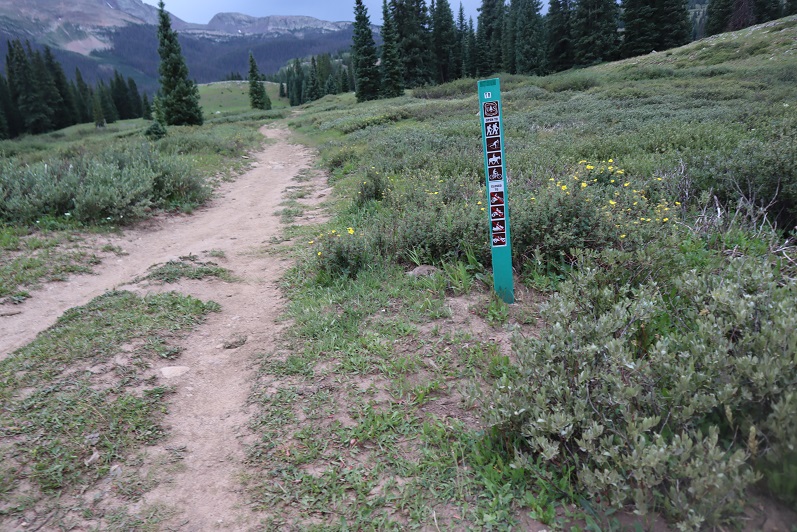
The trail starts at the south end of the parking area. 
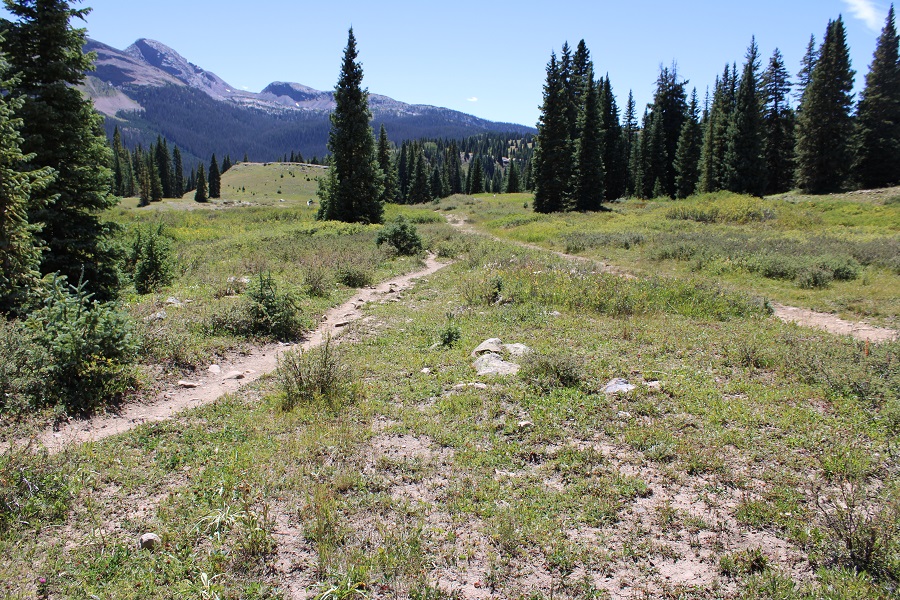
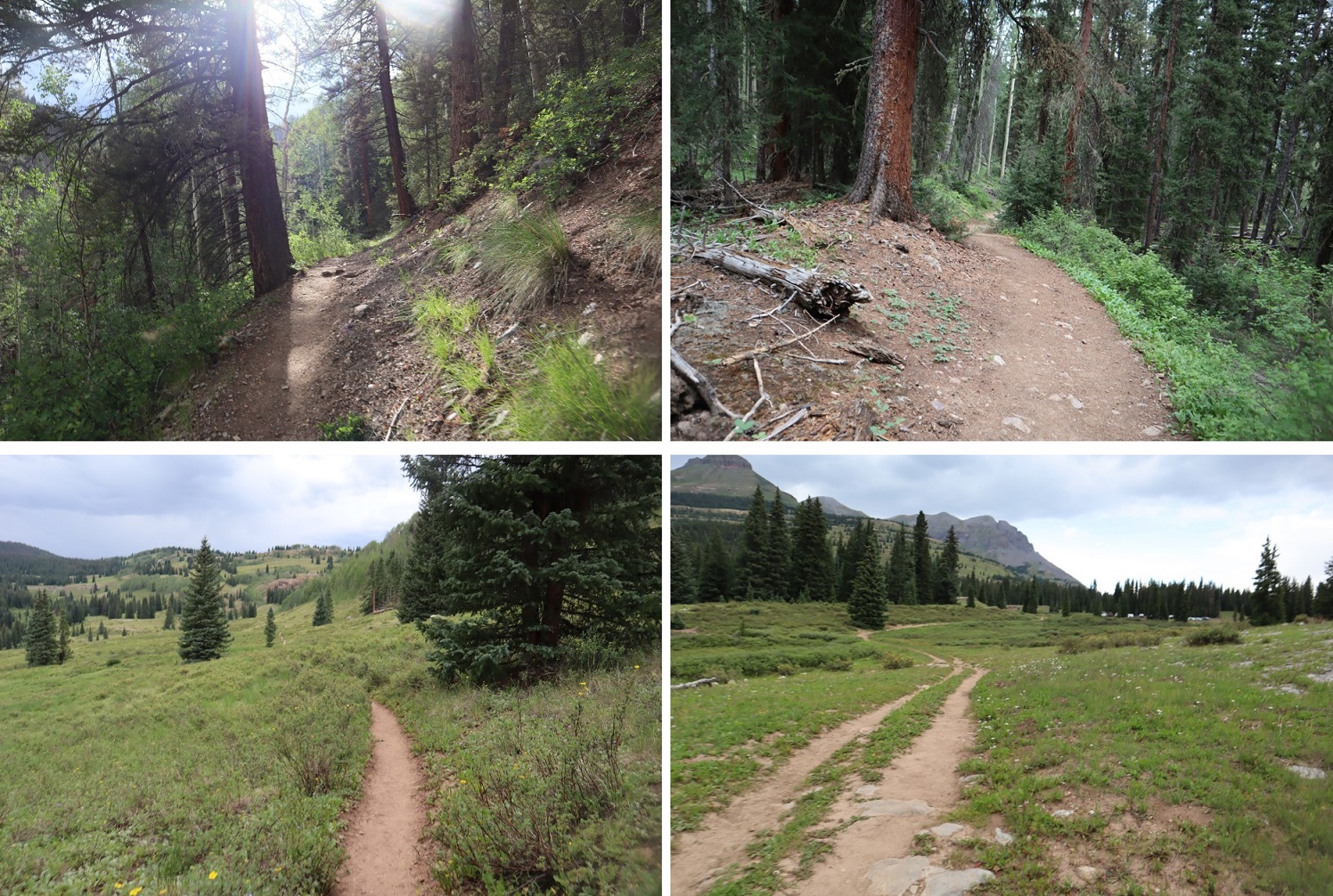
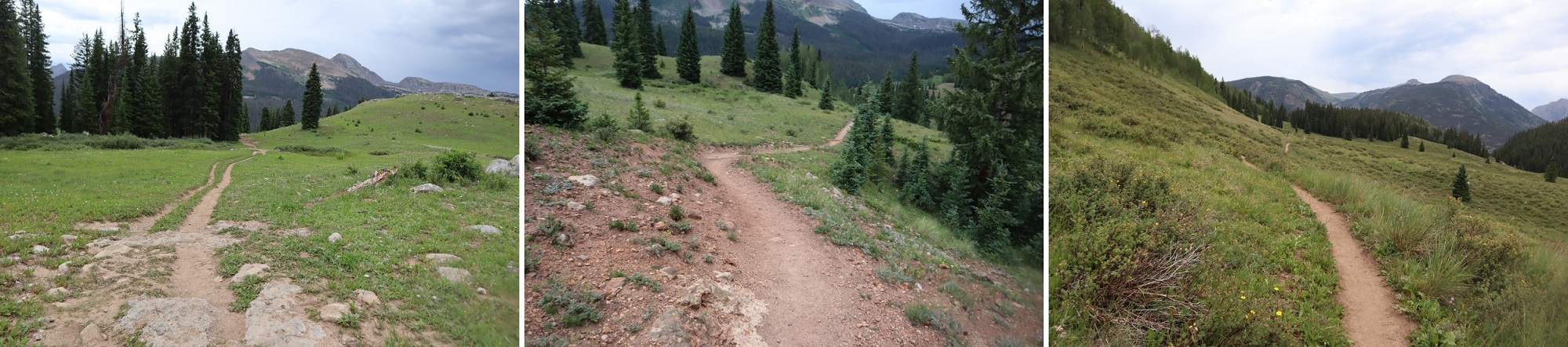
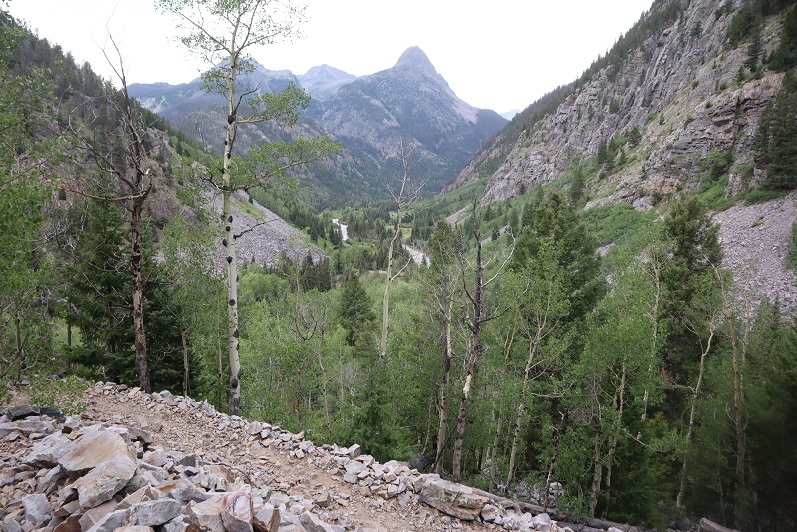
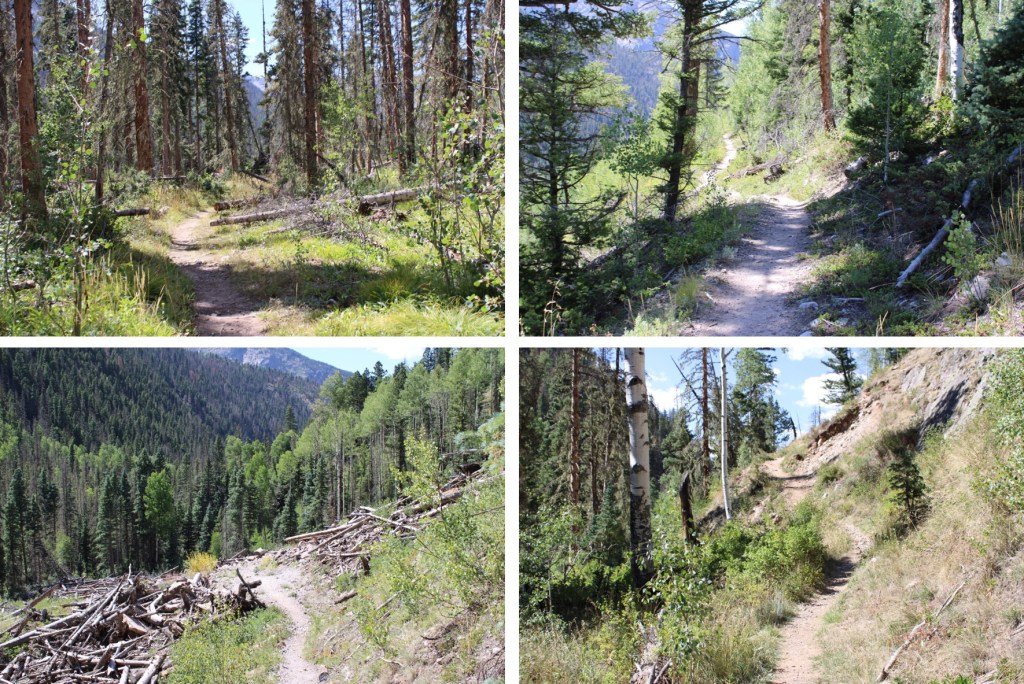
Much of the approach route follows the Colorado Trail, so it’s well maintained and easy to navigate.  I followed the trail as I descended 1700’ to the Animas River.

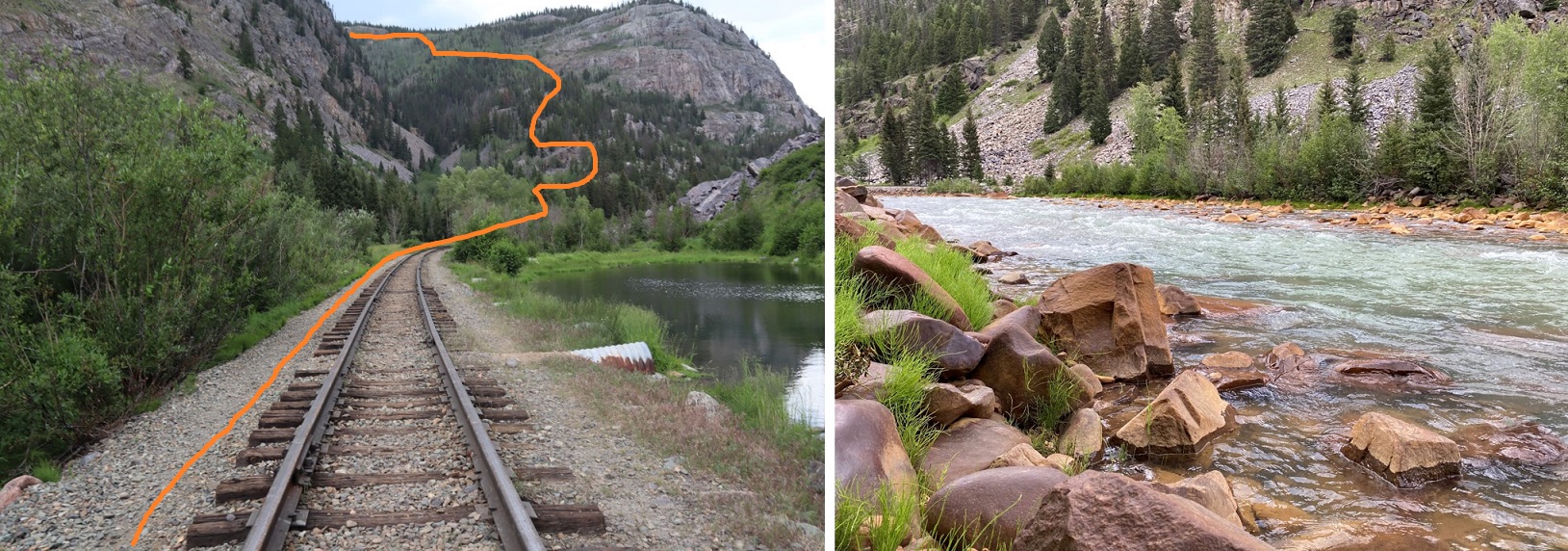
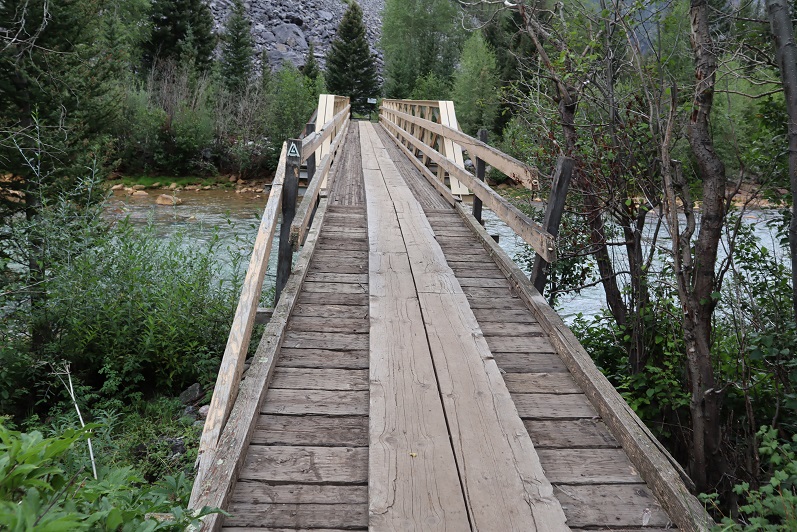
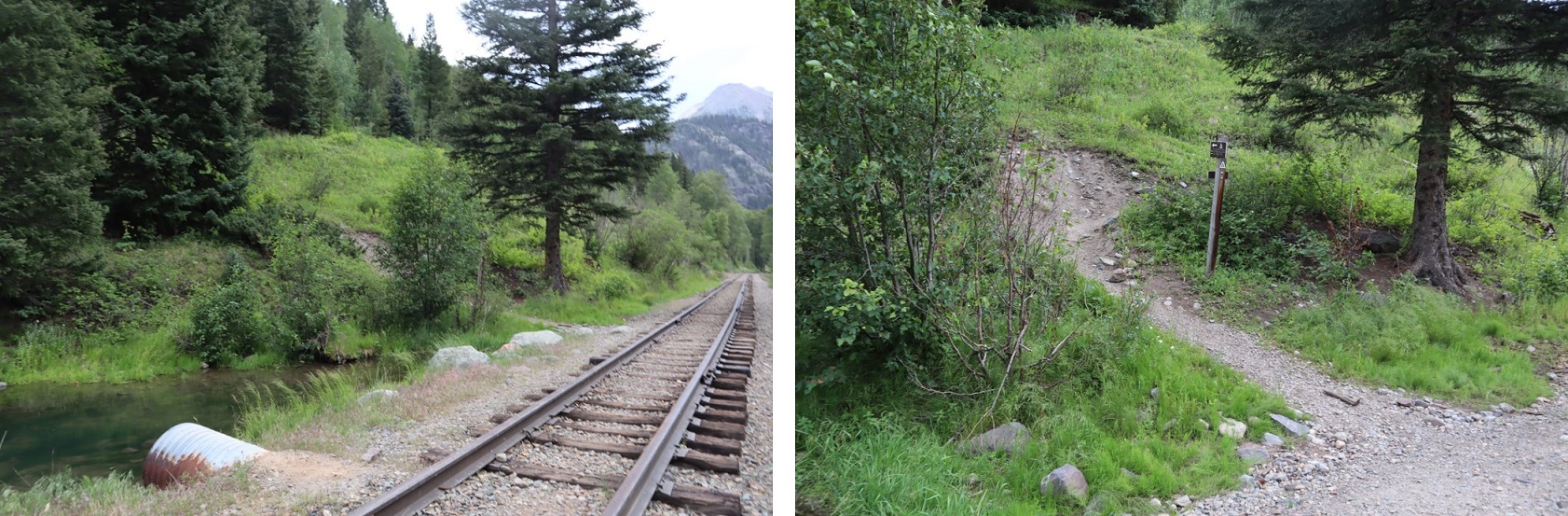
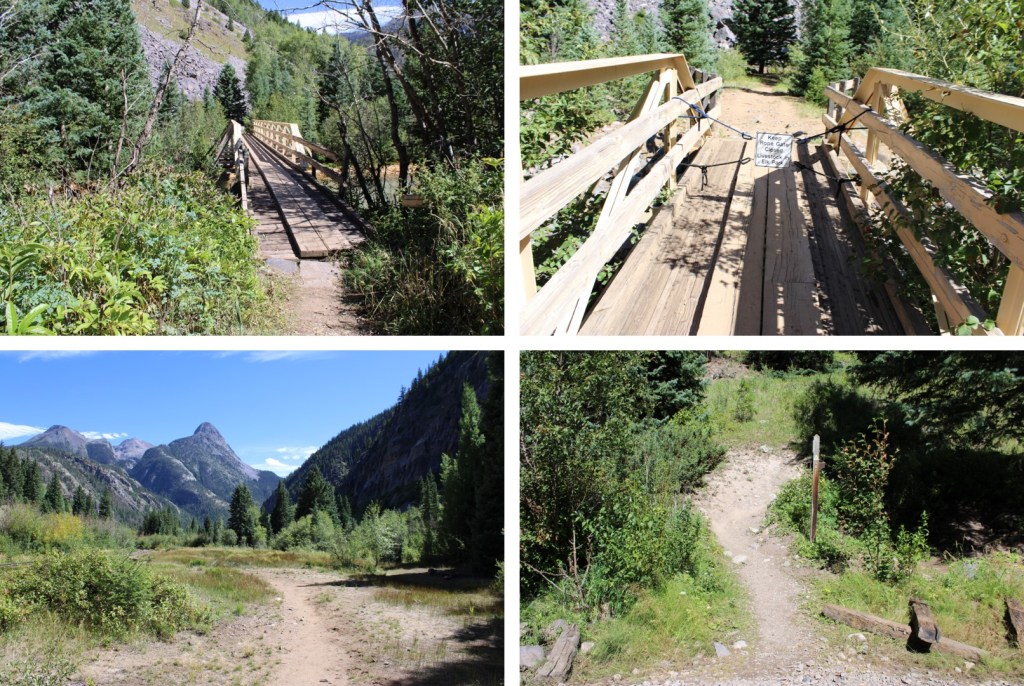
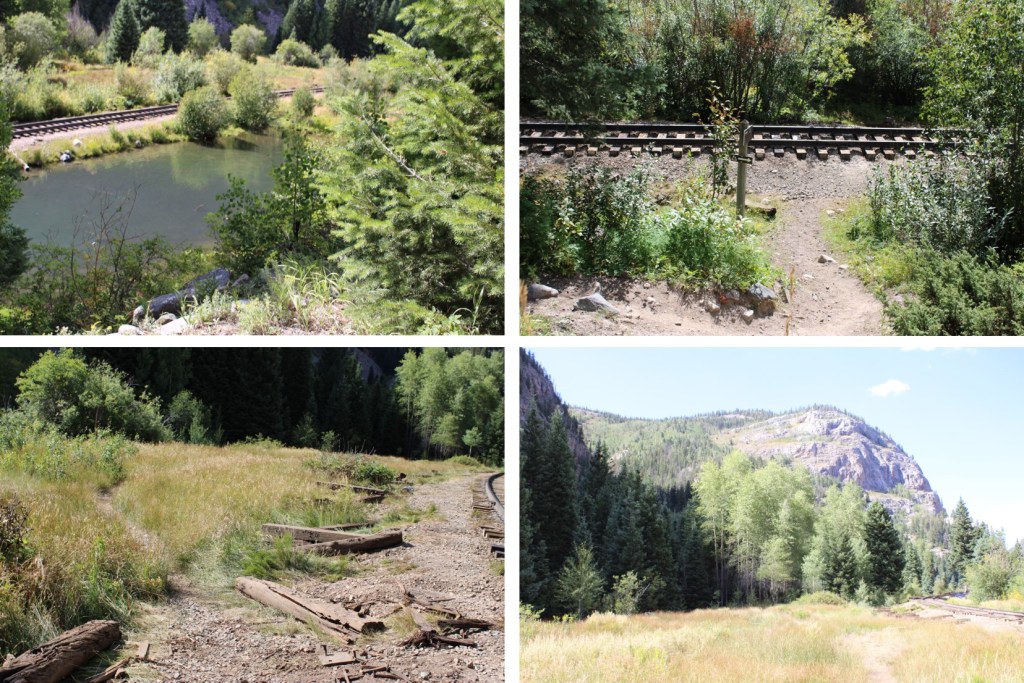
I crossed the river on a well-maintained bridge, and then followed the trail as it crossed the railroad tracks
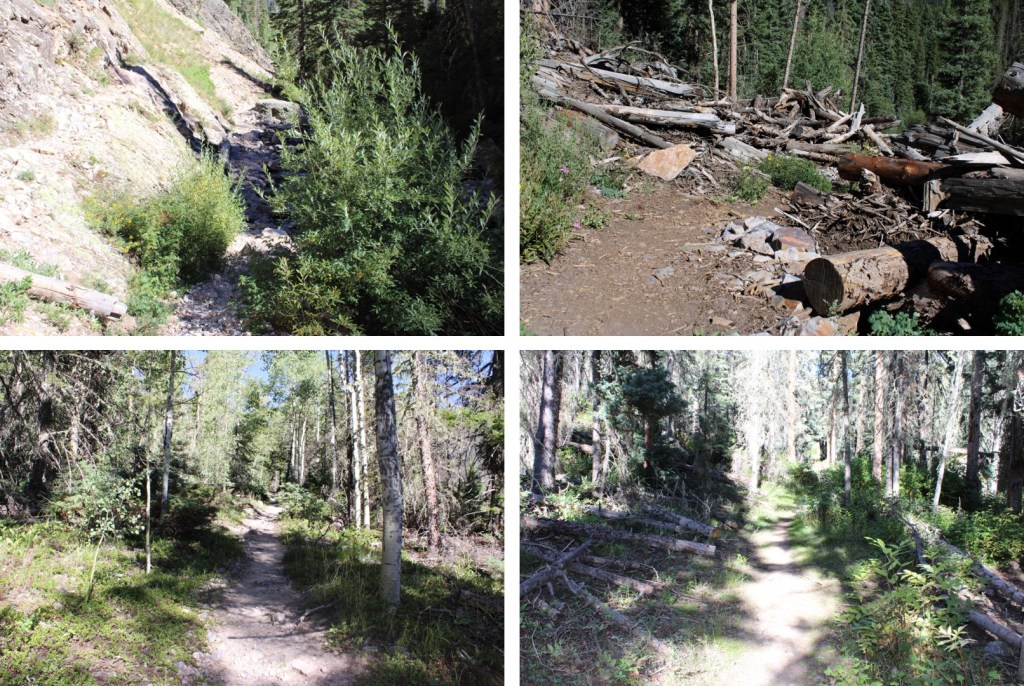
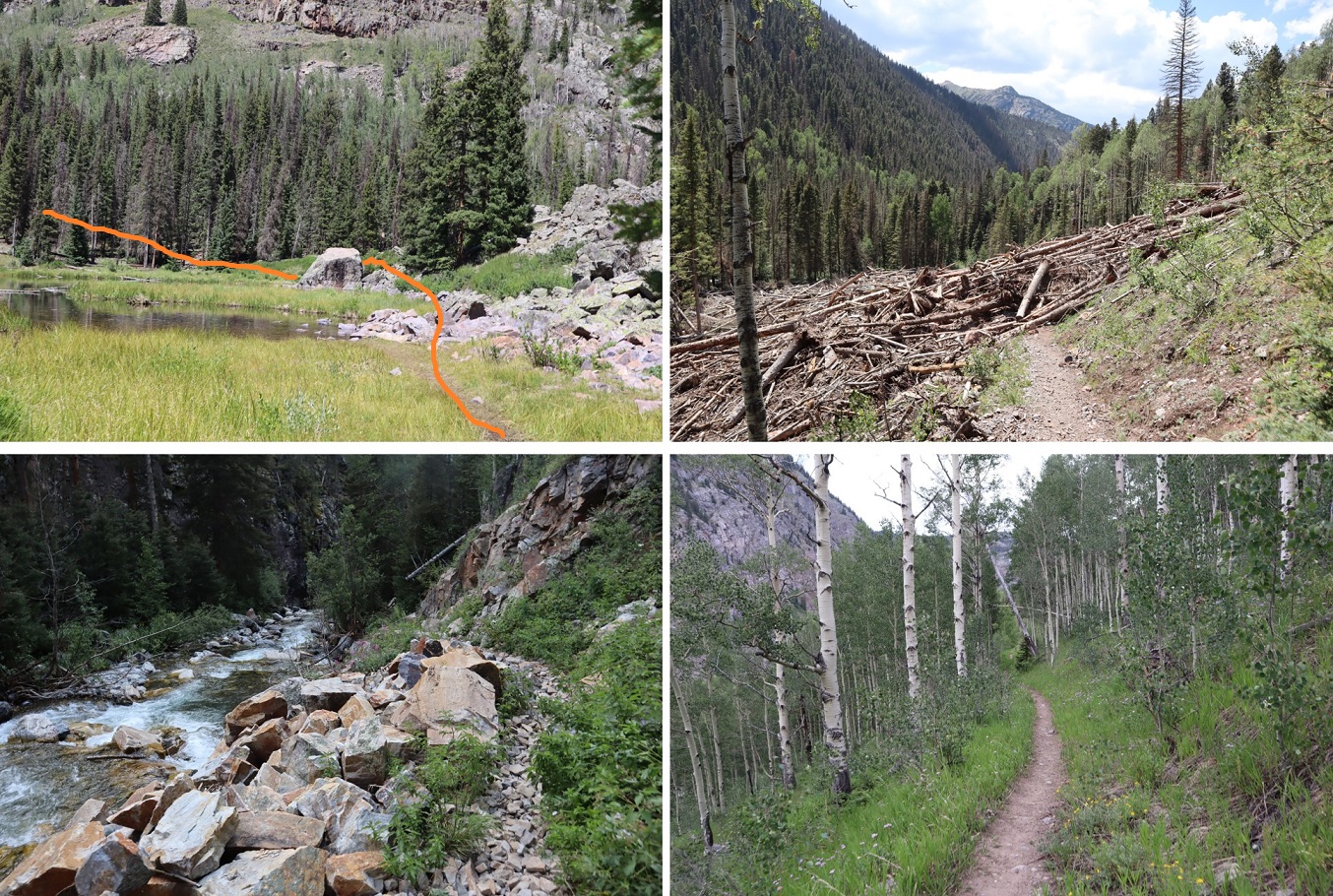
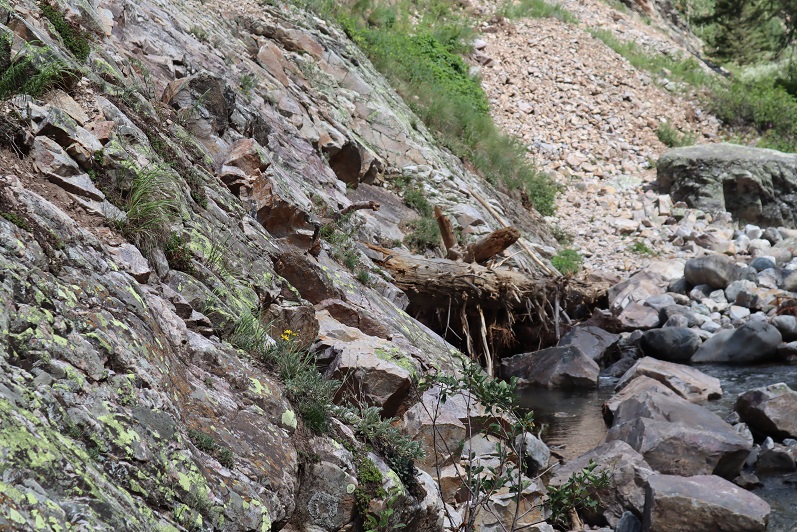
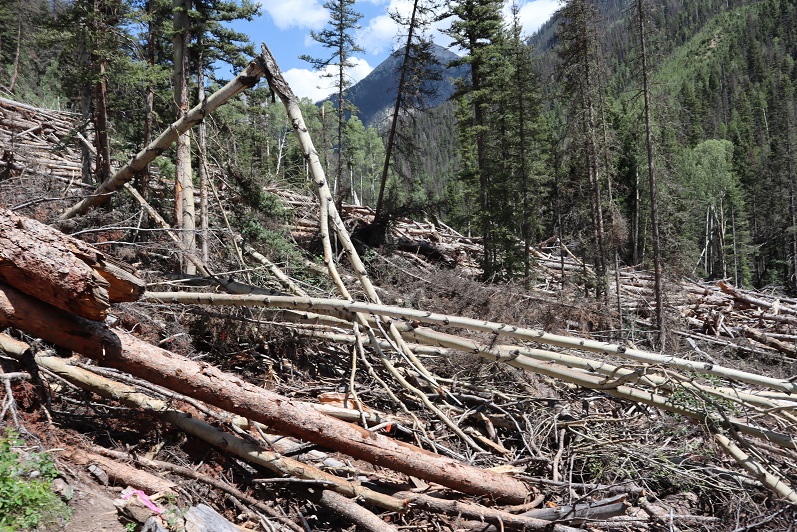
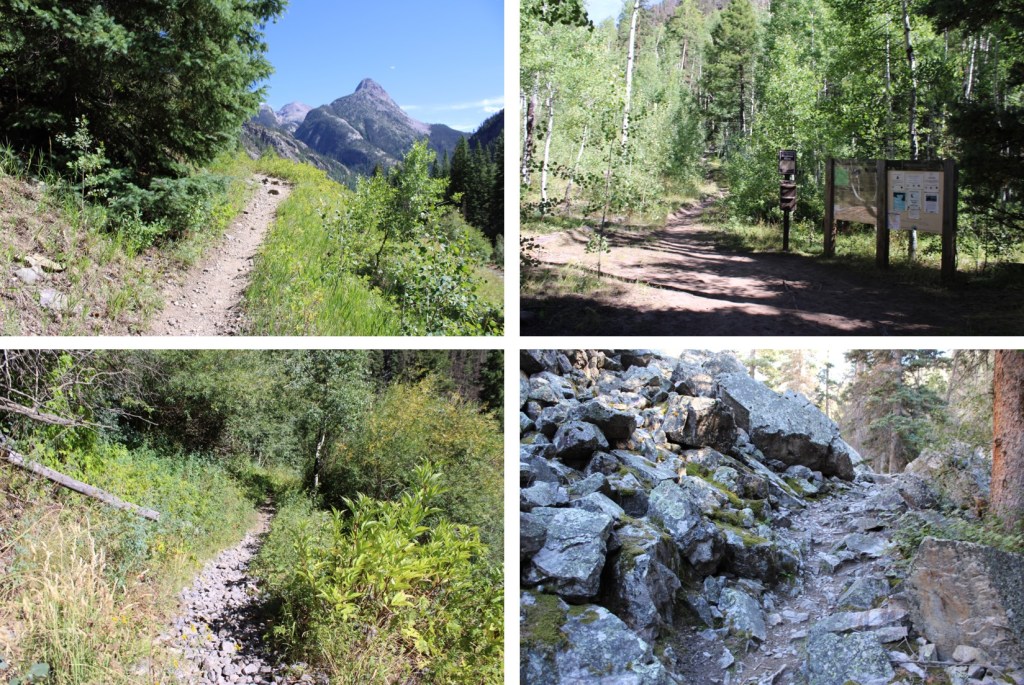
Here is where the elevation gain begins.  I hiked along the Colorado Trail east to the Beaver Ponds, following Elk Creek and passing through a couple of cleared avalanche areas.  This trail is easy to follow, with no trail junctions.
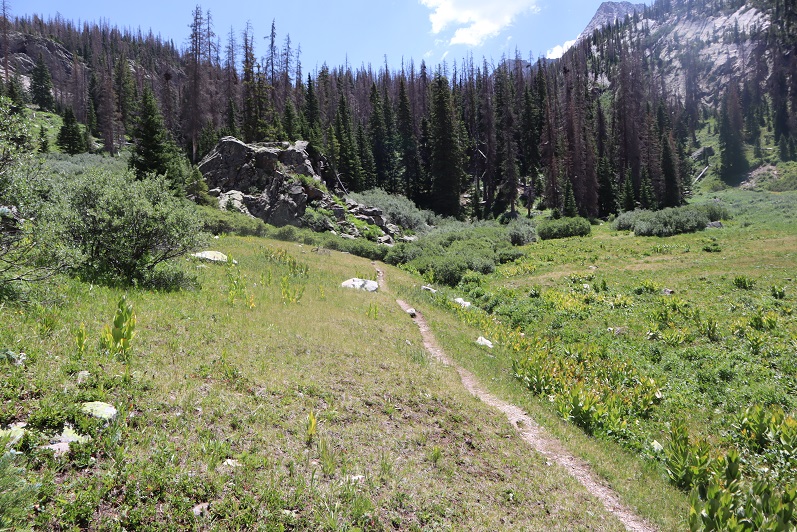
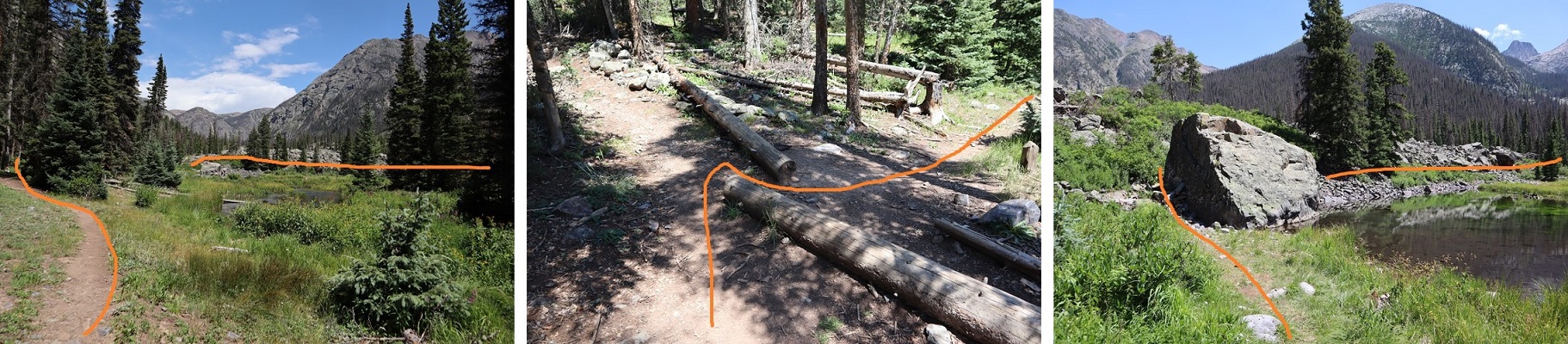
This part trips people up all the time when headed towards Vestal Basin: Once at the beaver ponds, I turned right off the trail and traversed behind this large boulder.  There’s a faint trail here that picks up again once you’re past the ponds.

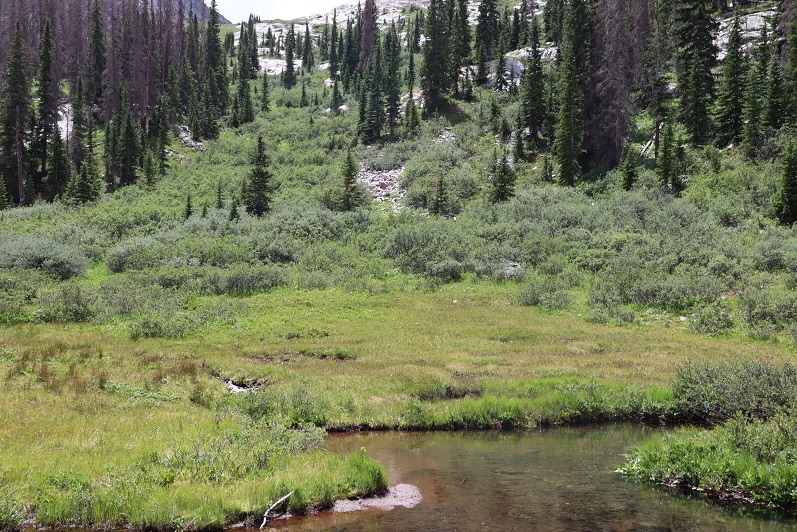
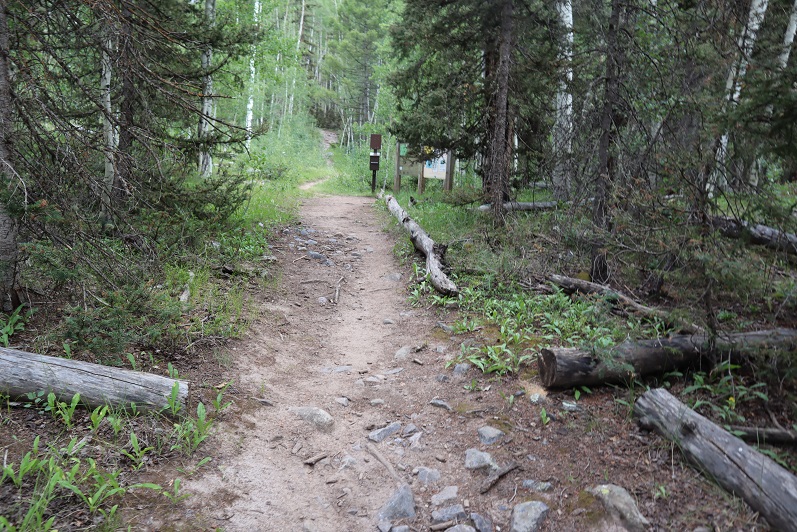
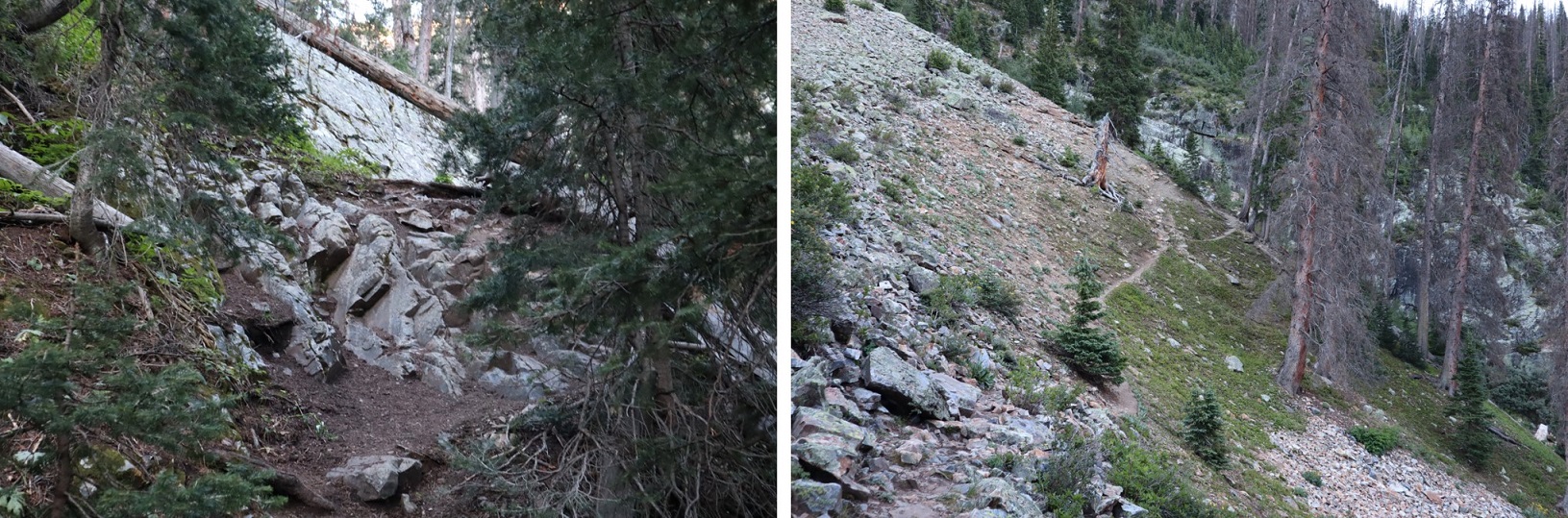
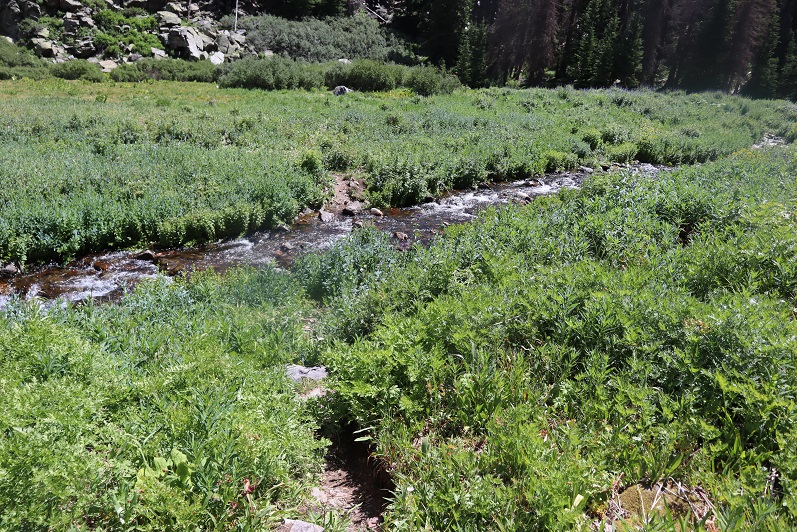
The trail picks up again after the beaver ponds, but it’s no longer as well maintained as the Colorado Trail.  There are fallen trees to navigate, but the trail is easy to see.  I followed the trail as it crossed a beautiful creek and headed south.

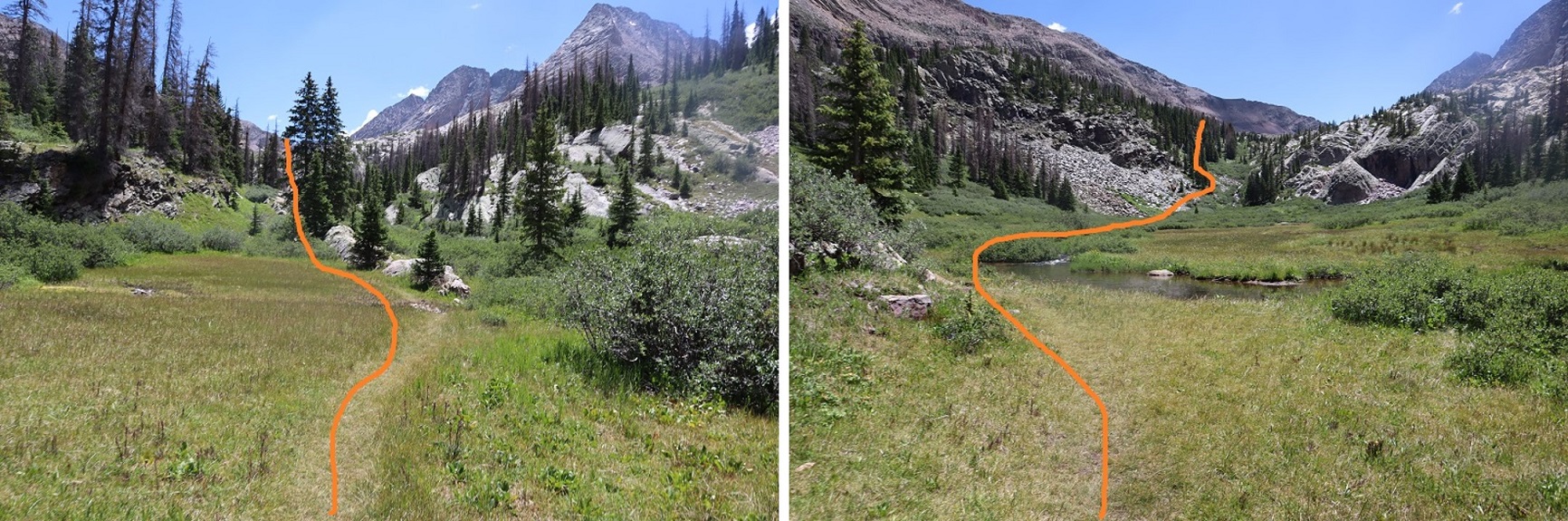
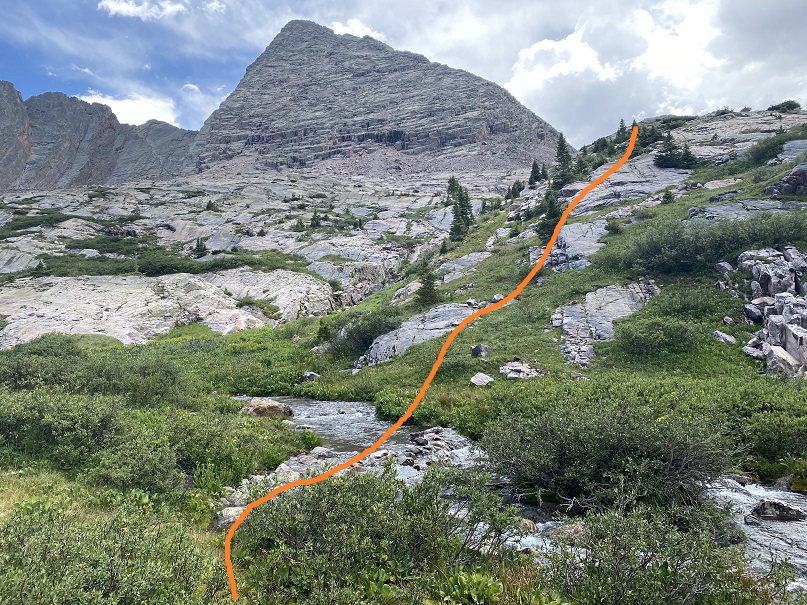
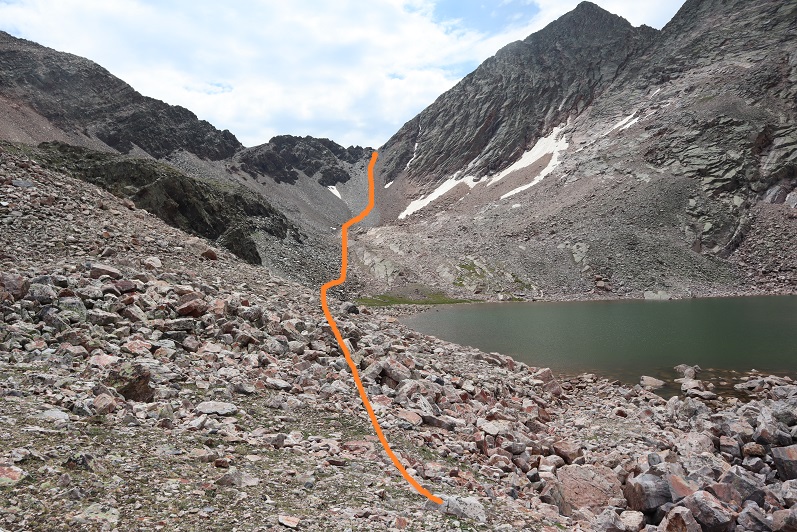
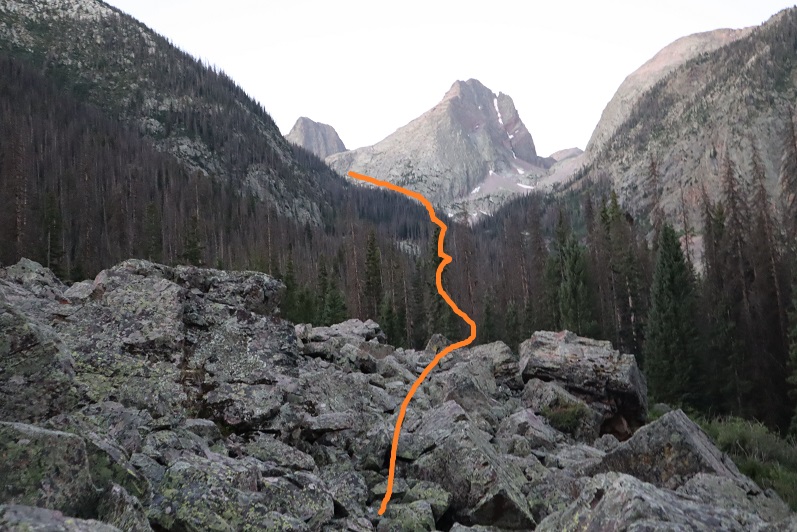
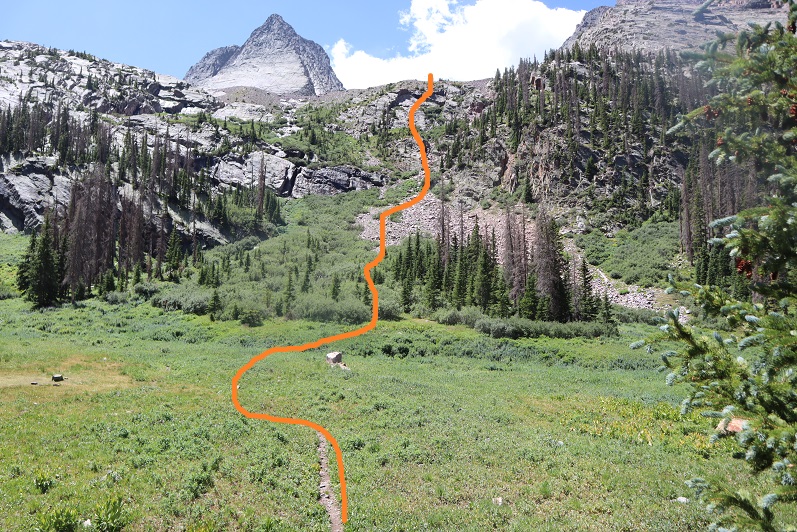
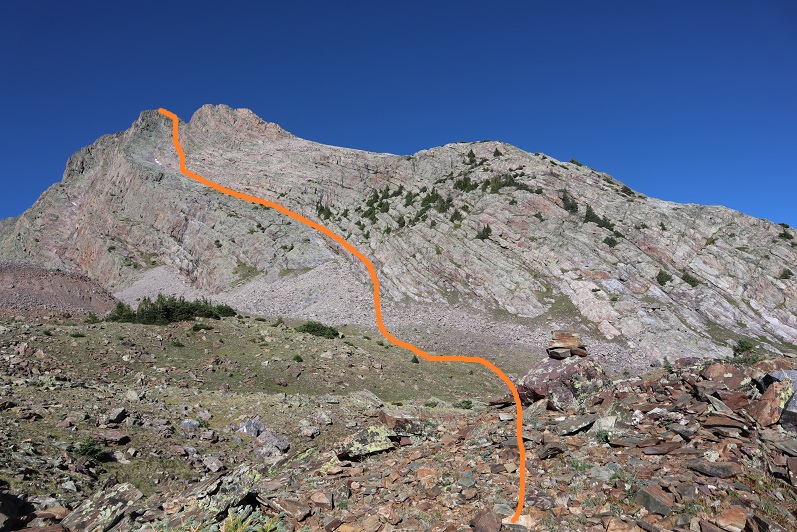
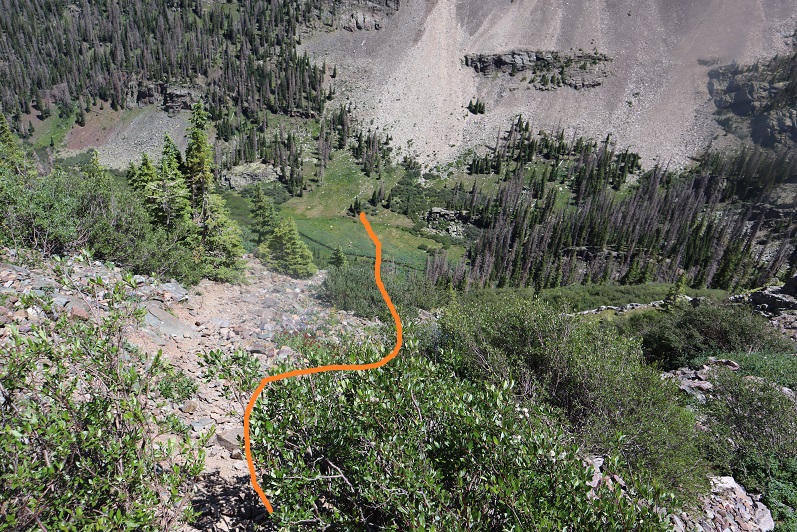
At 11260’ of elevation I left the trail.  There are several options to do this, but here’s a visual of where I was headed. 
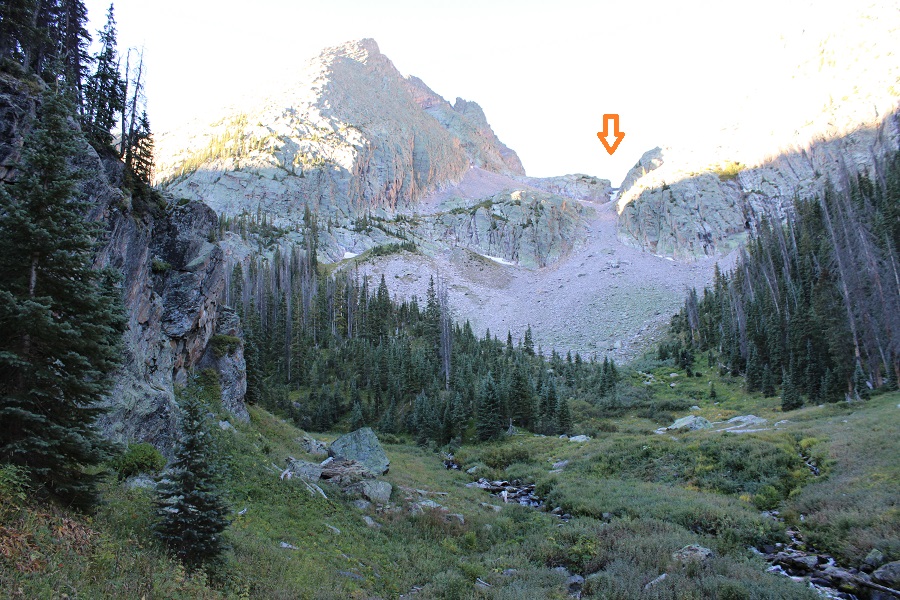
This is the route I took:

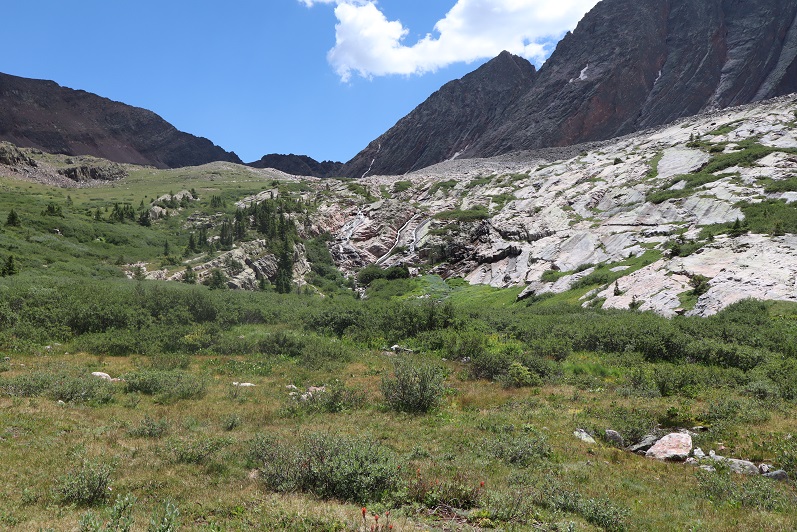
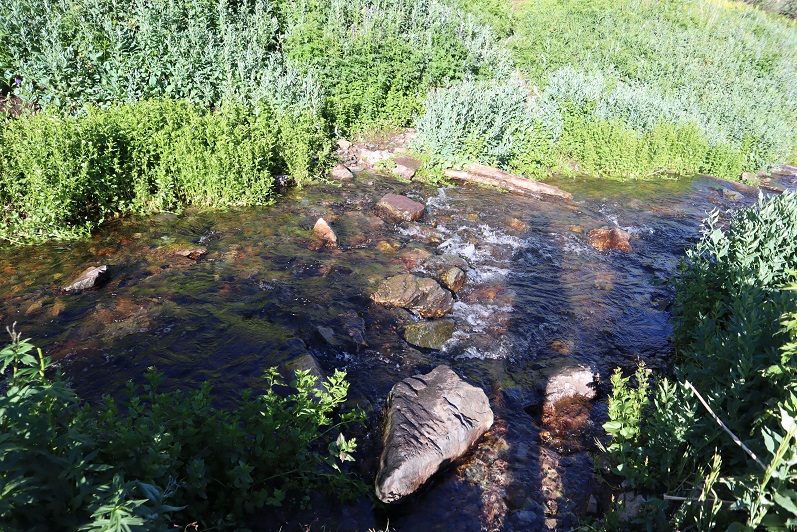
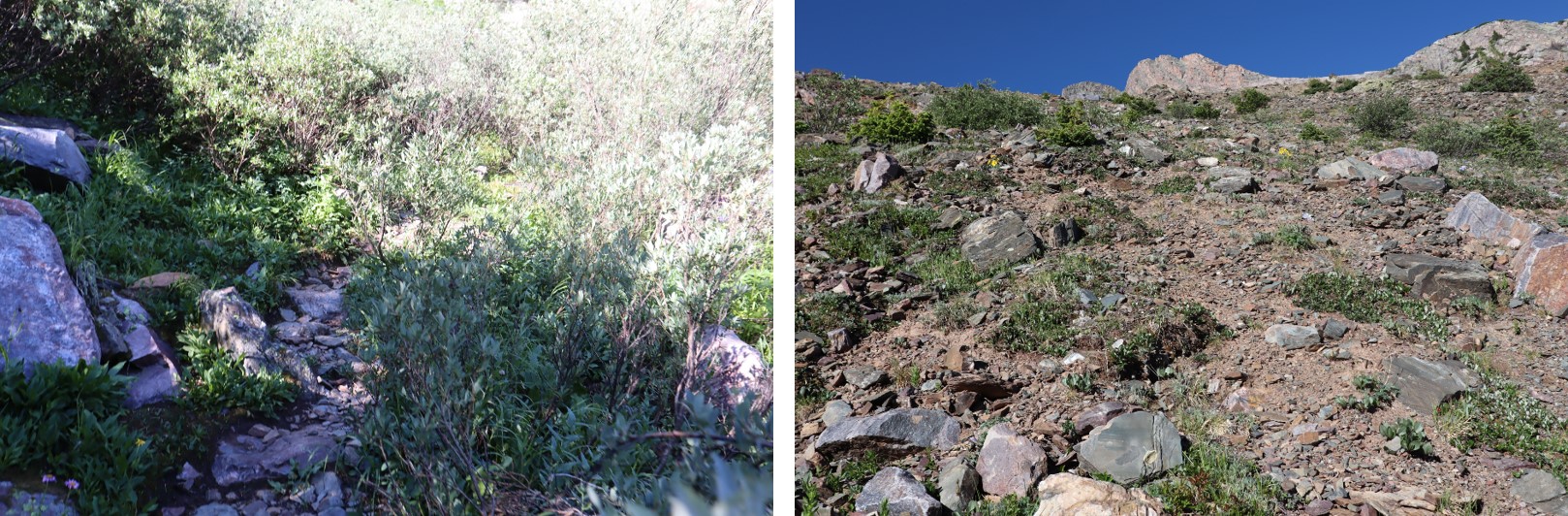
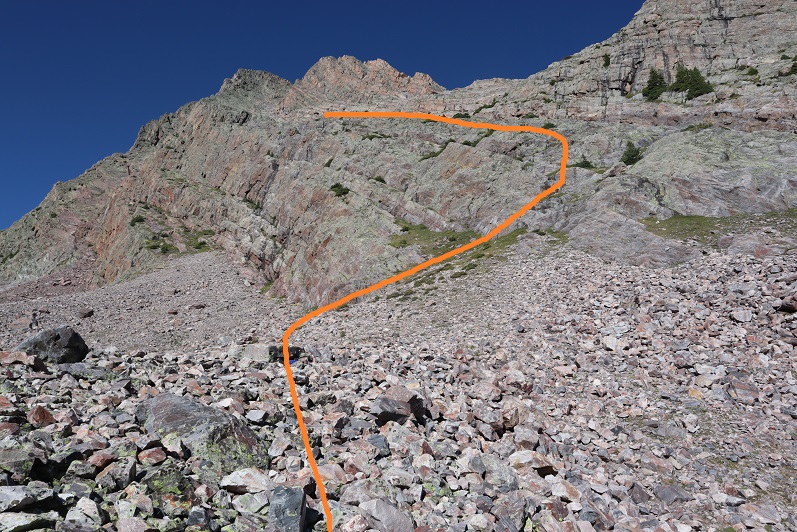
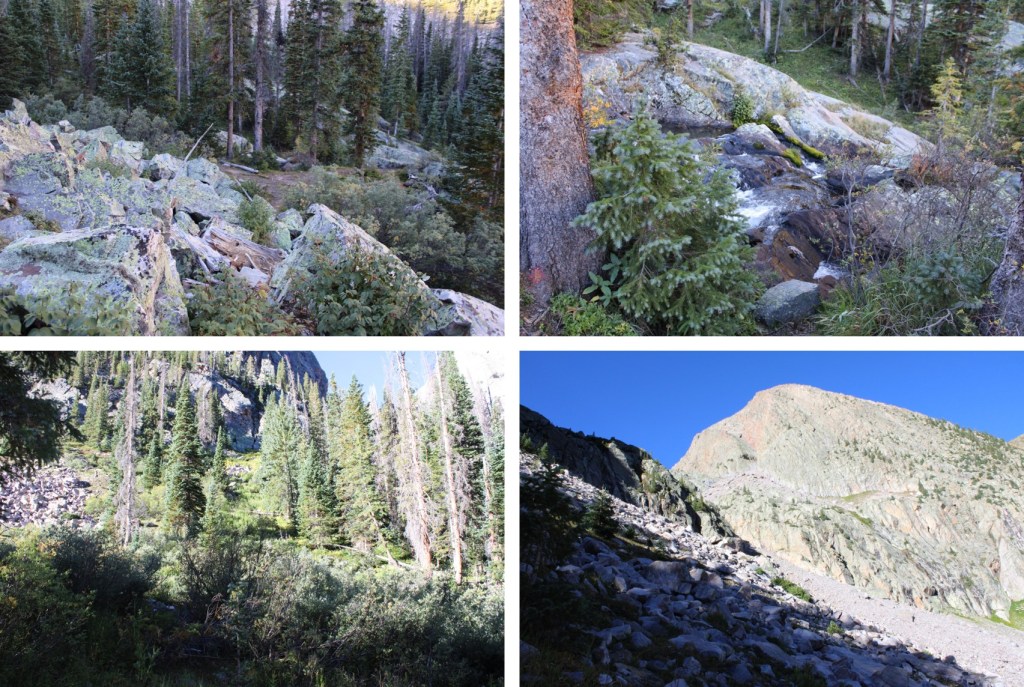
I headed a little further up the trail, crossed the creek at an easily accessible spot, and headed southwest up the slope.  However, this is choose your own adventure, and you can climb straight up the talus/scree if that’s your choice.  I decided to skirt around it.
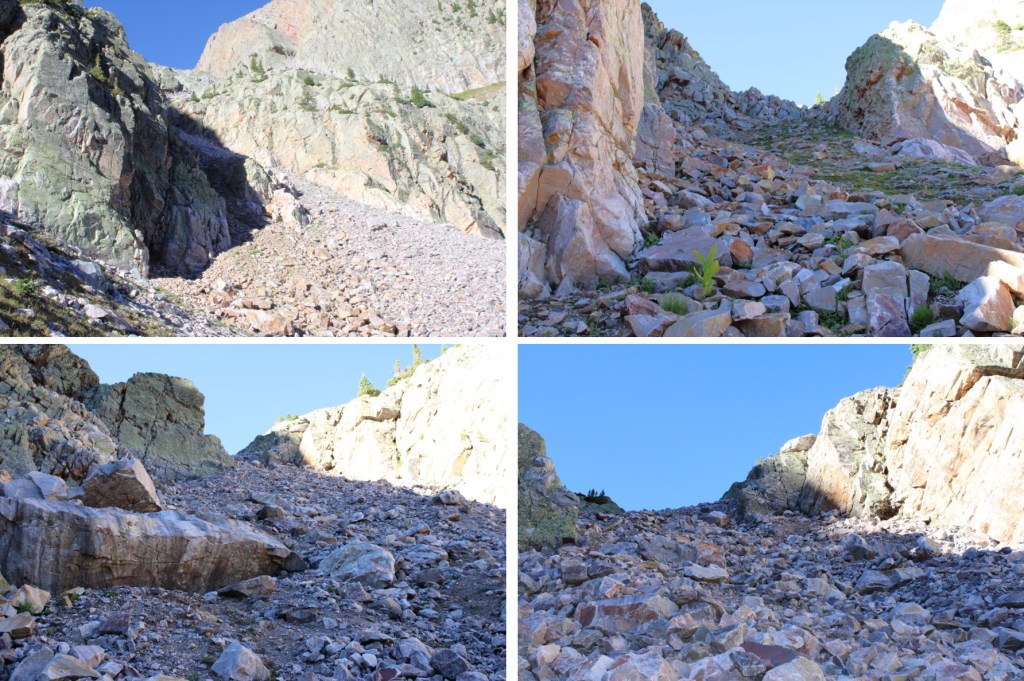
This gully wasn’t too bad as far as gullies go, but I put on my microspikes anyway. 
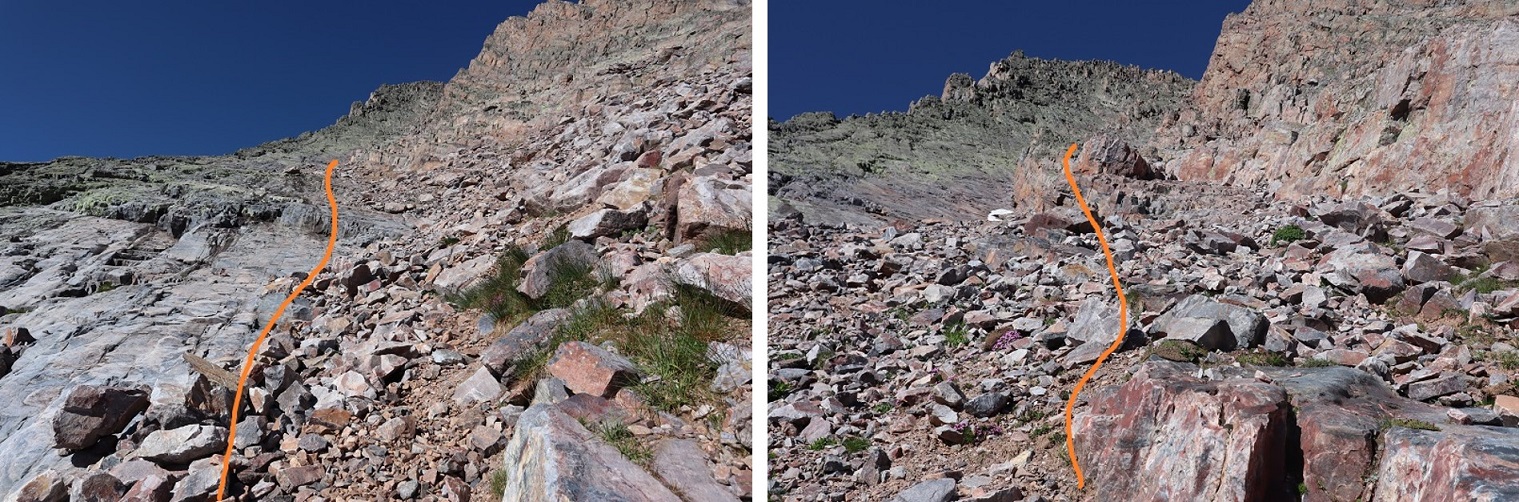
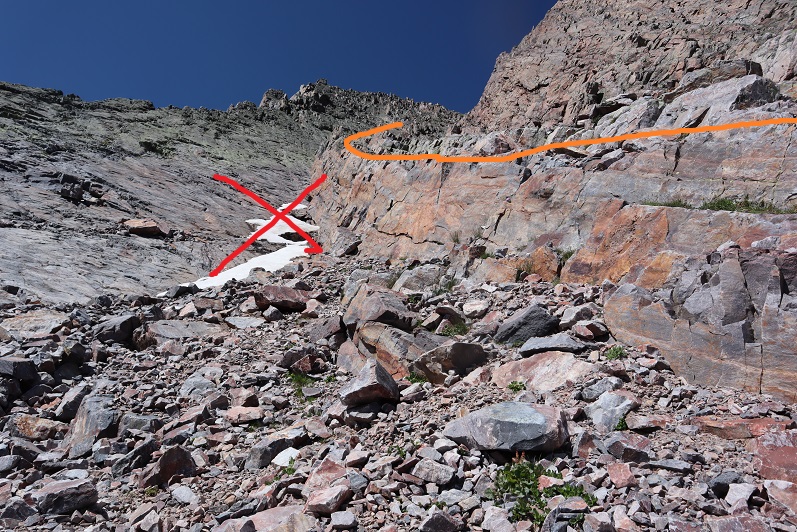
Towards the top I could see quite a bit of snow still left in the gully.
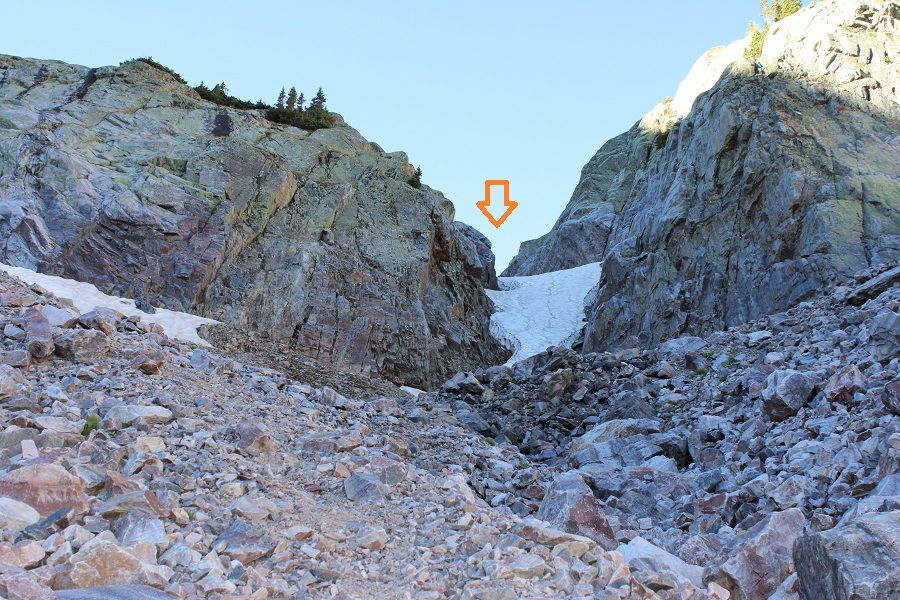
I traversed the gully to the right, finding there was about 2 feet of space where the snow had melted away from the rock.  The snow was avoidable until the last 30 feet or so, when I climbed on top of the snow and walked to the top of the gully on several feet of rock-solid snow.

However, if this is outside of your comfort zone, you can also traverse to the left and make it to the top of the gully on more scree.  Both routes lead to the same place (I took this route on my way down).

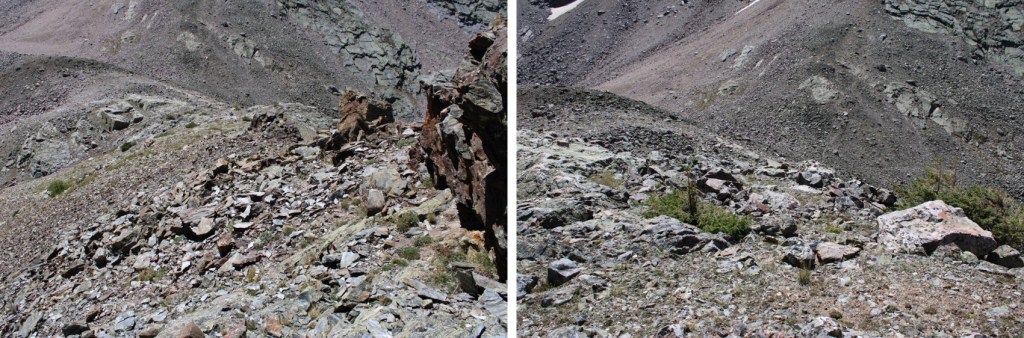
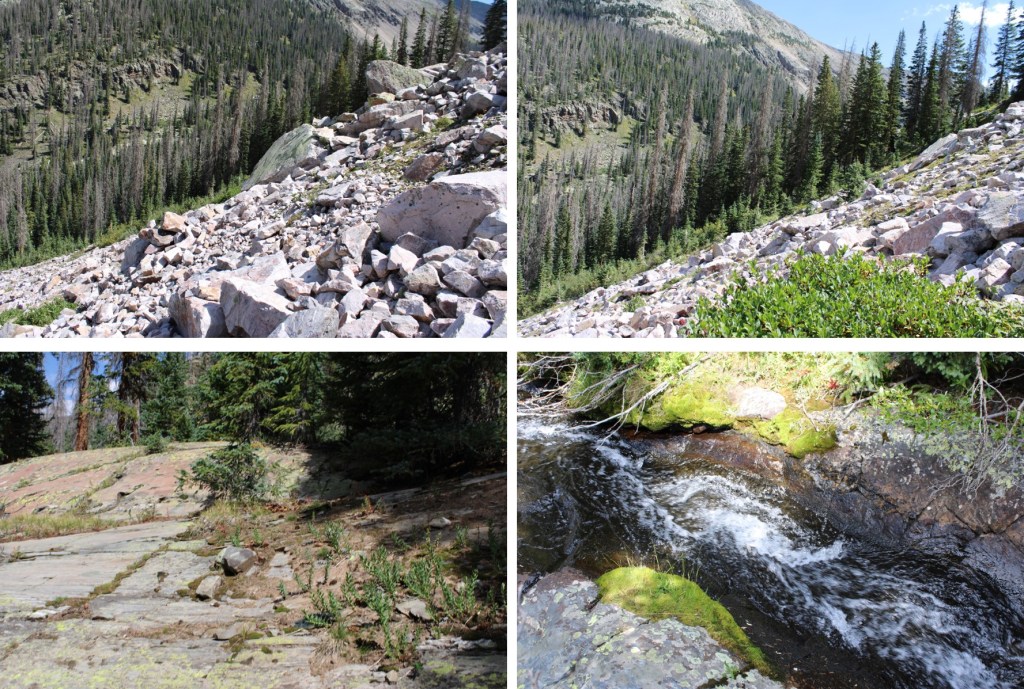
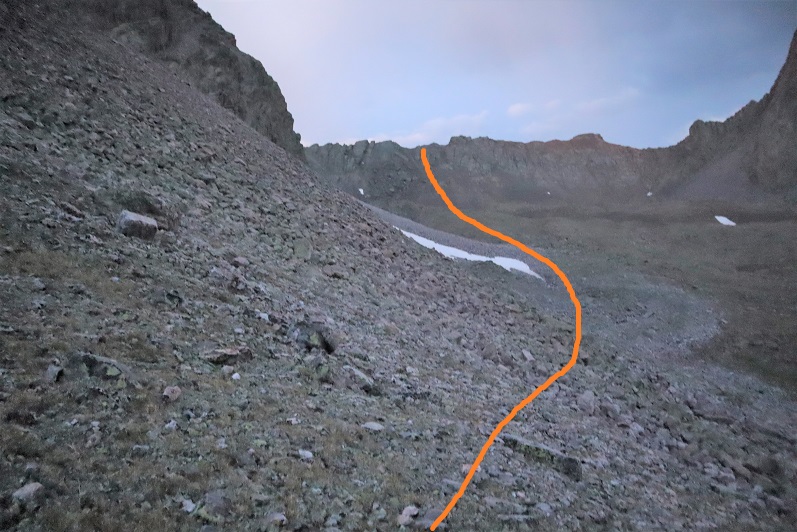
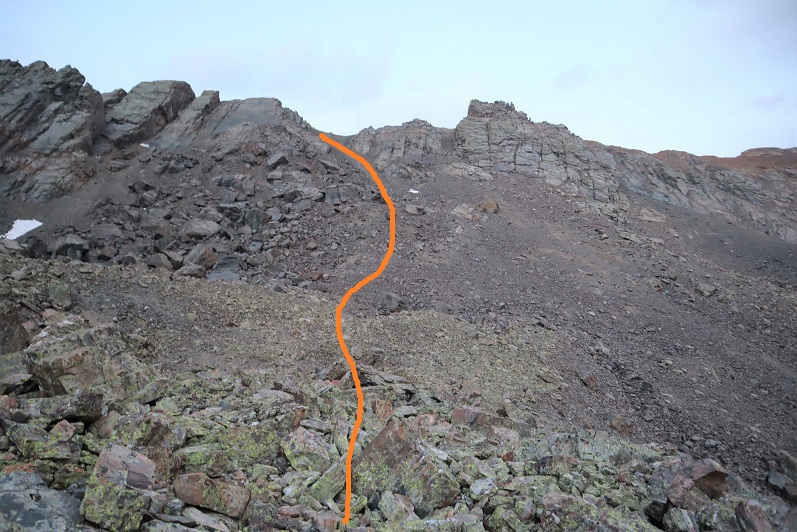
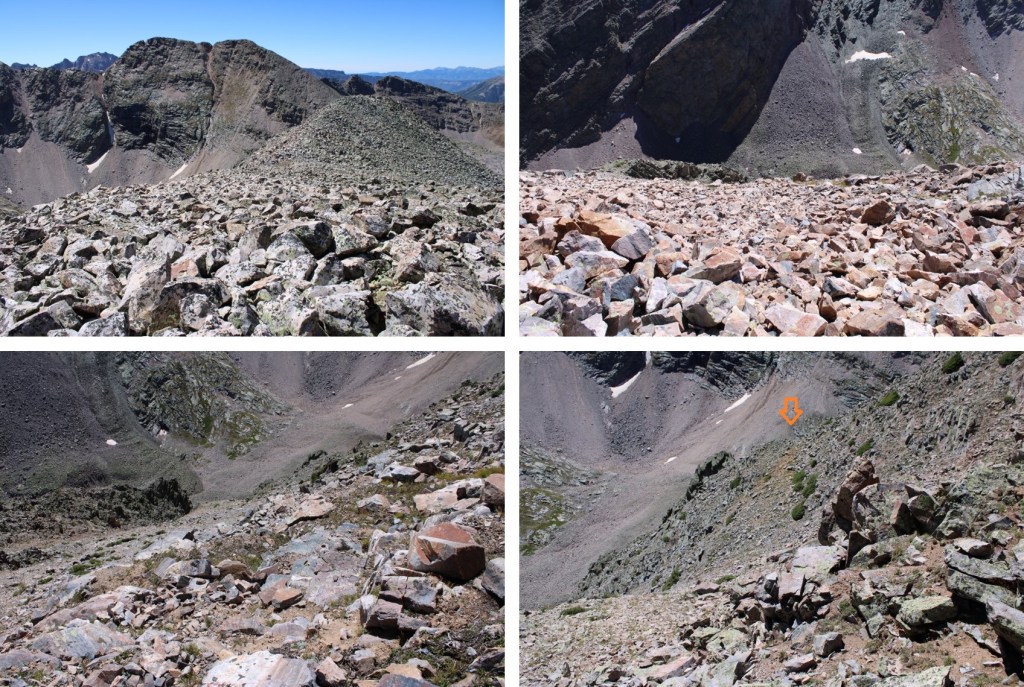
I was now in an upper basin, full of all different sizes of loose rocks.  This wasn’t difficult to navigate, but it was extremely time consuming.  I was headed southwest, staying to the right.
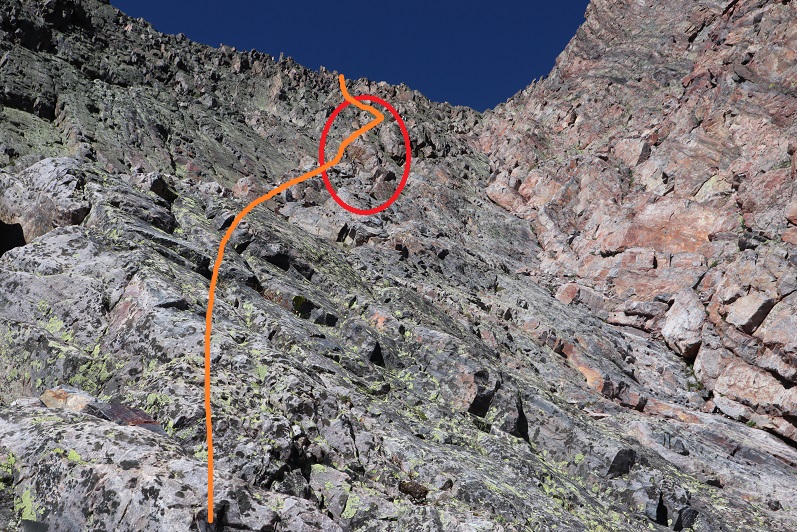
At 12500’ of elevation I turned right to start my climb up Electric Peak’s south side.  If you don’t already have your helmet on (I usually put them on for scree-filled gullies) now is the time to do it. 
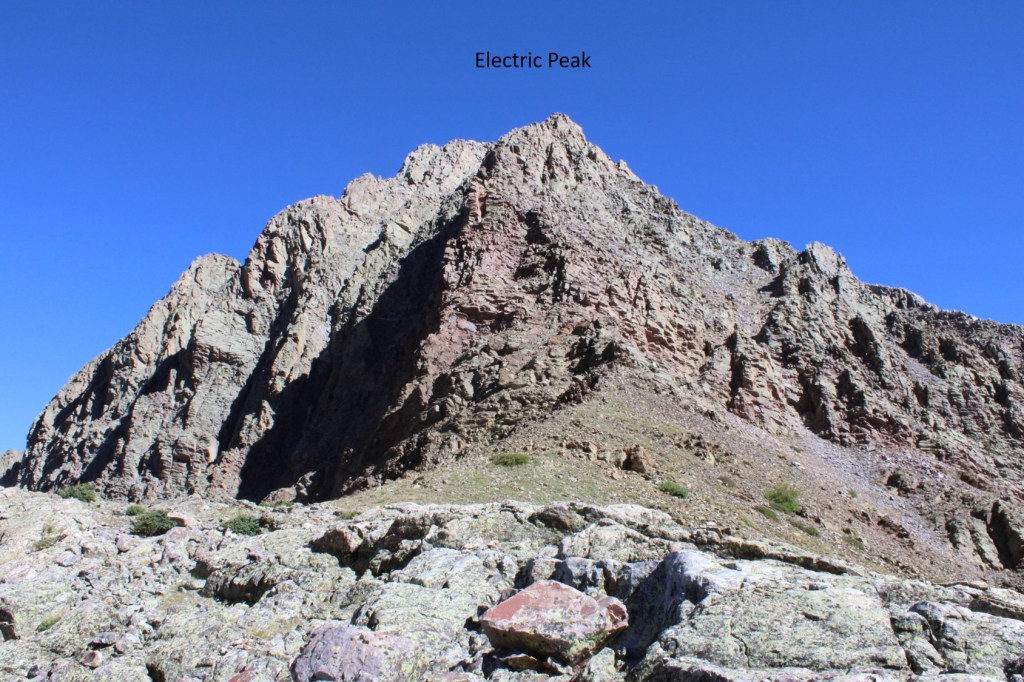
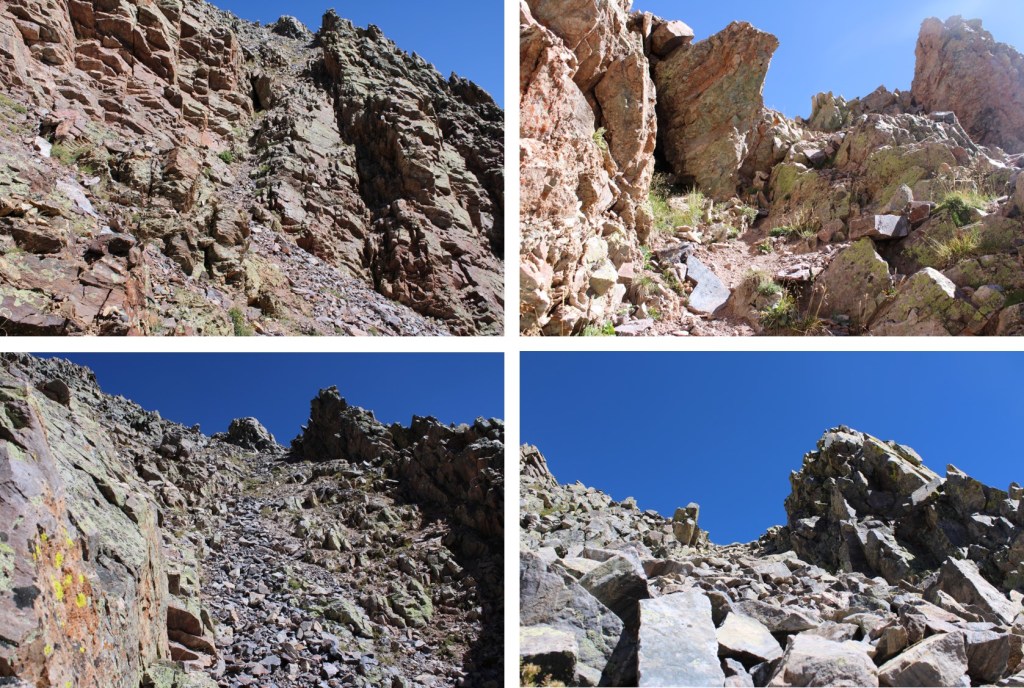
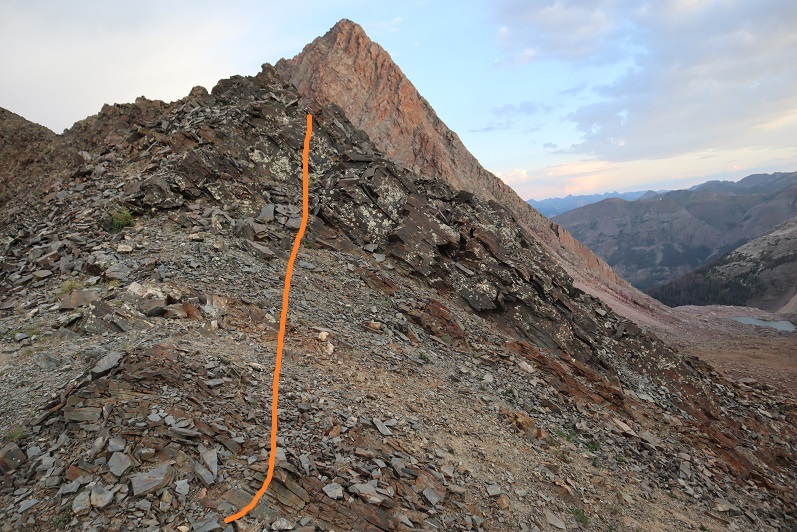
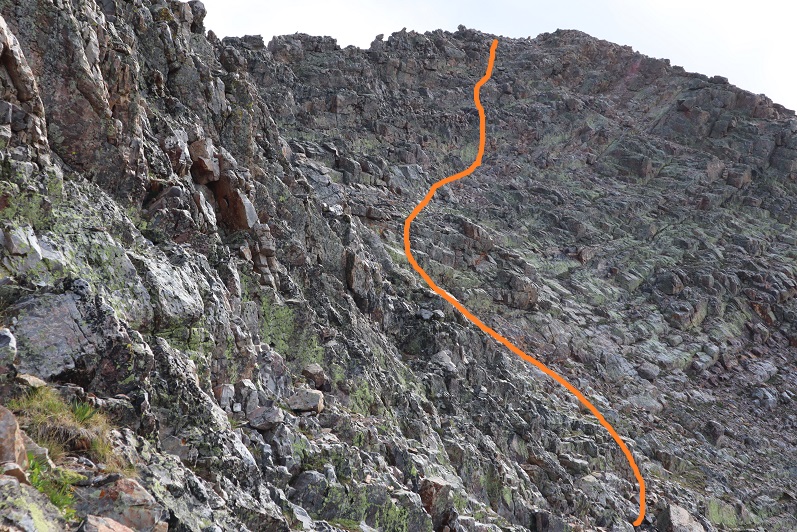
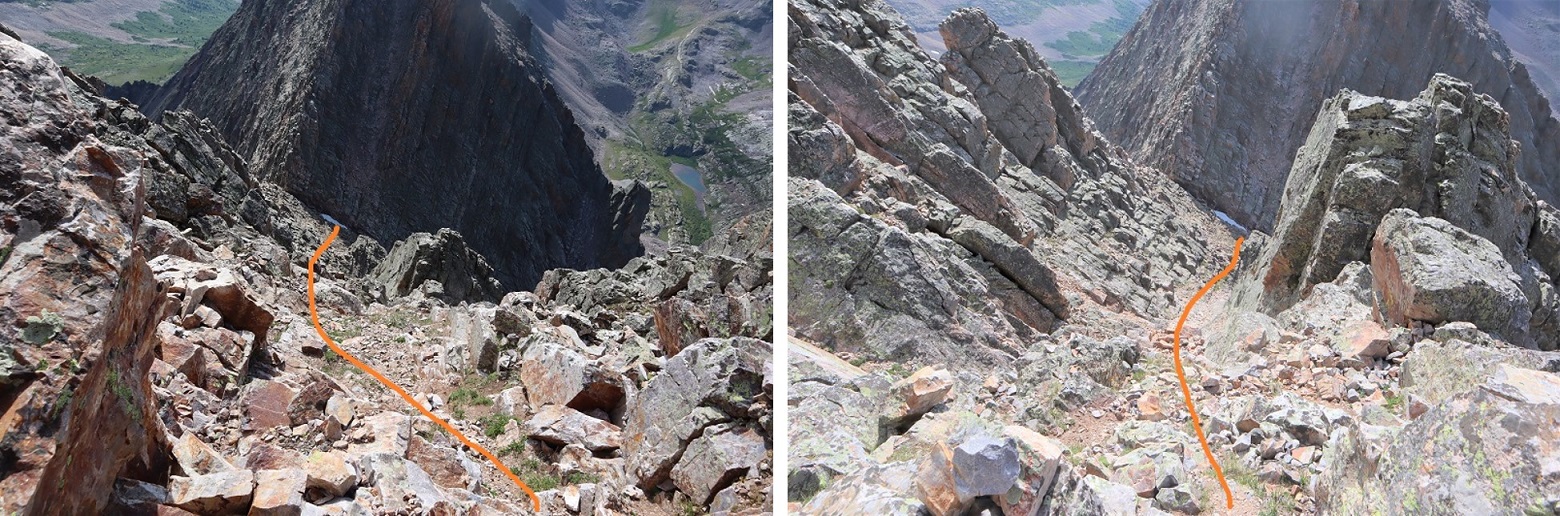
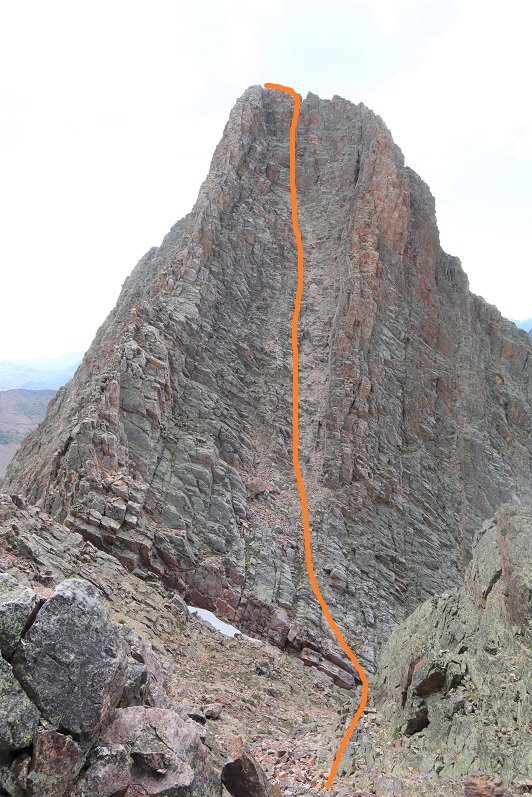
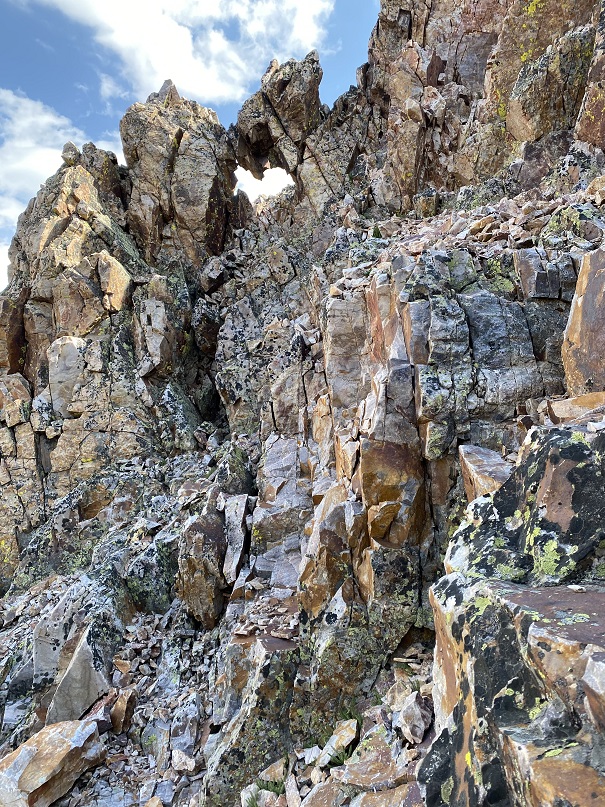
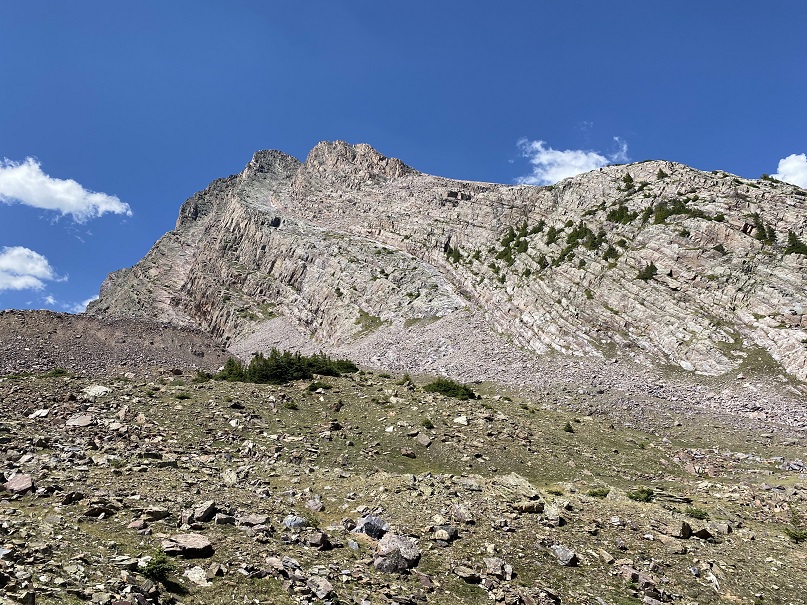
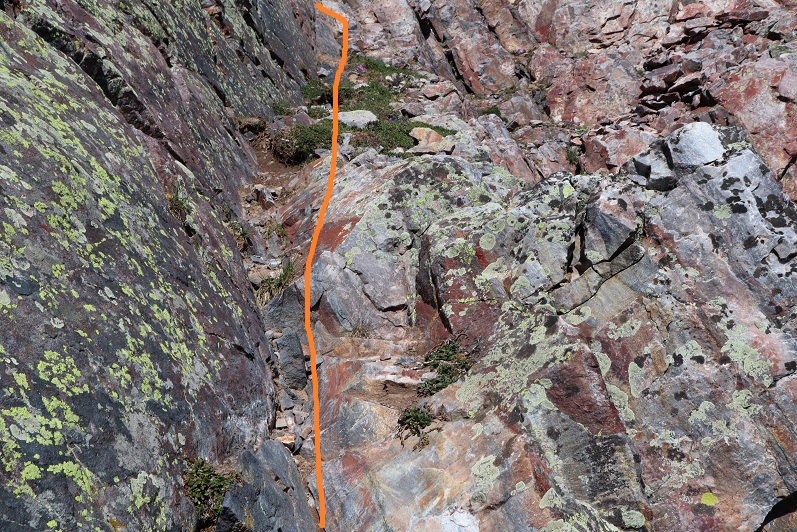
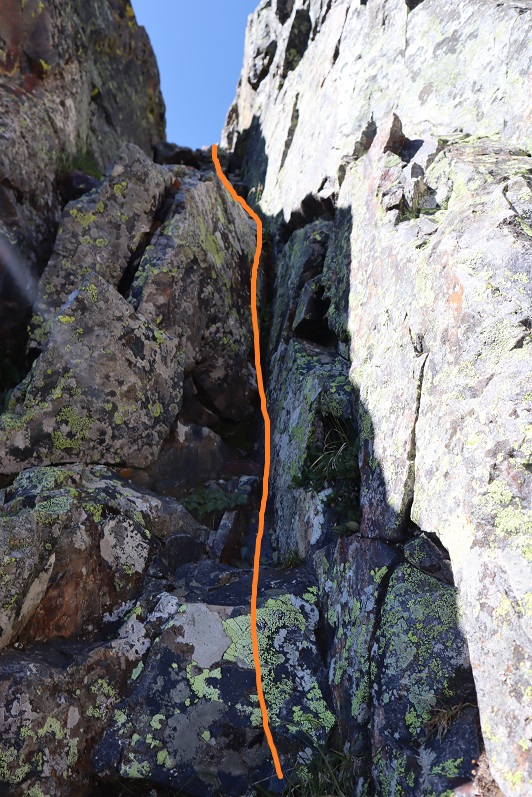
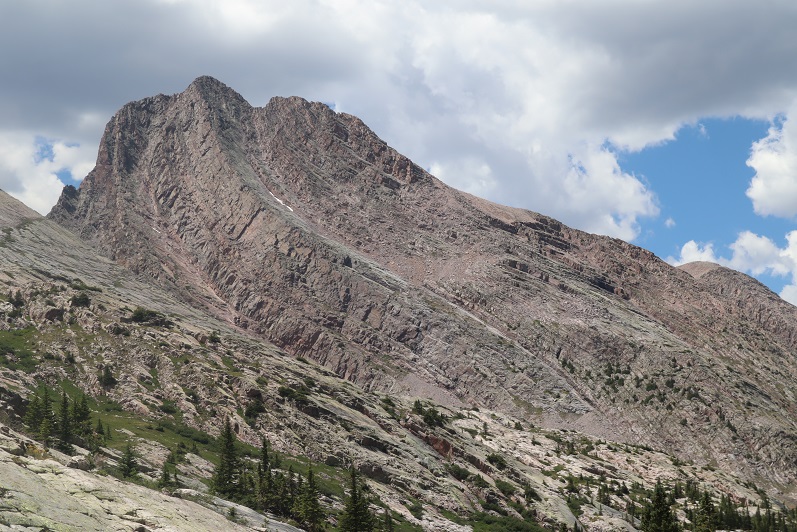
Much of the route to the summit is hidden at this time.  I started by climbing up a class 3 gully to the right

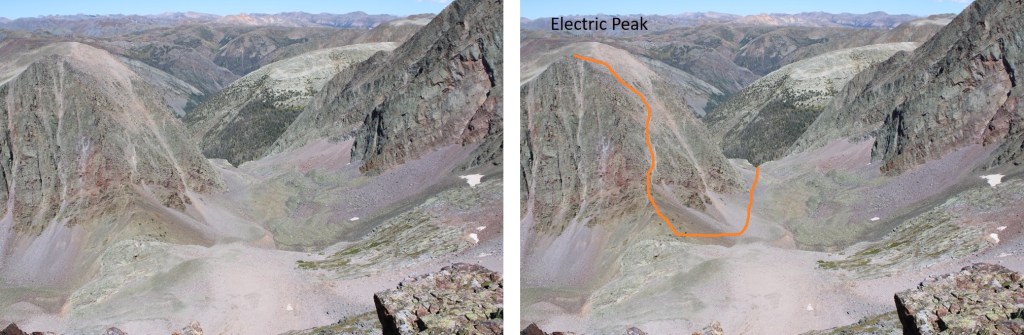
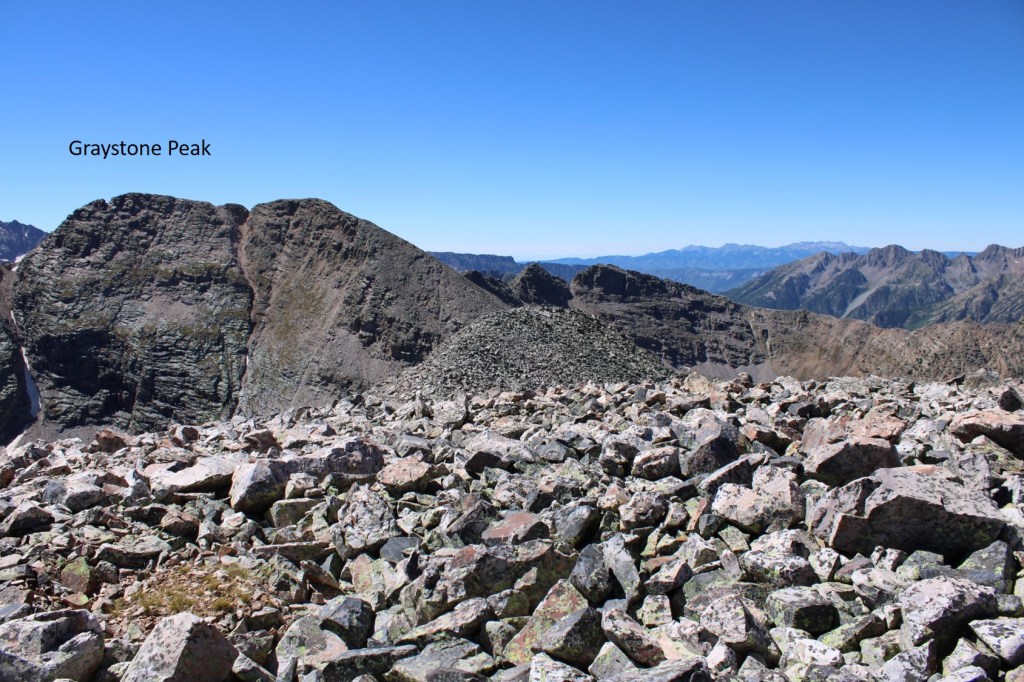
From Graystone Peak, I had a good visual of the route I took, keeping it mostly class 2 after the initial class 3 gully
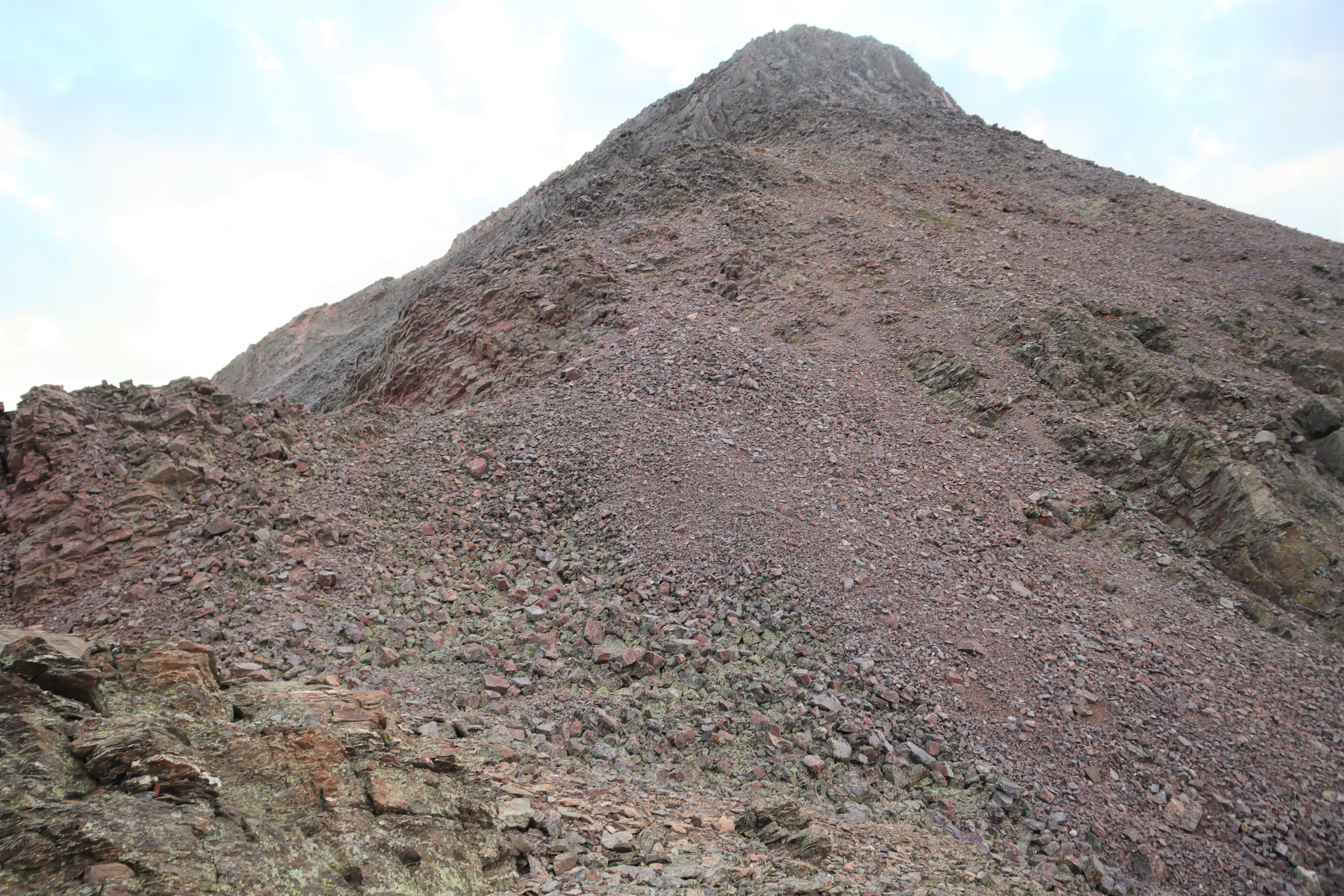
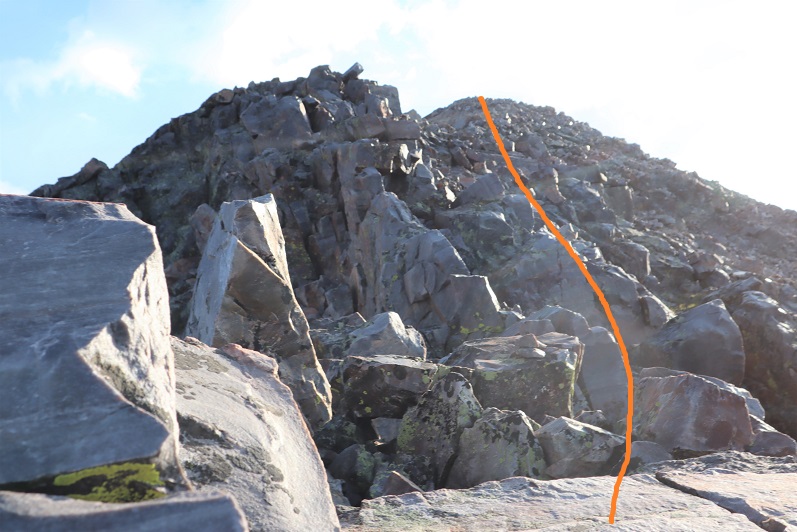
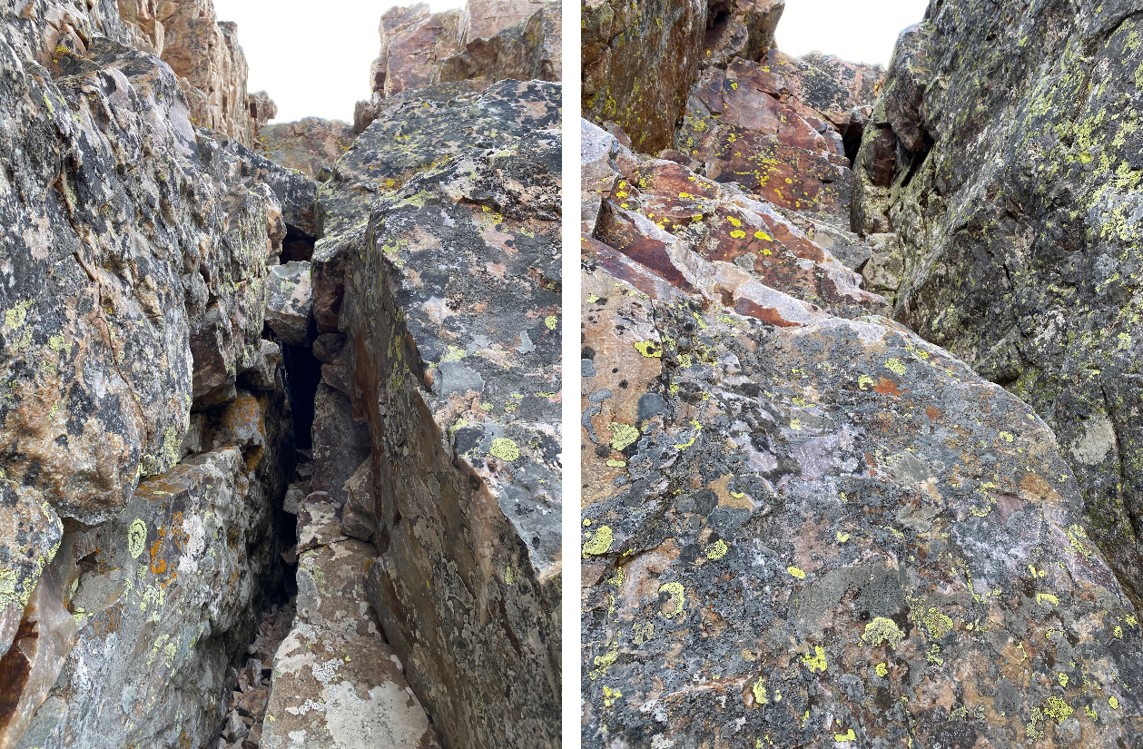
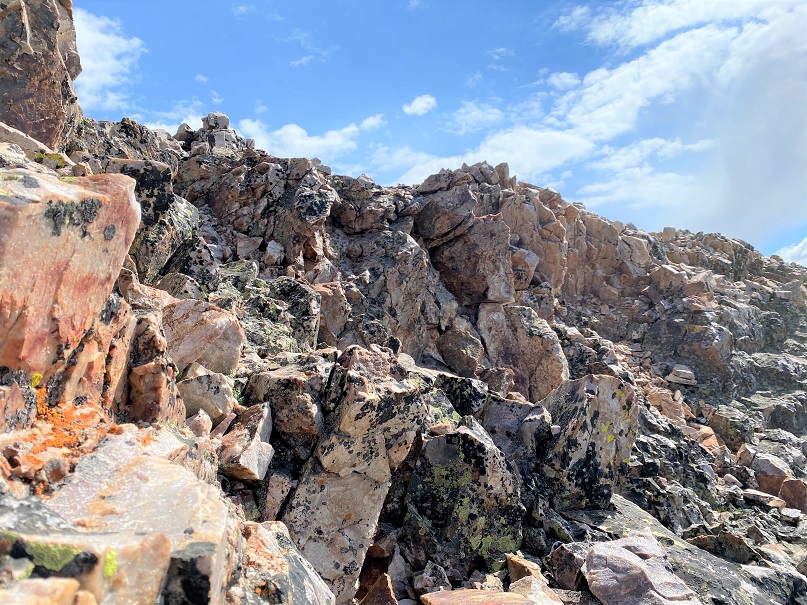
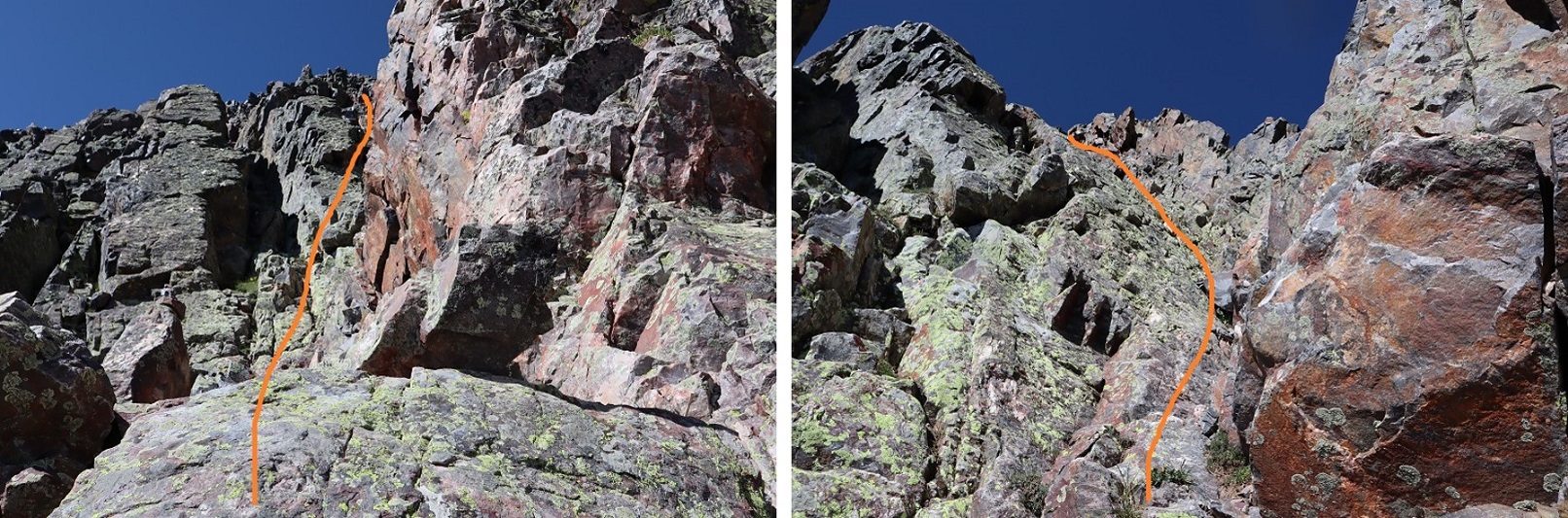
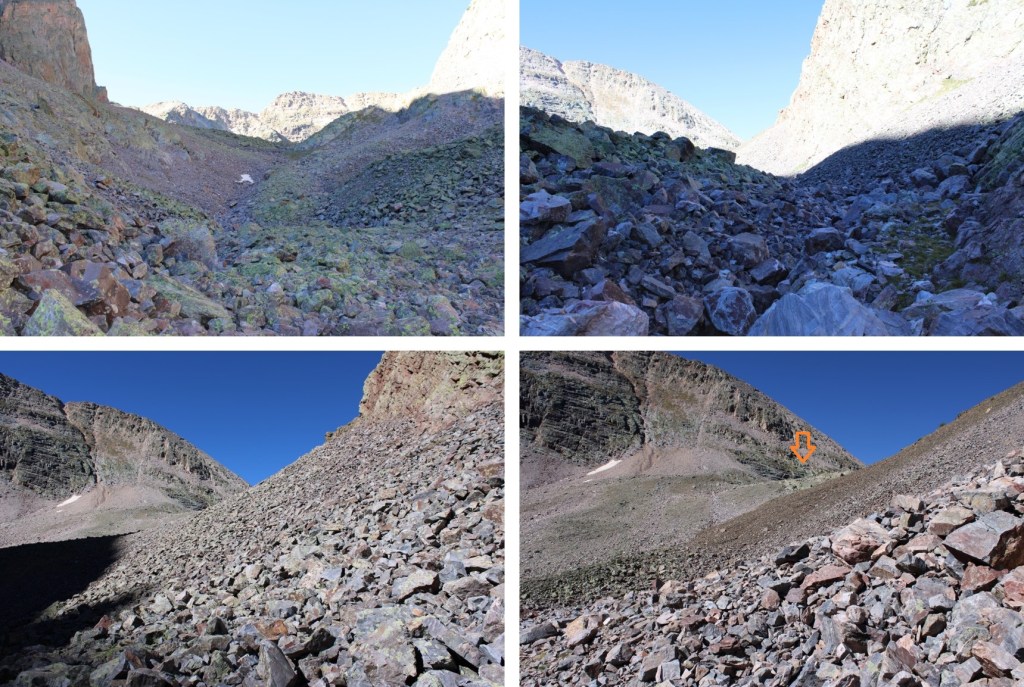
Once on top of this gully, there are several options to make it to the summit.  Here are some on the ground pictures.  The terrain was rocky most of the way to the summit.

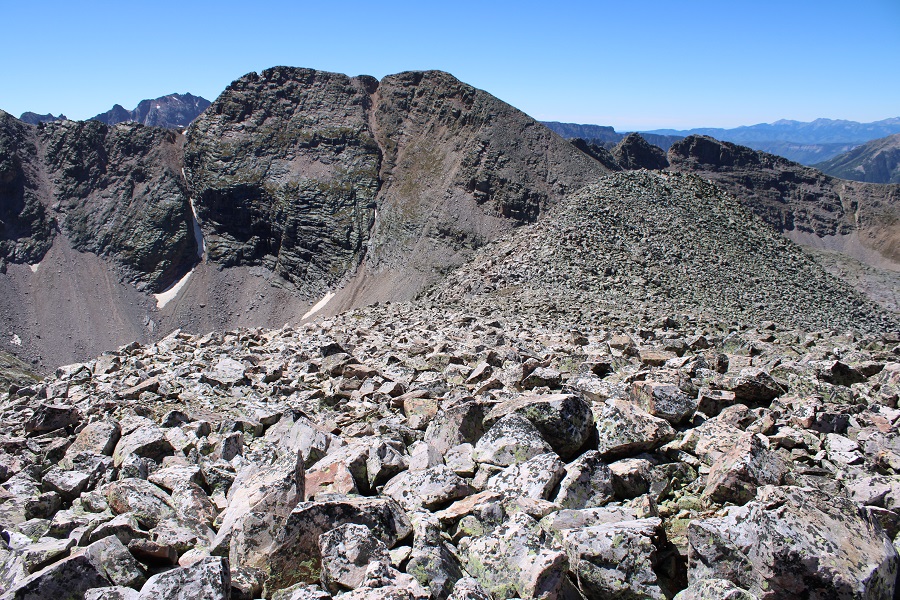
The summit was fairly flat and rocky.
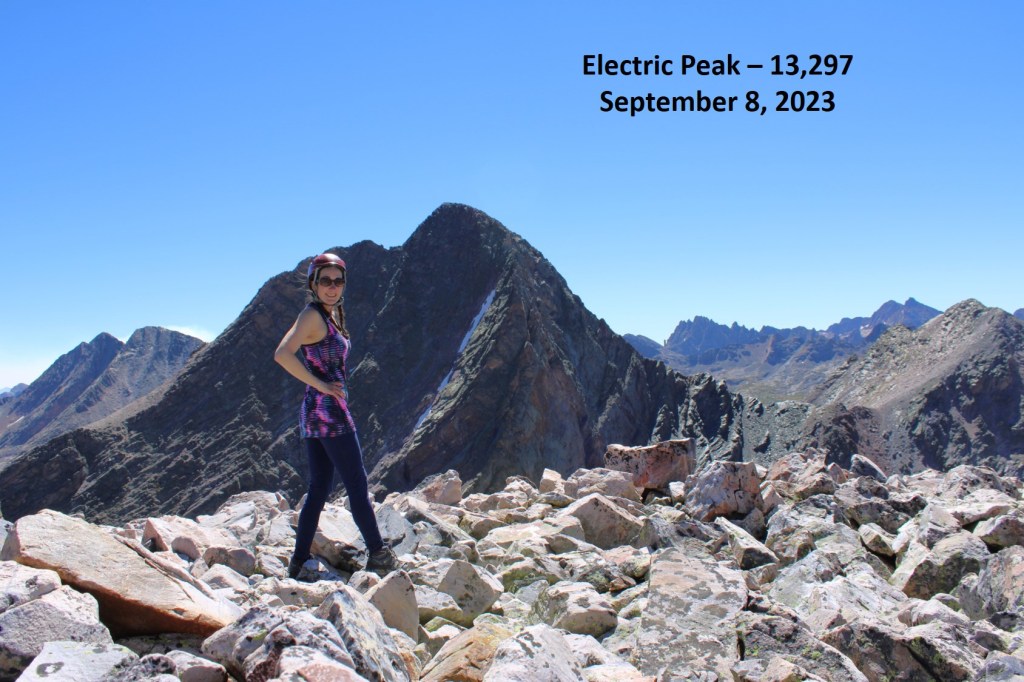
Electric Peak:

From the summit of Electric Peak, I could see my next objective, Graystone Peak, to the south.
I re-traced my steps back to the saddle
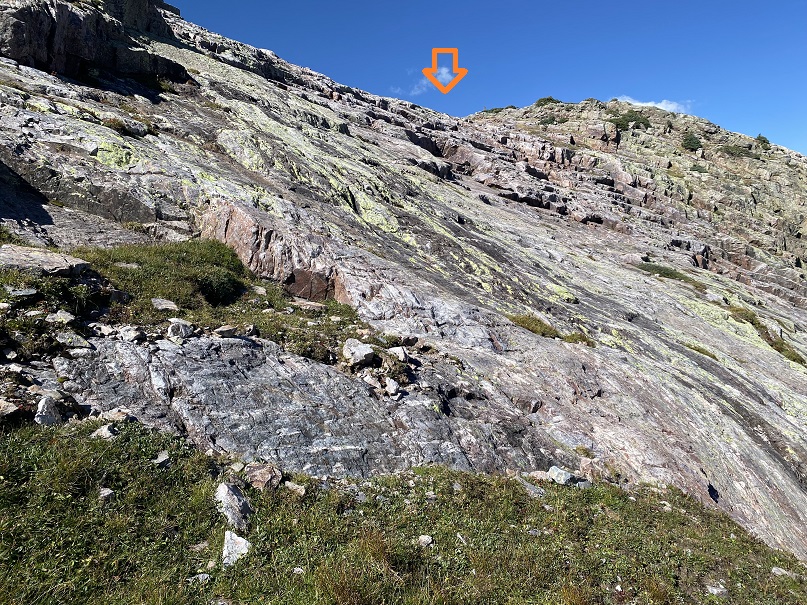
Now to head over towards Graystone Peak.  I looked east, and saw these wonderful rock slabs.

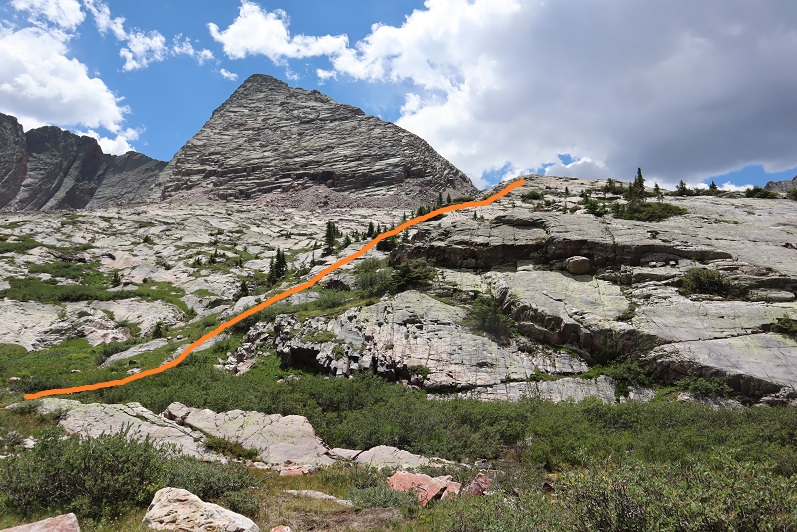
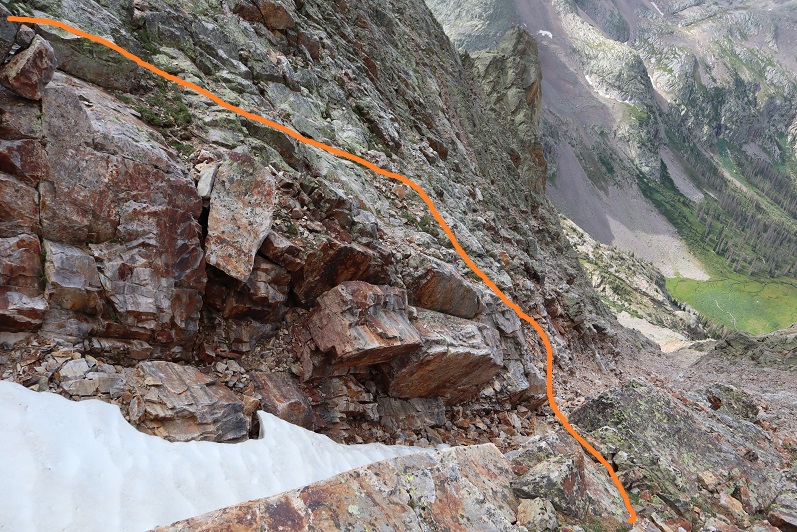
Traversing up and down large rock slabs is mostly a mental exercise in not freaking out. I kept telling myself “My shoes have got this, trust your shoes. Also, don’t look down”. This is the route I took.  There’s no avoiding the slabs.

Another view of the rock slabs, with a little bit of climbing towards the end (which was favorable to the smooth slabs)
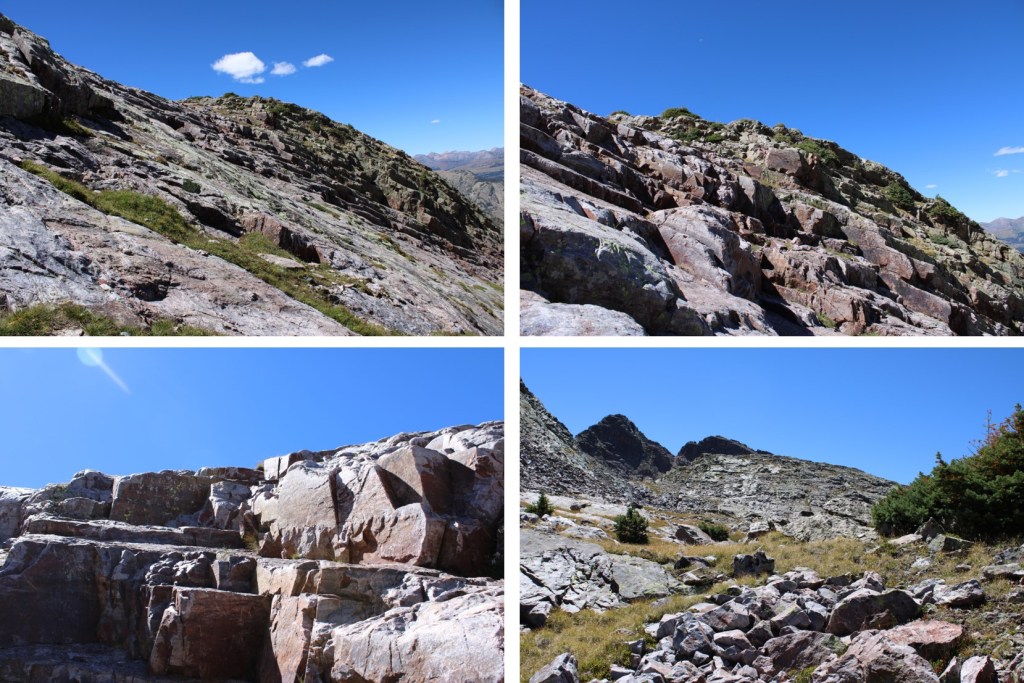
After making it up the rock slabs, I turned left, now ready to scale Graystone Peak
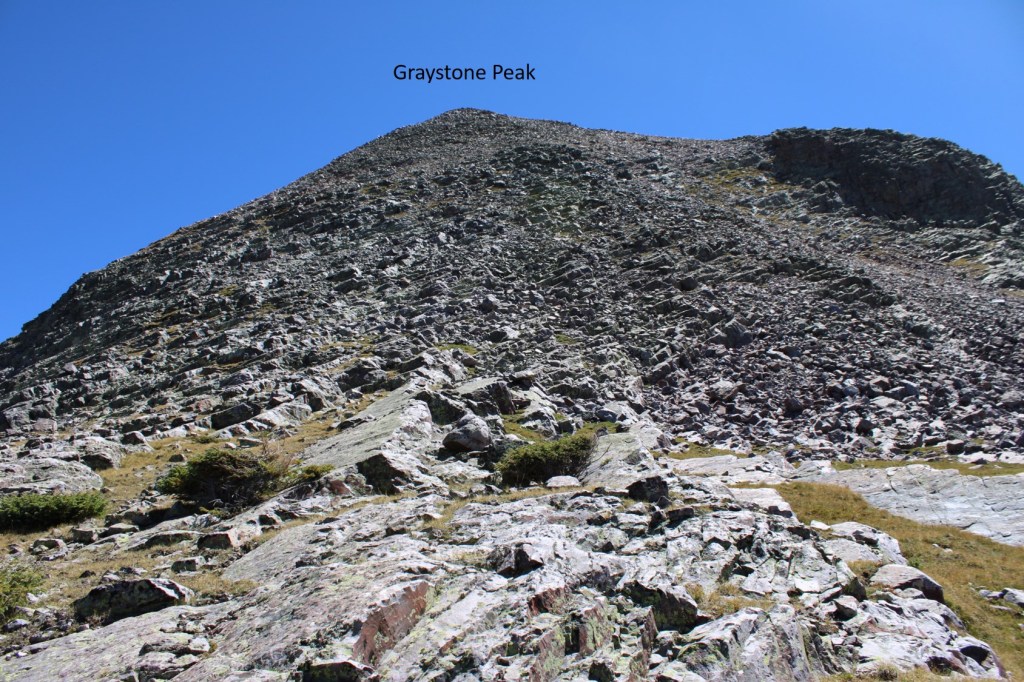
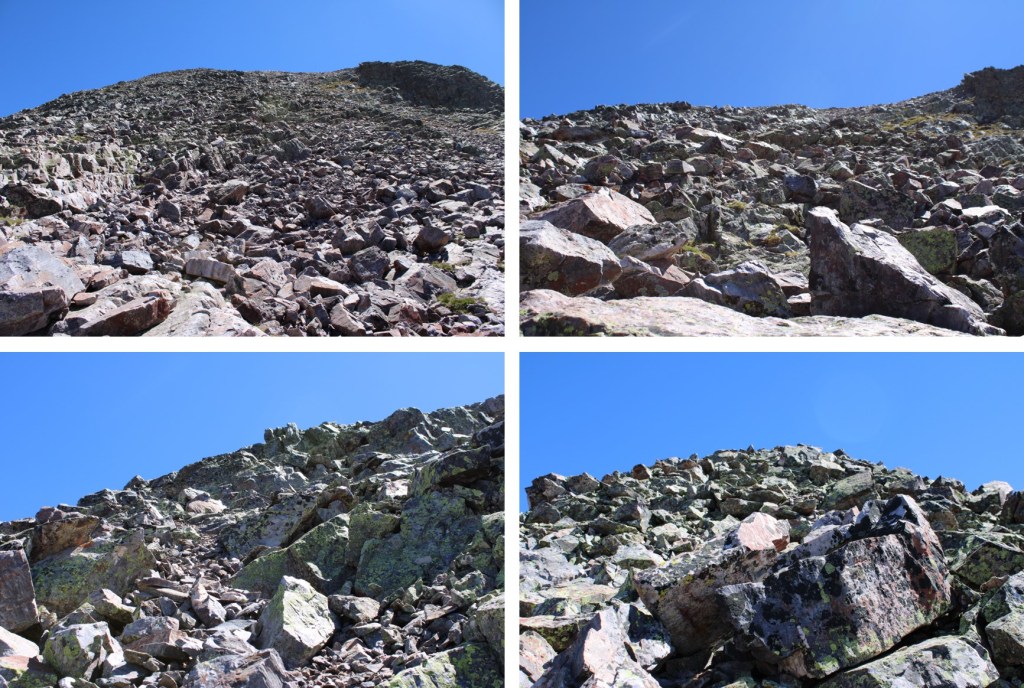
Scaling this peak is exactly what it looks like:  straight up the side with a lot of various sized rocks to traverse that are loose.  I headed southeast up the mountainside.
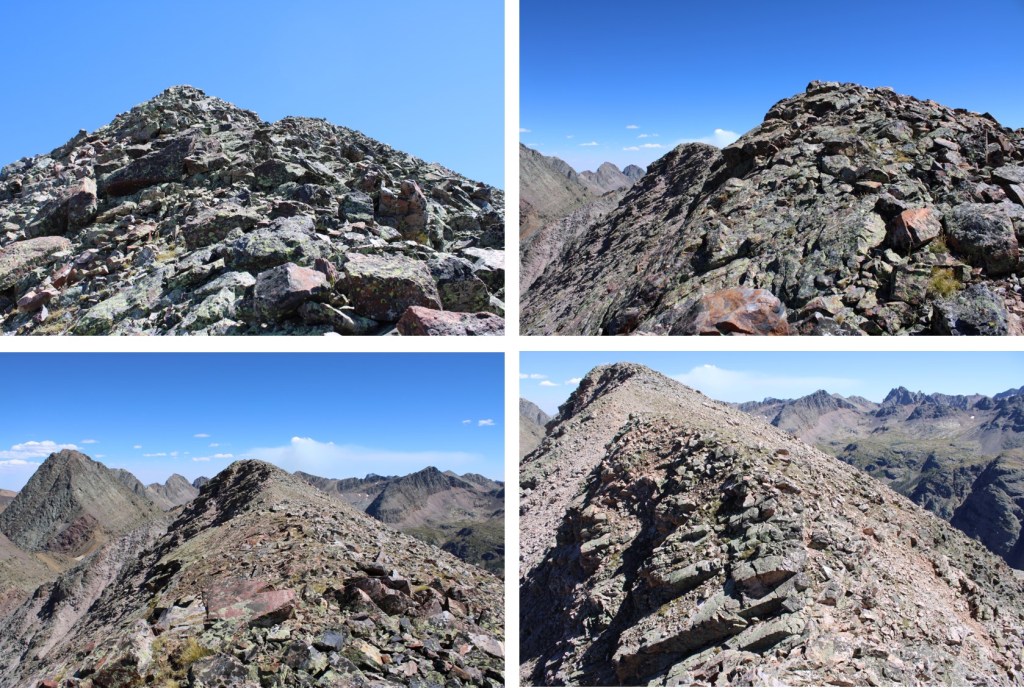
Once making it to the ridge, I stayed on the ridge proper to the summit, with some easy class 3 ups and downs along the way.
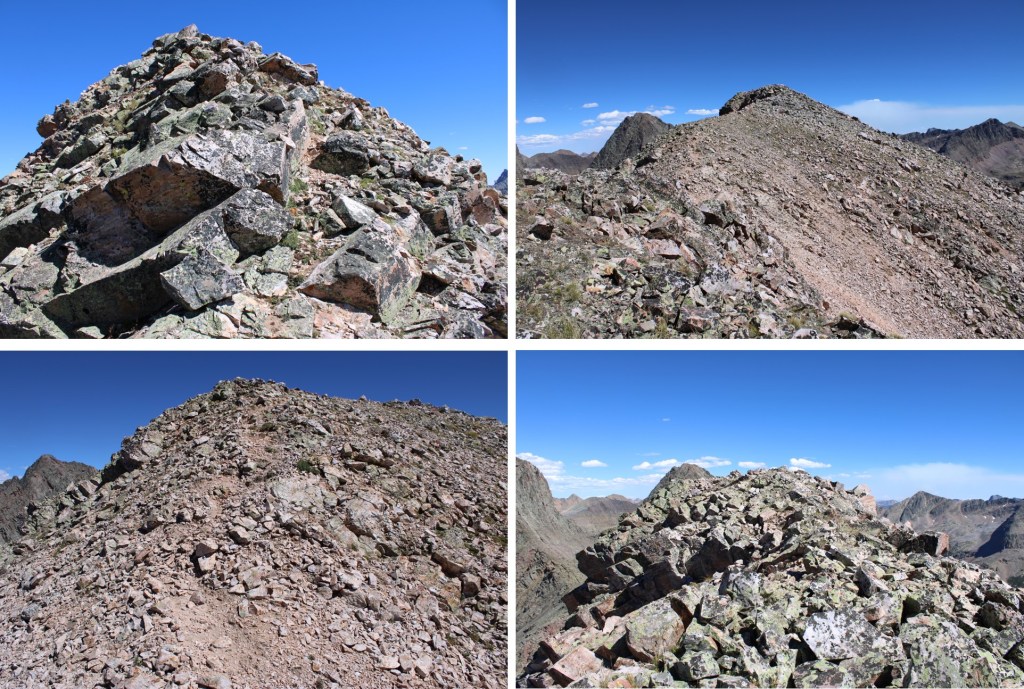
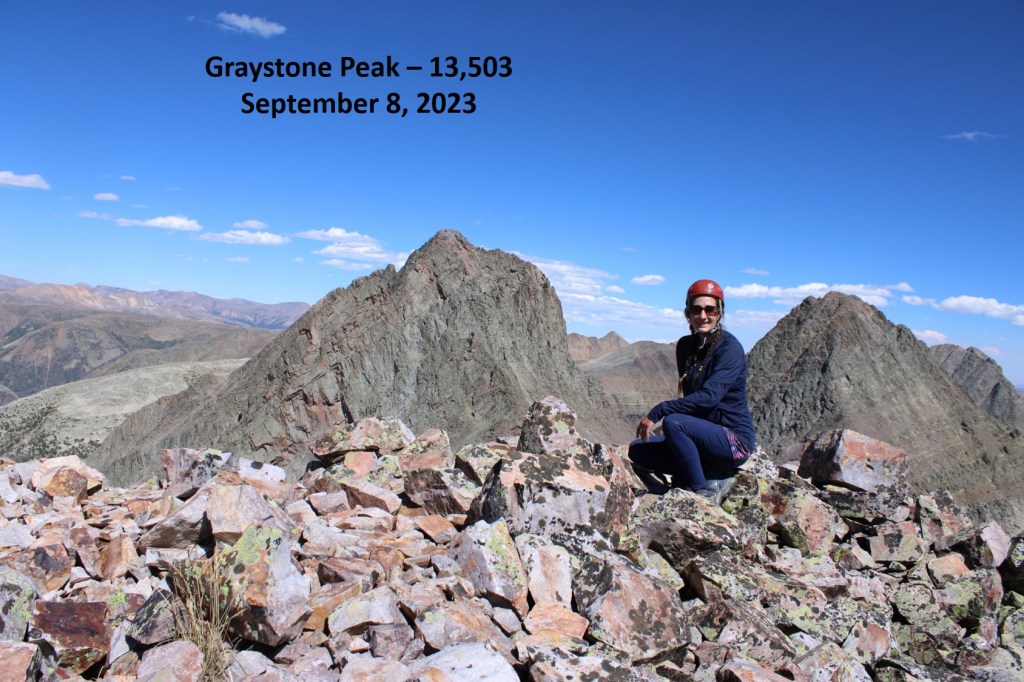
There was a large cairn at the summit
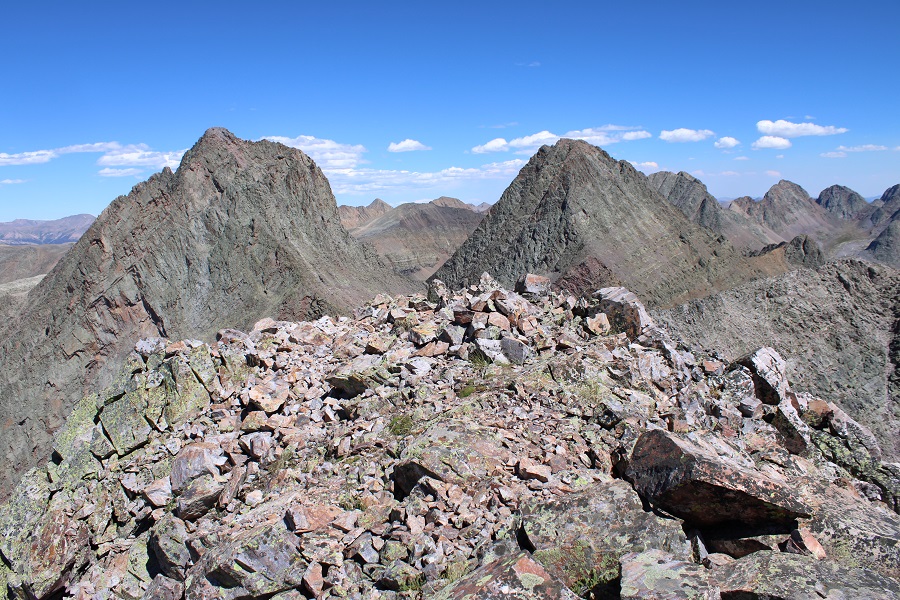
Graystone Peak

I turned around and headed back down the peak the way I’d ascended, doing my best to keep my balance and navigate the loose rocks.

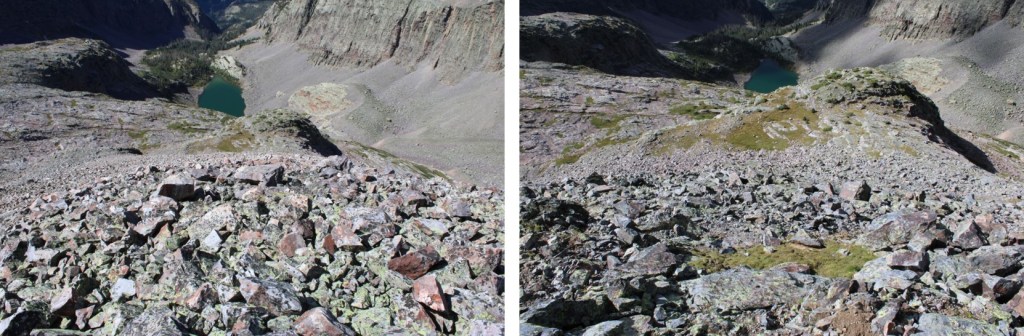
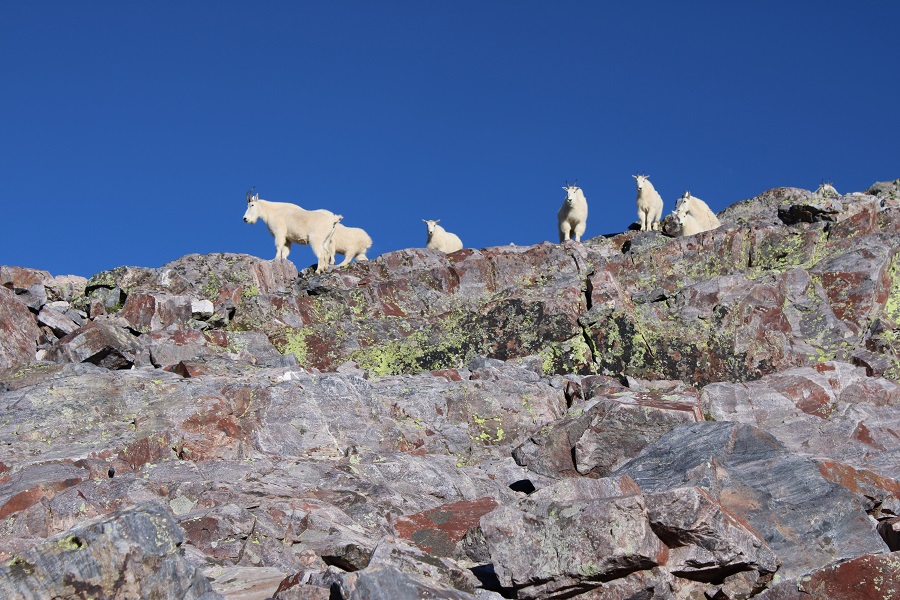
It had been a long day, so once I made it back down to the little patch of grass at the base of Graystone Peak I decided to call it a night and set up my bivy.  I dried out my clothes, ate some dinner, and wrote notes down in my journal.  Just before settling down for the night, I heard rocks tumbling and then skidding to a halt behind me.  I turned around, and about 30 mountain goats were standing on the ledge, about 20 feet away.  Most of them dashed away before I got a picture, but they seemed just as surprised to see me as I did them.  They were probably headed towards the patch of grass I was using as a bivy site, and seemed a little disappointed to find me already occupying the space.  I wish I could have told them I wouldn’t bother them and they were free to stay, as there wasn’t any other grazing areas around, but they all bounded away to find another site.
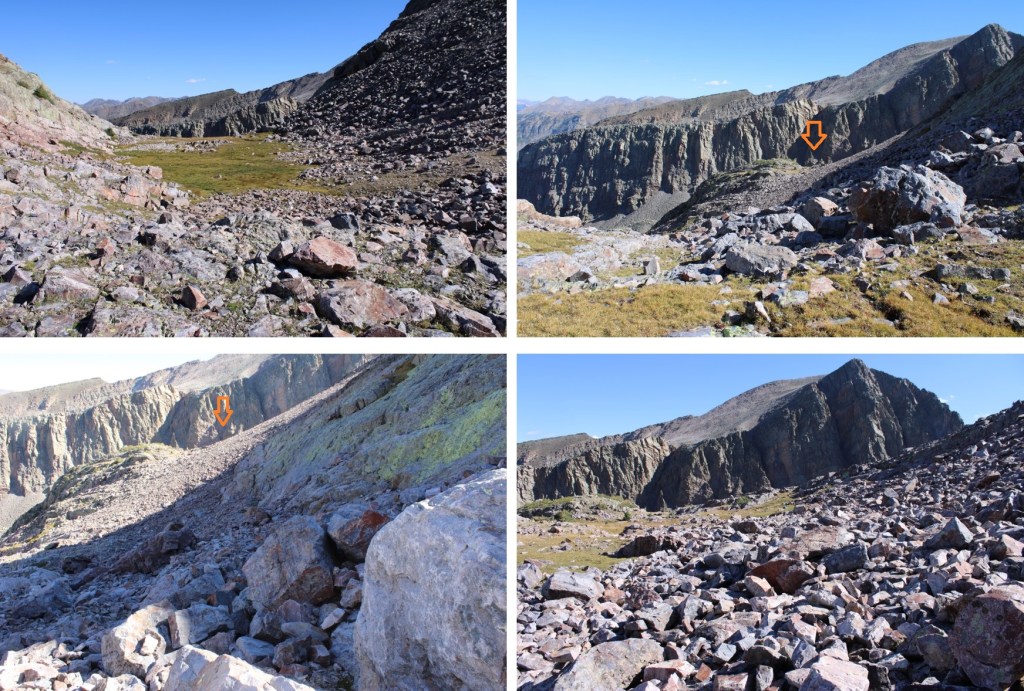
I was up early the next morning and on route to Mount Garfield.  Even though this was the shortest of the peaks I was doing this weekend, it was by far the most challenging.  Once on the ridge it was consistent class 3 the entire way.  I started out by heading southeast around the base of Graystone Peak. I was headed here:
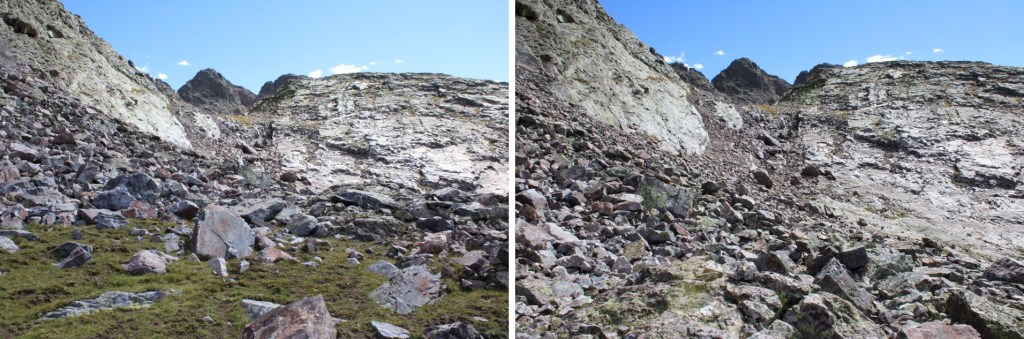
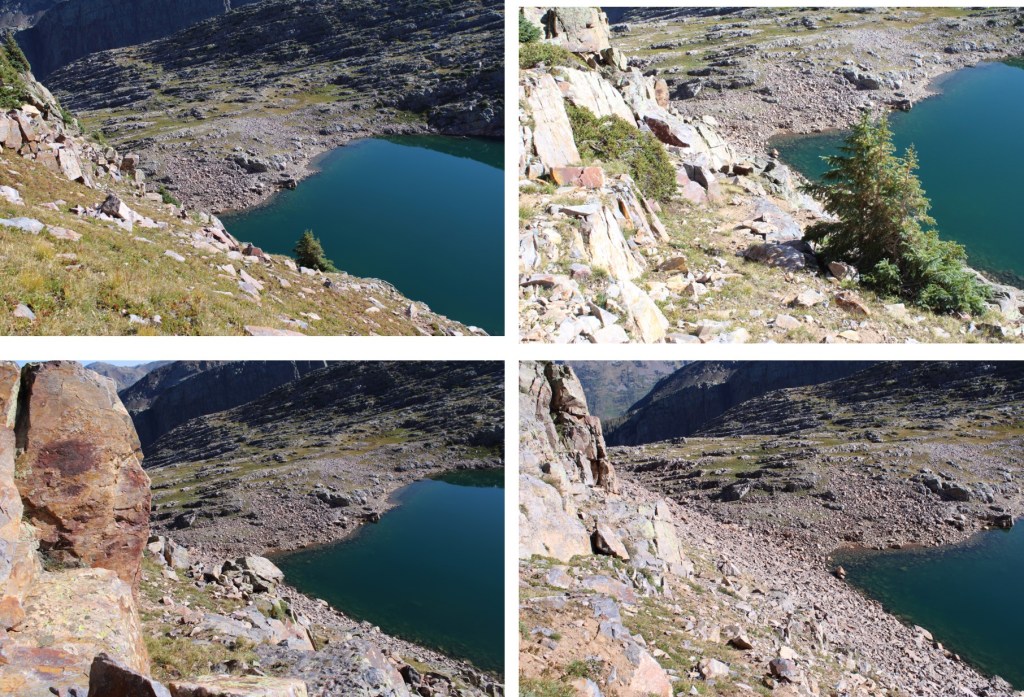
This was a quick and easy gully to climb.  Once out of the gully, I passed through an open grassy area and then descended over 300 feet down grassy slopes to the right, towards Garfield Lake. 

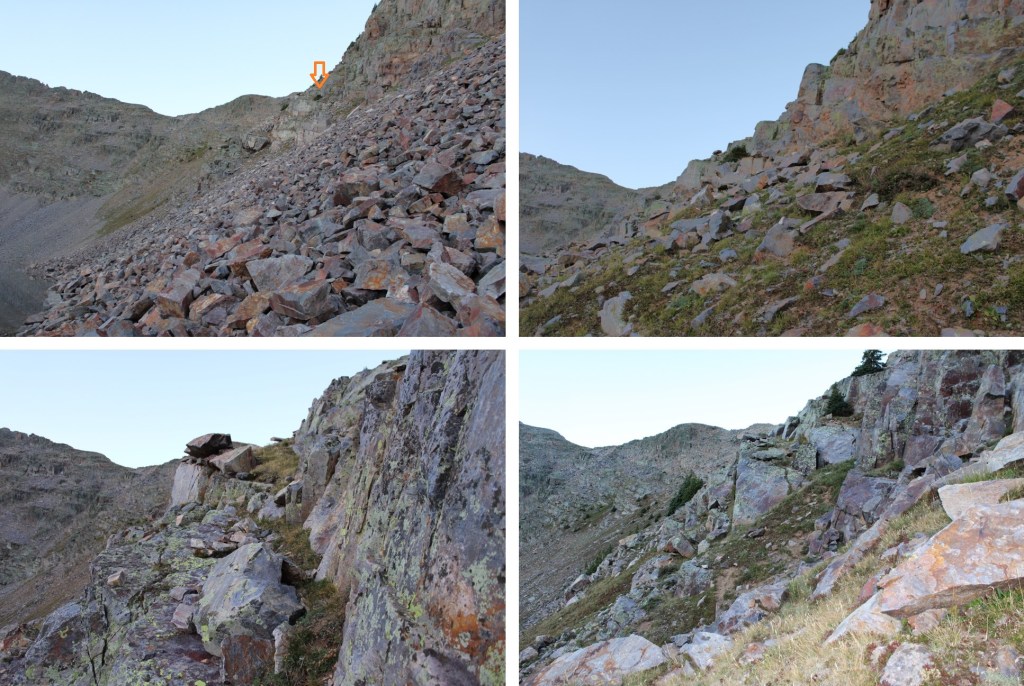
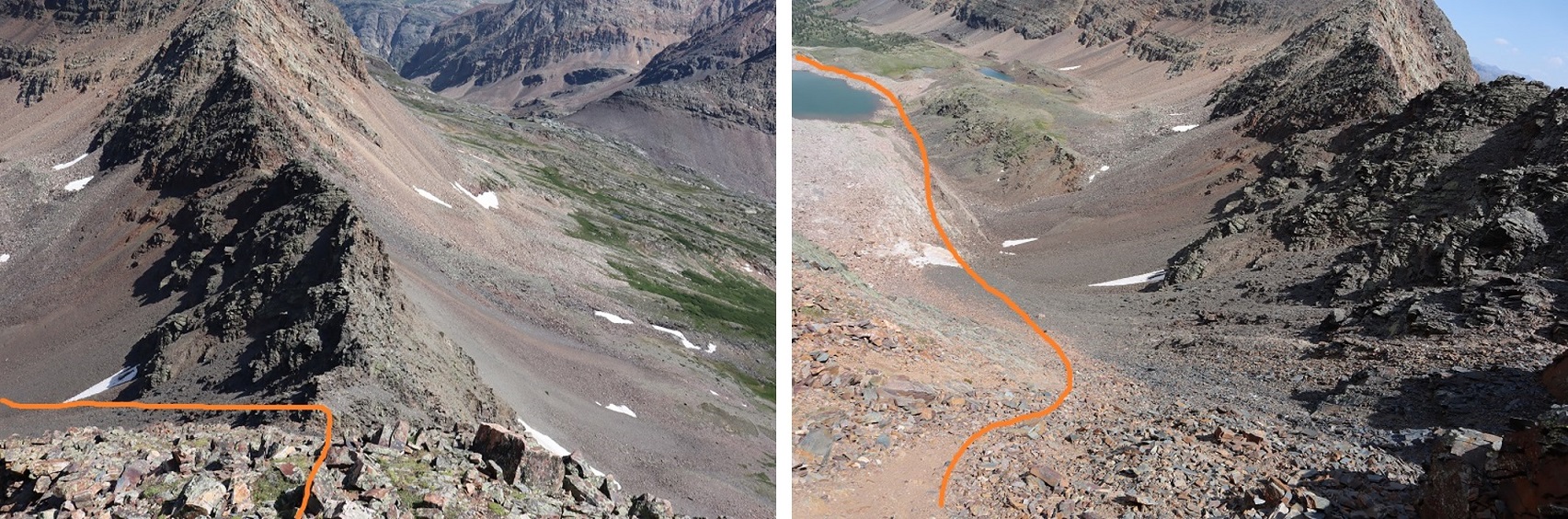
Once at Garfield Lake, I needed to gain the ridge.  This can be done in several ways, but this is the overall route I took.  There were a couple of nicely placed trees I used as a guide on the ledges.  I just aimed for one tree, and then the next.  Here’s an overview of the route to the ridge as seen from Graystone Peak
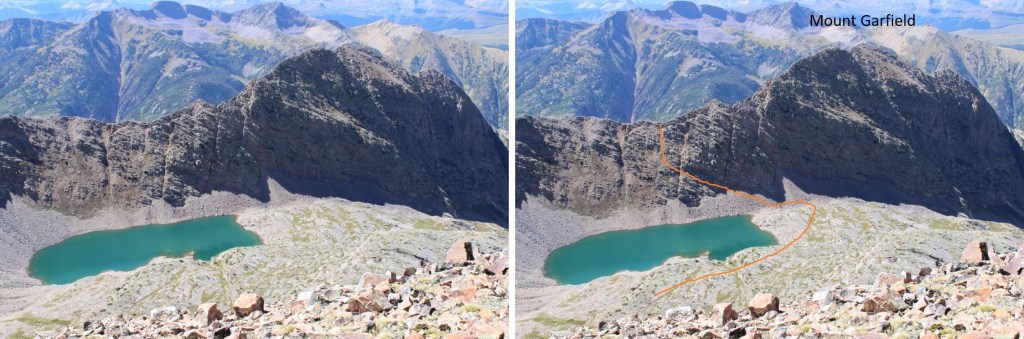
From Garfield Lake, I aimed for the rock ledge with two trees on it, spaced about 300 feet apart.  It was class 2 to the ridge.

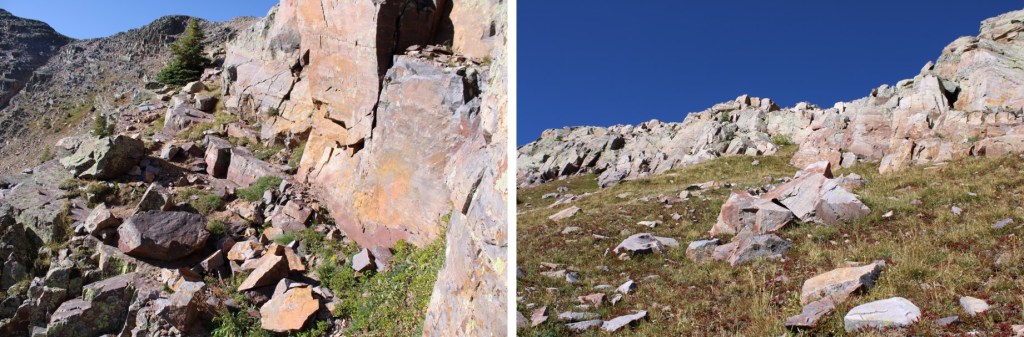
When I’d passed the two trees, I looked up and saw this gully. 
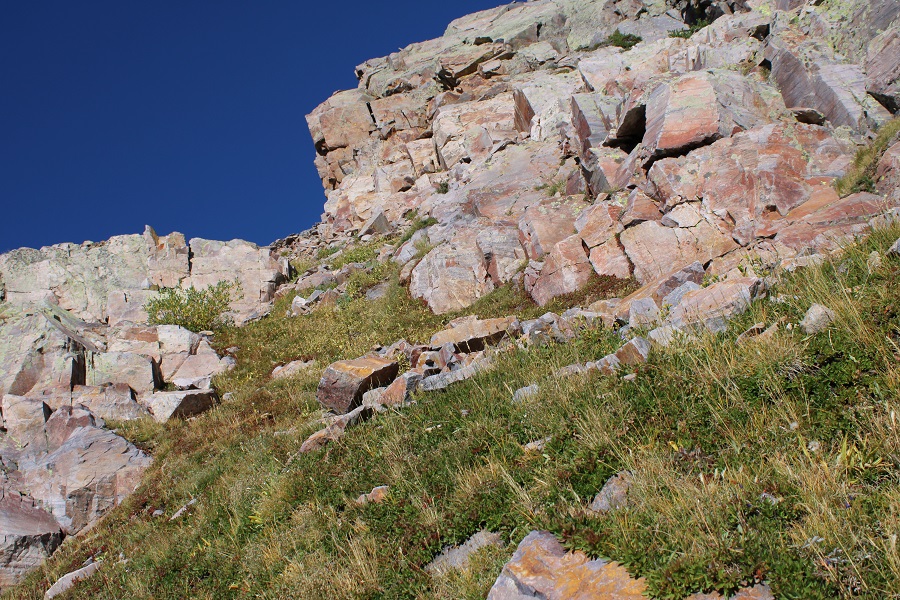
I made my way straight up the gully to the ridge.
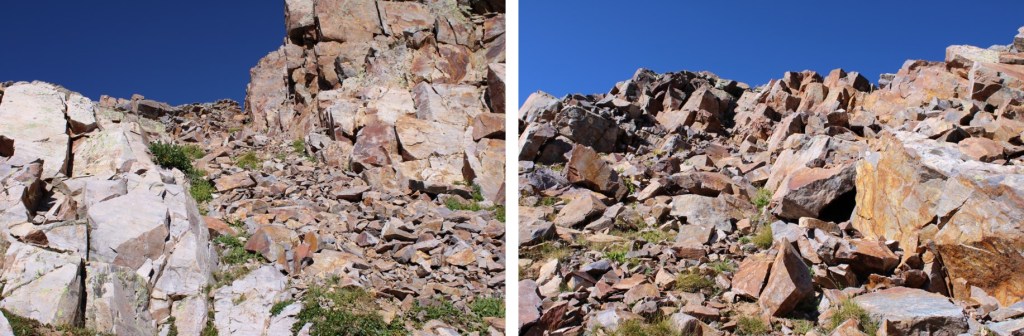
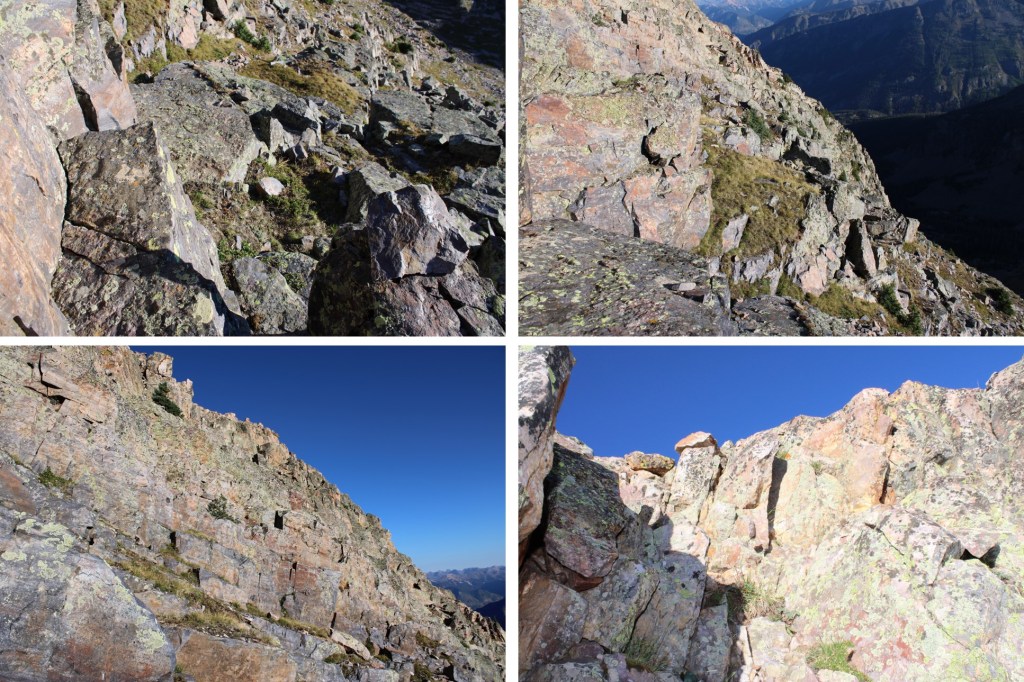
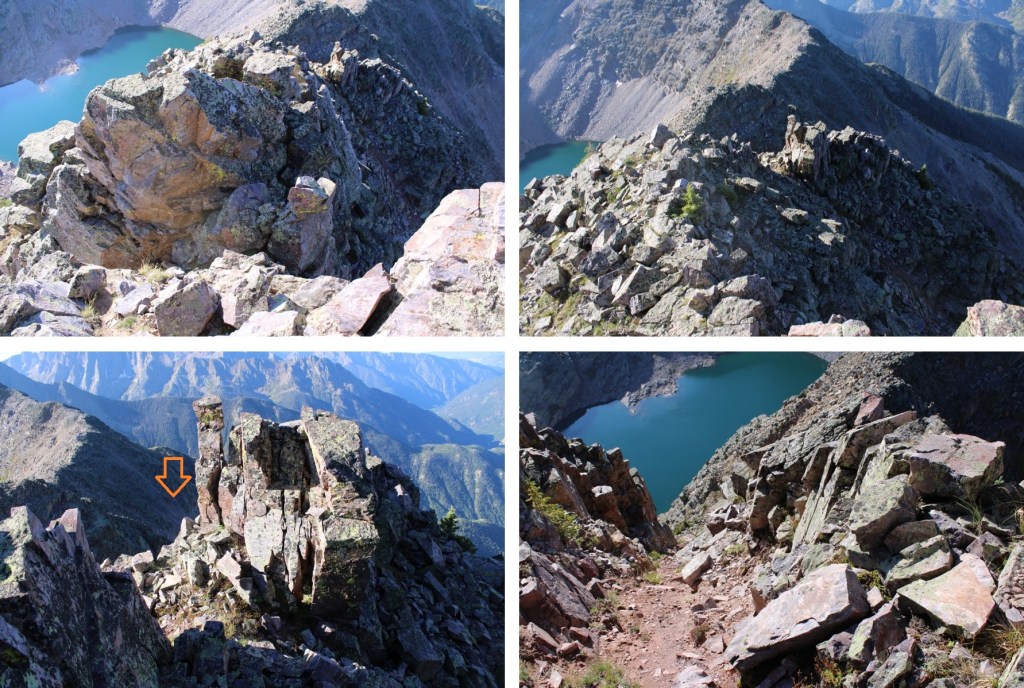
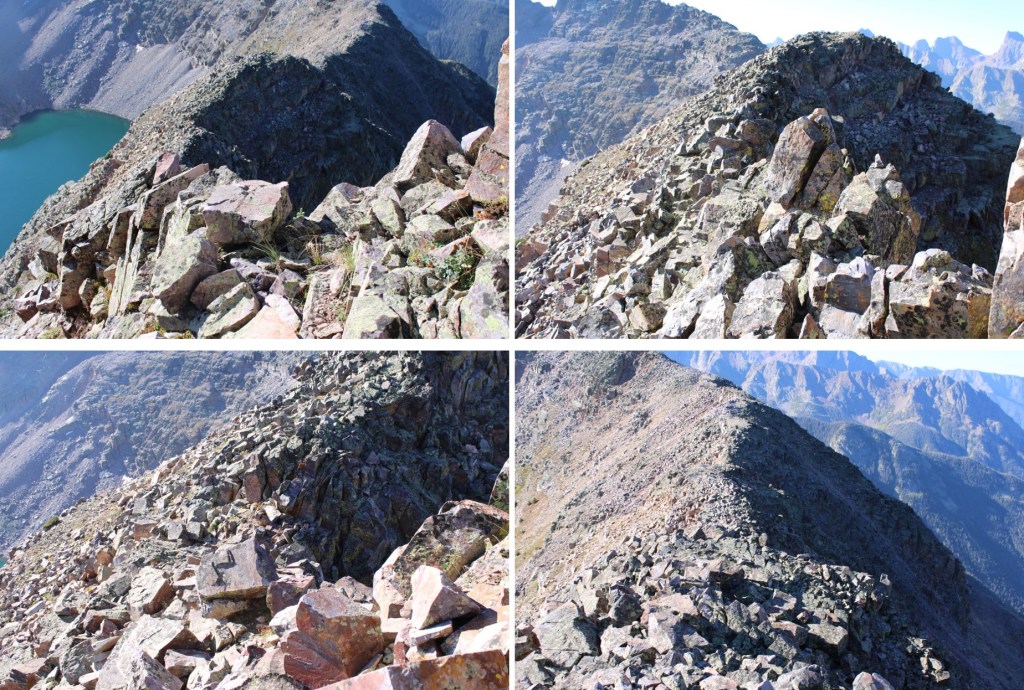
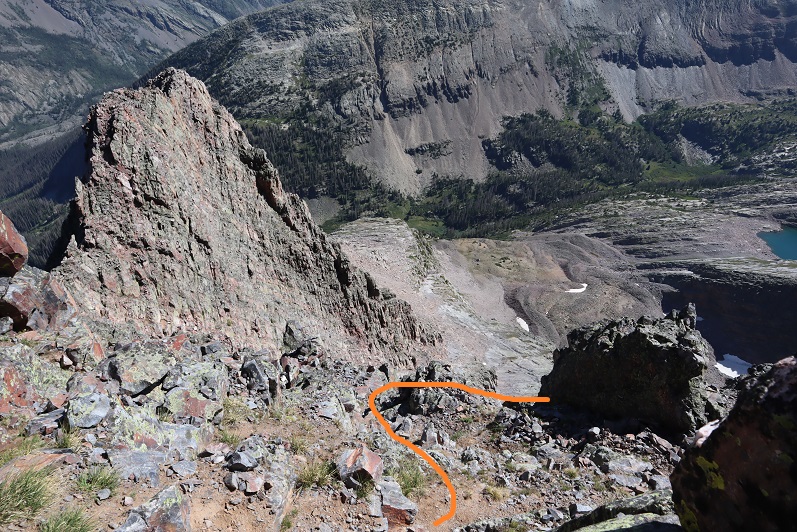
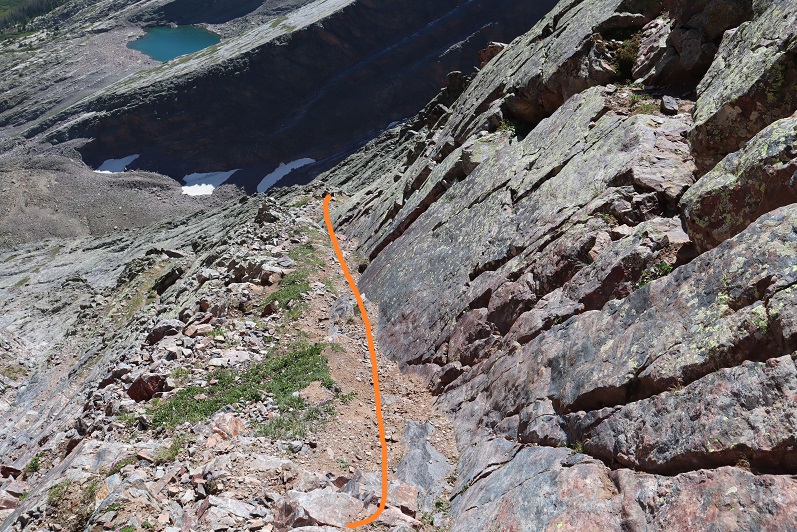
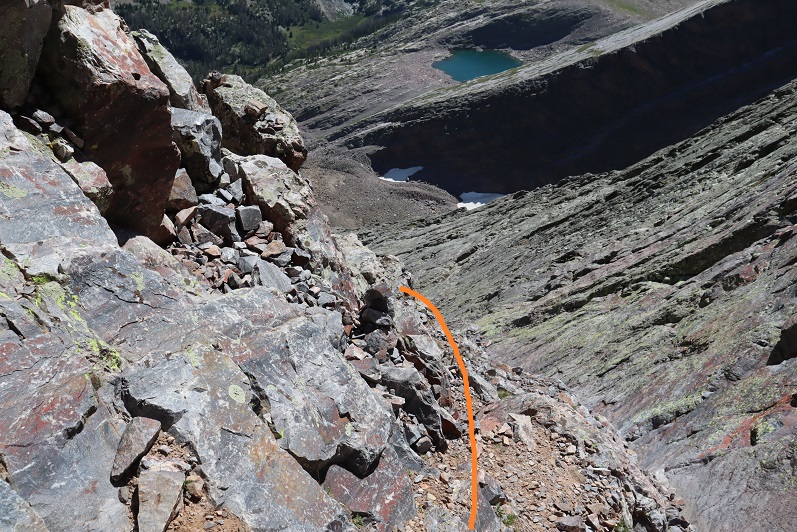
Once on the ridge I turned right, and this became a class 3 ridge hike all the way to the summit.  I was able to mostly stay on the ridge, dipping to the right one time.  If you encounter a class 4 move, you’re off route.  Here are some pictures of the ridge.

I stayed to the left of this gully, climbing up the rocks instead of on the scree.

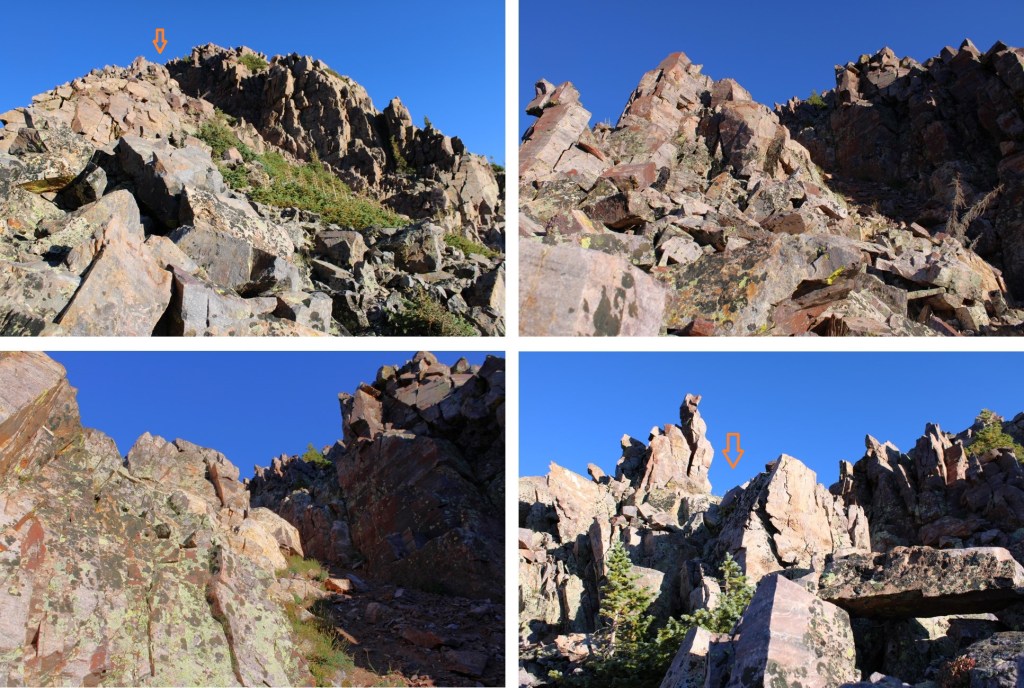
At the top of the gully I turned right, and continued following the ridge.

The only time I dropped off the ridge was when I came to this large rock.  At this point I dropped to the right and descended about 30 feet before re-gaining the ridge.

Back on the ridge, I followed it to the summit, class 3 the whole way

Mount Garfield

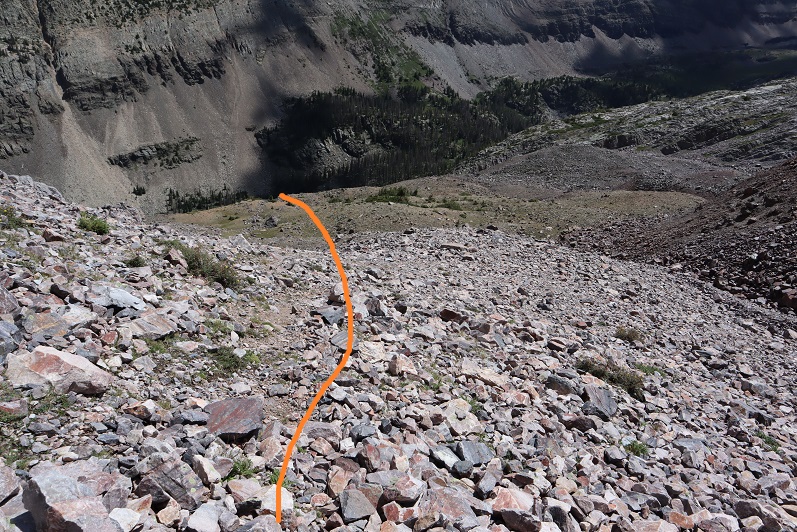
Here are some pictures of the route back down the ridge

Then back down the gully to Garfield Lake
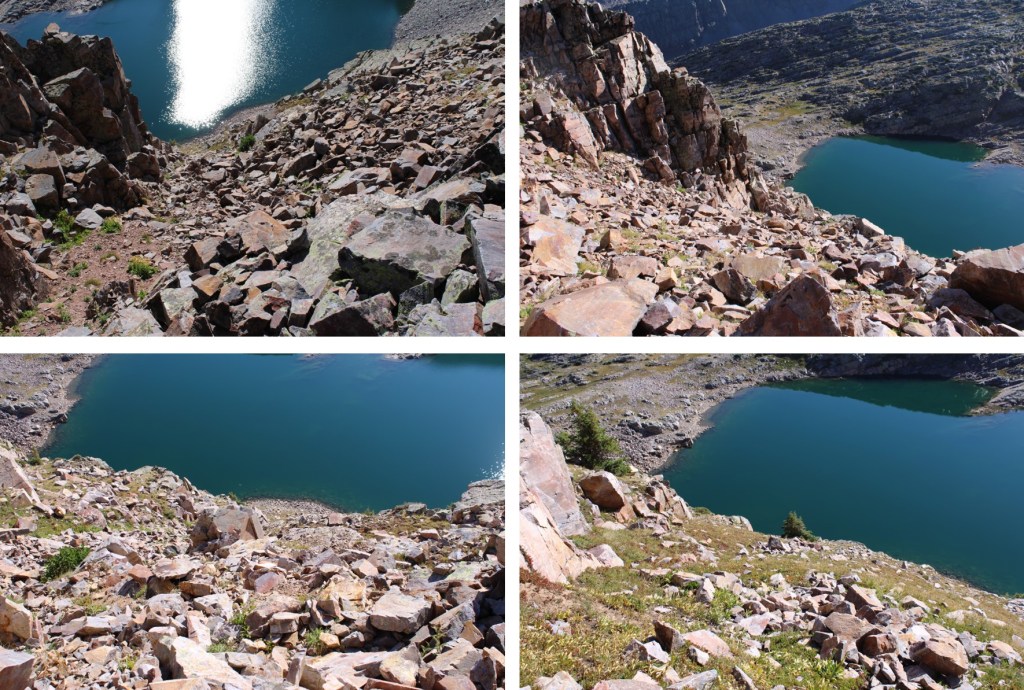
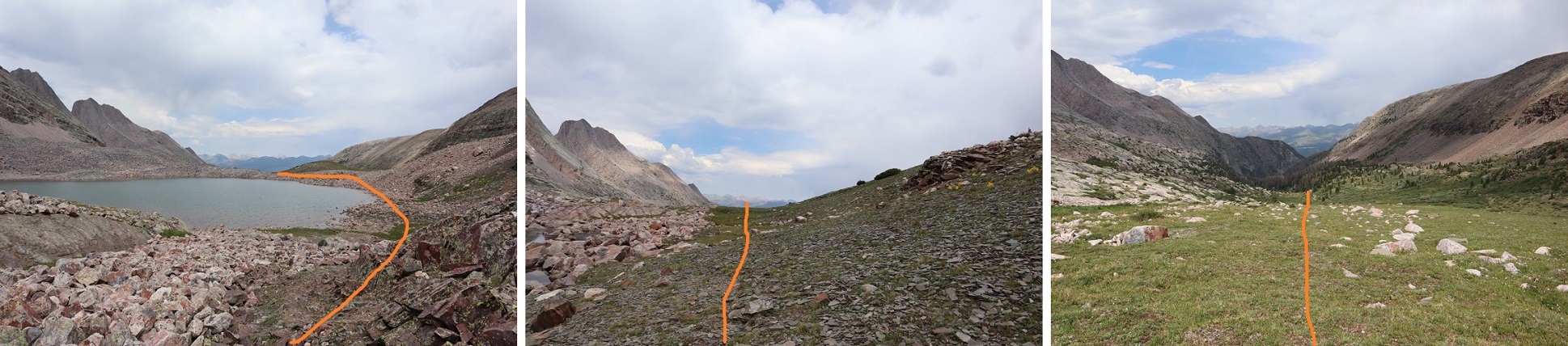
Back at Garfield Lake, I took the same route back to the base of Graystone Peak, this time going up the grassy ledges
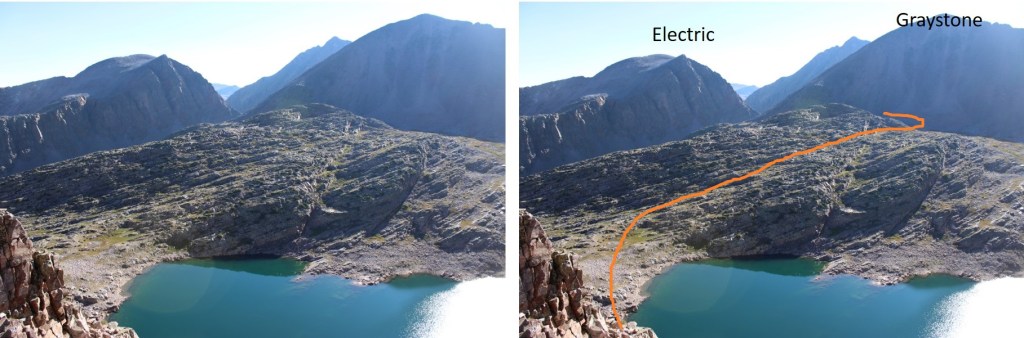
This was an out  and back hike, so I re-traced my steps down the rock slabs, across the rock field, and back down the gully to the trail.
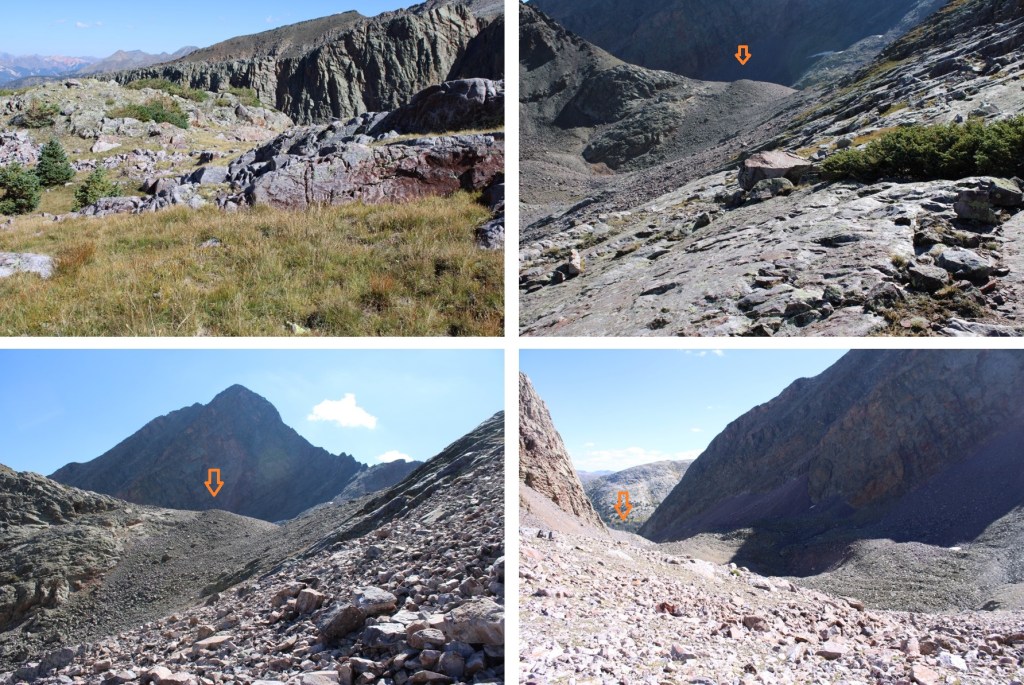
This time, instead of going down the snow-filled gully I went to the right, and descended on scree

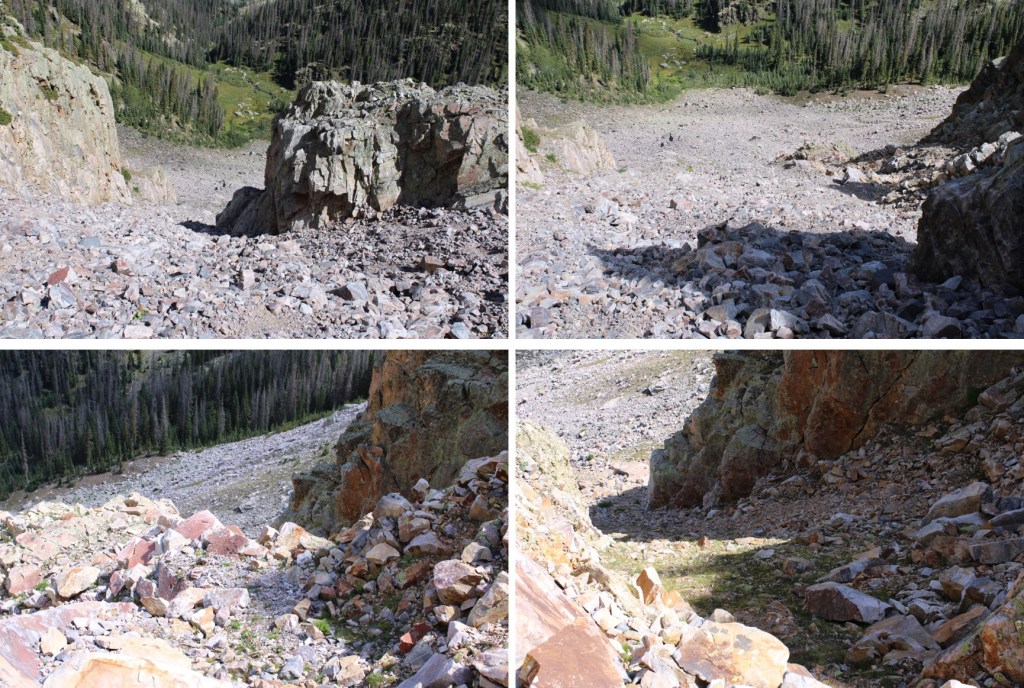
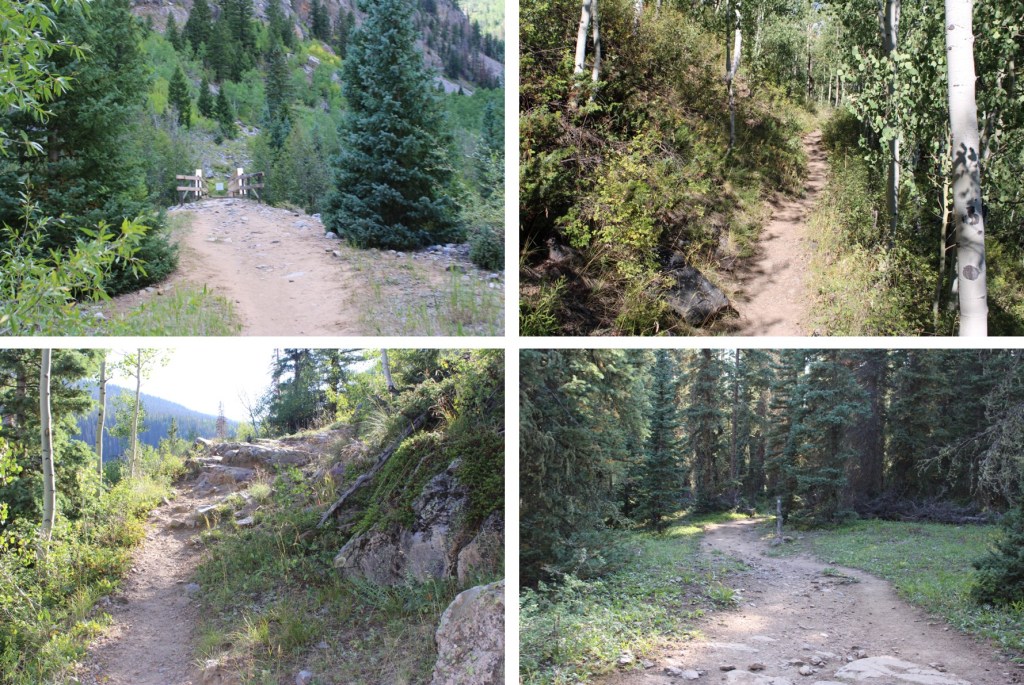
Back on the trail, I followed it back to the Beaver Ponds

Then I followed the Colorado Trail back to the Animas River
I crossed the train tracks, and trudged back up to Molas Pass, something I timed just right so I’d be doing later, during the cool part of the day.
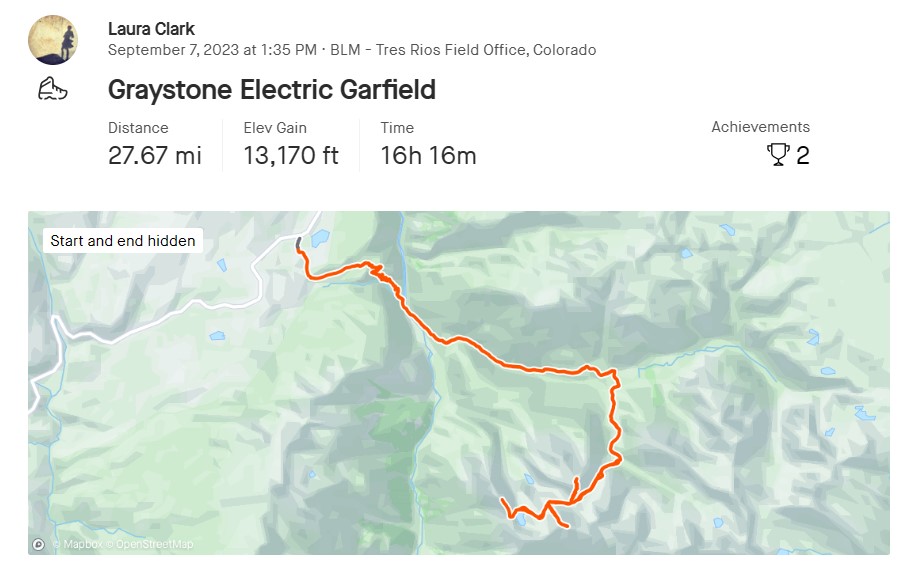
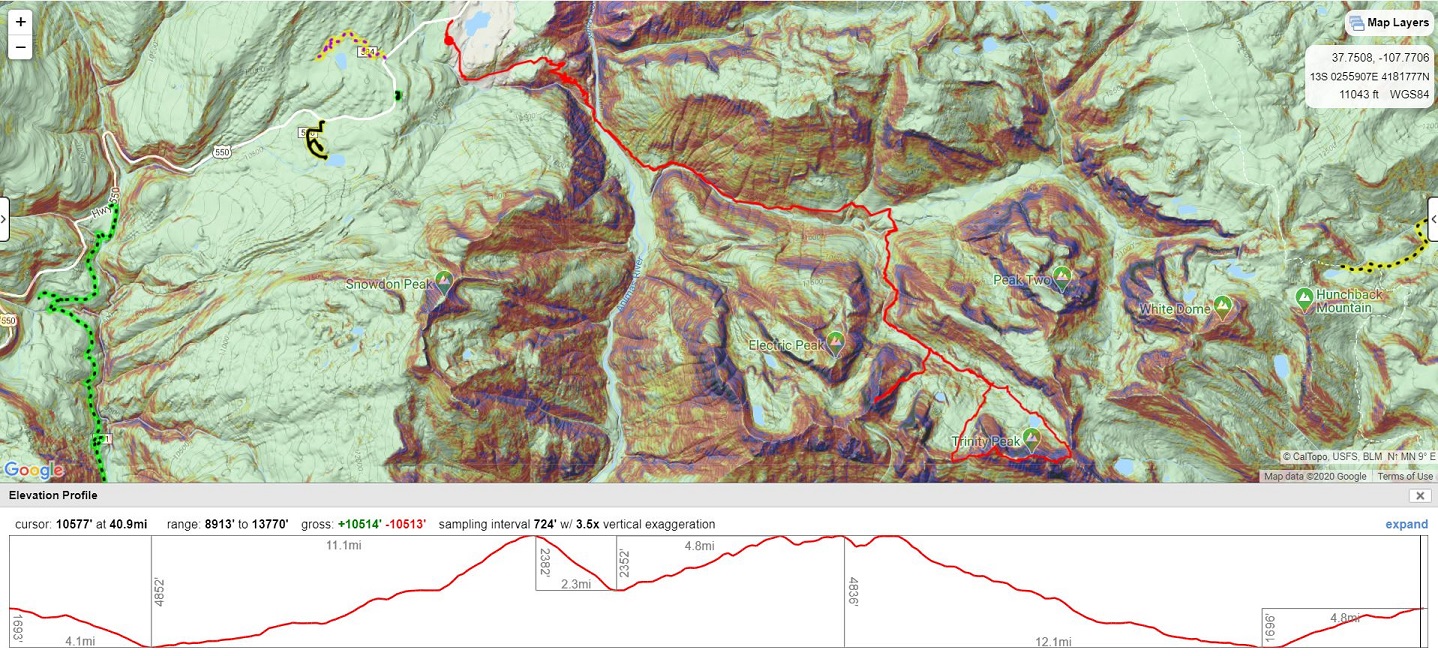
I usually go by CalTopo stats to keep things consistent.  CalTopo gave me 35.96 miles with 9399’ of elevation gain, but Strava gave me 27.67 miles with 13,170’ of elevation gain.  Take your pick! 

On to the next trailhead!
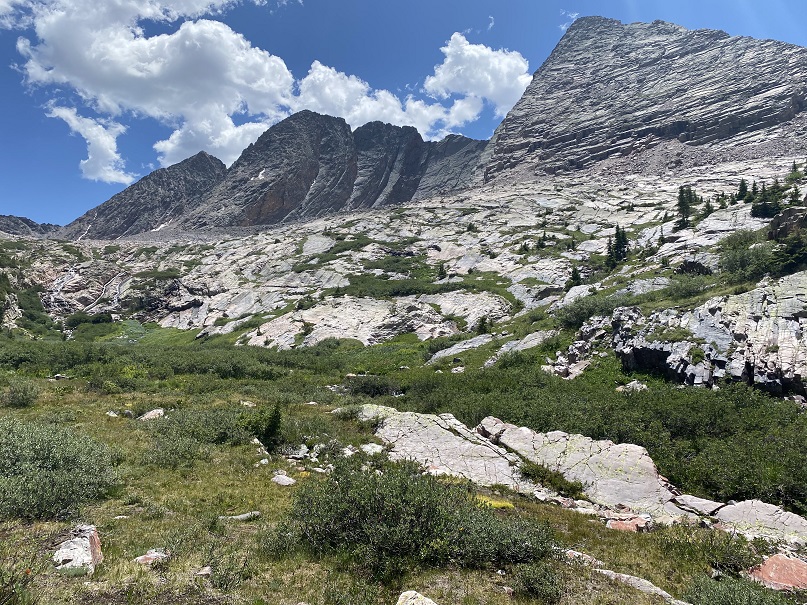
West Trinity Peak – 13,765, Trinity Peak – 13,816 & East Trinity Peak – 13,745

1

* I did these peaks with Arrow Peak as a weekend hike.  CalTopo put the entire route at 41 miles, 10511′ of elevation gain, Strava gave me 30.9 miles and 15795′ of elevation gain. Either way, it was a good workout (see photos at end).  Approach directions can be found here.

After hiking Arrow Peak I decided to get a look in the daylight at the approach to the Trinities.  I continued southeast along the same trail I’d hiked in on until I came to the area where I was supposed to begin the ascent up to the Trinities

2

However, when I got there I noticed there wasn’t a place to set up camp, and the area had a lot of water.  I couldn’t find a good place to cross the water without getting seriously wet.  I did not want to start a hike early in the morning wet and cold.

3

I thought about the route for a minute, went through some pictures I’d taken earlier in the day from Arrow Peak, and decided to continue along the trail for a bit to see if I could find a better spot to set up camp, and a better entry point. This hike is a loop, so I just continued heading southeast.  The trail became more and more faint as I hiked along

5

After hiking for a mile and a half I came to the area I intended to spend the night at 11,970’.  There were waterfalls here, a creek, willows, and a few trees.

6

I set up a bivy under a tree, filtered some water, ate an early dinner, and jotted notes down in my journal.

7

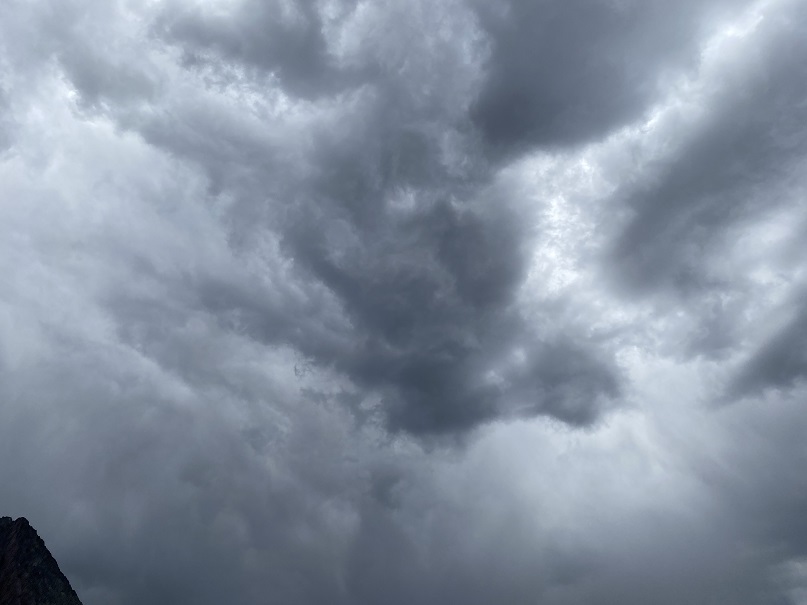
There was a 20% chance of rain today, and wouldn’t you know it?  It started to rain.  Also, the clouds looked like they were going to attack me.

8

Luckily the rain stopped and I decided to head over to the creek again.  This creek looked much easier to cross then the marshy area, but in the interest of not needing to change out of my hiking boots and into my sandals tomorrow morning (thus eliminating unnecessary gear) I decided to build a rock bridge over the creek.  I put on my water sandals and got to work.  It was my intention to hike up this side of the mountain and connect with the proper trail once in the basin.  I wasn’t 100% sure the route ‘went’ but it seemed like a better option than ascending from below.  I figured it this didn’t work I’d turn around and start with East Trinity instead, and get wet on my way out.

9

When I was done making the rock bridge it was still too early to go to sleep.  There wasn’t much to do so I relaxed, enjoyed the view, and broke out the whiskey.  Before the day was out I had about 16oz of whiskey (I knew because I’d placed it in a marked sports bottle.  Also, I have a high tolerance for alcohol and don’t get hangovers so this isn’t out of character for me).  I saw a group of hikers come over the pass and head towards me.  They were doing Vestal tomorrow and were looking for a place to camp for the night.  I told they they’d have better luck near the approach and they were off.  Not long after that I went to bed.  It was still early, but it had been a long day. Whiskey puts me to sleep.

I woke up well before my alarm.  It was still dark out but there was a full moon and I could see the mountains clearly.  I saw shooting stars and thought to myself how lucky I was to be here right now.  I was actually warm (that’s rare for me when I backpack) and I didn’t want to get up.  I also didn’t need to for a while.  I watched clouds come in and started to worry:  there was a 40% chance of rain after noon today and I didn’t want to get stuck in the rain while on the traverse.  I’d heard from other hikers yesterday it took about 8 hours to complete.  I did some math in my head and decided to get up and get going.  The last time the weather had said 40% chance of rain after noon I got caught in a thunderstorm at 9:30am.

I’d prepped most of my gear last night, so this morning all I had to do was roll up my sleeping bag and put away my bivy sack and ground cover.  I filtered some more water and I was off.  (side note:  I’ve had the same water filter since 1998, and wouldn’t you know it, they’ve improved since then?  This week I bought a gravity bag water filter, and it’s AMAZING!  I can fill my entire water bottle in 2 minutes, and since there’s a lot of water in the area I convinced myself to drink as much as possible this weekend. Normally I don’t drink while hiking, but this weekend I filled up my Nalgene 3 times!)

It was just beginning to get light out when I set off at 5am.  I hiked straight up the side of the mountain, and when I reached the top I was thrilled to see my idea had worked:  the route easily connected with the trail (there wasn’t a trail exactly, but the routes lined up and I was now going in the right direction).

10

There were several headlamps already shining on Wham Ridge.  Looks like they got an even earlier start than I did.  Smart.  I was a little worried about the cloud cover. I could see rain in the distance and the clouds were forming fast.  I told myself I’d keep going until I felt uncomfortable.  I didn’t feel my real point of no return would come until I summited West Trinity and decided to either head back or continue on for the day.

I dipped down a bit into the basin and headed south towards the ridge.  There seemed to be a couple of options to ascent the ridge.  I chose the gully directly in front of me.

11

The gully started out with large boulders and ended with scree.  I took it slow and kept an eye on the weather.

12

At the top of the gully I turned left and headed east to the saddle.  This was a very simple trek that followed a faint trail behind the ridge.

13

The first part of this trek was simple and straightforward as I hiked up the ridge

14

Then it became more tricky.  There were no cairns here.  I stayed on the south side of the mountain and continued climbing east. I encountered a series of class 4 gullies and took them up.  There were several gullies and they all seemed to ‘go’.  (Side note:  when I got home I pulled up 4 different GPX files of this route and none of them lined up in this area, so it seems there are several ways to climb this part).

15

The gullies eventually brought me to the ridge, which I followed to the summit

16

I summited West Trinity Peak at 8am

17

West Trinity Peak

The weather looked like it would hold so I made the decision to continue towards Trinity Peak (also, I didn’t want to downclimb those gullies!  Definitely do this traverse west to east if you’re not a fan of downclimbing gullies, as the gullies don’t quit and you’d have to downclimb every one of them heading east to west).

I continued southeast towards the West Trinity/Trinity Saddle

18

Instead of following the ridge, take the gully down.  It’s class 2 and leads you to the saddle.  You won’t be losing any unnecessary elevation.

19

Interestingly, there were cairns between West Trinity and Trinity Peak.  This is interesting because they would have been useful elsewhere, but were only present for this short section.

20

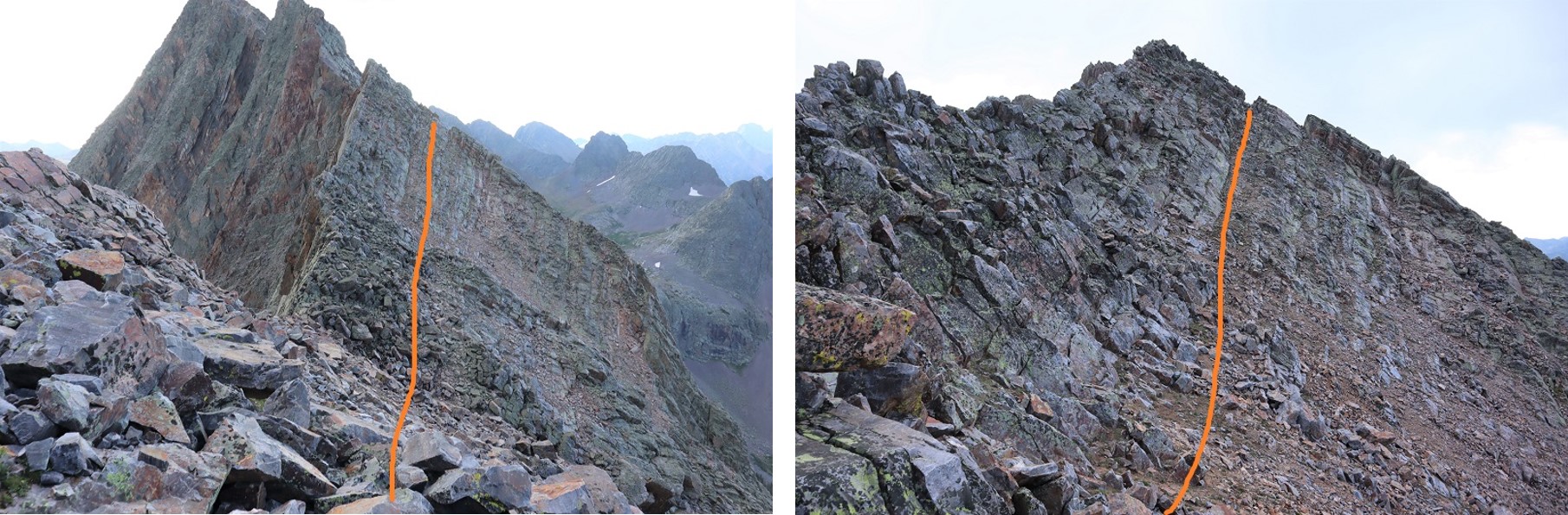
Don’t stick to the ridge, but follow the cairns as they skirt the south side of the mountain

21

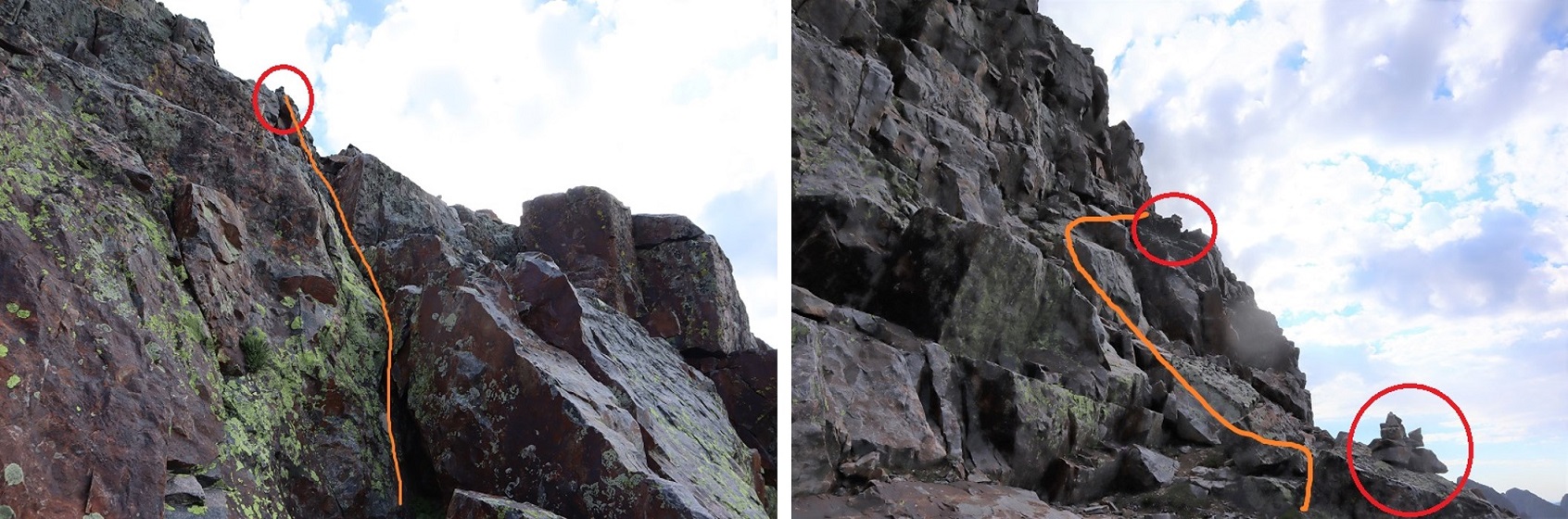
The cairns (circled in red) were very helpful here

22

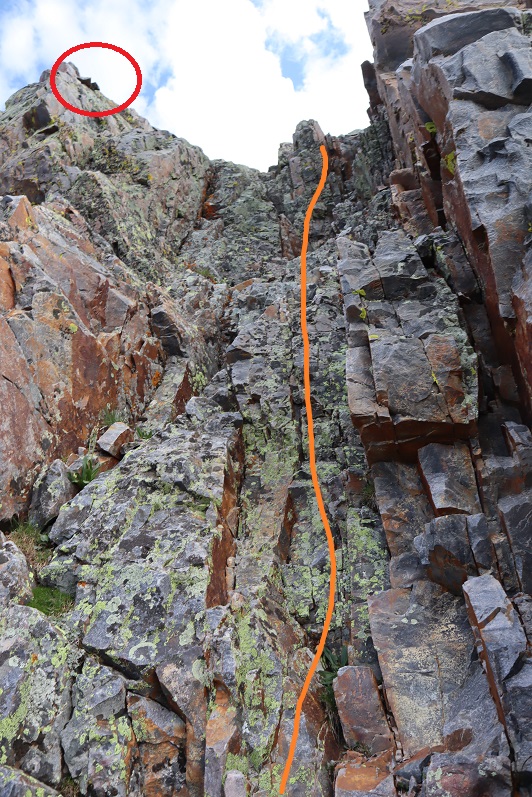
They led me to a class 4 chimney.  Climbing today seemed extremely easy.  It was really nice to just hike with a flimsy drawstring pack instead of my normal backpack.   The difference in my climbing ability was amazing.  I wasn’t off center and pulling myself up was a breeze.

23

At the top of the chimney you’ll want to keep heading right towards the ledge, but DON’T DO THIS!!!  I did, and I can tell you that ledge is super scary (but doable if you hug the ridge:  there’s less than a foot of space to walk on and not much room when the boulders bulge out).  However, you’ll need to do it twice because it doesn’t go anywhere and cliffs out.

24

Instead, go left and you’ll once again find cairns that will lead you north and then east to the summit

25

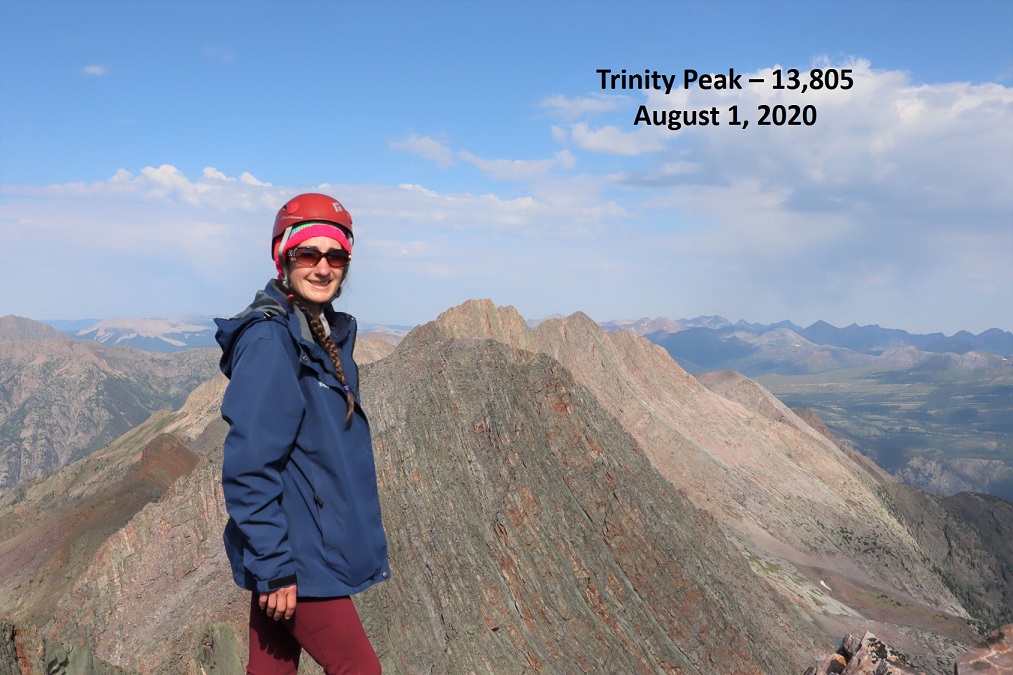
I summited Trinity Peak at 9:25am.  It took less than an hour and a half to get from the summit of West Trinity to Trinity.

26

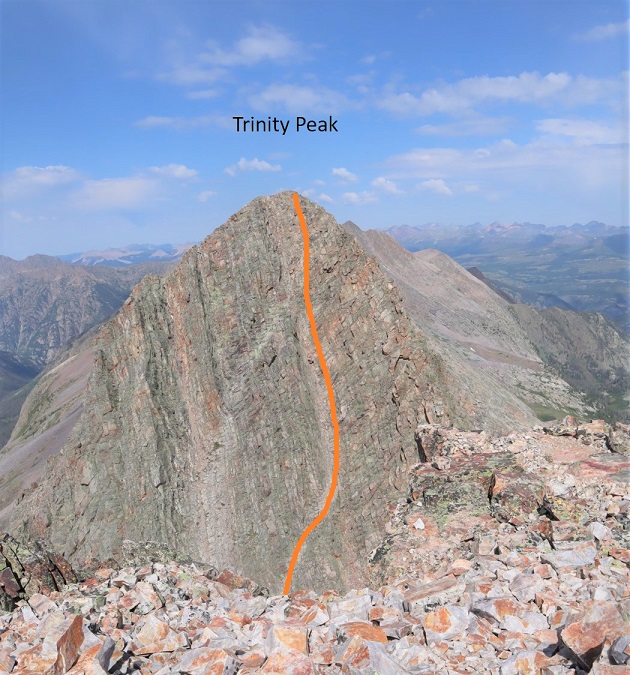
Trinity Peak

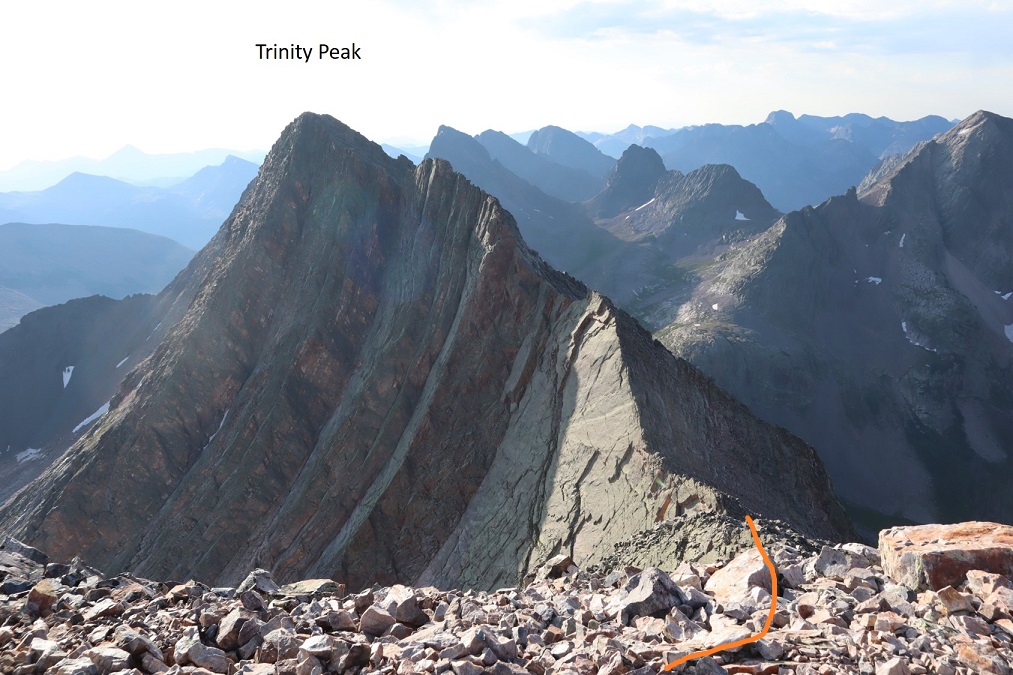
Here’s a look over at East Trinity Peak

27

28

I took the gully down to the saddle of Trinity/East Trinity

29

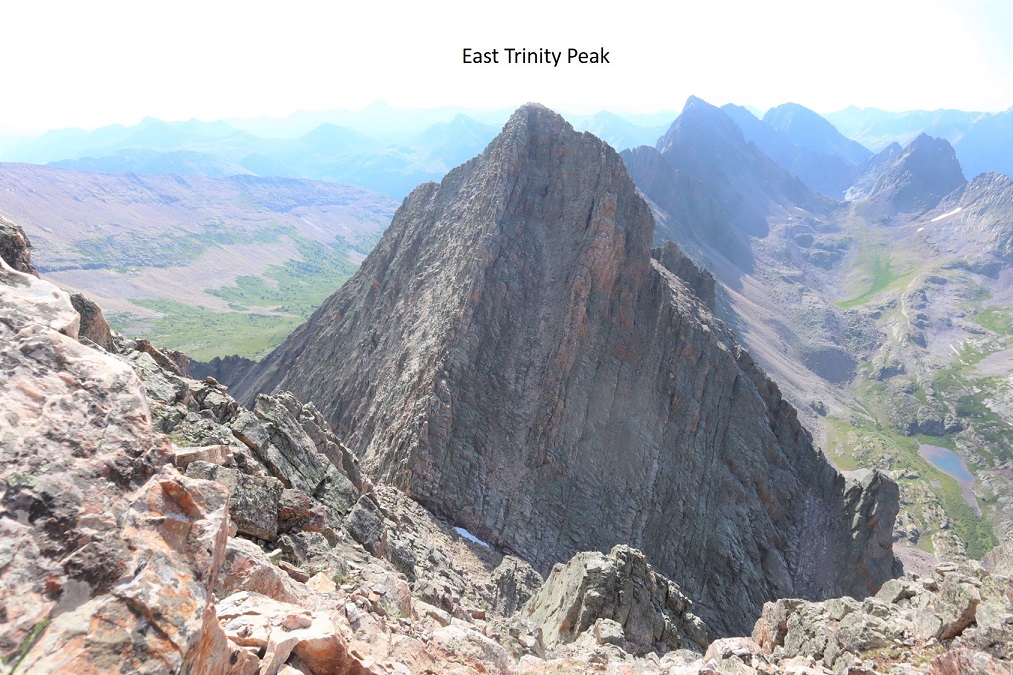
The entire time I was descending I kept my eye on East Trinity, looking for the best way to ascend.  It looked to me like the best option would be to keep towards the center until the end, where I wanted to summit towards the left to avoid any difficult traverse there may be if I topped out on the right (side note:  there didn’t appear to be any difficulties if I’d chosen to summit to the right instead).  You can’t see it in this picture, but at the very top there are two chimneys to the left.  Take the one on the right (I cliffed out about 10 feet from the summit and had to retreat and find a different route).

30

At the saddle there was a gully to cross before heading up

31

Once inside the gully the rock was surprisingly stable, but there were a lot of large rocks that were easy to kick down, so if you’re hiking with a partner be careful not to dislodge rocks.

32

The only time I had trouble was when I got towards the top.  Like I said before, stick to the left, and then choose the gully to the right.

33

This was class 4 climbing.

34

To my left I saw another ‘kissing camel’ formation.  The cool thing about this one is it includes a heart

35

After taking the wrong route, cliffing out and backtracking, I headed a little more south and found an area I could climb and make it to the ridge

36

I was thrilled when I topped out and could see the summit an easy hike away!

37

I summited East Trinity Peak at 10:30am. It had taken me less than an hour to make it to East Trinity from Trinity.

38

East Trinity Peak

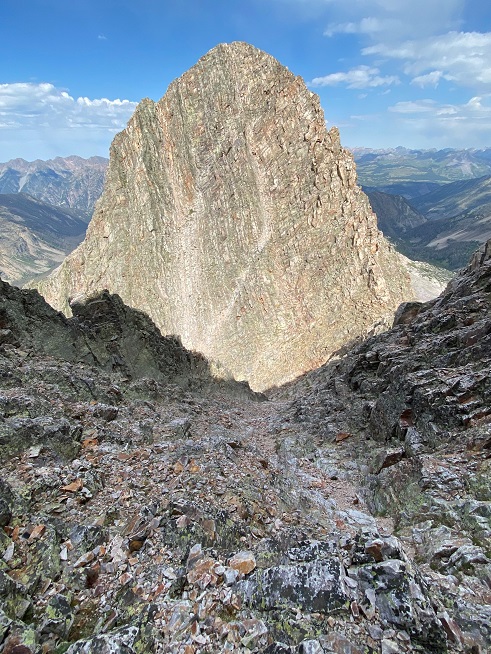
Here’s a look back at Trinity Peak.  I was talking with someone on my hike out who told me she’d attempted the traverse a few years ago, but couldn’t find a way to summit Trinity Peak.  They’d ‘missed the peak’.  If you’re unable to find the access points, or want to keep this part of the hike class 2 (or easy class 3), just make your way to the Trinity/East Trinity saddle and hike back up the gully to summit Trinity Peak (shown below)

39

Time to head back down.  The ridge down from East Trinity was straightforward.

40

With a couple of surprisingly steep sections

41

I made it to the saddle and scree-surfed down the gully to the lake

42

I skirted the right side of the lake and headed back down to my camping area

43

Here’s a look back at the route I took down from the East Trinity ridge

44

I made it to my stashed gear at 11:22am.  The traverse had taken me just under 6.5 hours to complete.  Notes on the traverse:  It’s very committing, there’s a lot of route finding, and I felt in the route I took there were a lot of class 4 moves.  I got a lot of good scrambling practice in, and honestly wish I would have attempted this traverse earlier:  I felt like I leveled up in my class 4 climbing skills, and I was deliriously happy with this hike.  And the weather had held!  Woot!
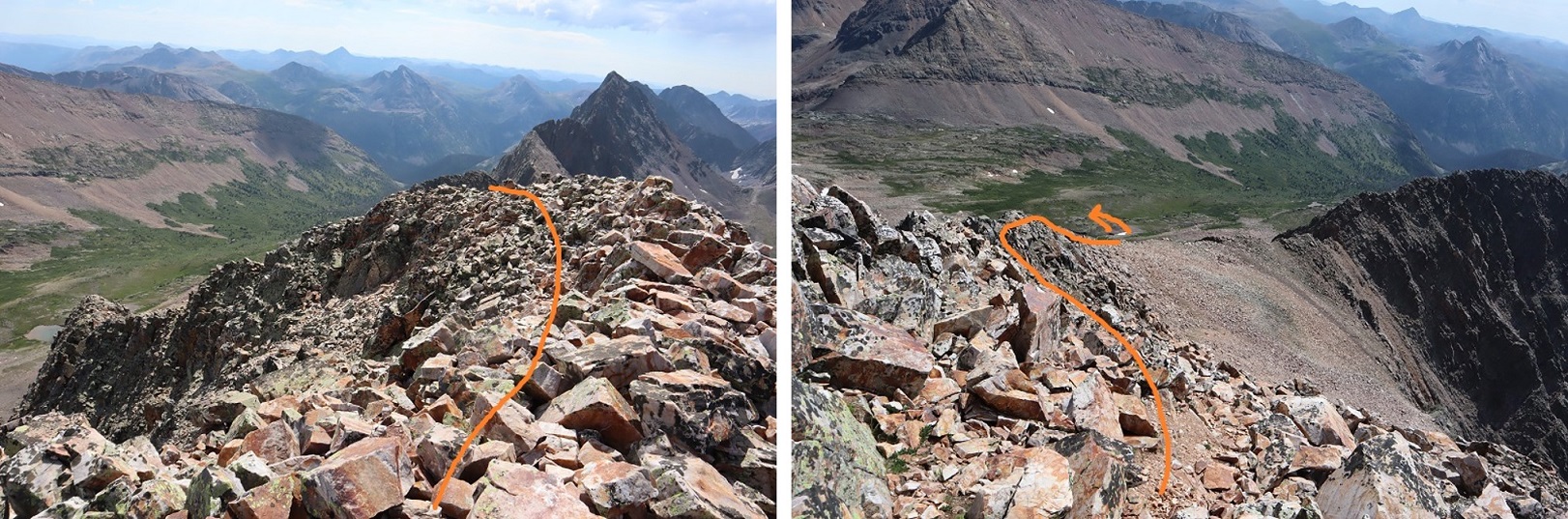
I filtered some more water, took off my shoes to air out my feet, and ate a couple of sliced mangoes (my first food of the day:  I get nauseous when I eat and hike but figured I needed some calories for the way out).

Time to head out.  I found a stick that made a great trekking pole to replace the one I’d lost yesterday and headed out the same way I headed in, after about a mile of wading through willows and water to find the trail.

45

Connecting back up with the class 1 trail that would lead me to the beaver ponds, through the avalanche area, straddling the creek and bringing me back to the Animas River. I saw a ton of people on the trail, and talked to every one of them.

46

Once at the river I crossed the bridge and sat down for a while to rest before tackling the 4 miles and 1700’ of elevation gain back up to Molas Pass.  I took off my shoes and soaked my feet in the river, filtered more water, and tried to eat a packet of tuna (I ate half).  There were CT hikers across the river from me.  They shouted and asked if I minded if they bathed.  I’ve been there, and I didn’t care.  They seemed overjoyed at the idea of a bath, and I wasn’t going to deny them that gift.

47

There were mosquitoes and fleas here so I didn’t stay long.  I packed my gear back up and started switchbacking up the mountain to Molas Pass

48

I left my newfound trekking pole at the information sign and made it back to my truck at 6pm.  It had taken me about an hour and  45 minutes to hike those 4 miles and 1700’ from the river.  I got different mileages/elevations from Strava and CalTopo for my triup, so I’ll leave those here.

49

50

In the end, I was thrilled I’d decided to hike today!  Sometimes it’s really difficult to get started, but once I’m going I’m really enjoying myself, and the sense of accomplishment I get from summiting peaks and challenging myself is amazing.

Also, I’ve done this approach as a day hike (with Vestal) and this time backpacking for Arrow and the Trinities.  For me a day hike is absolutely the way to go:  The extra weight made the trek in and out so much more tiring than it needed to be.  Long days don’t bother me.  Everyone’s different, but I much more enjoyed the hike in and out from Vestal than I did this time.


Arrow Peak – 13,817

1

* I did this as part of a 2 day hike, so my mileage and elevation gain aren’t included here.  CalTopo says my mileage to the top of Arrow Peak was 15.23 miles.

My son is in the Air Force and came home for some unexpected leave.  I haven’t seen him in over a year, so I was thrilled to spend the past couple of weeks with him.  This also meant it’d been a few weeks since I’d done any serious hiking, so it was so nice to get out hiking again this weekend.  I drove to the Molas Pass trailhead and parked the night before the hike so I could start early the next morning. I’ve done this approach before for Vestal Peak, so I already knew what to expect.  I drove in, parked, and walked around a bit to stretch my legs after that 6.5 hour drive.  It was a beautiful day, and I kind of wished I could just start hiking now.

2

Here’s a look at the peaks from the trailhead

3

There’s limited cell service at the Molas Pass Trailhead.  Unfortunately, I saw evidence of two separate vehicles having their windows smashed.

4

I spent an hour or two in the back of my truck relaxing, looking at topo maps, and eating dinner.  I saw another hummingbird fly by, so the record held of seeing a hummingbird at every trailhead I’ve slept at so far this year.  I went to bed and was up and on the trail by 2am.  The trail starts at the south end of the parking area.

5

From there the trail is easy class 1 all the way down the 4 miles and 1700’ to the Animas river, and back up to Vestal Basin (9.6 miles total).

6

7

Just before the river there’s a creek crossing

8

Then a solid bridge across the Animas River

9

Then I followed the train tracks (very briefly) and took the obvious trail up to the Vestal Basin.

10

At 4.7 miles there’s a trail register (a trail register that’s legit:  it actually looks like they track the pages here)

11

Note:  I crossed this area in the dark, and it seemed as if I needed to use the log to make this part of the trek.  In the dark the rocks didn’t look close enough together to cross.  So instead of taking the rocks across I sat down and scooted across the log until I made it back to the trail.  On my way back I realized I was wrong:  take the rocks 😊

12

The avalanche area was much easier to pass this year than last year:  there are triple the amount of surveyors’ tape markings in the area.  However, I still managed get off track at the last and final crossing.  I wanted to stay high on the ridge and in the dark couldn’t locate any more tape.  I should have stayed lower.

13

At the beaver ponds I took a right behind the boulder by first going through two logs onto an unmarked trail (it seems counter intuitive, but it’s the correct path), and followed the rocks until I once again caught up with the trail.

14

I followed the class 1 trail up to Vestal Basin.

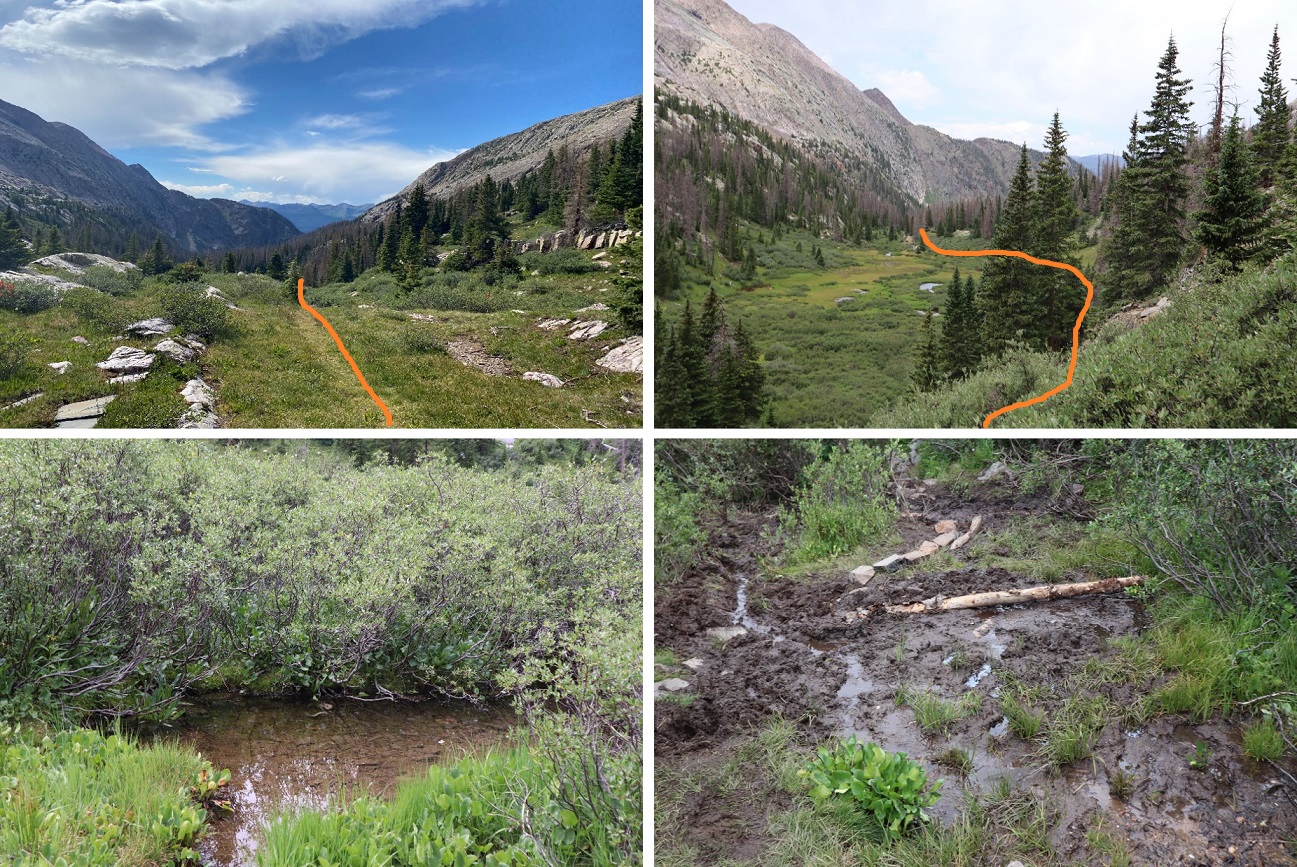
15

16

There are willows to contend with here, and water, which equals mud. Prepare for your shoes to get muddy (or throw rocks/sticks down to walk over the muddy areas)

17

There is a really good campsite in the Vestal Basin, just where you turn off to hike both Vestal and Arrow Peak.  I stashed my pack here behind a tree, filtered some water, and packed only what I needed in a small sack before heading up and tackling Arrow Peak.  Here’s the route to the upper basin

18

The creek crossing was easy.  I took off my shoes but didn’t need sandals

19

There’s a semi-well defined trail to the upper basin, through willows to begin with, and then scree.

20

In the willows I lost one of my gloves.  I realized it about 50 feet after I’d lost it, but wasn’t in the mood to go back and get it (I didn’t want to re-gain any elevation today if it wasn’t absolutely necessary).  I hoped it would be there when I went back.  There’s a cairn at the top to indicate the upper basin.  Here’s an overview of the route from there.

21

Note: For some reason I thought Arrow Peak was class 2, so I didn’t do much research on this peak.  Luckily, I’d brought my helmet, because this is definitely class 3 and requires some route finding.  The first objective is to find the access area to the rib that will lead you most of the way up.  There’s a cairn indicating the way. Aim for the greenery, head up and right, then left.  I stashed my trekking pole at the entry point and headed up, as it was obvious I’d be doing scrambling from this point on and a pole would just get in my way.

22

It looks more difficult than it is.  The rock is solid and grips nicely. Be sure to pick the largest rib (it’s obvious and is a good 50+ feet wide)

23

I followed the rib as is ascended

24

There will be a point where the rib will become more prominent.  Stay right.  It looks like going left may be doable to go left later in the year, but at this point (July 31st) I opted to go right and that worked well (avoiding the snow).

25

It’s hard to tell in the picture below, but I’m following the rib.  There’s a point where it’s hard to tell if you go left or right (circled in red), but you go left here and then right.  If you look closely you’ll find cairns here indicating the way (they’ll be above you).

26

Going left you’ll see a gully on your left.  It looks doable (and probably is) but it’s easier to ascend by going right.  This is pretty well cairned.

27

Going right will lead you to a short ledge

28

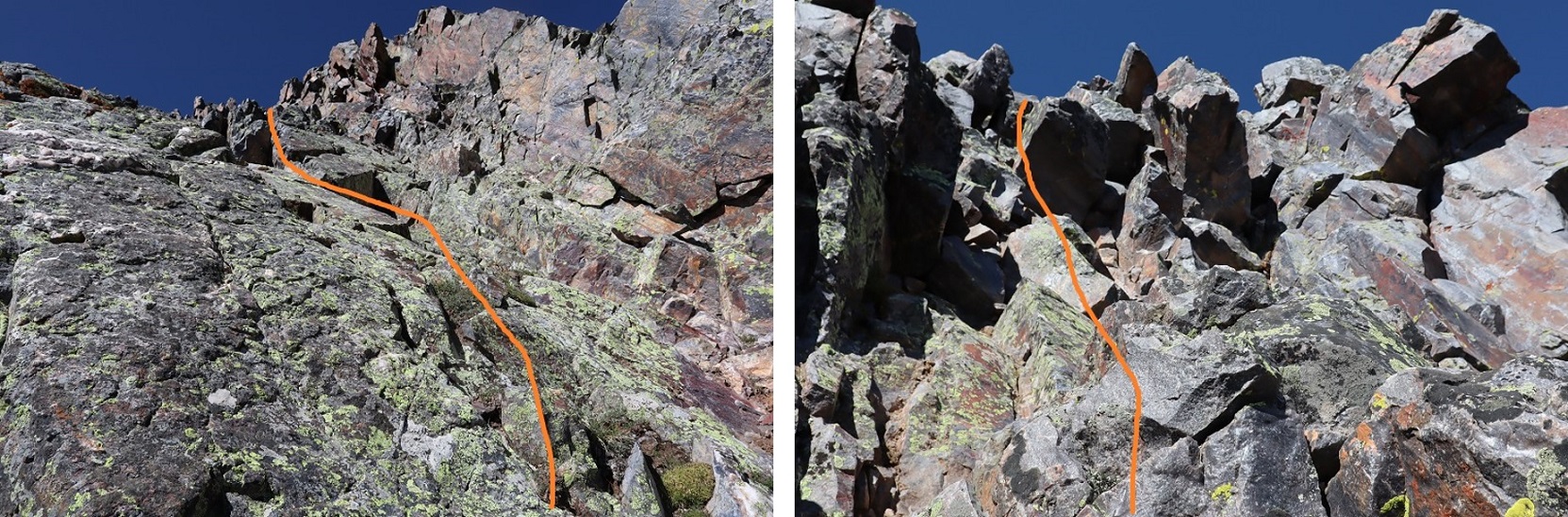
at the end of the ledge go left (following the cairns) and then head northwest up some serious class 3-4 climbing to the summit.

29

30

31

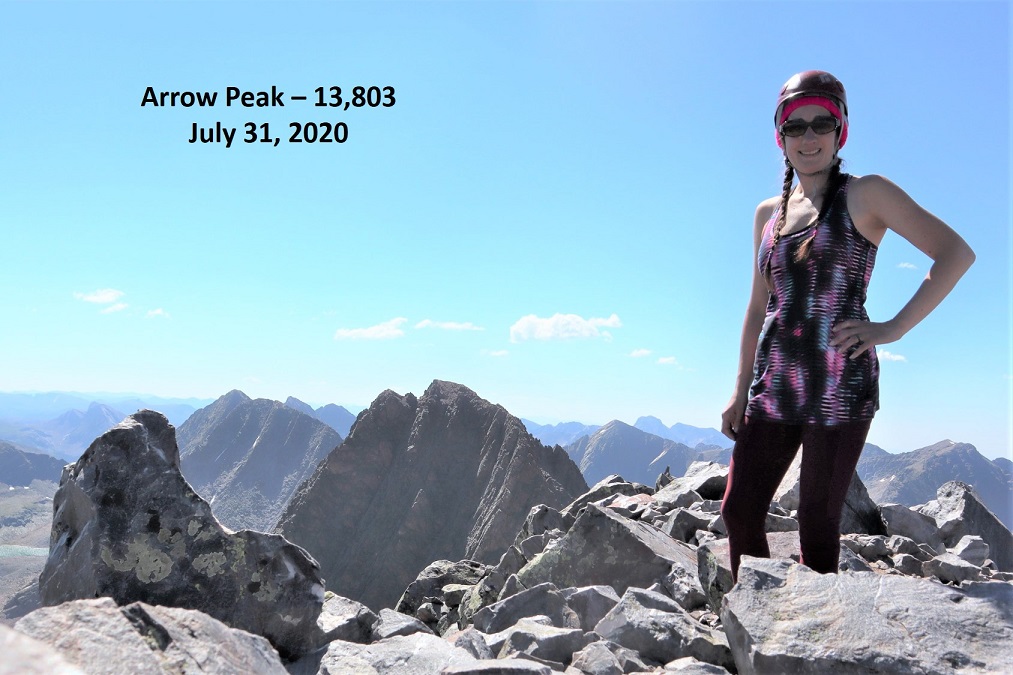
I reached the summit at 10:15am, after 15.27 miles and just over 8 hours of hiking

32

Arrow Peak:

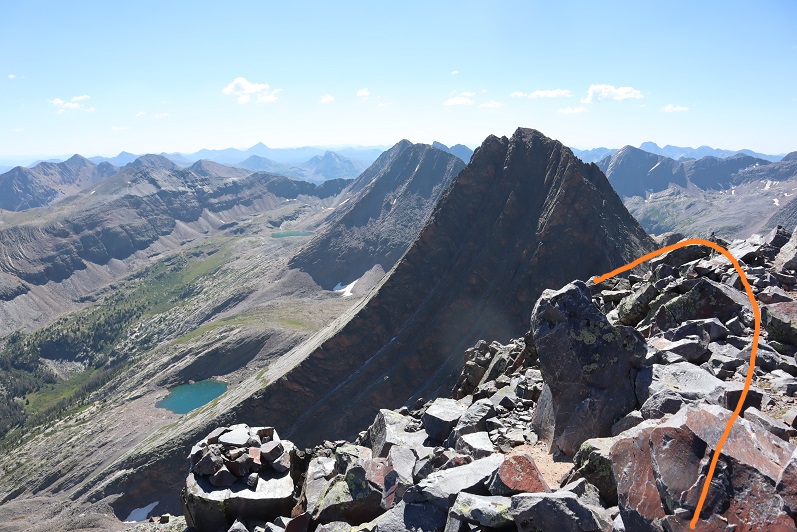
The trek down was much easier than the trek up, as it was easier to see the cairns and I already knew which direction I was headed. Here are the basic highlights:

33

34

35

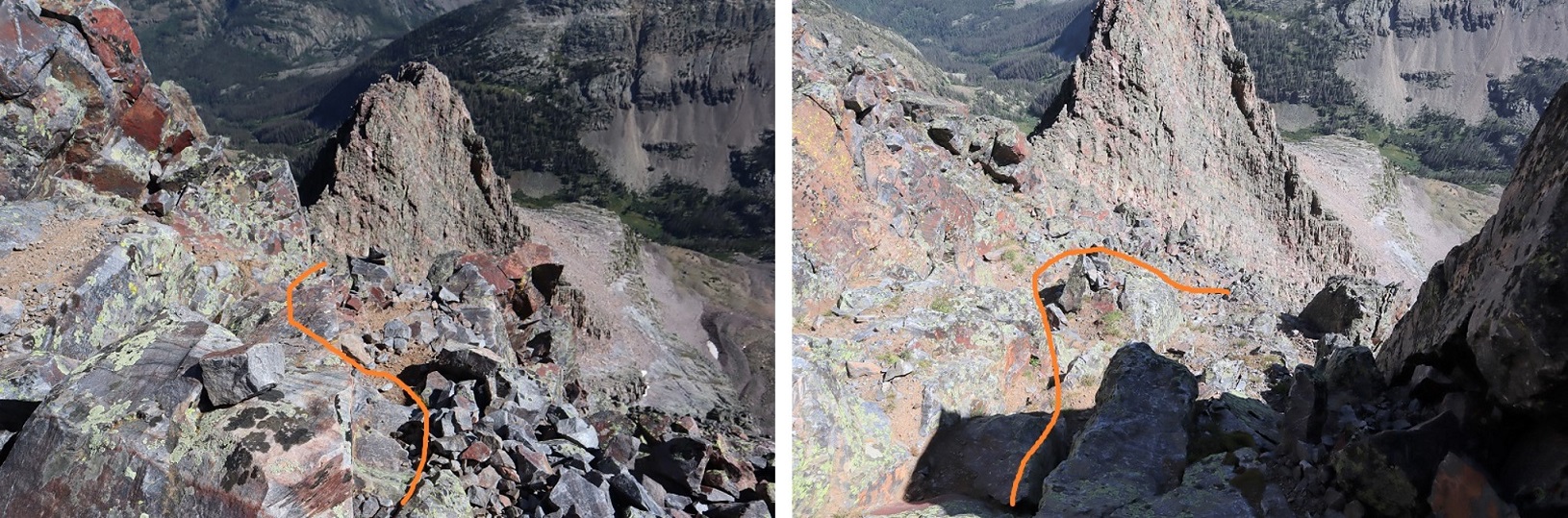
Back down to the ledge, then following it to the right and then left (the cairns are very helpful here)

36

37

And then following the ridge back to the basin, sticking to the solid rock whenever possible because the scree was slippery and the rock was stable (but would have been slippery in the rain)

38

39

40

I made it back down to the basin, and check it out:  someone (or a marmot) stole my trekking pole!  I looked all around for it and was unable to find it.  I had passed about 10 people on the way up/down, so it could have been one of them, but that would’ve been poor form and not cool, especially since I talked with all of them and they seemed super nice, so I’m assuming it was an animal.  From the basin there’s a trail back down to the camping area

41

42

Someone had found my glove and made it super easy to find by sticking it on a branch right in the middle of the trail.  Thank you!!! (they’re expensive gloves…).  Then it was a quick creek crossing and I was back at my gear.

43

Total mileage will be with my Trinities Report, but the mileage from Molas Pass, up to Arrow, and back to the camping area where I’d stashed my pack was 17.71 miles according to CalTopo, 12.7 miles according to Strava (to be discussed in my next trip report:  gotta love app discrepancies).  Here’s a picture of the route from my camping area the next day (without route markings)

44

Here’s the CalTopo of the entire route, including the hike the next day up the Trinities.

45