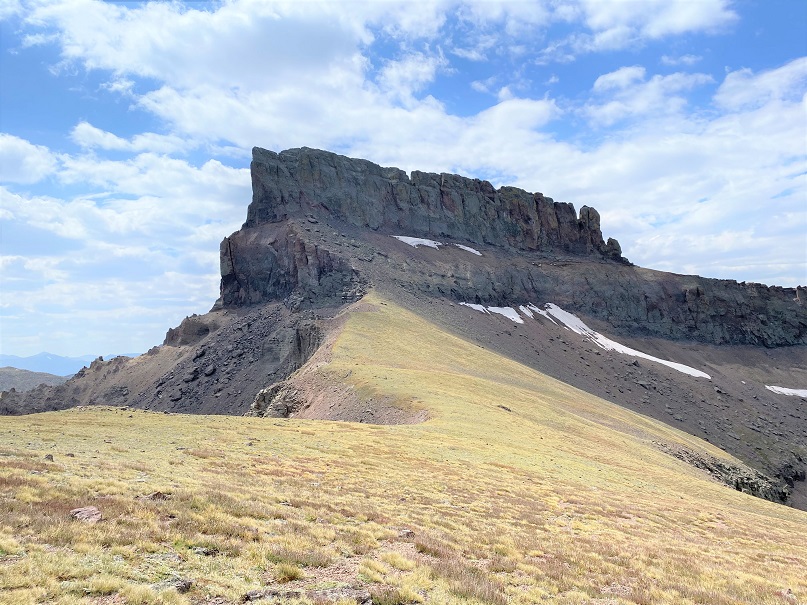
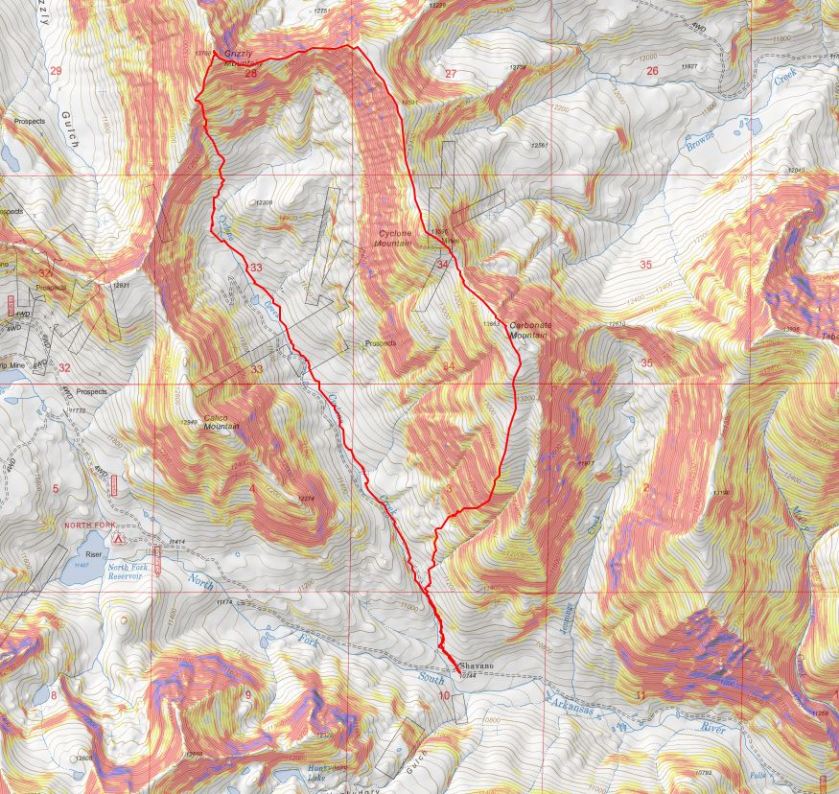
RT Length: 13.24 miles
Elevation Gain: 4654’
Climbing Gear included 2 60 meter 7.9mm ropes.
I’ve been up in my head about this peak since my failed attempt last month. Last time I’d turned around because I wasn’t 100% sure I was in the right area and I was afraid of cliffing out. All of the information I had on Coxcomb was conflicting (some called areas class 3 and others class 5, etc.) and none of the pictures I had from others lined up with what I was seeing. After going back home and researching more I realized I had been in the correct area, and now I was ready to try again.
I drove to the Wetterhorn Trailhead and was surprised to see no one else parked in the lot. The last time I was here there were several other vehicles. I got out, walked around, and signed the trail register so I wouldn’t need to in the morning. It was cloudy and windy but on the plus side there were no mosquitoes.

I tried to pump myself up for the hike tomorrow, but was still having trouble mentally. I told myself to just enjoy the hike and focus on learning something, even if I didn’t summit (again). I got out the book I’m (still) reading: Death in Yosemite, and noted I was still on the ‘death while climbing’ chapter. It may sound macabre, but reading about how other, more experienced climbers have died while climbing puts climbing into perspective for me: gravity never sleeps, and I can never be too careful (which is another reason why I turned around last time). I like to review potential mistakes so I don’t make them.
A group of three (shirtless) guys in their early 20s walked by, carrying gear and pads. I stopped them to see where they were headed and they told me they were just out bouldering. Hmmmm… I didn’t think the area was good for bouldering, but I wished them luck.
I made sure to get to bed early, and wouldn’t you know it, I heard a mouse moving around under/inside my truck as I was trying to sleep. I guess those mothballs don’t work. Also, I believe it was the same mouse as last week: it’s most likely been living in my truck, building a nest, etc. I was going to need to get some traps asap.
I woke up and was on the trail at 4:30am, taking the same route as last time. There’s an obvious trailhead with a register.
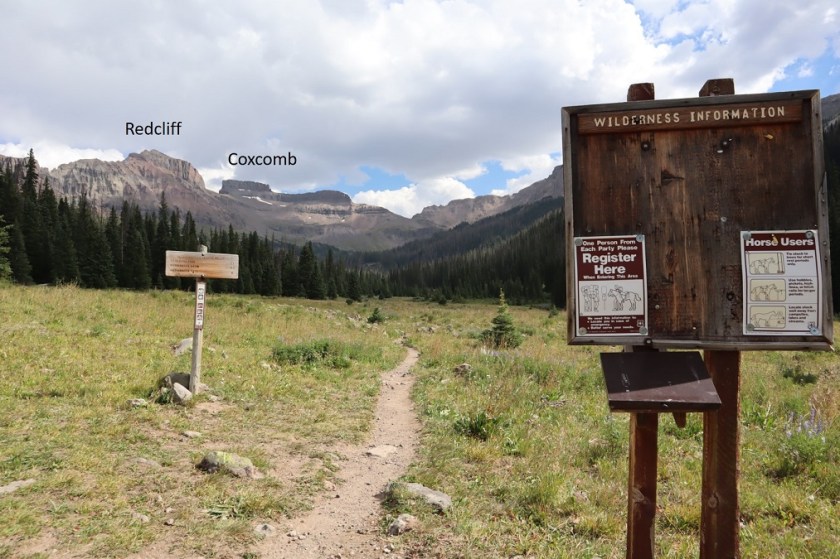
I followed the class 1 trail for 3.4 miles up to the top of the pass, and then lost 450’ of elevation as I descended into the basin.
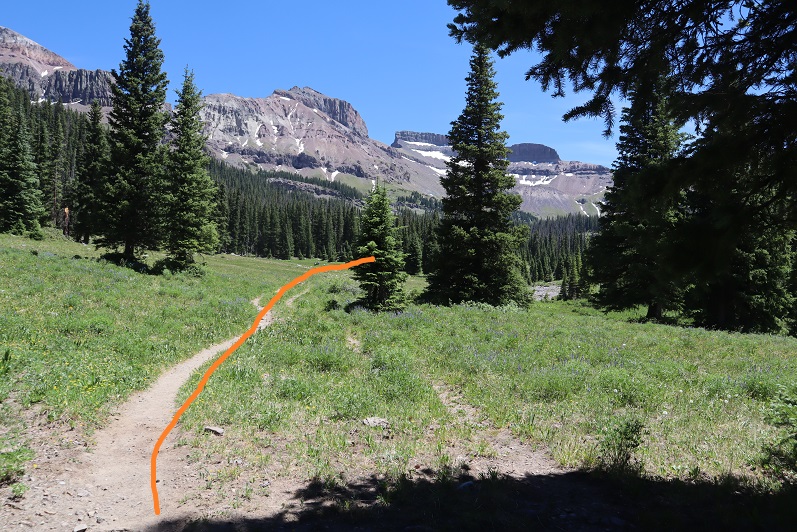
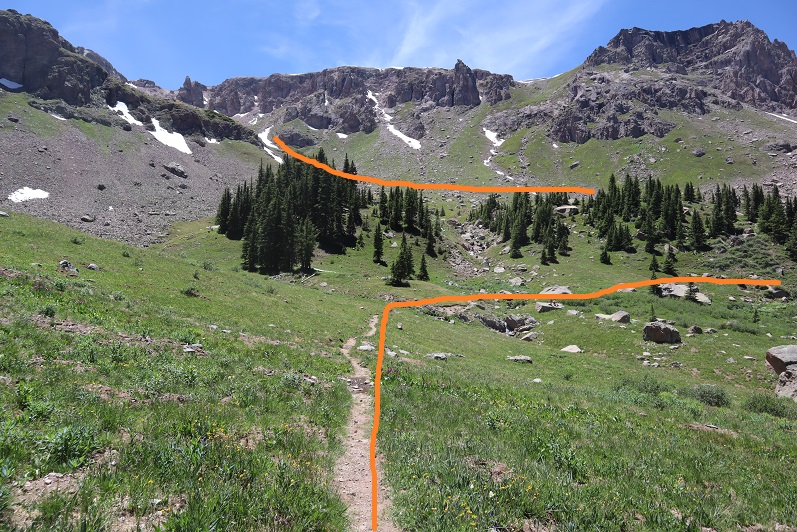
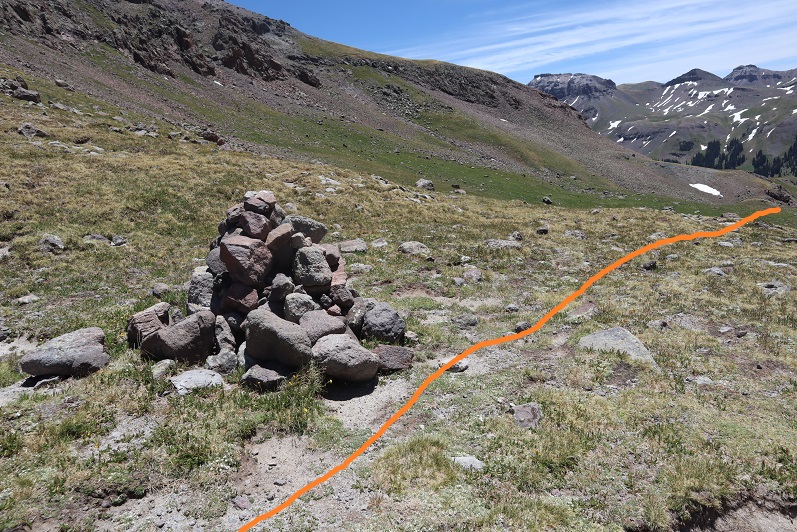
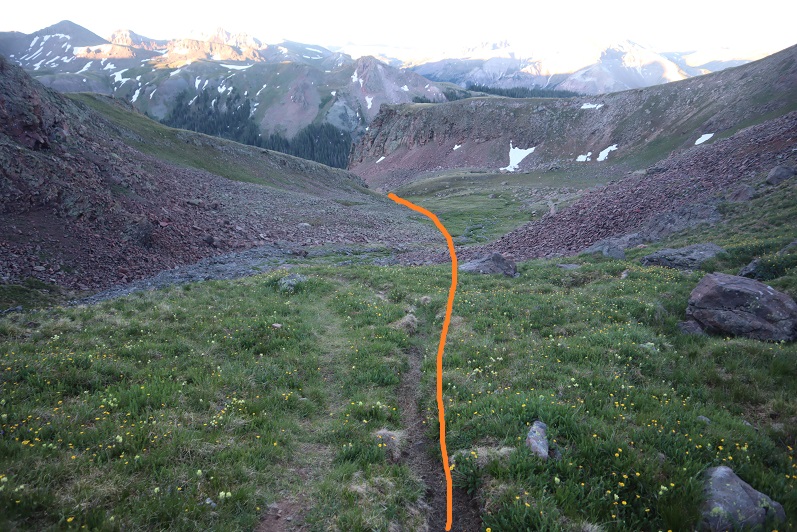
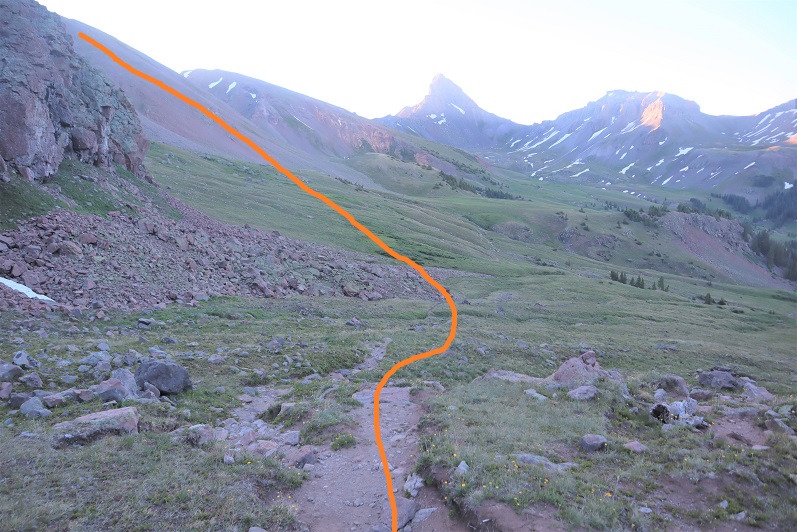
I’ve heard of others who’ve stayed high here instead of going into the basin, and from my perspective, the rubble and talus and scree aren’t worth it: I’m ok losing a little elevation, and I’m actually convinced it saves time. Once in the basin I left the trail, crossed the basin and followed the ridge up to the base of Coxcomb
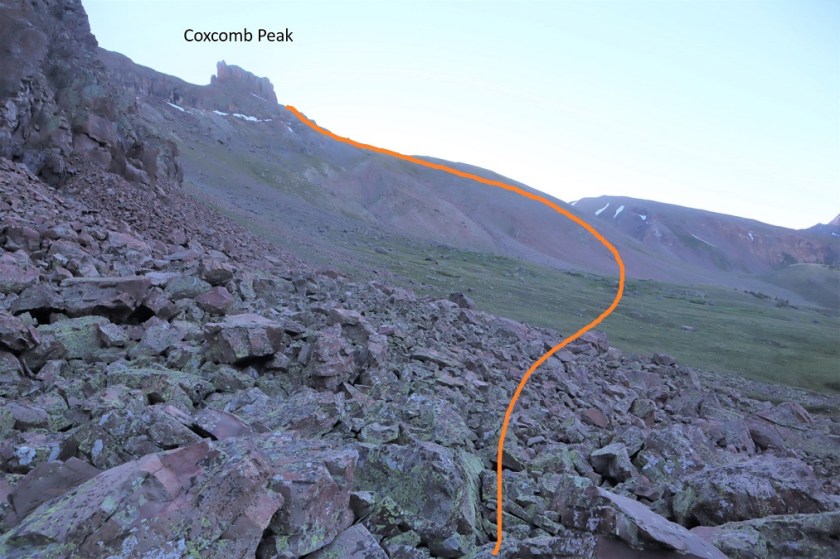

There was a little bit of scrambling to get to the base

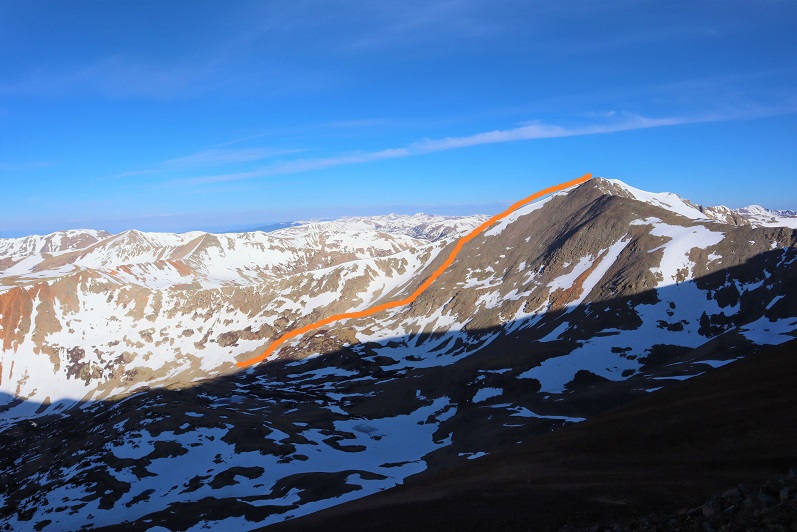
Here’s an overall view of the route up
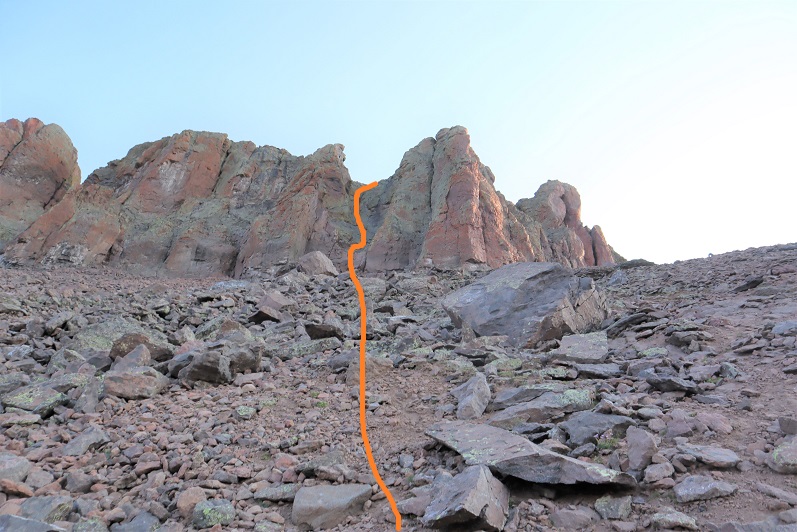
Once there I was happy to see the rocks I’d placed in the chimney were still where I’d put them. I sat down, put on my helmet, and mentally prepared myself to begin. Here’s the first chimney
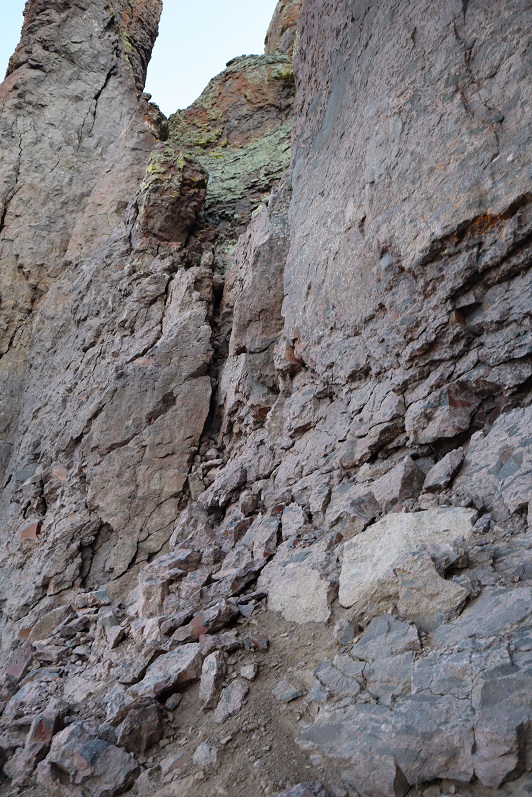
I made my way over to the chimney and tried to climb up. No dice. I love to boulder, but I haven’t been since COVID started due to the gym being closed and now requiring masks (say what you will, but I cannot work out with a mask on. I respect the rules however, and thus choose not to go). All this to say I’m a little rusty when it comes to my bouldering skills.
Ok, so if I couldn’t just climb up I’d do what I did last time: I took off my pack, attached a rope to the pack and my harness, and tried climbing up without a pack. The rock was cold and my fingers were stiff and I tried and tried but was unable to climb up the chimney. What was wrong? I’d been able to do it last time! Ugh. That was when I realized last time I’d worn climbing shoes. I guess they did make a difference. Oh well, I was just going to need to get creative. I tried once again, this time angling myself sideways, putting my thigh into a crack, shimmying around, and pressing into the side of the rock with my inner thigh and hoisting myself up. This took me halfway up the chimney. From there I was able to hoist myself up and use my arms to do the rest. I made it to the top of the chimney, hauled up my gear, and prepared for the second part for the climb. The red circle is where I ‘sat’

The next section was easy class 3. I re-coiled my rope, put on my pack, and made my way to the base of the next chimney
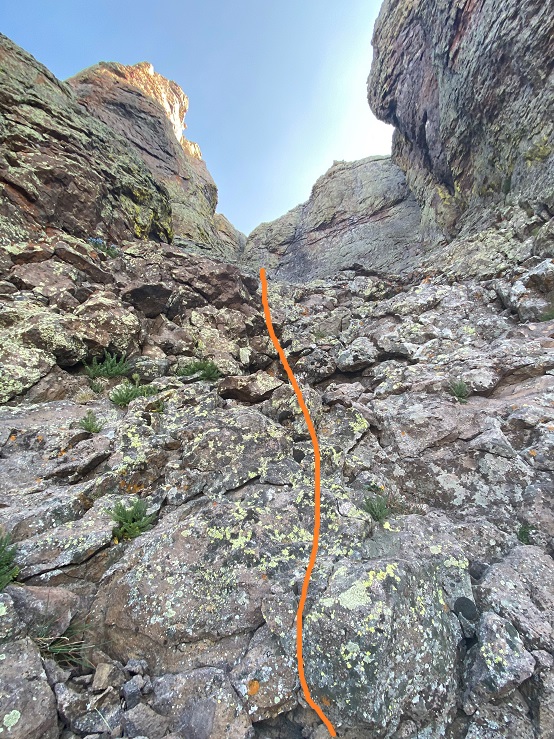
This is where I’d gotten stuck last time. This time however, I was sure I was in the correct spot. I initially tried to climb this with my pack on, realized that wasn’t going to happen (the pack was too heavy and put me off balance) and decided to try climbing this chimney without my pack. The red circle is where I took off my pack.
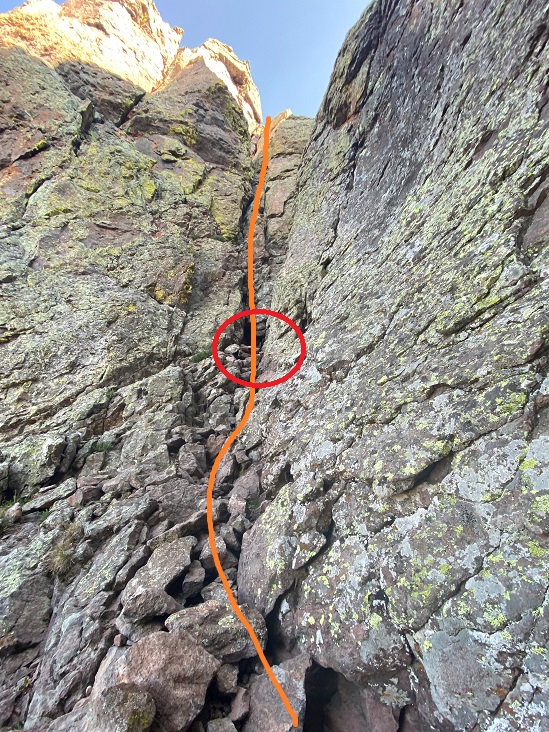
Here’s what the climb looks like from there. Knowing I wouldn’t be able to climb this with my gear, but also knowing I needed my gear to descend I decided to once again tie the rope to my harness and loop it around my pack. I was very careful to make sure my rope didn’t get tangled, and I had an exit strategy in case the whole ‘rope around the pack thing’ didn’t work in this area. I wouldn’t recommend this tactic unless you put a lot of thought and planning into its execution, as so many things can go wrong in this scenario. Here’s a look at the beginning of the route
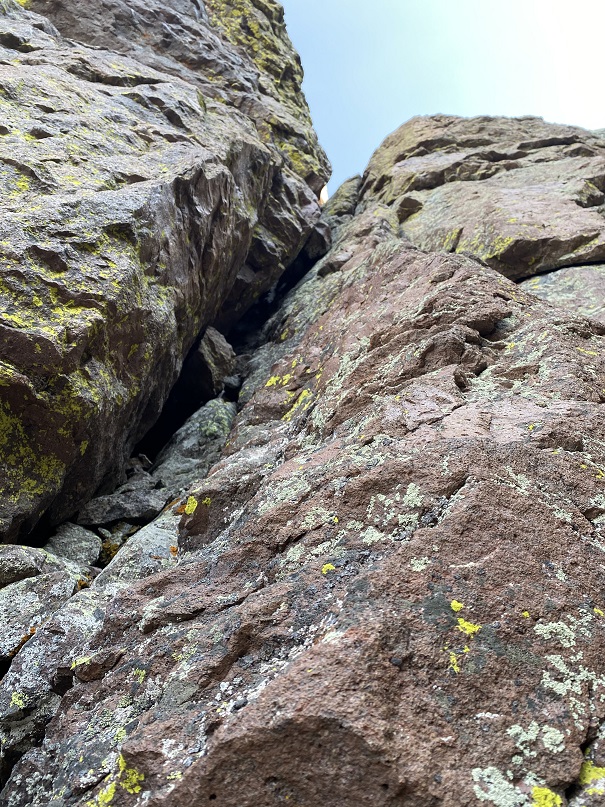
I made it halfway up and stopped.

At the halfway point I hauled up my gear to where I was positioned. I figured this would lessen the chances of my pack getting stuck when I hauled it all the way up, and also gave me a chance to test whether or not hauling the pack would work in an area where I still felt I could downclimb safely. This tactic proved successful, so I continued on.
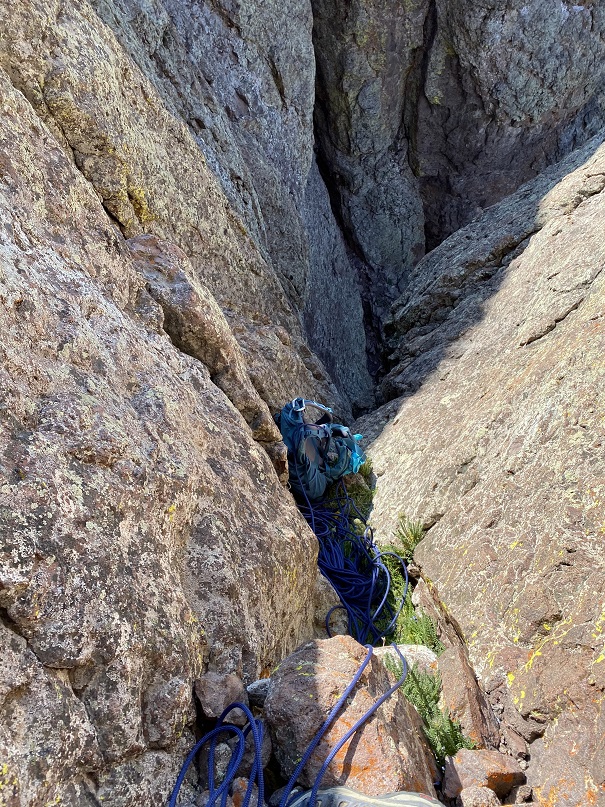
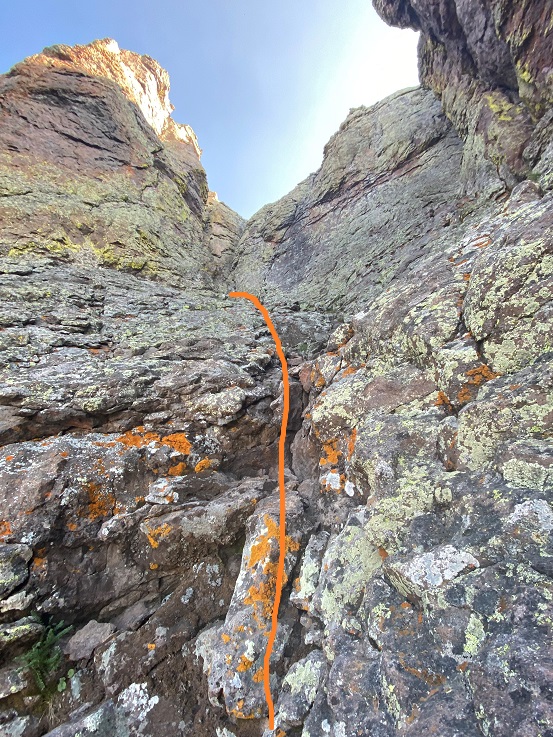
From the halfway point, here’s looking up at the rest of the route

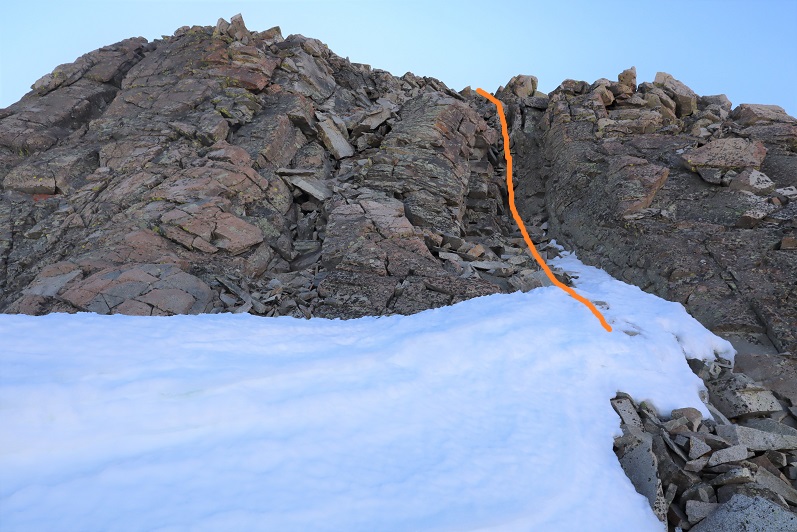
This is a class 5.2 chimney that requires some stemming/fun/creative moves to ascend. At one point I even used a crack climbing technique to get a good hold with my arm vertically and hoist myself up. This is the point I wasn’t able to make it past last time, but after talking with others who’d successfully climbed this area I felt confident I’d be able to as well. There are some sketchy moves, but plenty of opportunities for stemming/hand holds to make the ascent doable. I was terrified but just told myself not to look down, to focus ahead, and soon enough I’d made it out of the chimney. Here’s the route I took

Once at the top of the chimney I turned and hauled up my gear, feeling pretty pleased with myself for making it this far. I recoiled my rope and put it in my pack.
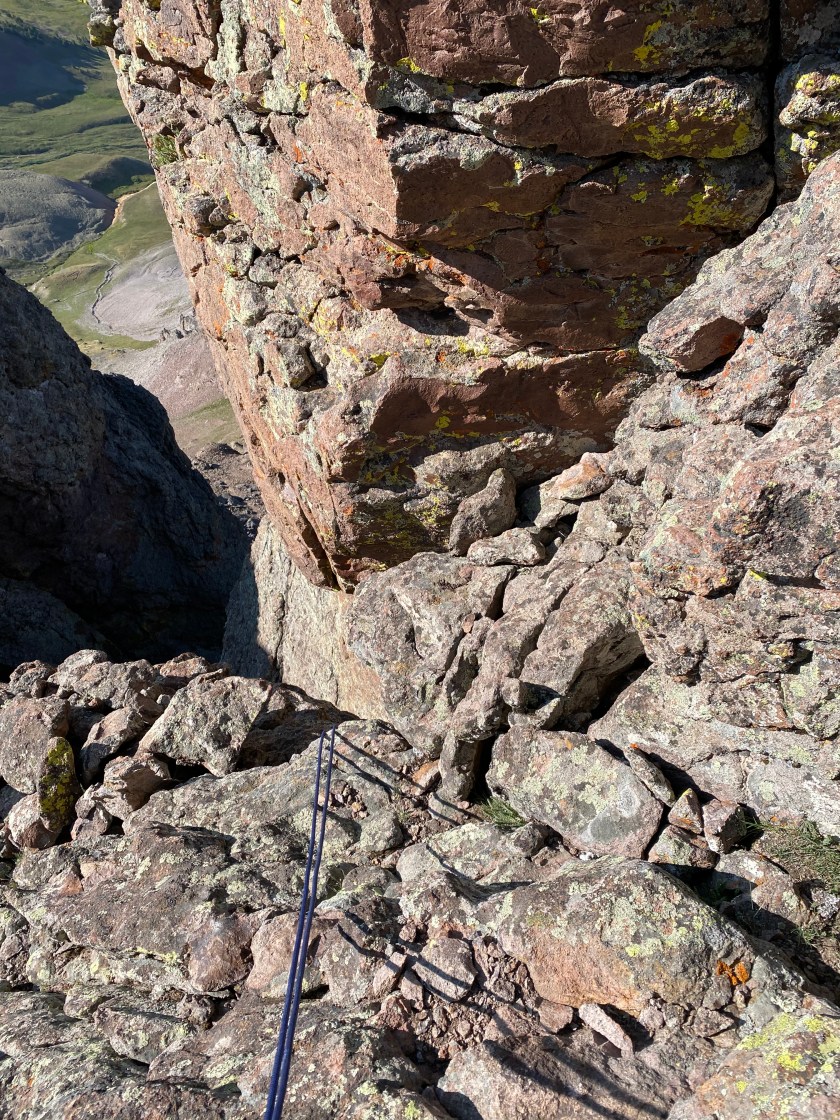
I’ve heard it’s class 3 after this point to exit the chimney, but it felt class 2 to me
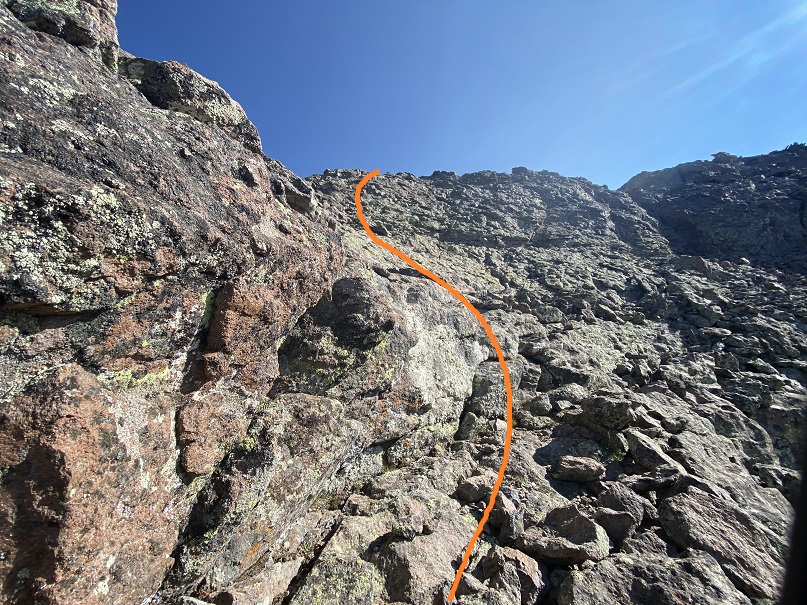
Last time I’d been worried I was in the wrong gully. Since I hike solo I’m extra careful, and probably turn back more often than I should when uncomfortable. One of the reasons I’d turned back here last time was I was worried if I ascended the wrong gully I’d be cliffed out. It turns out that wouldn’t have been the case, so if you’re worried about cliffing out in this area don’t be: all chimneys exit in the same area, and it’s solid. Here’s looking back

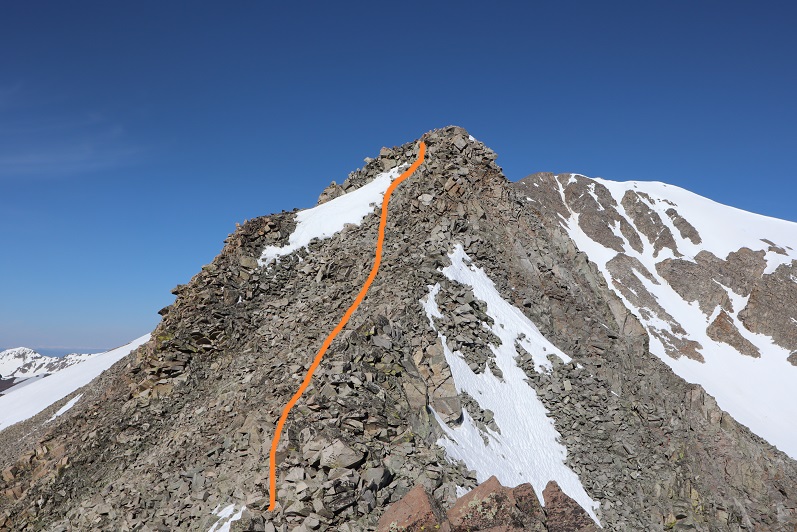
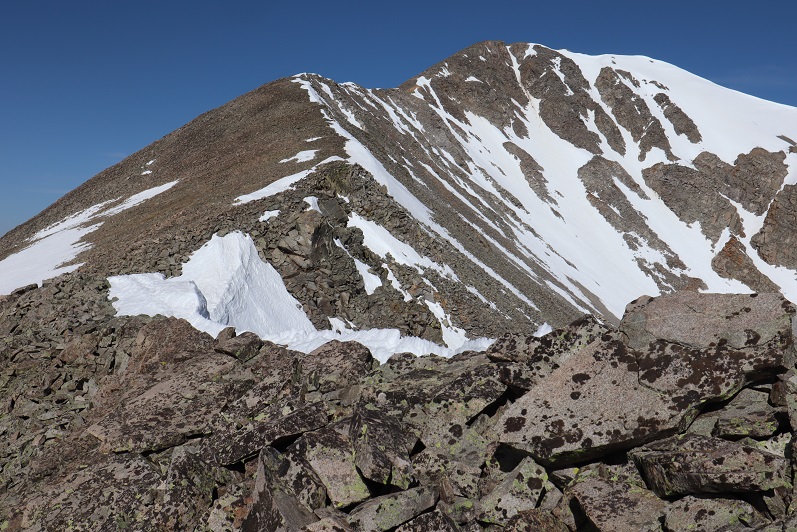
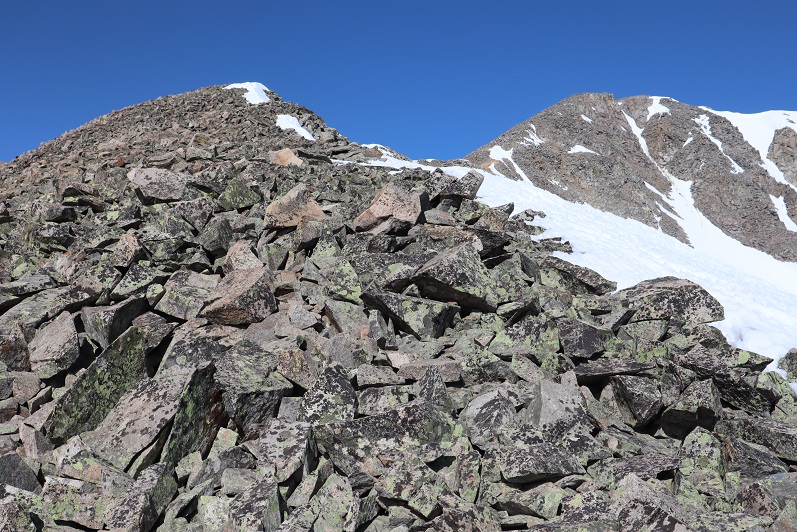
And forward towards the summit of Coxcomb
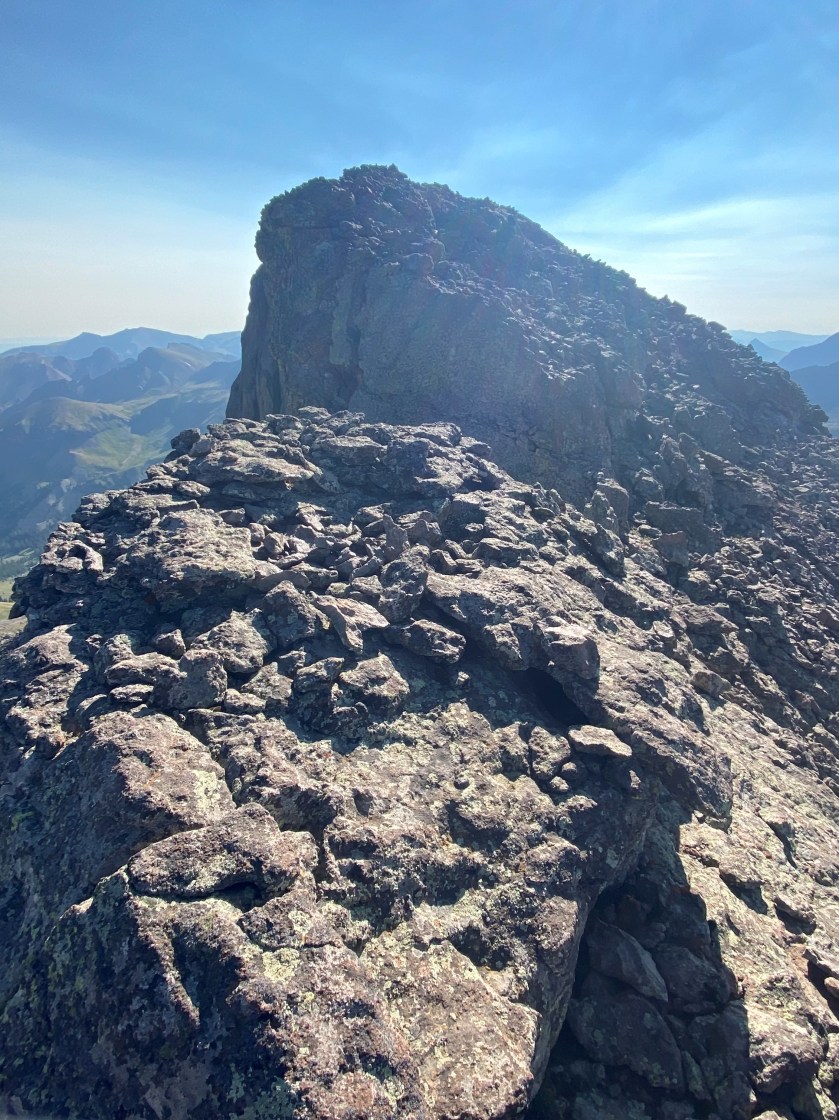
There was still one more obstacle before reaching the summit: a 25 foot notch I’d need to rappel before upclimbing to the summit.

I got out my rope, attached it to my gear and the anchor (which looked solid so I didn’t replace the webbing) and rappelled down into the notch. This is committing because it’s class 5.6 to climb back up. I’m not a climber, and I knew I wouldn’t be able to upclimb this section on my own: forward was the only way from here on out. This last bit included rappelling down, then climbing out of the notch
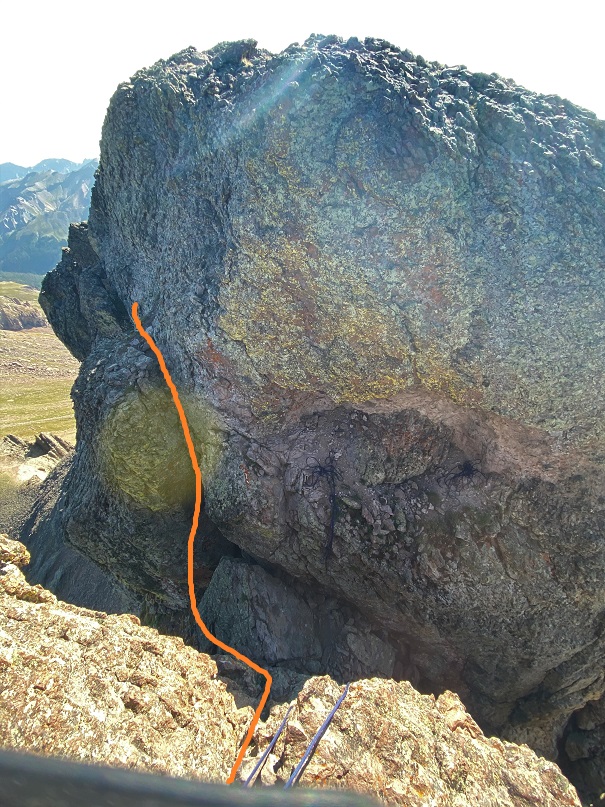
Here’s a look back up at this section from inside the notch
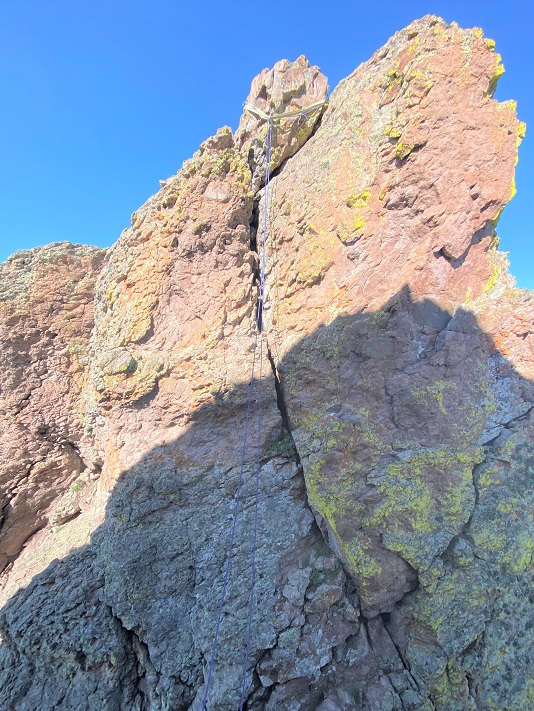
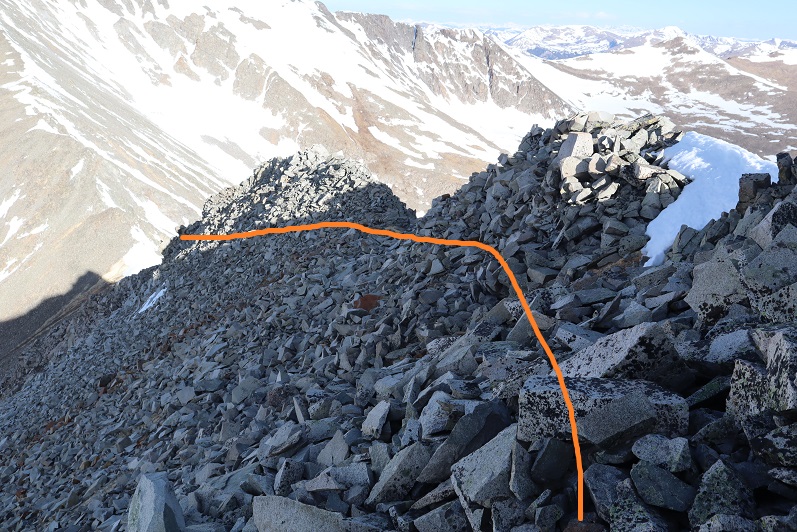
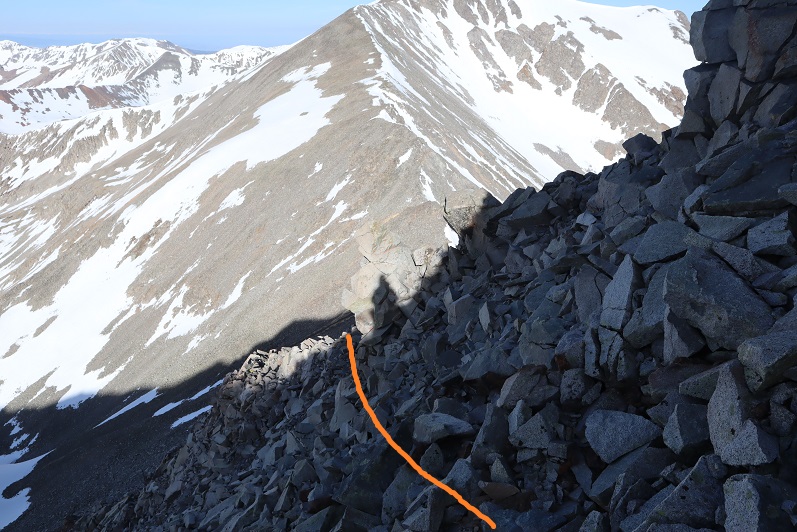
I once again retrieved and recoiled my rope, and got ready for the final pitch to the summit. I went north, following the cairns, and climbed up an easy chimney
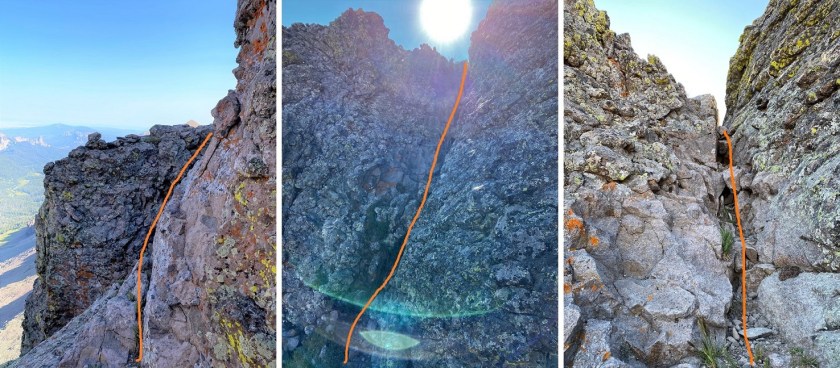
From there it was an easy walk to the summit
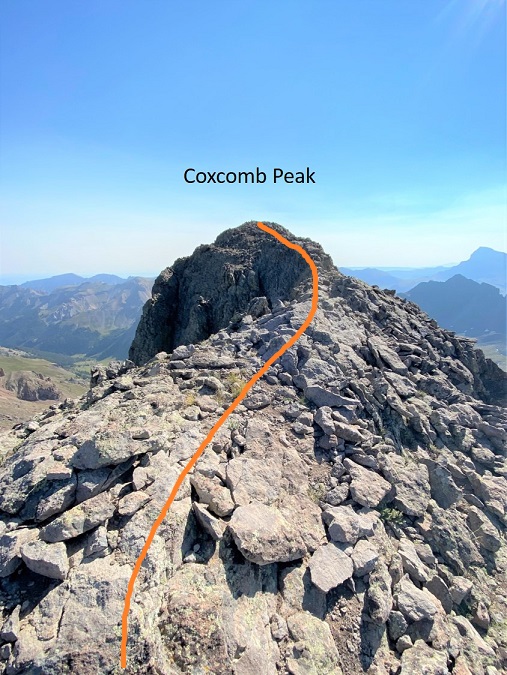
I summited Coxcomb Peak at 9:30am. There was a summit register in a powerade bottle that should probably be replaced. I didn’t open it, but it looked like the papers were smushed in there.

Coxcomb:
I was thrilled I’d made it this far, but I still had the 170’ rappel to accomplish. I went to work, looking for the webbing and anchor set up. It was easy to find and still looked good, so I decided to use what was already there.
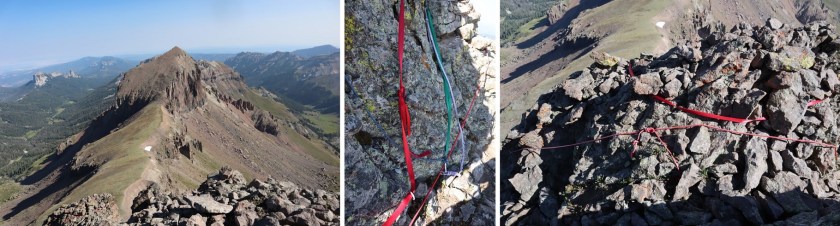

I tied my two ropes together with a double fisherman’s knot and threw my ropes. It was quite windy, and the wind was coming at me, so it took a couple of tries to make sure the ropes made it all the way to the ground. This was quite frustrating, but worth the extra effort to make sure it was done correctly. Next, I tested the rope, watched my knot to make sure it was secure, unclipped my safety, and started the rappel. Everything went smoothly. I even noticed 2 more anchors set up below where I’d rappelled, so if you brought just one rope it would have been enough (the webbing looked old though, and should probably be replaced).
My feet touched the ground and I gave out a “Woot!” I was so excited! I’d done it!!! I’d solo’d Coxcomb Peak, a peak I wasn’t sure I’d ever be able to climb, let alone solo. I gave myself a minute to let it sink in, and then went about retrieving my ropes.
I had two ropes, one purple, one orange. I always pull the darker one. I pulled the purple one and was thrilled when it moved. I pulled it about 10 feet when it stopped. Hmmm. Ok, maybe it got stuck? So I pulled the orange rope back a few feet, and then tried the purple one again. Once again, it got stuck. I whipped the ropes and they moved as far as I could see, so one of the ropes must have been stuck up at the very top. I spent the next hour doing everything I could think of to retrieve those ropes, to no avail. In the end I made the very difficult decision to leave them there. I did put a note in the trail register on the way down and I posted to some climbing social media sites about their whereabouts, so at this point I’m fairly confident they’ve been retrieved. It hurt to leave them there, not only because of LNT, but also because this is the first time I’ve used them (besides the initial breaking in).
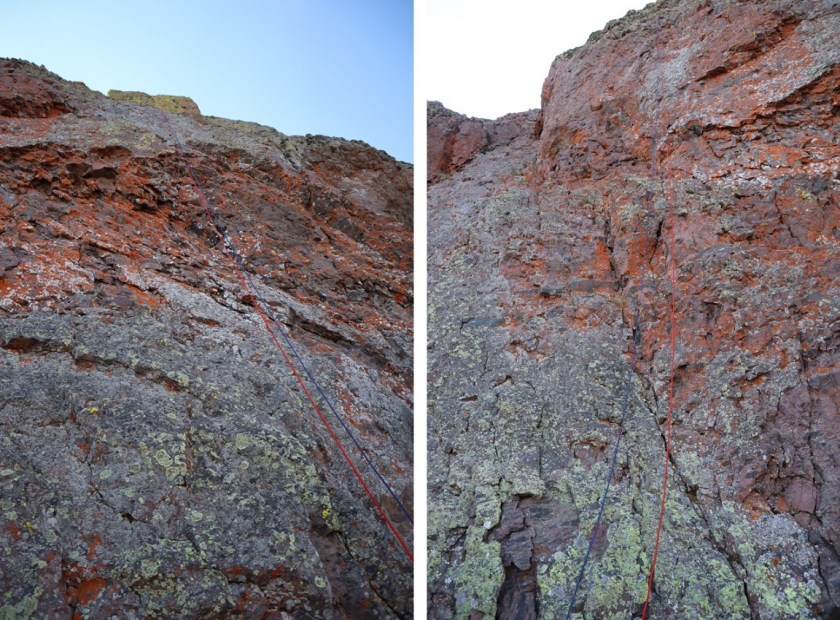
Here’s the rappel
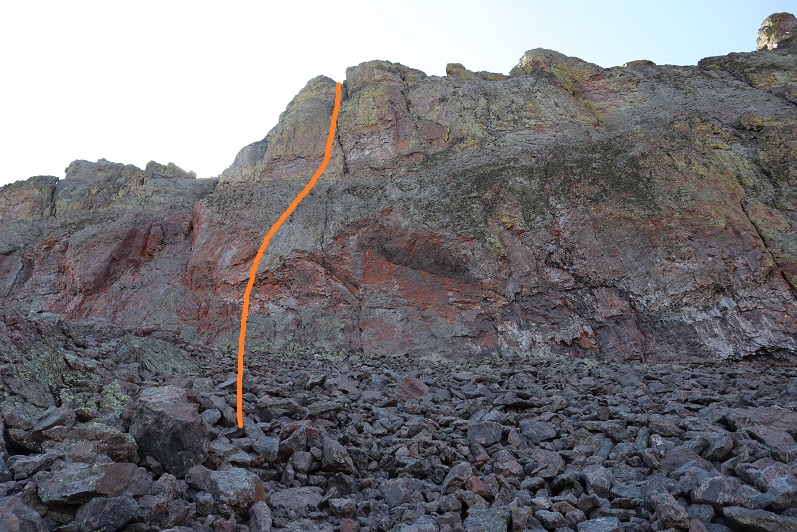
I sighed heavily and turned to hike up Redcliff.
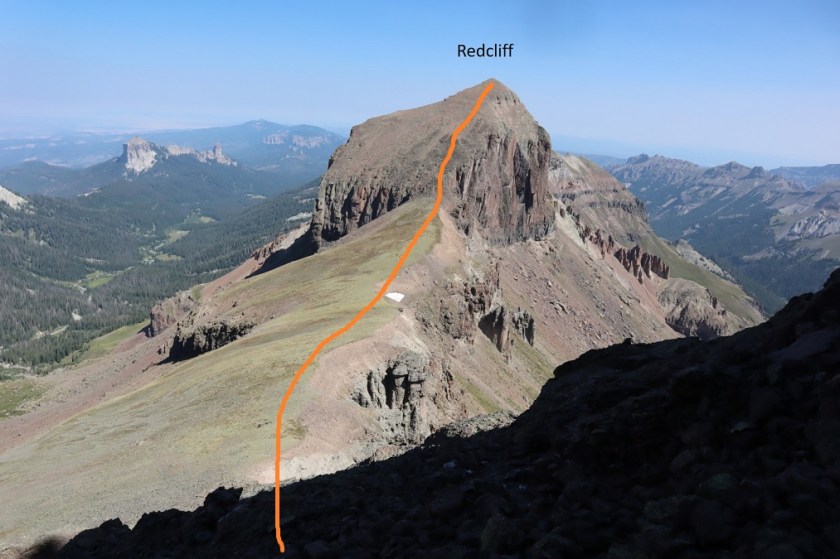
This was a very short, simple, and straightforward climb. I summited Redcliff at 11:15am
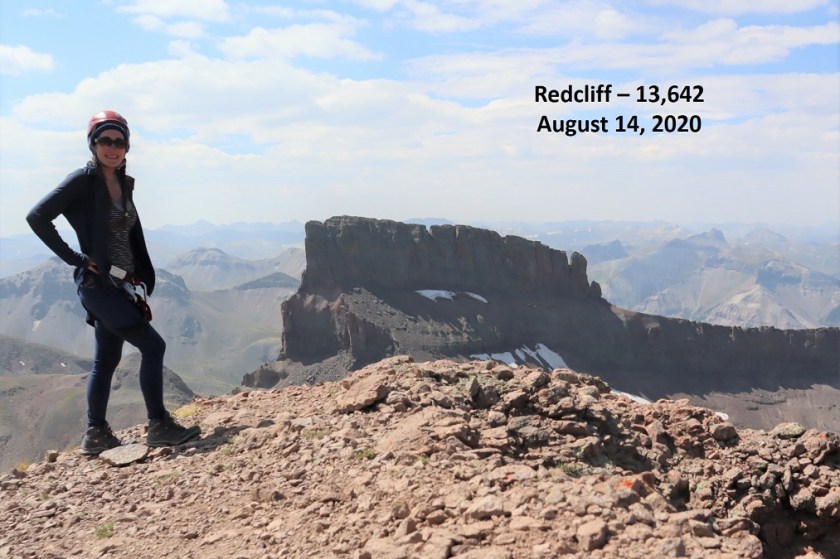
Redcliff:
Here’s looking back at Coxcomb. I’ve circled the notch that needs to be rappelled down and then climbed back up
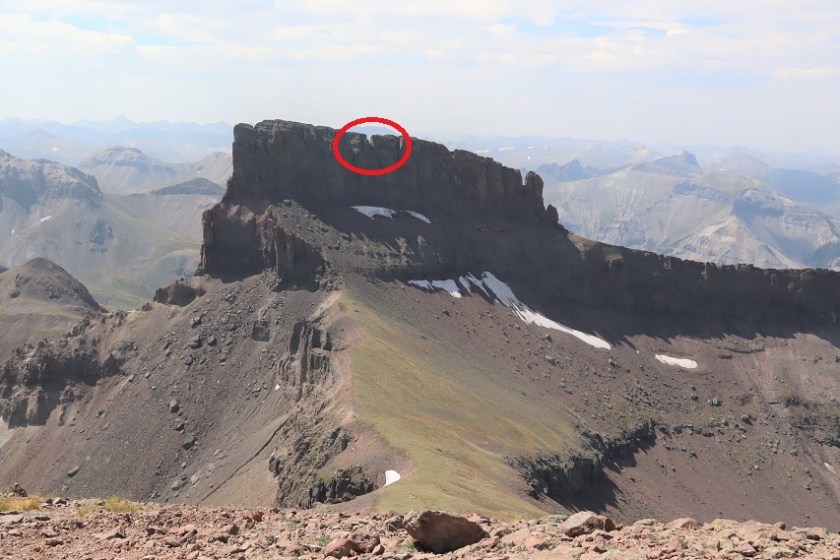
I turned and headed back to the Coxcomb/Redcliff saddle, and then descended west into the basin
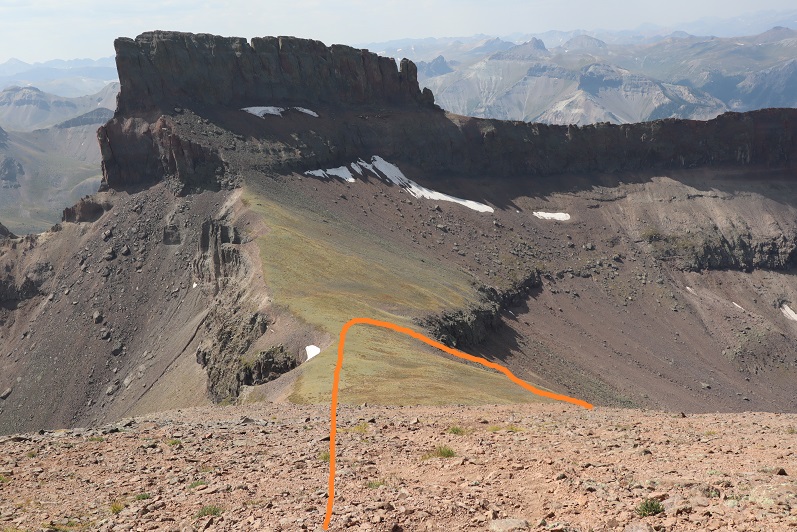
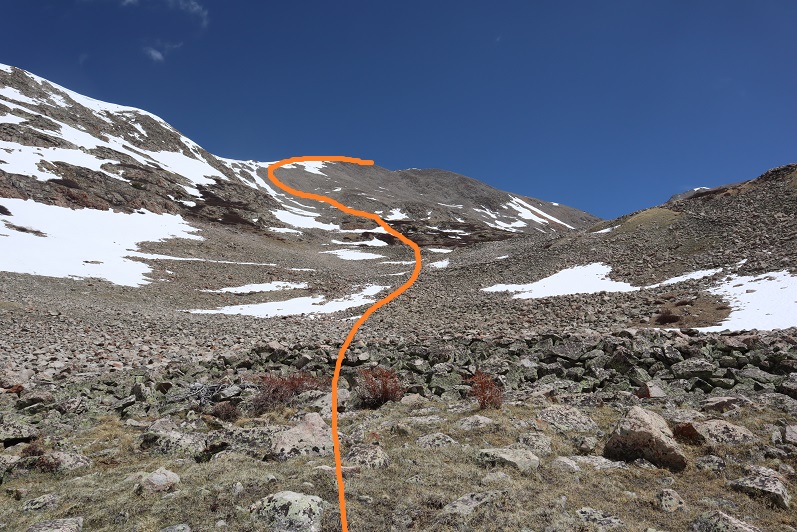
There wasn’t a well stablished trail here, but the route was easy enough to figure out. I just aimed for the visible class 1 trail below I’d taken on my way in this morning
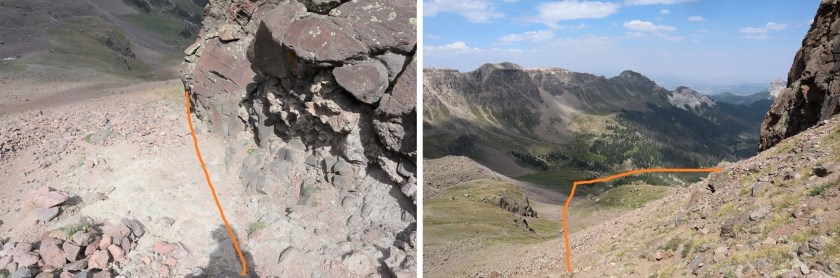
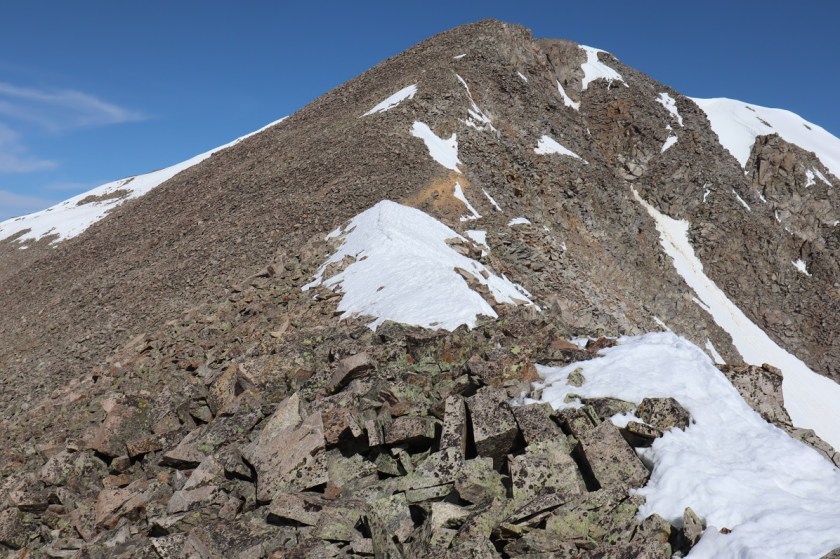
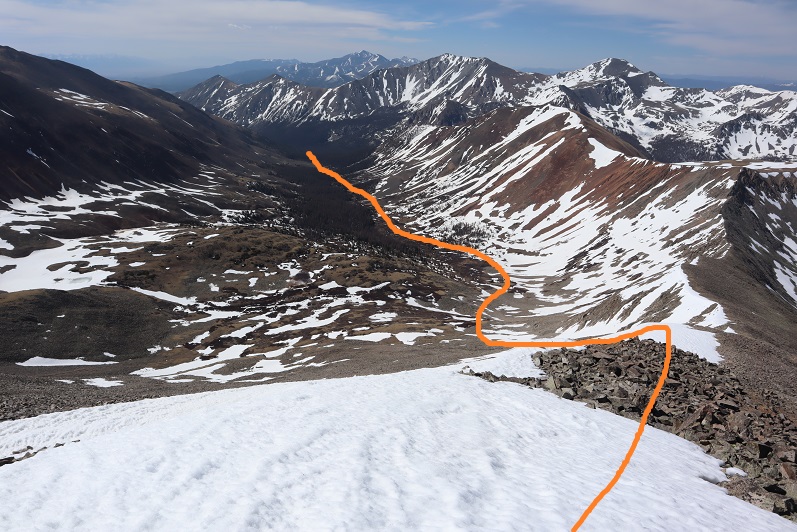
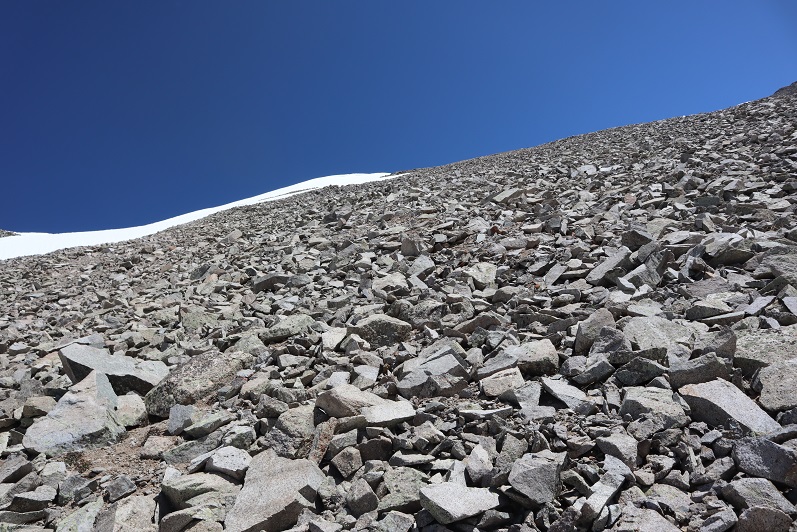
Here’s looking back at the route from the saddle to the trail
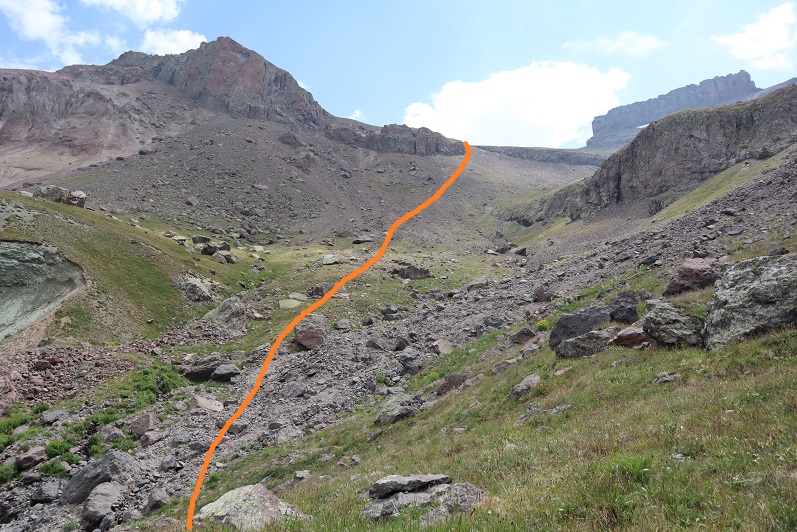
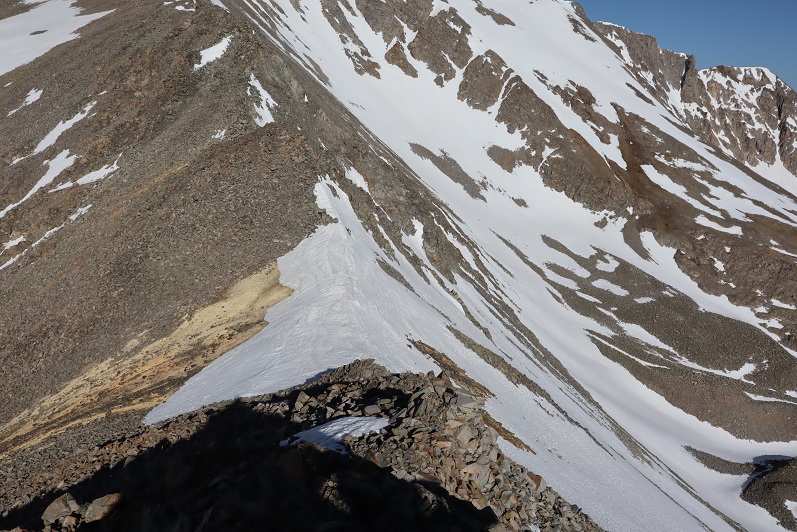
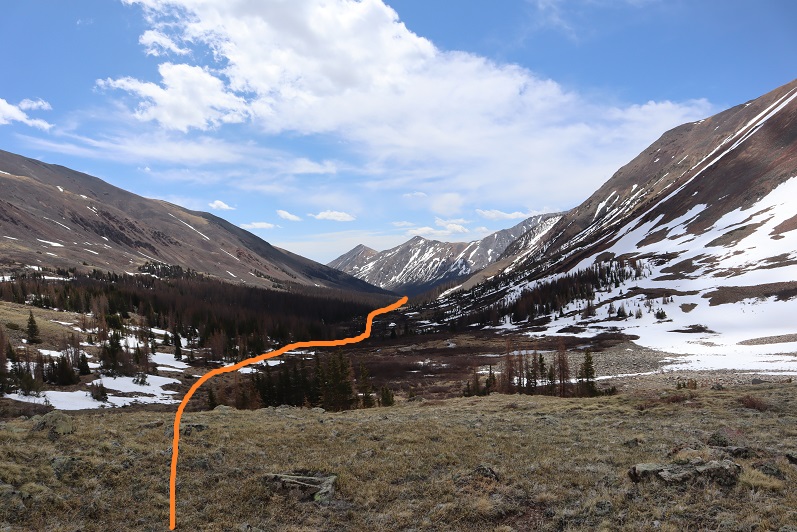
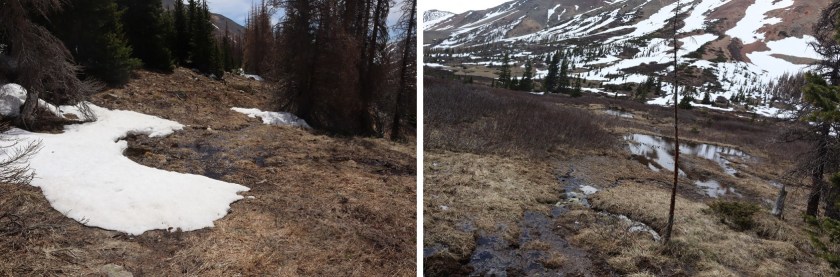
And a look at the hike out

I made it back to the now full trailhead and my truck at 1:10pm, making this a 13.24 mile hike with 4654’ of elevation gain in 8 hours, 40 minutes.
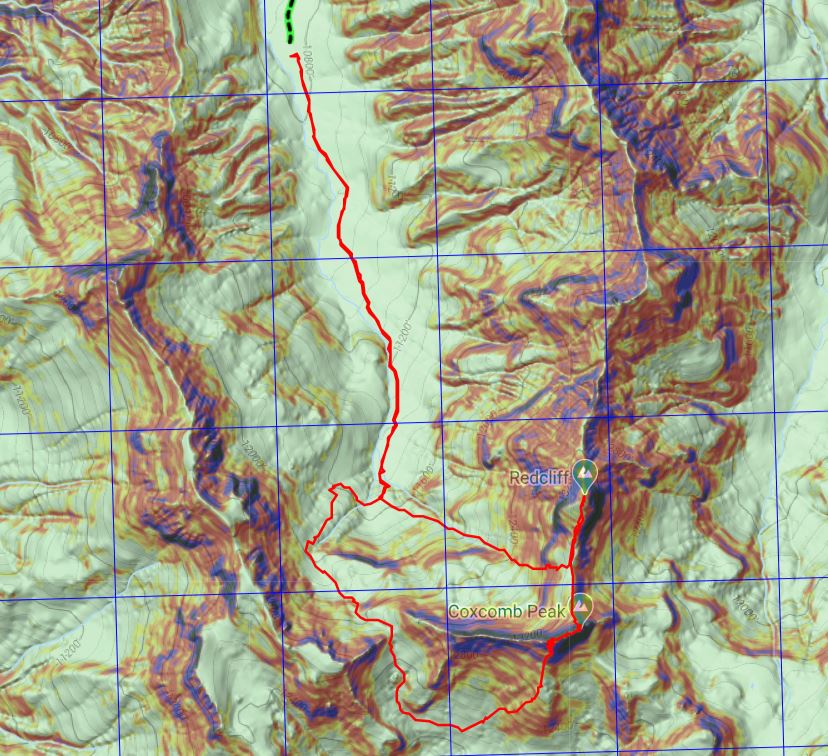
I was thrilled with today’s success, and even though I’d lost two new climbing ropes I drove to the next trailhead on a bit of a high.





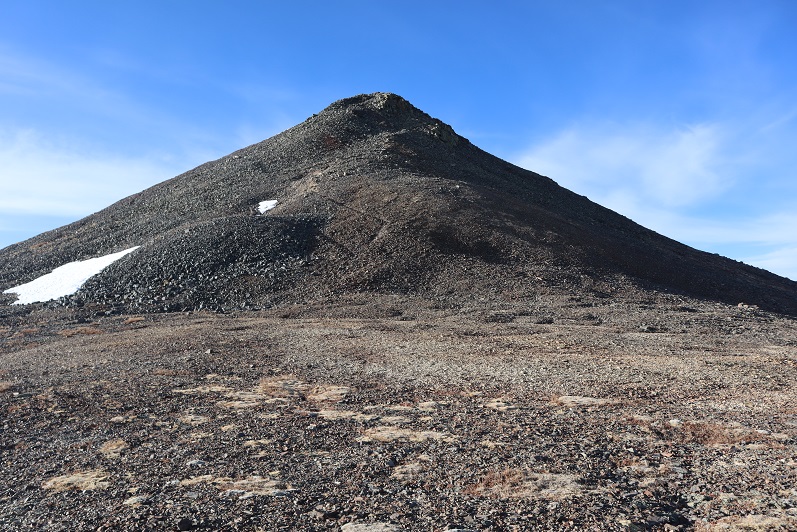
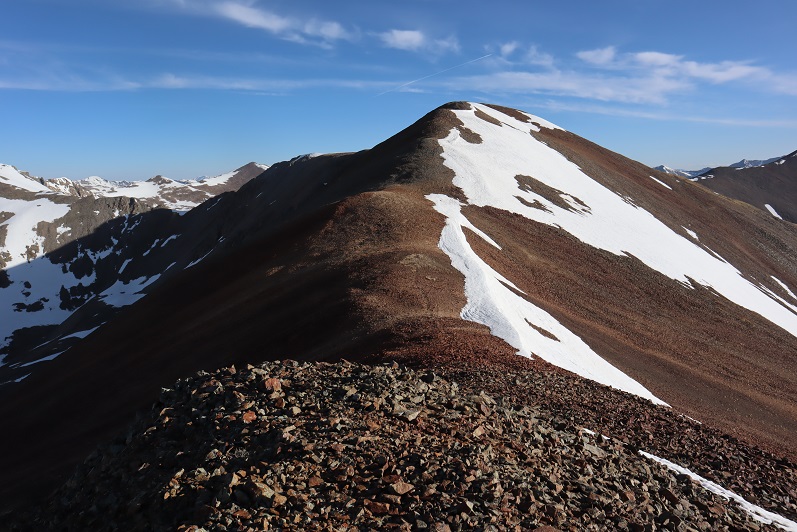
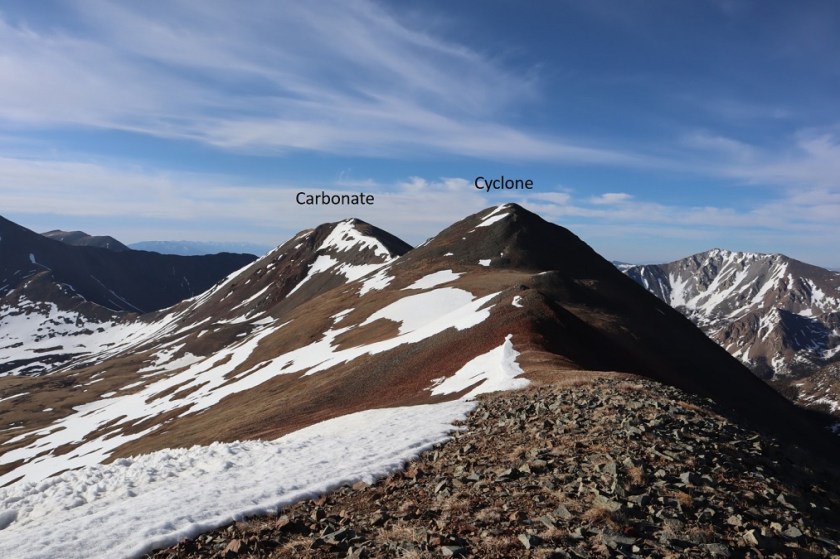
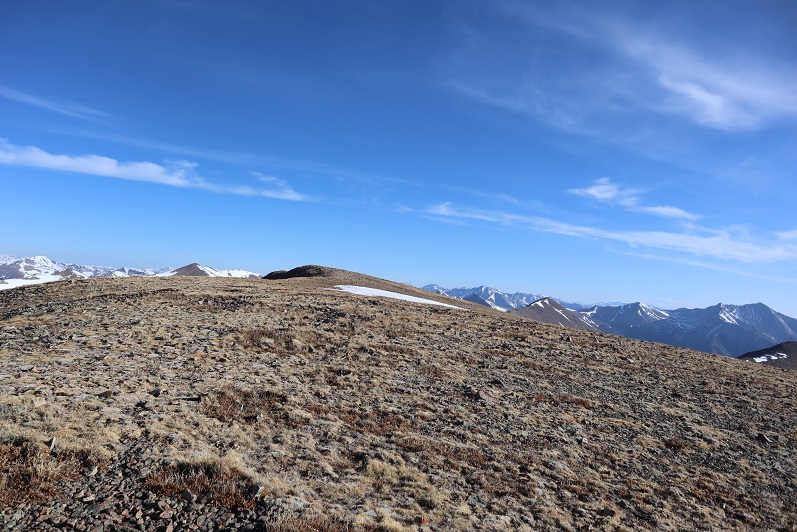









 Wild Wanderer