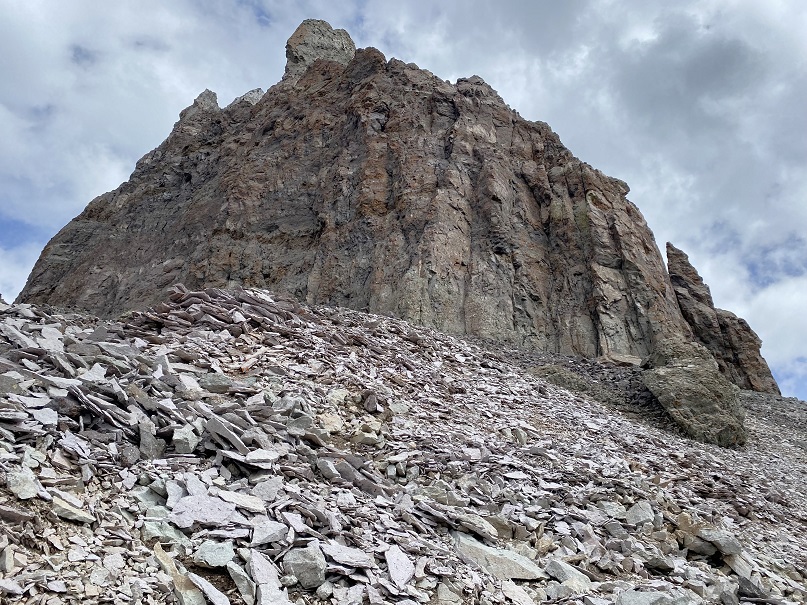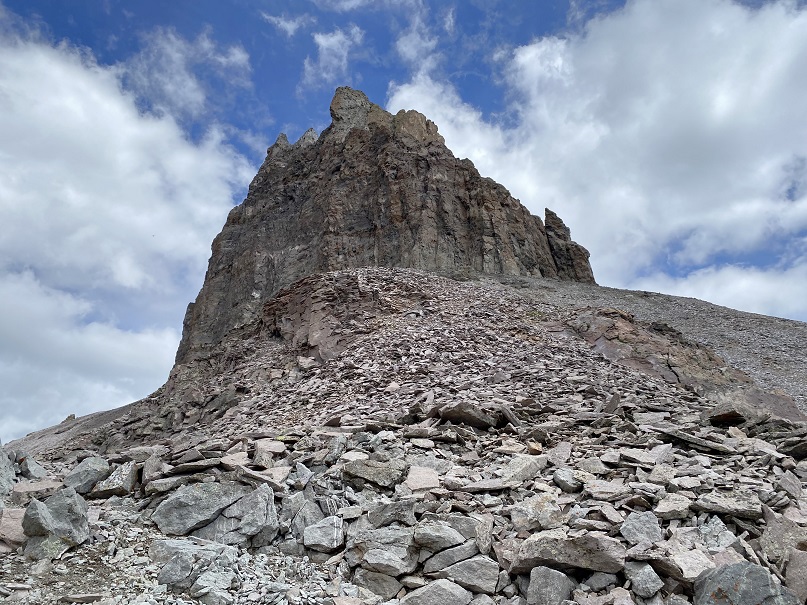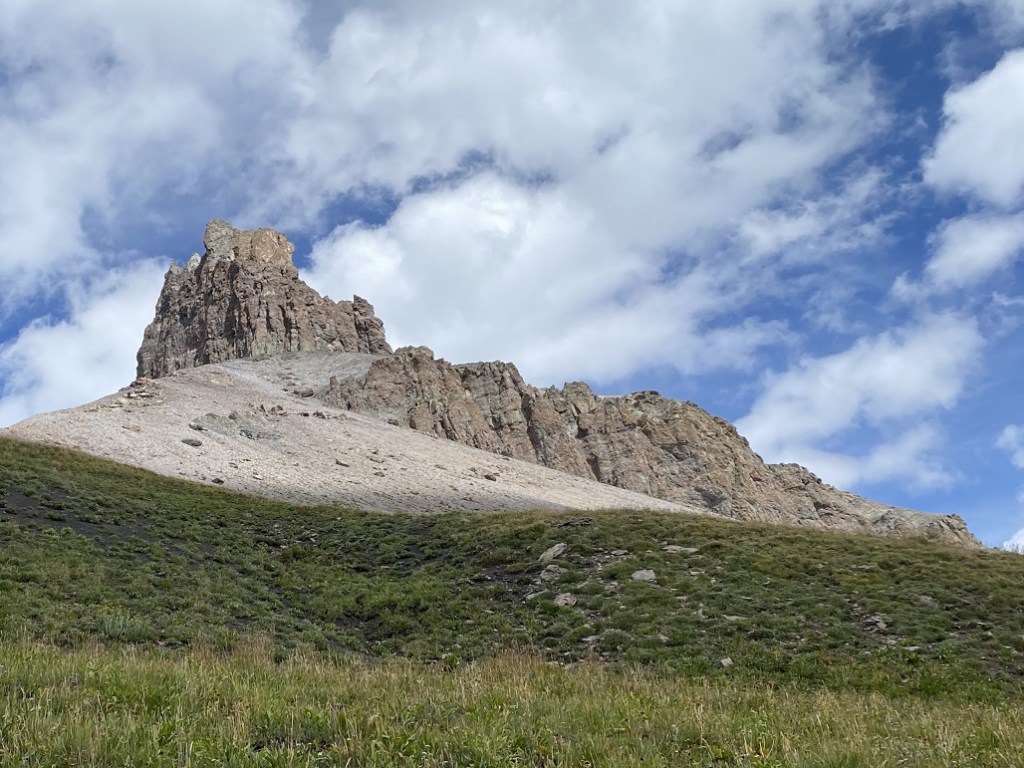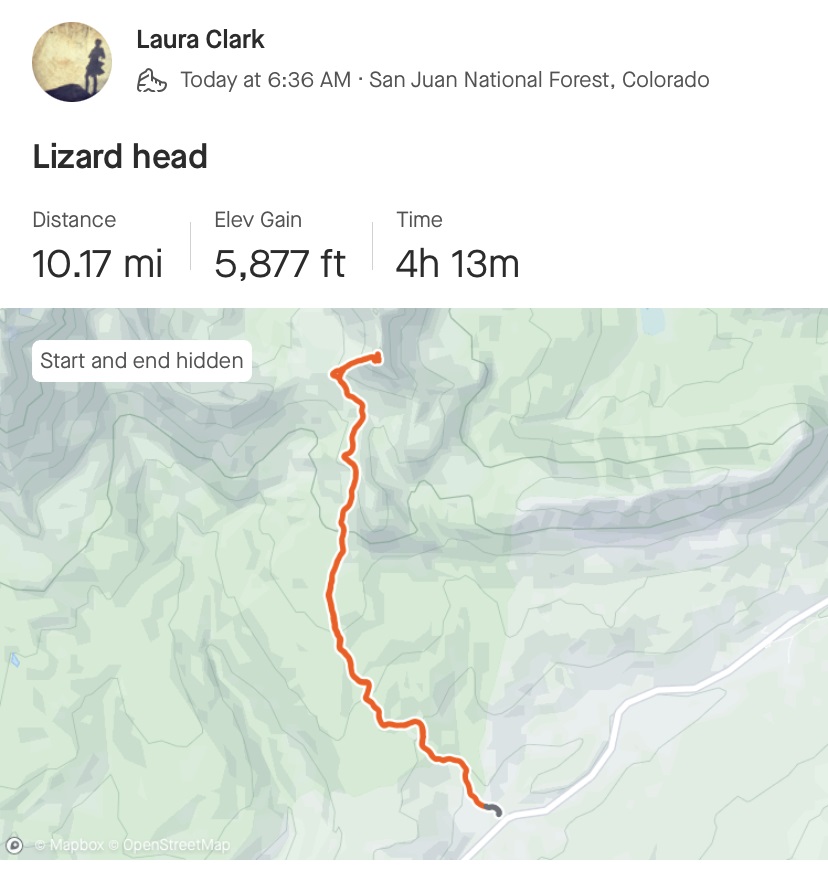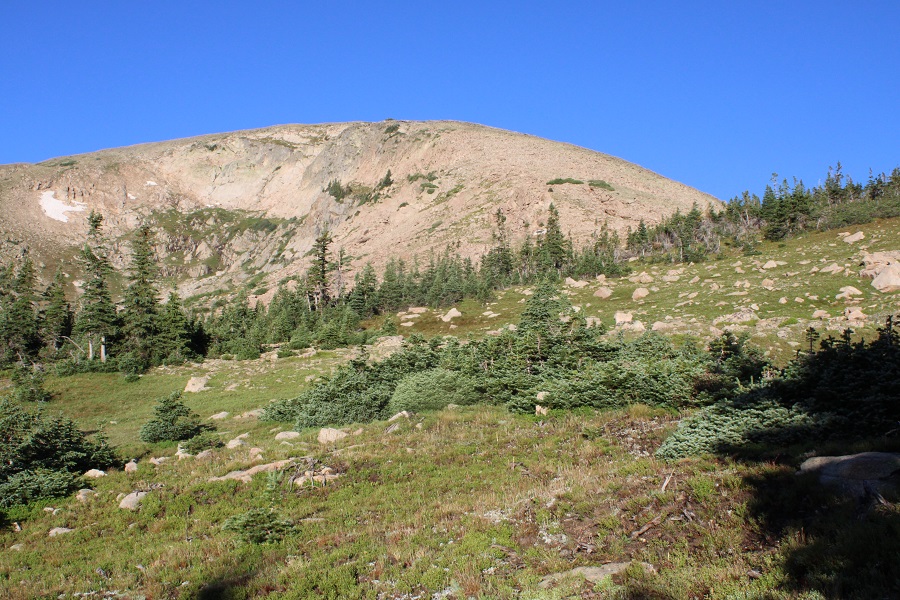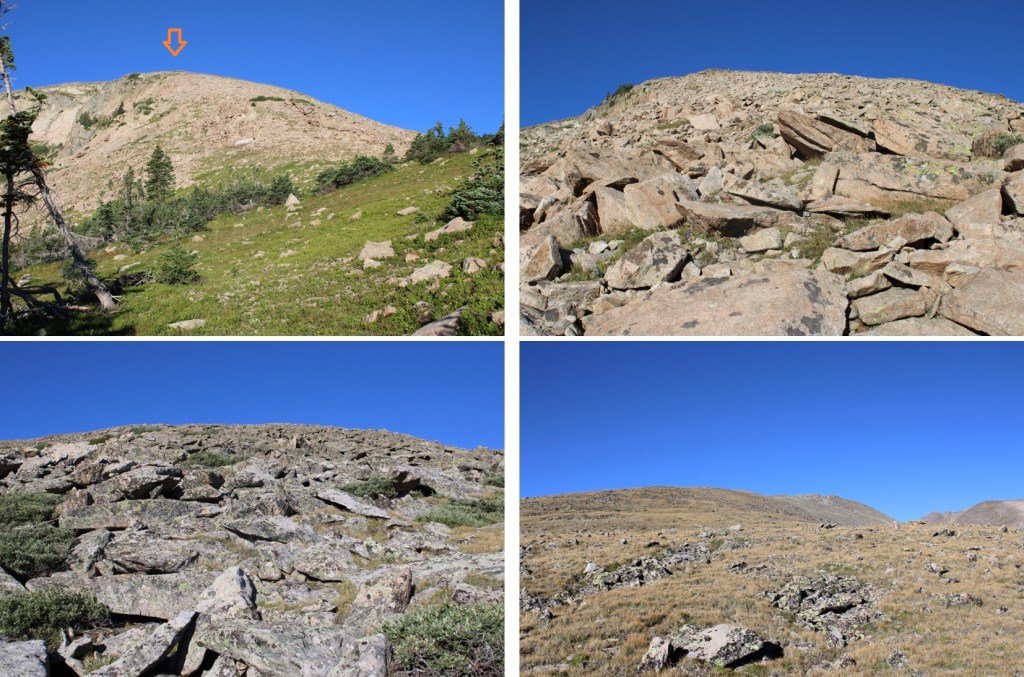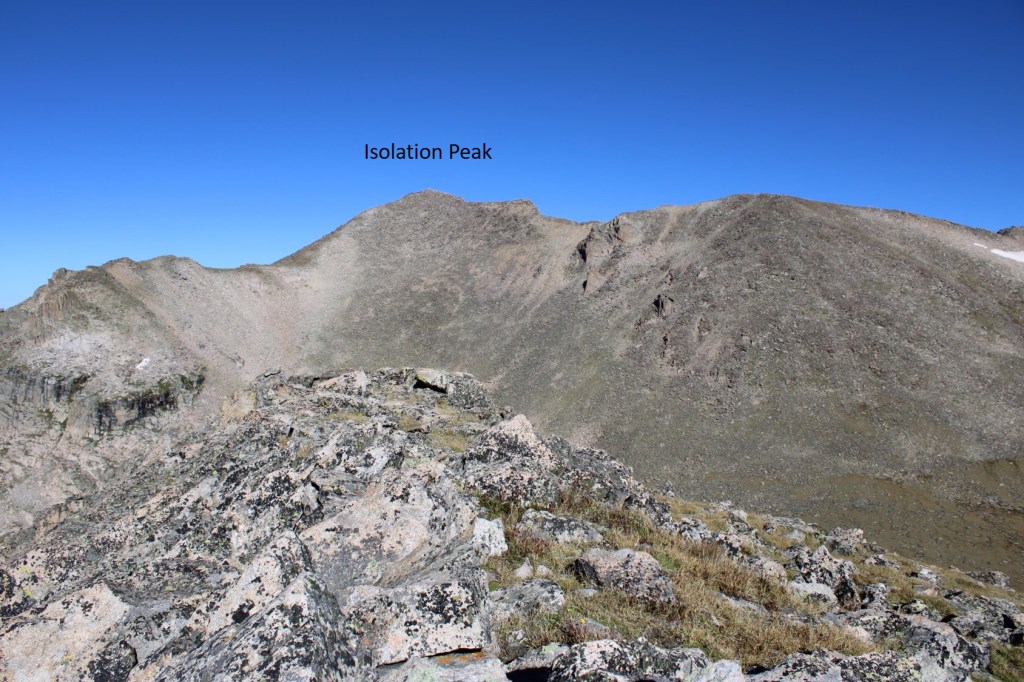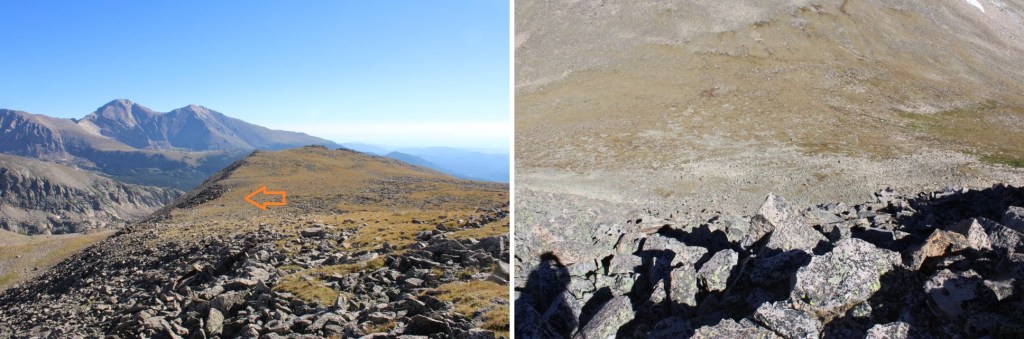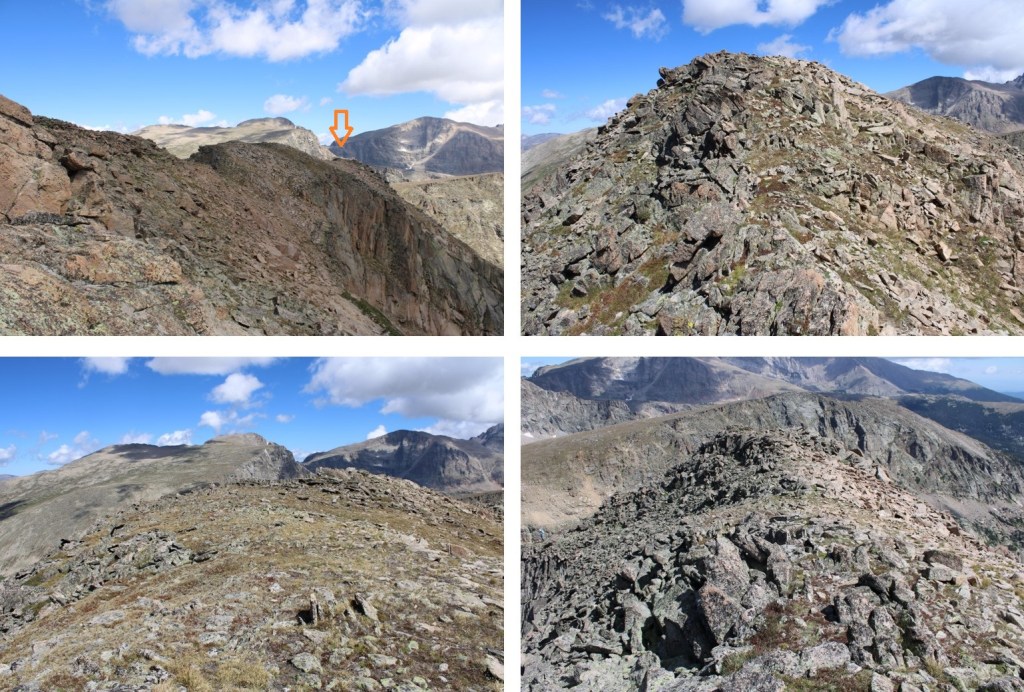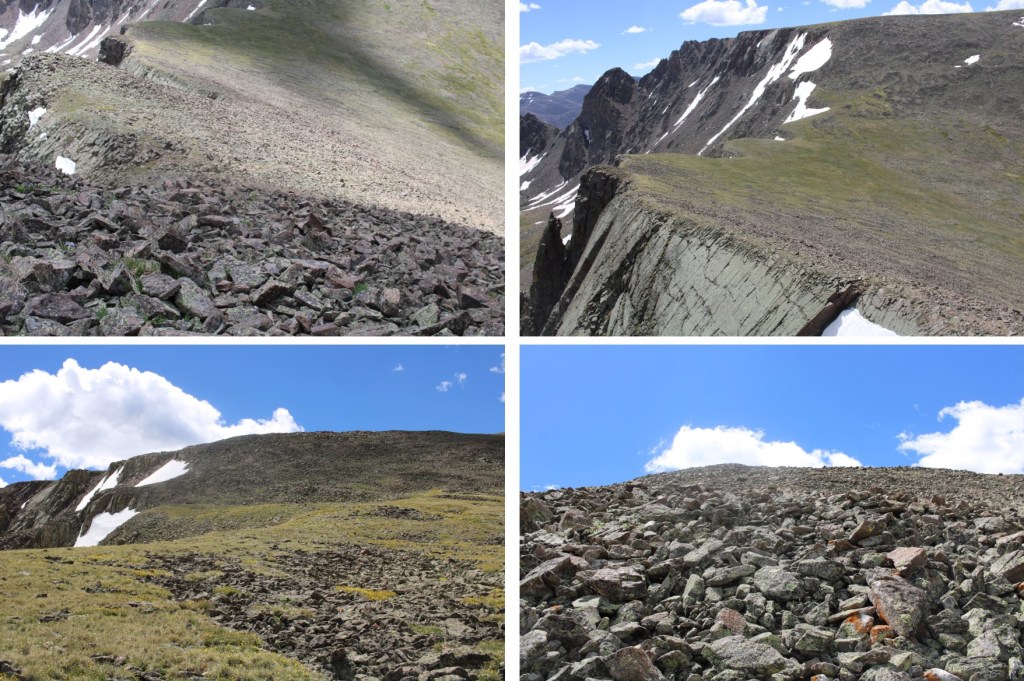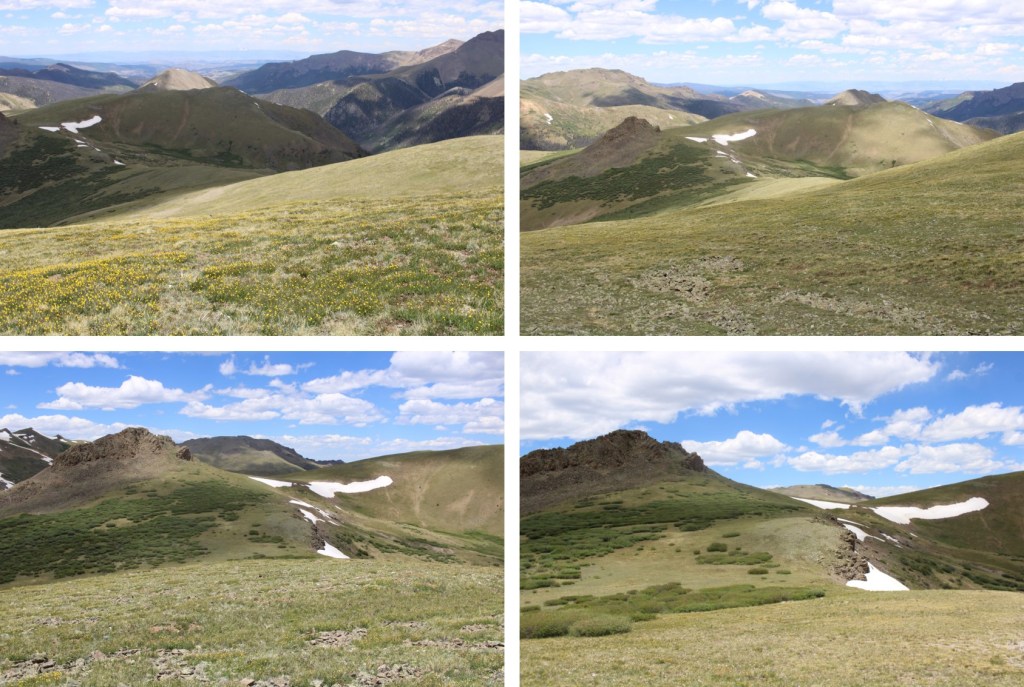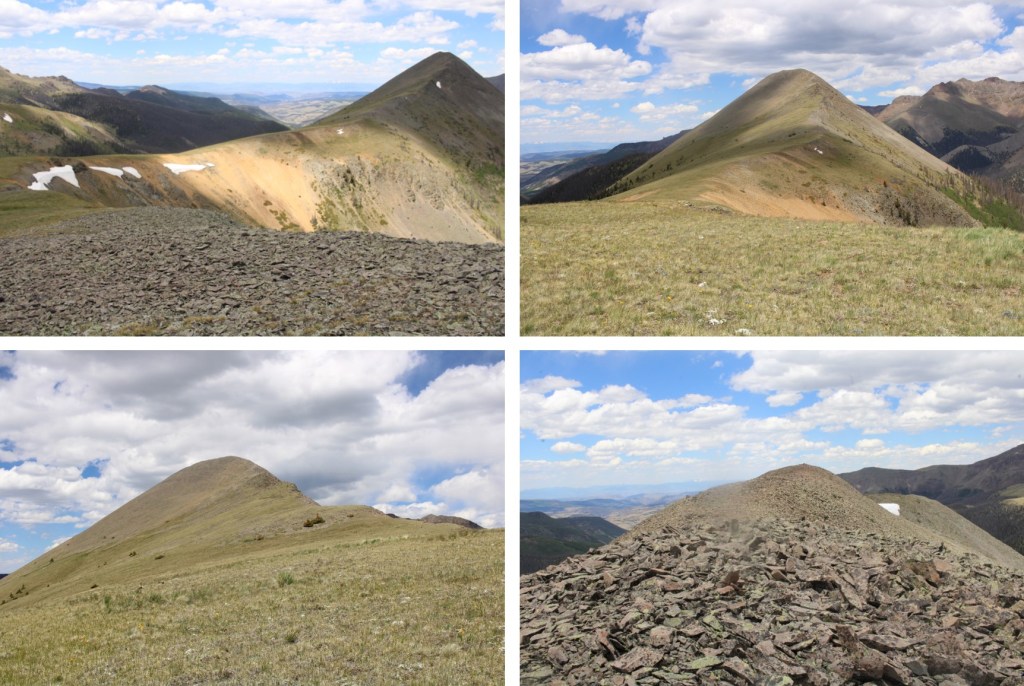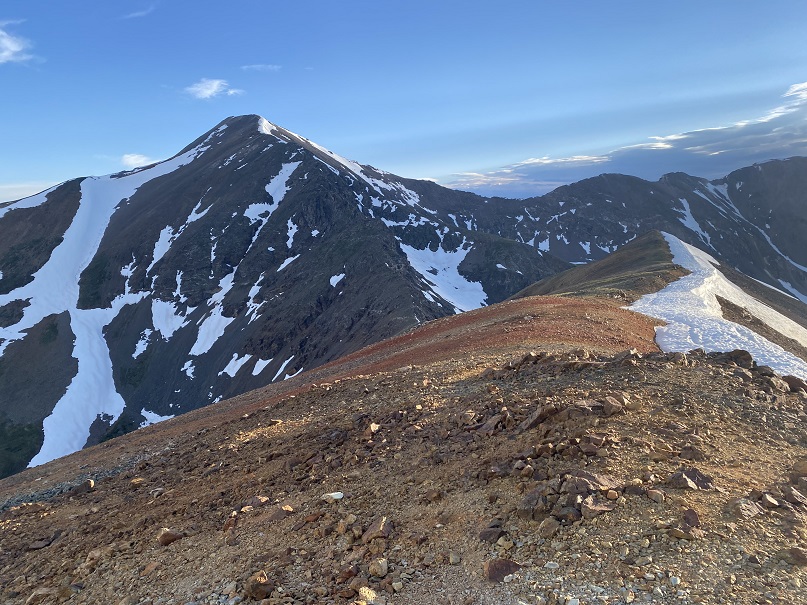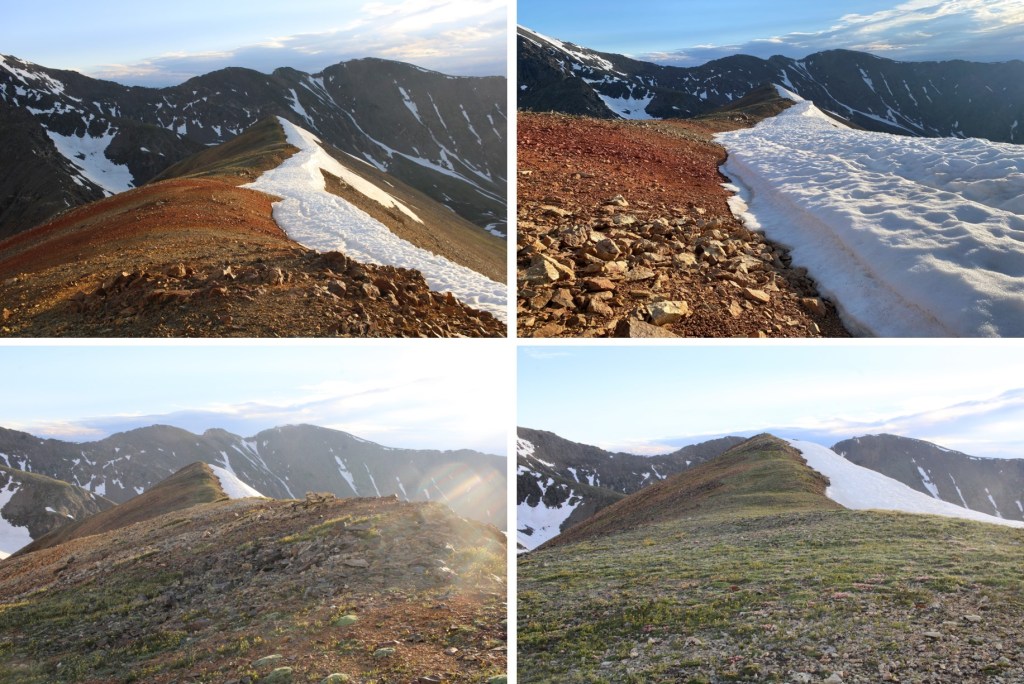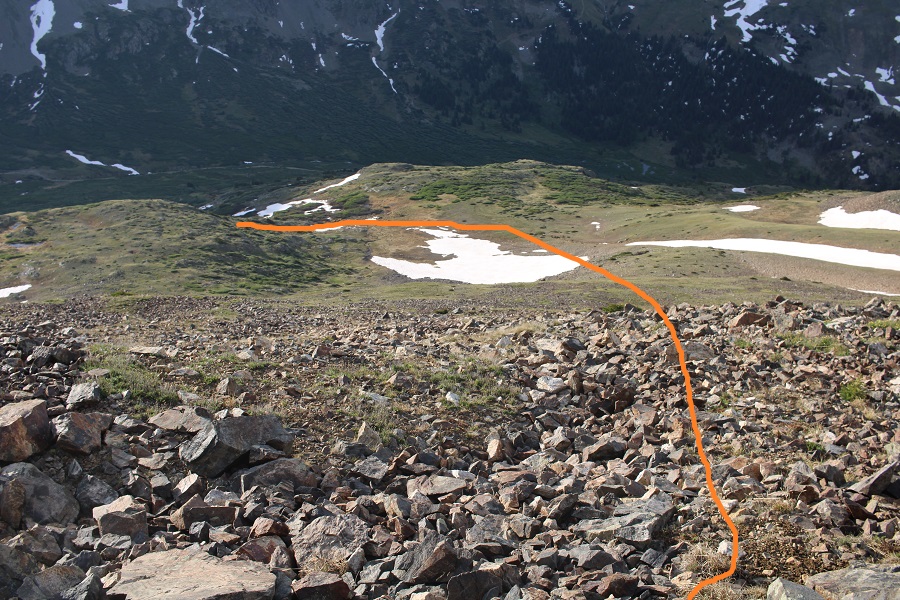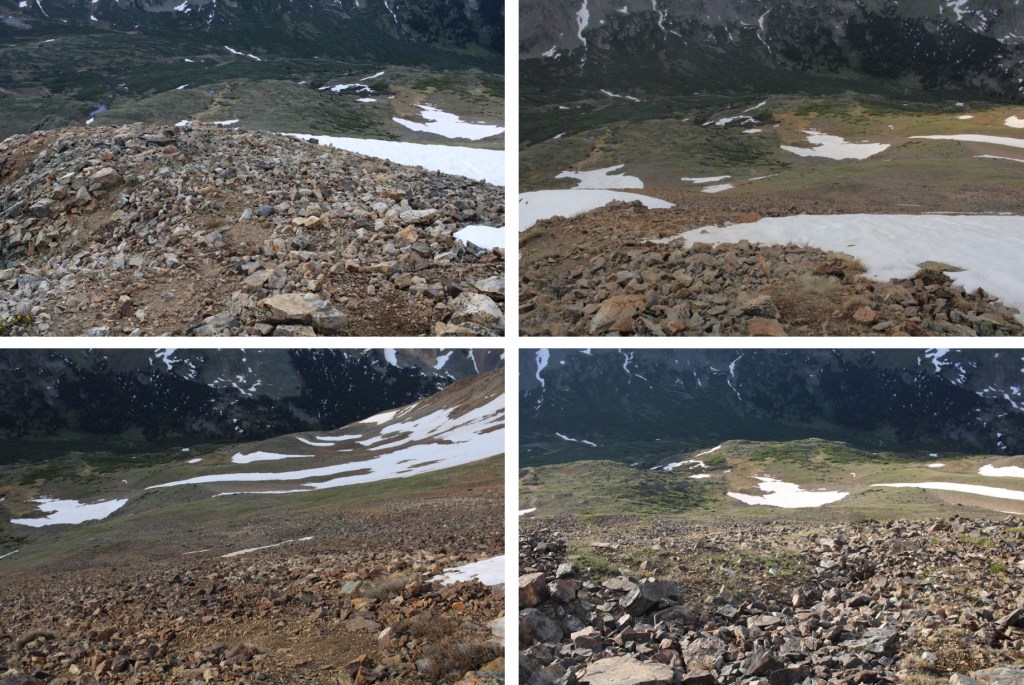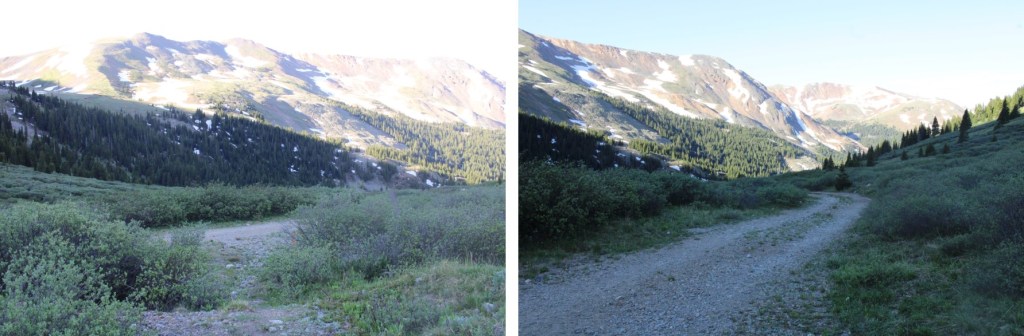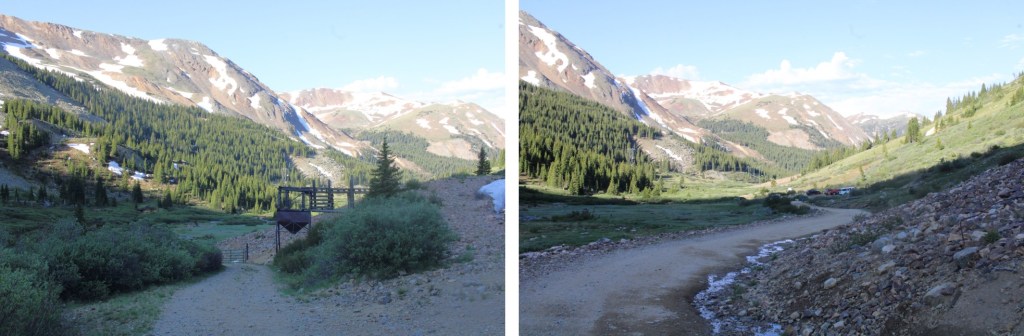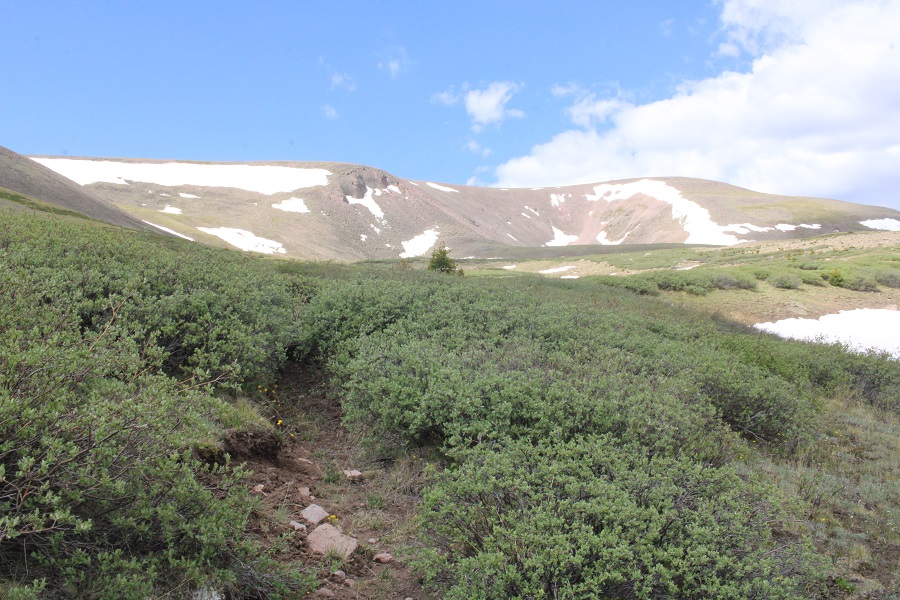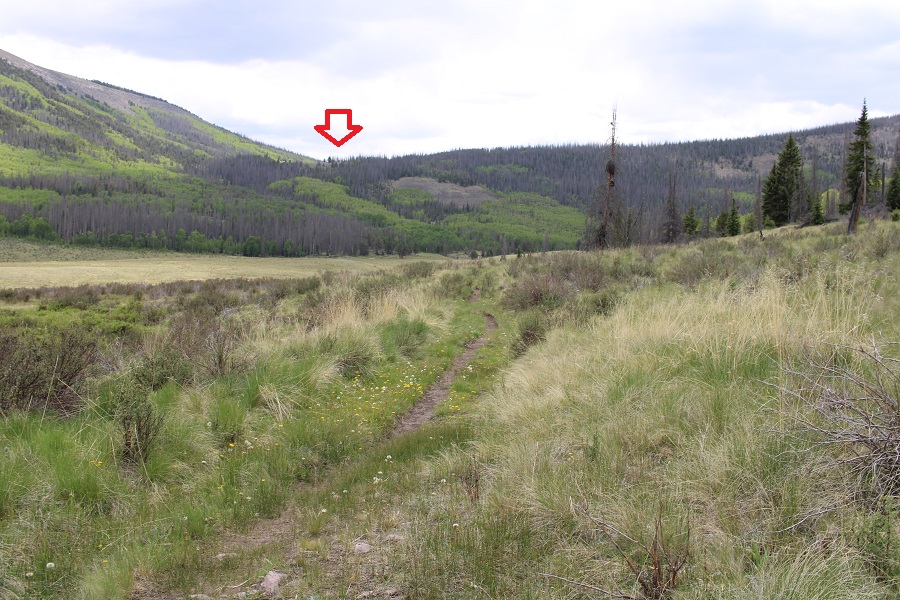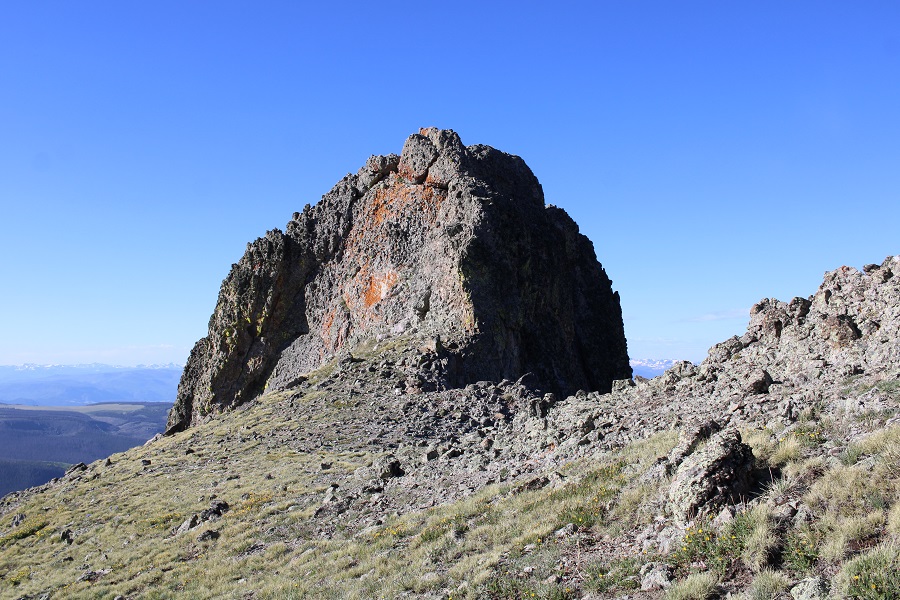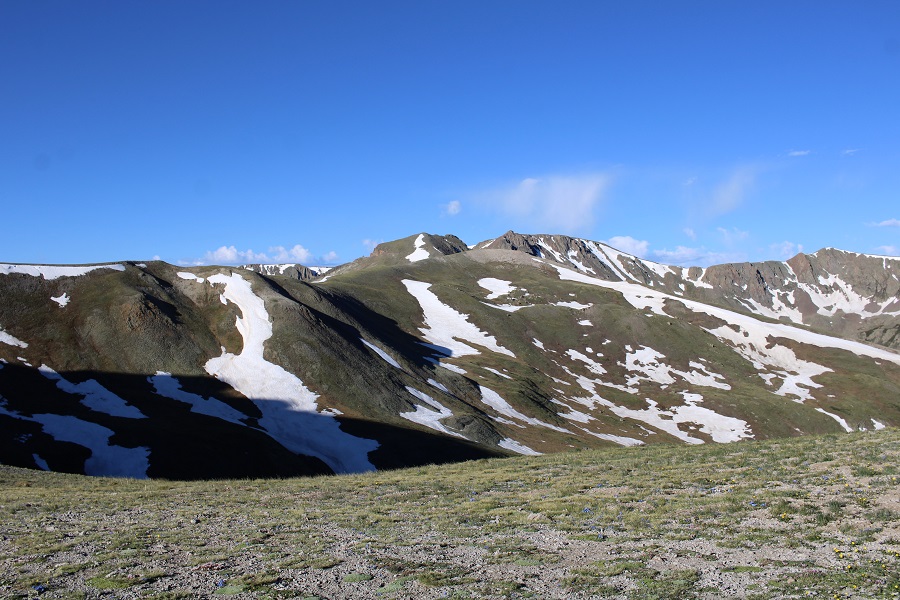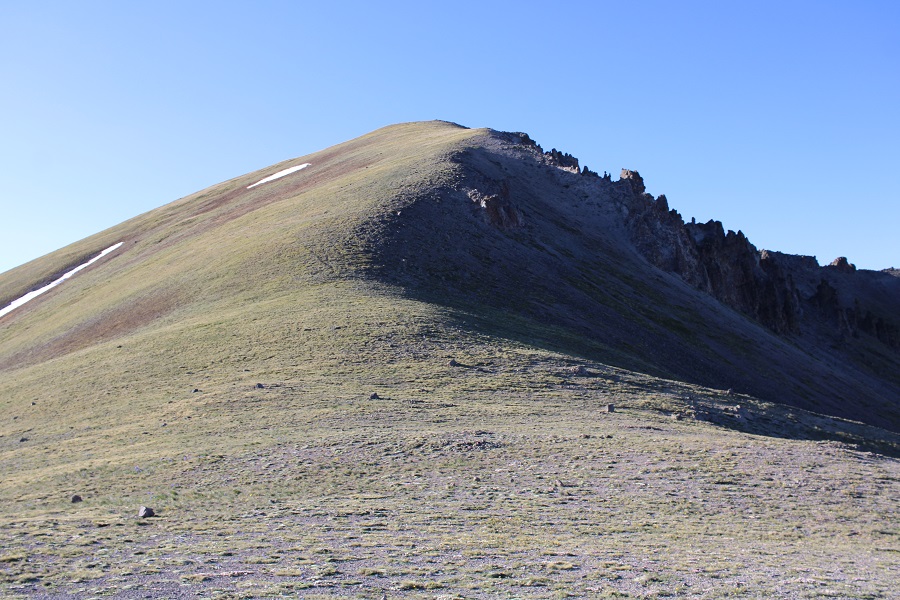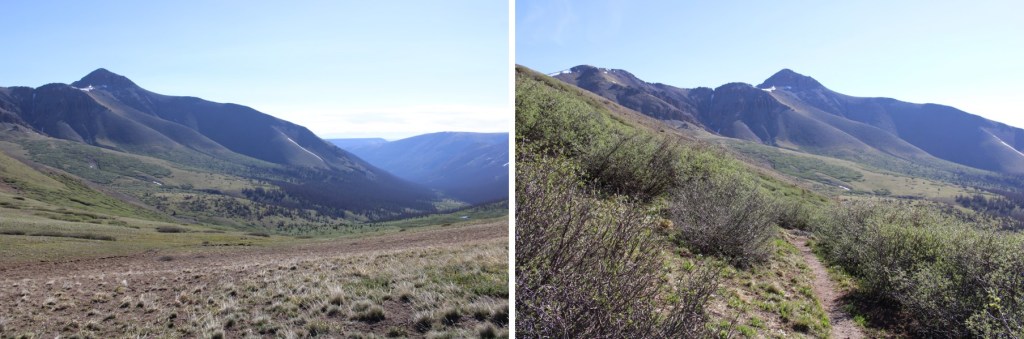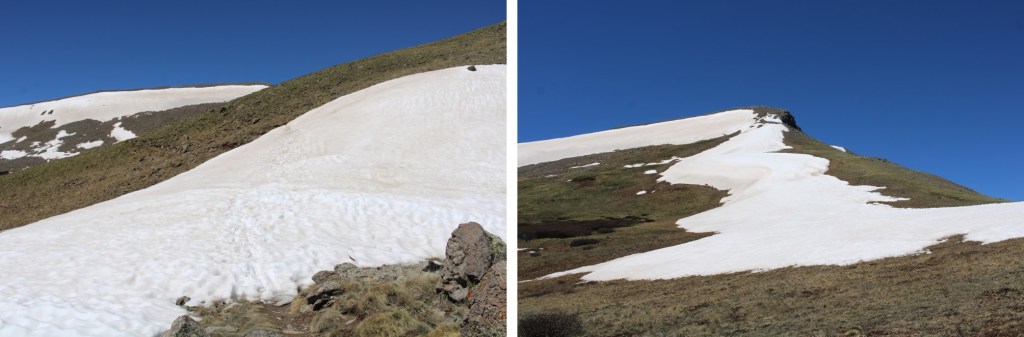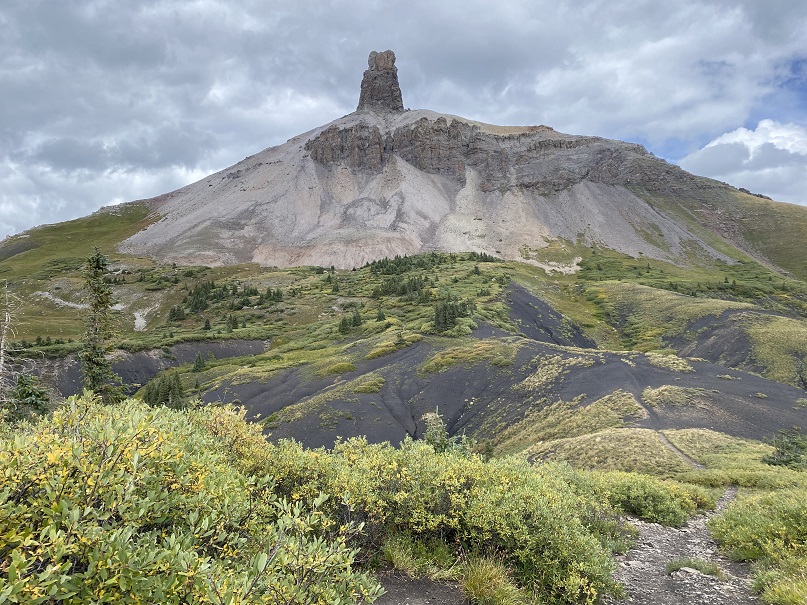
Lizard Head – 13,112

RT Length: 12.86 miles

Elevation Gain:  3566’

I would like to preface this report by stating I do not consider myself a rock climber.  Please don’t use this report as your only information when attempting to summit Lizard Head. There are several, much more detailed reports on this climb that can be found online.  I’m hoping to share my experience, and hopefully add what little I can as someone who does not consider themselves a rock climber to the vast array of knowledge that is out there. 

On my quest to summit all of Colorado’s 13ers, Lizard Head is the most difficult peak to climb, and with a 5.8 rating, requires ropes not only to descend, but to ascend as well.  This is going to be a high-level overview.  Please don’t ask me questions like how many cams were used (as many as were needed) or what sized cams (um… the ones that fit?) or what rating areas were (difficult?) as these are not my specialties.  I can tell you there were 5 pitches (but this can probably be done in 3 or 4 by more experienced climbers) and 2 70-meter ropes were used (tied together for two rappels).  There were several bomb-proof belay stations.  If you don’t feel comfortable leading exposed class 5.8 on your own, but still wish to summit this peak, my advice is to hire a guide.  San Juan Mountain Guides are the local experts in the area, but there are several companies to choose from. 

Thank you for reading! 

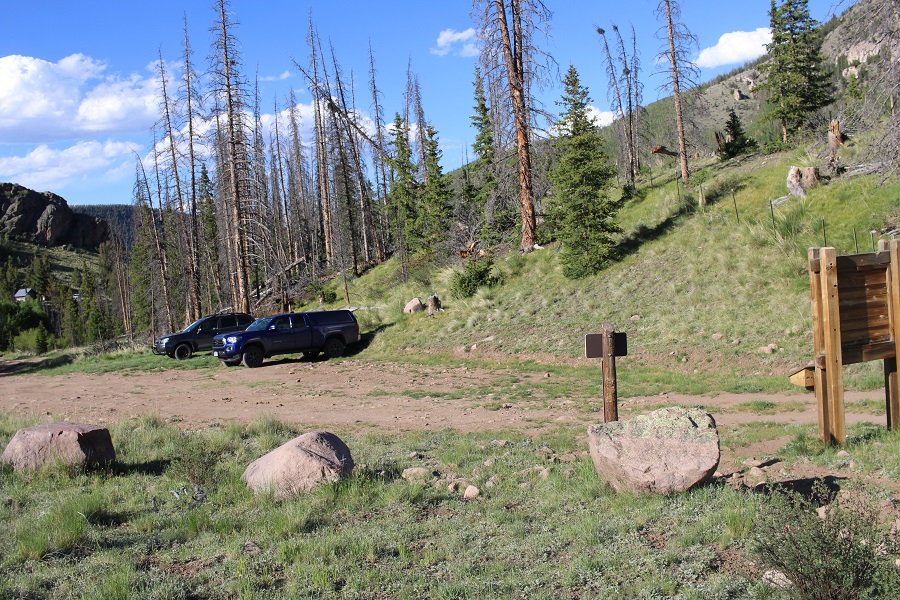
I got to the Cross Mountain Trailhead the night before and slept in my truck.  It rained and hailed and sleeted a bit that day, but luckily, as I sat looking over at Lizard Head, it was always in the sunlight.  I hoped this boded well for me the next morning. 

I spend a lot of nights camping at trailheads/passes, and this one was unusually busy in the middle of the night.  Several cars stopped and played music for a while.  I’m not sure what they were doing there, as it was pitch black out, but it was my choice to be there, so I accepted their presence.

The trailhead starts at the west end of the parking area.  It was 29 degrees outside when I left my frost covered truck and set out on the trail at 6:45am.
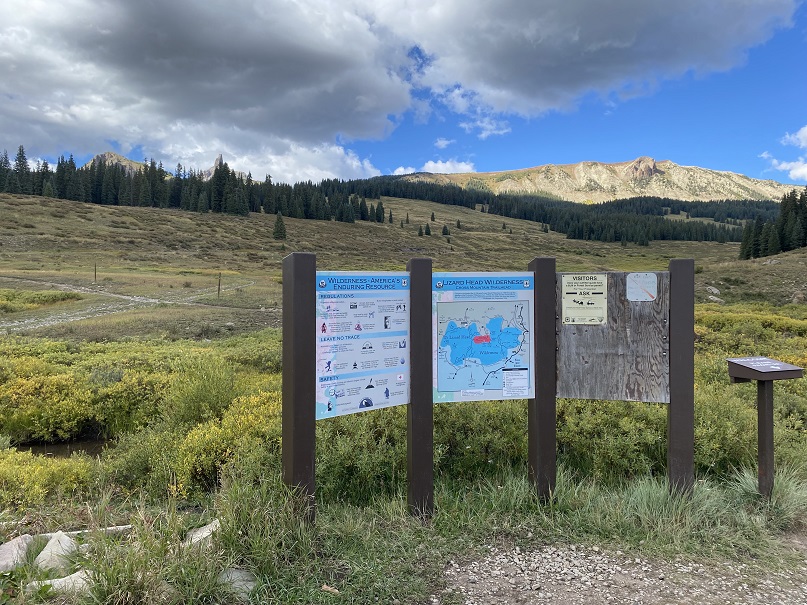
I followed the Cross Mountain Trail on a well-defined, class 1 path for what CalTopo tells me was 4 miles, before being able to see Lizard Head in the distance
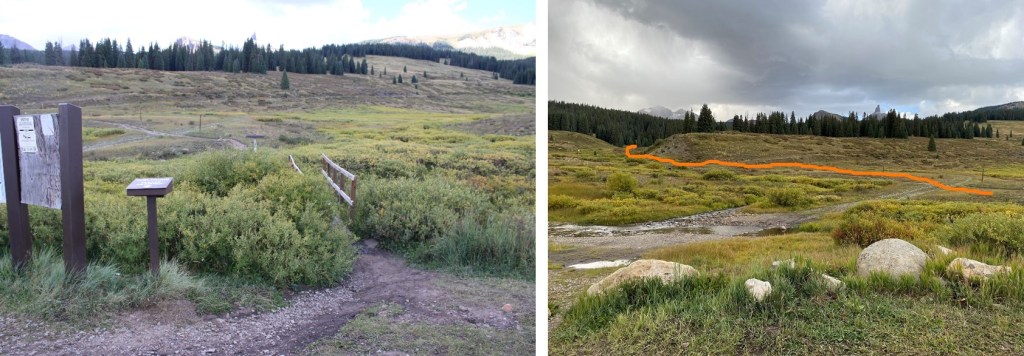
Access to Lizard Head is from the east

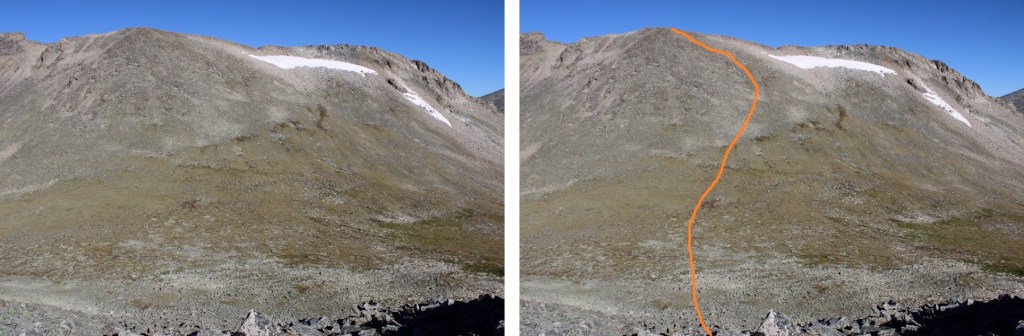
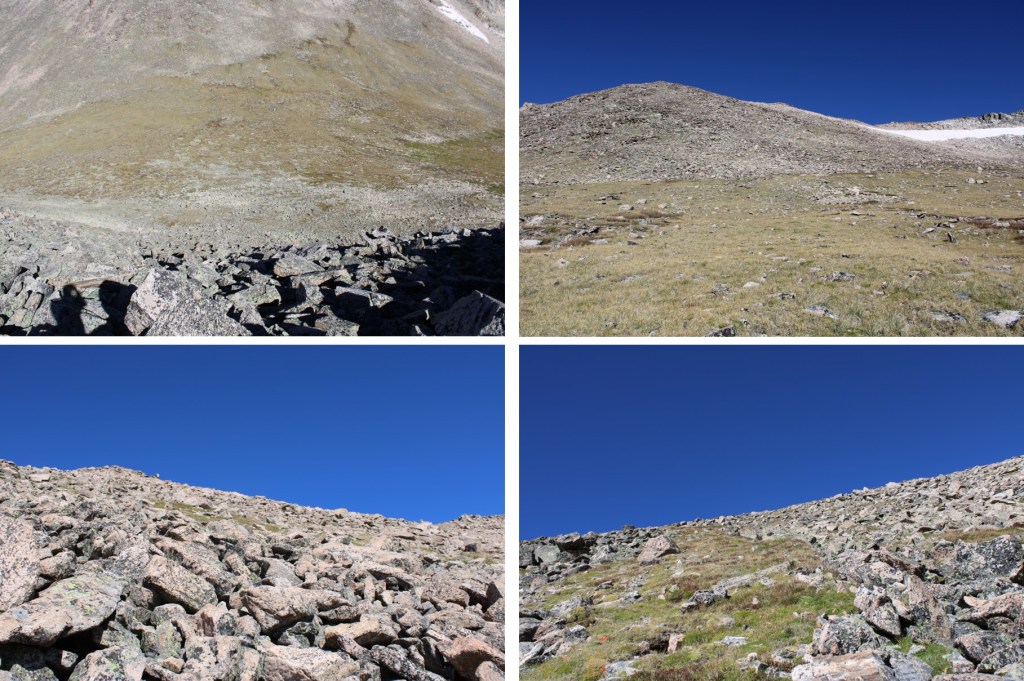
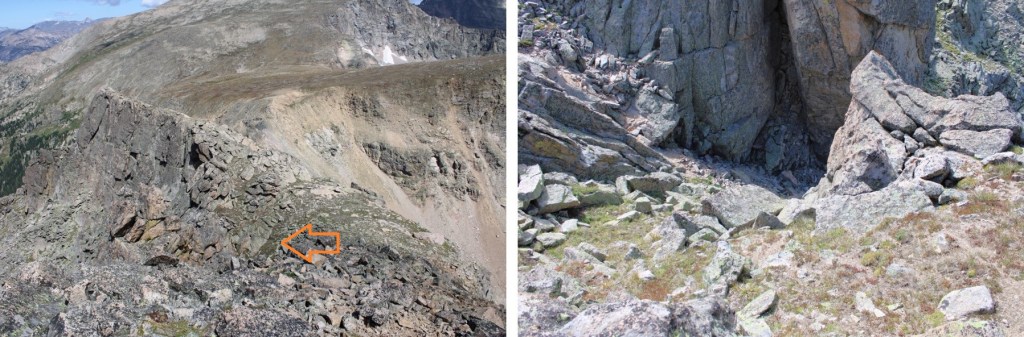
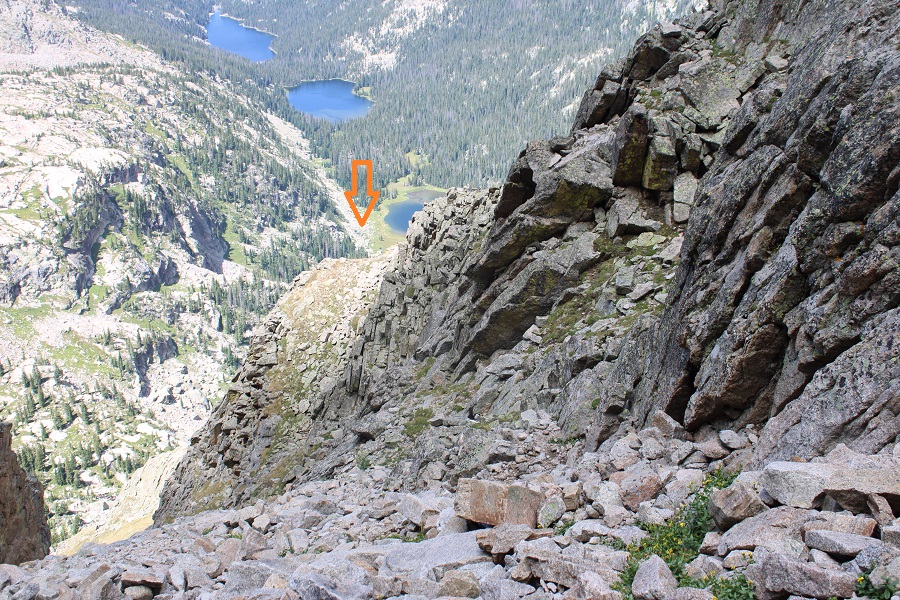
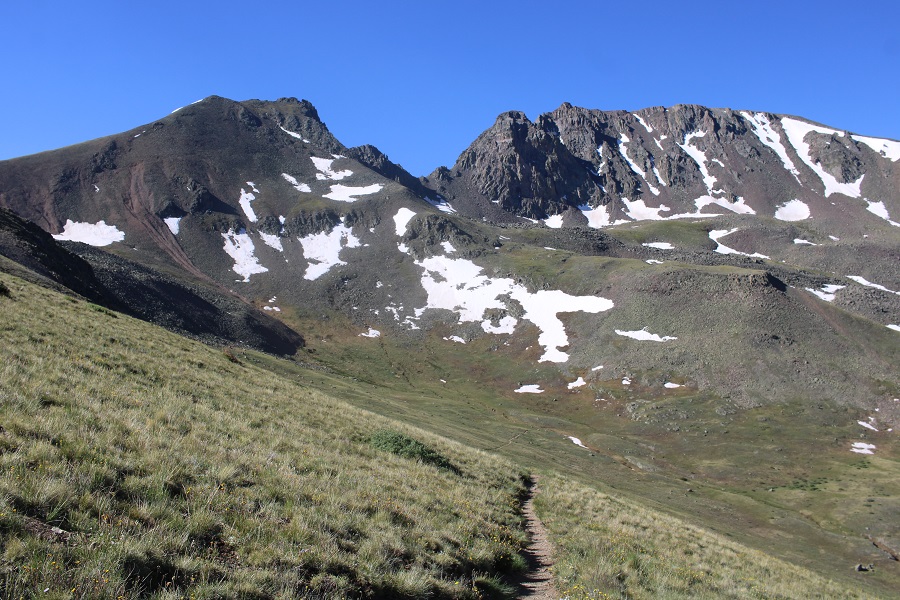
There is a well-defined climbers trail here to the base of the climb on loose talus. The goal was to make it here:

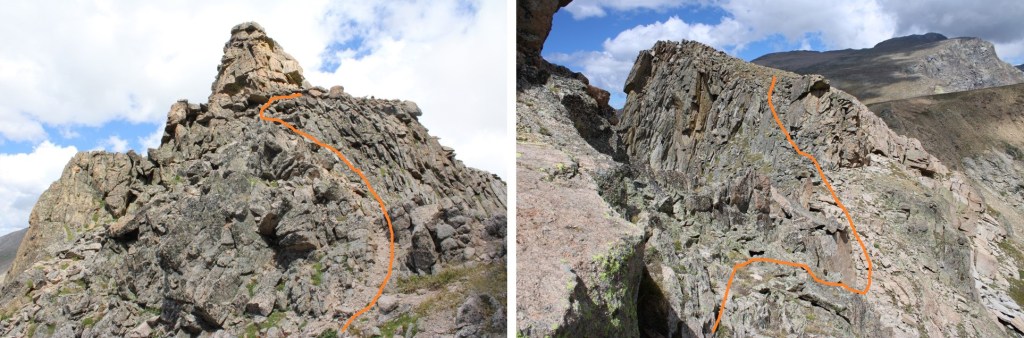
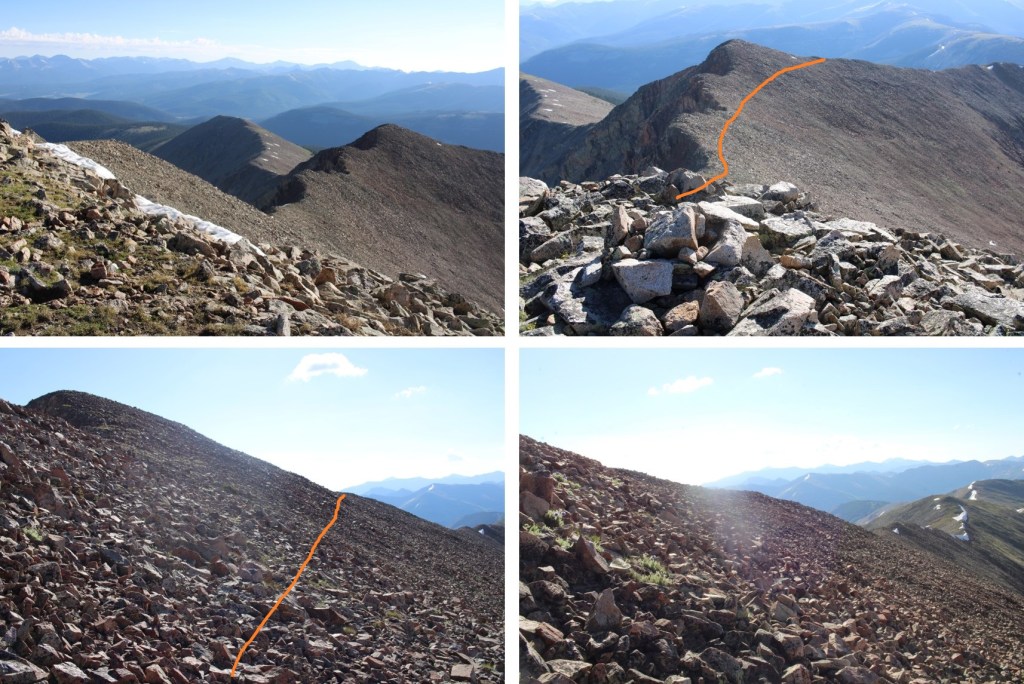
It was very cold this morning, and a little windy.  It had snowed two days before, but luckily the snow had all melted out.  I was frozen at the beginning of this climb, and didn’t melt out until making it to the summit, when I was finally in the sunlight.  I do not have very many pictures of the actual climb up, because I had a really bad Raynaud’s attack and my fingers didn’t work with my phone’s touch screen.  Ok, I’ll admit:  I was a bit of a wuss, and there was a lot of spoken complaining as I ascended.  Several times during this climb I had no use of my fingers, so I used my hands like ice picks to grab hold, hoping they would… hold.  I clapped my hands together this morning more than I had keeping time at a color guard/band practice.  So, all that to say I don’t have a lot of pictures, but here’s an overview of the beginning route, starting with a left-facing chimney:
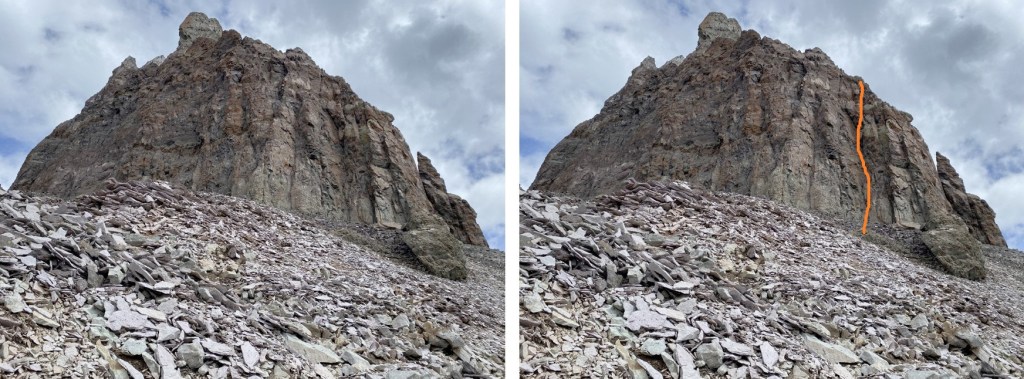
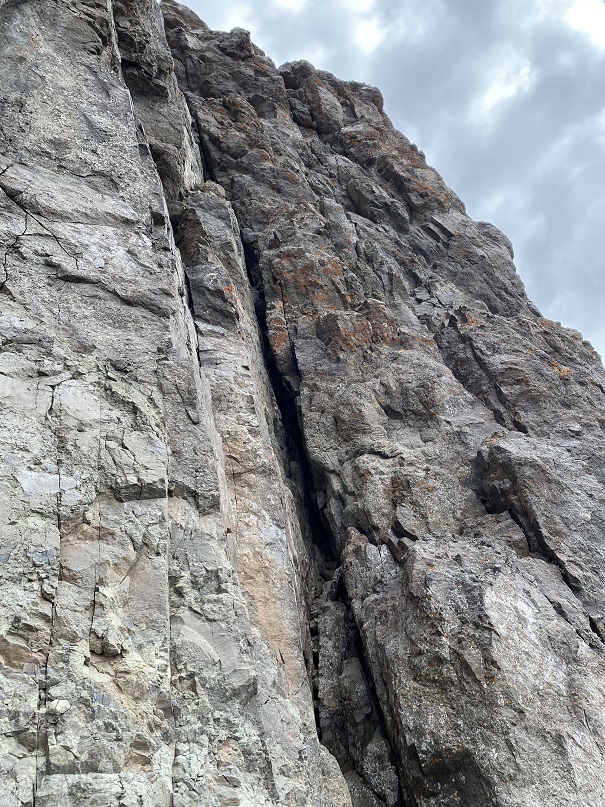
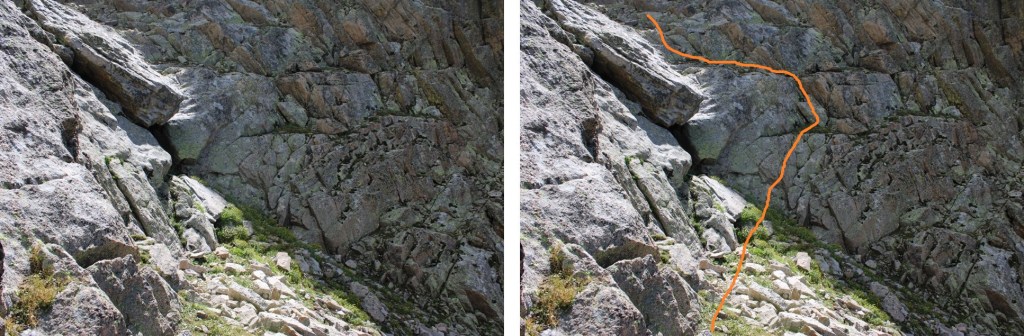
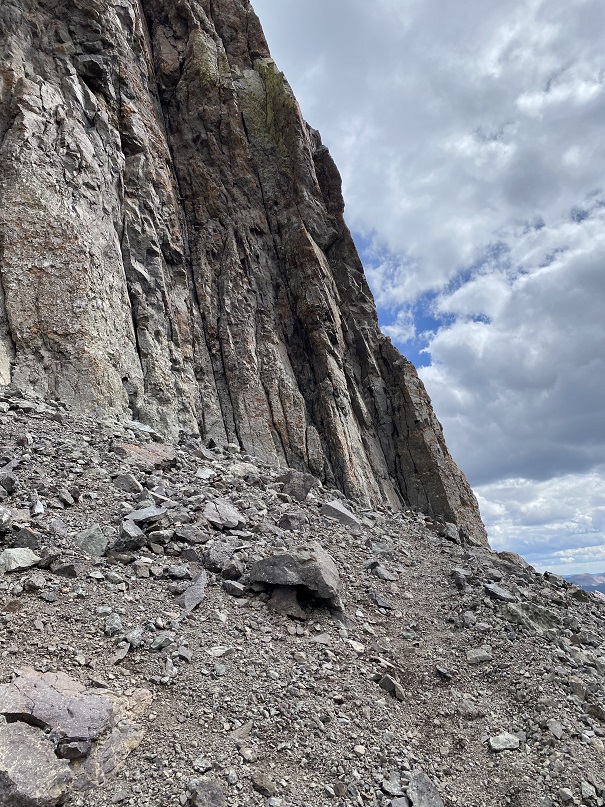
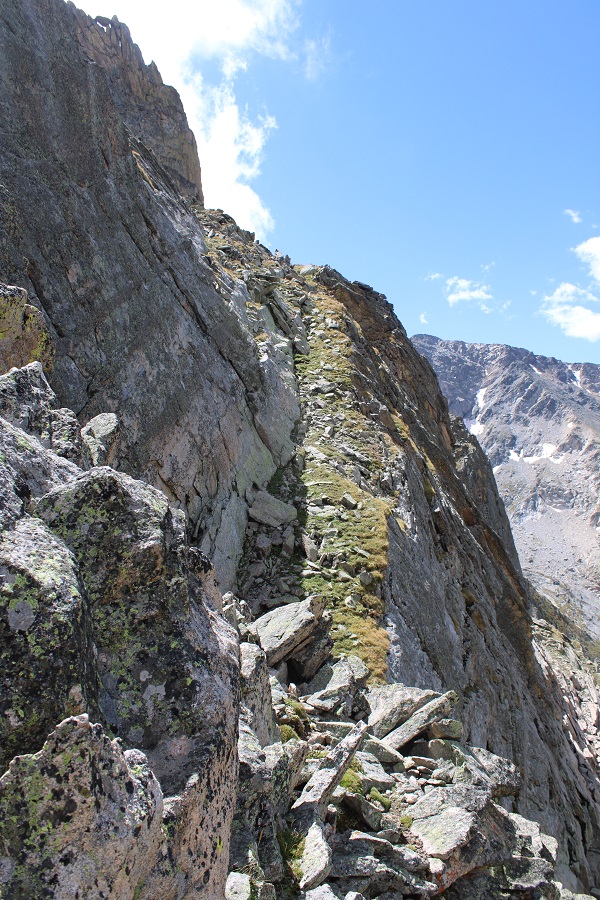
I then encountered a very exposed, less than 2-foot-wide (or less) ramp that went to the left for about 15 feet, then right for about 15 feet.  Sorry, no personal pictures of the ramps, but here’s an approximation of what they look like from below:

Mountain Project has a good overview of the ramps here: Rock Climb Mark of Zorro, Alpine Rock (mountainproject.com)

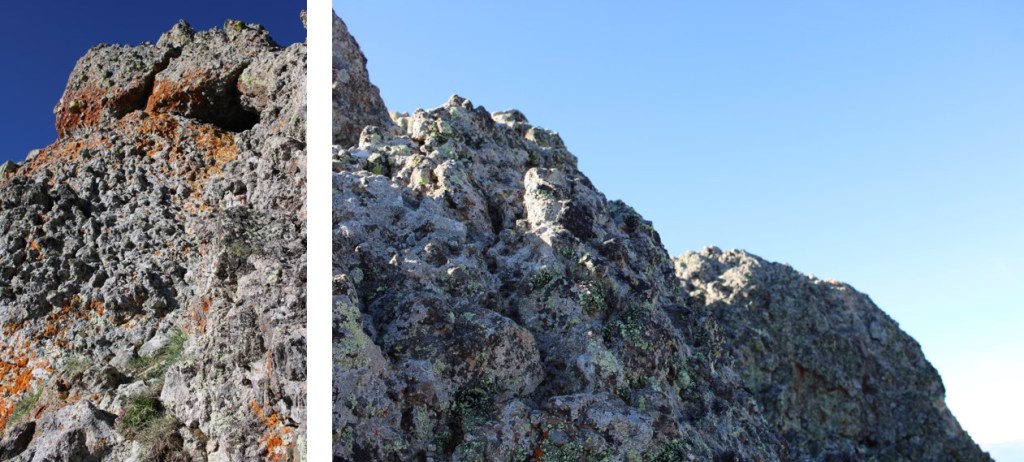
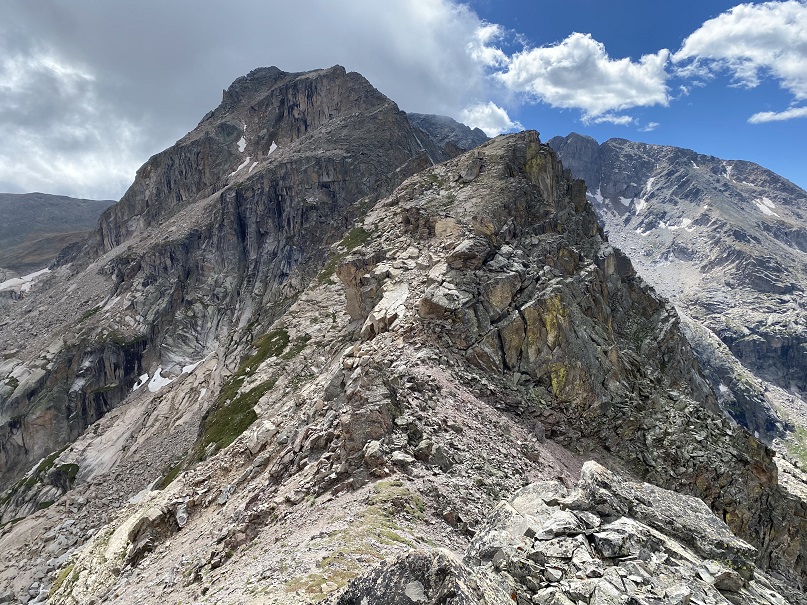
After the ramps there was some scrambling to do to get to the summit.  This was chossy, but not too difficult to navigate.
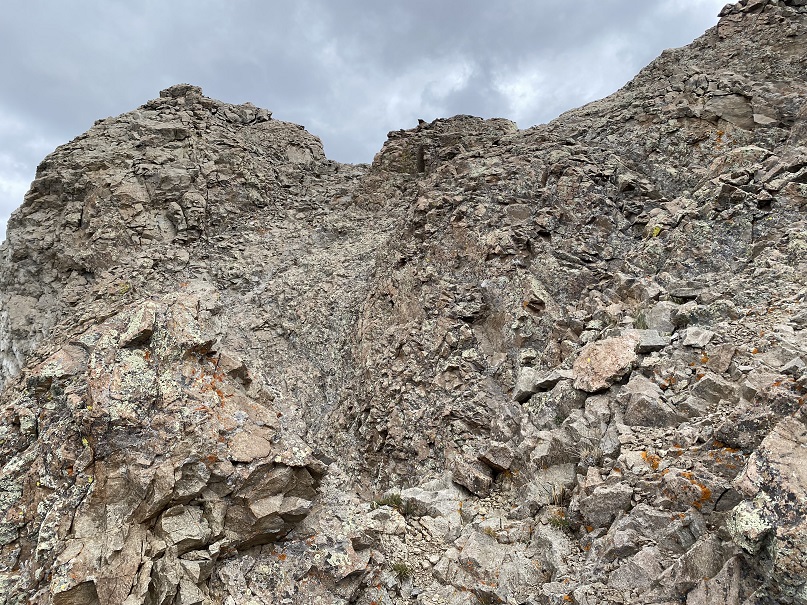
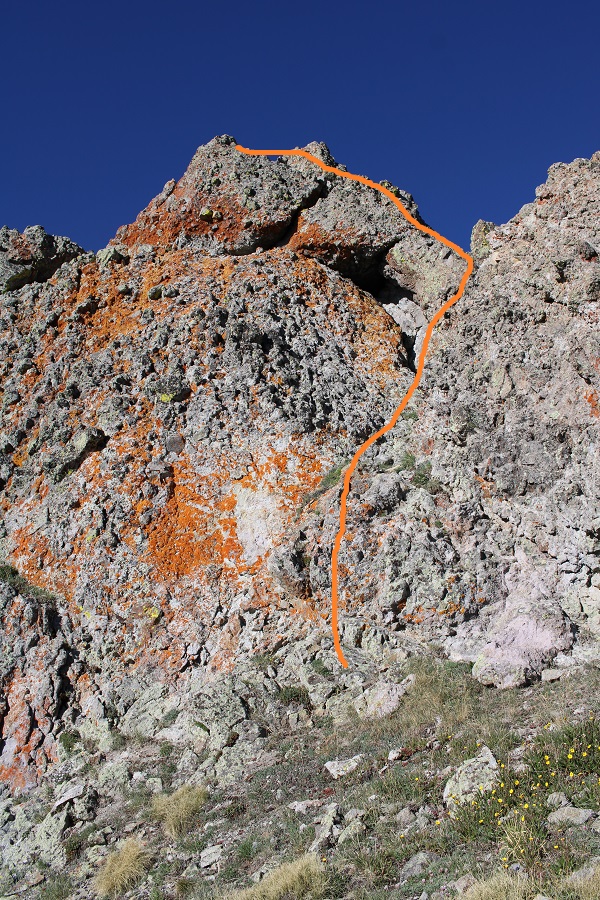
This is the route I took

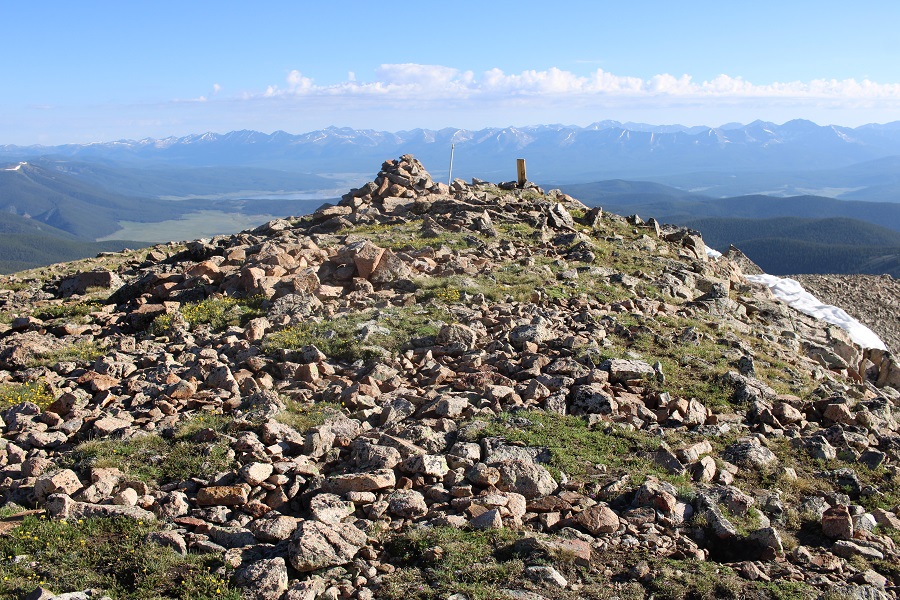
Here’s the view from the summit, looking east
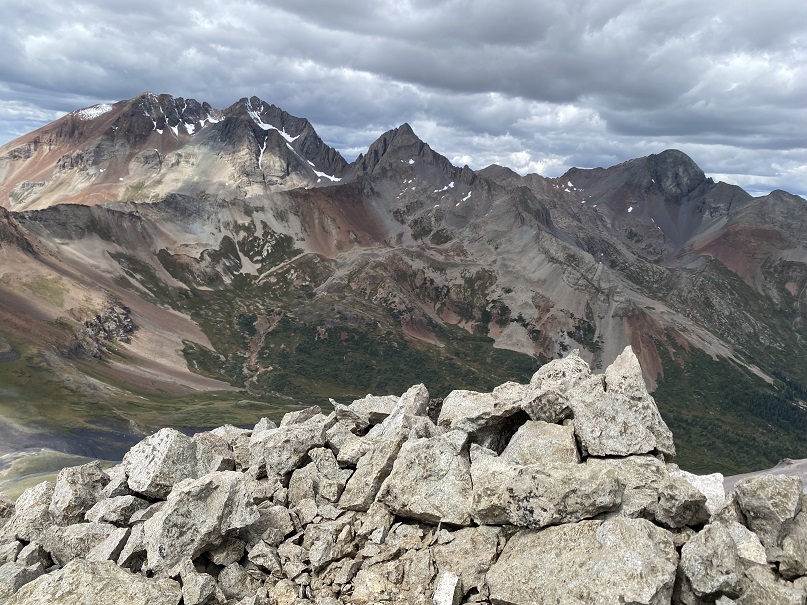
I summited Lizard Head at 12pm

Lizard Head:

There was a summit register, but it was missing its lid.  The pages were enclosed inside a ziplock bag that had holes chewed through it, so if the next person could bring a new summit register that would be great.  As you can see by my sloppy handwriting, I had very little use of my fingers/no dexterity, so my penmanship was terrible (one of the many reasons I rarely sign registers, but this one felt important).

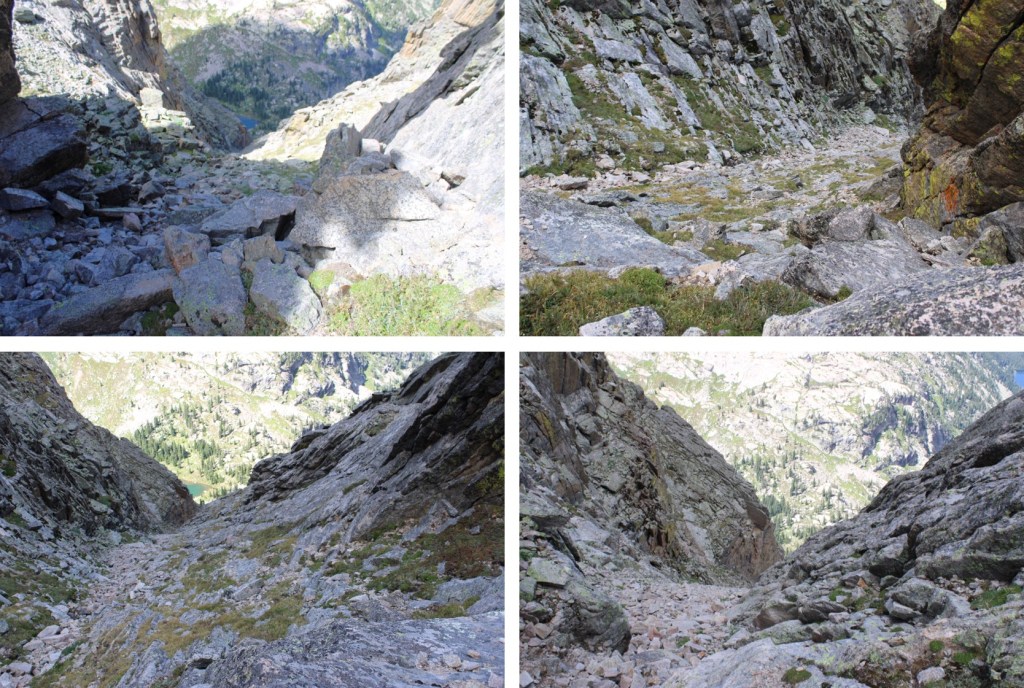
There were two bomb-proof rappel stations on the way down, which meant two rappels.  The first was about 200’, the second about 100’, back down the initial chimney crack I climbed up.

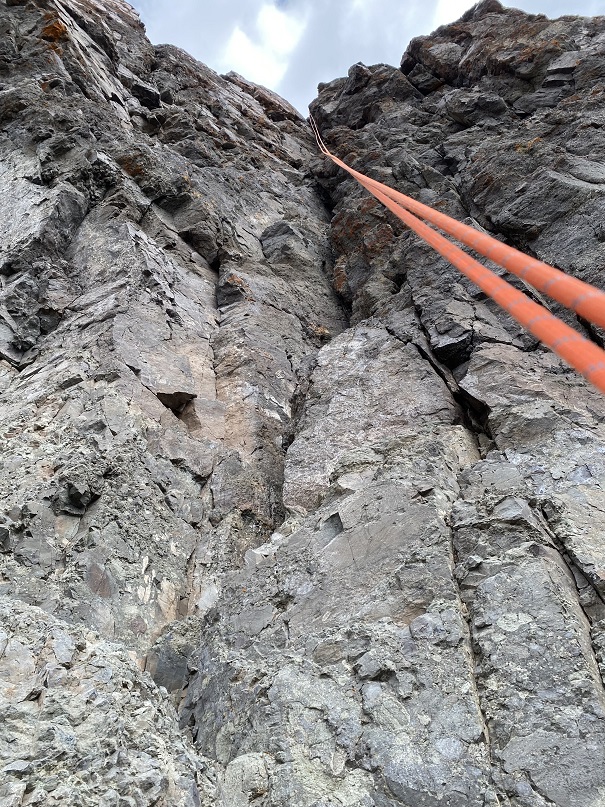
Then it was time to change out of rock-climbing gear, and head back to the trail down that wonderful pile of choss and head back on the Cross Mountain Trail back to the trailhead.

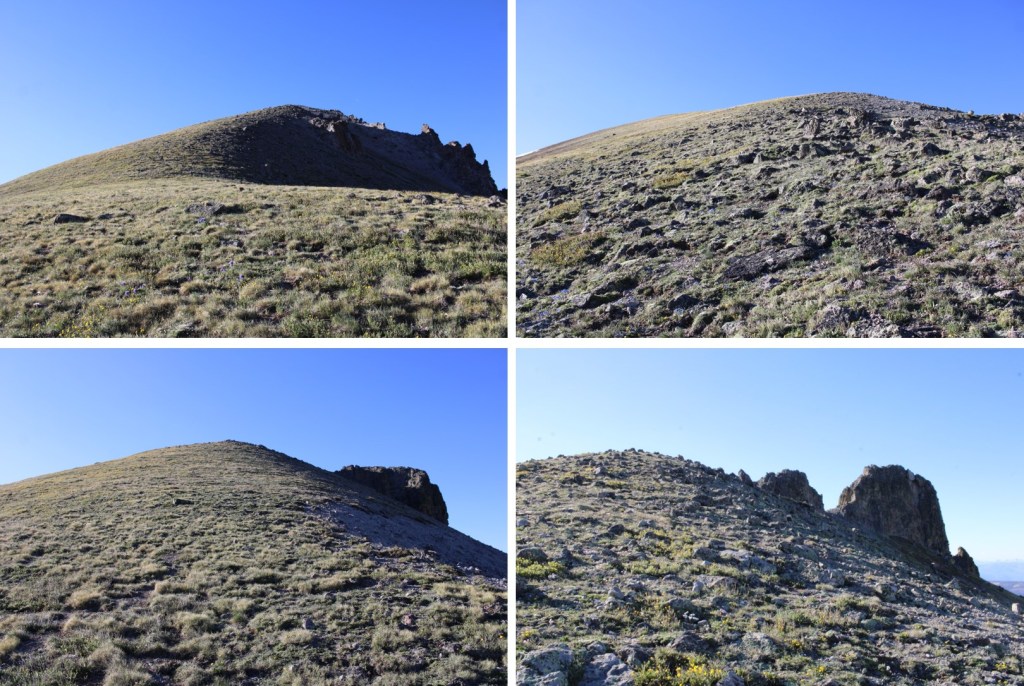
Once again, I apologize for this not being the quality of report I usually like to give out, but hopefully some of the pictures are helpful.  Here are more pictures of the peak.
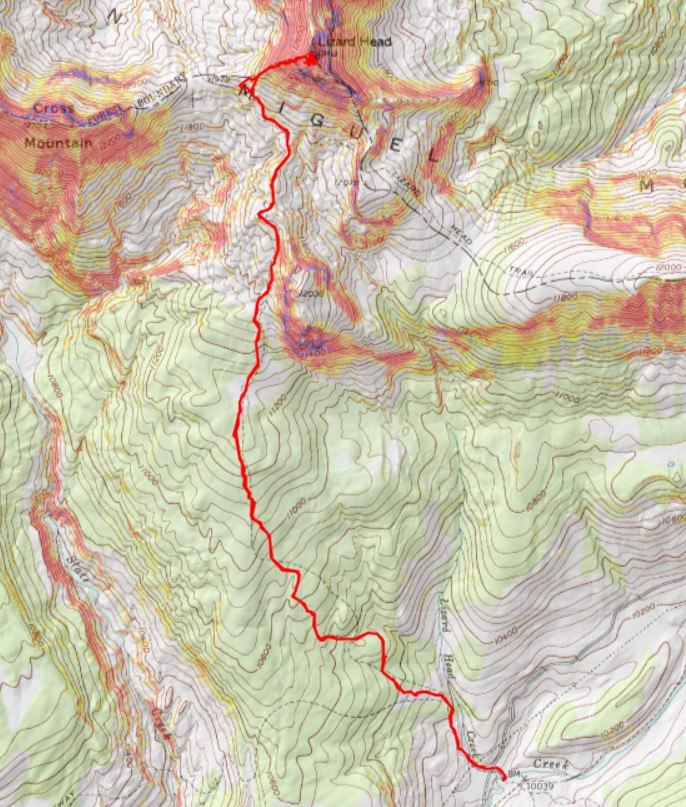
I made it back to my truck at 3pm, making this a 12.86 mile hike with 3566’ of elevation gain in 7 hours, 45 minutes.  I believe the mileage seems a little high, but those are the numbers CalTopo gave me.  Strava gave me drastically different numbers. 
On to the next trailhead!

P.S.:  I did indeed have a Raynaud’s attack on the climb, and while I don’t think I’ll loose the tips of my fingers, I do currently have blisters which will probably turn into ulcers on a few of the fingers on my left hand.  They currently feel like I touched a hot stove.   This is normal for people with Raynaud’s, and totally worth it for me to make this climb! 
Mahana Peak – 12,643 and Isolation Peak – 13,114

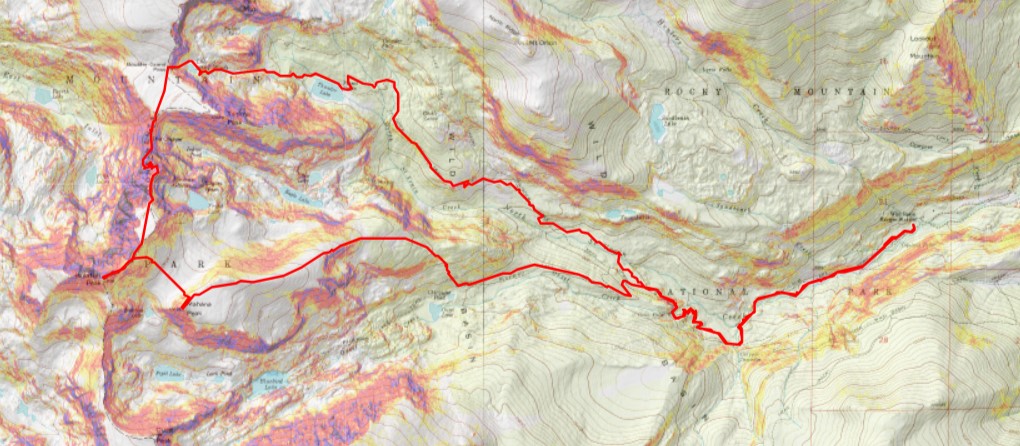
RT Length:  21.79 miles

Elevation Gain:  5665’

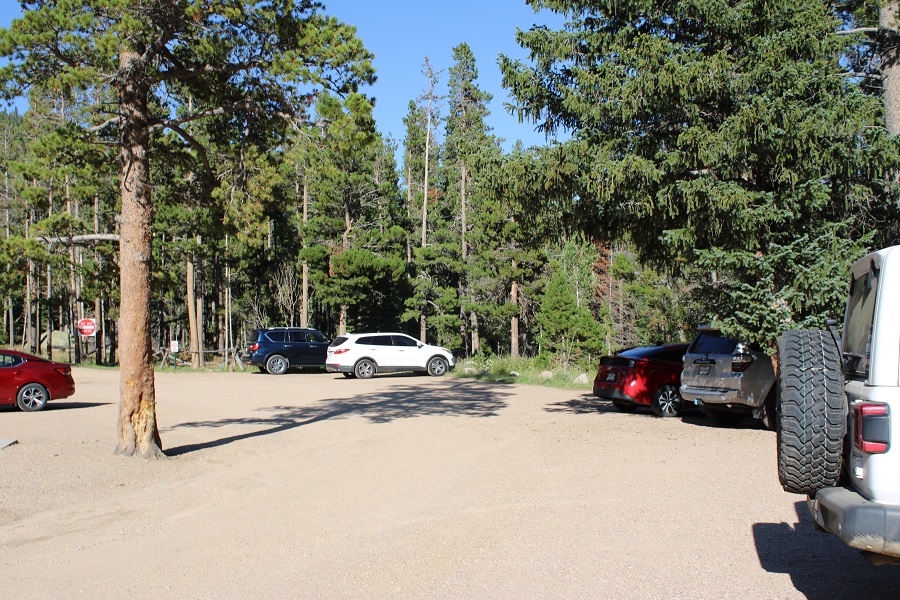
I parked at the Wild Basin Trailhead inside Rocky Mountain National Park and was on the trail at 4am. There’s plenty of parking here, but they have timed entry from 9am-2pm every day. 

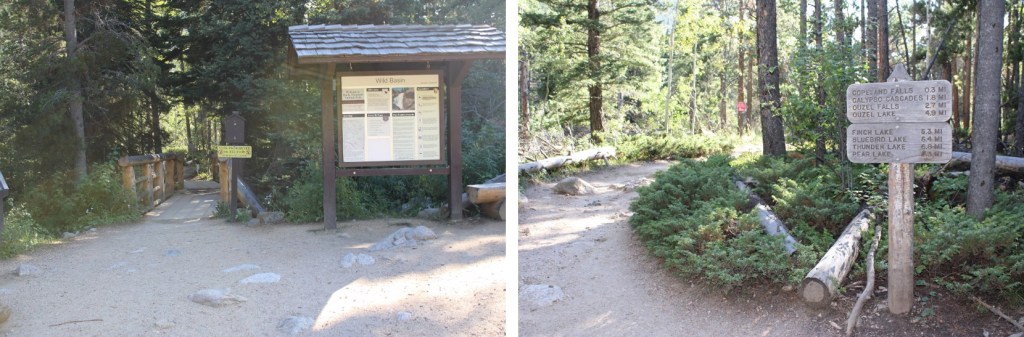
The trailhead starts at the south end of the parking area

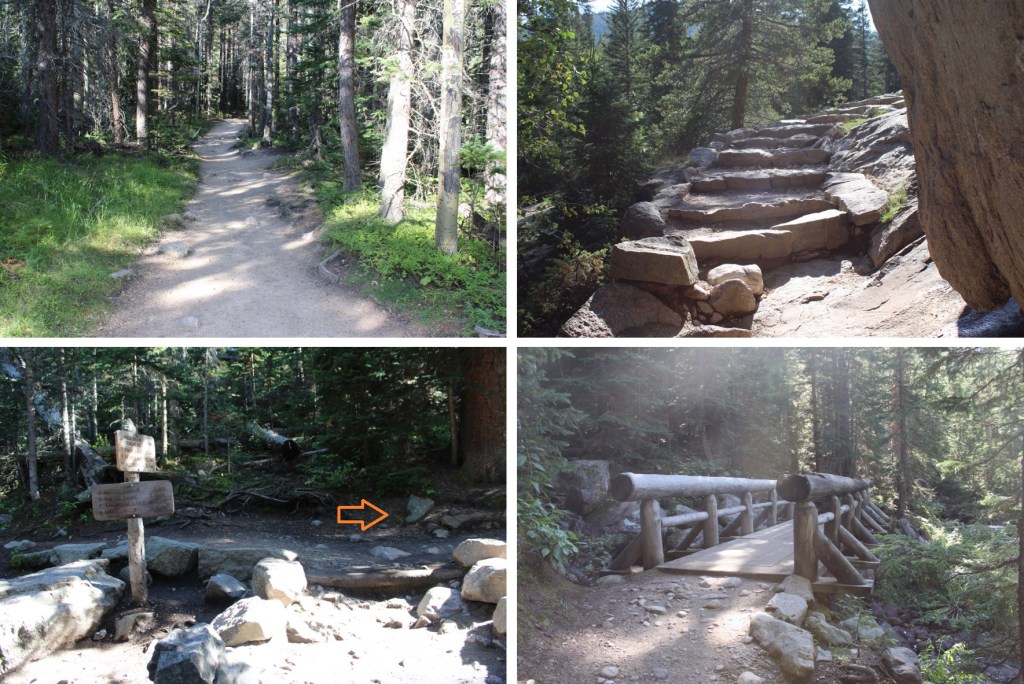
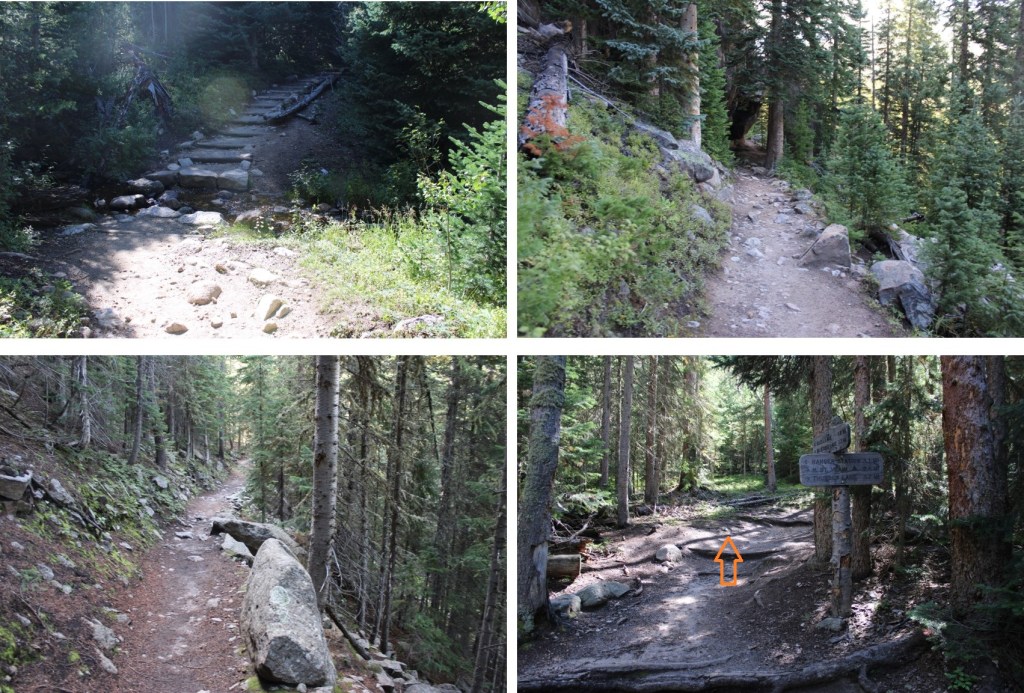
I followed the signs for Ouzel Lake/Bluebird Lake.  This class 1 trail is really well marked, so it’s difficult to get lost if you read the signs.  I passed several waterfalls (Copeland Falls, Calypso Falls, and Ouzel Falls).

After hiking for 4.75 miles I came to the junction for Ouzel Lake and Bluebird Lake.  I turned right onto the Bluebird Lake Trail.

I didn’t stay on this trail long however.  Maybe about 10 yards or so. Then I left the trail and headed northeast to gain the ridge

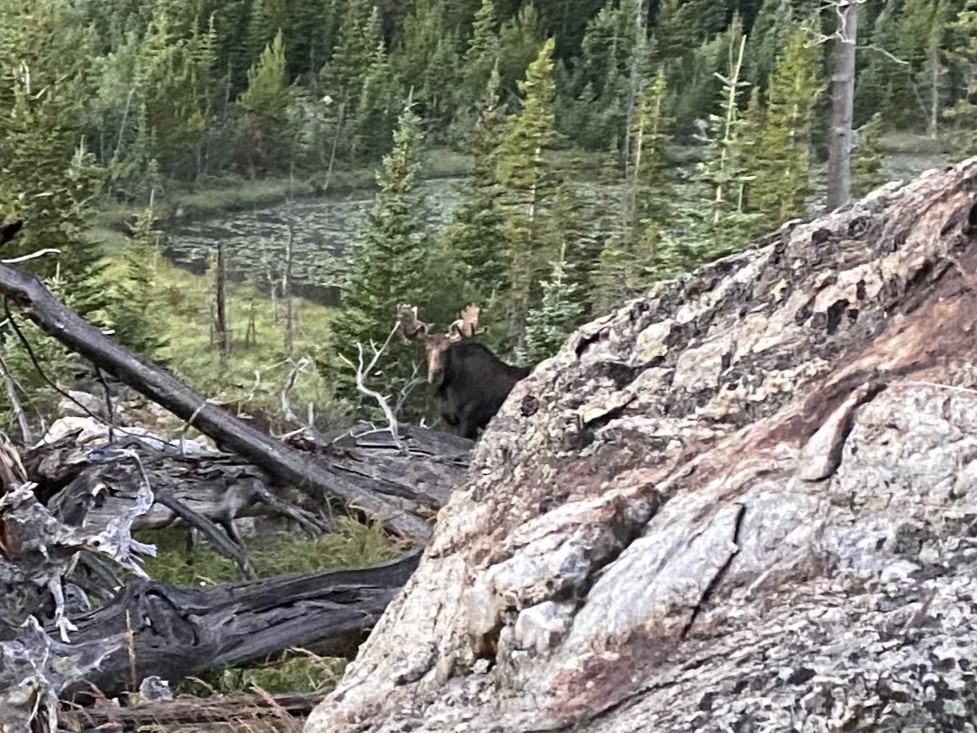
This is where I startled a moose.  He was about 15 feet away from me when I saw him, so I quickly ducked behind a large boulder.  Usually, moose run away when they see you, or ignore you, but this guy seemed interested in me.  I’ve seen probably over a hundred moose in Colorado, and I’ve only been charged once.  This guy looked like he wanted to charge me, so I remained hidden.  For a solid 15 minutes, every time I peeked out from behind the boulder, he was still staring at the boulder I’d hidden behind.  I know moose have poor eyesight, so while he knew I was still there, he was probably trying to figure out if I were a threat or not.  (That’s Chickadee Pond in the background).

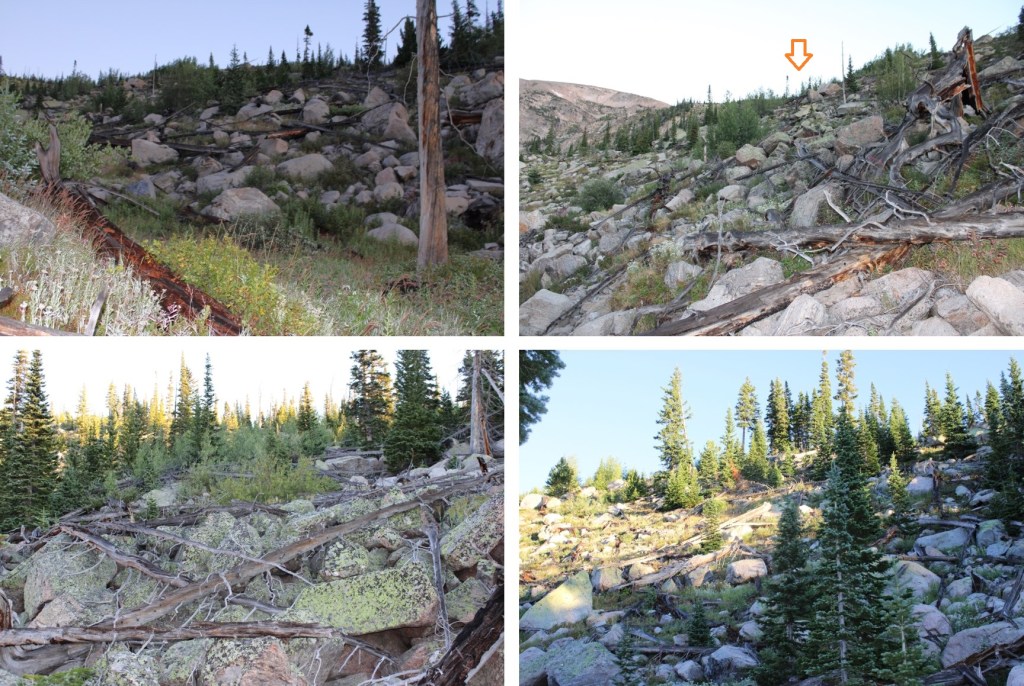
Eventually I crawled away on my hands and knees so he couldn’t see me in the brush, and continued my way up the ridge.  This included a lot of bushwhacking through downed trees.  A lot of downed trees.

Once I made it to the ridge, I followed it west to treeline

The route from here was straightforward.  I stayed o the ridge, following it west.  The terrain started out as loose rocks, then changed to tundra.

When you get to the tundra, don’t be fooled:  this is a false summit.  Stay to the left of it

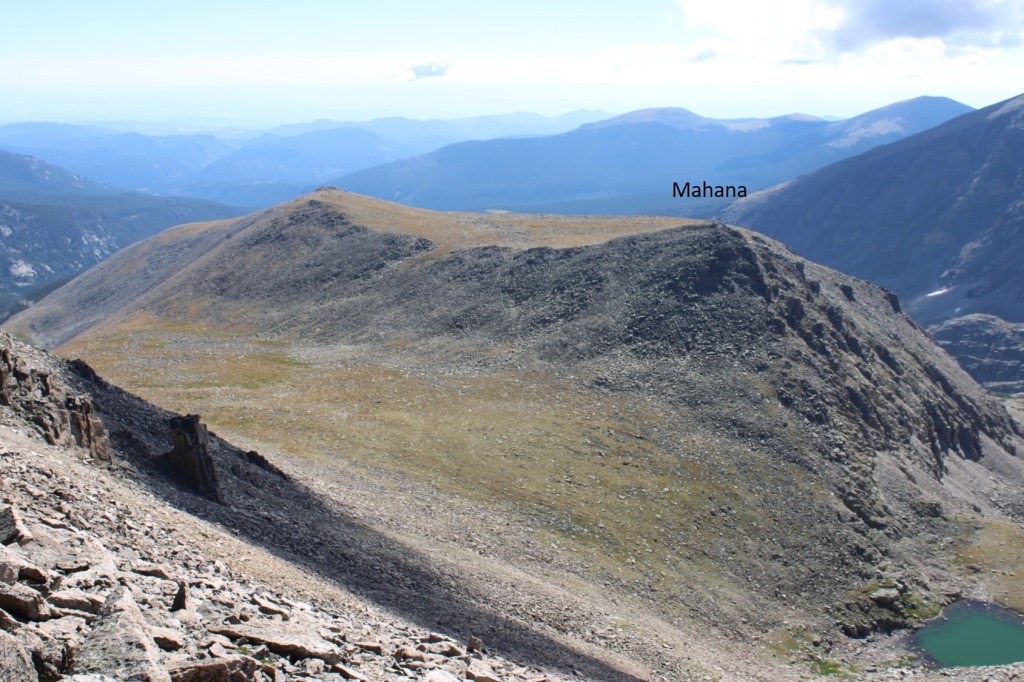
This is the true summit of Manaha Peak.  It’s easy class 2 to get there

I summited Mahana Peak at 9am

Mahana Peak:

From Mahana Peak, I could see Isolation Peak to the northwest

To get there, I headed northeast along the ridge until I came to a low point, and then headed northwest towards the ridge.

This is the overall route I took to gain the ridge of Isolation Peak.  If you look carefully, you will see a green band of grass that makes the route easy to follow.  I descended on rocky terrain, then was greeted with tundra, then rocky tundra as I ascended.

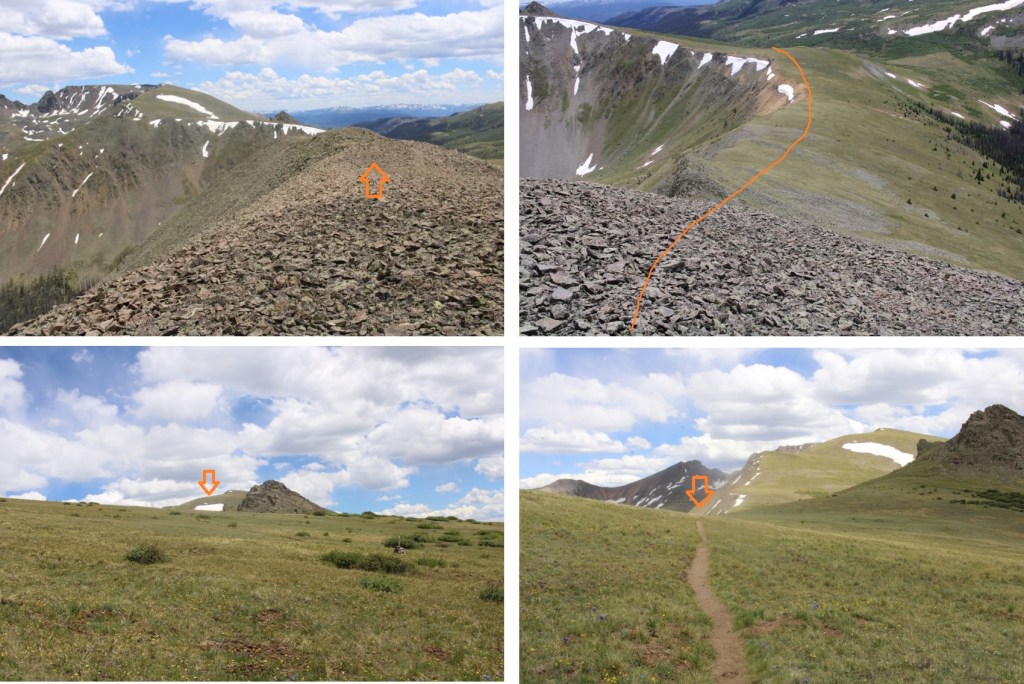
Once on the ridge, I turned left and could see Isolation Peak to the southwest. This was a class 2 hike, sticking to game trails either directly on or to the left of the ridge, until the last 10 feet or so, when it was a quick class 3 scramble to the summit

I’m pretty sure this block is the summit.  I sat on it, but briefly.  Pictures/video were difficult.  The summit rocks didn’t feel stable, and I could see through them to air below if I looked down. 

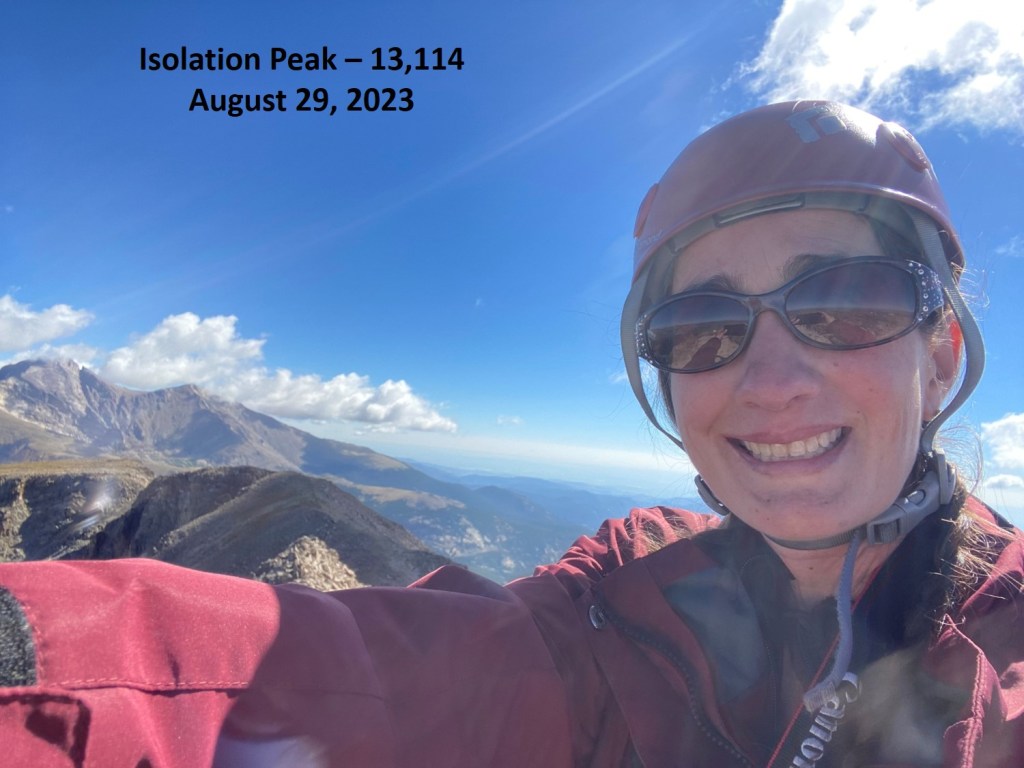
I summited Isolation Peak at 10:30am

Isolation Peak:

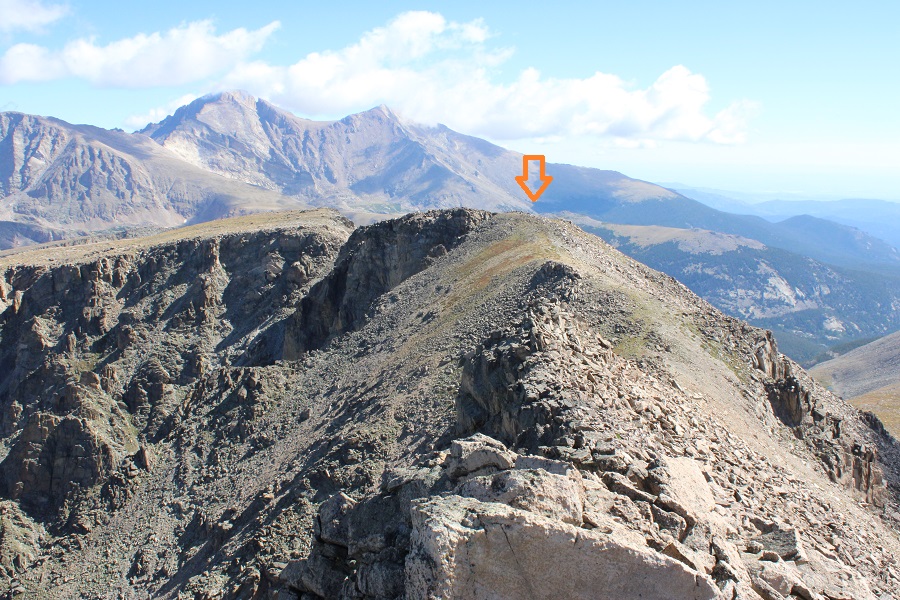
Here’s looking back at Mahana Peak from Isolation Peak

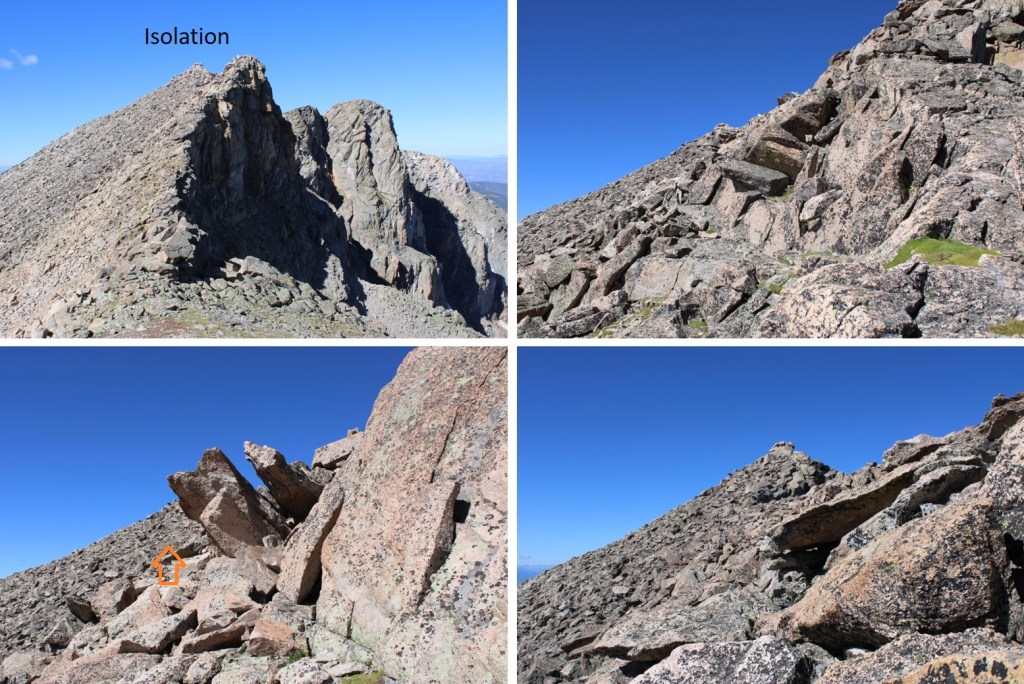
If you’re not up for class 3-4 scrambling, now’s the time to head back the way you came in, towards Mahana.  It’s the fastest route.  If you’re up for some scrambling, strap on your helmet if you haven’t already, and head northeast along the ridge.  Some of this ridge I’d consider choose your own adventure.  This is the route I took, keeping it class 3, with some easy class 4 scrambling (down chimneys/gullies).

I was now back to where I ascended the ridge, and followed the ridge northeast.  There is a lot of elevation gain and loss on this descent

I went to the right of this boulder.  Getting through was sketchy class 3.  The boulders were large, but there was a lot of empty space between them, and they didn’t feel solid. 

My next objective was to make it here (this was class 2, sticking to the ridge)

This is where it got a bit tricky.  I turned left, and descended into a rather large and steep gully.  I spent a lot of time in this gully route finding, and my advice is to stick to the gully proper until you make it down to 12160’.  You’re trying to go below this rock formation, which goes a lot further down than you’d think.

I turned left, and descended into the gully

I came to a place that looked like it cliffed out, but it was really just a drop onto a boulder, then a 7-foot downclimb. 

Here’s looking back up at the gully

And a look at the final drop.  The boulder in the middle was essential to the descent.

This was at about 12160’, where I stopped descending the gully, and looked for a grassy ledge climbers right. 

I made it to the ledge, descended another grassy ledge, then reascended a grassy ledge to re-gain the ridge

For those of you doing this the opposite way, here’s a look back at the grassy ledge I descended.  You can see why I had to drop down so low in the gully, with the sheer cliff face to navigate.

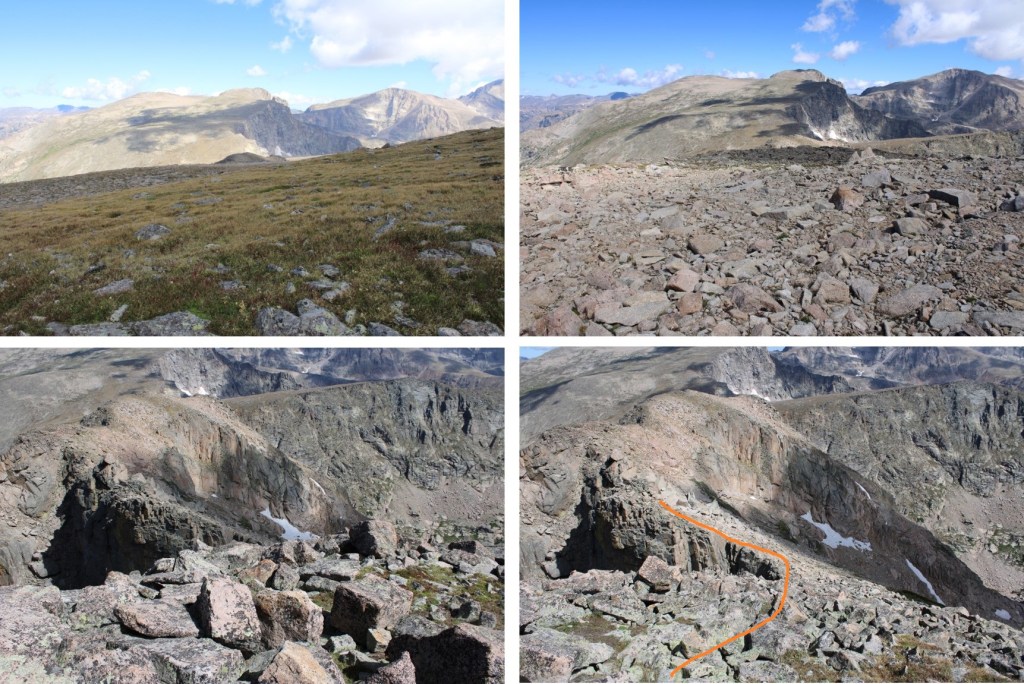
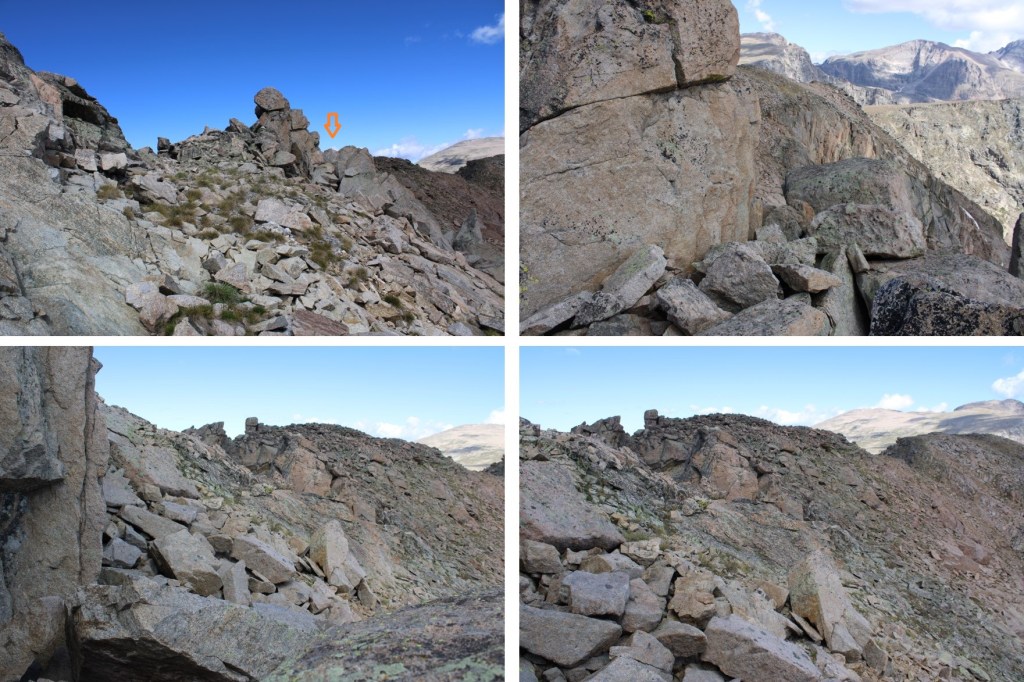
Here’s how I got around the next few obstacles

And that was it for the climbing for today.  I kept my helmet on because I still had a scree-gully to descend, but all the class 3 and 4 stuff was done.  I’d wanted to head over to Mt Alice today too, but clouds were forming and I didn’t think it was a good idea.  I headed towards Boulder-Grand Pass, turned right, and descended the gully towards Lake of Many Winds.  From the pass, it was 9.5 miles back to the trailhead.

A good trail picks up here, and leads all the way back to the Wild Basin Trailhead.  Here you can see Thunder Lake.  This trail becomes the Thunder Lake Trail, skirting the lake to the left.  This is a class 1 trail.  Once again, it’s very well marked, with signs indicating the route back to the Wild Basin Trailhead

I made it back to the trailhead at 4:45pm, making this a 21.79 mile hike with 5665’ of elevation gain in 12 hours, 45 minutes, at least according to CalTopo.  Strava gave me drastically different numbers

On to the next trailhead!
Jones Mountain B – 13,214

RT Length: 6.04 miles

Elevation Gain: 2361’

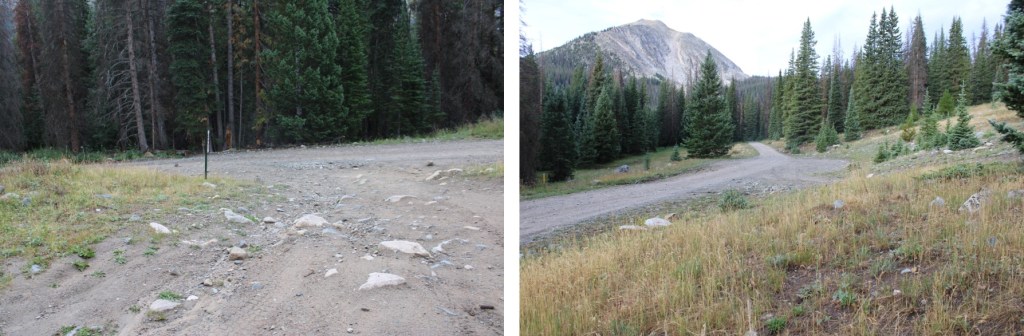
I’d parked about 6 miles past Cottonwood Lake, at the junction of 344/349.  There are a few dispersed campsites in the area, and a few further up as well.  I was up and on the trail at 4:45am, hoping this would be a quick hike because I had other things to do this afternoon. 

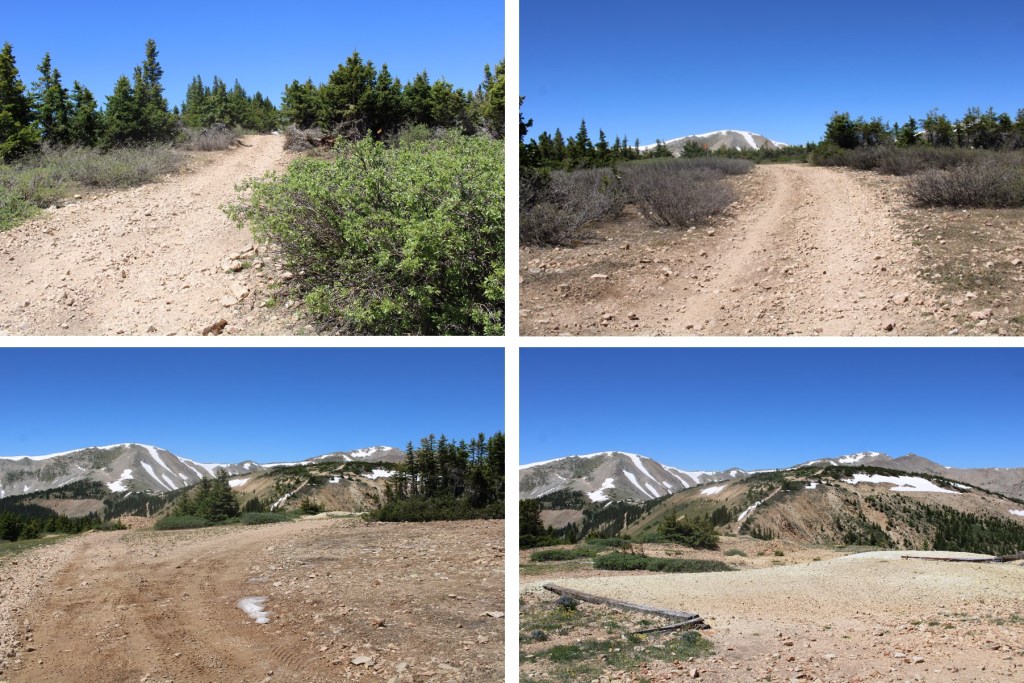
The trail starts by following 4WD road 349.  It’s a narrow 4WD road, but if your vehicle made it this far, it can make it all the way to the top of the road

I followed the road for 2.3 miles, up to about 12,330’. 

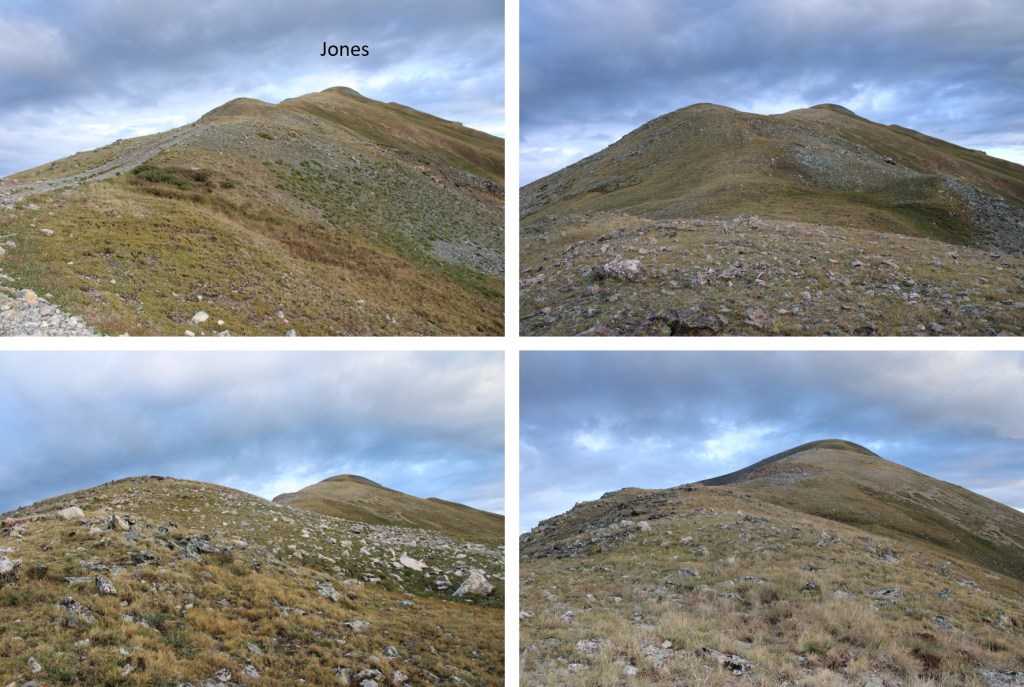
I didn’t know it at the time, as it was still dark, but I could have taken the road all the way up to the ridge, and then taken the ridge to the summit, which would have been easier.  I’ll have pictures of that route on the way back down.  Here’s where the road goes to:

Anyway, I didn’t take the road up, instead, I decided to gain the ridge here

This route was very straightforward

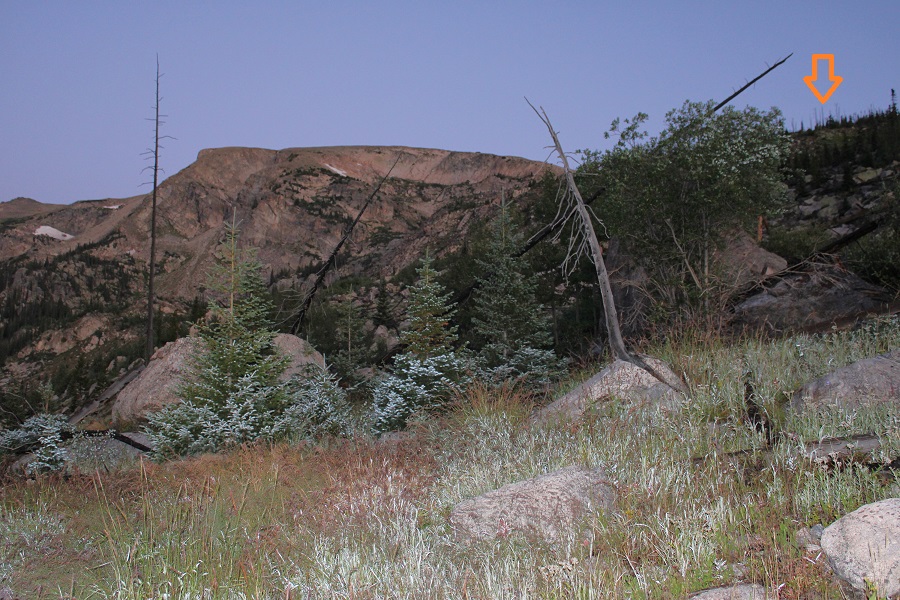
I also got to see a beautiful sunrise

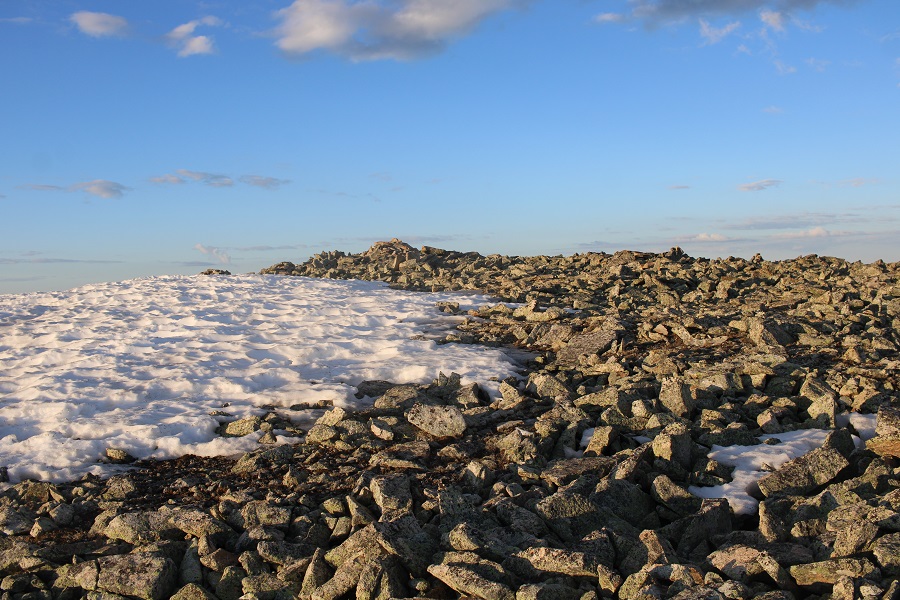
From the I turned right and followed the ridge northeast.  From the ridge it was a short .25 mile hike to the summit. 

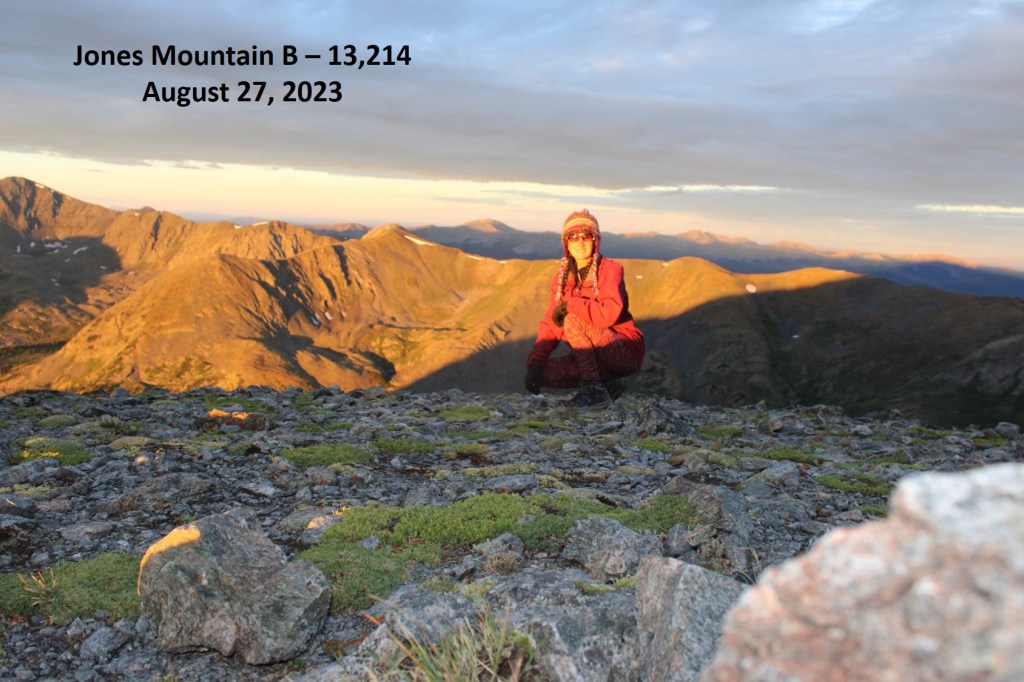
I summited Jones Mountain B at 6:30am

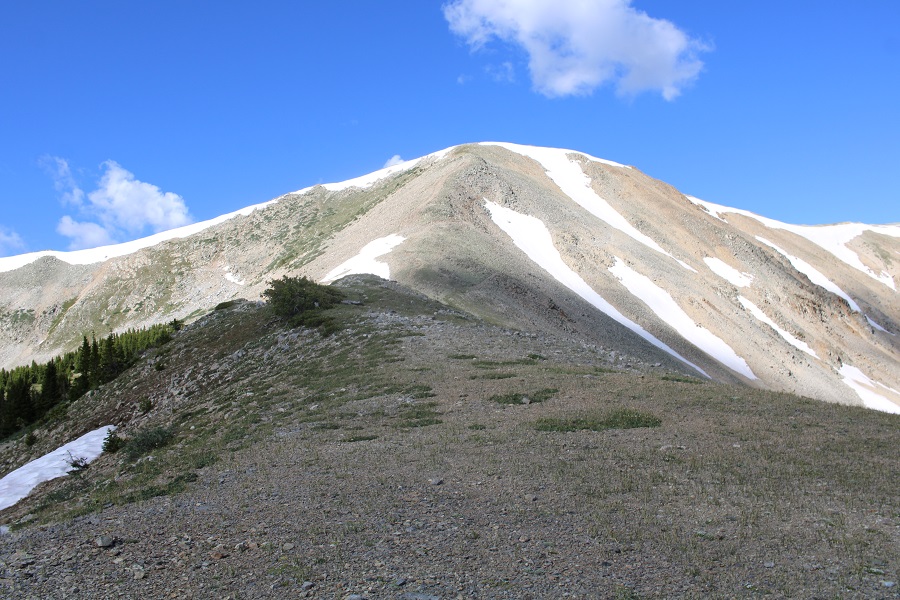
Jones Mountain B:

It was rather cold and windy on the summit, making it feel like fall.  I turned around and, in the daylight, noticed the road I’d hiked in on went all the way to the ridge, so I followed the ridge southeast back to the road.

Some ptarmigans overlooking Ptarmigan Lake

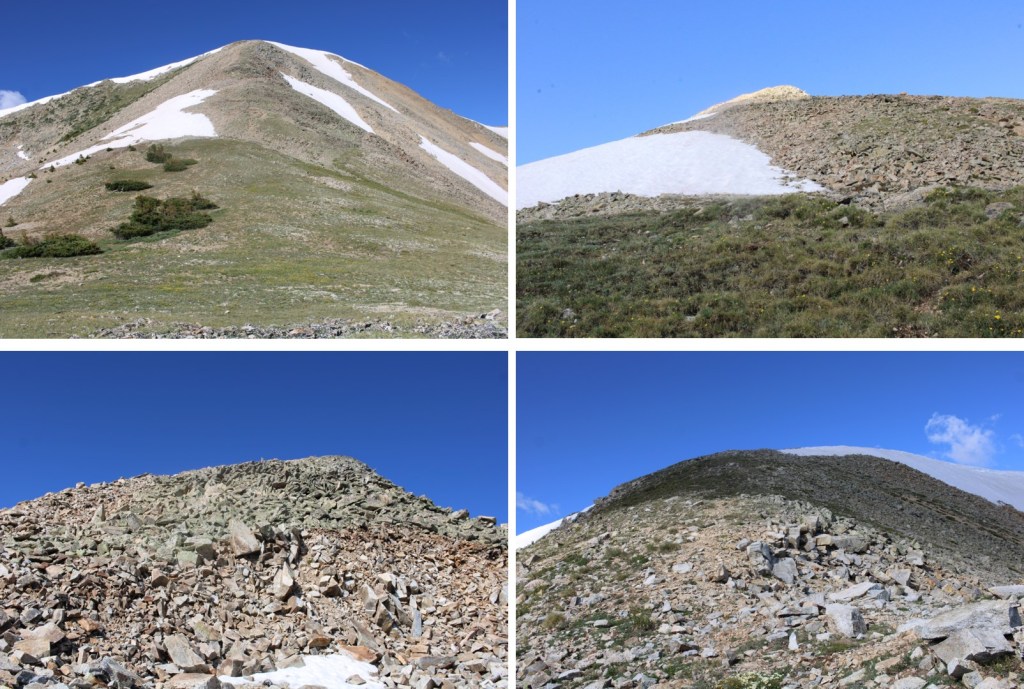
Here’s the route up the ridge from where the ridge meets the road

Back on road 349, I followed it all the way back down to road 344

I made it back to my truck at 7:45am, making this a 6.04 mile hike with 2361’ of elevation gain in 3 hours.

Now it’s time to head back home to harvest a couple hundred apples from the tree in my backyard before the thunderstorms hit for the day. 

Trico Peak – 13,321

RT Length: 8.78 miles

Elevation Gain: 2844’

My stats here are going to be off (to be explained later).

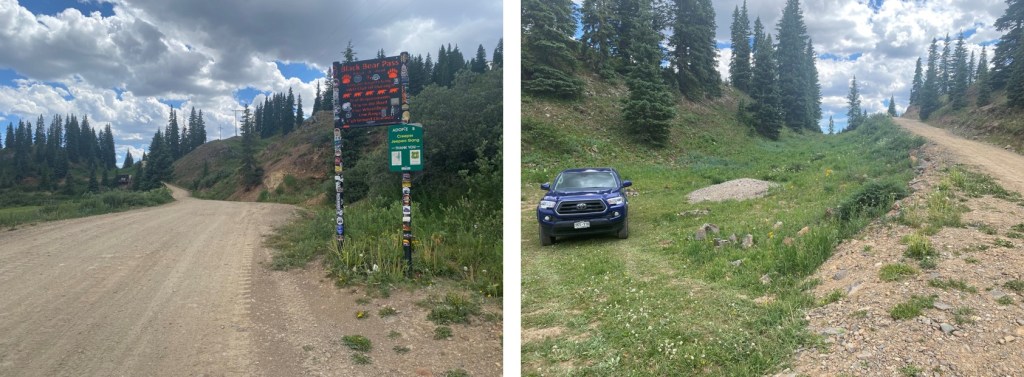
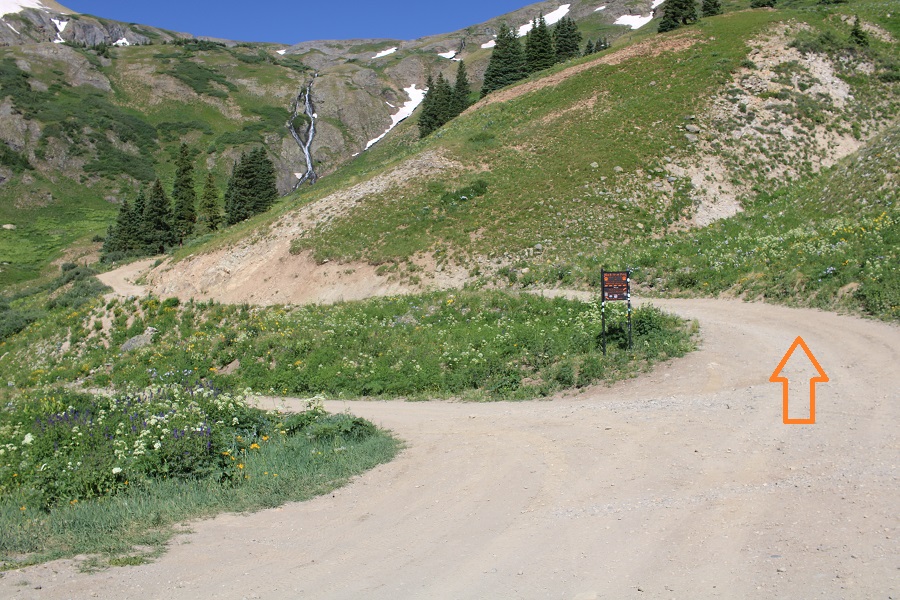
I arrived at the Black Bear Pass trailhead the night before, excited to find a good camping spot near the road, at about 11,100’.  If you drive a little further up, 100 yards or so, there are a few more sites. 

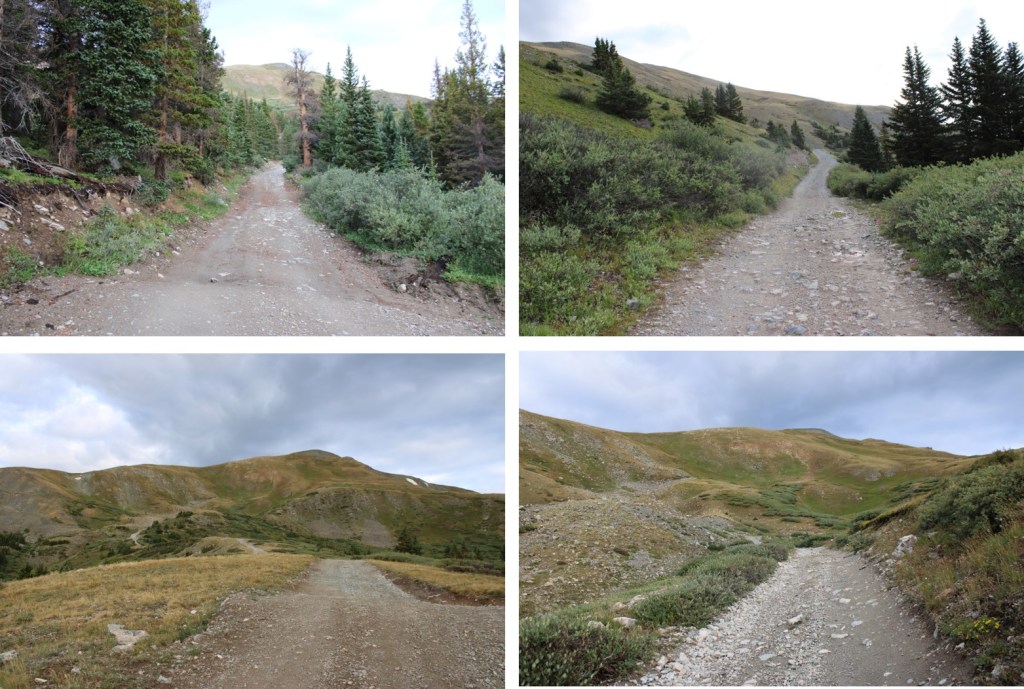
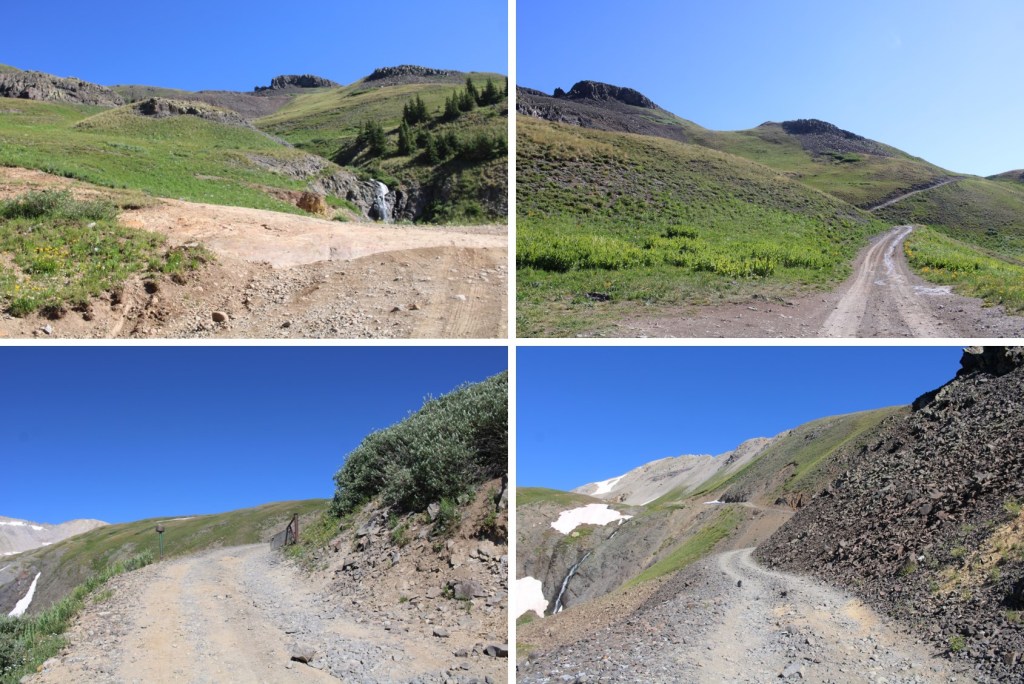
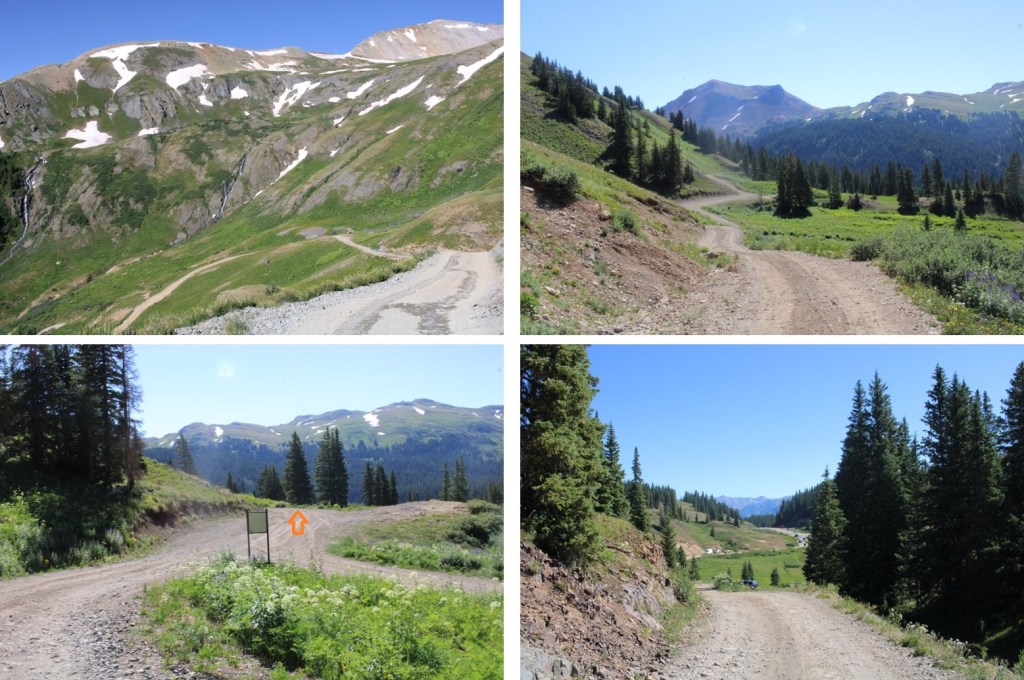
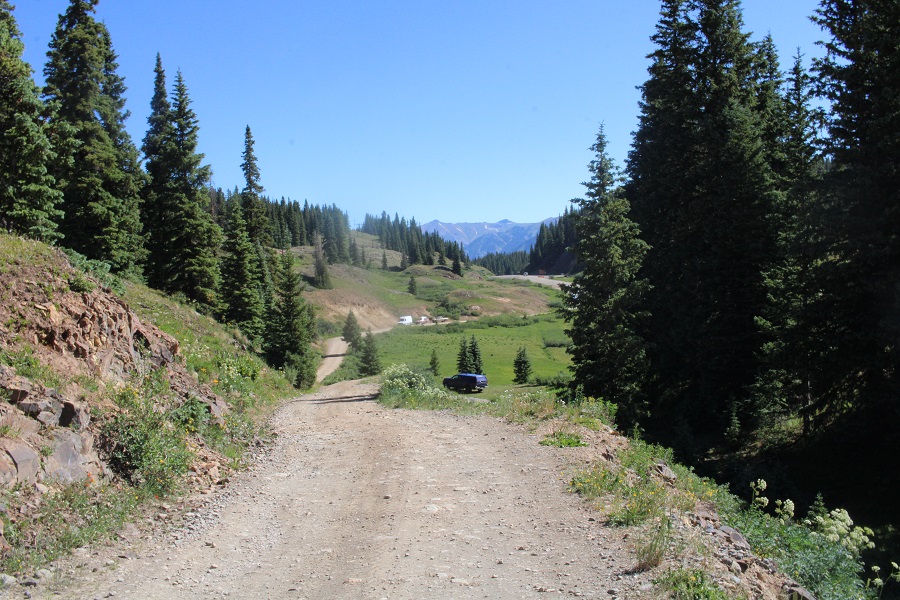
I parked, read, ate dinner, and fell asleep early.  I was on the trail at 5am the next morning.  The trail follows 4WD dirt road 823 for 3.3 miles to Black Bear Pass. A stock 4WD can make it to the pass, but be mindful it’s a narrow shelf road at times, with few places to pass other vehicles.  Here are some pictures of the road.

After hiking for 1 mile I came to the junction for Prophyry Basin and Black Bear Pass.  I went right, towards Black Bear Pass.

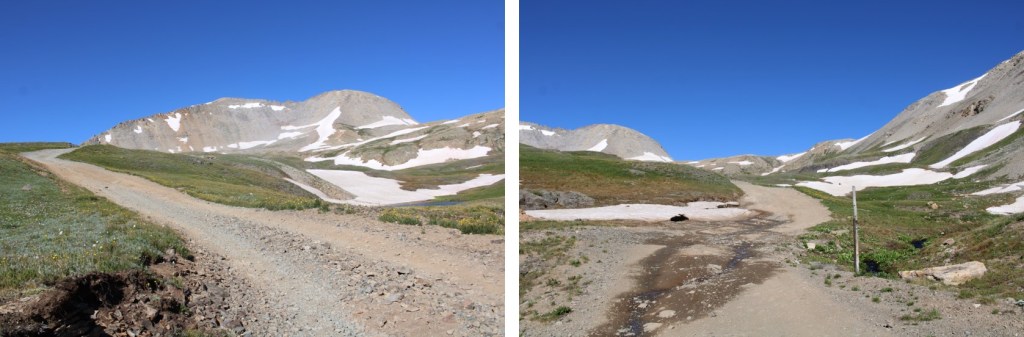
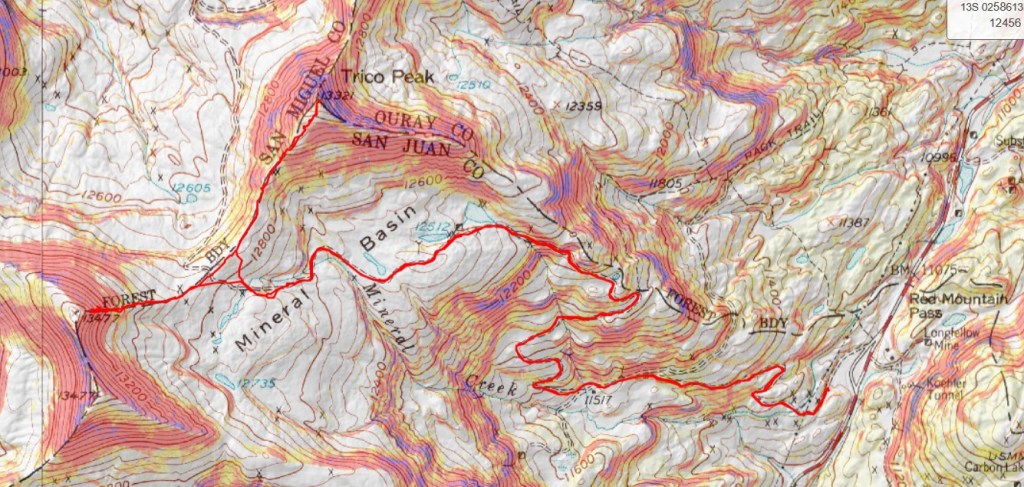
And continued on, towards Mineral Basin.

There was a little snow to contend with in getting to Black Bear Pass, so I went left to avoid it.

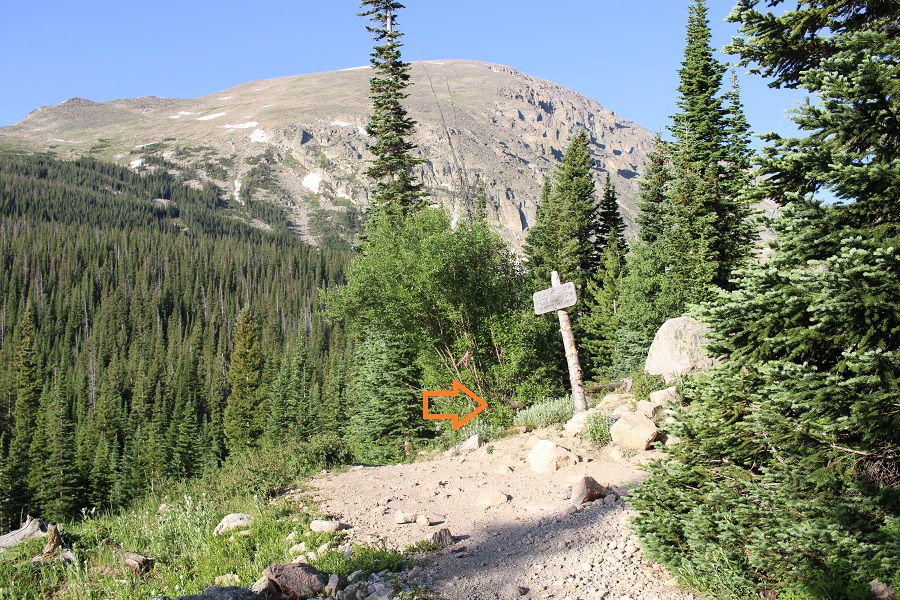
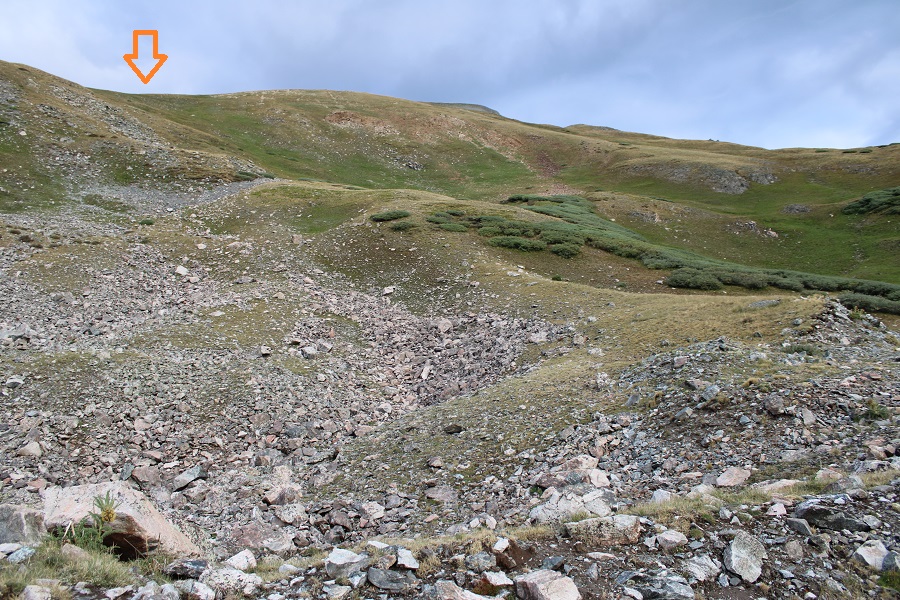
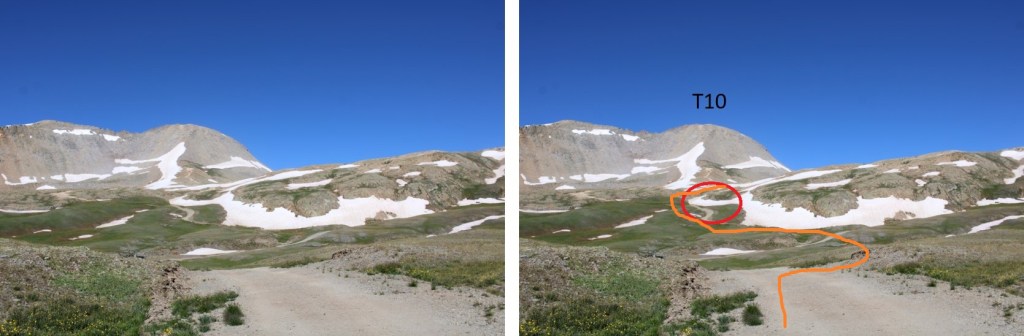
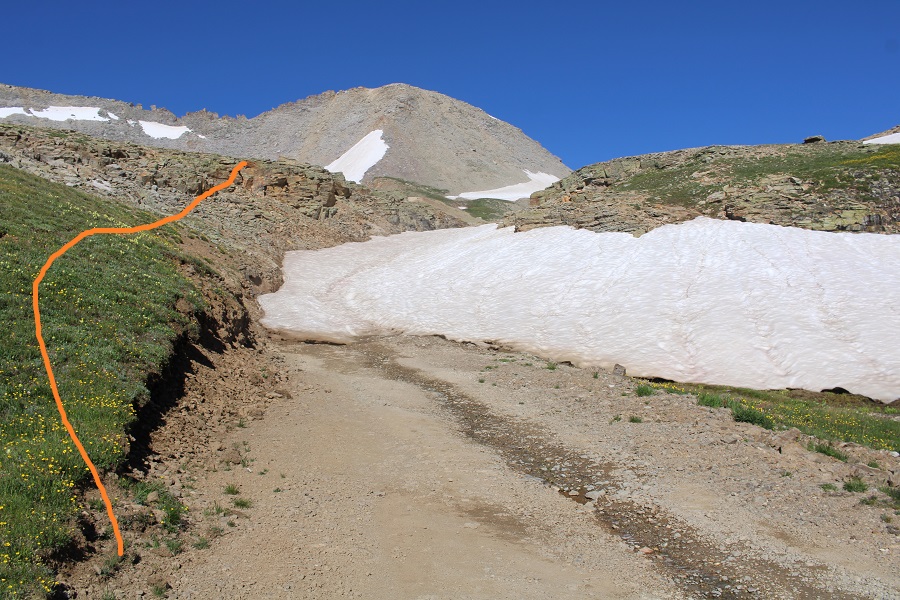
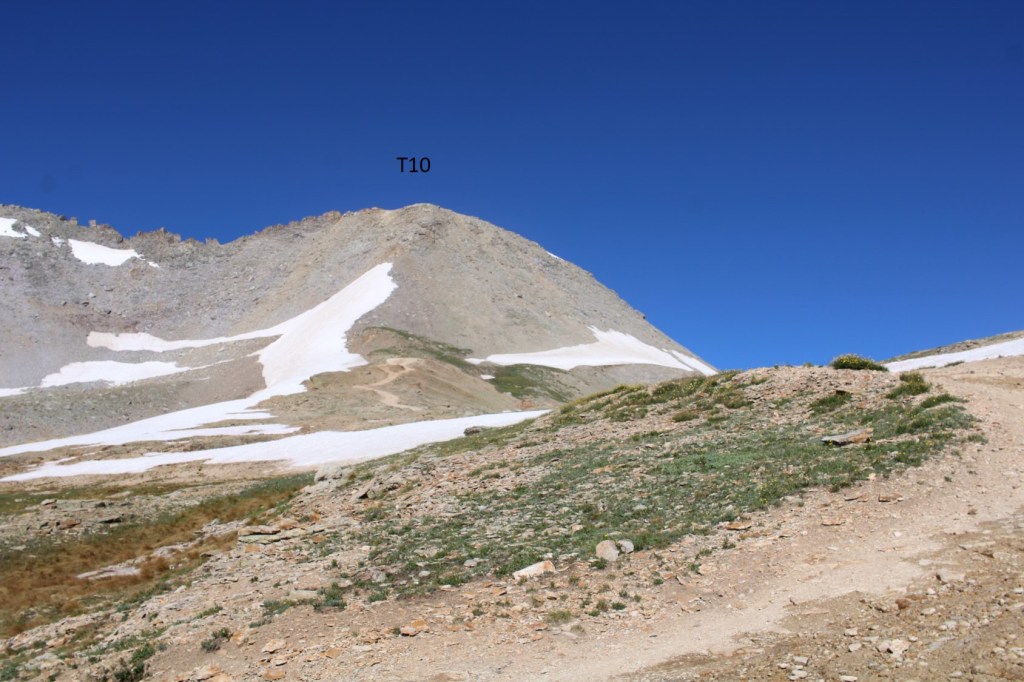
To my left I could see T10, which hadn’t been on my list for today.  However, looking at it now, it looked doable from this side, so I headed over there.  There seemed to be several viable routes.  At the grassy area I put on my microspikes, and headed up.  The first 150 feet or so were straightforward, and then the choss hit.  Terrible, terrible choss that gave way as I ascended.  I was creating rockslides both above and below me, which included not only scree and choss, but also microwave plus sized rocks.  Nothing was stable. It looks like the route changes every time someone attempts to go up or down.  I got cliffed out several times, backtracked, and tried different ways.  Finally, I knew while I could have made it up, I wasn’t going to recommend this route to anyone (someone’s going to get seriously injured or die), so I might as well head back down.  I made it about 100 feet from the summit before turning around. Please don’t attempt this route unless you have great balance and are good with floating and falling talus and boulders (none of the rocks were steady. None of them, and many fell with the scree).  For me, this was outside of my choss-safety zone.

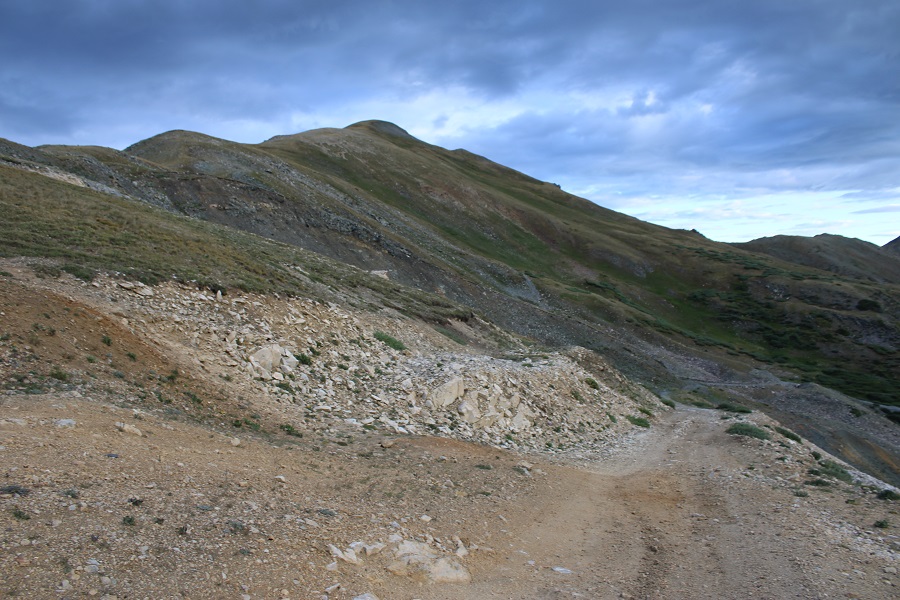
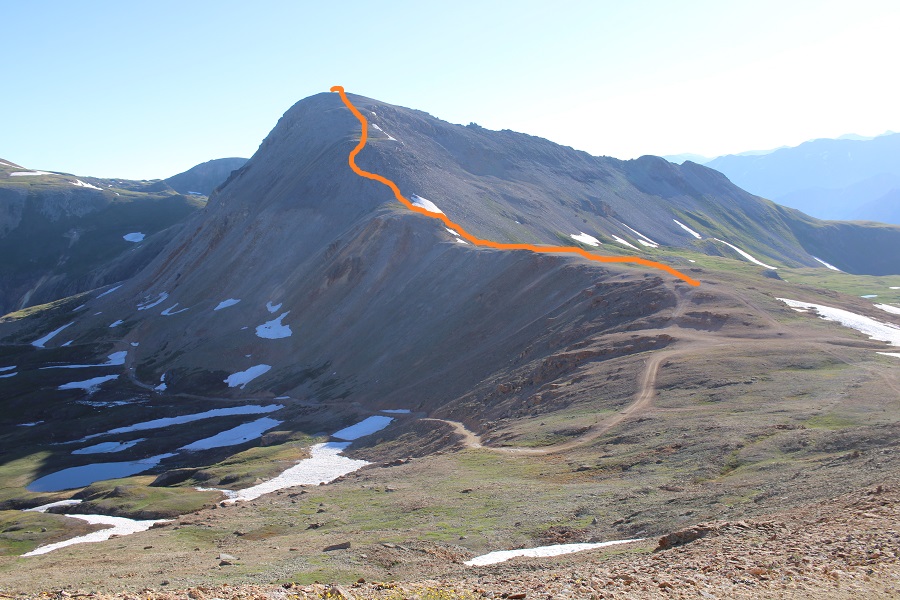
Ok, so from Black Bear pass, I headed northeast, with Trico clearly visible.

This was actually a straightforward and easy route.  There’s a faint trail you can’t see from below, that will get you all the way to the summit.

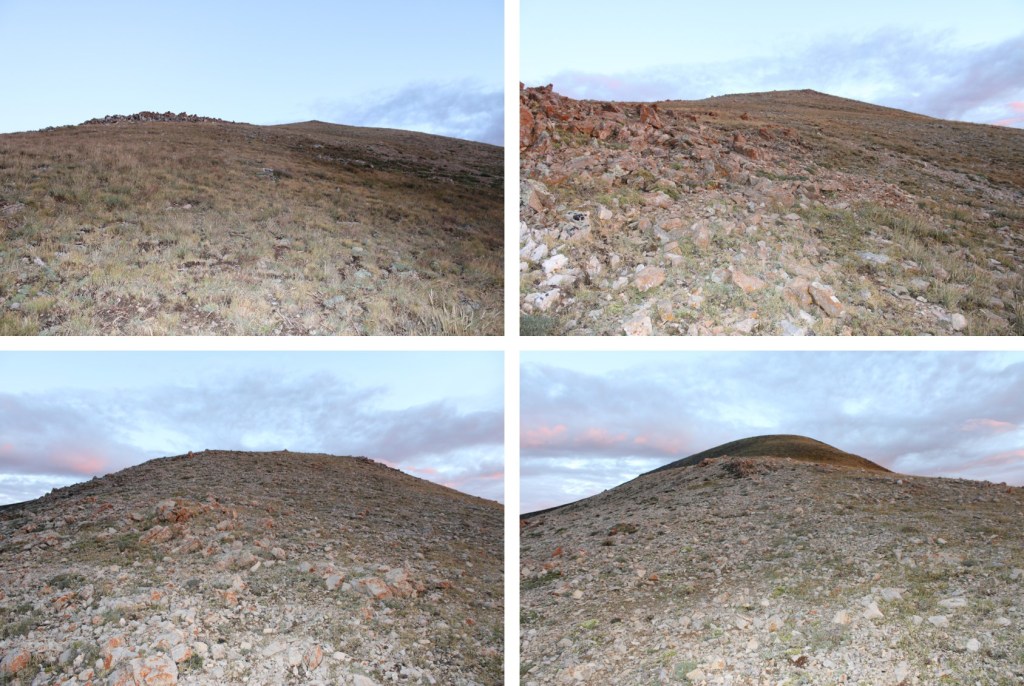
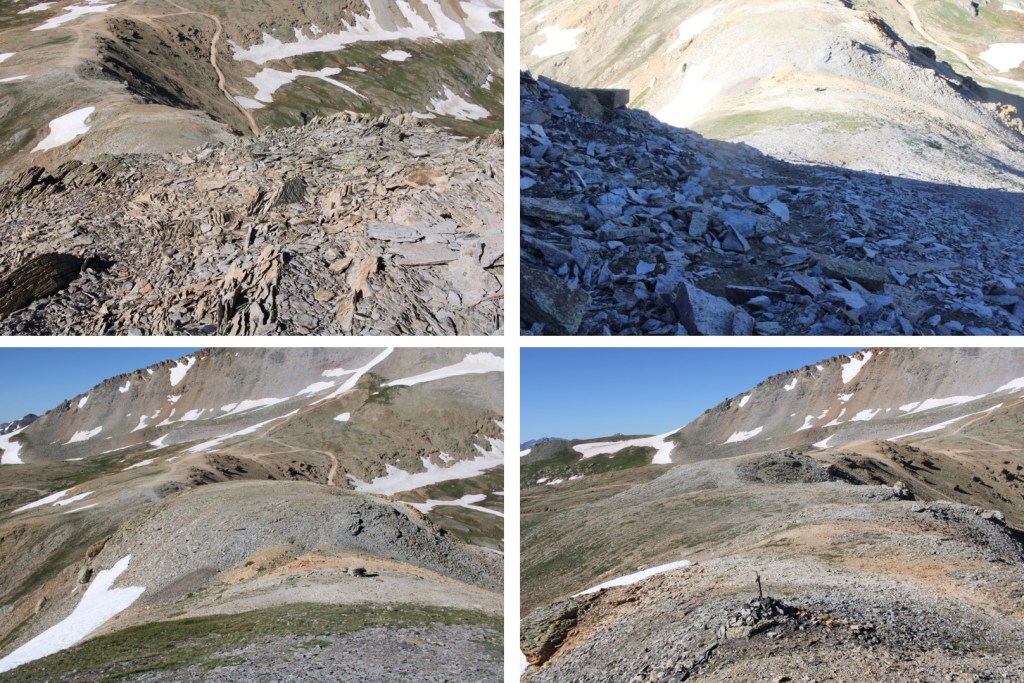
Here are some pictures of the route

Once I gained the ridge, this was the overall route to the summit

There was a faint trail here as well.

I summited Trico Peak at 8am (still wearing my helmet from T10)

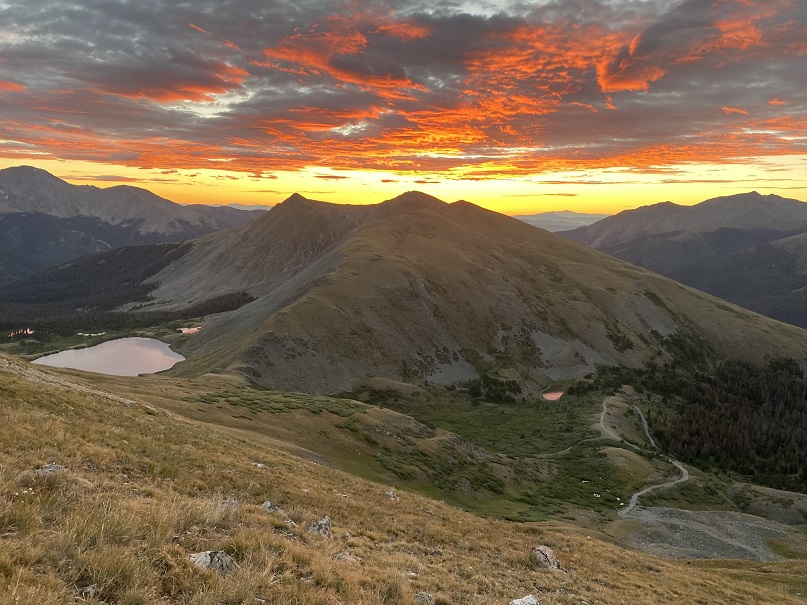
Trico Peak:

I took advantage of the bluebird day and 2 bars of LTE service at the summit, and stayed for about half an hour, calling people and answering emails. 

Then I was on my way back down to Black Bear Pass.

Back at Black bear Pass I turned left, and followed the road 823 back to the trailhead, avoiding the small section of snow along the road.

I made it back to my truck at 10am, making this a 8.78 mile hike with 2844’ of elevation gain in 5 hours, along with a lot of route finding on T10, and spending a half hour on the summit of Trico.

On to the next trailhead!
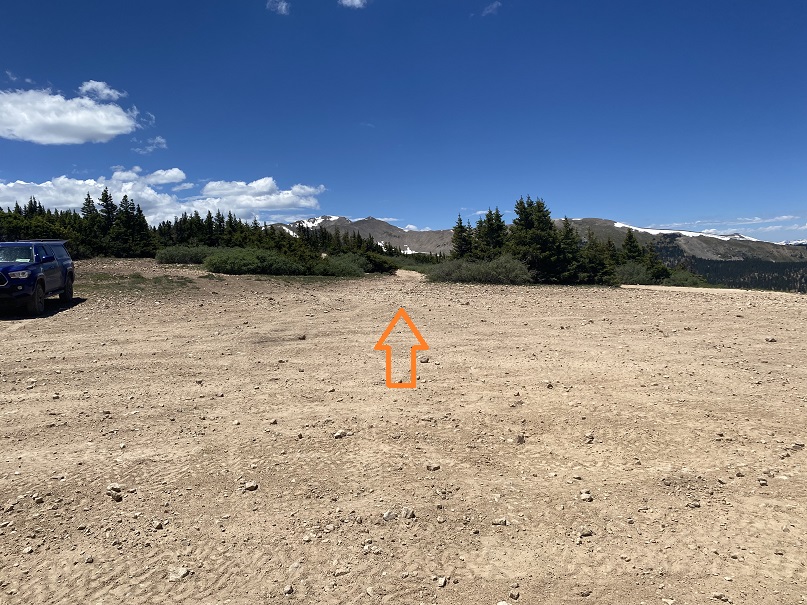
Fairview Peak – 13,224 and Green Mountain 12,692

RT Length:  7.75 miles

Elevation Gain:  2314’

I drove up to Cumberland Pass from Pitkin the night before my hike, and settled in.  The road was dirt 2WD, with a few places where clearance would be helpful, but otherwise it was an easy drive.  There was someone in a tractor grading the road, so I can only imagine it will get better from there.  I people watched for a few hours, then had the pass to myself for the next 18 hours, as it was only busy during the afternoon.

The next morning, I was on the trail at 5:30am.  I actually followed a 4WD road, at the west end of the parking area.  Side note:  On this hike I saw over a dozen grave markers.  I’m not sure if there were bodies buried underneath, or ashes spread, but it seemed excessive. 

I followed this road west and then southwest as it gained and lost elevation. 

After hiking for a little over a mile the road didn’t end, but it was snow covered, so I followed the ridge. 

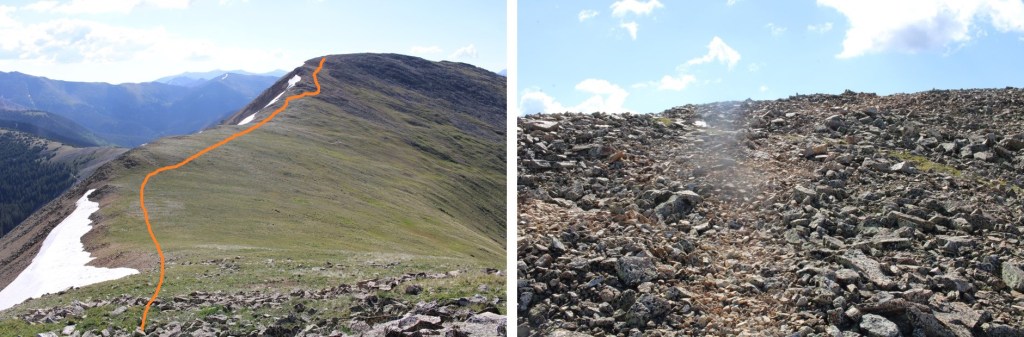
Here’s the route up to Green Mountain

I could tell there was a road here at one time, but it hasn’t been used in quite a while.  At points it was a small trail, and at others it resembled a runnel.  It was rocky, but only about 650’ of elevation gain to reach the unranked summit. Here are some pictures of the route.

The summit was to the left (south)

I summited Green Mountain at 6:20am

Green Mountain:

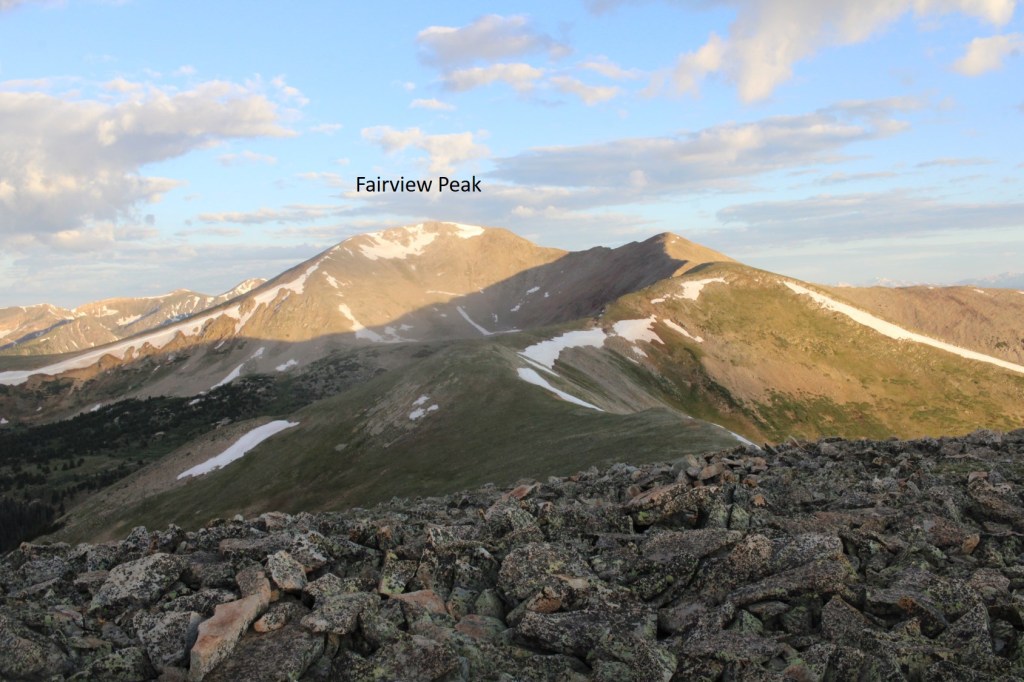
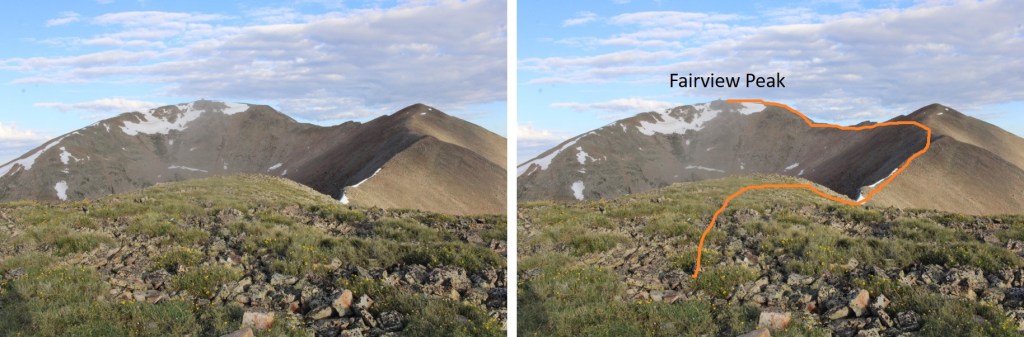
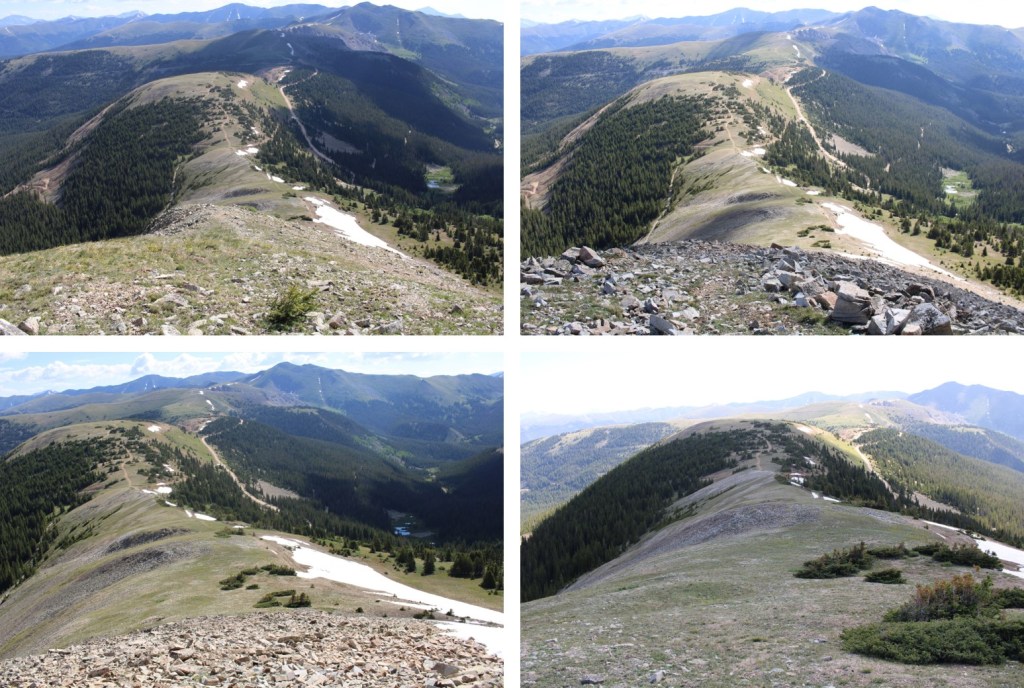
From Green Mountain I turned around, and looked northwest.  I could clearly see the summit of Fairview Peak, and the route I needed to take to get there.

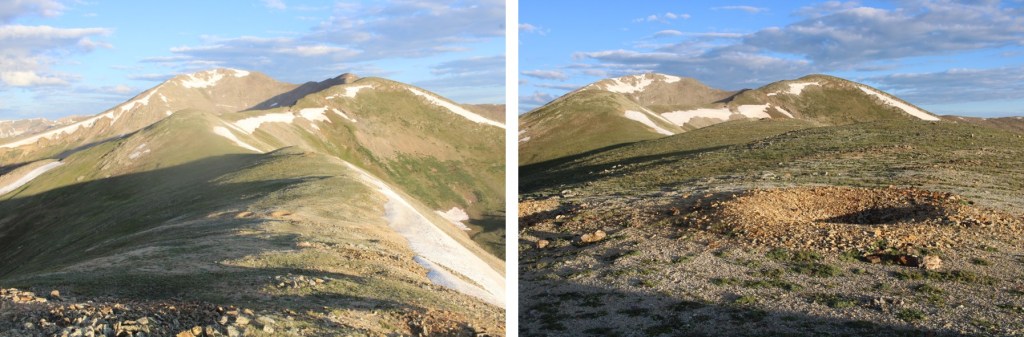
This was going to be a ridge hike, with a lot of ups and downs, but also fairly straightforward.  I headed northwest, and followed the ridge.  There were a lot of mines in the area.

Here’s the view looking over at PT 12556 (not ranked, etc.).  There were 5 crosses in a circle at the summit.  I’m not sure of their significance.

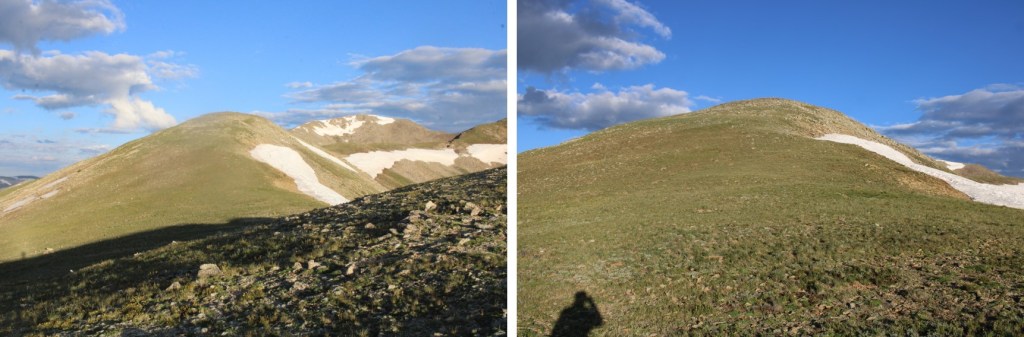
This was fairly easy terrain, mainly tundra that eventually became rocky

From 12556, this is the route I took over to Fairview Peak, skirting one of the points on the ridge to the left by traversing over rocky, but stable terrain.

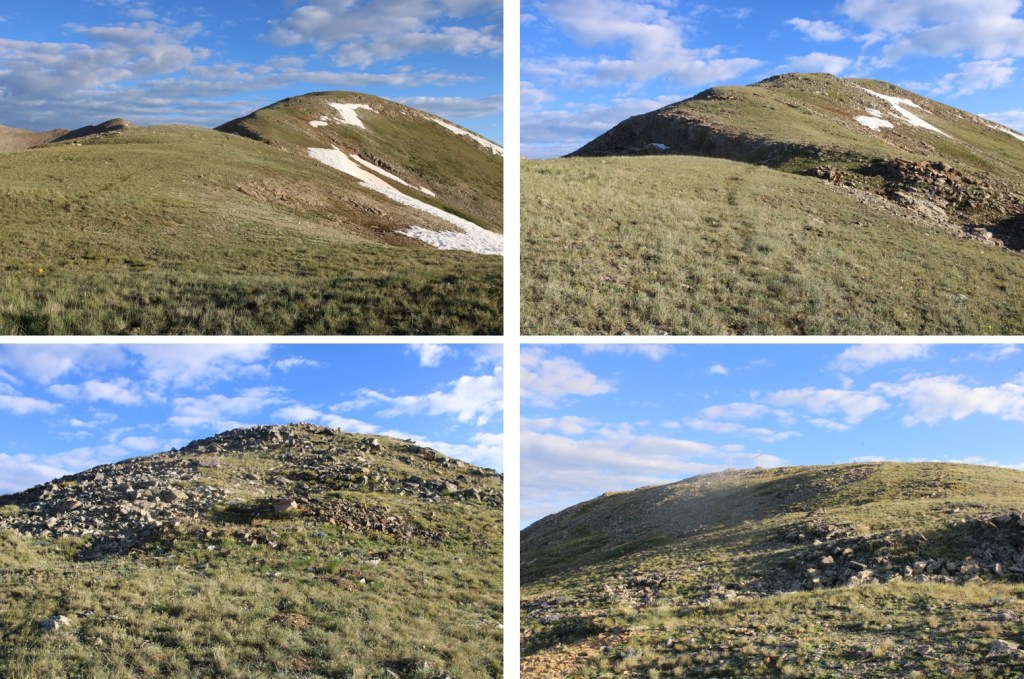
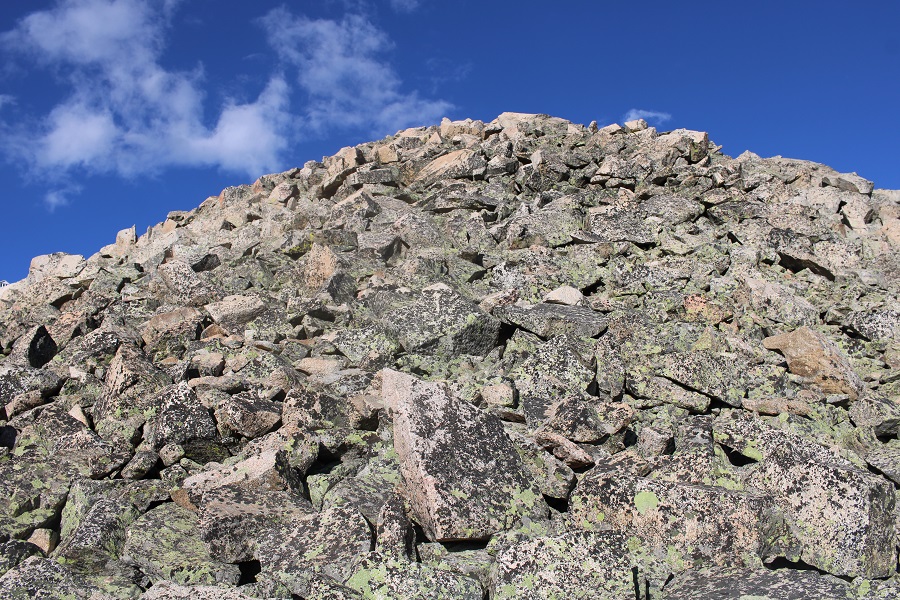
Here are some pictures of the route, which was very rocky

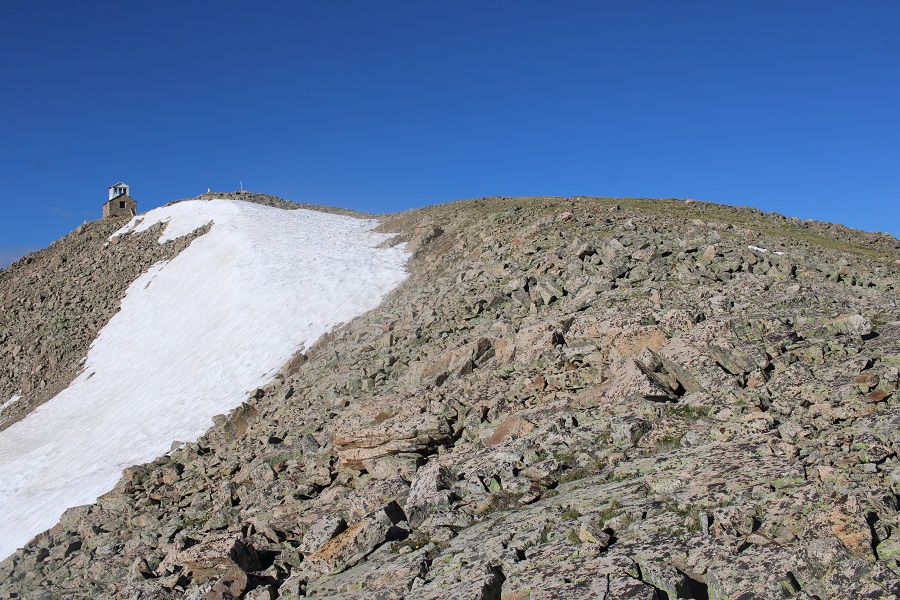
At the top of the ridge, I could clearly see the summit hut at the top to my left.  I headed south to the summit

I summited Fairview Peak at 7:45am

Fairview Peak:

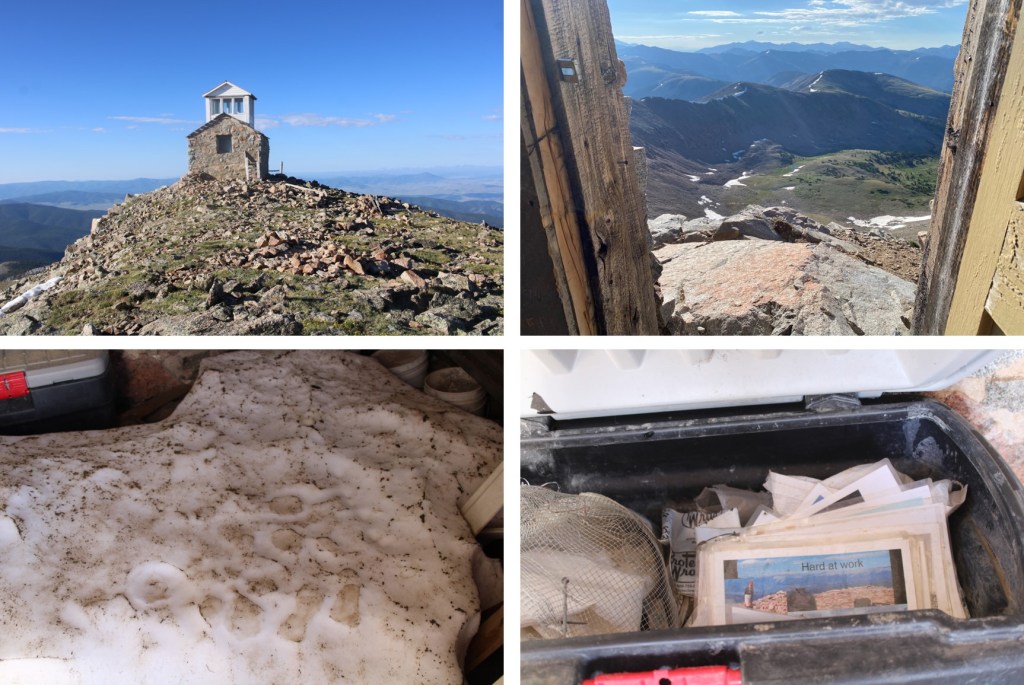
The summit hut was open, so I went inside.  There was still a lot of snow on the floor.  It didn’t look like anyone had been there yet this year.  There were tools, ladders, and a box with the history of the structure and improvements being made inside. 

From inside the structure, I could see Green Mountain to the southeast

I turned and headed back the way I’d come, back down the ridge

Here are some pictures of my route back to Green Mountain

Here’s a look at re-gaining the last 225’ to the top of Green Mountain

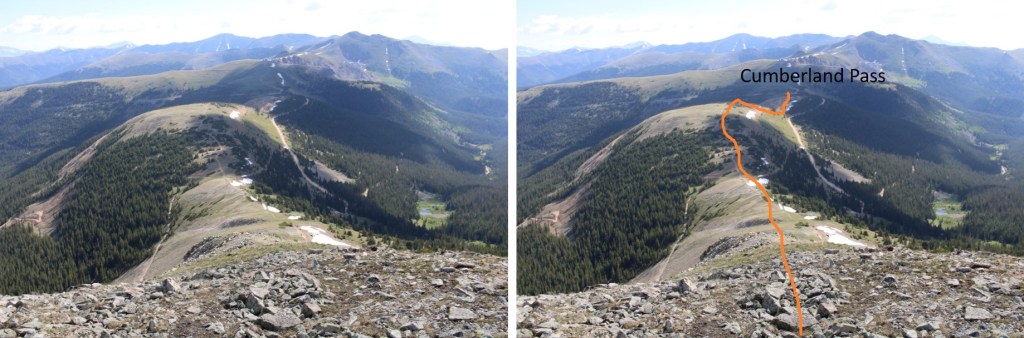
From the summit of Green Mountain, I headed northeast.  I could clearly see the road I was aiming for that would take me back to Cumberland Pass.  I’m sure you can see the road in this picture, but snow blocked my access to get to it, so this is the route I took.

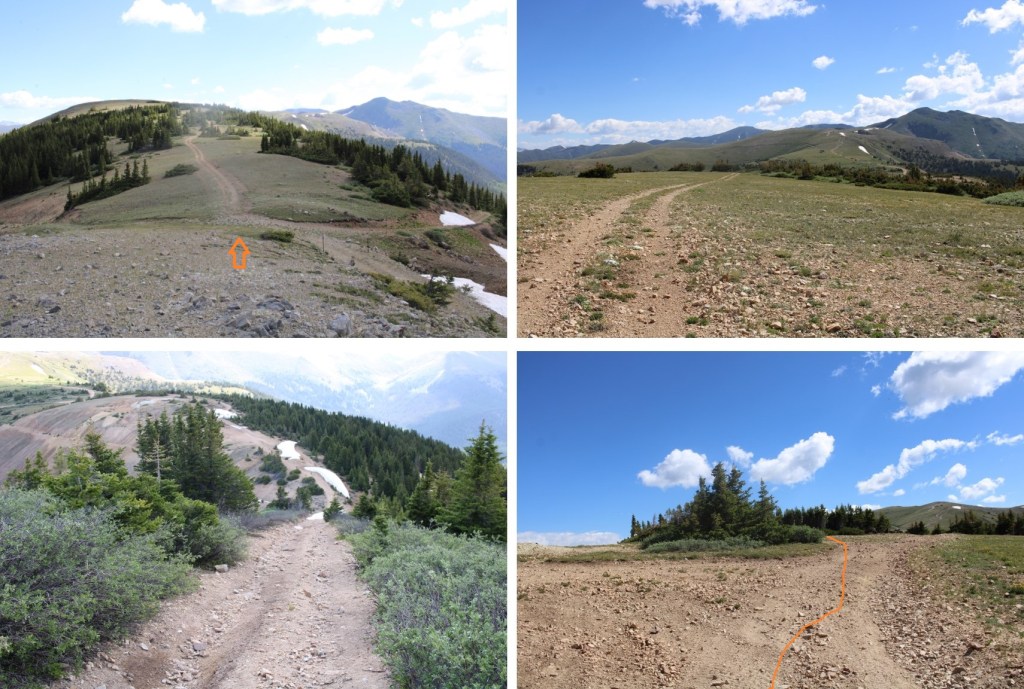
Here are some pictures of my way back to the 4WD road, which started out rocky and then turned to tundra

And from the road back to Cumberland Pass

I made it back to my truck at 10am, making this a 7.75 mile hike with 2314’ of elevation gain and a ton of searching for cool rocks in 4.5 hours.

On to the next trailhead!

13,308 and 12,580

RT Length:  31.68 miles

Elevation Gain: 6041’

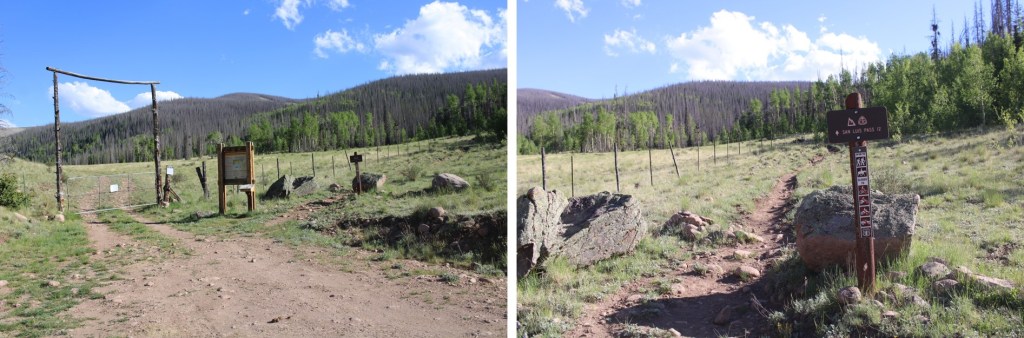
I drove to the Eddiesville trailhead the night before, and was up and on the trail at 4:30am.  I’ve been in this area for over a week, and was fairly confident I wasn’t going to need microspikes or an ice axe (I didn’t).  The trail starts at the south end of the parking area, and follows the Colorado Trail. 

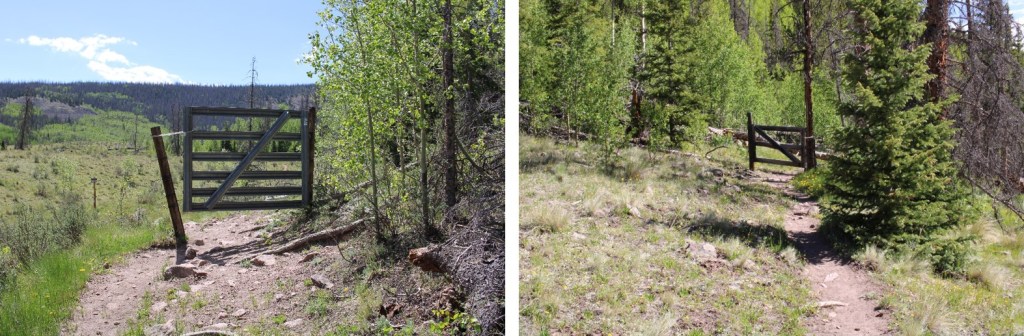
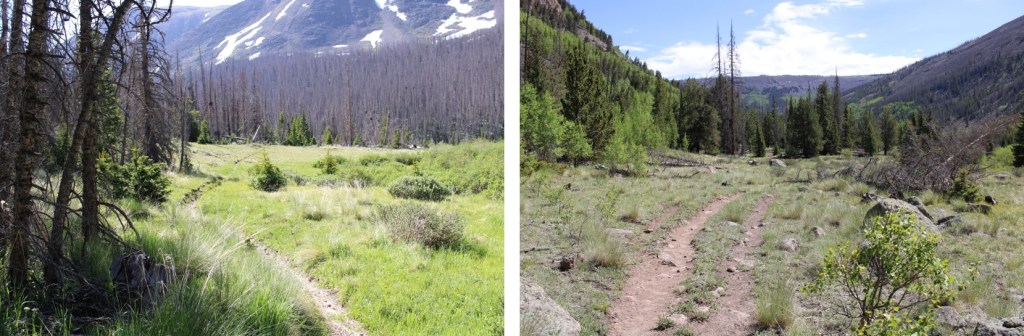
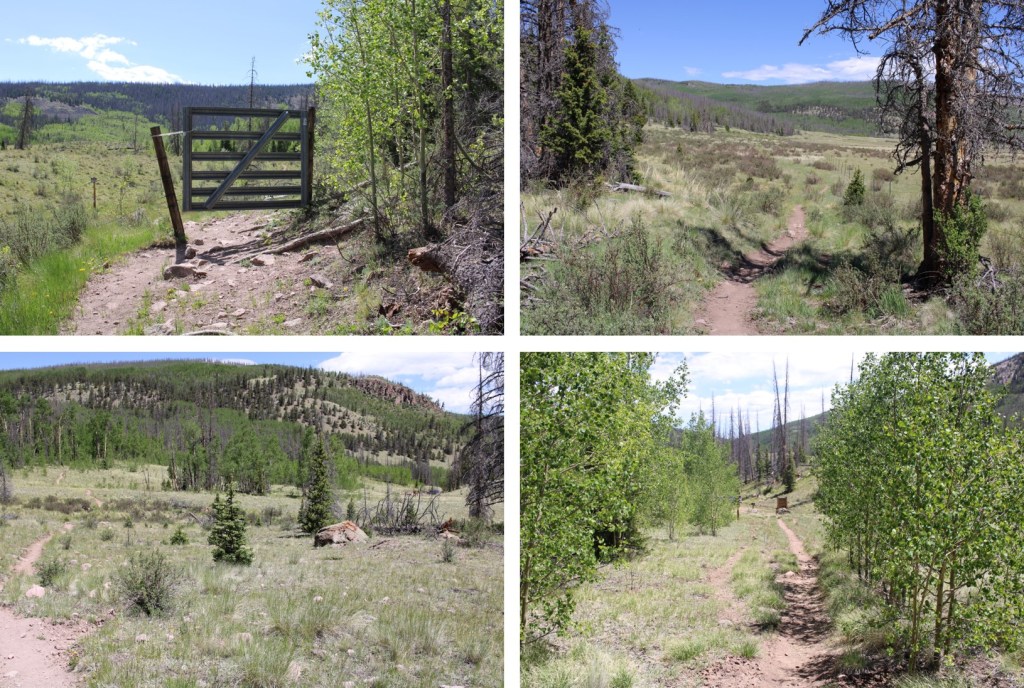
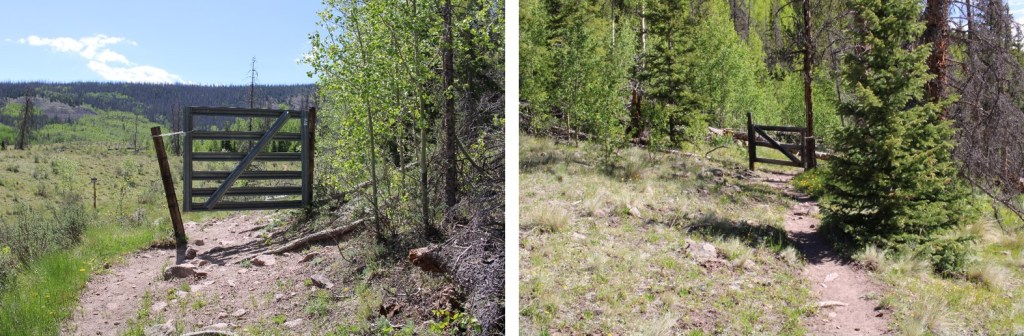
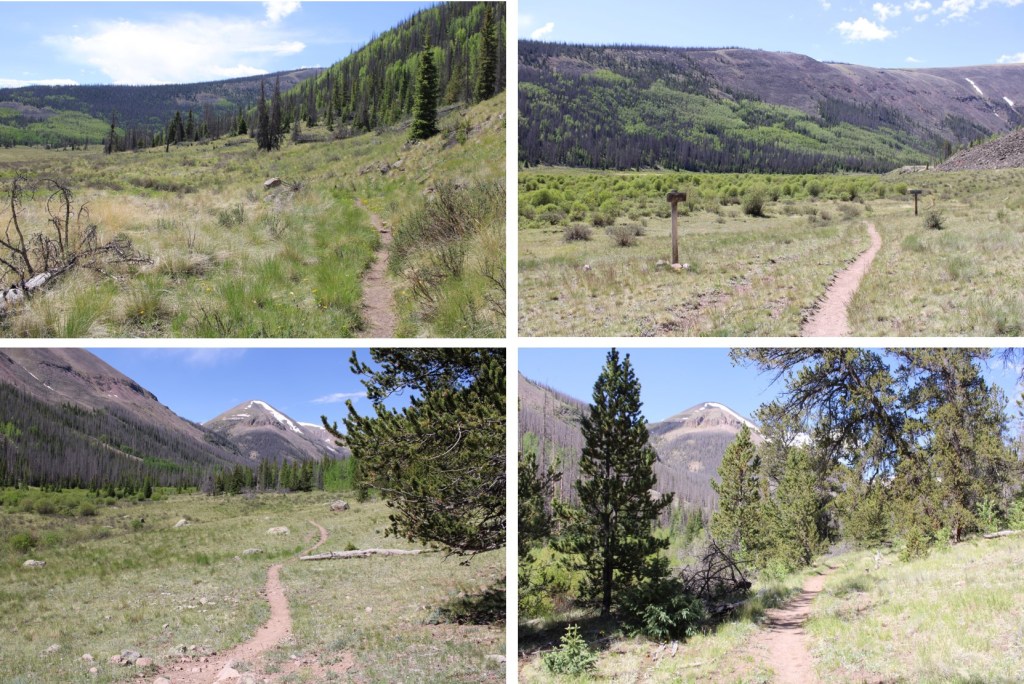
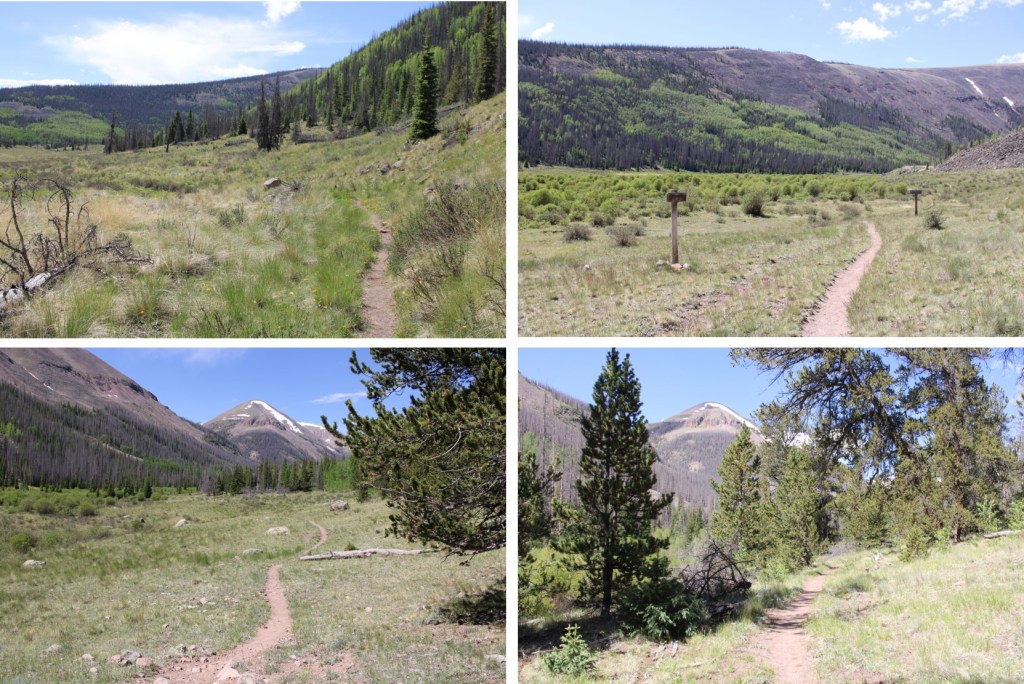
I followed the Colorado Trail for 8.25 miles, all the way to the San Luis Peak/13166 saddle.  This was a very well-marked trail, which made it difficult to get lost.  Also, there weren’t many trail intersections, also making it easy not to get lost.  I crossed several small creeks and downed trees on my way, and passed through two gates (latched, not locked). 

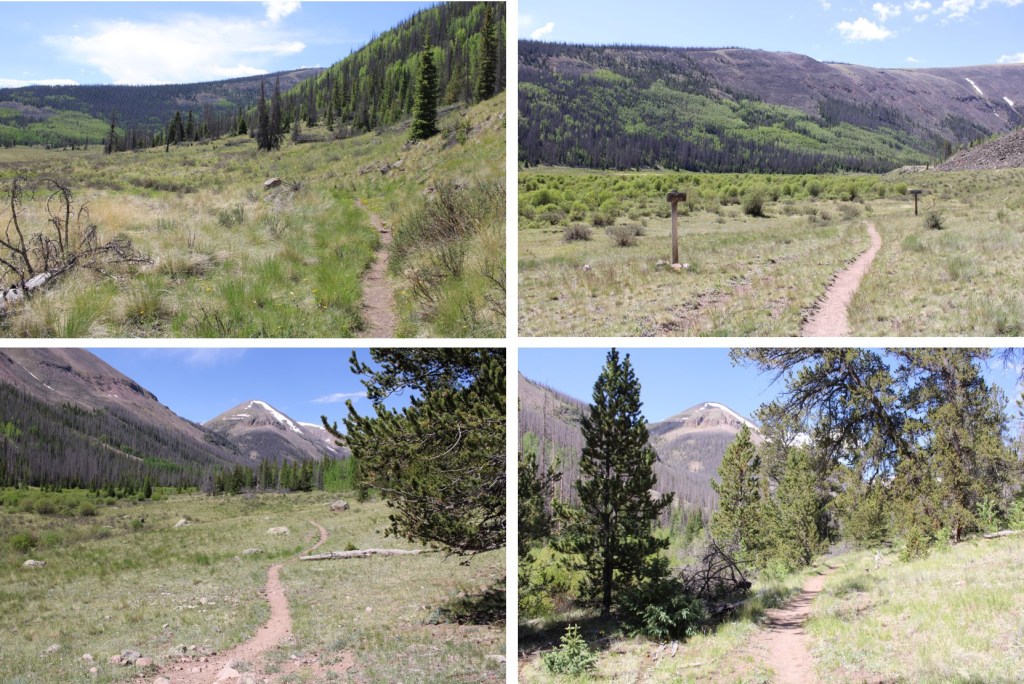
Here are some pictures of the terrain, which followed Cochetopa creek up the basin.

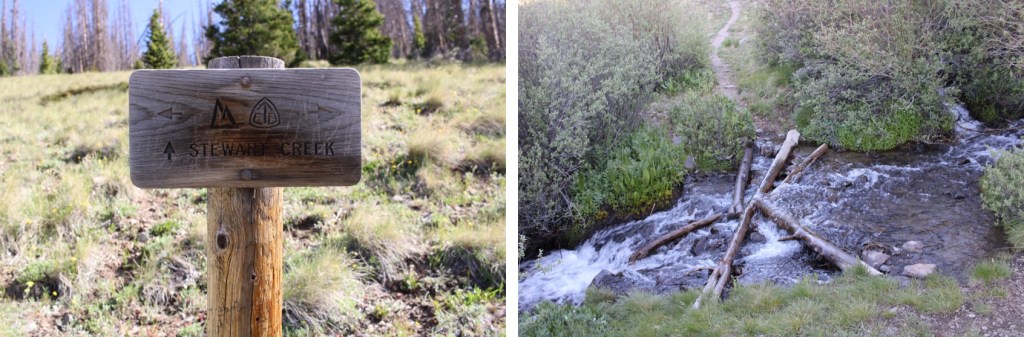
After hiking for 7 miles, I crossed Stewart Creek

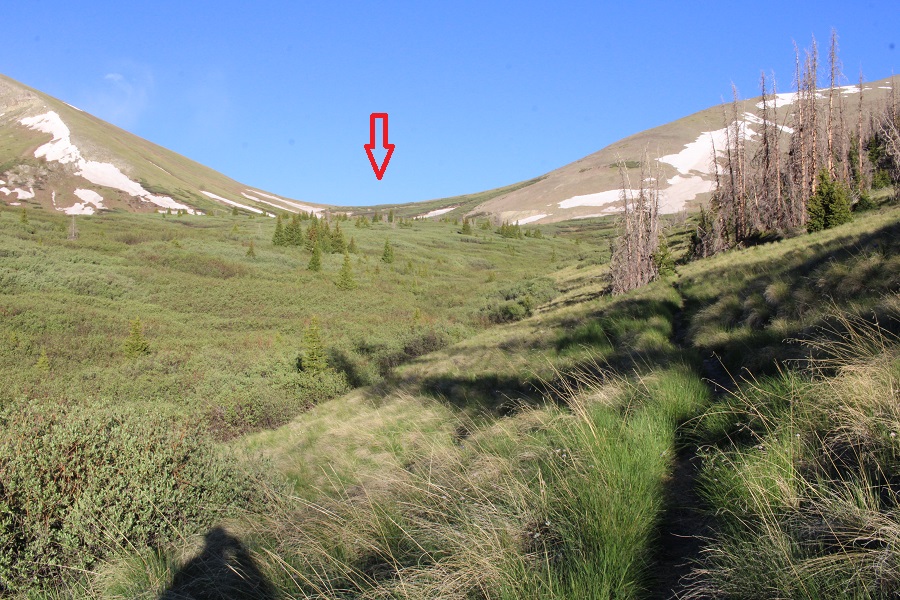
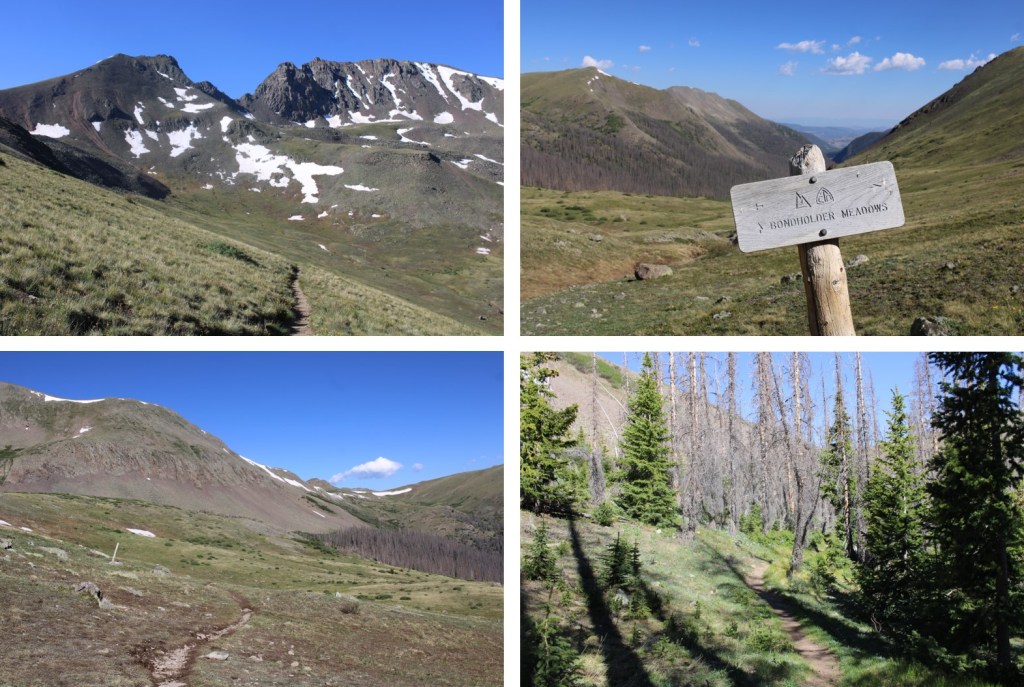
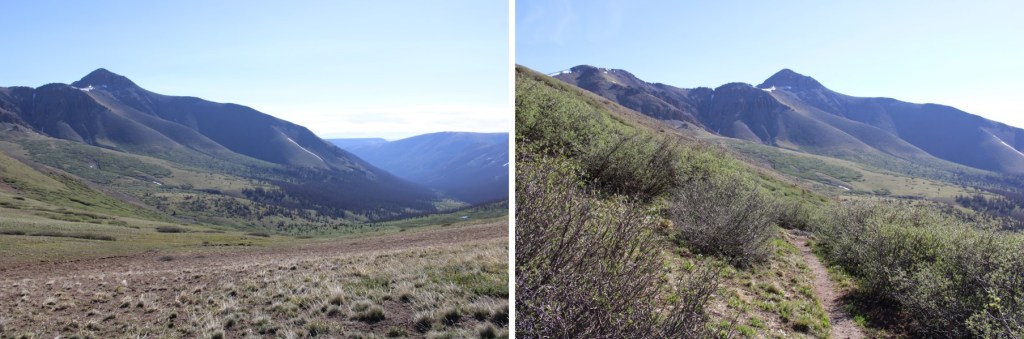
I was now above treeline, and could see the 13166/San Luis Peak saddle. 

The Colorado Trail nicely brought me there.

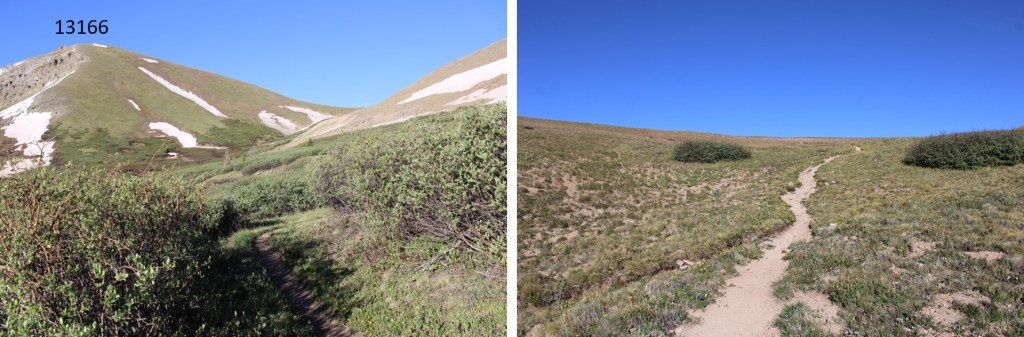
I would now lose 255’ of elevation as I headed down west, towards another pass, still following the Colorado Trail

Here’s the route

It was all pretty easy, class 1 hiking

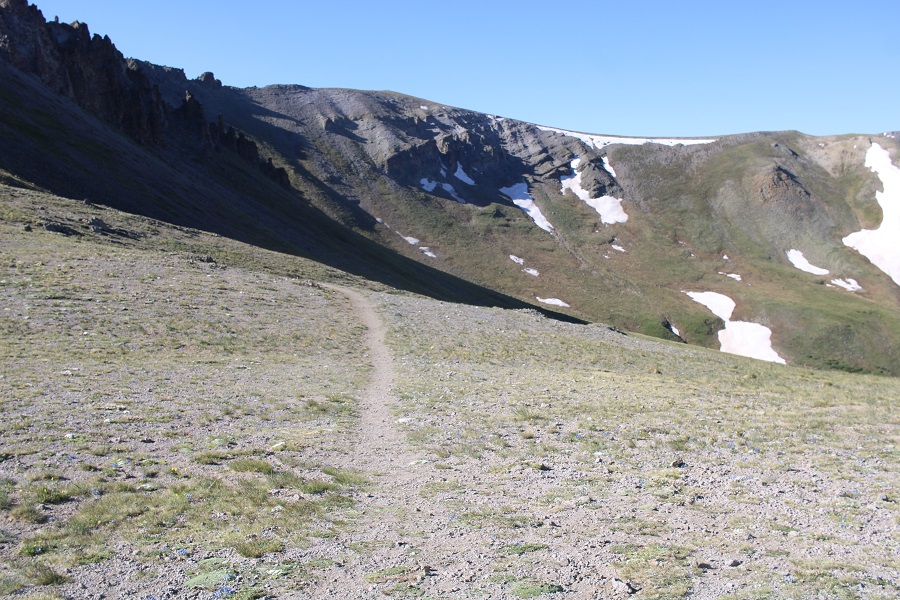
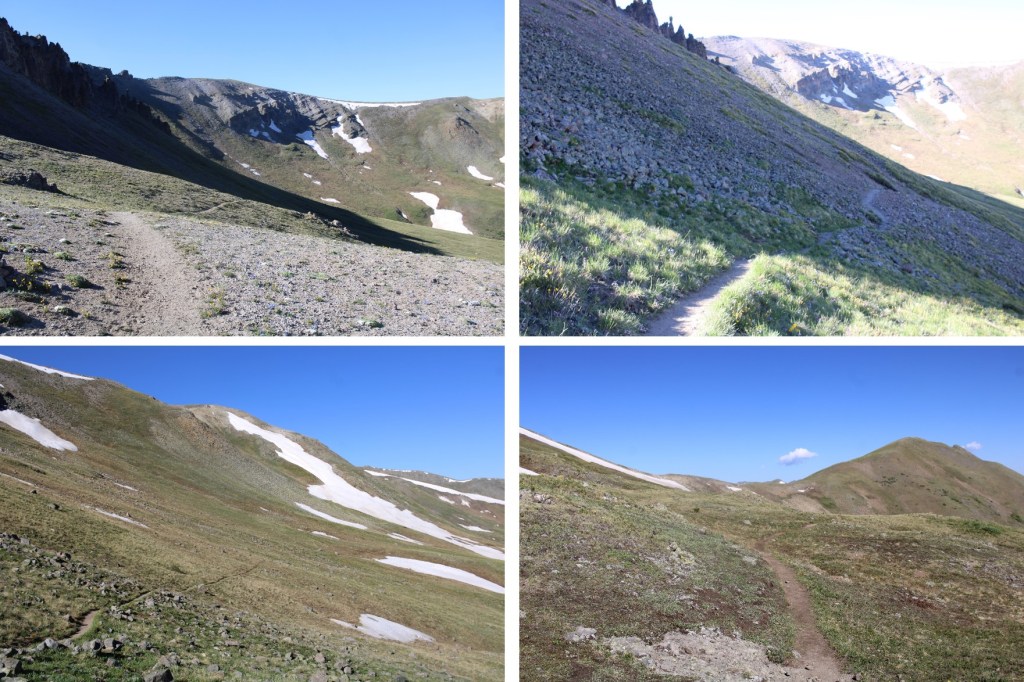
I arrived at the next pass, and lost another 460’ of elevation, once again, on a nice class 1 trail.  This one took me through Bondholder Meadows

Here’s the route

After hiking for a total of 12.5 miles, and at 12290’ of elevation, I saw this cairn, and turned left, leaving the Colorado Trail.  I headed south a short ways to the ridge.  There was a little bit of snow here, but spikes (etc.) were not needed.

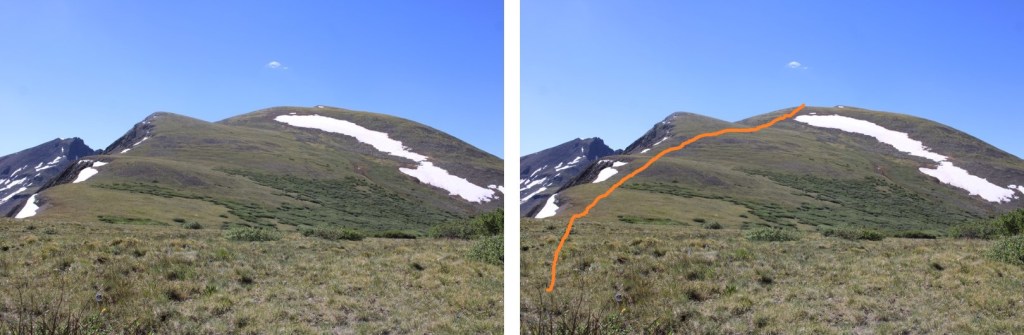
Once on the ridge, I turned left again and followed it southeast.  Here I stashed my backpacking gear and started hiking with a daypack with just the necessities.  Please keep in mind, what you see here is a false summit.  This was all easy class 2 on tundra.

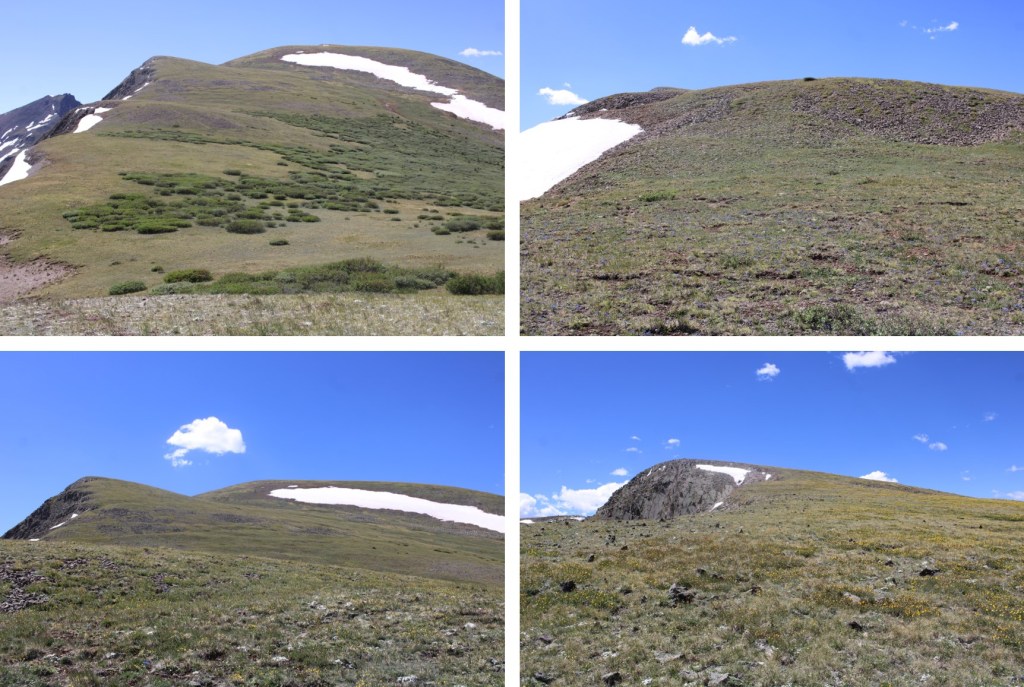
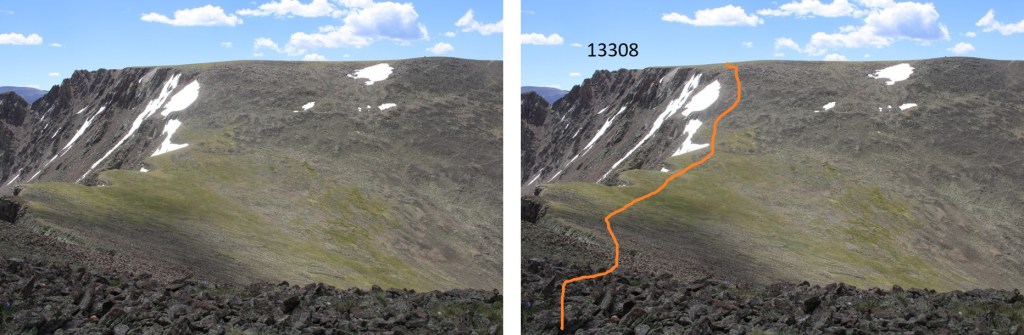
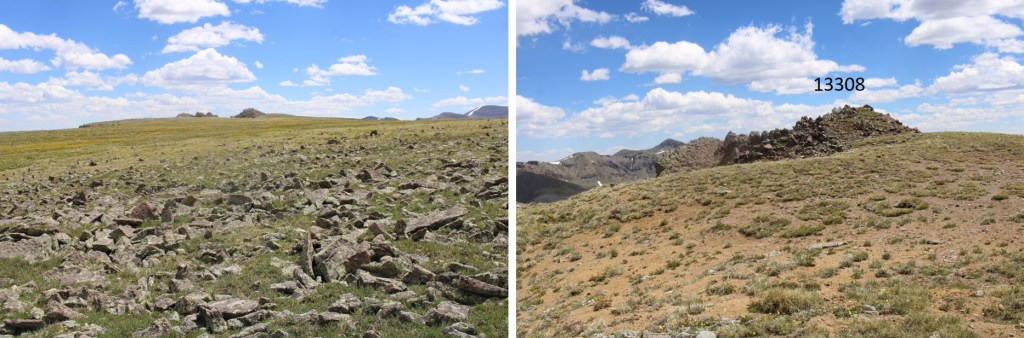
At the false summit, I could see the true summit of 13308.  I would need to descend about 135’, and then re-ascend another 335’ to make it to the summit.  This area was a mix of tundra and rocks.  I followed the ridge southeast.

Once I reached the top of the rocky ridge I was greeted with Alpine tundra.  I headed east towards the summit.

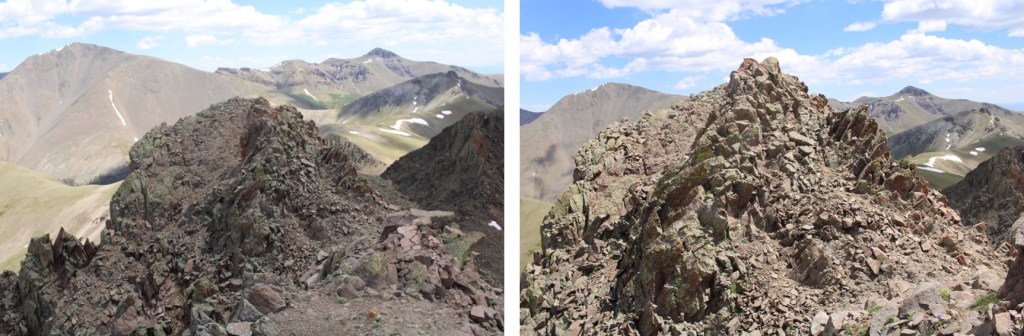
When I got there, I was unsure if I was at the summit, or if it were the pint further, so I climbed up and down (still class 2) to the summit further east, but when I got there, the first summit looked higher.  When I checked my altimeter, both summits had the same elevation, but when I got back to the first summit, there was a summit register, so there’s no need to climb back and forth.  Here’s the view looking at the second summit

And a view from the second summit looking back at the first

I summited PT 13308 at 11:45am

PT 13308:

I headed back down the ridge to where I’d stashed my gear, first descending, then reascending, then descending again.

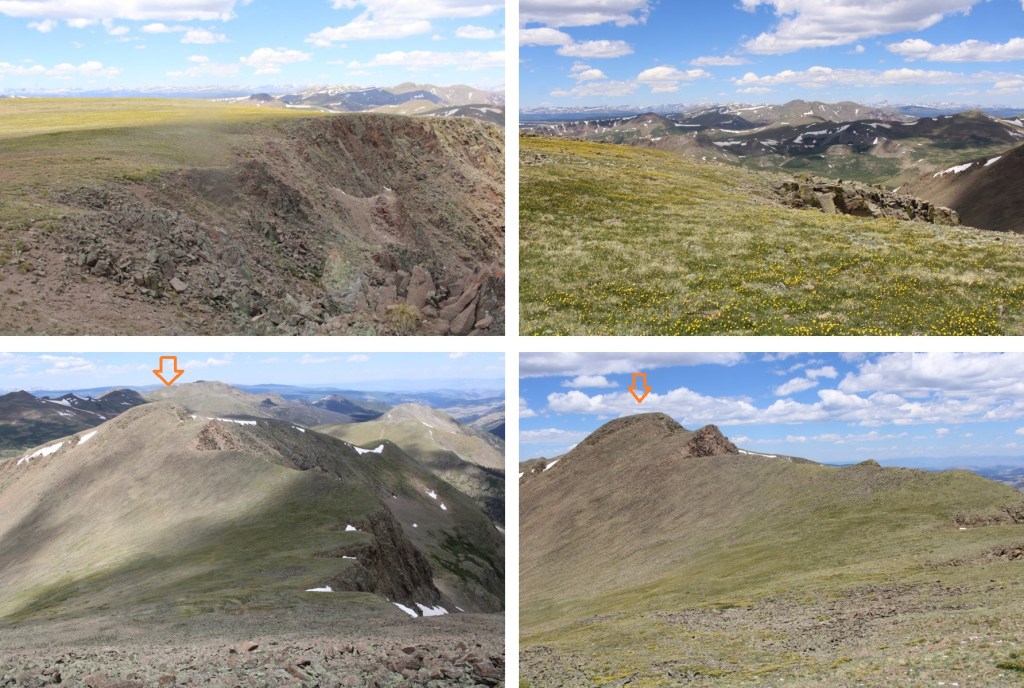
Here’s looking at that rocky false summit

From that summit, I could see my next peak, 12580

This is where the wind picked up.  Forecasted winds were 20-25mph, but I’m sure these exceeded 50mph.  I had to hold onto my bandana, as it kept getting blown off my head.  I made my way back to my stashed gear, then back to the Colorado Trail.

Once on the Colorado Trail, I continued following it northwest for about .75 miles

I rounded the side of a hill, and PT 12580 came into view.  I left the trail, and headed towards the summit.  This was all class 2 on tundra, then class 2 on rocks

There was a summit register, which hadn’t been signed in over a year, so I’m thinking this isn’t a very popular peak.  I summited PT 12580 at 2pm

PT 12580:

Now to head back down the trail.  I took the same way out as I did in.   I wanted to sleep close to Bondholder Meadows, but preferably in the trees. 

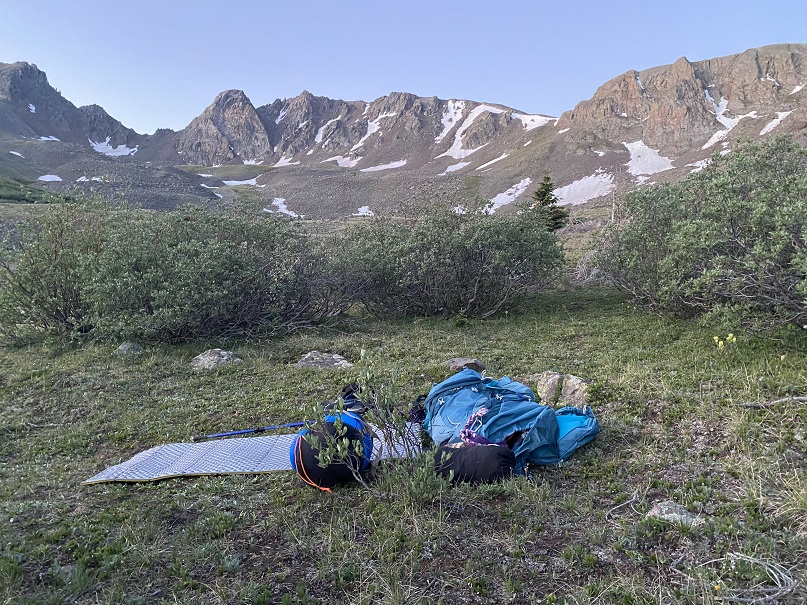
I ended up hiking further than intended, because the campsites I found were full of very dead trees, each placed perfectly to fall on me wherever I chose to sleep.  With the current wind gusts, I didn’t want to chance it, so I hiked to the very end of the trees, and found a place to camp surrounded by willows, near a creek that still had a little bit of snow.

I set up my bivy, ate dinner, and bedded down for the night.  It was an uneventful and warm night, except for the purring I heard around midnight and the thundering hooves I heard when I woke up.  I never saw either animal.

The next morning I was up and on the trail by 6am, headed northeast along the Colorado trail.  Here are the two passes I needed to go over

At the top of the last pass, now all I had to do was follow the class 1 trail back to the trailhead. 

Here are some pictures the rest of the way back to the trailhead.  I saw a couple of bull moose munching in the willows, but that’s common for this area.

I made it back to my truck at 10am. 

This was a 31.68 mile hike with 6041’ of elevation gain.

On to the next trailhead!

Ruby Mountain – 13,278

RT Length: 4.74 miles

Elevation Gain: 2212’

I started from the Argentine Pass Trailhead at 5am.  The 214 road in was easy 4WD, with a lot of small potholes, so I took it slow.  There’s room for several vehicles at the trailhead.

I continued following 214 northeast (the road parallels Peru Creek)  and quickly came to a gate and Shoe Basin mine.

I passed the gate, and continued along the road. 

After hiking for about half a mile I turned left onto what used to be a road, but is now more of a trail.

I continued following the trail until I came to a junction. Going left will take you to the Peruvian Mine, and going left will take you to the Paymaster Mine.  I turned right, and continued following the road.

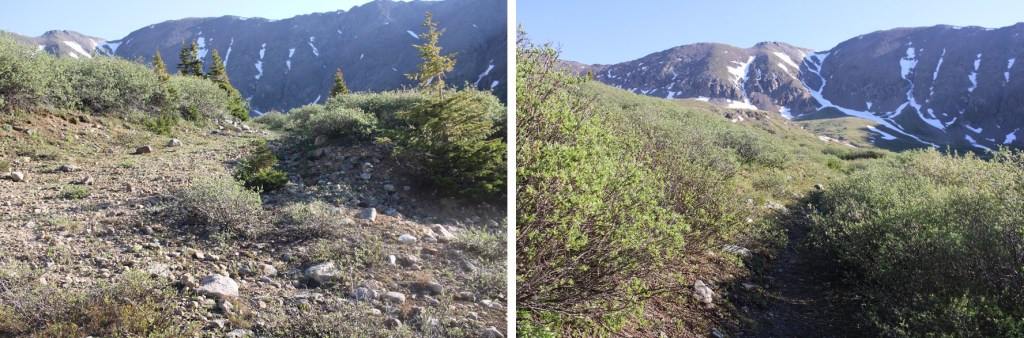
The trail became overgrown with willows but was still easy to follow

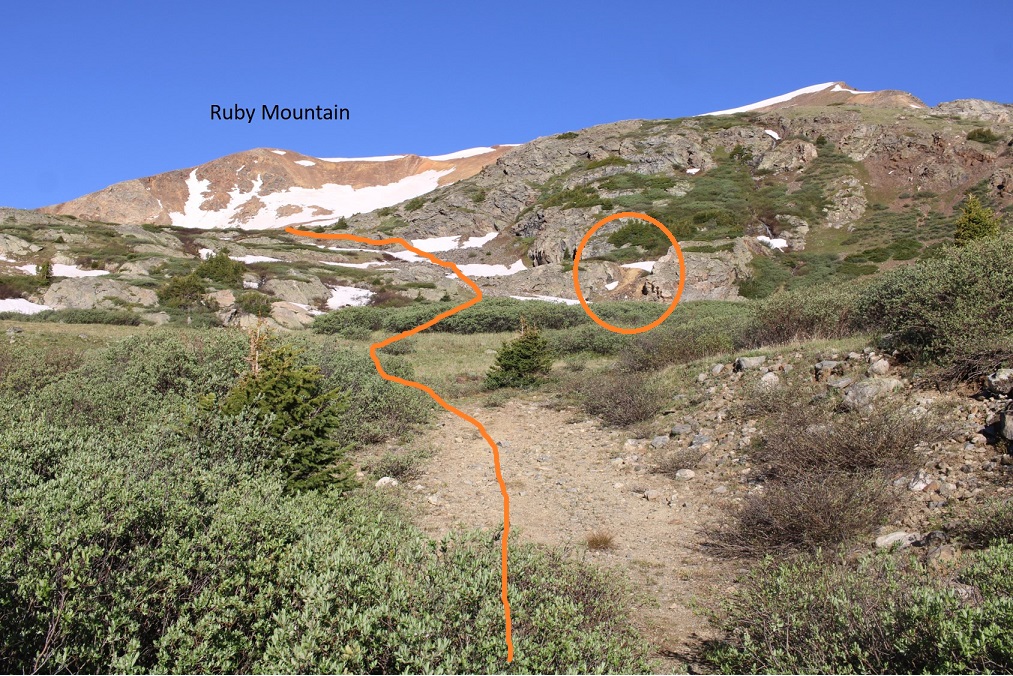
I now had a pretty good overview of the route into the upper basin. The Paymaster mine is circled.

And some step-by-step pictures along the way.  There is a cairn marking where you leave the trail.  The willows here are pretty thick, but only lasts for 20 feet or so.

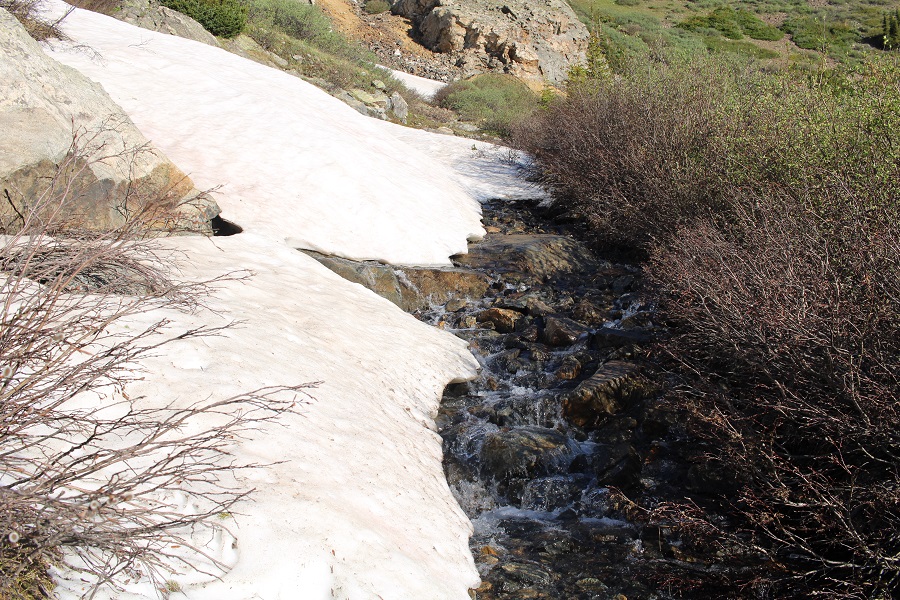
There was still melting snow and water on this part of the trail

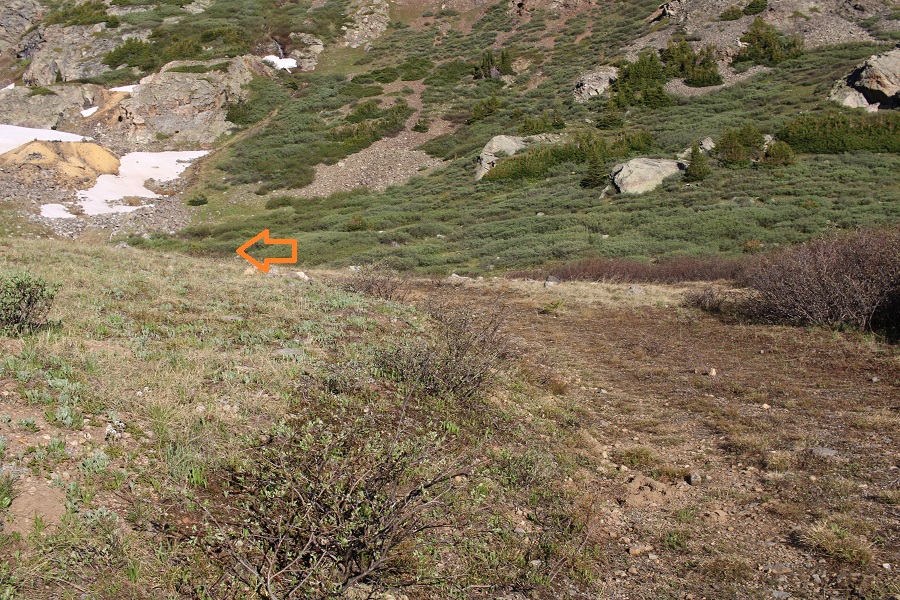
Just before making it to the mine, I turned left and climbed up the hill.  The route was obvious.

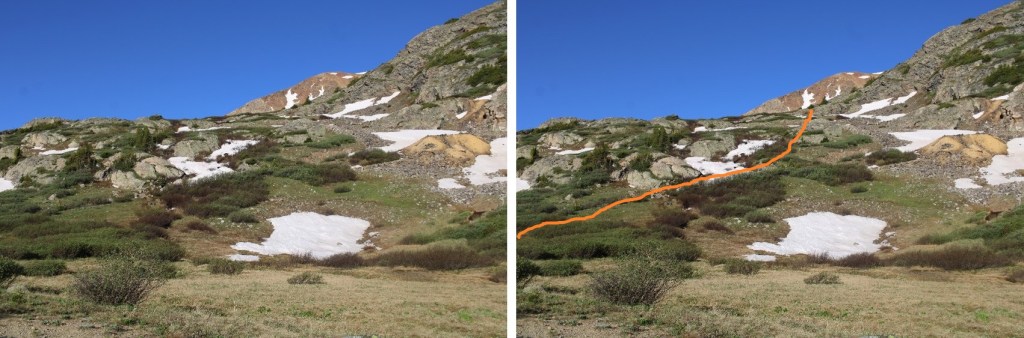
Now in the upper basin, the route seemed obvious to me.  I was going to take the snow free slope to the ridge.

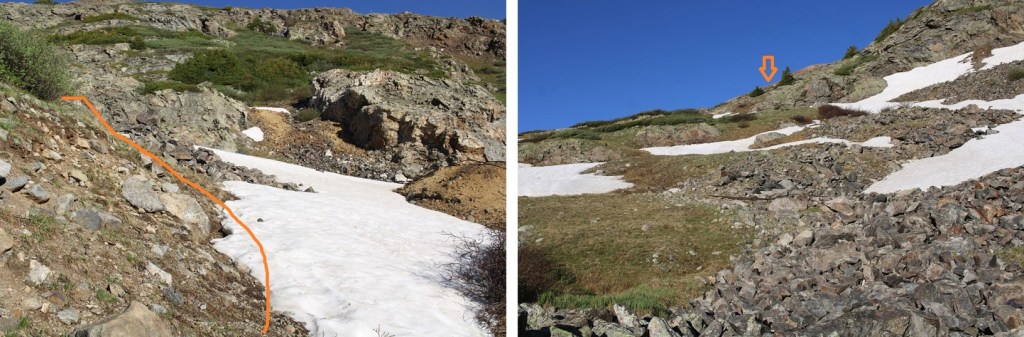
This was all class 2.  Here are some step-by-step pictures of the route I took to the ridge

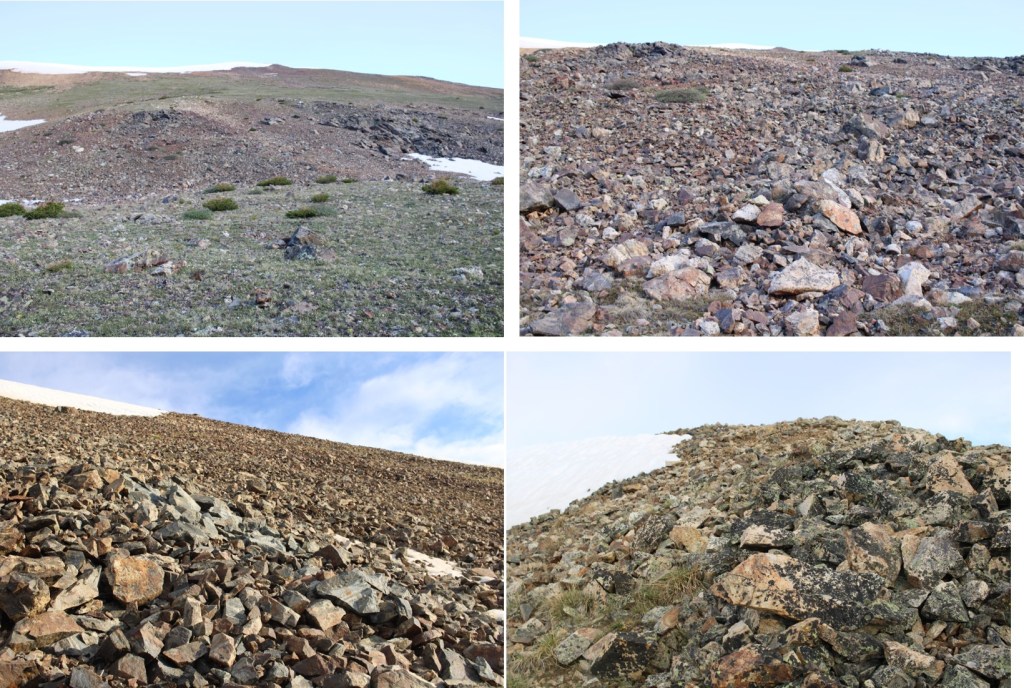
The tundra quickly turned to talus, but was all class 2 and easy to navigate.

Once gaining the ridge, I turned left and followed the ridge southwest to the summit.  This was an easy tundra stroll

I summited Ruby Mountain at 6:30am

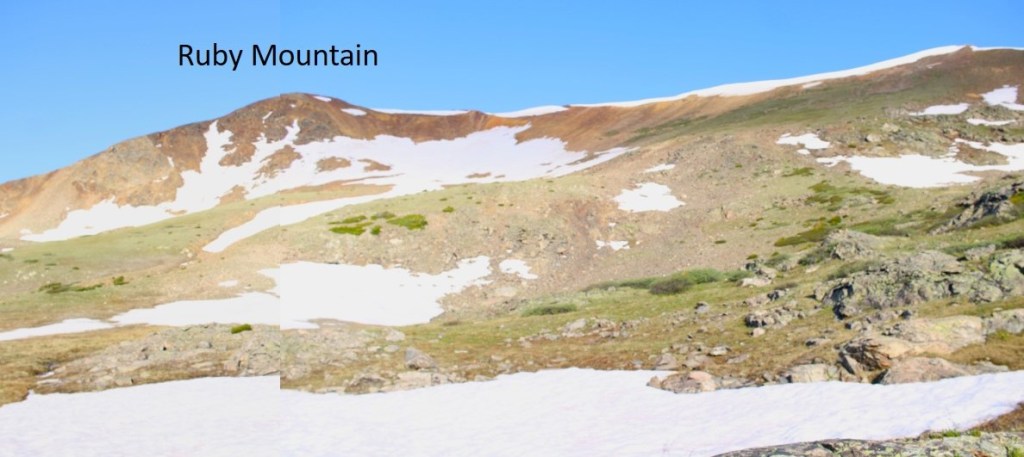
Ruby Mountain:

Here’s a view of Gray’s Peak from the summit of Ruby Mountain

It was a windy day on the summit, so I turned around and headed back the way I came.  Also, beware of the cornices… there’s plenty of tundra to walk on, so use that.

Here are some pictures of the descent route back to the basin

Back in the basin, I turned left and headed northeast towards the Paymaster mine and back to the road

I followed the road back towards the Peruvian mine (circled), turned left, and followed it back to 214.

Then I followed the road back to the trailhead

I made it back to the trailhead at 7:45am, making this a 4.74 mile hike with 2212’ of elevation gain in 2 hours, 45 minutes.

On to the next trailhead!

13,408

RT Length: 17.32 miles

Elevation gain: 3326′

Day 2 of my trip staying at Eddiesville Trailhead.  It was even colder this morning than last morning.  I woke up to 33 degrees outside, but needed to get going.  I got dressed and was on the trail at 5:15am.  This trailhead can accommodate up to 10 vehicles if everyone parks nicely.

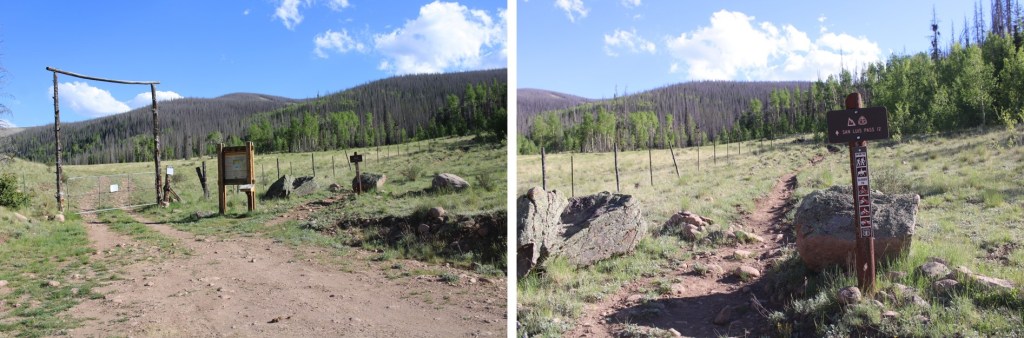
The trail starts at the south end of the parking area.  This is also a Colorado Trail trailhead. 

I followed the Colorado Trail southeast for about 1.25 miles

Just for reference, you’re eventually headed here

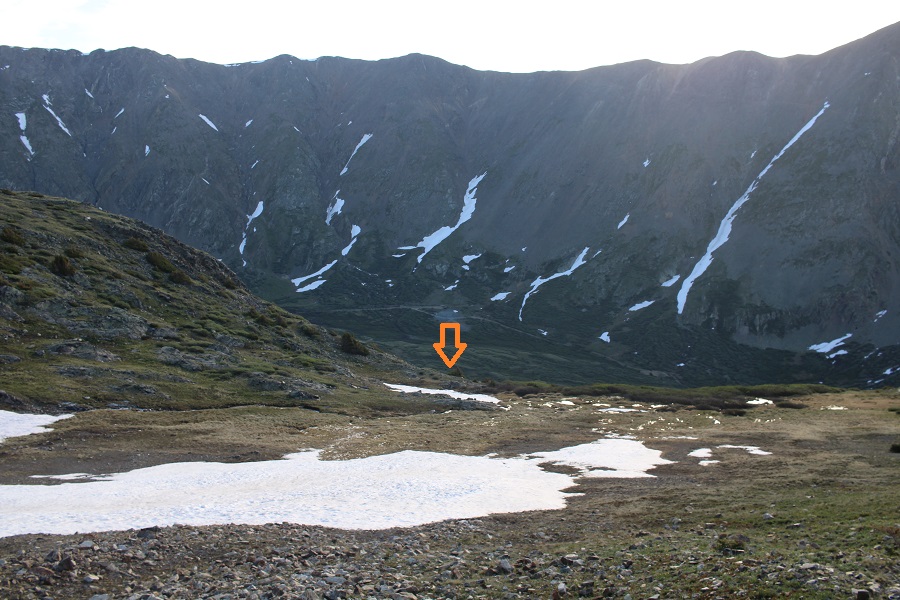
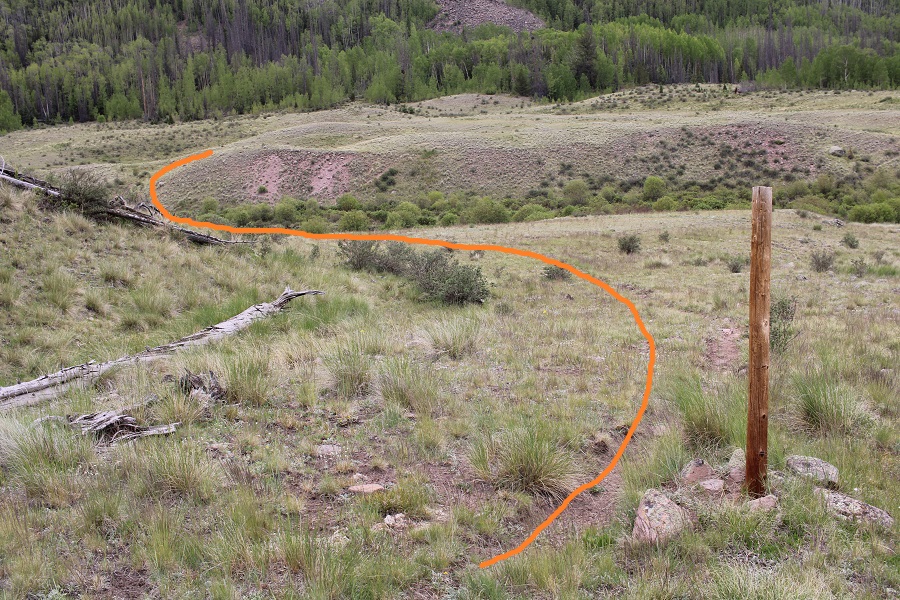
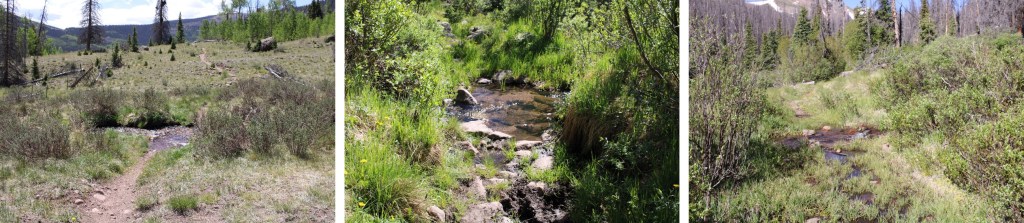
After hiking for 1.25 miles I left the trail.  I turned left, and made my way down to the Cochetopa creek.  If you look closely, you can see the trail on the other side, along with two wooden sticks that probably used to hold signs indicting which trail this was.

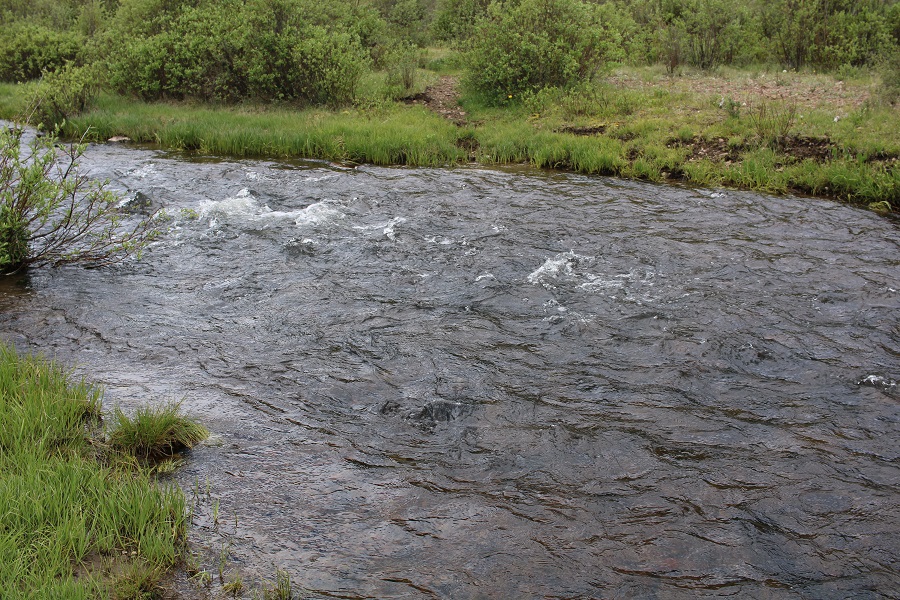
I crossed the creek, which was less than a foot deep.

And picked up the 784 trail on the other side. 

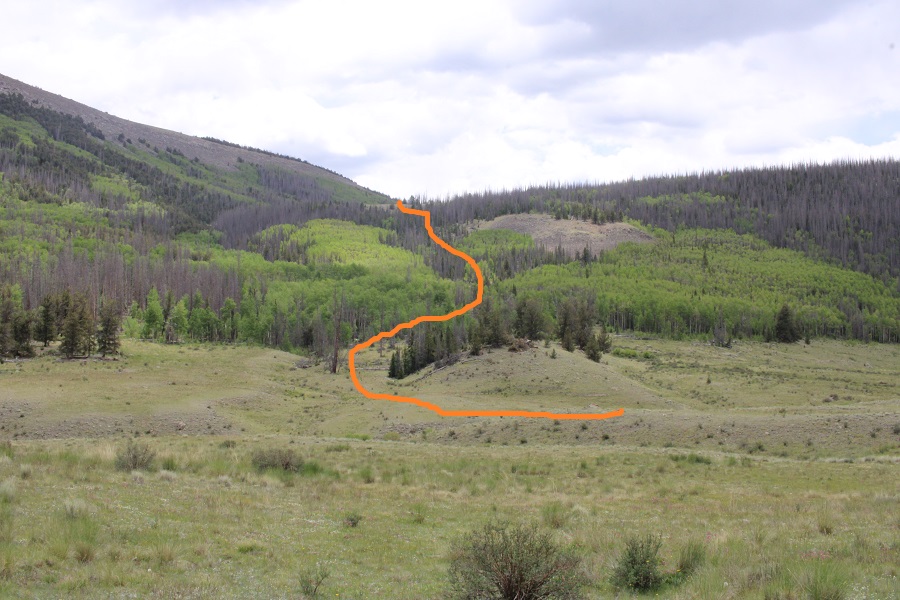
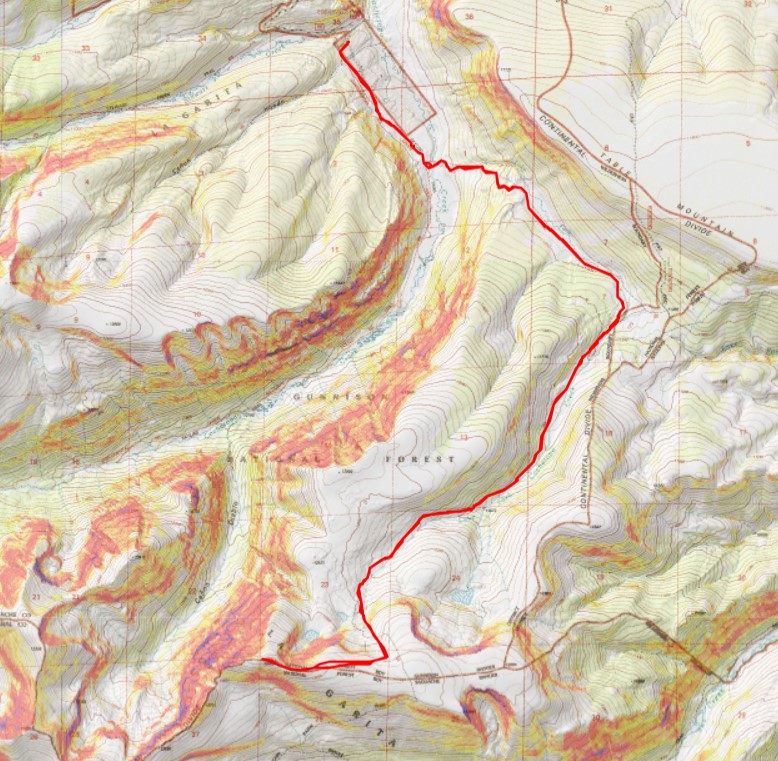
I use the term trail loosely.  It starts off as a trail, then turns into kind of a road, then vanishes, then turns into 4 or 5 trails, then vanishes… you get my point.  With careful route finding you should never lose the trail, but it’s difficult in the dark.  Remember that picture I showed you earlier about where you’re headed?  Here’s the overall route through the trees.

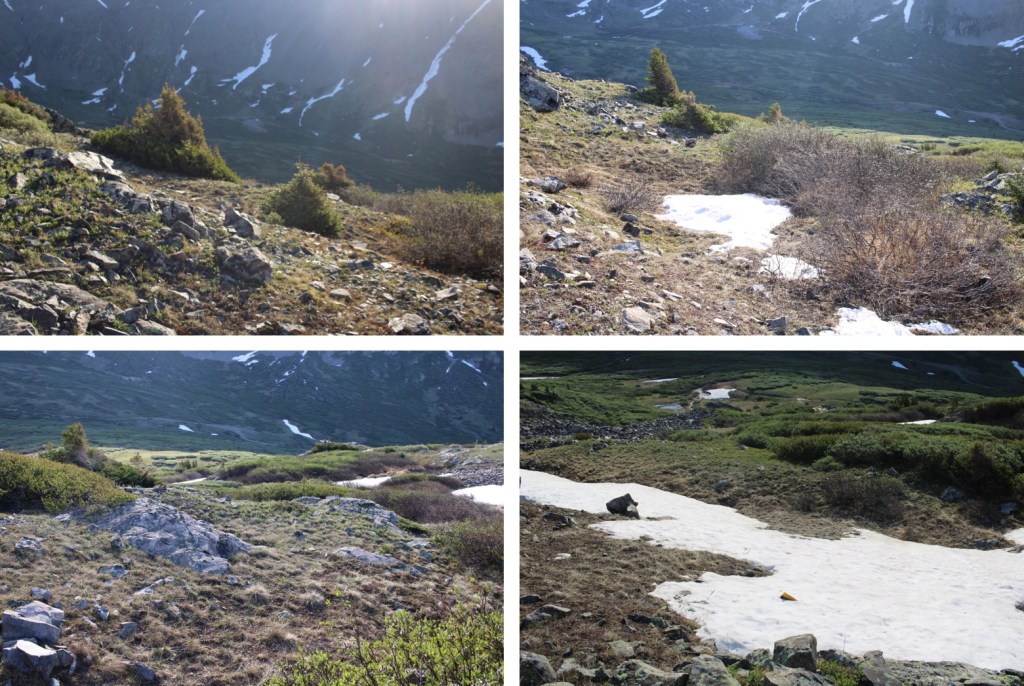
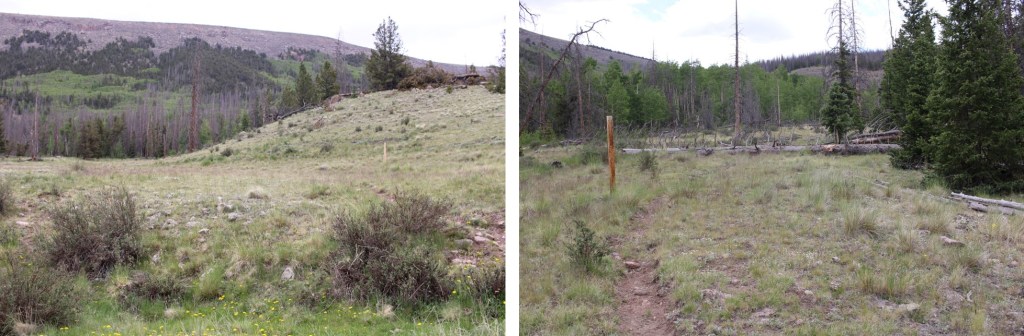
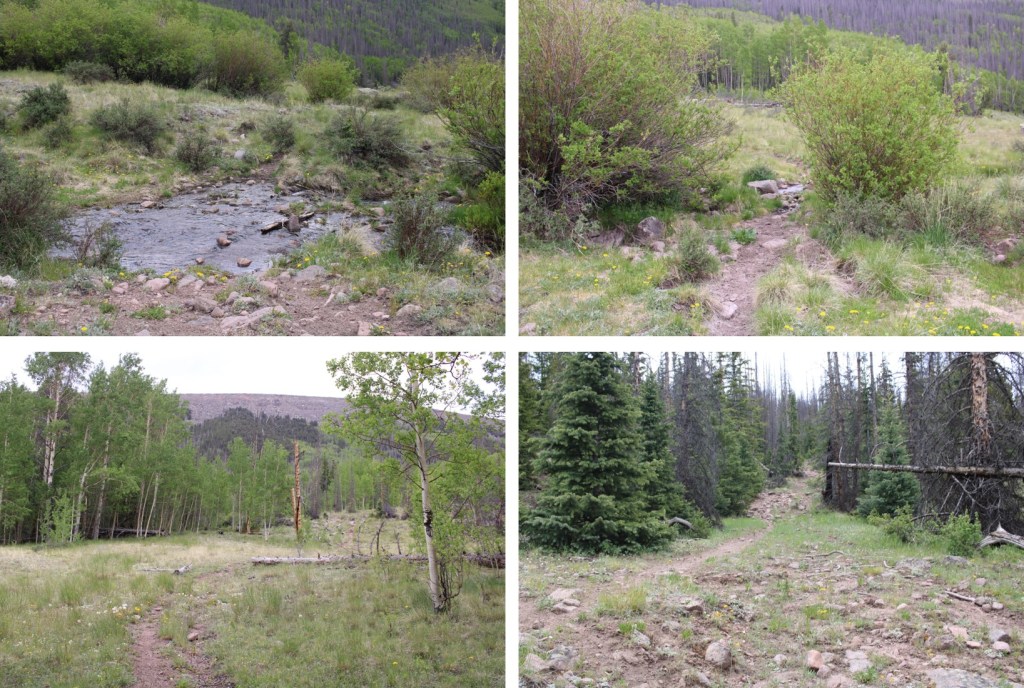
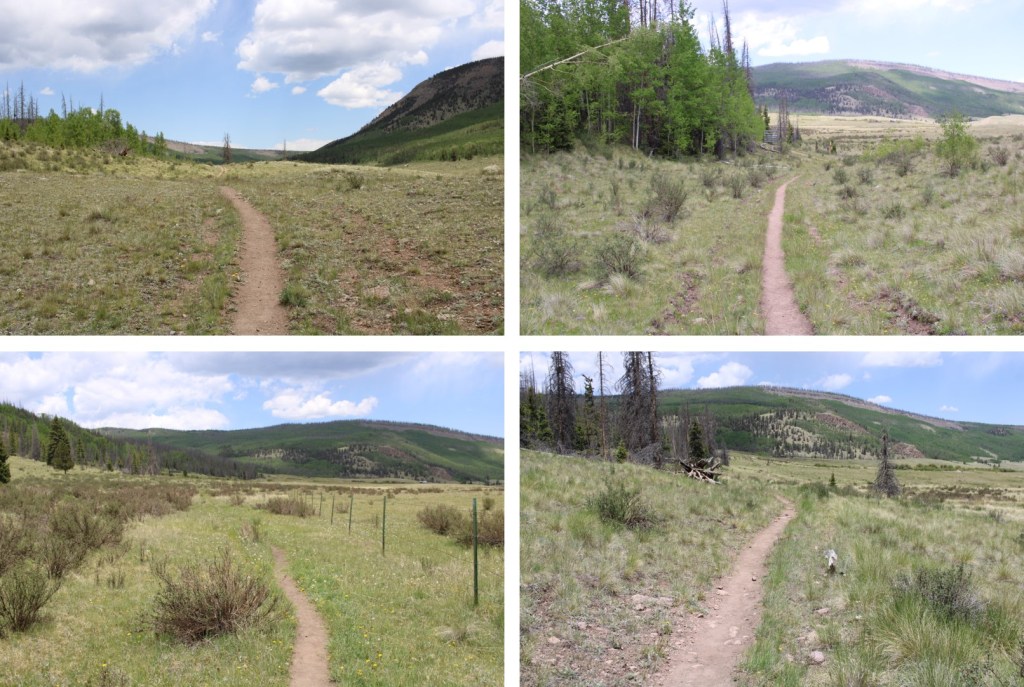
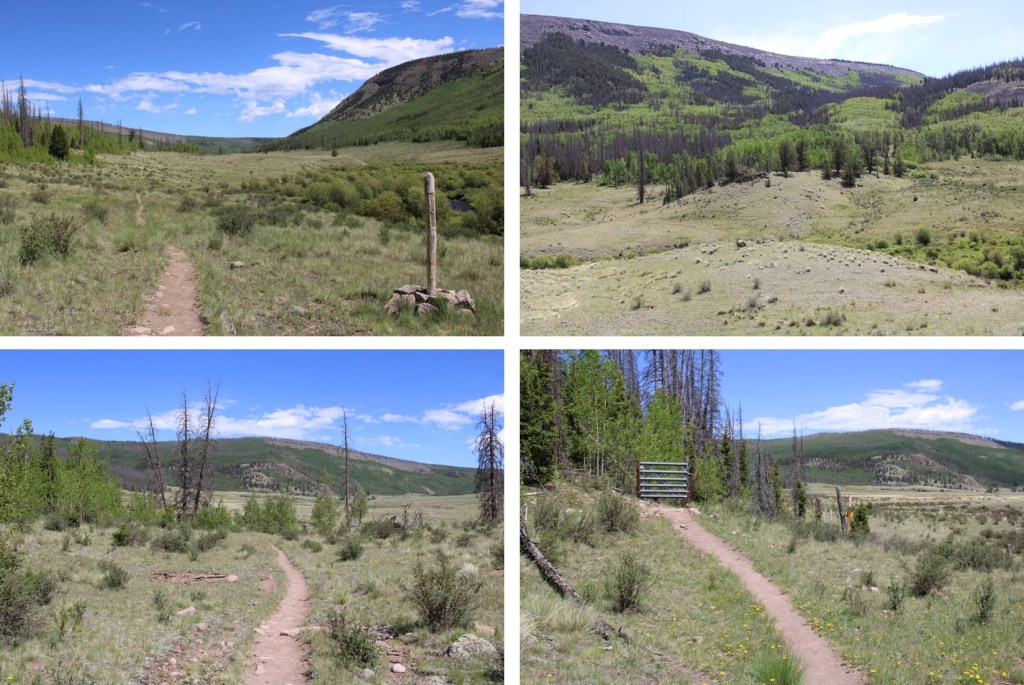
Here are some pictures of the way through the trees to the meadow

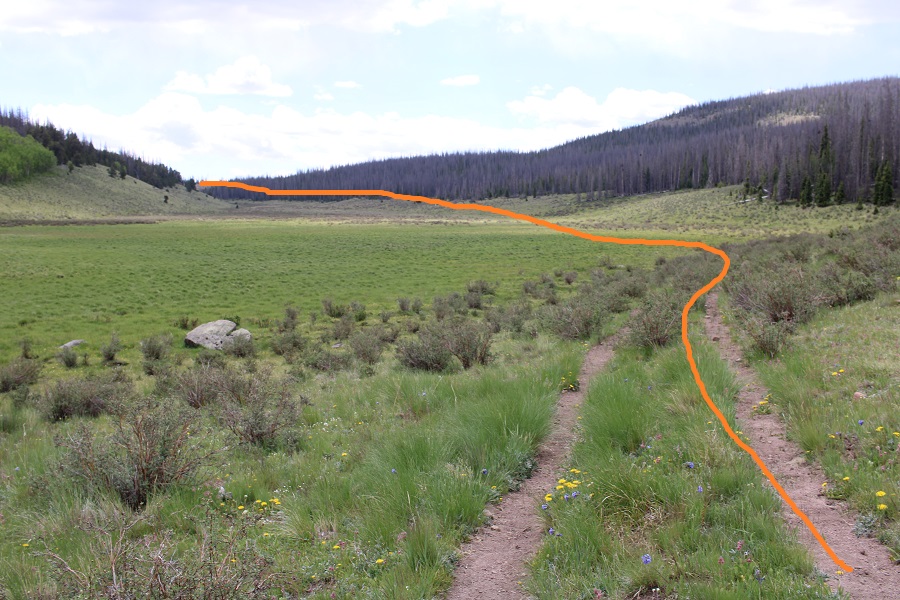
Once out of the trees I came to a rather large meadow, and followed the trail southeast for 1.25 miles.  There are many trails here, presumably cattle trails.  I always chose the one closest to the trees and was never disappointed. 

This meadow was 1.25 miles long.  At 11,050’, after hiking for a total of 3.3 miles, I turned right and followed the trail southwest to the upper basin. 

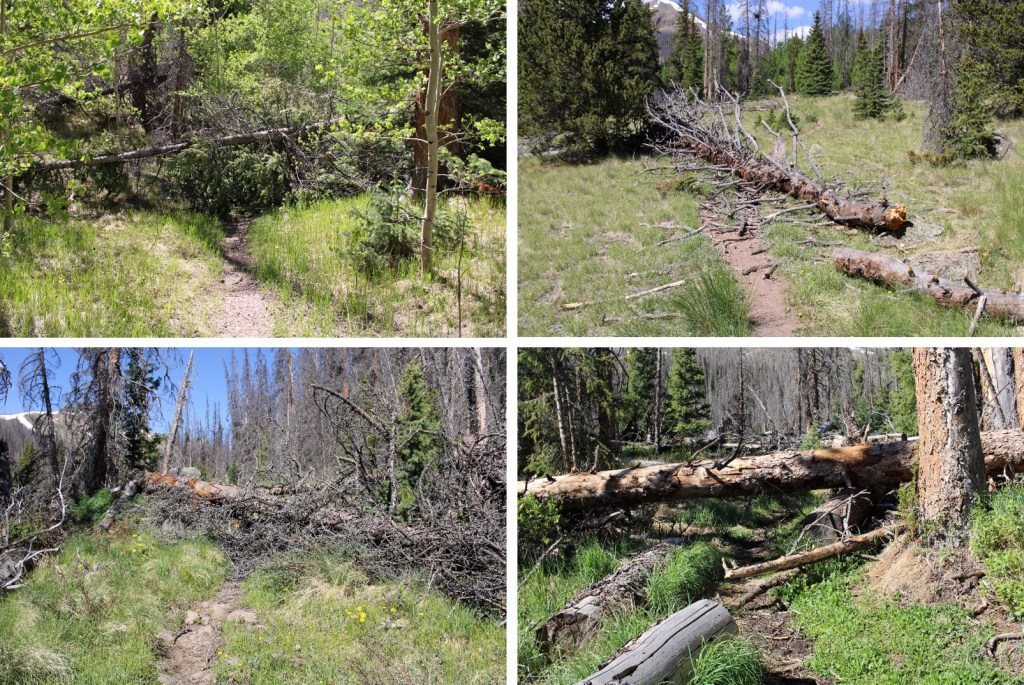
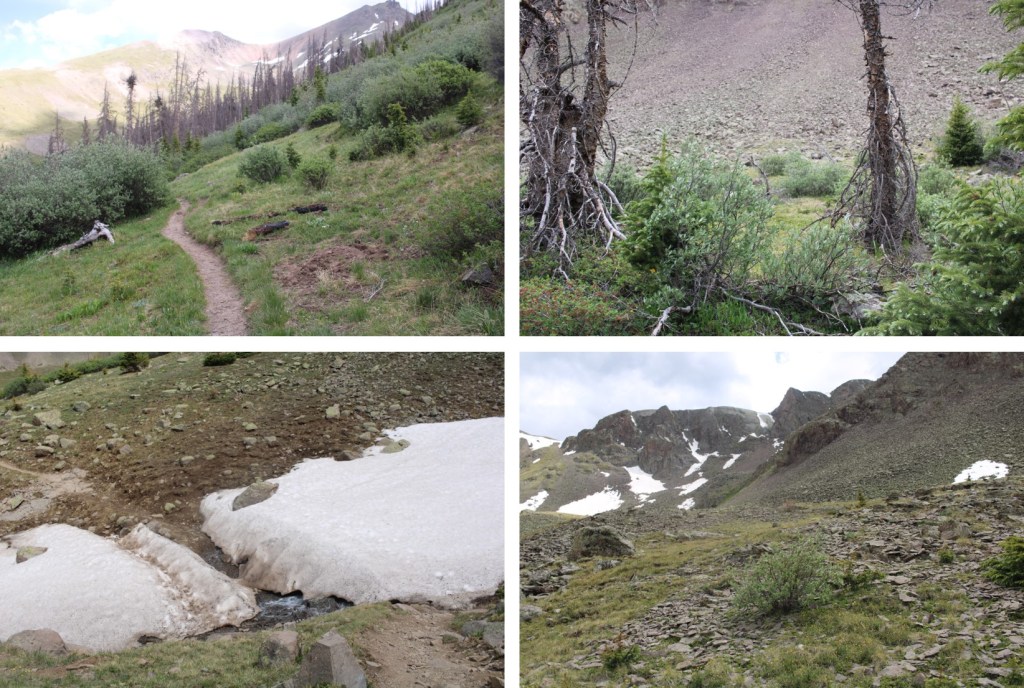
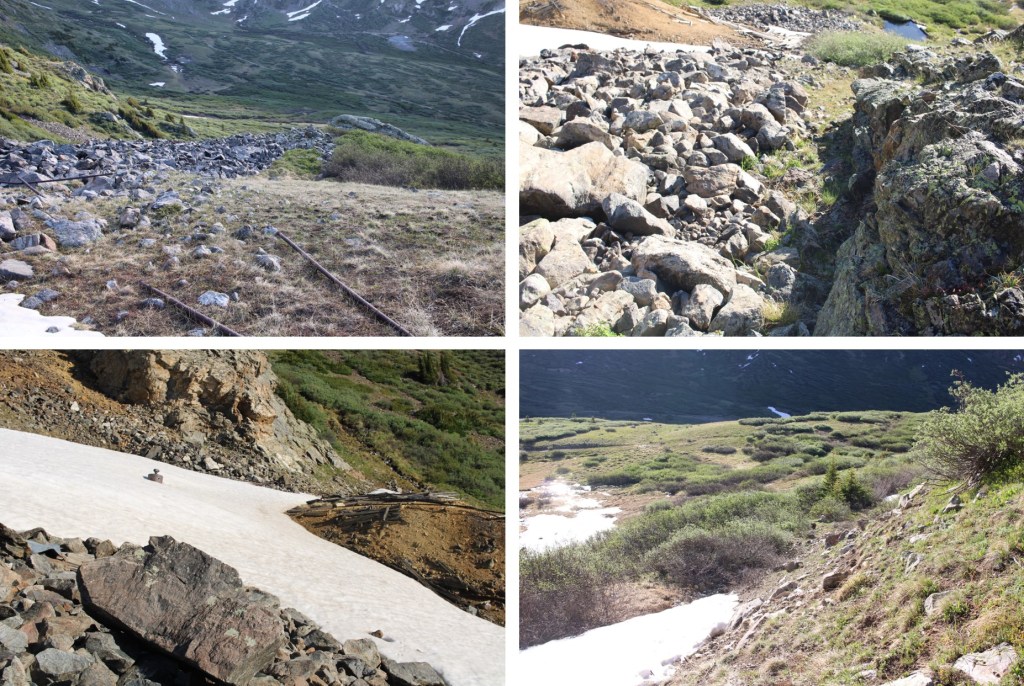
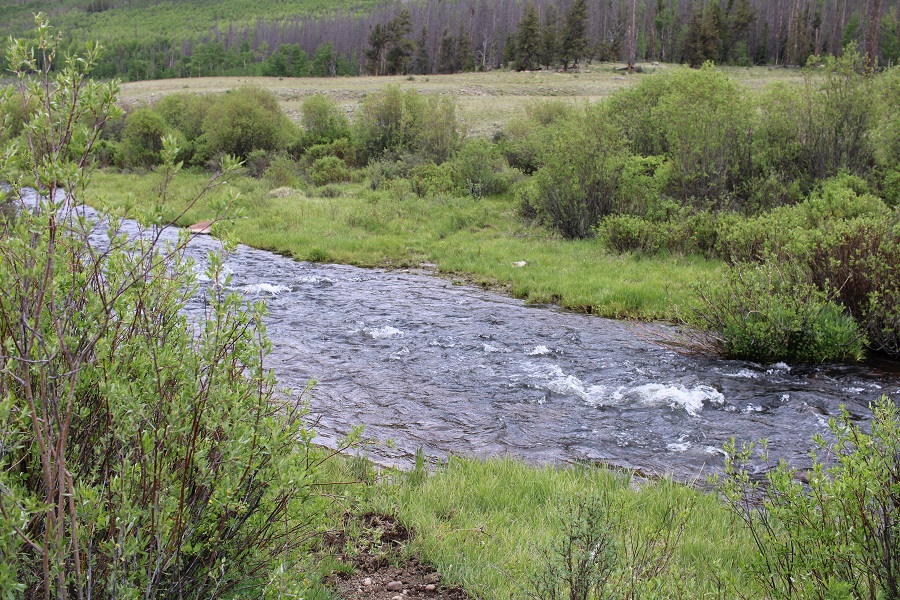
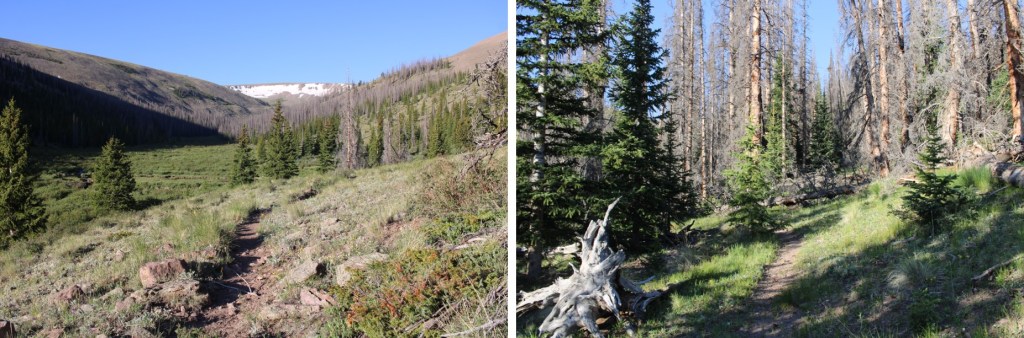
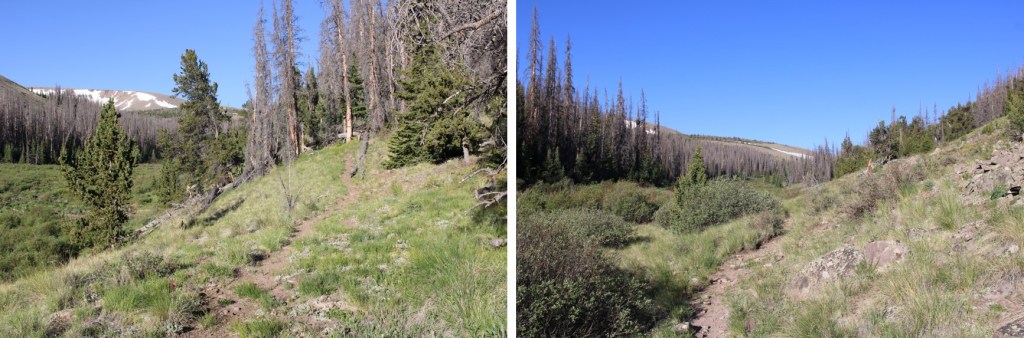
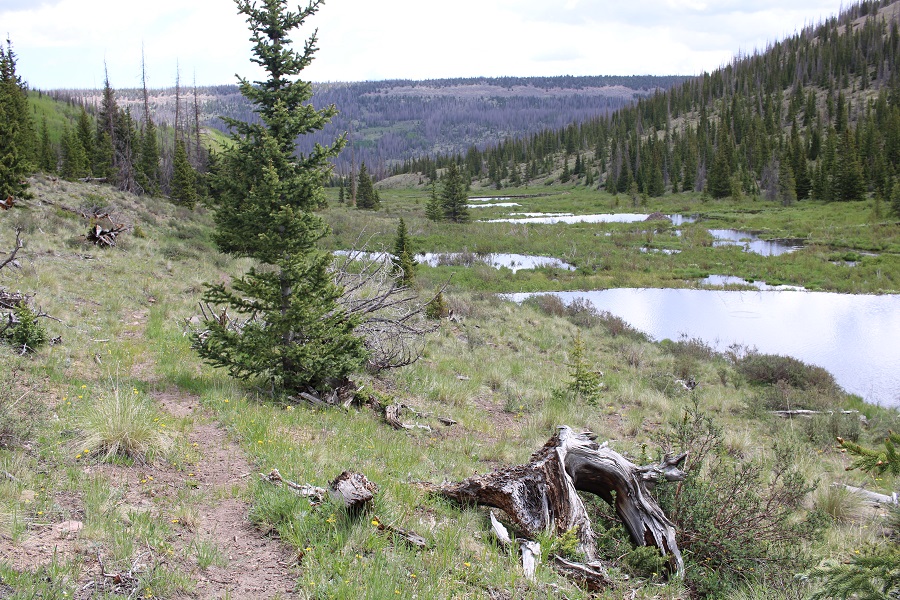
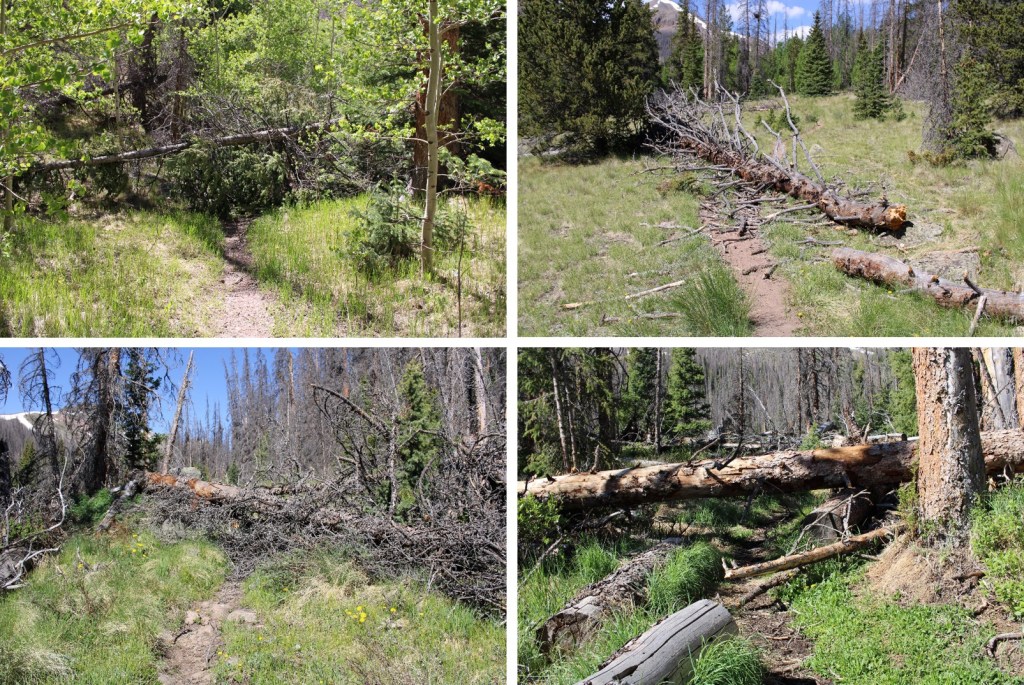
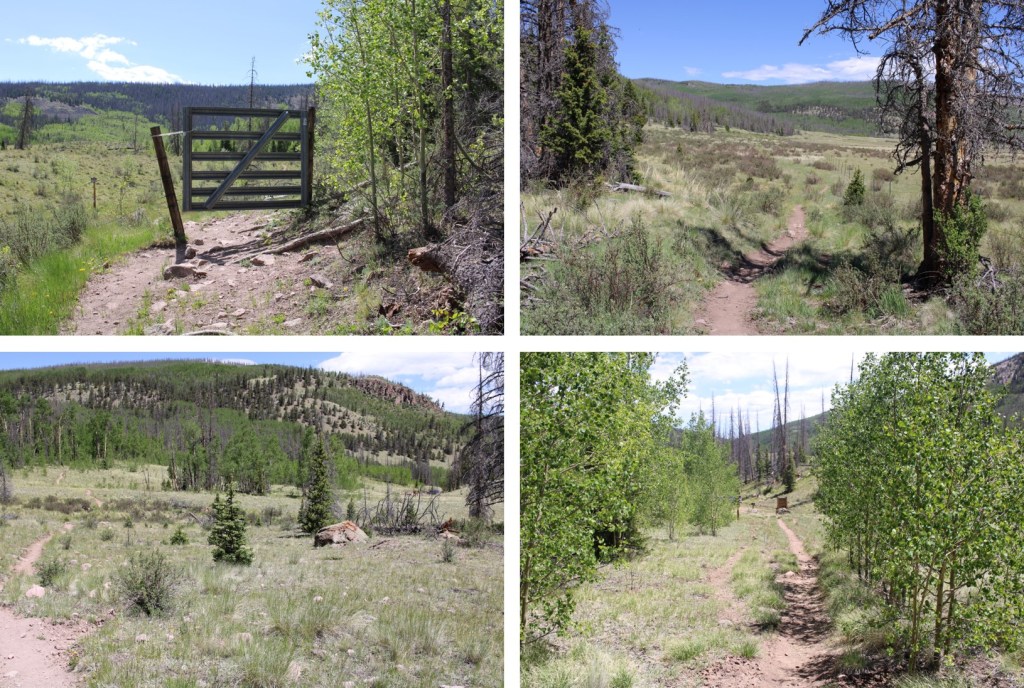
This is where the trail gets iffy.  There are a lot of downed trees, and in some places the trail is wide, and in others it looks like a rabbit path, overgrown with grass and wildflowers.  Just keep heading southwest, staying to the right of the Lake Fork Cochetopa creek.  Here are some pictures of the terrain

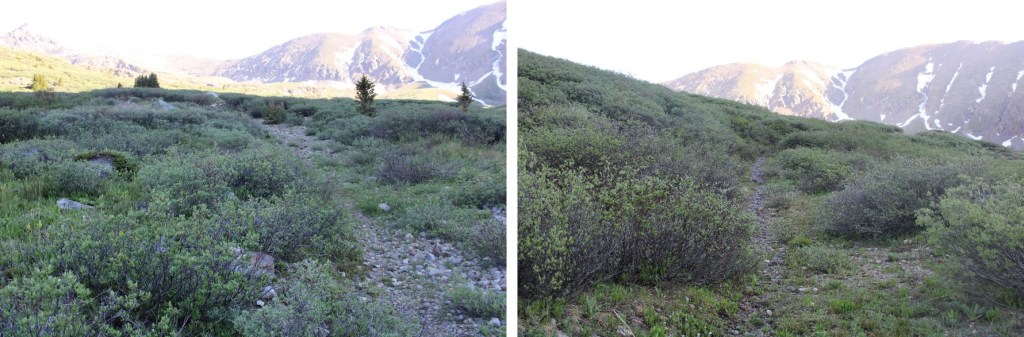
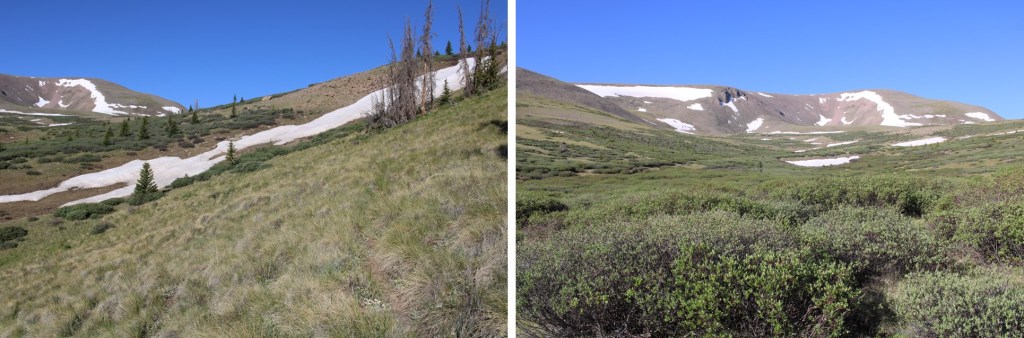
Once above treeline, I was deposited into a willow filled basin.  There is a trail here, but once you lose it, it can be very difficult to find again.  It’s more of an overgrown game trail.  This is the path I took

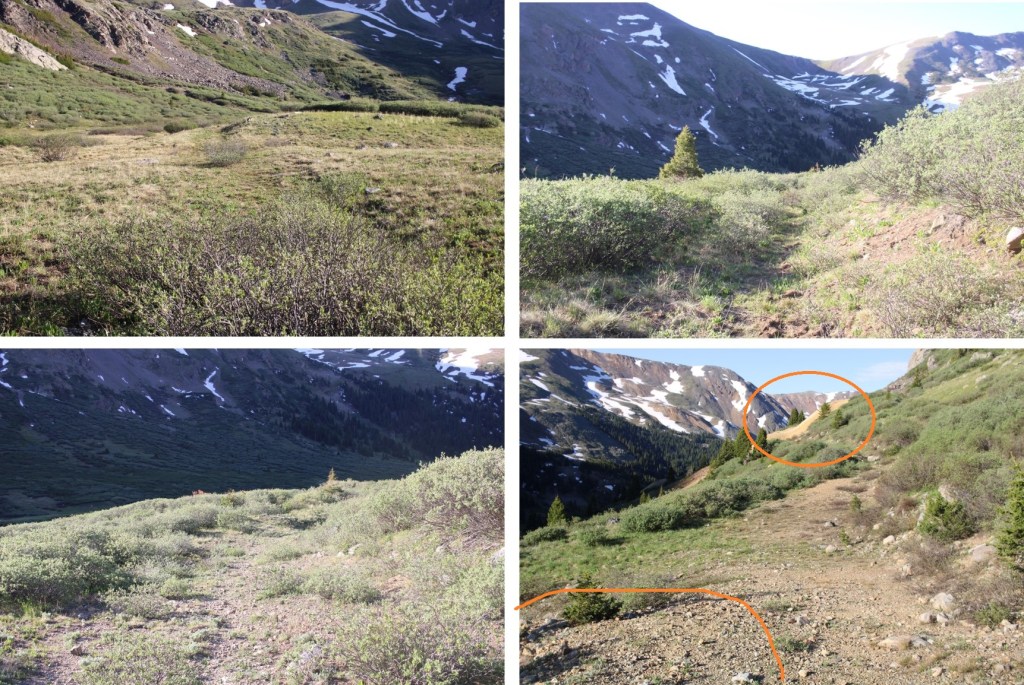
Here are some step-by-step pictures

Yep, that’s the trail

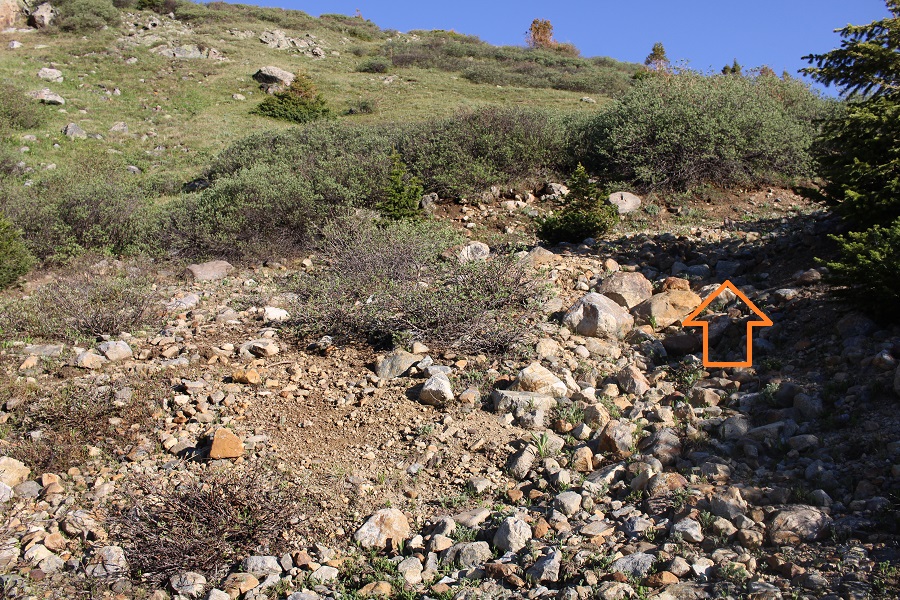
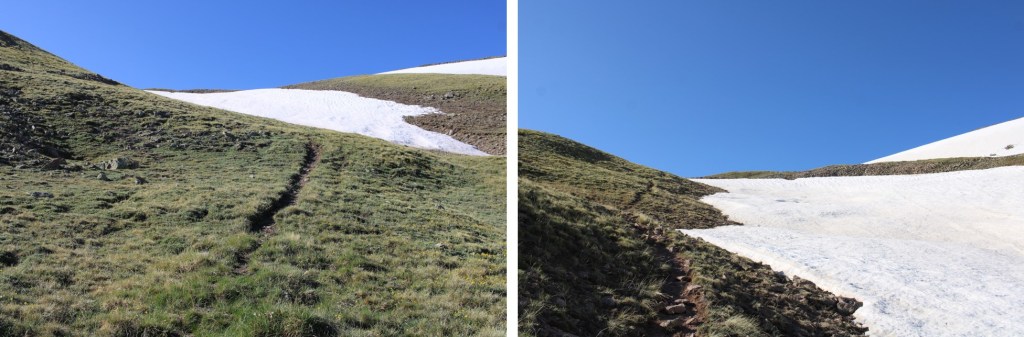
I was headed for the gully to my left.  I could see a game trail that would lead me to the ridge and looked snow free (it was)

I made my way up the gully, staying to the left of the snow

As soon as the snow stopped, I turned right and gained the ridge

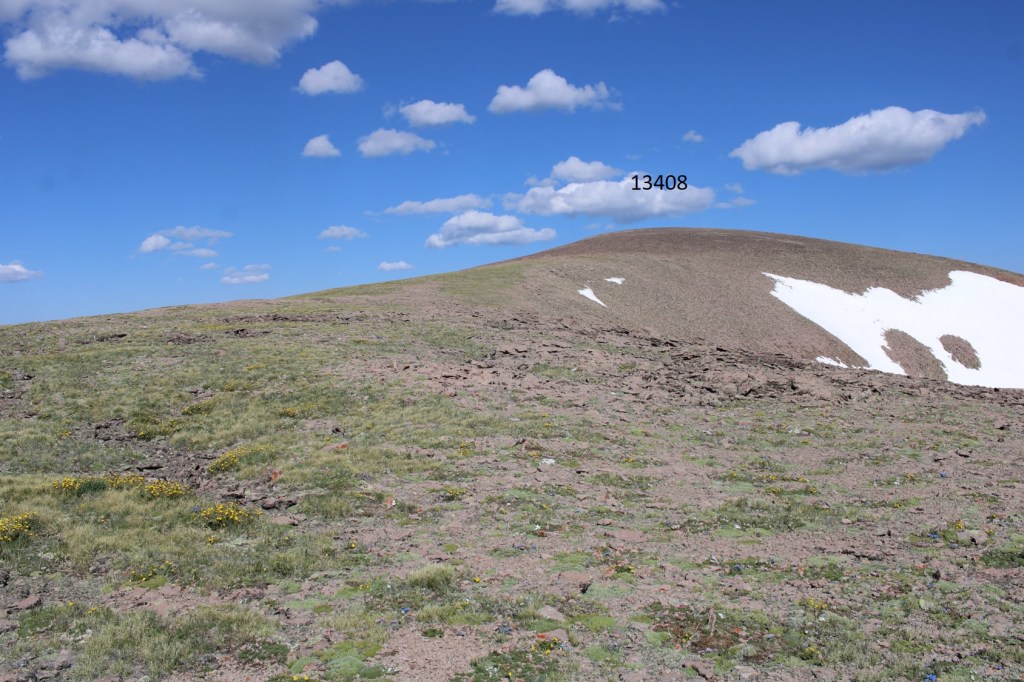
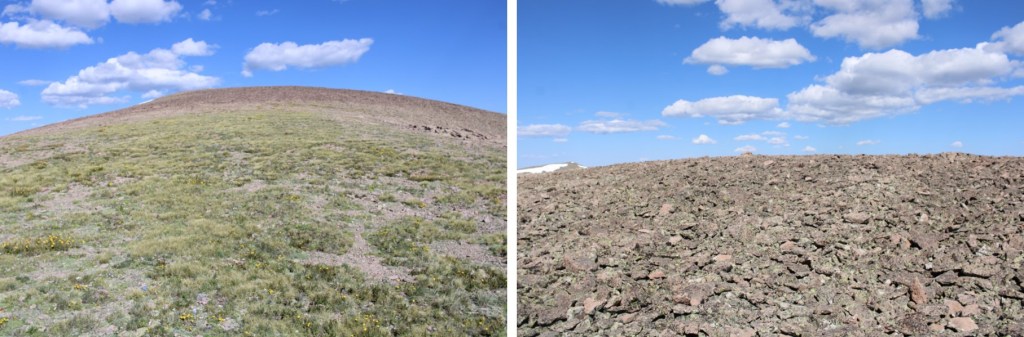
I followed the tundra and talus filled ridge east to the summit

I summited 13,408 at 9:15am.  Also, as you can tell by my bandana, it was windy.

13408:

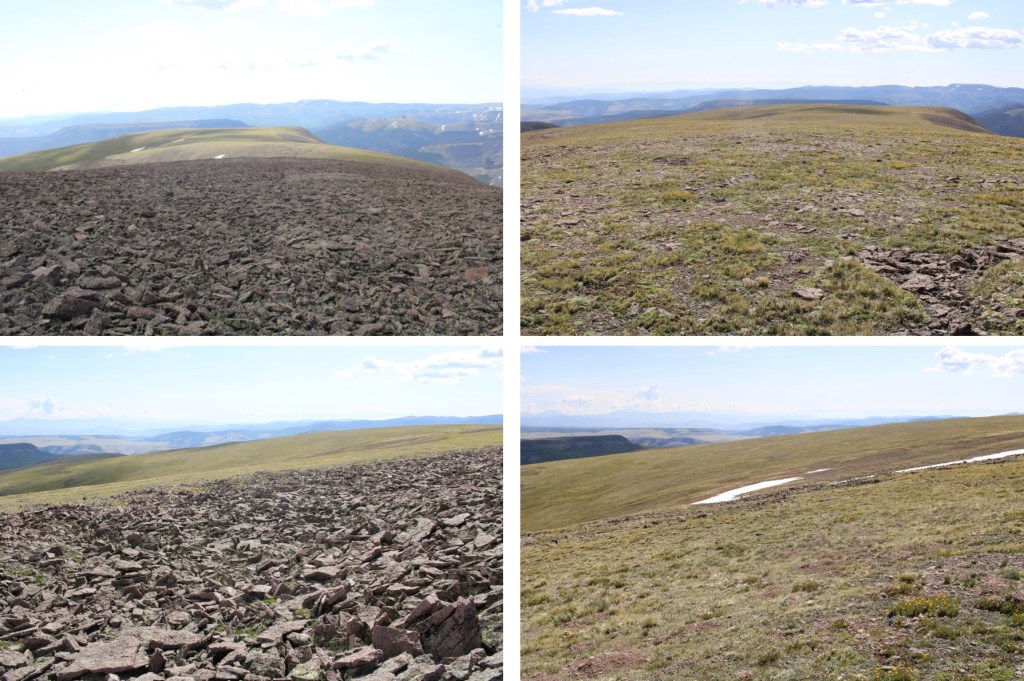
Be careful, there’s a lot of bailing wire littering the summit, which is easy to not see and trip on. 

Ok, time to turn back.  I retraced my steps back down the ridge to the gully

Then down the gully into the basin

Through the willows, back to treeline

From there I caught back up with the trail, and took it down to the meadow

There were a lot of beaver dams and lodges along the creek

At the meadow I turned left, and followed the trail back down into the trees

Now the trail was easy to follow back to the creek

I crossed the creek slowly.  In fact, I stood in the middle for a few minutes to cool off my feet

The Colorado Trail was waiting for me on the other side.  I followed it northwest to the trailhead

I made it back to my truck at 12:15pm, making this a 17.32 mile hike with 3326’ of elevation gain in 7 hours.

13166

RT Length:  17.29 miles

Elevation Gain:  3120’

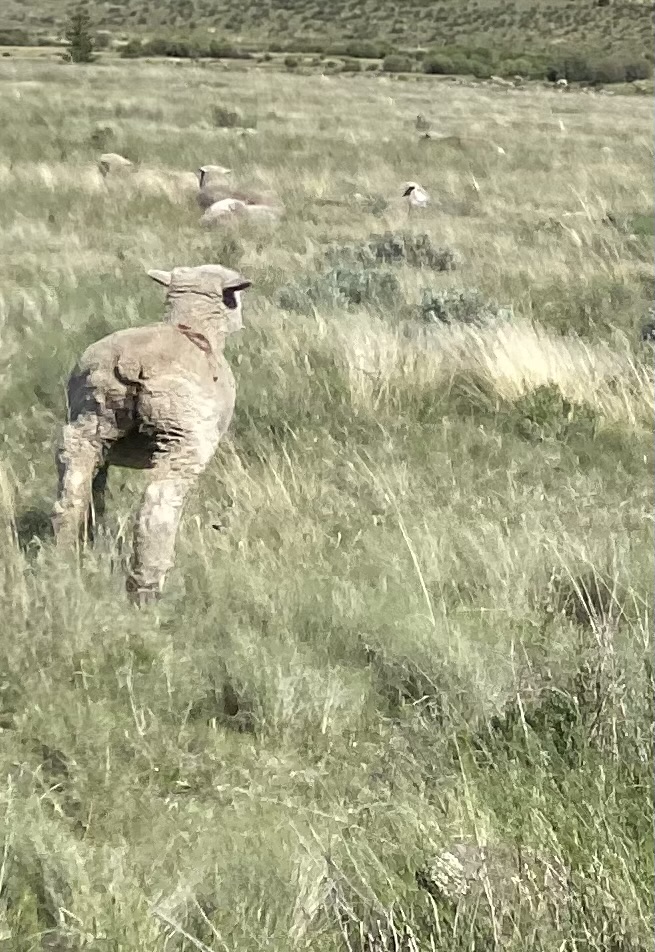
I drove to the Eddiesville trailhead the night before, hoping to get a good look at current conditions in the mountains.  On the way in I saw an old, 1980s brown Tacoma parked on the side of the road, and a man sitting on a rock, watching a herd of sheep.  All the sheep were facing the opposite way (I’ve become a pro at animal butt shots at this point).

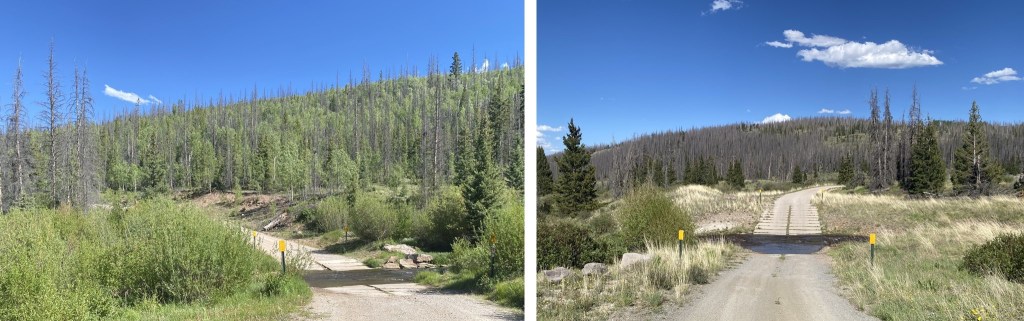
Both creek crossings were manageable, and all the downed trees had been cleared off the dirt road.

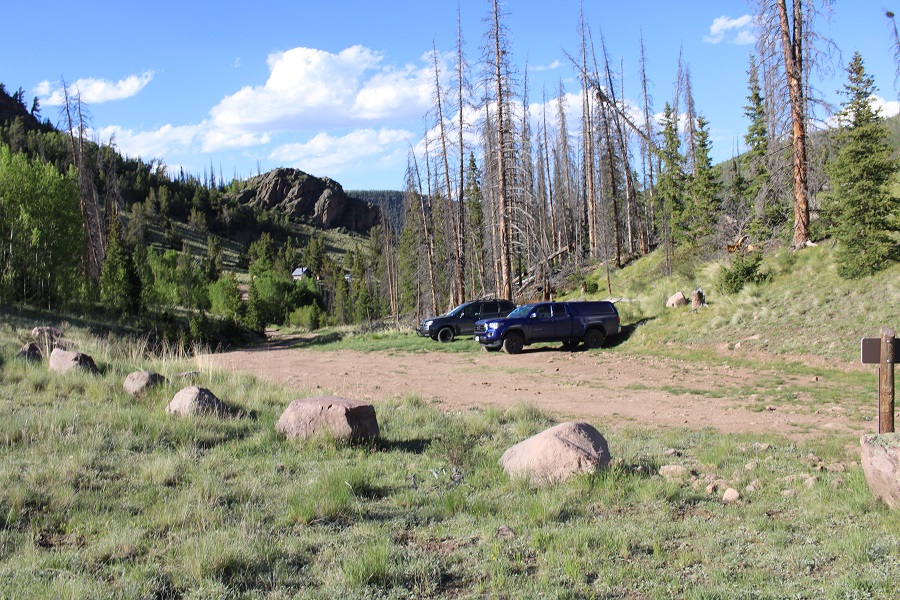
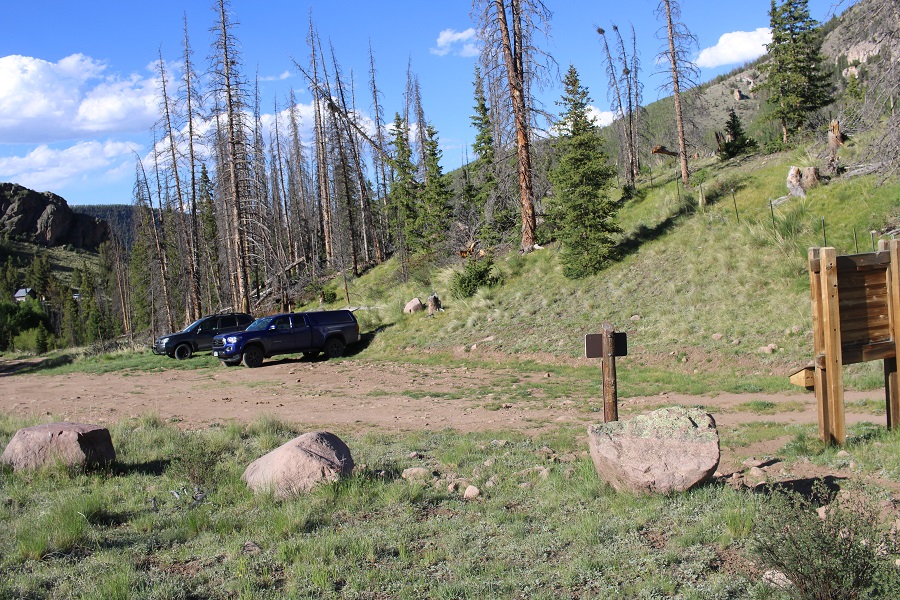
There was only one other vehicle in the parking area, which fits about 10 vehicles if everyone parks nicely.  No mosquitoes, but tons of flies (they didn’t bite, they were just annoying).

I threw 3 socks full of moth balls under my truck, wondering where the 4th one went (maybe a marmot absconded with it?) and went to bed.  I was on the trail at 4am. The trail starts at the south end of the parking area, and follows the Colorado Trail. 

I followed the Colorado Trail for 8.25 miles, all the way to the San Luis Peak/13166 saddle.  This was a very well-marked trail, which made it difficult to get lost.  Also, there weren’t many trail intersections, also making it easy not to get lost.  I crossed several small creeks and downed trees on my way, and passed through two gates (latched, not locked). 

Here are some pictures of the terrain, which followed Cochetopa creek up the basin.

After hiking for 7 miles, I crossed Stewart Creek

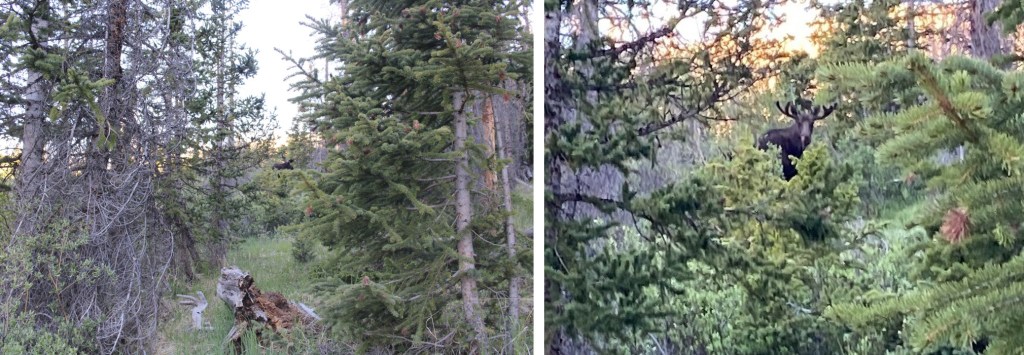
and saw a moose.  I have him his space, even though he was directly on the trail.

I was now above treeline, and could see the 13166/San Luis Peak saddle. 

The Colorado Trail nicely brought me there.

For those of you looking for the current conditions for San Luis pass, here they are.  Still areas of snow on the trail, but passable.

At the saddle, I disturbed a small herd of deer. 

Deer:

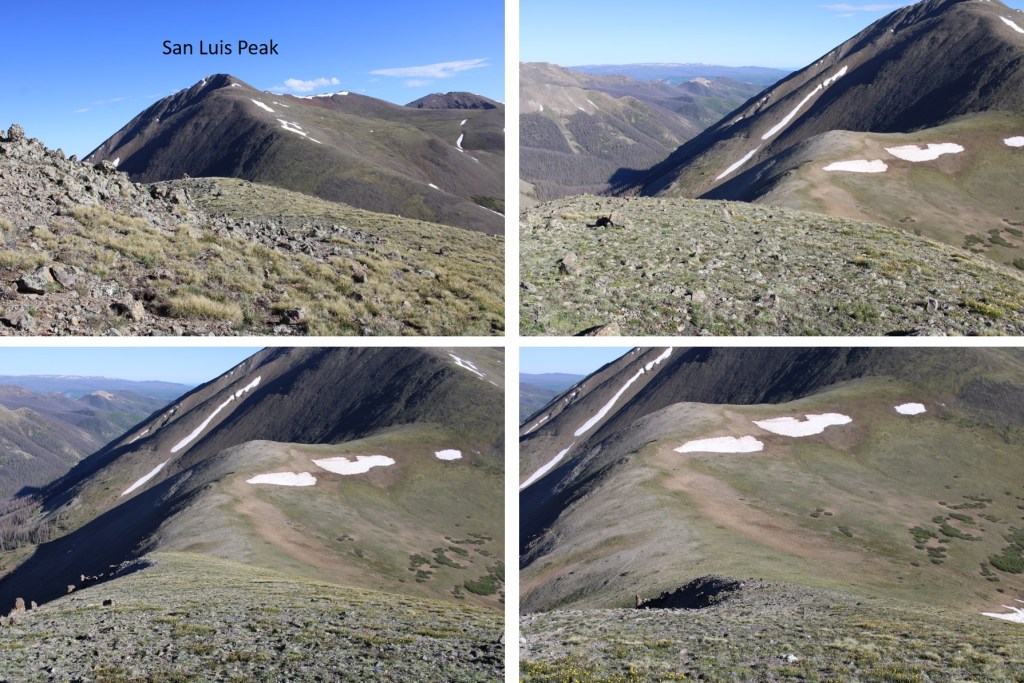
From the saddle, I turned left and headed southeast, gaining 525 feet of elevation towards the summit.  This was easy tundra to navigate.

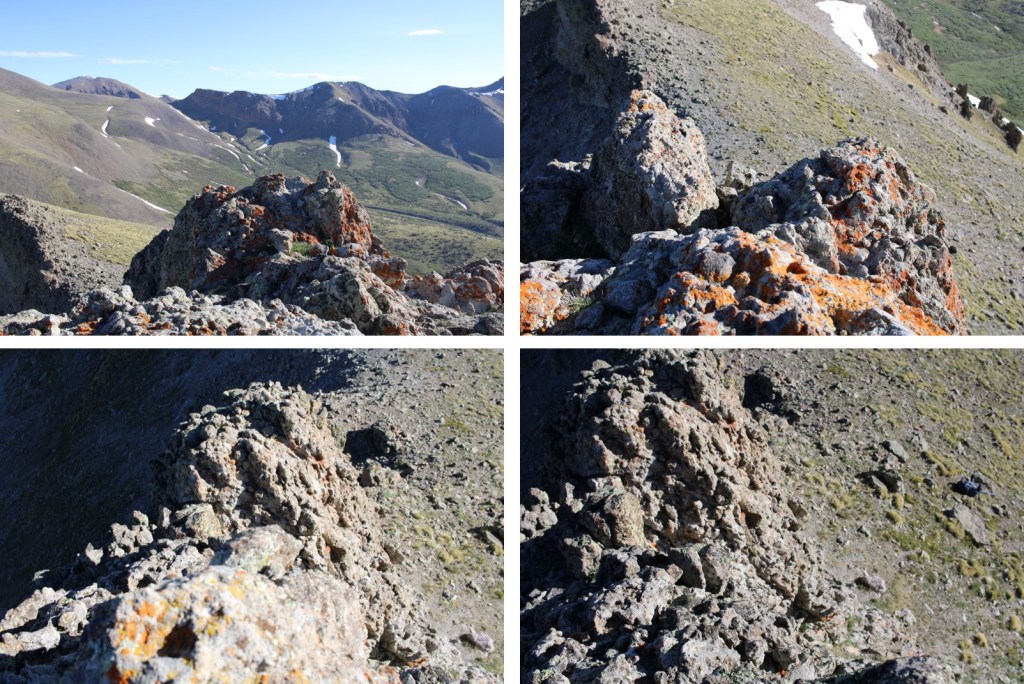
Until I saw this.  Hmmm… I was going to have to go and investigate.  I headed to the east side of the formation, dropped all my gear except my camera, and headed up.  Sorry, no helmet, as I wasn’t aware this was more than a class 2 hike. 

This was easier than it initially looked, nothing worse than rainbow climbing at the gym. The rock was all grippy, sturdy, and had lots of hand/footholds.  The rock was solid, like in the Crestones, but with more and larger hand holds. I’d call this 30 feet of vertical climbing exposed class 3.

Here’s the route I took up, following the orange rock to the ridge, turning left, and crawling on hands and knees to the summit because it was windy (and exposed, and I didn’t have a helmet, etc.).

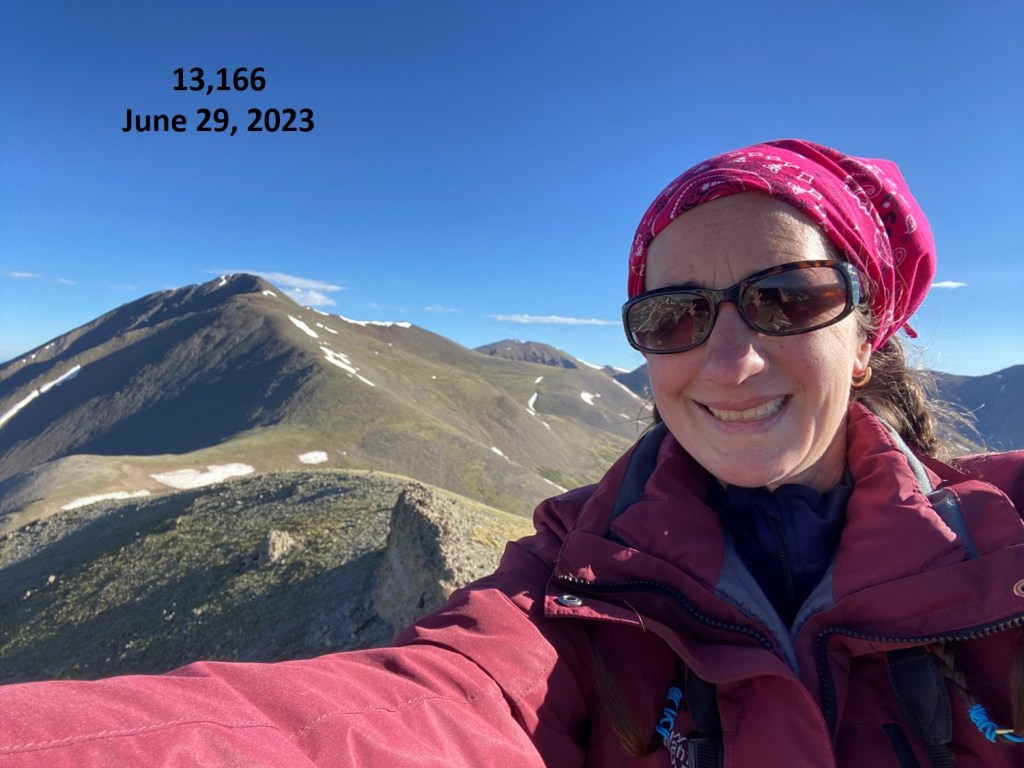
I summited 13,166 at 8am

13166:

Now to head back down.  I actually just did this feet first, no need to turn and face the wall.  There are plenty of hand and foot placements to use for support.

Back on firm ground, I grabbed my gear, and headed back to the saddle.

Back on the Colorado Trail, I followed it back to the trailhead

Oh, and I saw another moose.  This one was curious, and kept walking towards me, so I didn’t stay long.

Here are some pictures the rest of the way back to the trailhead

Back at the trailhead, I noticed a chipmunk under my truck, seated atop a sock full of moth balls.  So I’m guessing they don’t work with chipmunks.  Oh well, at least it wasn’t a marmot.  I made it back to my truck at 11am, making this a 17.29 mile hike with 3120’ in elevation gain in 7 hours. 

I’d say “on to the next trailhead!” but I’m staying here.

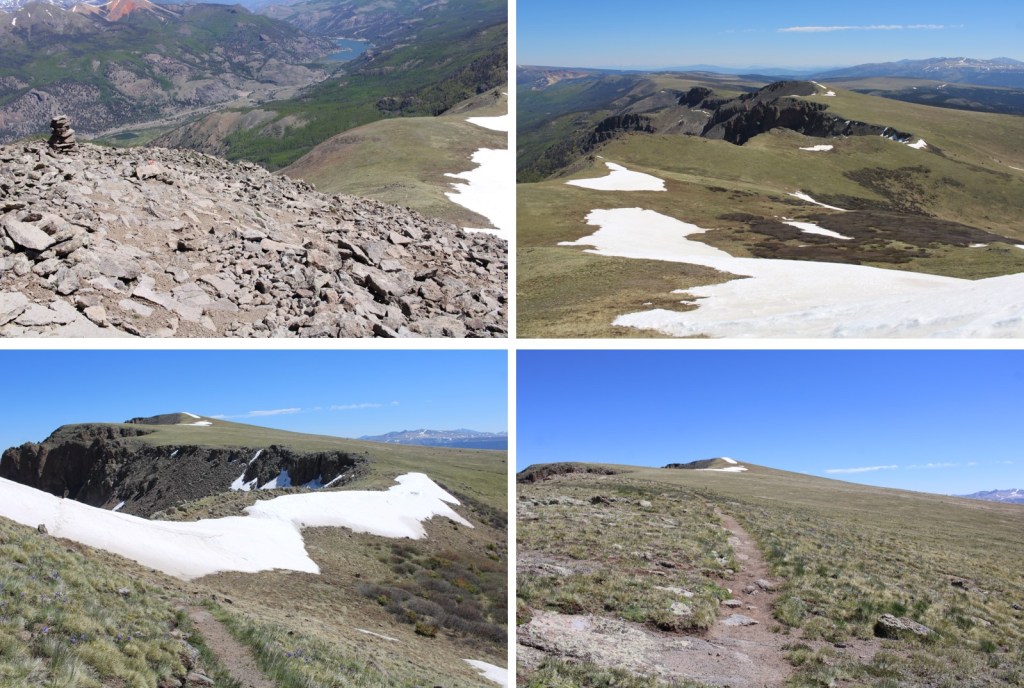
UN 13256, Coney Benchmark – 13,339 & UR 13138

RT Length: 32.25 miles

Elevation Gain: 5511’

I know the traditional way to do this peak is from Carson Pass, but the last time I drove that road I told myself it would be the last time.  I had marmot issues parking at the pass, and lost my 4WD on the way down.  It wasn’t ideal.   Earlier this summer I had attempted to make it to Carson Pass from the bottom of the trail, near where CR 30 and 36 meet.  I was greeted with hoards of mosquitoes, and decided to hike another peak instead. 

This time, I parked at Spring Creek Pass, knowing it was going to be a long day.  What I hadn’t anticipated were all the elevation gains and losses along the way.  The parking lot holds about 20 vehicles if everyone parks nicely.  Another bonus:  It’s a paved 2WD road to get there, and the bathroom was stocked and clean.

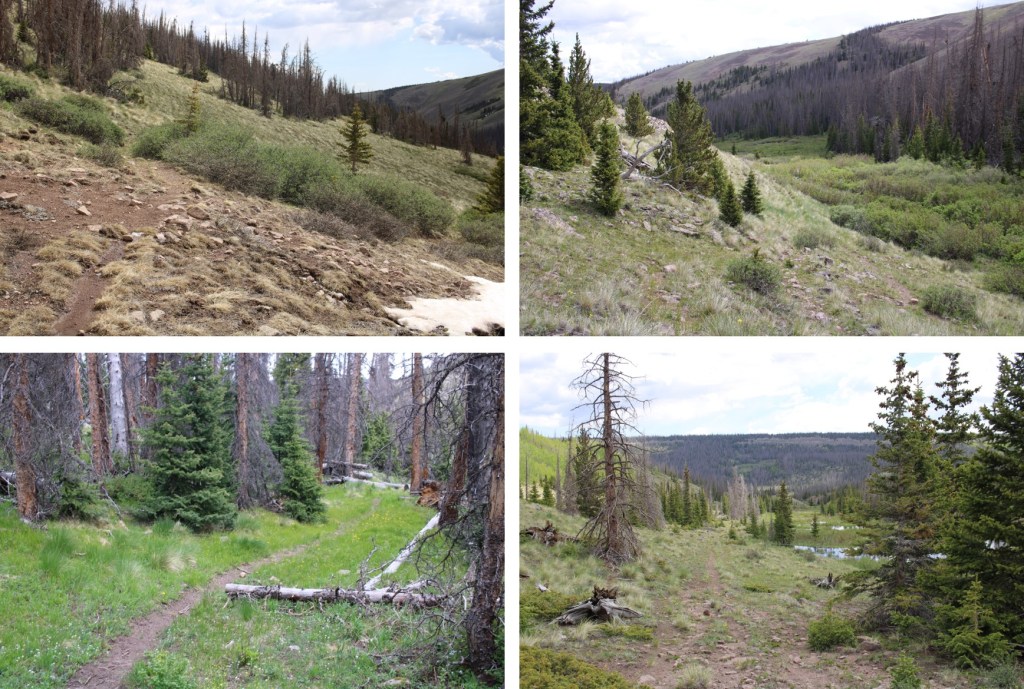
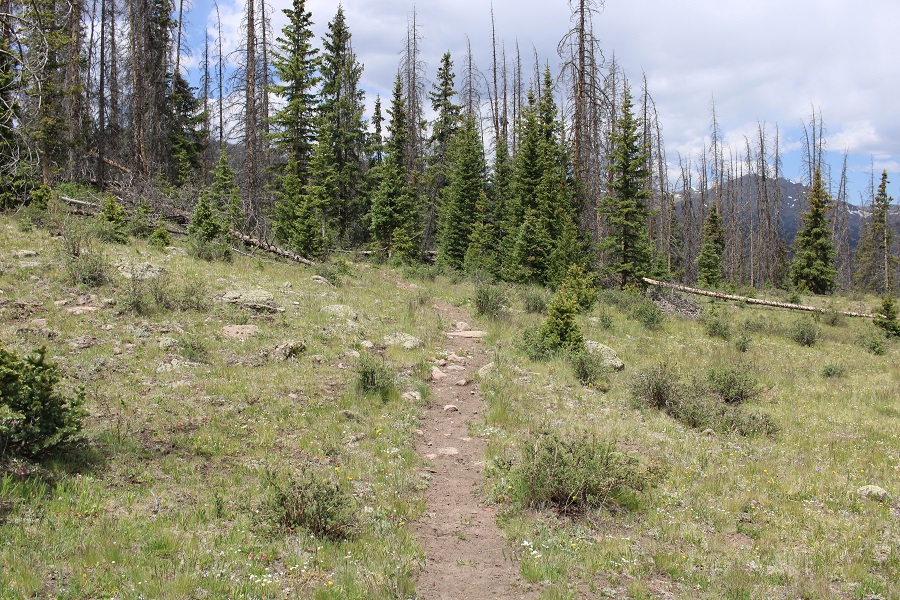
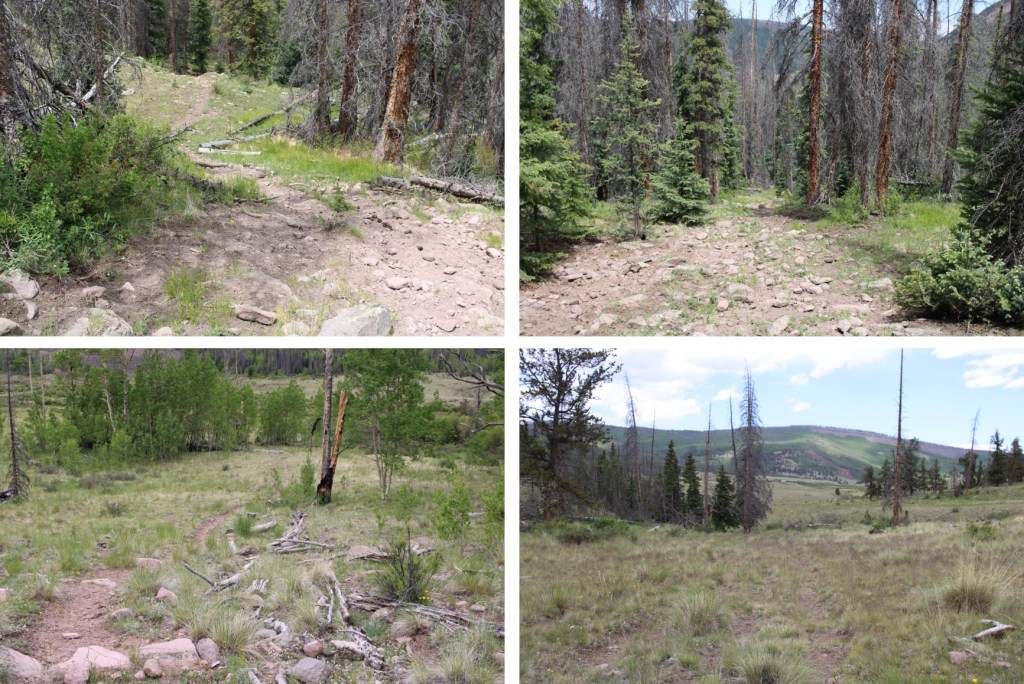
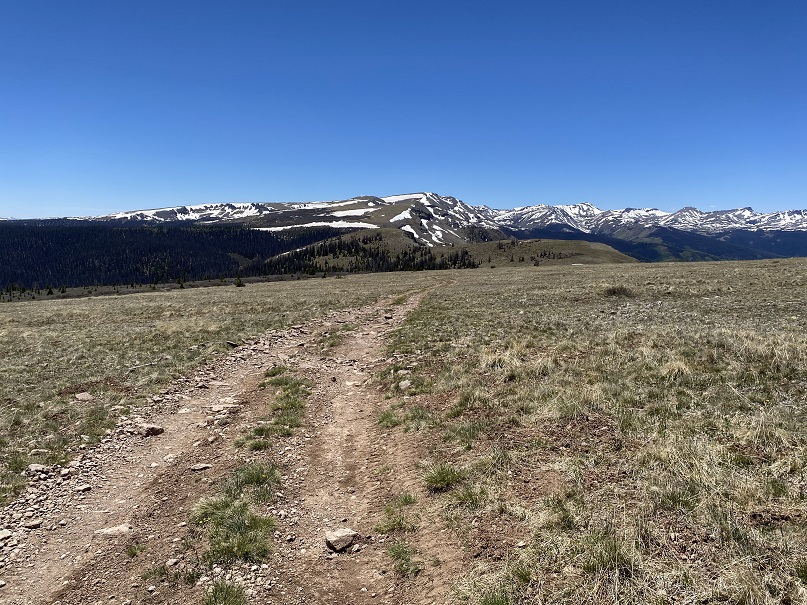
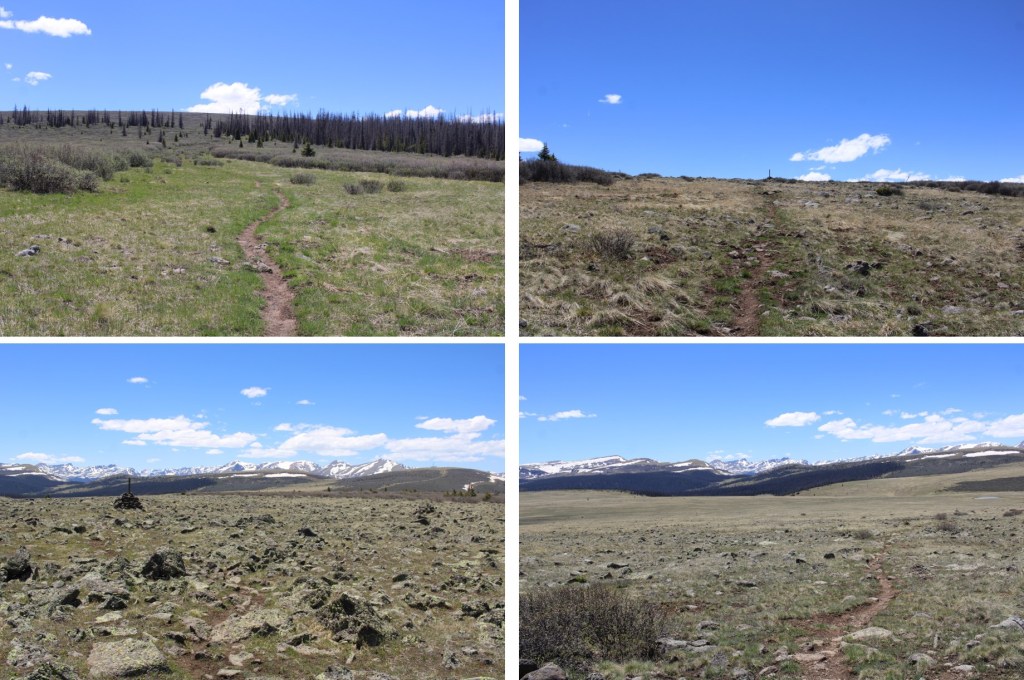
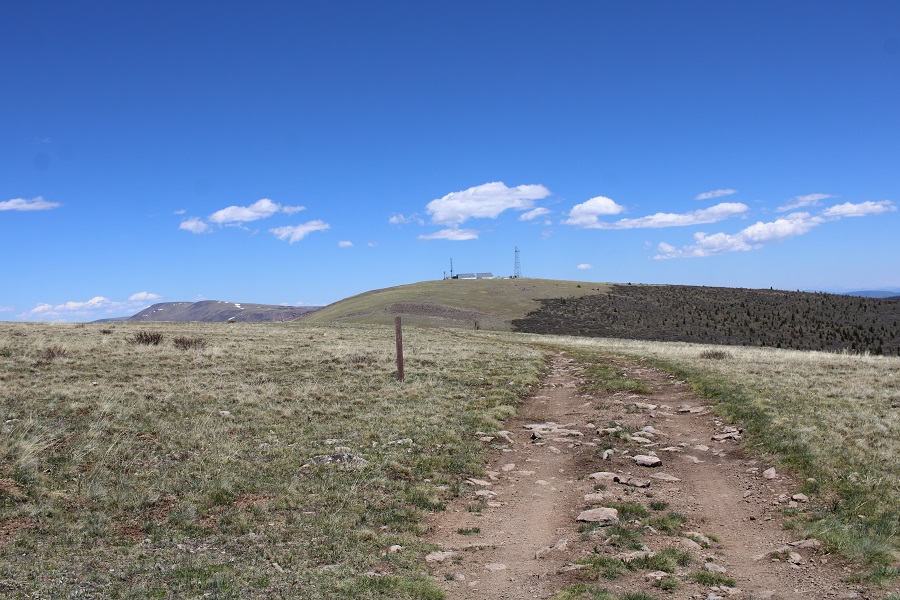
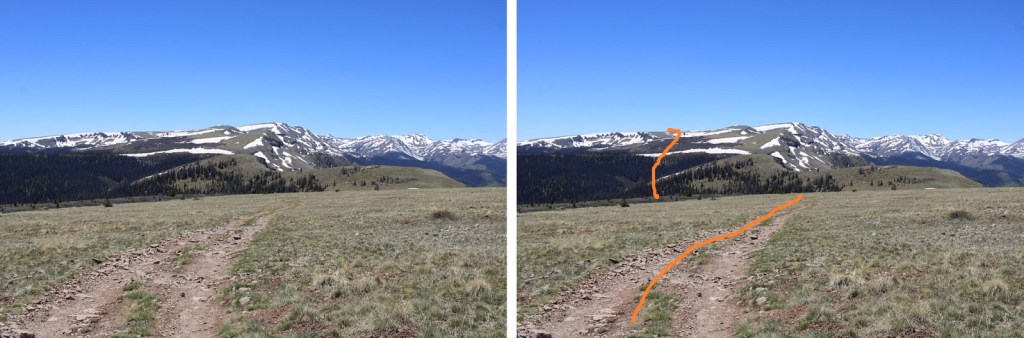
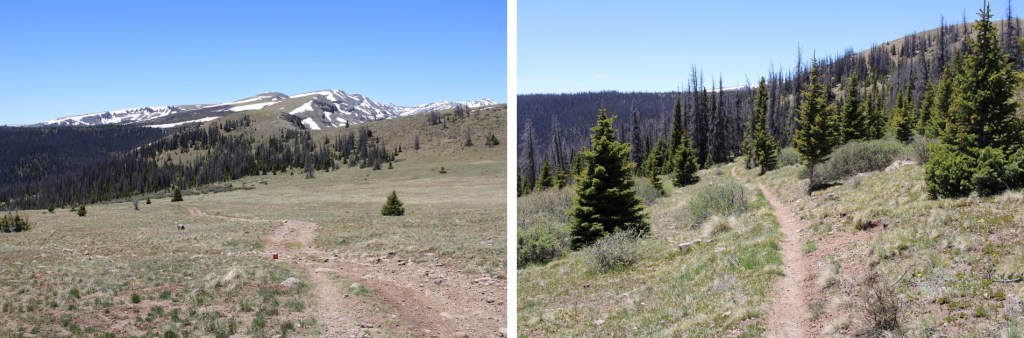
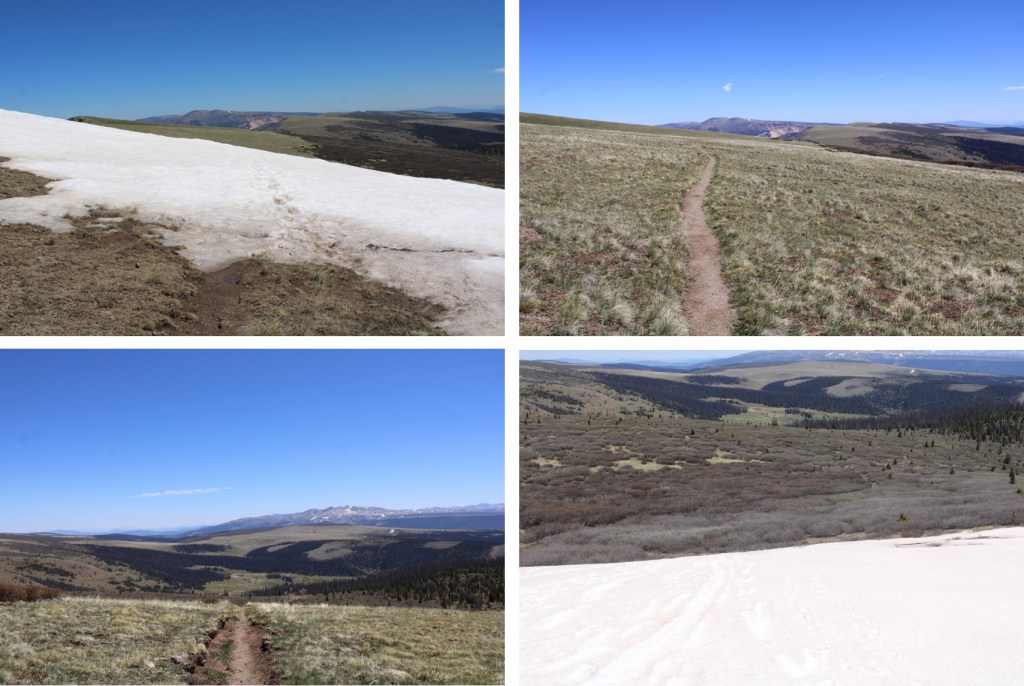
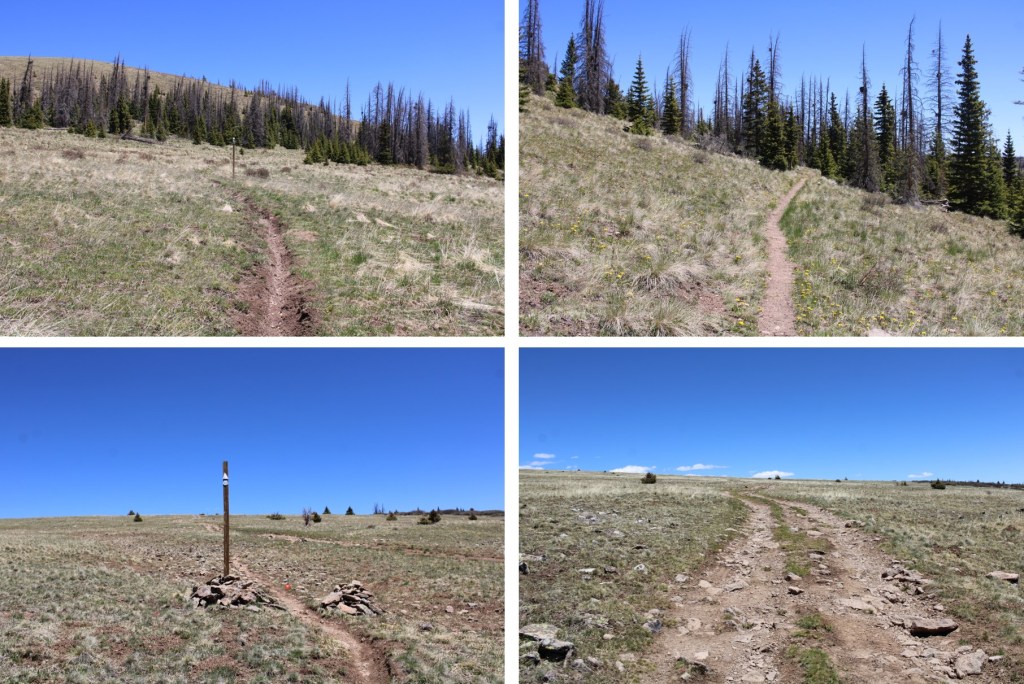
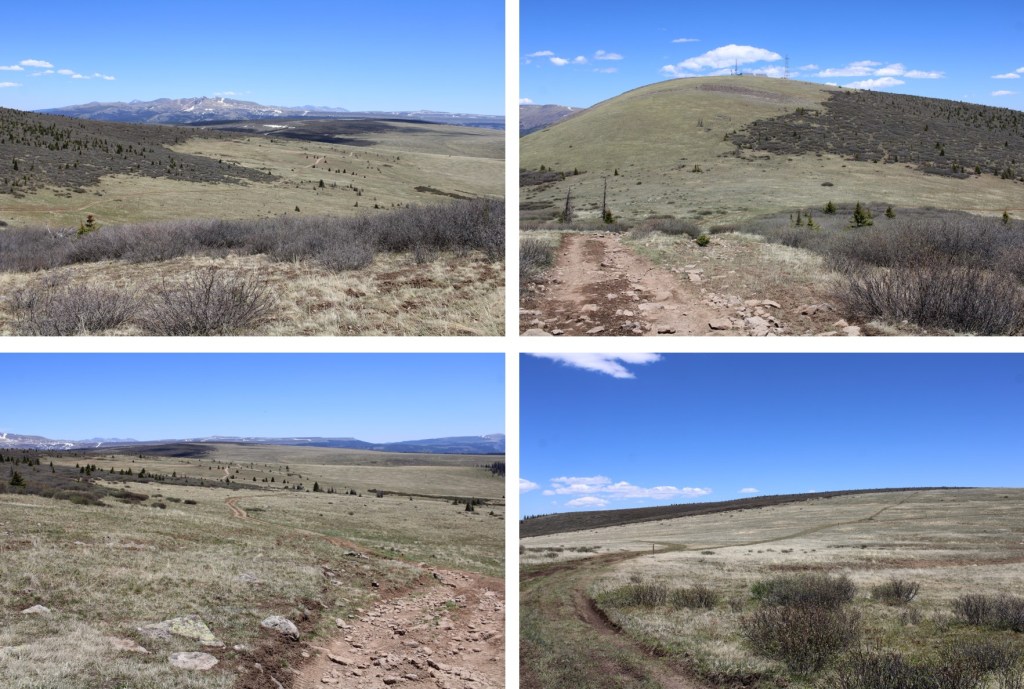
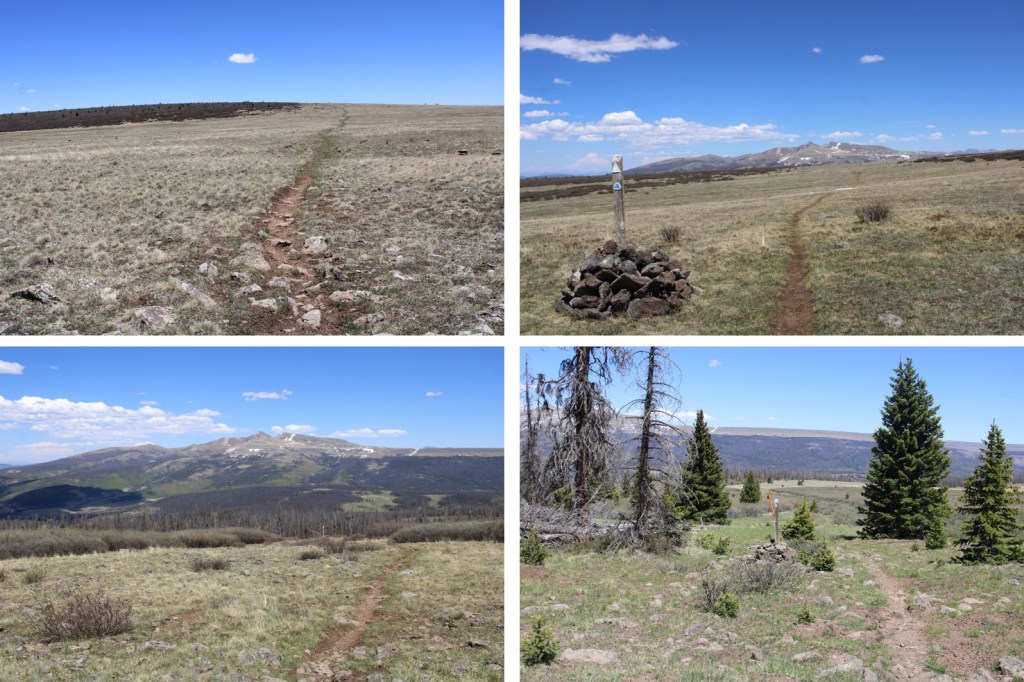
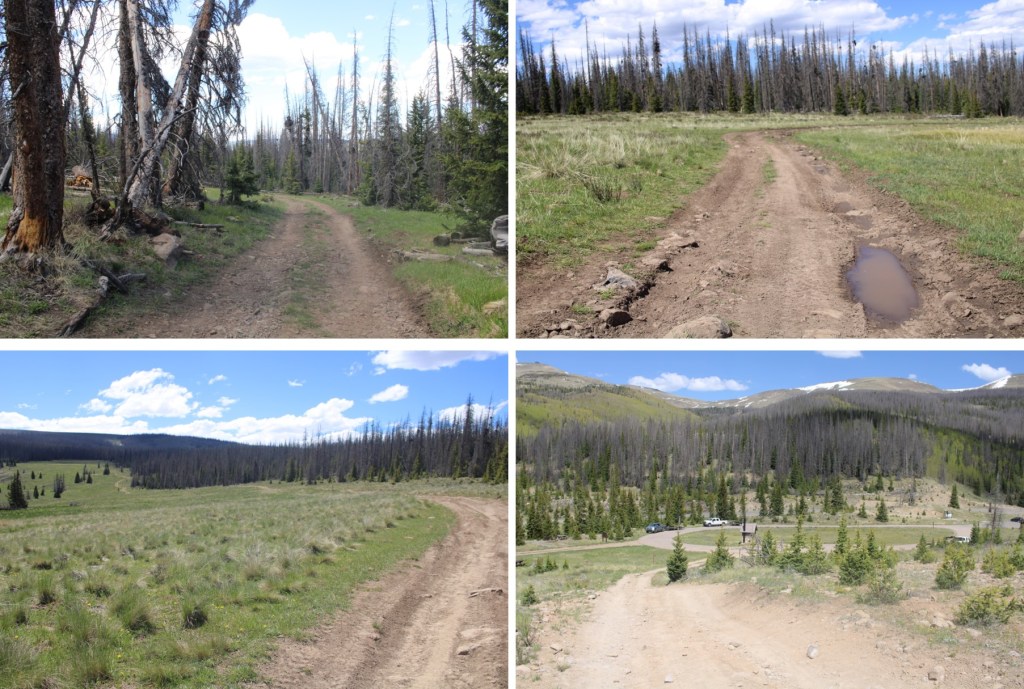
I parked and was on my way at 1:45am.  I followed Trail 813/Colorado Trail/Continental Divide Trail for most of this hike.  On the way in, in the dark, I took the 4WD road 547.1, which eventually connected back up with the Colorado Trail, but added about an extra mile.  I followed the very well-marked trail west for  8.25 miles.  Here are some pictures of that well marked trail, as it went in and out of the trees (which it seemed to do the entire hike).

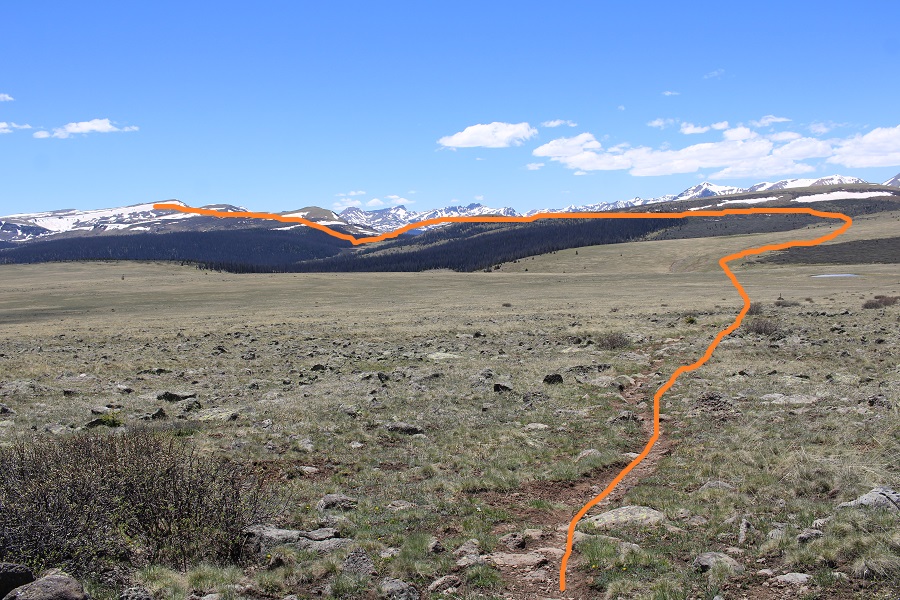
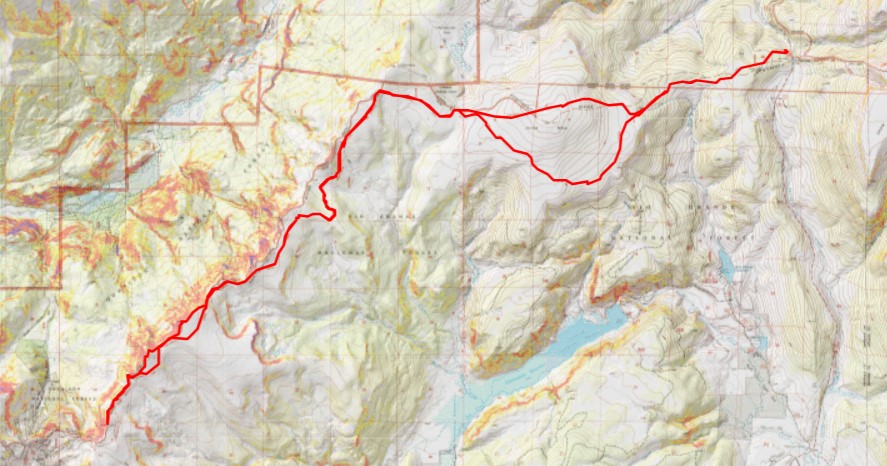
Here’s an overview of the route you can see at this point

After hiking about 8.25 miles, the road curved to the left, and I was now heading southwest.  Here the trail loses about 500’ of elevation as it brings you back into the trees.

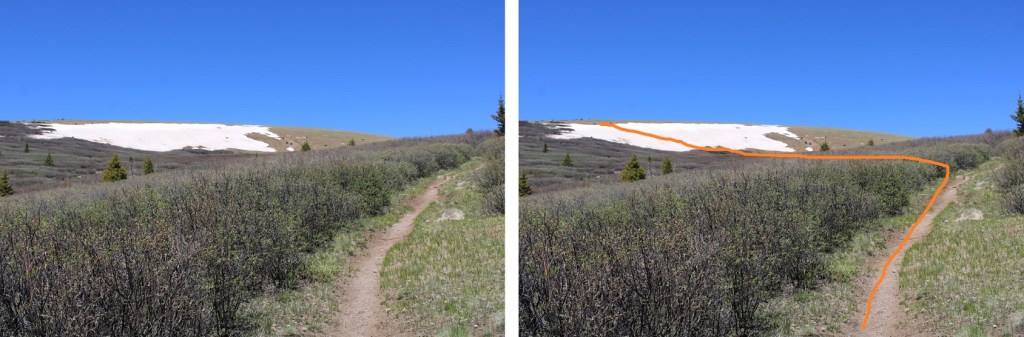
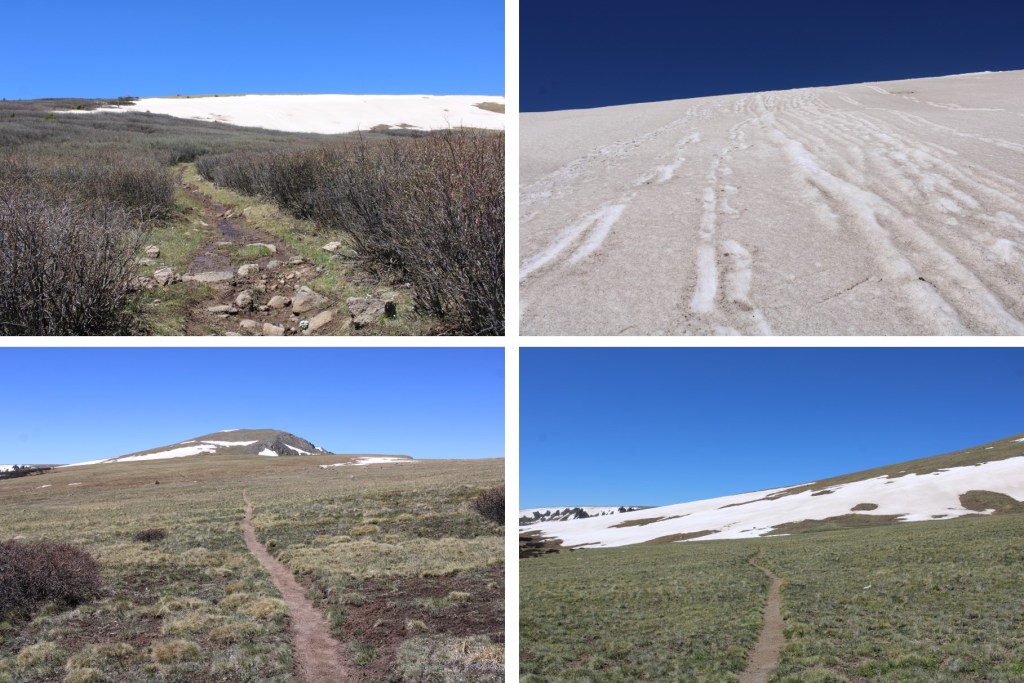
I passed through some willows, and continued following the trail to gain the ridge.  This is where the snow began and the trail was no longer obvious.  I was able to do all of this with just microspikes, but on the way back, I really, really wished I had an ice axe.  

Here the trail was again obscured by snow, so this is the route I took to gain this ridge, keeping it mostly snow free

It was rocky near the top, but still class 2, and there was a large cairn to guide me.

The trail picked back up again, and I followed it southwest, skirting below UN 13138

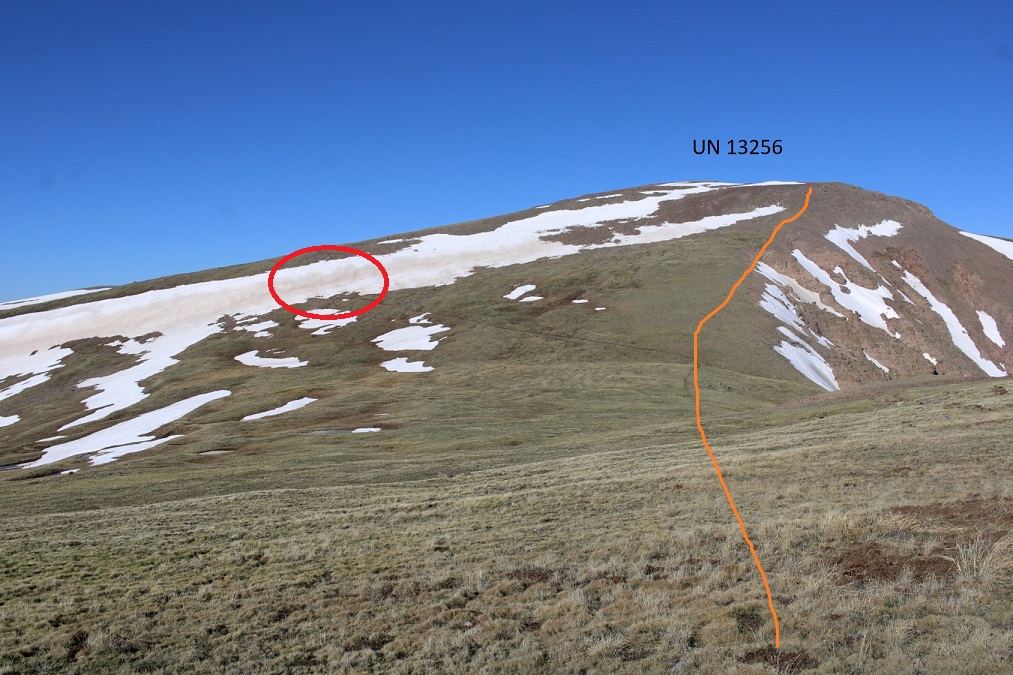
After hiking for 14.5 miles, I could finally see the two ranked peaks I was aiming for today

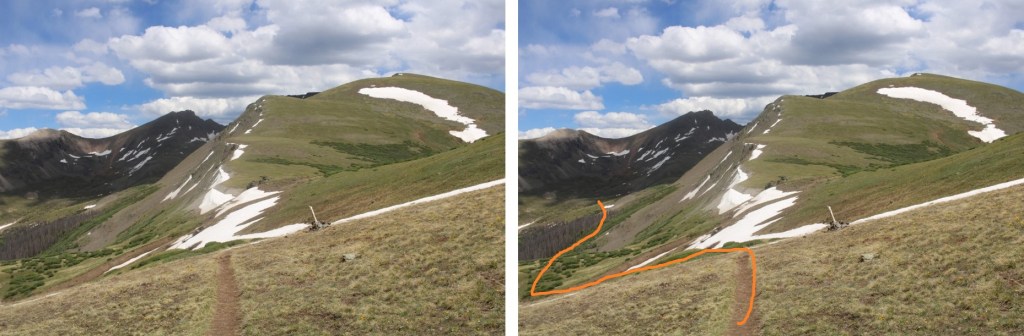
To avoid the snow on the way up (circled in red) I decided to just ascend straight up the slope.  (I crossed the snow on the way back down, and this is mainly where I wished I’d had an ice axe).

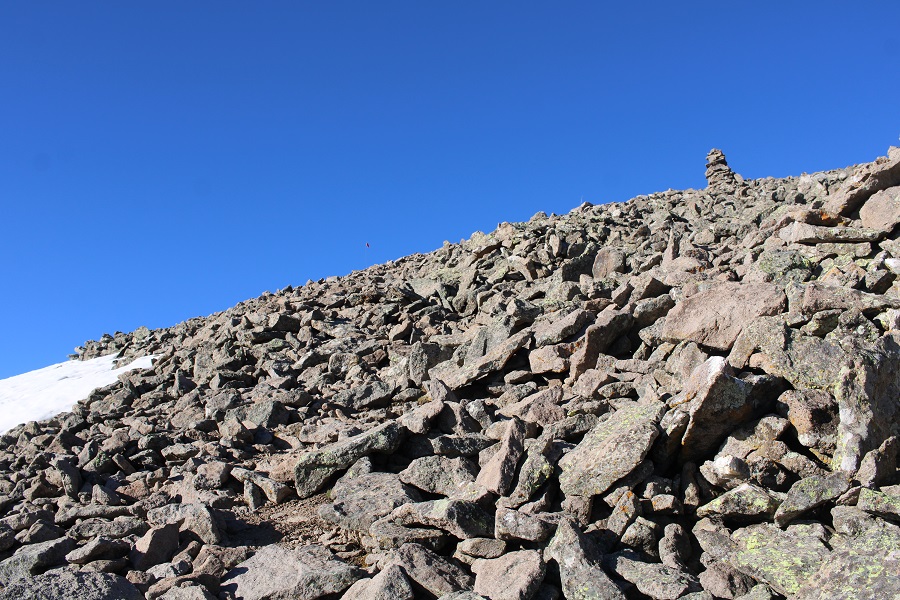
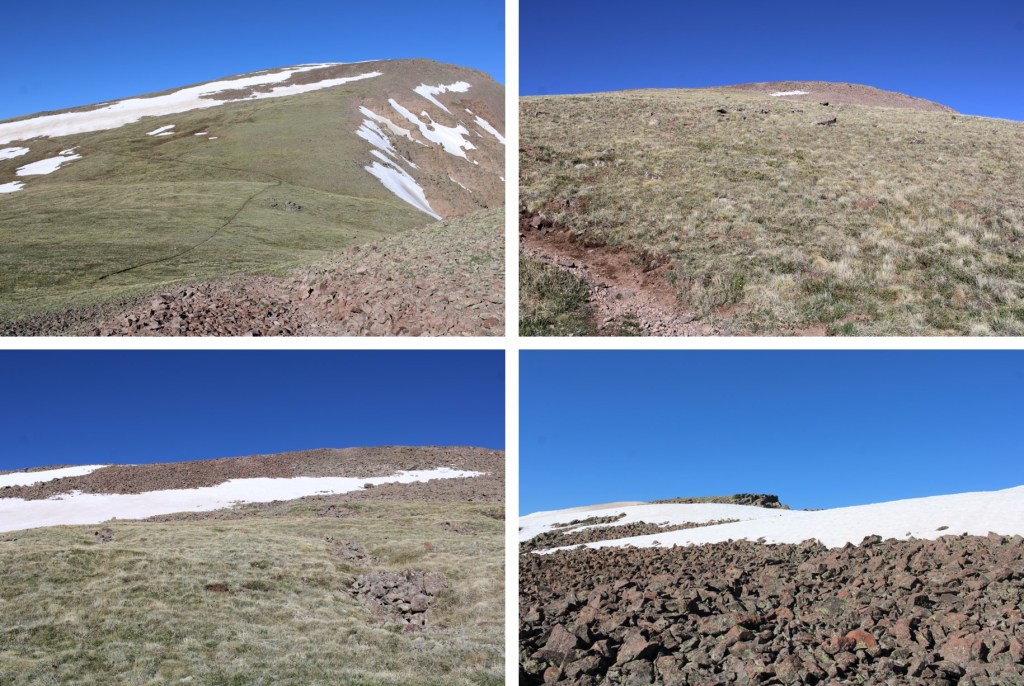
The terrain quickly turned from tundra to rocks (still class 2)

After gaining the ridge, the summit was to the southwest.

I summited UN 13256 at 8:15am.

UN 13256:

To the southwest, I could see Coney Benchmark.  I would lose almost 400’ of elevation to get there.

Knowing the Colorado Trail was down there somewhere, I headed south until I found it.

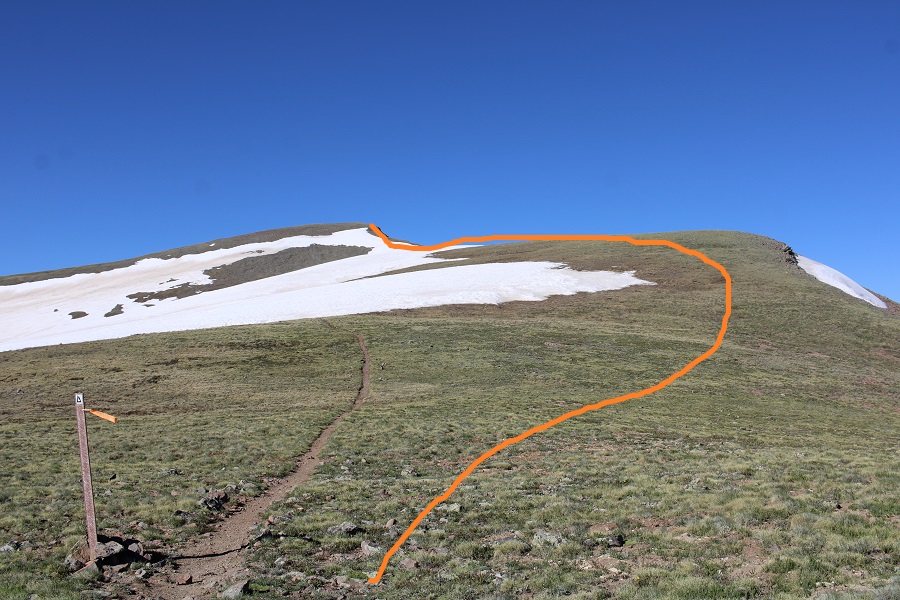
I then gained 475 feet to the summit of Coney Benchmark.  Here’s the route I took.

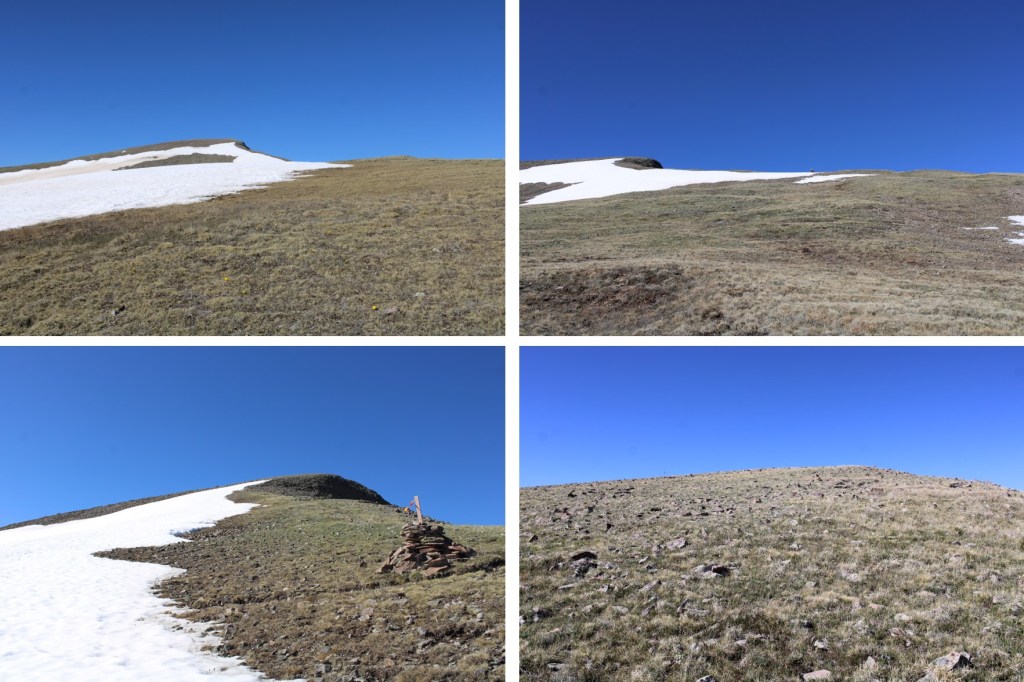
This was all class 2 to the summit.

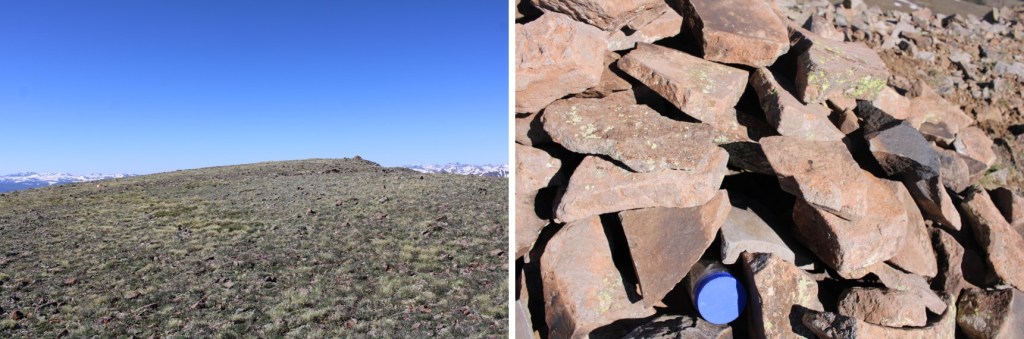
The summit was easy to find, but someone put a plastic summit register at the top, so of course the paper inside was wet.

I summited Coney Benchmark at 9:15am

Coney Benchmark: 

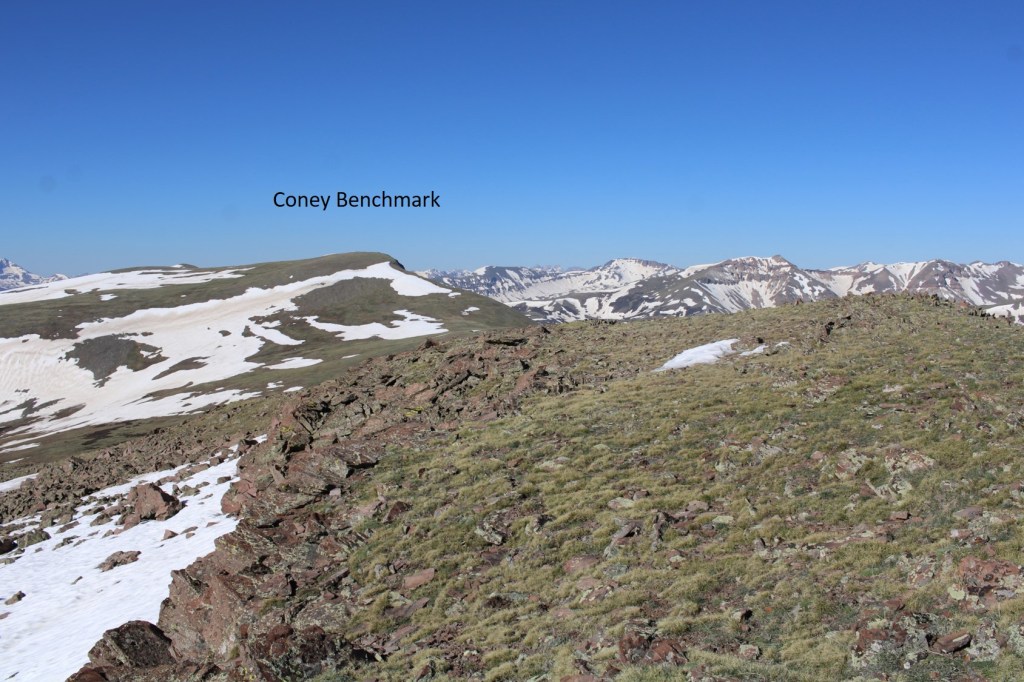
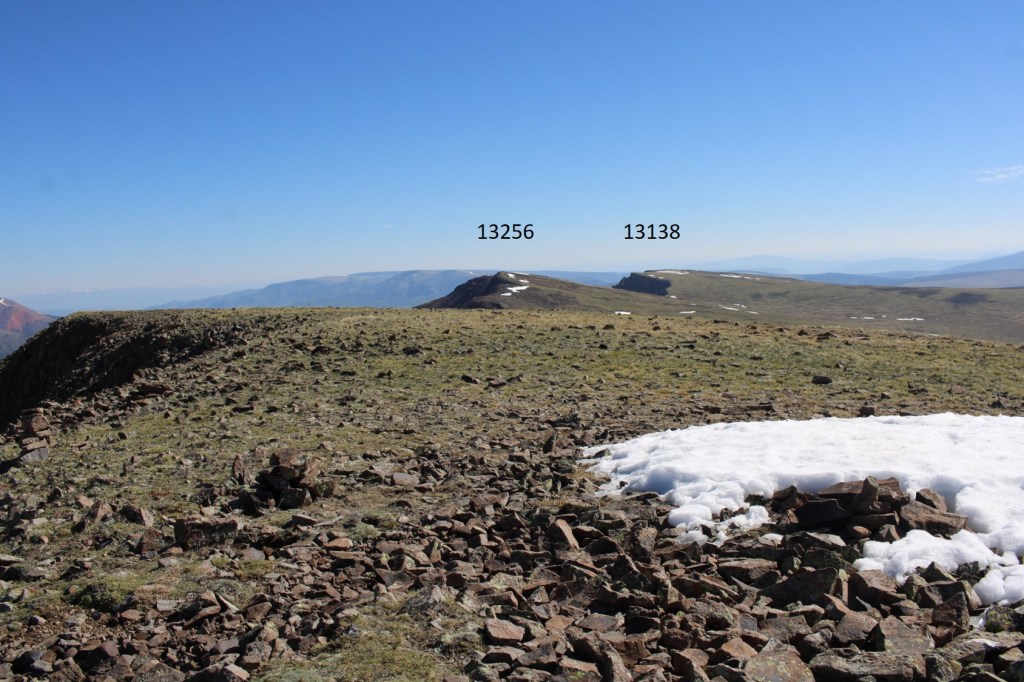
Looking northeast, back the way I came, I could see UN 13256 and UR 13138

I retraced my steps back to the Coney Benchmark/13256 saddle

This time I skirted around 13256 and followed the Colorado Trail

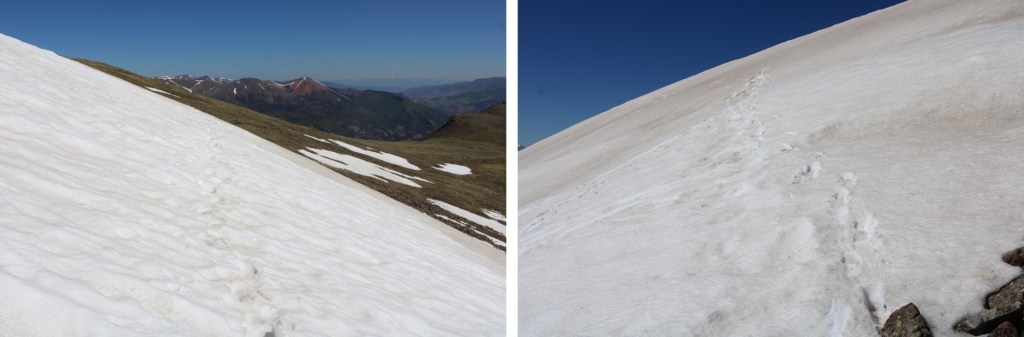
This was the sketchy part, where I wished I’d had my ice axe.  It’s steeper than it looks.

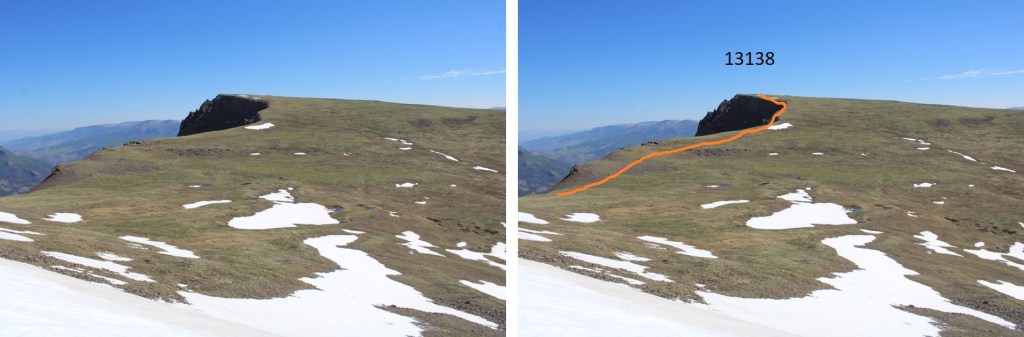
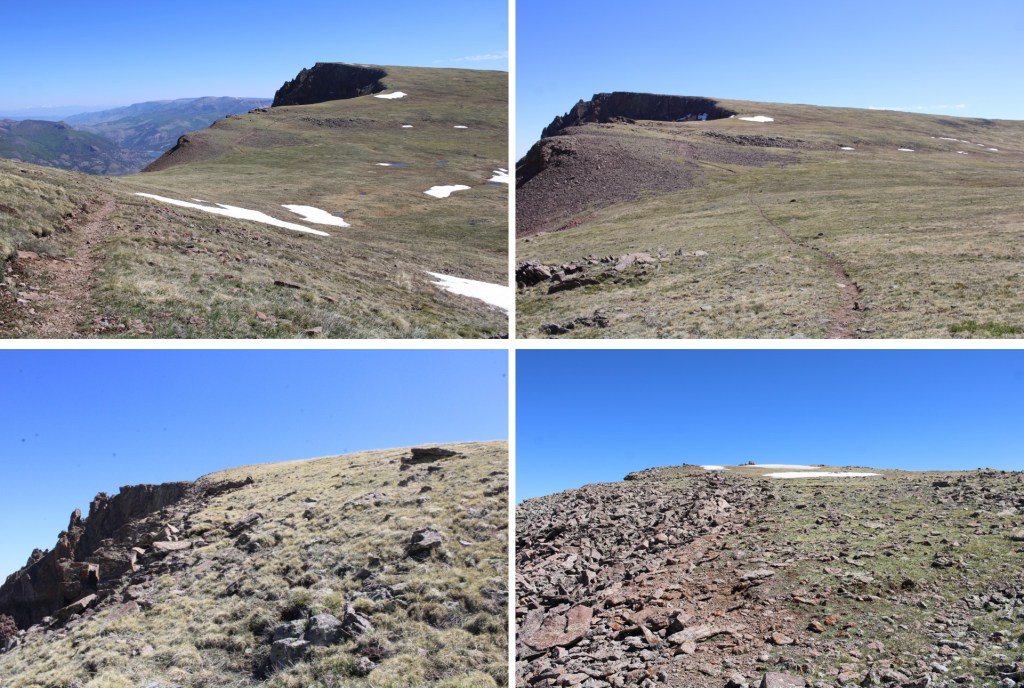
To summit 13138, I made my way to the 13256/13138 saddle, and just followed the ridge.  All class 2.

I summited UR 13,138 at 10:35am

UR 13,138: 

Knowing if I continued to follow the ridge northeast I’d come back to the Colorado Trail, that’s what I did.

I picked up the Colorado Trail, and followed it 13 miles back to the trailhead, losing and gaining elevation the entire way back.

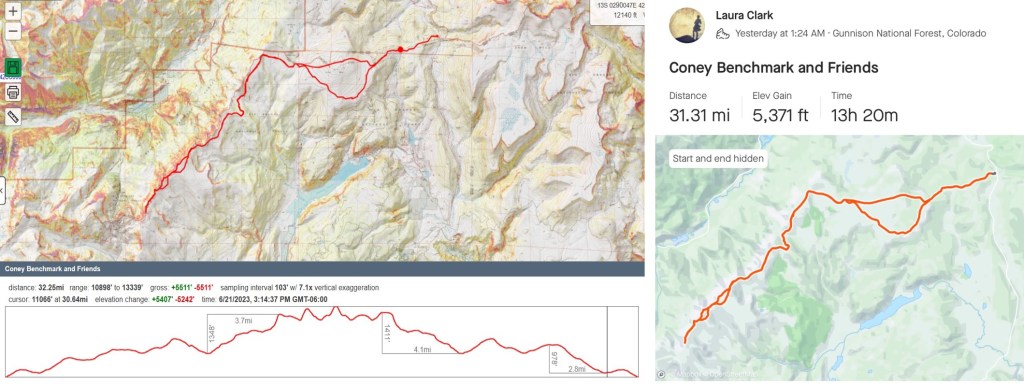
I made it back to my truck at 3:45pm, making this a 32.25 mile hike with 5511’ of elevation gain in 14 hours. 

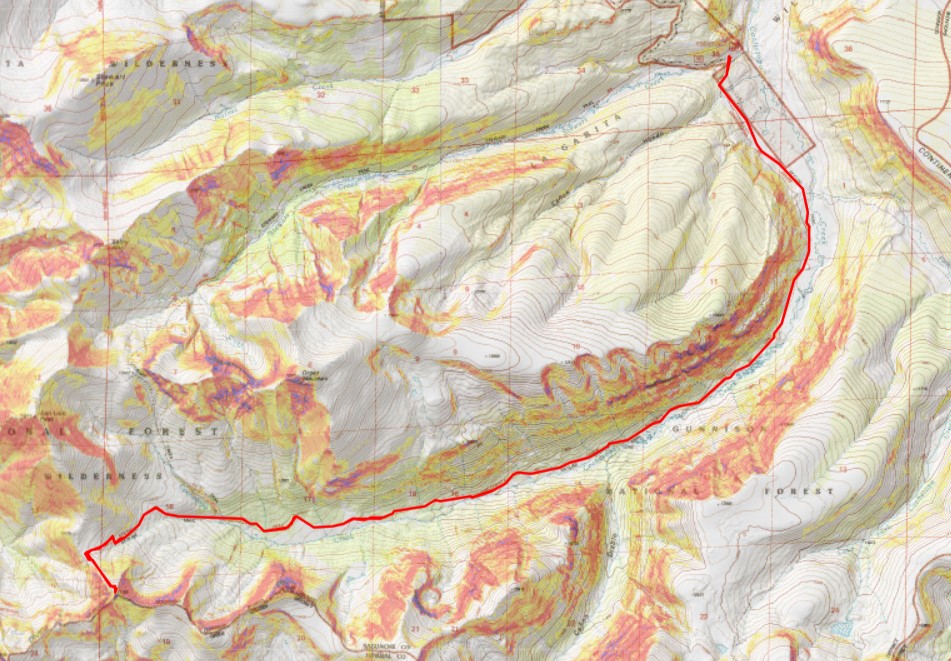
Check out all that elevation gain/loss!

On to the next trailhead!