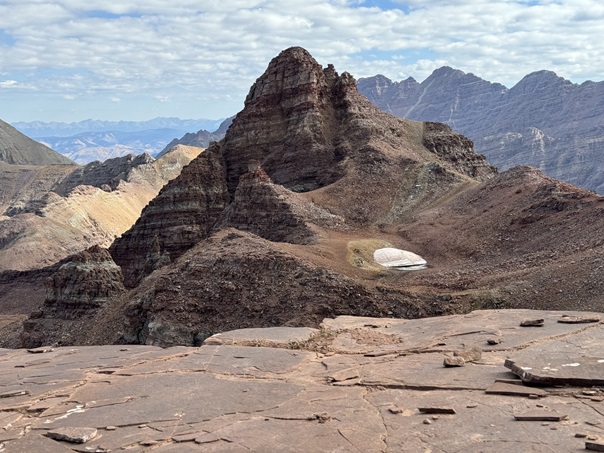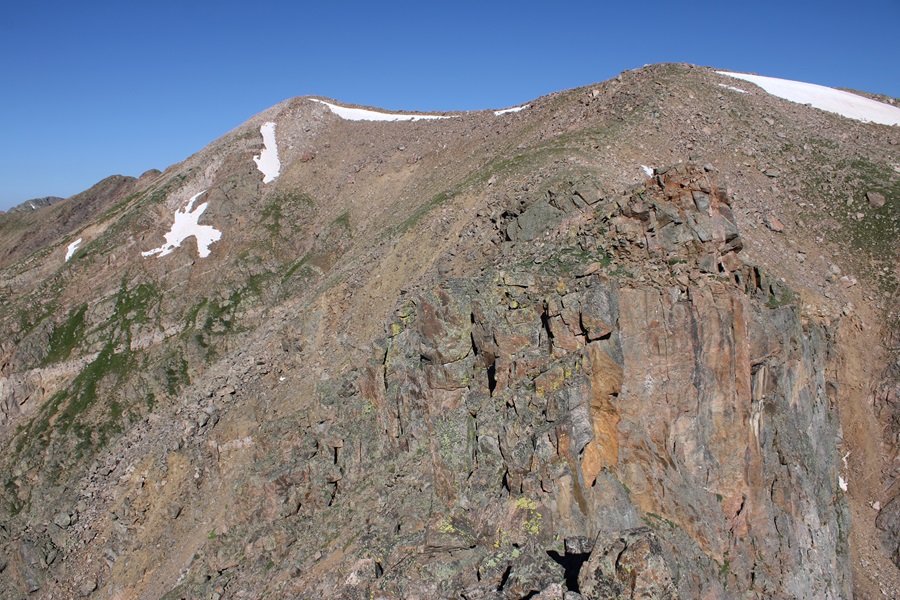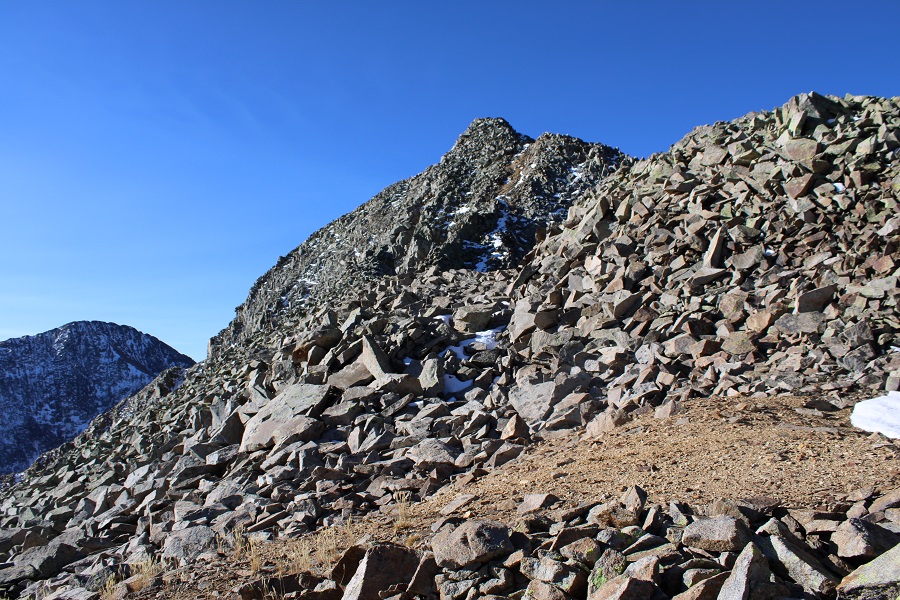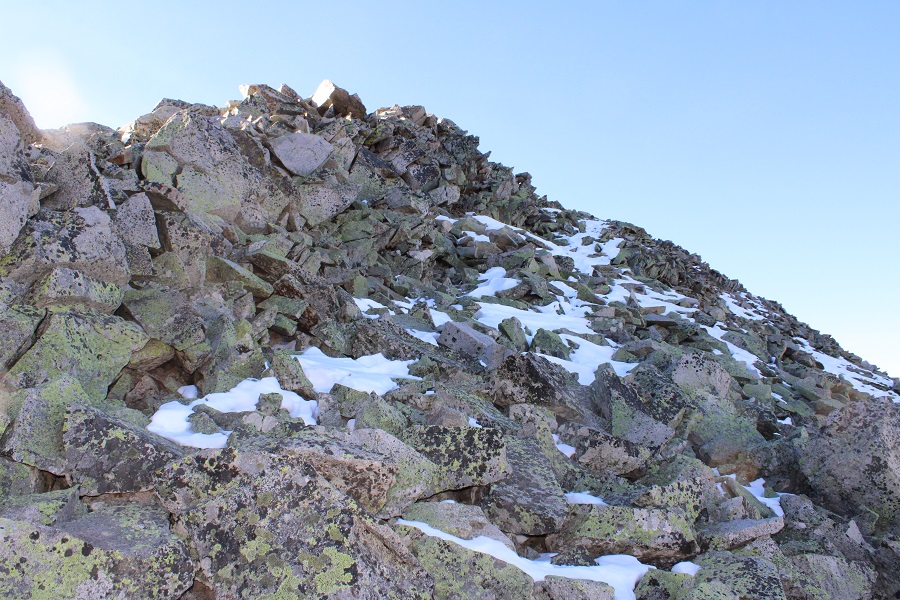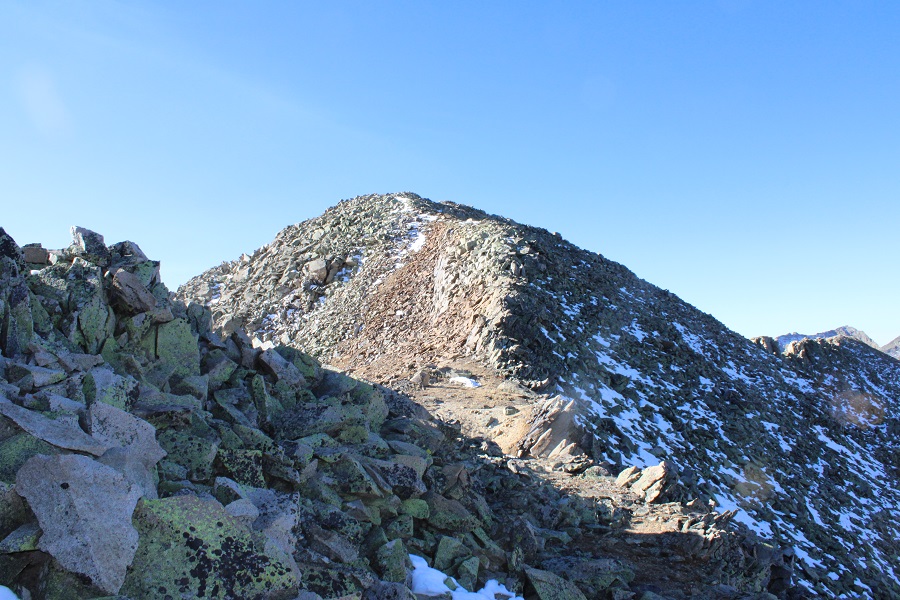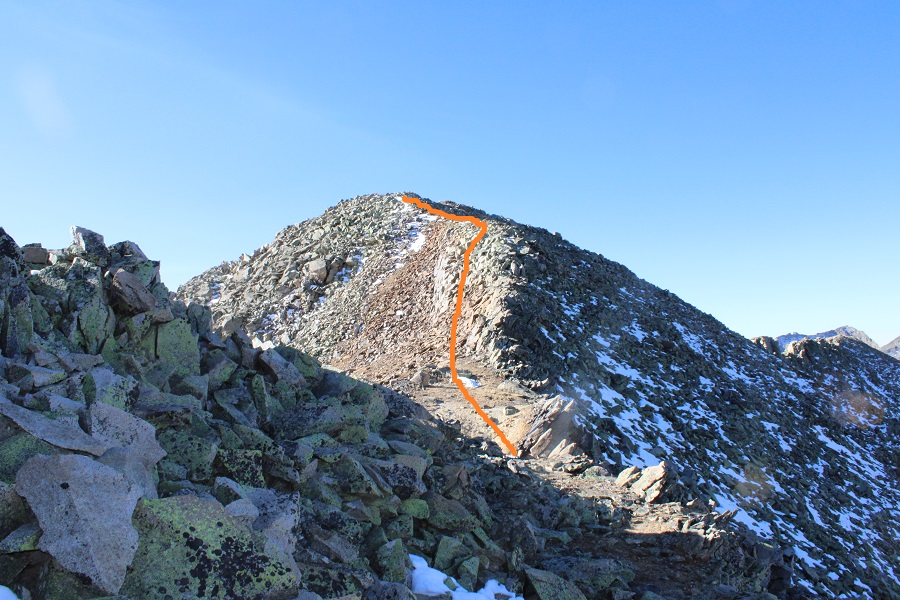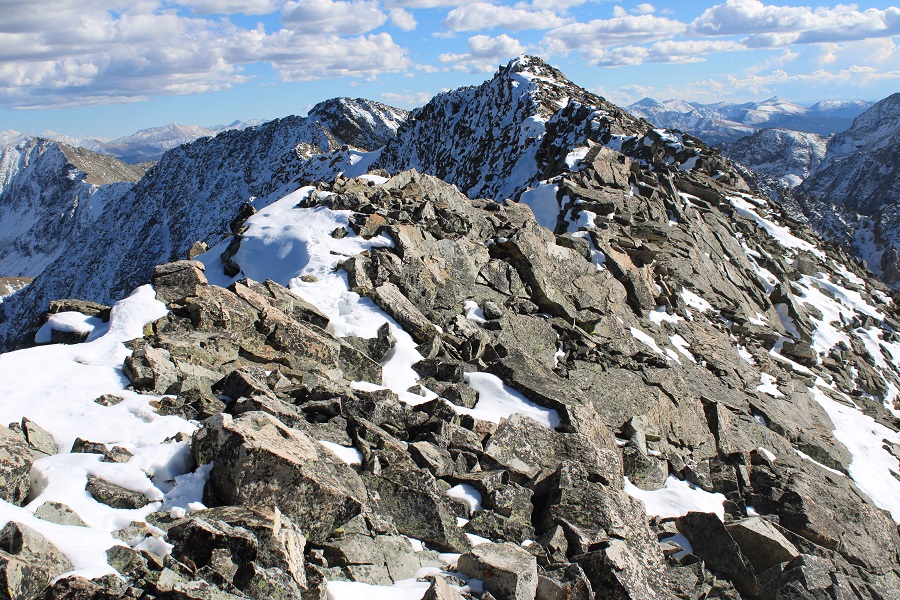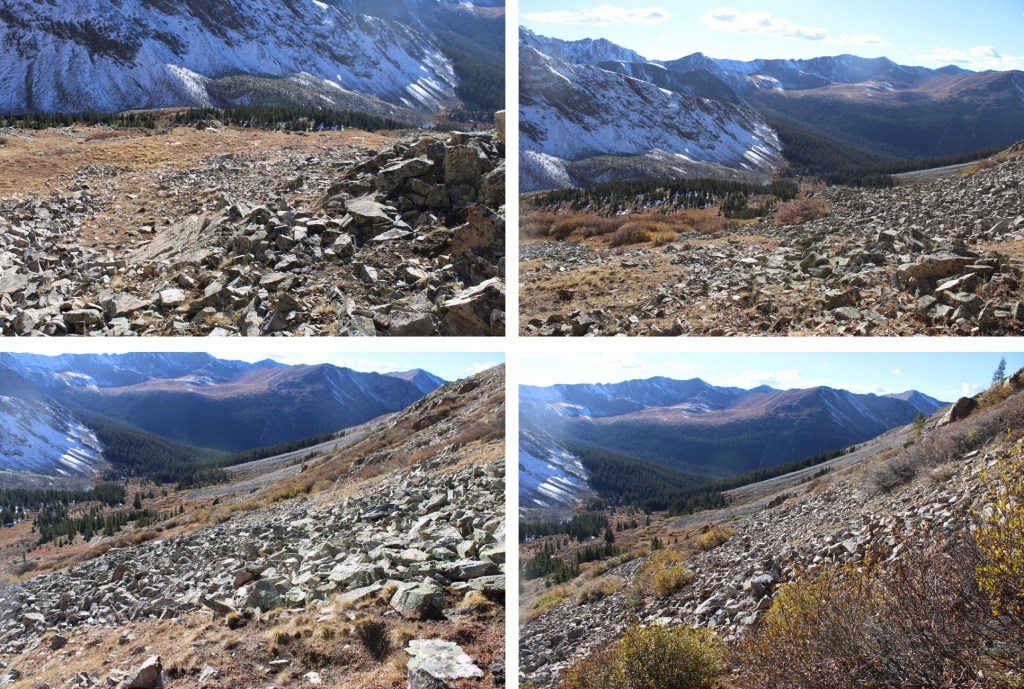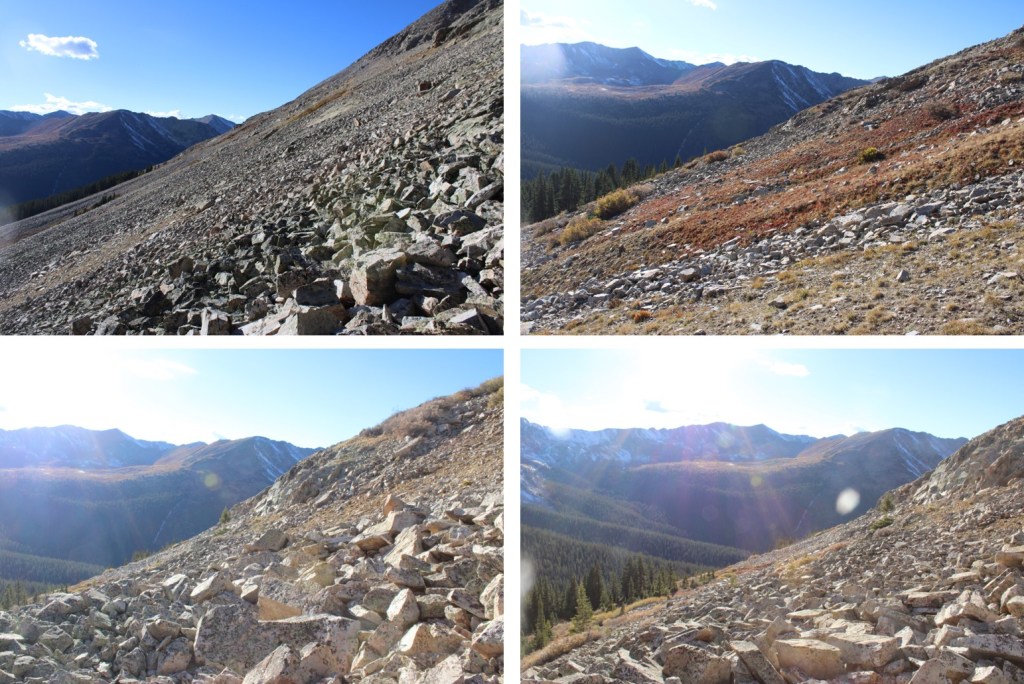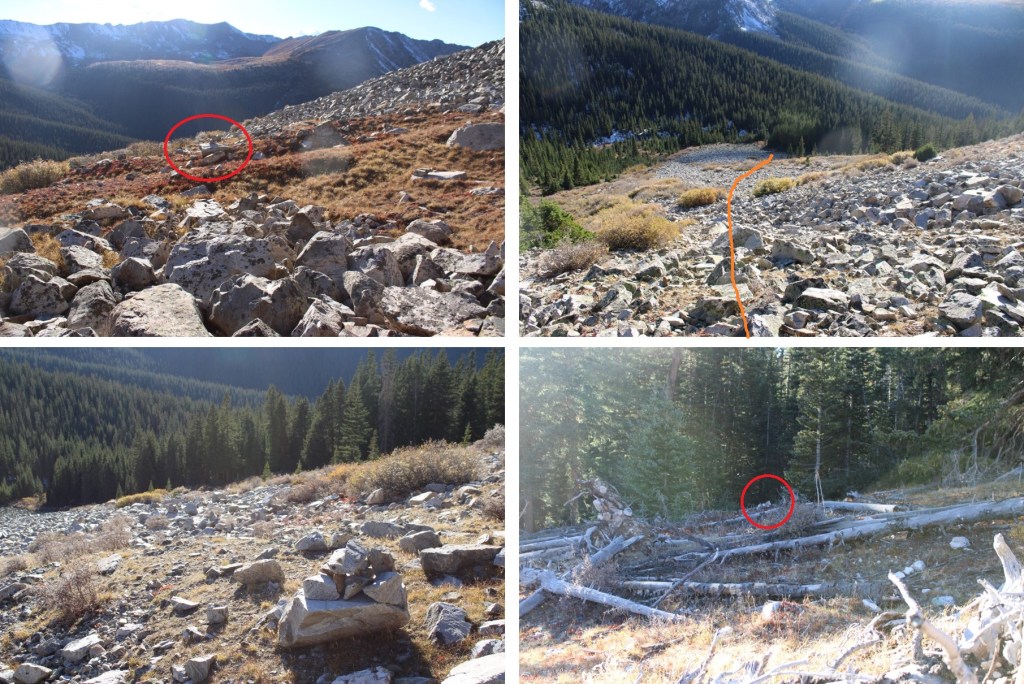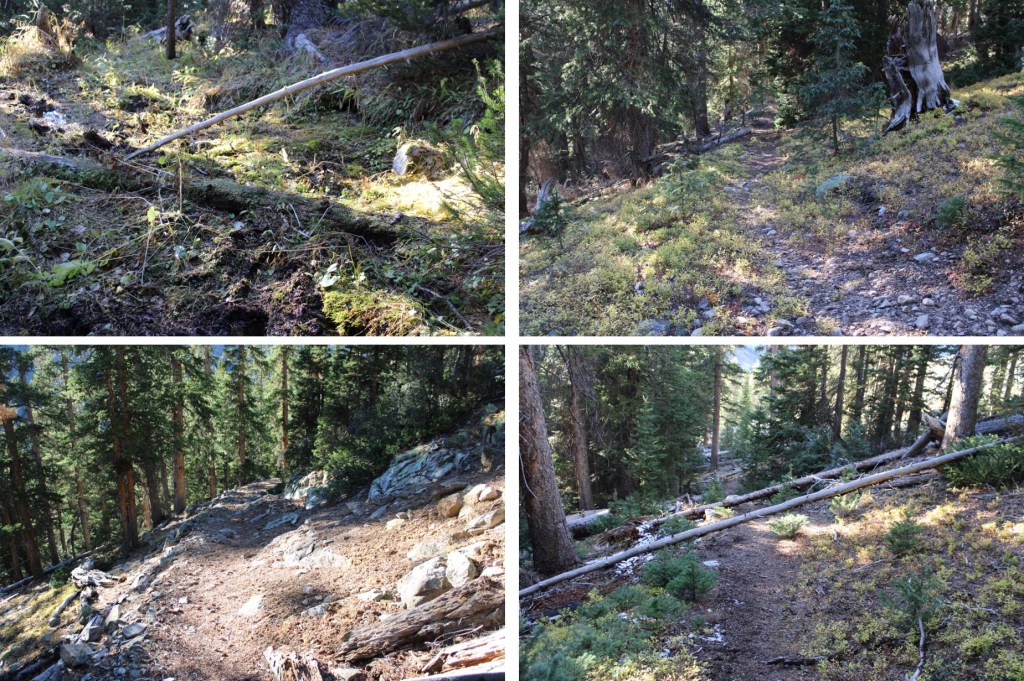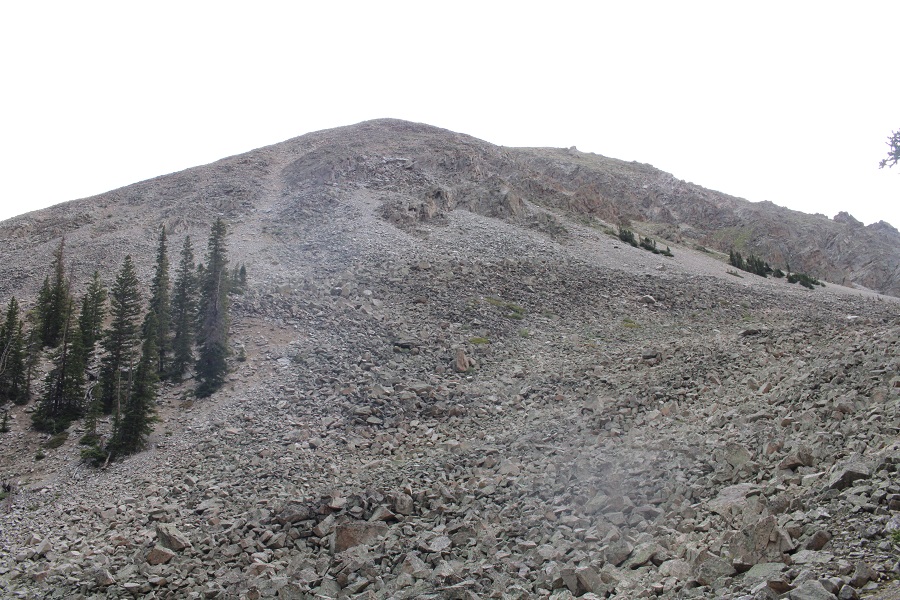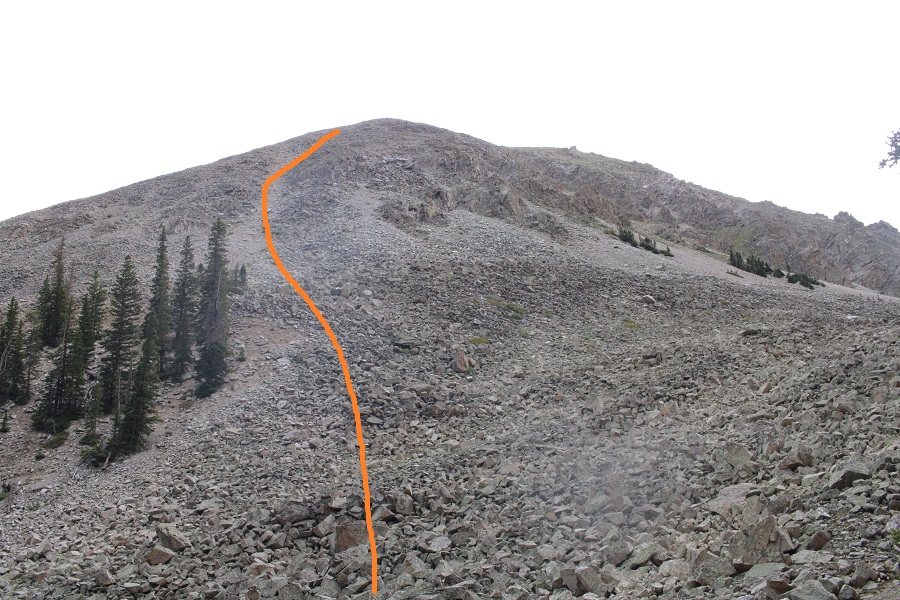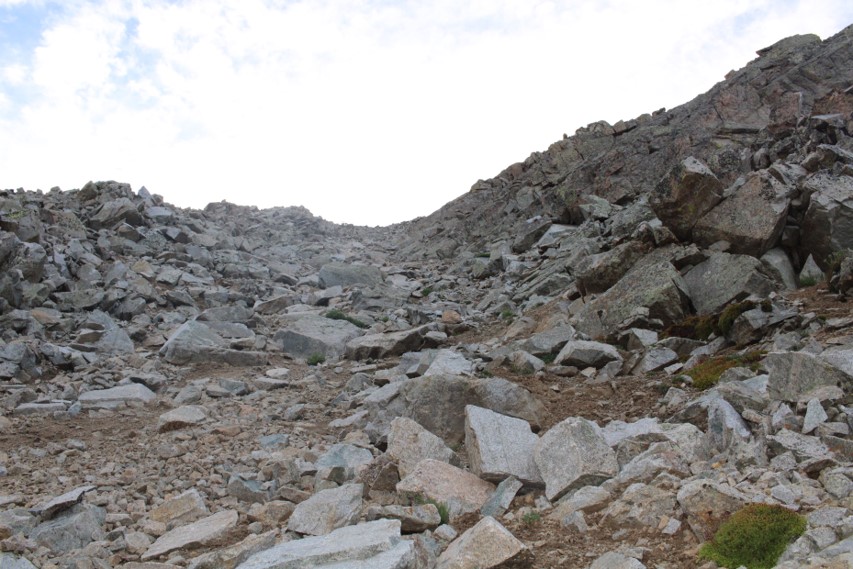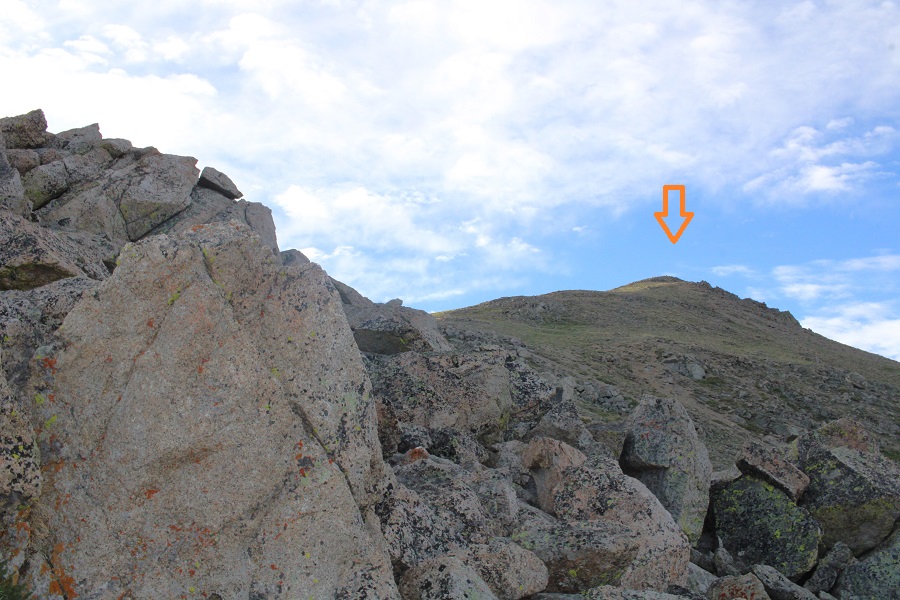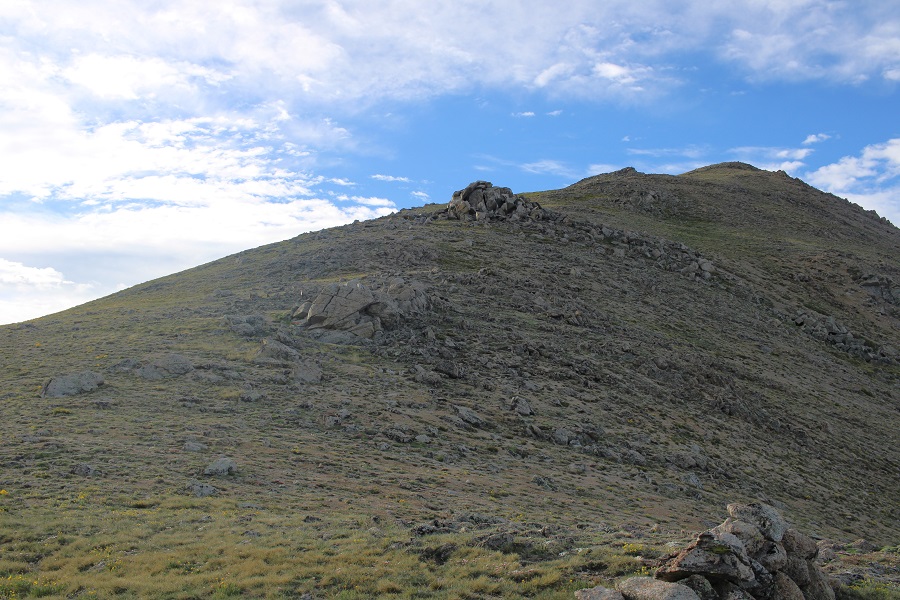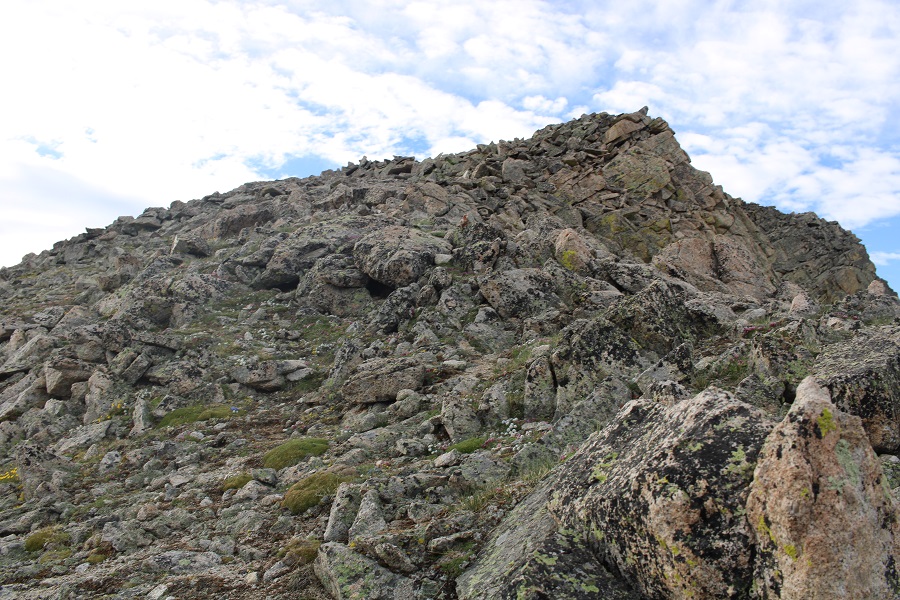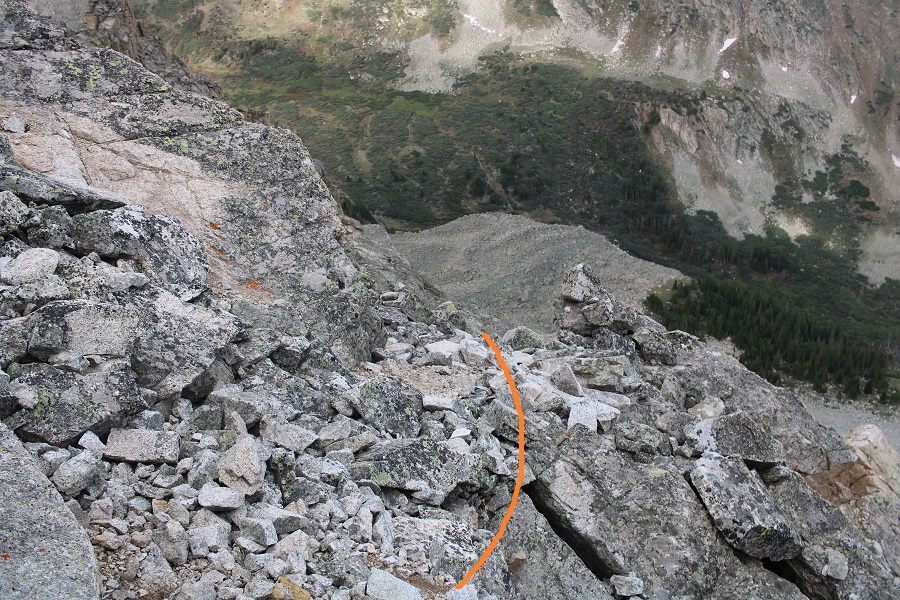
Tellurium Peak – 13,311

RT Length: 16.42 miles

Elevation Gain: 4219’

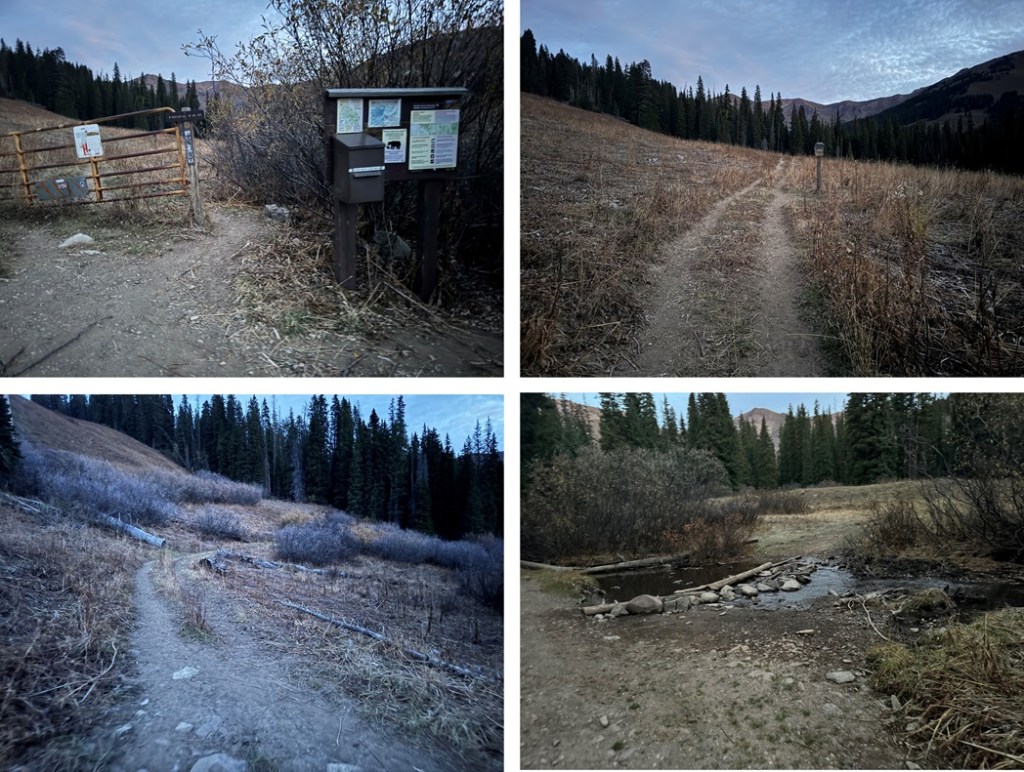
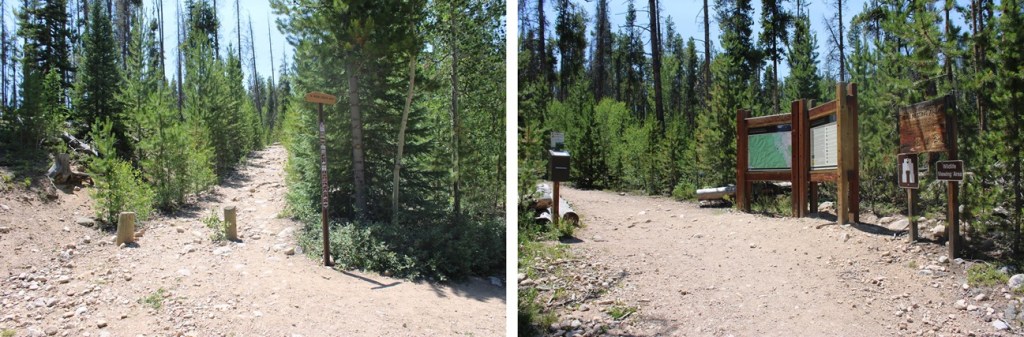
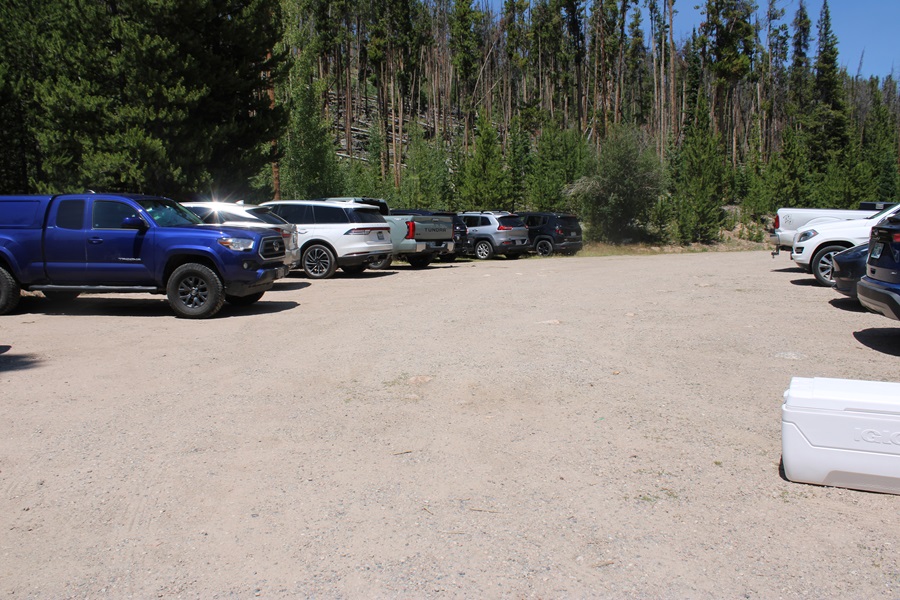
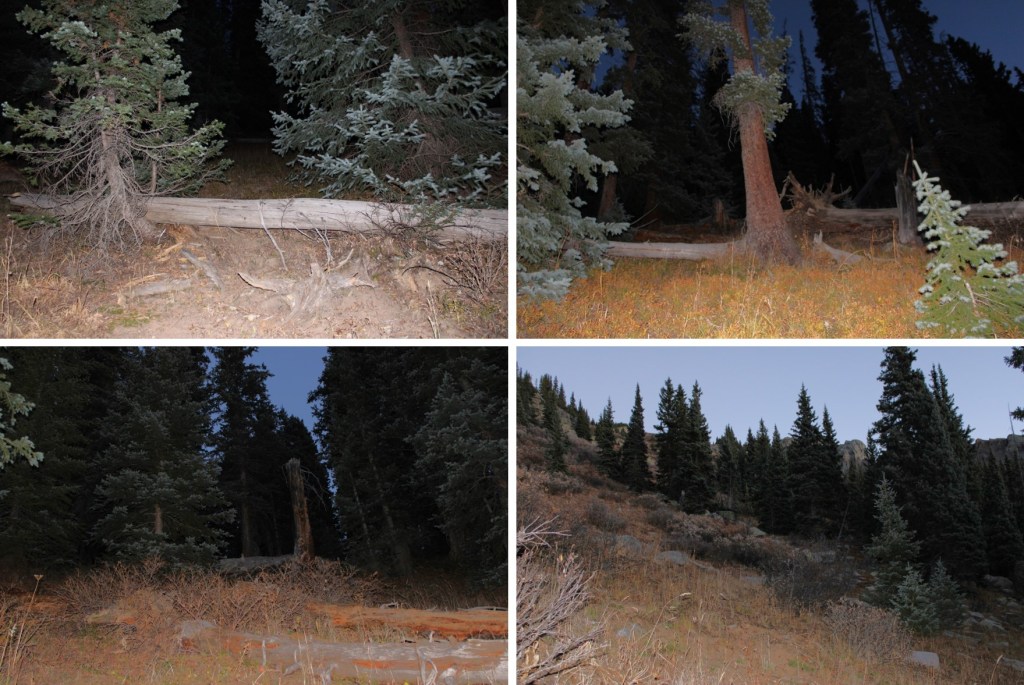
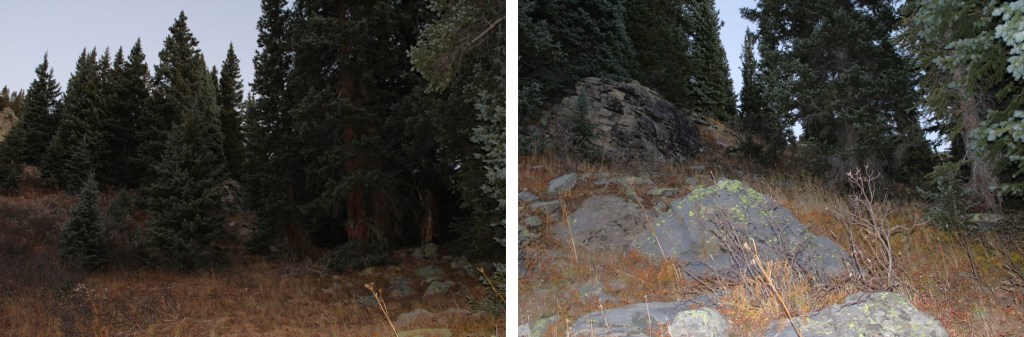
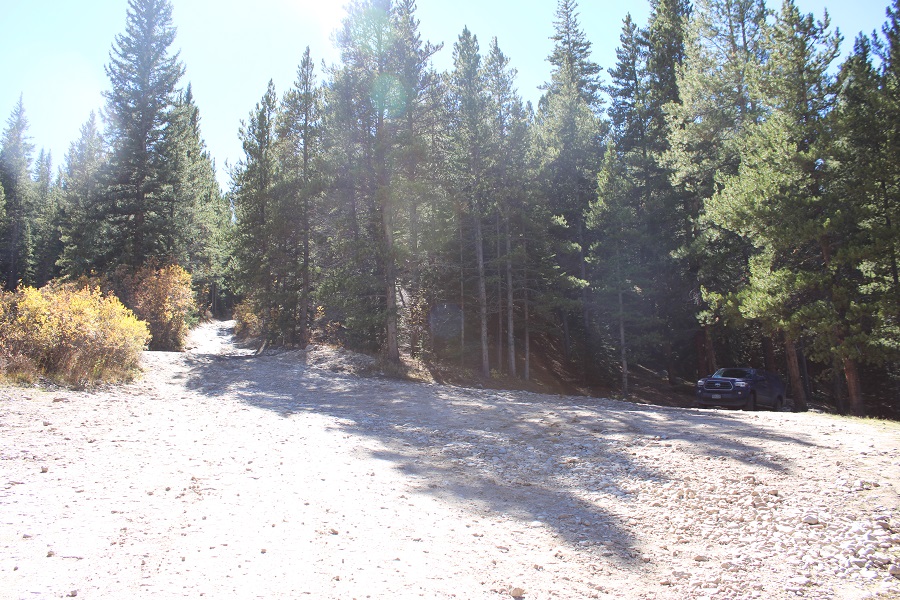
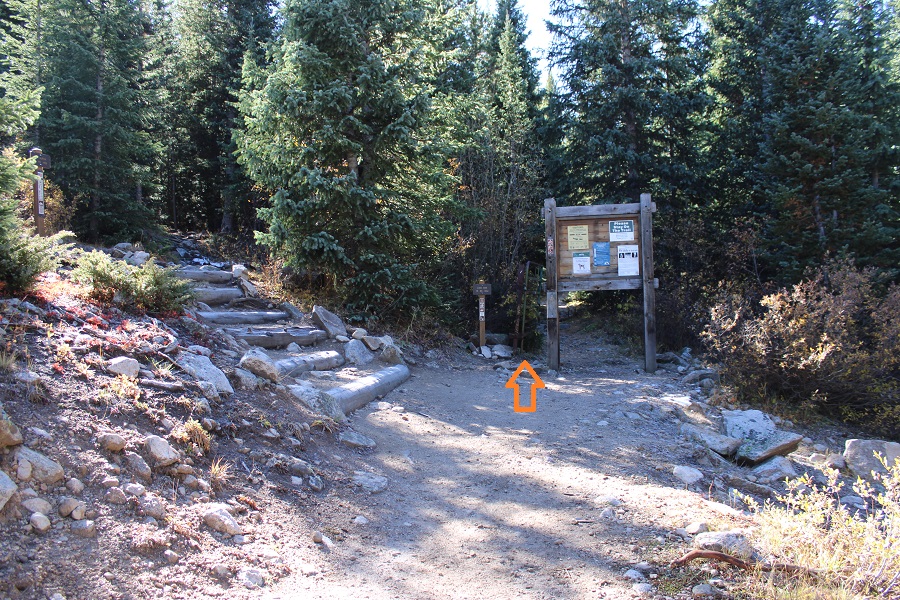
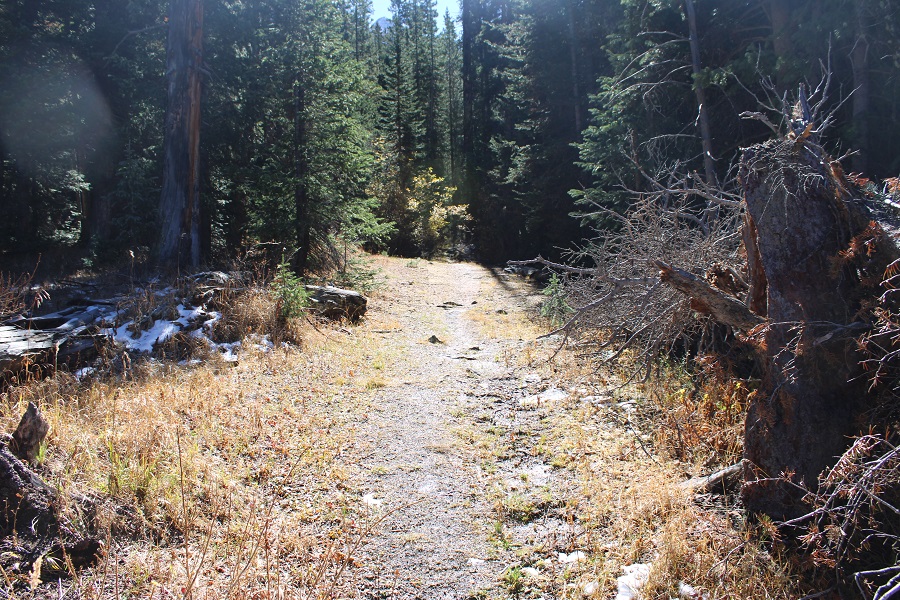
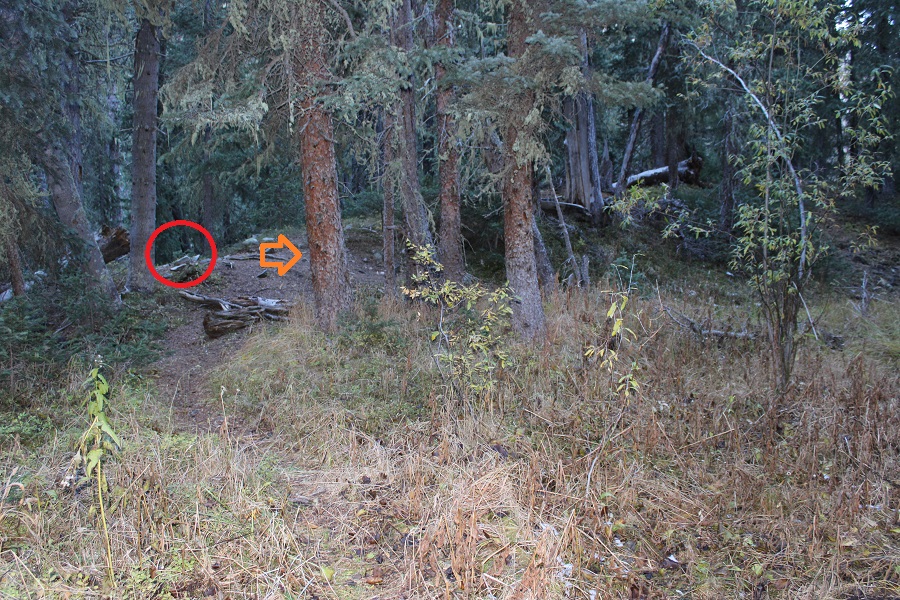
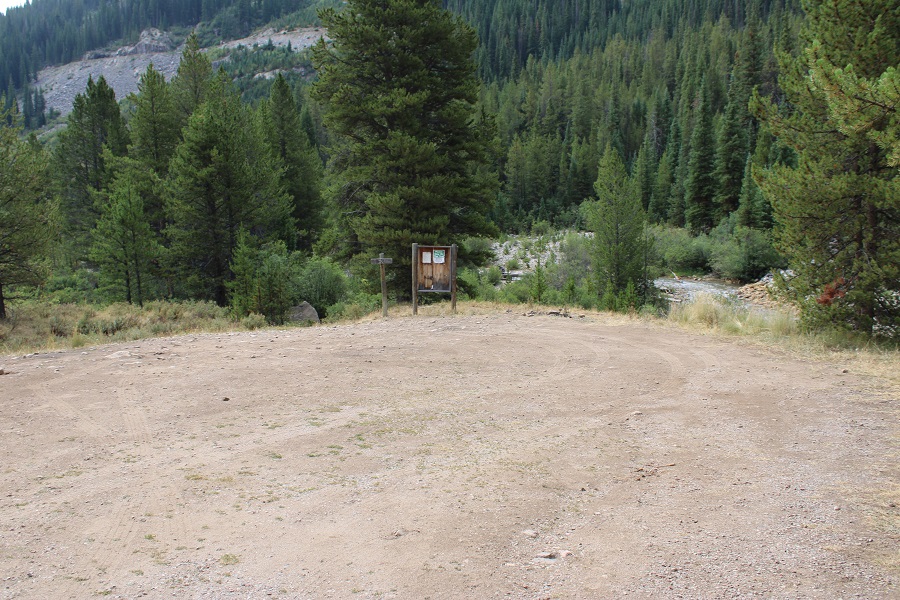
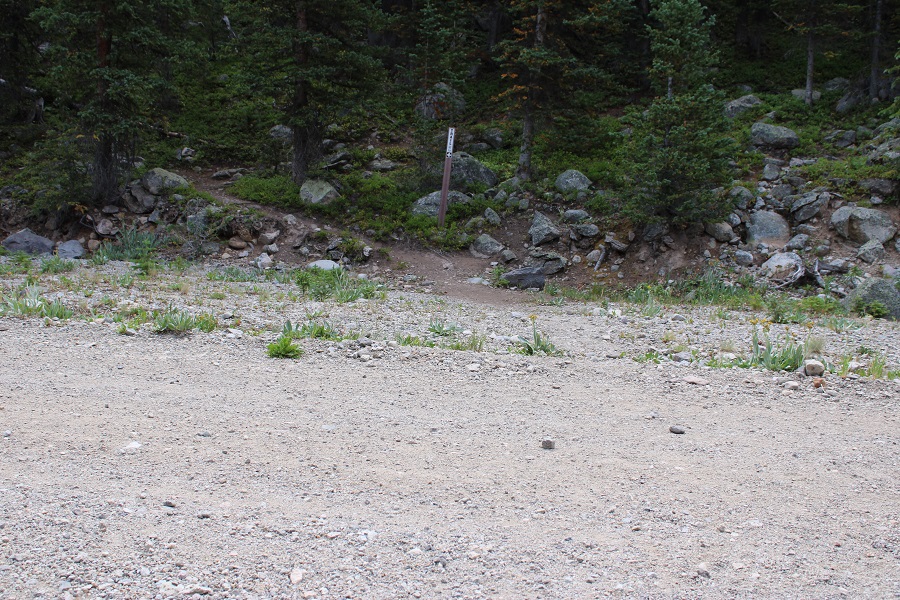
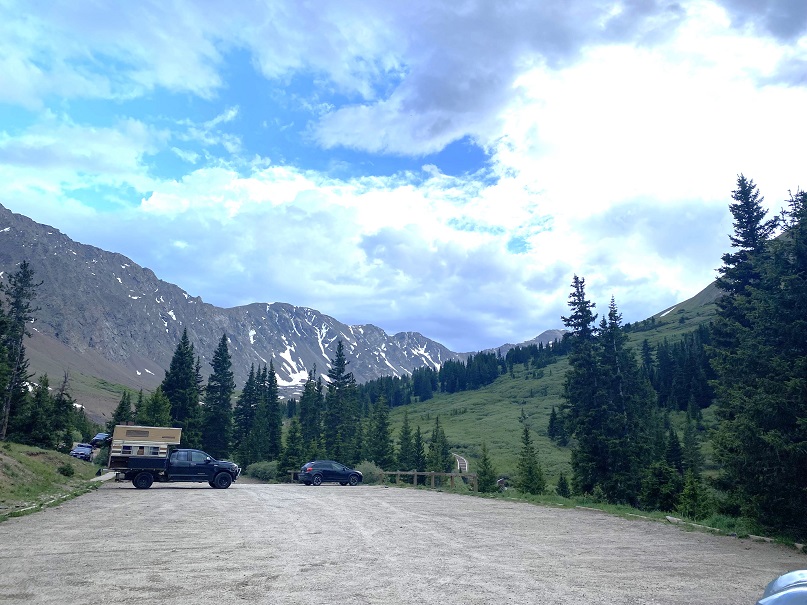
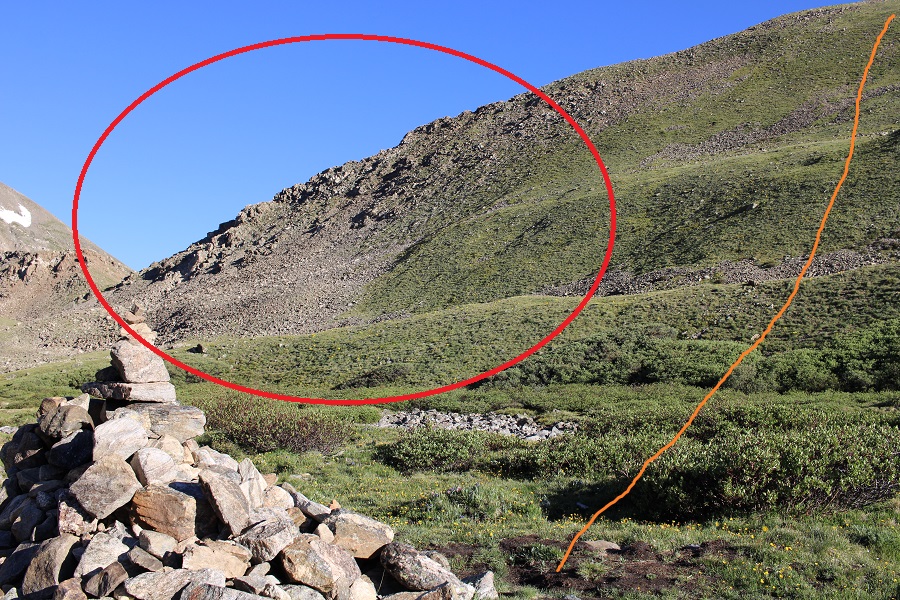
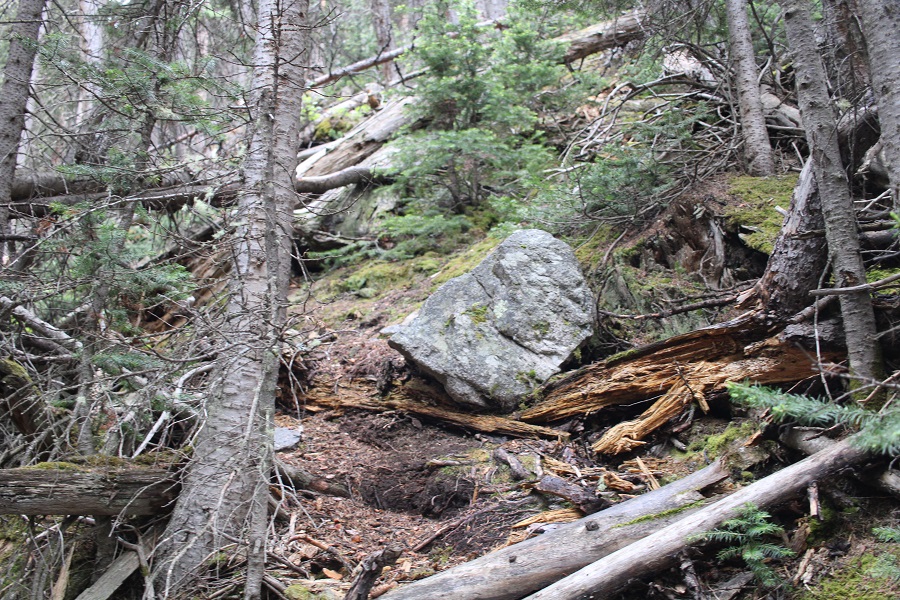
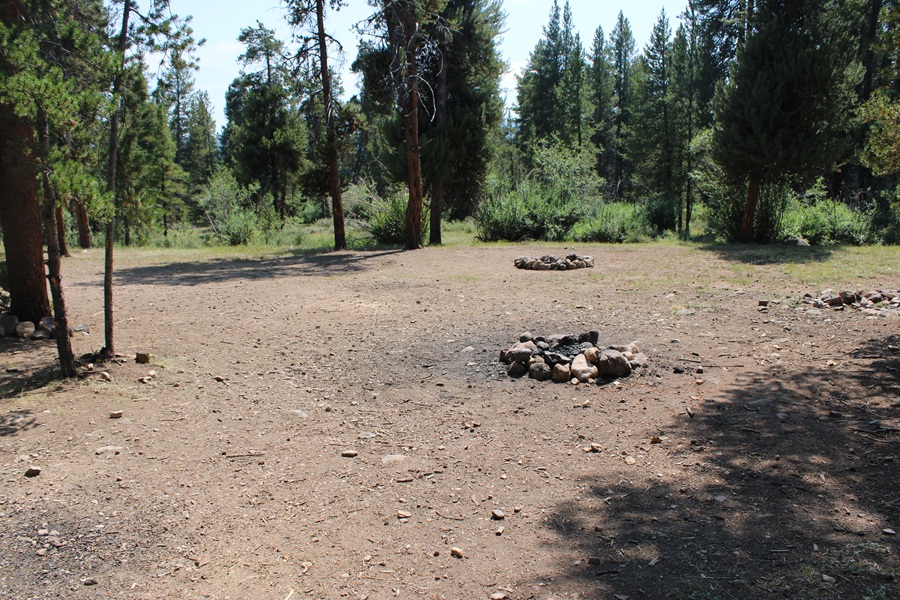
Last time I went to Ptarmigan Lake I did it in my side by side and it took over an hour and a half to drive up.  This time, feeling like I needed to ‘earn’ this hike, I parked in the dispersed camping area and hiked 6 or 7 miles (depending if you trust Strava versus CalTopo) to Ptarmigan Lake. Here’s a picture of the camping area.  There are several large, dispersed campsites at the beginning of the 4WD road.  Vehicles (Tundra, Subaru, Tacoma, 4Runner, etc.) are not allowed on this road, so unless you have a side by side, Razor, etc. you’ll need to hike in. 
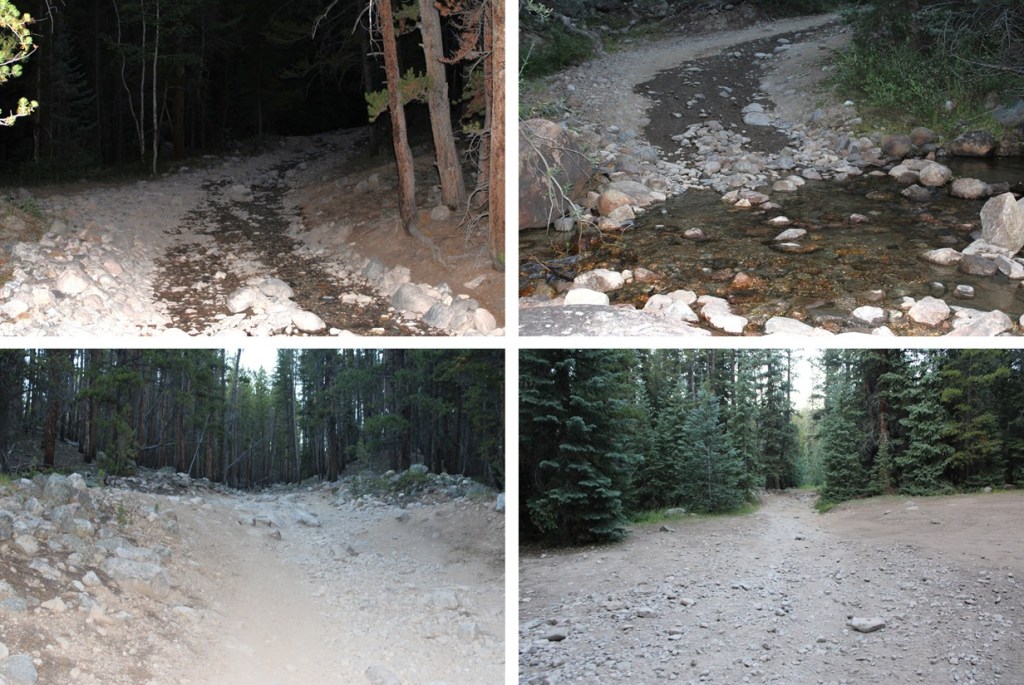
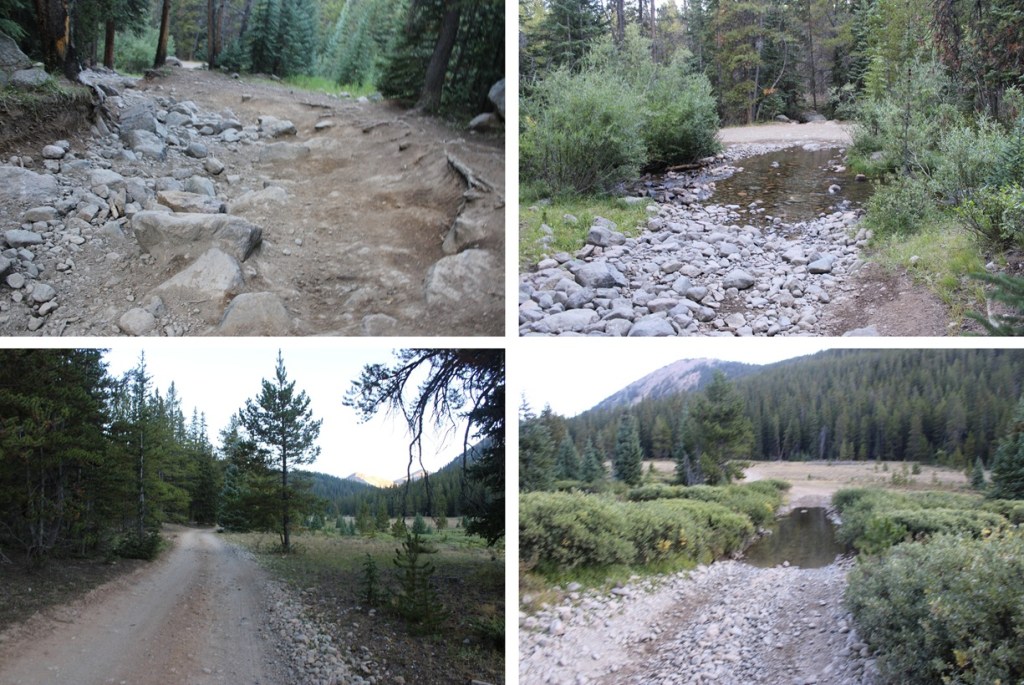
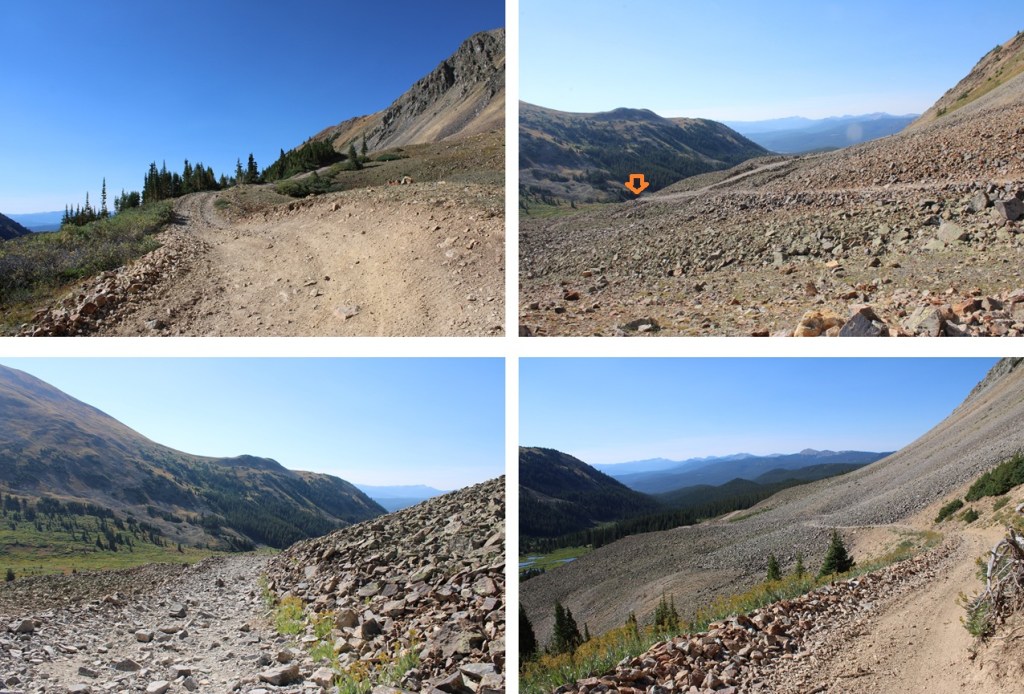
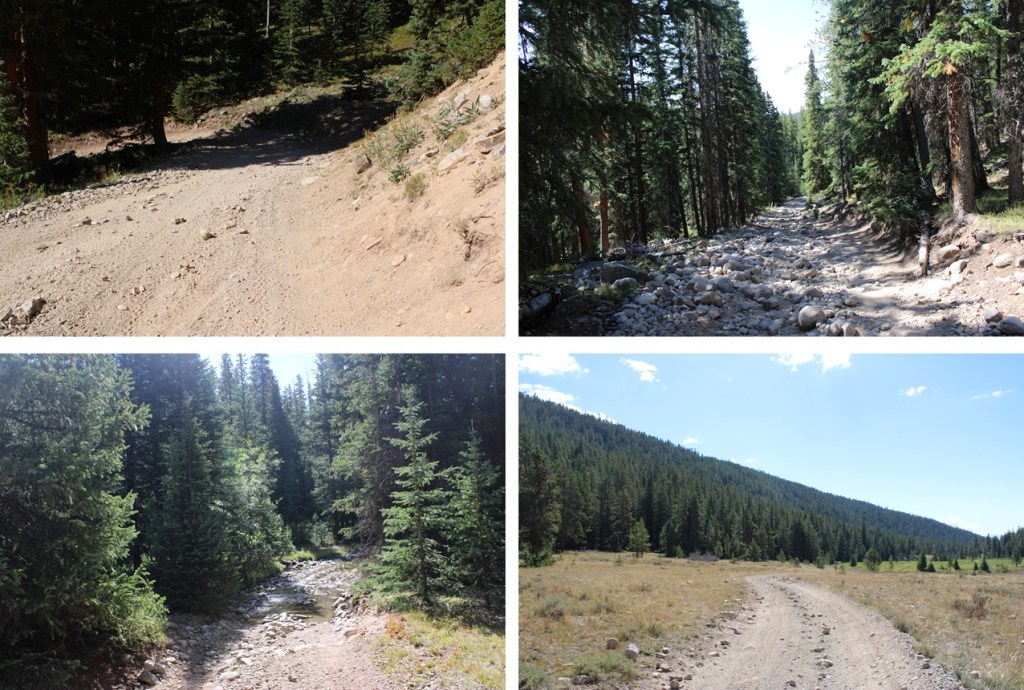
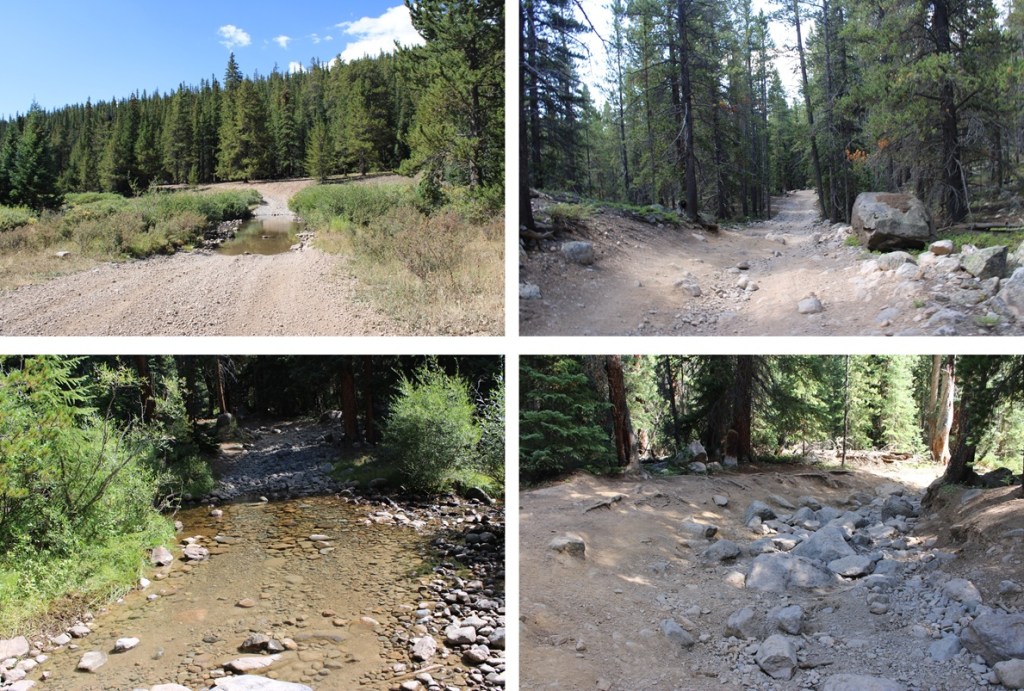
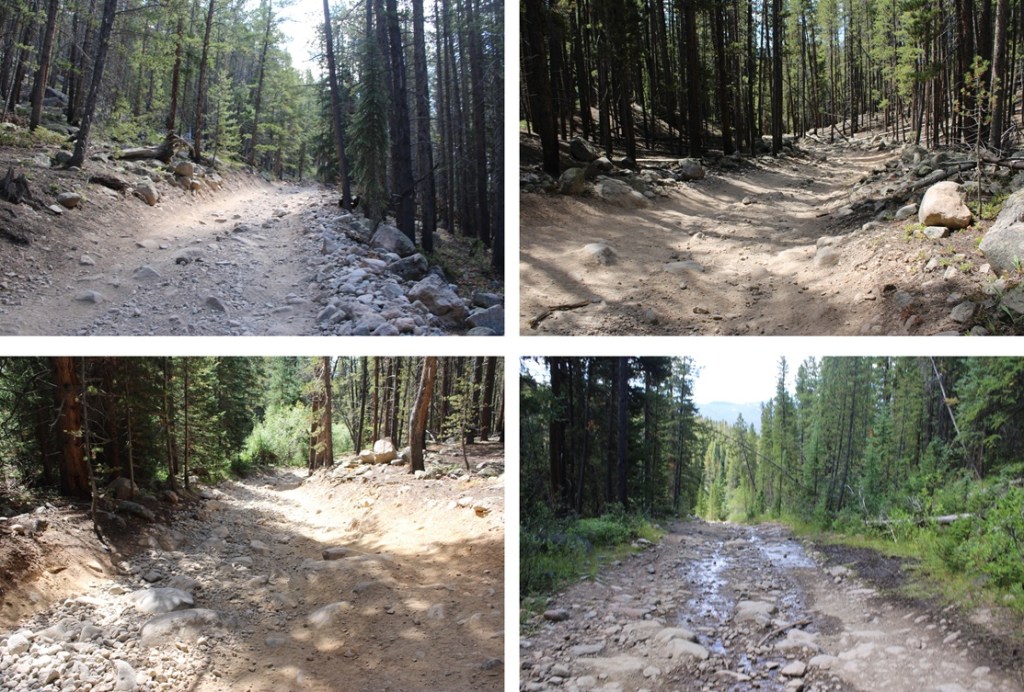
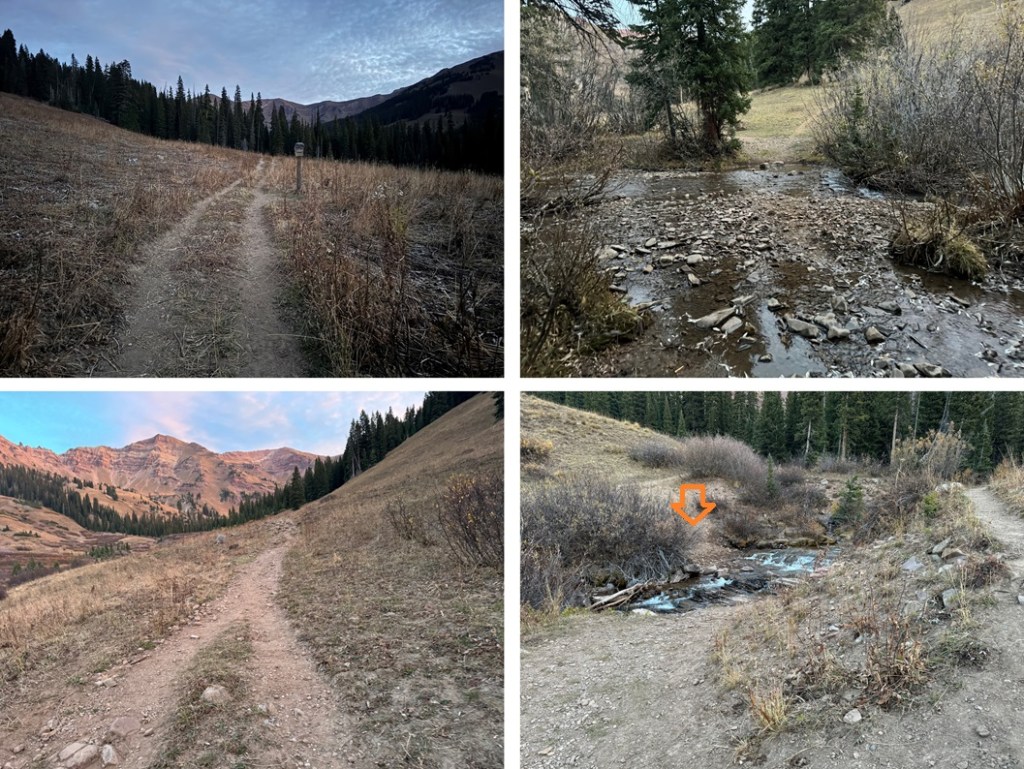
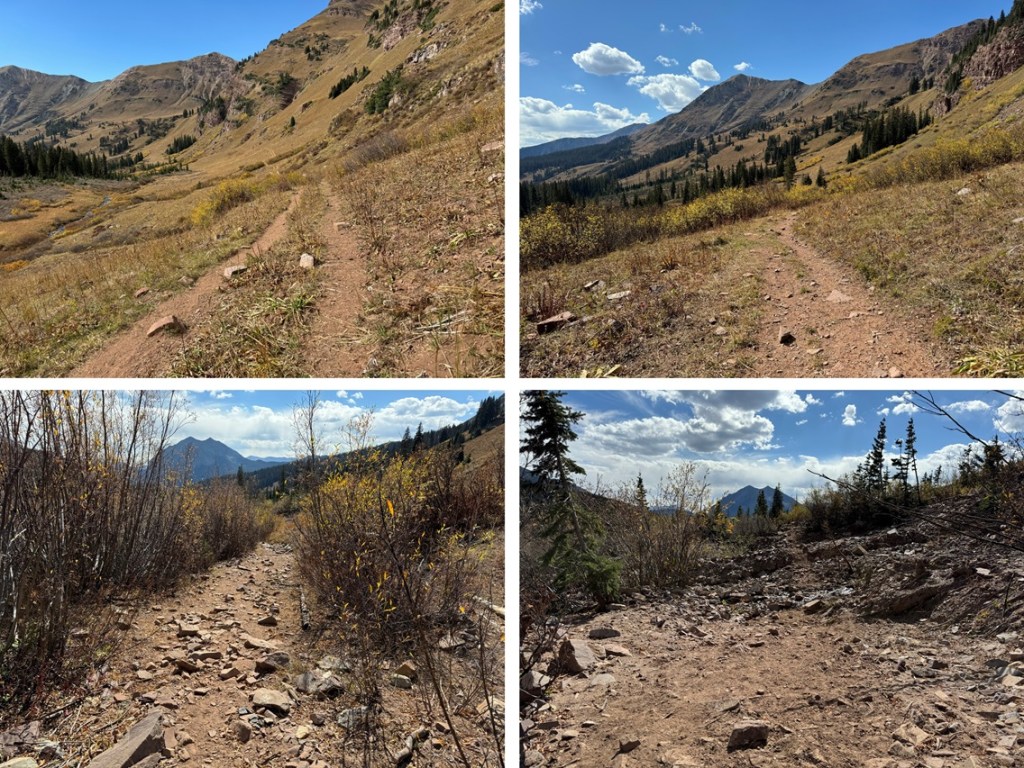
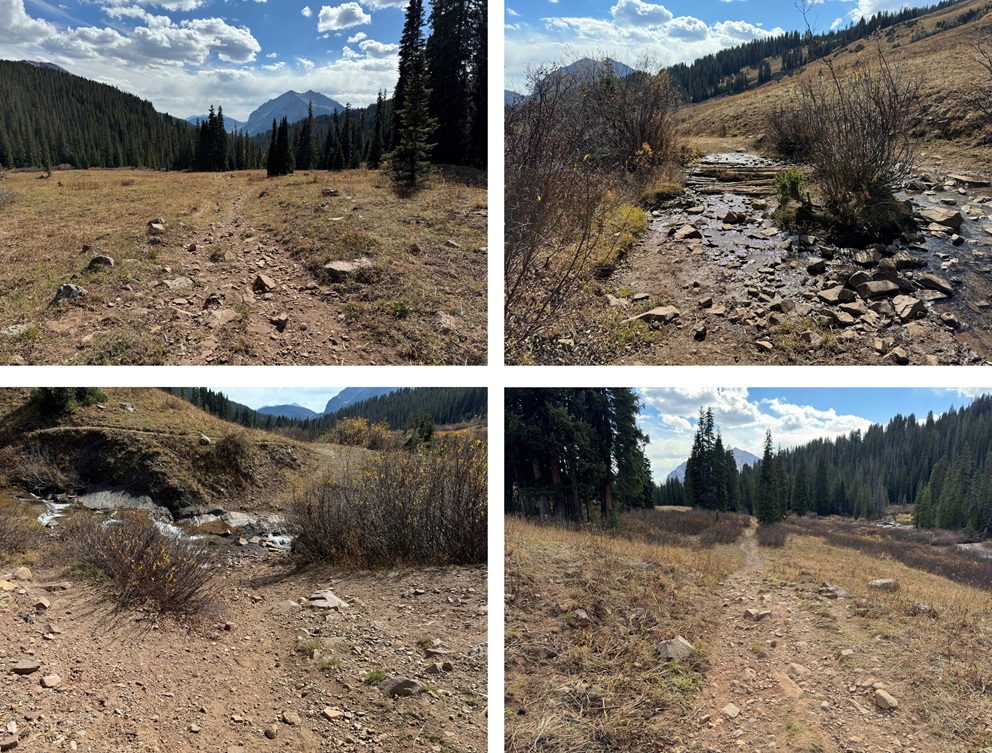
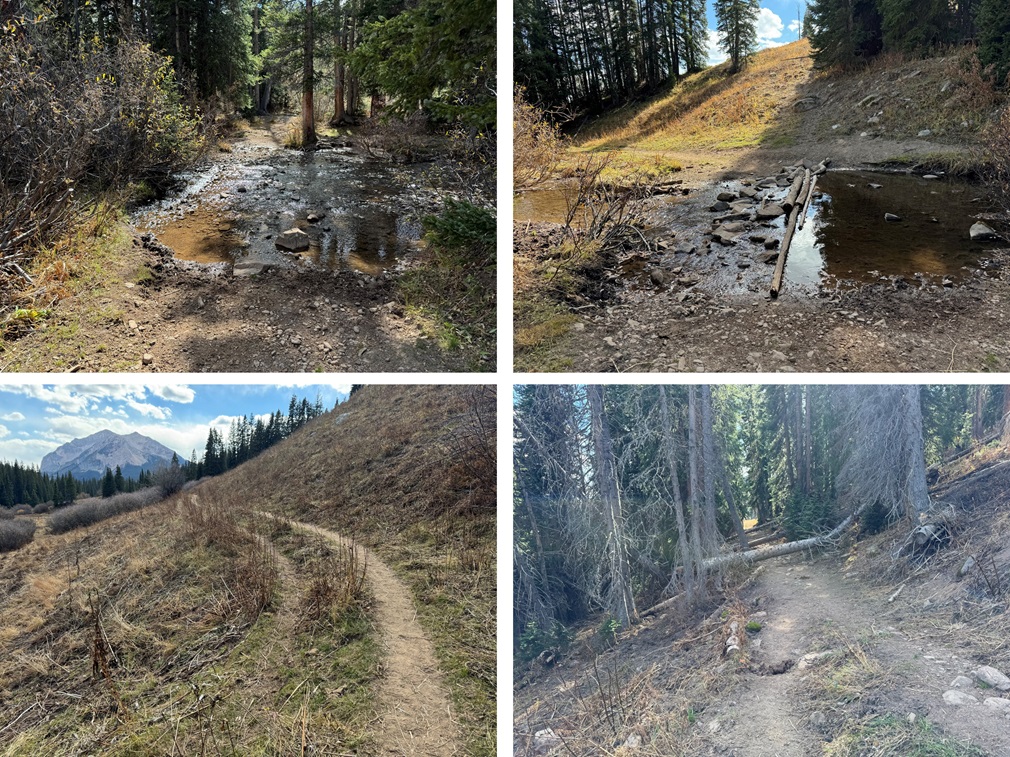
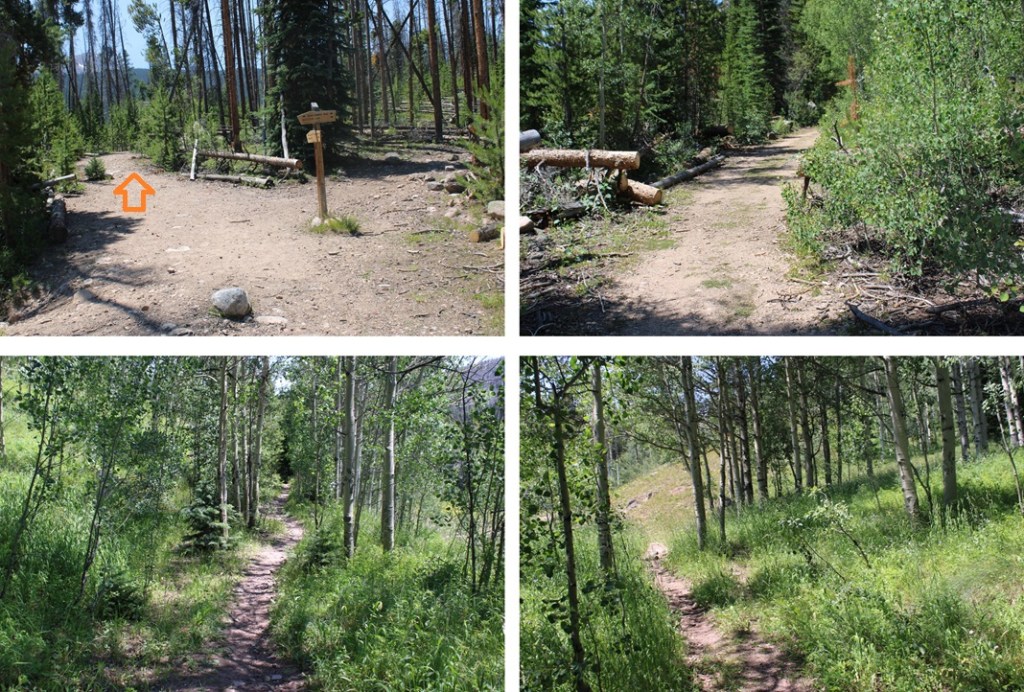
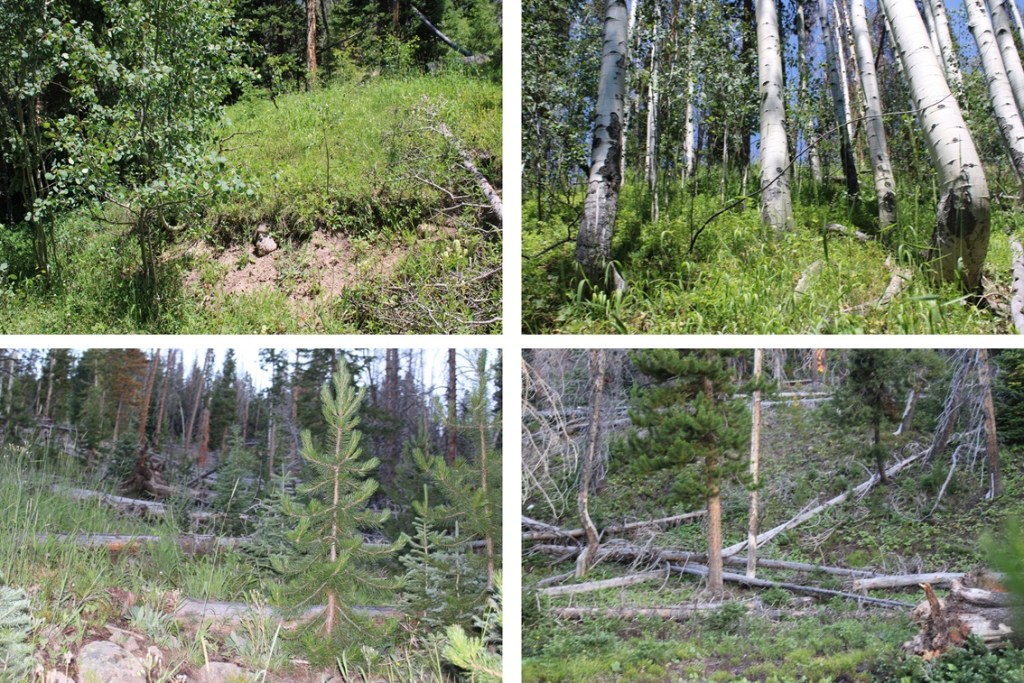
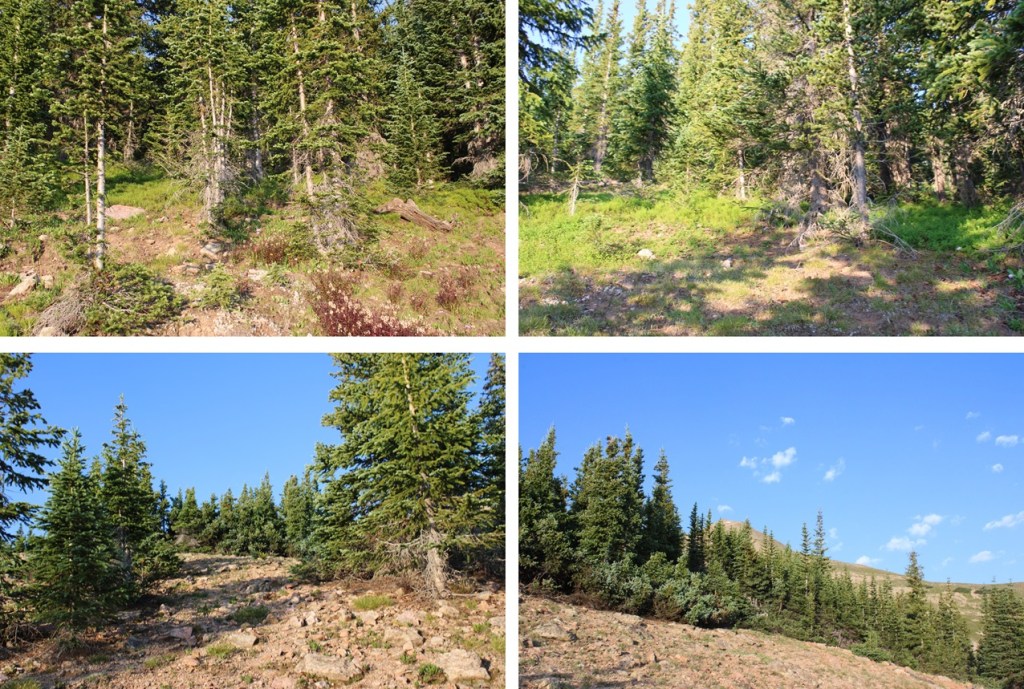
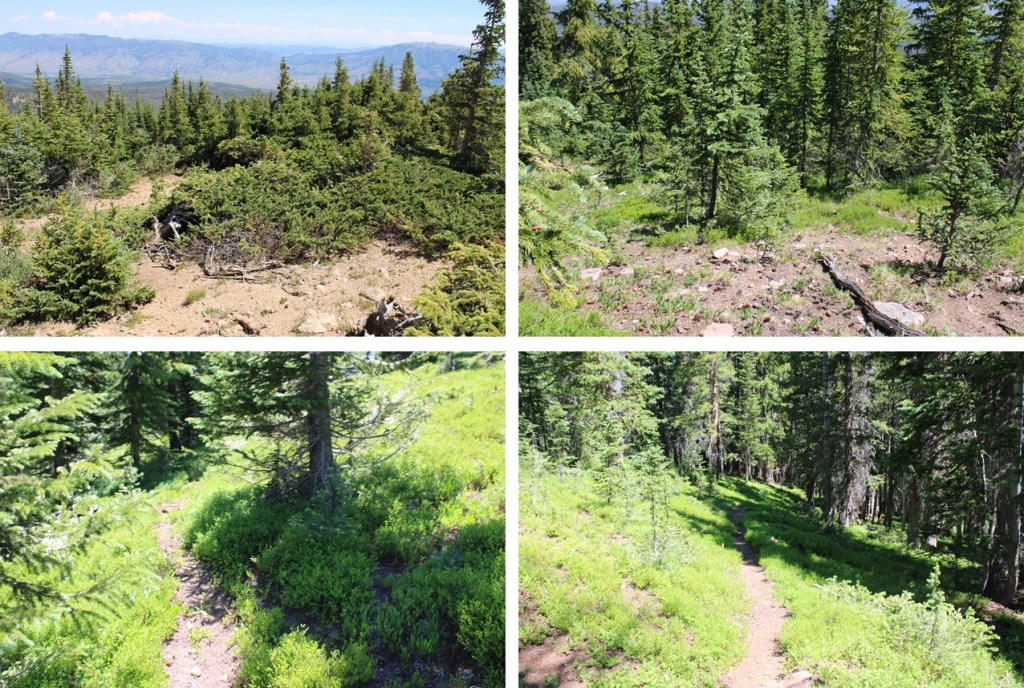
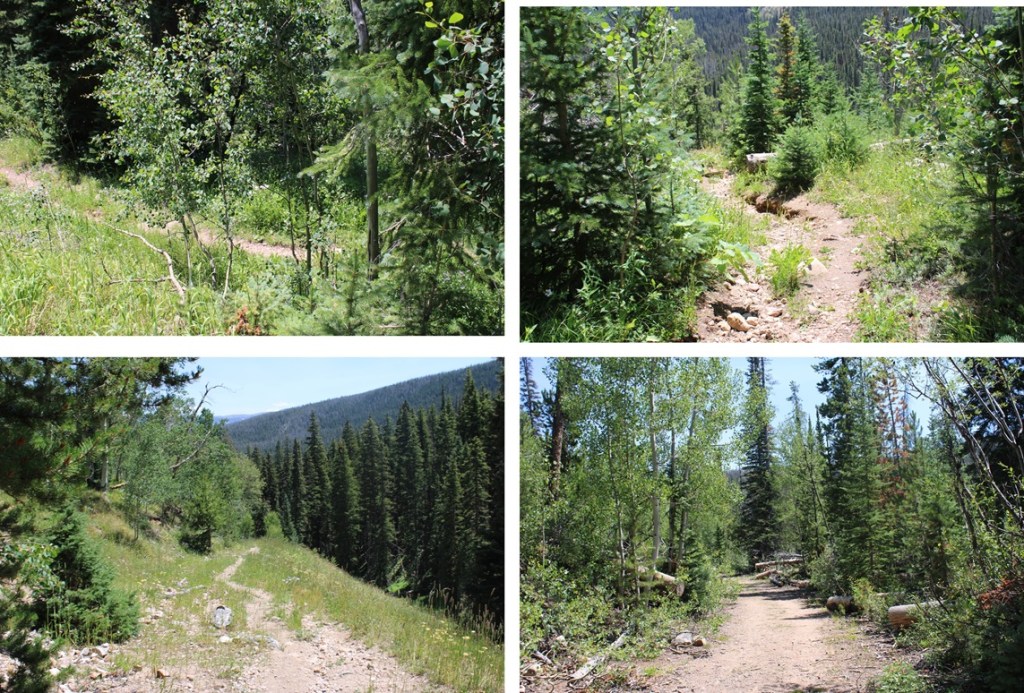
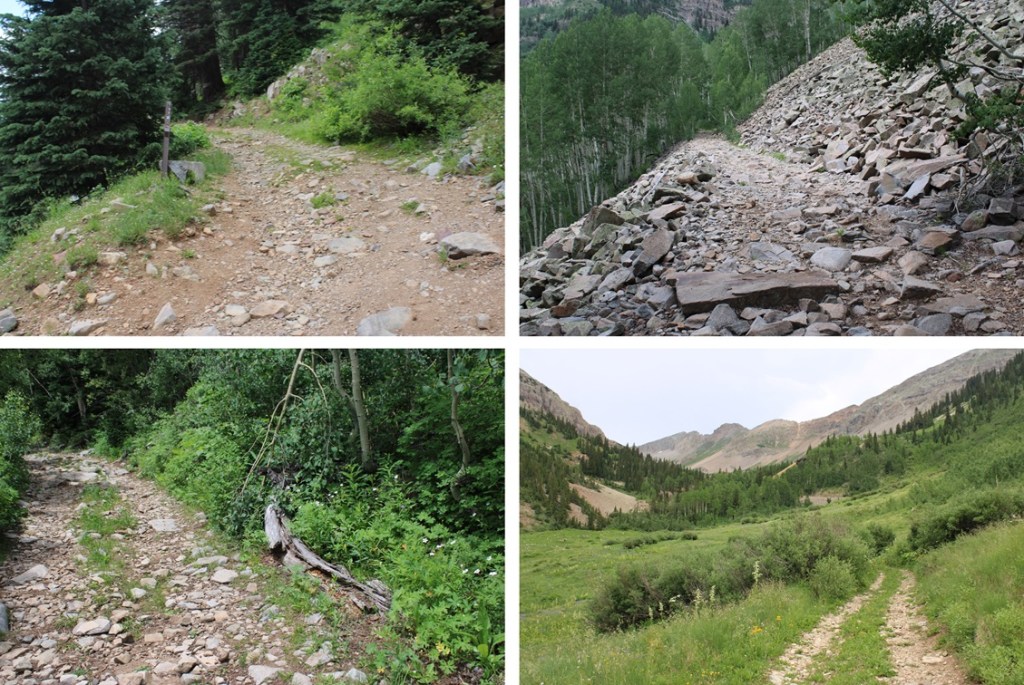
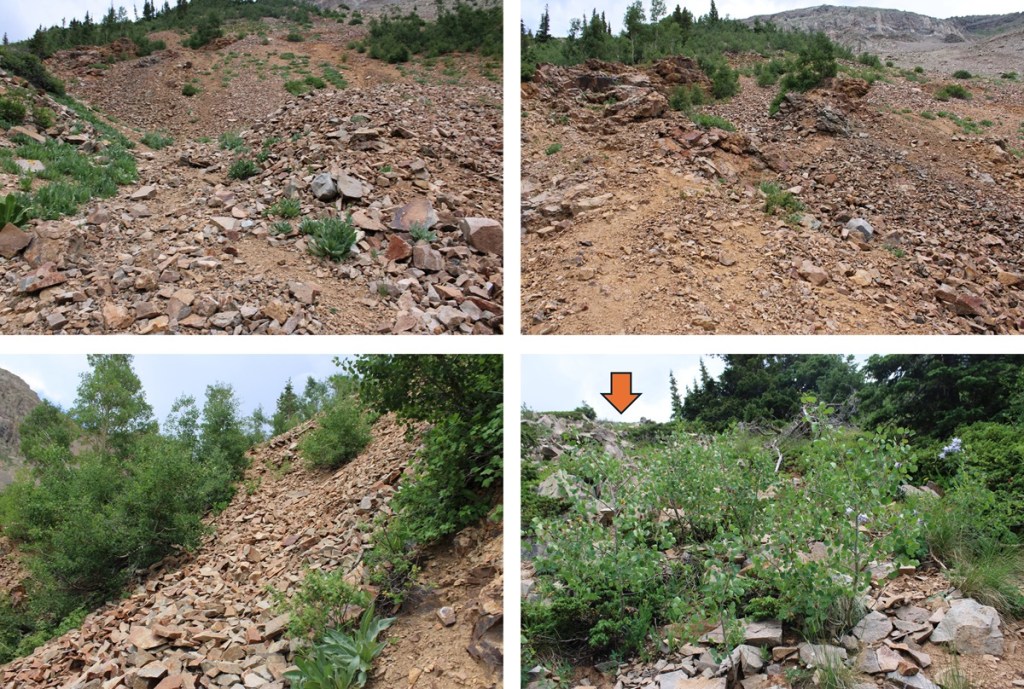
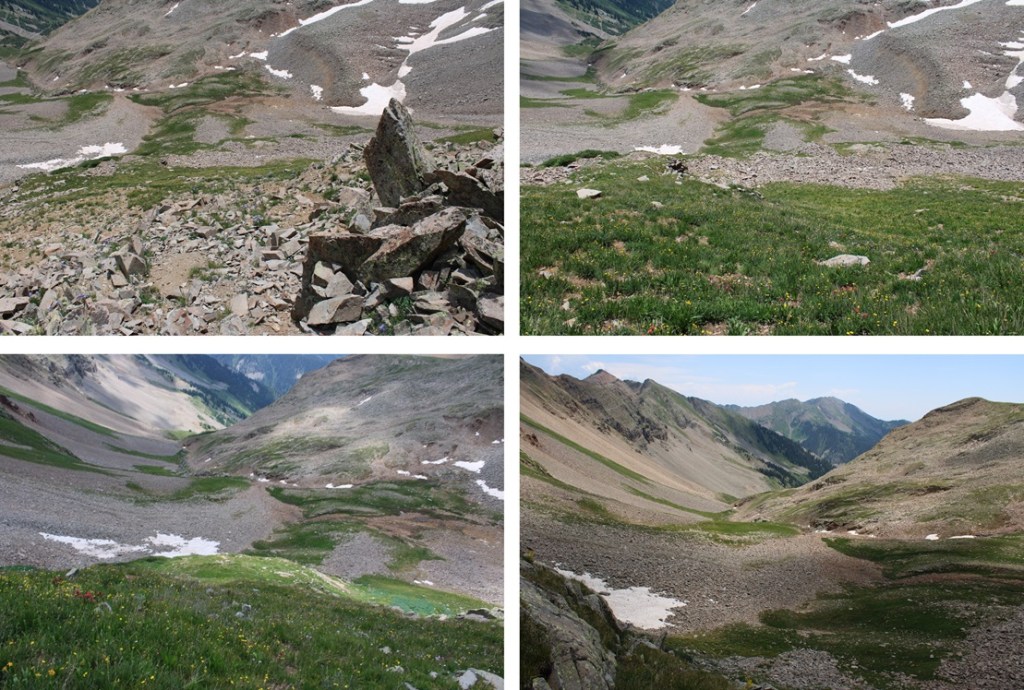
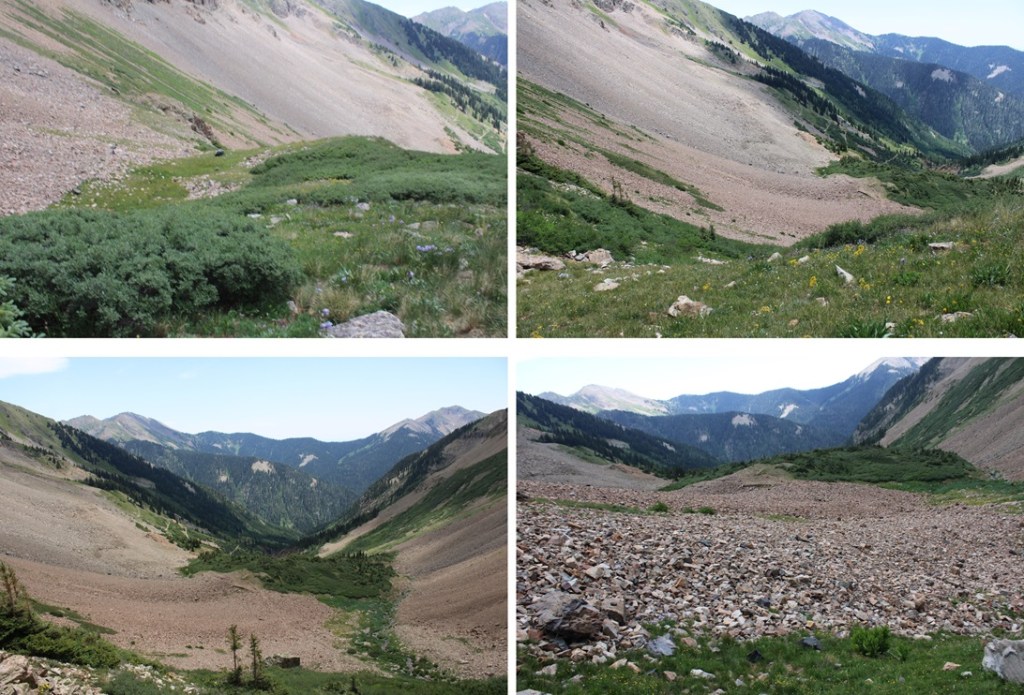
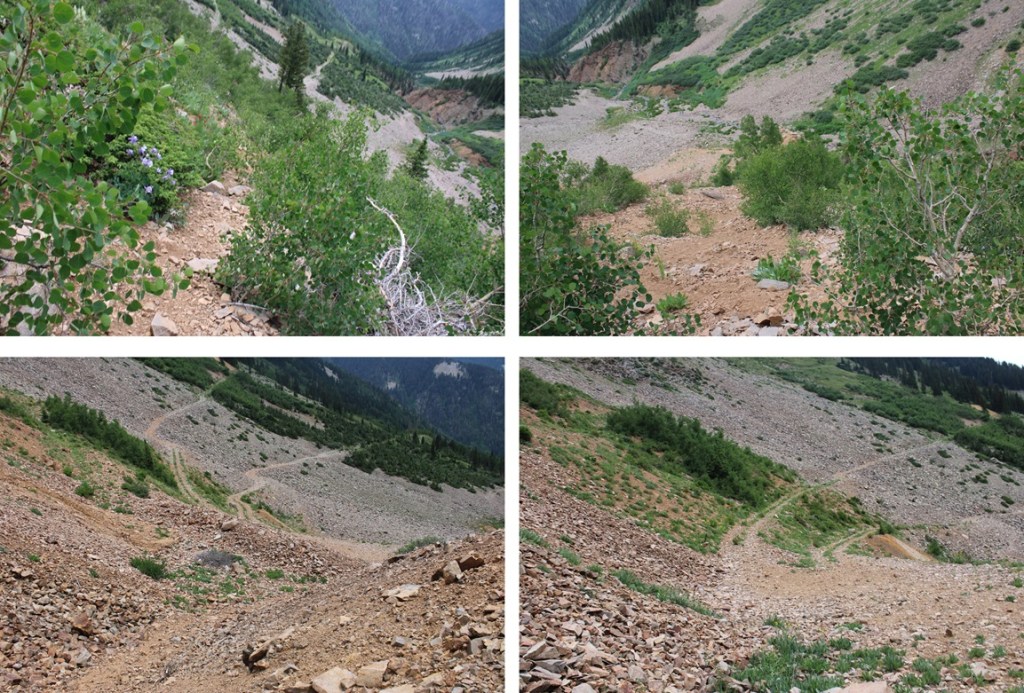
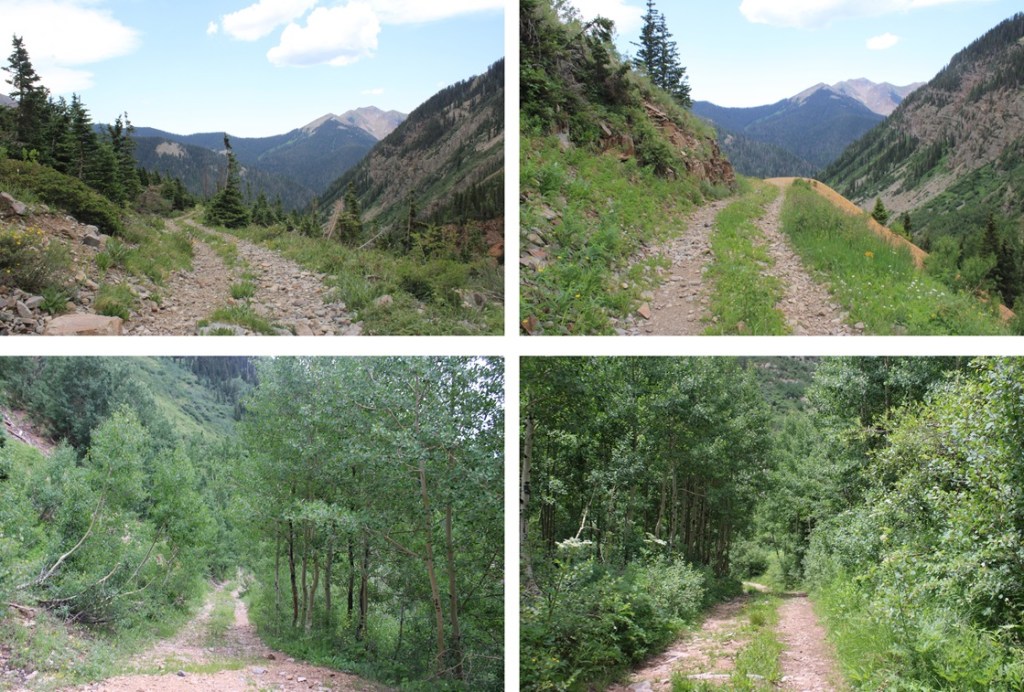
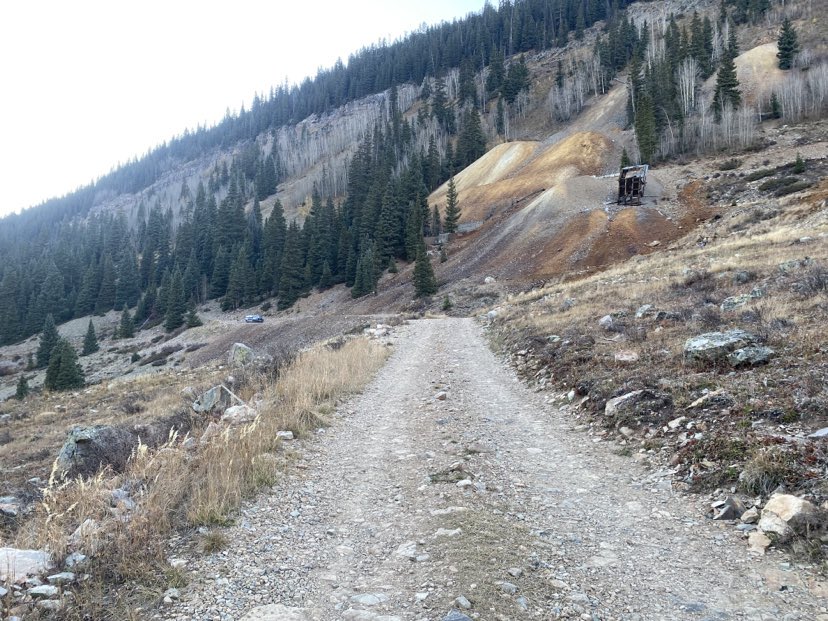
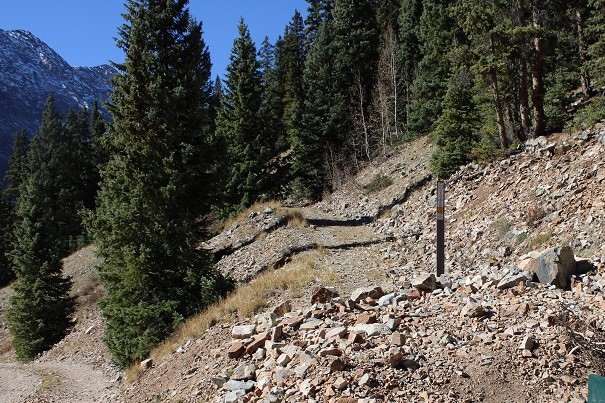
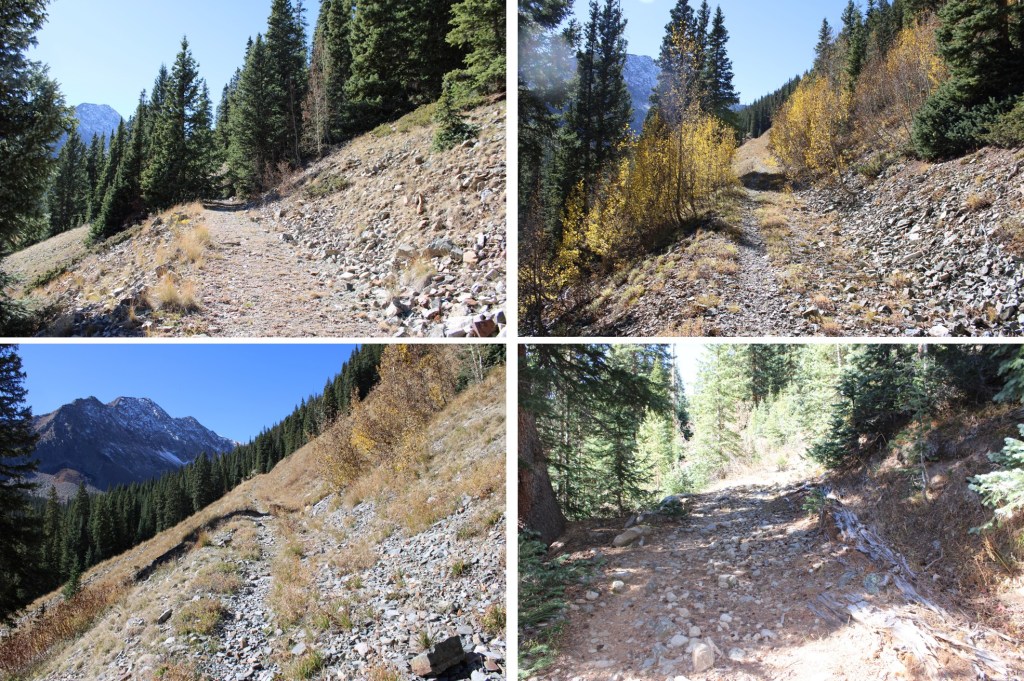
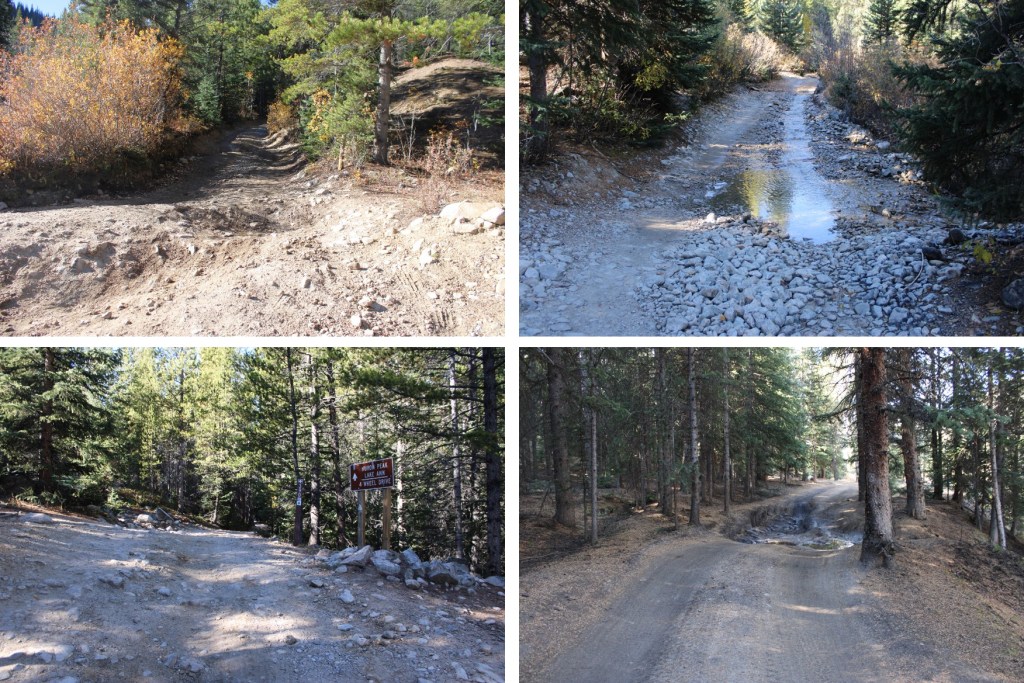
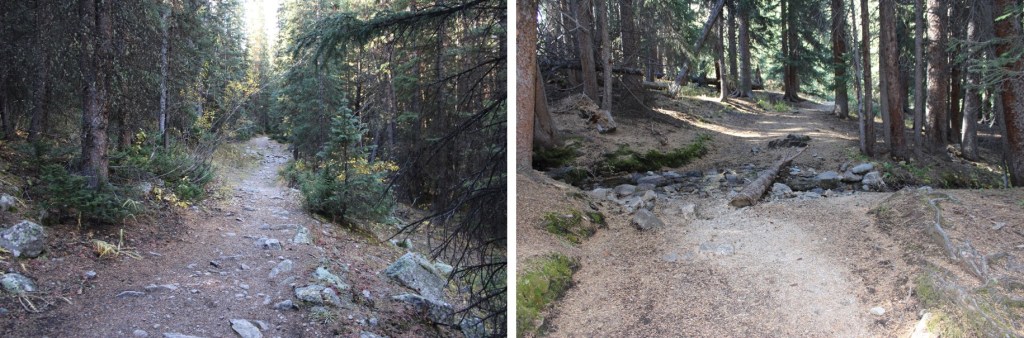
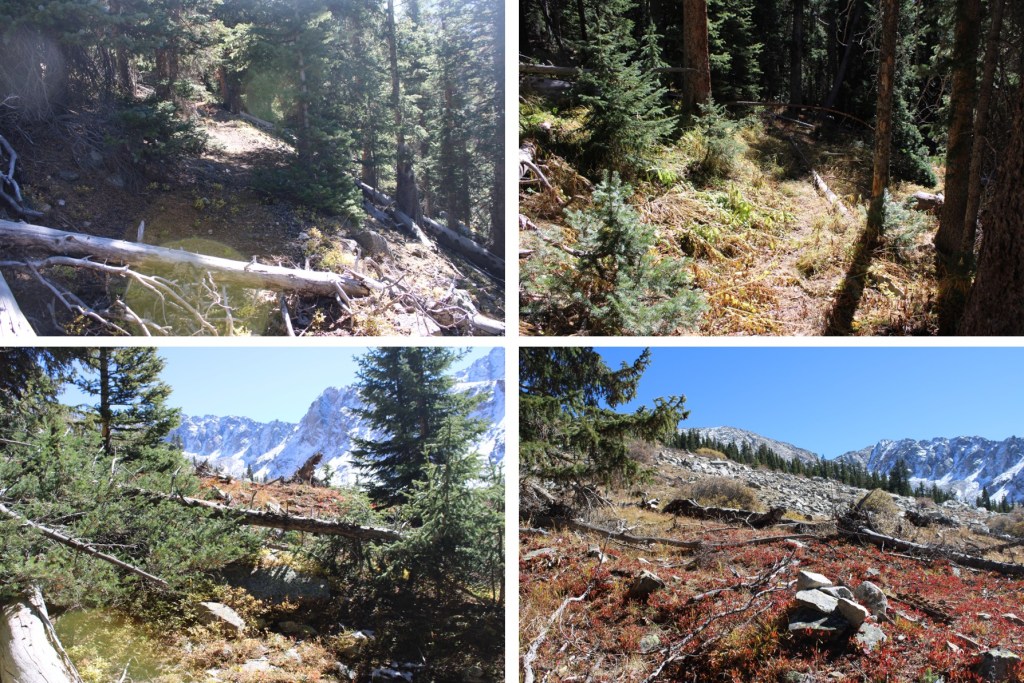
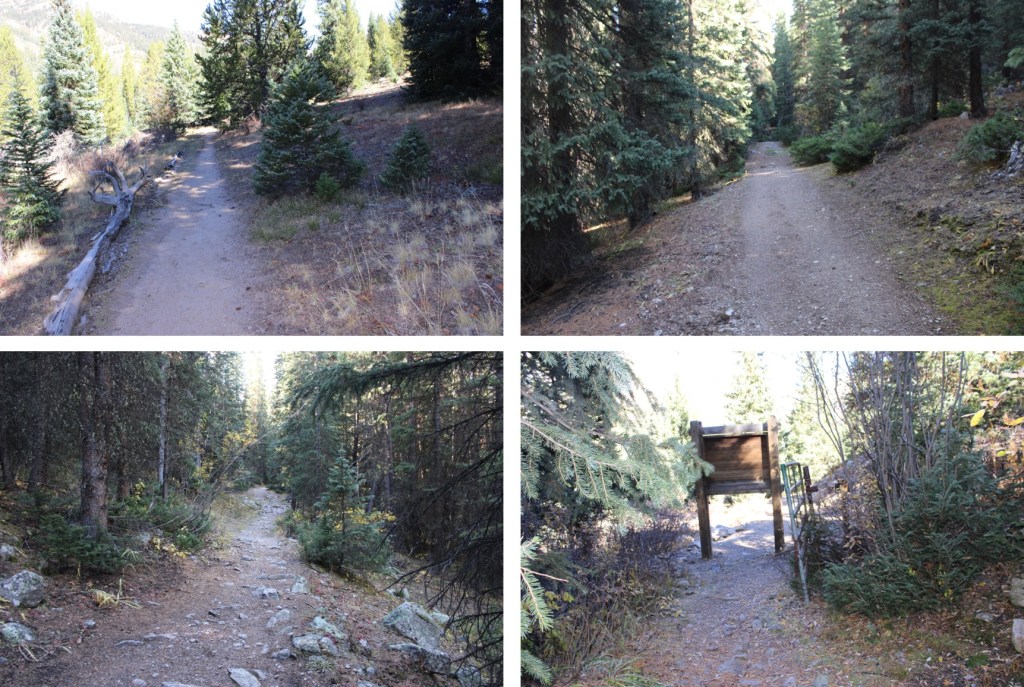
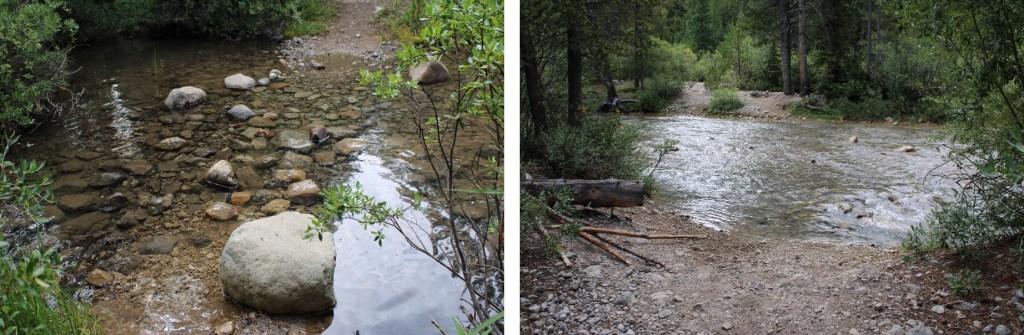
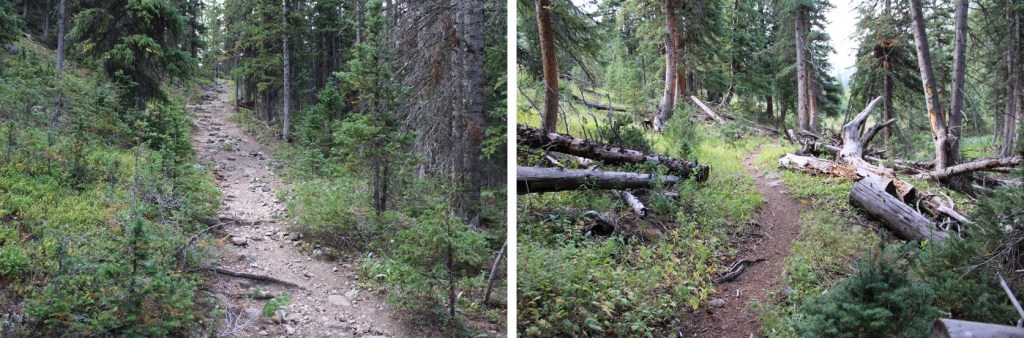
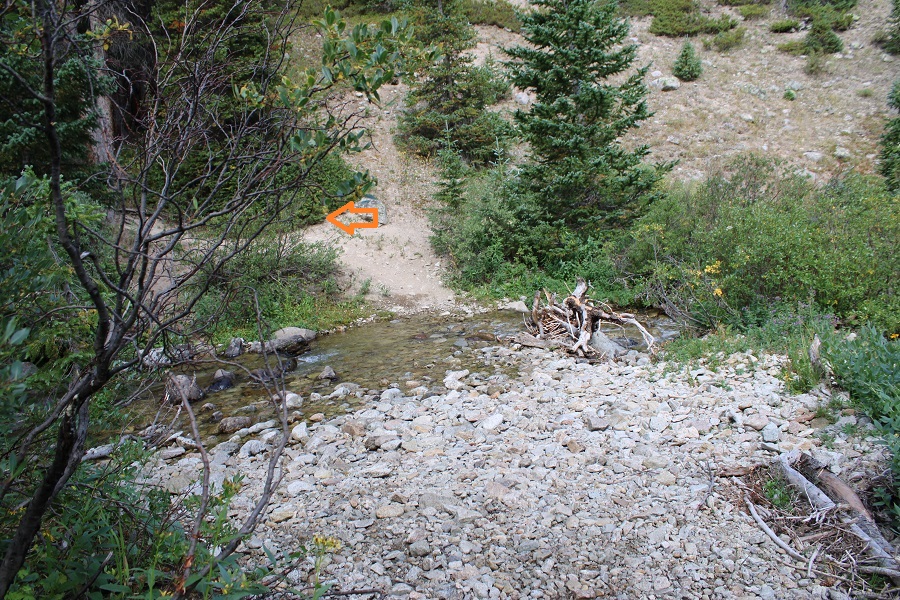
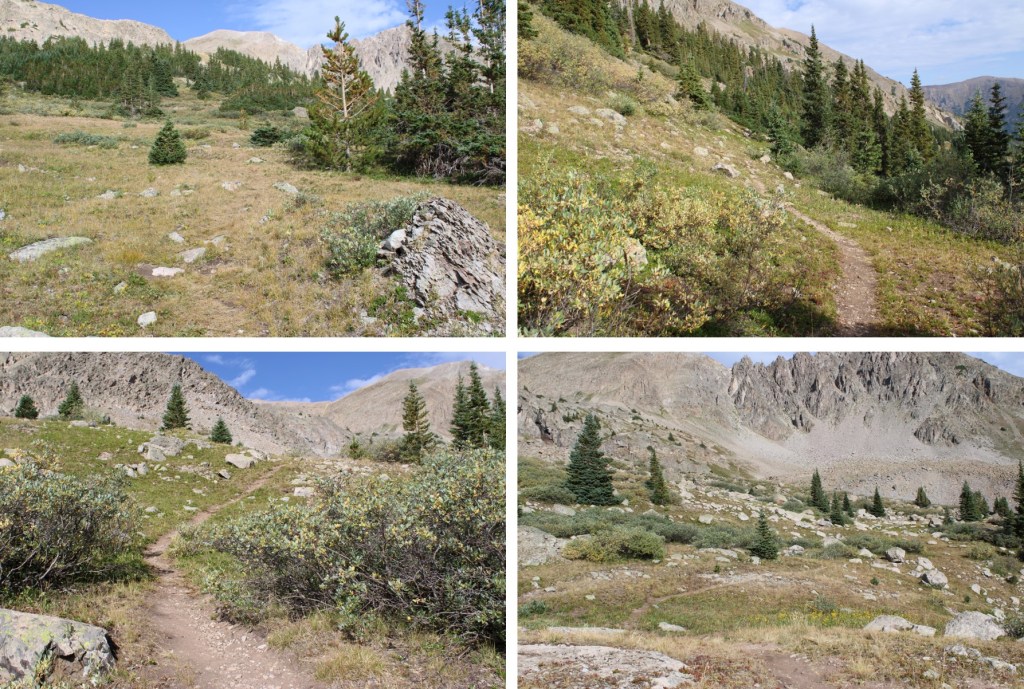
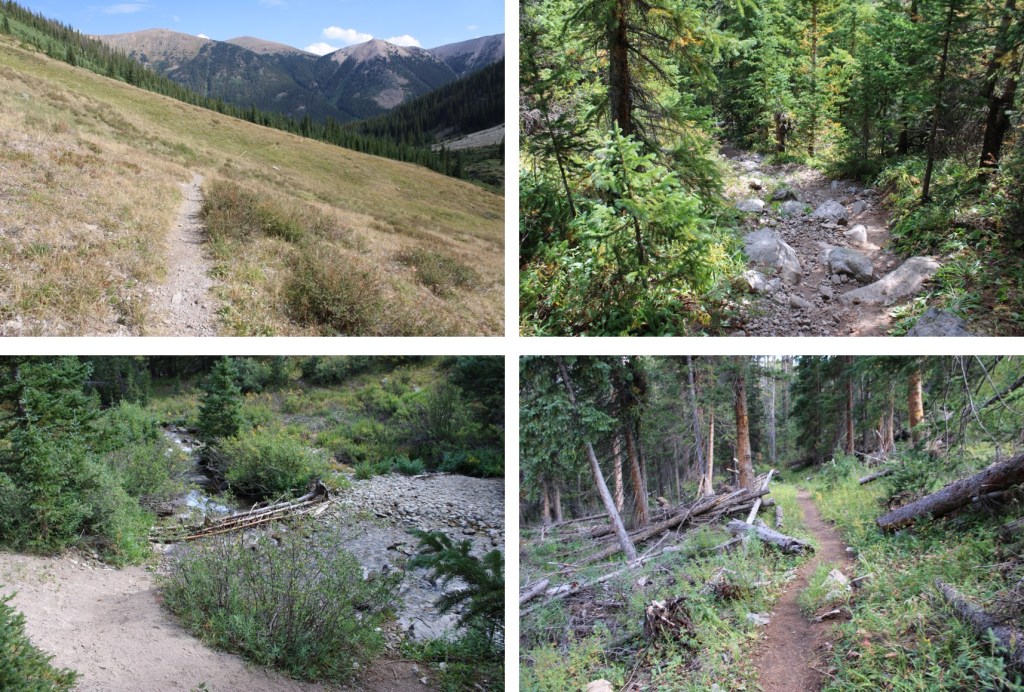
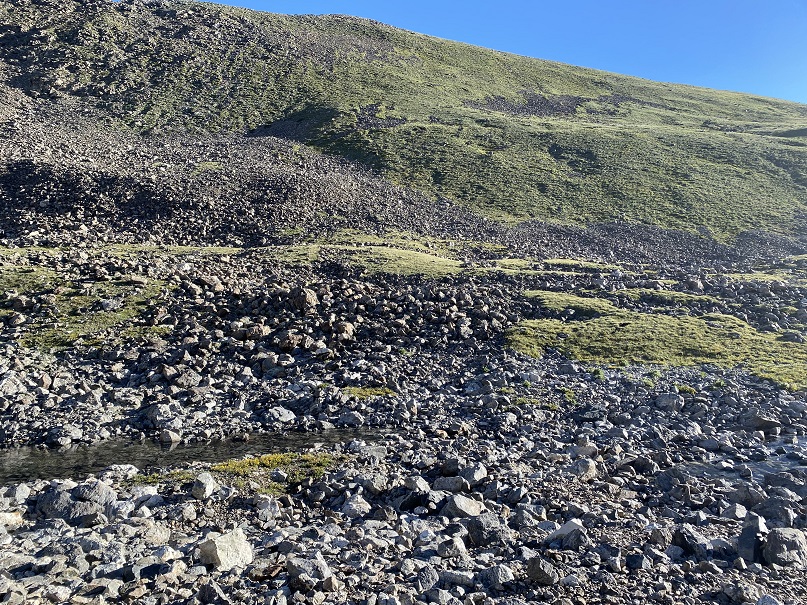
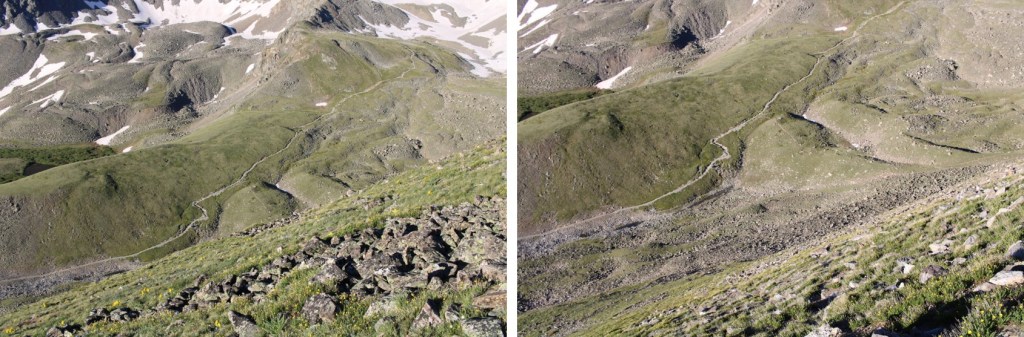
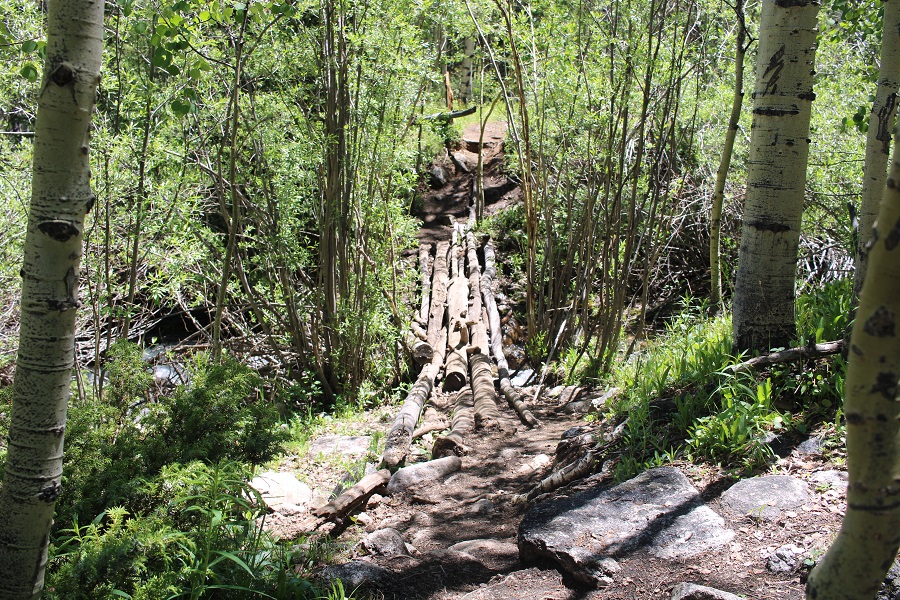
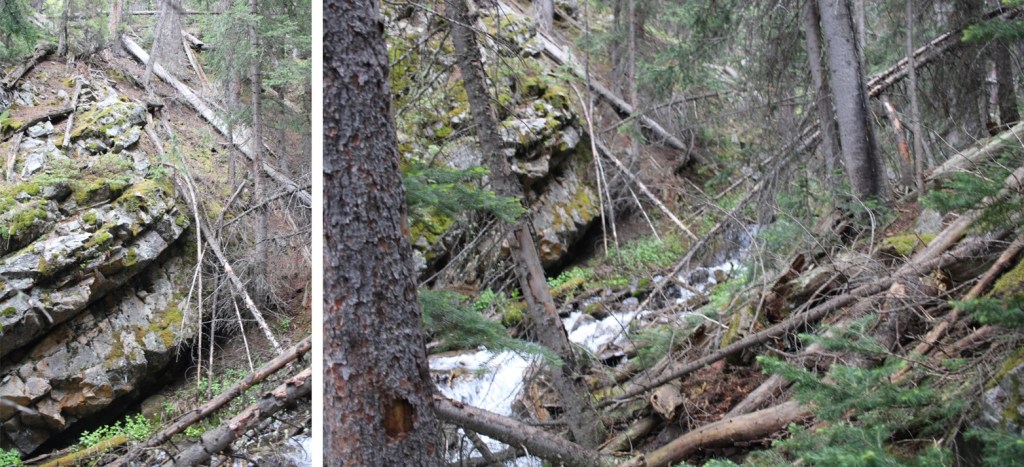
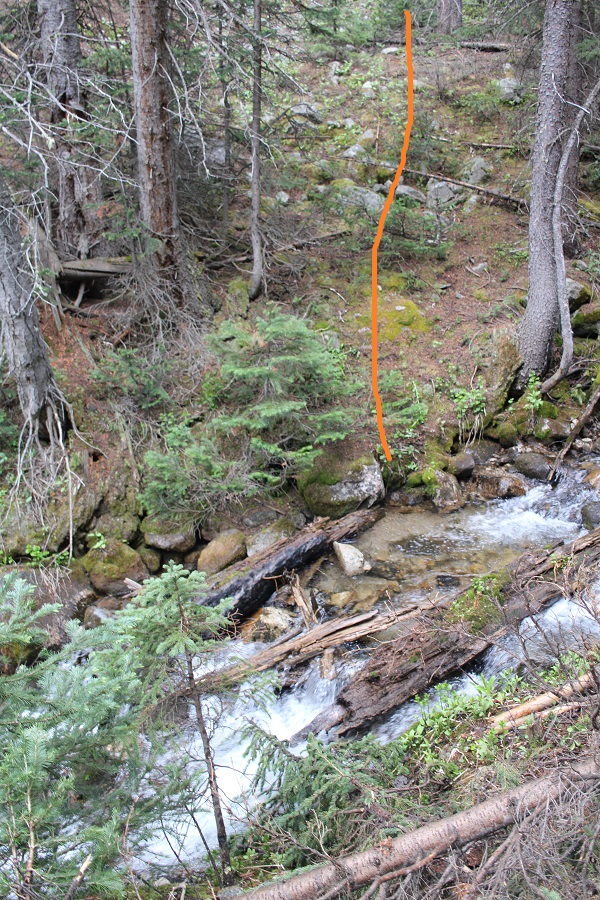
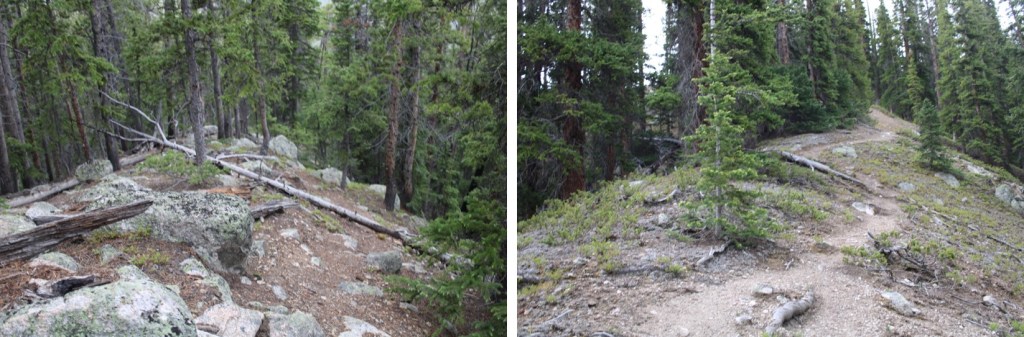
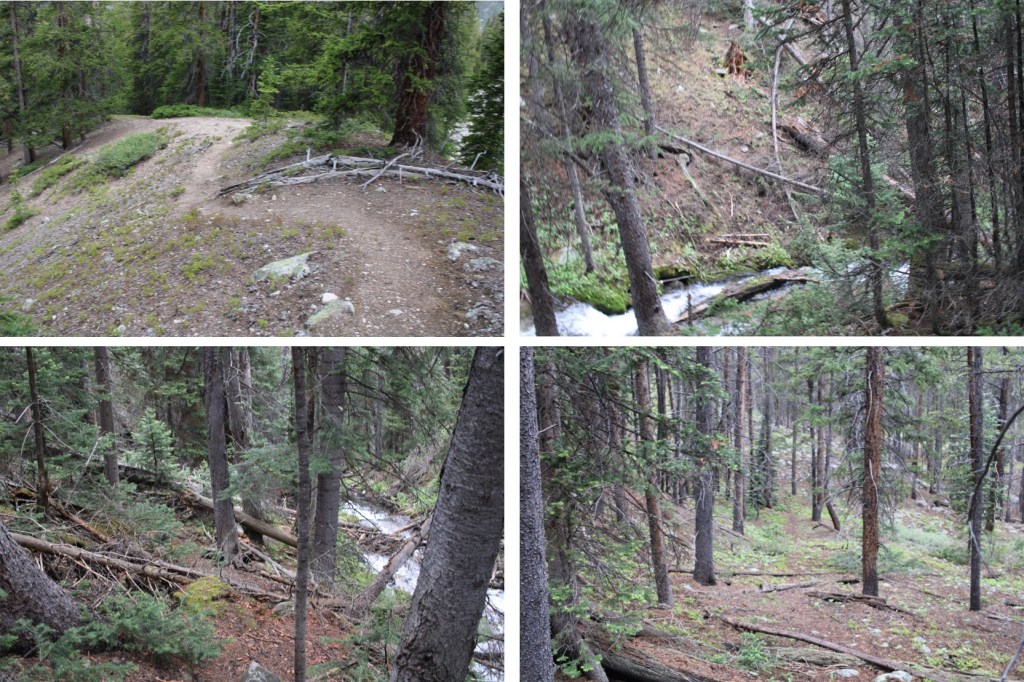
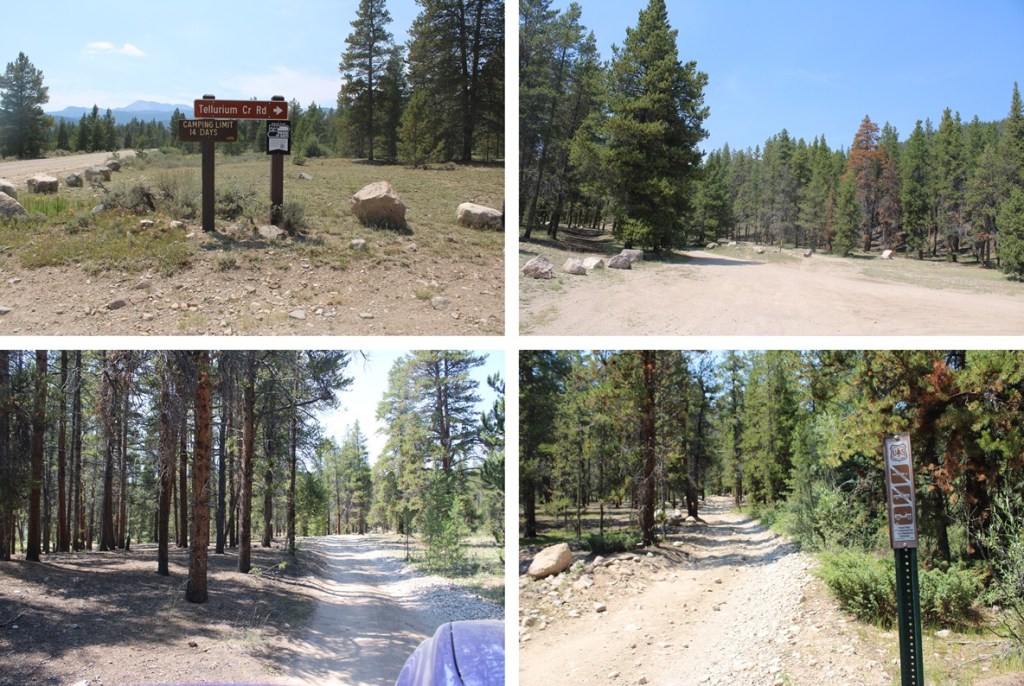
It took me 3 hours carrying a full pack to make it to the lake.  The road is easy to follow but very rocky.  Here are some pictures of the road up to 11900’, where the junction is with the trail that takes you to the lake.   There are several stream crossings along the way, but this time of year they were all low enough I could rock hop across. 
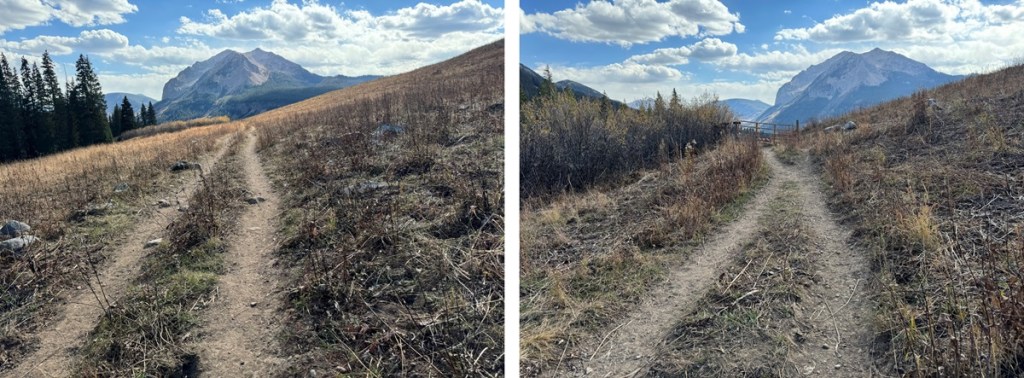
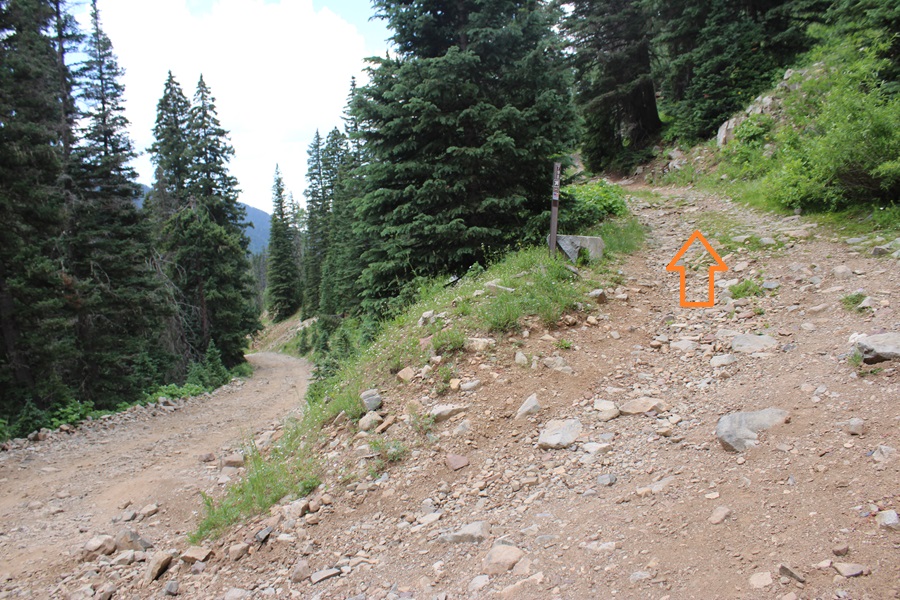
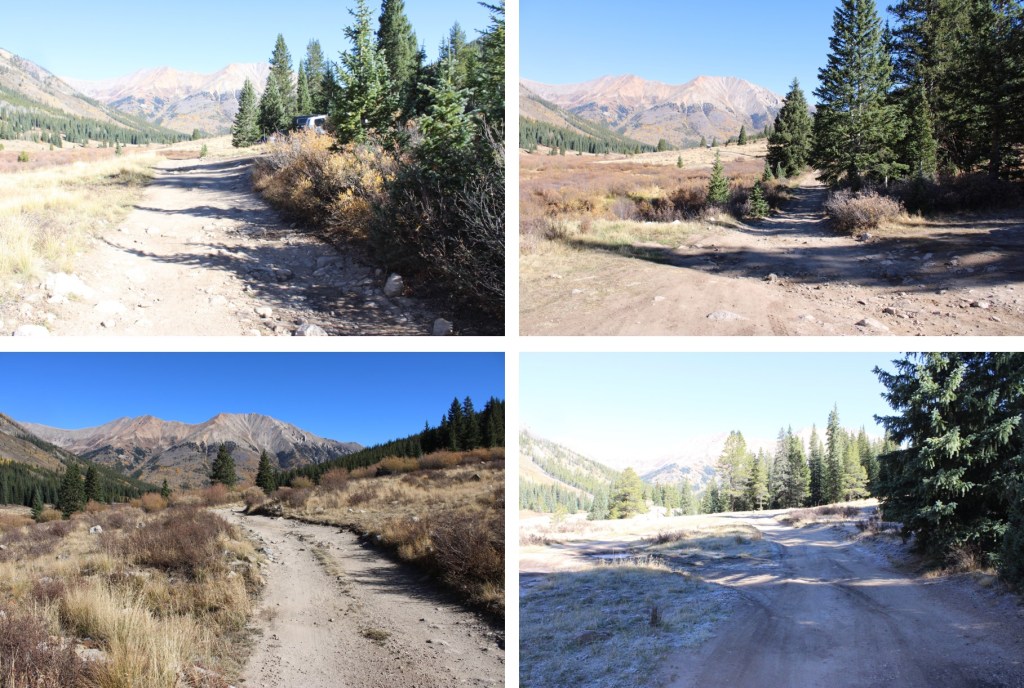
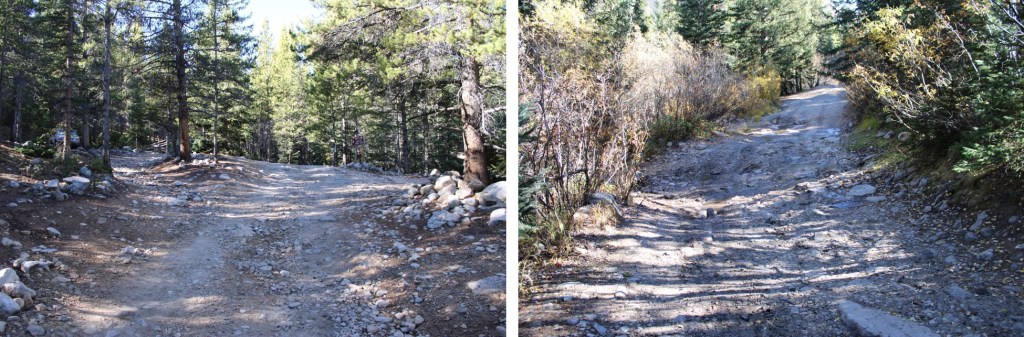
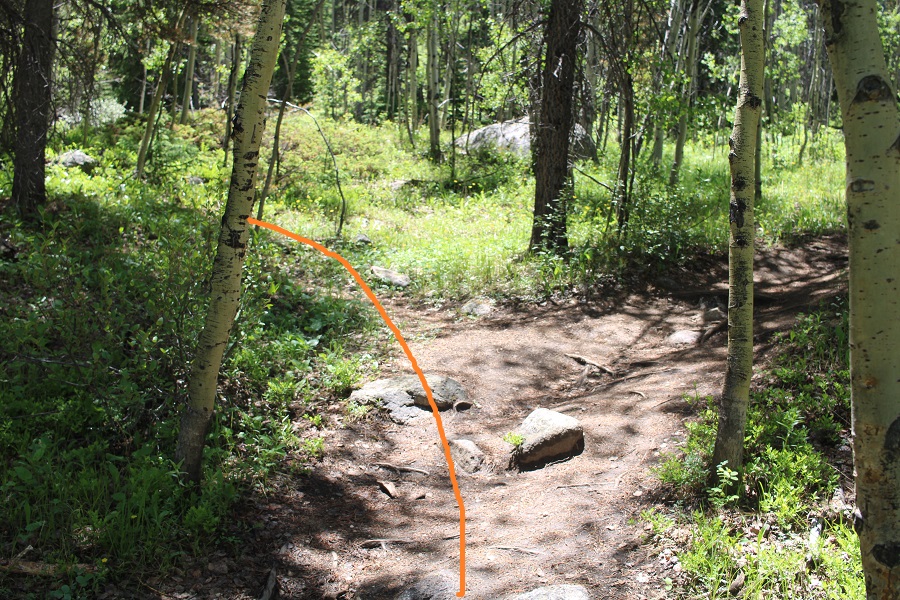
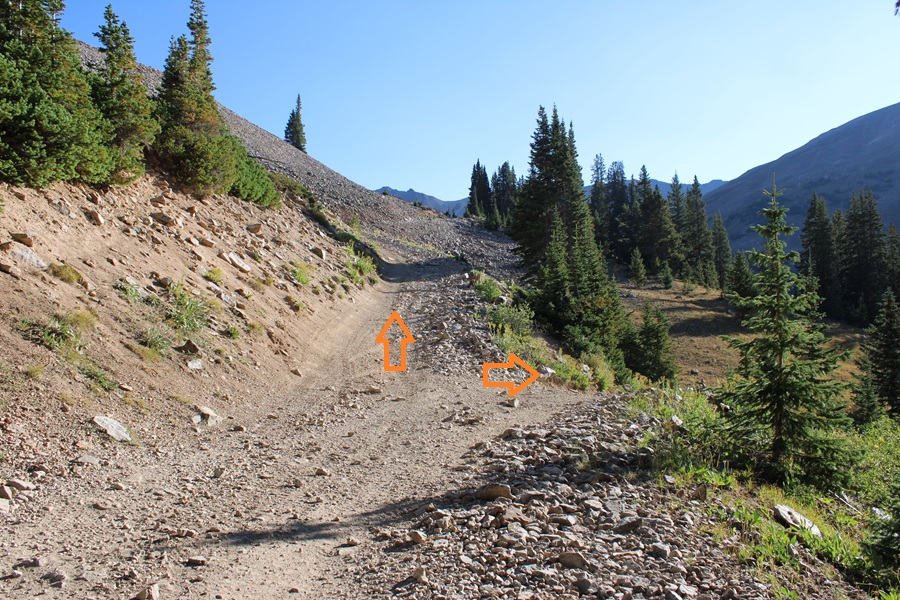
At around 11480’ there’s a junction in the road.  You can go either way.  To the right you’ll go through a marshy area, to the left you’ll stay high and see the marshy area.  I went right on the way in and hiked out the other way.  Both were comparable, but the road to the left is a little shorter.
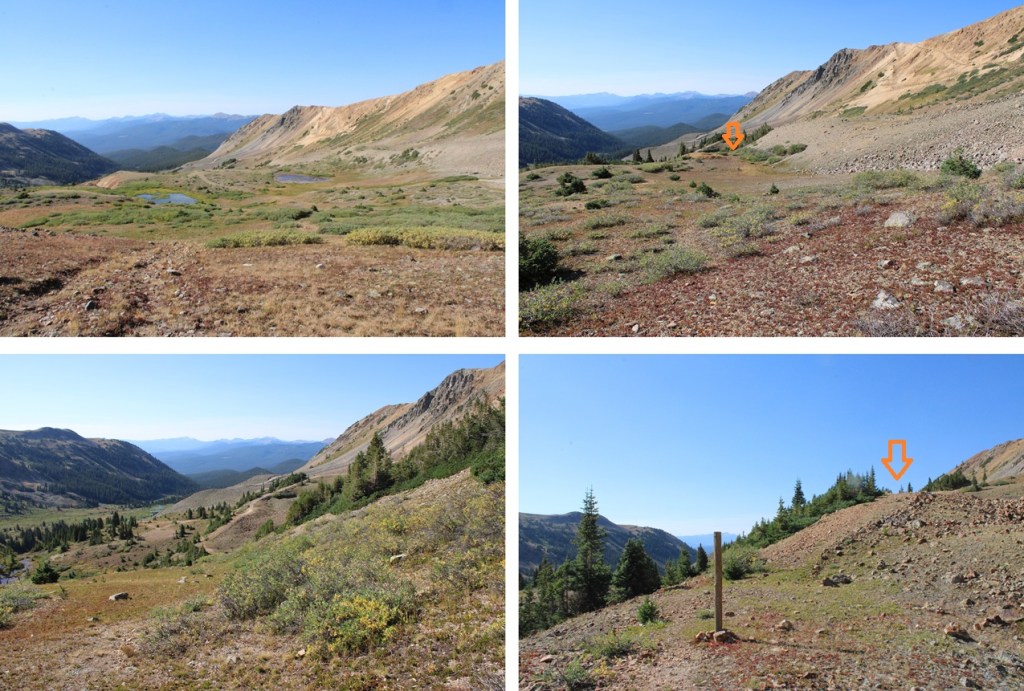
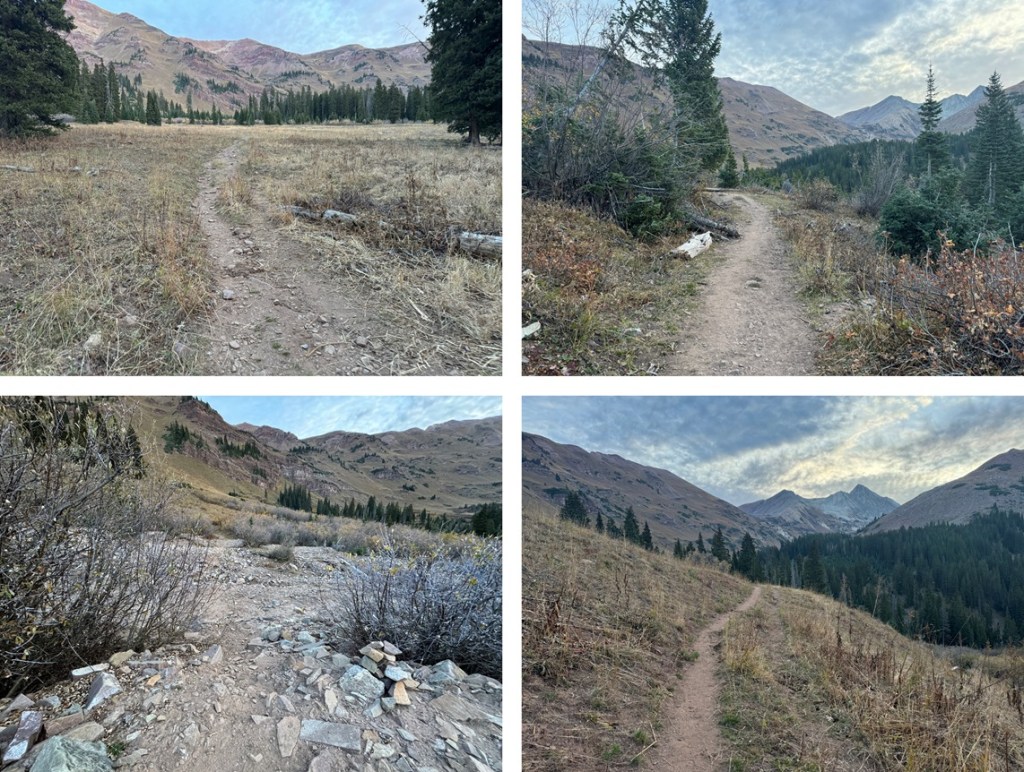
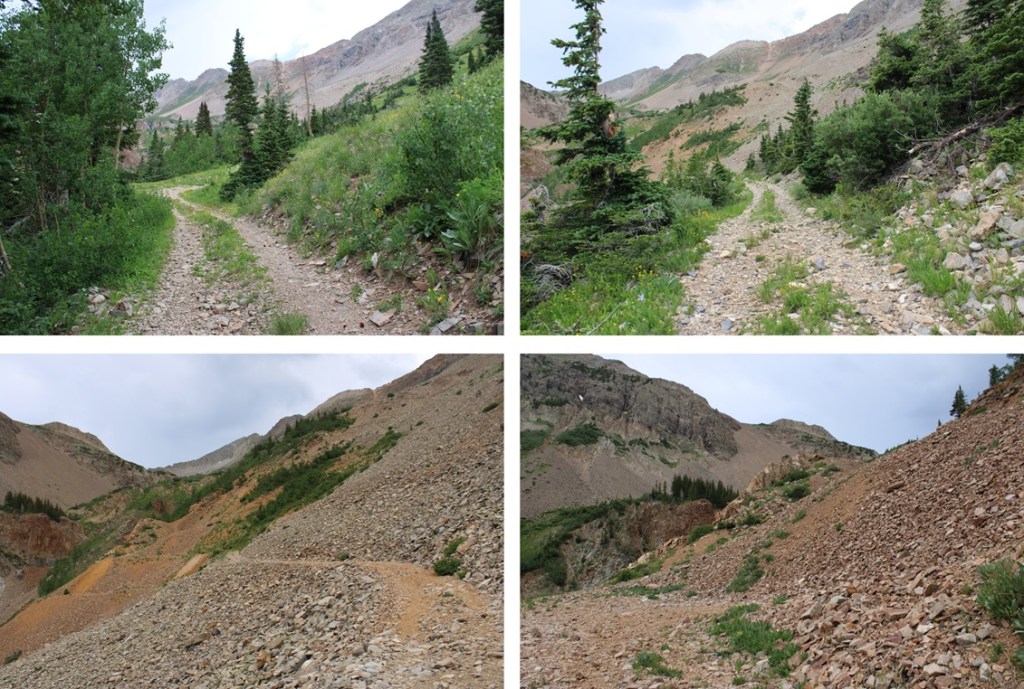
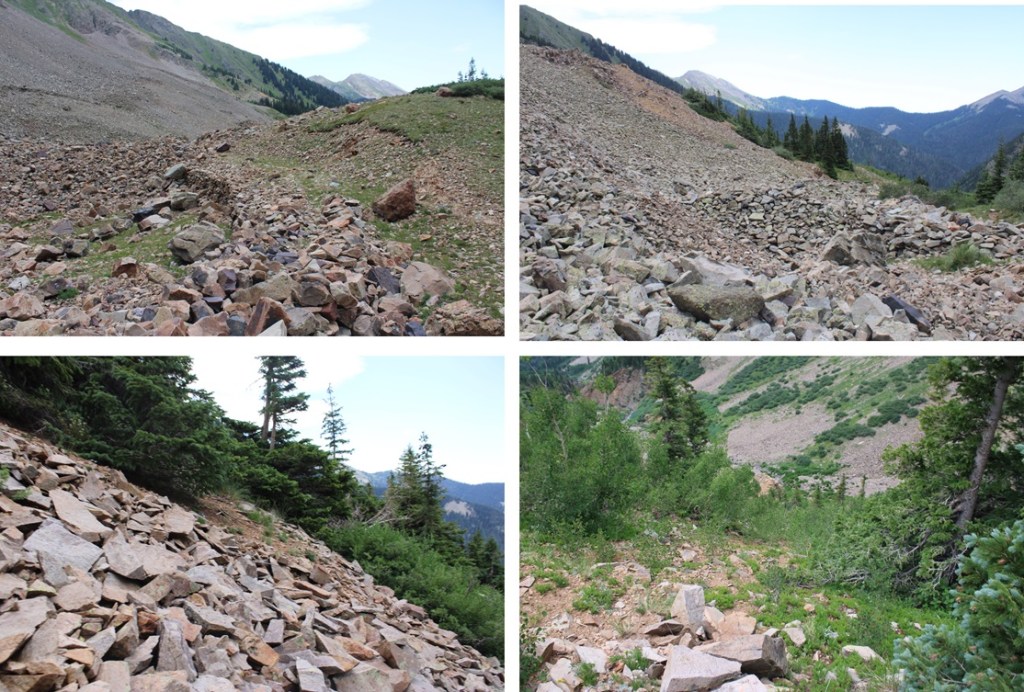
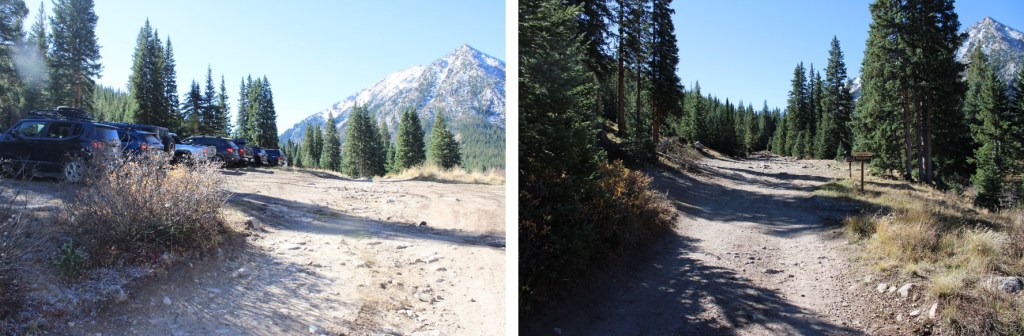
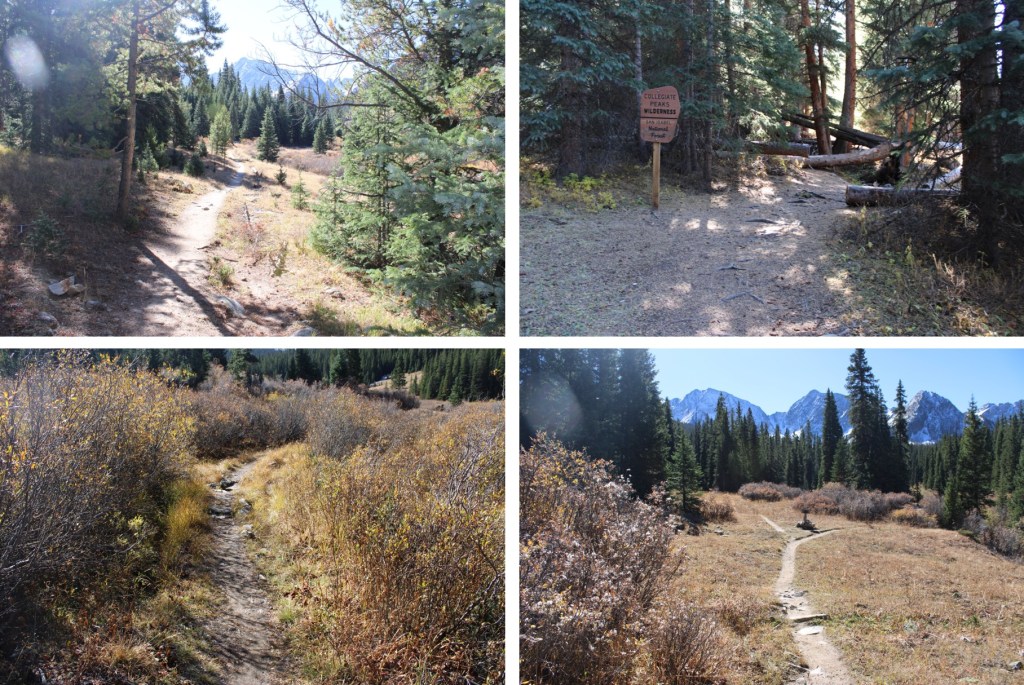
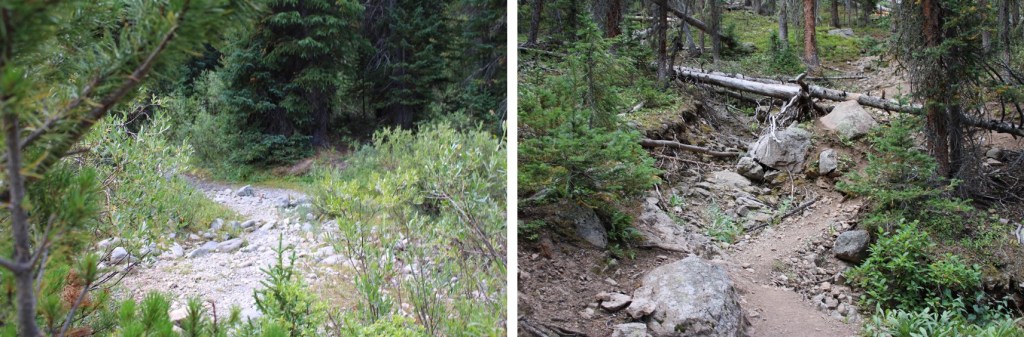
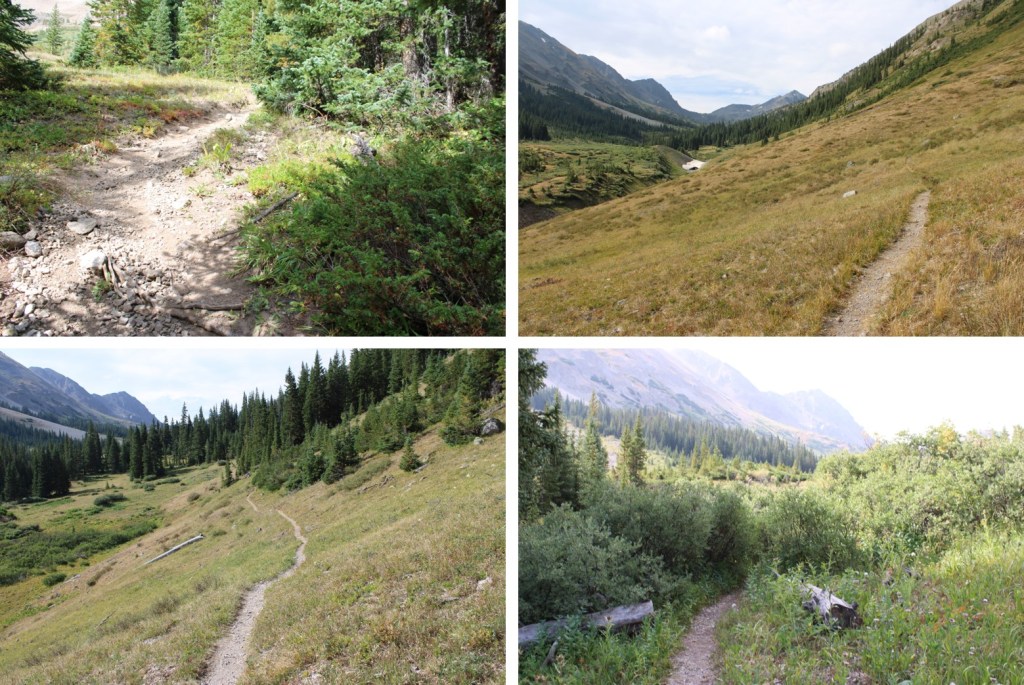
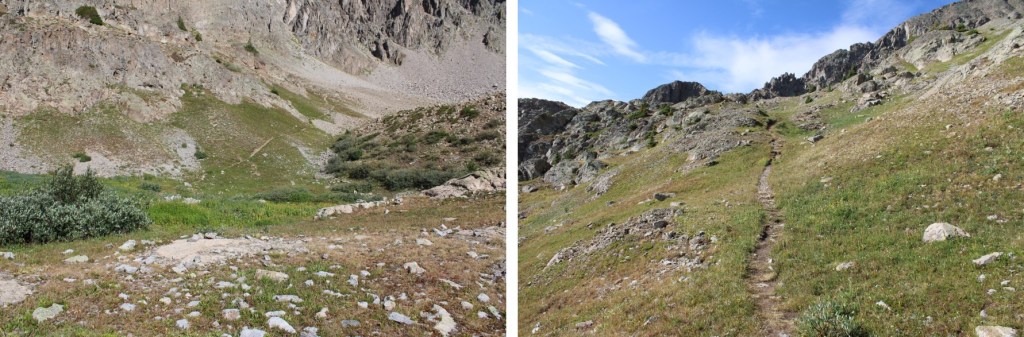
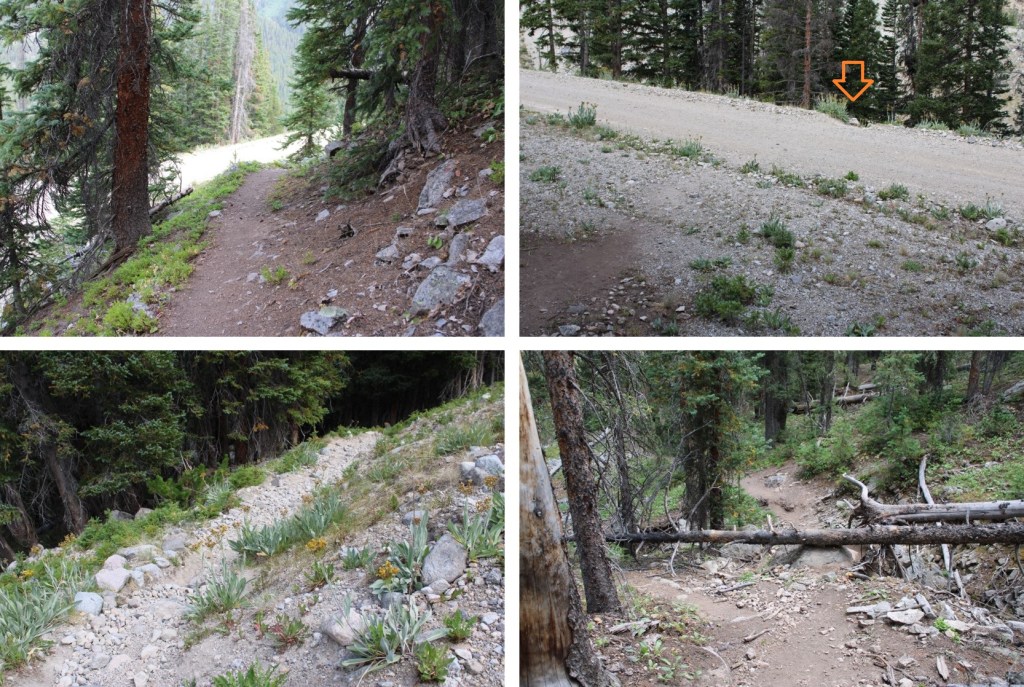
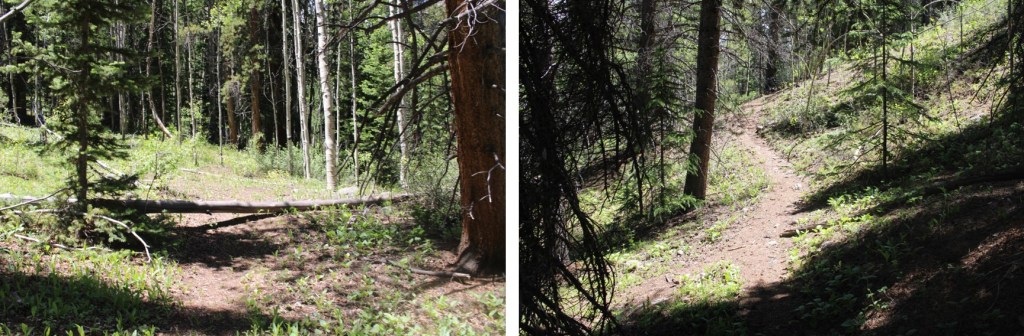
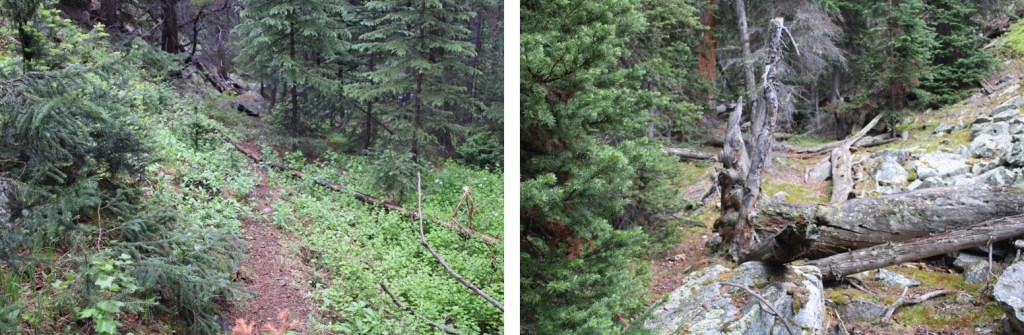
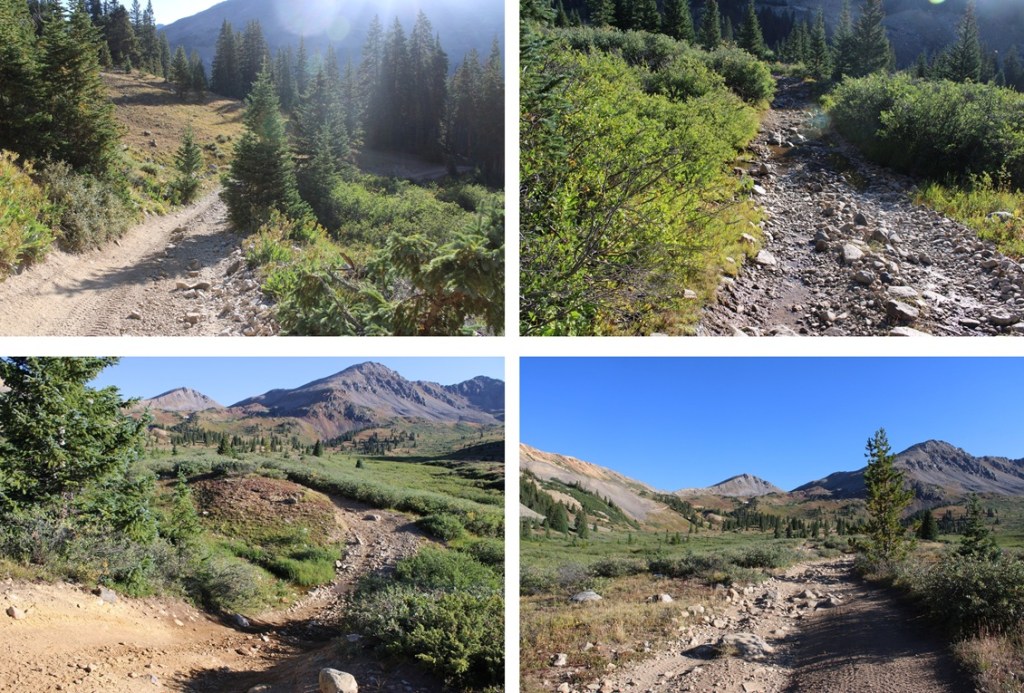
Here are some pictures of the rest of the route up to the parking area.
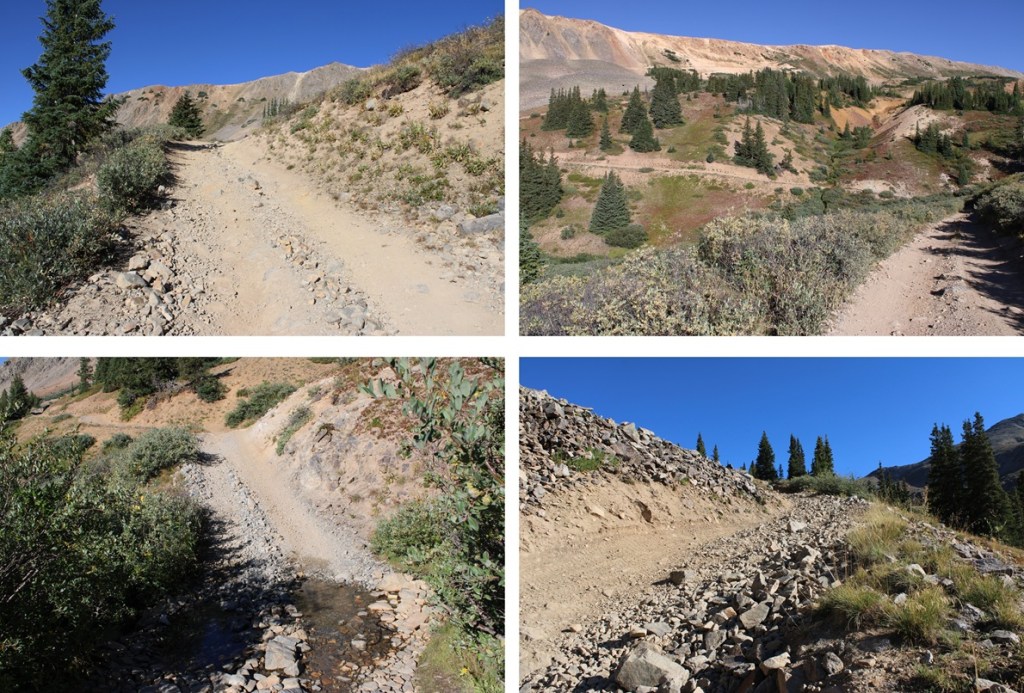
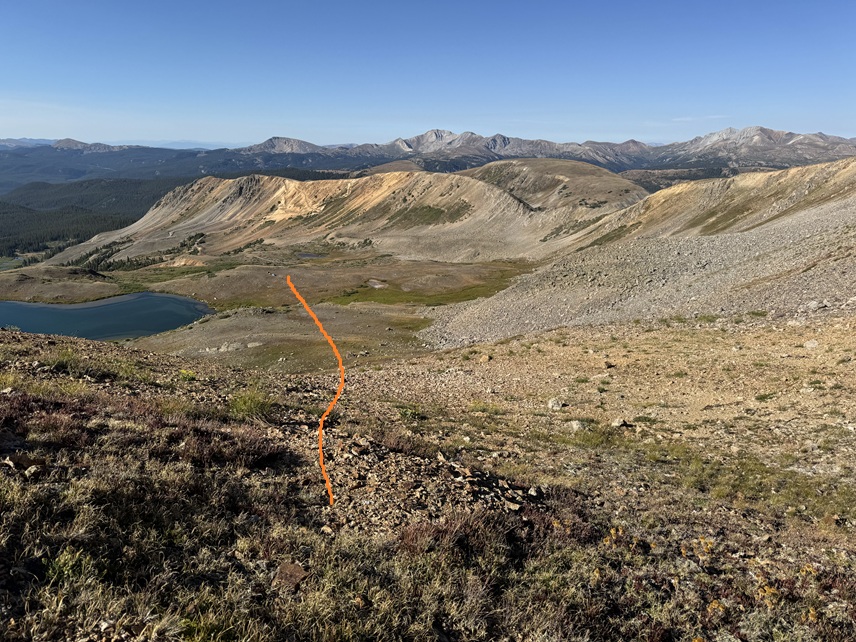
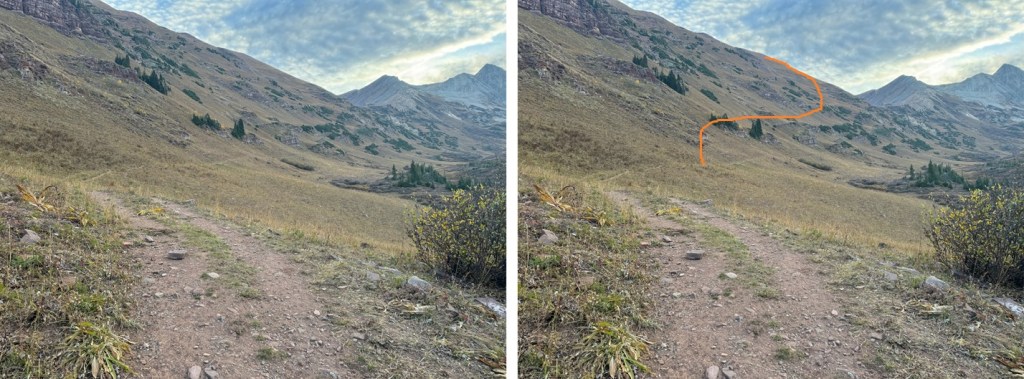
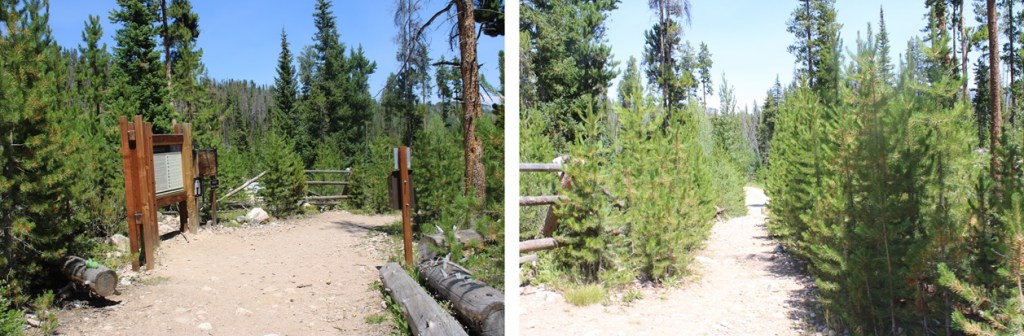
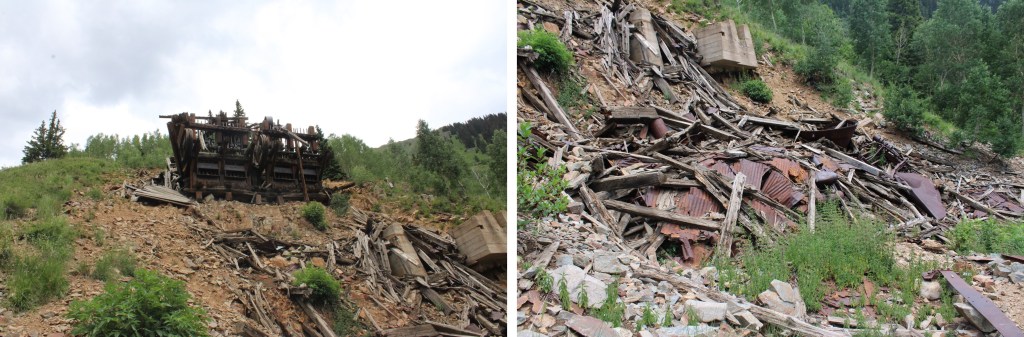
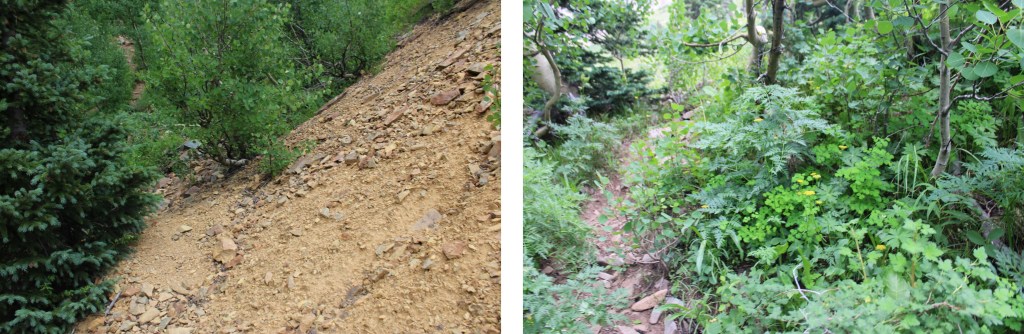
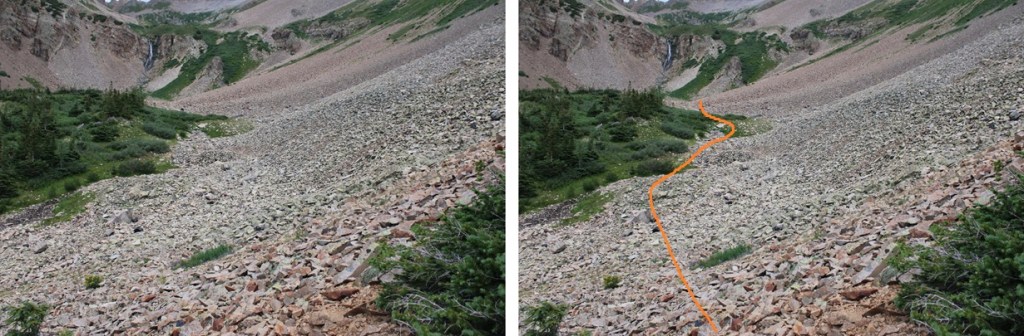
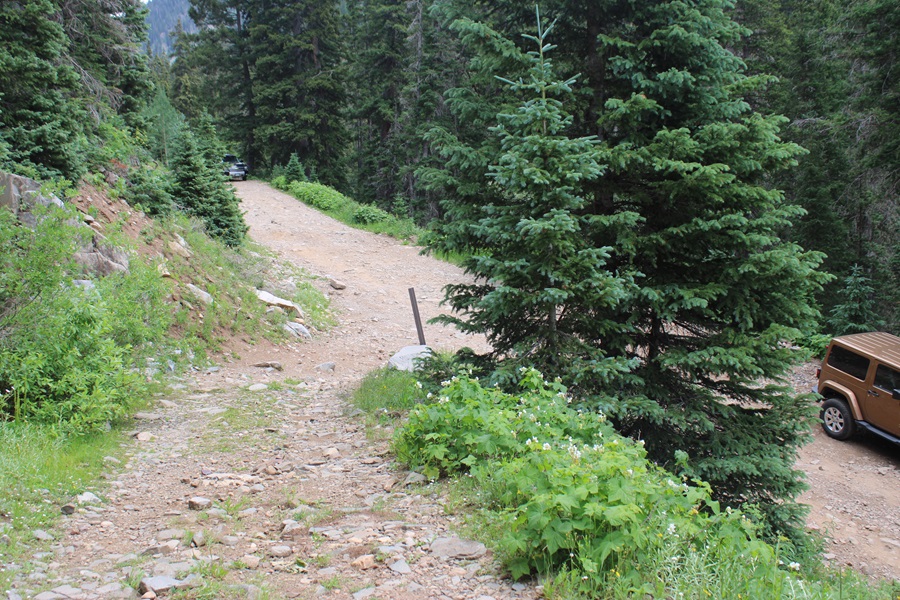
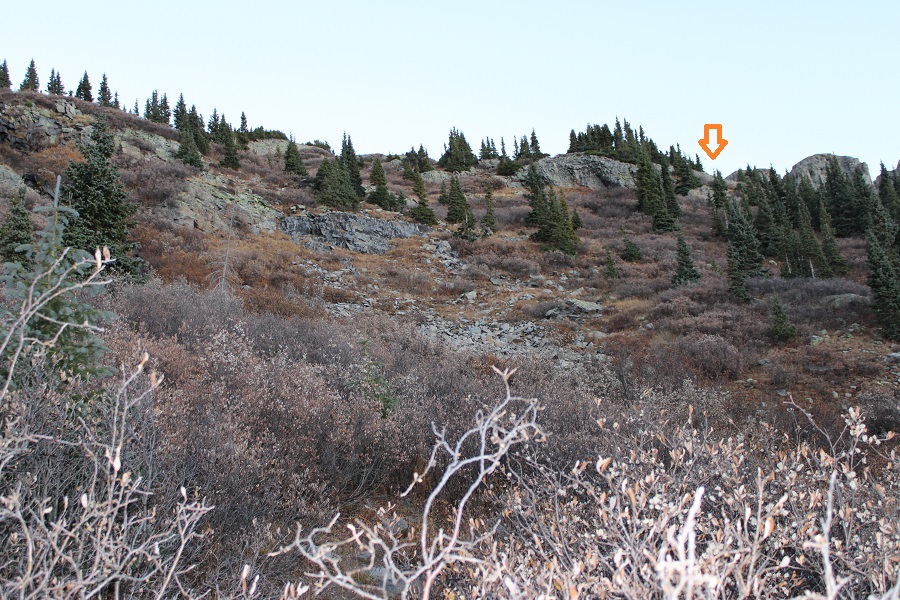
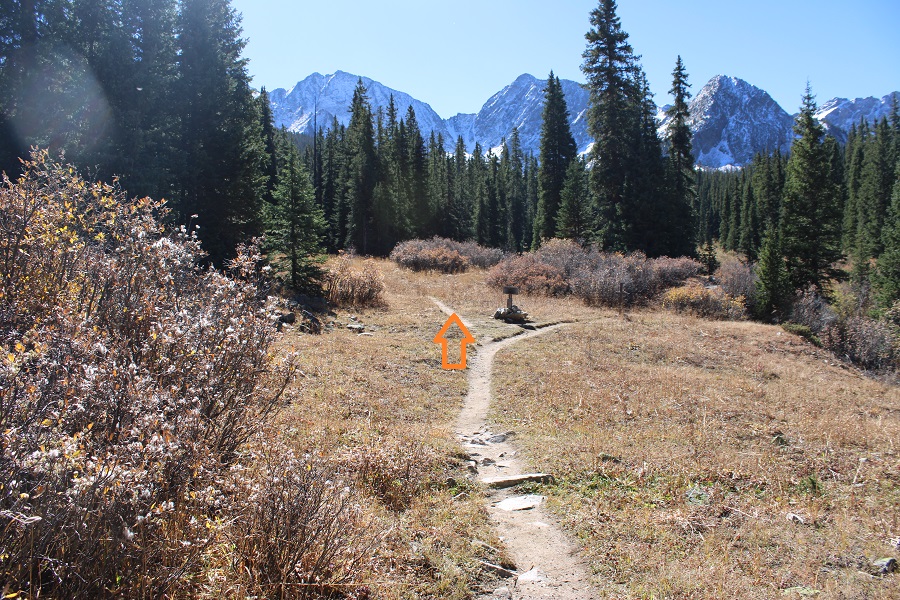
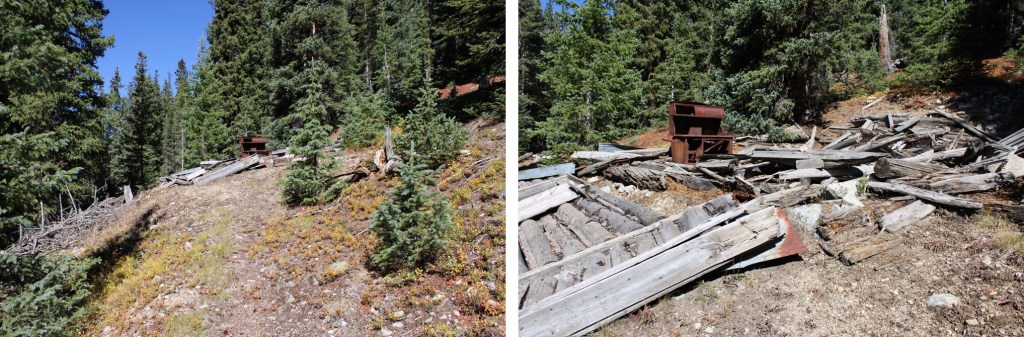
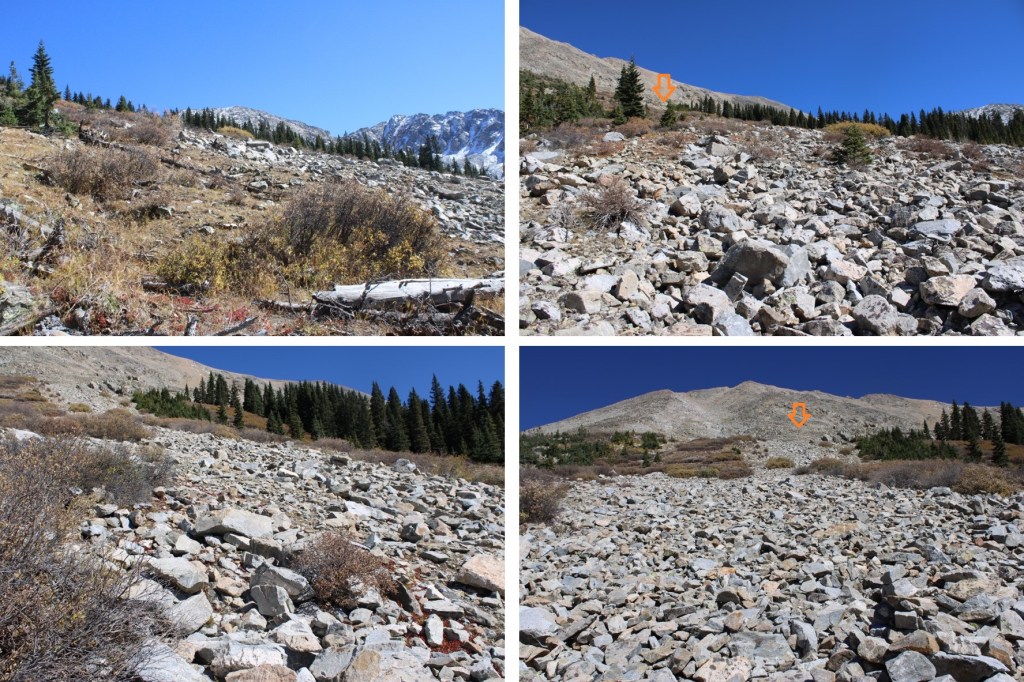
At 11900’ there’s a parking area and a closed gate.  To the left if the gate is a trail that will take you to some old mines.  The trail stops at the mines, but in the distance you can see where the old road to Ptarmigan Lake used to be.  I aimed for that and hiked up to the lake. 
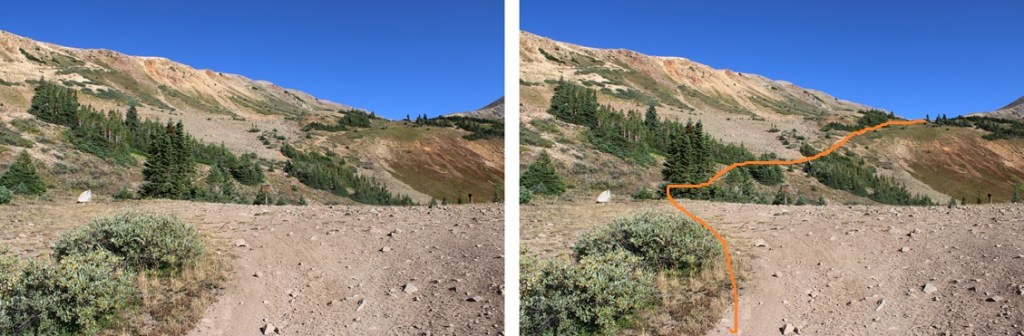
From here you can go right to Ptarmigan Lake or continue your hike.  I stopped at the lake and set up my tent for the night.  My watch said it was 6 miles to the lake, CalTopo gave me 7 miles and 2650’ of elevation gain.  It took me 3 hours to get to the lake.

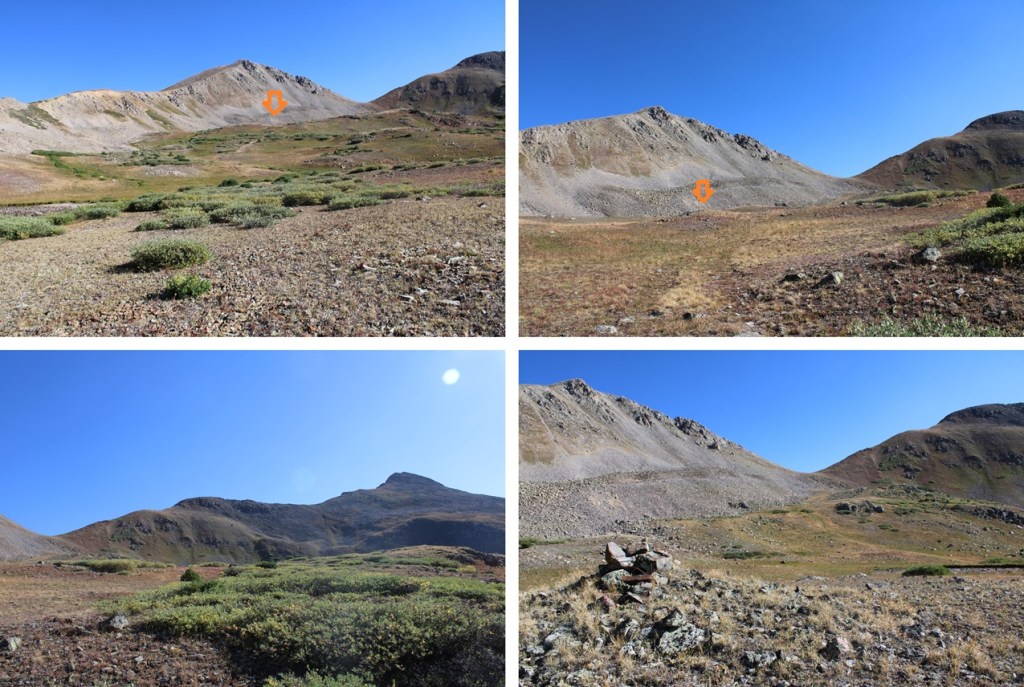
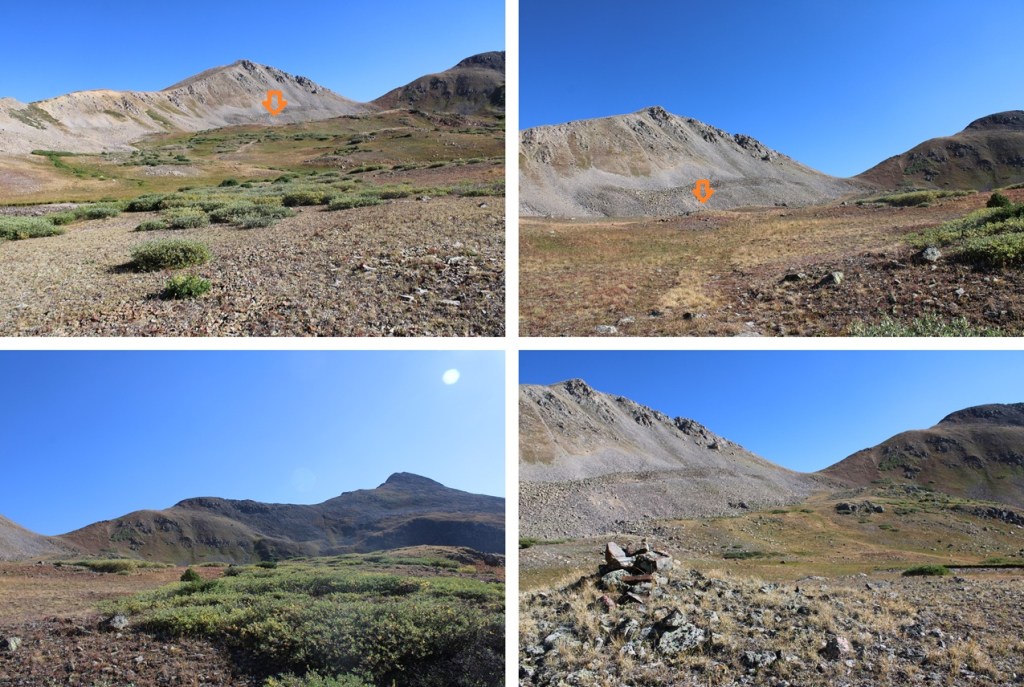
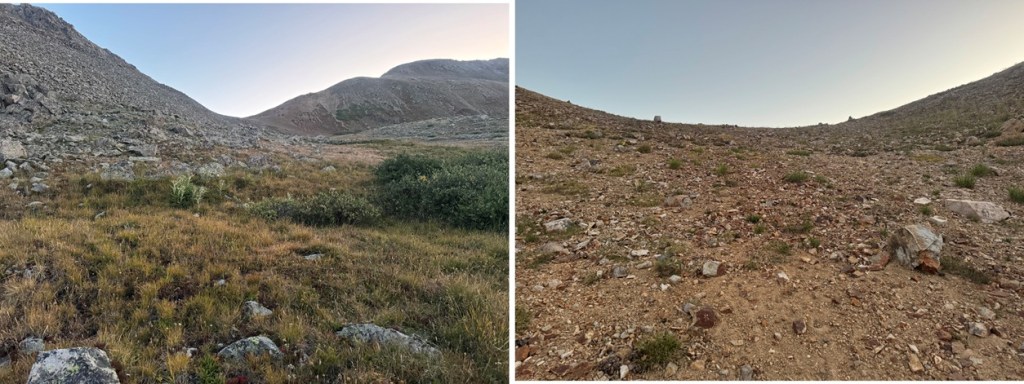
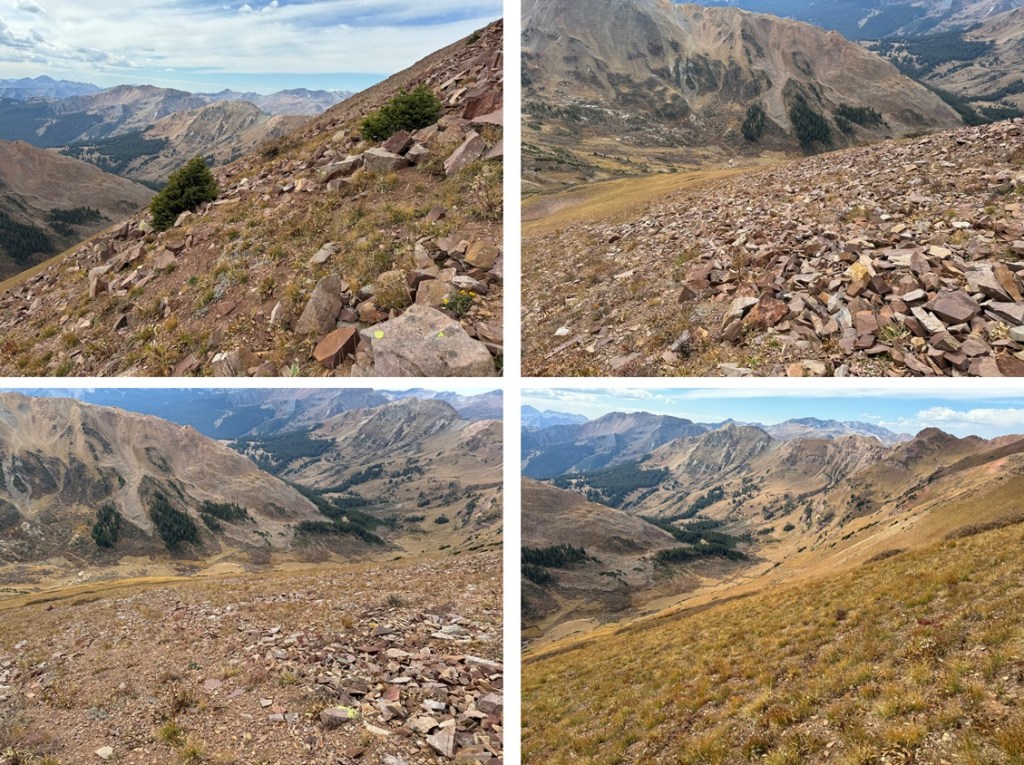
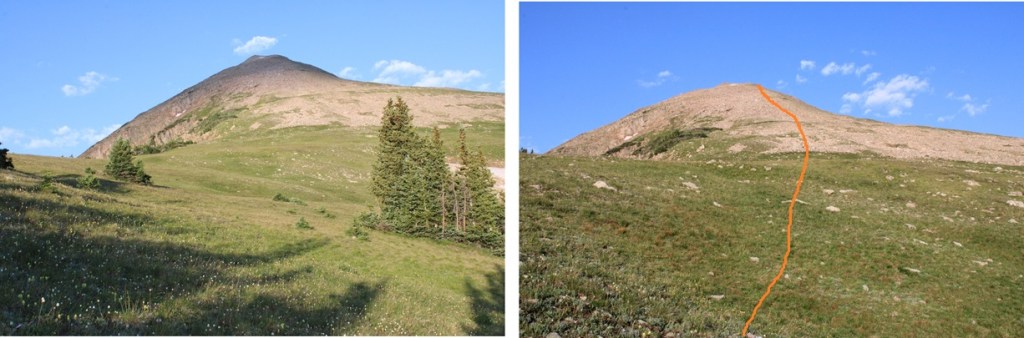
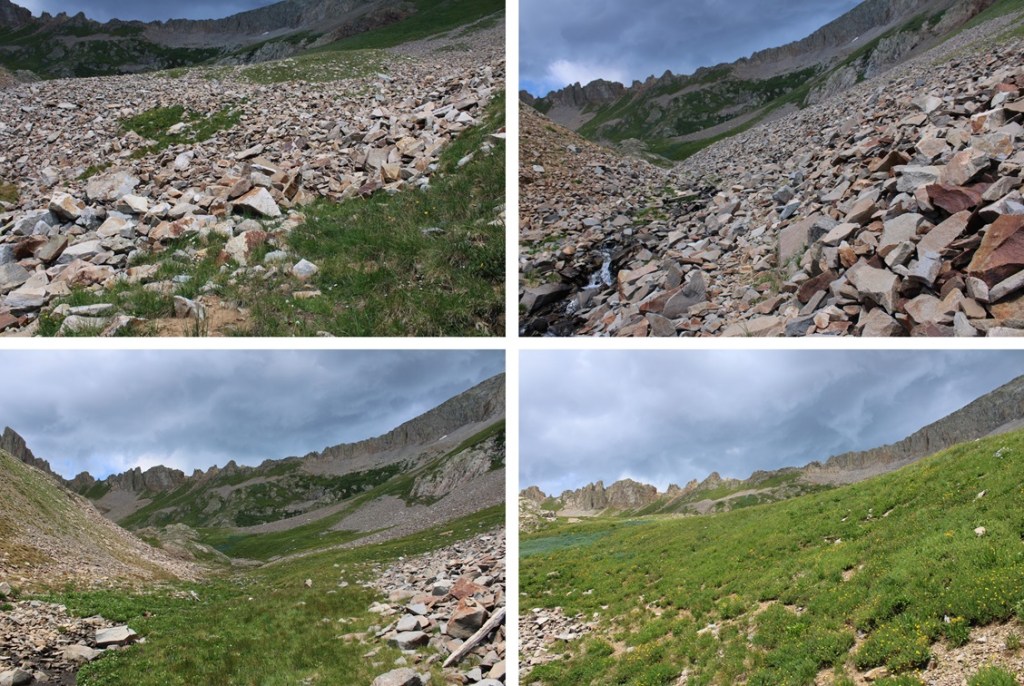
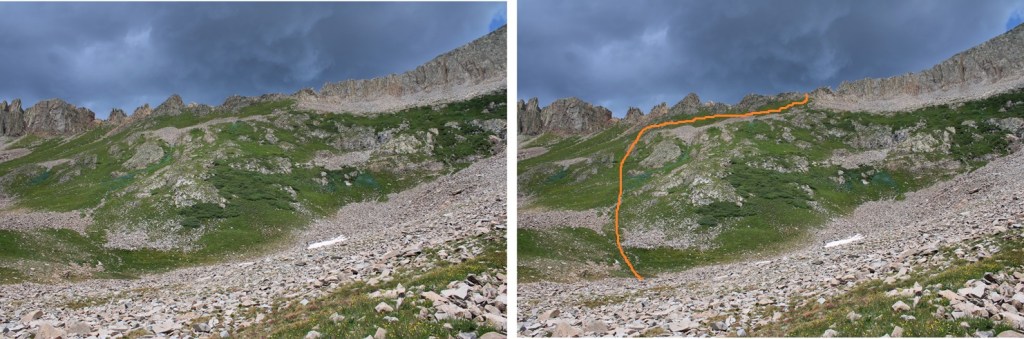
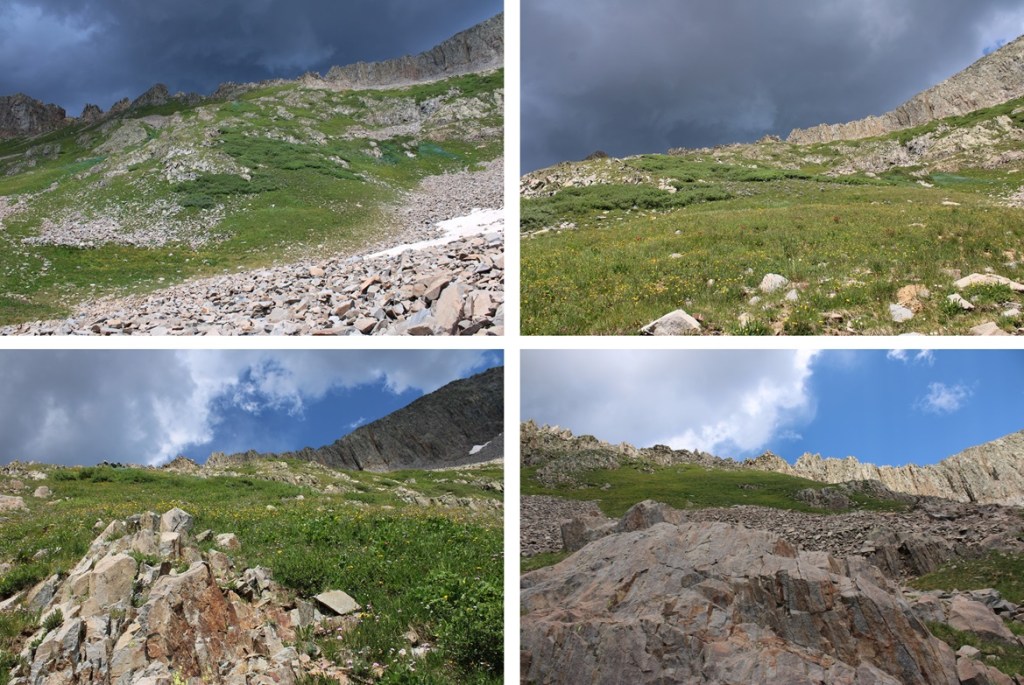
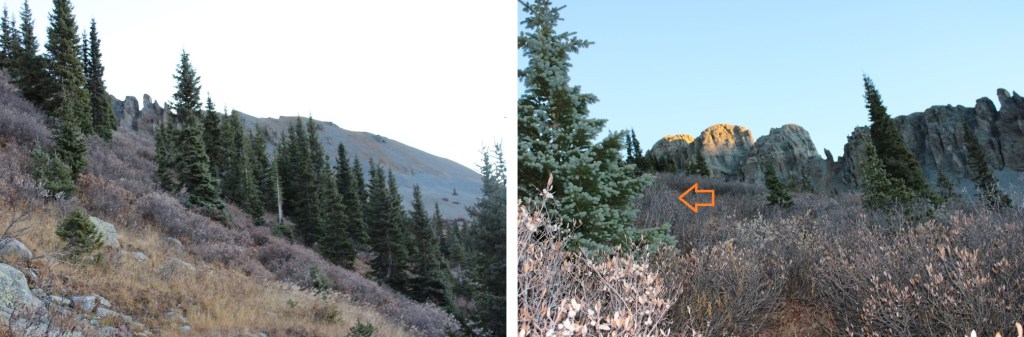
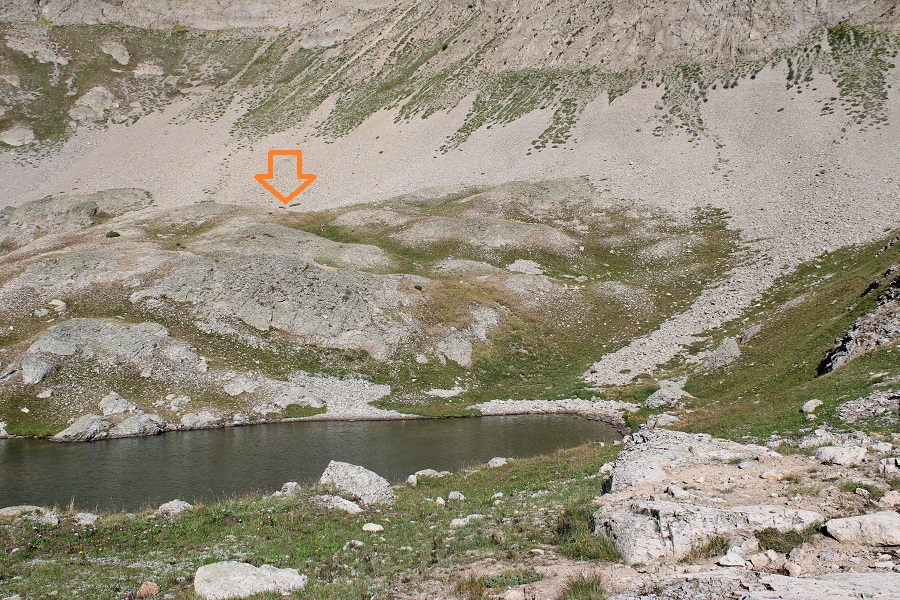
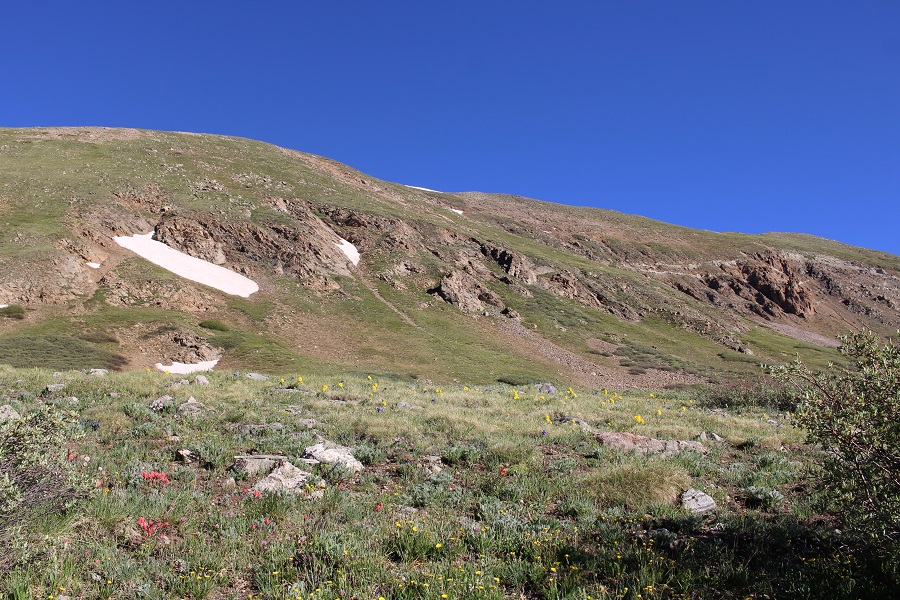
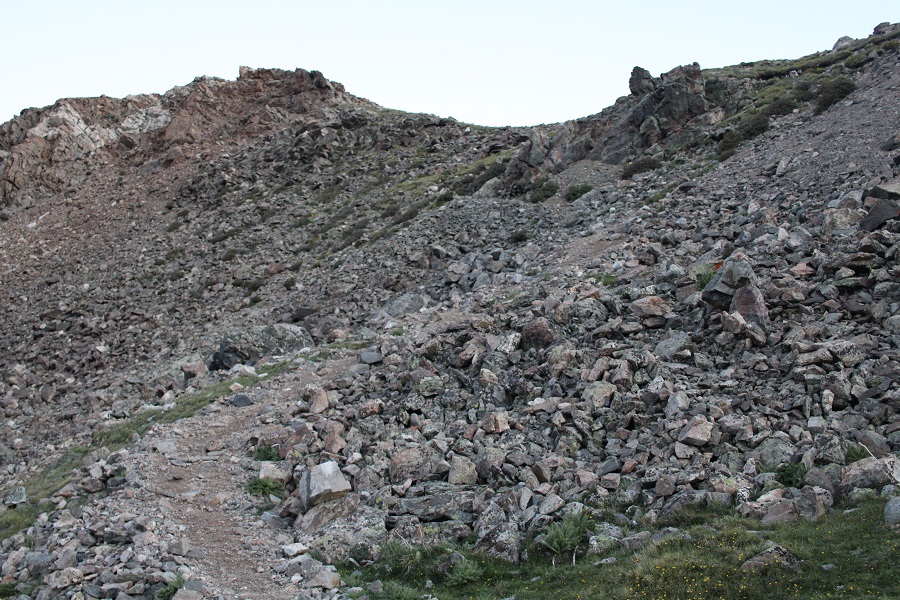
From Ptarmigan Lake the next objective is to head northeast to make it to the saddle of West Tellurium/Tellurium.  It’s an easy class 2 hike to get there.

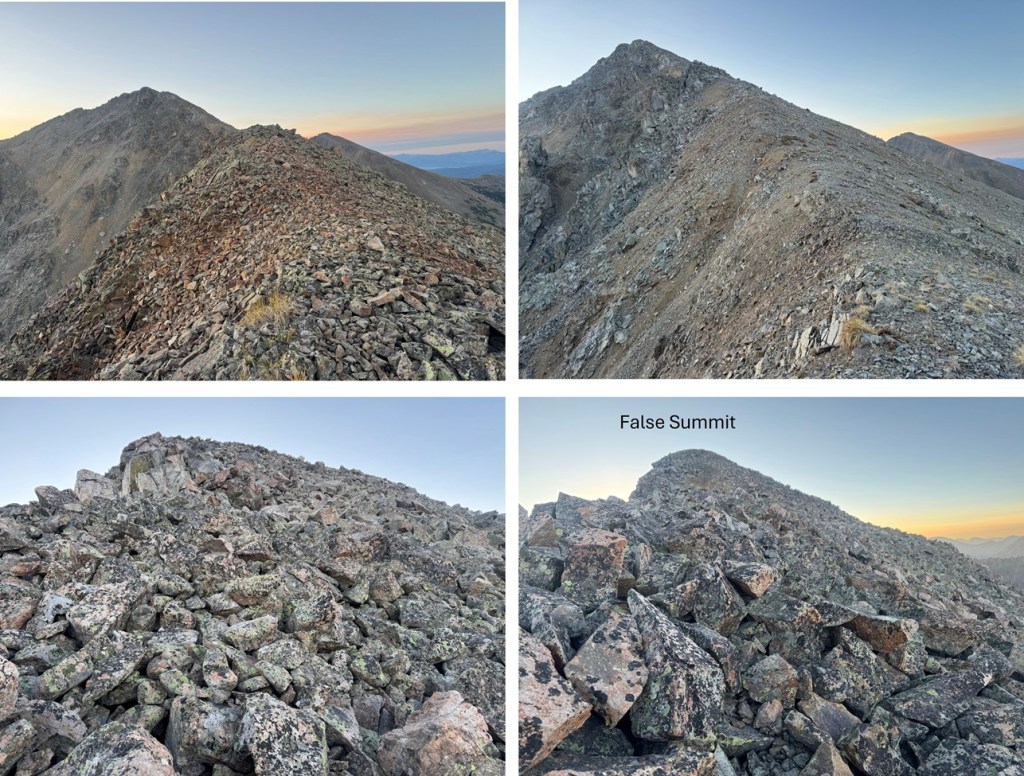
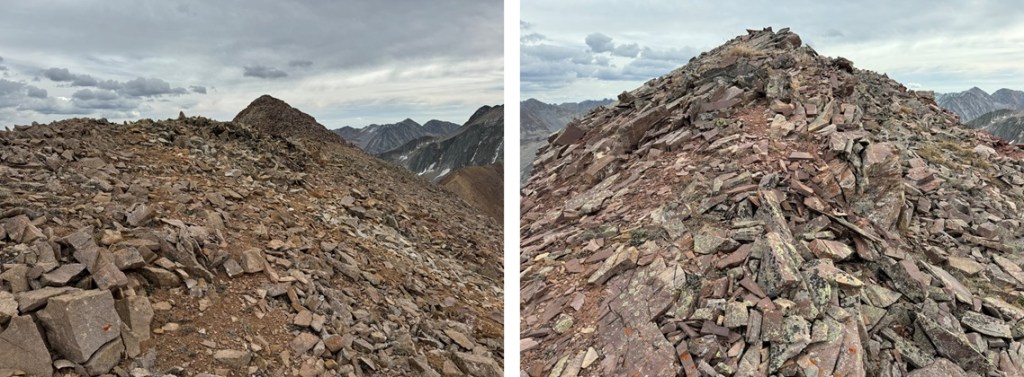
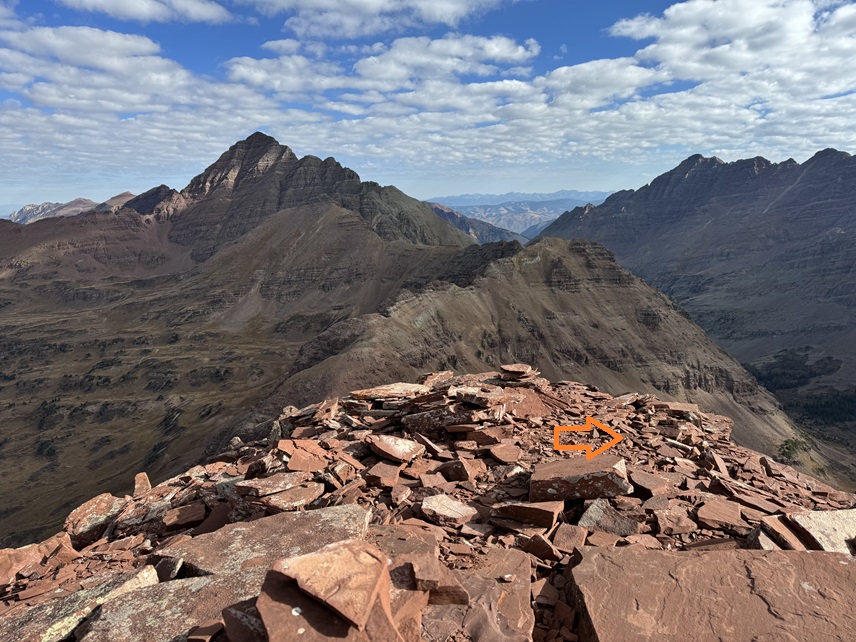
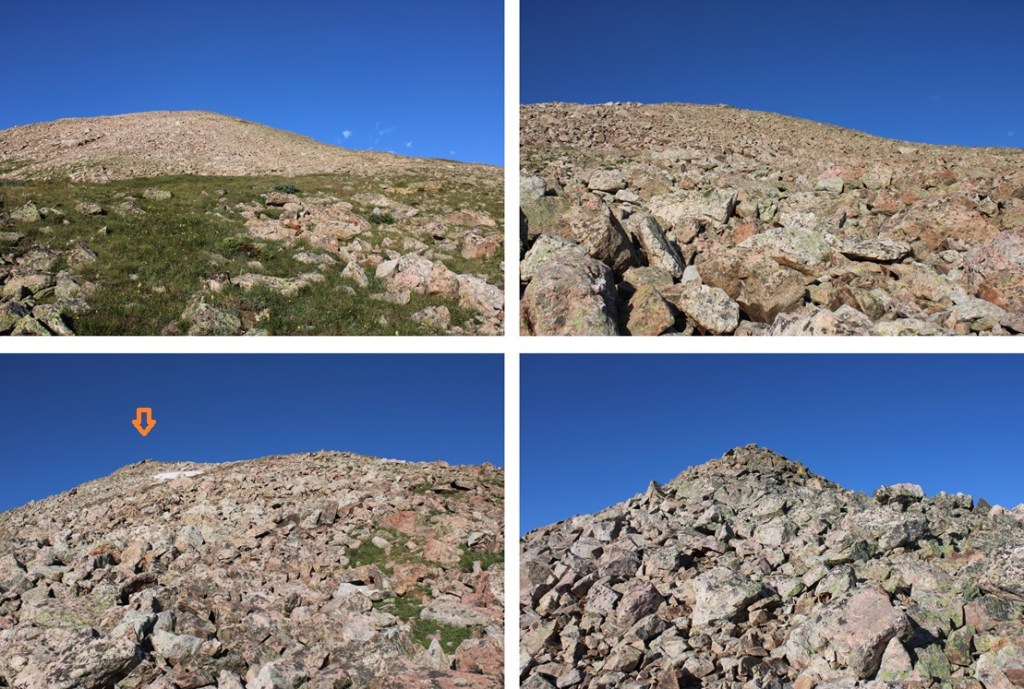
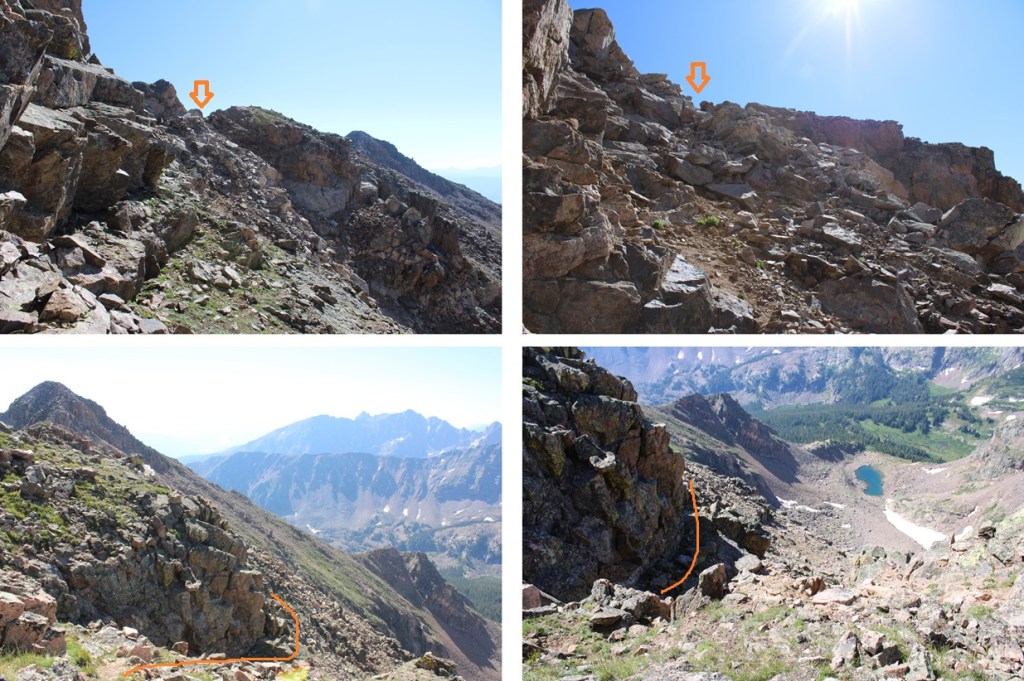
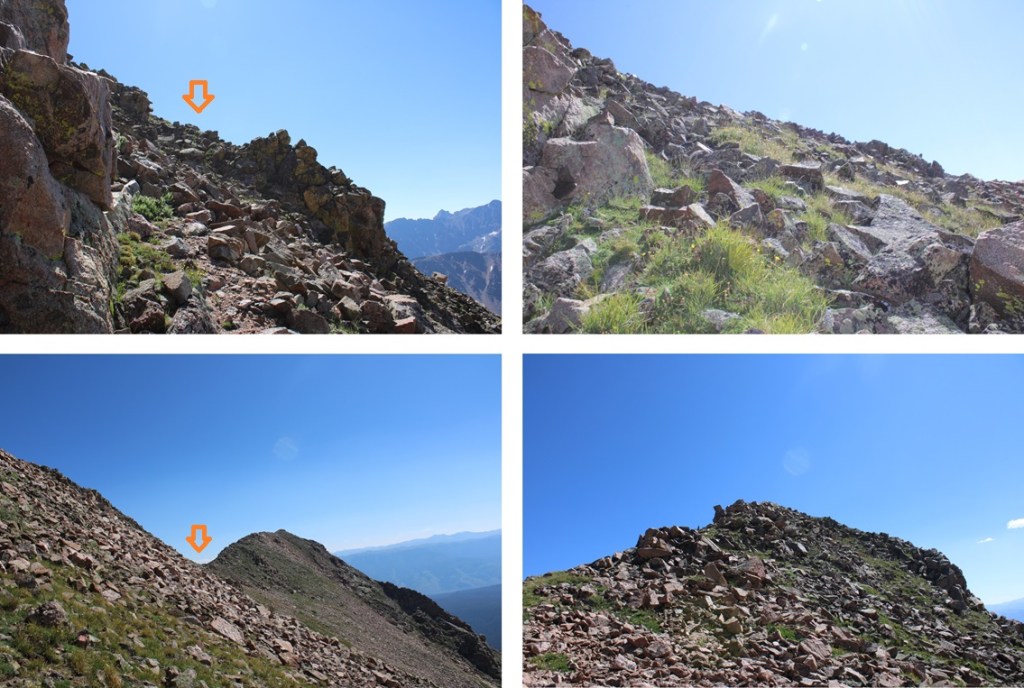
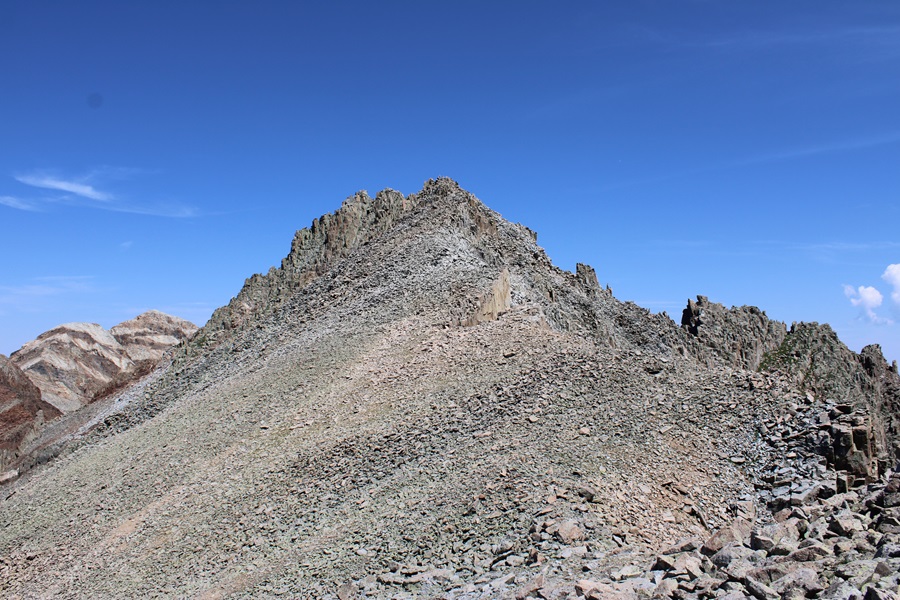
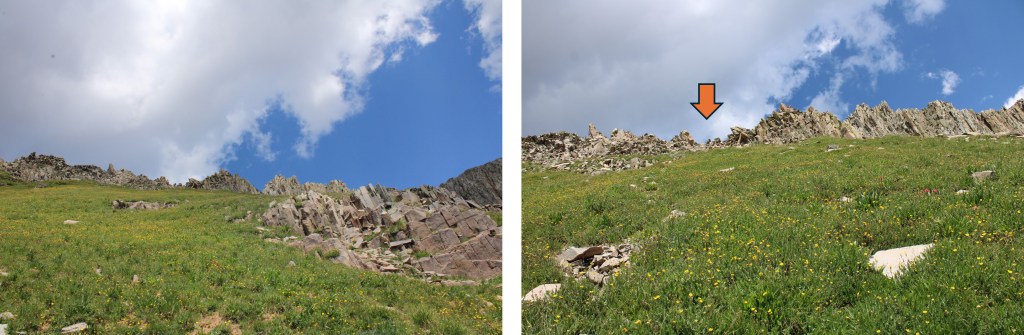
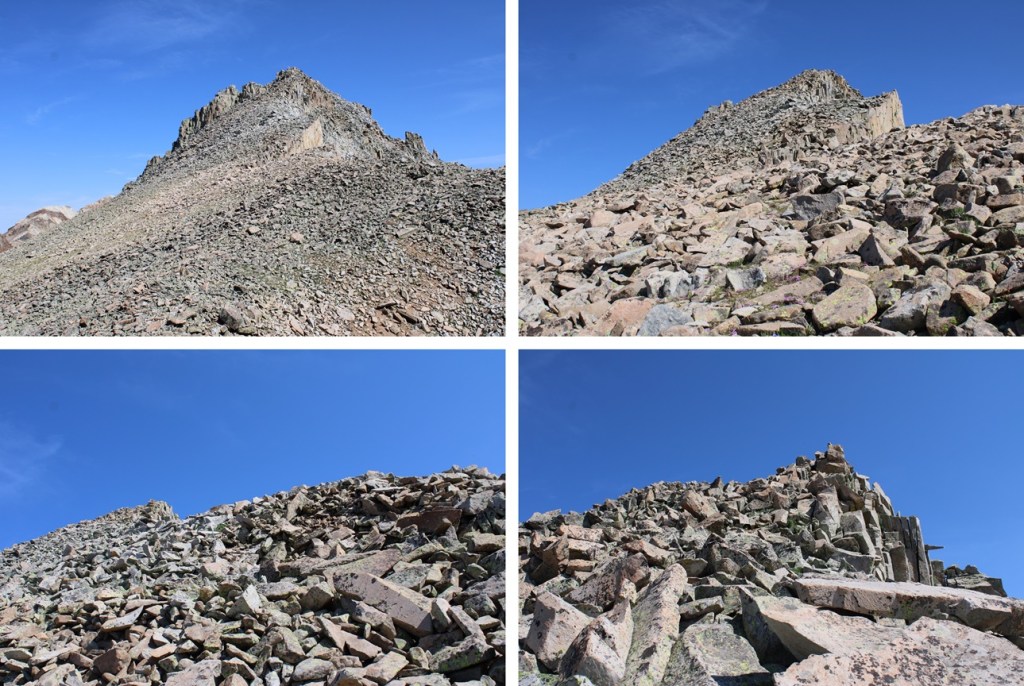
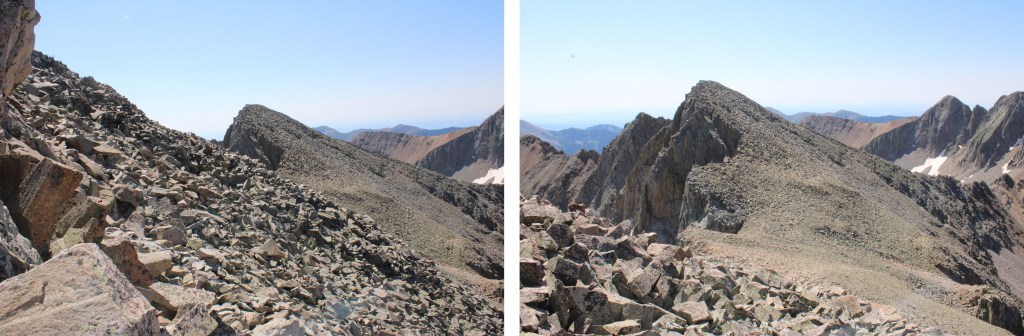
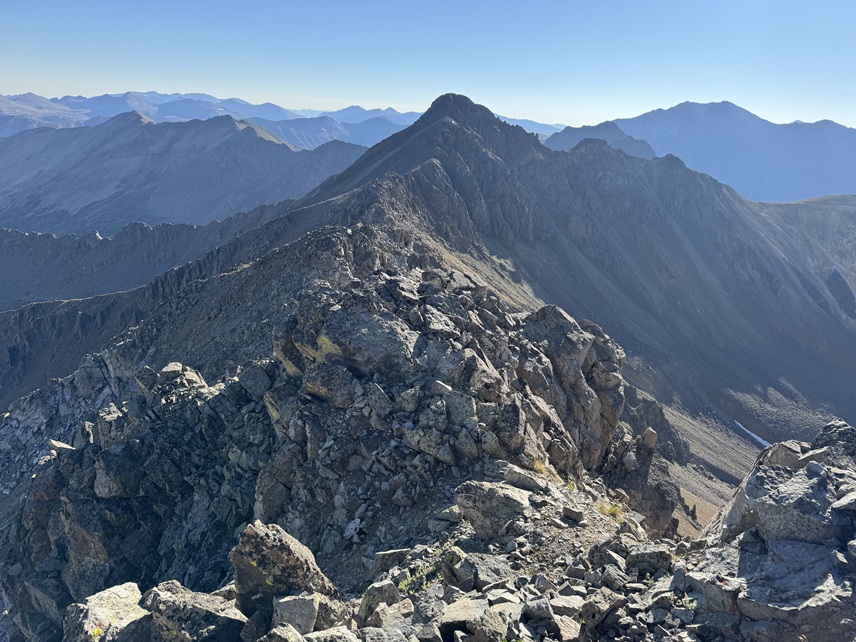
Once on the saddle I turned right, and this became a ridge hike.  I followed the ridge east.  It started out as class 2 and continued to be class 2 until the false summit.  Just before the false summit the terrain became rocky but stayed at class 2.
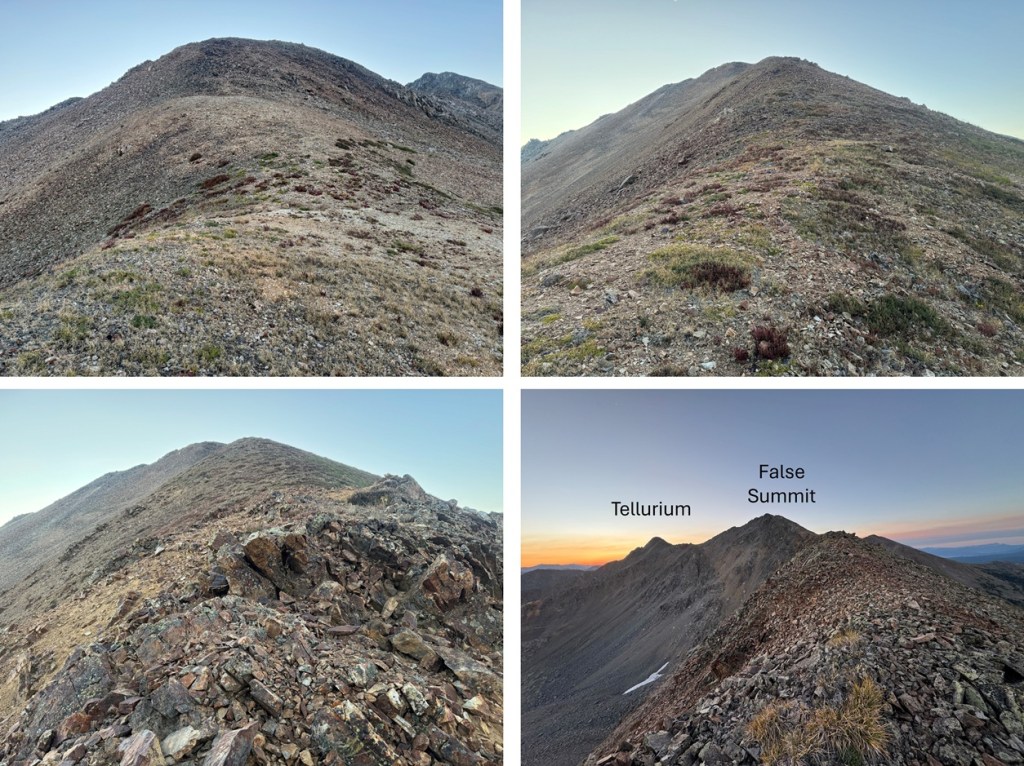
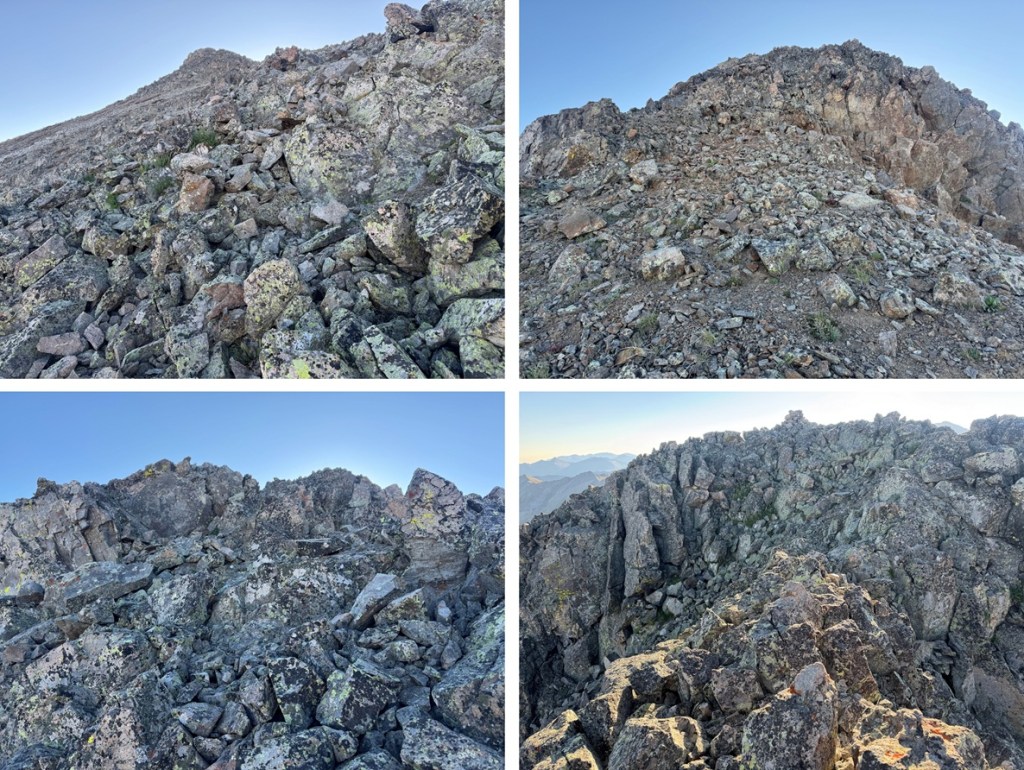
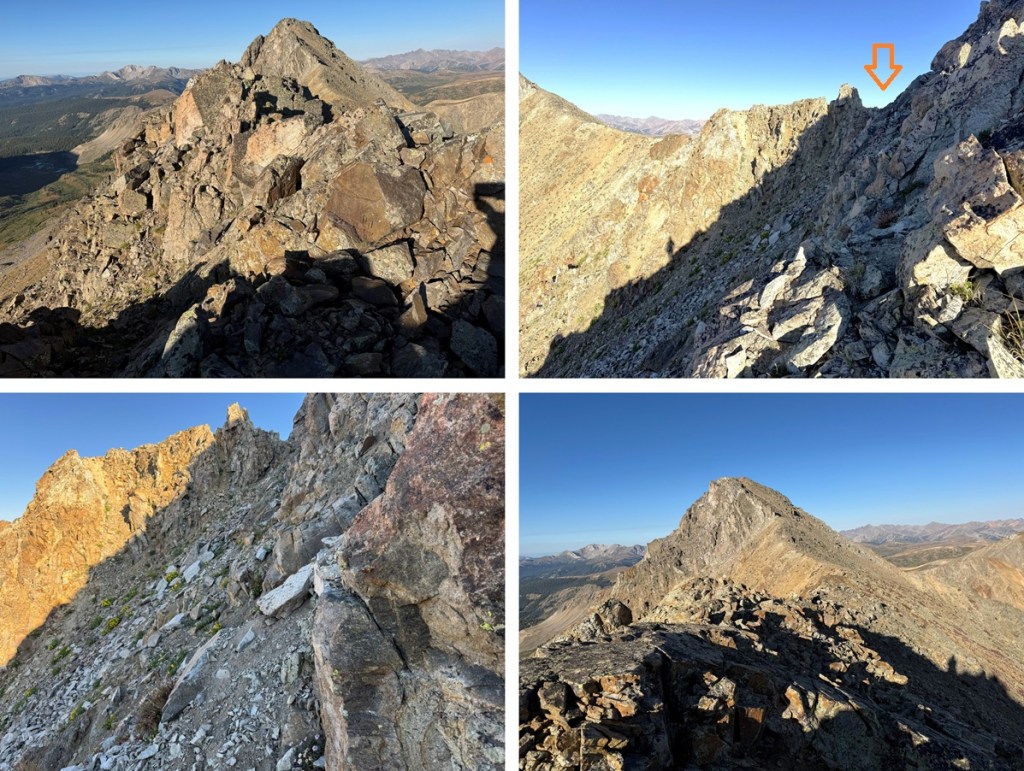
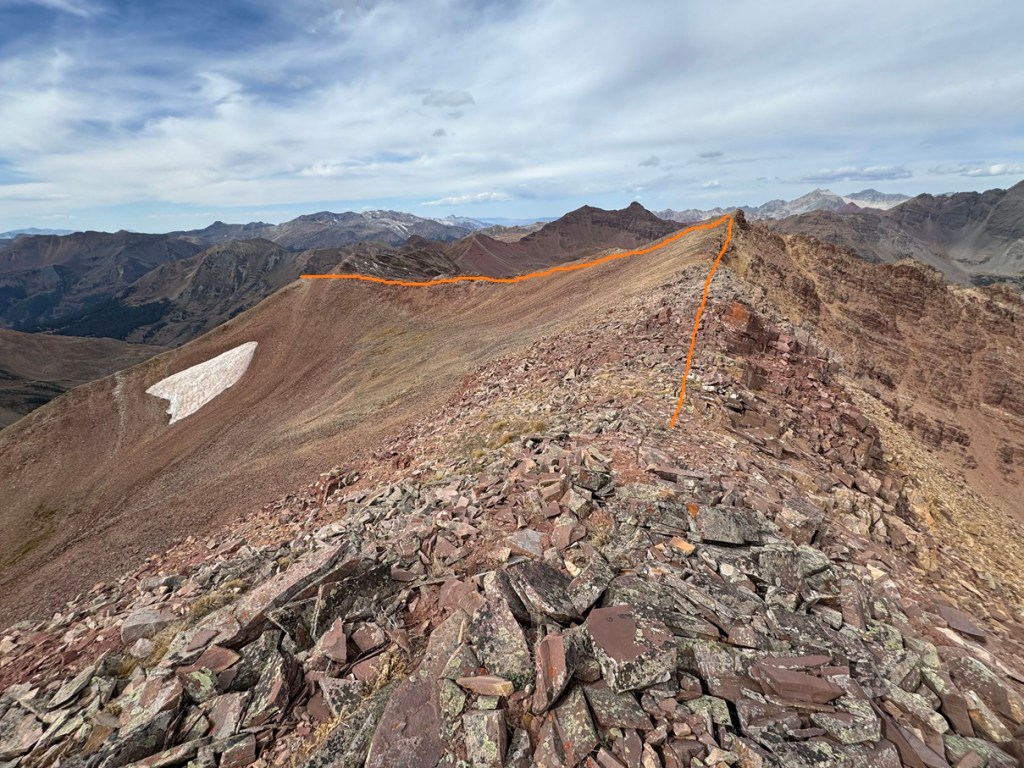
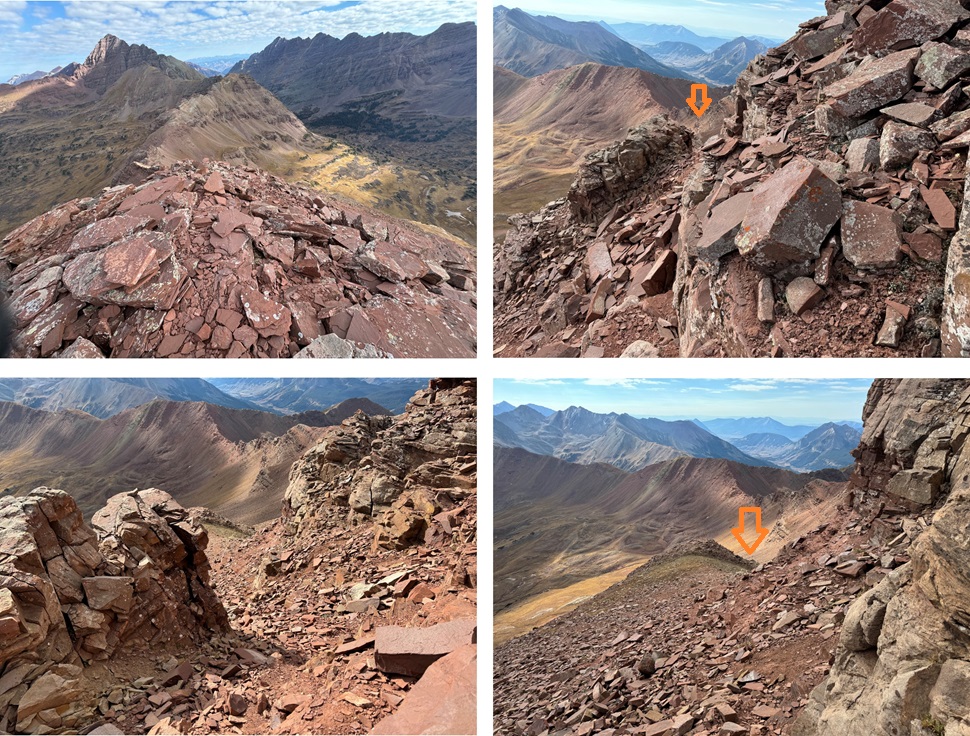
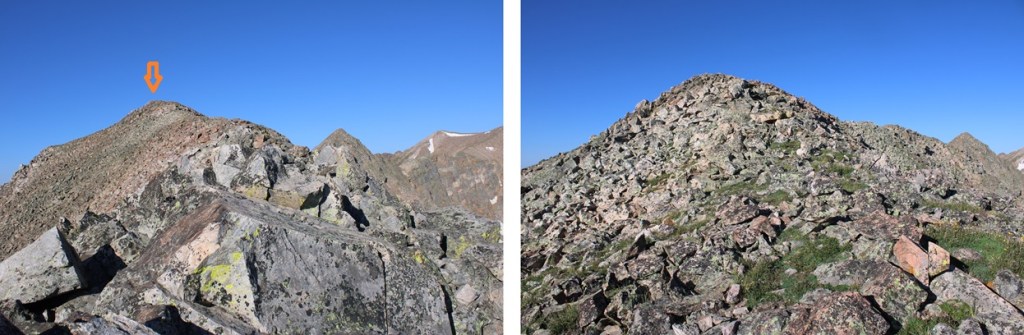
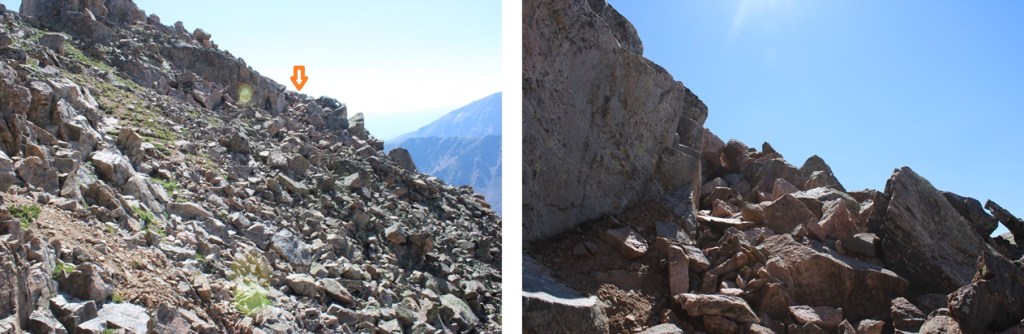
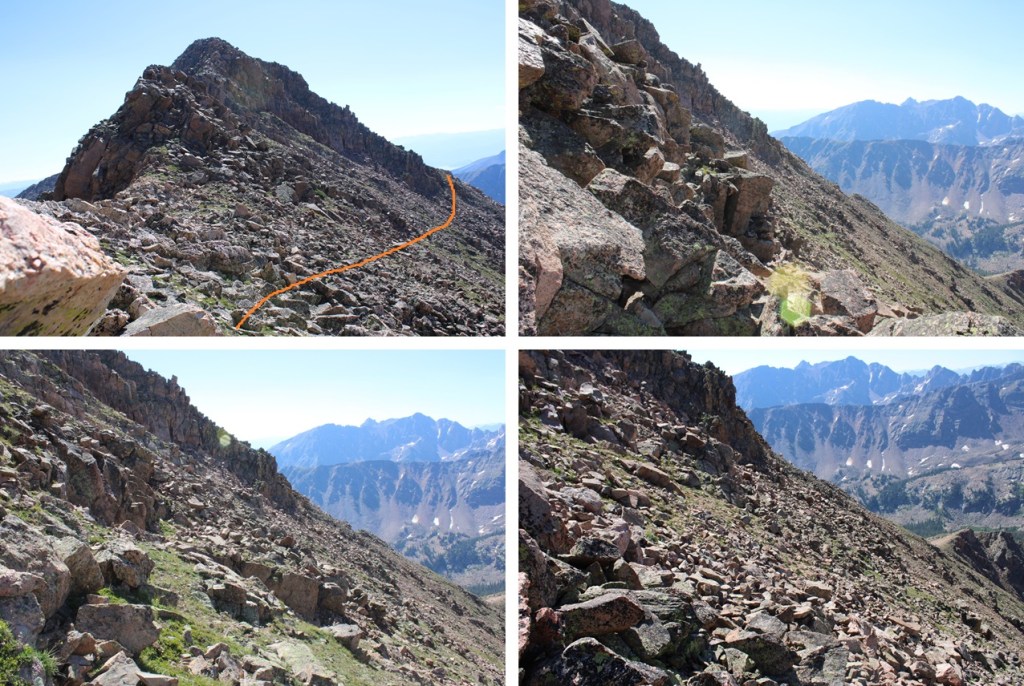
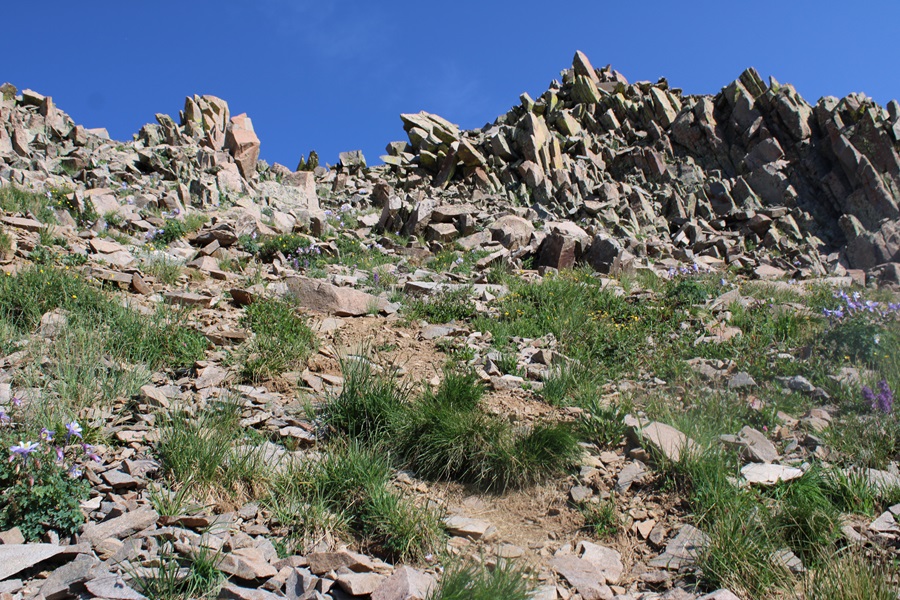
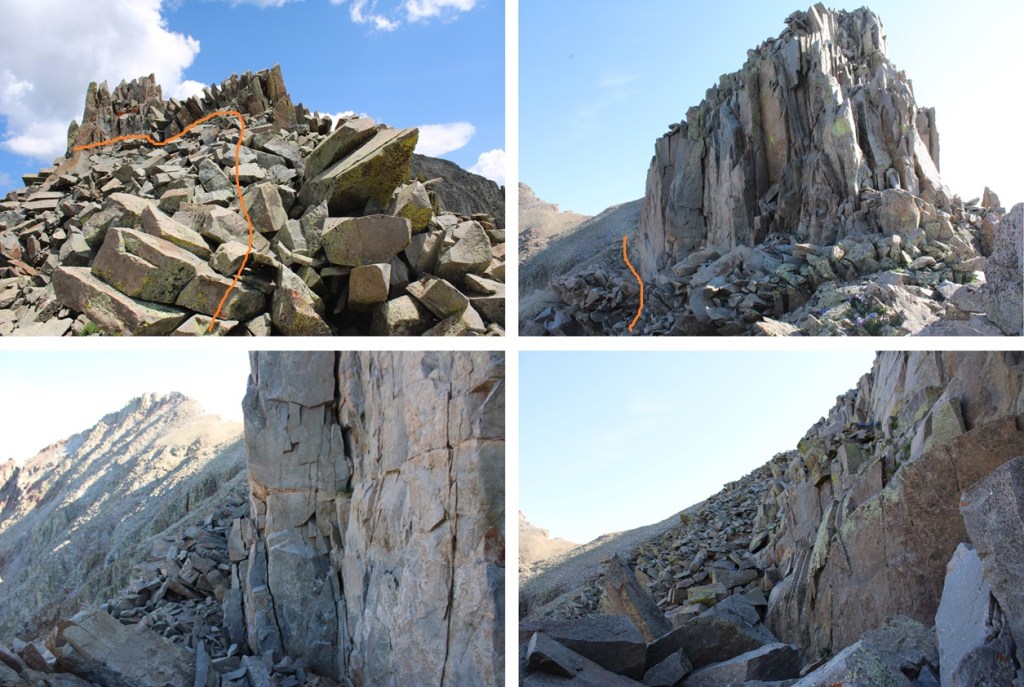
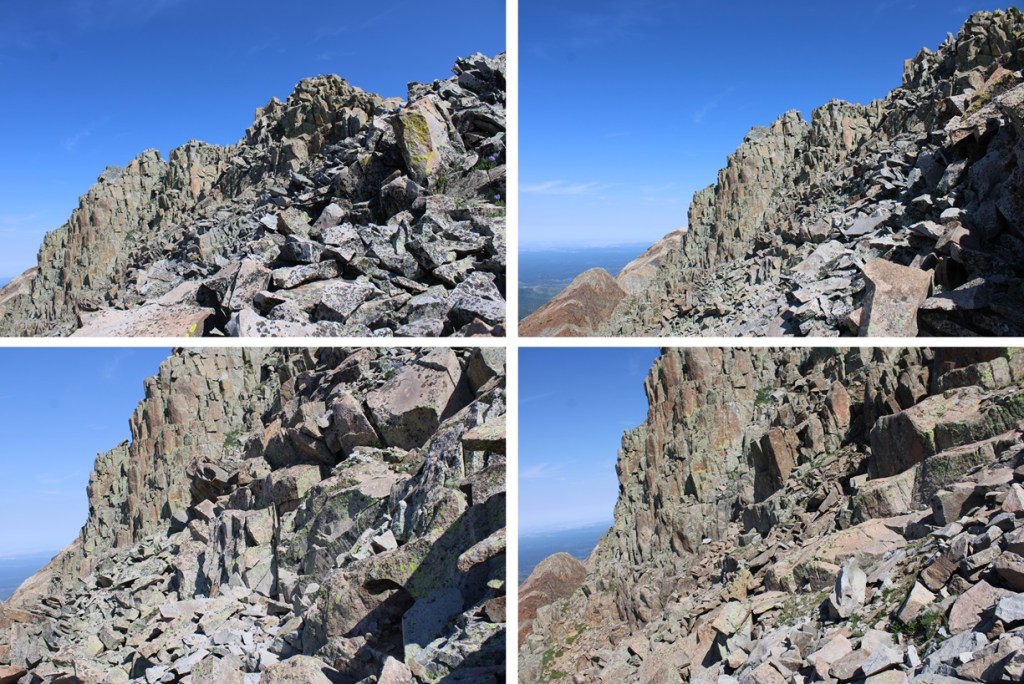
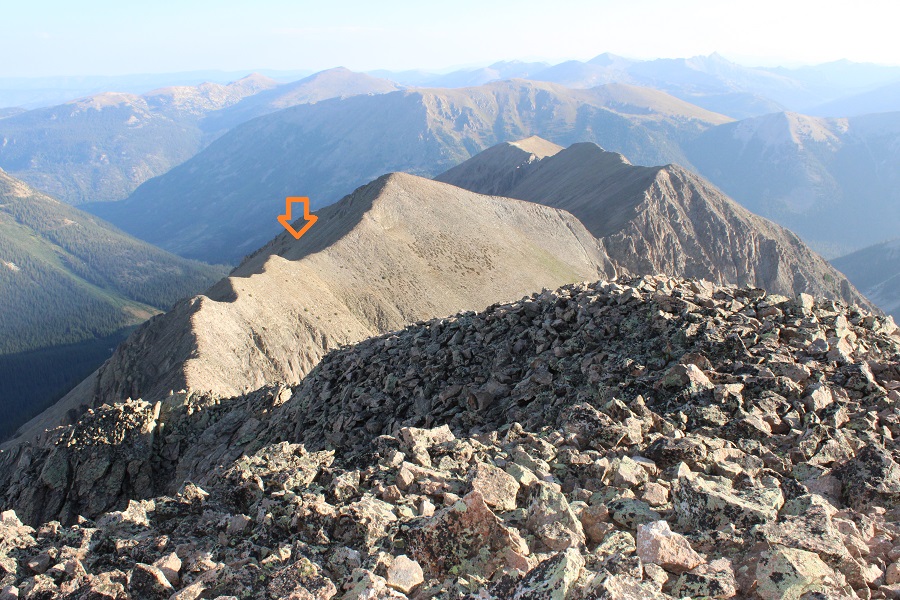
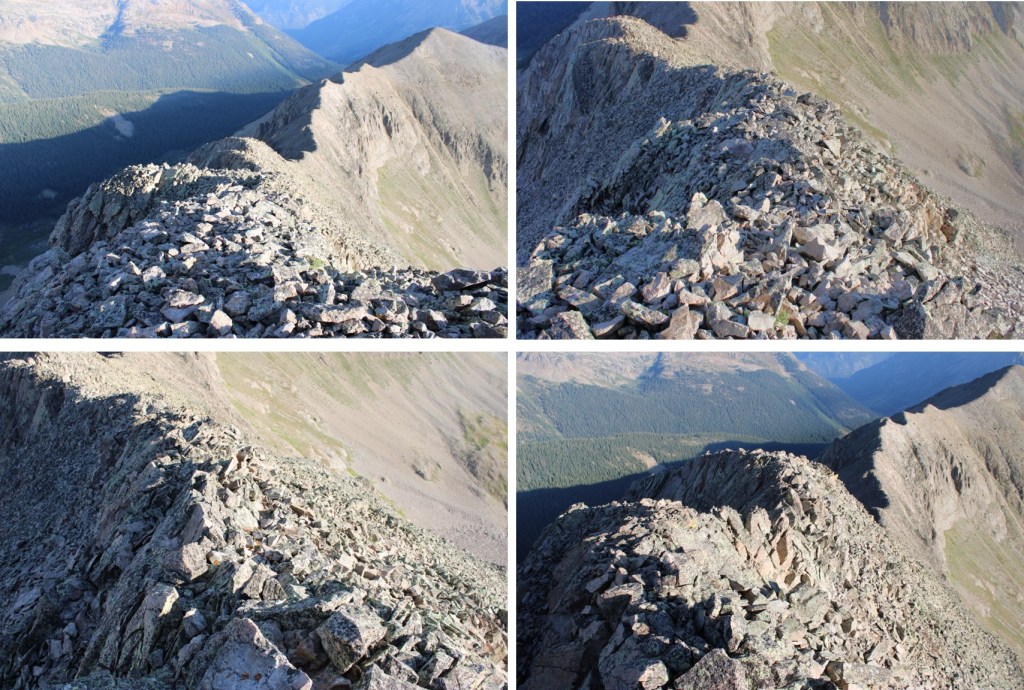
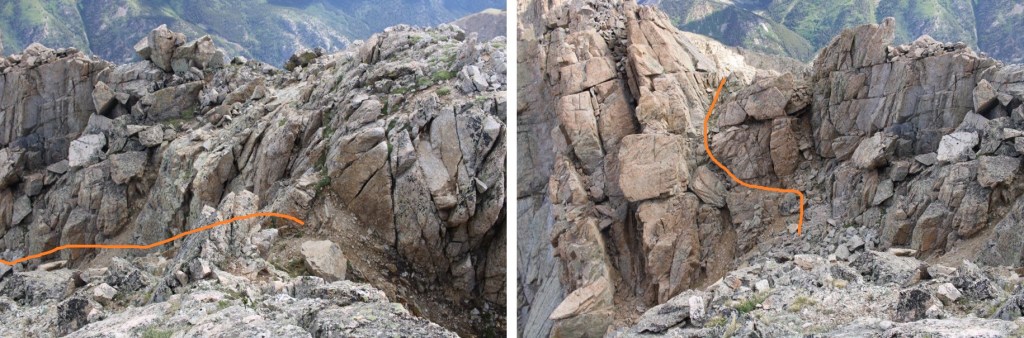
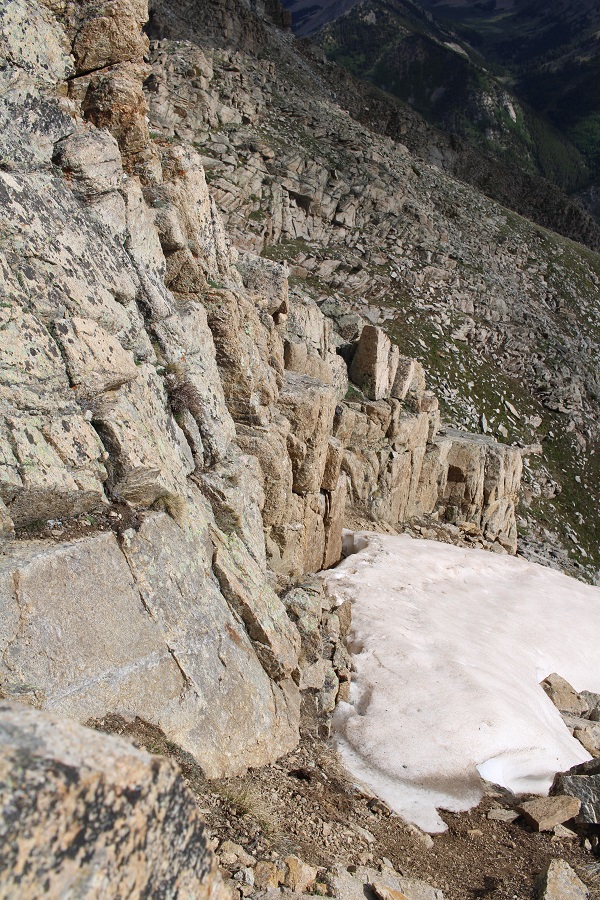
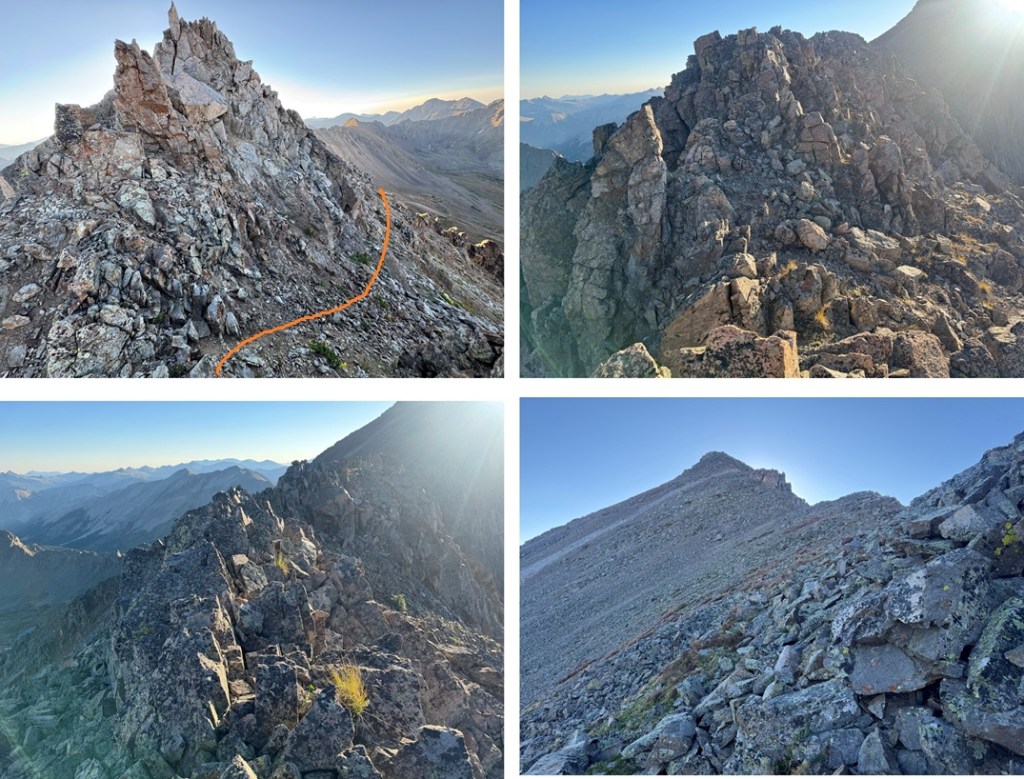
From the false summit I continued to follow the ridge east.  The terrain became more difficult as I descended about 150’, then reascended up to Tellurium.  I mainly stuck to the ridge, unless it was obvious to drop down to easier terrain.  I felt this was easy class 3, but with a lot of choss/talus and exposure. 

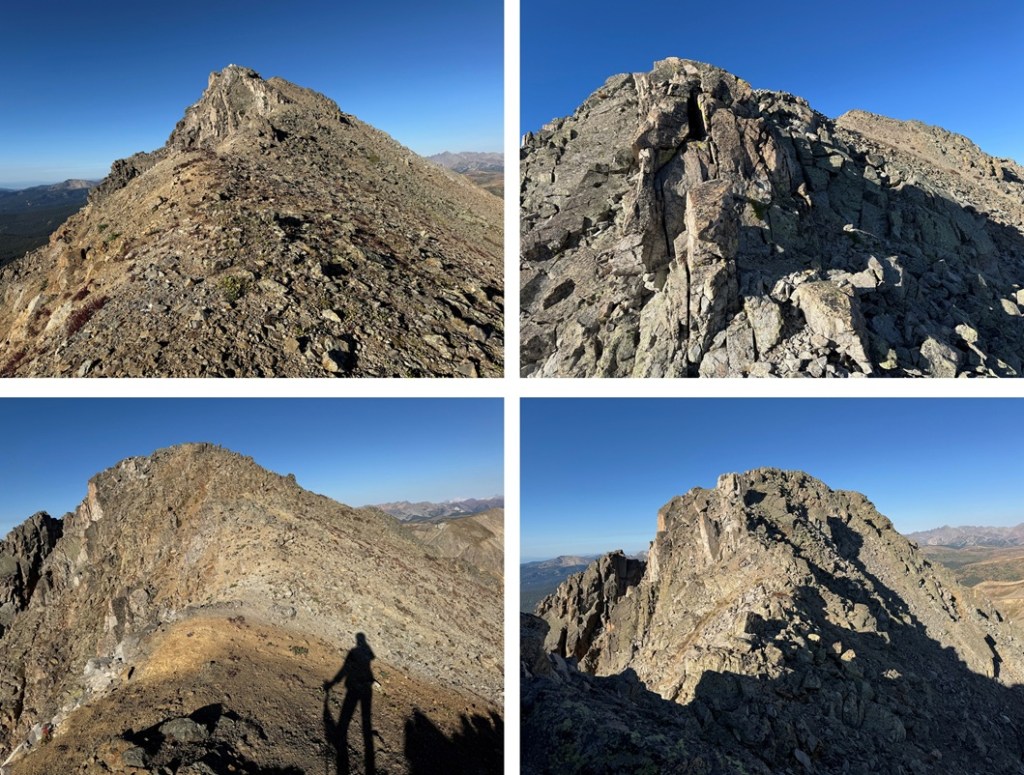
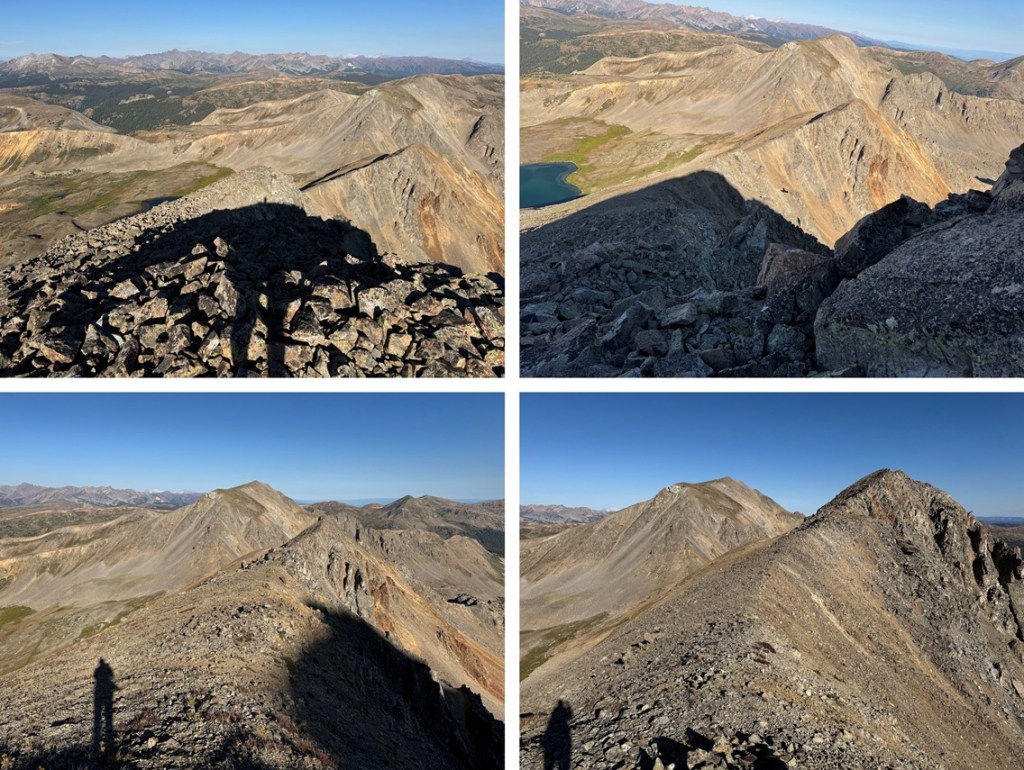
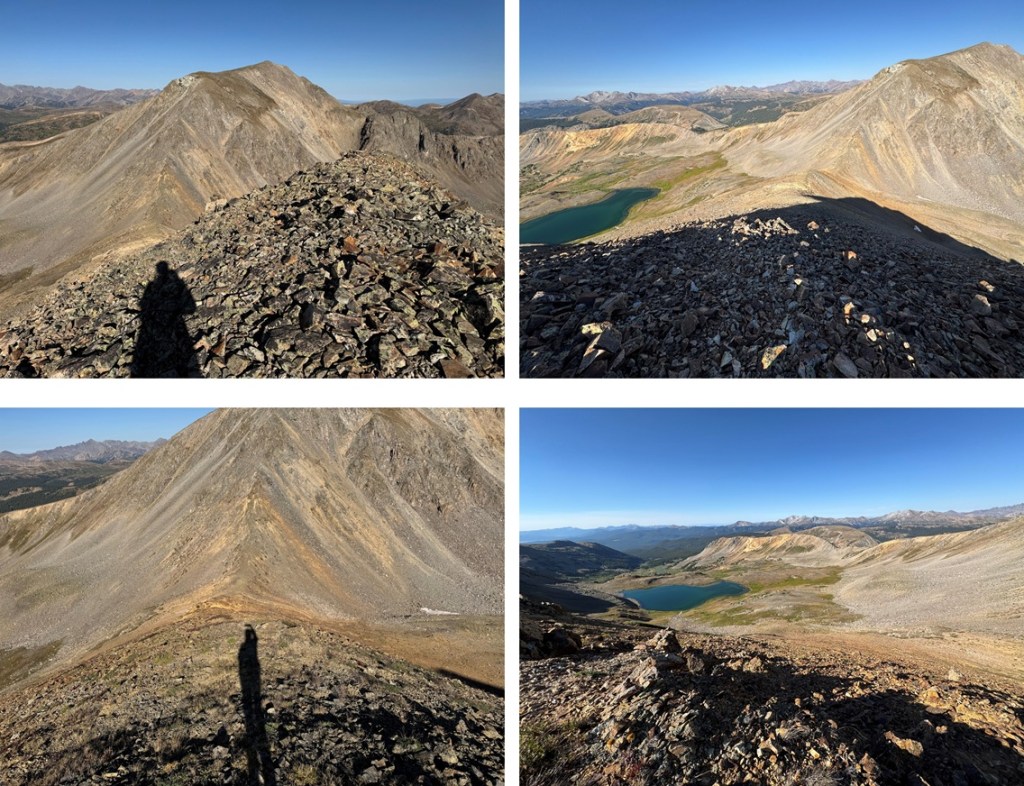
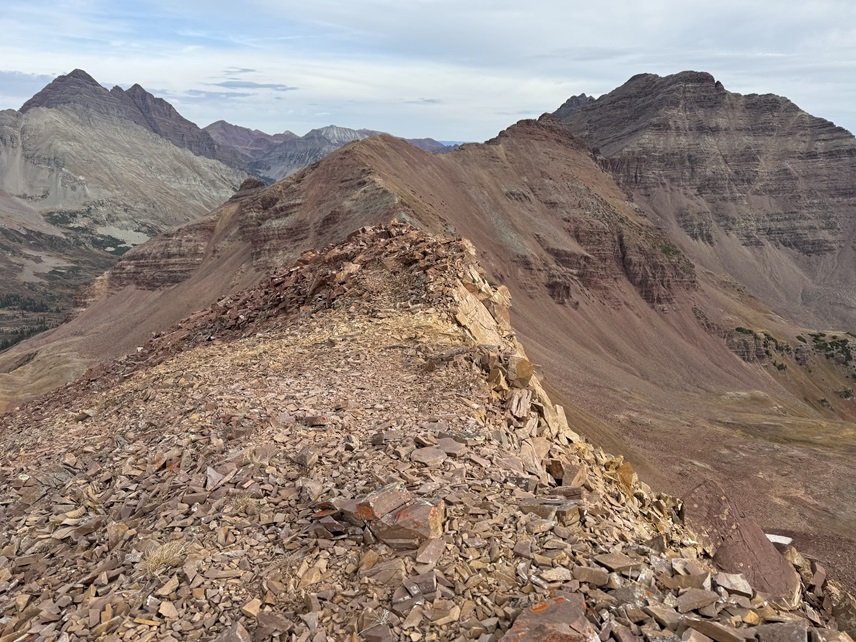
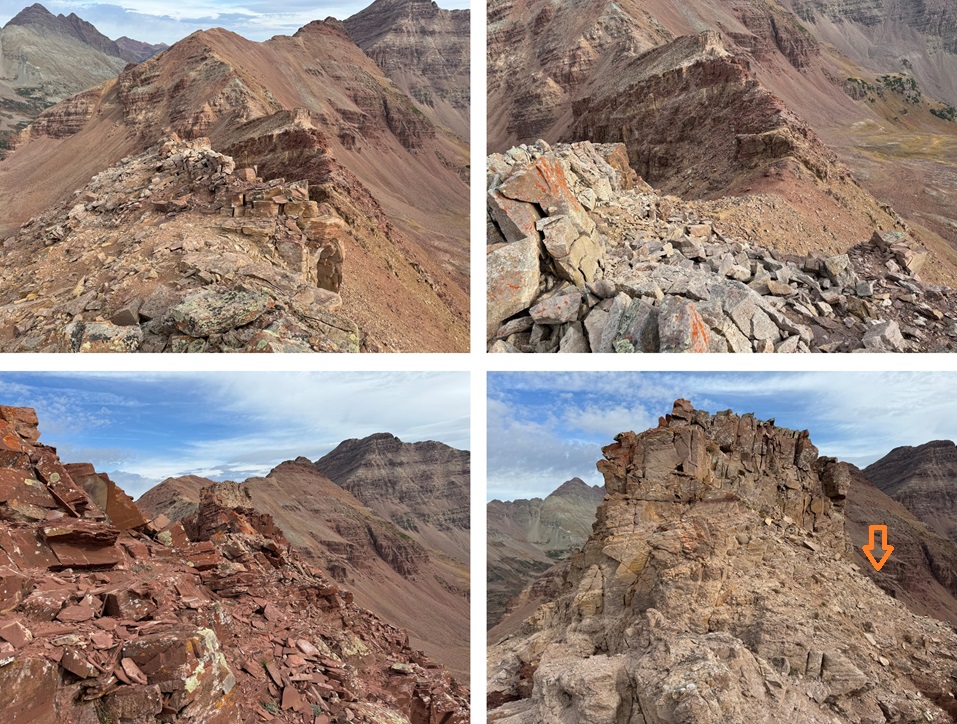
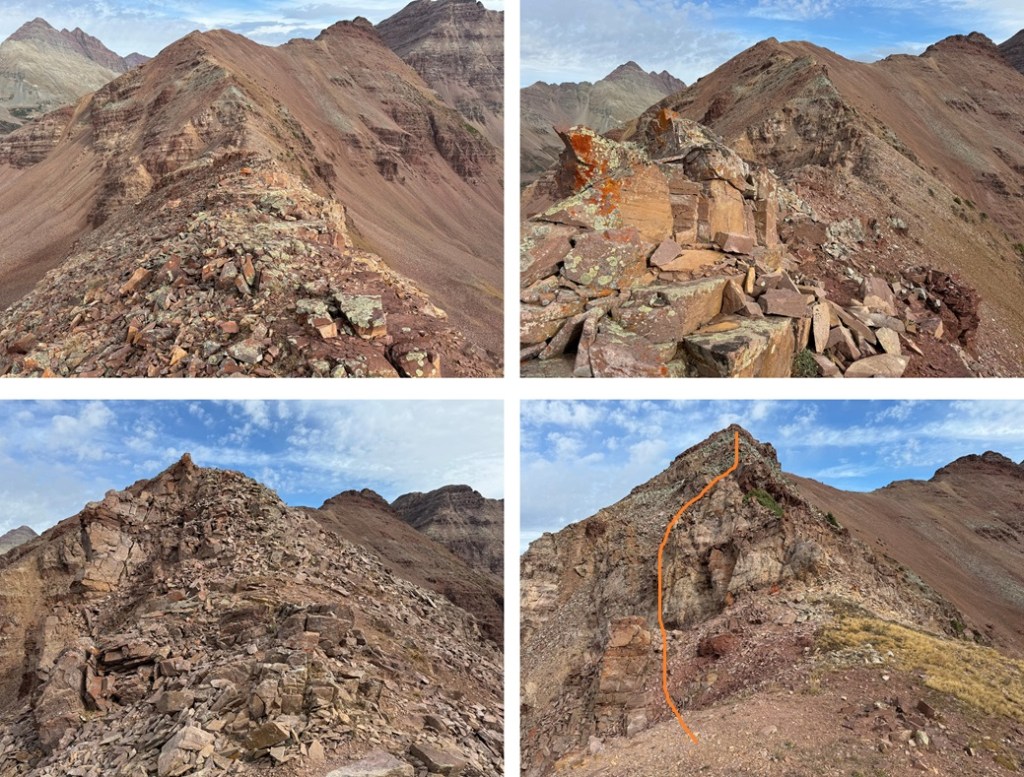
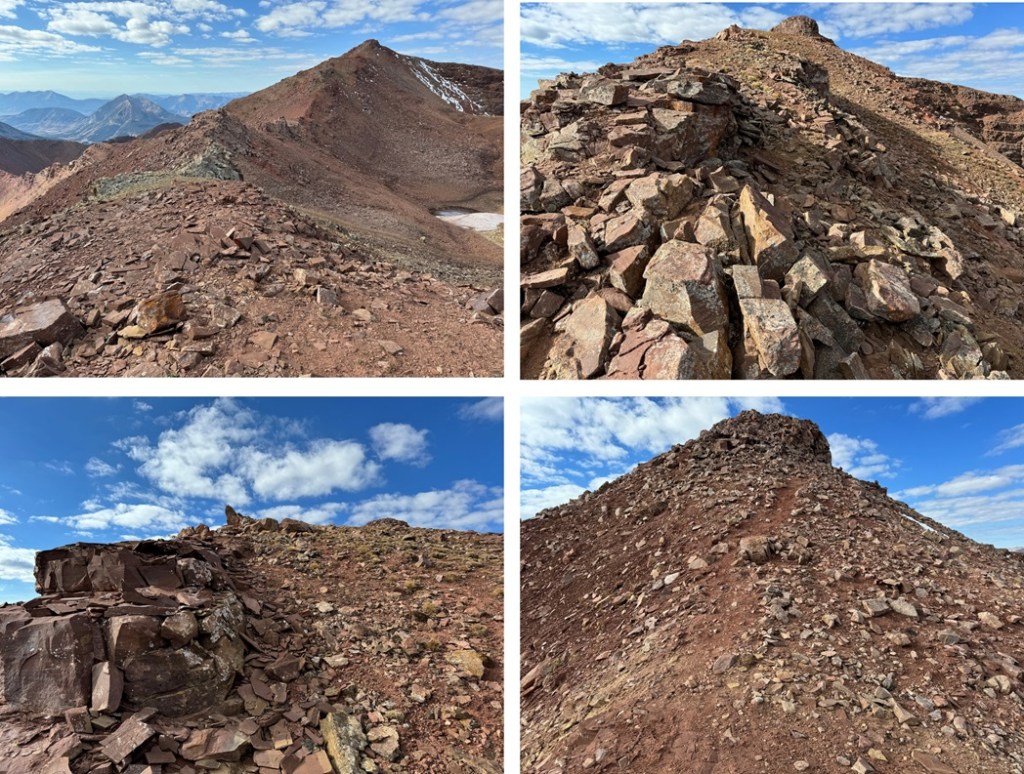
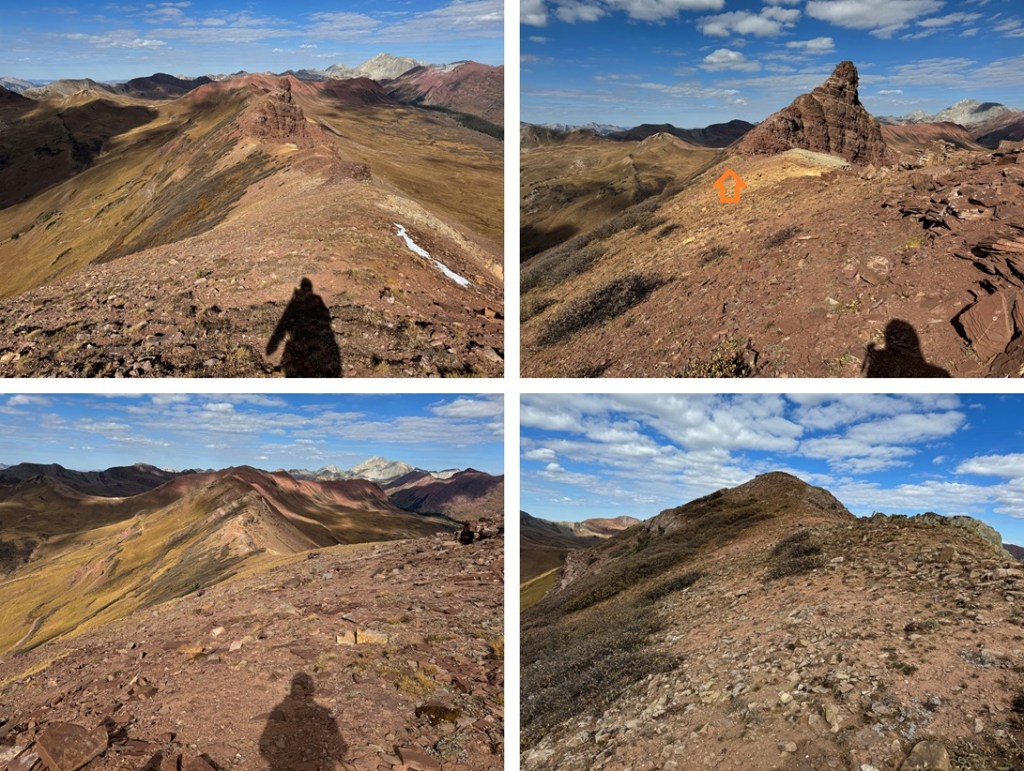
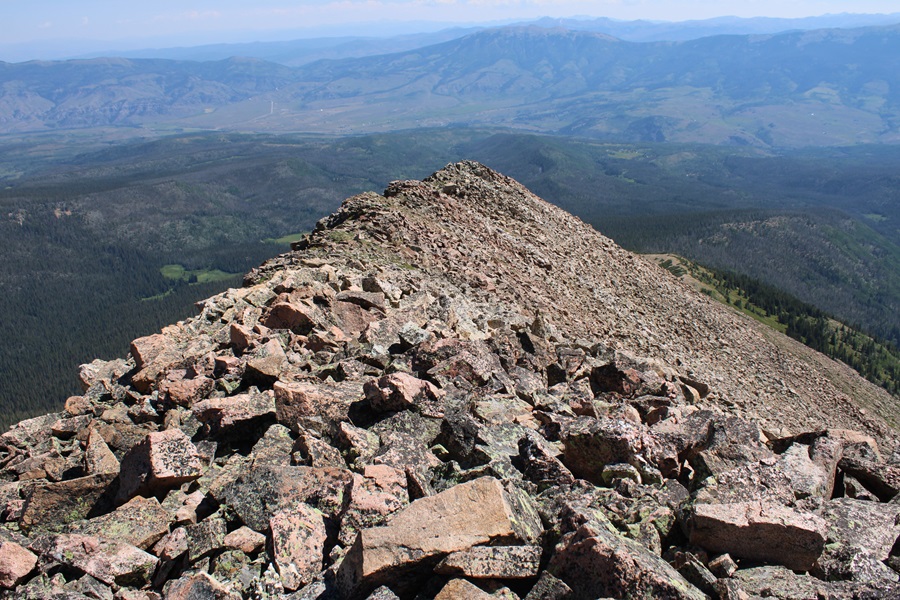
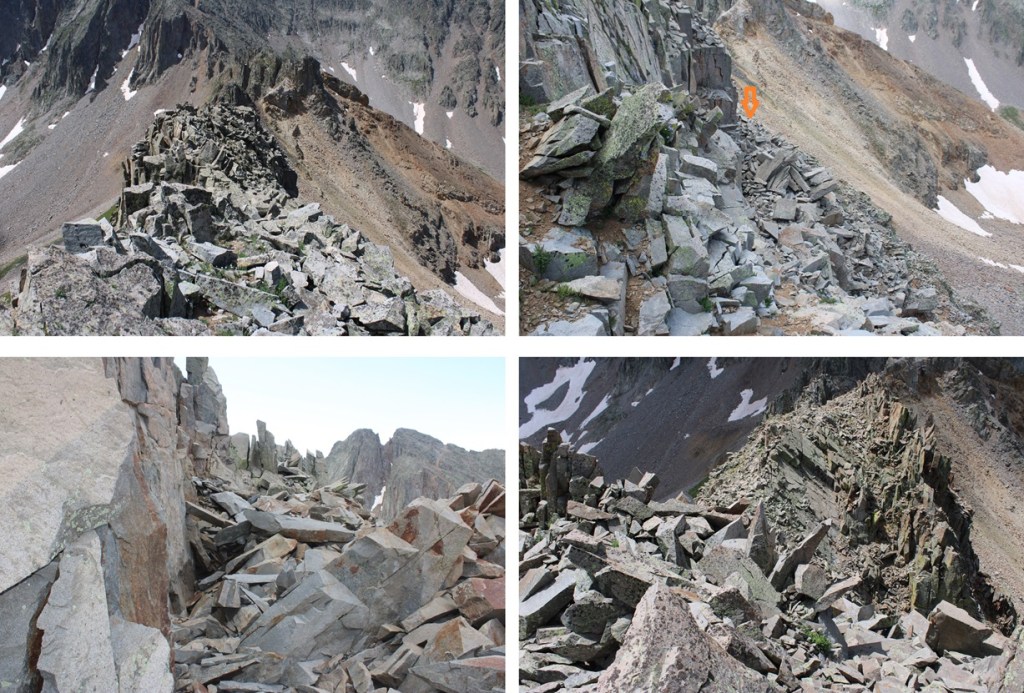
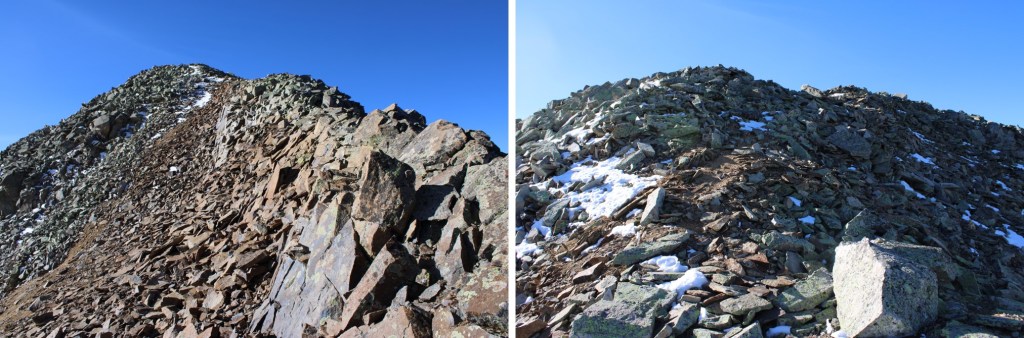
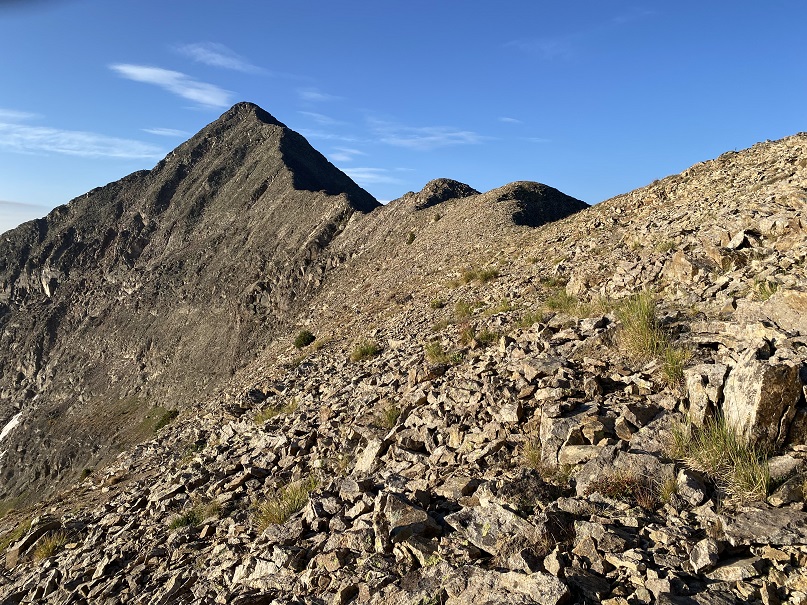
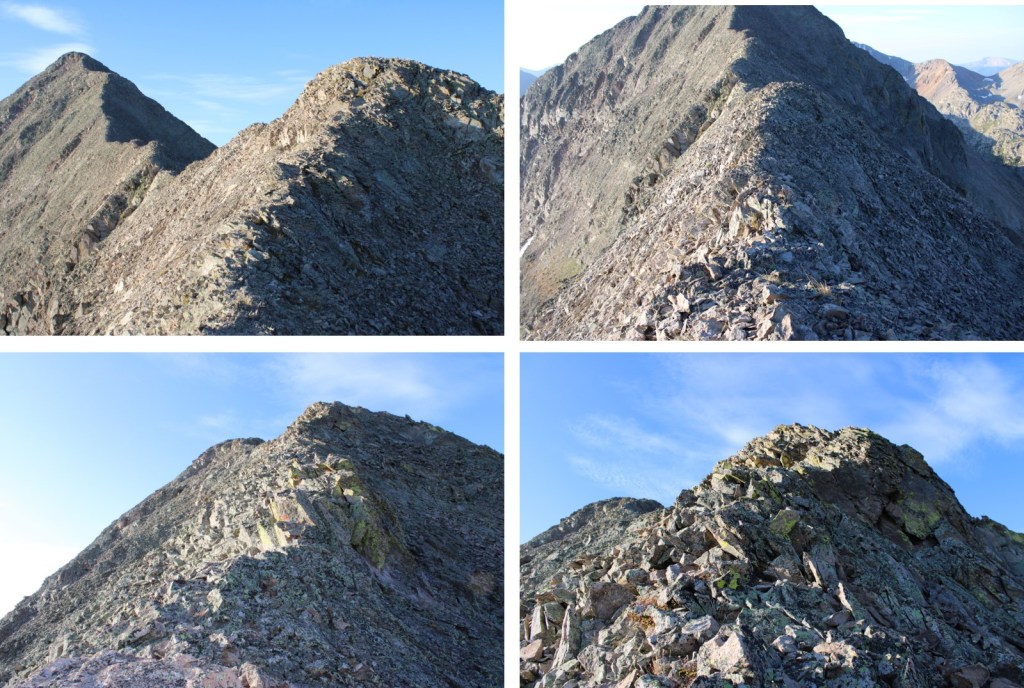
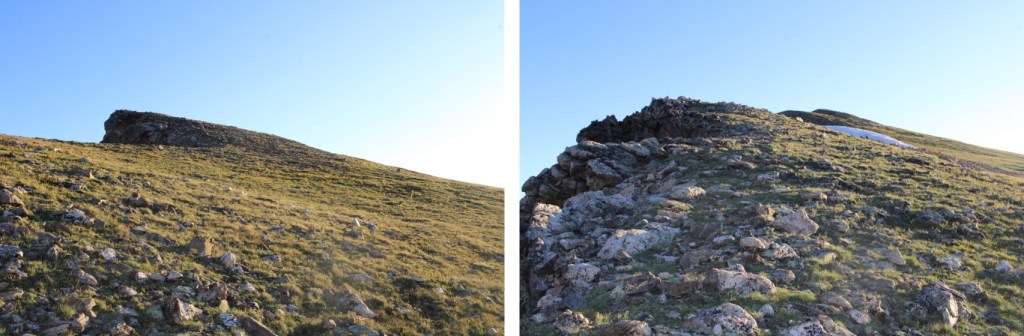
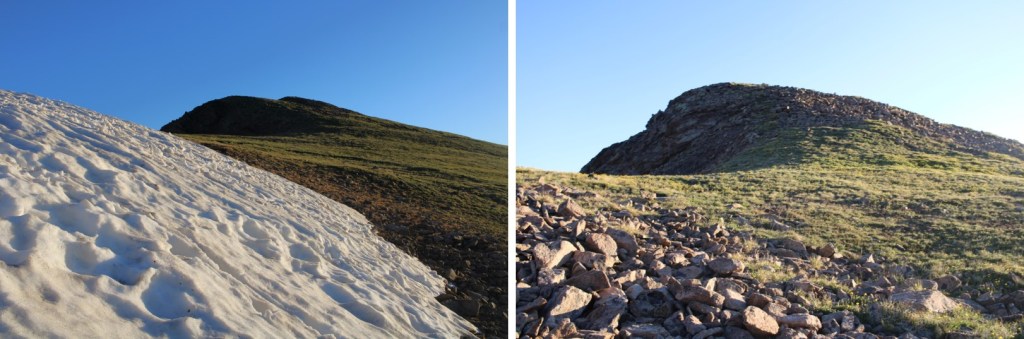
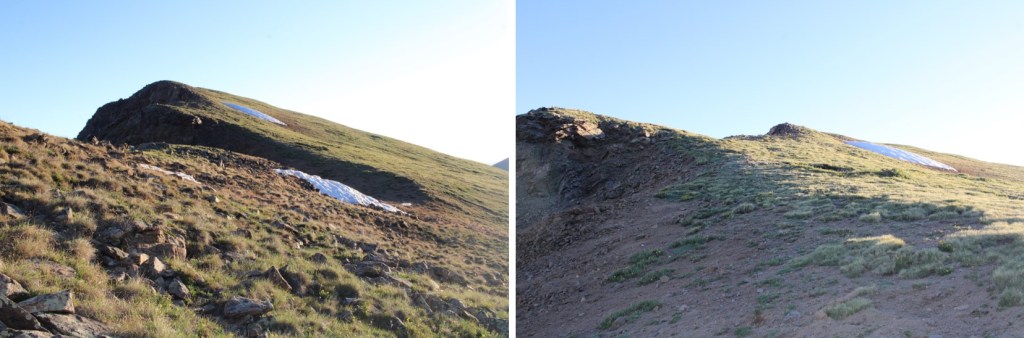
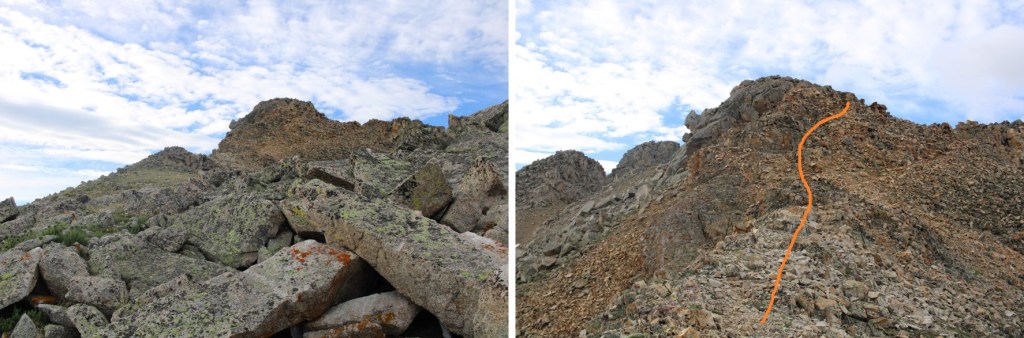
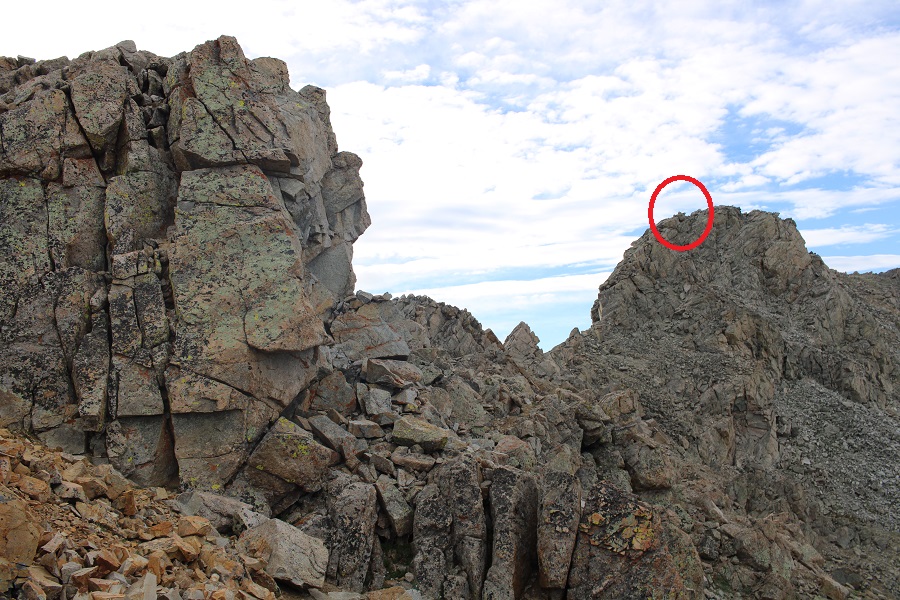
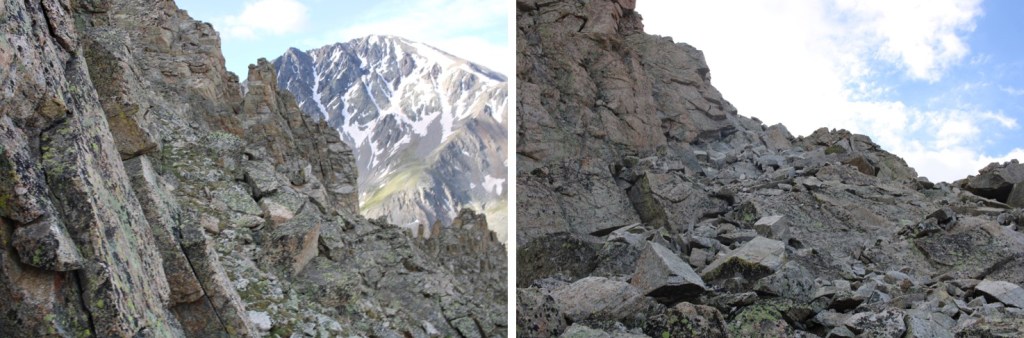
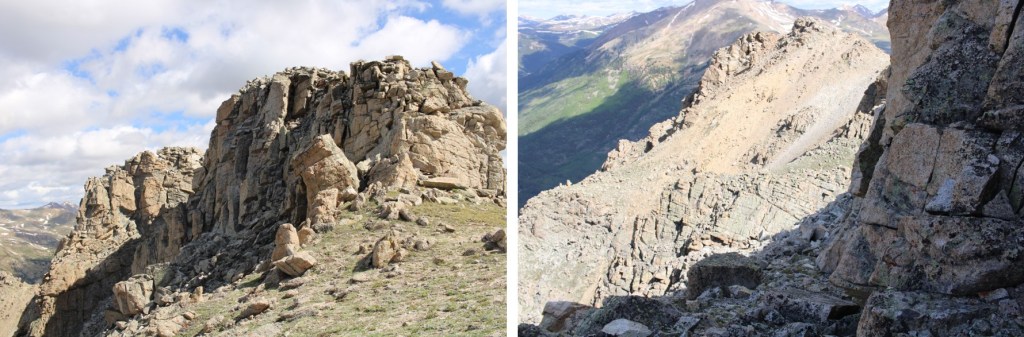
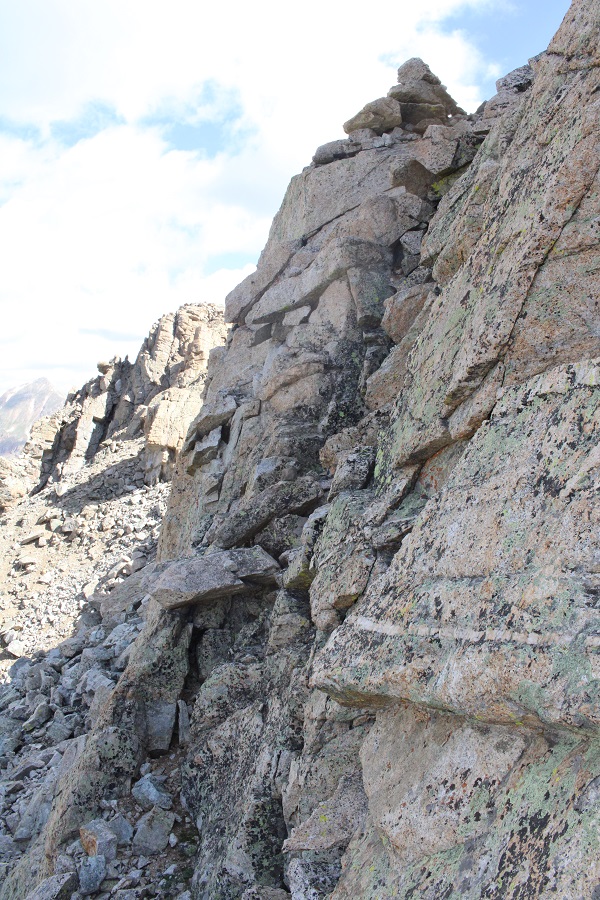
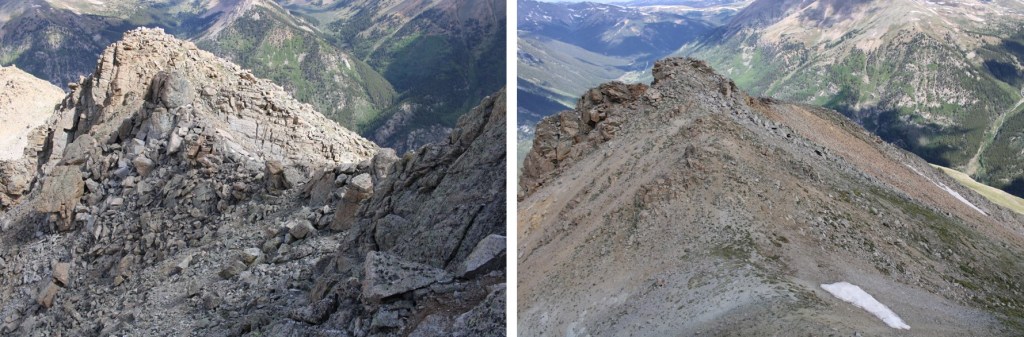
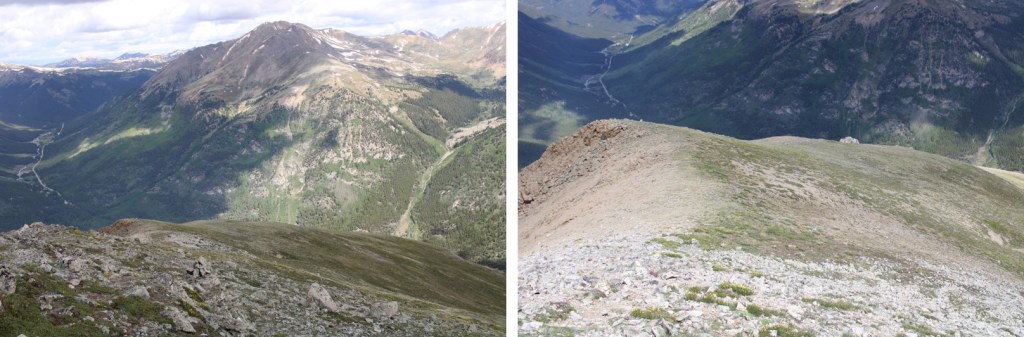
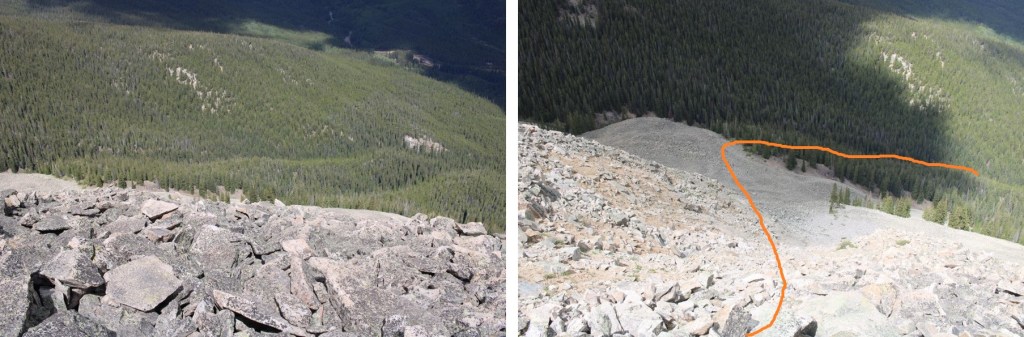
Here are some pictures of the ridge:
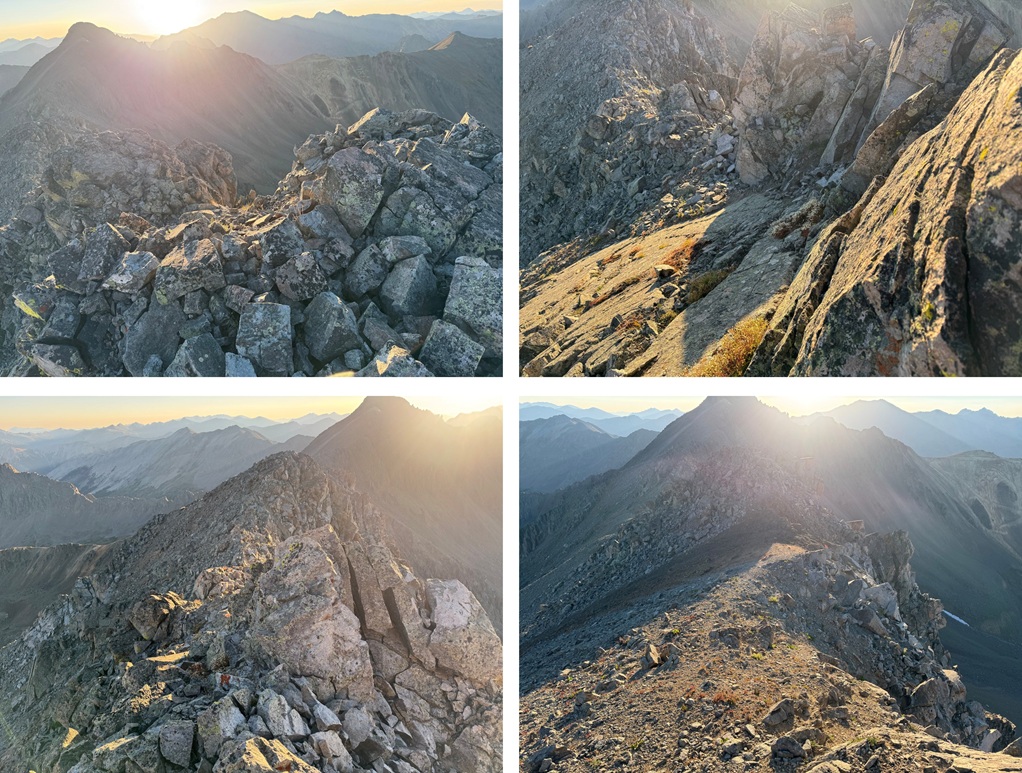
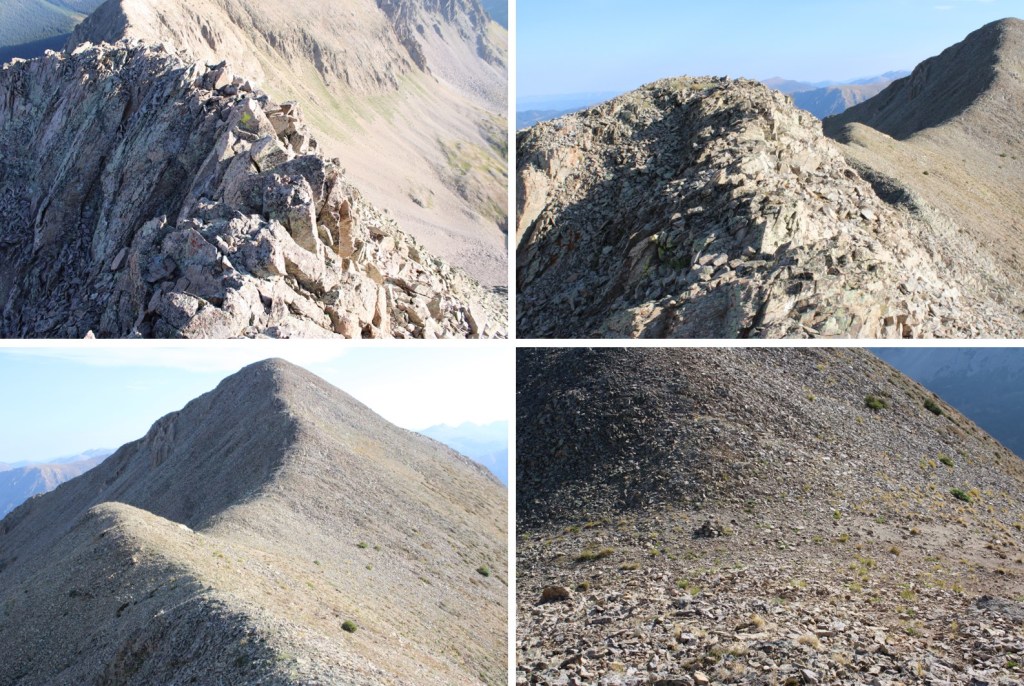
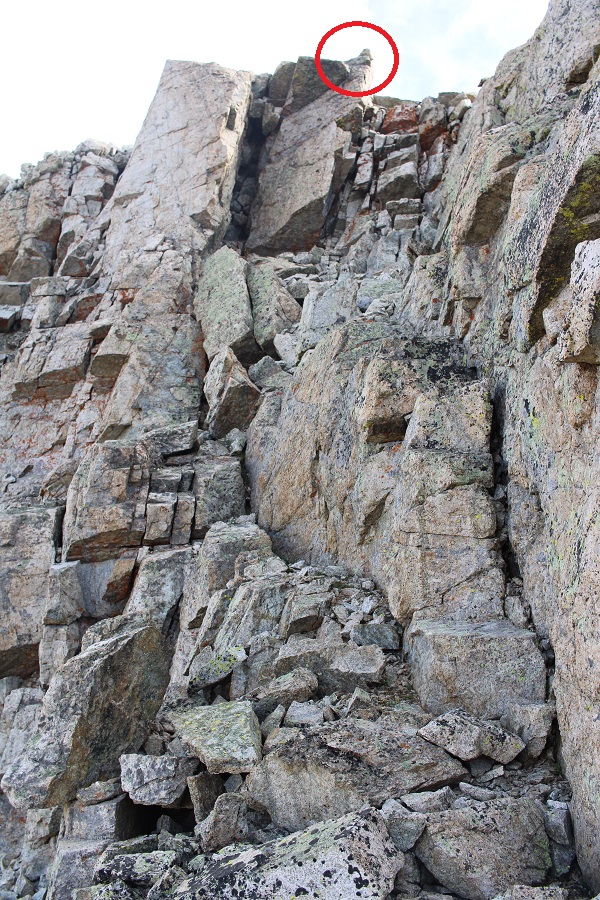
The last section of the ridge just before the summit became rocky, but a class 2 rocky

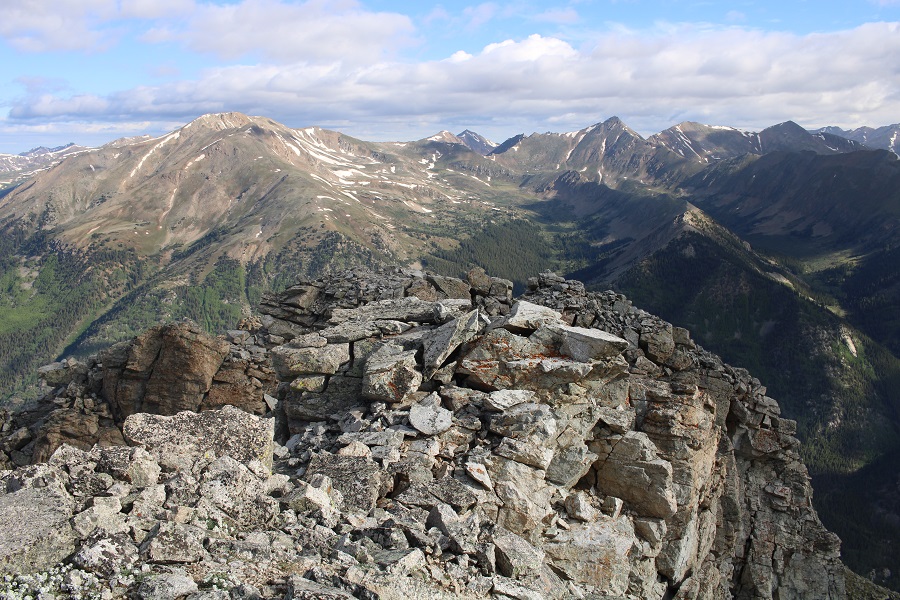
I summited Tellurium Peak at 7:40am

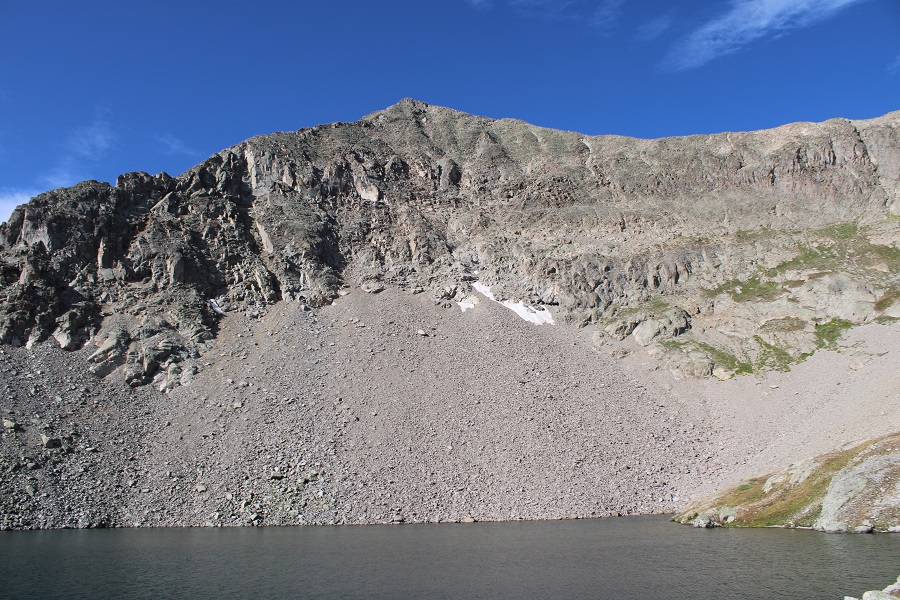
Tellurium Peak:

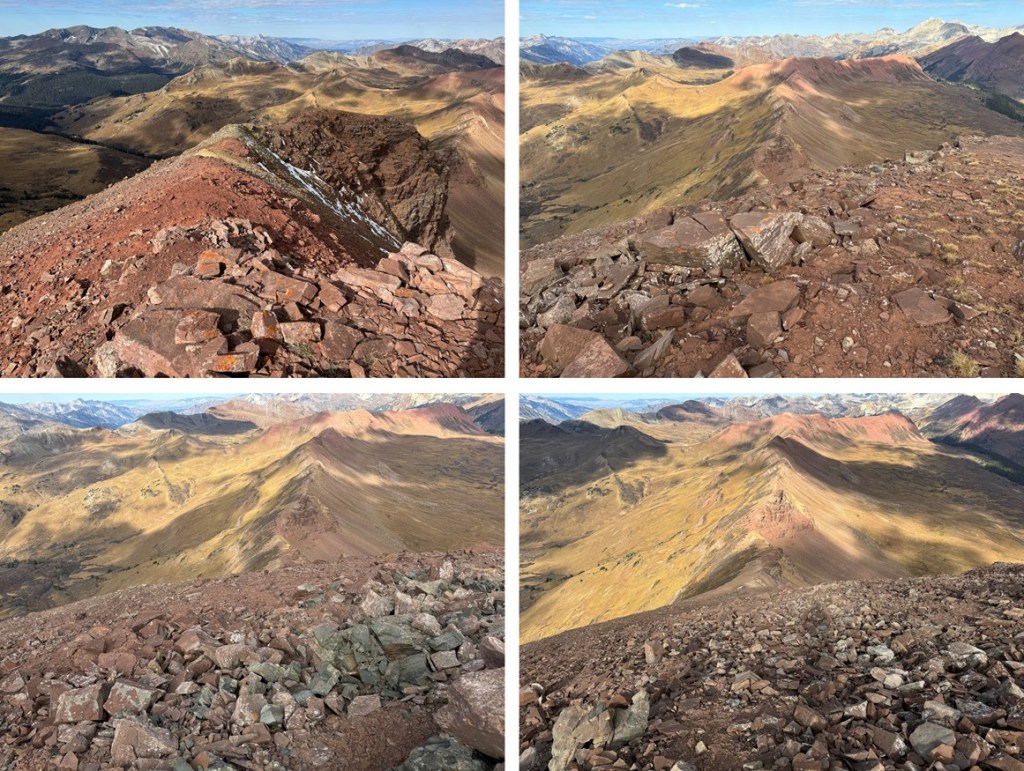
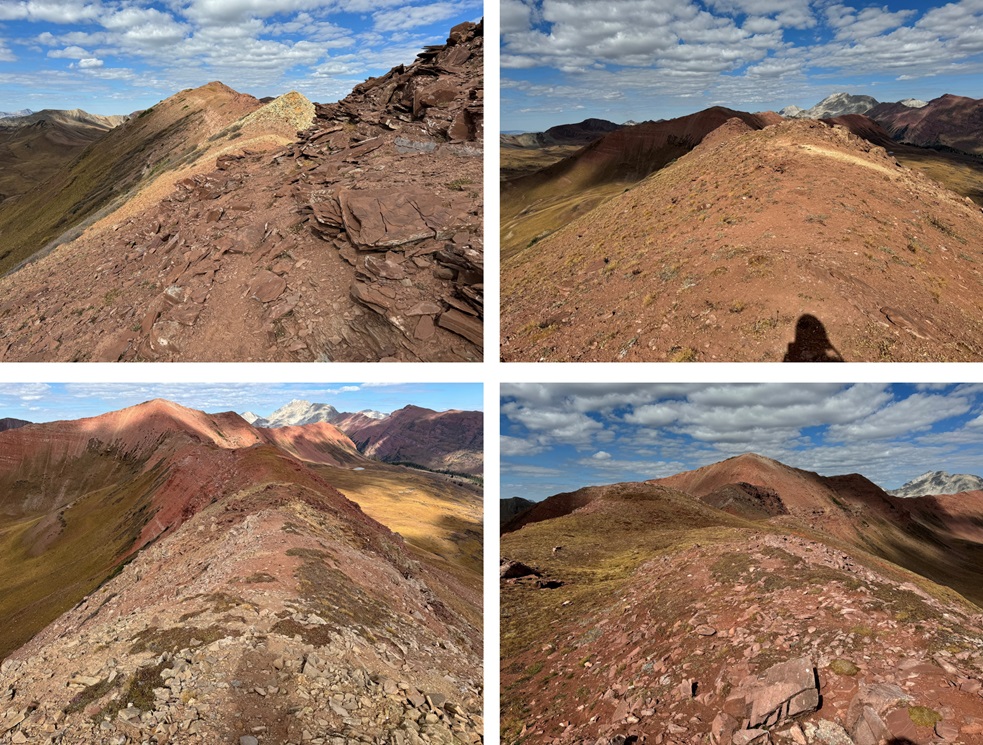
This was my only peak for today, so I turned around and headed back down/up/down the ridge.  Here are some pictures of my way back over to the false summit.

Then it was back to the West Tellurium/Tellurium saddle.

Then from the saddle I hiked back to my campsite at Ptarmigan Lake

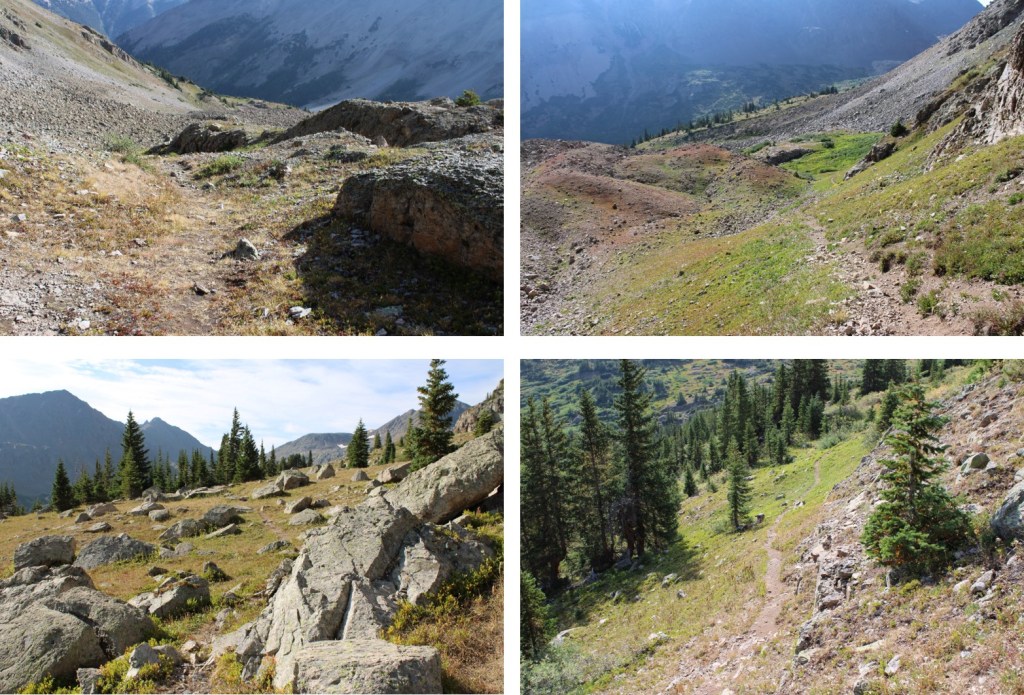
From the lake to the summit and back took me 3 hours total, with a stop on the ridge to make a phone call.  Now to head out.  From the lake I followed the 4WD road back to the trail/mines

Then I followed the road all the way back to the dispersed camping area, taking the upper road this time (both roads make a loop).

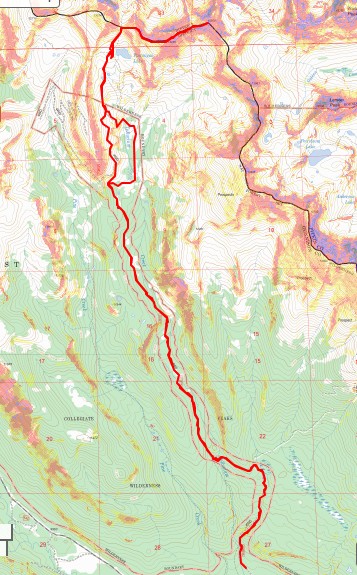
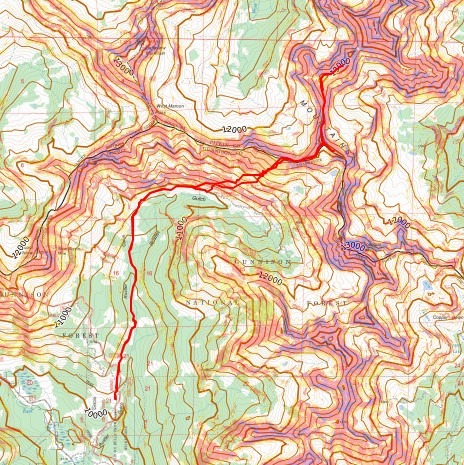
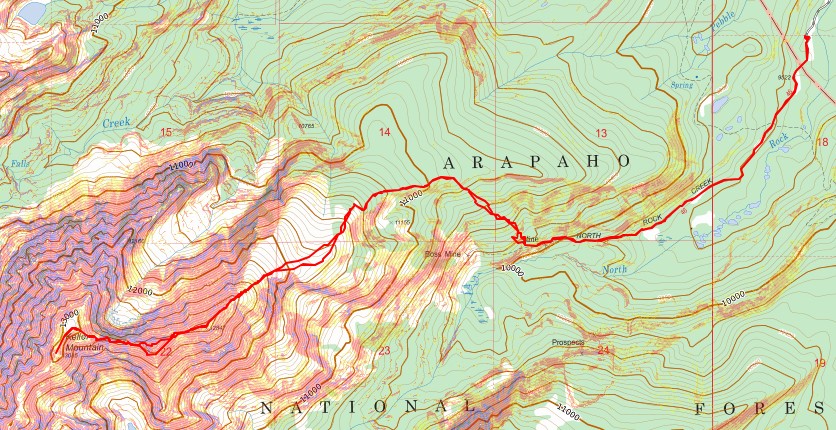
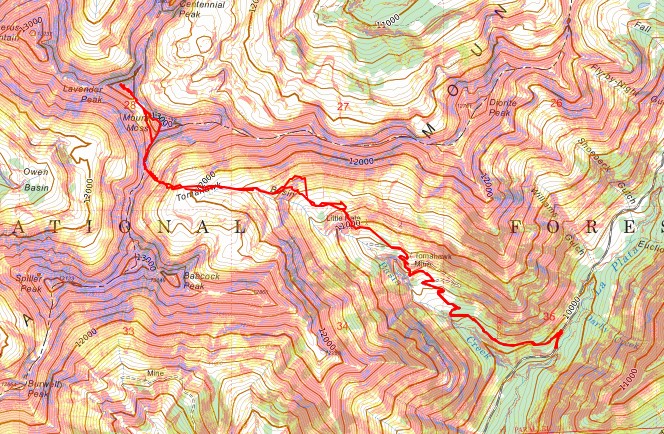
I made it back to my truck at 11:45am.  This hike totaled 16.42 miles with 4219’ of elevation gain. Here’s the topo of my entire route

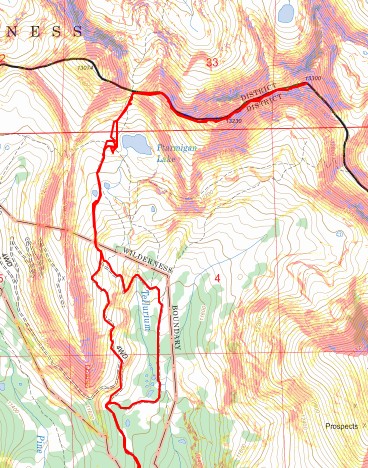
And one closer up

On to the next trailhead!

13223 and 13144

RT Length: 11.58 miles

Elevation Gain: 4141’

I started this hike at 6:45am from just below Rustler Gulch Trailhead.  Rustler Gulch Trailhead is located off a 4WD road, and while there is a trailhead, there’s really only enough room for one or two small vehicles to park there.  I tried parking my truck near the gate, and it stuck out halfway into the narrow road, so I backtracked and parked a bit earlier along the road. 

I’ve been to this area in the summer, and while the wildflowers are beautiful, I knew I wanted to do this hike in the fall.  In the summer the entire road to the trailhead is packed with vehicles, there are biting black flies, and I’d be hiking with 2000 other hikers.  Not to mention the flowers: they’re beautiful, but I’d need to navigate my way through them (and the bees) to reach the ridge, which I didn’t want to do. 

I walked a little bit up the road, and then hiked the Rustler Gulch trail for 3 miles.  This trail is easy to follow, starting out in the trees before crossing several streams and entering the gulch.

After hiking for about 3 miles, I could see the route I wanted to take to gain the ridge. 

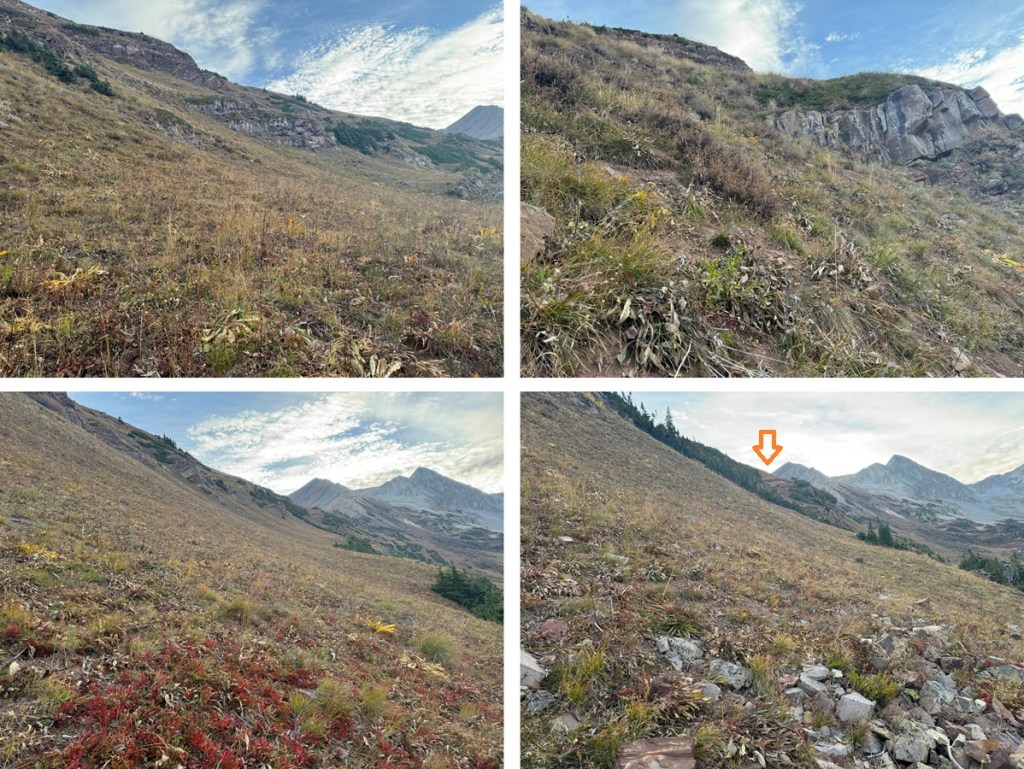
This was fairly easy to do.  I left the trail, and started heading northeast up the tundra slope, avoiding the rock outcroppings and willows along the way.

As I continued northeast, aiming for the ridge, the terrain got steeper and it changed from tundra to talus. 

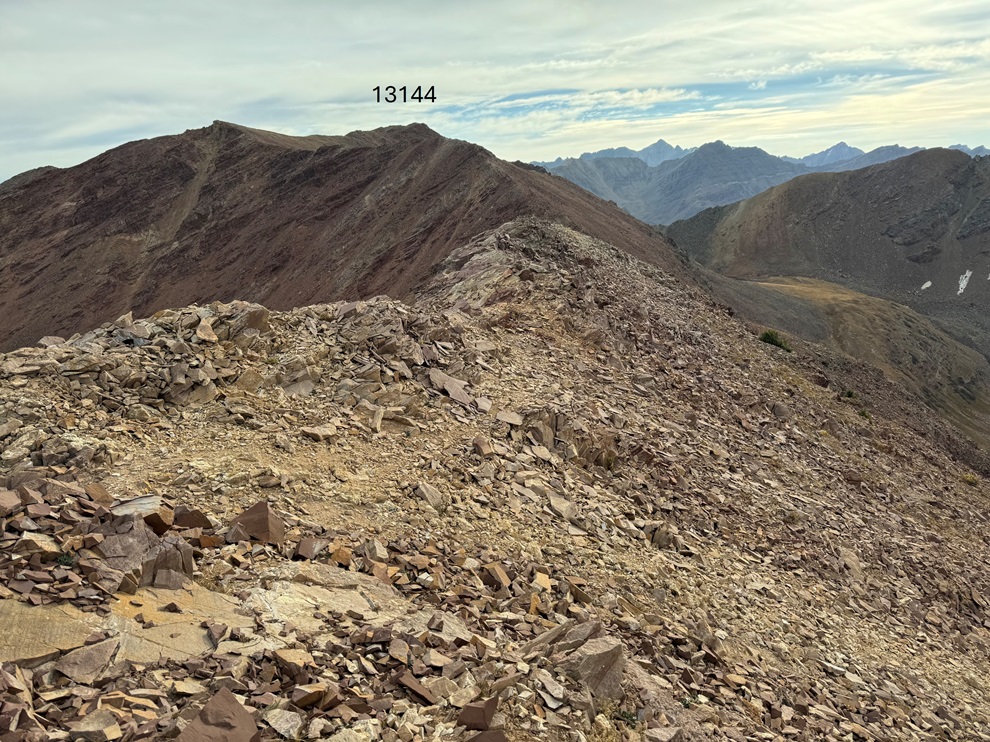
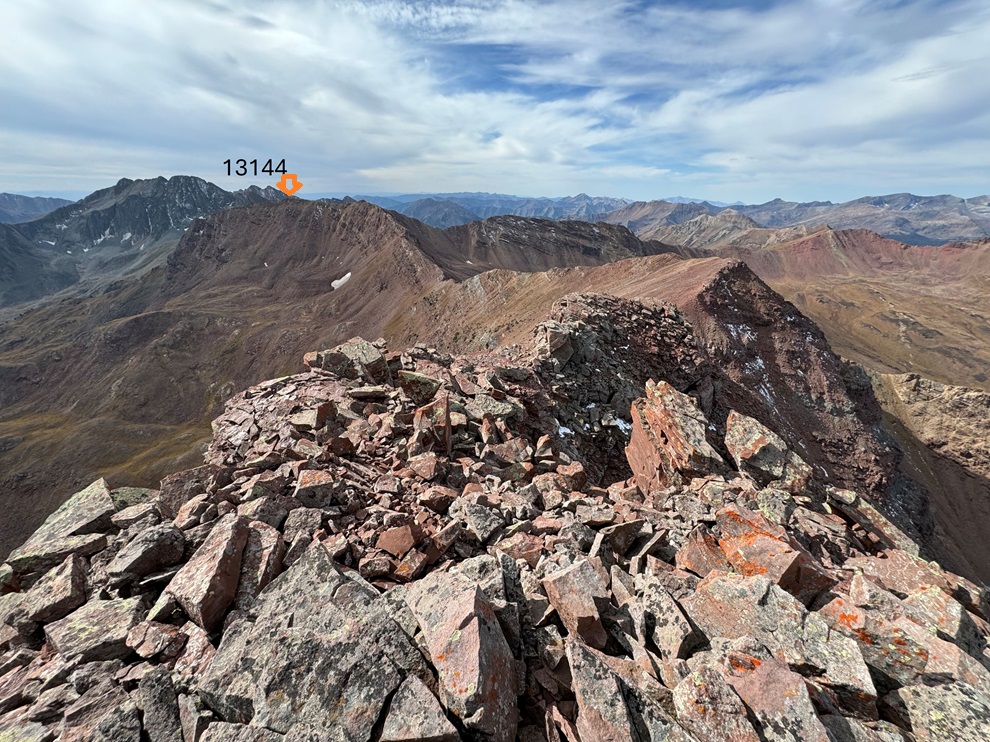
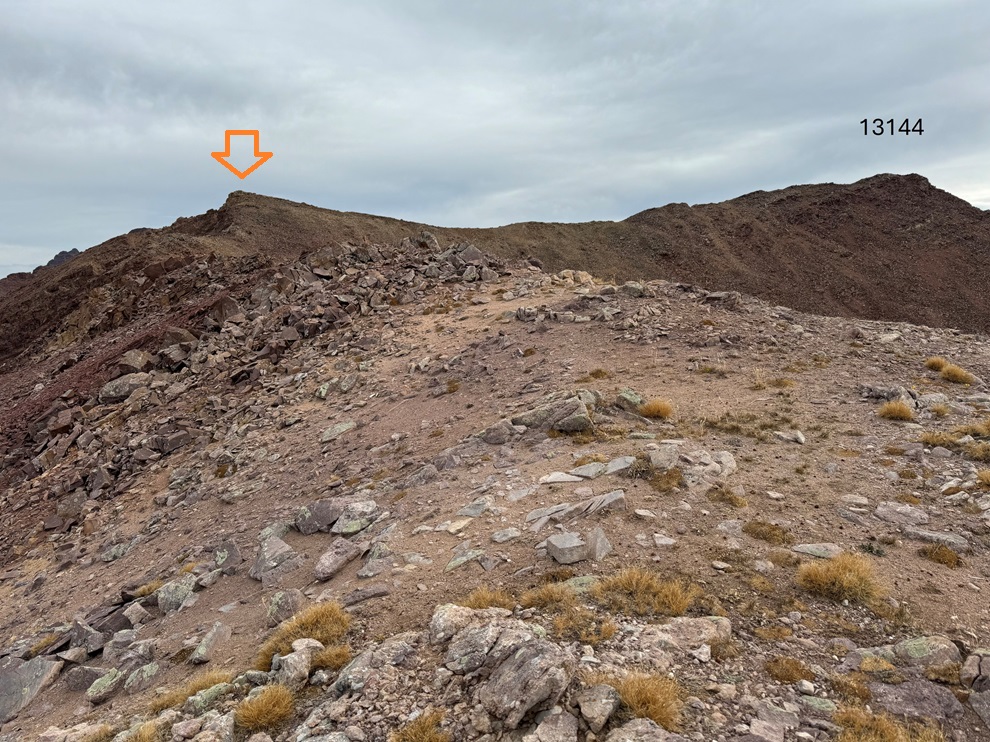
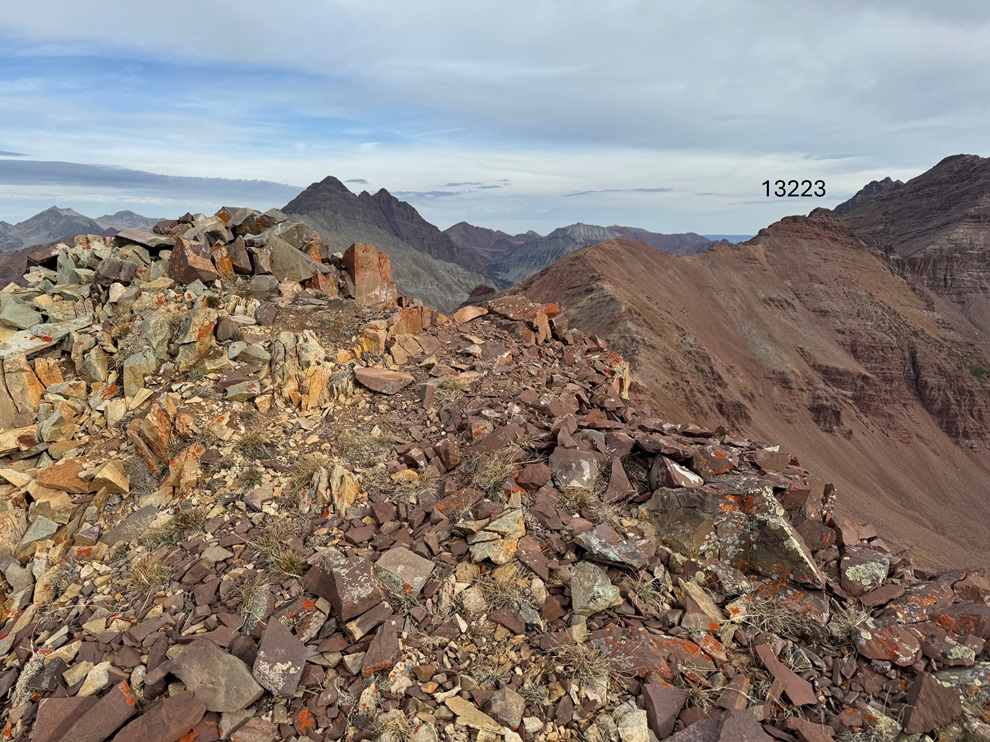
Once on top of the ridge I turned right and followed it east.  I could see 13144 in the distance.

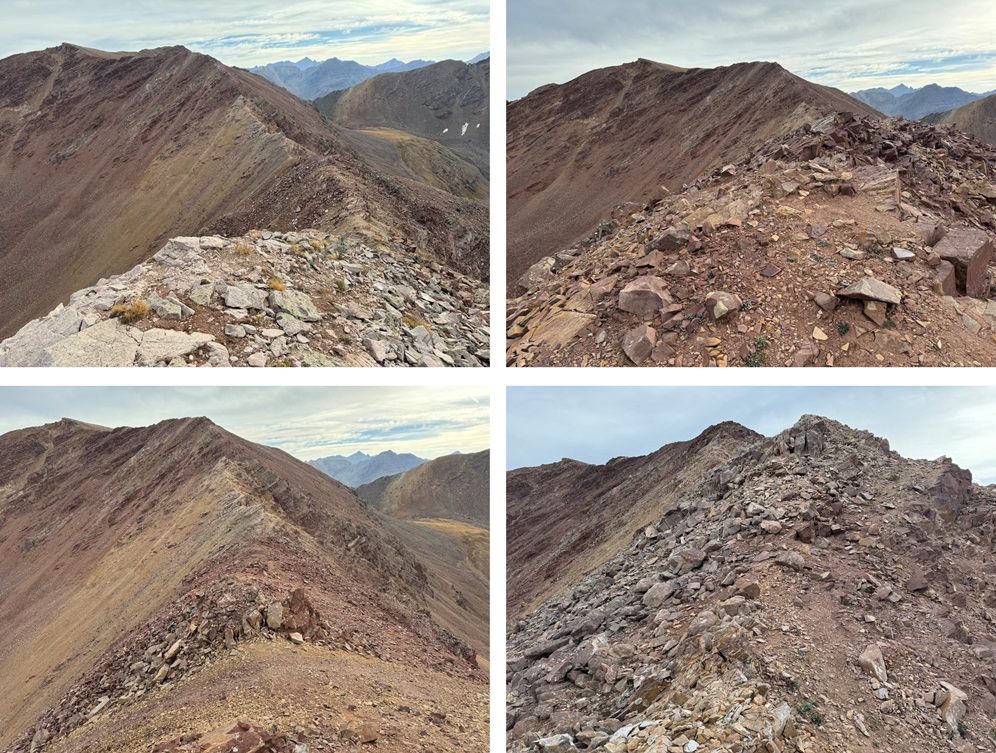
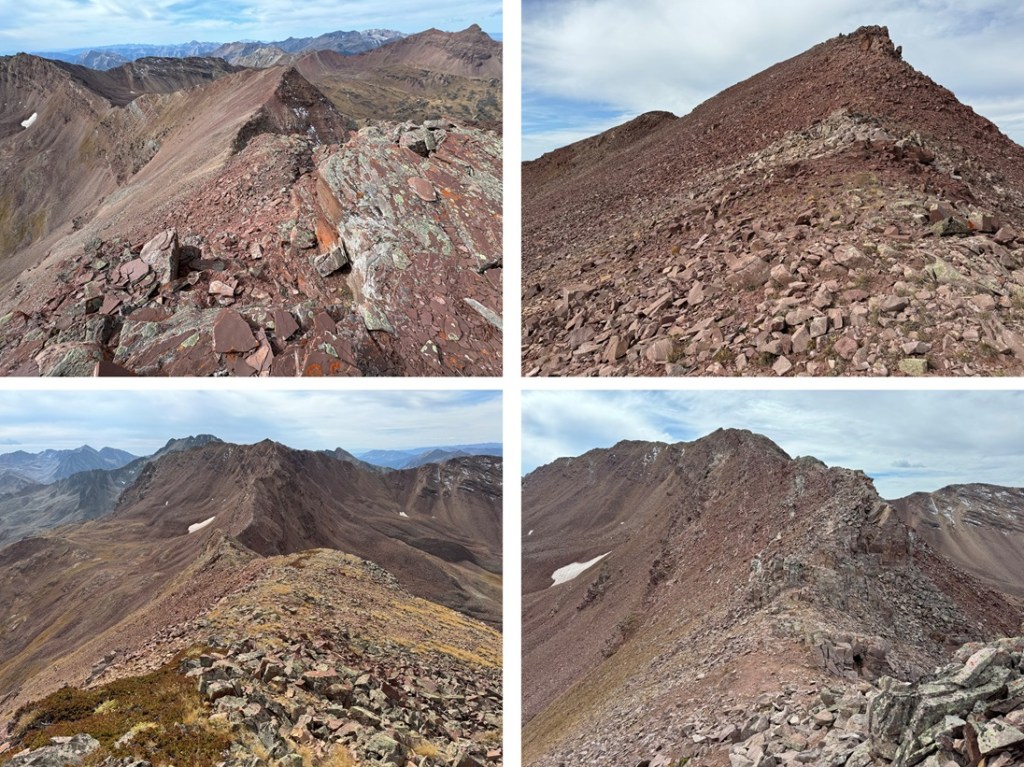
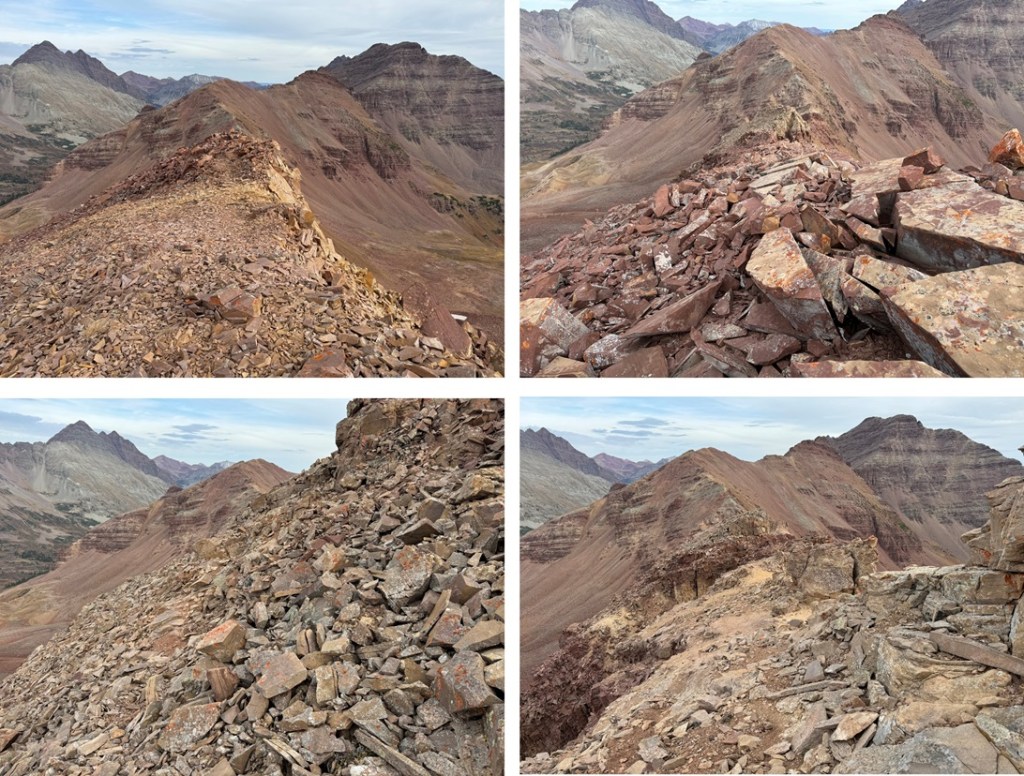
There are a lot of ups and downs along the ridges in this hike, gaining and losing and gaining elevation.  This part of the ridge is class 2.  If you find yourself in class 3 territory, you’re making it too difficult.  Look for game trails to the right to avoid any potential class 3.  Here are some pictures of this part of the ridge.

From about halfway along the ridge I could clearly see 13144, but I wasn’t headed there first.  Instead, I was headed here:

I continued following the ridge (now heading northeast) to that point, still in class 2 territory.

I could now see 13223 to the north/northeast.

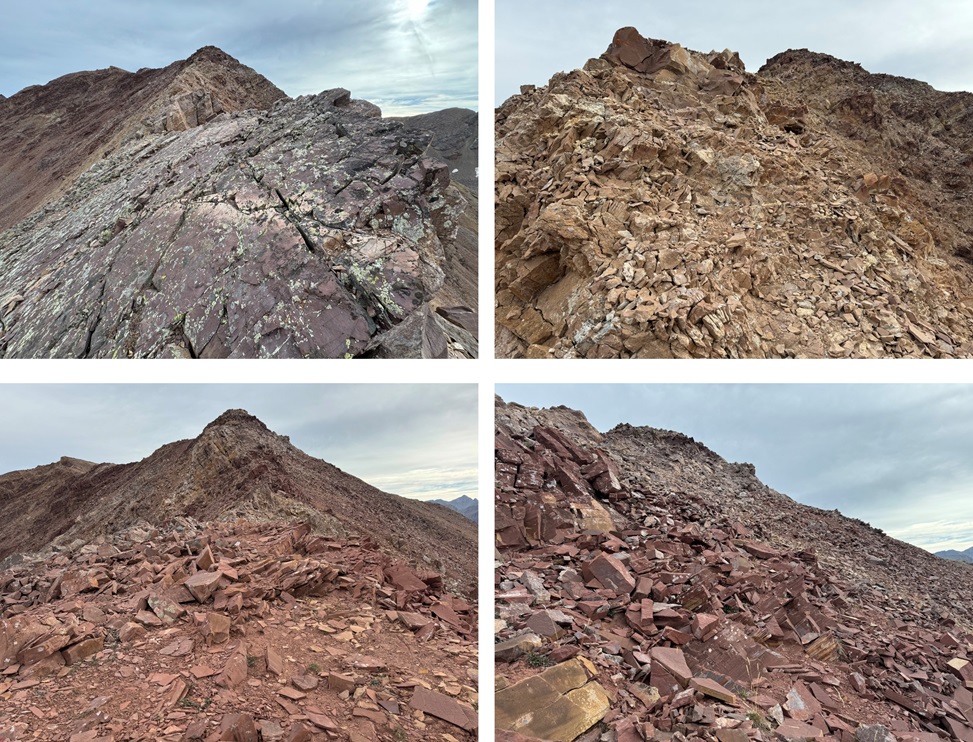
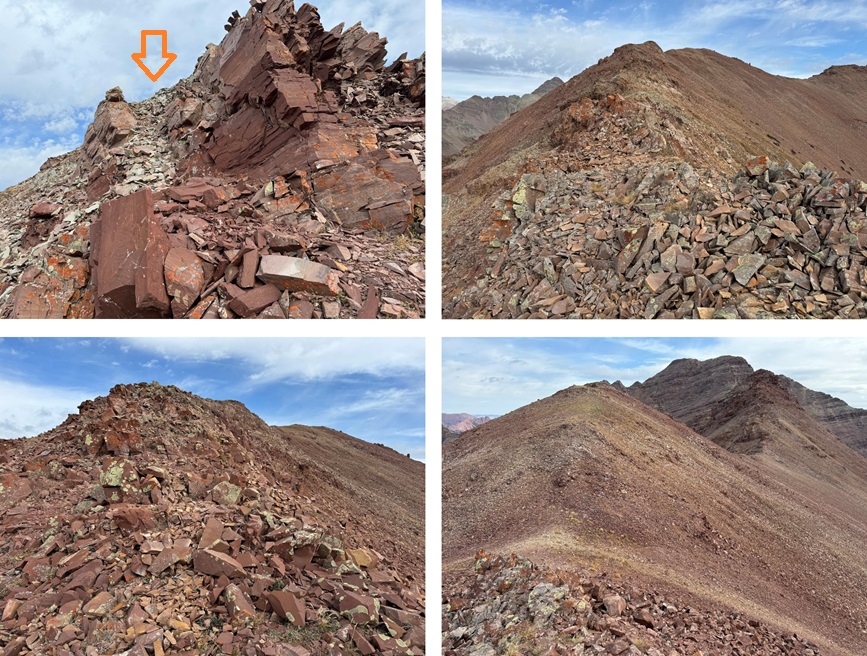
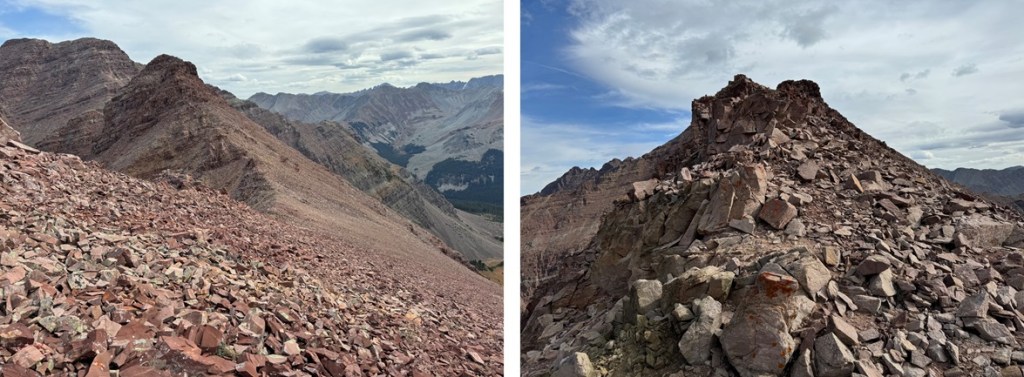
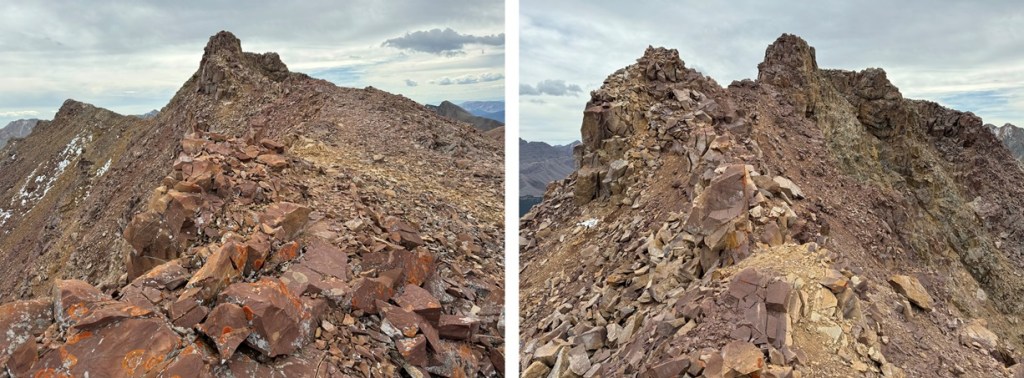
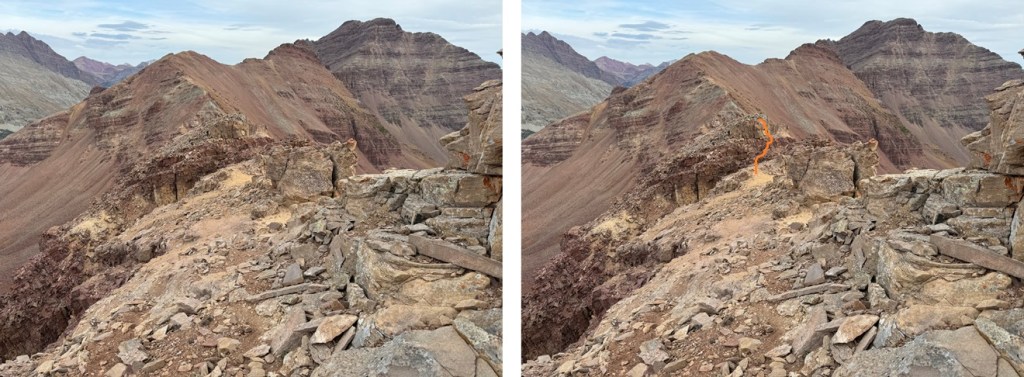
From this point, the most difficult part of the ridge is class 3.  It’s mainly class 2, with a couple of class 3 climbs thrown in, especially at the beginning of the ridge and the final climb to the summit. This part of the ridge starts out with an airy class 3 move.  I went to the right on a narrow shelf of rocks.  Now is also probably a good time to point out the rock here, like the rest of the Maroon Bells area, is unstable and chossy.  Most rocks will move, so be sure of your holds before continuing.

After the initial airy class 3 around the rock outcropping I was back into class 2 territory for a while

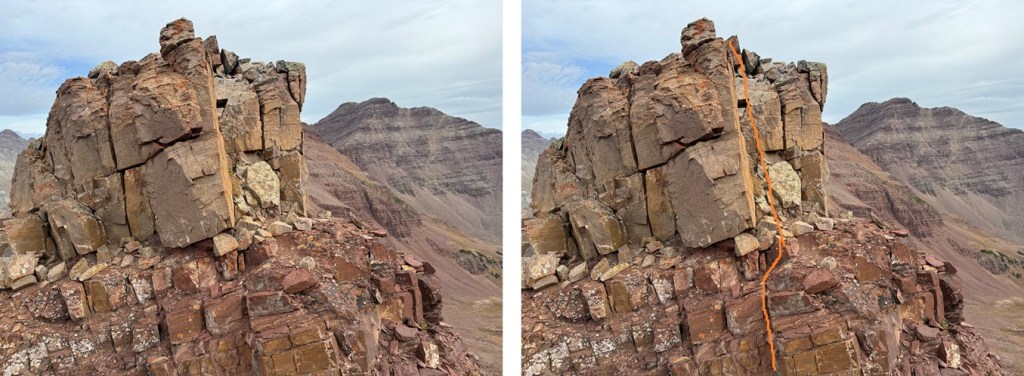
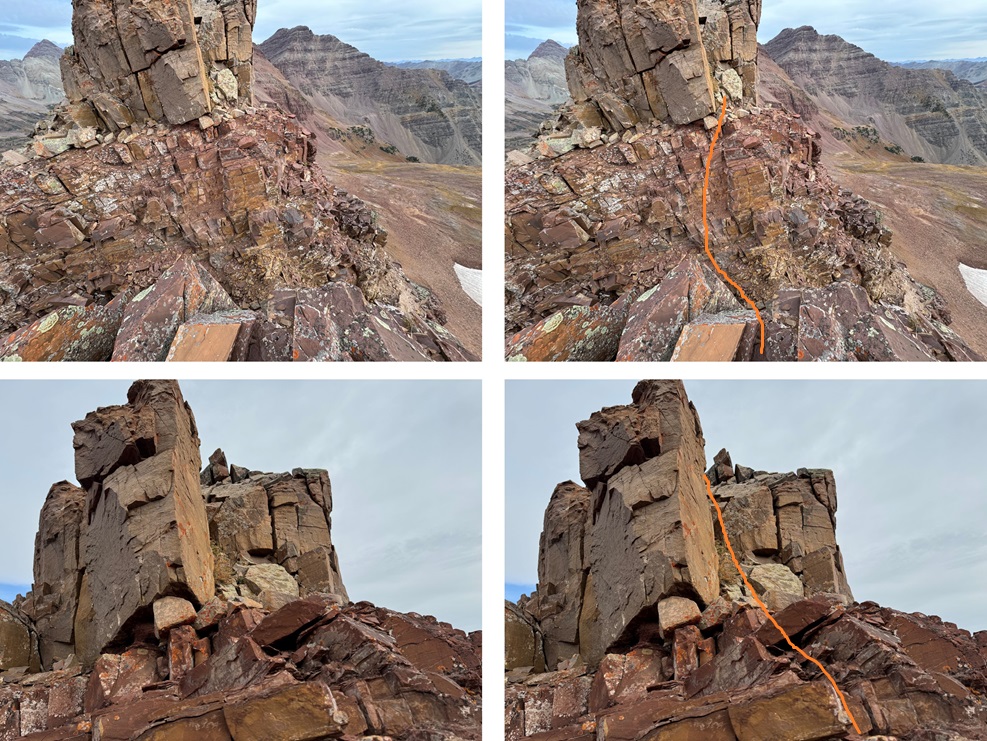
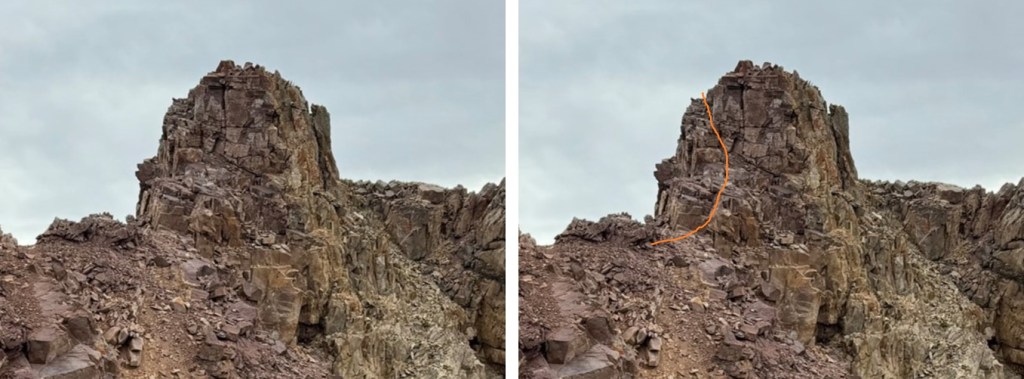
Until I came here.  I came to a point in the ridge that was narrow and had gullies on each side.  While these gullies looked like they went at difficult class 2, they had kitty-litter scree on top of hard sand, steep drop offs, and a lot of exposure.  The best (safest) way to traverse this is to downclimb to the narrow point at the top of both gullies, then climb straight up the rock.  This was the crux of the climb, and had exposure, but it was no more than class 3 (and much easier to downclimb). There are plenty of holds to use, just make sure they’re stable before committing. This is much easier to do than pictures make it look, and indeed, than it looked at the time. 

From here, the rest of the ridge is class 2/difficult class 2.  If it looks more difficult than class 2, look for a game trail to the left or the right of the ridge.

There’s a bump in the ridge, which I went over on my way to Belleview

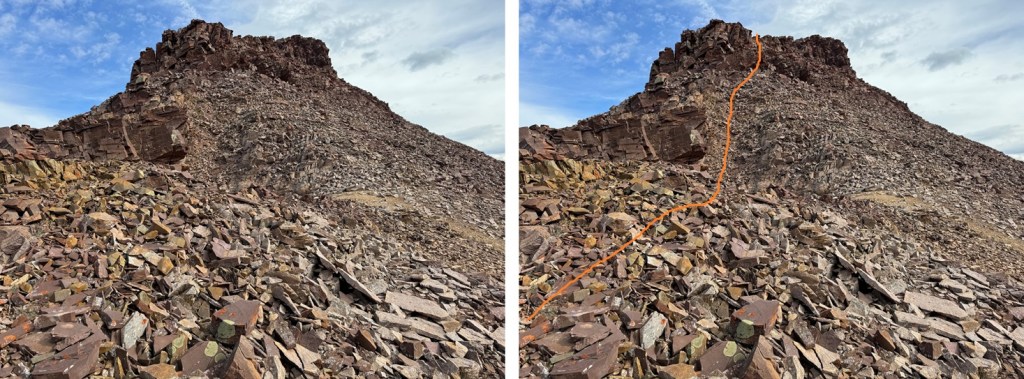
The last bit to the summit starts out as class 2, then becomes class 3.  I aimed for the depression in the rocks.  This area is filled with broken pieces of rock, but there are sections of scree.  Aim for the sections of scree as you ascend.  Getting over this piece brought me to the final push to the summit. 

Now I could see the final push to the summit. This is class 3, and loose, but easy climbing.  This is the overall route I took:

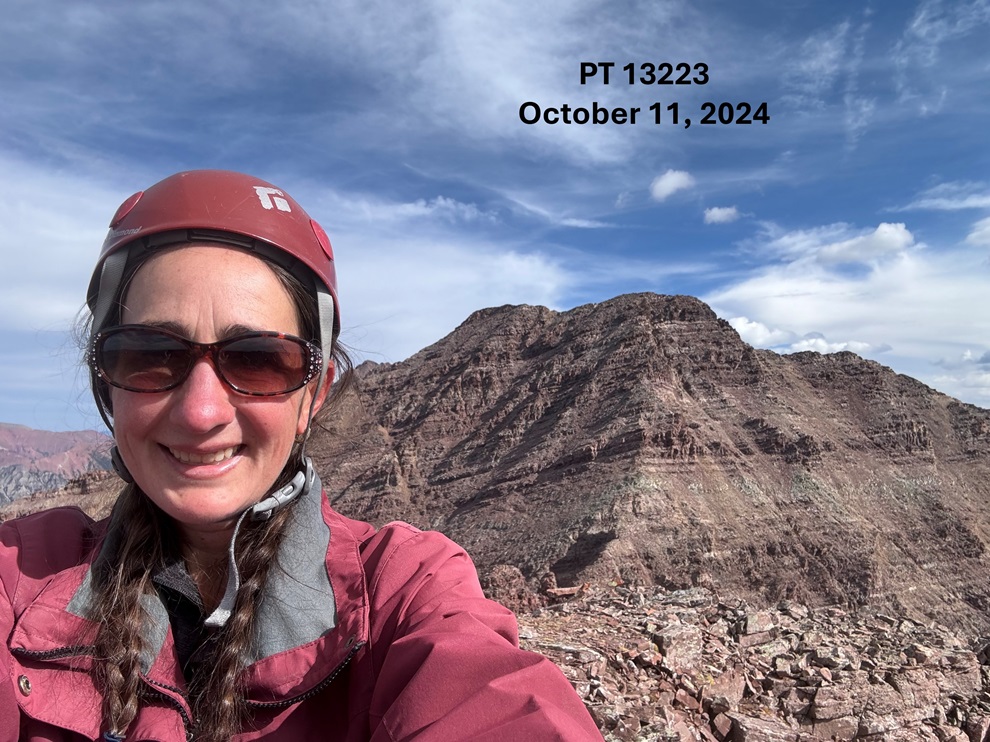
I summited 13223 at 11am

13223:

Now to head back towards PT 13144. 

I descended back to the ridge, and followed it the way I hiked in.

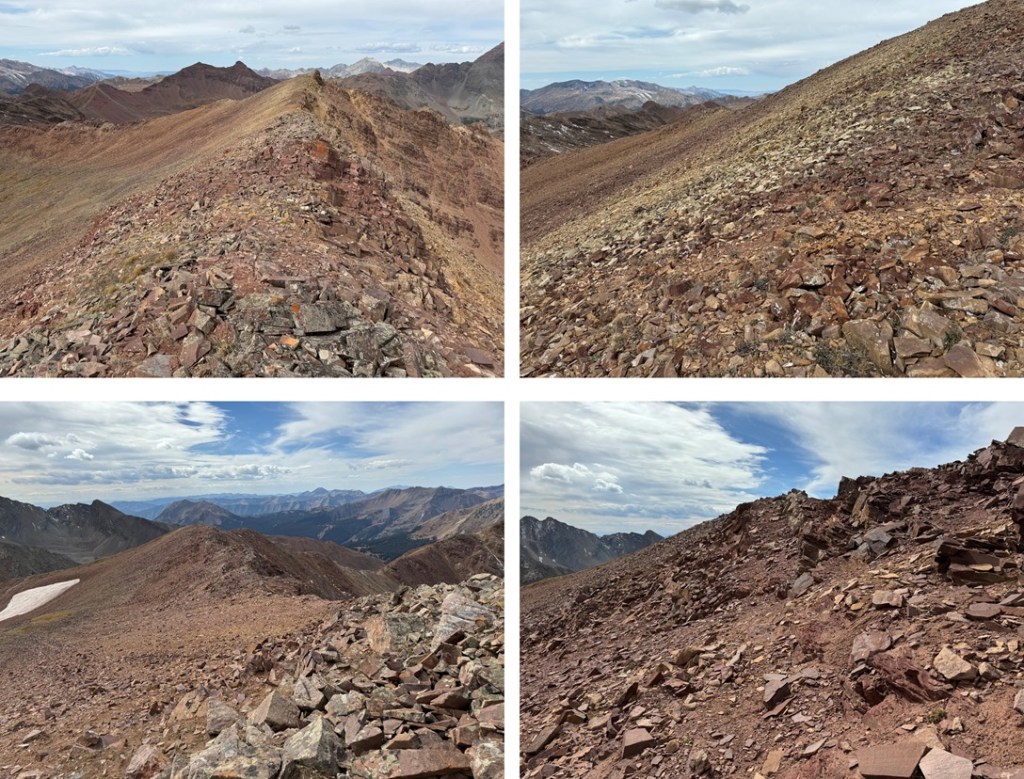
For brevity, and because I’m assuming you already hiked the ridge on the way in, I’m just going to show a few pictures of the ridge back towards 13144

And the final exit off the ridge

From here, it was a quick class 2 hike southeast to the summit of 13144

I summited 13144 at 12:15pm

13144:

I descended much the same way I ascended initially to the ridge.   I headed northwest along the ridge, and then followed the ridge southwest, back towards Rustler Gulch.

Instead of ascending to the high point on the ridge, this time I descended just below the talus and scree, heading southwest on the grassy slope towards the trail below.

Back on the trail, I followed it west and then south through Rustler Gulch, back to the trailhead. 

I made it back to my truck at 2:45pm, making this an 11.58 mile hike with 4141’ of elevation gain in 8 hours.

On to the next trailhead!

Belleview Mountain – 13,248

RT Length:  12.15 miles

Elevation Gain: 3516’

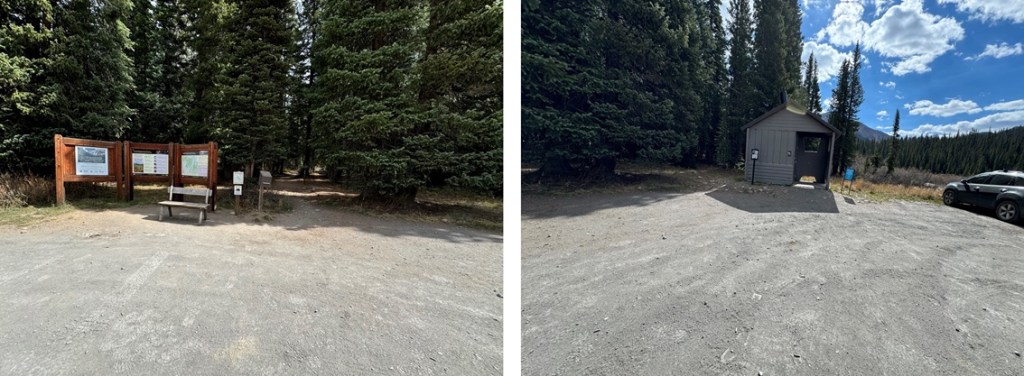
I parked my truck at the East Fork Trailhead outside of Gothic, just passed Schoefield Pass.  The road in is 4WD, but a high clearance 2WD vehicle with a competent driver can make it to the trailhead.  There are bathrooms at the trailhead, and spaces for about 20 vehicles.

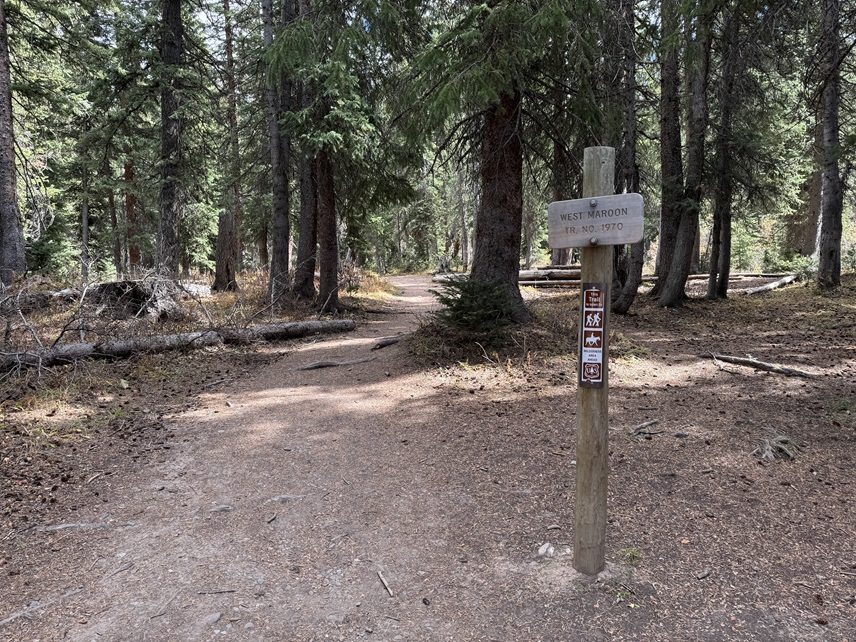
I was on the trail at 7am, following West Maroon Trail 1970

I stayed on this trail for about 2.2 miles.  The trail began at treeline but quickly turned to tundra.

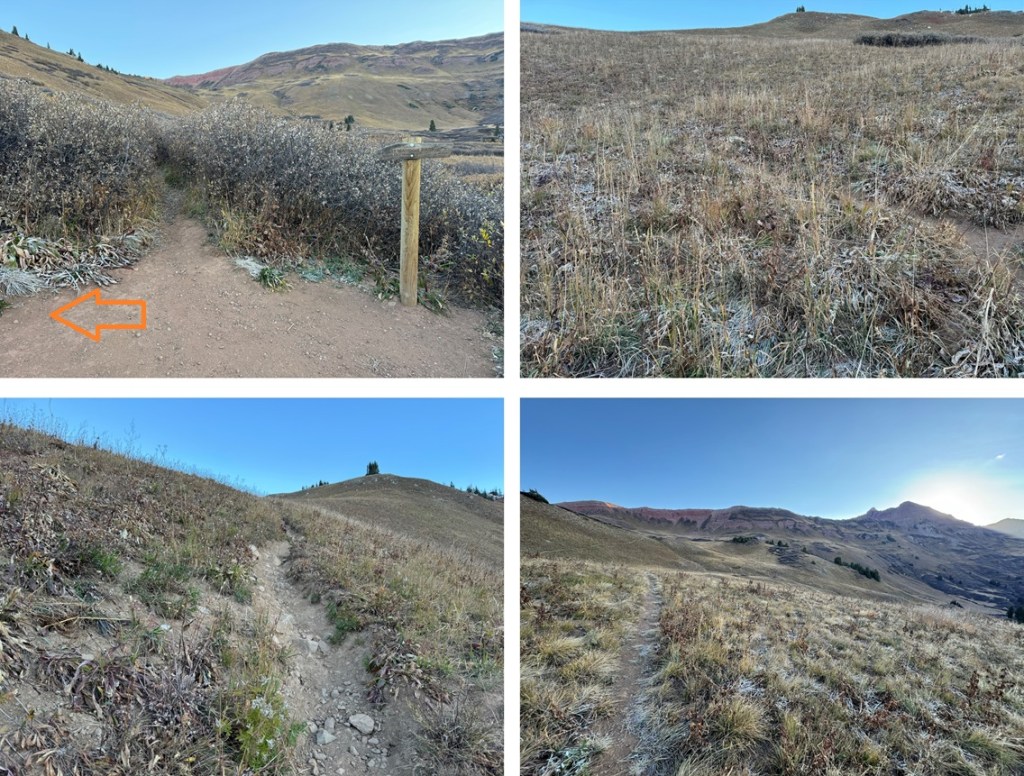
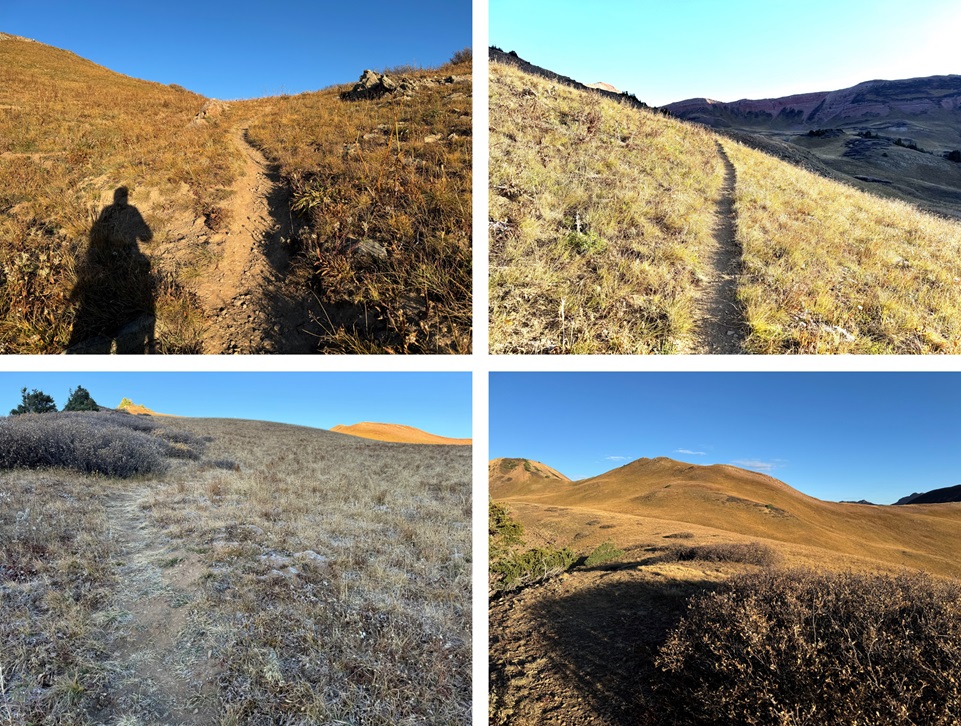
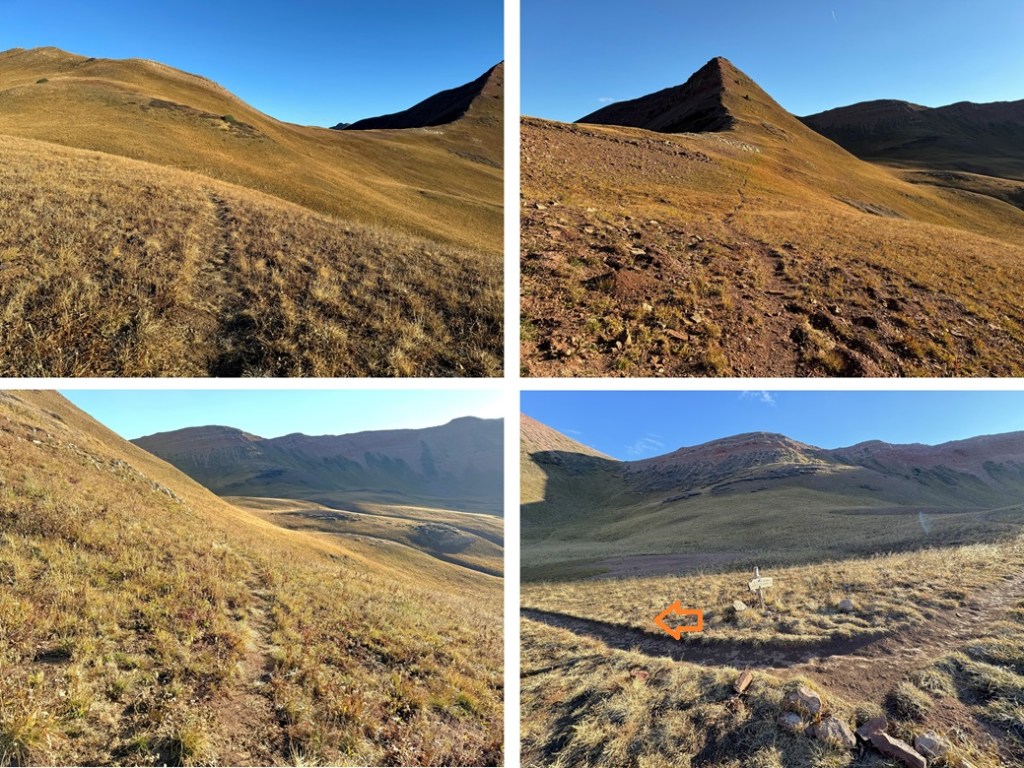
After hiking for about 2.2 miles, I came to a sign that said “West Maroon Pass”.  Here there was a trail to the left that was unmarked.  It’s trail 1974.  I took that trail as it switchbacked northeast up the hillside.

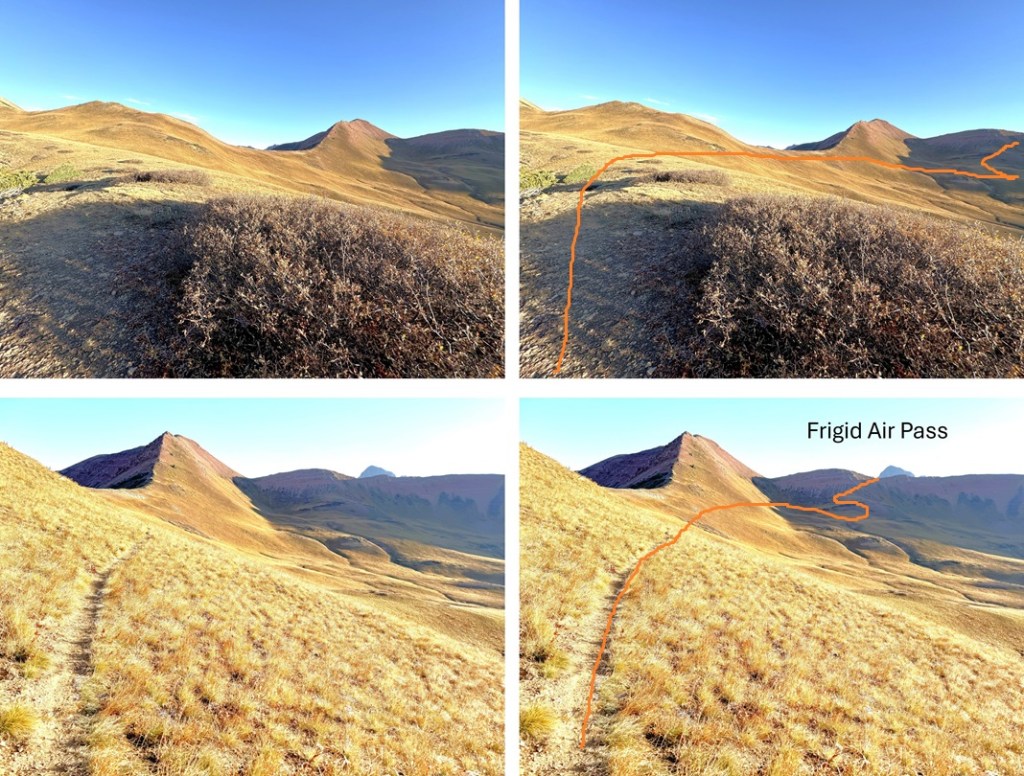
I was headed for Frigid Air Pass on this class 1 trail.

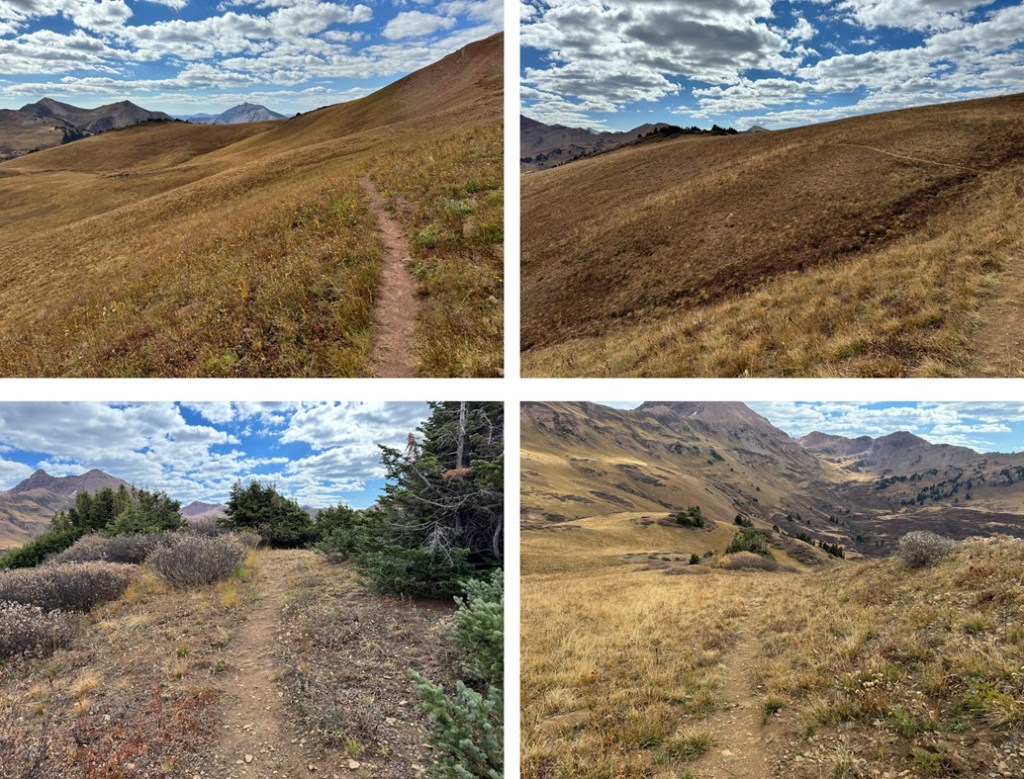
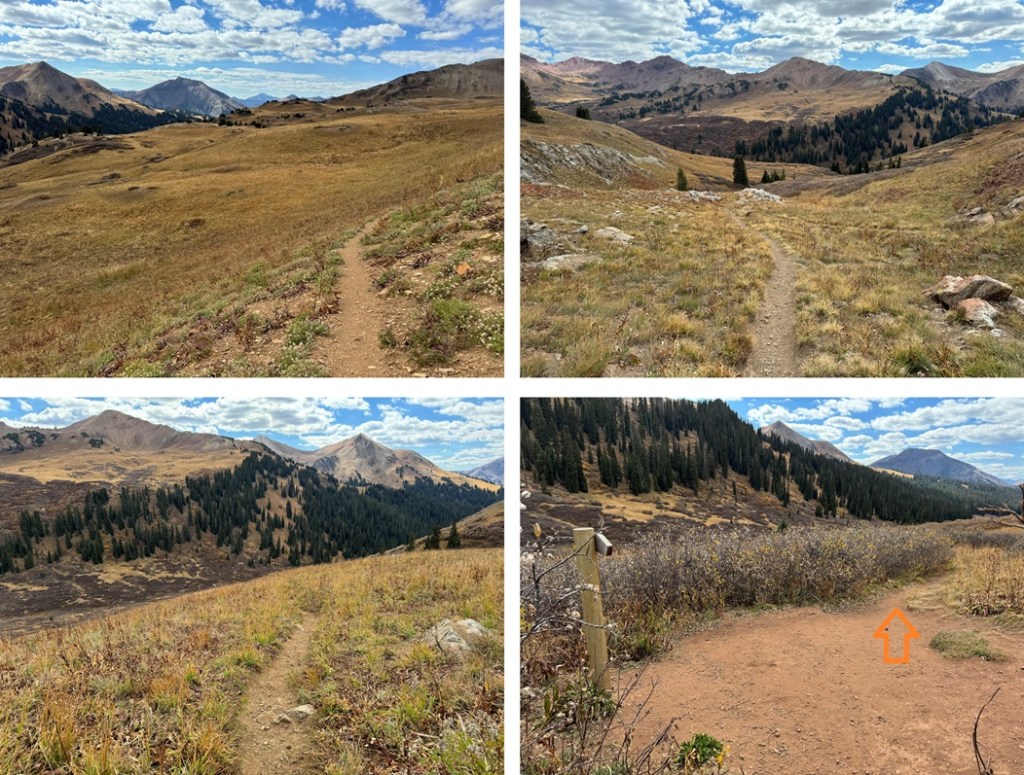
Here are some pictures of the route from the upper basin to Frigid Air Pass.   The trail intersected with the West Maroon Trail again, and I followed the trail north at the intersection to Frigid Air Pass.

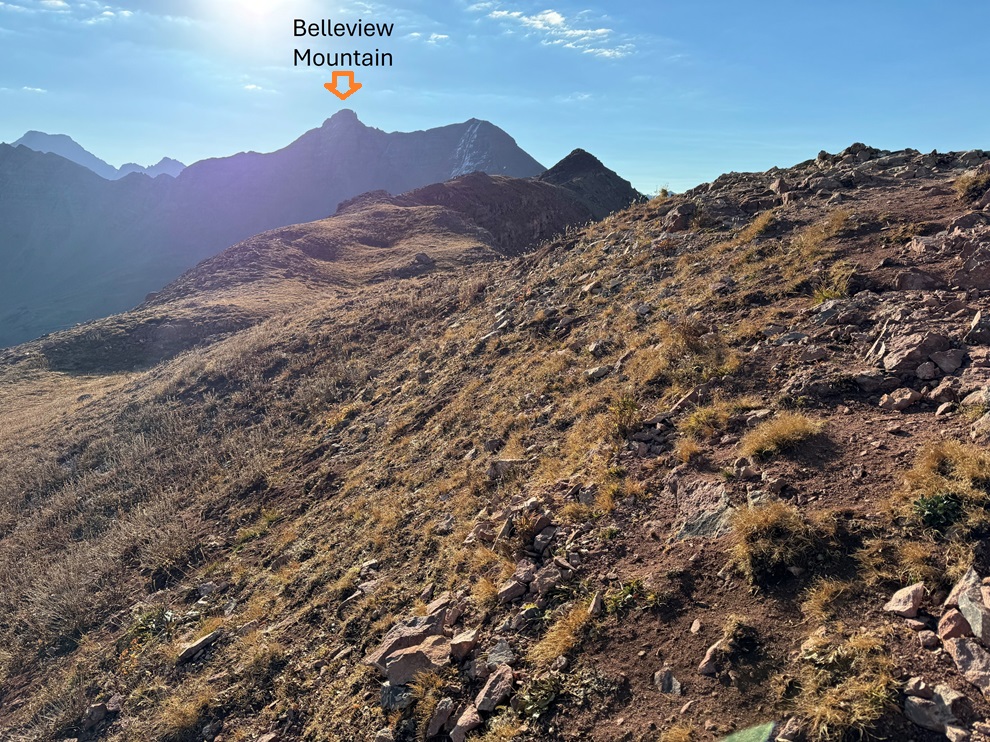
At the top of the pass, I could see Belleview Mountain.  I turned right and followed the ridge southeast.  This is a long ridge, but it’s all class 2, with game trails to follow to the right to keep it class 2

Here are some pictures of the ridge:
12

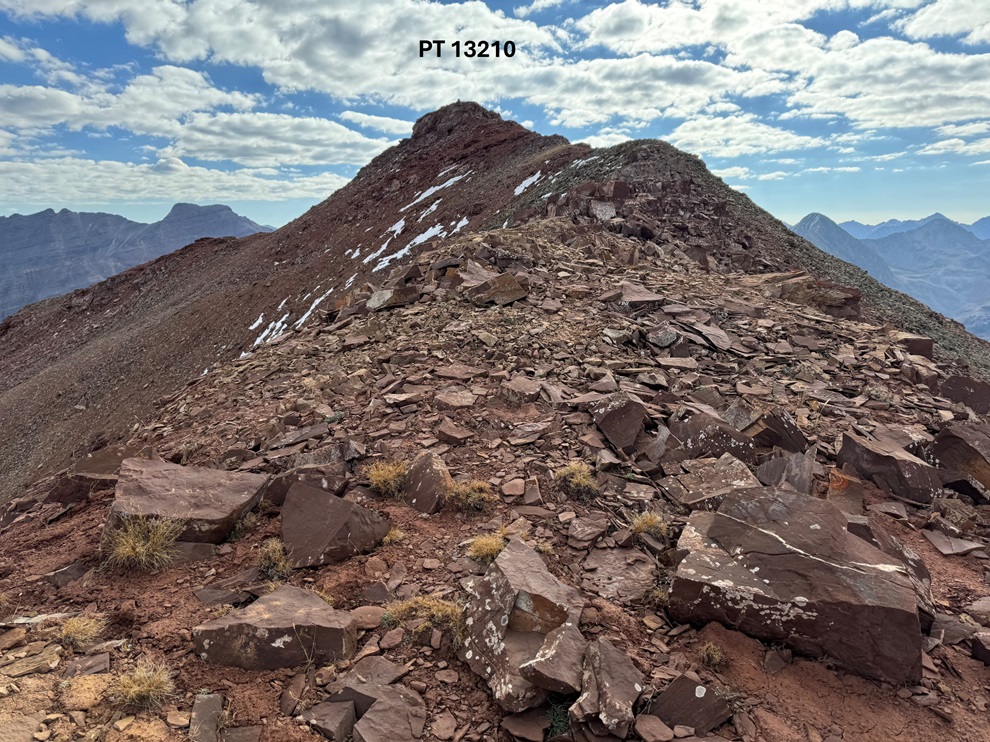
The ridge ran out and it was time to start gaining elevation again.  I continued southeast to PT 13210.  There were no obvious trails here, but there were a lot of loose rocks and scree.  This is still all class 2.

From the top of PT 13210, looking northeast I could see Belleview Mountain.

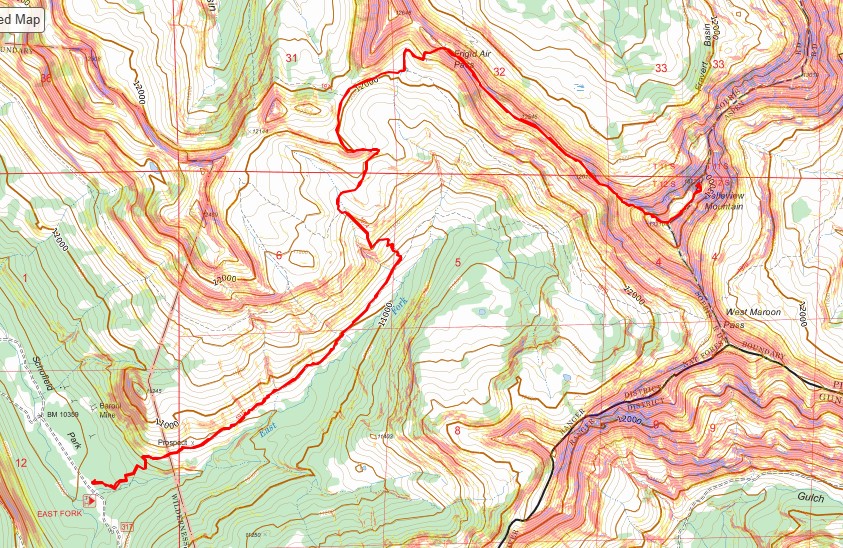
This is the overall route I took to get there:

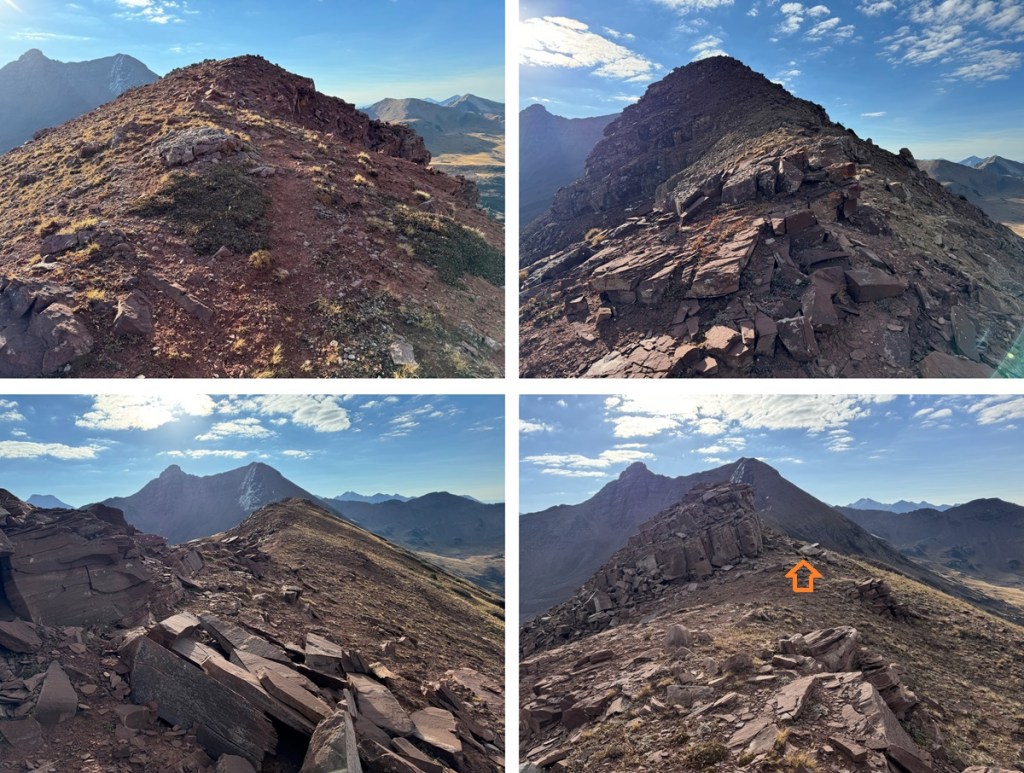
I followed the ridge northeast on class 2 terrain, and then stayed to the right of the rock outcropping.

From the top of the small gully I turned left, and had a couple of options.  I could ascend to the summit by going either left or right.  Both options were difficult class 2.  I went to the left first, to the right on the way down.  The left side is difficult class 2, but there is more exposure on that side.

Then it was a class 2 rocky hike to the summit

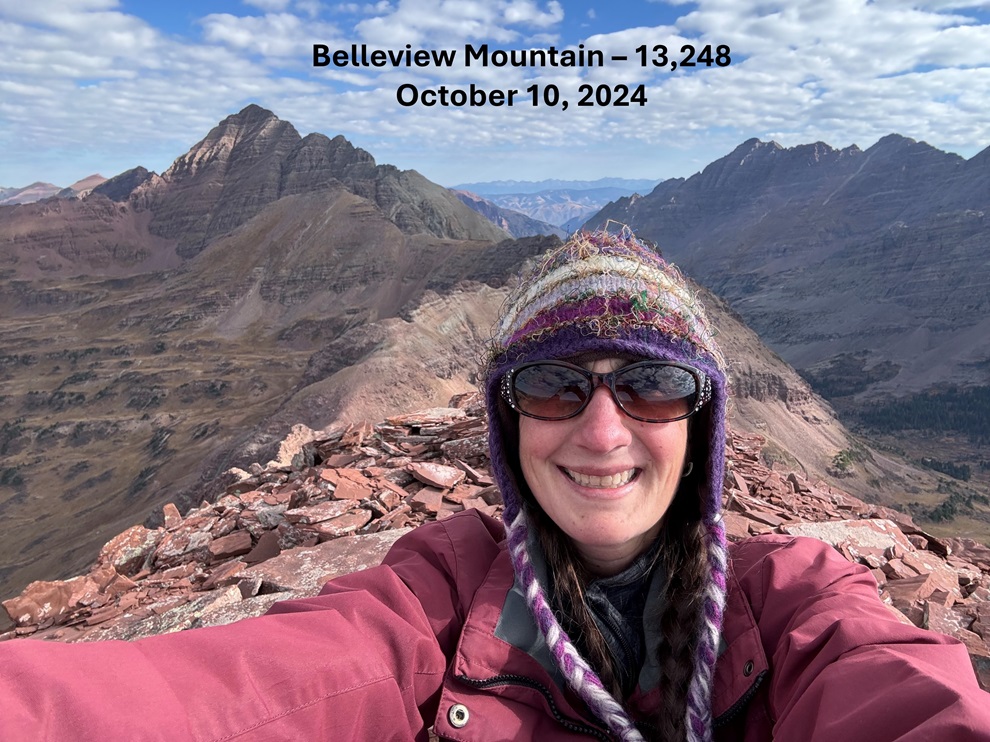
I summited Belleview Mountain at 9:50am

Belleview Mountain:

On my way down I headed to the north of the summit, and then descended back to the small gully by heading south on scree.

Then it was back over to PT 13210

Back at PT 13210, I headed northwest back to the ridge

And then followed the ridge northwest towards Frigid Air Pass.

Along the ridge I got buzzed by a fast-flying helicopter, headed over to the Bells.  It circled a few times, and then I never saw it again.  I’m hoping it wasn’t a rescue mission.   It was flying pretty close to the summits and ridges.

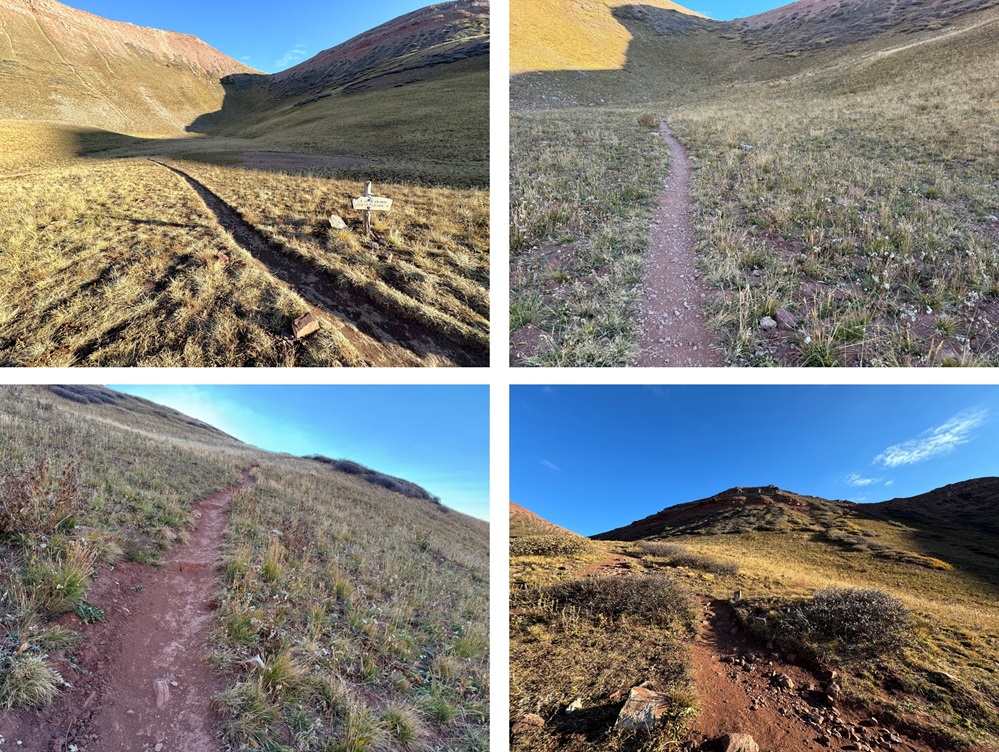
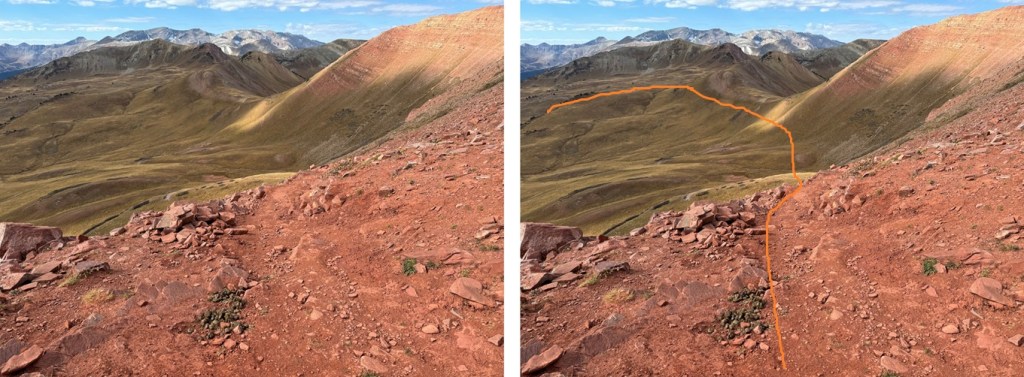
From Frigid Air Pass I regained the trail and headed southwest back into the basin. Here’s a visual of the class 1 route:

And some pictures.  I took the trail back to the shortcut (1974, not labeled on signs), and then back to the West Maroon Trail

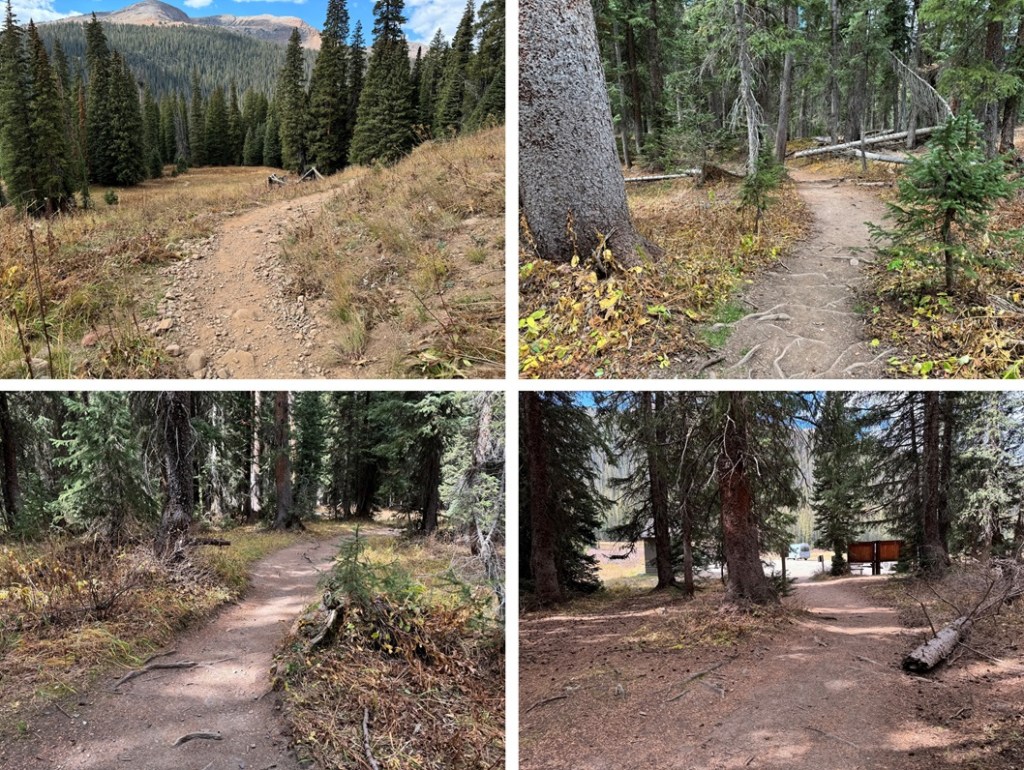
Back on the West Maroon Trail, I followed it southwest back to the trailhead

I made it back to my truck at 12:30pm, making this a 12.15 mile hike with 3516’ of elevation gain in 5.5 hours.

On to the next trailhead!
Keller Mountain – 13,080

RT Length:  11.89 miles

Elevation Gain:  4086’

I parked at the Rock Creek Trailhead at 5am, and the parking lot, which holds about 20 vehicles total if everyone parks nice, was already full.  I’m guessing all the vehicles were from weekend backpackers (I arrived on a Sunday morning).  The drive in is mostly 2WD on a dirt road, but you’ll want high clearance for the last quarter mile or so.  I saw someone trying to head down in a Honda Odyssey who was having major issues (although it was probably just the driver, not the vehicle).

I was on the trail at 5:30am.  The trail starts at the east end of the parking area.

I followed this trail for 2.3 miles, headed west, and staying straight at the first junction to stay on North Rock Creek Trail No. 46.

After hiking for over 2 miles on this class 1 trail, I turned right, and started bushwhacking northeast to the ridge.  There were a lot of downed trees in this area, so navigation was an adventure.  I just kept heading northeast, gaining 760’ of elevation in .7 miles as I made my way to 10900’

At 10900’ I came across a well-established game trail, and followed it west towards treeline.

At 11400’ the trail fizzled out, but the route was obvious.  I was headed southwest, following the ridge to treeline.

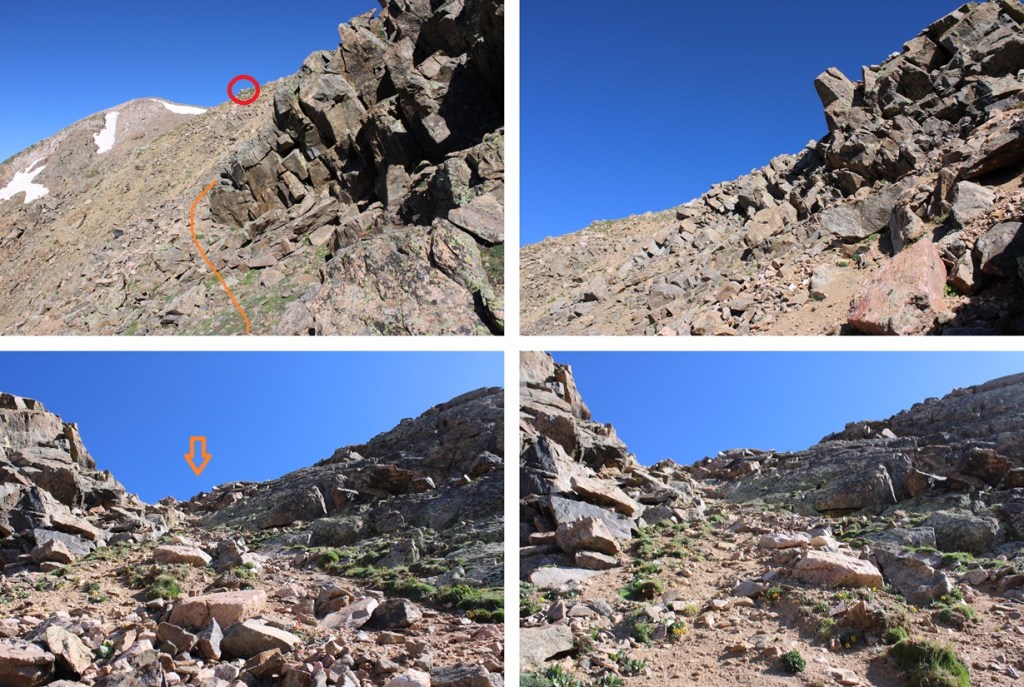
At treeline my next goal was to ascend the tundra and then rocky slope, still headed southwest.  The rocks here were solid, and easy to navigate.  I just kept following the rocky, class 2 ridge.


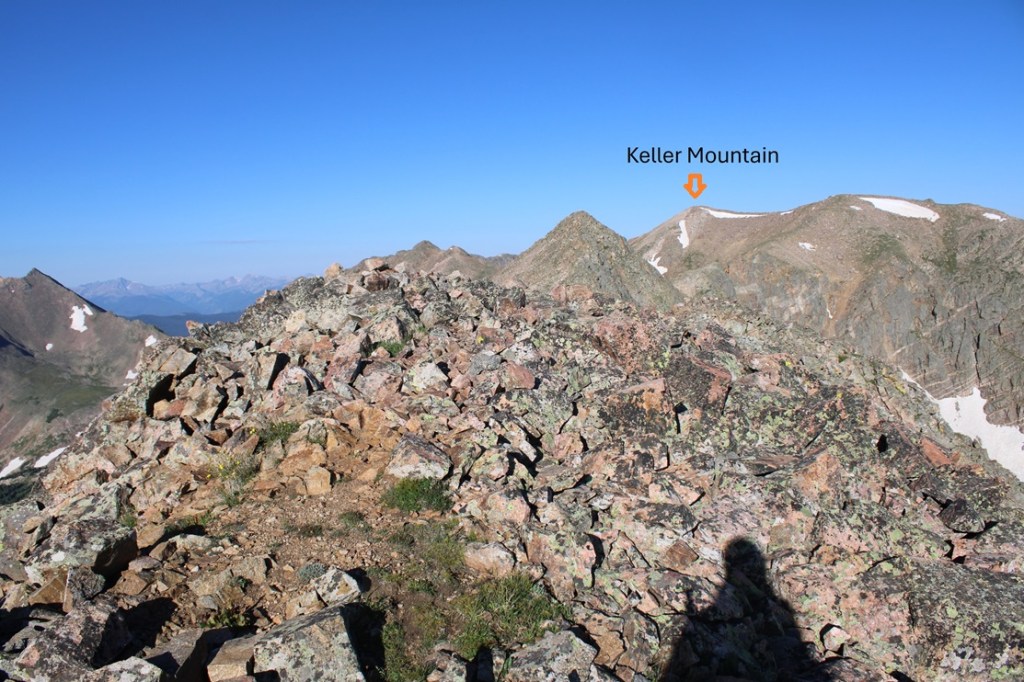
If you get here and think “Wow!  That was almost too easy!” it’s time to strap on your helmet, because you’re only at PT 12847, and the rest of the route is about to get class 3.  Here is the real summit of Keller Mountain, a mile off in the distance and a fun ridge to get there.

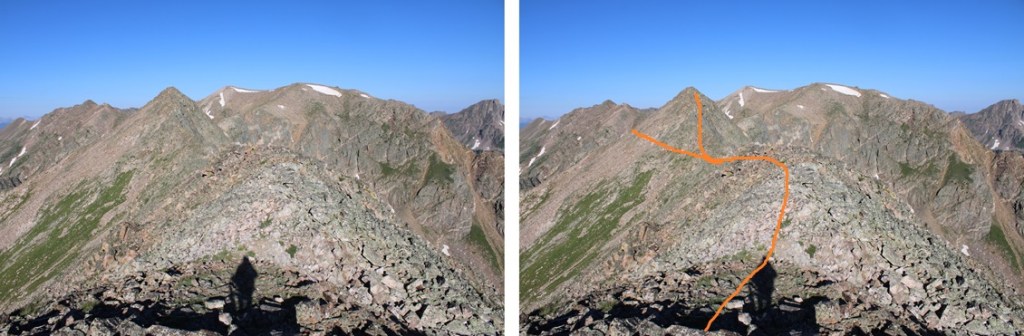
First, I had to get around this point.  Going up is straightforward, and I stuck to the ridge.  Going down, however, was a bit more challenging in the route-finding department. You can go directly up and over this class 3 ridge, or descend to 12750’ and keep this section class 2 by skirting the ridge.

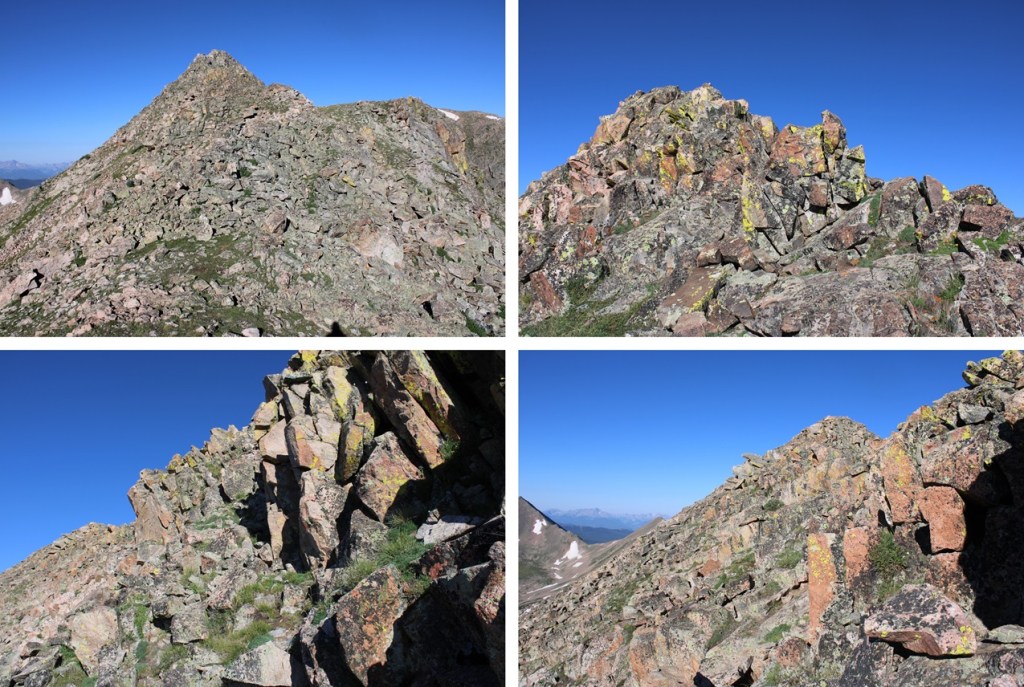
I took the ridge on my ascent, and skirted it on my decent.  Here are some pictures of this ridge. At times I dipped down to the left (never to the right) to ascend on rocky tundra.

The descent off this ridge was a little more challenging, as there were gullies to navigate that had recent rockfall, and were unstable.  I stuck to the left side of the ridge all but in one obvious spot, where I dipped to the right and re-ascended to this small saddle.

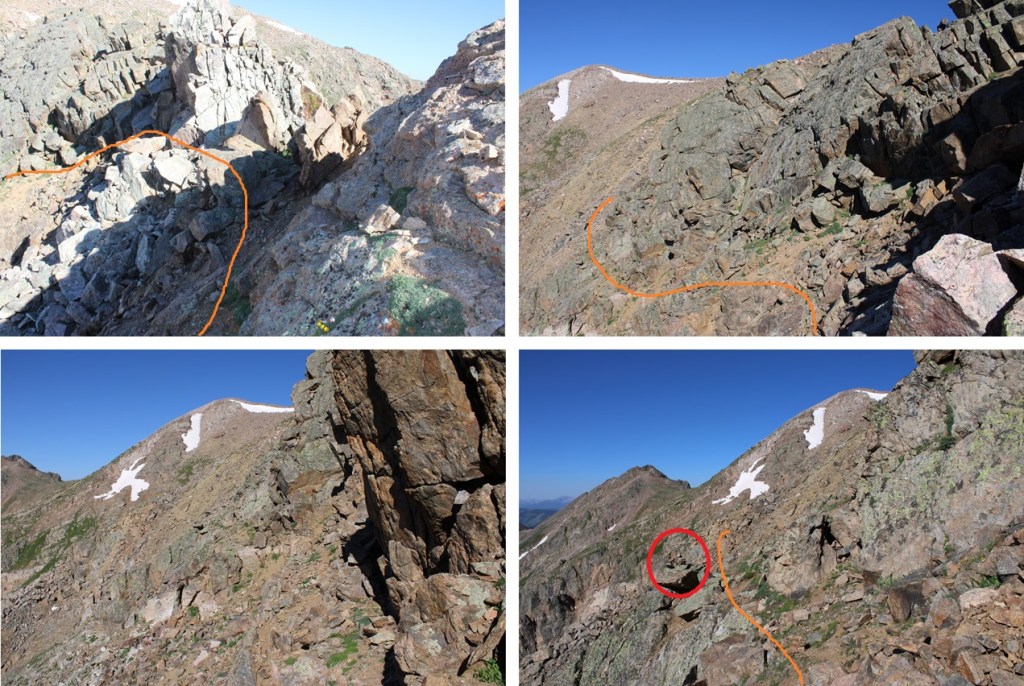
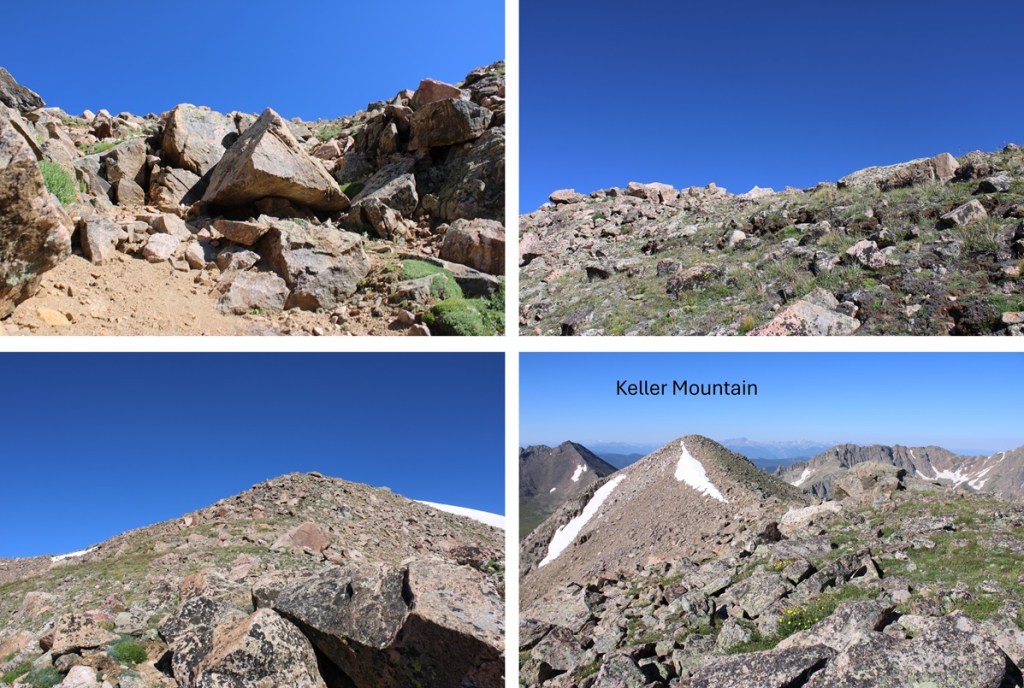
Now the real fun begins.  There are several more gullies to navigate, but luckily here, I found a few cairns.  Once again, I stayed to the left of the ridge.  I kept wanting to head back to the ridge, but found the gullies and large rock outcroppings kept keeping me about 50 feet below the ridge proper, so every time I’d make it to the ridge, another gully or rock outcropping would pop up and I’d have to descend again.  Here are some pictures of my route along the ridge (red circles are cairns).

Here’s a picture of the final gully, the only one filled with scree.  You’ll see a cairn off in the distance here on the tundra ahead of you on the hillside, but don’t aim for it (circled in red).  Go around the rock outcropping and ascend the gully instead.  It keeps you from some sketchy stuff below. 

At the top of this last gully I turned left, and followed the ridge west, and then southwest to the summit of Keller Mountain.  This part was all class 2.  There was no summit cairn, but there was a summit register here

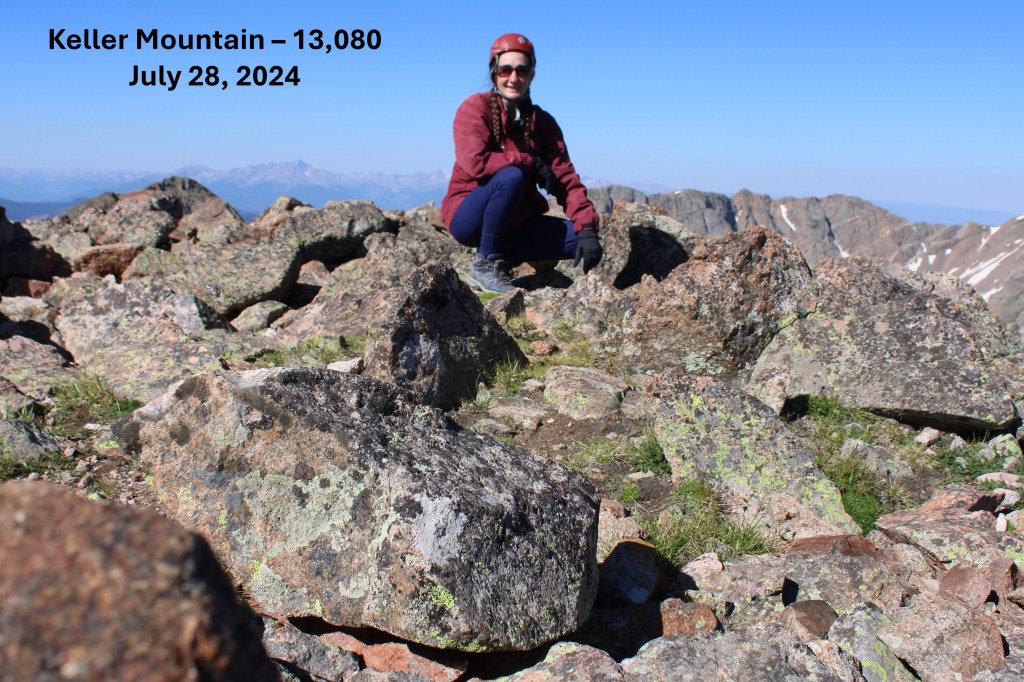
I summited Keller Mountain at 9:15am

Keller Mountain:

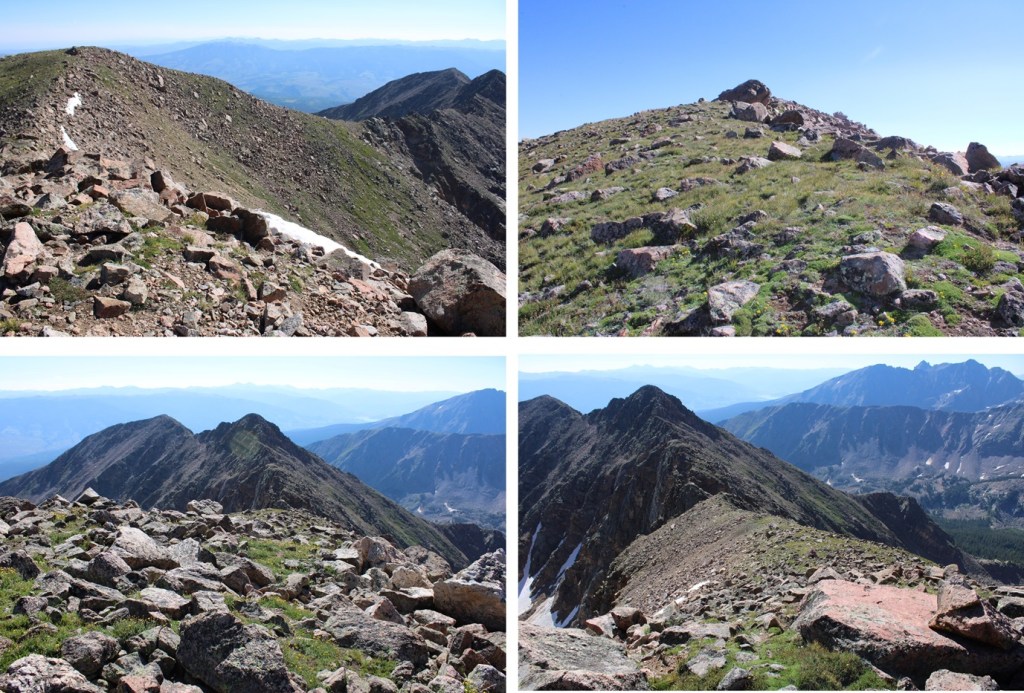
Here’s a look back at that ridge, and the route I took to get to the summit.  Notice how you don’t want to dip too low on the ridge, due to the chasm below.

This was an out and back hike for me, so I headed back to the false summit, and descended the ridge back to the gullies

By now I’d had enough of this fun ridge route finding and decided to stay at 12750’ and skirt this part of the ridge, keeping the rest of the hike class 2.

Back on the ridge, I followed it to the top of PT 12847

And then back down to treeline

Once at treeline, I followed the ridge northeast until I came back to the game trail, then followed the game trail to 10900’

At 10900’ I turned and headed southeast down the hillside, aiming for the North Rock Trail No 46 I knew would be below, bushwhacking through grass taller than I was and tons of downed trees. 

Back on the trail, I turned left and followed it just over 2 miles east/northeast back to the trailhead.

I made it back to the trailhead at 12:30pm, making this an 11.89 mile hike with 4086’ of elevation gain in 7 hours.

On to the next trailhead!

Mount Moss – 13,194 and Lavender Peak – 13,327

RT Length: 10.58 miles

Elevation Gain: 3604’

Once again, this wasn’t the peak I’d planned for today.  In fact, due to my carelessness with my new truck and forgetting to wrap the wires with rat tape, I had a 2am encounter with varmints and had to abandon a days worth of hiking (where I’d hoped to get in 5 ranked 13ers).  Not to bore you, but if you want to hear the story and see video footage, click here to find out what creature got stuck inside my truck, and the damage they did.  Also, rat tape your wires people.

So, after an 8 hour detour, I found myself at around 9800’, at the base of the Tomahawk Mine, parked off road 124 and 798 near Mancos.  I was up and on the trail at 6am

I followed road 798 for about 1.5 miles northwest.

After about 1.5 miles I came to a junction, and turned left.  You can continue on the road here, as it will eventually get you to the same place, but I wanted to see the Tomahawk Mine.  If you’d like to see the mine, turn left here, and follow the road.

The road will quickly end, but a trail will pick up to the right.  It will take you to Tomahawk Mine.

If you look closely, to the left of the mine is a trail that will lead you north, back to the 4WD road.

I turned left, and followed this road northeast until Little Kate Mine.

At the base of the mine, just as the road switchbacks to the right, I ascended a scree game trail northeast to treeline.  The trail is obvious, and splits and comes together a few times, but I generally headed towards treeline.

At treeline I headed west, towards Tomahawk Basin.  There’s kind of a trail here, but it’s really faint.

Now I needed to ascend into the upper basin.  There are several ways to do this (I went up a different way than I descended), but you basically want to get above the waterfall.  If you take the route I’ve outlined, there will be a faint game trail to the top, but you may need to search a bit to find it. 

I followed the creek as it headed west.  There is a faint game trail, but eventually it goes away.  Just keep heading west. 

Now in Tomahawk Basin, my next goal was to gain the ridge.  This was extremely steep.  I gained 665’ of elevation in .3 miles.  Luckily, the terrain was easy to navigate.  Here’s the route I took.

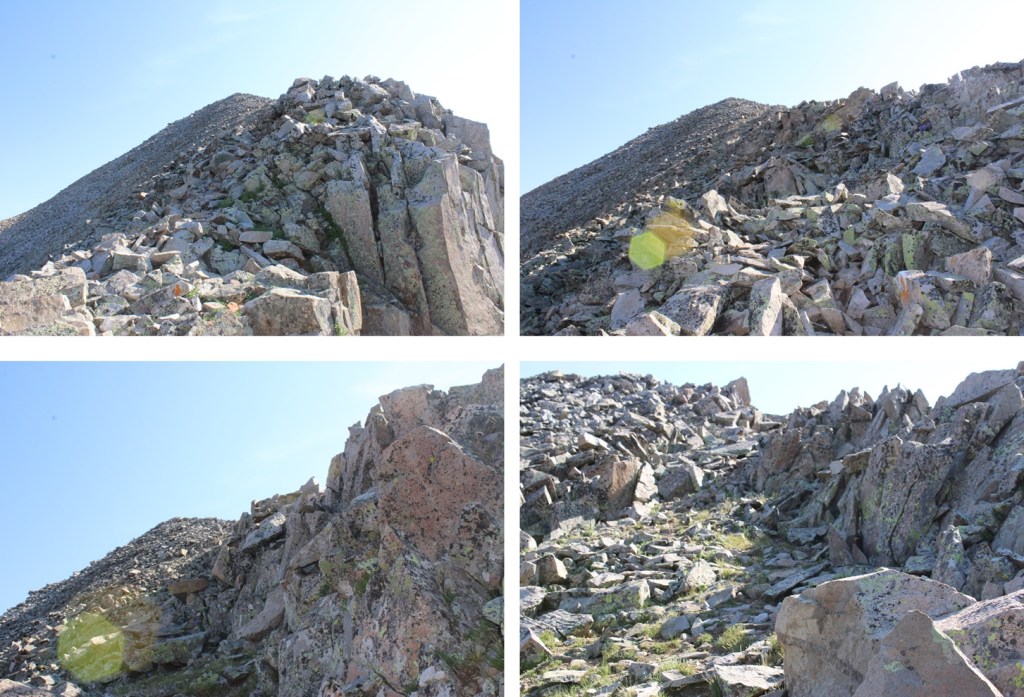
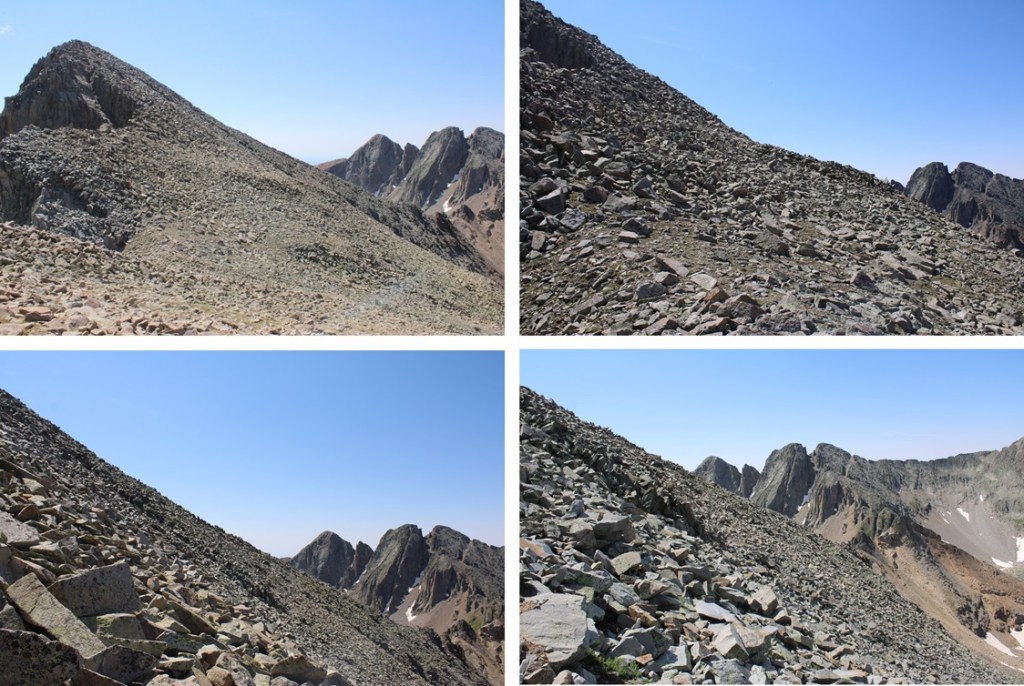
And some pictures of the hike to gain the ridge, staying mostly on tundra.

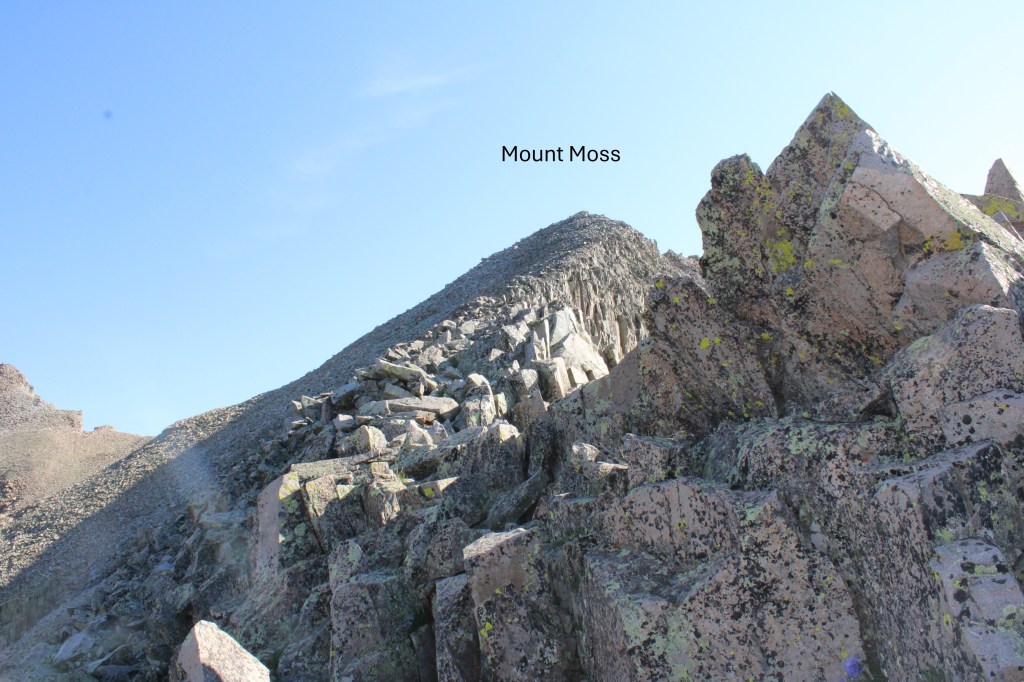
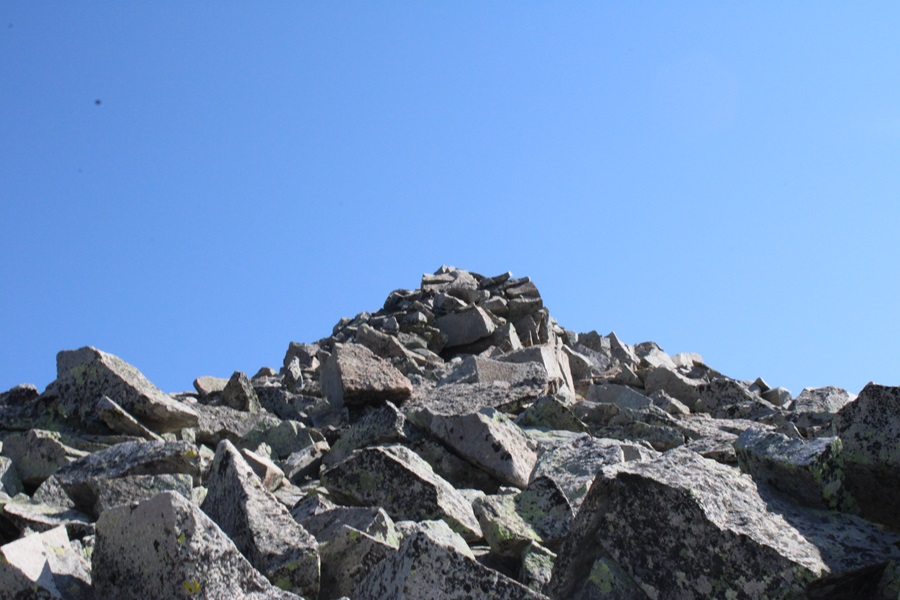
Once on the ridge I took a little break and put on my helmet.  There was a short class 3 section and some scrambling to do from here on out.  I headed north, following the ridge and then dipping down to the left.  It should be noted the ridge goes at class 3 most of the way, after the initial drop off to the left and re-gaining the ridge, but to make it easier there are game trails to the left of the ridge that I followed most of the time.   It should also be noted the rocks here are loose, so watch your footing.

I summited Mount Moss at 9:30am

Mount Moss:

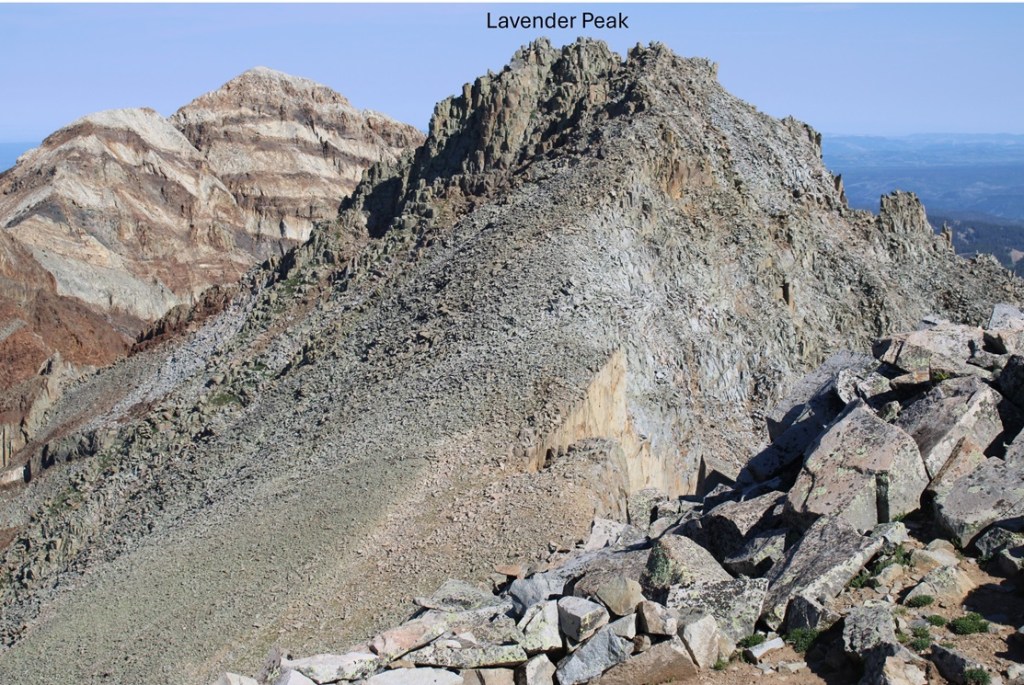
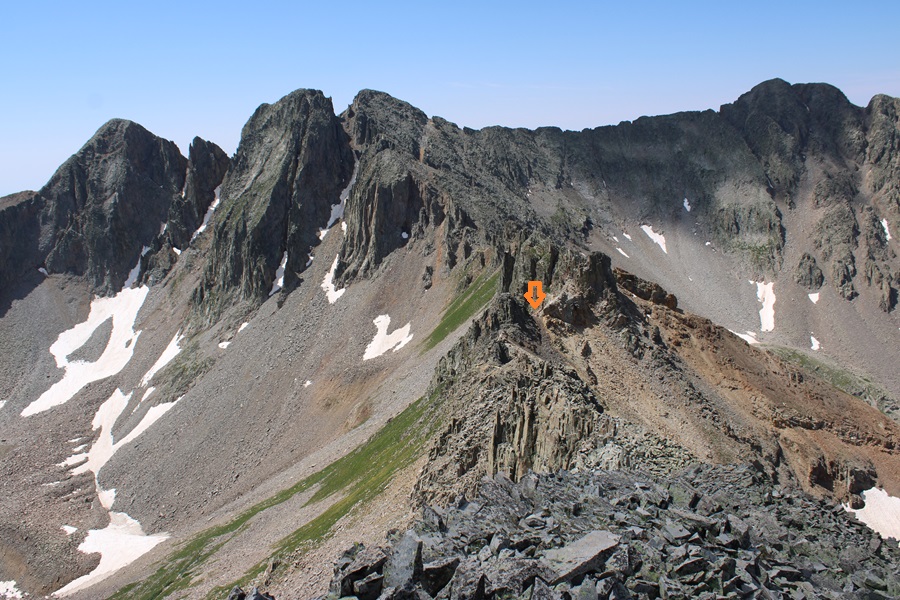
From Mount Moss I could see Lavender Peak to the northeast

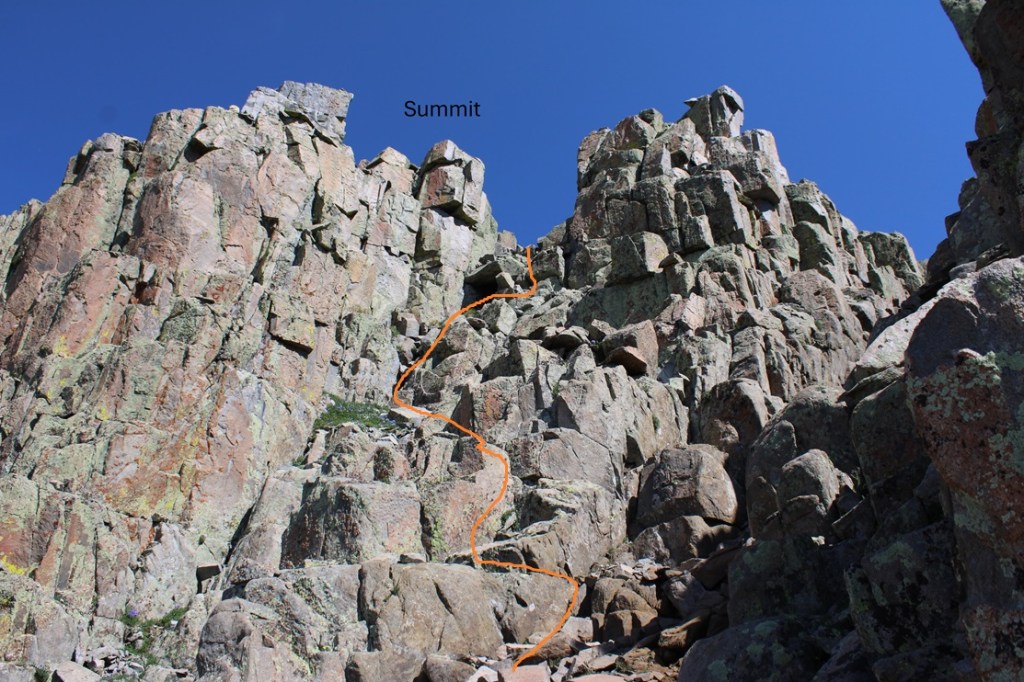
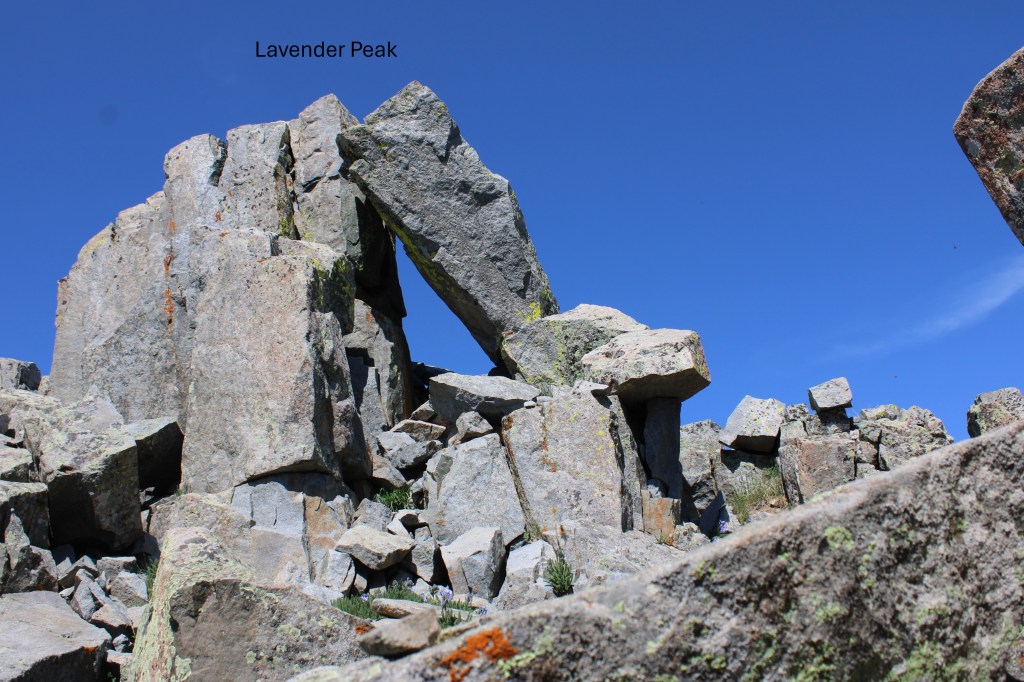
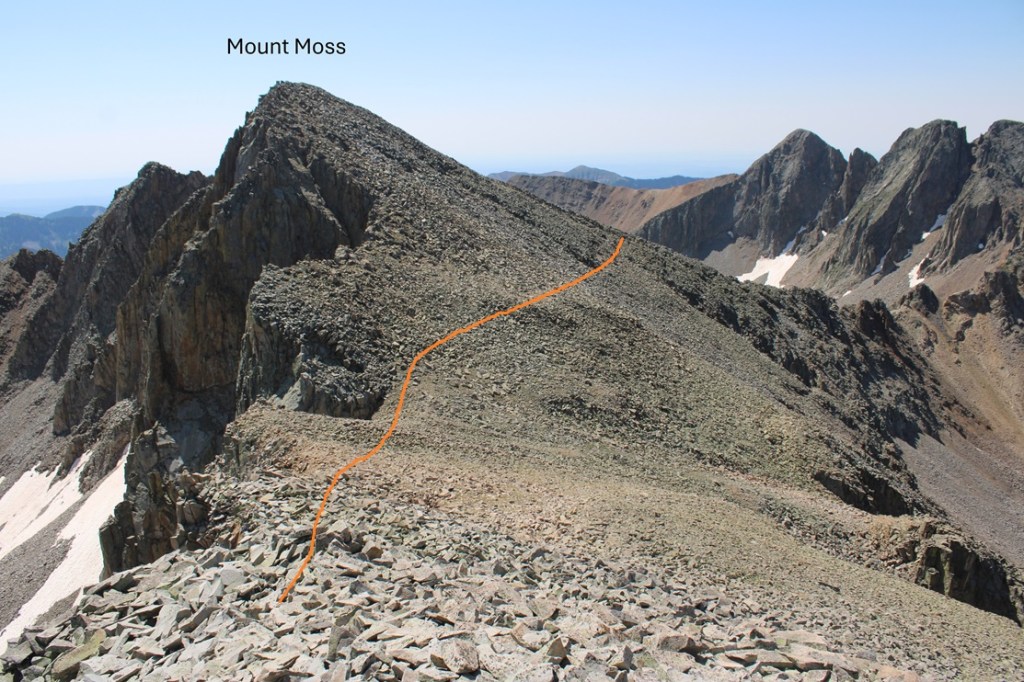
It’s a really good idea to take a good look at the route you’d like to take now, as when you’re below the summit it can be difficult to figure out where you’re at.  The summit of Lavender is the point furthest west.  This is the route I took to the summit, which was mostly class 3, but included a class 4 chimney.

First, I descended to the Moss/Lavender saddle.  Once again, lots of large, loose rocks.

From the saddle, I ascend the ridge to Lavender to just below the gullies, at around 13125’

Next, I traversed west, looking for the gully I wanted to ascend. 

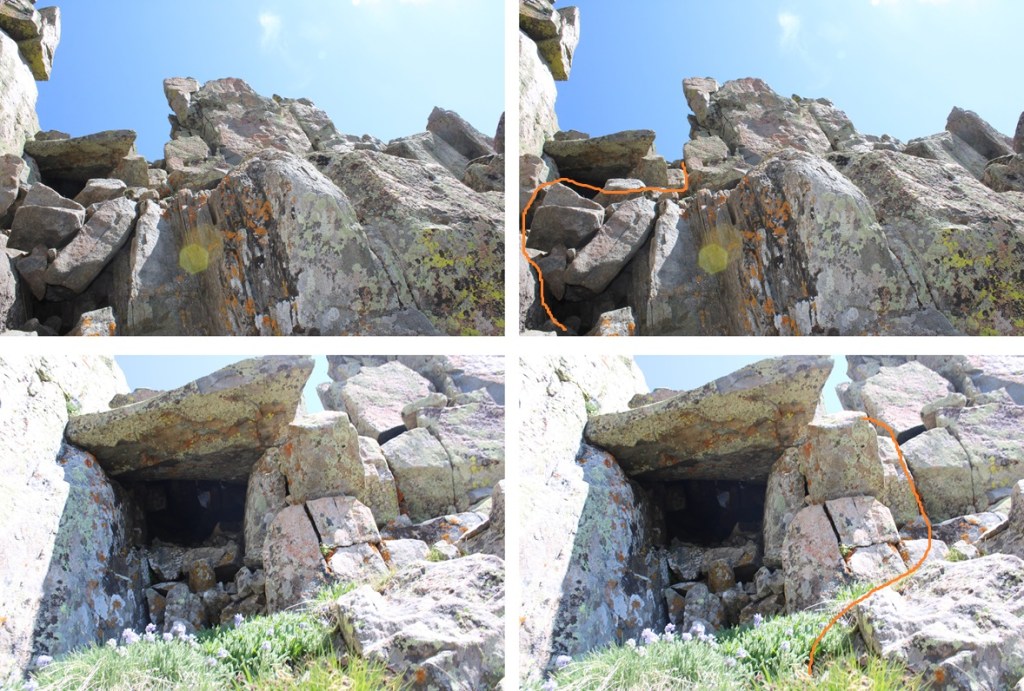
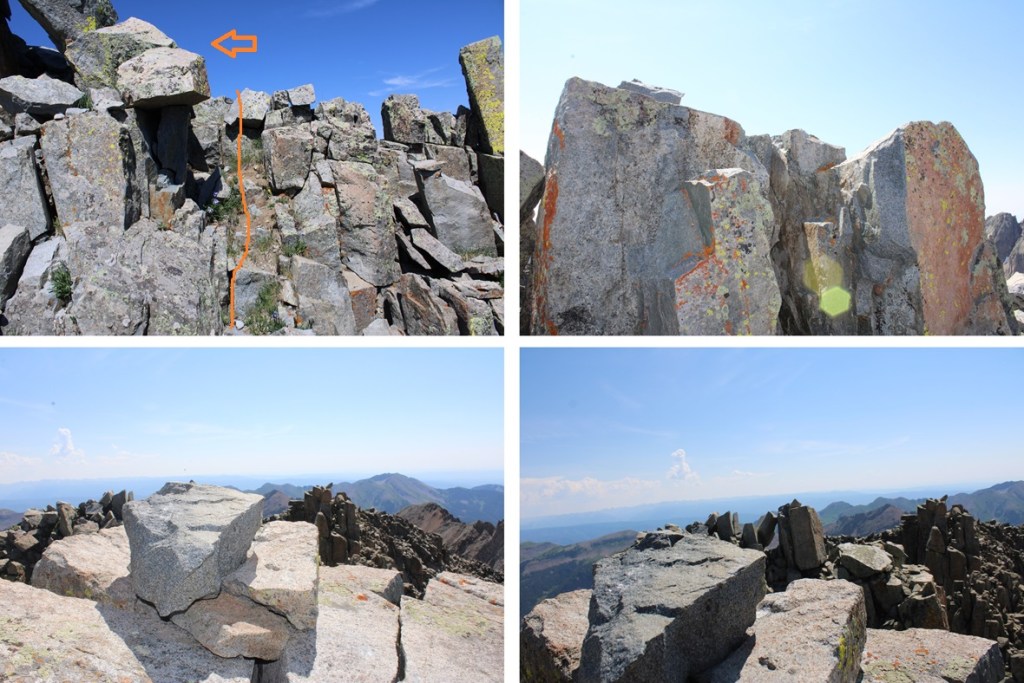
This is the route I took to ascend the gully.  There’s a difficult 3/easy 4 chimney to ascend, just below a cool looking cave.  Ascend straight up to the cave, to right around the cave, and the summit will be to the left. 

And some pictures up the gully.

Once you get past the cave, the summit is to your left

It’s an easy trek to get there, up a small ramp

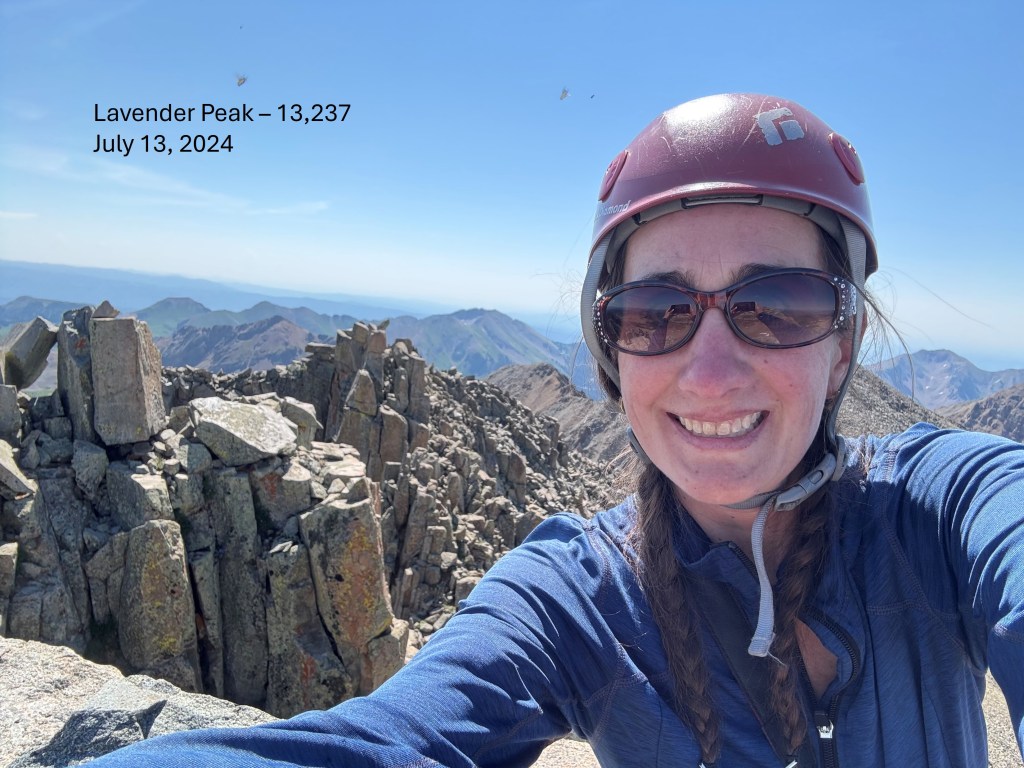
I summited Lavender Peak at 10:45am

Lavender Peak:

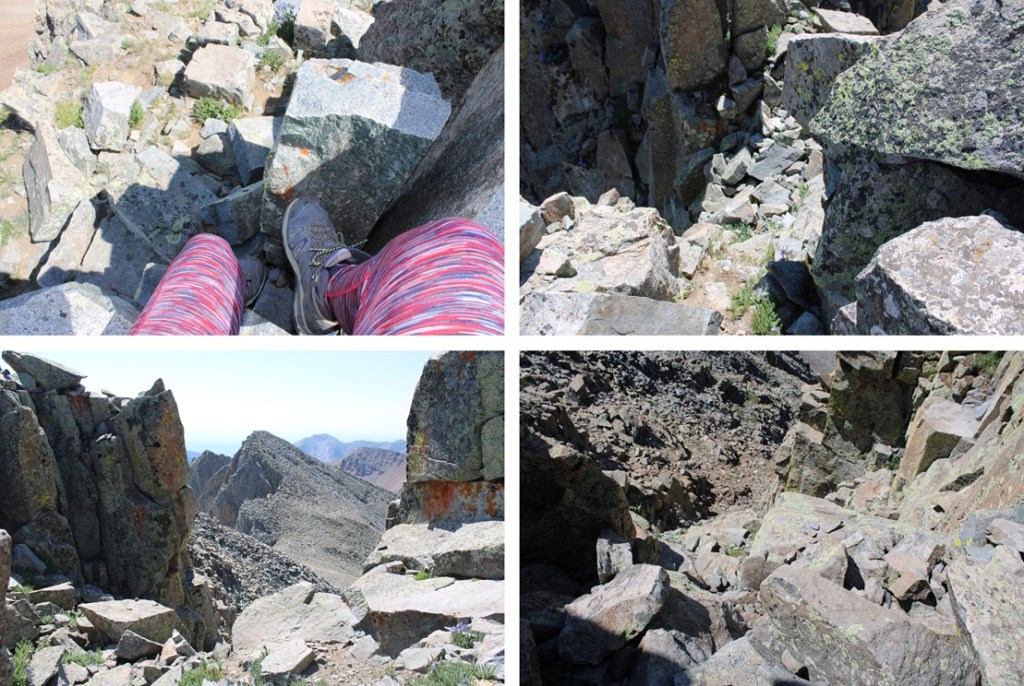
And now to head back down.  Here are some pictures of my way back down the gully.  I turned and faced the mountain for much of the trek down.

Safely down the gully, I made my way back to the Moss/Lavender saddle

Having no desire to summit Mount Moss again, I decided to traverse below the summit, staying at around 12900’ to get to the ridge

Once on the ridge, I followed it south to my entry point

And then back down into Tomahawk Basin

I made my way back to the scree trail

Then followed it back down to the 4WD road.

I followed the road a little more than 2 miles back down to the trailhead

I made it back to the trailhead at 1:30pm, making this a 10.58 mile hike with 3604’ of elevation gain in 7.5 hours

On to the next trailhead!
Beattie Peak – 13,351 and PT 13,302

RT Length: 6.87 miles

Elevation Gain: 2945’

I made it to the Bandora Mine the day before, and spent the day scouting potential routes. 

In the evening I did a little catch and release fishing,  the beavers came out of their lodges, and I saw one tail flip a coyote who got too close. 

Beaver and Coyote:

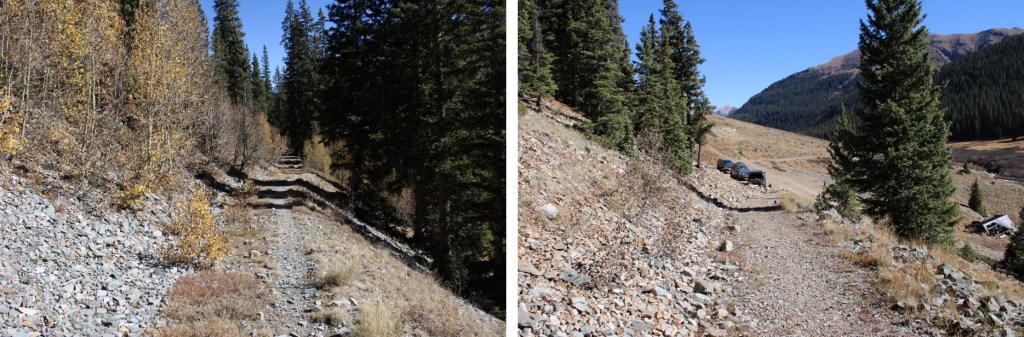
Then a bull moose came strolling around, and I went to bed.  I was on the trail at 6:30am the next morning.  I took the trail to Lake Hope, which started just to the south of the parking area.

I took this class 1 trail southwest for about .8 miles.

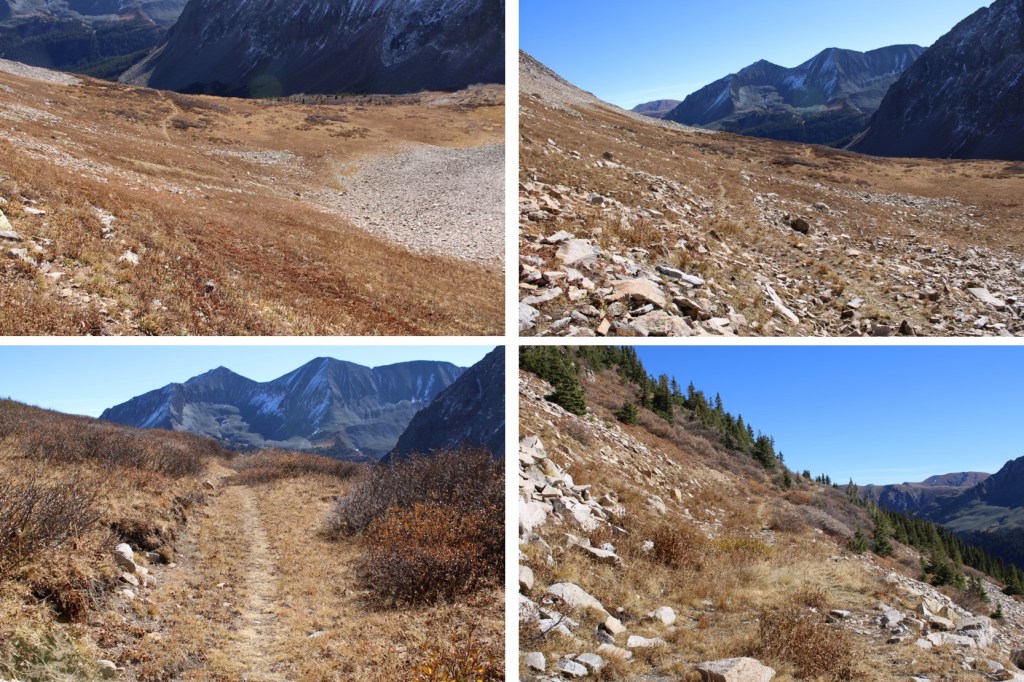
At around 11160’ of elevation I left the trail, and turned right.  If you get to the Big Three Mine you’ve gone too far.  I placed a cairn here, and headed north. 

I bushwhacked north up the mountainside to treeline

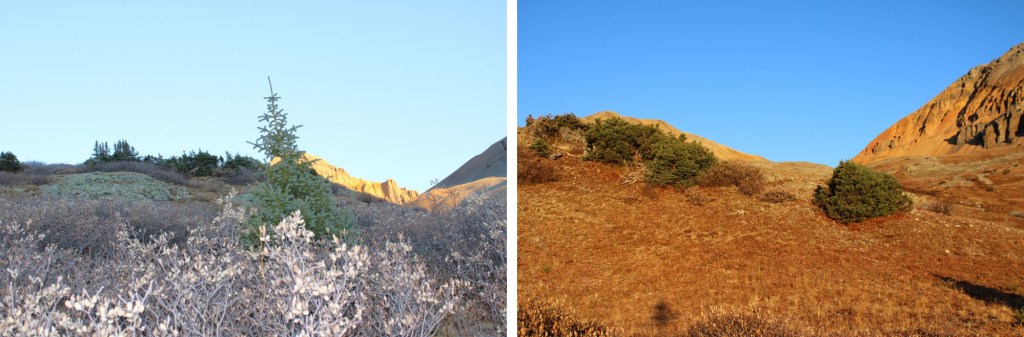
I was headed here, which included some willow navigation.  I found if I stayed high I could follow game trails.

Once I could see this ridge I turned left and headed northeast to a basin

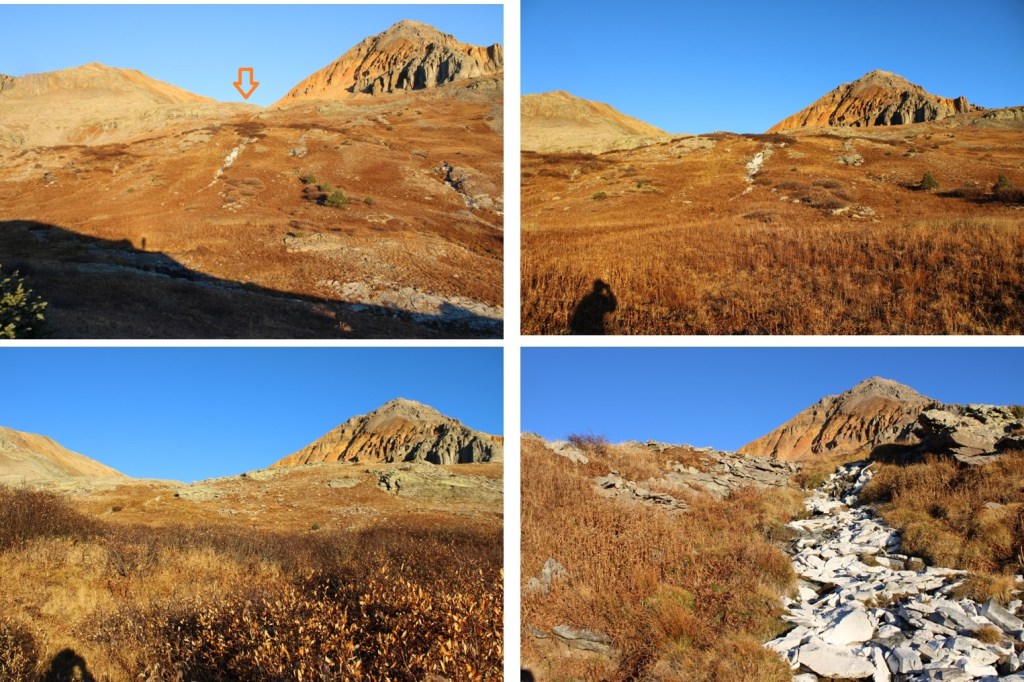
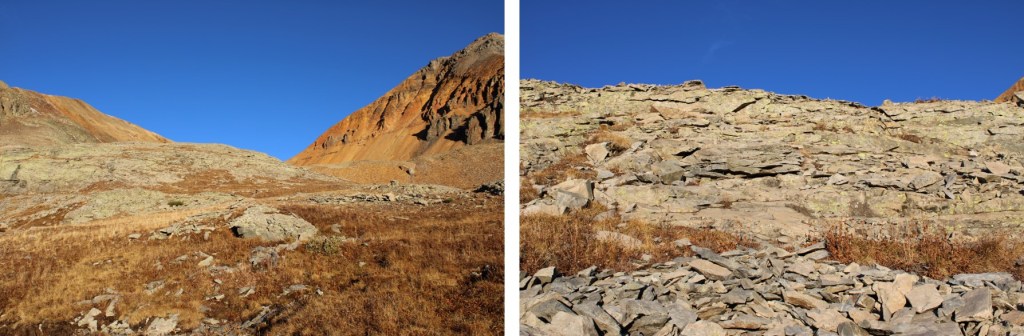
I kept heading northeast, as the tundra changed over to talus

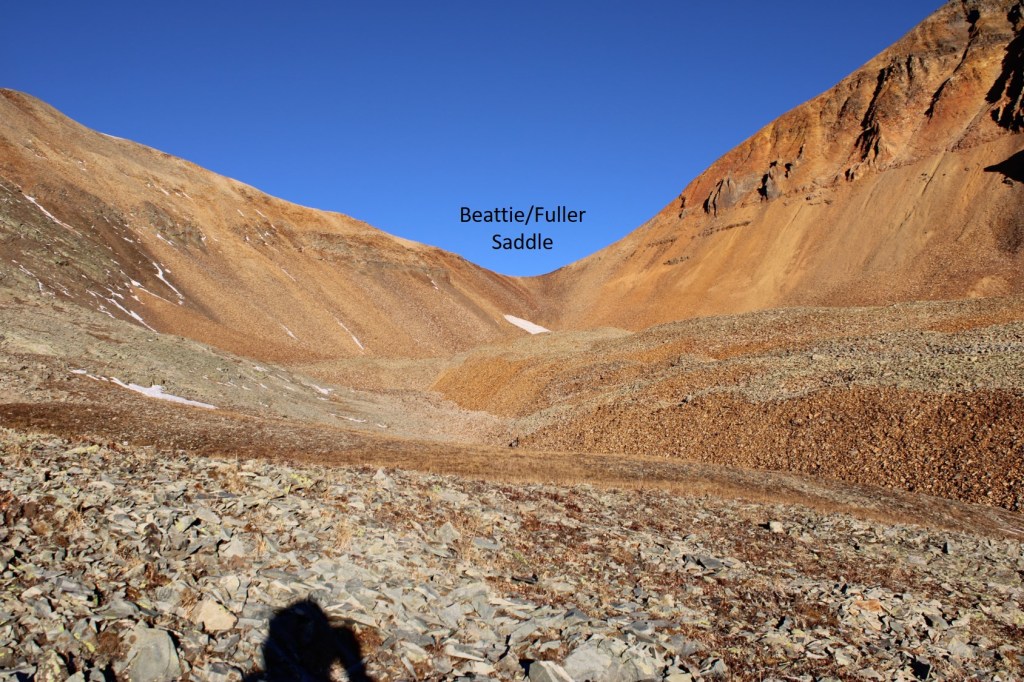
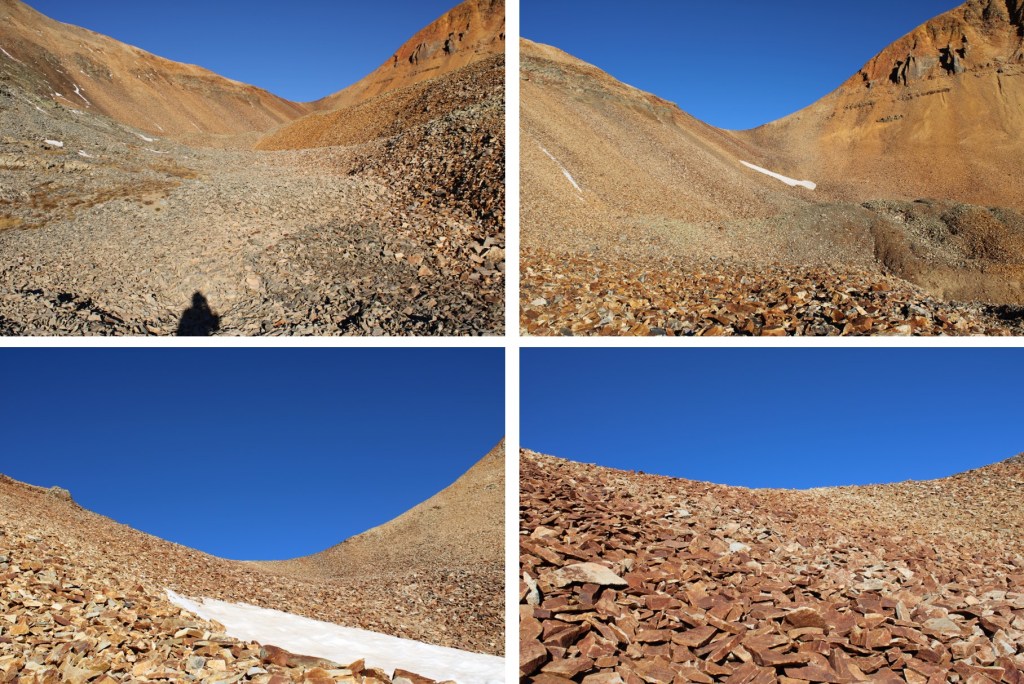
Now in the upper basin, I aimed for the Beattie/Fuller Saddle. 

I stayed to the left of the snow, and found the talus was surprisingly stable. 

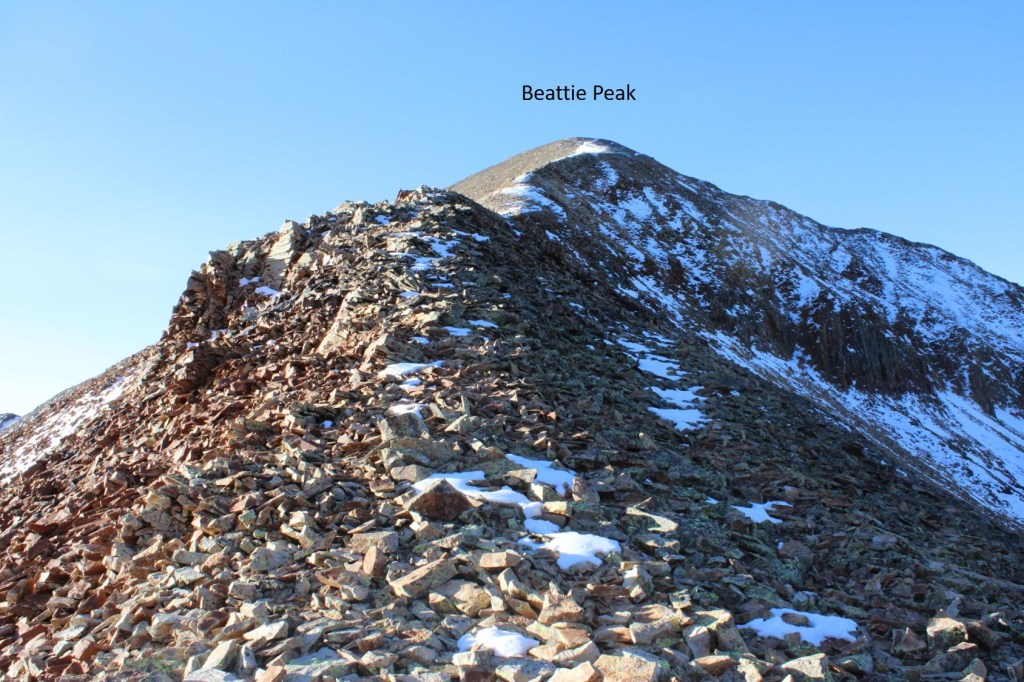
Once at the saddle, I turned left and followed the class 2 ridge to Beattie Peak

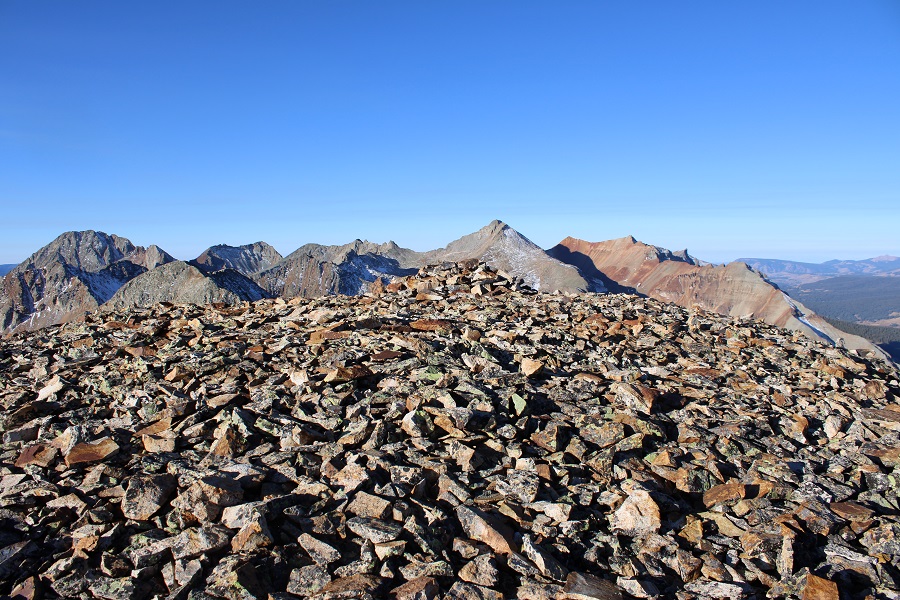
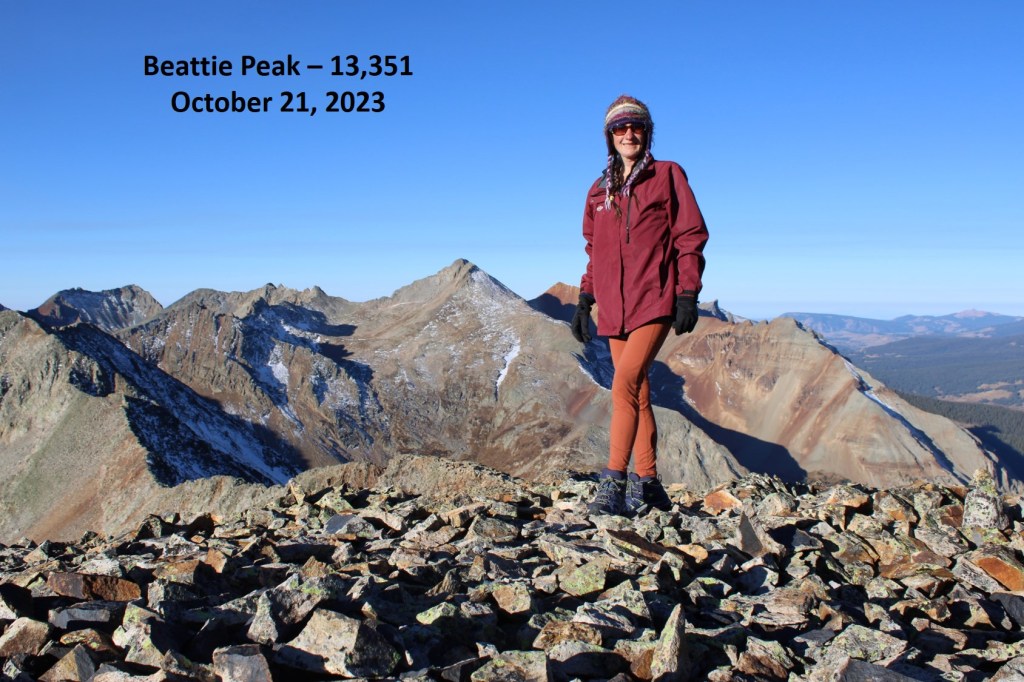
I summited Beattie Peak at 8:45am

Beattie Peak:

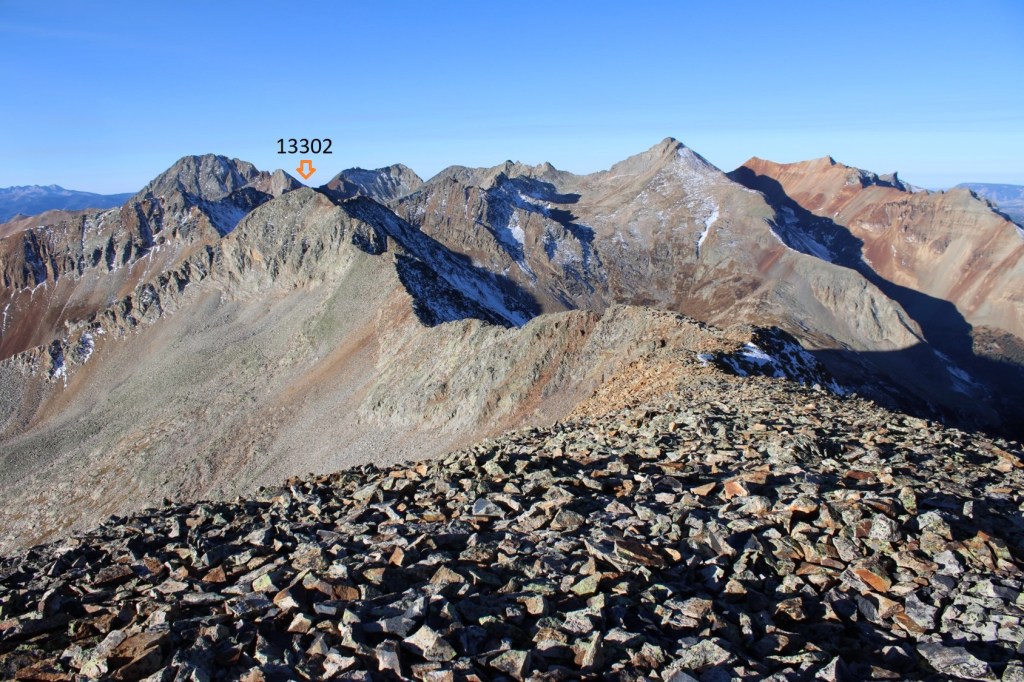
I could see PT 13302 to the southwest.

Now is a good time to put your helmet on.  This is a class 3 ridge, but starts out as class 2.  This is the overall route I took to get there, taking the ridge to a gully.

The initial descent of the ridge is class 2

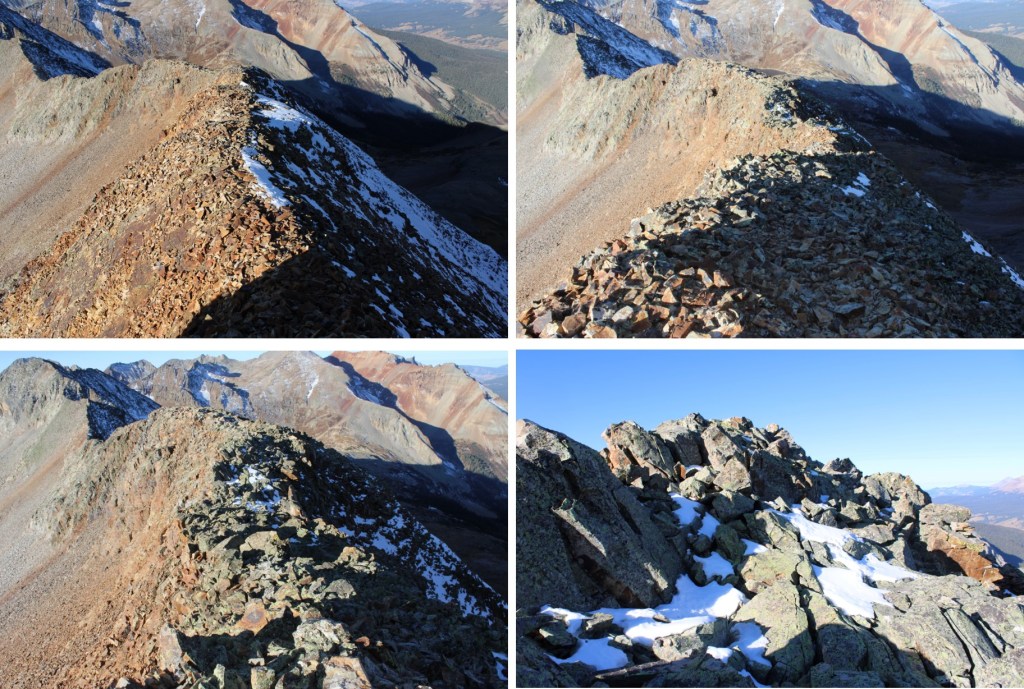
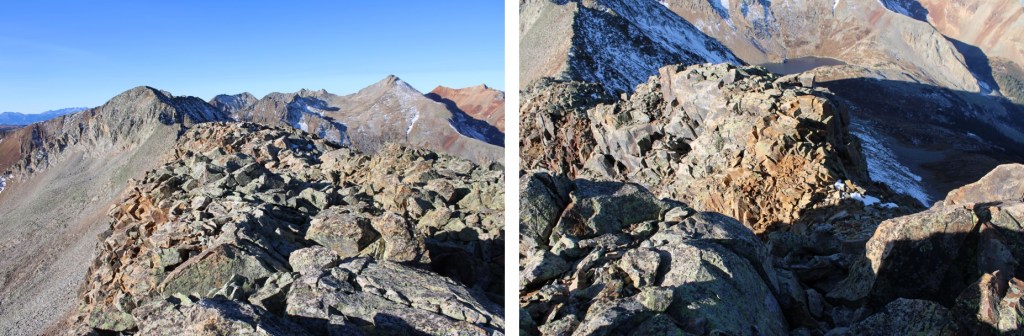
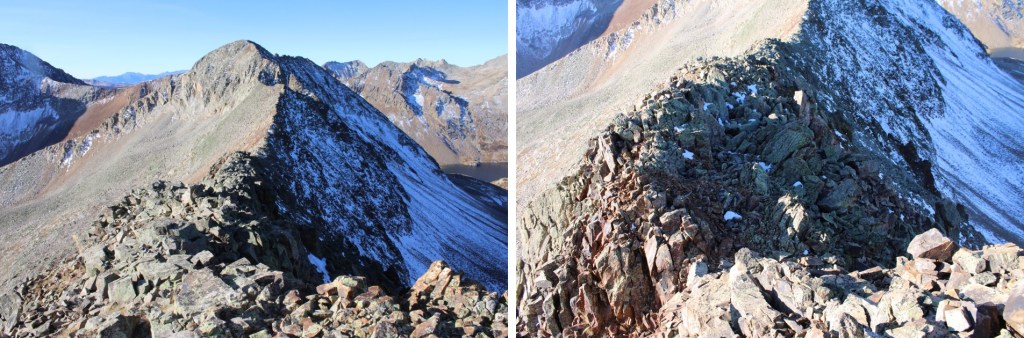
But quickly becomes narrow, sustained class 3 with exposure.  The ridge proper goes at class 3, but twice I dipped down to the left to avoid the exposure involved.  Here are some pictures of the ridge

I was now at the base of the gully.  Microspikes helped here. 

This is the route I took

And some pictures of the gully

At the top of the gully I went right

And then I could see the final approach to the summit

This is the overall route I took to the summit

There were two summit cairns, each about 15 feet apart.  They looked to be of equal height. 

I summited PT 13302 at 10am

PT 13302:

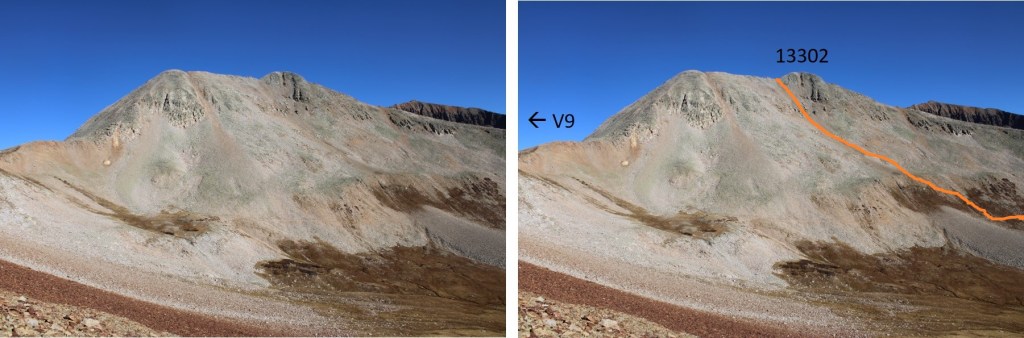
I know the traditional way to descend from PT 13302 is to head southwest and down to the V9/PT 13302 saddle, but I’d been there the day before, and did not want to descend that way.  Instead, I headed southwest towards a small saddle, then turned left and scree-surfed south. 

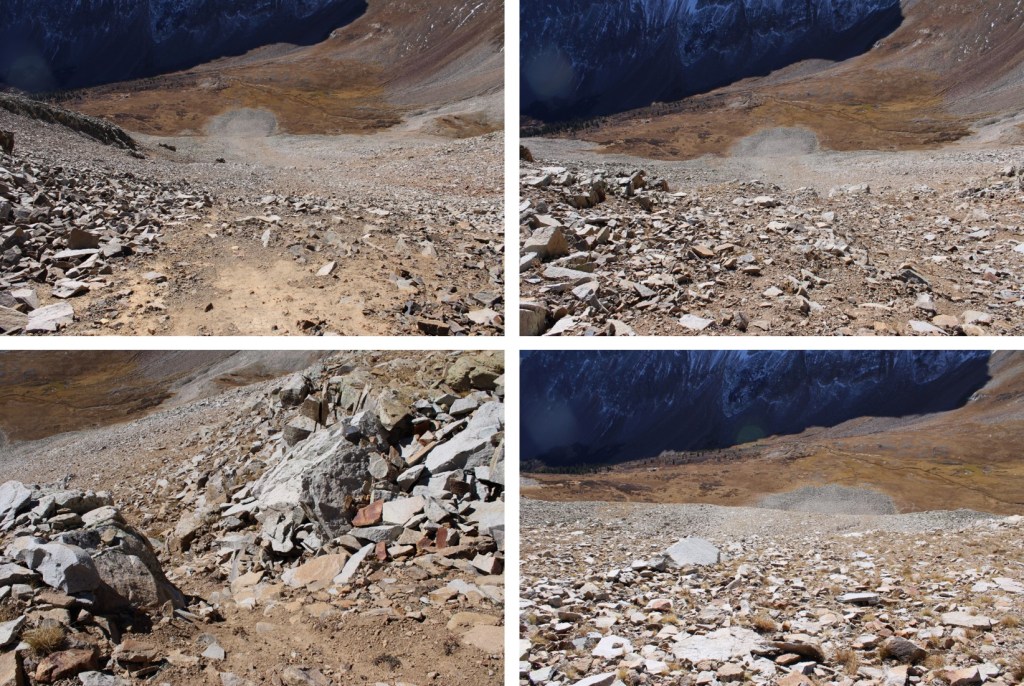
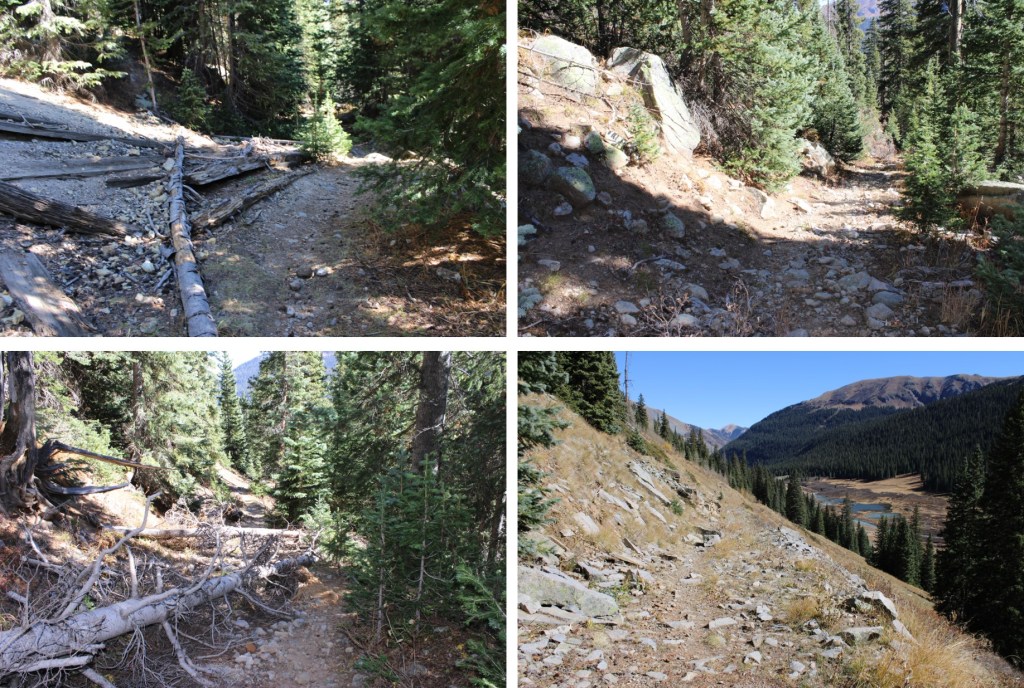
This route brought me back to the Lake Hope Trail. 

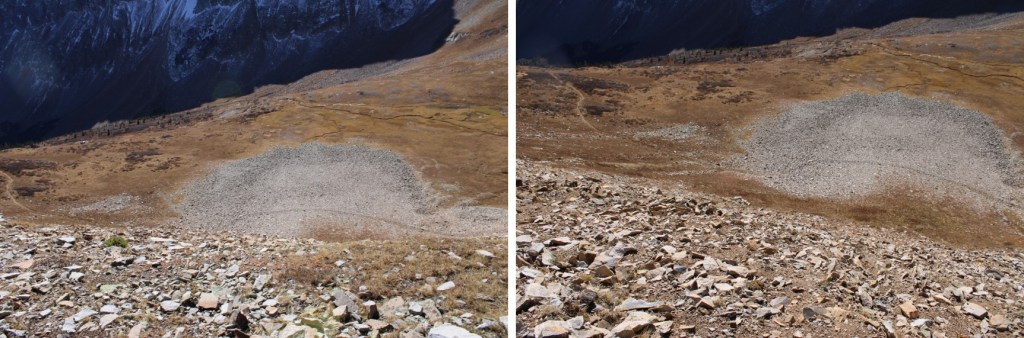
Here’s looking up at the route I scree-surfed down

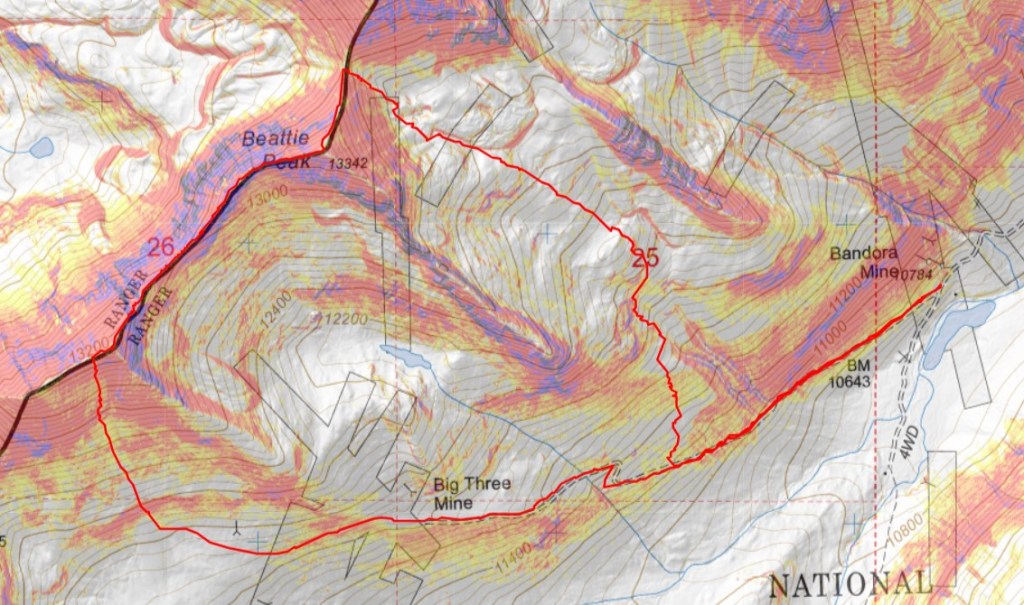
And here’s an overall view of the route I took

Back on the Lake Hope trail, I followed it east back to Bandora Mine

I made it back to Bandora Mine at 11:45am, making this a 6.87 mile hike with 2945’ of elevation gain in 5 hours, 15 minutes.

On to the next trailhead!

PT 13486

RT Length:  14.11 miles

Elevation Gain:  3299’

I had no intentions of summiting a peak today.  Seriously.  After yesterday’s long ridge hike I decided today would be a rest day.  I was simply going to hike to the upper trailhead and back to get pictures I was unable to get yesterday, due to starting and ending the hike in the dark.  I also needed to put together a rather long trip report, and I wanted to get that out of the way as soon as possible.

I woke up at 9:15am and it was 27 degrees outside.  There was at least half an inch of frost on the ground, and my shoes, which I’d kept inside my truck, were frozen solid.  I couldn’t even get my feet inside of them.  So I sat in the cab of my truck with the heater blaring for half an hour to warm them up. 

Once I could stuff my feet inside my shoes I was on the trail, at around 10am.  My plan was simply to hike to the upper trailhead and back to warm up and get pictures.  I was parked just before the Lulu Gulch trailhead at 10,300’ at a nice dispersed campsite.  My truck could have made it to the Huron Trailhead, as it has before, but the road seemed a little more intense this year and I love my truck, so I decided to park lower and get the extra mileage. 

I followed the 4WD road as it meandered south, past the Lulu Gulch trailhead and numerous dispersed campsites. 

After hiking for about 1.75 miles I made it to the Huron Peak/Lake Ann trailhead.  From here, I followed Lake Ann Trail 1462 south.

At the Lake Ann/Hope Pass junction I went left, following the Lake Ann trail

At the Apostle Basin/Lake Ann junction I went left, towards Apostle Basin

This is where I made the decision to continue towards PT 13486.  I was feeling pretty good, and said “to heck with a rest day”.  I almost immediately regretted this decision.  I continued on until I made it to 10845’, where there was a cairn and a blocked trail to the left.  I took this trail.

This was an old trail that doesn’t look like it gets a lot of use.  There were tons of downed trees to navigate as I made my way east to treeline. At this point I stopped and looked at my readings.  I’d gone 3.5 miles and gained 600’ of elevation.  I was already exhausted, and wanted to turn back.  My mind kept telling me I was tired (I wasn’t), thirsty (I wasn’t) and couldn’t go on (I could).  I reminded myself it’s usually your mind that gives out long before your body does, and kept telling myself to go just a little bit further before deciding to turn back.  This hike was very much a mental game, but I kept going.  I just took a lot of breaks.

Just before treeline, at around 11600’ there’s an abandoned cabin that was cool to look at.  When you get to the cabin keep heading east, as the trail becomes difficult to follow, but you’re almost to treeline.

Once at treeline a cairned route begins that leads for about a quarter of a mile.  The rocks however, never ended.  I followed the cairns up.

I could now see PT 13486 to the east.

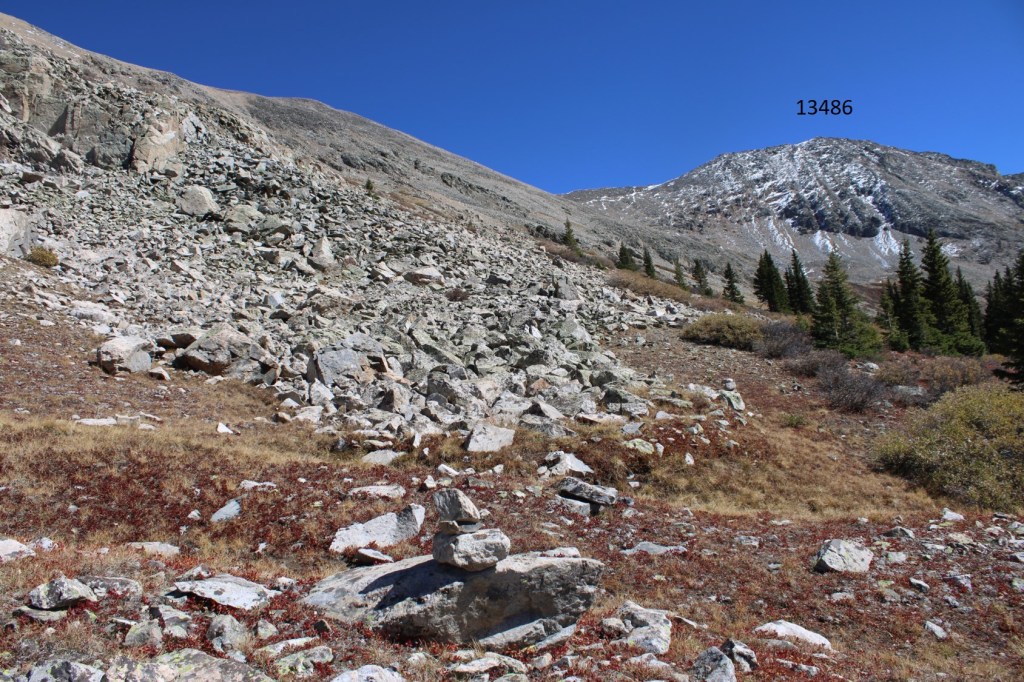
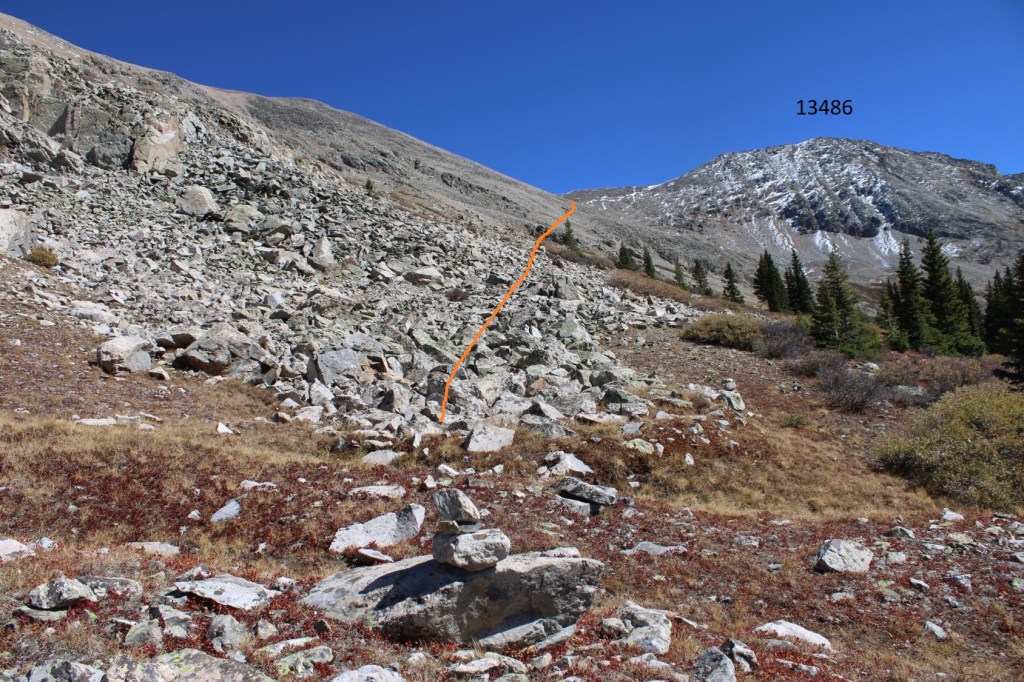
There are several routes to get there.  I took a high route on my way up, the gully on the way down.  There were cliffs I was trying to avoid. This is the route I took as I ascended.

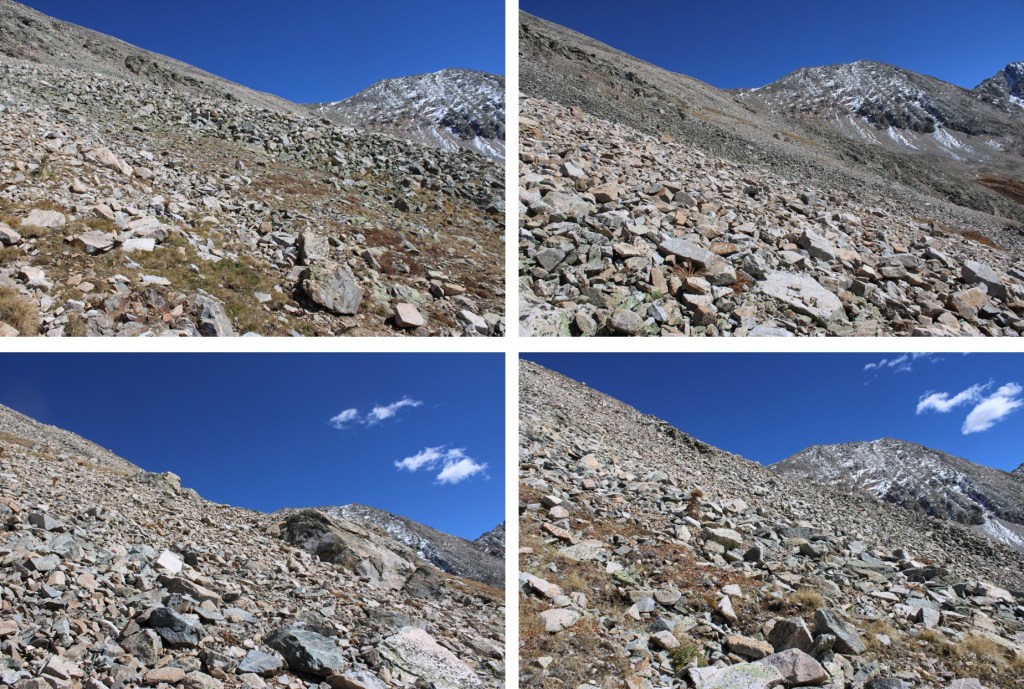
And some step-by-step pictures of the route, keeping high to avoid the steeper rocky sections

I kept rounding the hillside until I could see the Huron/13486 saddle.  I headed for the saddle.

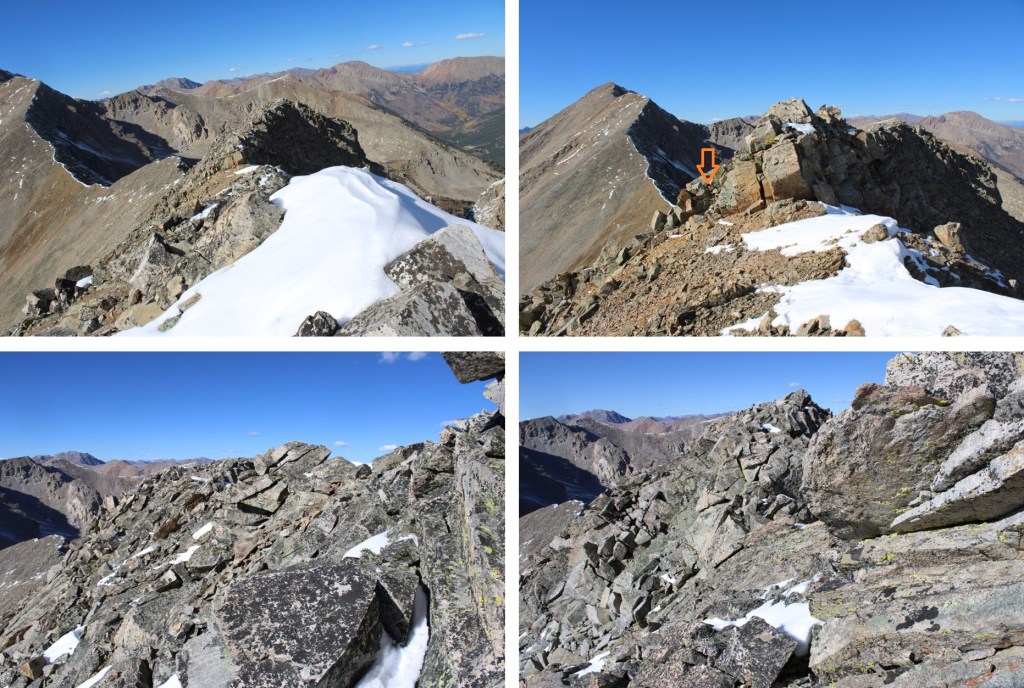
This now became a ridge hike.  There were a few class 3 moves, and snow to make the route spicy. 

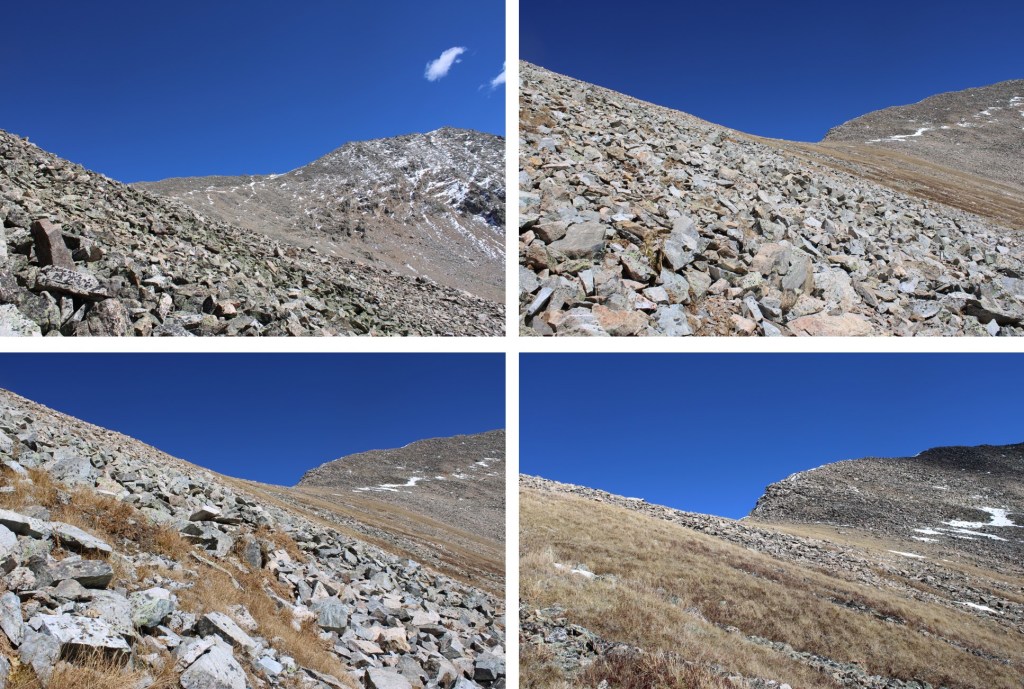
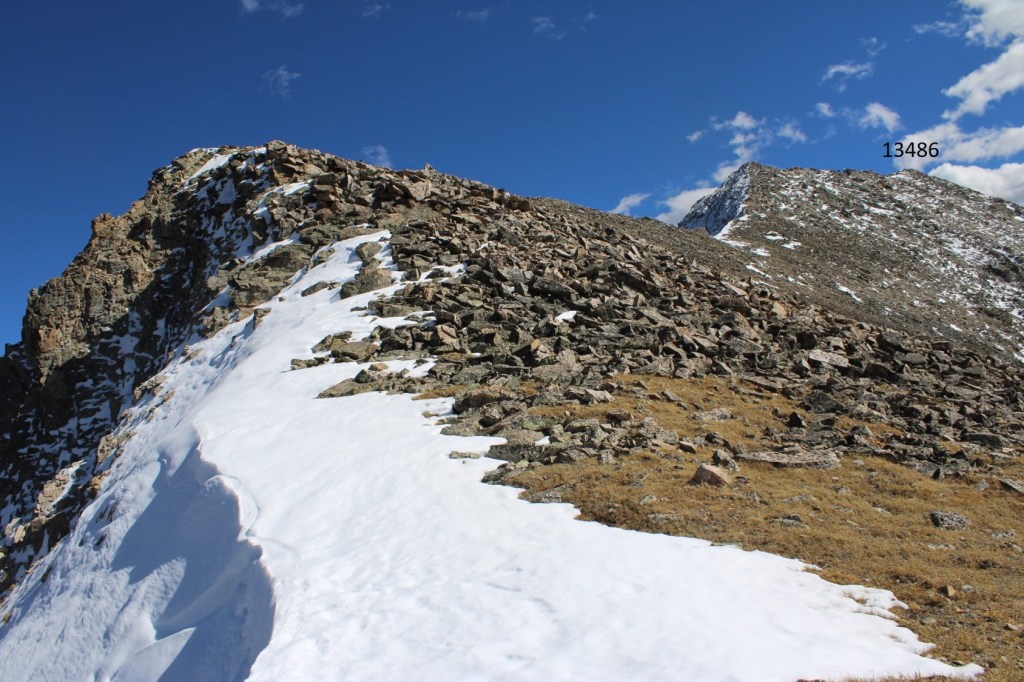
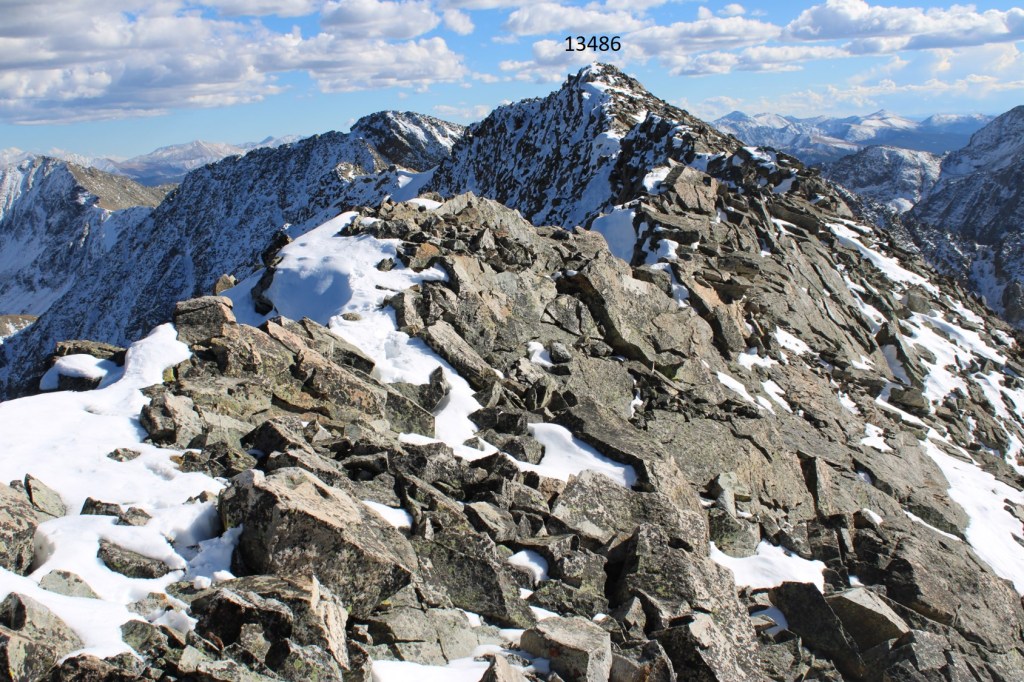
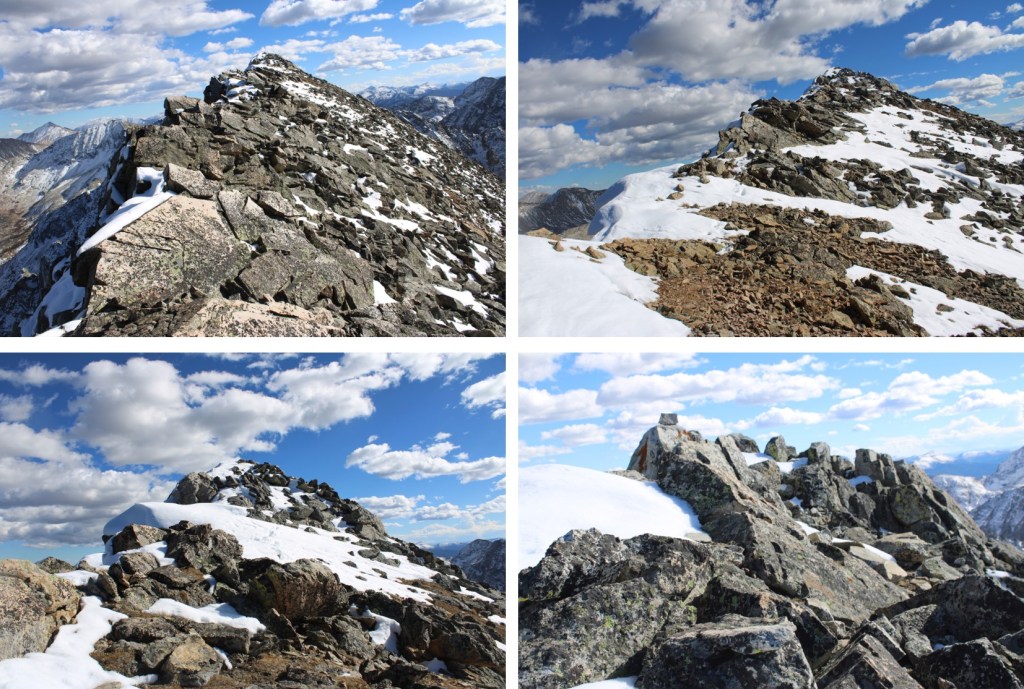
I mostly stuck to the ridge.  Here are some pictures of the route to the summit.

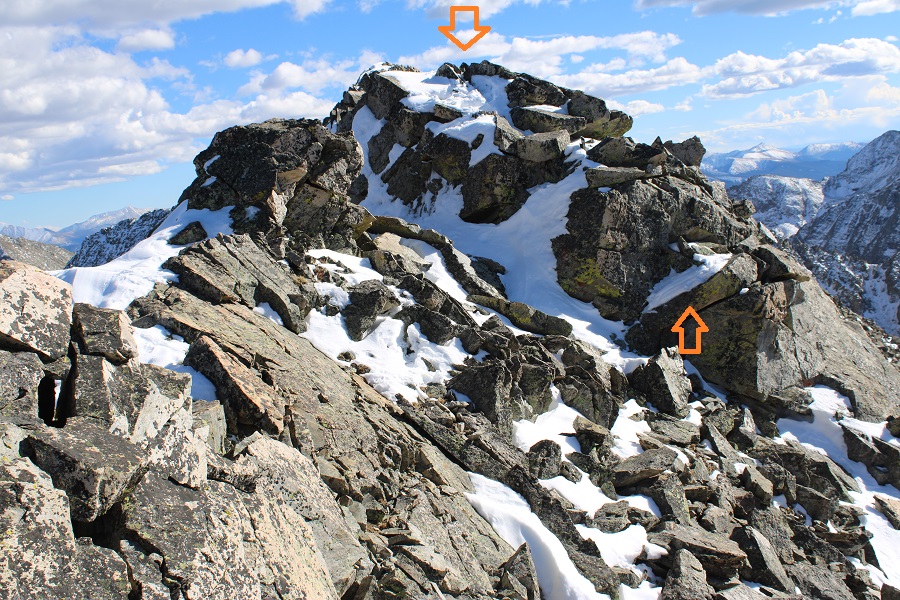
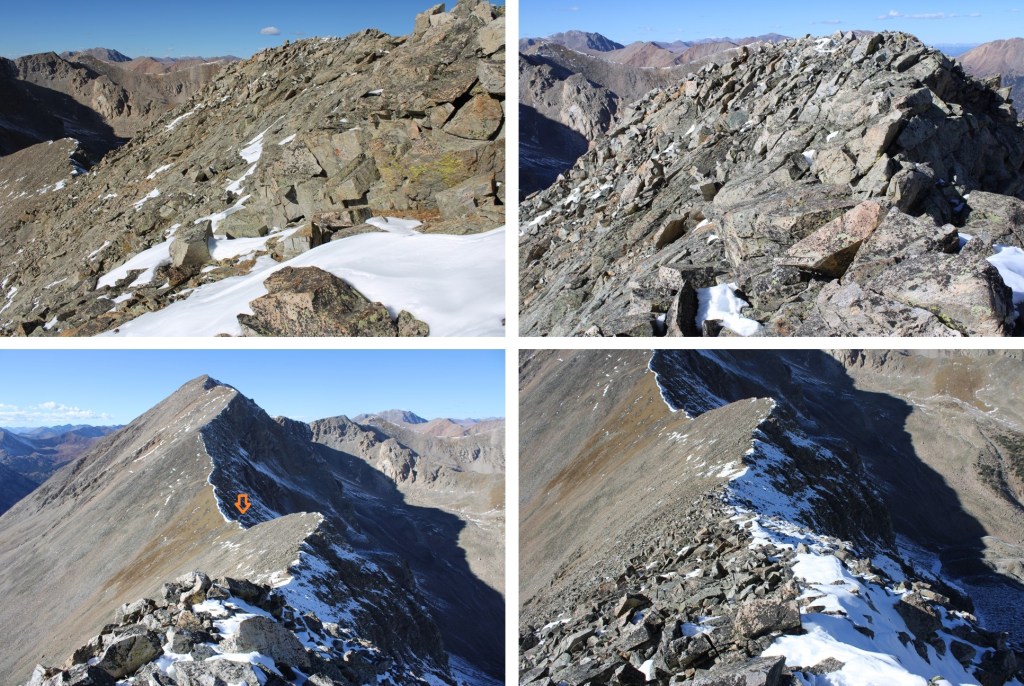
Here’s a look at the rest of the ridge. This is where it gets spicy.  I stopped here for a bit because I met another climber on the trail, Larry, who’s a recent Bicentennial finisher (Congrats!!)  We chatted for a bit, and I learned he was in more of a hurry than I was to get to another trailhead before dark, so I let him go ahead while I took a bit of a break.  I checked my cell phone for service (none) and decided instead to play a bit of solitaire while I waited.  After Larry summited, I was on my way again. 

This was the hardest move for me.  It was class 3, but the snow made it interesting.  I went up to the right, came back down on the left

Here’s the final push to the summit

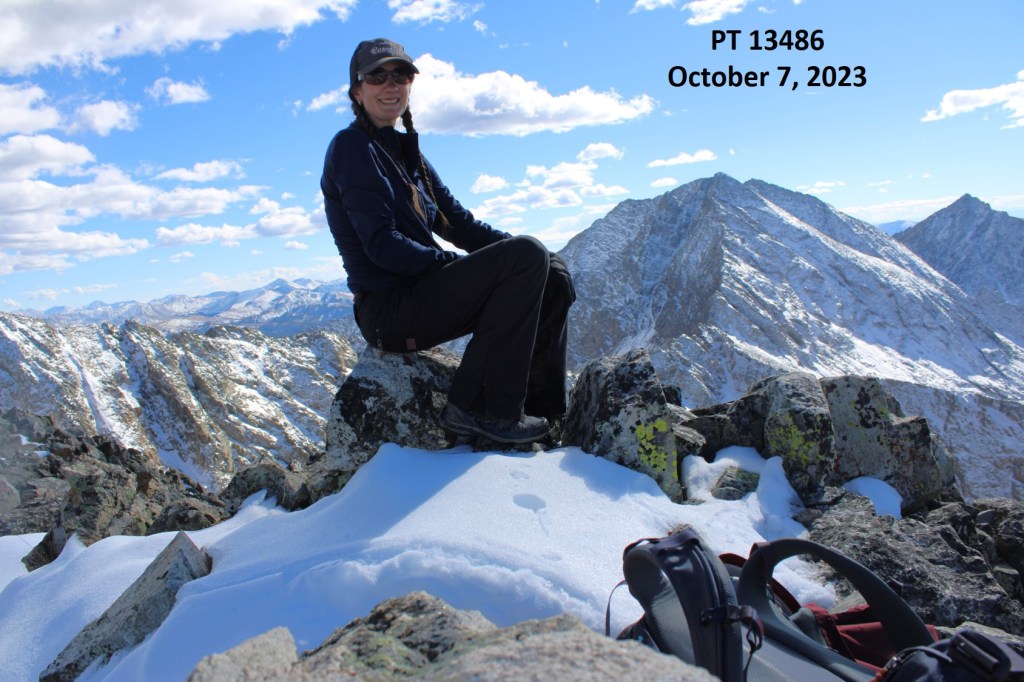
I summited PT 13486 at 3:30pm

PT 13486:

It was here I realized my negative thoughts had stopped as soon as I’d hit treeline.  I guess having a visual of the route really helped clear my mind.  I was glad I’d pushed on, even though it had already been a long day.  I turned and headed back down the ridge to the Huron/13486 saddle.

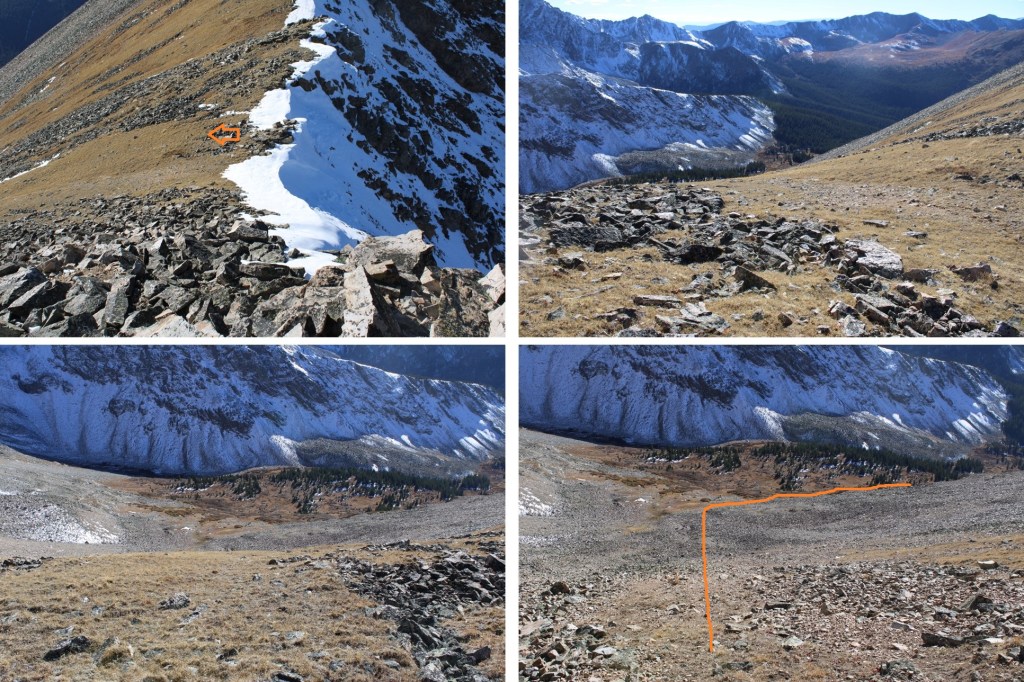
Back on the saddle, I turned left and decided to take the gully down.  I descended to the patch of tundra below, at about 12400’

Here’s looking back up at the gully I’d descended (which you could ascend as well instead of taking the higher route)

At 12,400’ I turned right, descended about another 200’, and stayed at that elevation until I made it back to the cairned area.

I was aiming for the trees to the west

I then picked up the cairned route back down to the trees and the trail

I followed the miners trail through the trees, back to the actual trail

Then followed the trail north back to the Huron/Lake Ann Trailhead

And took the road back to the lower Huron Trailhead

I made it back down to the lower trailhead at 7pm, making this a 14.11 mile hike with 3299’ of elevation gain in 9 hours.

On to the next trailhead!
Tabor Peak – 13,282

RT Length:  9.72 miles

Elevation Gain:  3055’

I parked at the Tabor Creek Trailhead (2185) and was on my way at 4:30am. 

I followed the class 1 trail south as it crossed Lincoln Creek, and then began gaining elevation.

After hiking for .5 miles I came to a road, crossed it, and continued following the trail on the other side

I crossed Tabor Creek, and continued on this class 1 trail, staying to the right (west) of the creek for the rest of the hike.

The trail brought me through a gulch, and in and out of treeline and willows several times.

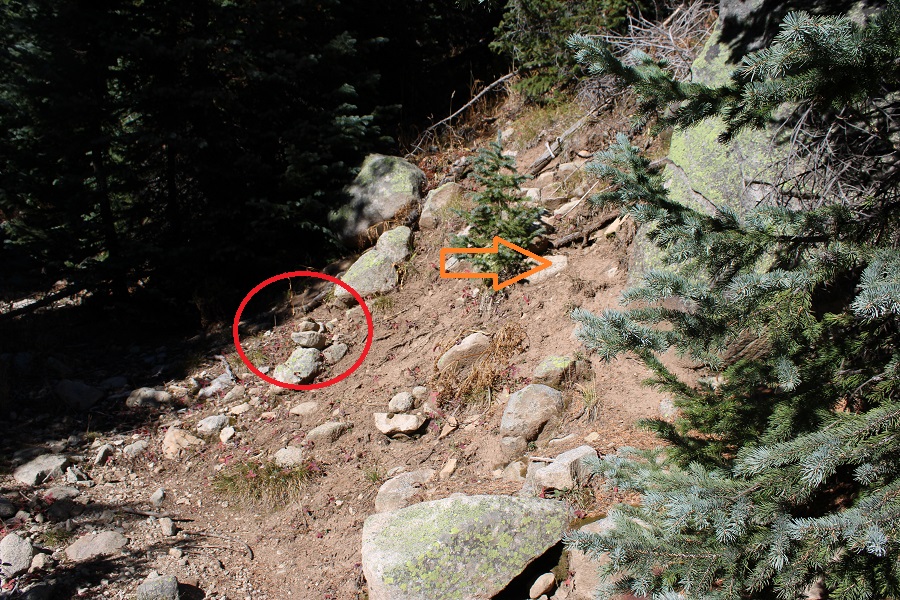
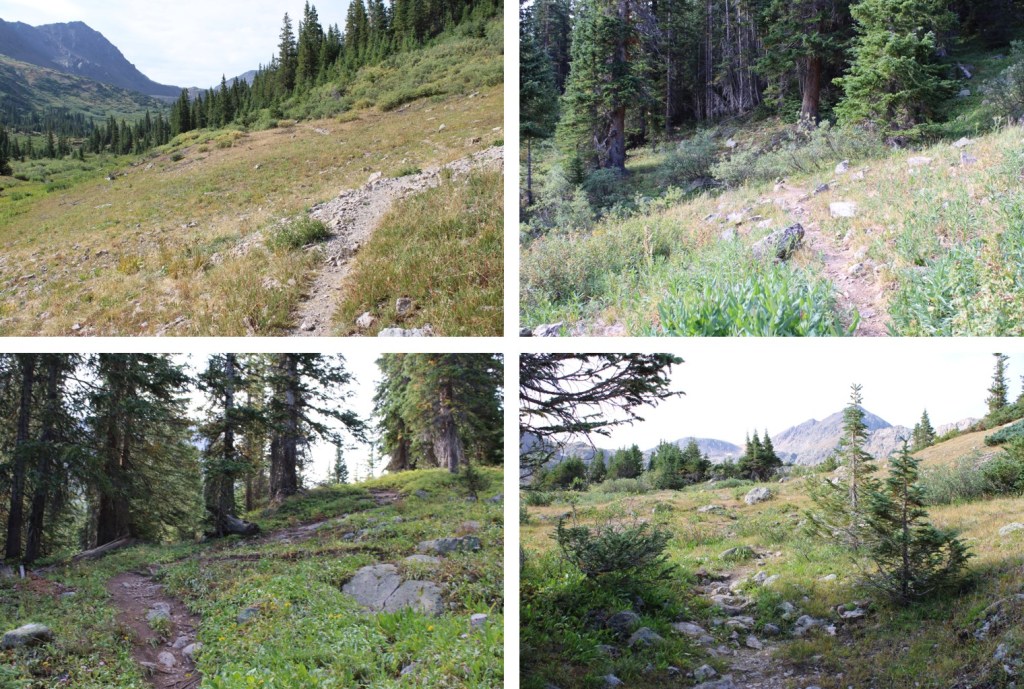
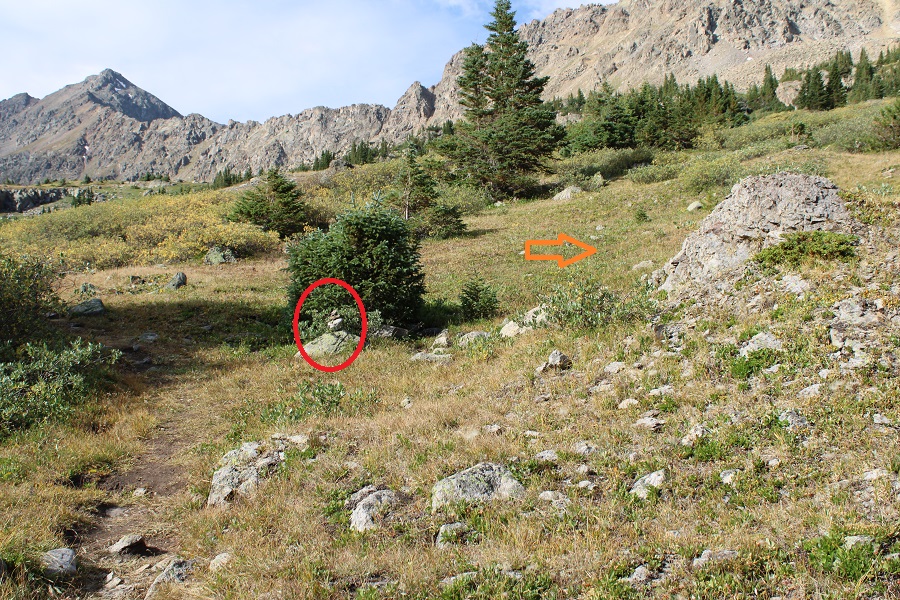
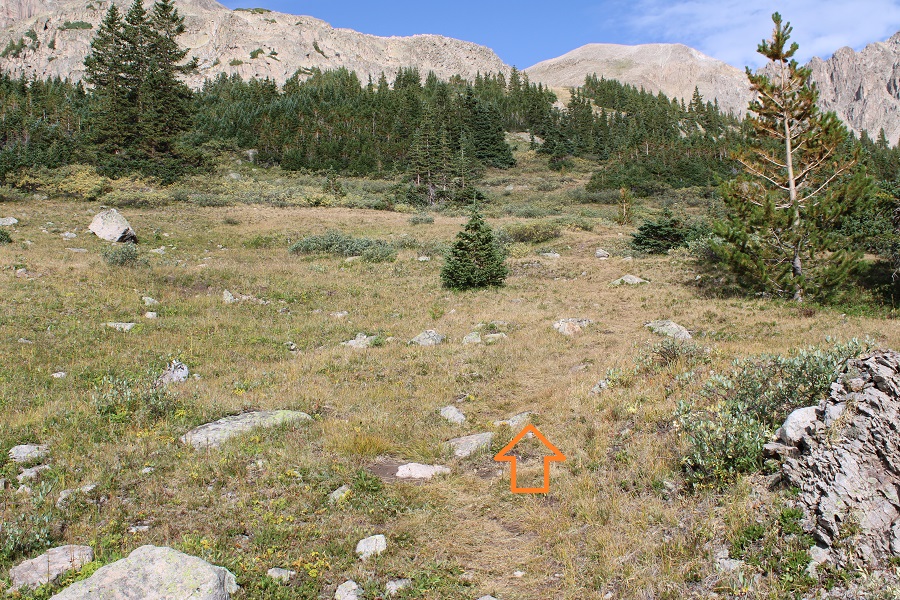
After hiking for 3.2 miles, and at 11630’ of elevation I turned right onto a game trail and headed west.  Actually, the trail isn’t visible the first few yards, but once you find it, it’s a class 1 game trail.  I put up a small cairn to indicate where it starts, but if that gets knocked down, notice the unique shaped rock in front of it.  That’s where you turn right.

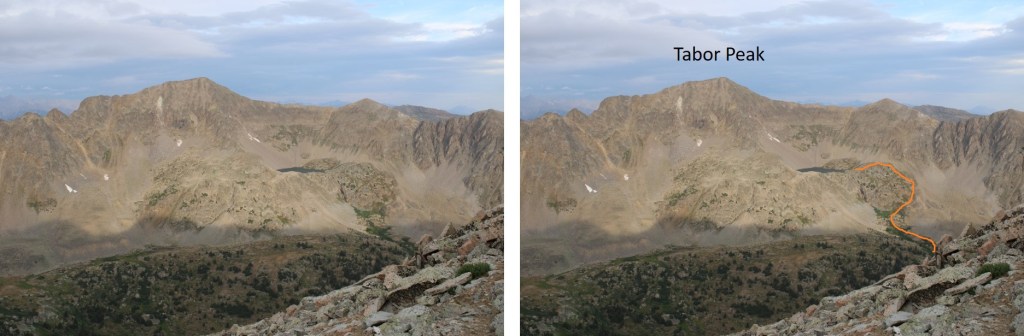
I followed this trail all the way to Tabor Lake. For reference, here’s a view from PT 13102 of the route

And some pictures of the terrain

Tabor Lake and Tabor Peak

I skirted the lake to the north

Then sat down and put on my microspikes,  My next goal was to make it to the top of this gully

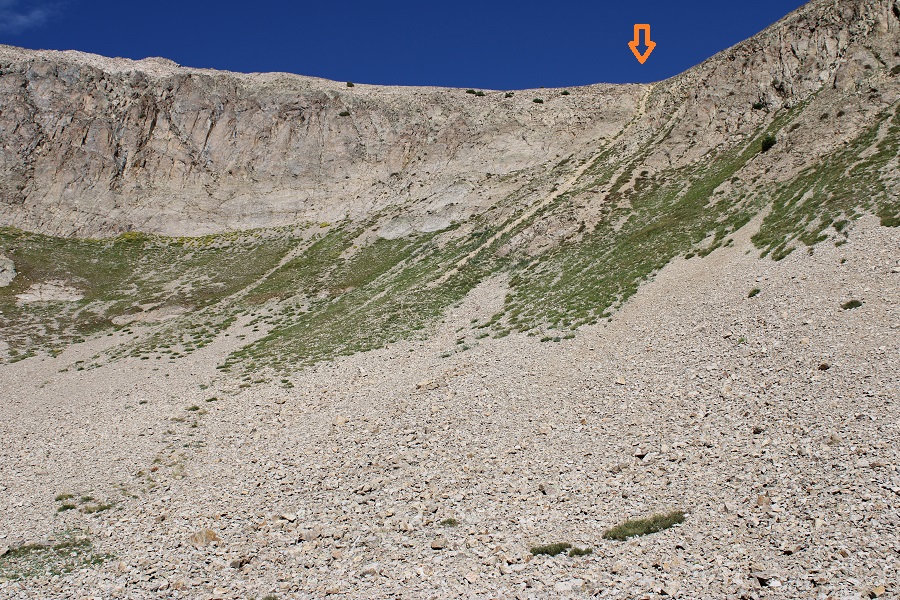
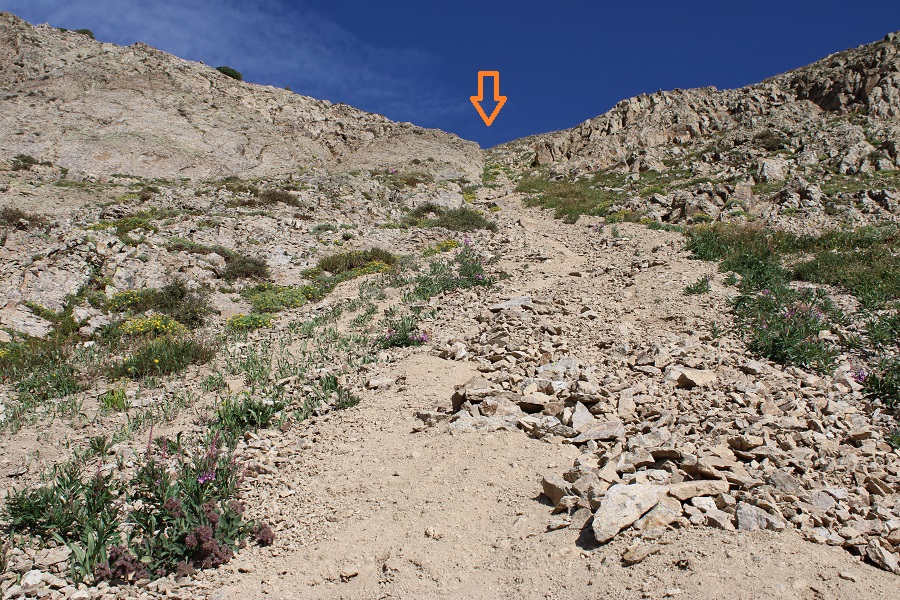
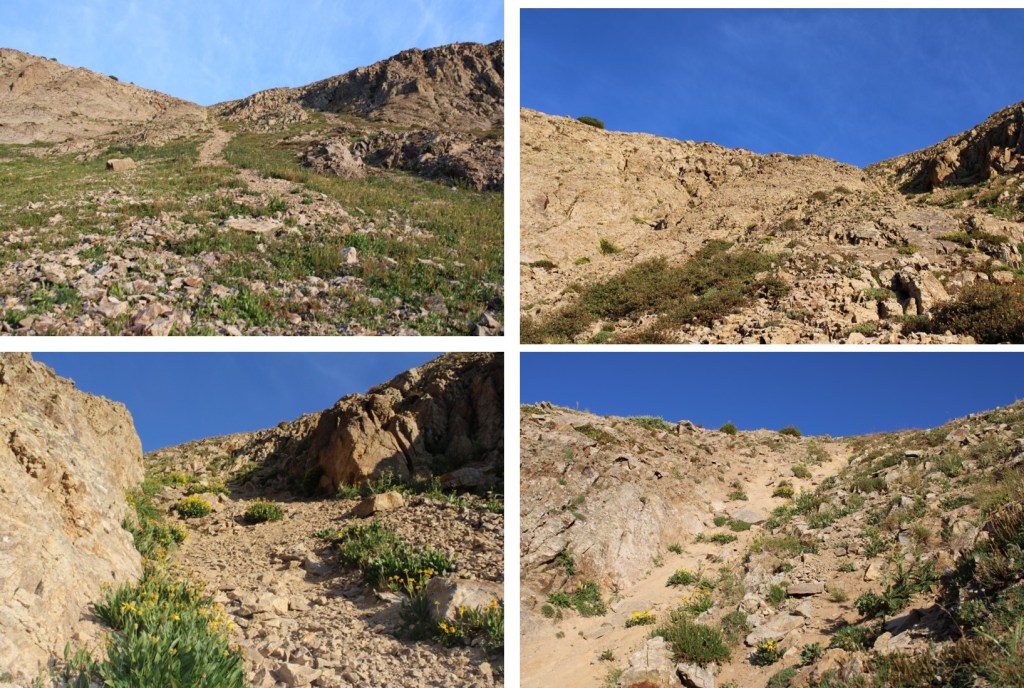
The gully doesn’t really look that bad, and for the first third of it or so, it wasn’t. There was plenty of scree to use for footholds, and it was easy climbing.  However, the further up I went, the less and less scree there was, and more and more hard, compact dirt.  I wasn’t able to get a footing on the dirt, even in microspikes, and ended up ascending via the rocky area to the left.  This was better, but not much. The rock was steep and filled with kitty litter.  I still felt safer on the rocks than I did in the gully.  You can also take the rocks to the right.  I felt this would have been much easier with snow.  Here are some of your options:

At the top of the gully was a cairn to congratulate me

I turned left, and followed the ridge south

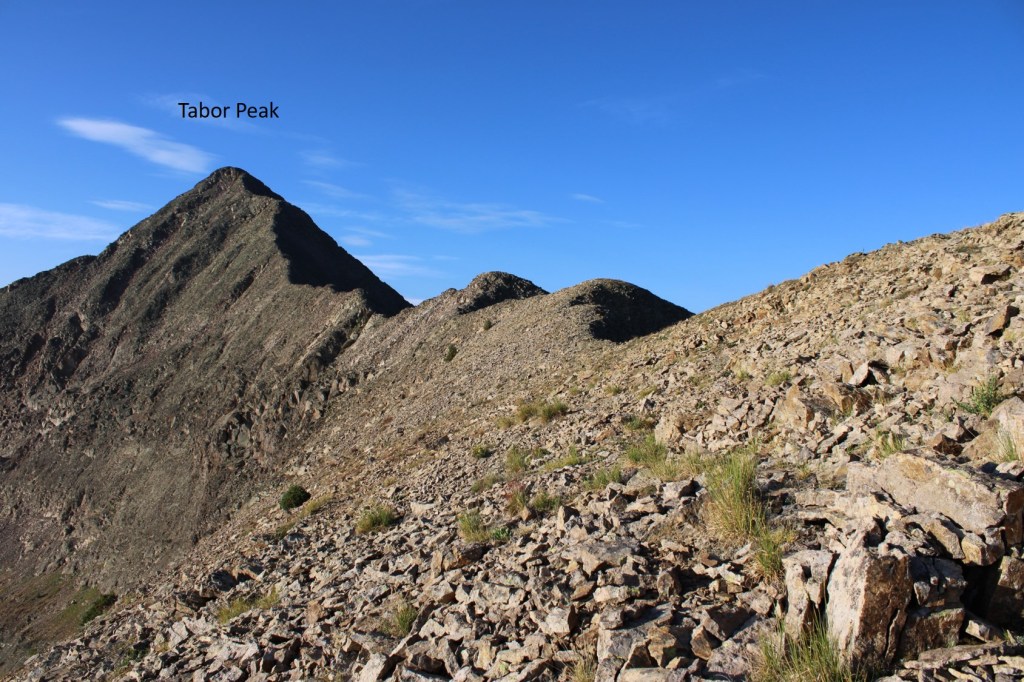
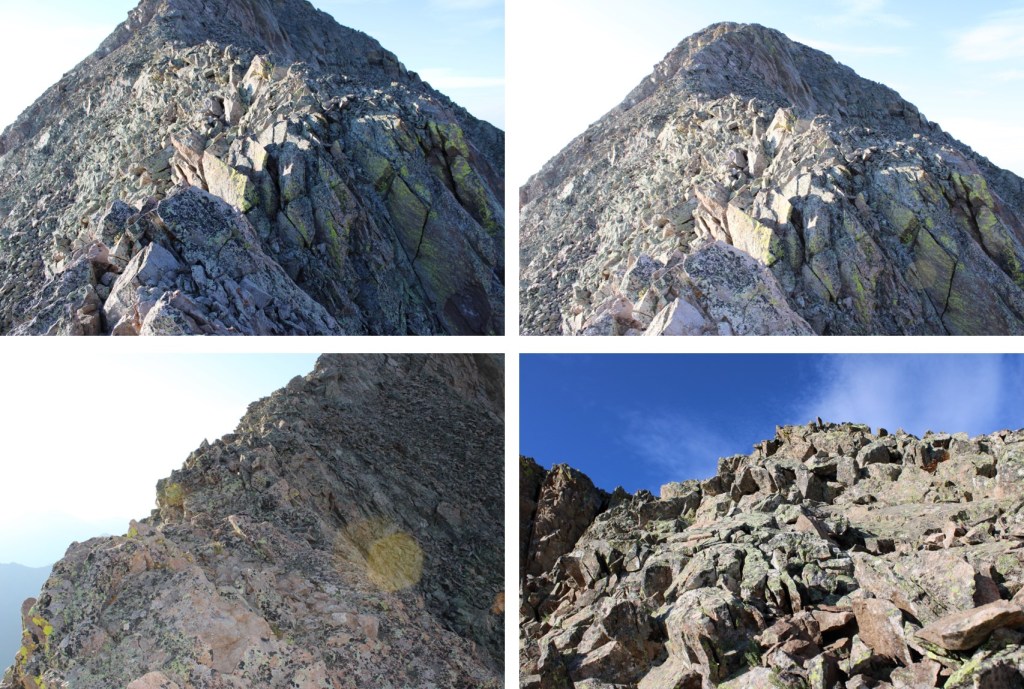
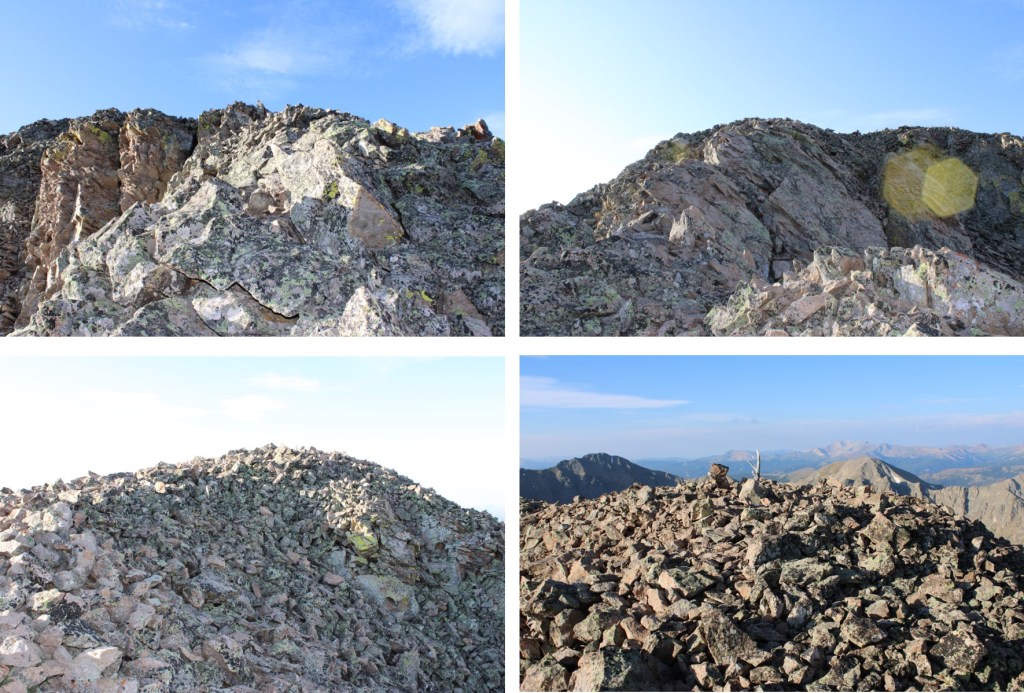
There’s not much to say about route finding on the ridge.  I was able to stay directly on top of the ridge the entire time and kept it at easy class 3.  The rock was chossy and loose, so I had to watch my hand and footholds, and I had to stop a few times due to excessive wind, but it was a straightforward ridge climb.  With exposure.  Here are some pictures of the ridge

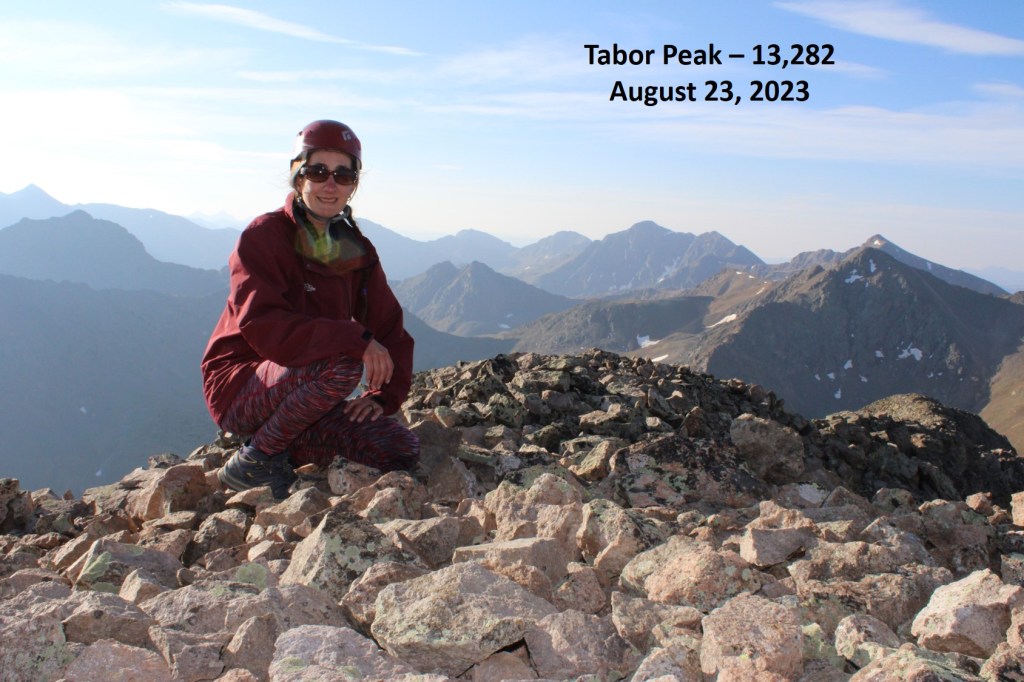
I summited Tabor Peak at 7:50am

Tabor Peak:

Oh, and this was the summit register.  No pen/pencil, and all the paper was wet.  Maybe the next person can bring a proper one?

This was an out and back hike for me, so I turned around and headed back down the ridge to the gully

At the cairn I turned right, and headed down the gully towards Tabor Lake.  I stayed on the rocks to climbers right for most of the descent, then took the gully proper the rest of the way down.

I then skirted the lake to the left to pick up the trail back down

I followed this trail back down to the Tabor Creek Trail

Back on Tabor Creek Trail, I turned left and followed it north back to the trailhead

I made it back to the trailhead at 20:15am, making this a 9.72 mile hike with 3055’ of elevation gain in 5 hours, 45 minutes.

On to the next trailhead!
Kelso Mountain – 13,164

RT Length: 6.32 miles

Elevation Gain:  1937’

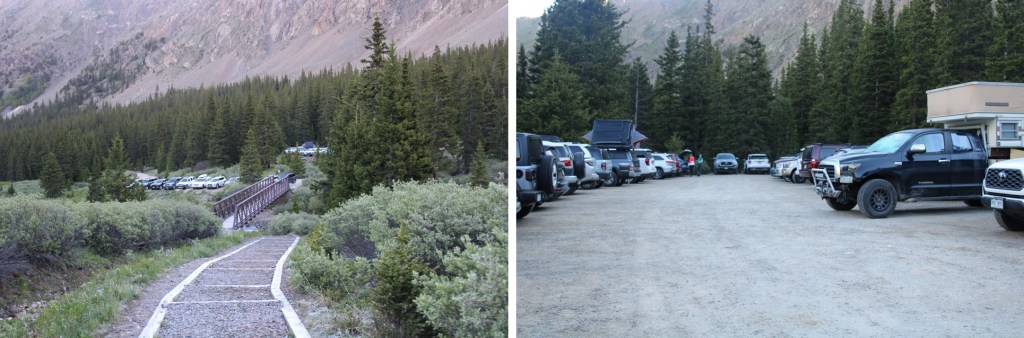
I arrived at the Grays and Torreys Trailhead the night before, curious to find there were only a handful of vehicles in the parking area.

I picked out a prime spot (that proved later to be a bad choice), and settled in to read a bit before heading to bed.  I talked to an awesome CDT thru hiker, and noticed two girls fiddling with a camper in the parking lot.  A very old camper, on top of a very old Tundra.  They were all over that camper; on top pulling at buckles, on the back, fiddling with the door, banging on the sides, etc.  When I saw them bring out a hatchet I stopped reading and walked over to them.

I said hello, told them I was a mom and a Girl Scout Leader, and also told them my kids ages, trying to let them know I wasn’t a freak. I asked them if they needed any help? Yes, yes they did.  It seemed they’d locked the keys to the camper inside the camper.  I asked them how old they were. 16 and 17.  Wow!  I was impressed!  Not only had they driven this clunker up to the Grays and Torreys Trailhead, they’d convinced their parents to let them do it alone, in their dad’s truck.  When I was their age my mom wouldn’t have let me do that.  I know because I’d asked, then had to resort to the “I’m sleeping at Kelly’s house” thing as I went to bonfires in the woods where my mom had no idea where I was at.  Kudos to their parents.    The girls has about 15 14ers under their belts, and wanted to tackle Grays and Torreys in the morning, but it was going to be a long night if they couldn’t get the back open.
OK, time to problem solve.  I didn’t think breaking a window was a good idea if we could help it.  I knew how to open a car window with duct tape.  I asked if they had any, and they brought out a small roll of electrical tape. That wasn’t going to work.  Next, I looked at the door handle, which didn’t look too secure.  I was thinking we could probably jolt it back and forth and it might break.  As I was jiggling the handle, I asked how close the next set of keys would be?  They said it didn’t matter, because the keys to the truck were inside the camper as well.  I was really thinking I’d just drive them back to Denver or something to pick up the keys from their parents, when one of the girls got the fabulous idea to look for another set of keys to the camper, and found them inside the glove box inside the truck.  Problem solved.  I wished them luck, happy they hadn’t broken a window with a hatchet, and told them to knock on my window if they needed anything during the night. 

It rained.  Around midnight I heard something crawling around underneath my truck. It sounded slow, and it was trying to get itself inside the gears.  I pounded the side of the truck and it seemed to creep away.  Half an hour later it came back, so I knew if I didn’t get rid of this thing it was going to be a long night.  Also, I wasn’t going to make friends at the trailhead if I kept banging on the side of my truck all night.

I got out of the topper and into the front seat of my truck. I turned it on and revved the engine a few times.  When I was done, and crawling back into the topper, I saw a porcupine waddle away from underneath. It seems my secluded spot at the back of the parking area had been a bad idea, as it was easy access for porcupines.  No one else had porcupine trouble that night (that I talked to).

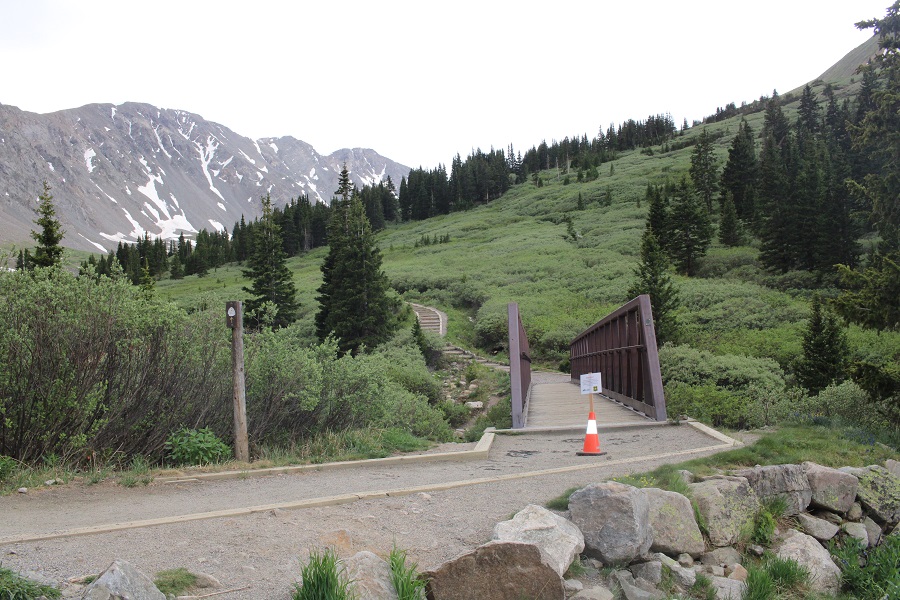
I was up and on the trail at 4:30am, and the trailhead was now about half full of vehicles.  I crossed the bridge, and began following the Grays and Torreys trail.

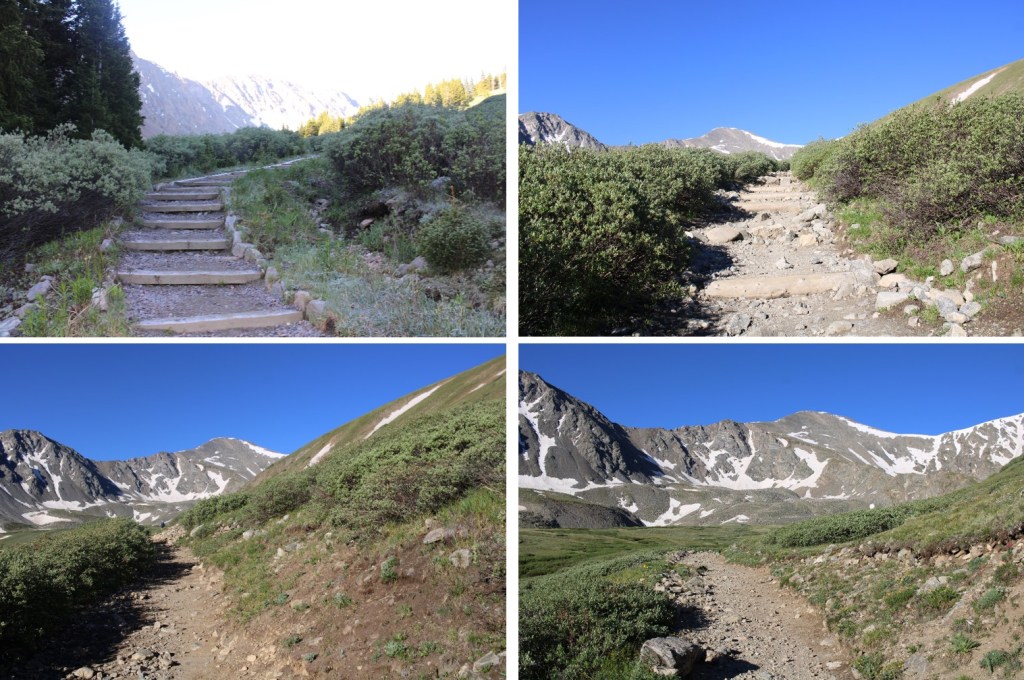
This is a class 1, wide, easy to follow trail. 

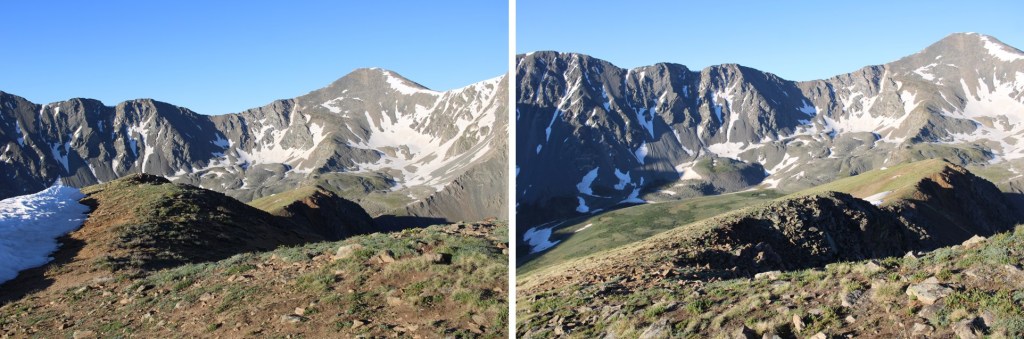
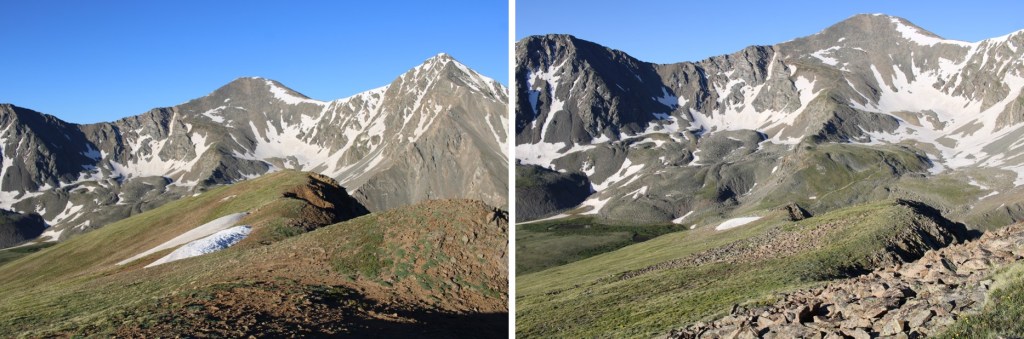
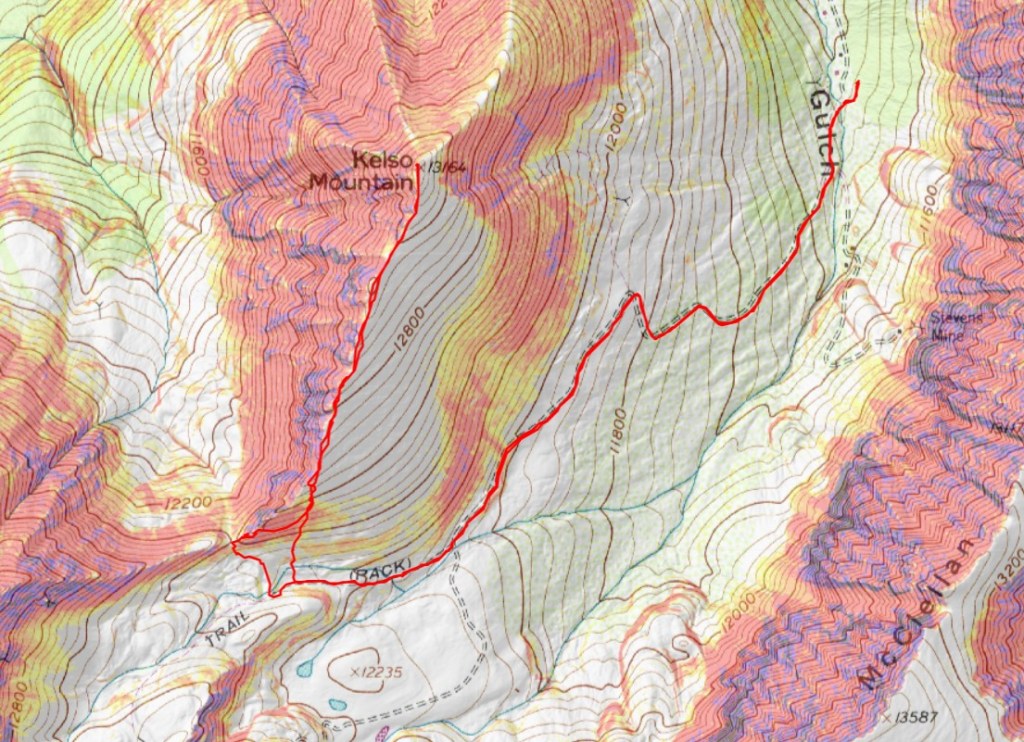
My beta said to follow the trail all the way to the Kelso/Torreys saddle, so that’s what I did, but you don’t need to do that.  You can gain the ridge at any point after about 11900’.  If I had to do this again, this is where I’d ascend the ridge

But, I had beta that said to go to the saddle, so that’s what I did.  I followed the trail for about 2 miles, and then made my way to the saddle. There’s a trail the entire way.

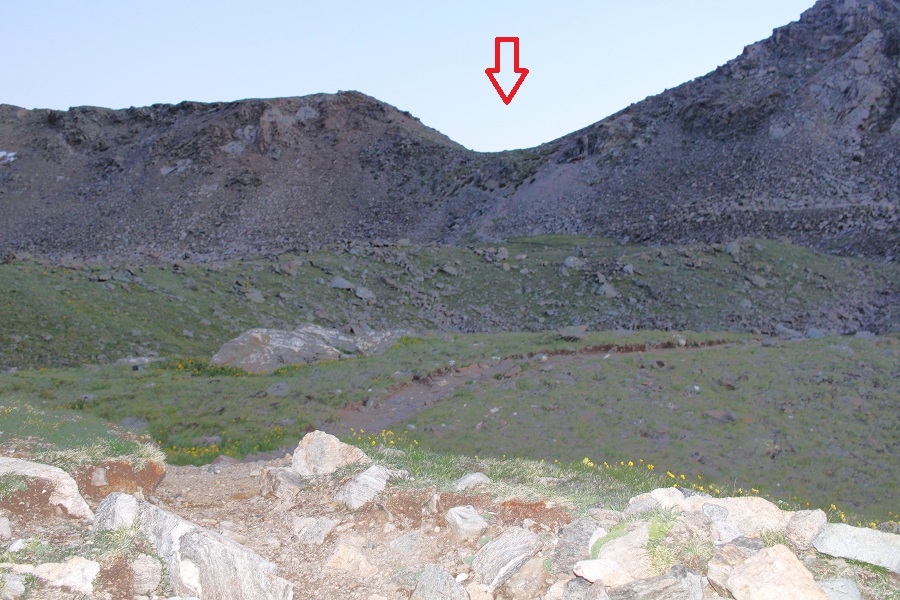
When I got there, I turned to go east up the ridge, but noticed it was all class 3 and above.  This seemed silly to me, because there was clearly tundra below.

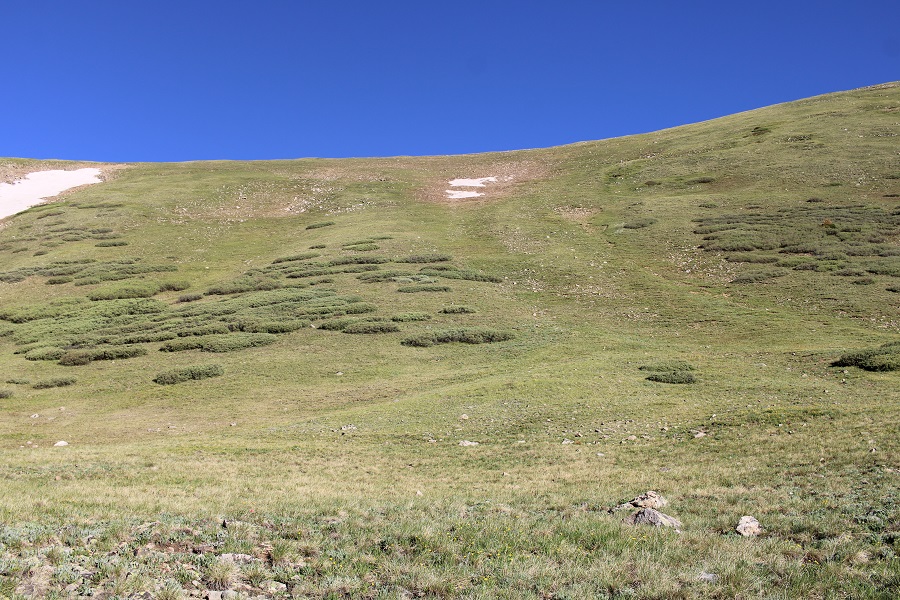
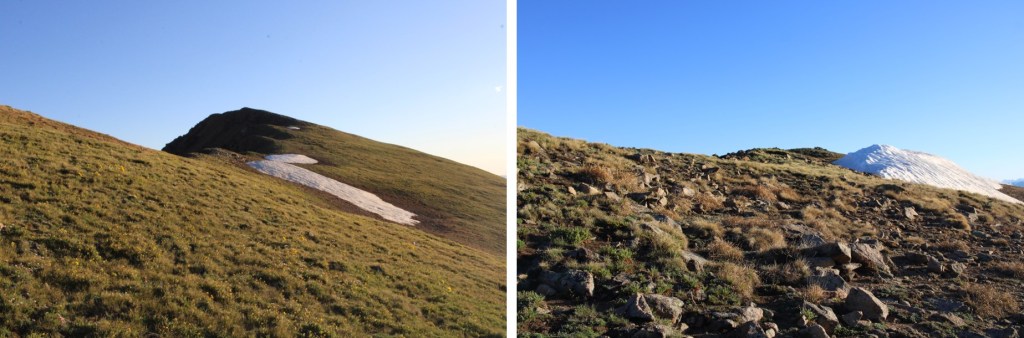
So I backtracked and took the tundra route to the ridge.  This was a fabulous idea, easy going, and I didn’t need a helmet.

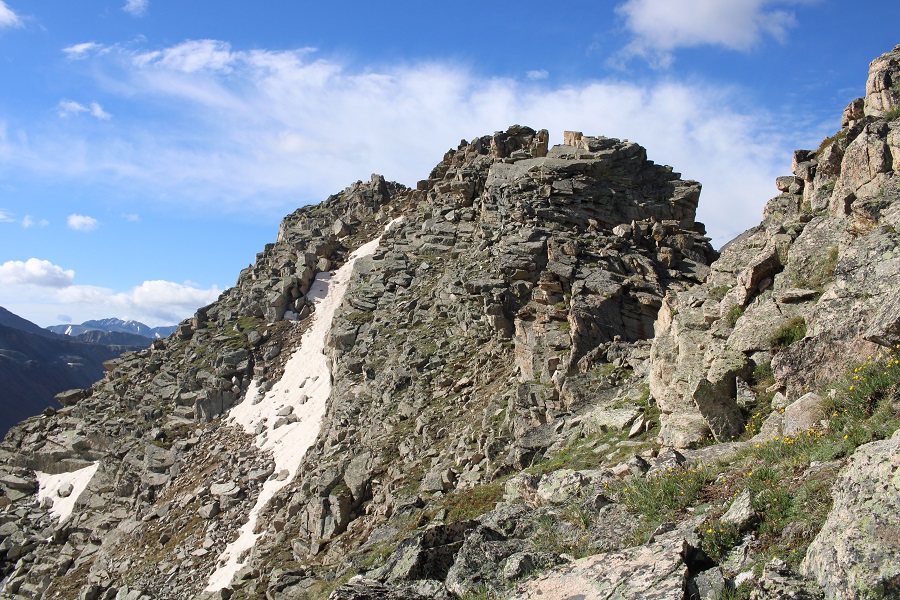
This is what I was trying to avoid, which looks ok from this side, but more spicy from above.  Just take the tundra route.

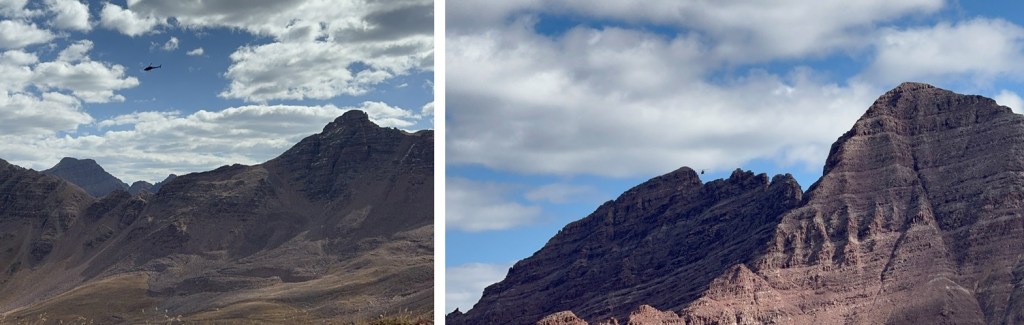
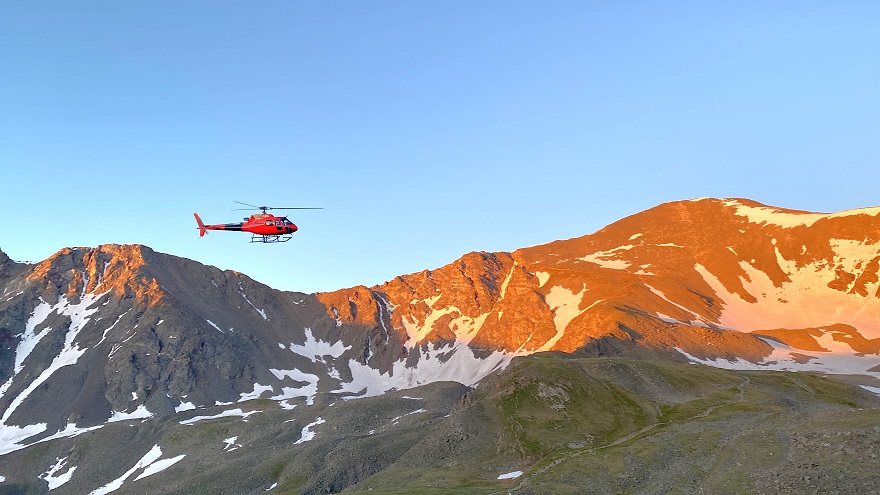
It was here, around 5:30am, when I saw my first helicopter flyover for the day.  It got dangerously close to the mountains, and I was worried someone needed SAR.  All kinds of scenarios went though my head. I knew CFI was doing work in the area, but the post I’d seen a few days ago said they weren’t starting until next weekend (I found out later they posted again with the proper dates last night, but I was already at the trailhead, so I didn’t know this).  I was worried someone needed help, and the helicopter couldn’t find them.  I spend a lot of time looking for someone myself as I hiked.  

Helicopter:

The helicopter came back around about 20 minutes later, and took a different path.  Once again, I was worried they were searching for someone.  Then about 20 minutes after that I saw the helicopter carrying wooden ties, and knew it must be CFI doing trail maintenance.  THANK YOU CFI!

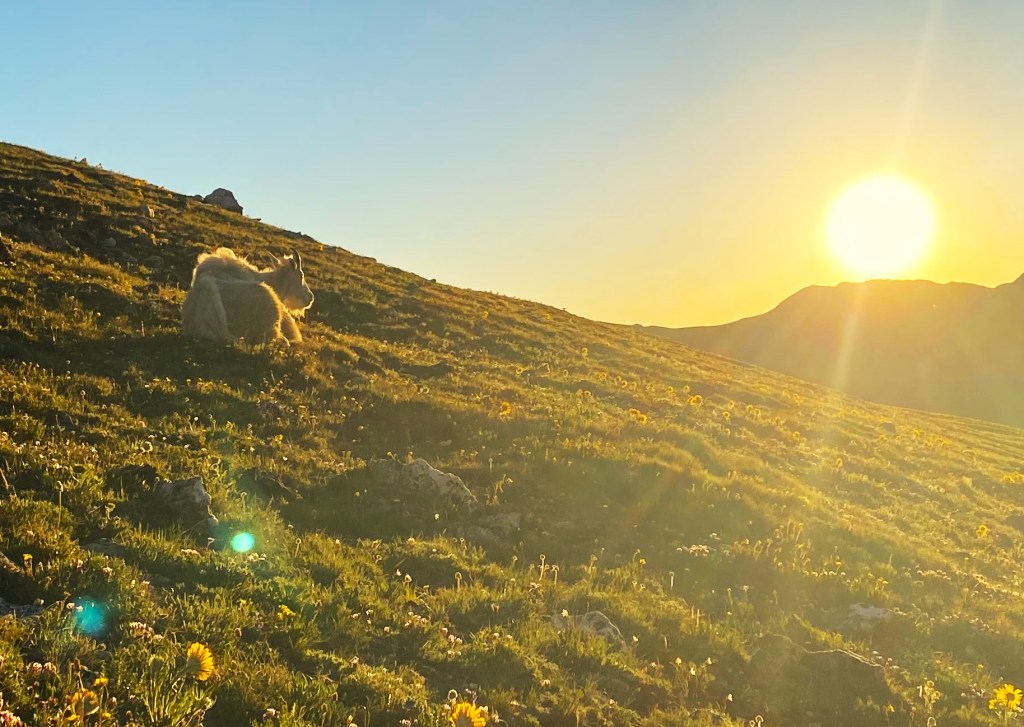
Once on the tundra, before gaining the ridge, I came across some mountain goats lounging, watching the sunrise.  I stood there and watched it with them.

Then I continued on towards the ridge

After making it to the ridge, I followed it northeast to the summit.  This was a simple ridge walk on tundra.

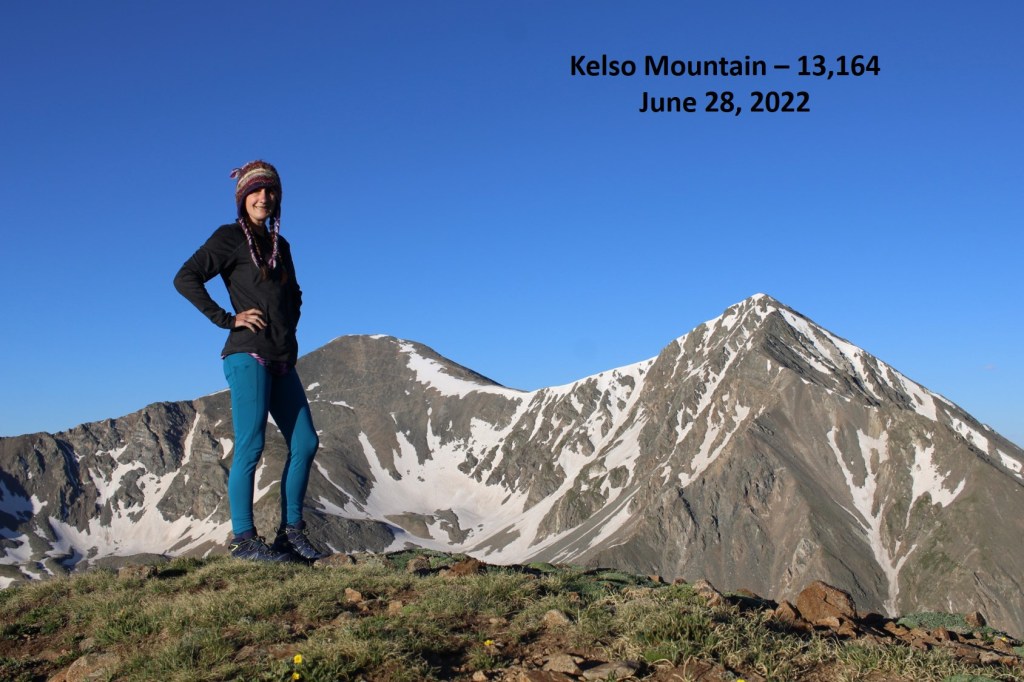
I summited Kelso Mountain at 6:30am

Kelso Mountain:

At the summit cairn there was a journal that was recently placed there.  I know some people get worked up about this type of thing, but it’s there for a good cause, and it will be taken back down.  Needless to say, I text the man battling cancer a good morning, and sent him pictures of the goats. 

Then I retraced my steps back down the ridge

I left the ridge at 11250’ to head back into the basin.  I aimed southwest, towards the obvious Grays and Torreys Trail

The goats were still lounging around, so I stopped for a bit to enjoy their presence.  They seemed unbothered by the flyovers.  I didn’t get too close, but it was neat they were so relaxed.  The views were incredible.

After a few minutes I got up again, and headed down the tundra to the trail below, noticing there were tons of people hiking like ants below.

Once back on the trail I realized it was still early, and considered Grays or Torreys or both, but I had a 10am meeting I needed cell service for, and I wasn’t 100% sure I’d have it on the mountain, so I headed back to the trailhead.

Check out the CFI helicopter picking up ties

I made it back to the trailhead at 7:30am, and the parking lot was already full.  It’s a Tuesday.

I got back to my truck at 7:30am, making this a 6.32 mile hike with 1937’ of elevation gain in 3 hours.  This would be an easy addition to Grays and Torreys.

On to my meeting!

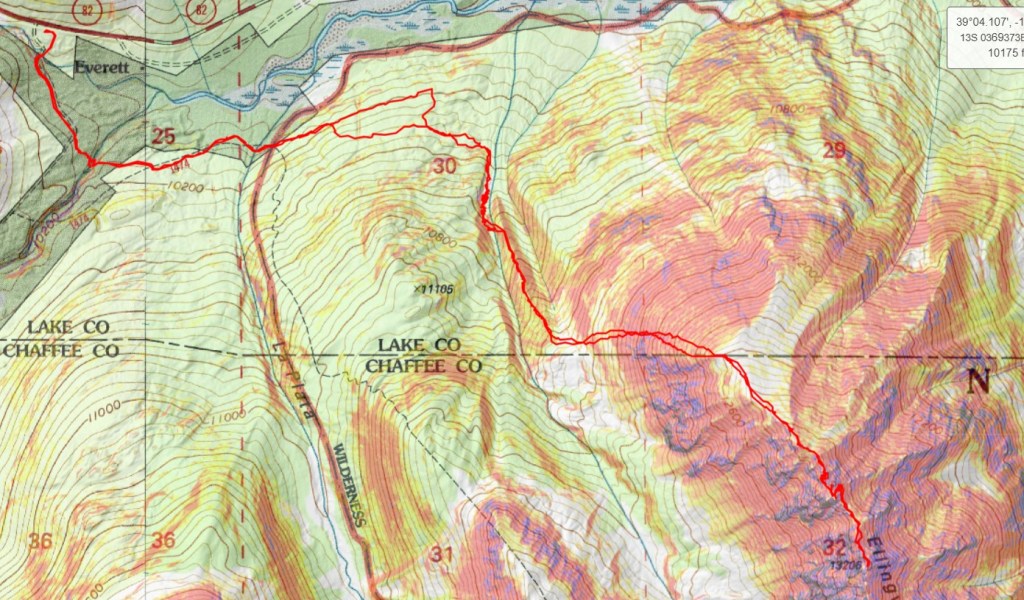
Ellingwood Ridge – 13,222

Rt Length: 9.9 miles

Elevation Gain: 3622’

I’d been crying all day, so when I made it to the trailhead I was quite the mess.  My eyes were swollen, my nose was red, and I was tired.  My 23-year-old daughter coaches color guard, and last week, one of her team members was murdered.  I’m not going to go into the details of what happened (news article here), but my daughter wanted to be at the viewing and also at the funeral to support her students.  I wanted to be there to support my daughter.  She was determined to make sure she talked with each and every one of her students individually, which meant we were there a long time.  I watched high-schooler after high-schooler break down in front of the (open) casket, crying, some uncontrollably.  There was a slide show of the best moments of her 17 years scrolling, with several pictures including my daughter.  When all of the guard members were there, they held hands and stood in a semi-circle around the casket, grieving together.  This was one of the hardest things I’ve had to witness in my life, and I was just on the sidelines.  I was mad, angry, hurt, confused, and so many other emotions I can’t put into words, for everyone involved.  I cried excessively during the entire funeral, my arm around my daughters’ shoulder, trying to comfort her as well.  I dropped my daughter off at the airport (she’d been in Georgia for the summer, and flew back for the funeral), and drove to the trailhead.   I needed a hike, as I had a lot to process. 

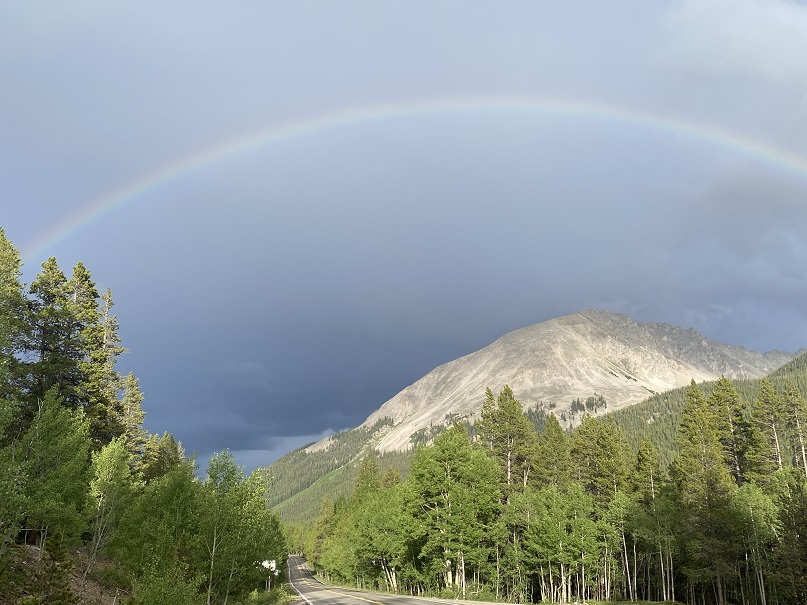
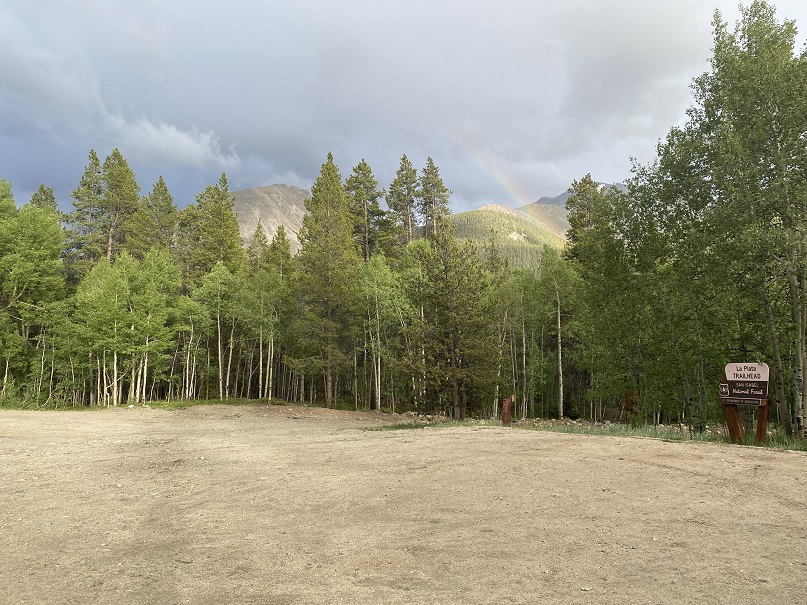
When I got to the La Plata Gulch Trailhead it was raining, but after a few minutes a rainbow came out.  I needed that rainbow.  I also needed sleep.

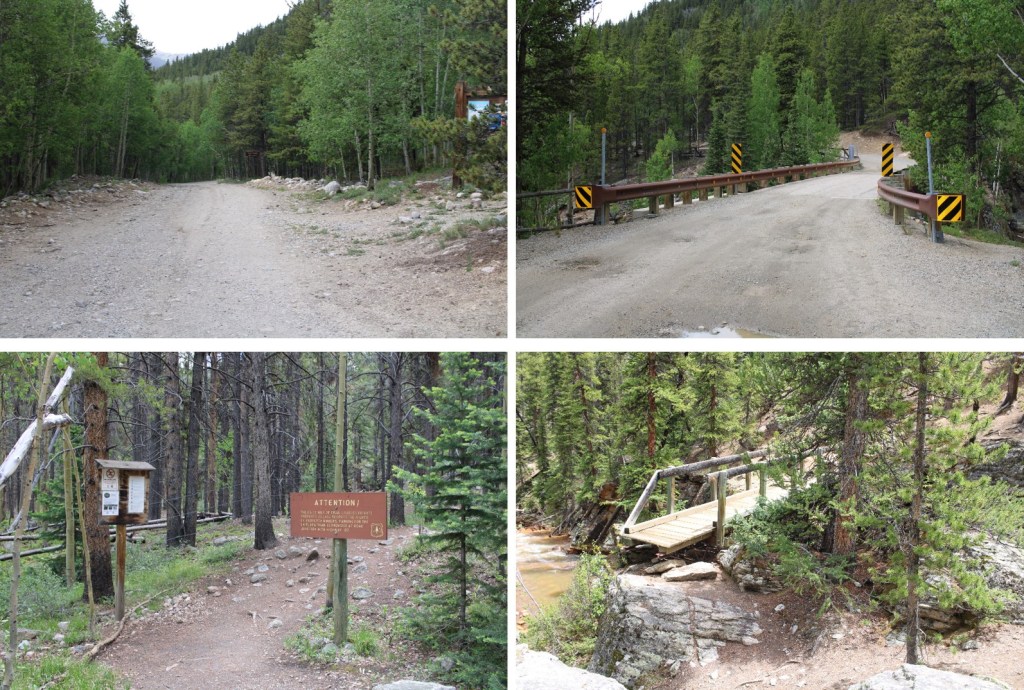
I went to bed early, and was on the trail at 4:30am.  The trail begins by following the La Plata Gulch Trail

After following the trail for 1.3 miles, and after the second bridge crossing, there was a faint trail I took to the left

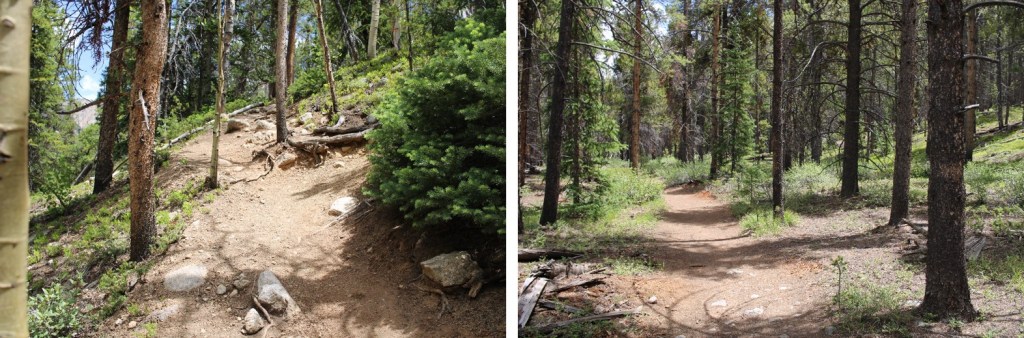
I followed this faint trail until I came to a third creek

At the creek the trail stopped, so I turned right and followed the creek.  It’s important not to cross the creek too soon! 

The creek had a lot of deadfall, but there is a faint trail that can be navigated.  I followed it until just after I saw this large rock formation on the left, at about 10630’.

AFTER this rock formation I crossed the creek, and made my way to a small ridge

I followed this ridge to treeline

At treeline, to my left I could see my route to gain the ridge. 

This is the route I took… up an obvious gully.

I started out rock-hopping on unstable rocks, which gave way to a scree and raspberry bush filled gully, which gave way to tundra.

I followed the tundra southwest

This is where the hike gets interesting.  I’ll show you the route I took that worked (I tried a couple of different things that didn’t, so I have a messy GPX file).  First, I put on my helmet for some rock hopping

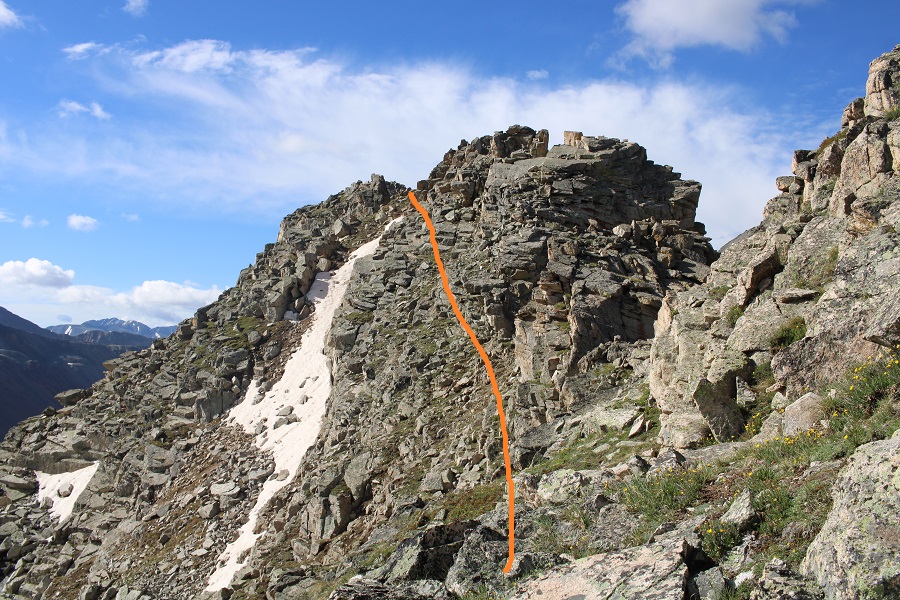
Then, I went straight up the face of this

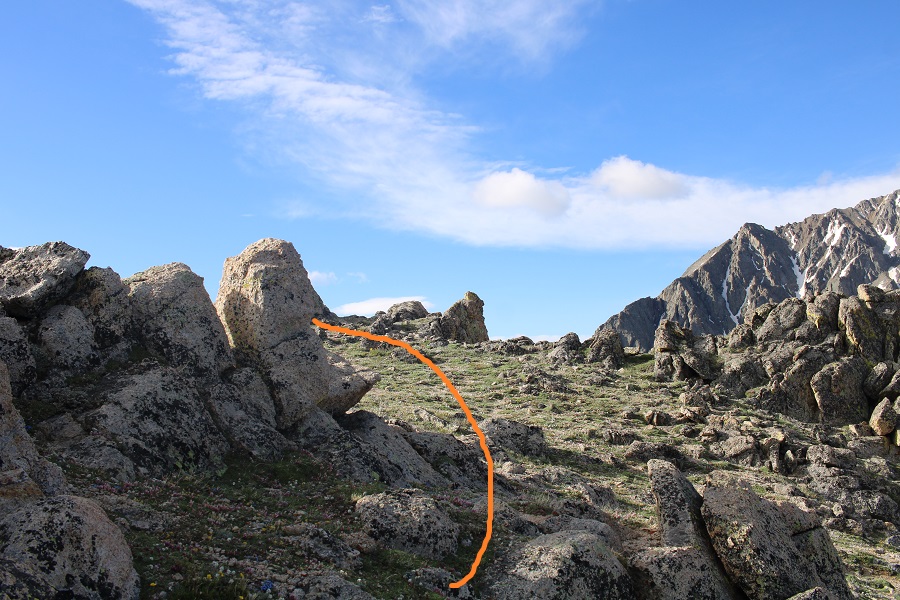
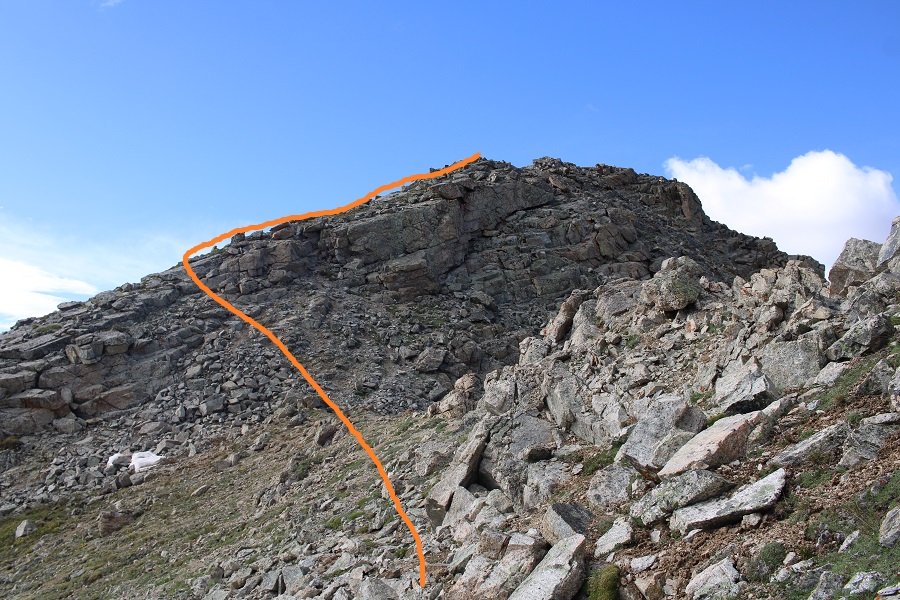
And then class 3’d this ridge to the right.  Notice the cairn in the red circle?  I erroneously assumed this was the summit of Ellingwood Point, but it isn’t.  In any event, DO NOT aim for that cairn.

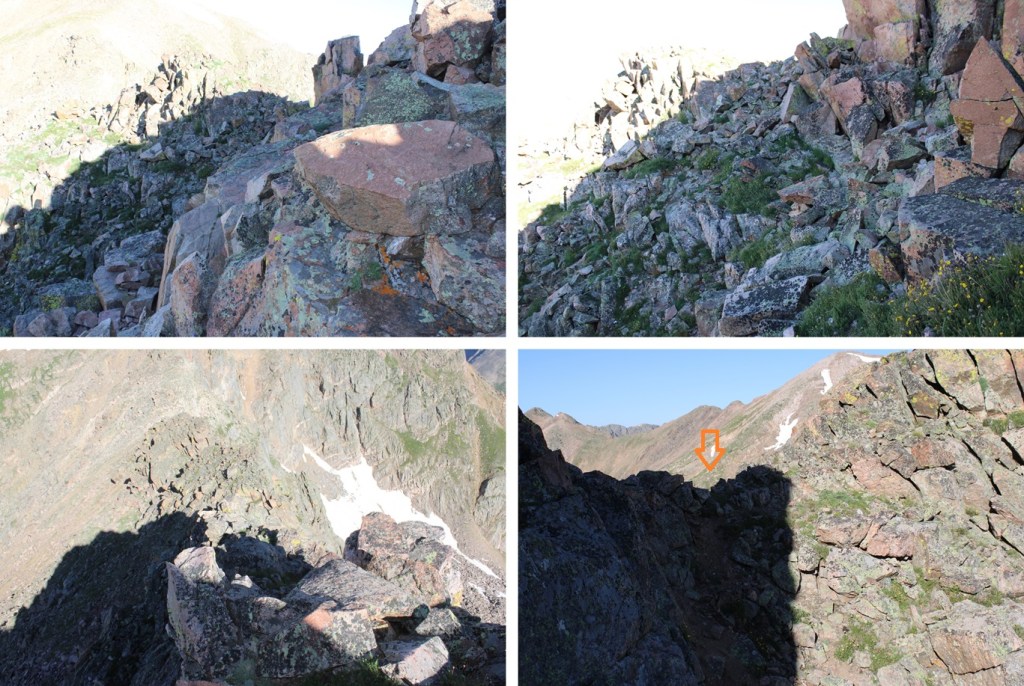
Instead, you’ll encounter some class 3-4 scrambling as you go under the ridge, losing about 50 feet of elevation. 

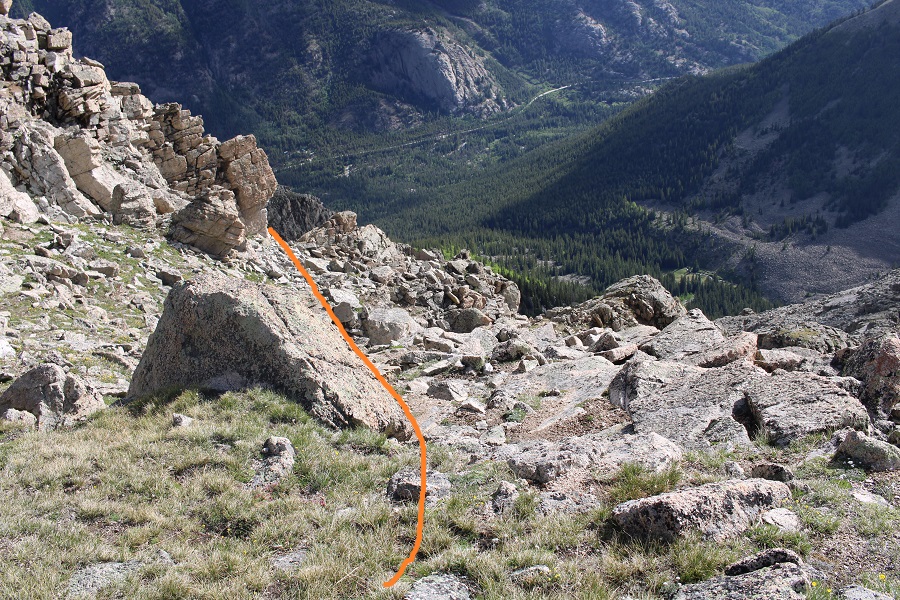
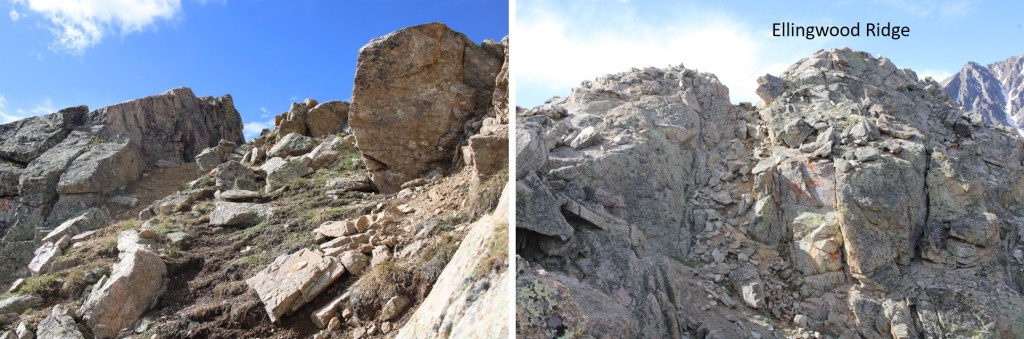
I descended down what I felt was a class 4 chimney, before turning left and finding a somewhat grassy ramp that turned to rocks and took me back to the ridge

Just before reaching the ridge, I saw another cairn, and what I thought would be the summit of Ellingwood Ride.  This is also not the accepted summit.  DO NOT follow this cairn. 

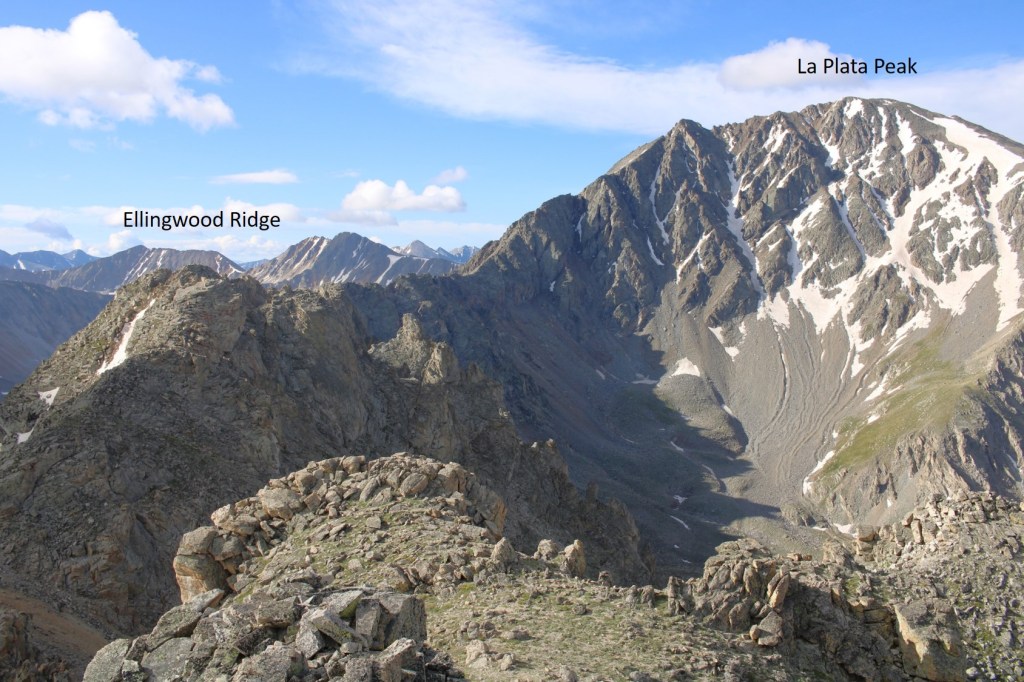
However, when I made it to this point I could clearly see it was about level with the OTHER point I wasn’t supposed to summit (here’s looking back)

When I turned and looked south, I could see the true summit of Ellingwood Point.

The route wasn’t straightforward.  I made my way down, and over to the ridge.  I then lost 115’ of elevation as I made my way towards Ellingwood Point.  Here’s my overall route

Here are some step-by-step pictures

Make sure you choose the correct gully to descend!  It’s not the first gully you encounter, but the second that ‘goes’
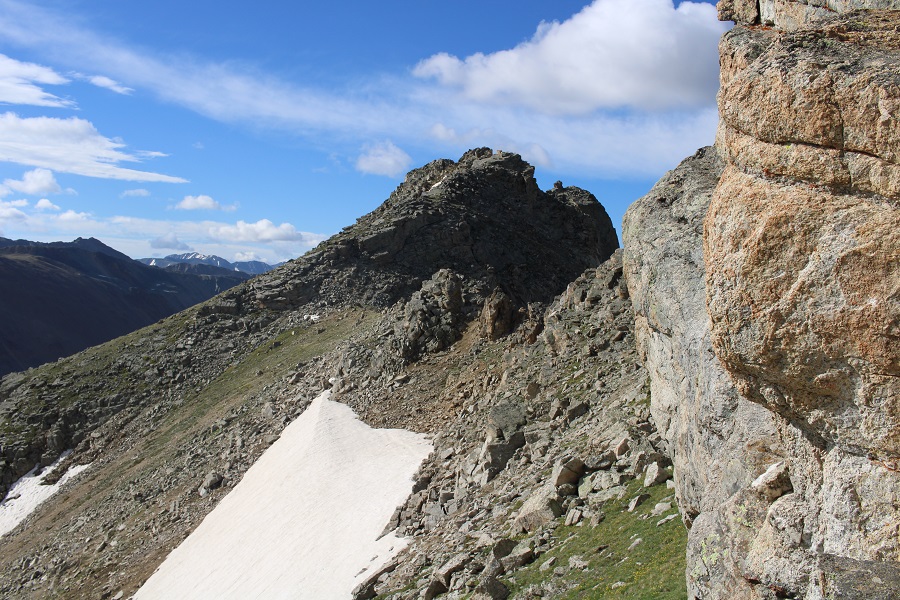
Then I turned right and made my way towards the saddle, staying above the snow

At the saddle it was choose your own adventure up

I think the traditional route is to take the gully up, but it was covered in snow, so I made my way on the rocks until it was safe to use the gully, quite near the top.  This is the route I took

I did encounter a little bit of snow towards the top, but I was able to navigate around it.  Once at the top of the gully, I descended some class 3 terrain, and re-ascended another short gully

There was a small cairn there, letting me know I was at the summit

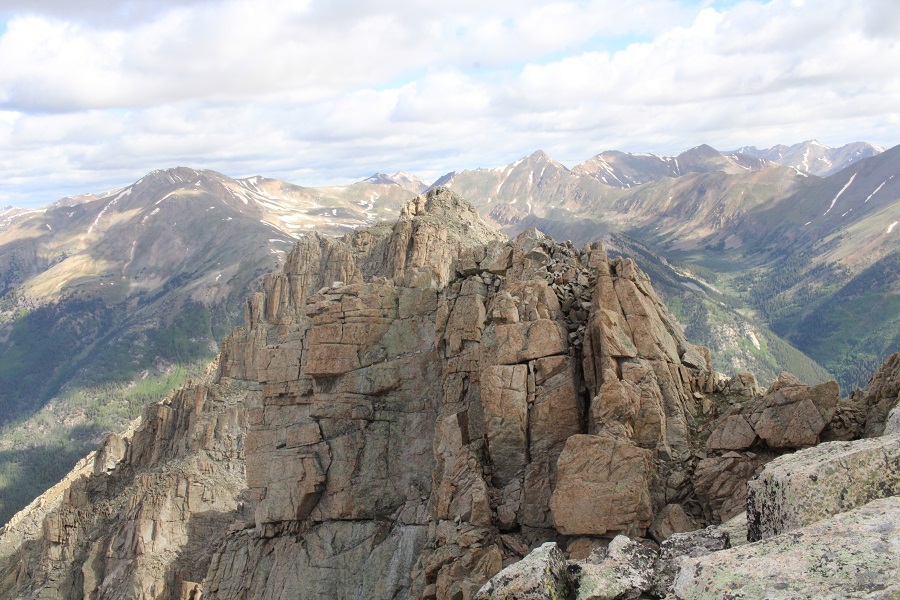
I summited Ellingwood Ridge at 9am

Ellingwood Ridge:

Here’s looking north at the route I took in.  As you can see, it’s difficult to tell where the ‘true’ summit is.

I was making this an out and back, mainly because there was a storm headed my way, so I turned and retraced my steps.  Here are some visuals of the harder areas to ‘figure out’

Looking down the gully, I stuck to the wall and did just fine

Then I made my way back down the ridge, keeping to the right, and heading back up that second gully, which is more obvious going this way, as it’s the only one that ‘goes’

At the top of the gully I once again lost elevation and navigated the west side of the mountain

Here’s looking up at that class 4 gully

And the ridge back to the tundra

The tundra to the rocky gully

And the gully to the ridge

As soon as I hit the ridge it started raining.  I followed the ridge to the stream crossing, then followed the stream back to the trail

Once on the trail, it was easy to follow it back to the trailhead

I made it back to my truck at 12:30pm, making this a 9.9 mile hike with 3622’ of elevation gain in 8 hours.

While I unpacked quite a bit emotionally, I didn’t come up with any answers on the hike, except that it’s important to listen when people tell us something is wrong, and to love each other, as you never know what the other person is going through.  I can’t combat the evil in this world, but I can appreciate and acknowledge, and even contribute to the good.  I raised a daughter who chose to go out of her way to be there for her students, when it would have been easy to say something like “I’m all the way in Georgia”, “I don’t do well with death”, “I can’t afford the trip” or “I don’t do well with funerals” and not show up.  She showed up and she supported her students as they grieved, and even shared some of her favorite memories of Riley with her parents.  That’s something to be proud of. 

On to the next trailhead!