To see the approach, view my previous post of Mt Nebo from Beartown, as this was the second day of my trip. Or, if you’re only doing this peak, the hike in from Beartown to the Nebo Creek Trail is easy to follow, and described on my descent.
I was up and on the trail at 6:30am, startling a small herd of elk as I opened up my tent. I continued following the CDT east, down towards West Ute Lake. I lost about 700’ of elevation as I headed back down to treeline. This is an easy to follow, class 1 trail.
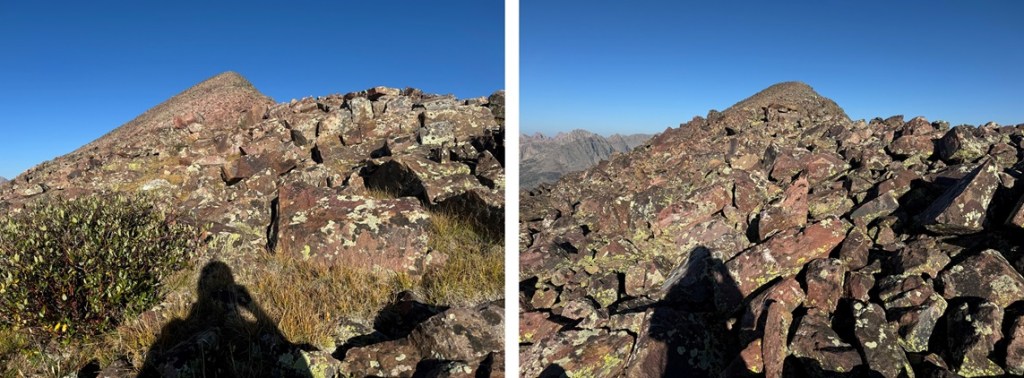
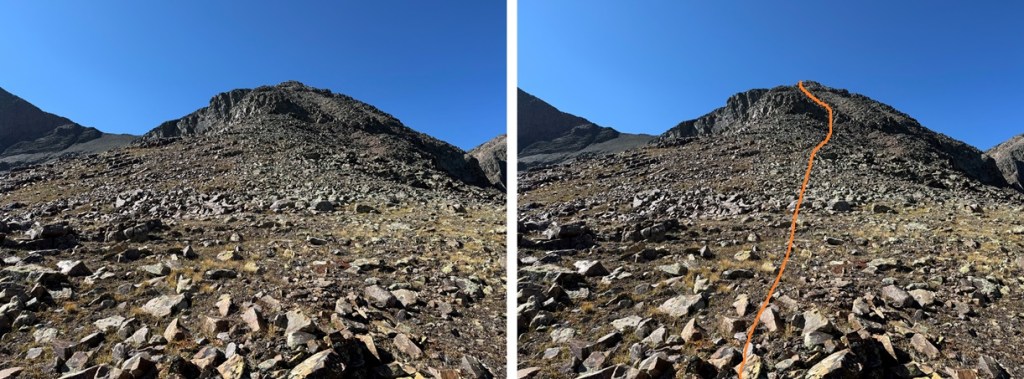
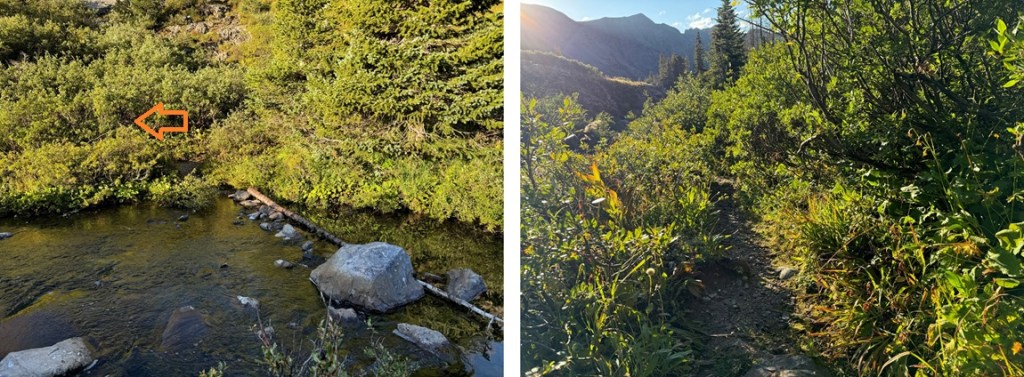
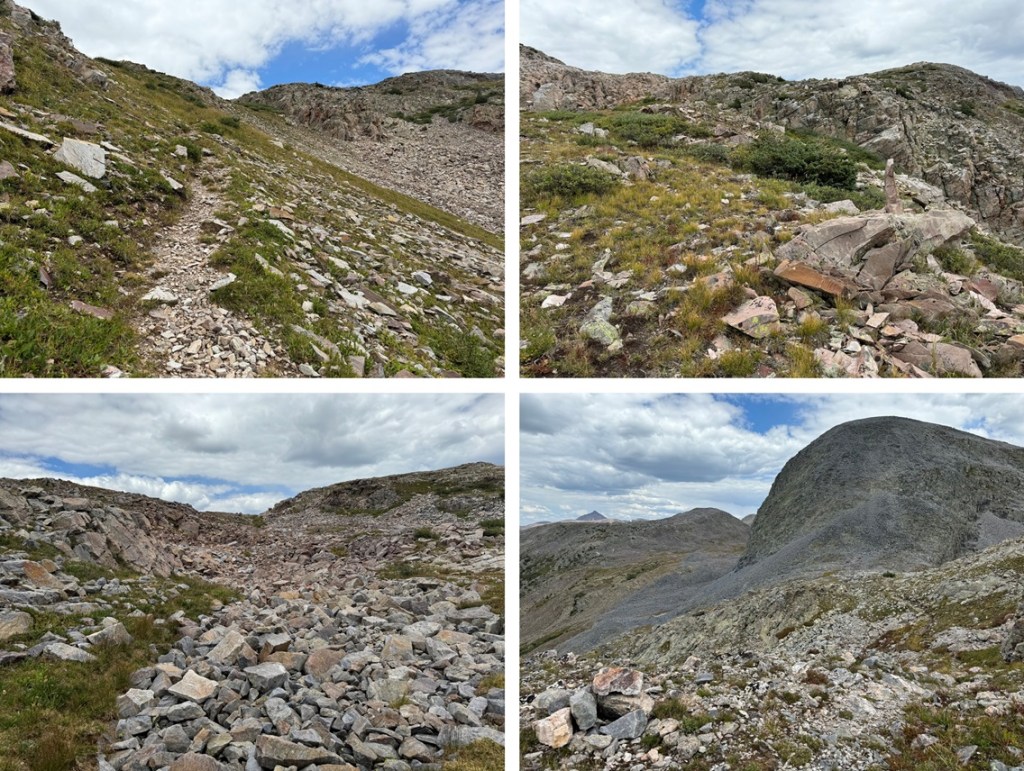
From West Ute Lake, I could see PT 13171, and I followed the trail up to the saddle. From this vantage point, you can see 3 notches in the ridge to the peak. The first notch is class 2, the second is class 3 or 4 (depending on the route you choose), and the third is class 2.
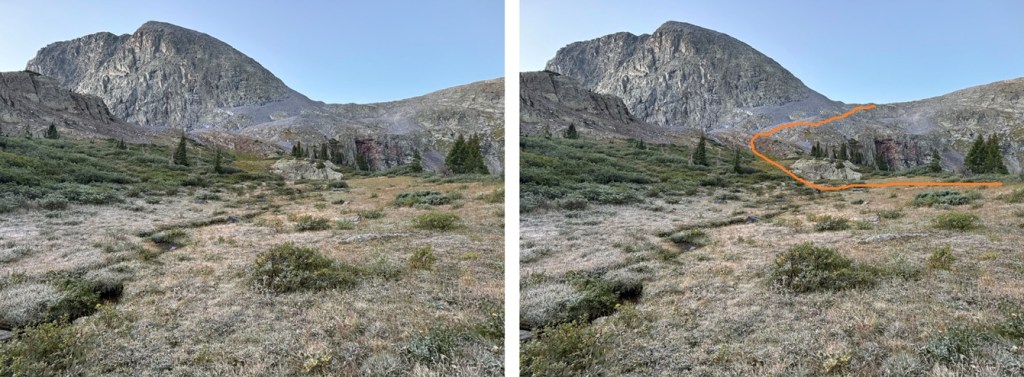
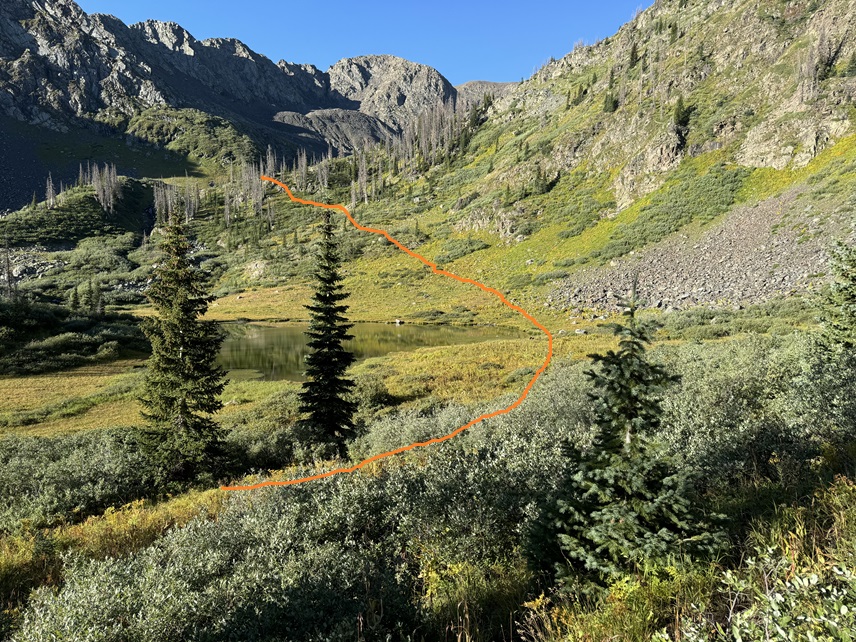
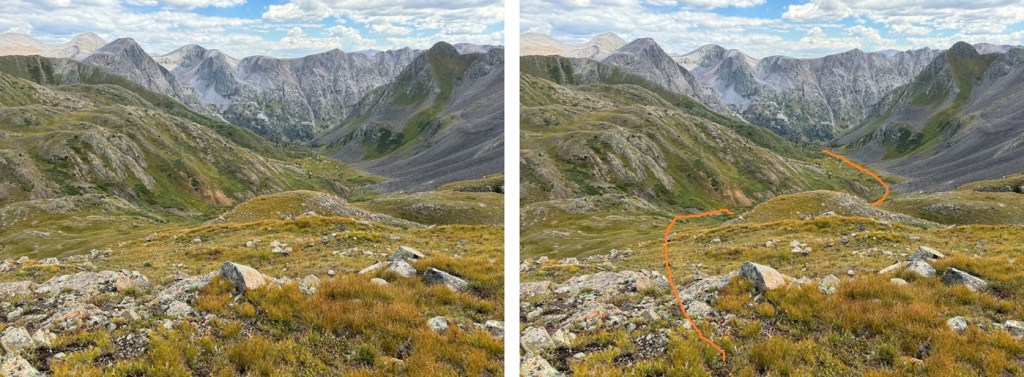
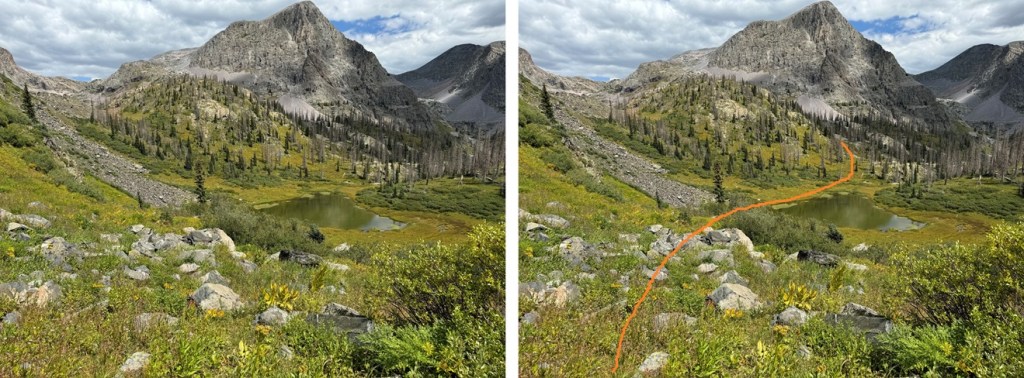
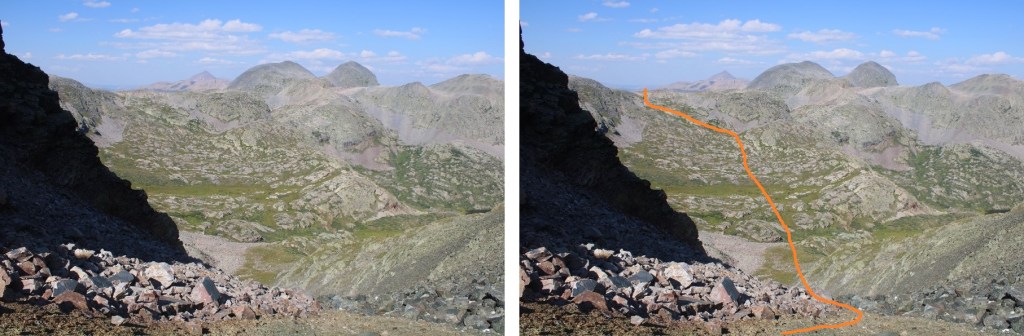
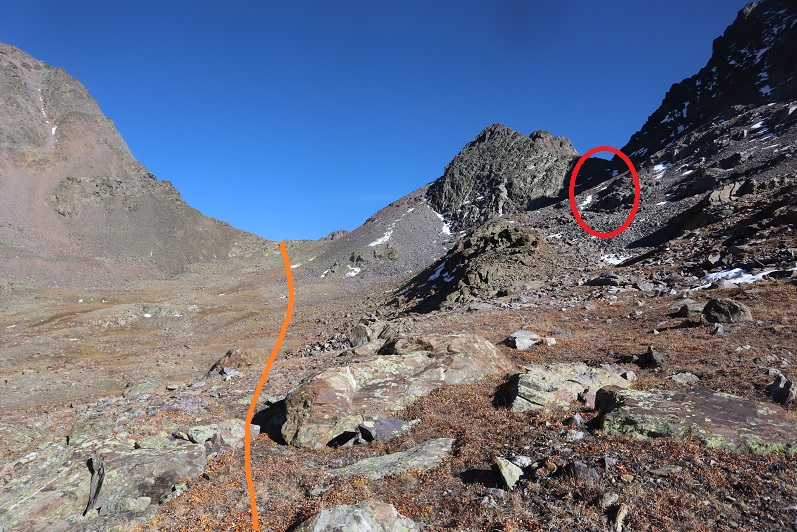
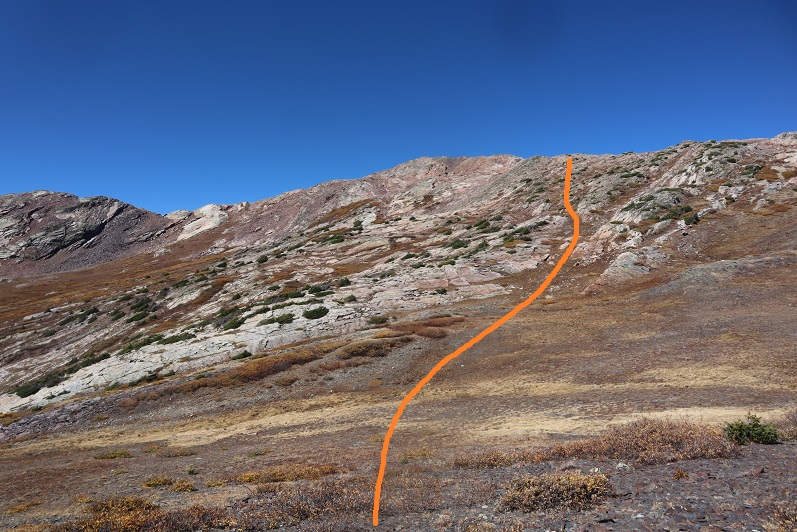
At around 12250’ of elevation I left the trail, and headed for the ridge, doing my best to avoid the willows. The route here is all class 2, and you can pretty much pick any line of tundra and it will get you to the ridge. This is the route I took:
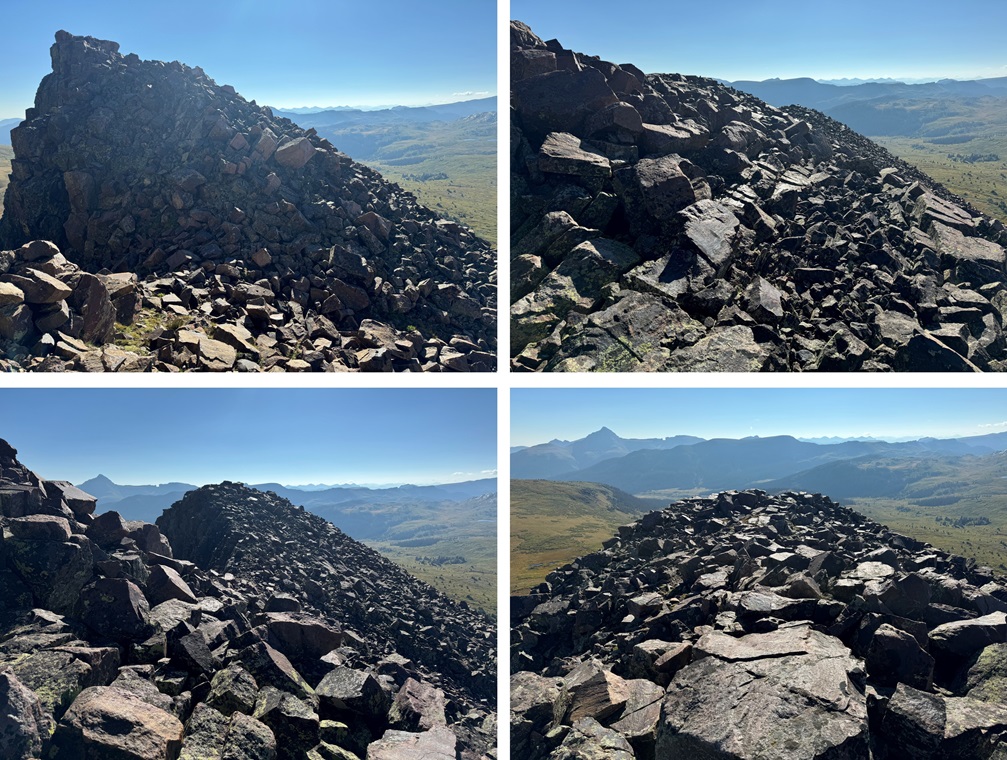
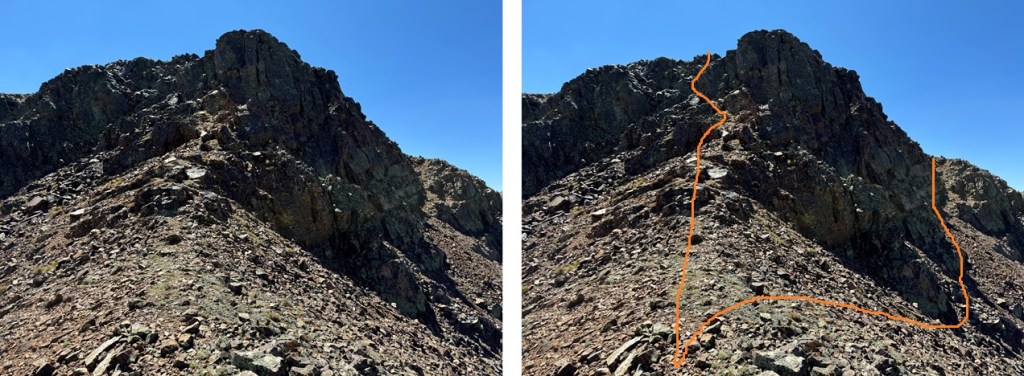
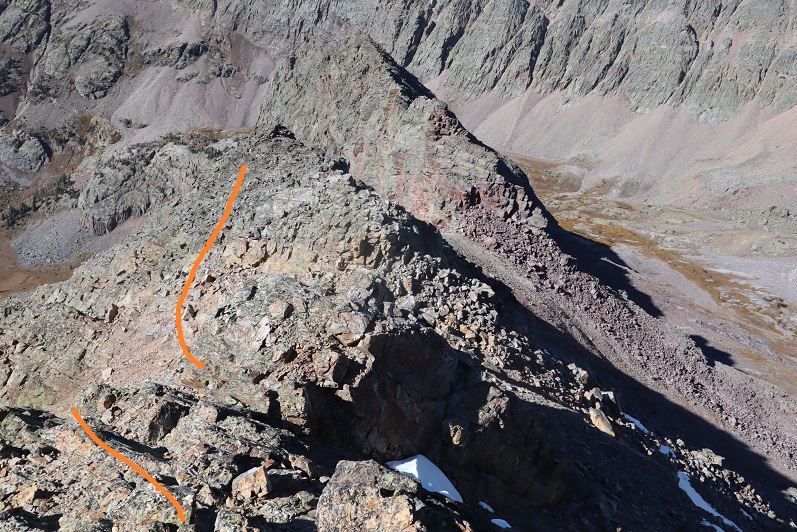
Once on the ridge, I turned right and followed it west. The ridge was rocky, but went at class 2 (except for the second notch). The first notch was an easy class 2 walkaround.
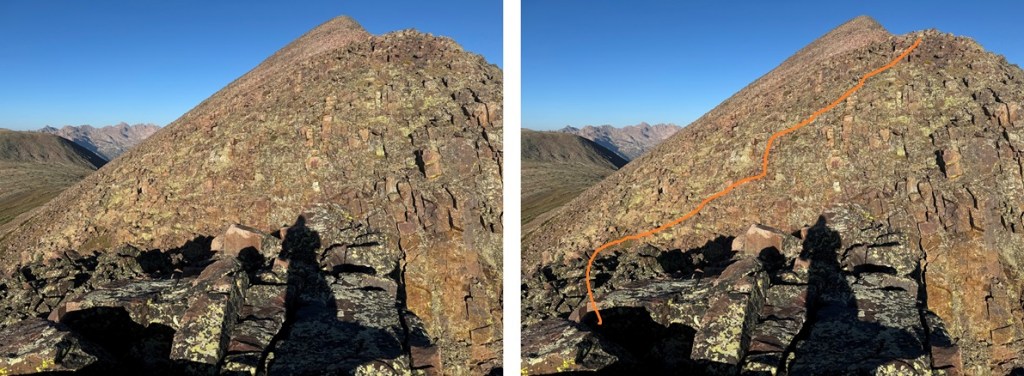
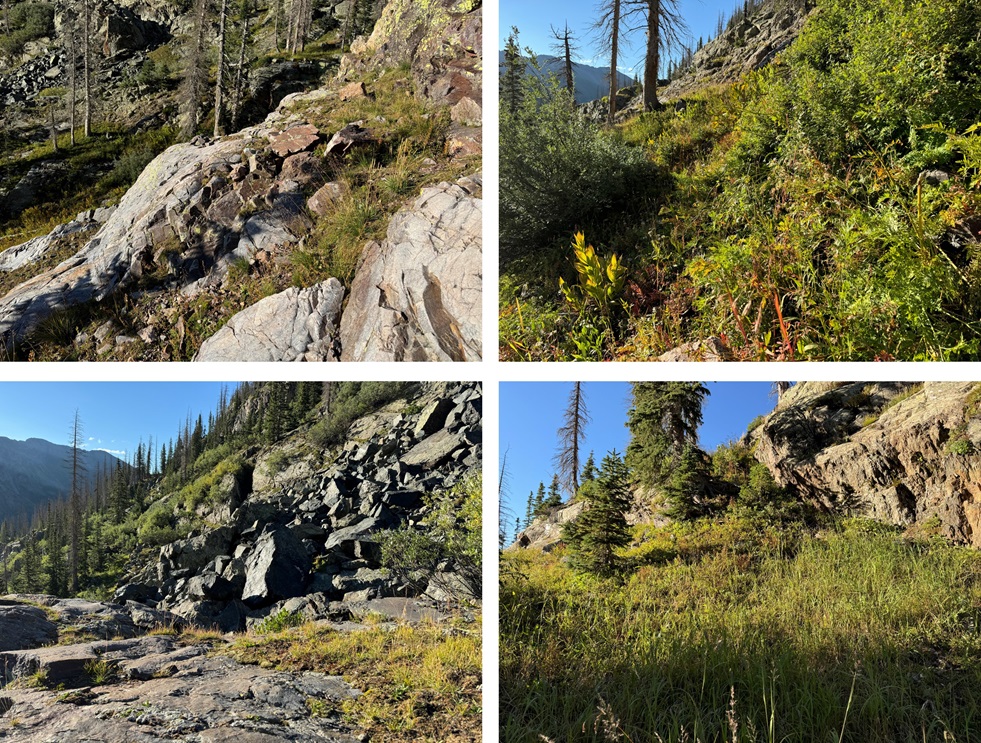
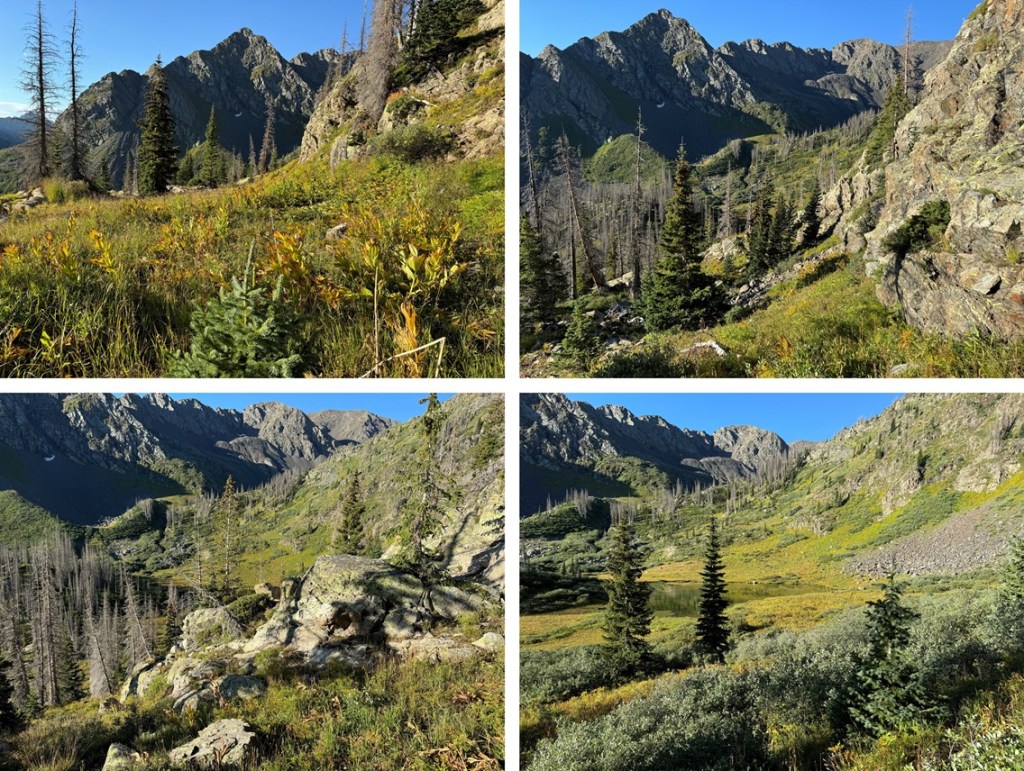
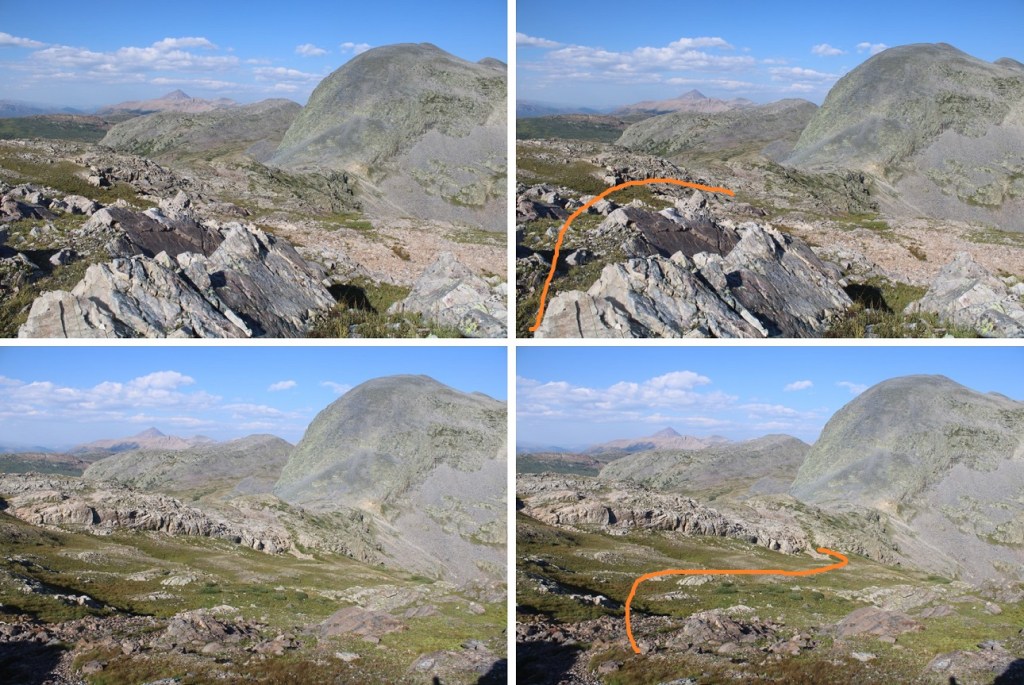
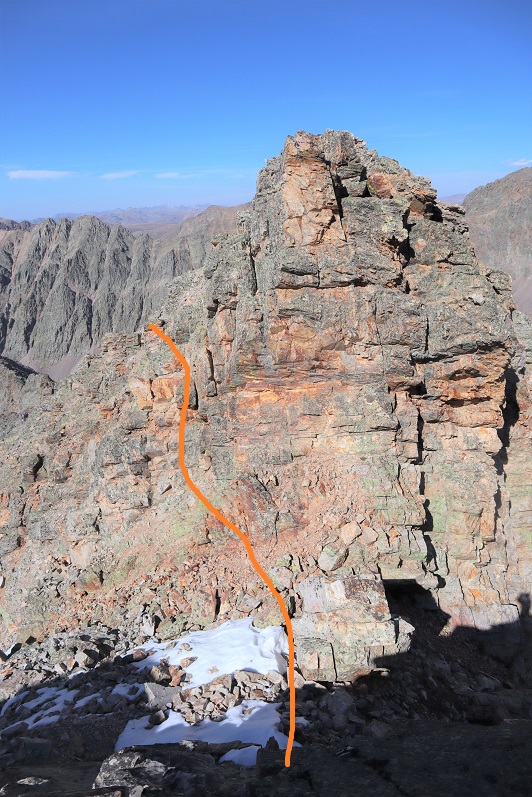
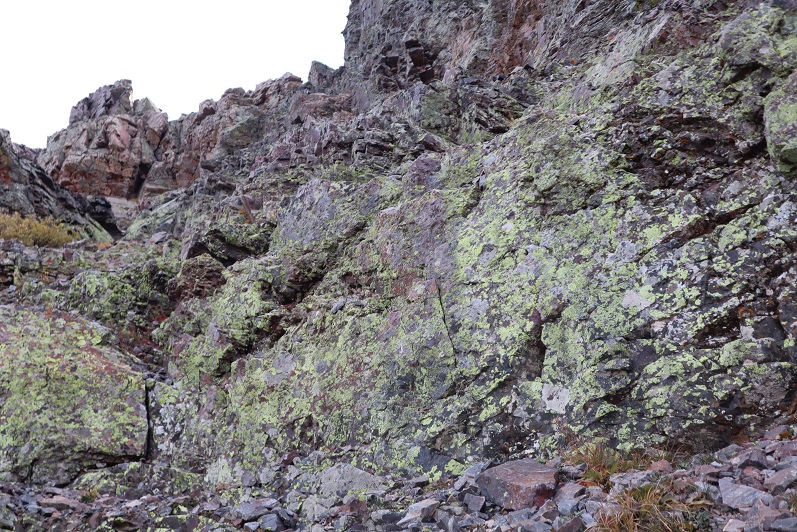
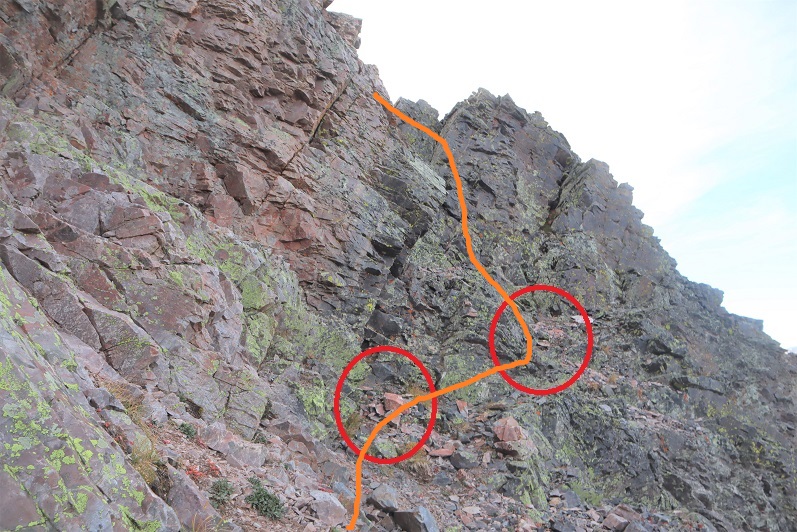
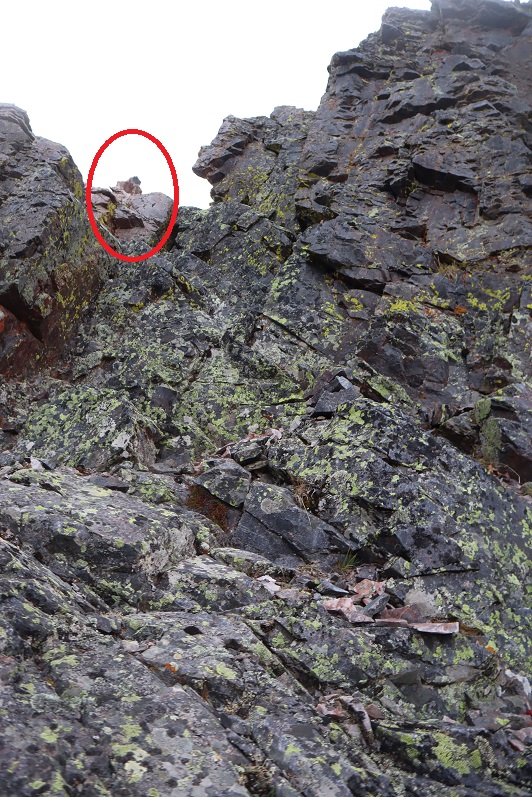
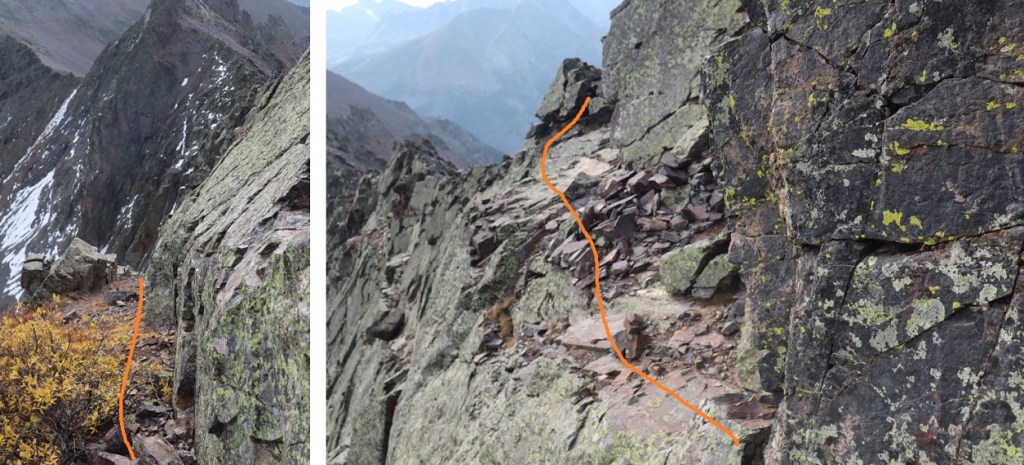
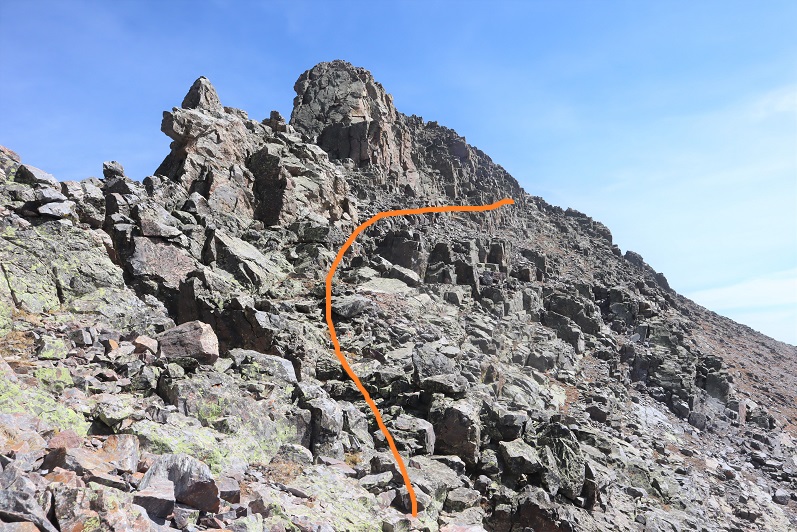
The second notch was an easy downclimb, then a choose your own adventure upclimb. I kept it class 3 by staying to the right of the white rock. The rock was solid, but there was also a lot of talus littering the solid rock. This is the route I took:
I made my way back to the ridge
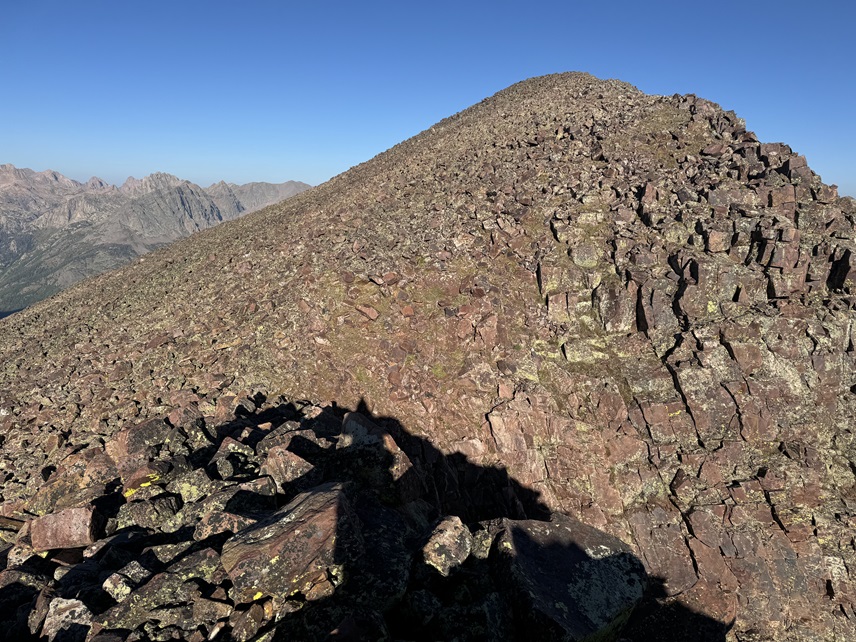
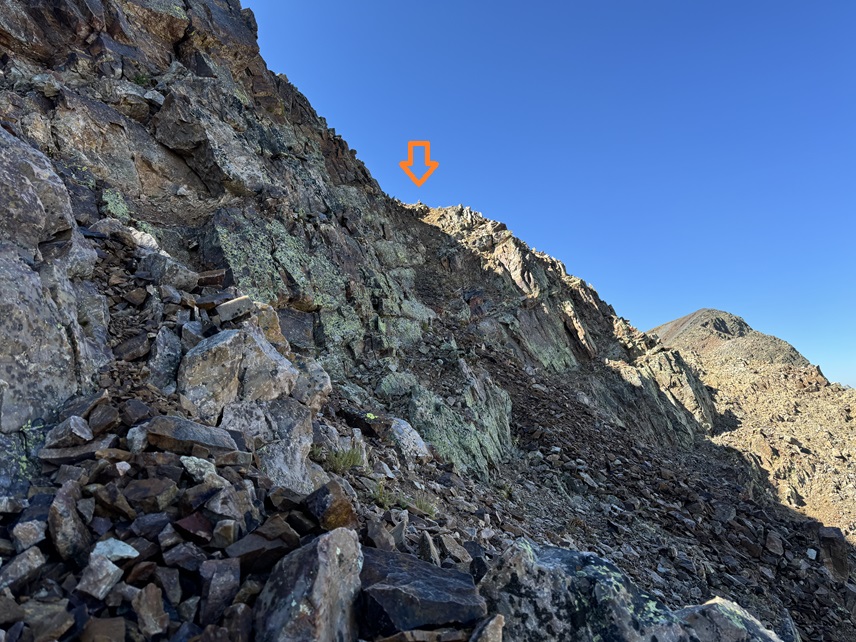
Here’s a look at that third notch, another easy class 2 workaround by going left
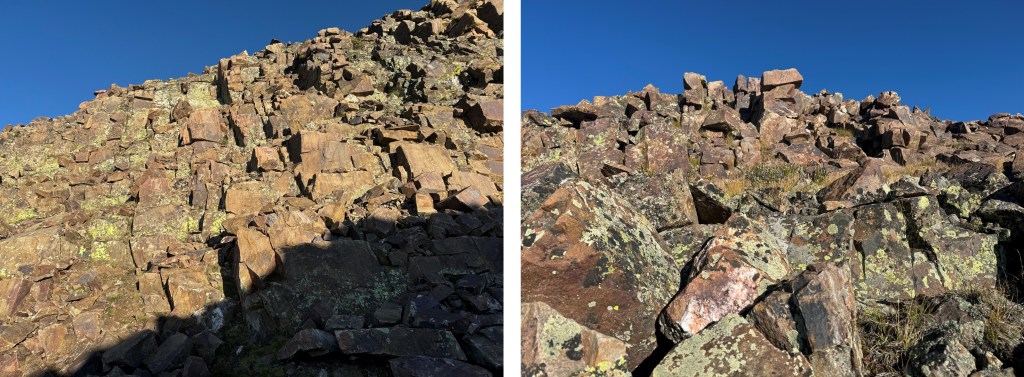
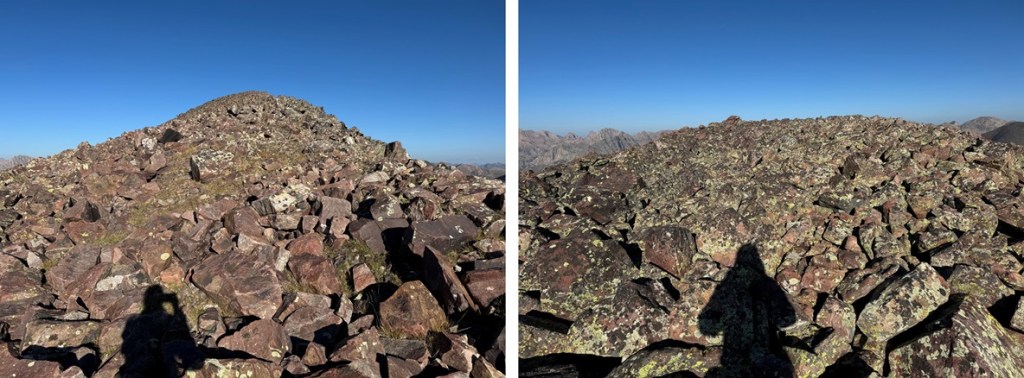
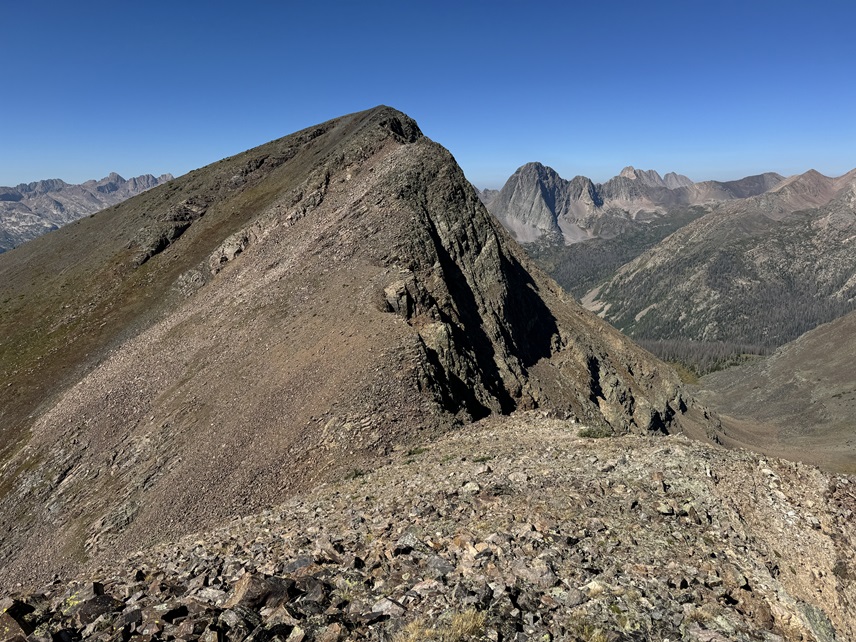
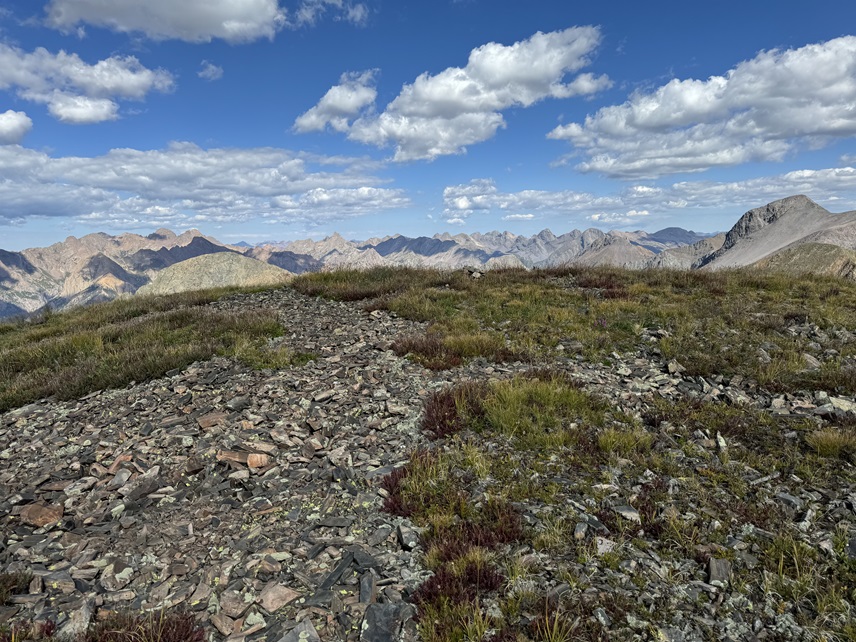
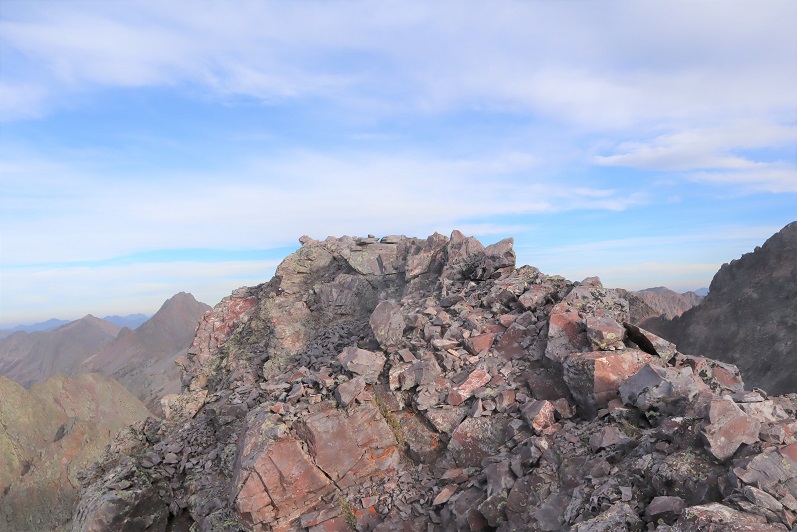
Then it was a rocky, class 2 hike to the summit
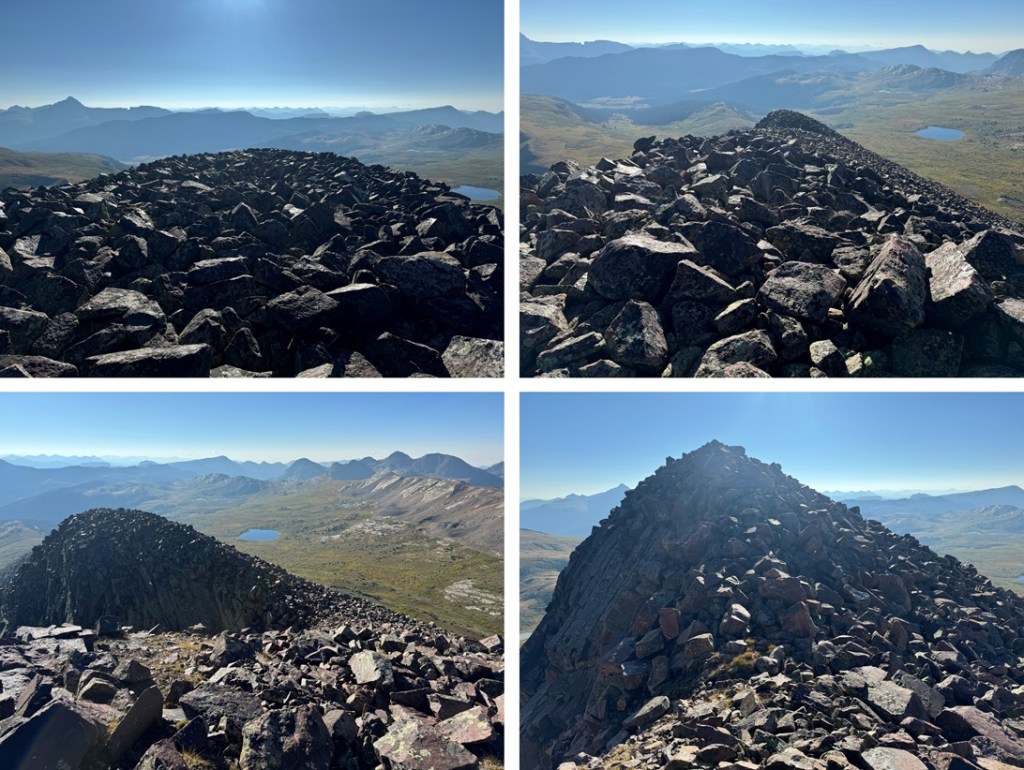
I summited PT 13171 at 8:30am
PT 13171:
This was my only peak for the day, so I re-traced my steps back down the rocky ridge
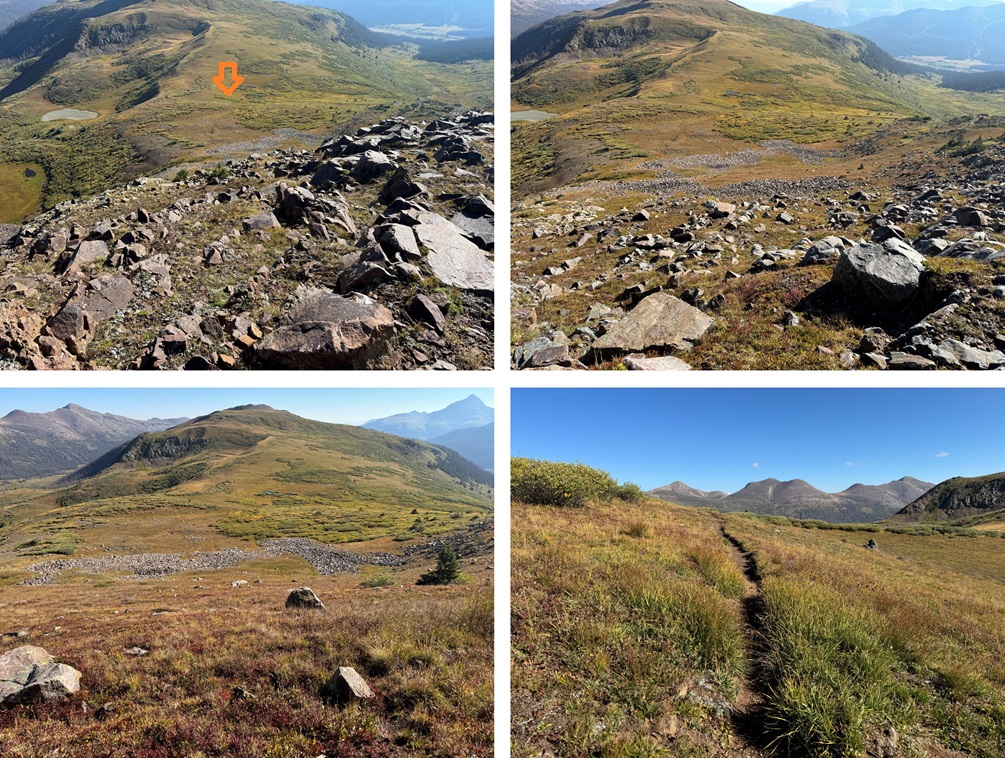
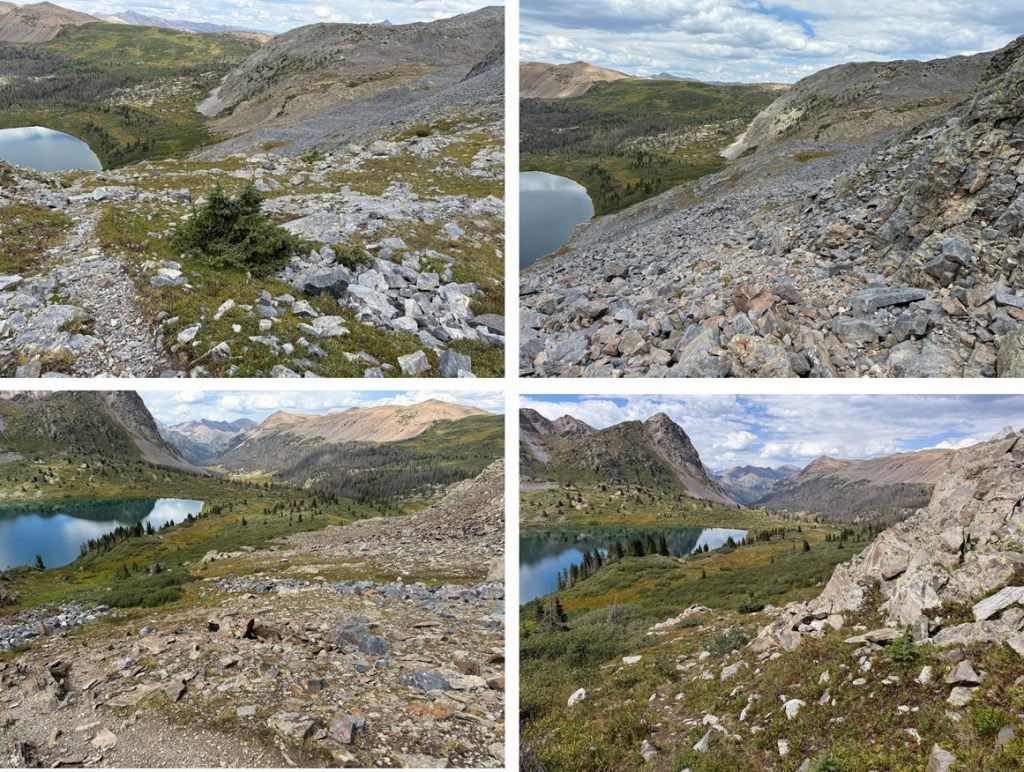
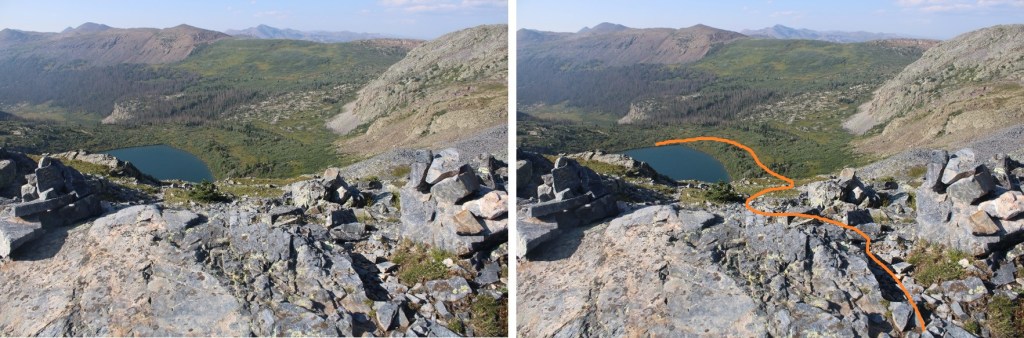
Then I navigated my way down off the ridge, back to the CDT
Back on the trail, I followed it forth (then northwest as it curved)
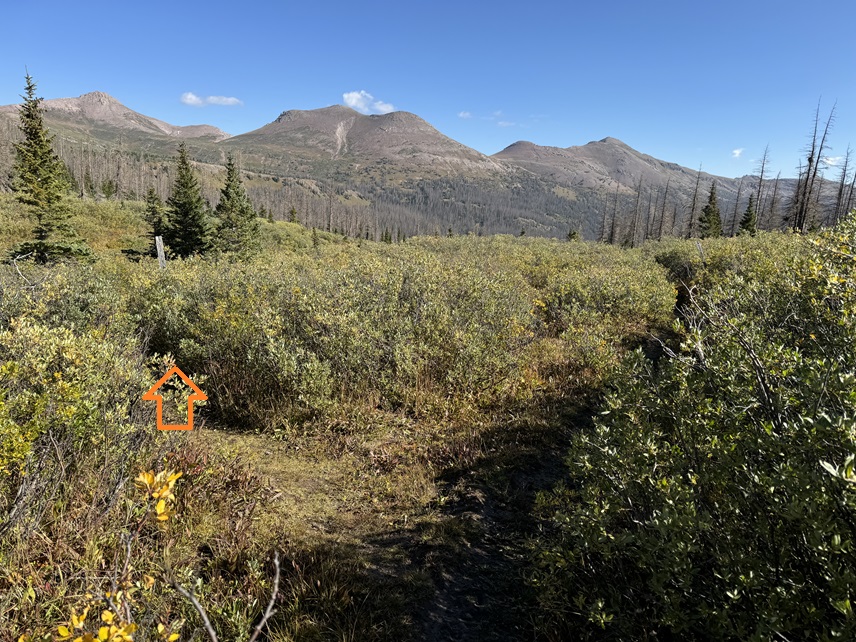
There was one point where the trail intersected with the West Ute Trail, just after West Ute Lake. I didn’t notice it on my way in, but if you notice it here, go left.
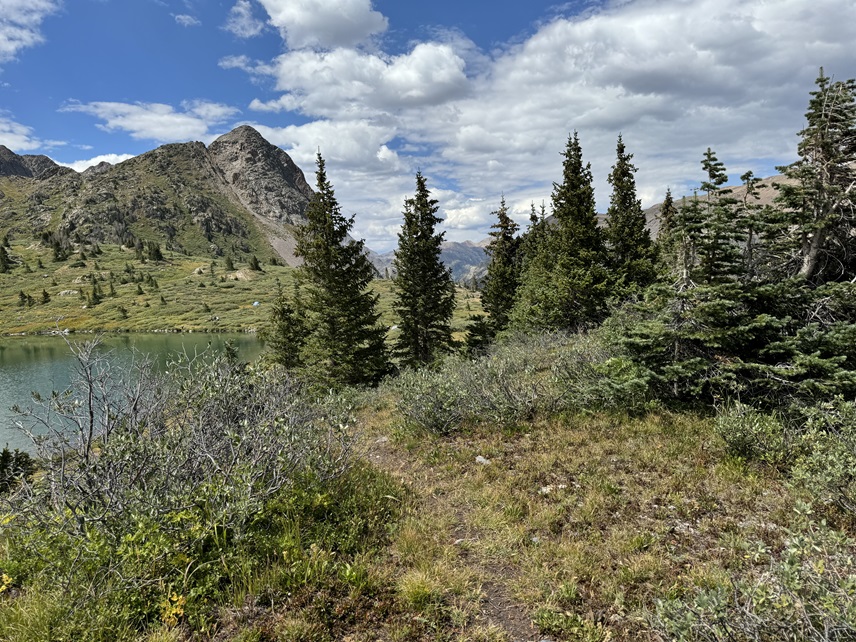
I made it back to treeline, then gained 725’ of elevation back to my campsite at 12500’
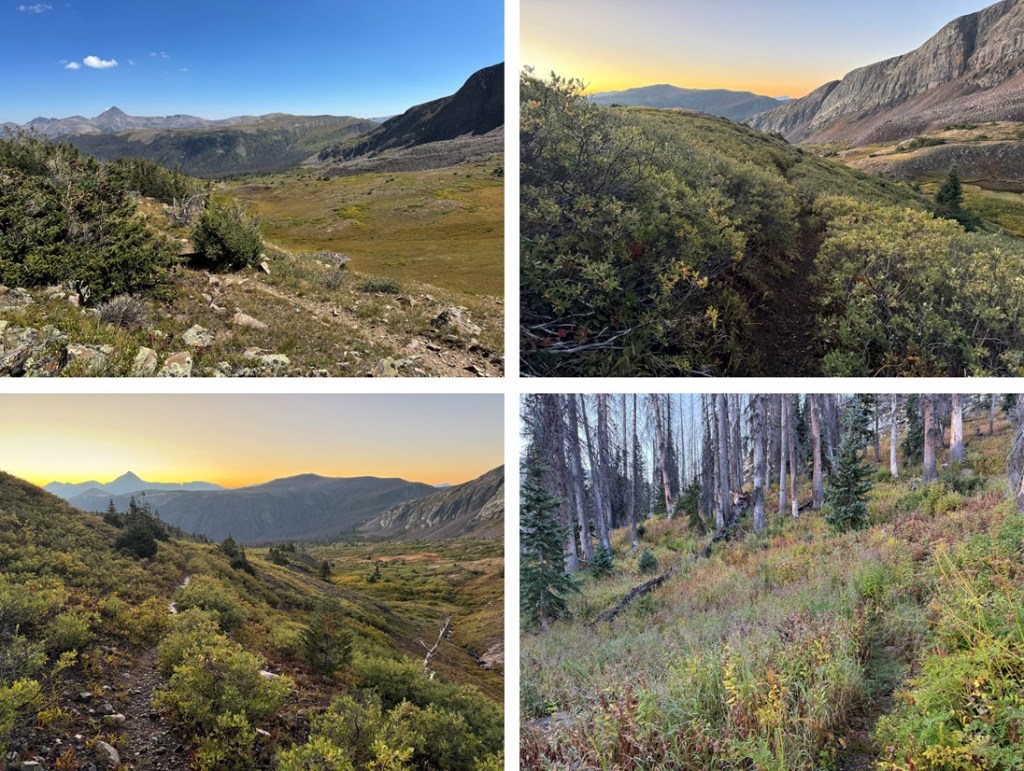
I took down my tent, and continued hiking west on the CDT, towards Vallecito Trail.
Once I made it to the Vallecito Trail, I turned right, and followed it north to Hunchback Pass, gaining 955’ of elevation up to the pass
Then I continued following the trail back down to Beartown, and my truck.
I made it back to Beartown at 1:30pm, making this a 13.85 mile hike with 3207’ of elevation gain, including campsite tear down, in 7 hours.
I was up and following the 4WD road towards the Hunchback Trailhead at 6:30am. It was cold because it had rained the night before, and everything was covered in a film of ice. I followed the road for 1.5 miles to Hunchback Pass Trailhead.
I then followed the trail another 1.5 miles to Hunchback Pass
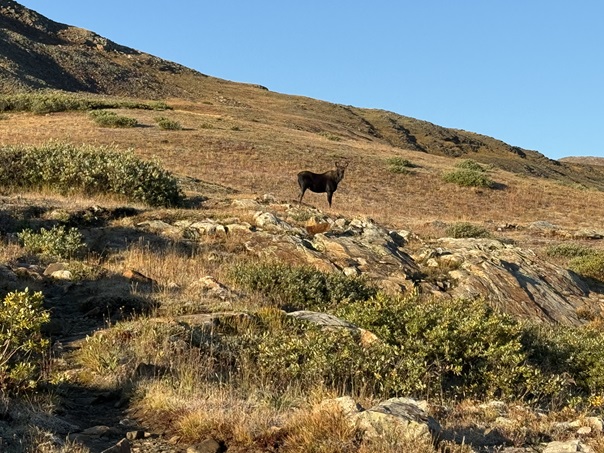
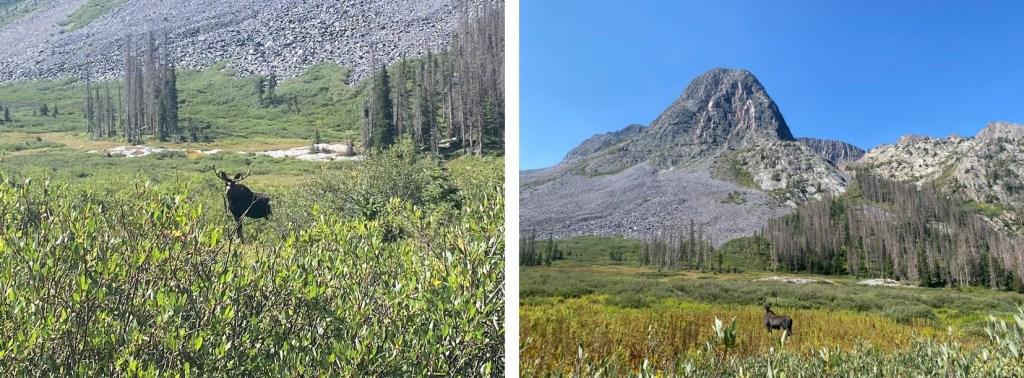
Oh, and I saw a moose along the way. Well, actually two moose, but the male got scared and ran away before I could get a picture. The female wasn’t too bothered.
Once at Hunchback Pass, I turned left, and followed the ridge south, then southeast. Here’s the general route I took. This is choose your own adventure, and this morning I went slow because the rocks were icy.
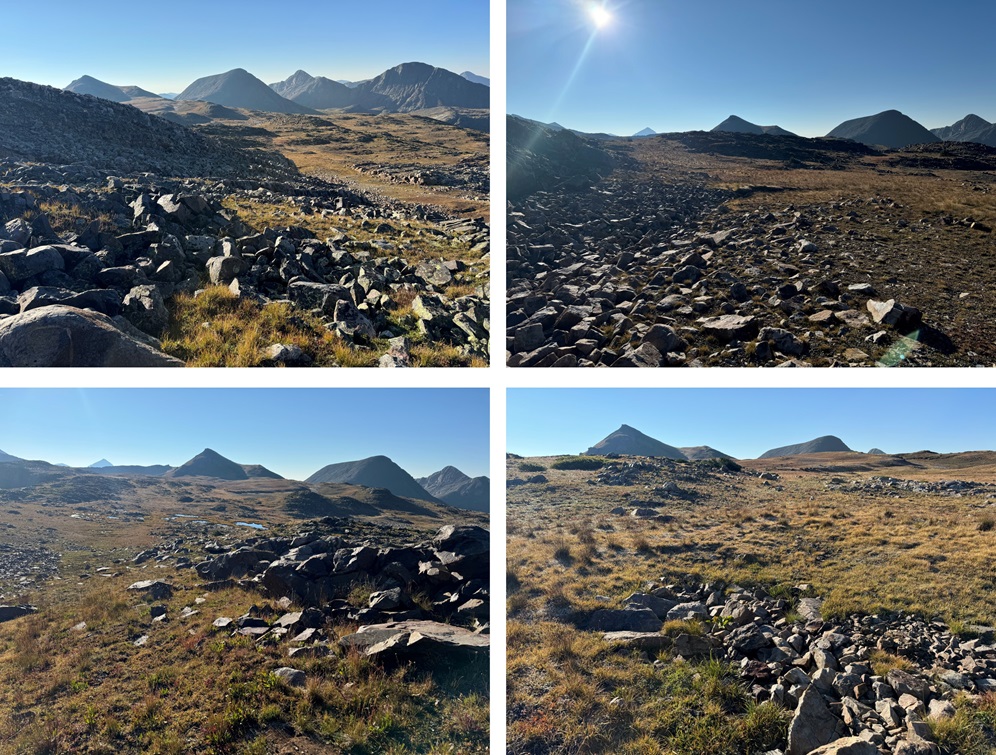
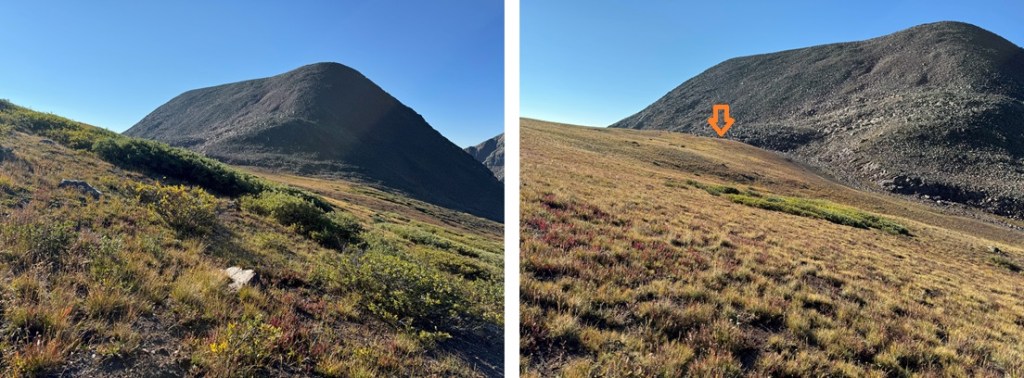
At the top of the ridge I could see PT 13121, Mt Nebo, and PT 13232 in the distance. I followed the tundra towards PT 13121. If you are following my GPX file, you’ll notice it’s a little erratic here. That’s because my compass kept doing crazy things. Just keep heading towards the base of 13121.
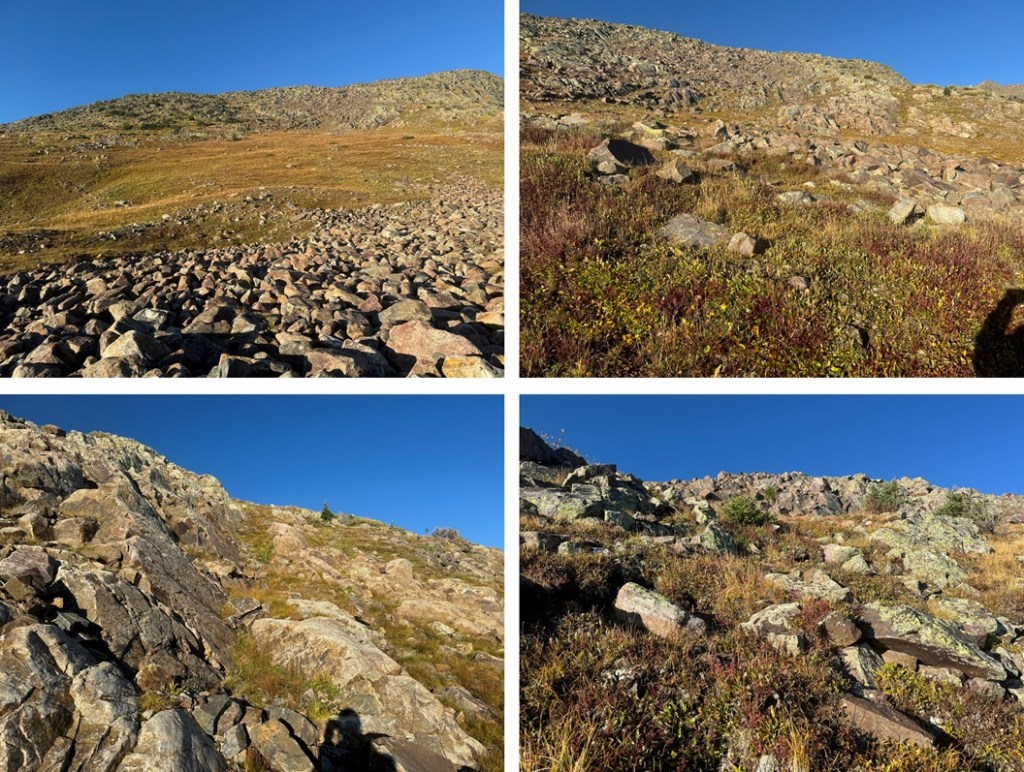
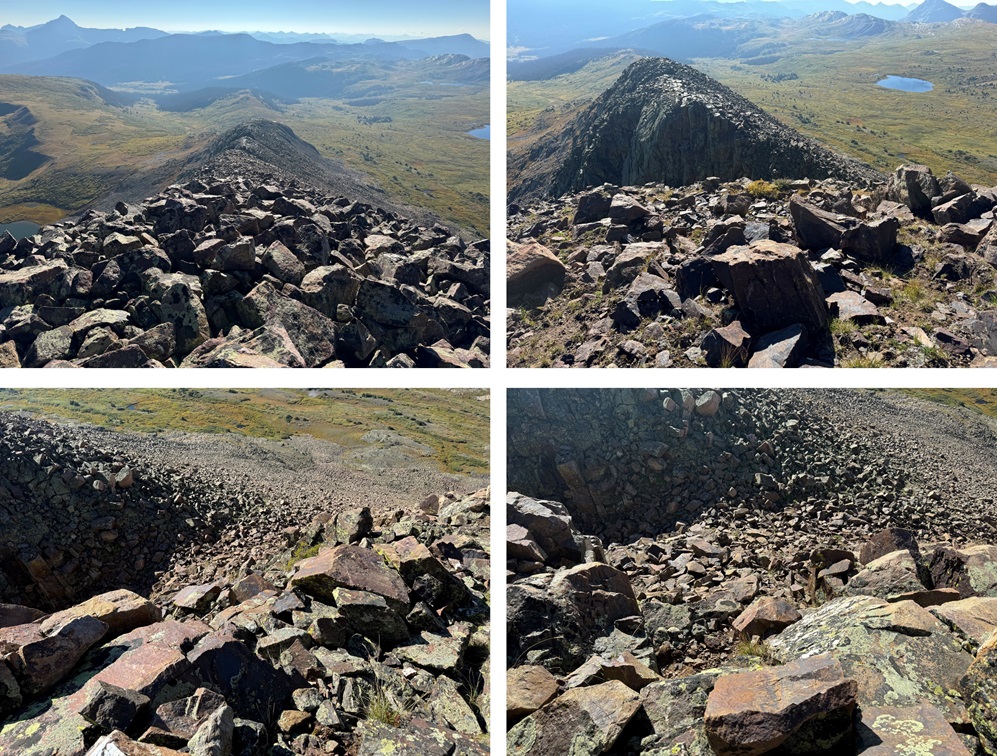
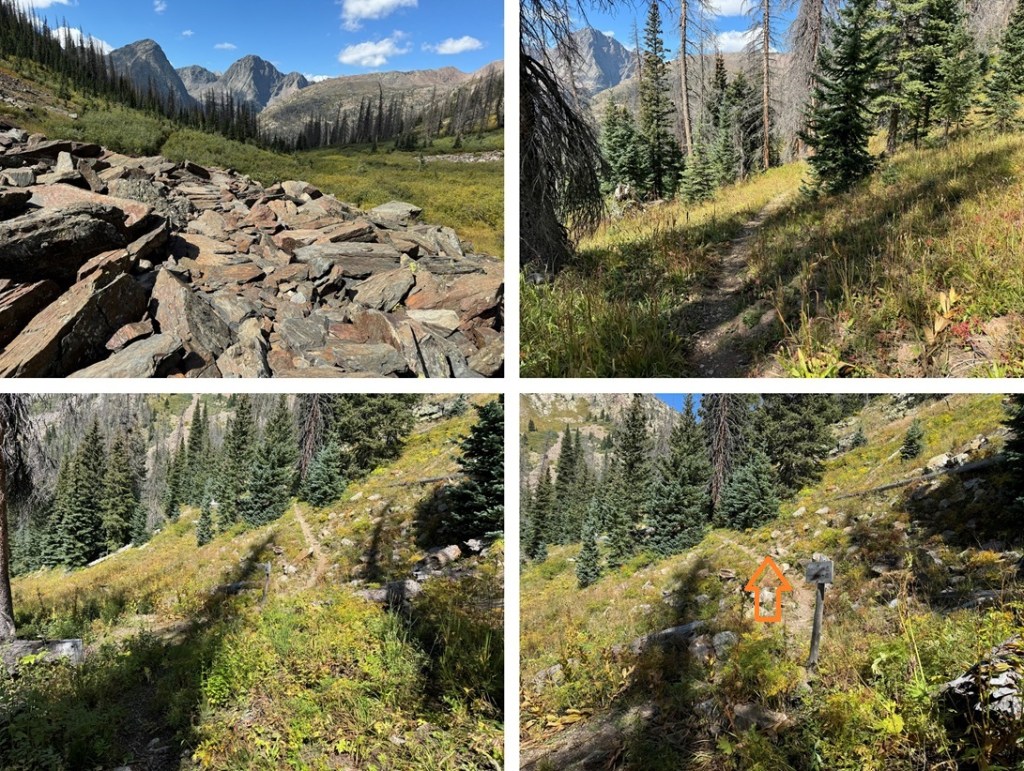
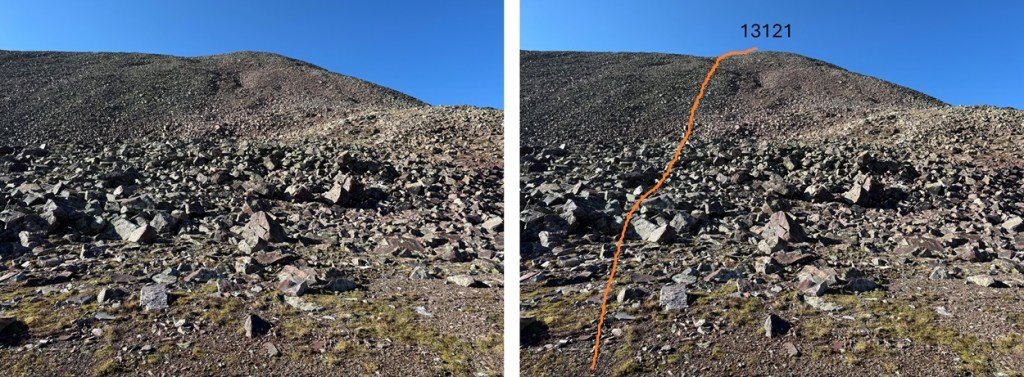
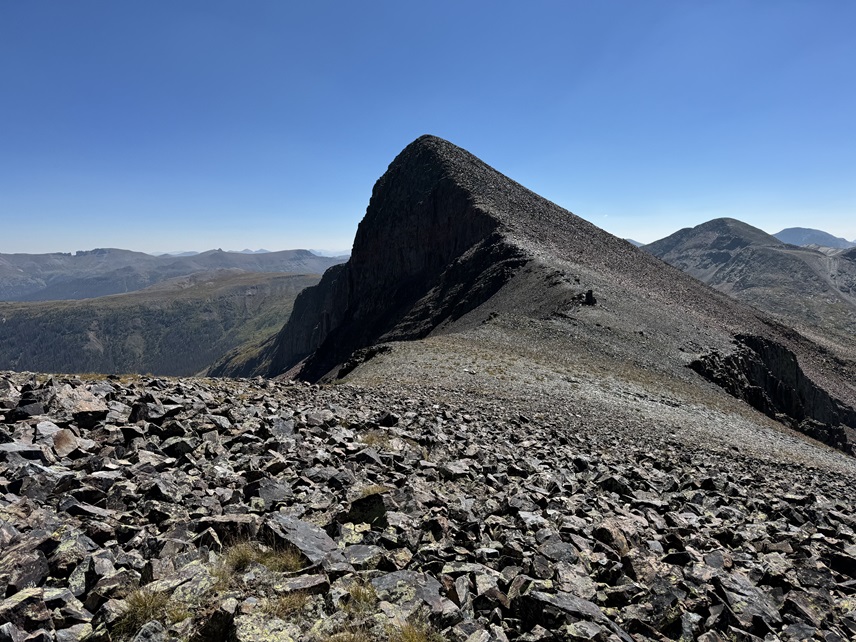
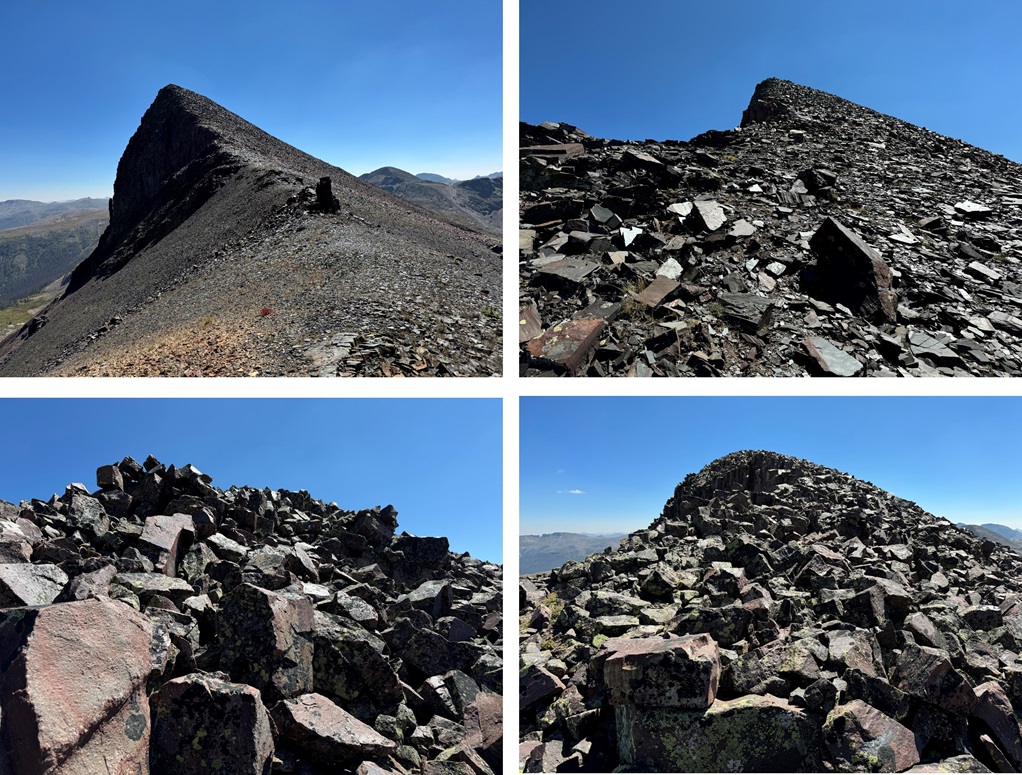
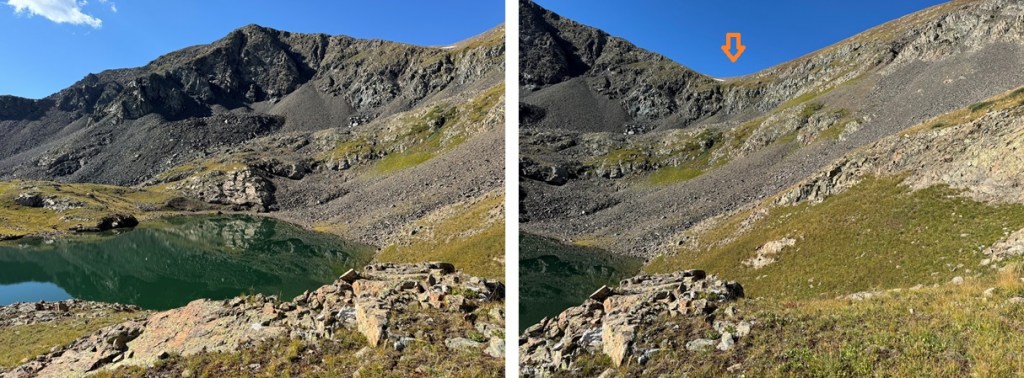
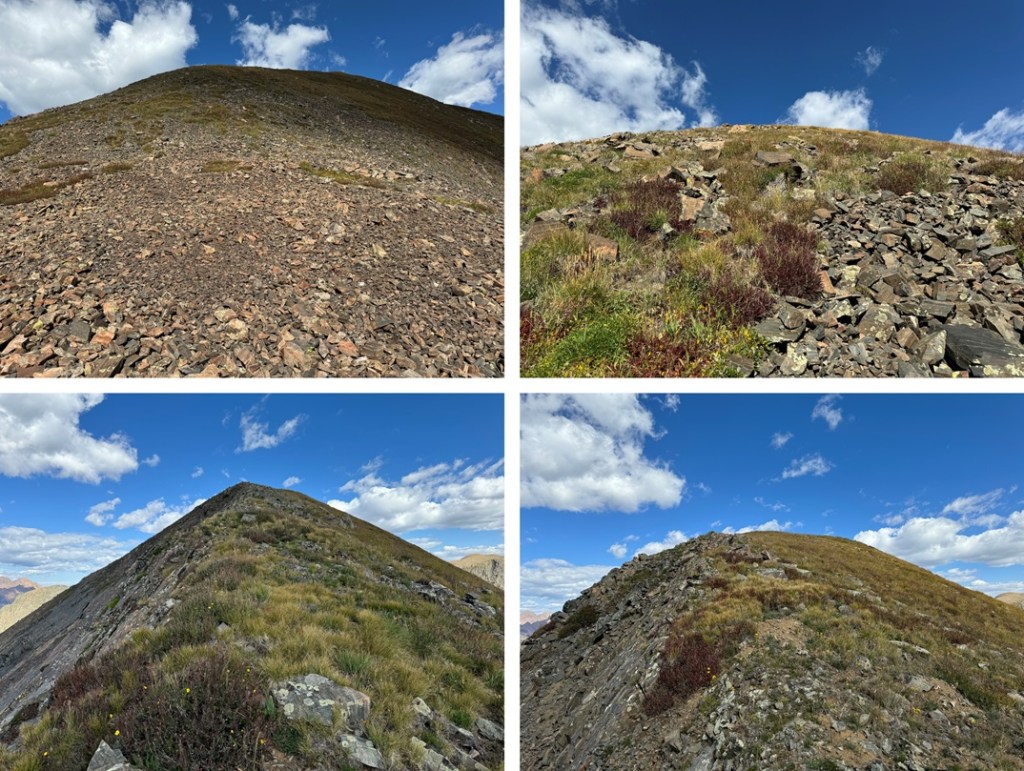
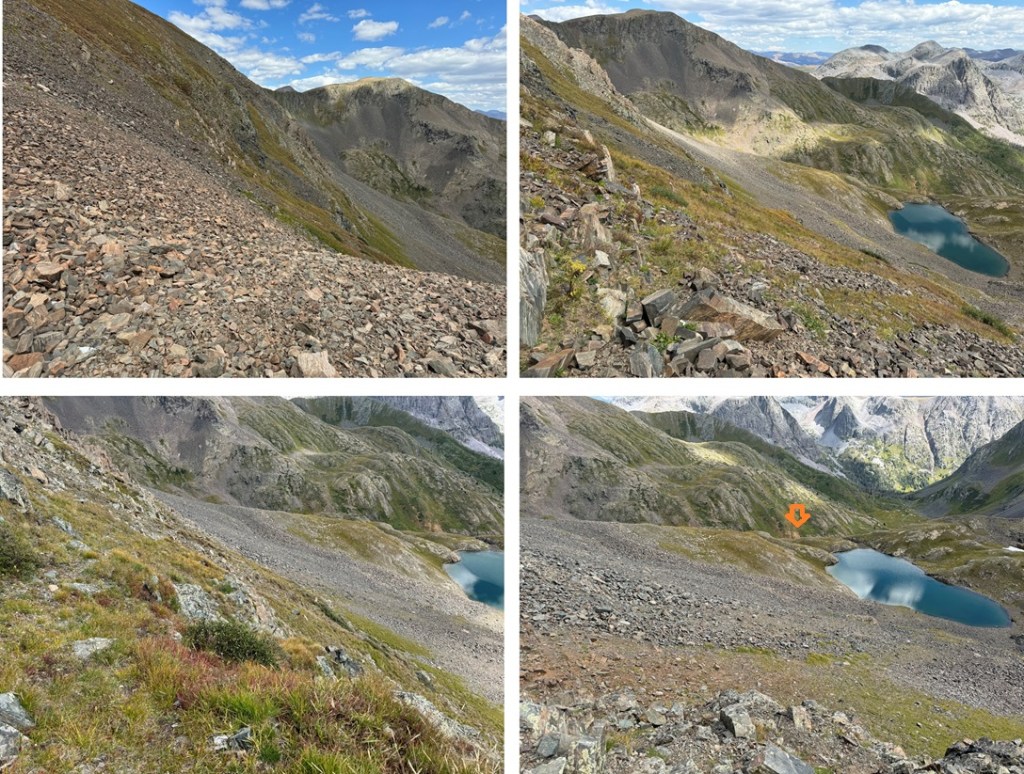
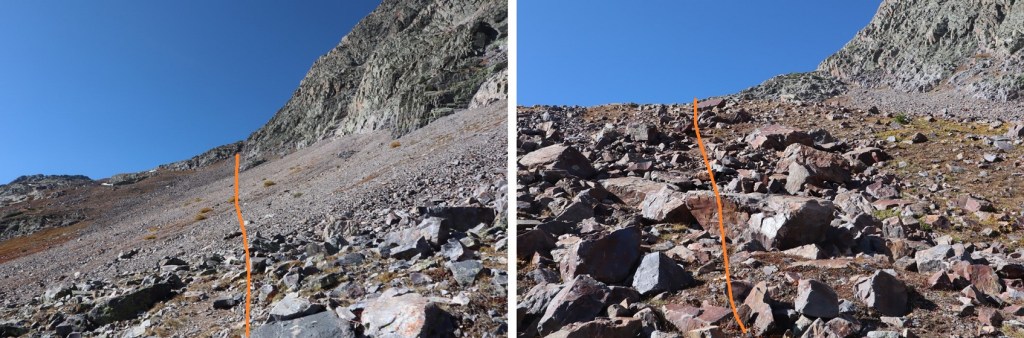
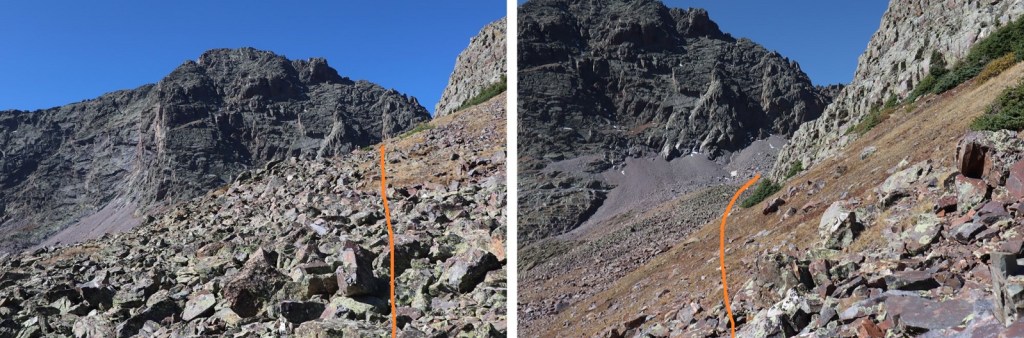
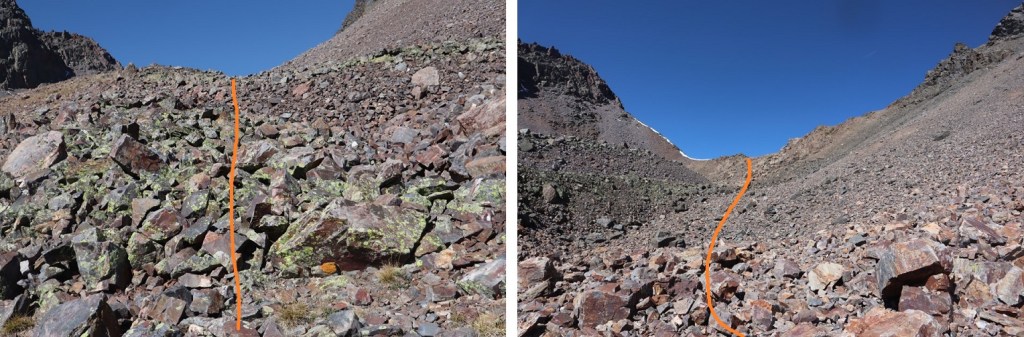
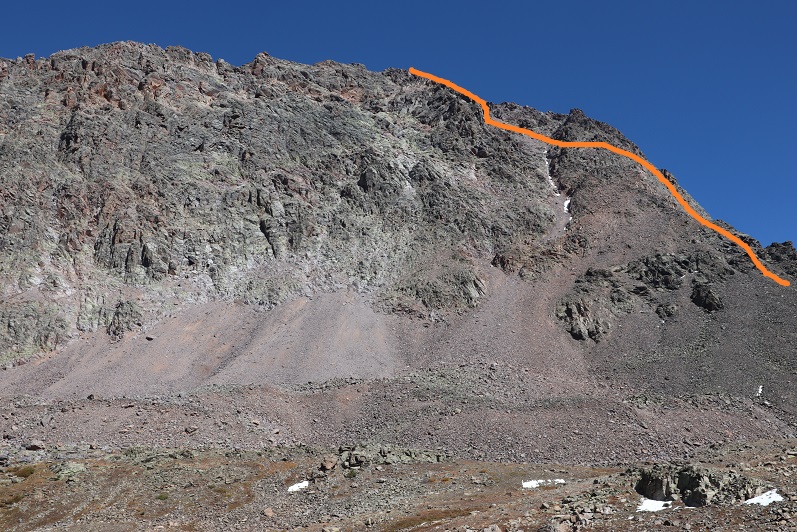
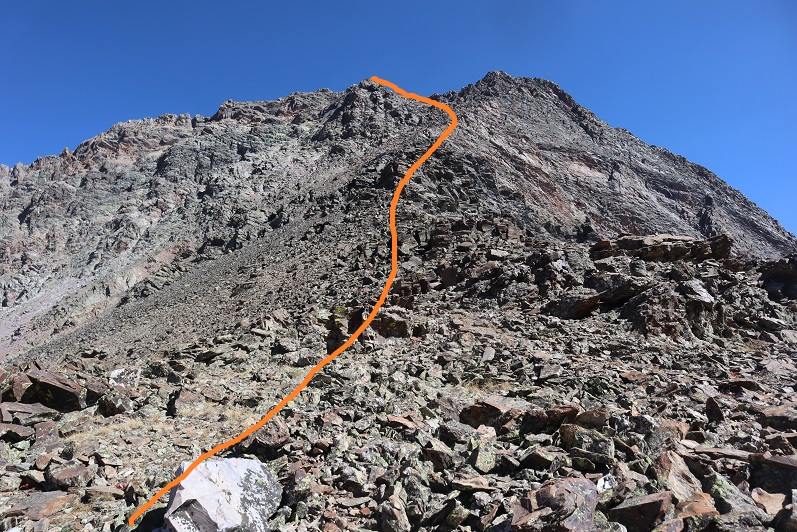
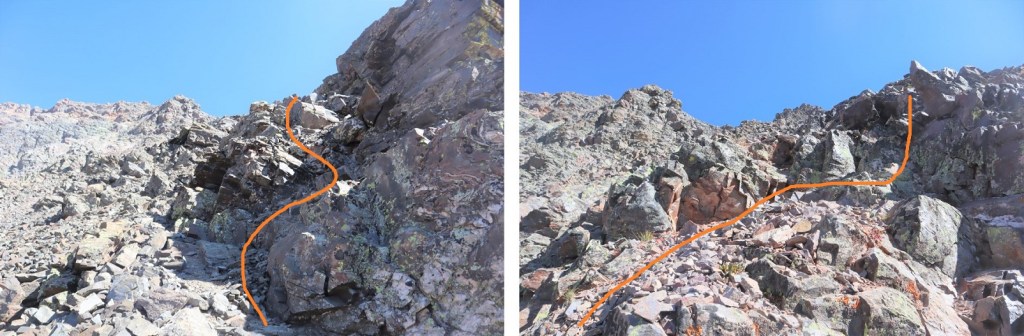
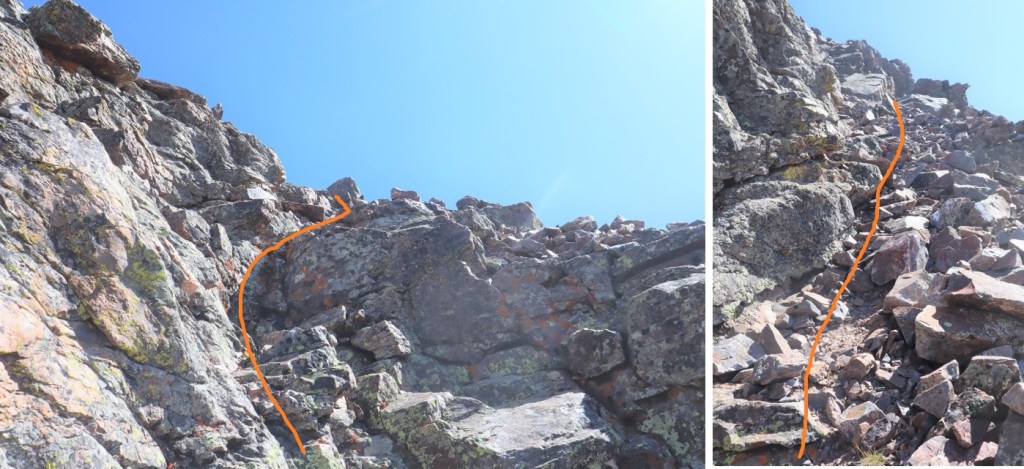
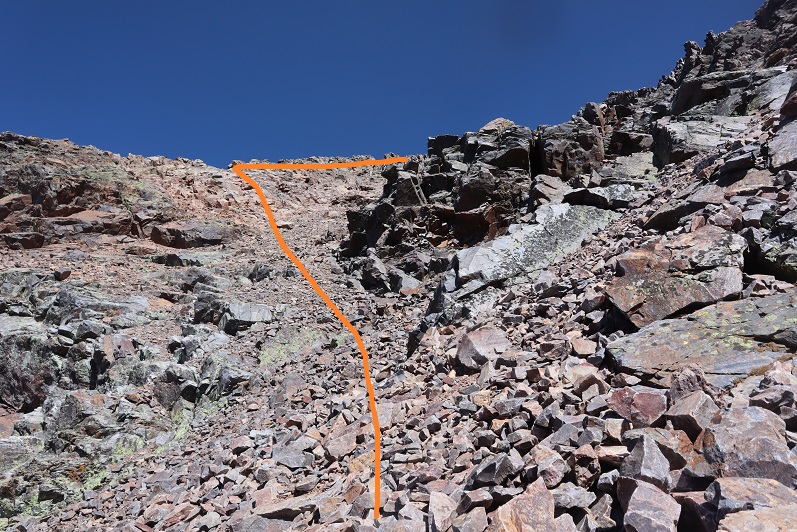
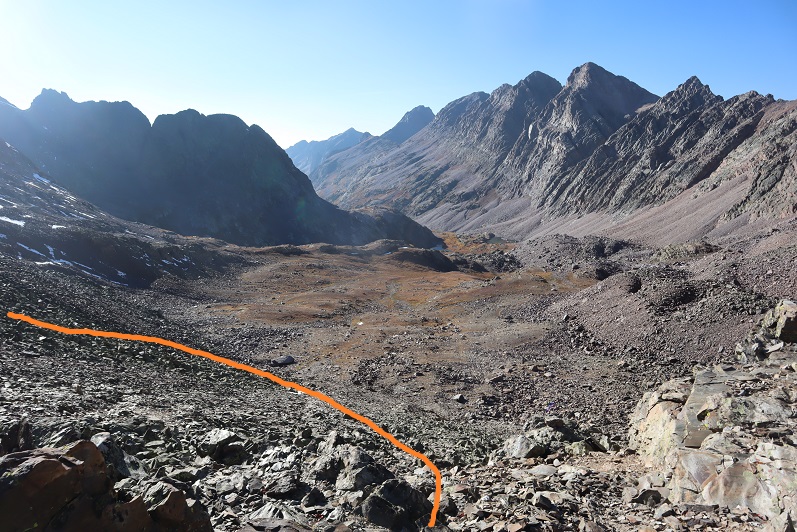
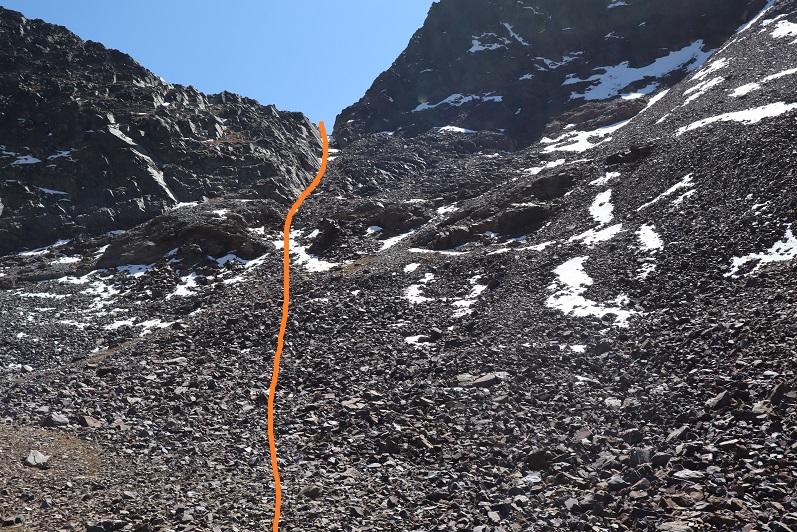
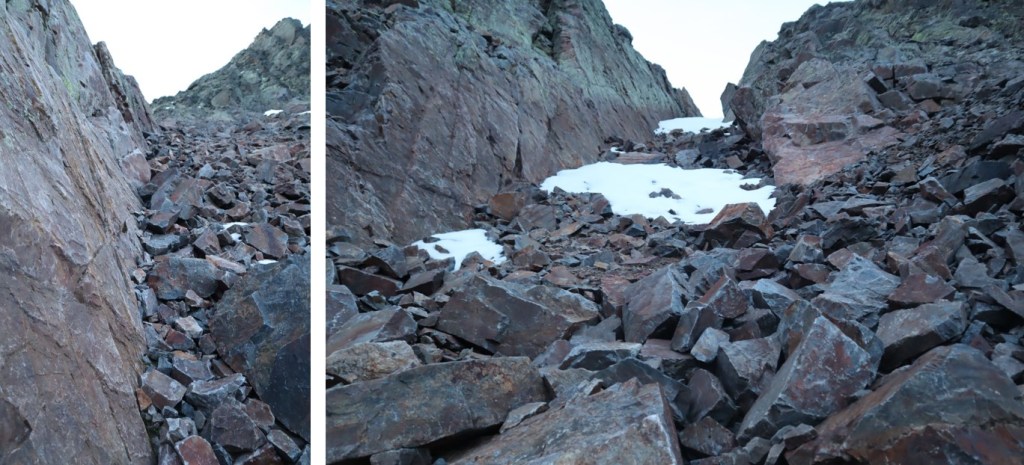
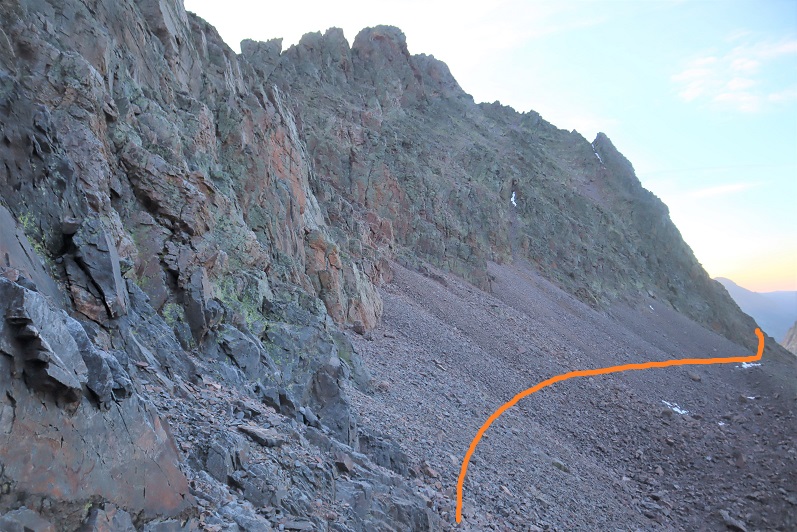
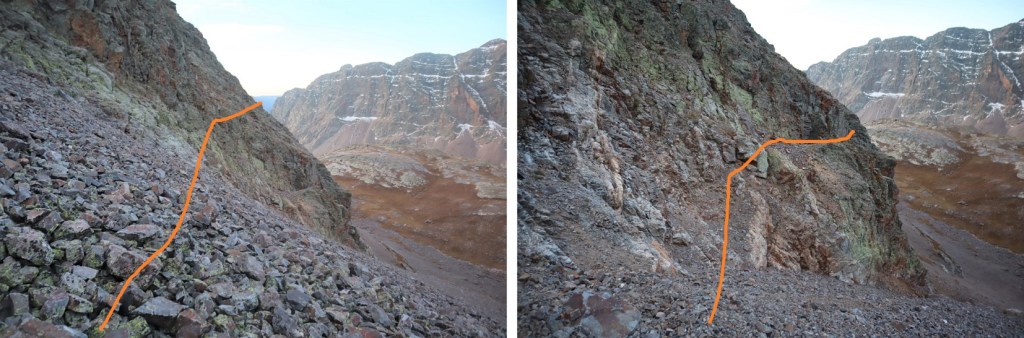
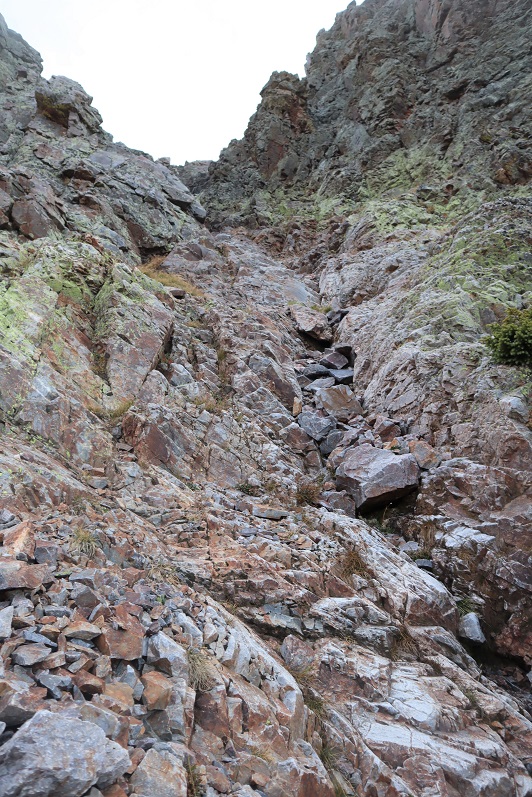
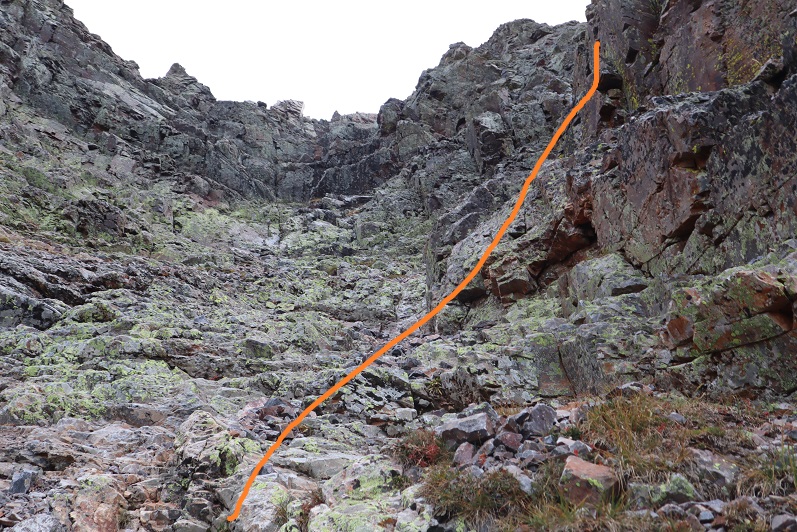
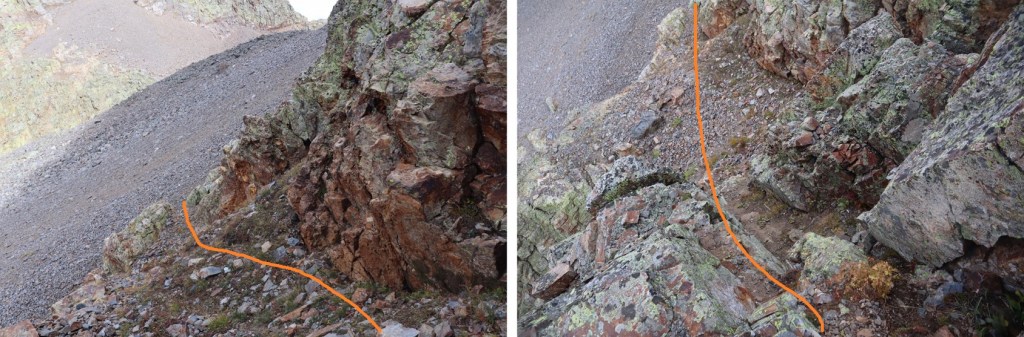
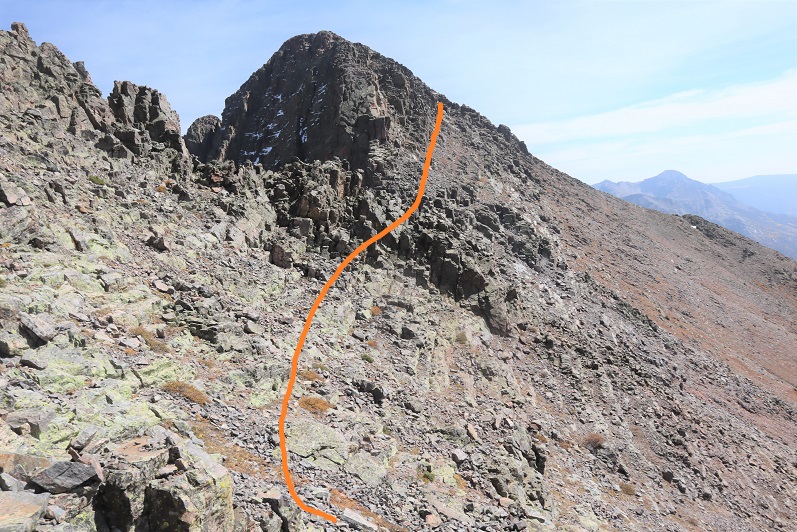
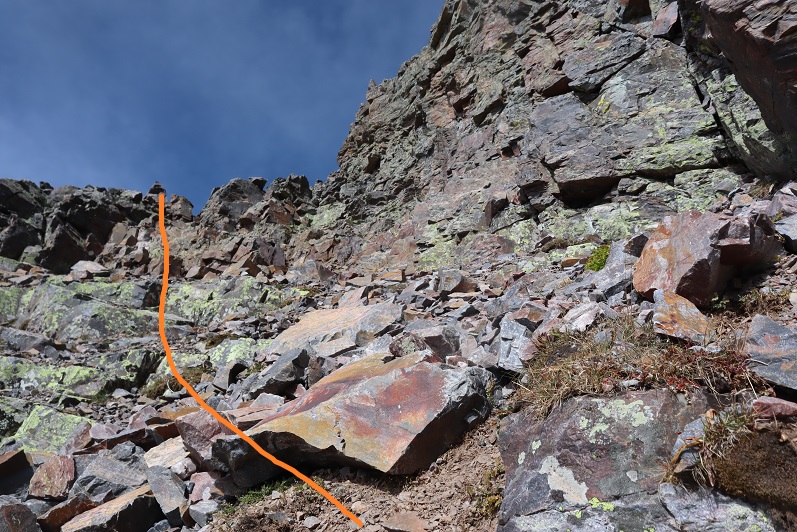
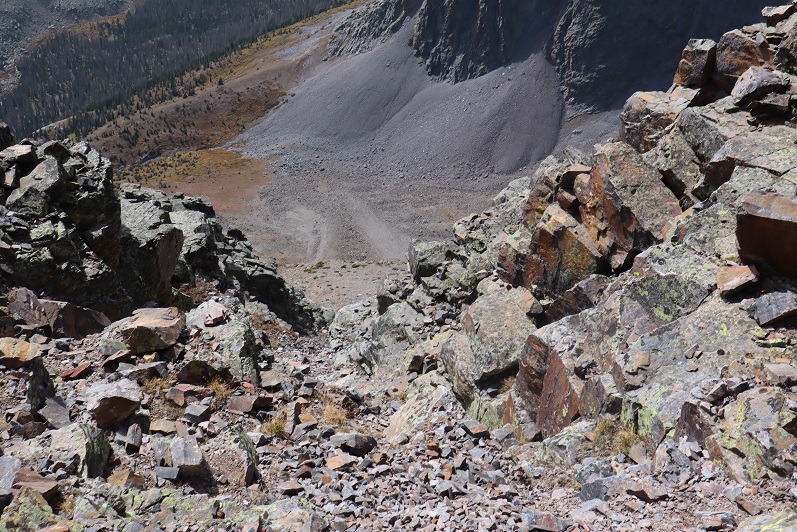
From the base of PT 13121, I headed south on the rocks towards the summit. I would gain 400’ in .2 miles to get to the ridge. The rock here was loose and steep and not fun to climb at all. If you have the option, I’d summit this peak from the way I descended. However, I did not do that, so here is my route, and a few pictures of the rock mess towards the ridge.
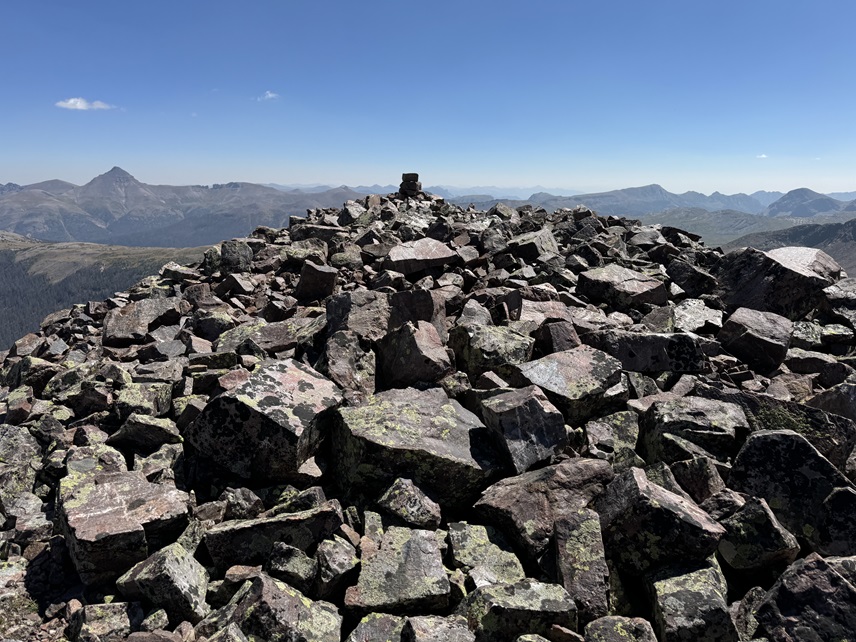
When I made it to the ridge I turned right, and walked the short distance to the summit
I summited PT 13121 at 9:40am
PT 13121:
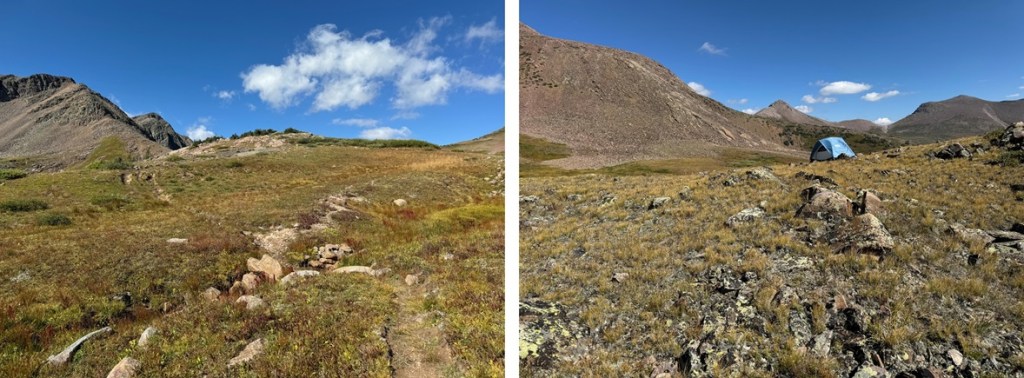
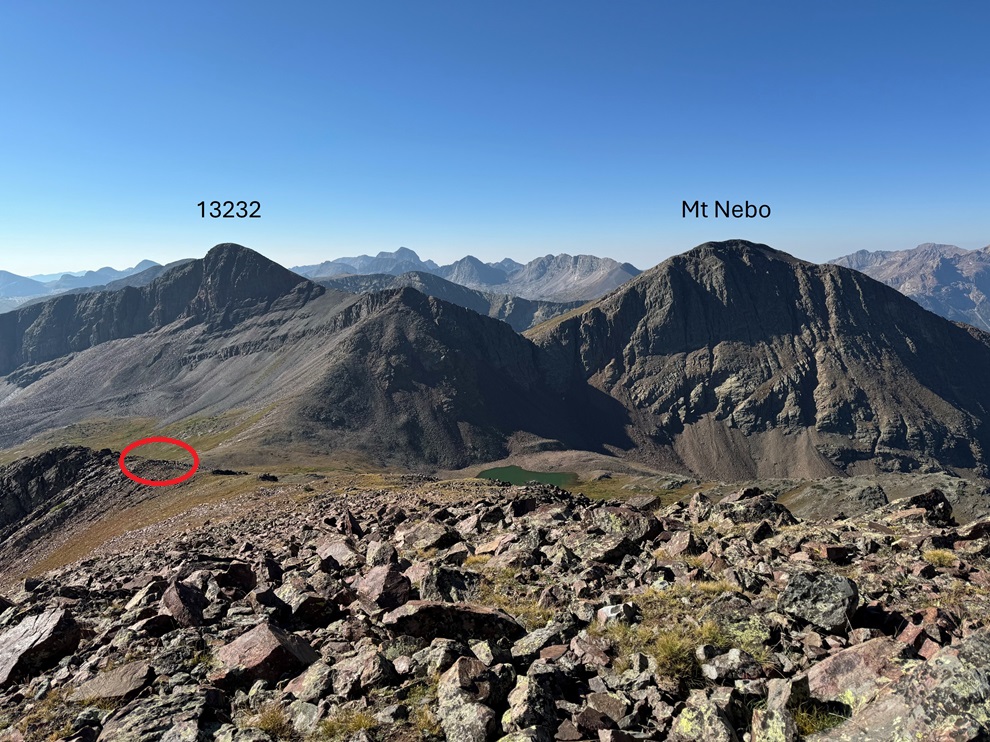
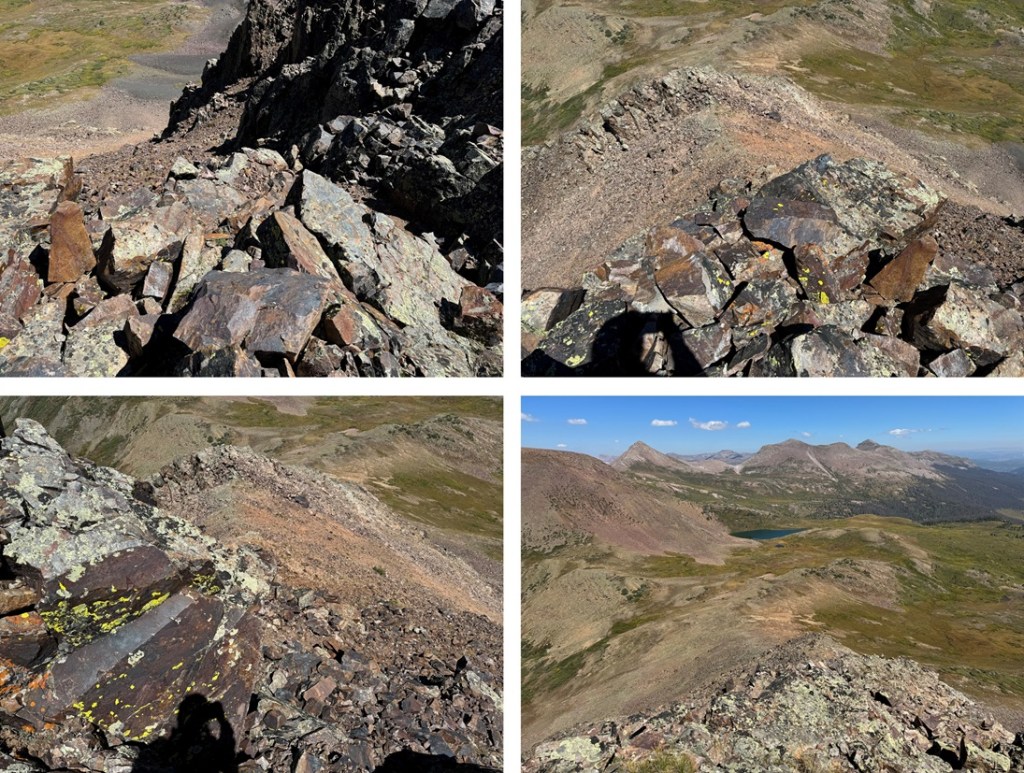
I could see PT 13232 and Mt Nebo to the south. I descended the rocky and tundra ledge towards the PT 13121/Mt Nebo saddle. Circled is where I set up camp for the night. That’s where I was headed. It’s adjacent to the CDT.
I took some time to set up my tent, then I was on my way again, headed up this ridge
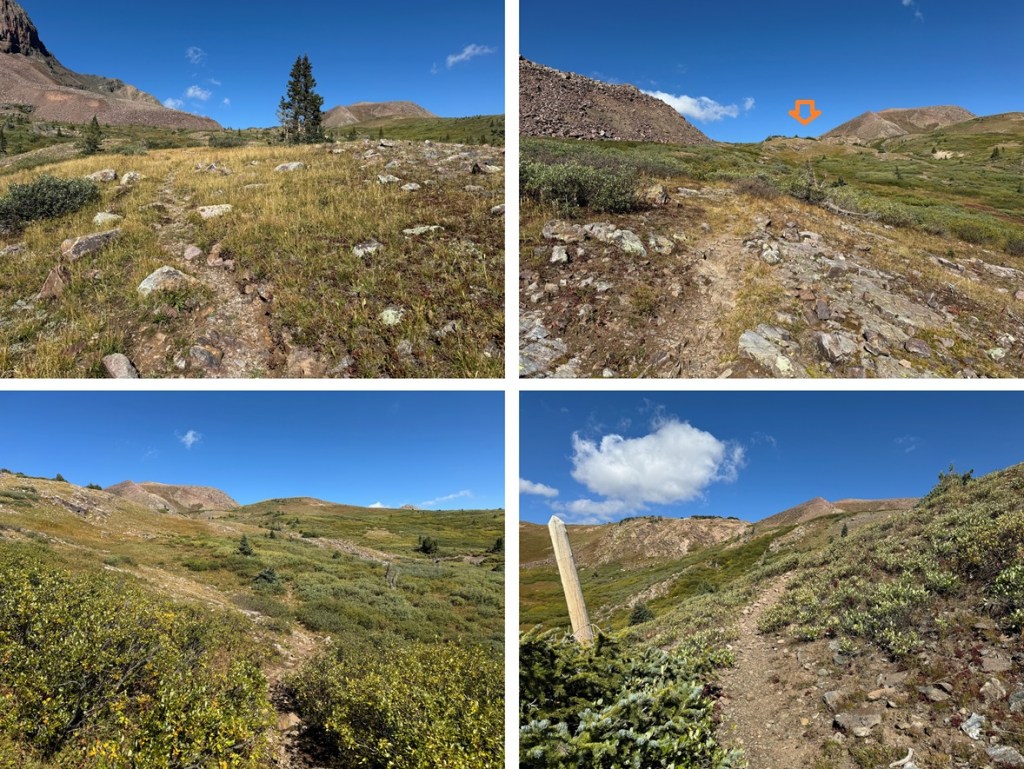
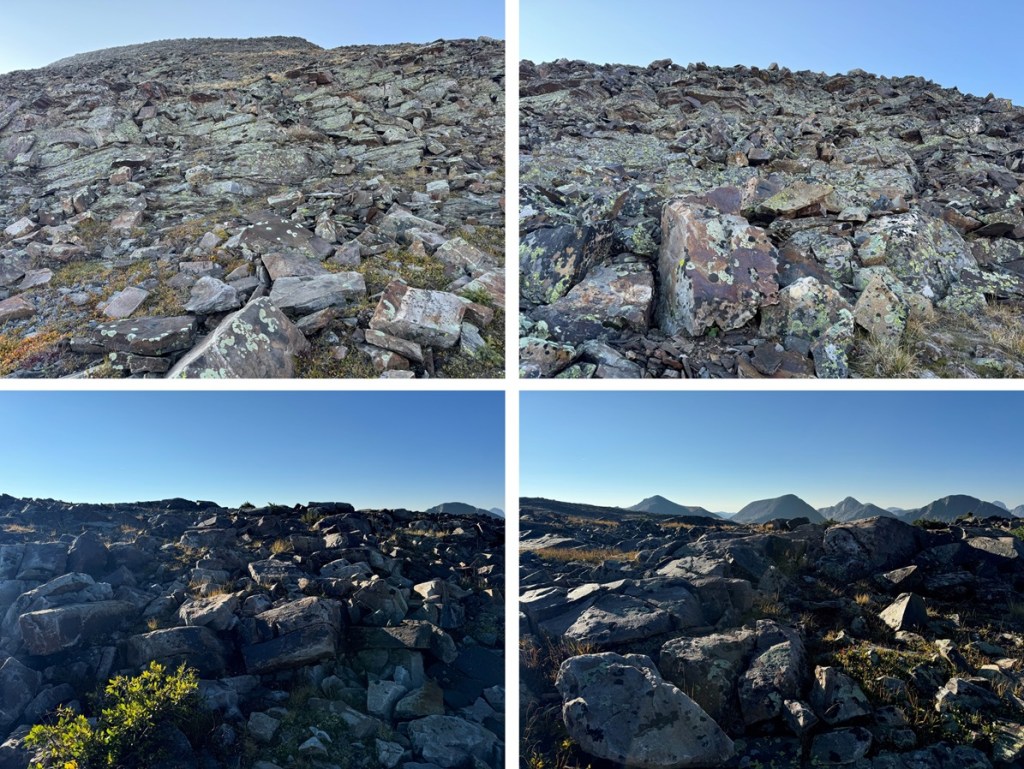
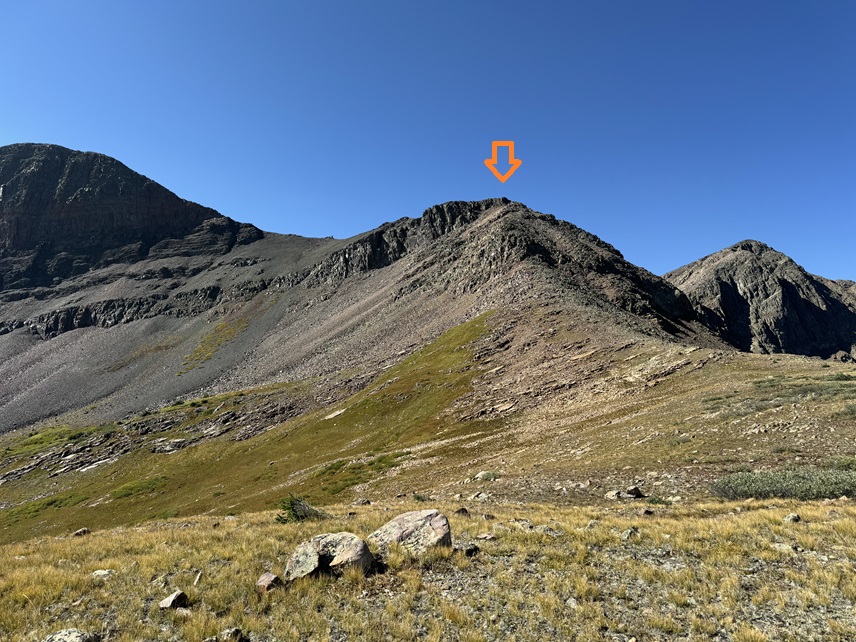
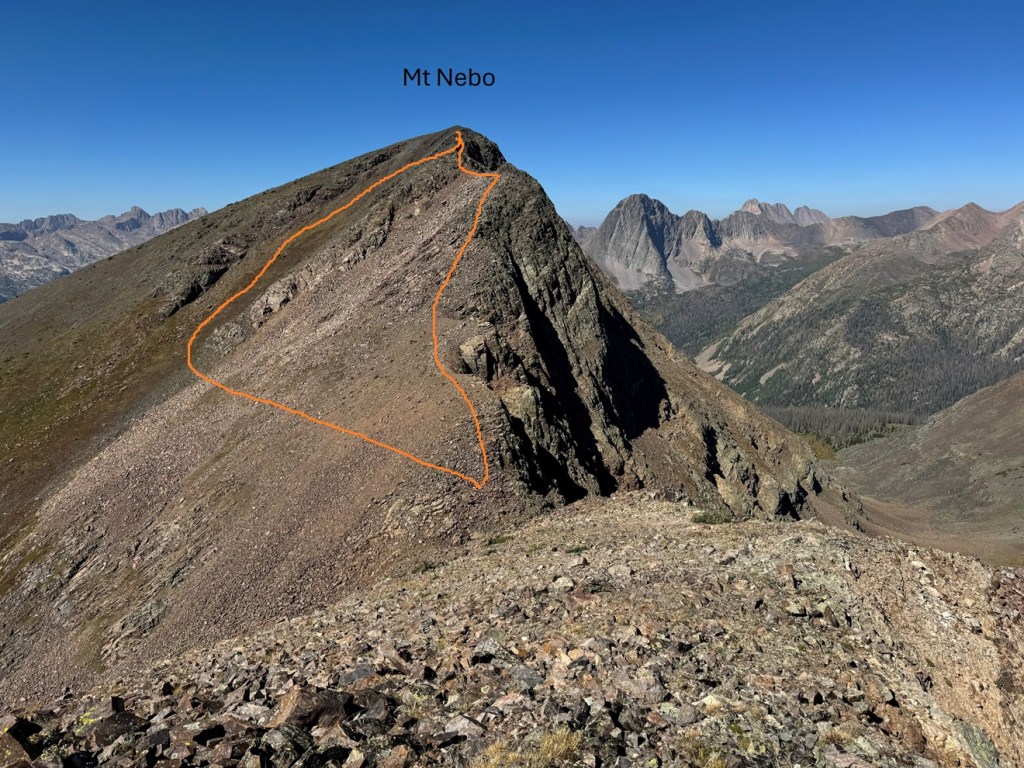
There was a lot of scree and talus here, but it’s all class 2+. There’s a bulge in the middle I skirted to the right, then headed back to the ridge proper, and towards the top you can go either to the left or the right, and I chose right for the way up (towards Nebo), and left on the way down.
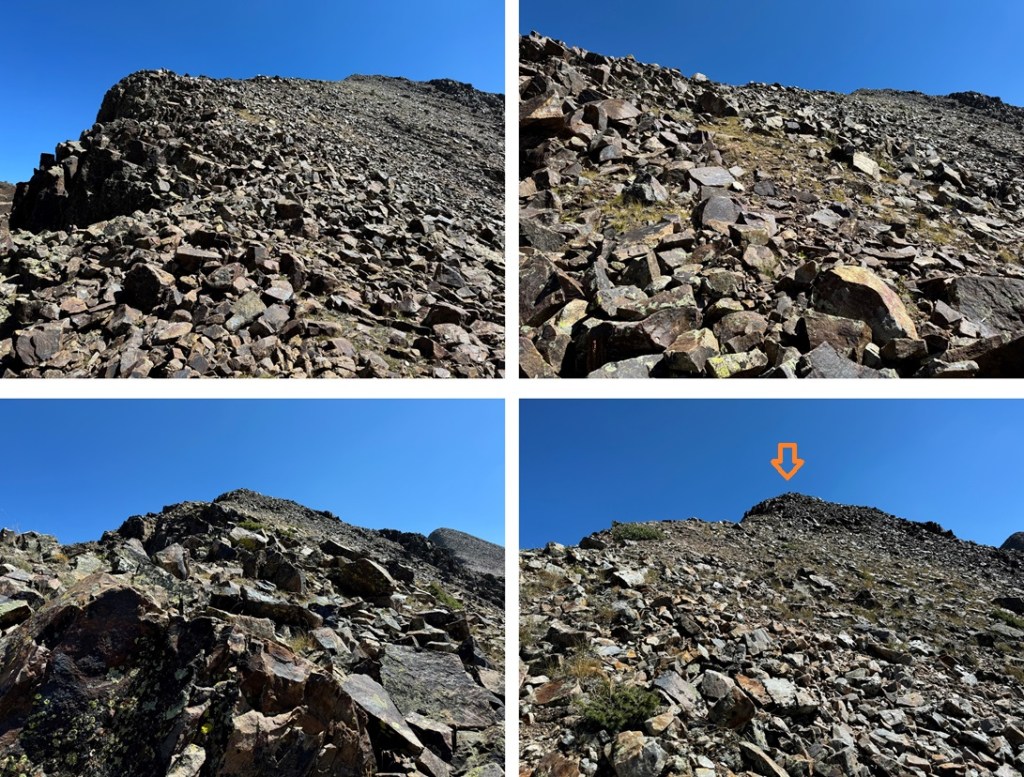
Here’s the option to go either right or left. Both class 2, but the left is on more solid rock.
I chose to go right (there’s a cairn where the arrow is)
From here I could see Mt Nebo to the west
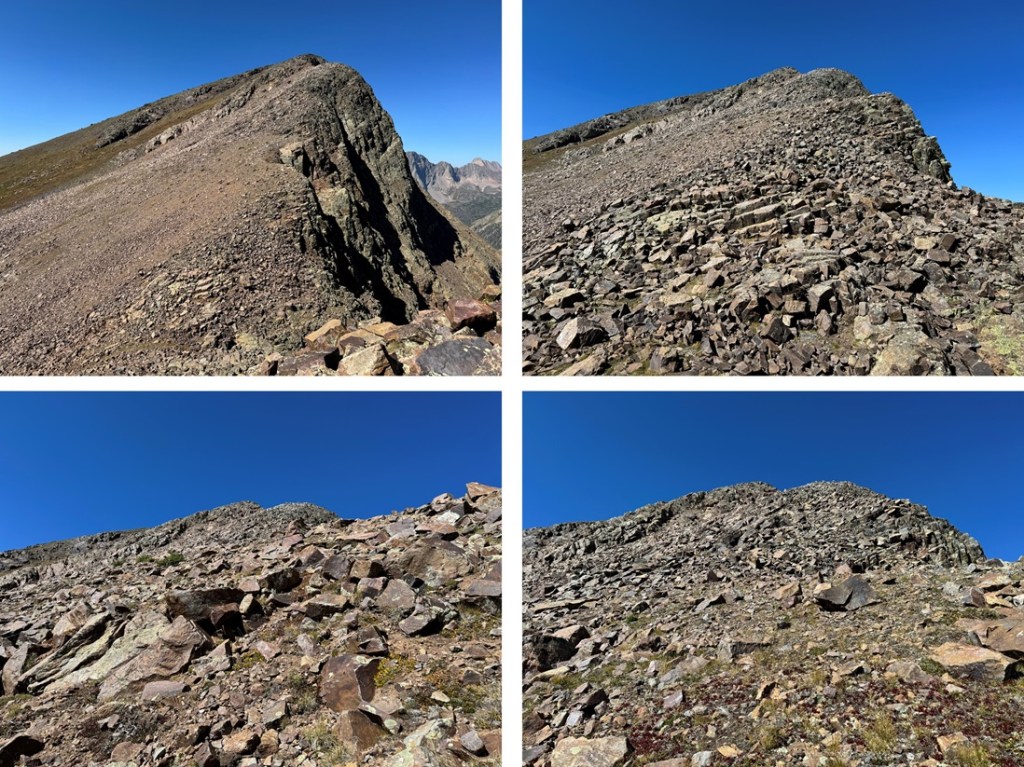
I needed to make my way towards the saddle, but now is a good time to choose your route, You can go up the tundra that turns to talus on the left, and keep this route 2+, or you can take the ridge to the right, which goes at difficult class 2, maybe some easy class 3, and includes a lot of rock/boulder hopping. I chose to stick to the ridge.
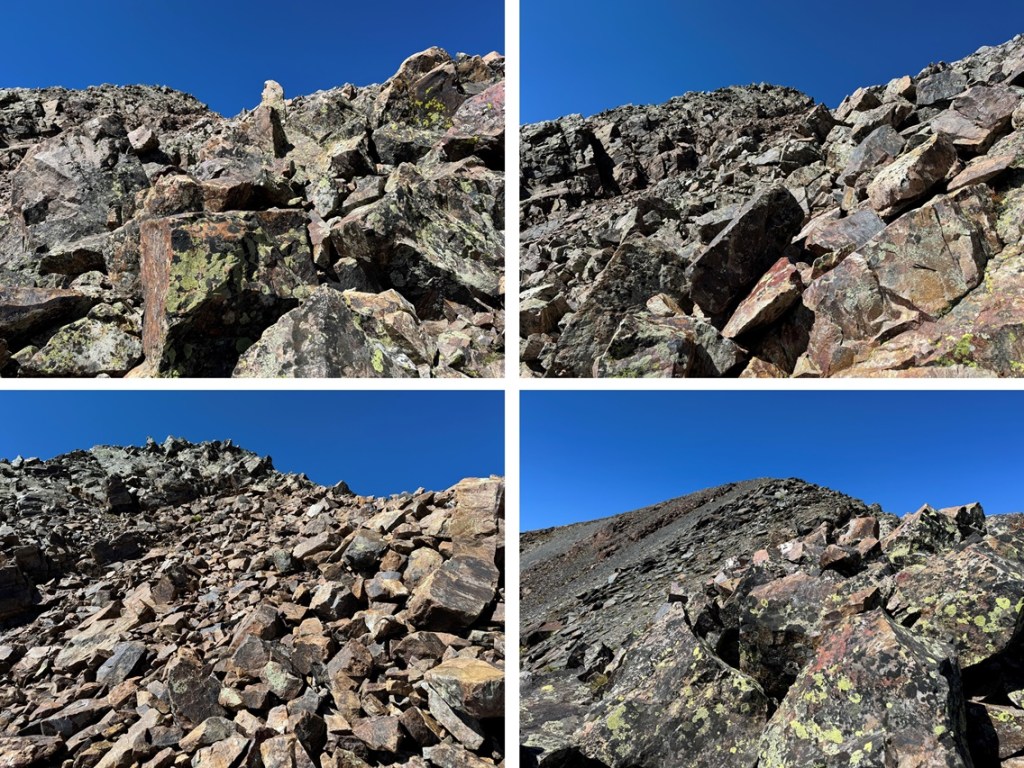
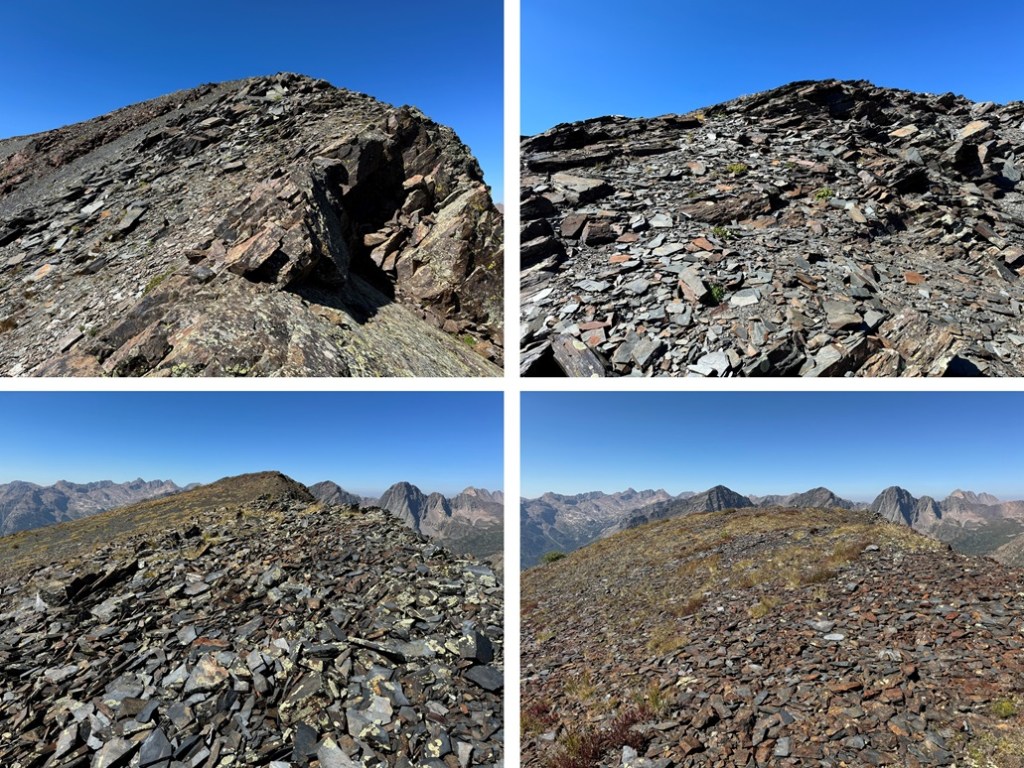
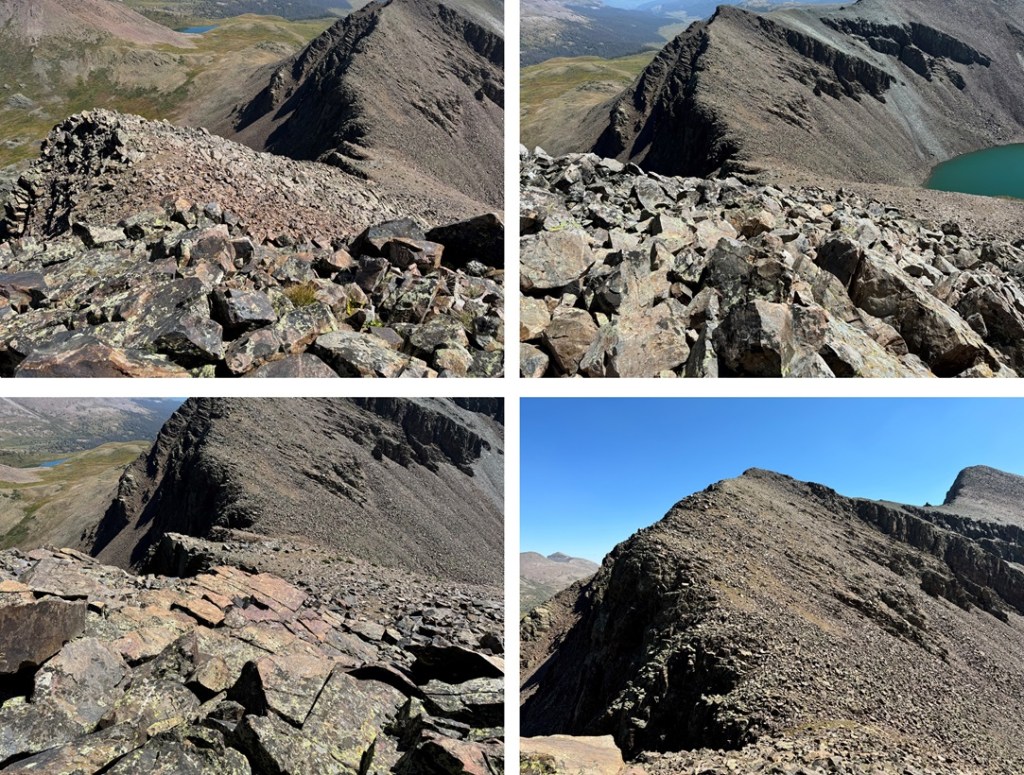
But first, descending down to the saddle. This was rocky, but class 2. From the saddle, here are some pictures of the route up the ridge towards the summit
There was one ledge section that went at class 2 but had some exposure. I crossed the ledge, and it was an easy hike up talus to the summit.
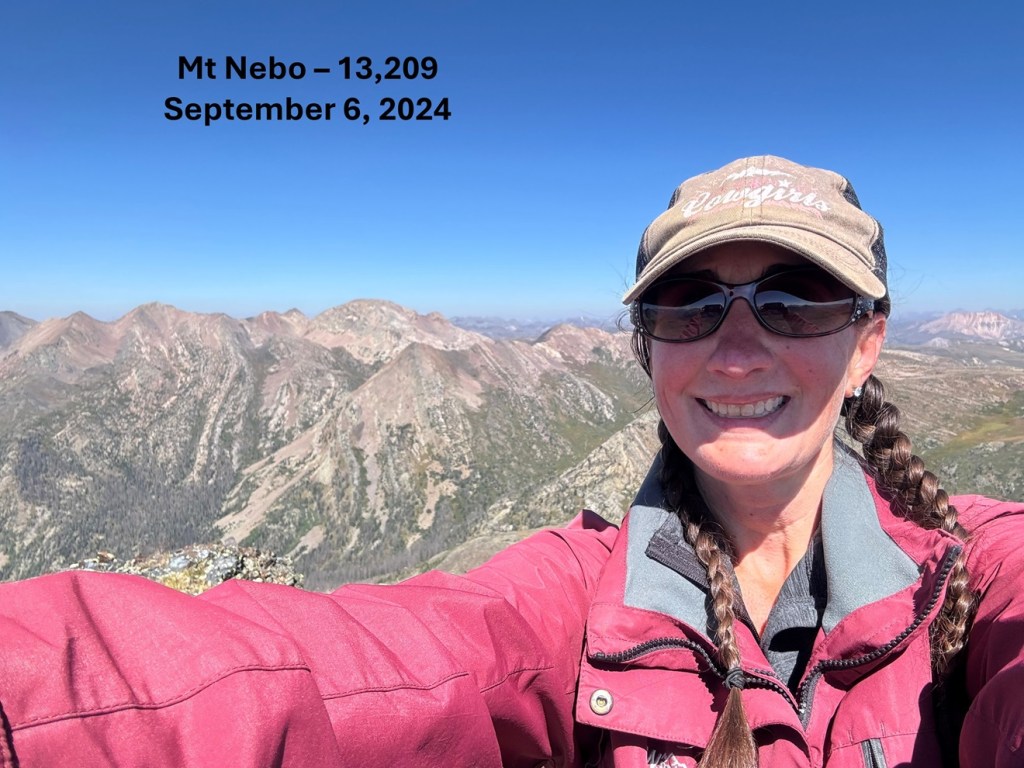
I summited Mt Nebo at 11:30am
Mt Nebo:
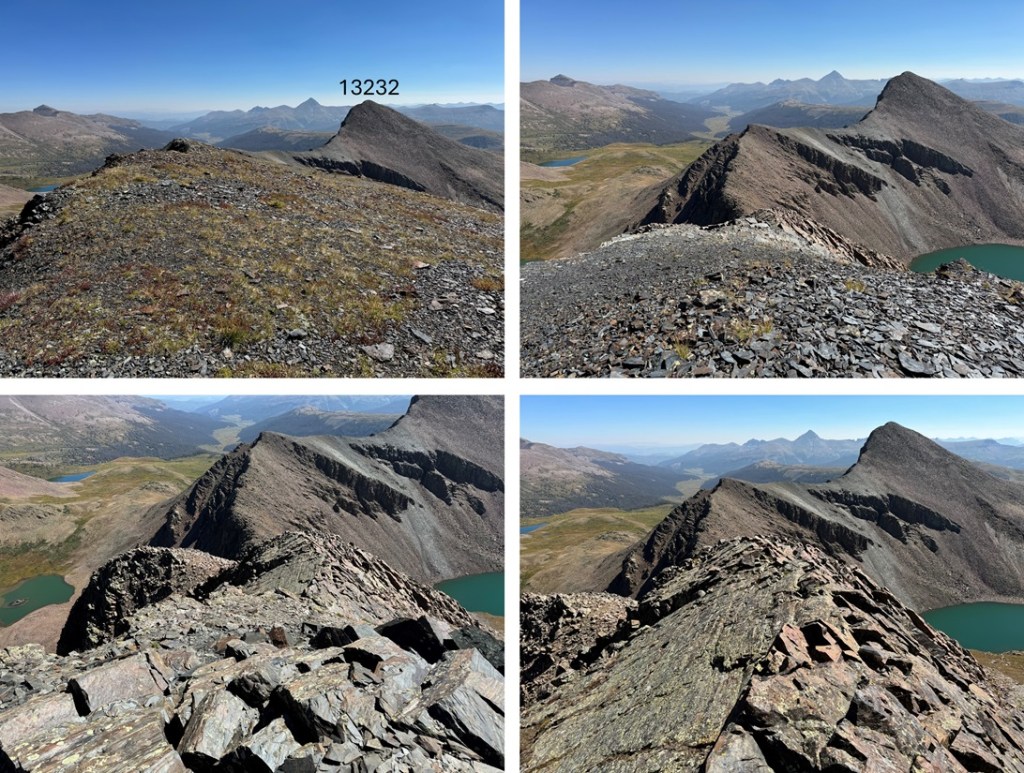
To the east was PT 13232. I descended back to the saddle.
Then it was back up the rocks, following the ridge. The rest of the hike was all class 2 to the summit, mostly boulder/rock hopping.
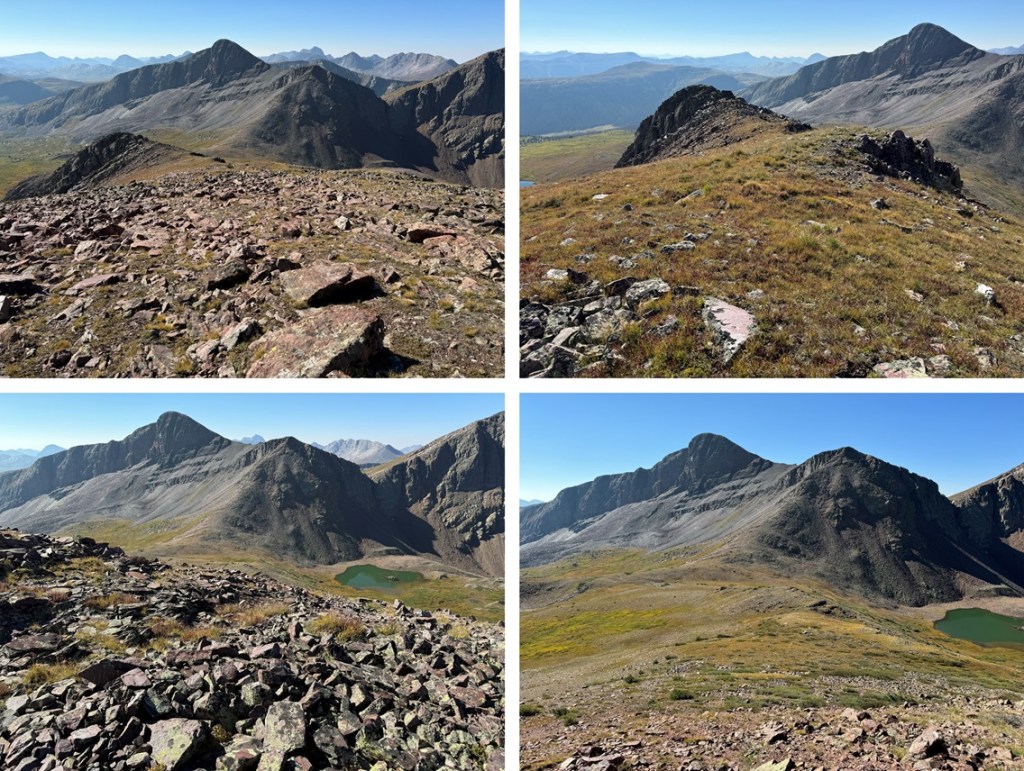
Once back on the rocky point that splits the two peaks, it was now easy to hike southeast to the summit. I followed the talus to the rocks, and kept ascending. The ridge proper goes at class 2. Here are some pictures of the route.
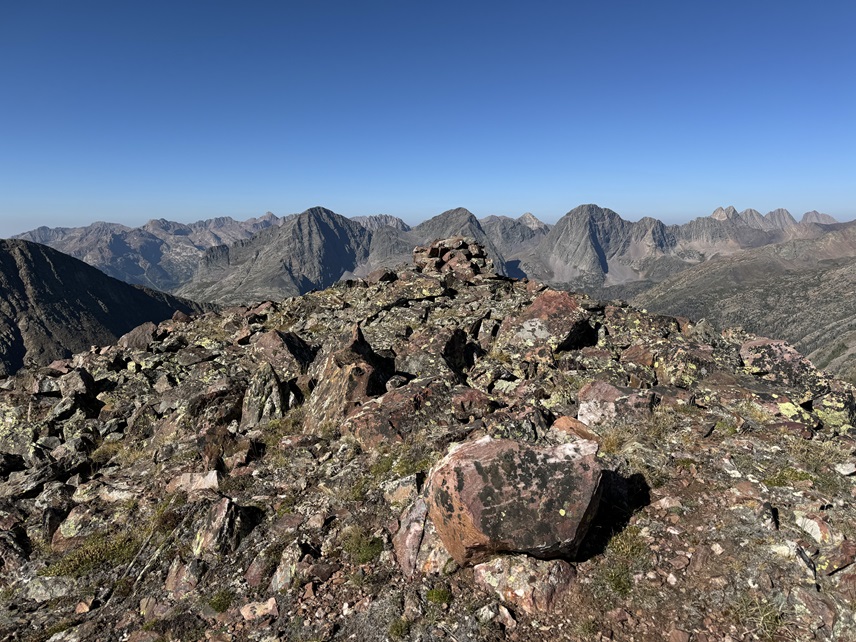
I summited PT 13232 at 12:30pm
PT 13232:
Now I was headed back to my campsite. I turned around, and followed the ridge as it descended northwest.
I then went right when I made it to the bump in the ridge, descending on talus and rocks before making my way back to the ridge.
I then followed the ridge back to my campsite and the CDT, being careful to go left to avoid the steep sections.
I made it back to my campsite at 1:15pm, making this a 8.55 mile hike with 3732’ of elevation gain in 6 hours, 45 minutes, including time to set up my camp and eat lunch. This report continues with PT 13171 the next day, along with a hike out back to Beartown.
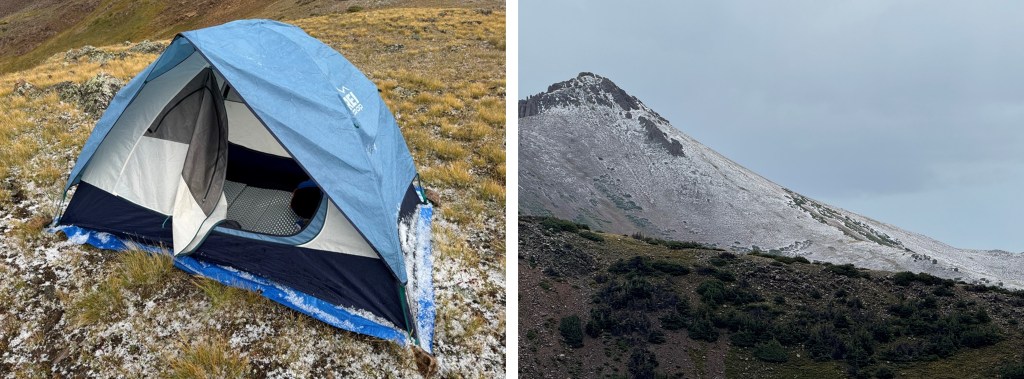
Oh, and it rained and hailed and graupled that night. For hours. I kept punching the top of my tent to get the slush off so it wouldn’t freeze overnight. Here’s a picture from about half an hour into the 4 hour storm, when I got a little break. Gotta love late summer storms above treeline! Good times!
I hiked into Rock Lake the day before, and met a few forest service workers doing trail maintenance along the trails. They were sawing up logs from trees that had fallen directly on the trail to make a clearer path. While I was very excited they were doing this, the trail in was the wettest and muddiest I’ve ever seen it. The entire trail was a river, several inches deep with water, making walking on the rock slabs slippery. Even the side social trails were full of water. In any event, when I got to Rock Lake I set up my campsite (150 feet from the water), filtered some water for the next day, and I dried out my shoes and socks.
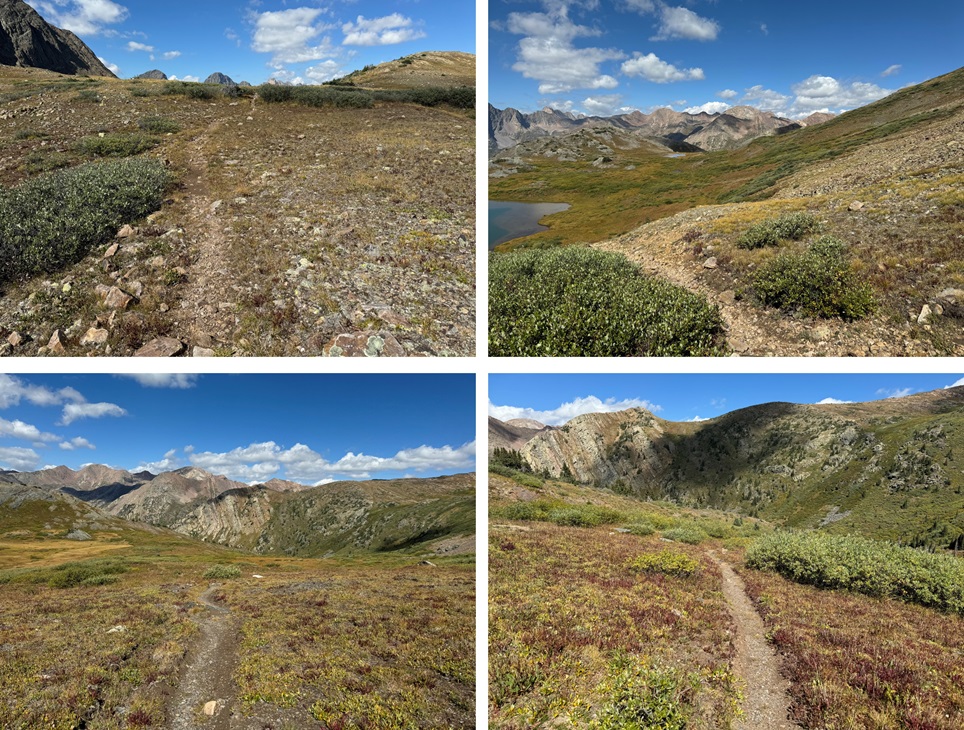
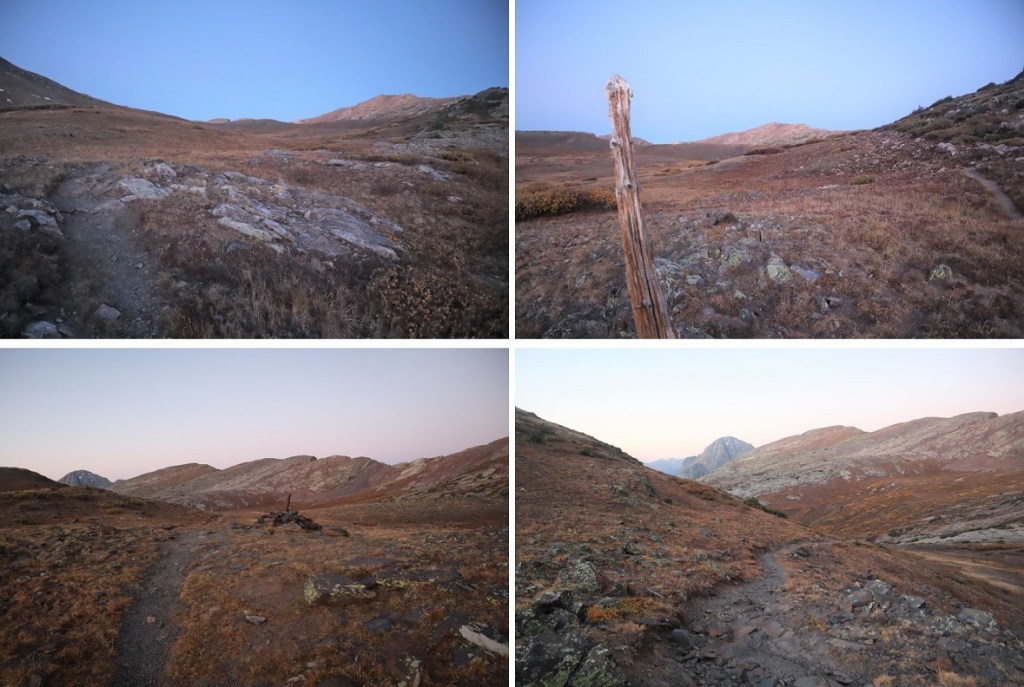
I was up and on the trail at 6:30am. I skirted the lake to the left, and found a great trail on the small slope to the left of the lake that brought me to a trail that headed up to the pass. Once in the rocky section, this trail is very well cairned.
From the top of the pass, I would then lose 1000’ of elevation as I headed down towards Moon Lake. This is a very well marked trail that led me towards.
Just after passing by Moon Lake I crossed a creek and followed the trail left.
As soon as I came to a clearing, I left the trail to skirt the side of the mountain, doing my best to stay at around 11600’. If you pass the waterfall (you’ll notice it), you’ve gone too far. There are a few cairns here, but they are few and far between. I did my best to stay on game trails as I skirted the mountain, heading south.
I came to an unnamed pond, and skirted it to the right. There’s actually a really good game trail that will get you through the willows and into the upper basin. Just stay to the right of the creek.
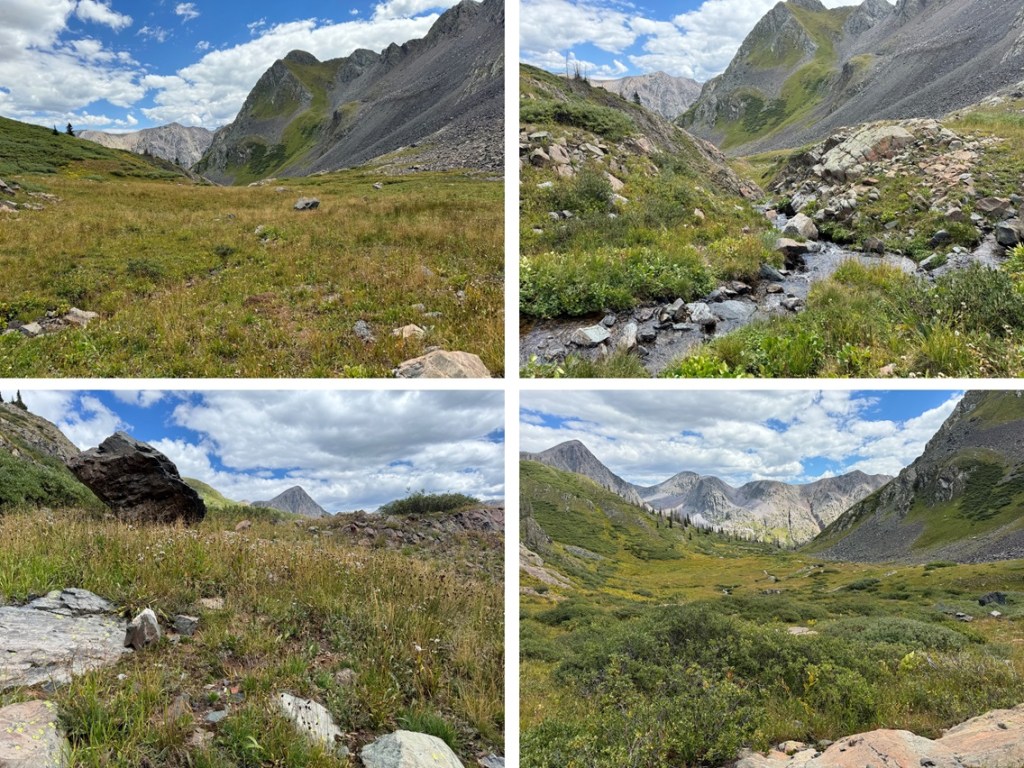
Once in the upper basin, I followed it southwest. It’s marshy here, so watch your step.
I continued following the basin until I could see a ridge in front of me. I gained the ridge, and followed it left.
This brought me to another pond. From here I could see the rest of my route to the 13323/13350 saddle.
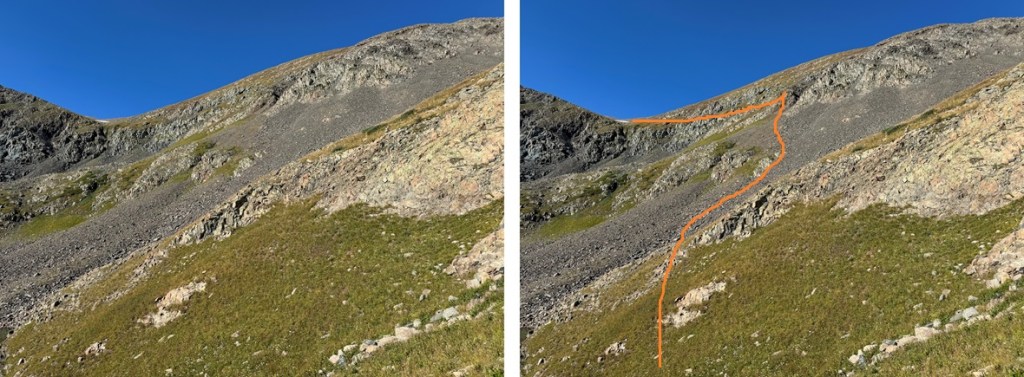
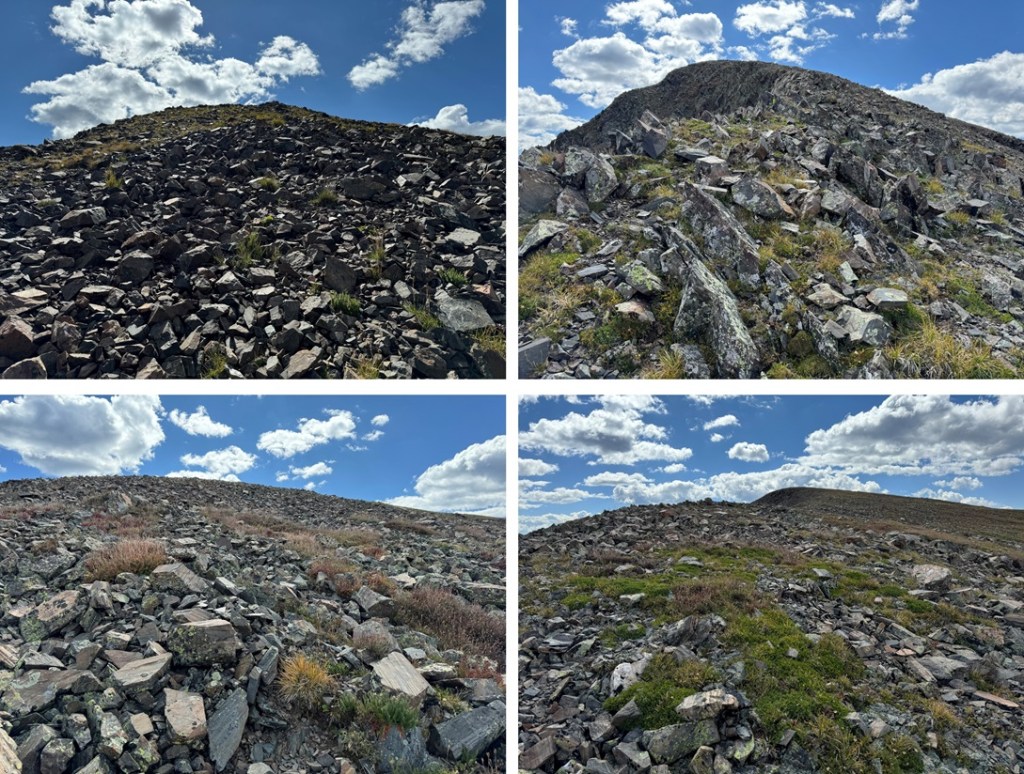
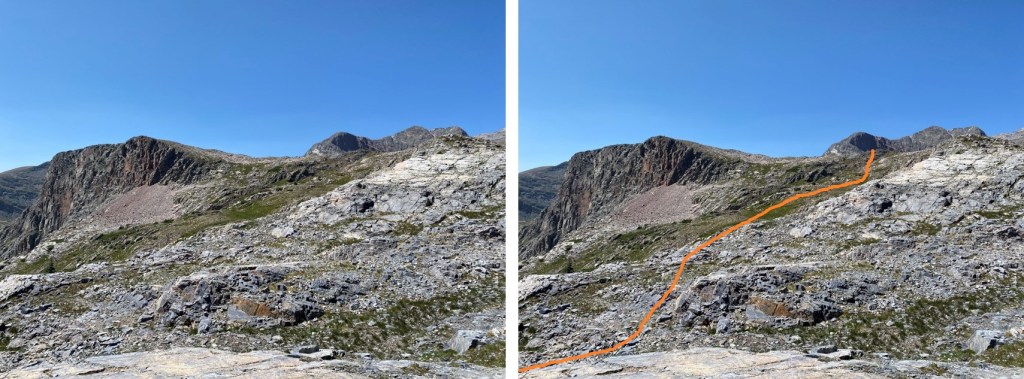
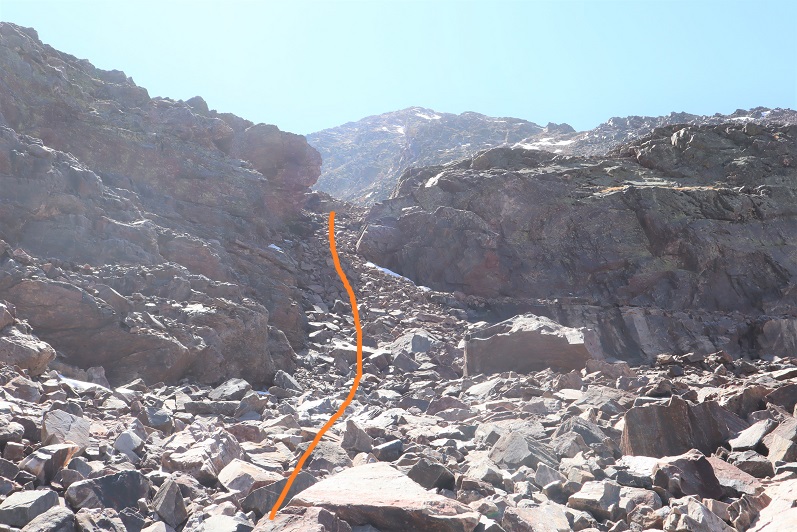
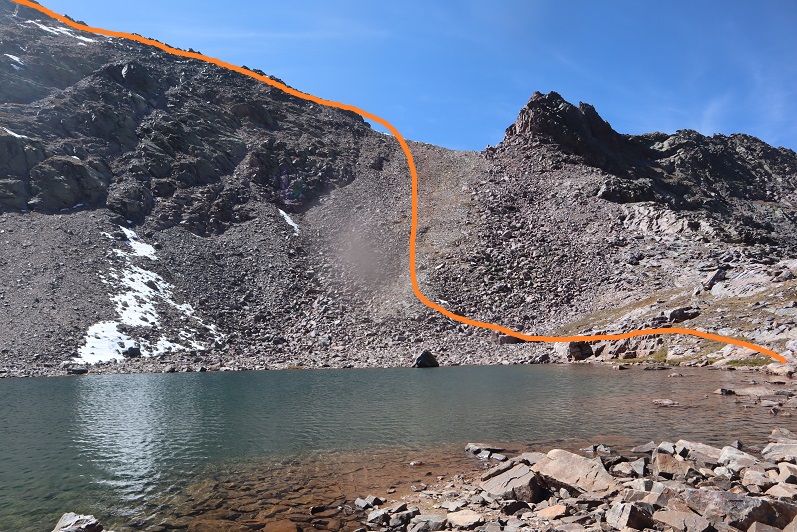
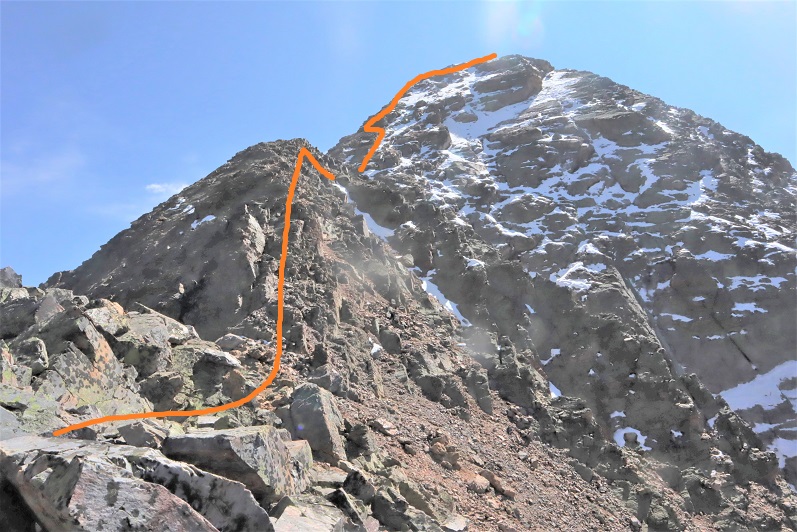
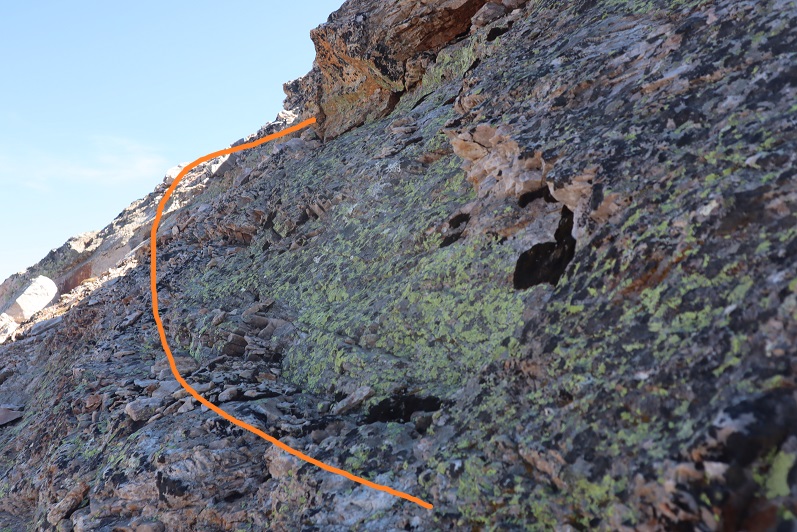
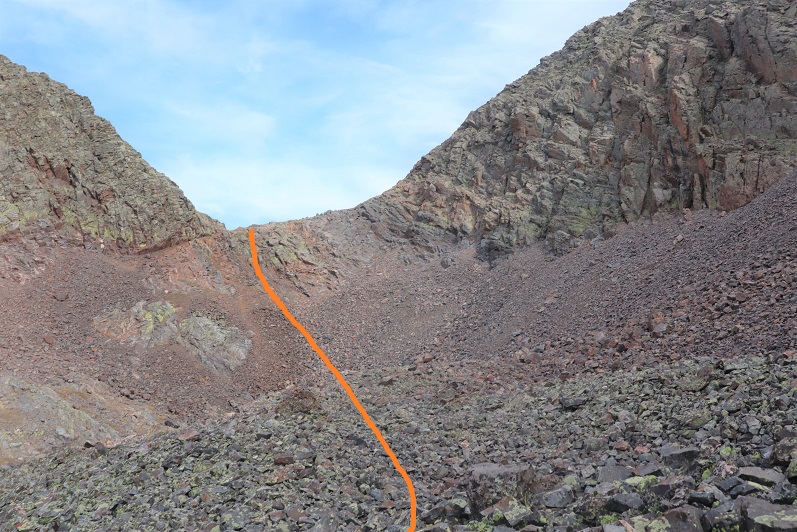
I aimed for the scree gully and then the grassy ledge. There are some game trails here, and a good one picks up once you’re on the slope that stays in-between rock formations and heads straight for the saddle. Here’s my overall route:
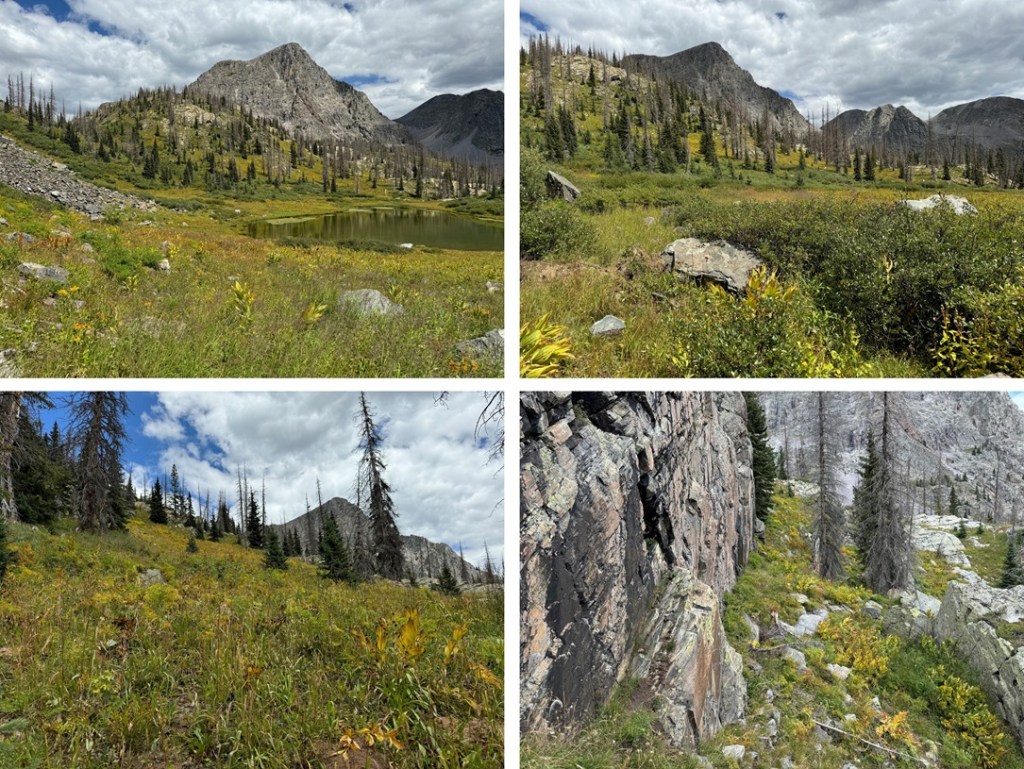
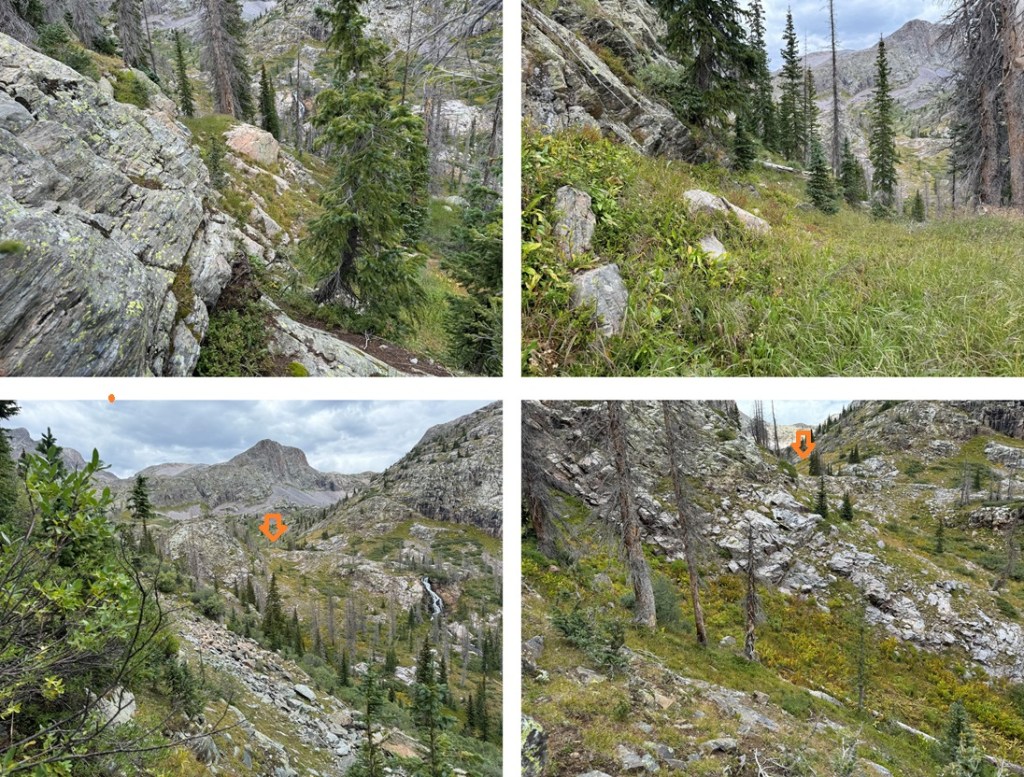
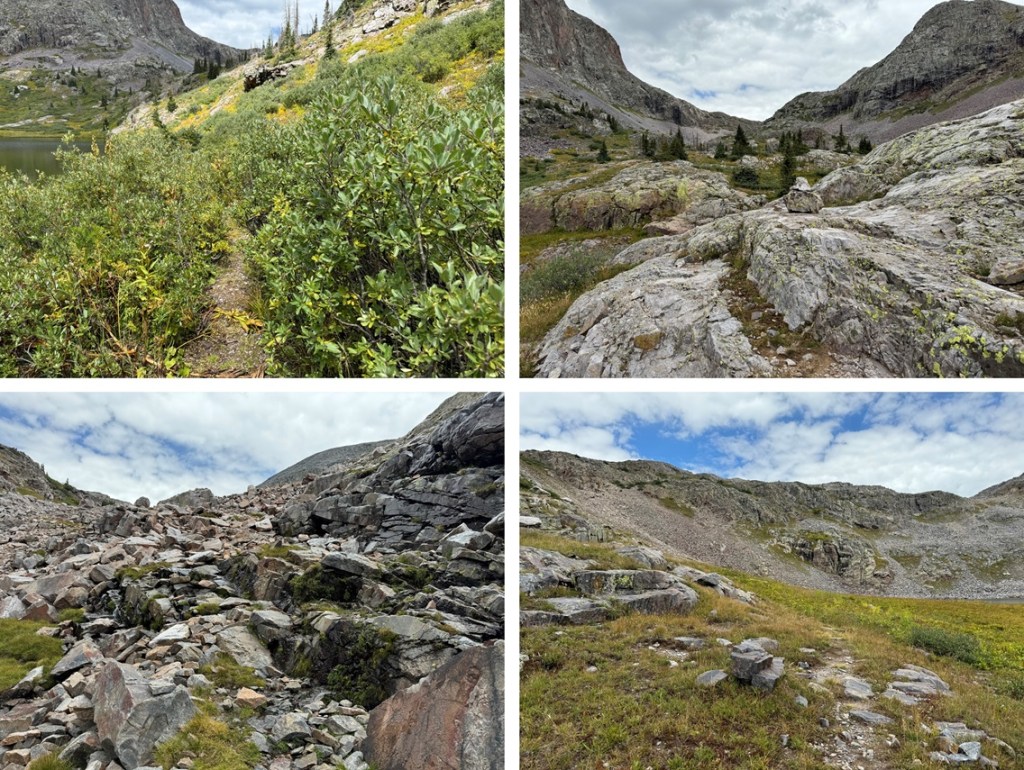
And some pictures of the route to the saddle:
Once at the saddle I turned right, and headed towards PT 13323. This was an easy hike on rocky tundra.
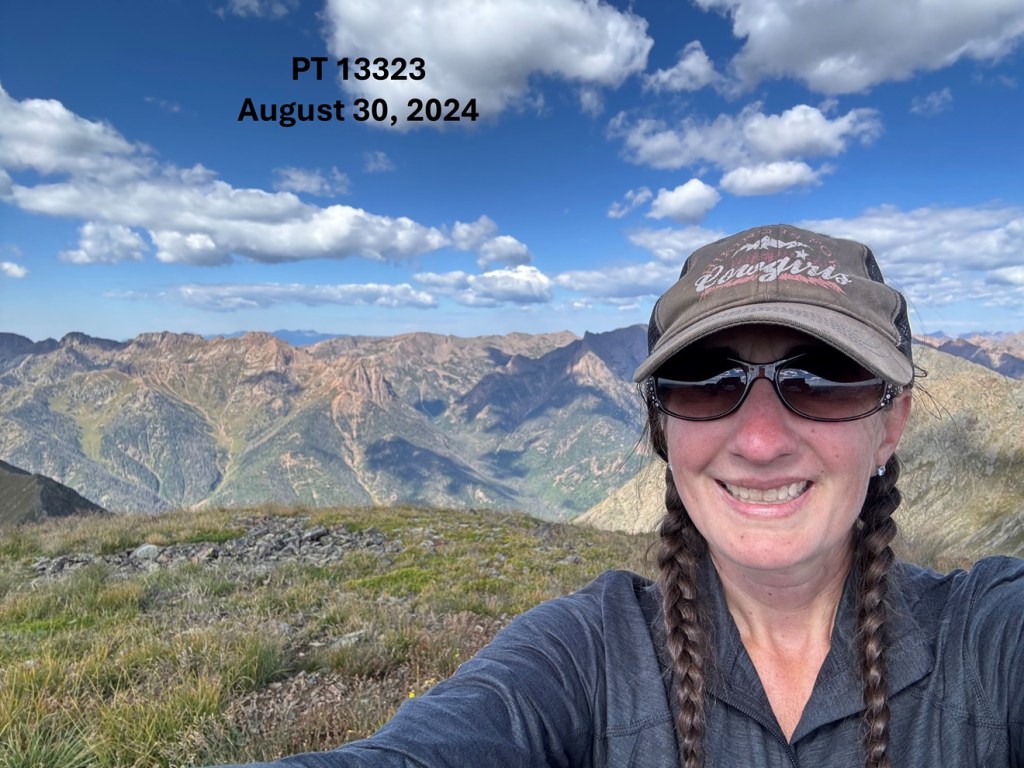
I summited PT 13323 at 10:15am
PT 13323:
To the southeast I could see PT 13350
So I headed back down to the saddle
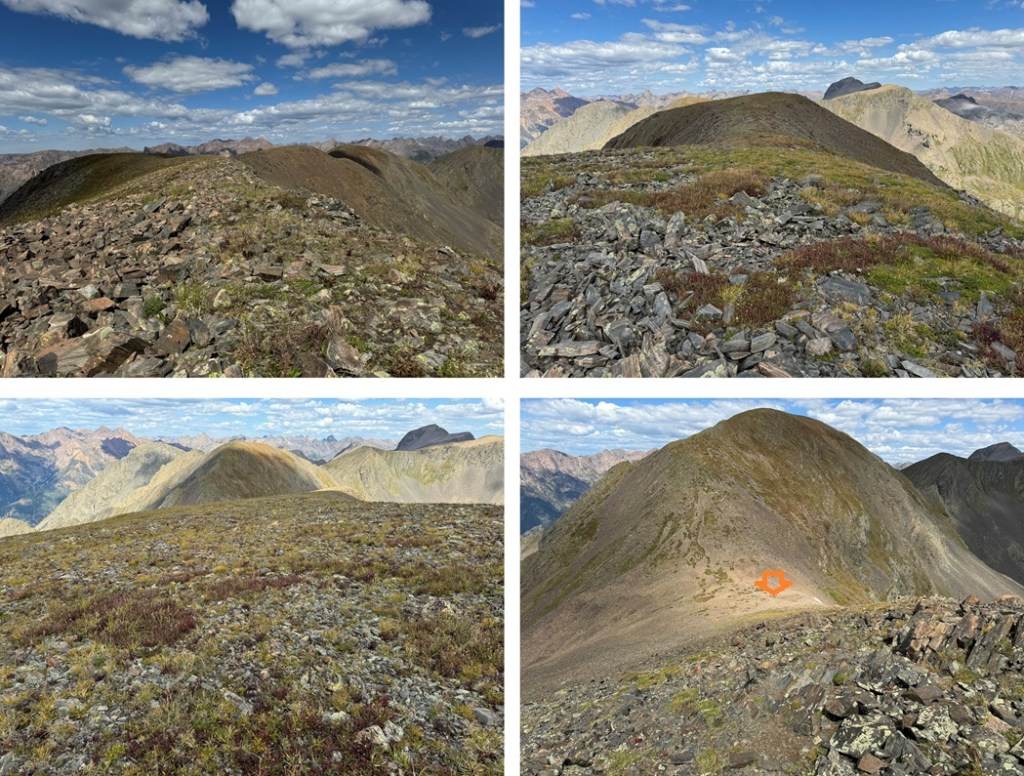
Then followed the rocky, class 2 ridge to the summit of PT 13350
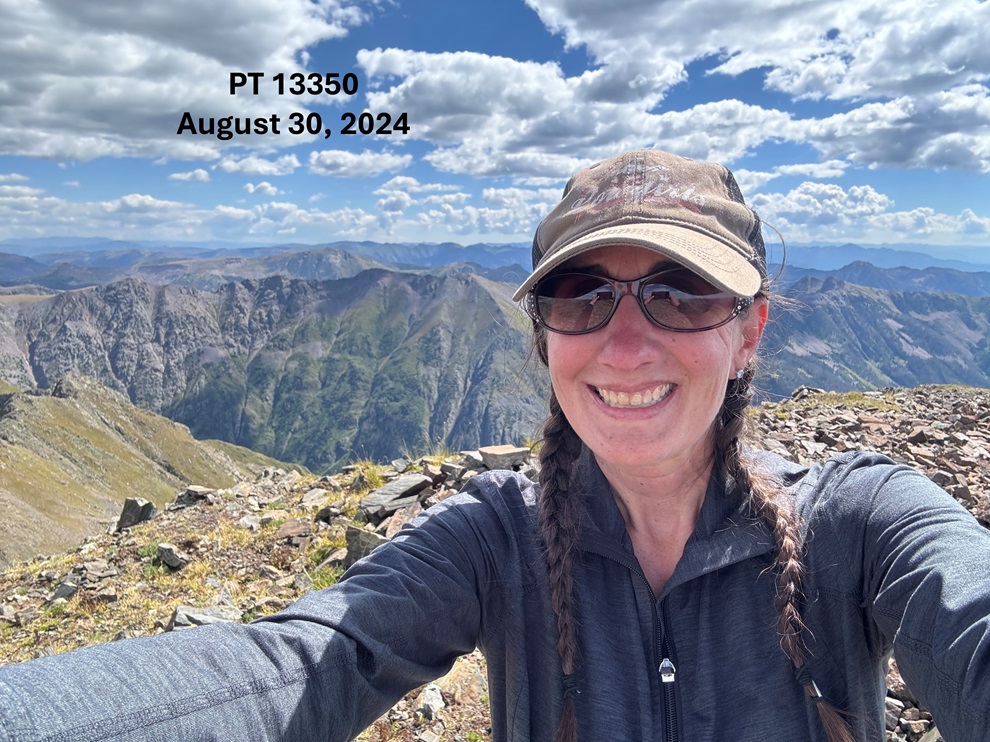
I summited PT 13350 at 10:50am
PT 13350:
This was an out and back hike for me, so I turned and headed northwest back to the saddle
Once at the saddle, I followed the game trail back to the scree, then the scree and talus back to the small pond.
Once at the pond, I followed the ridge down into the basin, following the creek
Just before the creek turns to do down to the pond, I picked up the game trail that would skirt me through the willows, down to the pond, and then back to curve around the hillside northeast.
I kept heading north, skirting the mountainside a bit to the west, towards the trail that would lead me back to Rock Lake.
Once on that trail, I followed it all the way back to Rock Lake
I made it back to Rock Lake at 2pm, making this a 11.6 mile hike with 4397’ of elevation gain in 7.5 hours from Rock Lake.
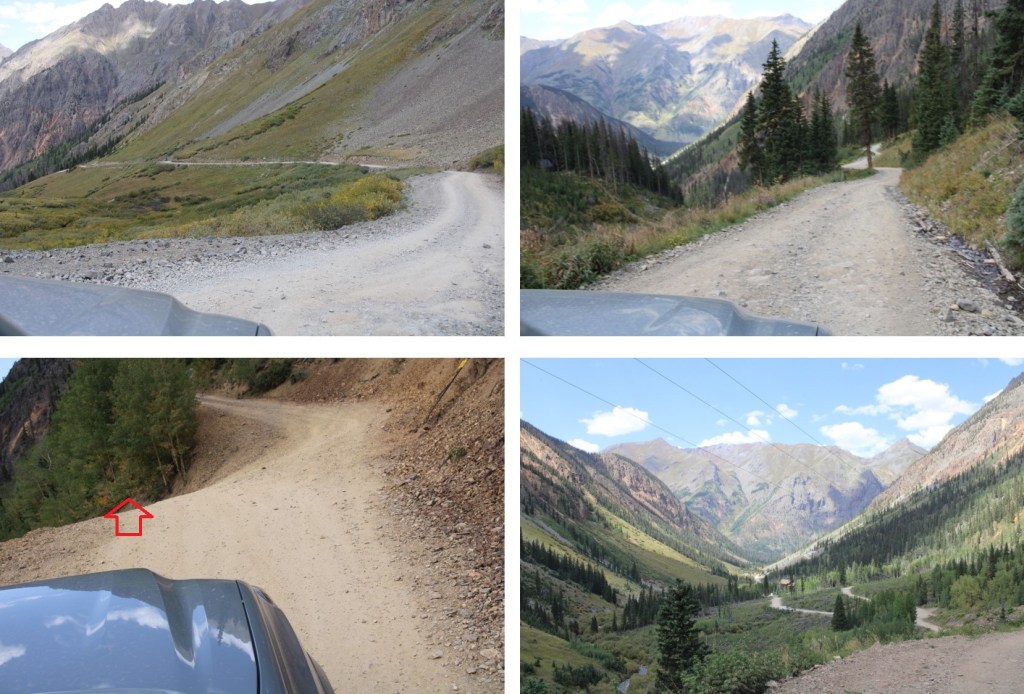
The approach drive is 21 miles from Silverton to Beartown, starting out on 110, then turning right onto 589, or the Alpine Loop, towards Stony Pass. It’s a really good idea to make a gpx file for this drive, as I’ve encountered several people who got lost in the area while taking side roads.
At the fork in the road, keep left to head towards Stony Pass.
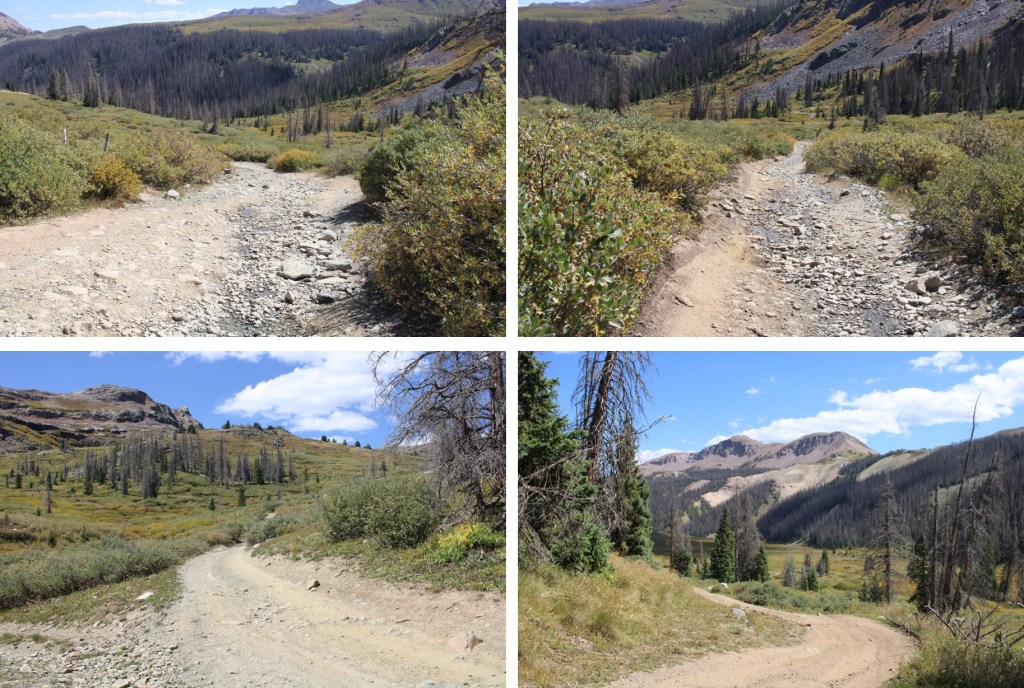
The 4WD road quickly begins gaining elevation, but is easy to follow. There are several places to pass vehicles coming the other way. After about 5 miles, you’ll make it to Stony Pass.
From Stony Pass you’ll lose over 2000’ of elevation as you make your way east, towards the Rio Grande River.
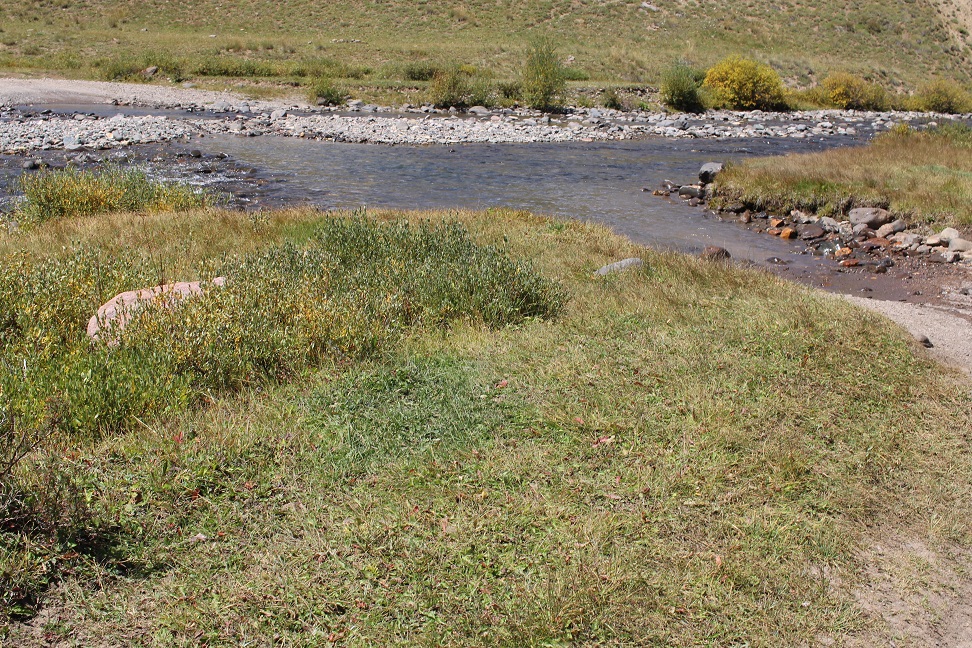
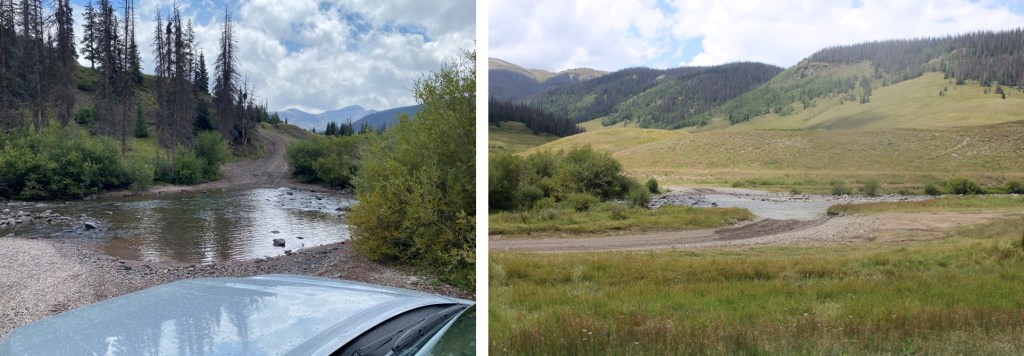
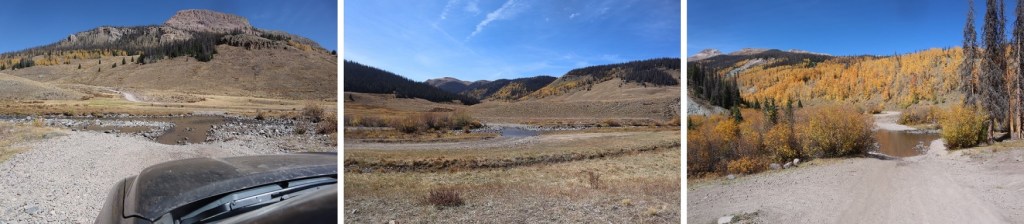
I did this hike in September, when the river crossings were low. In fact, they were lower than I’d ever encountered them before, and my Tacoma had no problem crossing.
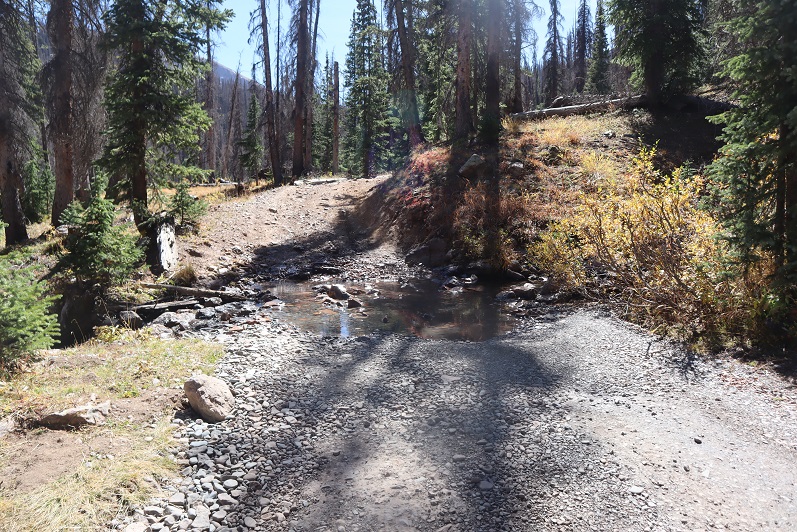
First river crossing:
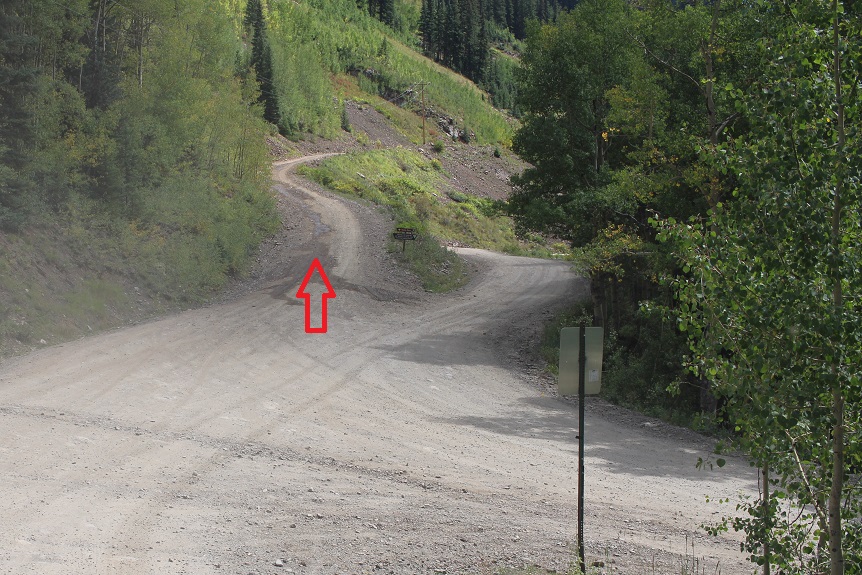
Then there’s a junction. Stay right, and take the road that goes towards Beartown
Second river crossing:
From here you are now on 3A, and the road gets more difficult. It does feel like it’s been graded recently though, as it wasn’t as bad as I remember it being last year.
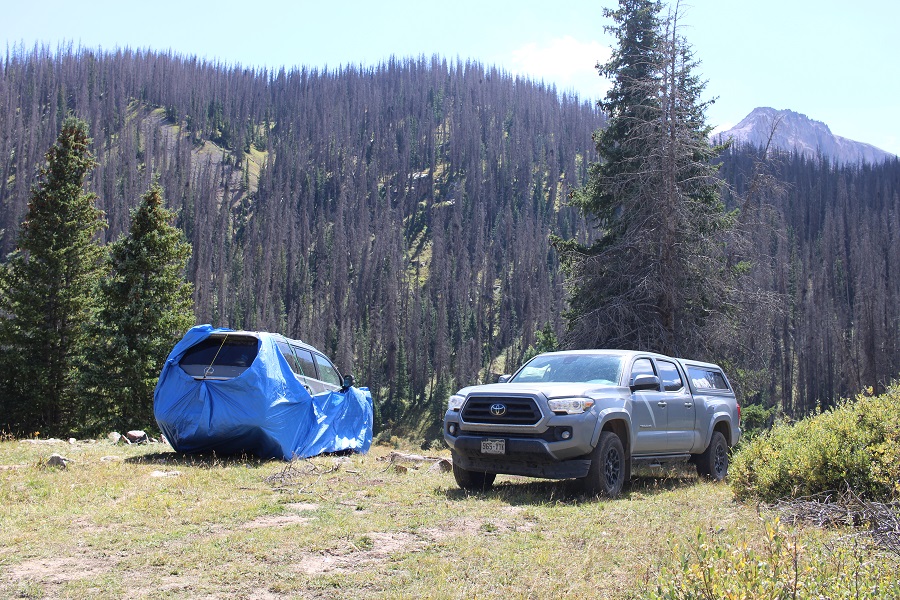
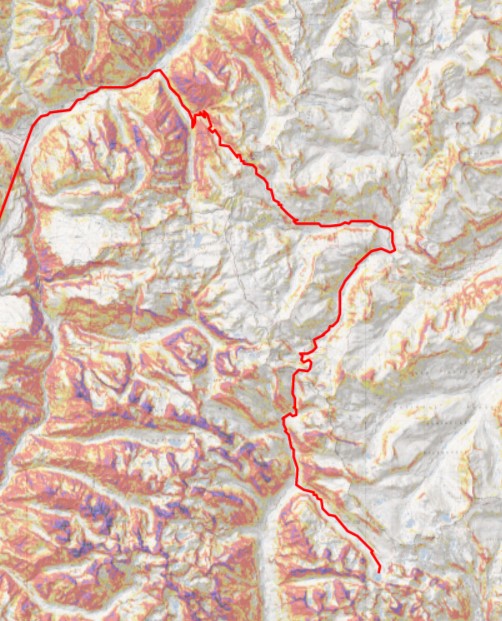
I parked at a nice campsite at 10890’. My truck could have made it further, but I love my truck, and didn’t want to drive it further down the road. Here’s the topo for the drive in
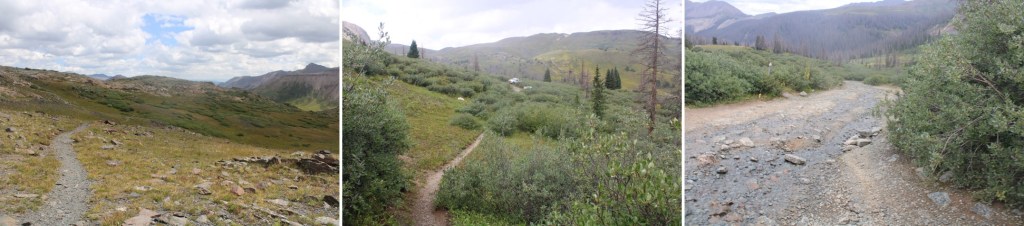
Now for the approach to Rock Lake. This entire approach is class 1.
Here are the stats:
2.7 miles and 1263’ of elevation gain from my parking spot to the top of Hunchback Pass
5 miles and 2349’ of elevation loss from Hunchback Pass to the Rock Lake cutoff
4.8 miles and 1713’ of elevation gain from the Rock Lake cutoff to Rock Lake.
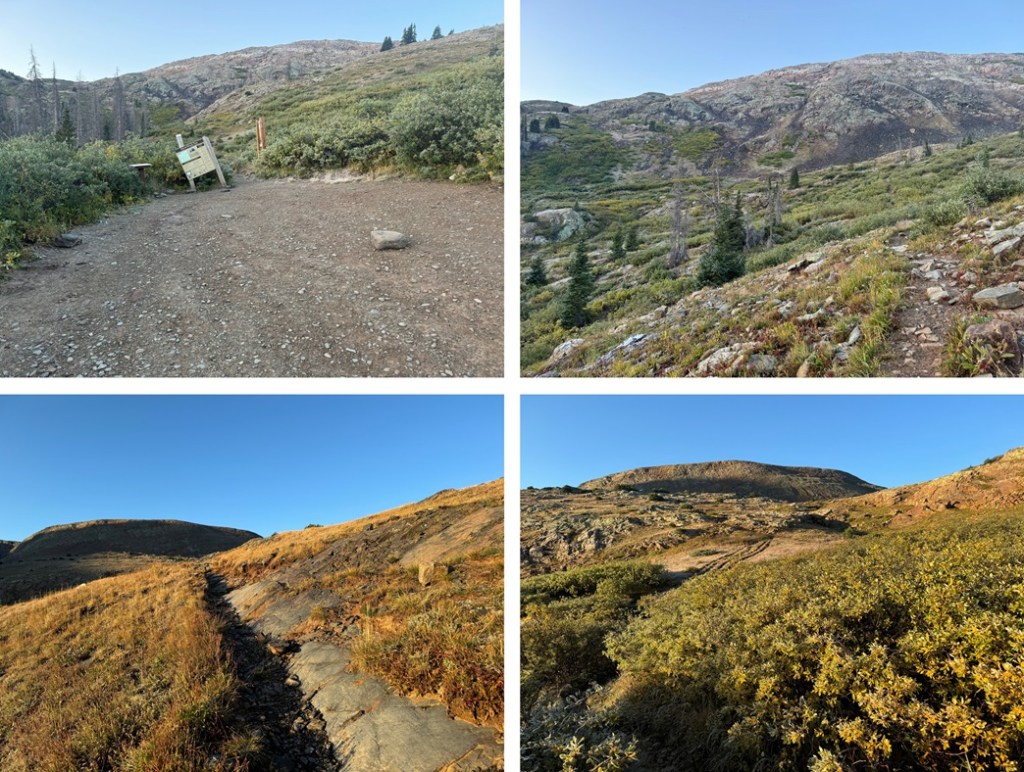
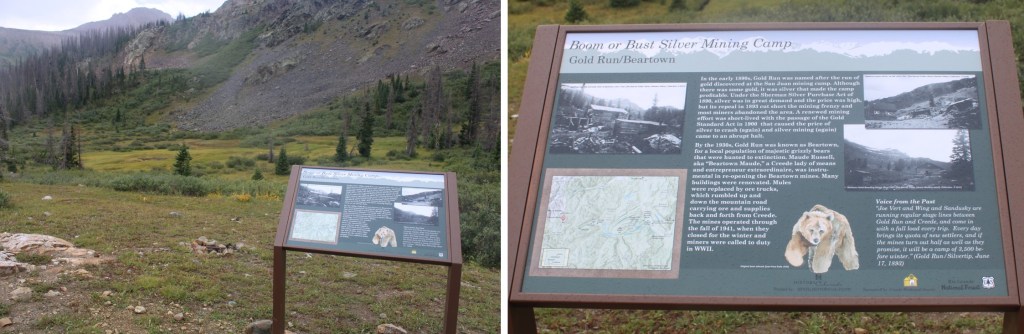
I started out heading southwest along the dirt road (3A), towards the actual trailhead, passing a sign for Beartown along the way.
There were many capable vehicles parked at the trailhead
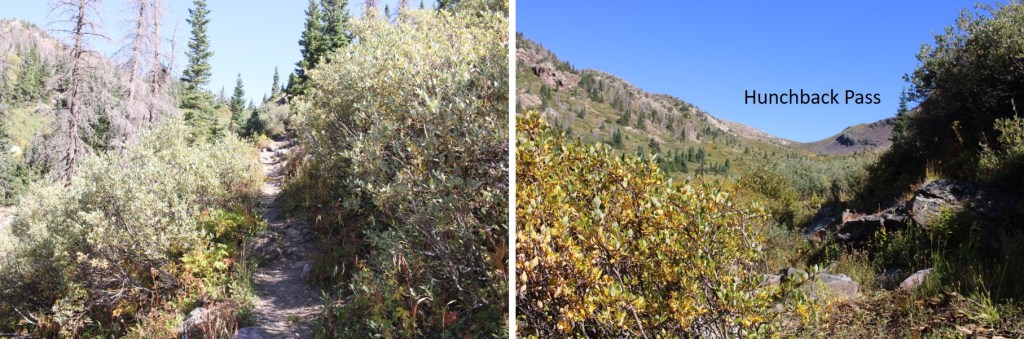
I followed the trail, 813/Vallecito Trail, as it wound its way up towards Hunchback Pass.
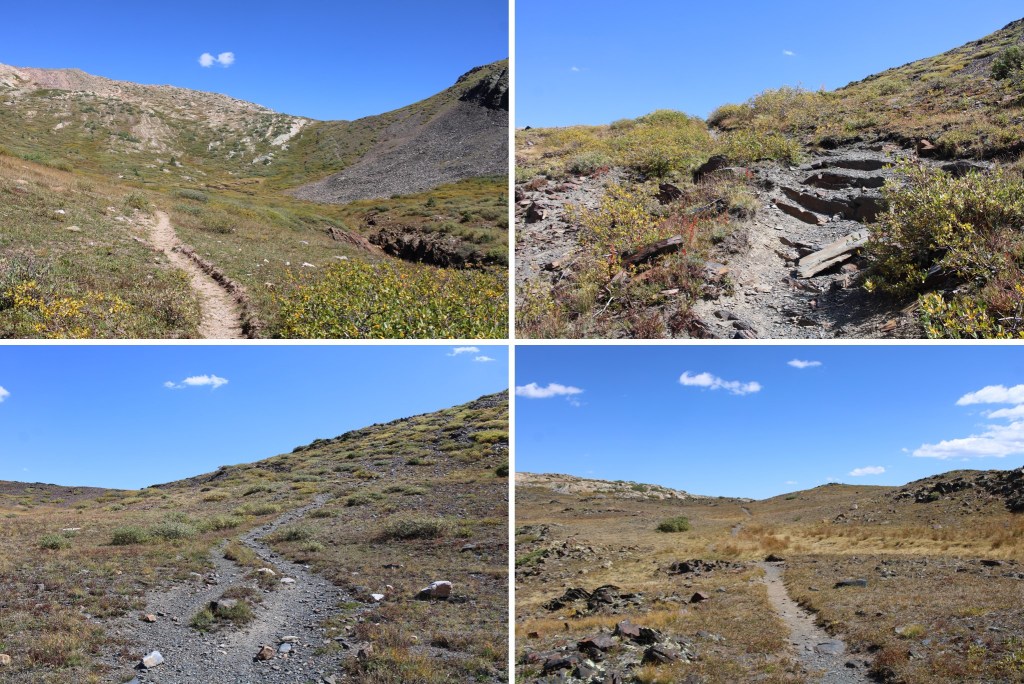
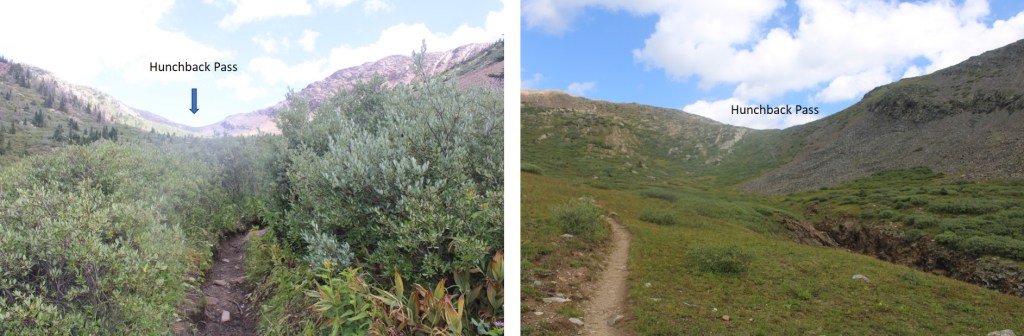
At this point I was above treeline, but that would soon change. From the top of the pass I descended down into the basin
Encountering willows (bring your rain gear) and re-entering treeline.
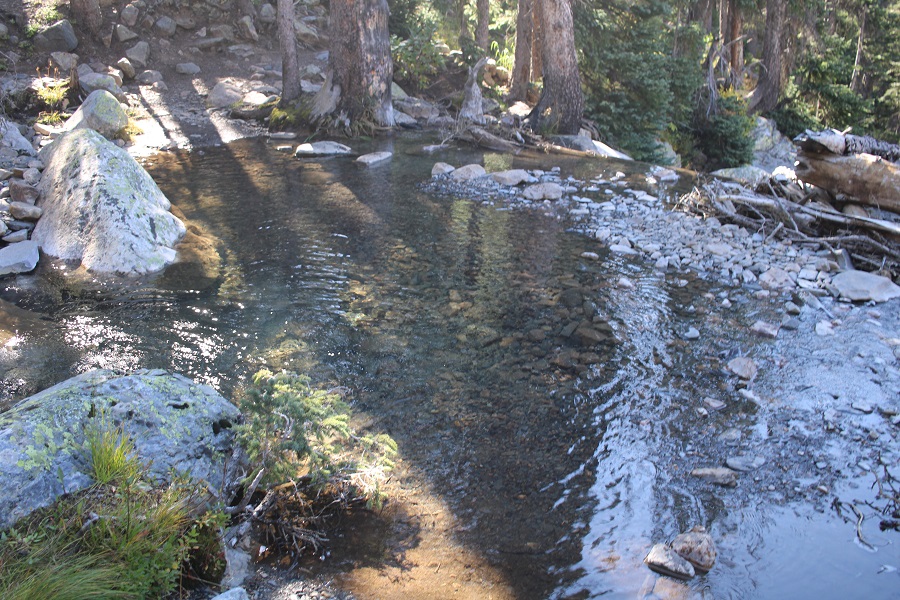
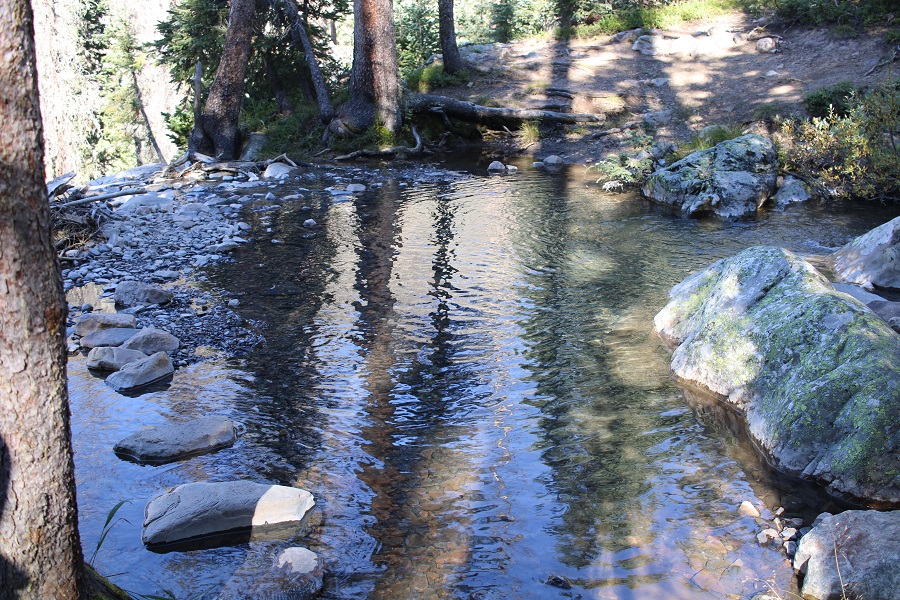
I crossed Nebo Creek, which is a great place to stop for lunch, or to filter water
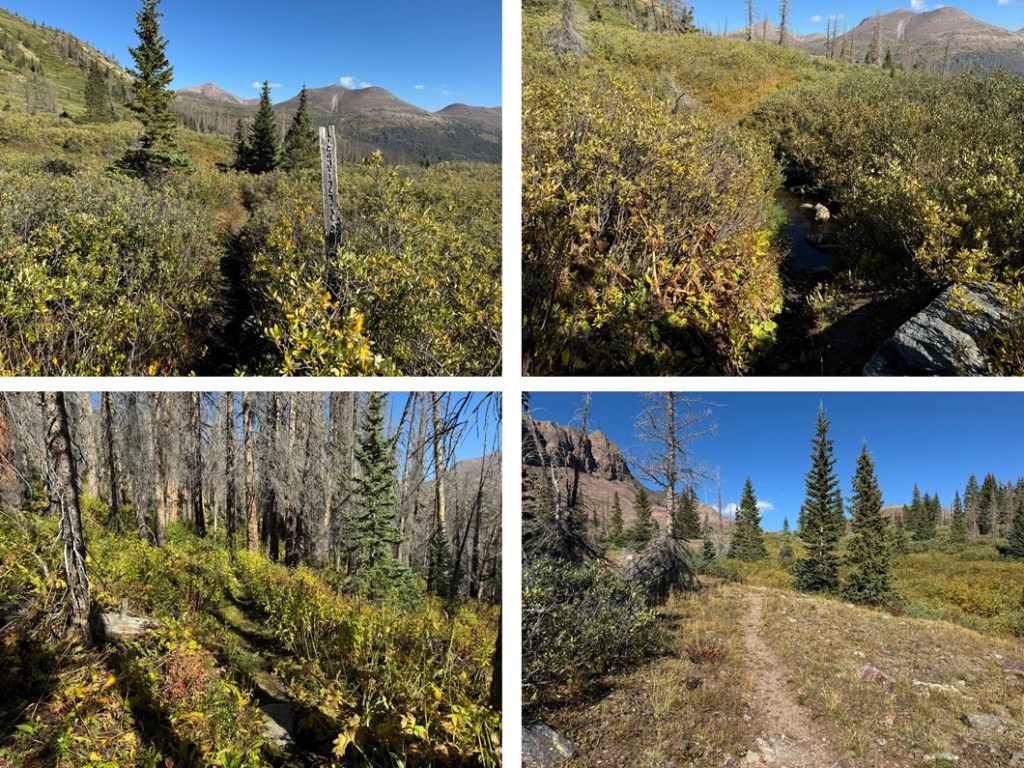
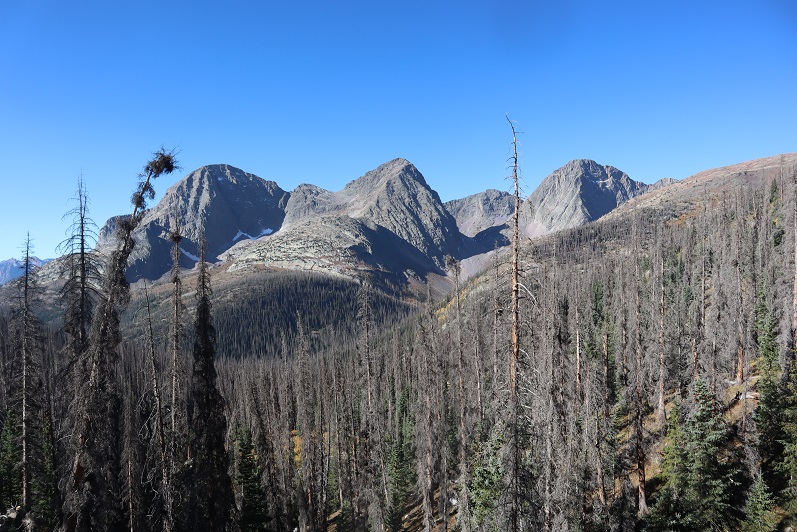
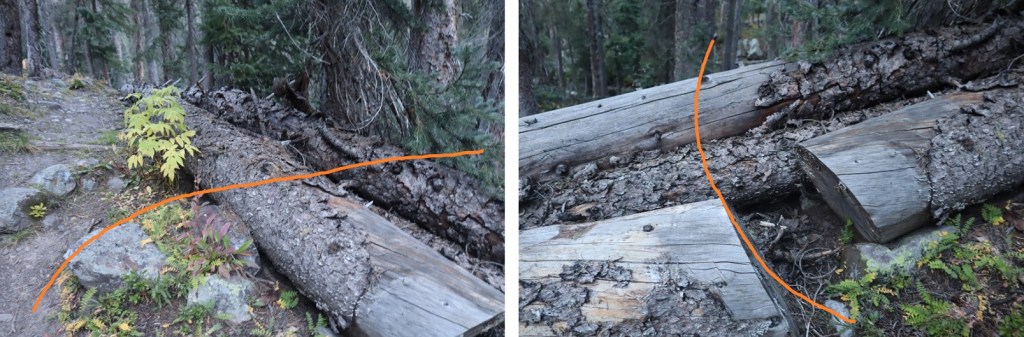
This is where the downed trees began. There were dozens of them, but luckily this is also a horse trail, so there were paths already beginning to form around the downed trees.
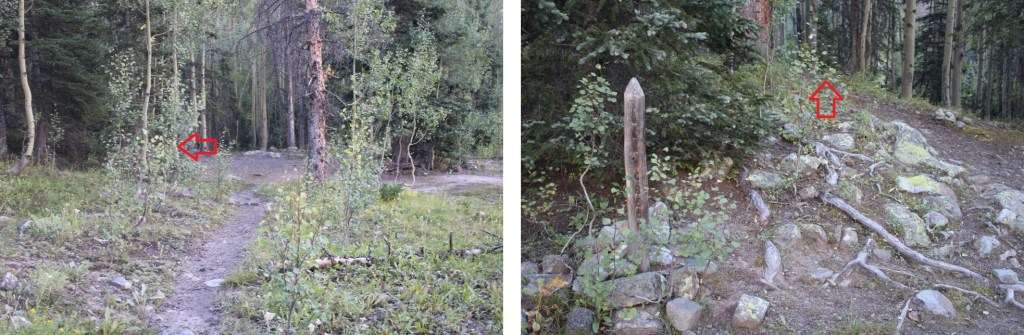
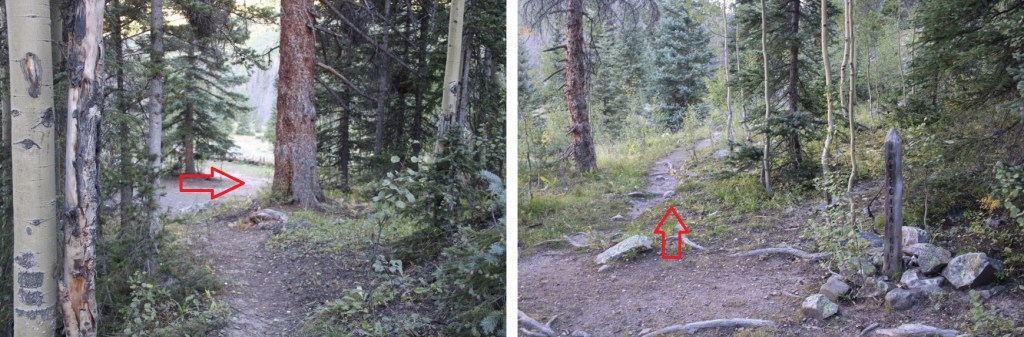
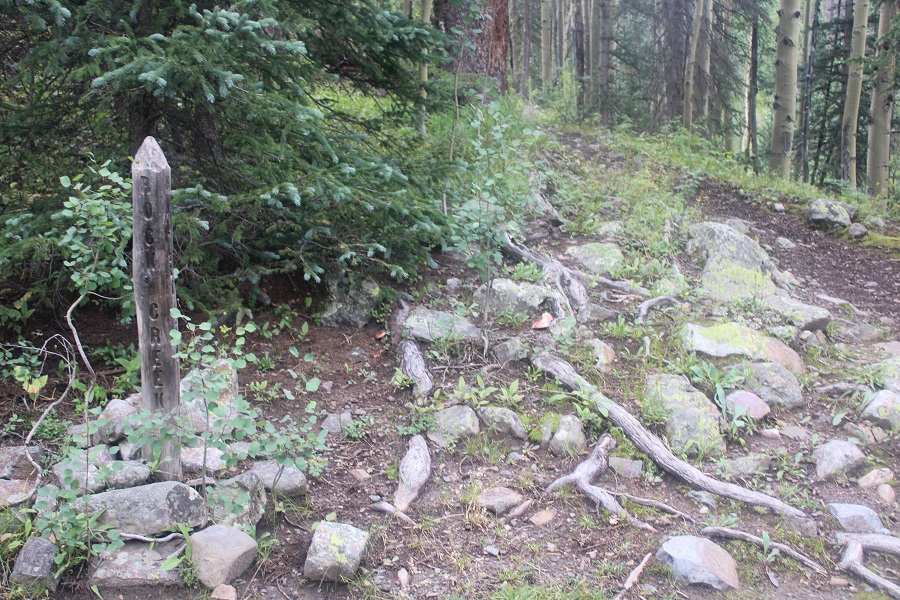
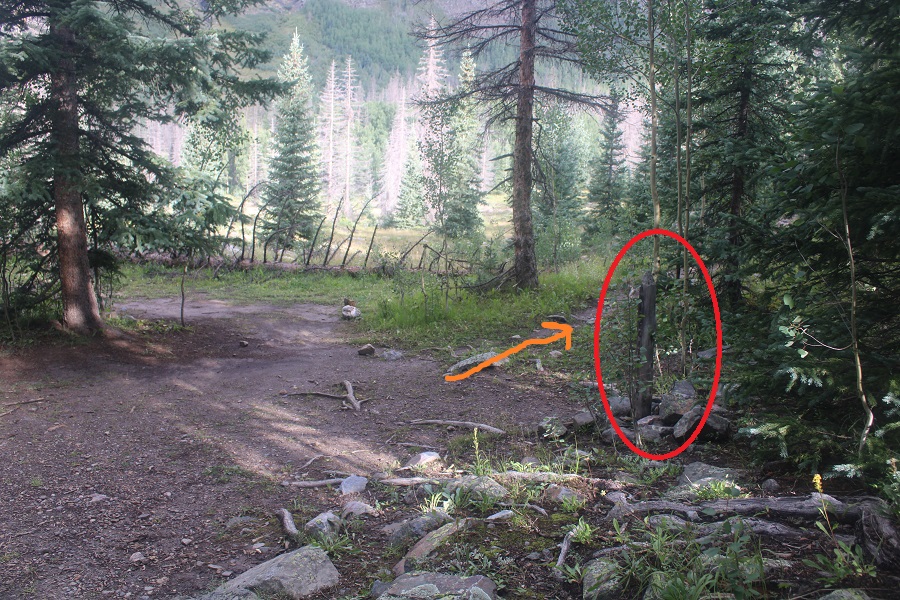
At around 10135’ I came to the junction for the Rock Creek Trail. It’s marked by a wooden post, and easy to miss in the dark.
I turned left, and followed the Rock Creek Trail
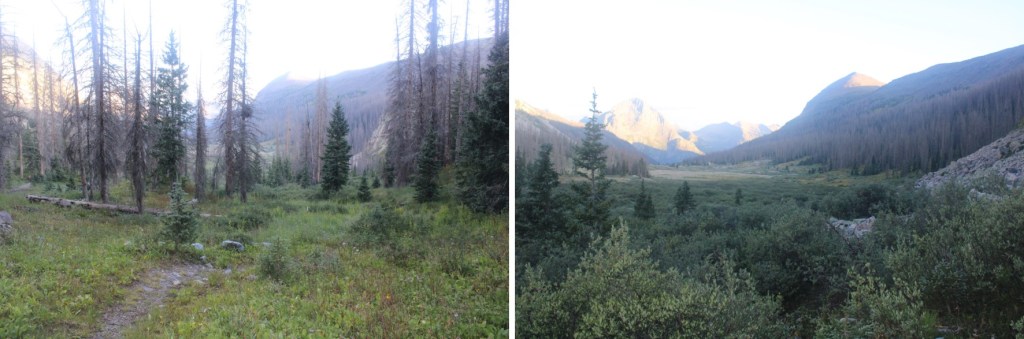
The trail was easy to follow as it gained elevation, heading southeast, paralleling Rock Creek. I entered a wide basin (where I’d been charged by a bull moose on a previous trip to the area), and headed through willows towards Rock Lake.
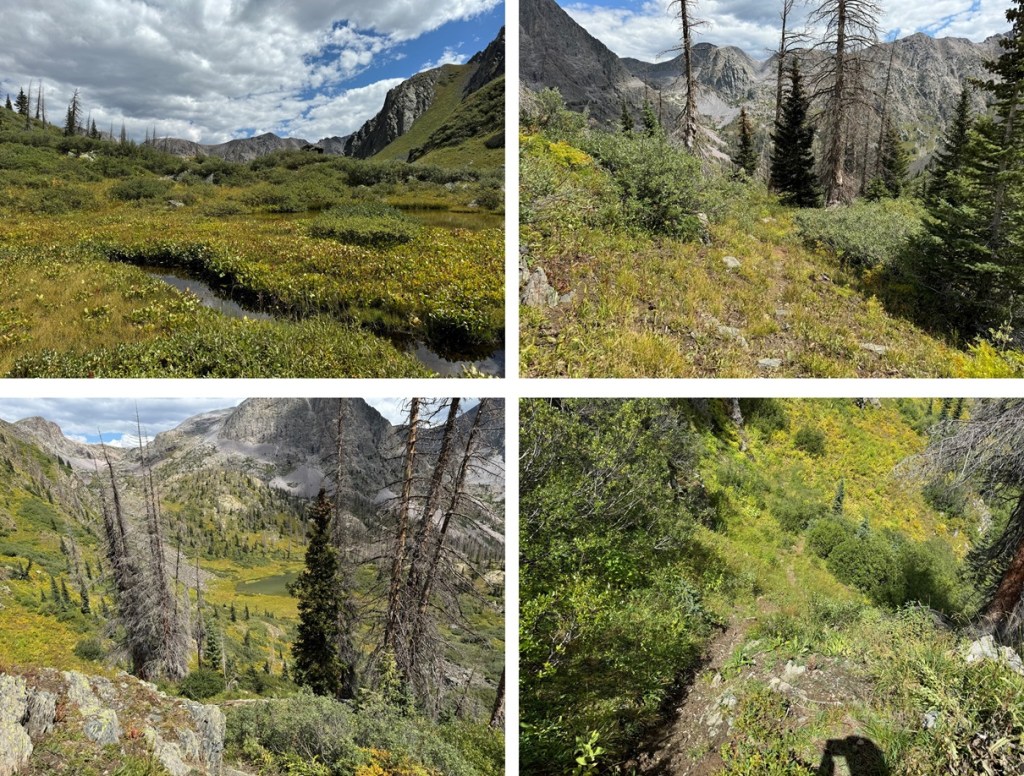
The willows gave way to trees and switchbacks
Which gave way to more willows
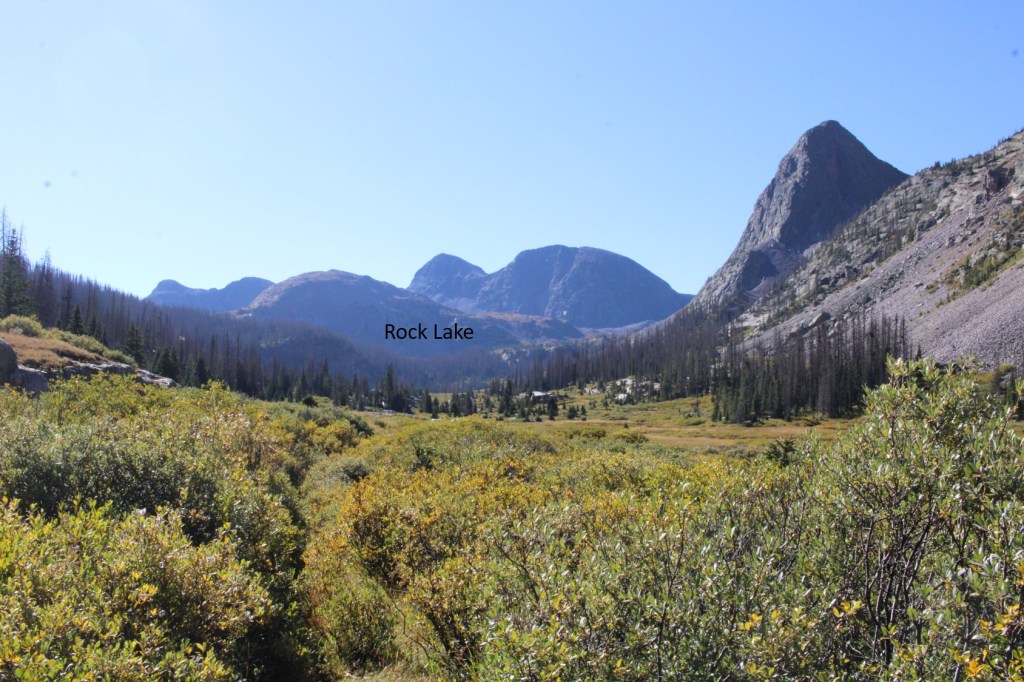
At the end of the willows, was Rock Lake. From where I parked, it was a total of 12.51 miles with 3044’ of elevation gain to Rock Lake
There are tons of places to set up camp directly in front of the lake, but also on its east side. If you see campers set up on the north shore of the lake, realize there are many, many more along the trail ahead as well (hikers left).
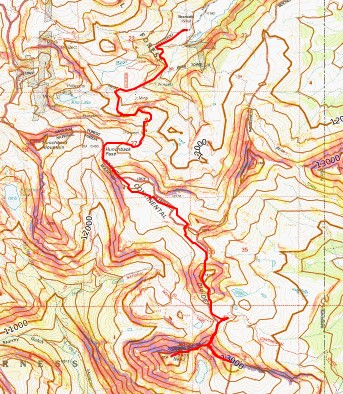
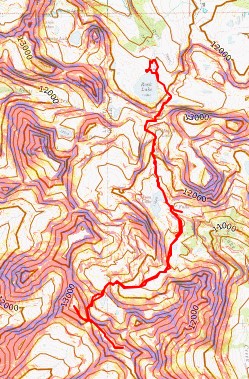
Here’s my topo map for the route in from Beartown
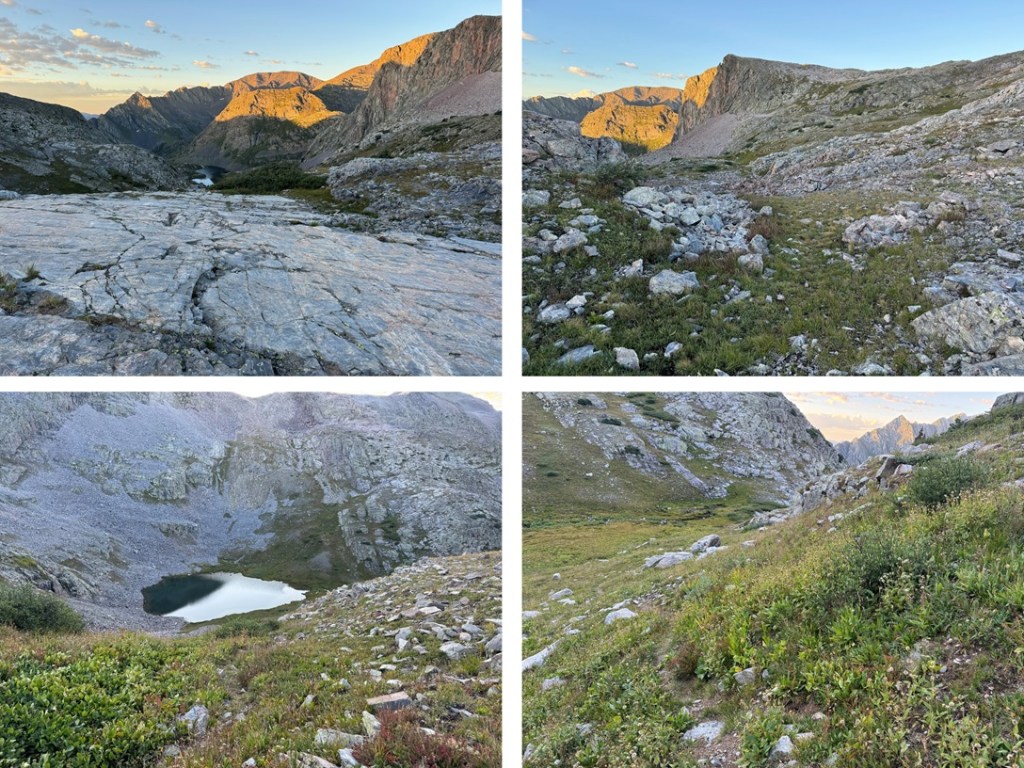
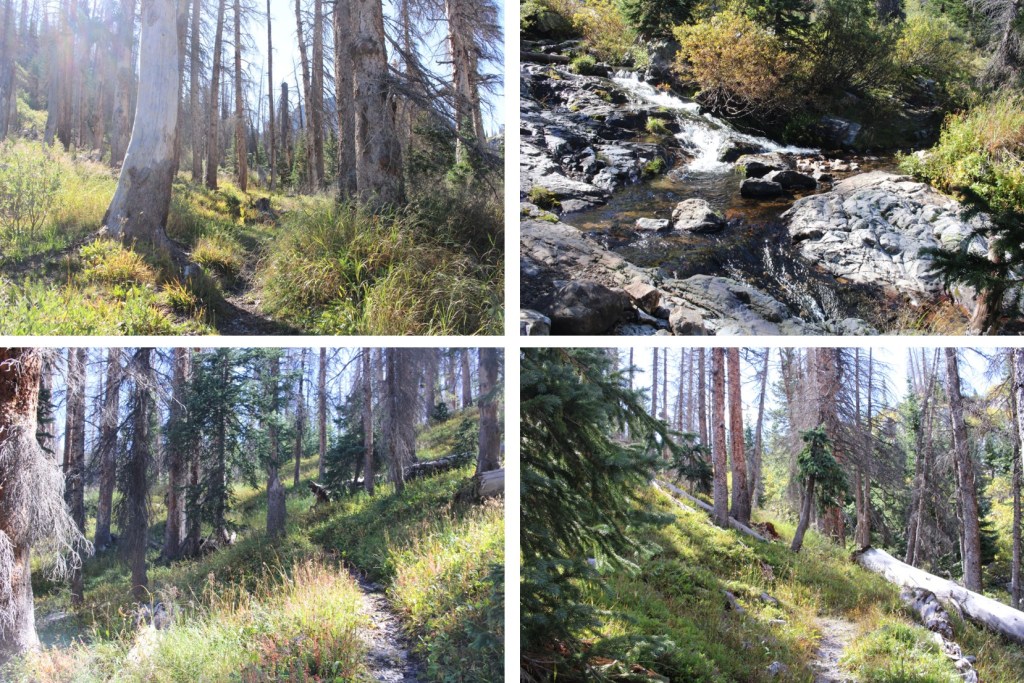
And now some pictures of the way out, from Rock Lake back to the Vallecito Trail.
Back at the junction I turned right, and followed the Vallecito Trail. At this junction, there’s a great place to camp (if needed).
Now for the fun part: 2350’ of elevation gain back to Hunchback Pass
I re-crossed Nebo Creek
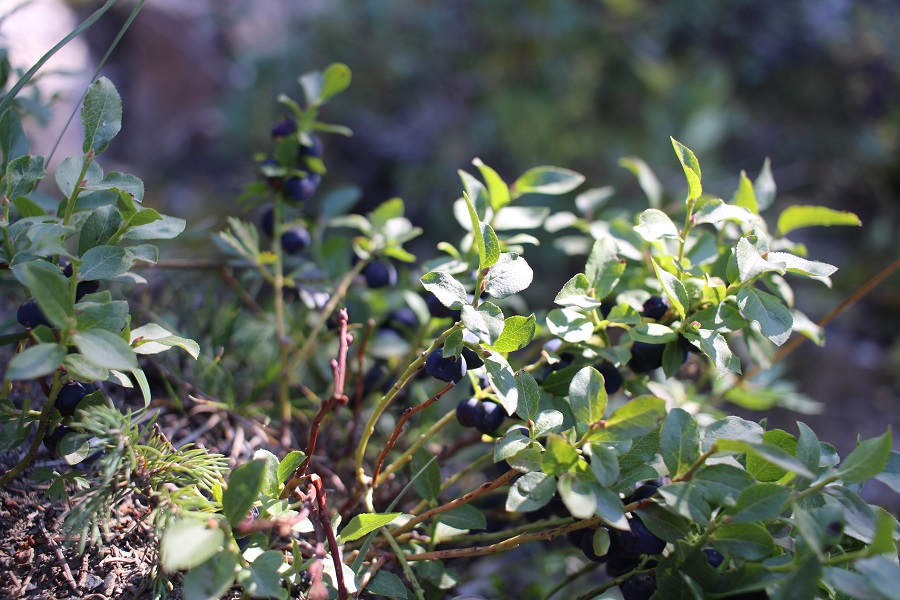
And came across tons of wild strawberries, raspberries, and blueberries. Since it was September, they were all ripe, and a great snack halfway back up the pass
I re-entered willows, and followed them towards Hunchback Pass
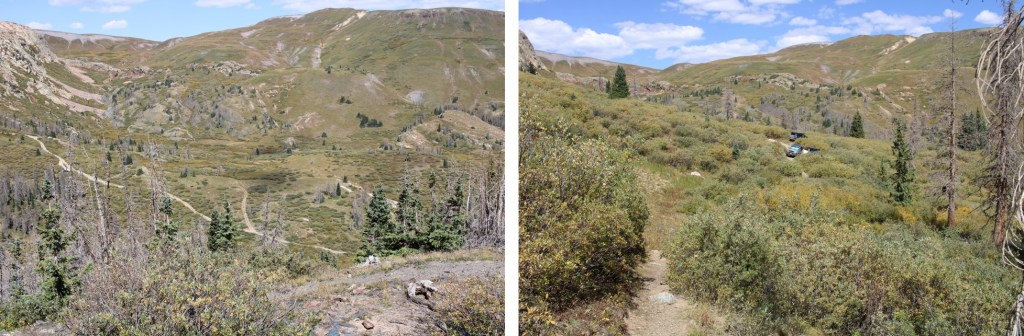
From the top of the pass, I headed back to the trailhead
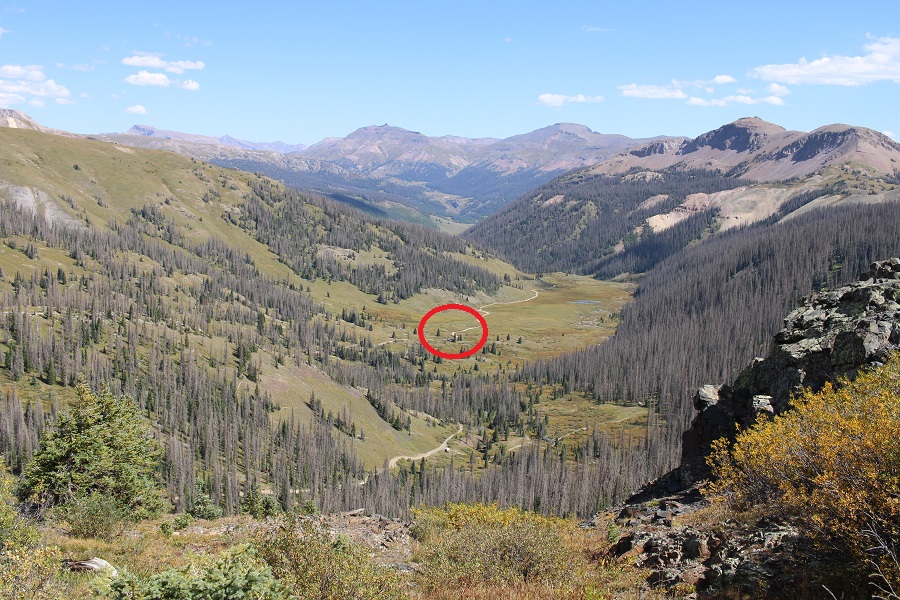
From here you can see where I parked my truck
Back at the trailhead, I followed the 4WD dirt road back to my truck
When I got back, I found another vehicle parked in the campsite alongside mine, ready to combat those pesky marmots (I saw several on my drive out).
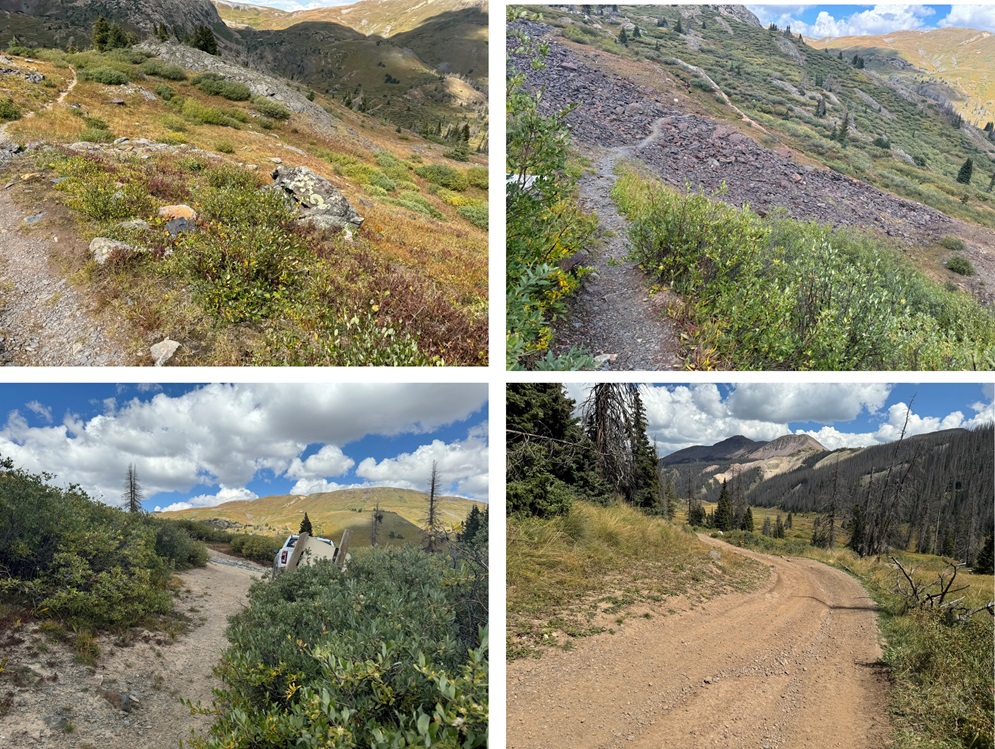
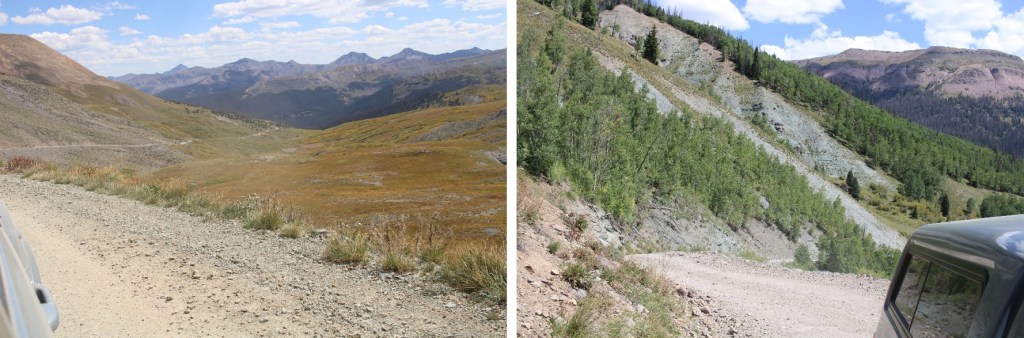
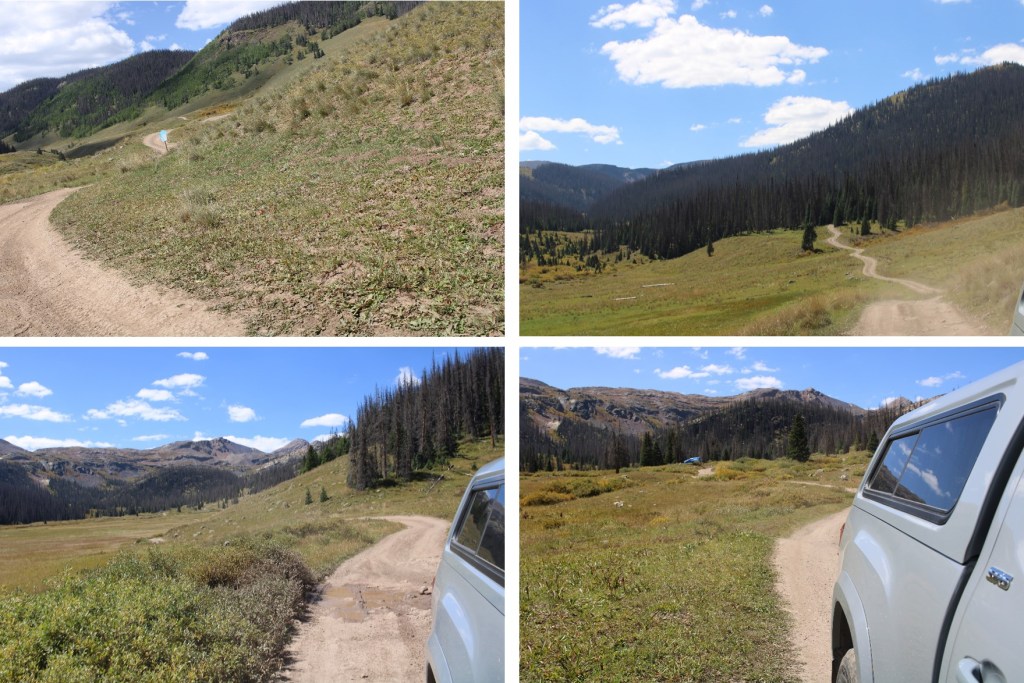
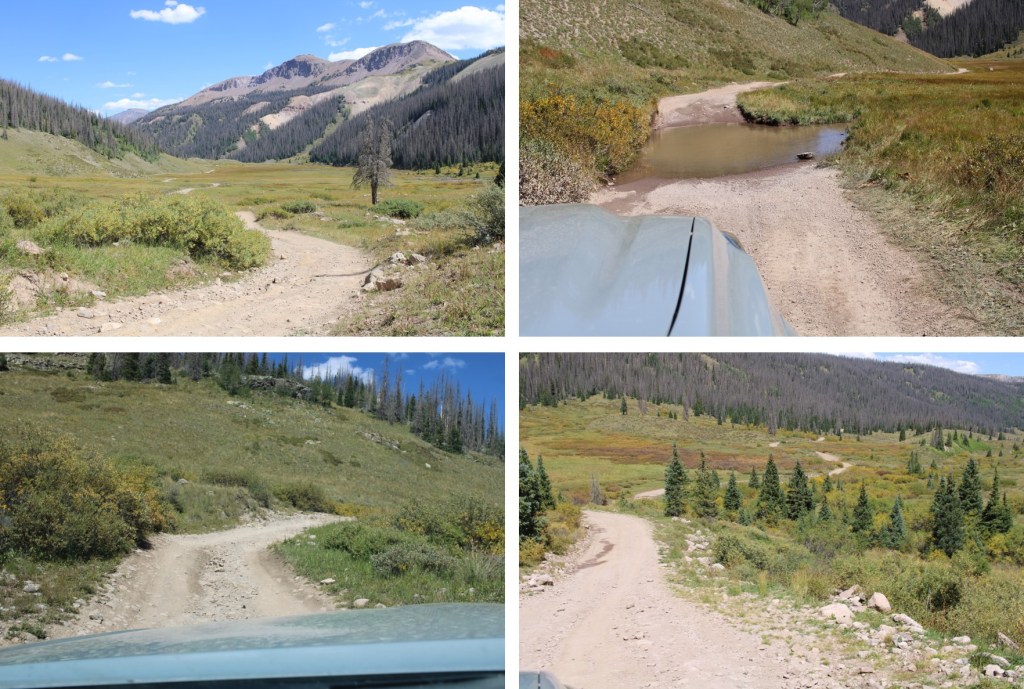
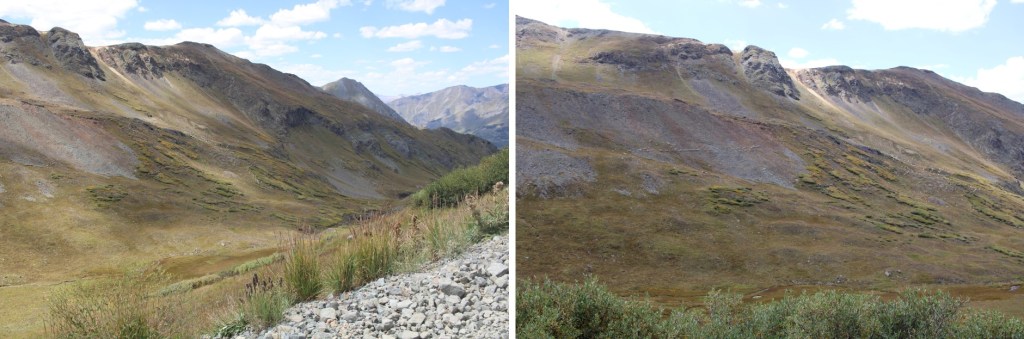
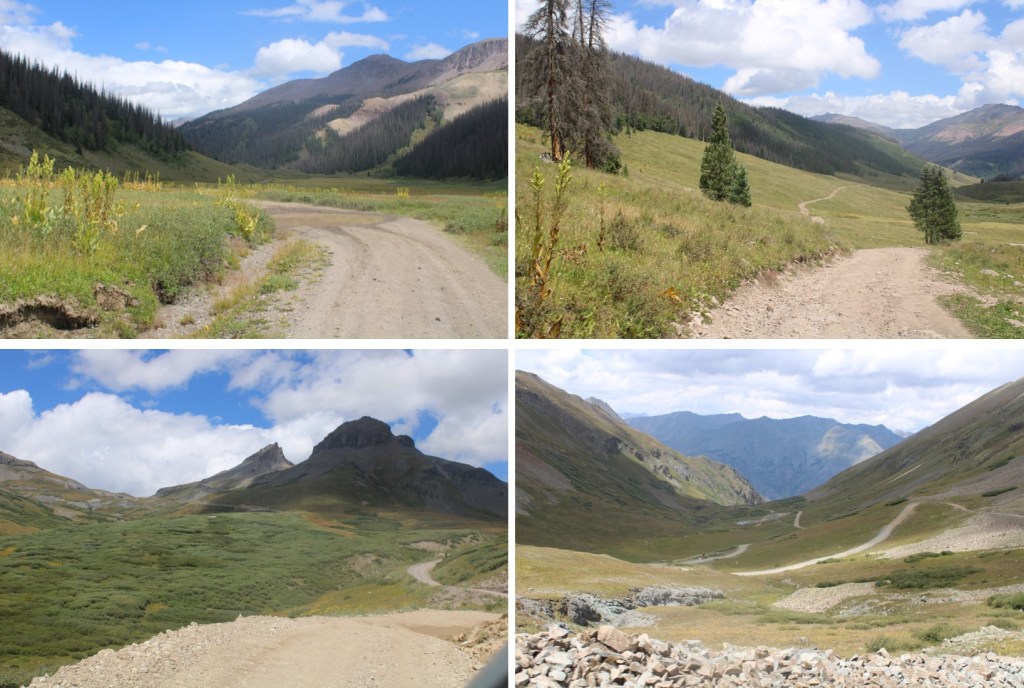
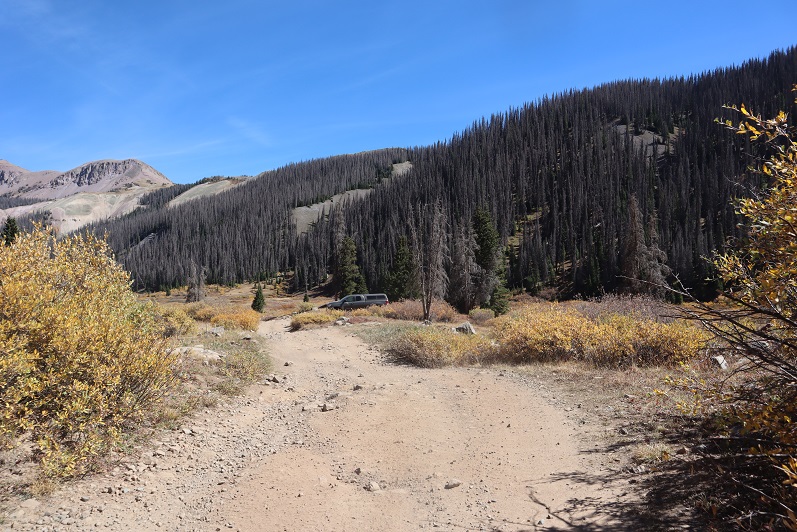
Here are some pictures of the drive out. Remember, it’s all left turns now to get back to Silverton.
After Stony Pass I came across a rather large herd of domestic sheep grazing on the hillsides
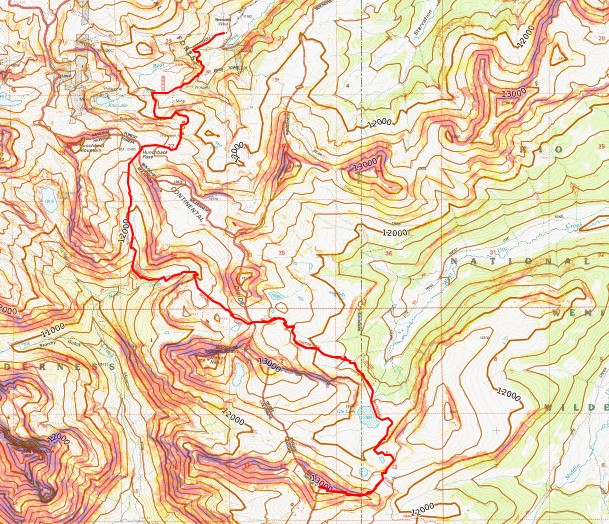
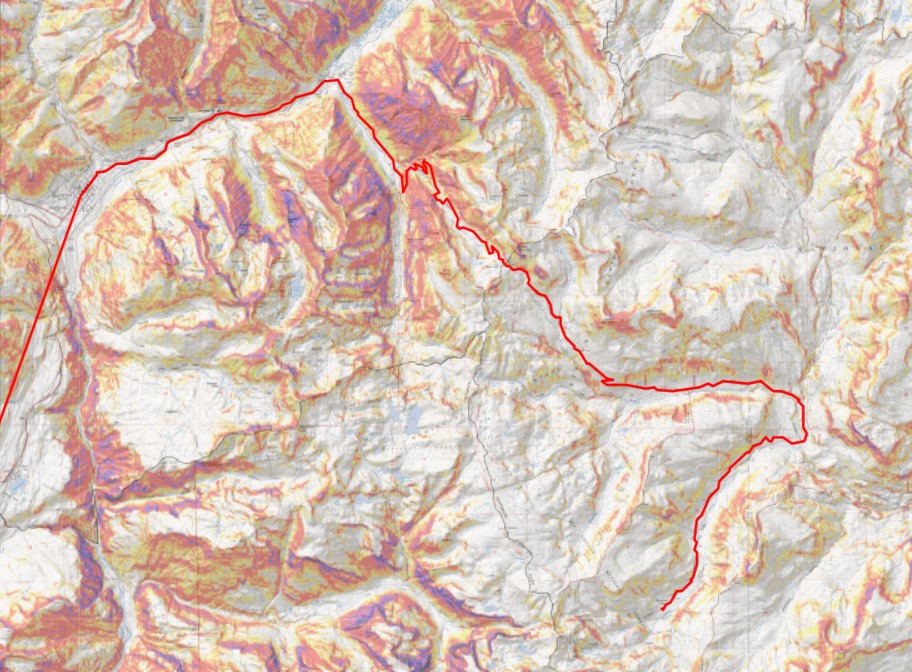
Here’s my topo map for the entire route
As always, please contact me if you’d like a gpx file for this route.
This trip changed so many times before it even began. I have an actual job, with responsibilities, meetings, etc. I drove down to Durango Wednesday night, slept in the cab of my truck at a Walmart (the topper is still on order), got “the knock” at 10:30pm, moved, then woke up and worked/had meetings in my truck the next day. Then I drove to Hunchback Pass through Silverton (my favorite way to get to Hunchback pass). It started raining as soon as I hit the dirt road, and didn’t stop. There was a 60% chance of rain today, but I was still hoping to find a window and hike either 5 or 10 miles to a camping spot (depending on when it got dark, weather, etc.).
The road over Stony Pass was sketchy in the rain. Miles did great, but there were a few times I was worried the mud was too deep to get through. I was a bit worried about the river crossings too, but Miles once again had no trouble.
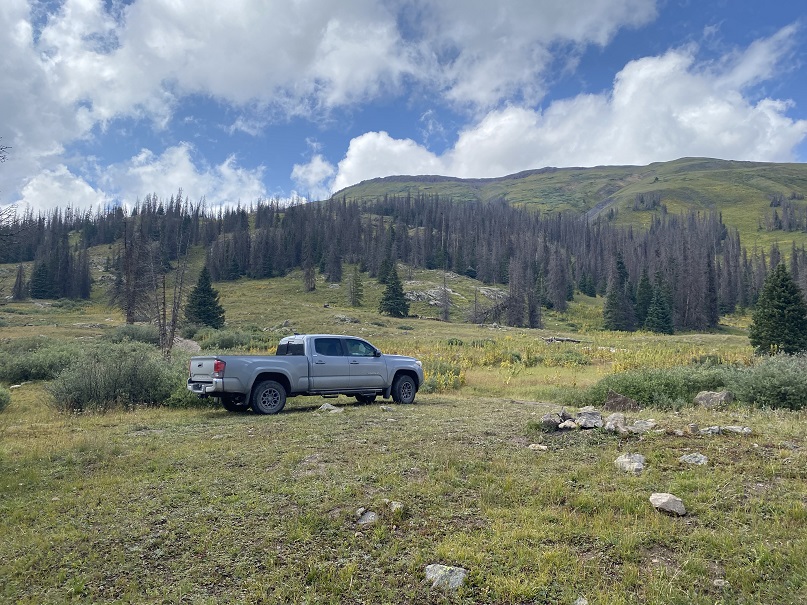
I’ve been to this area 3 or 4 times, and know the perfect place to park: It’s a pullout at 11230’, just before you hit the trees (again), and before getting to Beartown. My truck can make it further, but from past experience I know it’s going to get Colorado pinstripes from the willows and I have the opportunity to scrape the frame a couple of times as well. I love my truck, so I parked here, about 1.3 miles from the trailhead, in a flat spot with a campfire ring at 11235’.
I parked and waited for the rain to stop. The rain turned to graupel, then rain again, then hail. I could see the clouds coming over Hunchback Pass, and they weren’t getting any prettier. Wave after wave of new sets of clouds kept cycling in. After waiting for a few hours, I decided to just get some sleep. I know many of you would start out in the rain, but with my Raynaud’s I can’t risk it: If I get wet/cold that’s it for me, as I cannot warm up. I woke up every hour to check on the weather. The rain didn’t stop/clouds didn’t clear until 4:30am. That was a 15 hour rain delay that was seriously messing with my summiting plans.
I put on my rain gear to ward off water on the trail dripping from plants, and was on the trail before 5am.
Day 1 went like this:
Gained 1275’ over 2.8 miles (to Hunchback Pass)
Lost 2350’ over 5 miles (to Rock Creek Junction)
Gained 2503’ over 6.4 miles (to pass over Rock Lake)
Lost 500’ over .5 miles (From pass across basin)
Gained 1150’ over 1 mile (from basin to Oso/Soso saddle/to Oso Summit)
Woot! Summit!
Lost 1150’ over 1 mile (back to basin)
Gained 500’ over .5 miles (back to saddle)
Made it back to Rock Lake (losing about 600’ more)
Ok, so, let’s start from the beginning: From my parking space at 11235’, it was an easy hike to the trailhead, passing through Beartown. There were two other 4WD vehicles parked here, a 4Runner and a Tacoma like mine, unmodified, so you know it’s doable (choose wisely).
Once at the trailhead (813) I followed the Vallecito Trail up to Hunchback Pass
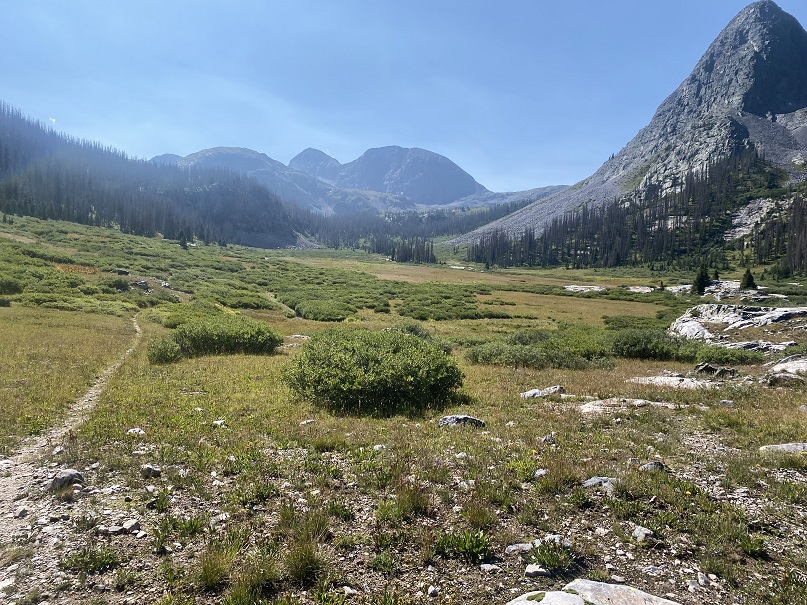
And then I headed south through the basin, following the trail down for 5 miles as it lost 2350’ in elevation
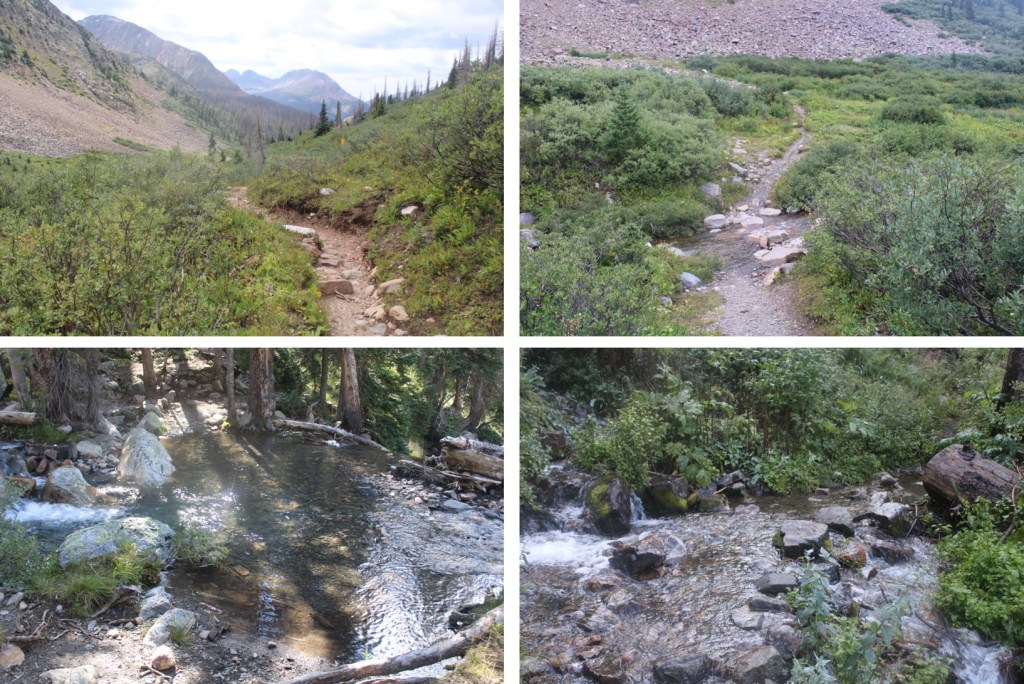
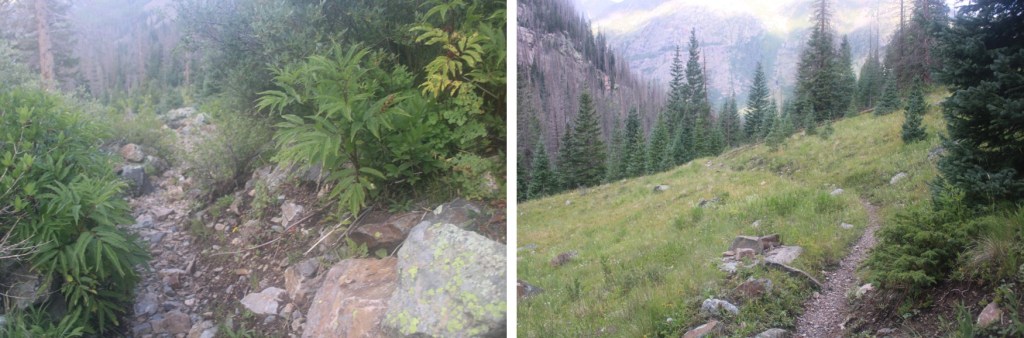
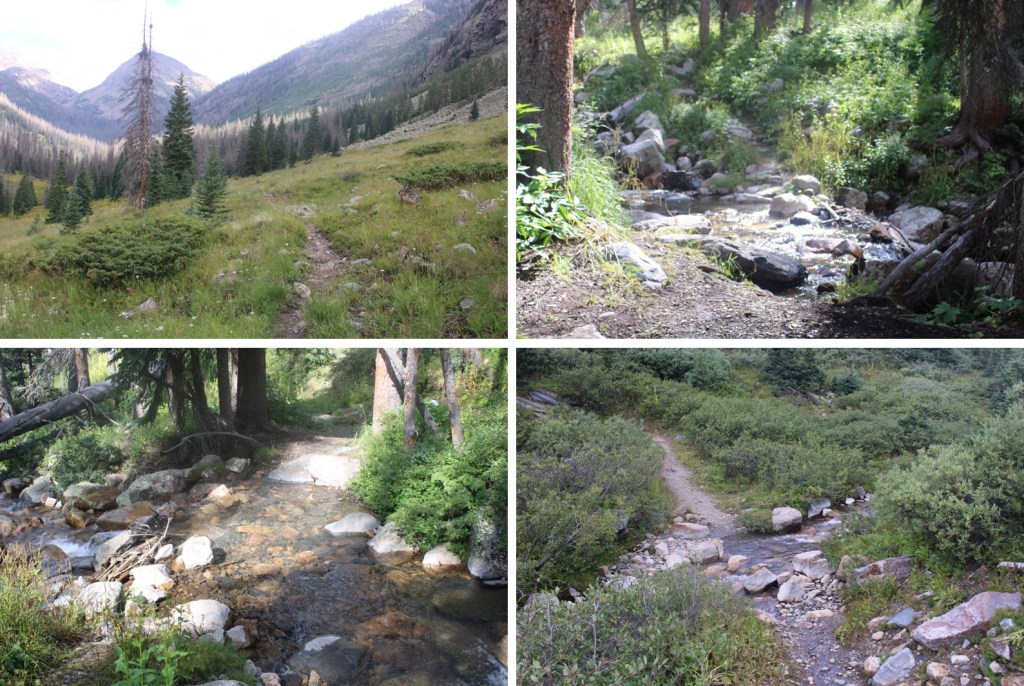
There were willows here, and I was glad to have on my rain pants. There were a few stream crossings, all easily crossable.
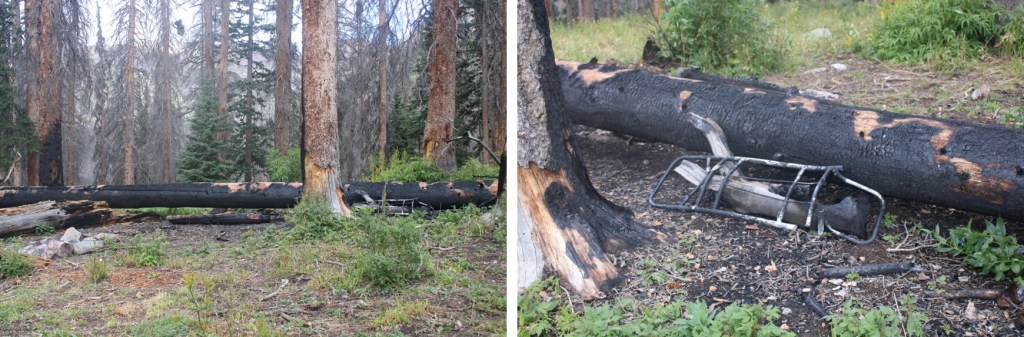
I saw evidence of someone’s fire getting out of control: looks like they lost their pack in the process. I wonder how they put it out? In case you’re wondering, yes, the ground was cold and the fire was out (I’m sure the 15 hours of rain last night had helped).
After hiking for a total of 7.8 miles (from where I parked) I made it to the Rock Creek Junction, and followed that trail southeast for another 5 miles up to Rock Lake. This trail was also class 1, and easy to follow.
Just before making it to Rock Lake I passed through a basin
In this basin was a bull moose. I didn’t worry too much about him, because he was hundreds of yards away from me, on the opposite side of the basin. I continued on the trail, but once he noticed me, he raced towards me and stopped a few yards away. He charged me (it was a bluff). I knew not to make eye contact with him, which was what he wanted. I could actually feel him willing me to look at him. I kept my head straight and walked the trail with a purpose, ignoring him. He continued snorting and pawing at the ground and shifting his head from side to side. Then he paralleled me for about 50 yards, walking about 5 yards to the west of me. When he was done, he trotted away and took in a view of the mountains.
As he trotted away I breathed a sigh of relief, and continued on the trail, exiting the basin and making my way to Rock Lake.
I arrived at the lake at 11am and decided to set up my campsite for the night. I didn’t see anyone else here.
It was still early in the day, so after a quick snack I left my heavier gear and just brought the essentials: I planned to summit Mt Oso today. To do that, I skirted Rock Lake to the east and ascended the rocks
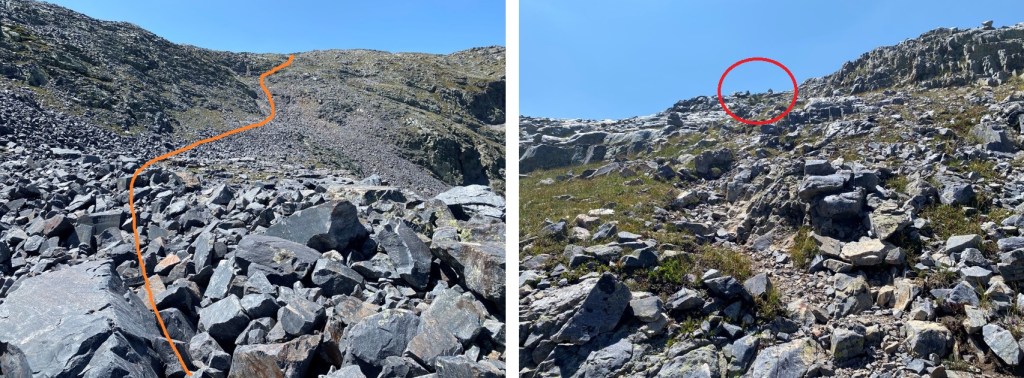
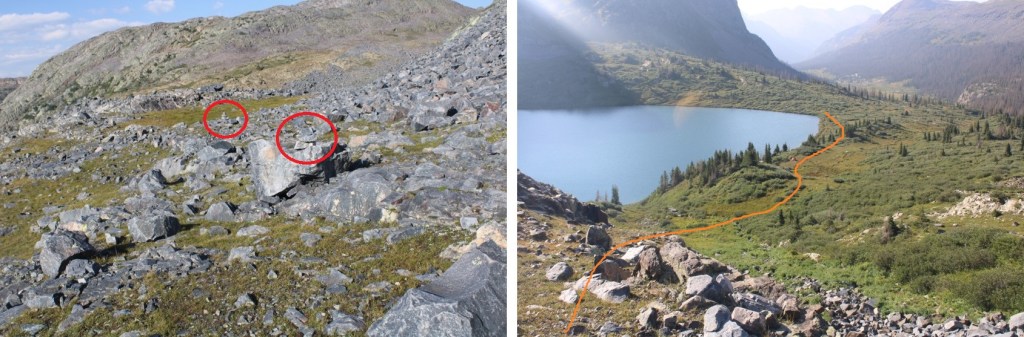
As I made it to the rocky area, I came across a cairned trail, and followed that trail southwest. Note, I took the solid line up, the dotted line down. The dotted line was easier, but both ‘went’. You can’t tell from below, but there’s a grassy area by the dotted line that helped me avoid the willows (pictures on my way down).
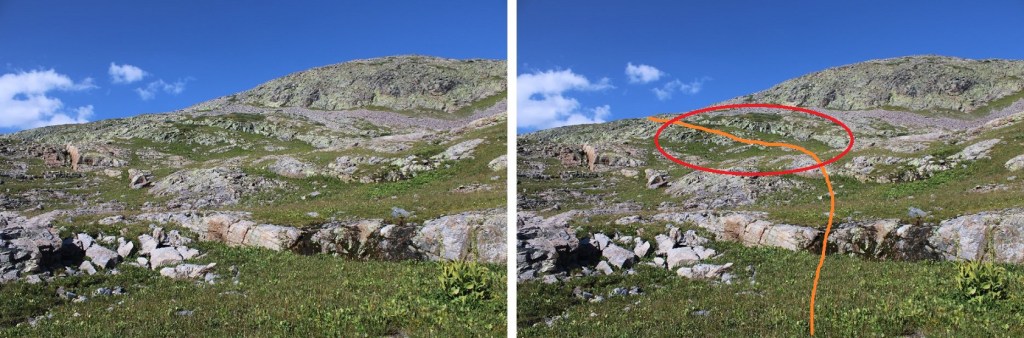
Here’s the cairned route, with the ‘exit cairns’ circled in red
Here’s where I left the trail. If you continue following the cairns, you’ll go down to Half Moon Lake. I was headed towards Mt Oso, so I left the cairns and continued heading up (west).
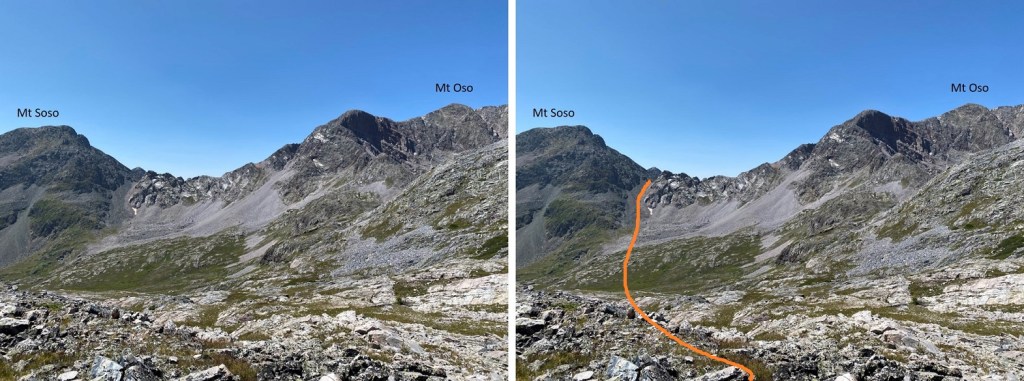
Time for more elevation loss, and gain. I was headed for the Mt Soso/Mt Oso saddle. This required me to lose 500’ through this basin, and then ascend the gully.
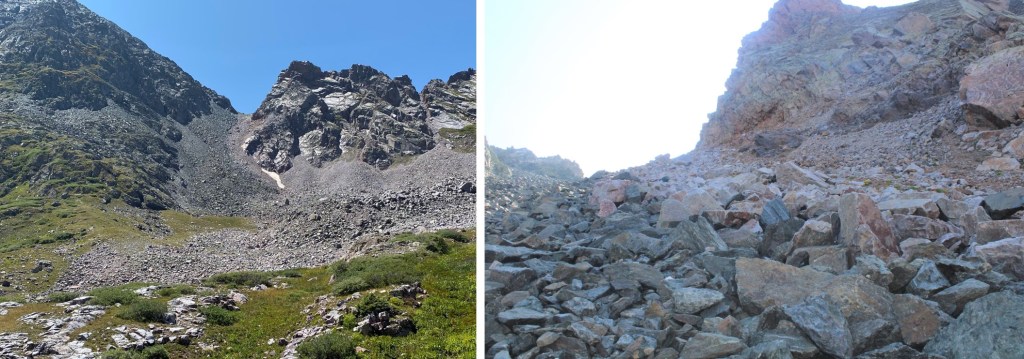
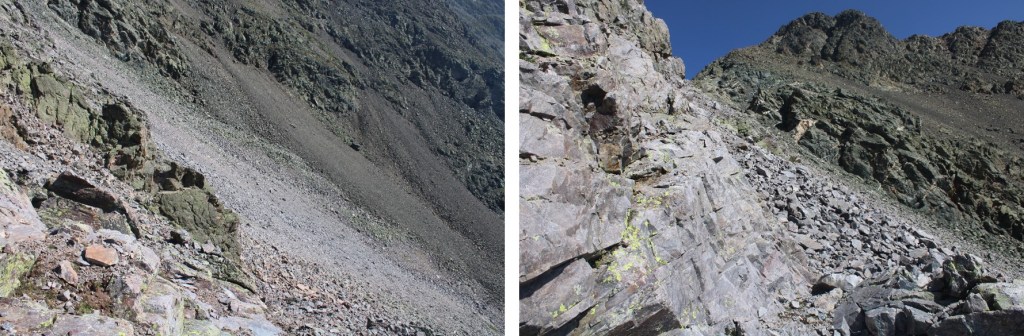
The basin was easy to cross. There were small streams and some willows to navigate, but the route was obvious (and choose your own adventure: just keep heading towards the gully/saddle). The gully was a mix of large, loose boulders, smaller loose rocks, and scree.
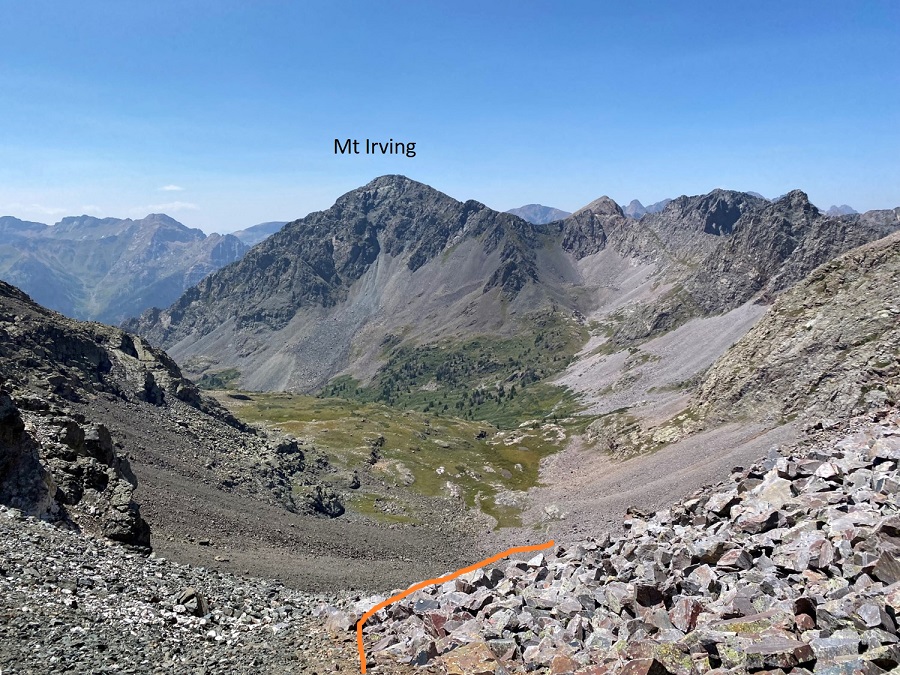
Once at the top of the gully/saddle, it was once again time to lose elevation. Being here also gave me a great view of Mt Irving. I descended the gully to the northwest, staying on the scree at the base of the rock outcroppings, rounding them, and losing 175’ in elevation.
Stay low here. You’re going to want to stay high, but you’re aiming for a green rock band to cross. It’s lower than you’d like it to be (around 12600’)
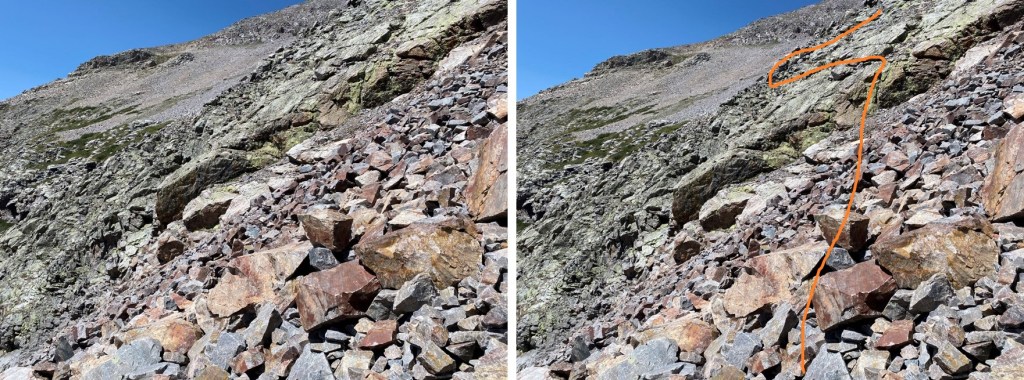
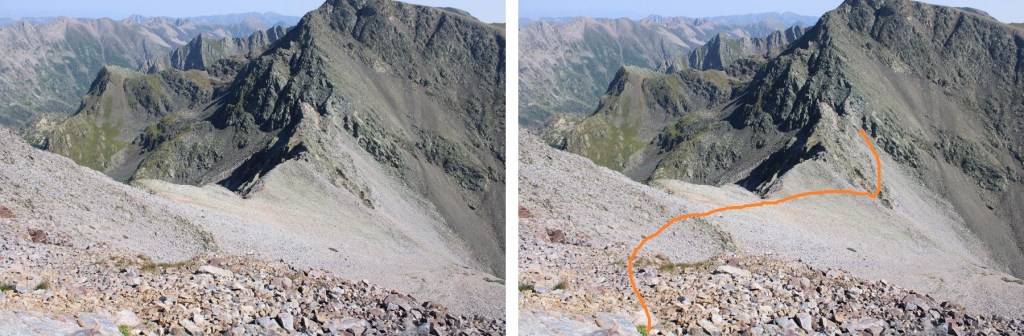
There’s a little bit of scrambling to get over the rock band. I was able to keep it as easy class 3 by taking this route
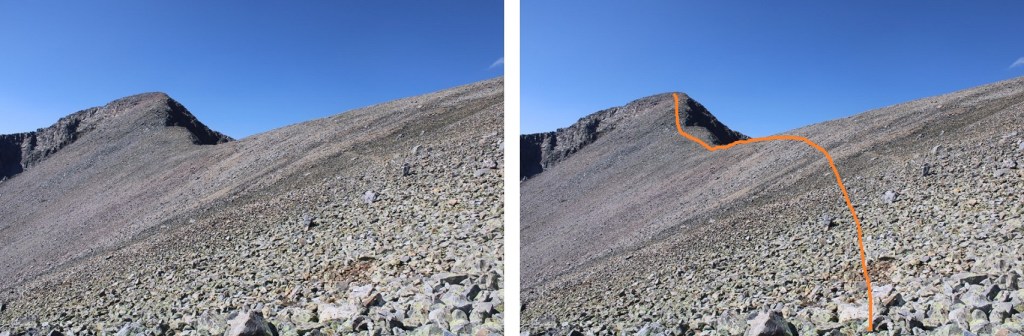
Once across the green rock outcropping, it was time to gain the ridge. I turned and headed north. The rocks here were large and loose, with some scree mixed in.
I went low just before ascending the ridge, following a scree/game trail
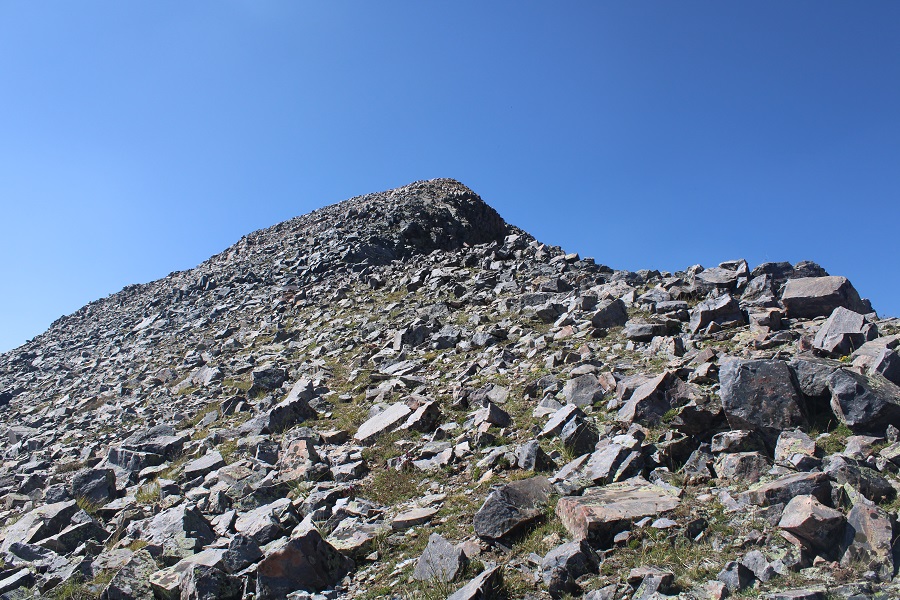
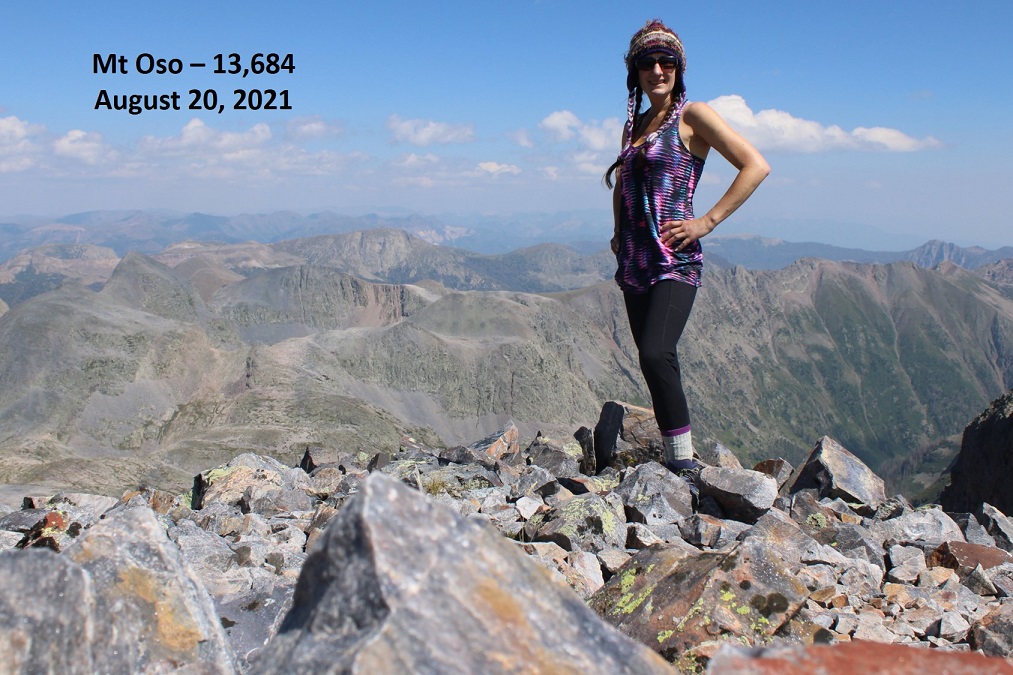
And then followed the ridge to the summit
Summit of Mt Oso
Mt Oso:
There was a large, military grade summit register, with a moving dedication inside, as well as some ceramic bowls (I’m sure that’s not what they actually are, ad that they have a purpose?).
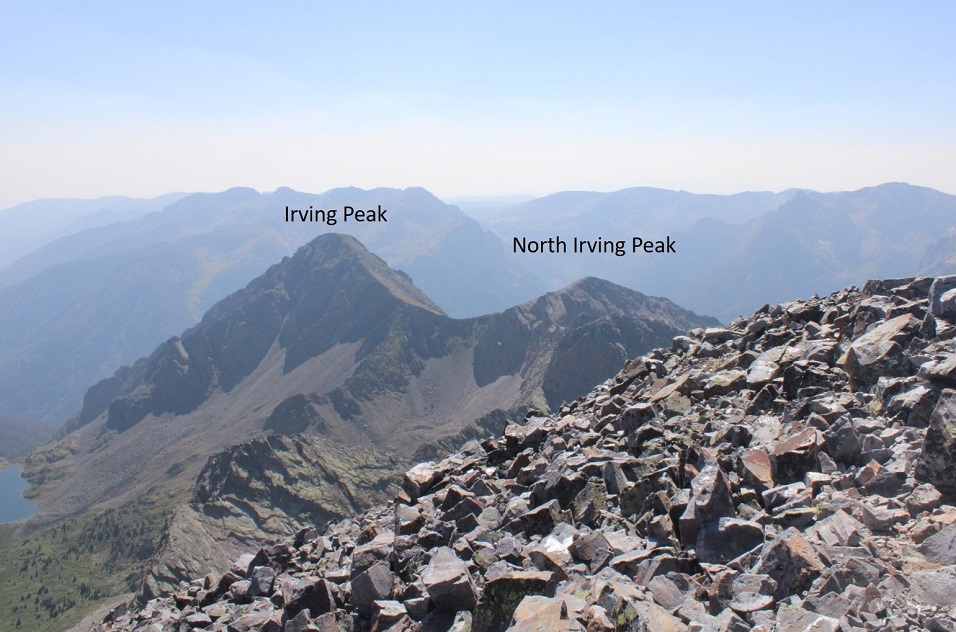
I looked over at Irving and North Irving. I did the math in my head, and there was no way I had time to loose the 1500’ of elevation, then regain 1300’ to summit Irving, plus hike back with all those ups and downs to Rock Lake before sunset. It’s important I’m in my sleeping bag before the sun goes down, which limits my hiking time. Oh well, just one peak for this trip.
So, I turned and headed back towards the Oso/Soso saddle
Back at the saddle I retraced my steps down the gully, back across the basin, and up to the next ridge, finding a grassy bank to ascend
The route looks much different heading back, so be sure to study it on the way in. Stay just below this cliff band
And now to head back down to the trail
You know you’re back on trail when you see cairns
Back down to Rock Lake. Here’s an overall view of the route I took down, and check it out: another camper! I walked by his tent, and apologized for doing so, but told him he was camped in the only area without willows…
There are lots of cairns here to guide you back down.
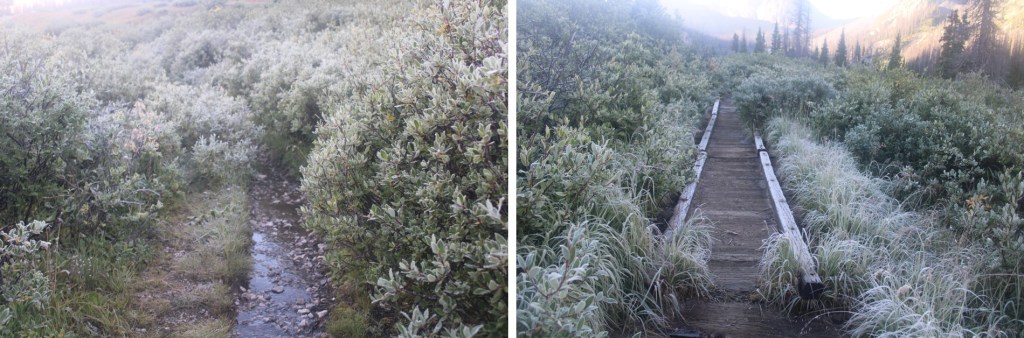
I made it back to my campsite as the wind started picking up. I was glad I’d made the decision to head back. I jotted down some notes, and looked at my tracker: I’d done 18 miles today, with almost 7500’ of elevation. I sat in my tent for a while, glad I’d decided to bring a tent, listening to the wind howl outside. I eventually fell asleep, and woke up to frost inside my tent. Lovely. I quicky broke camp and headed back down into the basin. Everything was covered in a thinl layer of frost.
Oh, did I mention the trails were mucky? It was from all of that rain yesterday. The entire way in, and out, I was walking on water/mud/avoiding puddles, glad I was wearing new hiking boots that were still waterproof.
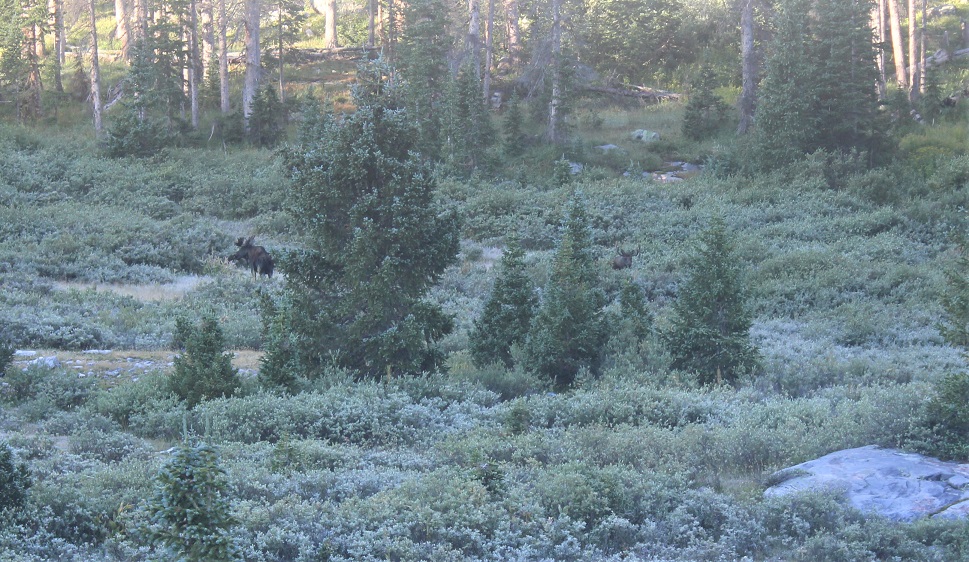
On my way out of the basin I decided not to take any chances, and wore my helmet. Towards the end of the basin I spotted the moose again. This time he had a friend, and didn’t seem to care I was there. I’ve seen over 20 moose in Colorado while hiking, and this was the first aggressive one I’ve come across. It’s interesting today he had no interest in me, while yesterday he was overly intrigued/agitated I was there.
I followed the Rock Creek Trail back down to the Vallecito Trail
Then took the Vallecito Trail back up to Hunchback Pass
And then back to the trailhead, the road, and my truck
When I made it back to my truck, my tracker told me I’d hiked 33.61 miles with 9833’ of elevation gain.
Now, for the hour and a half drive back to Silverton! Oh, also, side note: If you’re driving these back roads, make sure you know where you’re going! It’s easy to get lost back here. I met a man in a jeep as I was hiking back to my truck who was totally turned around. He wanted to know how much further down the 4WD road to the ‘real’ road. I had to tell him he wasn’t going in the right direction (this road is a dead end) and that Silverton was many, many miles away. An easy way to not get lost out there without cell service is to load your track onto CalTopo, then add a line and trace the roads you wish to take, then use that track your drive.
Just for fun, here are some pictures of the road out…
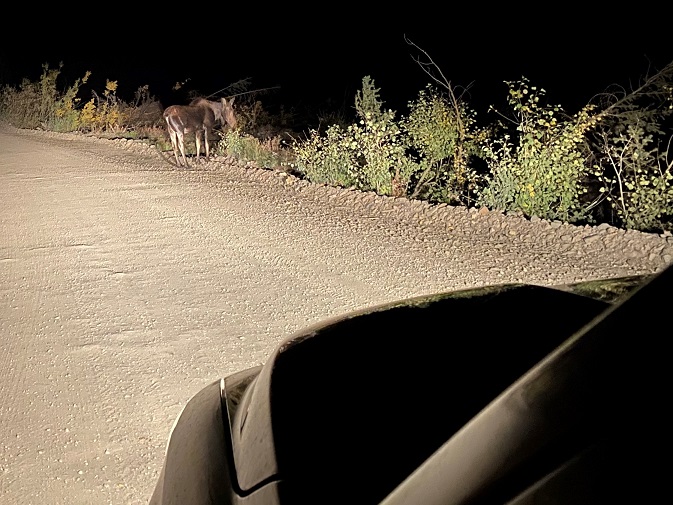
I’ve put off these peaks because I was a bit anxious about the drive in from Silverton, but the weather was perfect and they’re on my list, so off I went. After a Girl Scout meeting where we sewed masks (I have a girl working on her Gold Award who did an awesome job leading the meeting), I drove 8 hours to the Hunchback Pass trailhead. Along the way I saw a moose. And let me tell you, this is why they don’t call it “moose in the headlights”: they really don’t care. I sat there for a bit watching her, and then just drove by. She munched on willows as I passed.
The drive in on the dirt road was underwhelming. I have no idea what I’d been worried about? It took me an hour and a half, and was actually quite pleasant. These pictures are from the way out, but it was just as easy to drive both ways. I never had difficulty passing others, and 4WD was only needed once or twice. This is actually one of the better 4WD roads I’ve done this year, and if weather permits, I’ll be back again next week. Here are some pictures from the drive in
And the Rio Grande river crossings (easy in late September)
I found a place to park much sooner than I needed to. I’m not sure why I stopped here except it was dark and I was tired and it was a good spot, but I could have continued driving another mile to the trailhead and been fine. I parked, slept for half an hour (I’d been up for 24+ hours, and needed the rest) and was on my way at 5:30am.
Since I’d parked along the road I followed the 4WD road for 1.3 miles before turning left onto Trail 813. There was room for 2 vehicles to park at the trailhead. There’s a trail register here, but nothing official.
I followed the class 1 trail as it curved up and over and then down hunchback pass. As I was hiking the sun rose, and I got a good look at Hunchback Mountain. I didn’t have a topo for it, but it looked doable. I’d file that one away and maybe attempt it on the way out.
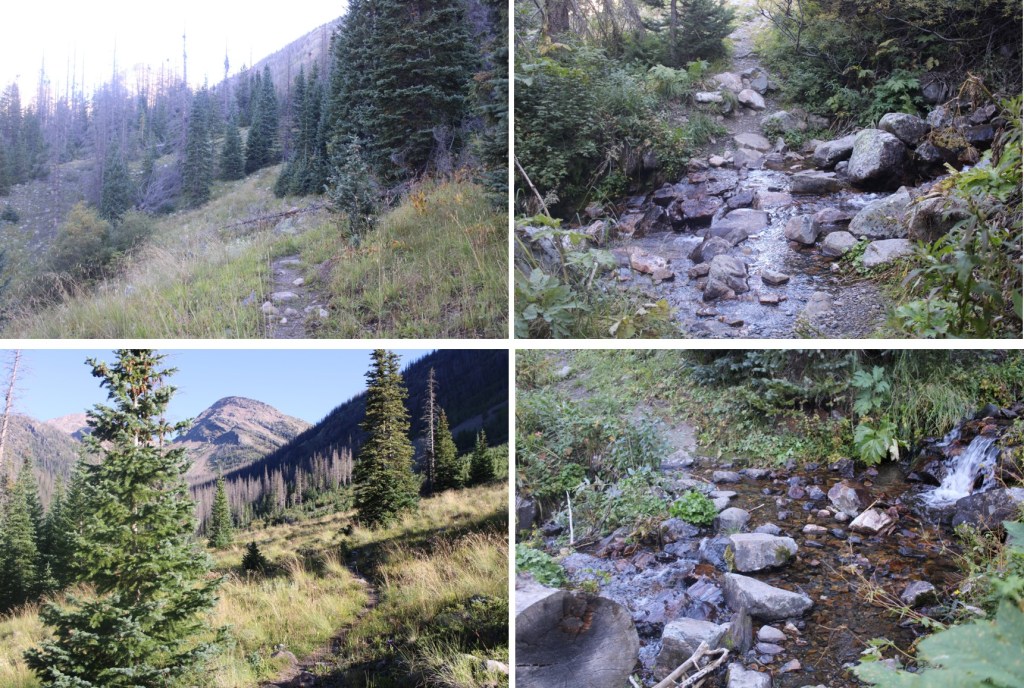
From the top of Hunchback Pass I hiked for 3.4 miles and lost almost 2000’ of elevation as I followed the class 1 trail down the mountain, crossing small creeks and navigating through willows.
Stay straight at this sign/junction
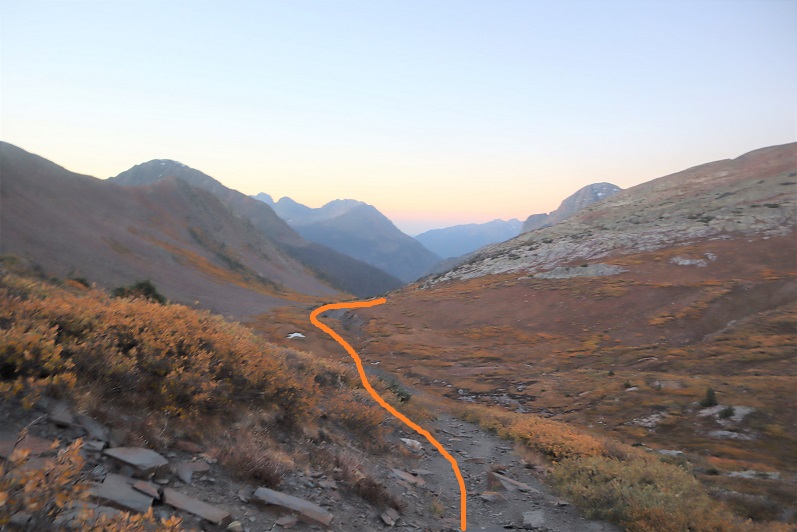
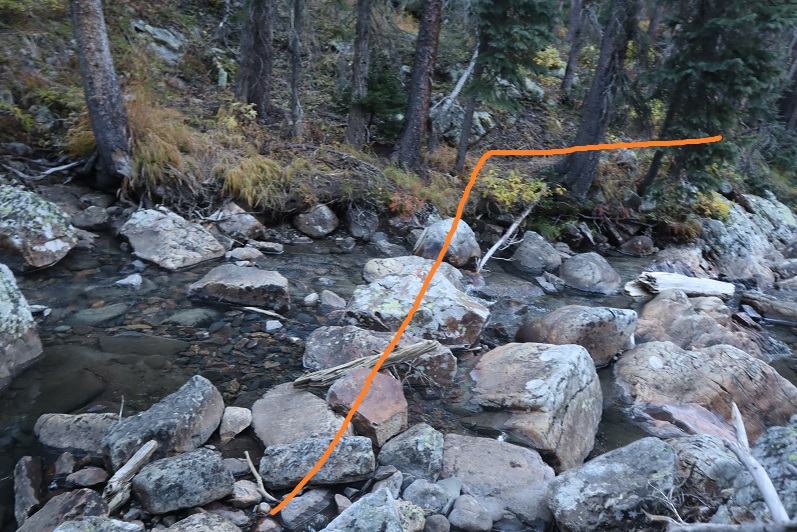
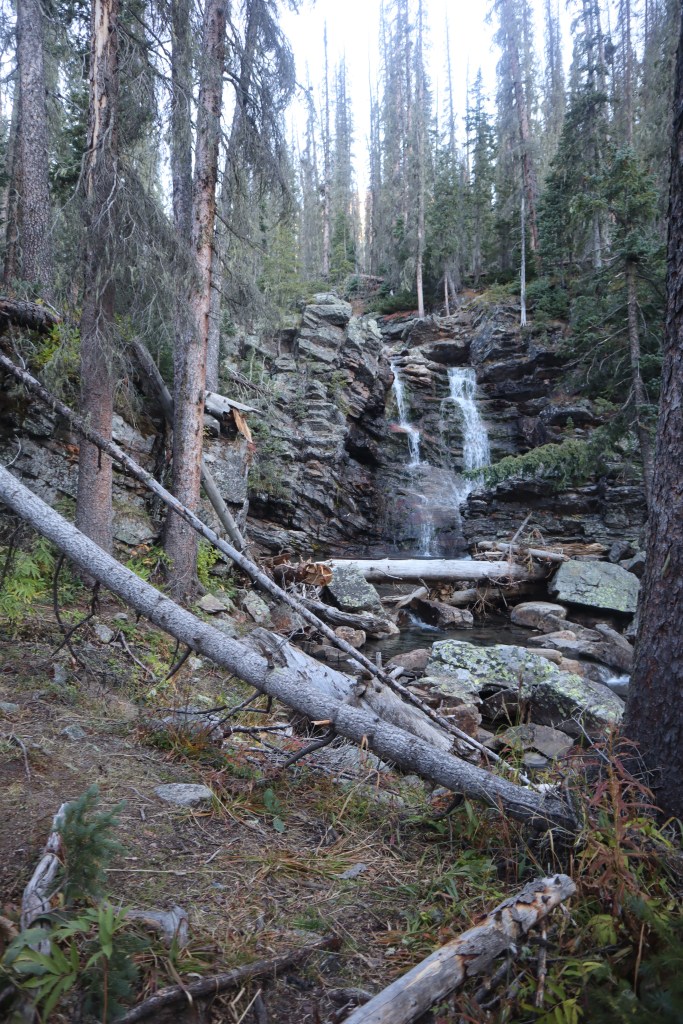
I missed the initial turnoff and had to do some route finding (because there is no official turnoff). However, after hiking for 3.4 miles there are some logs on the right side of the trail, split in half, and a waterfall. There are waterfalls all along this trail, so don’t just look for a waterfall, but look for the split logs. Leave the trail here and head west.
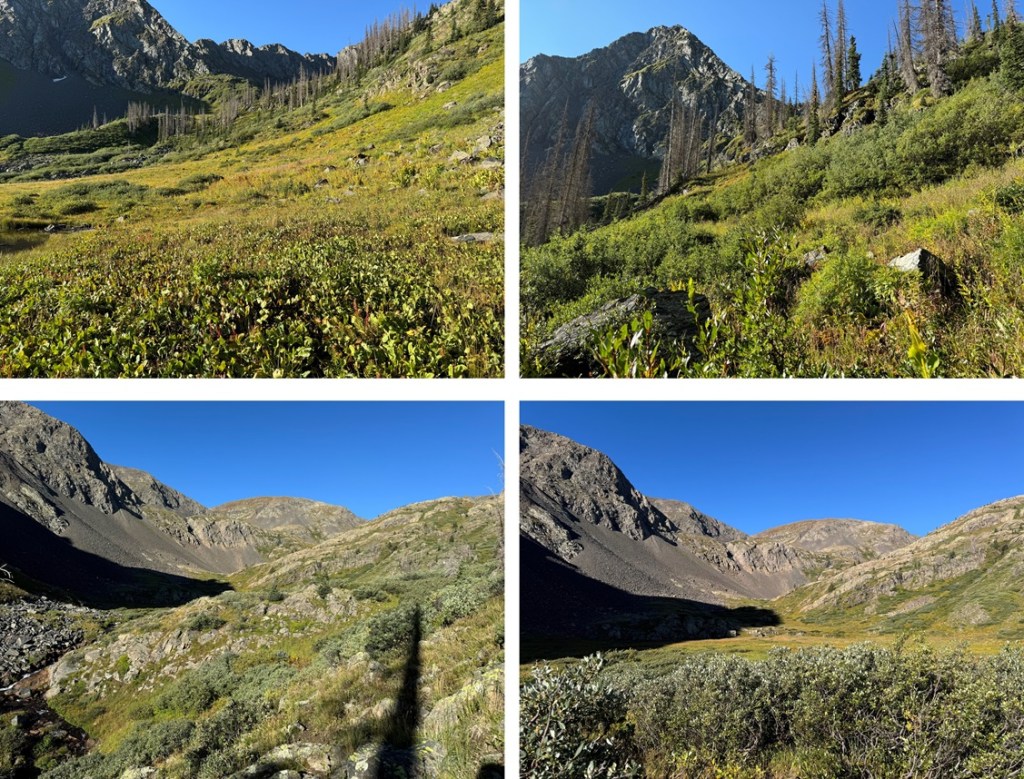
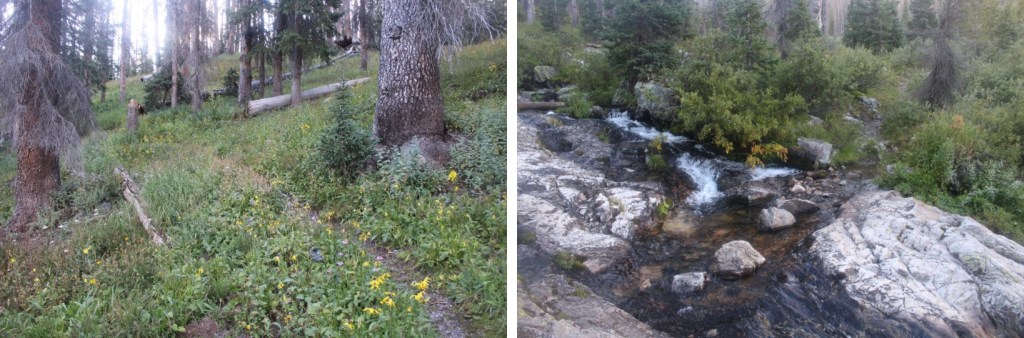
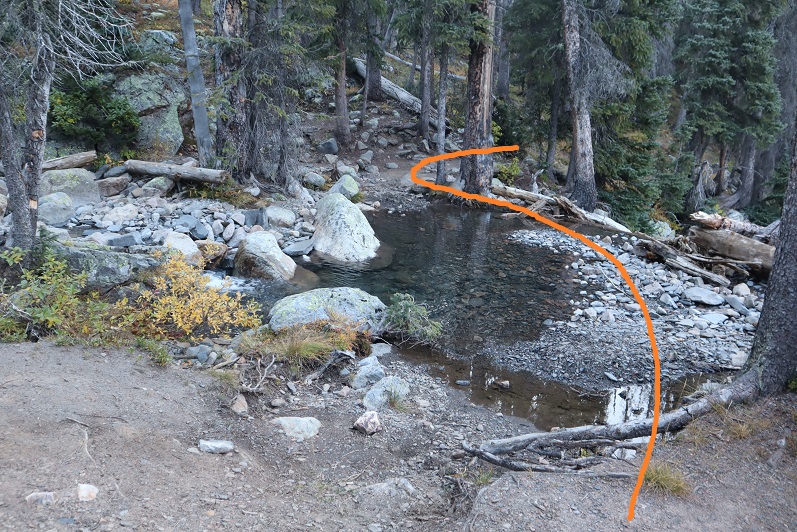
From here you’ll quickly come to an easy creek to cross and a waterfall. This is Nebo Creek. You can camp here, and it’s worth spending a little time enjoying the area.
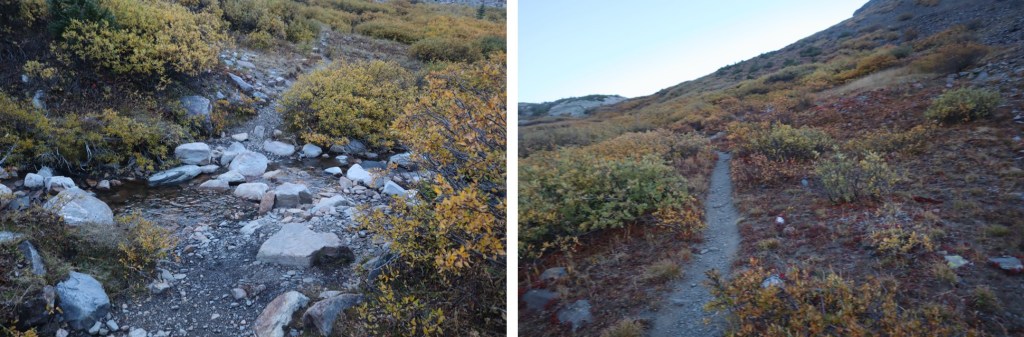
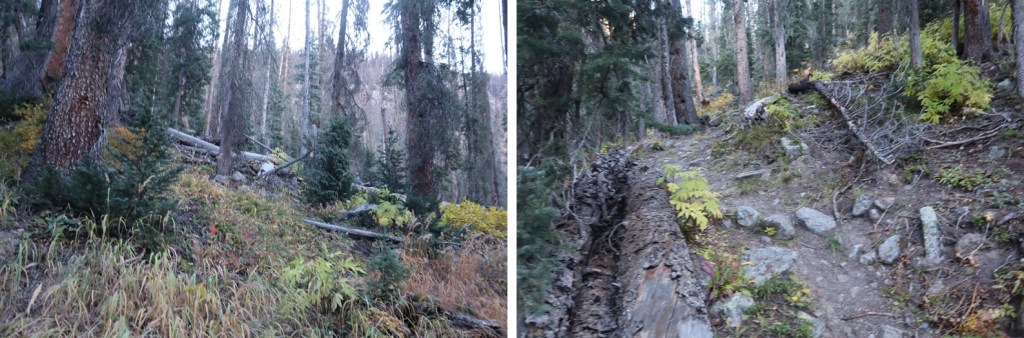
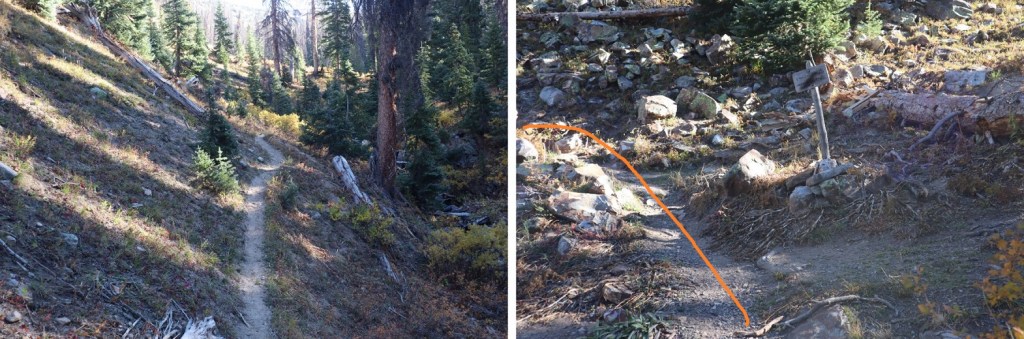
There is no clear trail here, but there is a bit of a game trail. Several in fact. They all go to the same place, so follow stormy creek by heading west, stay north of the creek for better terrain. Here are some pictures.
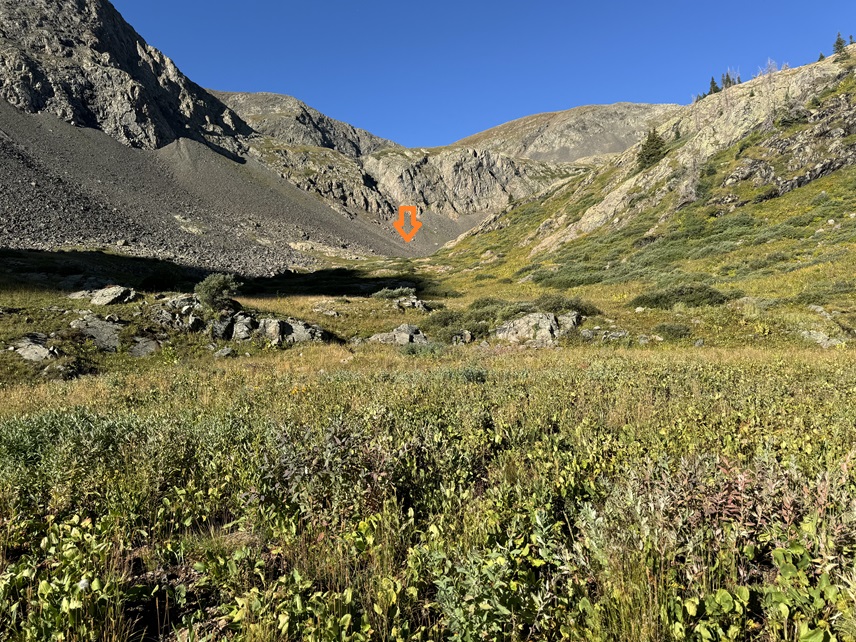
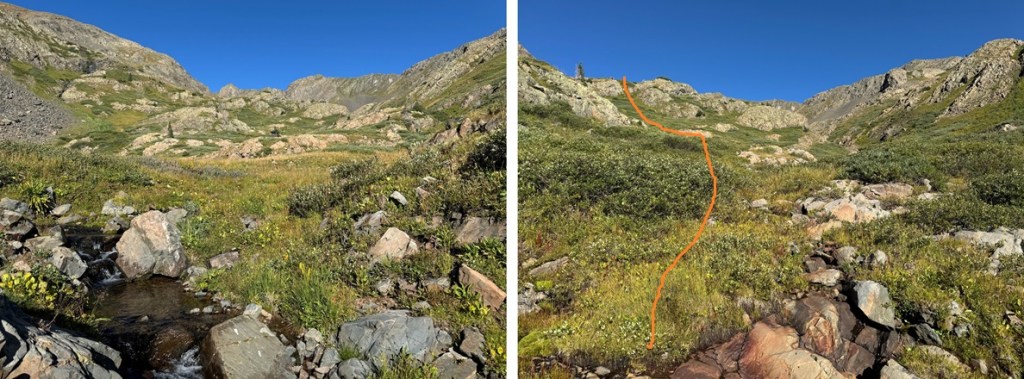
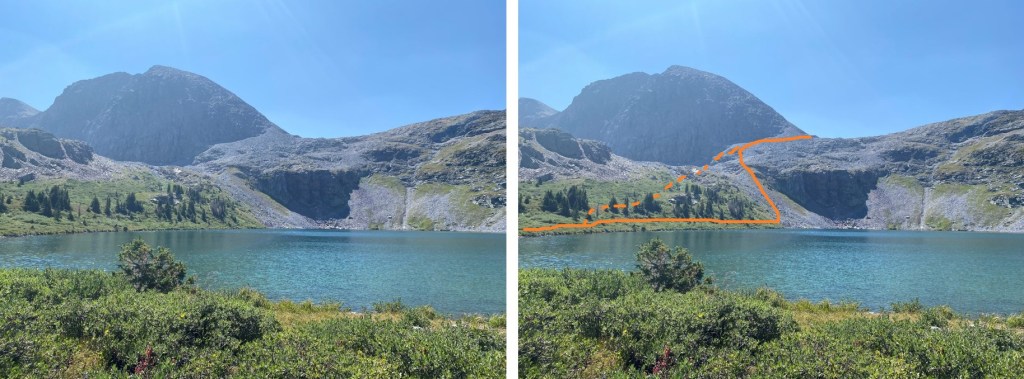
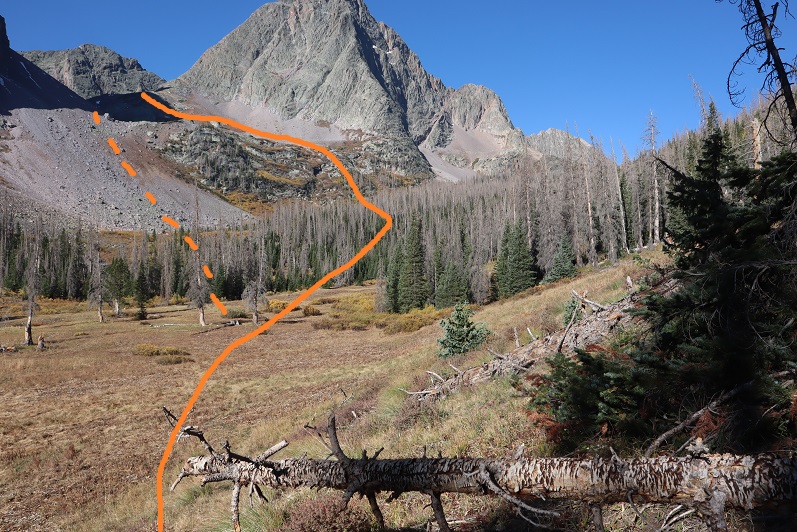
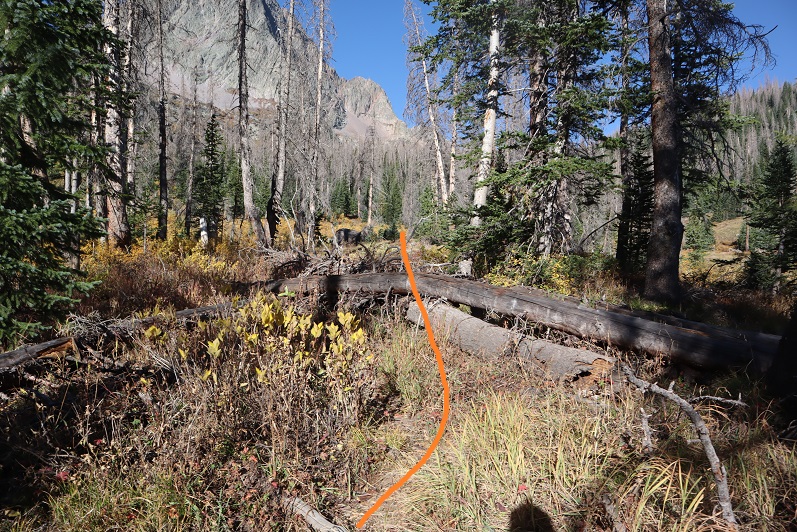
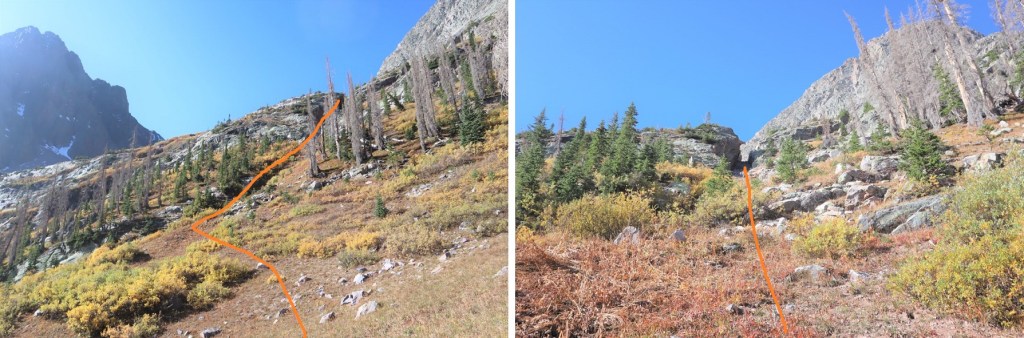
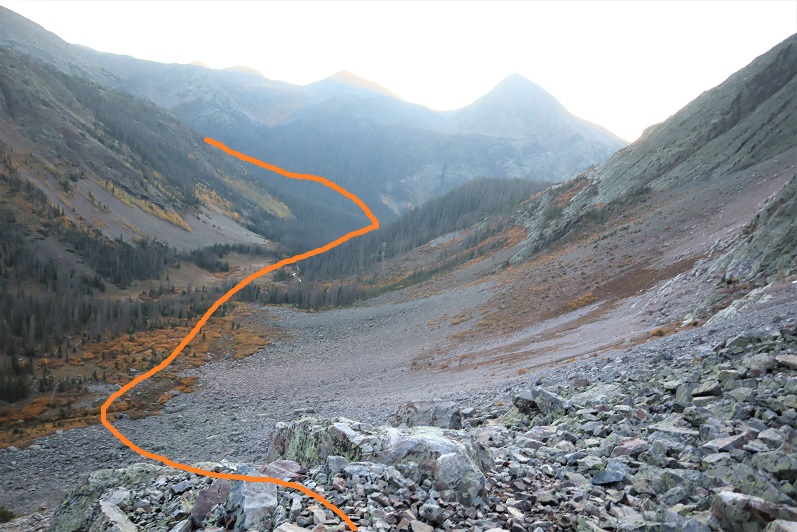
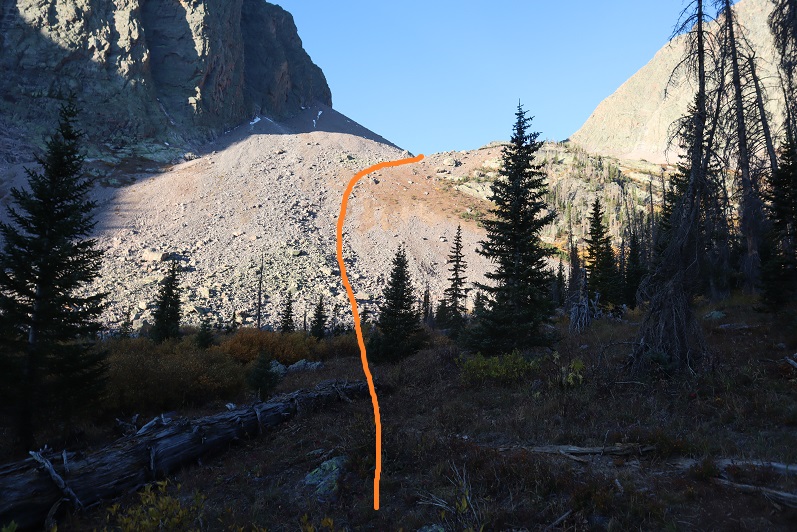
I headed west for just under 2 miles. I believe the standard way to enter the basin as it leads to Lake Silex is to use the obvious scree/rock filled gully (dotted line). I didn’t do this, and I’m glad I didn’t (I did take it down and was disappointed, as it seemed more trouble than the way I took up). Instead, I went further west, found a different, smaller gully by the rock/grass/willow filled slopes, and ascended that way. Here’s an overview
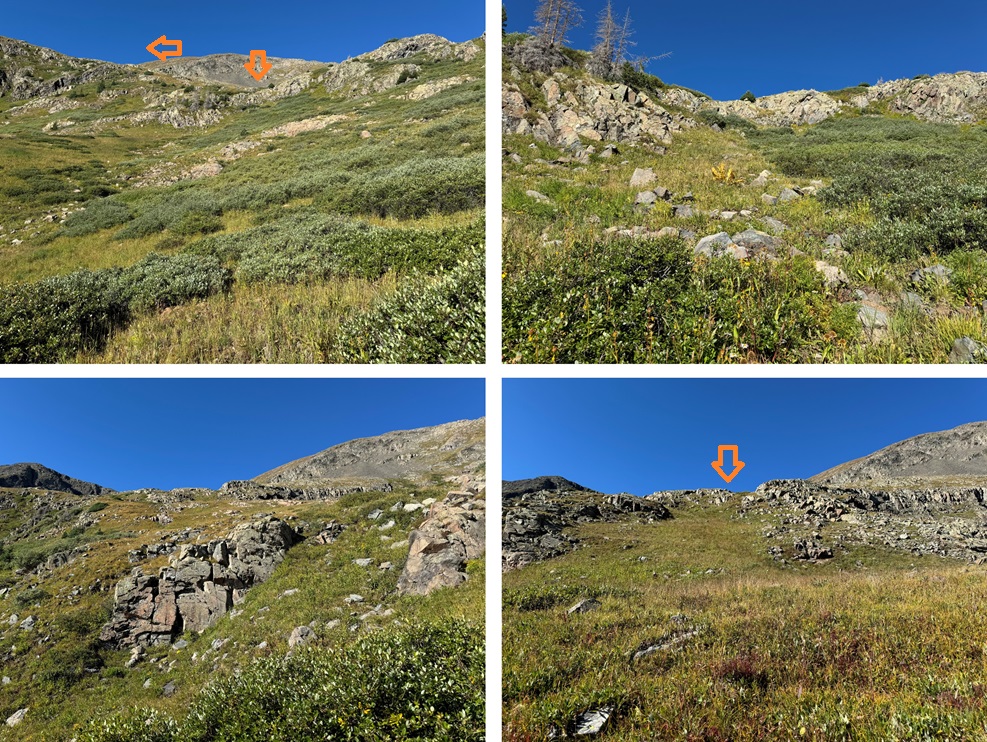
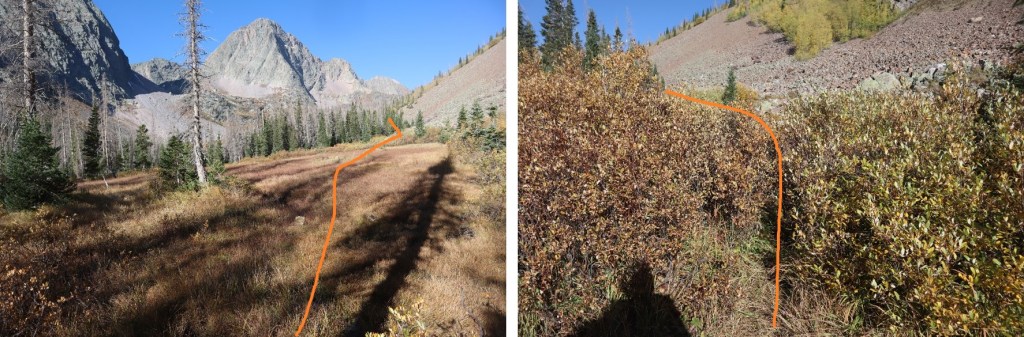
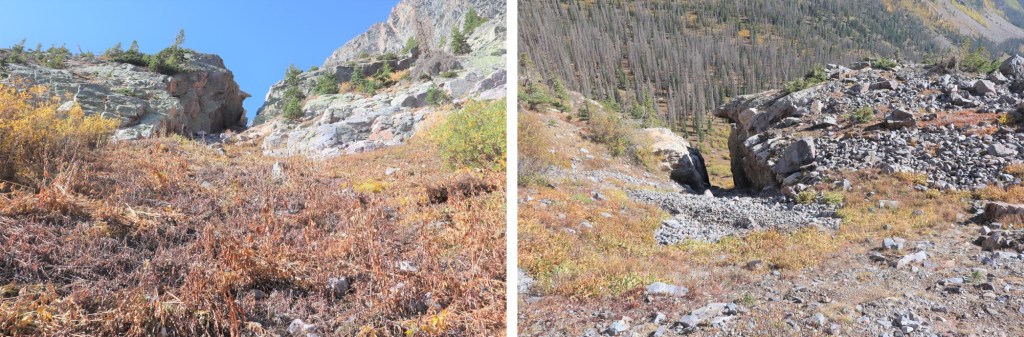
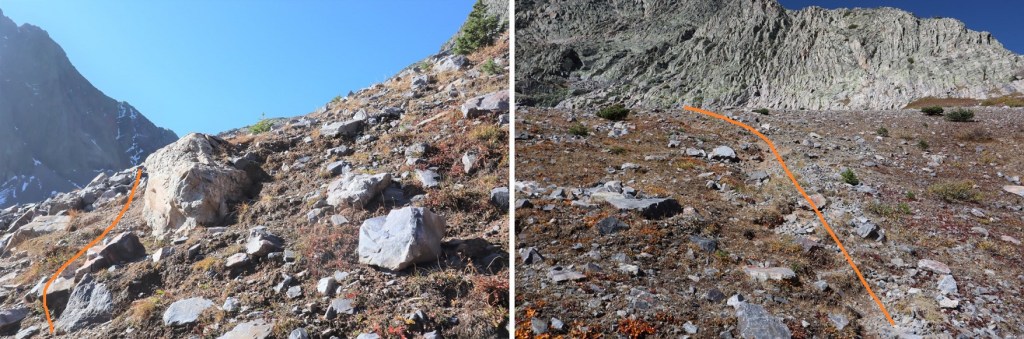
And step by step
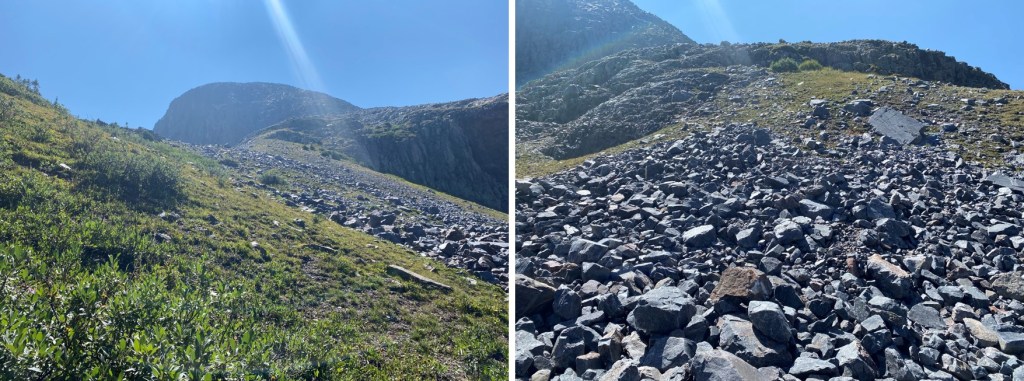
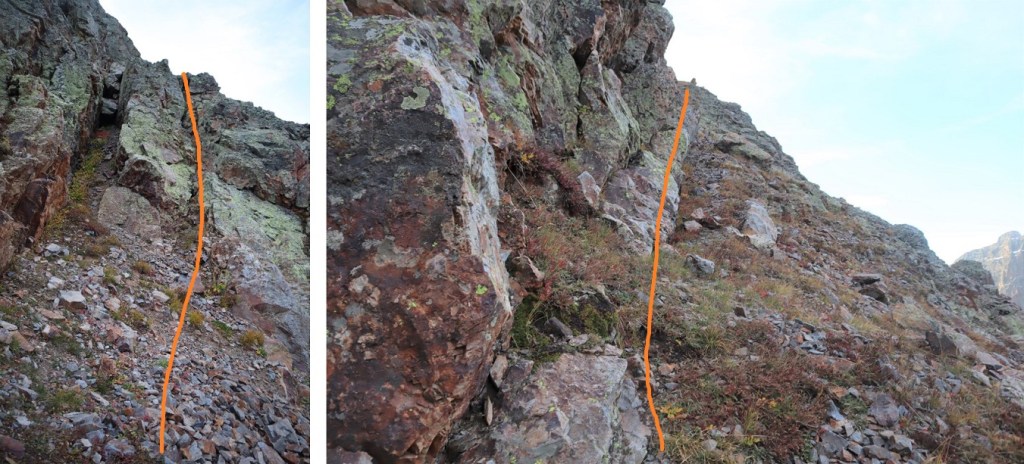
I was able to follow game trails the entire way, and even saw some cairns in areas. At 11500’ I turned left and headed south, then southwest up the side of the mountain, aiming for this narrow gully.
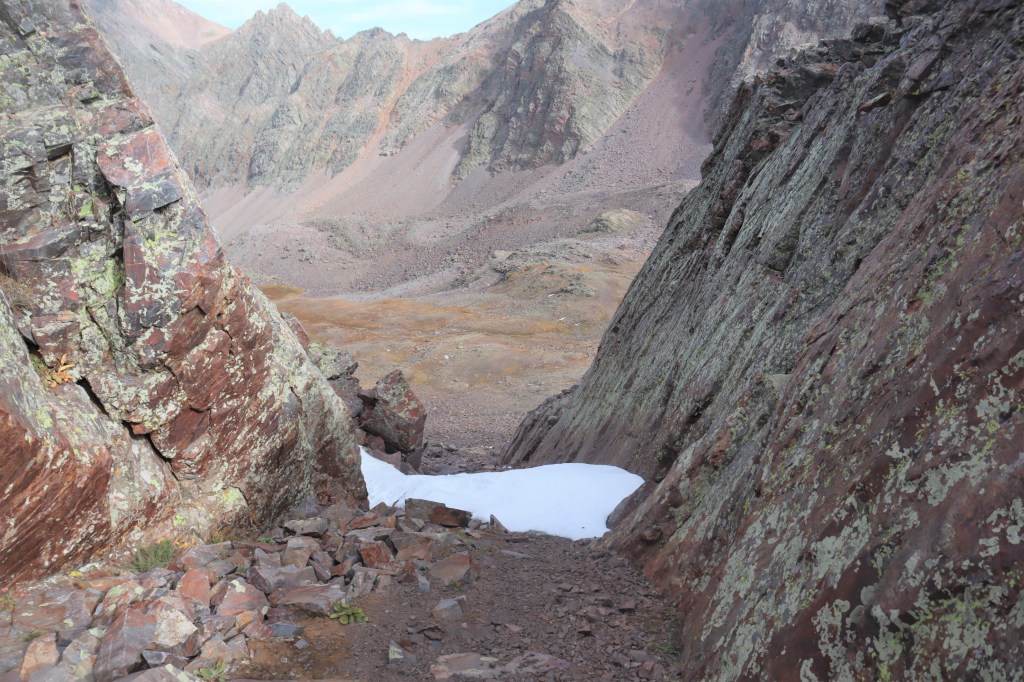
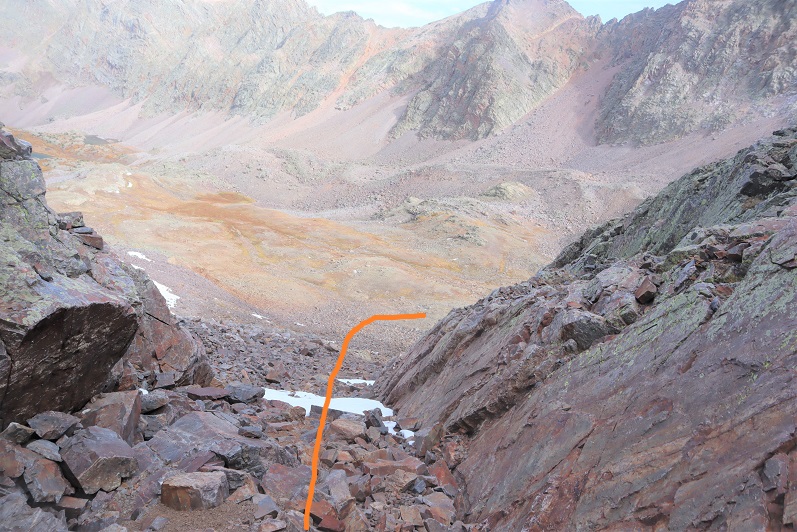
Here’s looking up into the gully, and back down from the top. The rocks here were solid and it was an easy climb
From the top of the gully I still had a ways to go. I headed south, and then west, curving high along the side of the mountain. I wasn’t headed to Lake Silex today, but instead to the pass, so staying high was helpful.
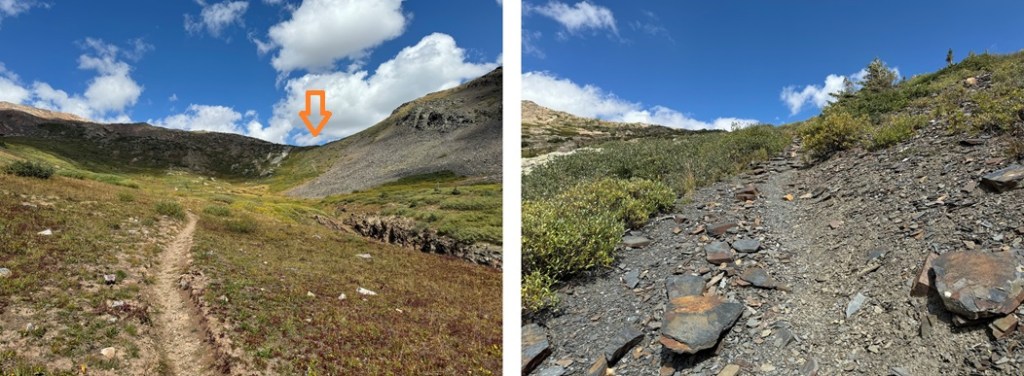
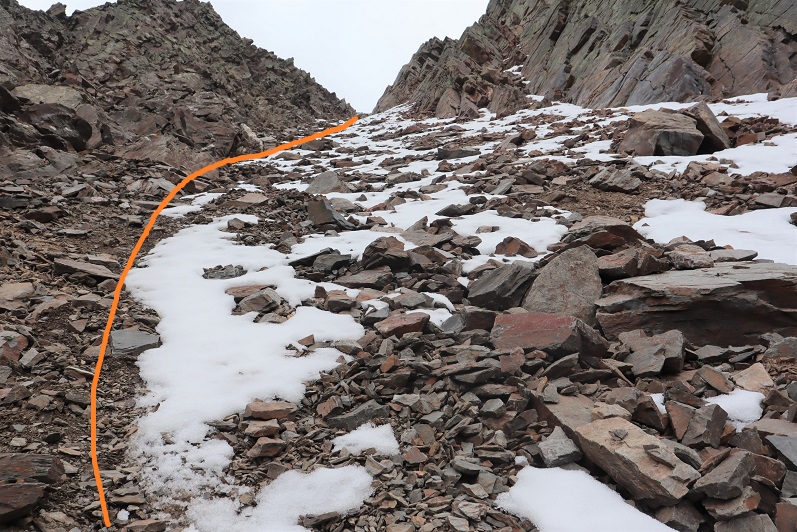
After rounding Lake Silex I headed up the rocky gully to the pass at 12800’
It took me 10 miles to make it to the pass. I took off my gear and took a break. I ate a packet of tuna (I’d forgotten to eat breakfast) and decided to leave my large pack here and just take some water and a first aid kit in my small pack for the rest of the day. Before I left, I filled my water filter up with snow and laid it out in the sun, hoping it would melt so I could filter it later.
First up: Storm King Peak. Here’s a view of the overall route from further down the pass below later in the day.
And a view from the pass
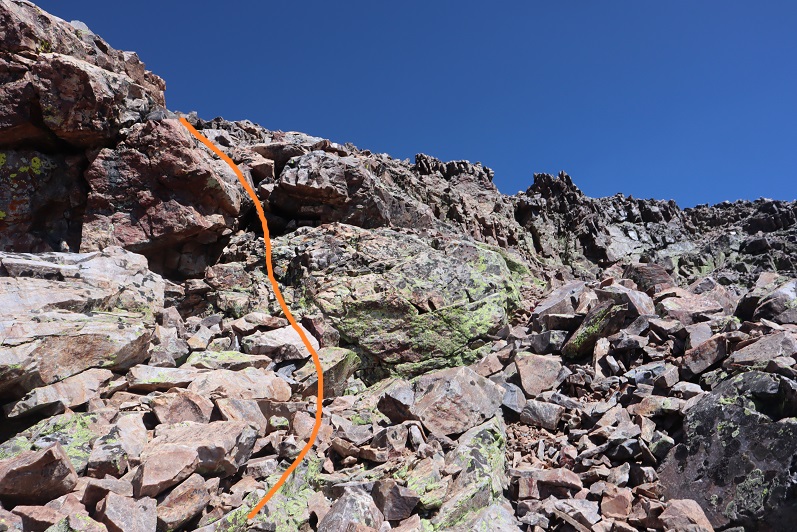
I did some scrambling, following the ridge north east. There really is no established route here, just pick your line. It shouldn’t be harder than class 3
At 13430’ there’ll be a small dip, and an obvious place to cross the gully
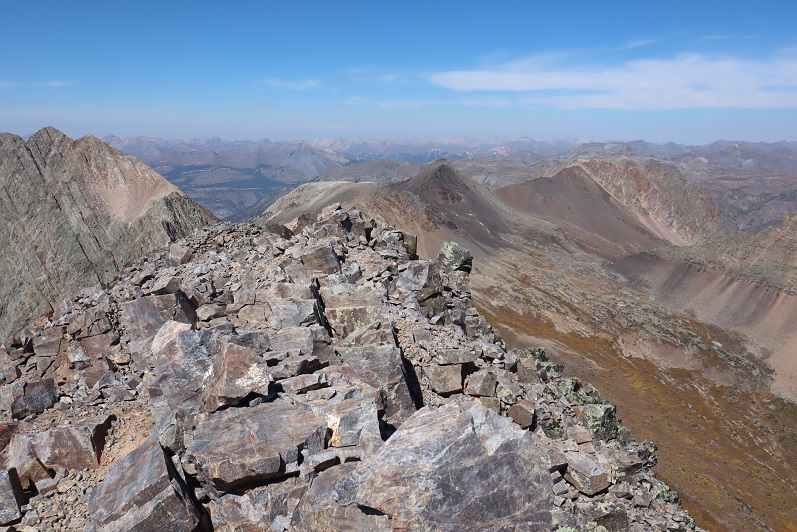
After crossing the gully, I headed north along the ridge. The peak is just to the left
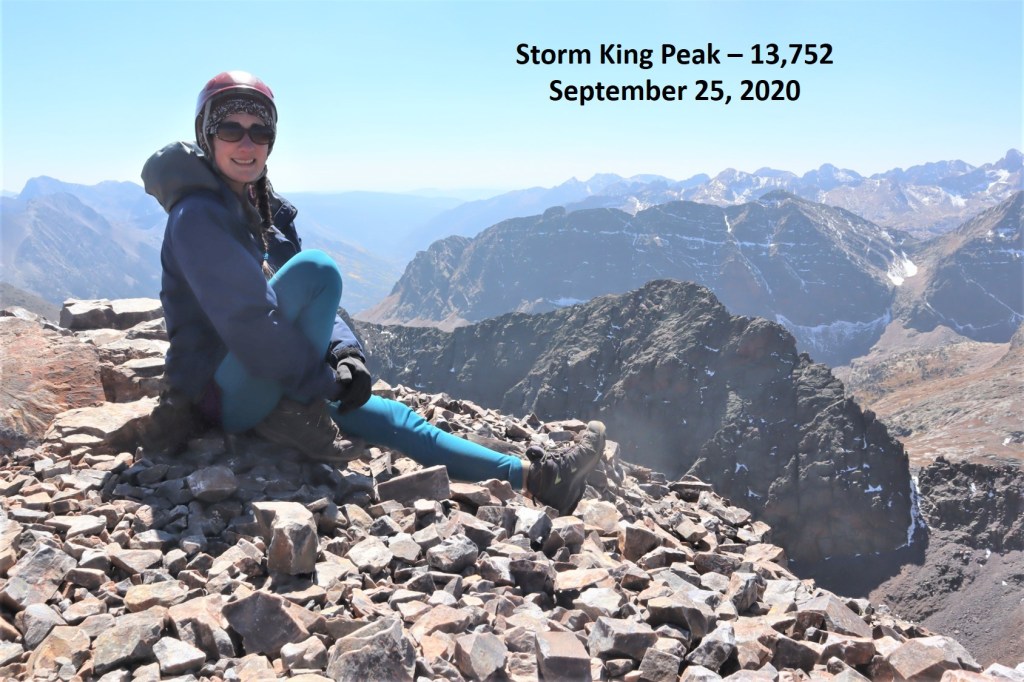
I summited Storm King Peak at 12:25am
Storm King Peak:
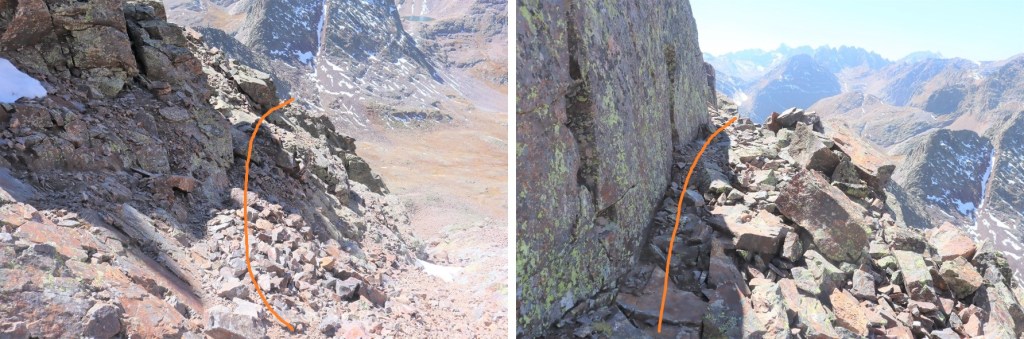
Here’s the route back down to the pass
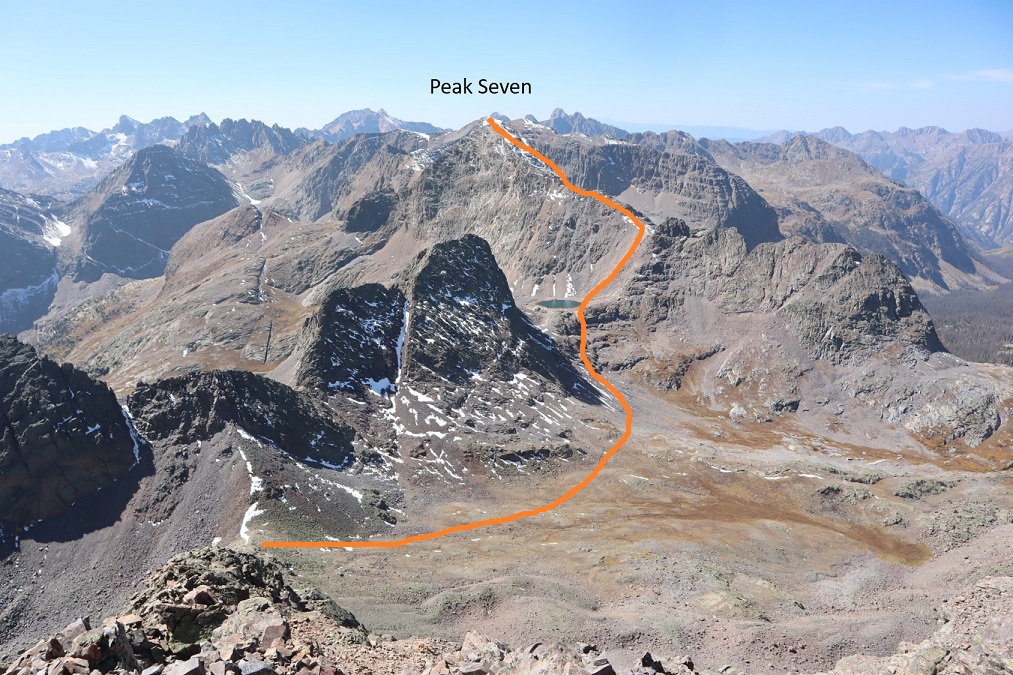
From the pass my next objective was Peak Seven. I headed west, losing about 300’ as I descended into the basin, and then headed back up towards Peak Seven. Here’s an overall look at the route
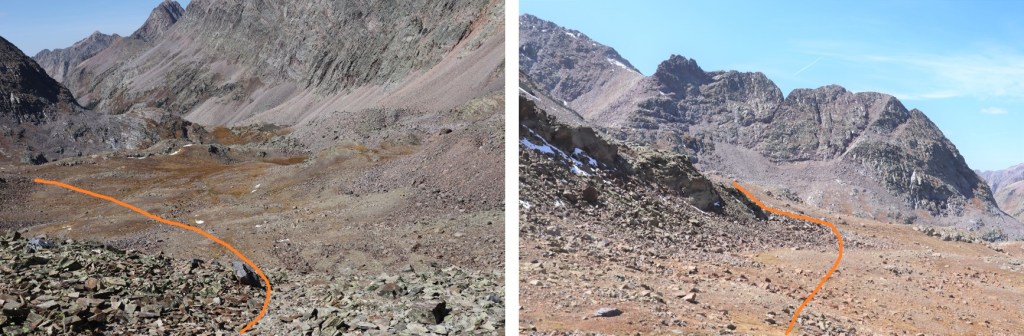
This was pretty straightforward. Here are some step by step photos. First, I entered the basin and then rounded the side of Peak 8
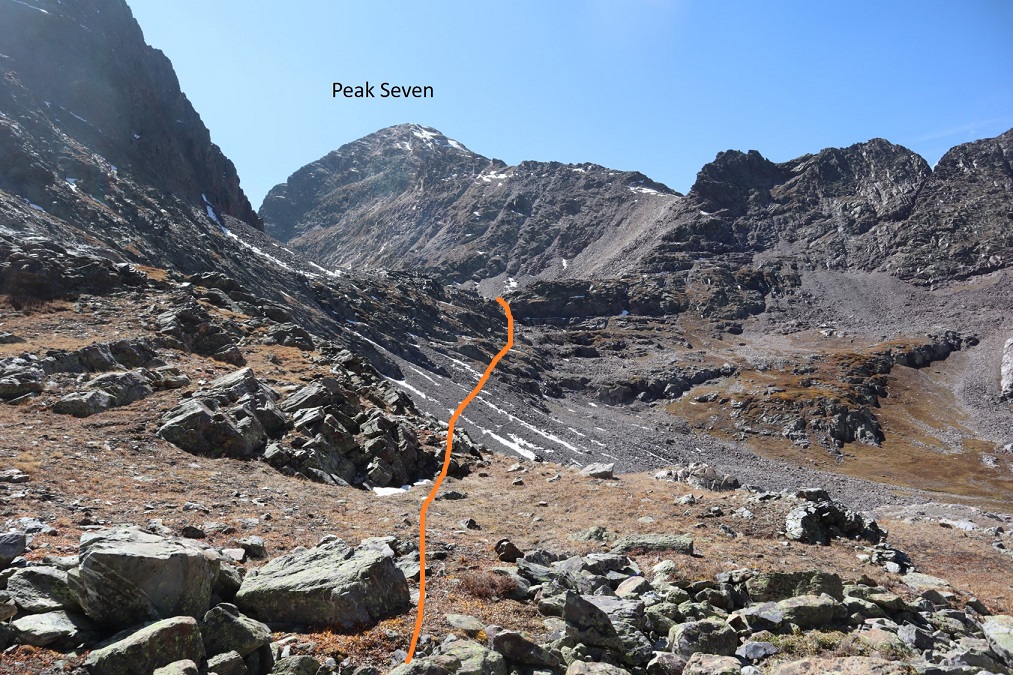
There were a few game trails here. I stuck high, and then aimed for a gully that would bring me to the pond underneath Peak Seven
From the pond I turned right and headed west up the gully
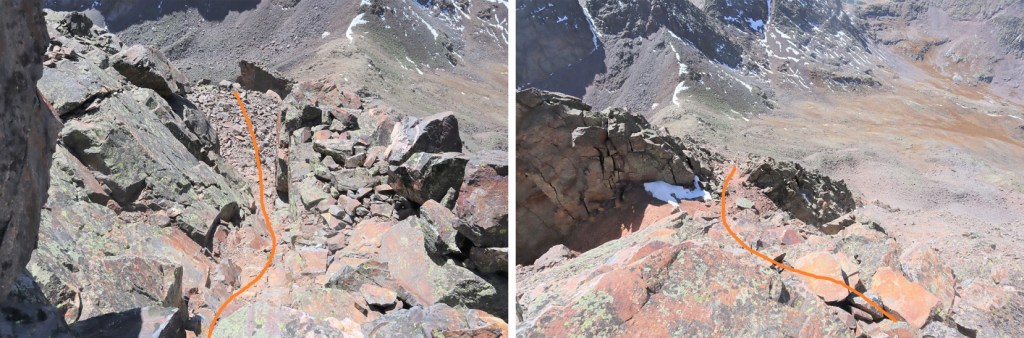
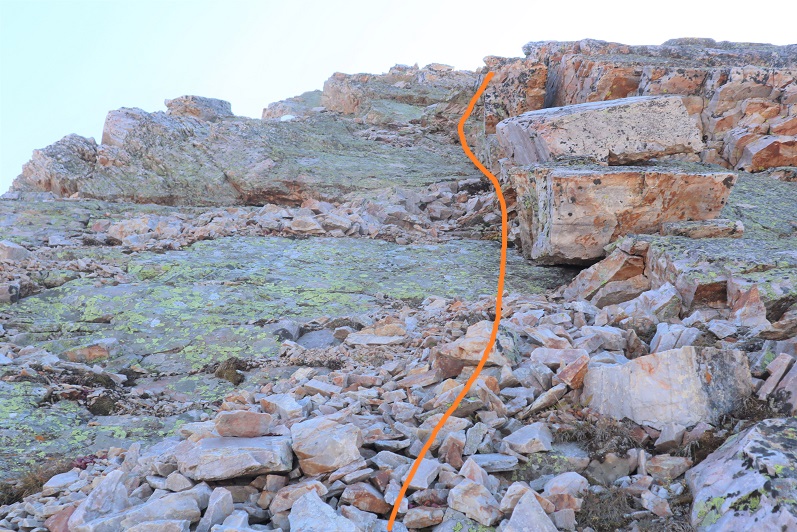
Once I’d gained the ridge I headed south. There was some scrambling here, and due to the fact there was snow on the normal route I had to get a bit creative. Instead of going up the face I stuck to the left and avoided the snow, and had some fun class 3/exposed scrambling instead. Here’s the basic route
There was a nice, airy game trail that led me to some rock slabs, which I used to ascend
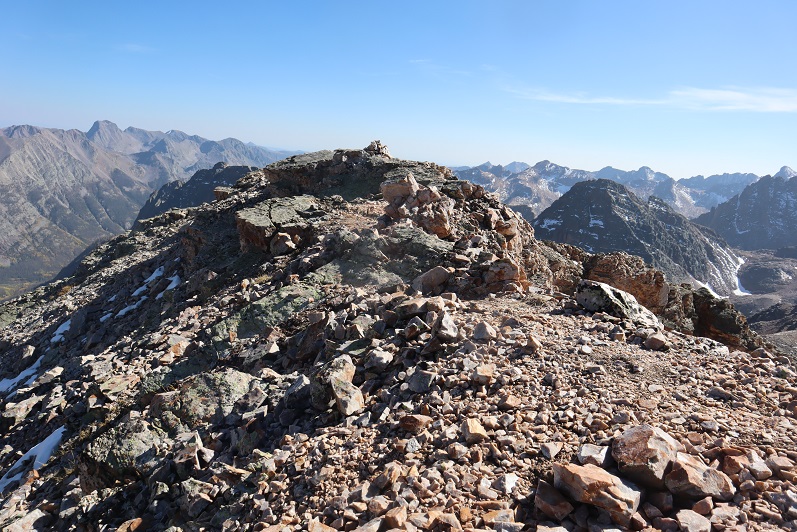
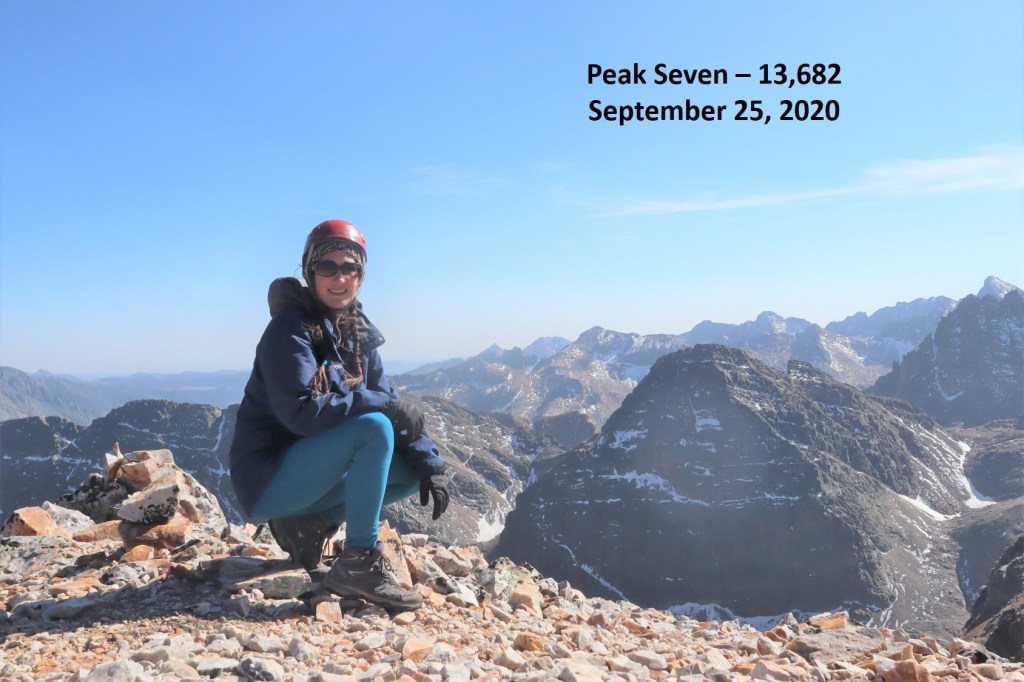
I summited Peak Seven at 3:10pm
Peak Seven:
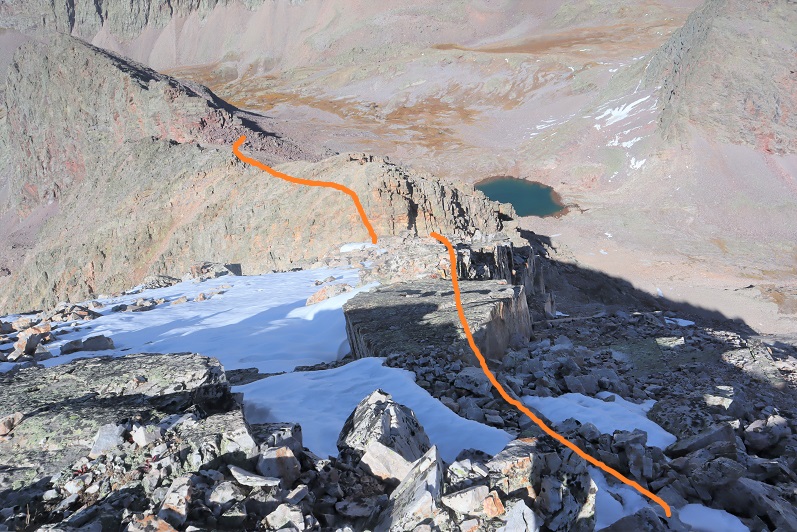
Heading down Peak Seven was just as fun as heading up. Here’s the way back to the saddle
From the saddle I hiked back down to the lake, and made my way over to the south side of Peak 8, intent on attempting Peak 9 today as well.
However, as I rounded the corner to Peak 8 I noticed the sun was already starting to set behind Peak Seven. It’s fall, and the days are short. Looking at the hike ahead, I knew I wouldn’t be back to my gear before dark. I have Raynaud’s, and I need to be bundled up and in bed as the sun goes down. I sighed and retraced my steps back to where I’d left my gear at the pass. Once I got there, I’d do some thinking. Here’s the route from the top of the gully of Peak Seven back to the pass.
As I made my way back to the pass I noticed a gully in between Peak Eight and Peak Nine. It looked like it went.
I filed that away and kept hiking to my gear
As I hiked, I strategized. I could hike back down to the lake to set up camp, but right now I was really upset about not getting in Peak Nine today as well. The approach was a lot for one peak, and I really didn’t want to drive/hike in all this way in the future just for Peak Nine at a future date. Maybe I could get it tomorrow morning? I got out my topo map and the route I’d passed on my way to/from Peak Seven indeed looked like it went, but I was a little worried about the snow. Luckily, I’d packed spikes. I decided to sleep on the pass tonight (at 12,830’) and attempt Peak Nine first thing tomorrow.
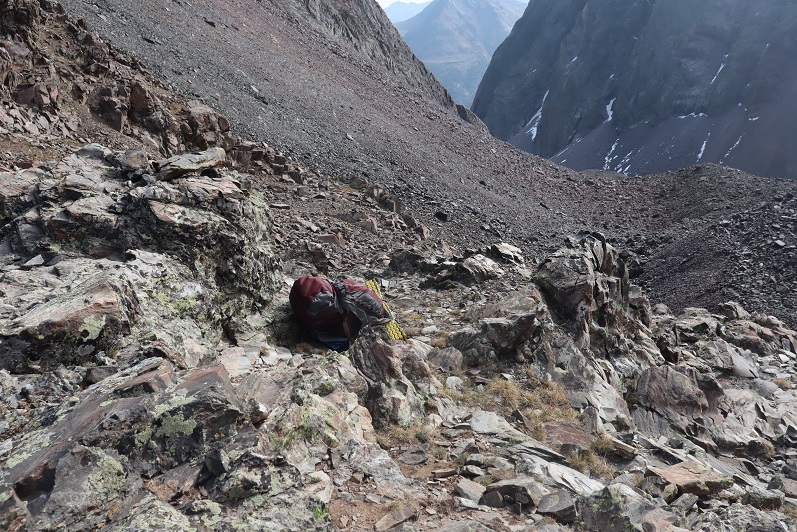
I made it back to the pass and looked for a place to spend the night. I didn’t have many options, and all of them were rocky. And windy. Time to set up camp. Check out my bivy for the night. Side note: it’s hard to dry out your feet when it’s windy and cold. I ended up putting dry socks on and wearing my sandals.
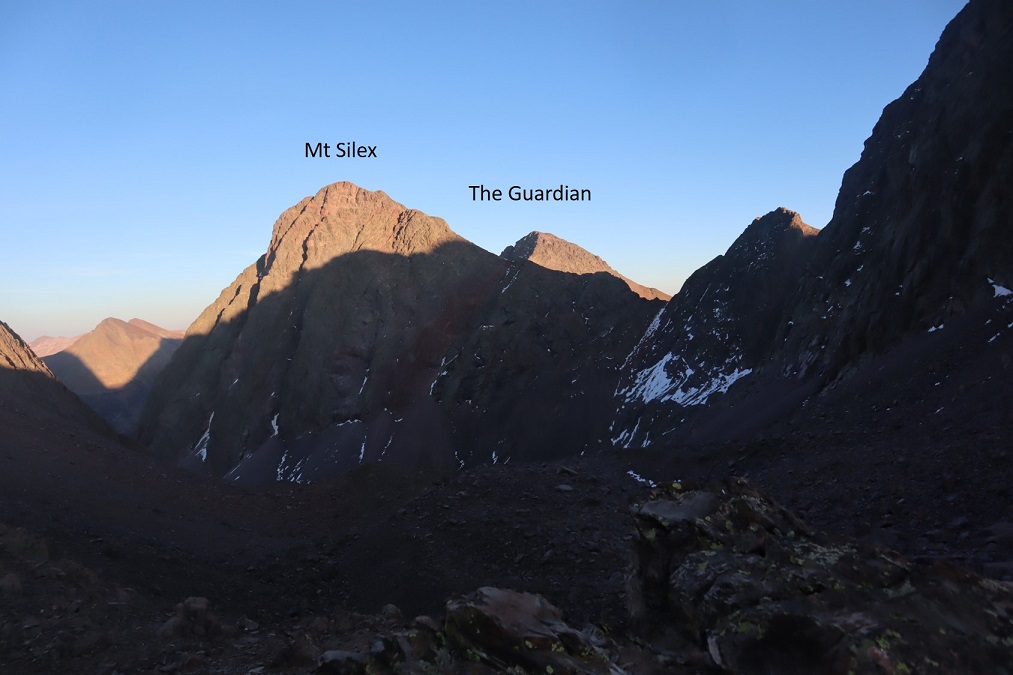
As the sun started to set I filtered some water (glad I’d thought to melt snow now that I wasn’t camping at the lake), jotted down some notes, and had dinner (a handful of peanuts and 4 or 5 slices of dried mangoes: eating while hiking makes me nauseous, so I probably only get in 500 calories in an entire backpacking weekend). Oh, and a couple shots of whiskey. That adds calories. I set up all my gear so in the morning all I’d need to do was put away my sleeping bag and bivy (important when you have no function of your fingers, which I won’t in the morning cold), watched the sun set, and poured over topo maps for two other of tomorrow’s peaks: Mt Silex and The Guardian
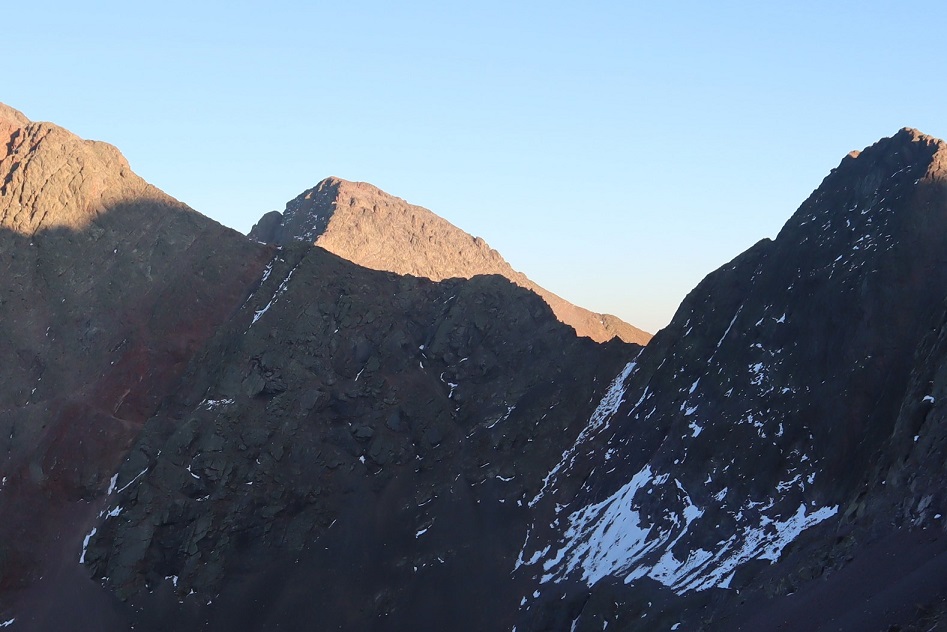
Anyone else think it looks like The Guardian is wearing a mask?
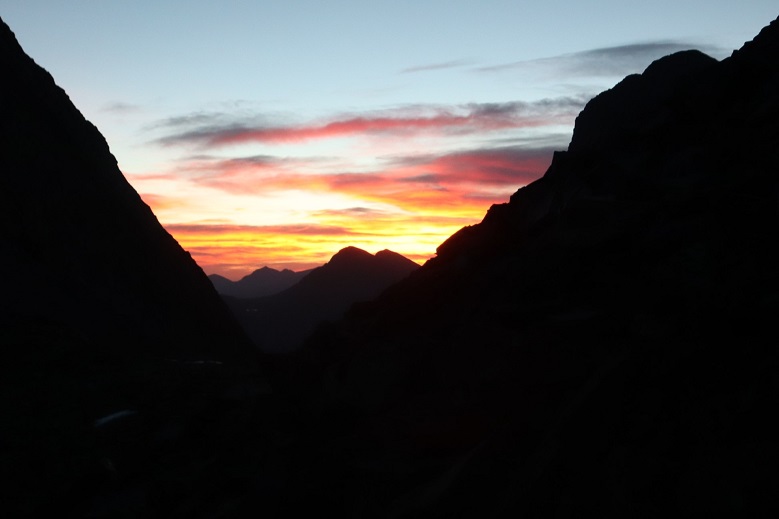
I set my alarm, bundled myself up in all my clothes, gloves, hat, etc. and went to bed. It was a windy night but my bivy did its job. I woke up at 5:30am and it was still pitch-black outside. I watched a few shooting stars and re-set my alarm, knowing getting outside of my bivy with this wind/cold would be a bad idea. By 6:30am it was just starting to get light. I enjoyed the sunrise tucked inside my layers, and then as quickly as possible put away my bivy and sleeping bag and bundled my gear together. I was going to attempt Peak Nine with just my daypack today as well (which I’d pre-packed last night), so I left my large pack on the pass and started out.
Day 2: Peak Nine, Mt Silex, The Guardian
I started off the same way I’d headed towards Peak Seven yesterday, heading down the pass, but when I saw the access gully for Peak Nine I turned left (south) and up
I’d been a bit worried about the snow, but it wasn’t a nuisance. Most of the gully was dry. I didn’t need to put on traction to kick in steps in the snow, and it didn’t cause me to slip. There was only about 20 feet or so to deal with.
I was excited when I made it to the top of the gully to find I was in the perfect spot to continue the hike. I stayed high and aimed for the ridge. Note: Here it became very windy. The wind didn’t stop all day.
At the end of the ridge an obvious cairn trail picks up.
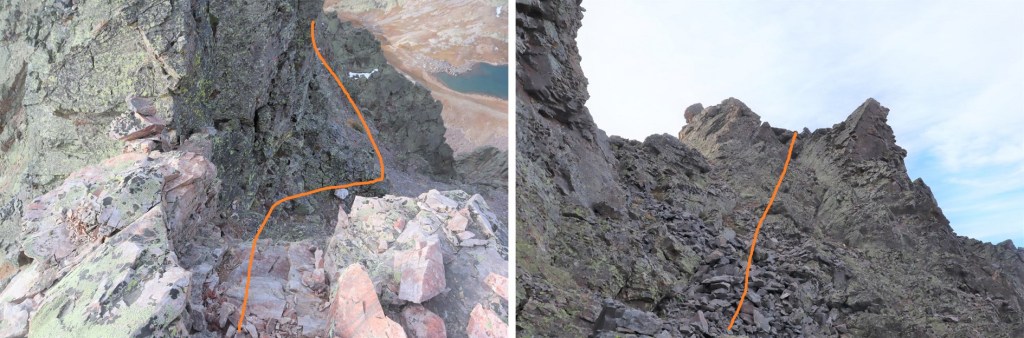
It will lead you up a class 3-4 chimney and then around the mountainside.
You have the option of taking the gully or the ridge. I took the gully up, the ridge down. The gully takes some route finding and I found it to be class 4. The ridge is easily and highly cairned. Here’s the entrance to the gully. I don’t think there’s a way to cliff out, but there are tons of options to ascend. Just keep heading northeast
Here are some photos from inside the gully
If you keep heading northeast you’ll hit a wall. There will be cairns in the northeast corner of the top of the gully that lead you both to the exit route back down the ridge, and to the summit.
These cairns will take you to the ridge, which if you follow northwest will take you to the summit
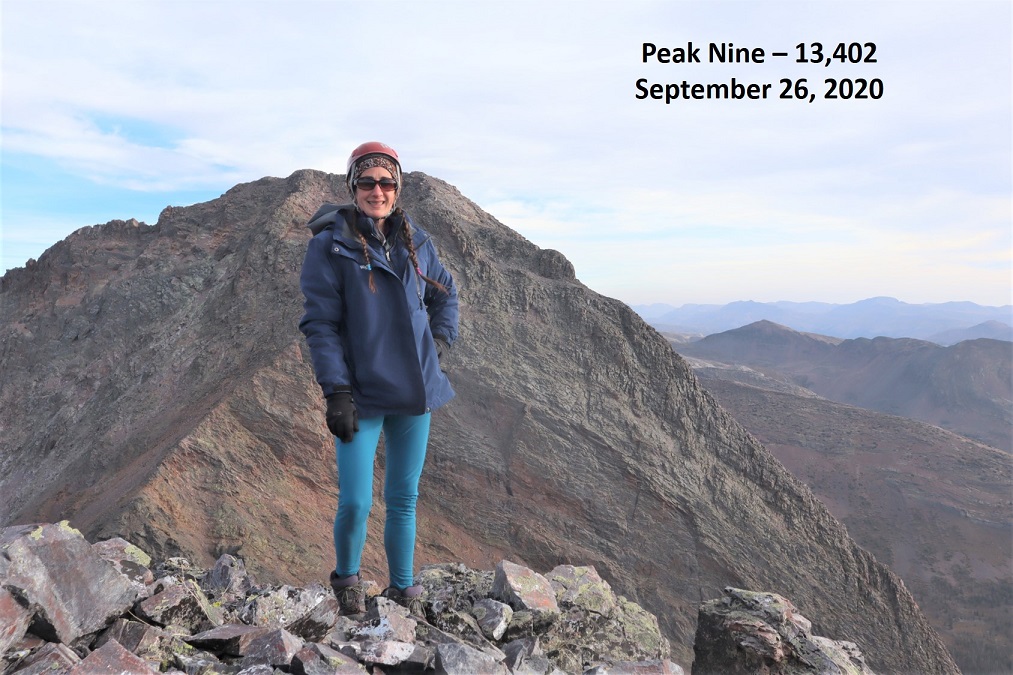
I summited Peak 9 at 8:25am
Peak Nine:
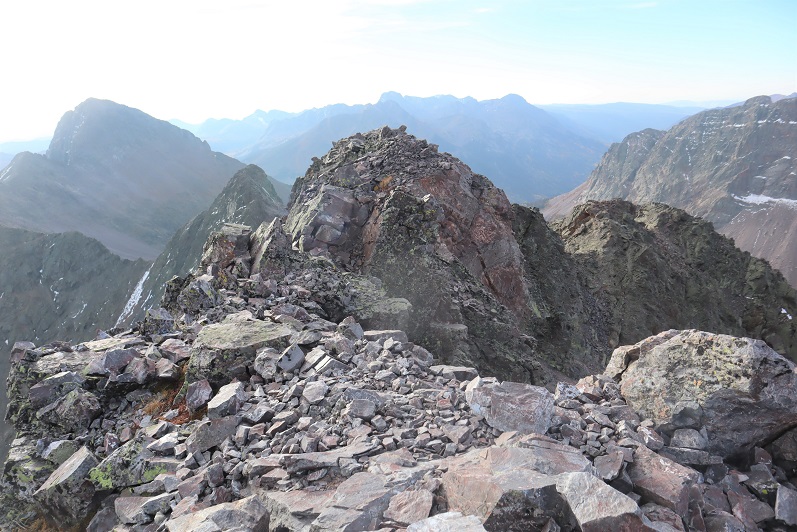
Here’s looking down the gully from the summit. Here you can see you can pick your route but need to head to the northeast corner to gain the ridge
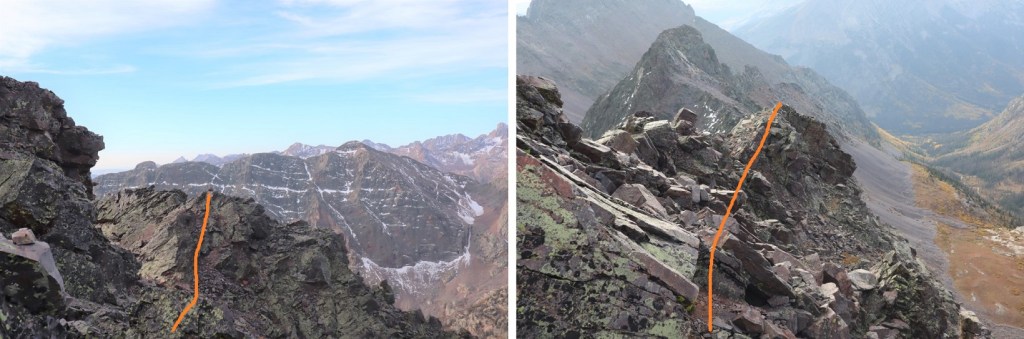
I’m not gonna lie, I didn’t want to head back down the gully. I’d known there was a ridge route when I’d ascended, which kept me going up, but the class 4 moves were bordering on class 5, and I felt safer taking the ridge down. Here are some pictures of the very well cairned route down the ridge. I followed the ridge southeast the way I’d come, dipped down a bit, then found the cairns that led me back up to the ridge
I then followed the ridge
Dipping down to the left once, then staying to the right for the rest of the ridge
The ridge led me to a short gully. I took it southwest
And this brought me back to the trail I’d hiked in on.
I followed it back to the chimney, climbed down
And aimed for the gully I’d hiked in through
I used my kicked in steps from this morning to descend, then made my way back to the pass and my gear.
I sat at the pass and had a packet of tuna and looked at the time. It was still early, so I figured I had plenty of time to hike Mt Silex and The Guardian today as well. I gathered my large pack and set off for Lake Silex below. I was a bit worried about the access gully (circled in red). The snow looked to be covering the entire last part of the route, and I wasn’t sure I’d be able to get up the gully.
I dropped my large pack at the lake. It was now 11am, so the sun wouldn’t be my friend as I ascended the gully: it would be shining in my eyes the entire time. Here’s an overview of the route I took from the pass, down to the lake, and up the gully
When I got to the gully the snow wasn’t as bad as it had looked from down below. I was able to avoid most of it by sticking to the left
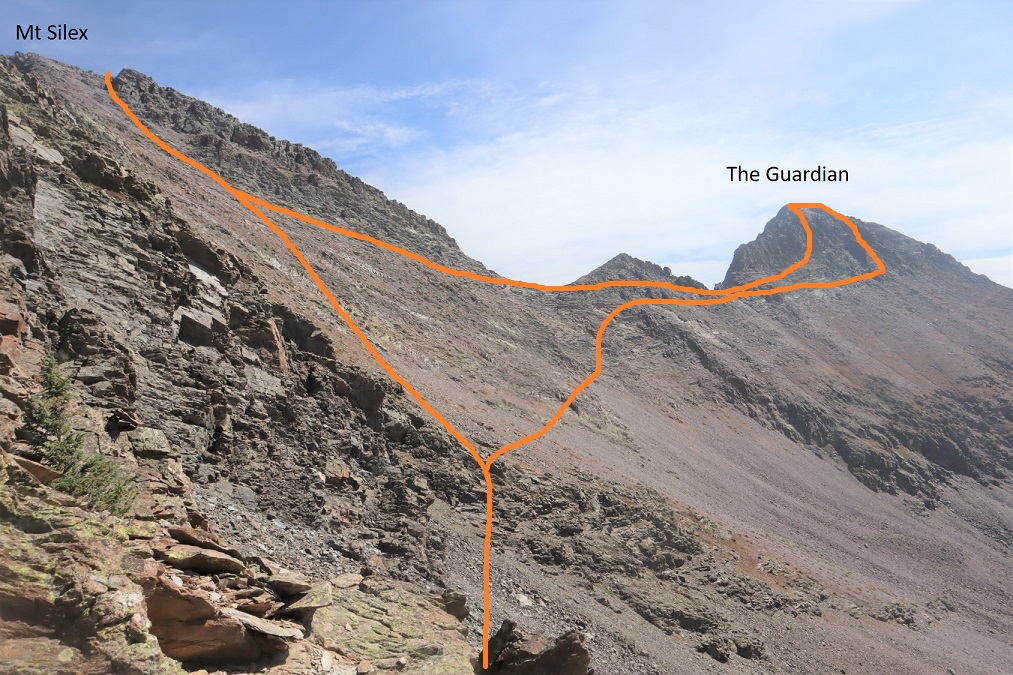
Here’s an overview of the route I took to summit both Mt Silex and The Guardian and back from the top of the gully
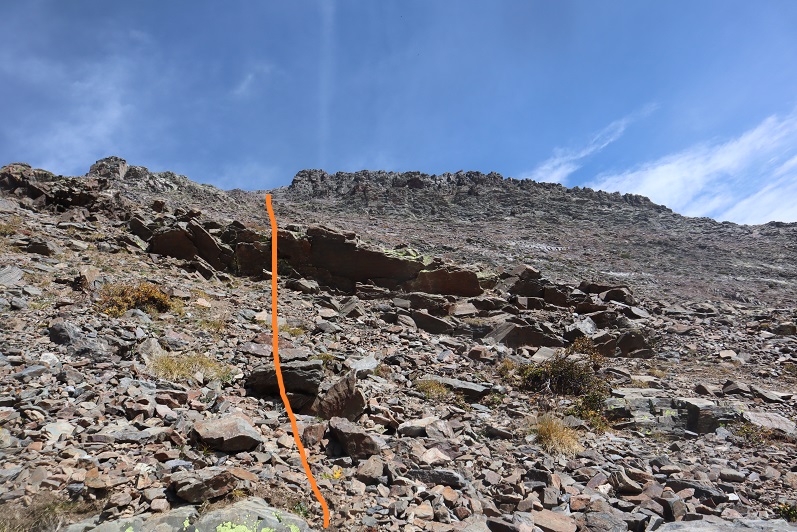
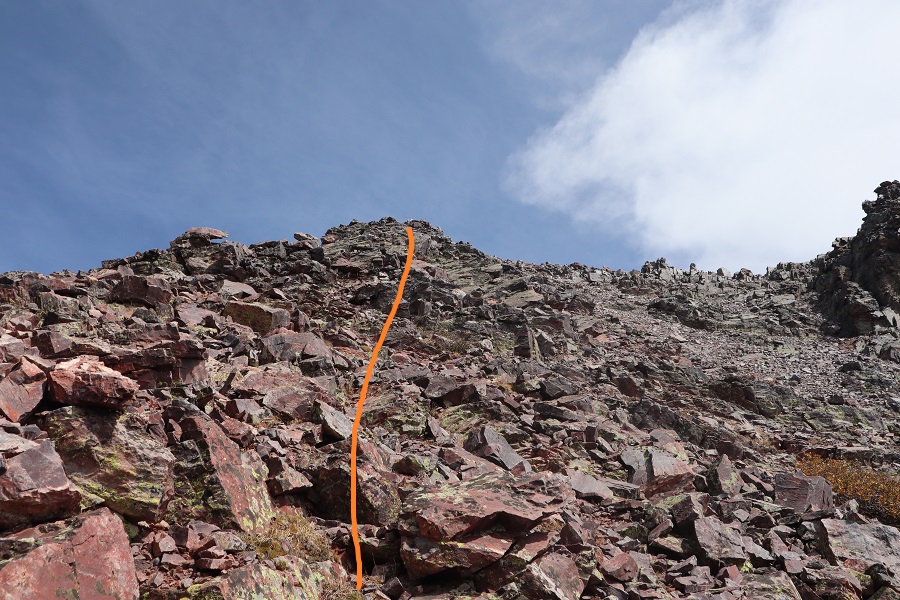
I started out kind of low, but my advice is to gain the ridge as soon as you can and follow it to the summit. I took more of the gully route, which made things more difficult than they needed to be. Here’s my route
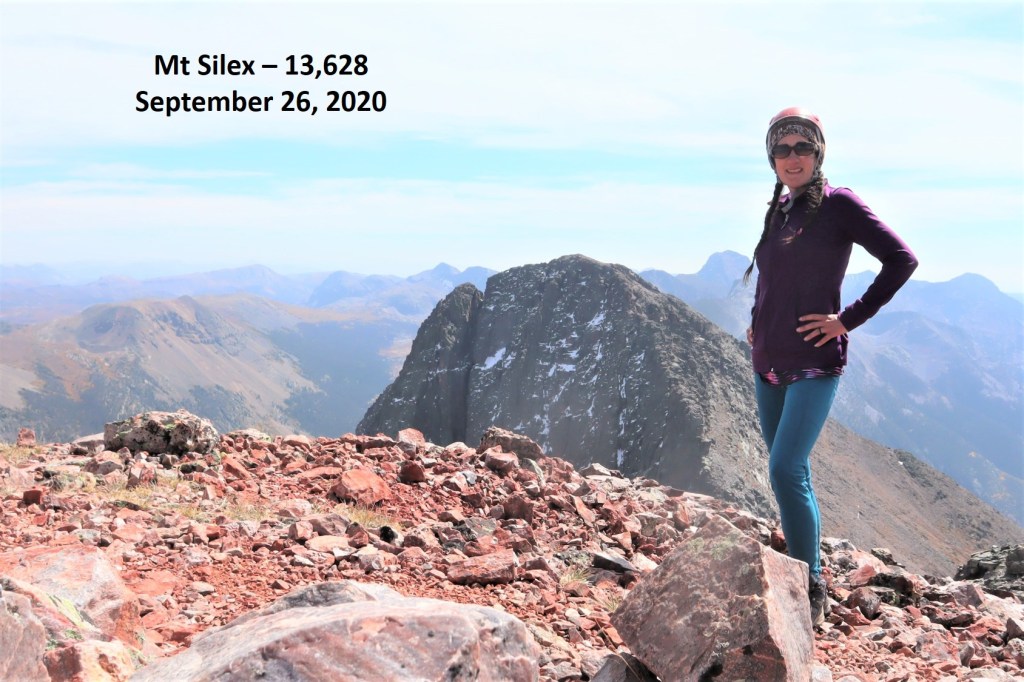
I summited Mt Silex at 12:55pm
Mt Silex:
Here’s a look back down the ridge I’d just hiked up
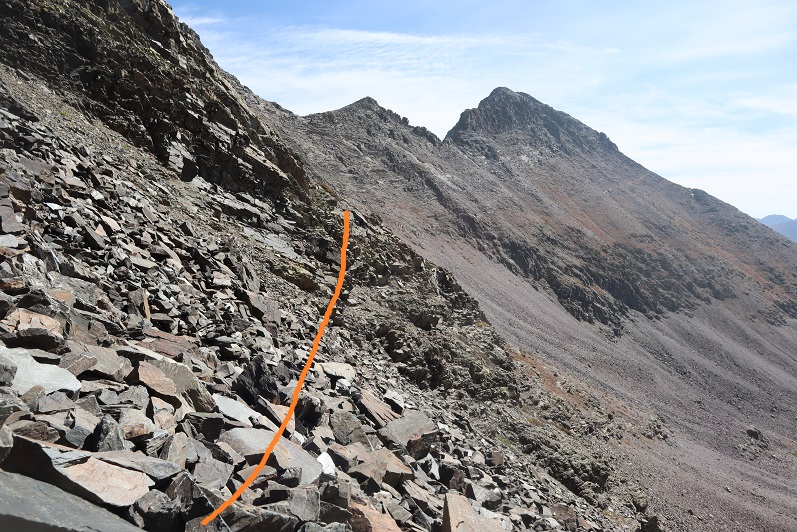
Now to head over to The Guardian. I went back down the gully, and hugged the side of the mountain
Then I stayed high and worked my way southeast
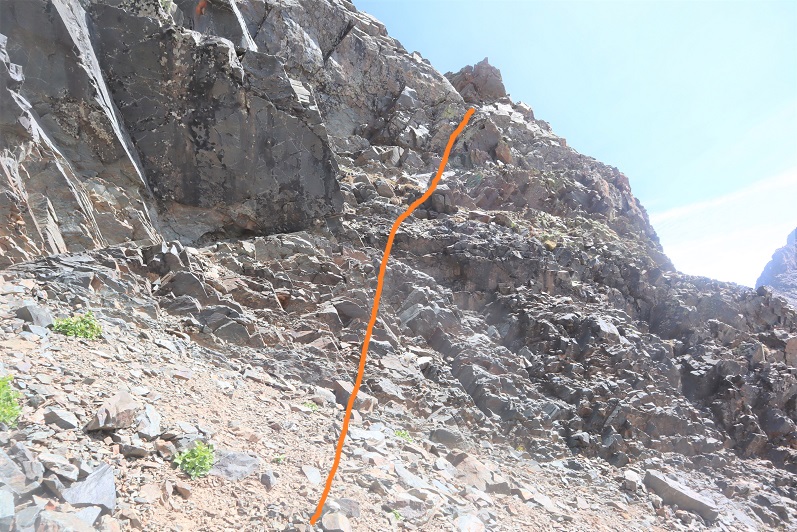
Here’s step by step.
At around 13400’ I came to a gully, turned and headed northeast to the summit. The climbing here was class 4, and seemed to get sketchier as I went.
At the top of the gully was a well-cairned summit ridge
Here’s a look back down the gully
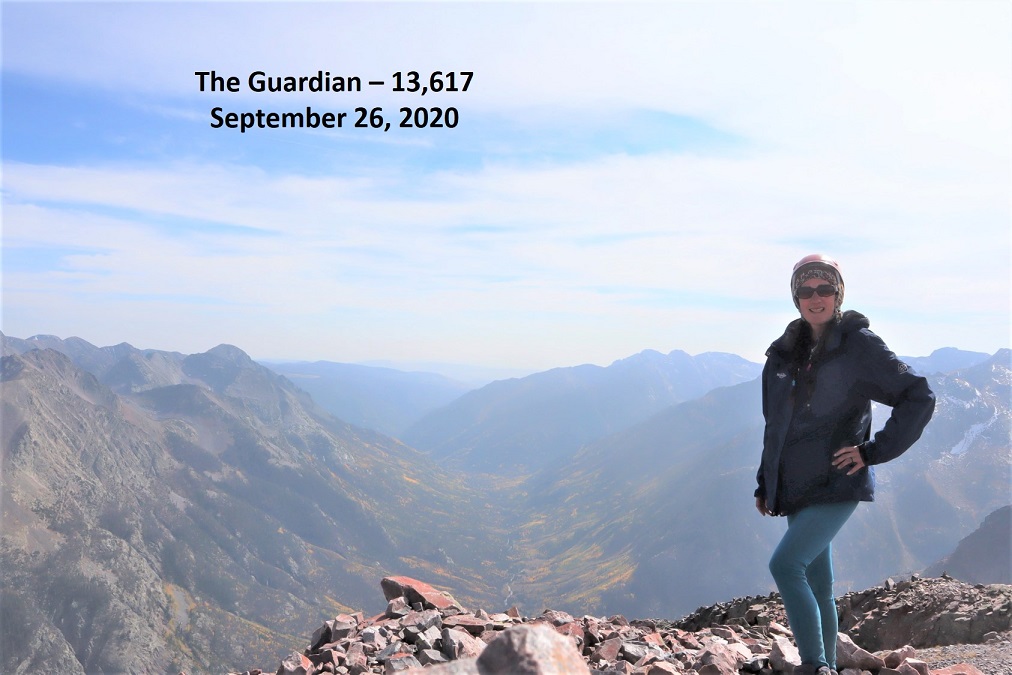
I summited The Guardian at 2:55pm. The views were a bit hazy due to the smoke from the fires
The Guardian:
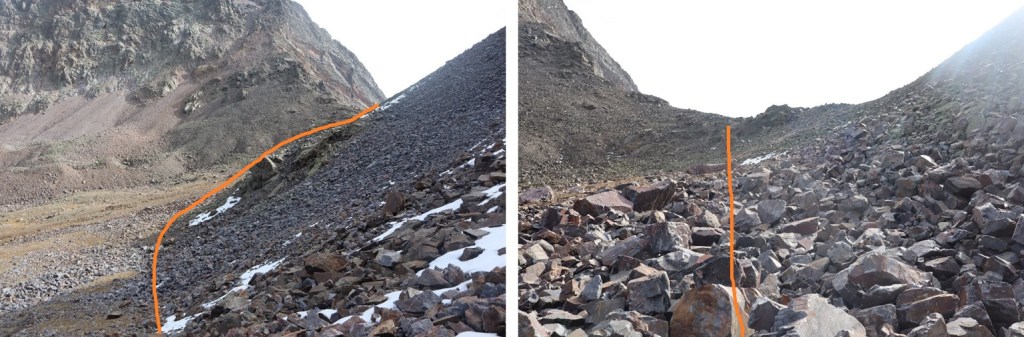
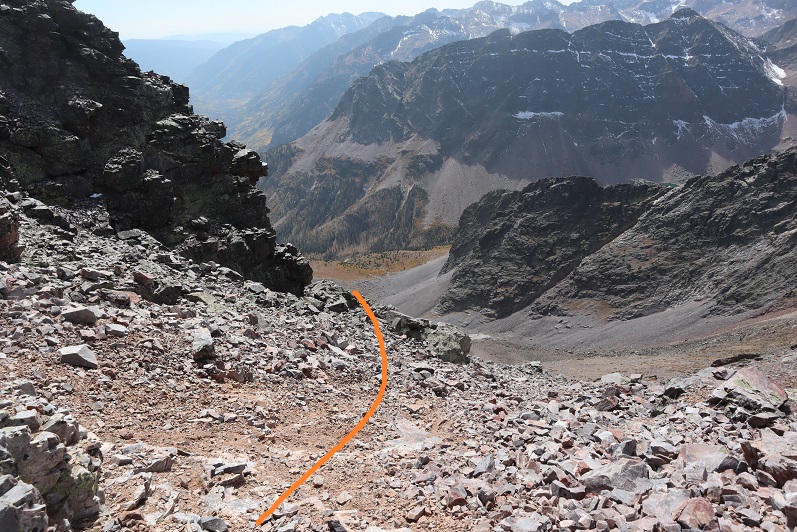
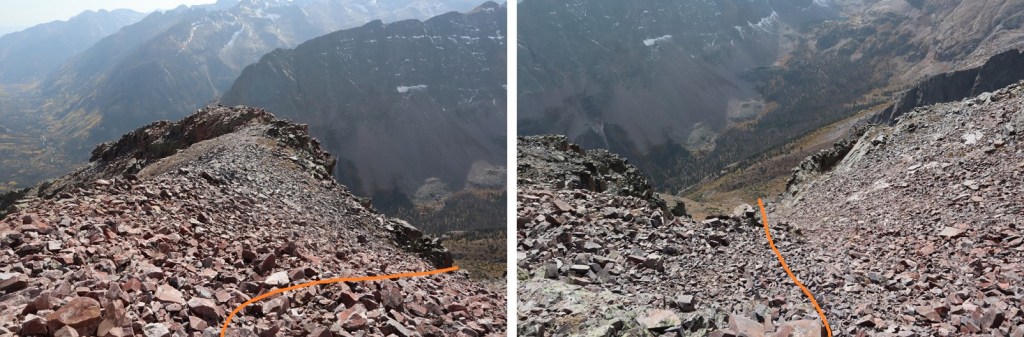
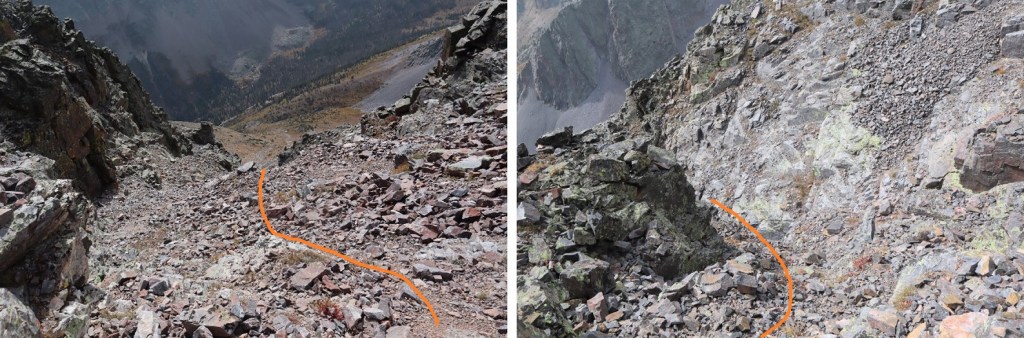
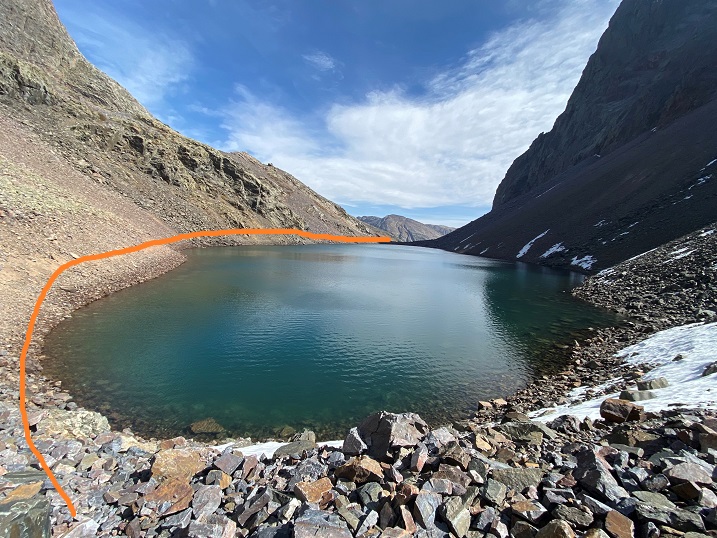
As I’d summited, I noticed an easier gully I could have accessed to summit if I’d hiked just a little further southeast. I decided to take that gully down. It’s scree filled and I scree surfed down. This is class 2.
At the bottom of the gully I turned right
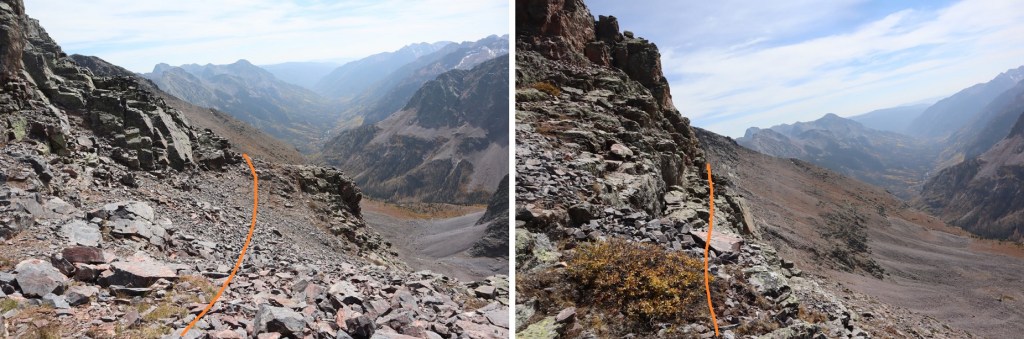
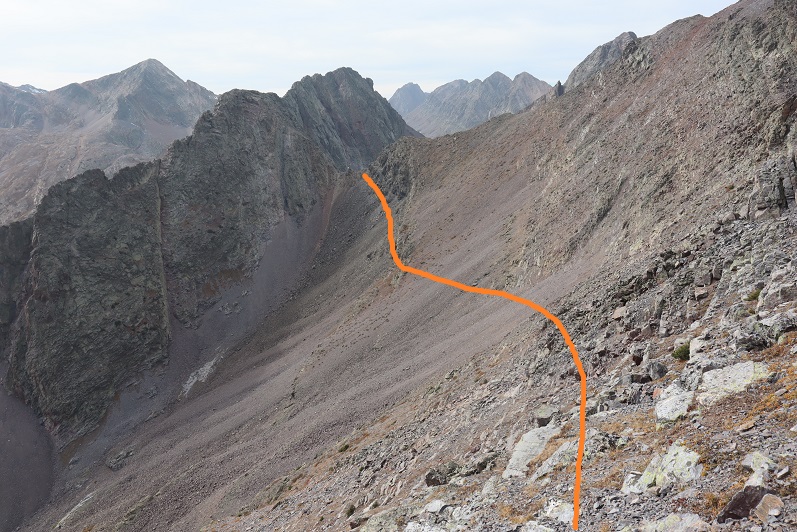
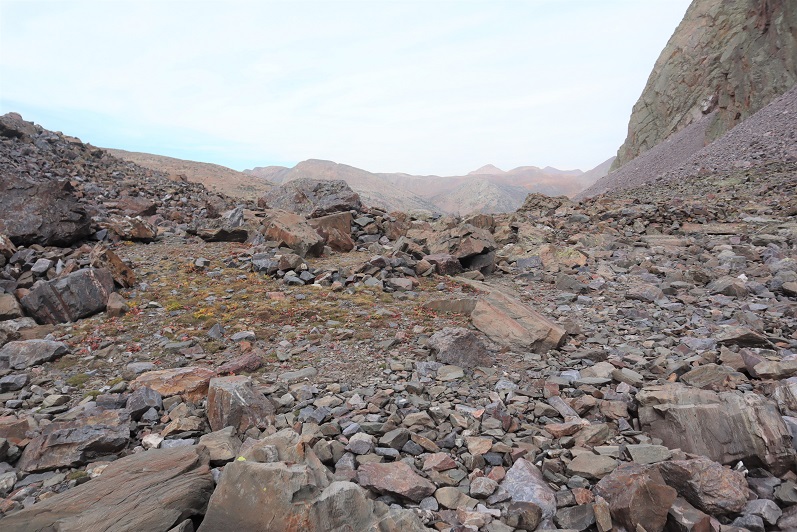
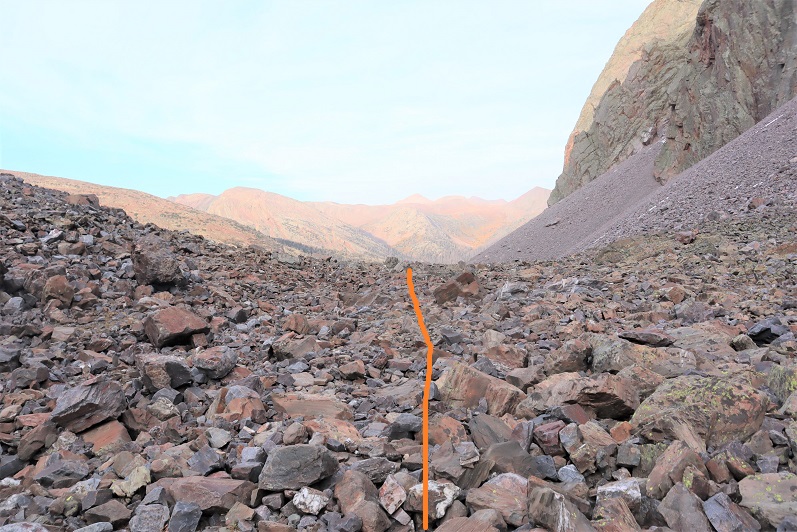
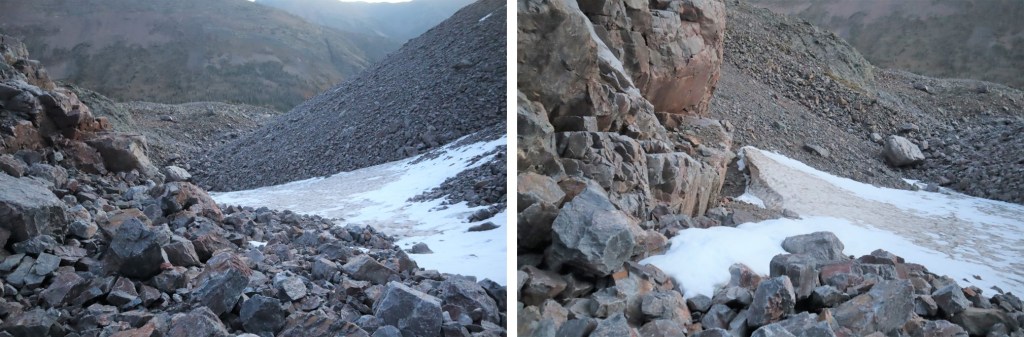
I had a great view of my route back to the gully that leads back to Lake Silex. It’s important to stay high here, as it does cliff out a little below. Here’s my route
Here’s a look back at the route down from The Guardian, staying high to avoid the cliff bands
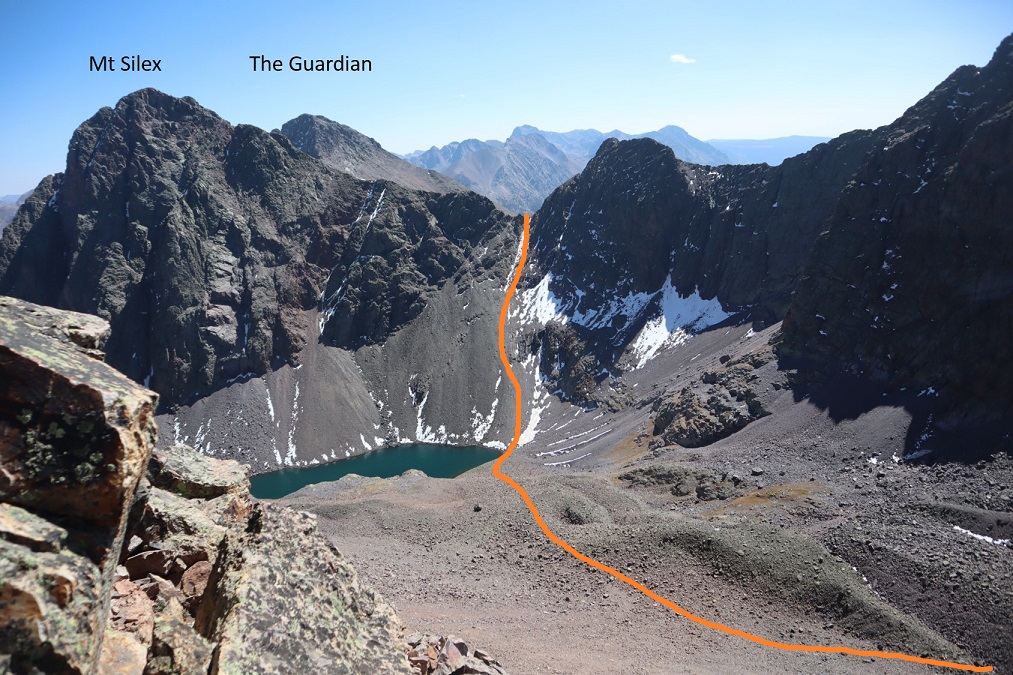
Back at the top of the gully here’s looking at my route back to Lake Silex. I hiked down to the lake, gathered my gear, and went around the north side of the lake, looking for a spot to spend the night.
At the northeast side of the lake I found a set of 3 windbreaks and picked the most well-constructed one to spend the night.
I set up my gear inside a windbreak built in-between two large boulders. It was well made, but the wind was so intense the barrier wasn’t doing much to keep out the wind.
I filtered some water from the lake, ate dinner (my last packet of tuna, a handful of peanuts, and a few shots of whiskey) and made it an early night.
The wind howled all night long. It was intense, but my bivy once again did its job.
Day 3: Descent, Hunchback Mountain, Hunchback Pass
I woke up the next morning, gathered my gear, and was off at 7am. I followed the gully northeast towards Stormy Gulch.
There was still some snow left in this gully from last winter.
I made my way down the scree and back Stormy Gulch
I much preferred the way I hiked in rather than this scree hike out. Here’s looking back on the scree slope
I picked back up the faint trail and followed it east
The waterfall seemed a good place to stop for a bit. I sat on a log and relaxed for a few minutes before the long hike back up to Hunchback Pass. Once again, this would be a great camping spot.
I crossed Nebo Creek and quickly found the trail.
I followed the trail north past treeline, keeping a steady pace as I still had one more peak to climb and didn’t want to get too tired too quickly. I filtered water one last time and took frequent breaks just because I could.
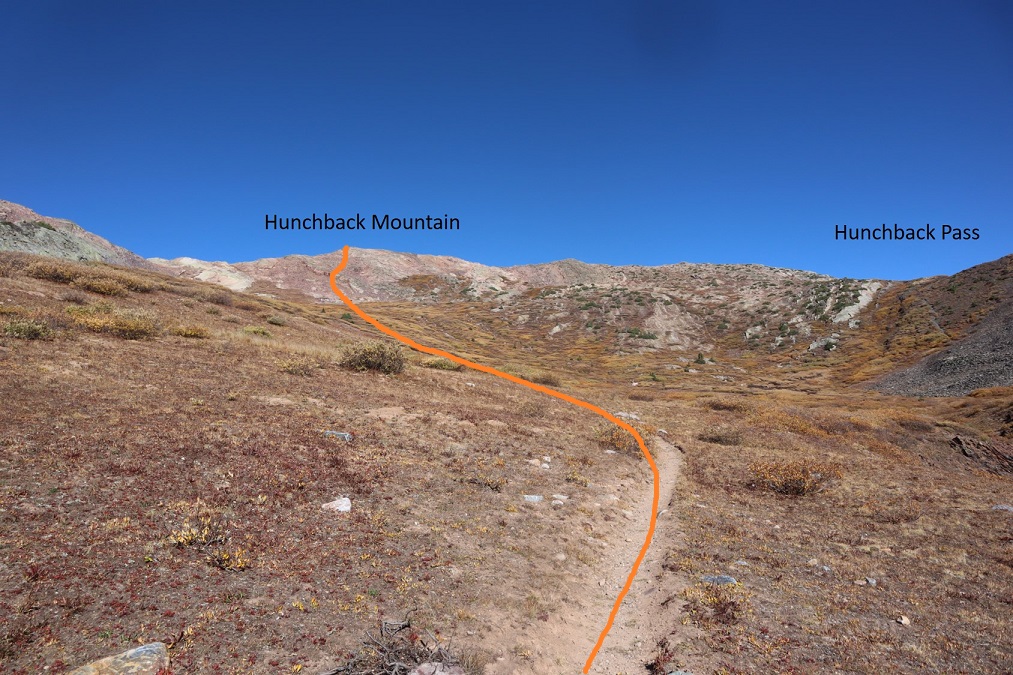
Once above treeline I had a great view of Hunchback Mountain. Here’s the overall route I took to the summit
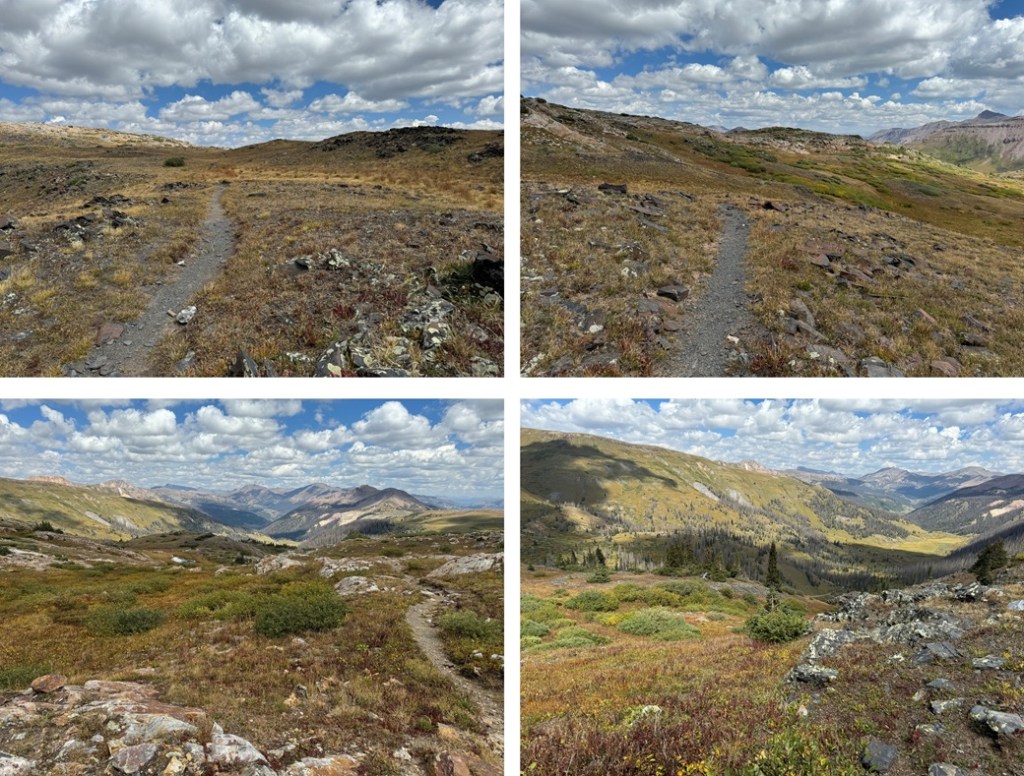
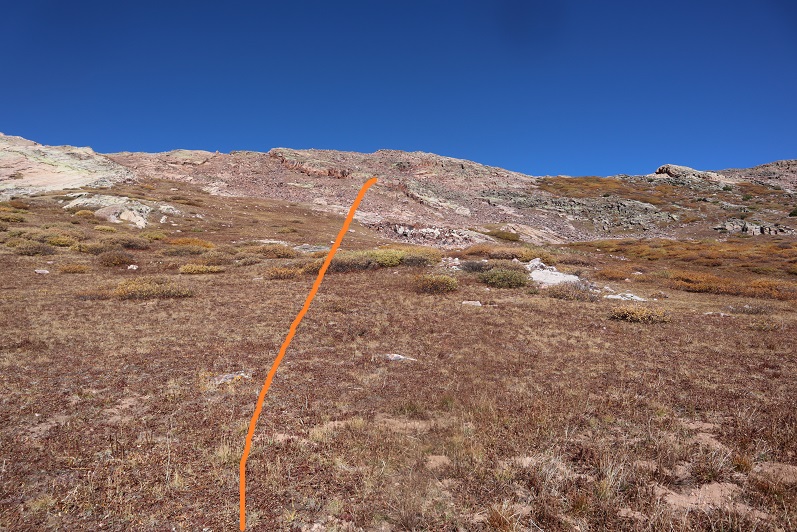
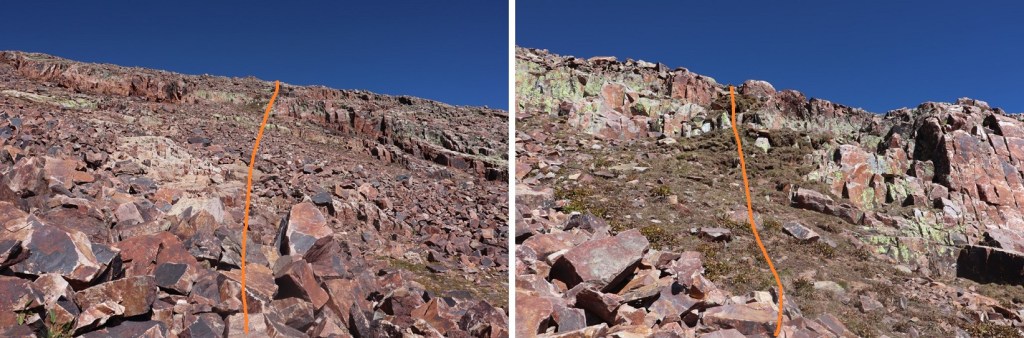
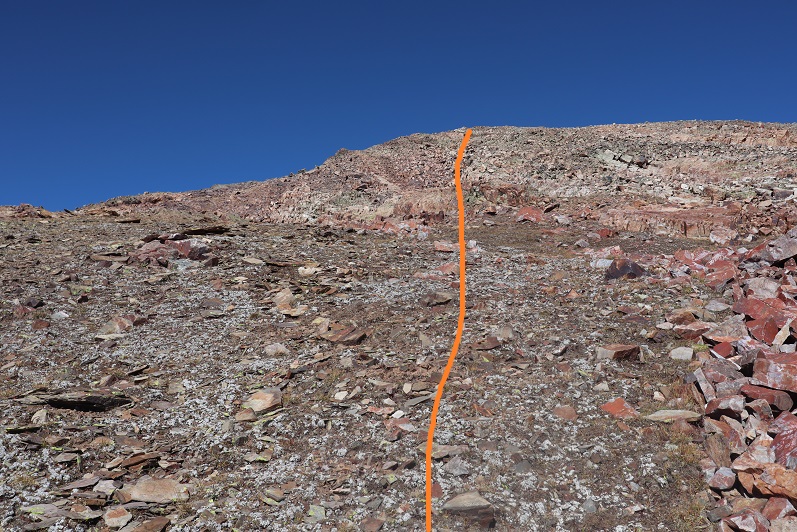
And step by step, all class 2. Sometime during this part of the hike I lost one of my gloves. It was really windy, and I suspect it was blown out of my pocket. Time for a new pair of gloves. I left the trail and aimed for a small grassy area near a band of rocks
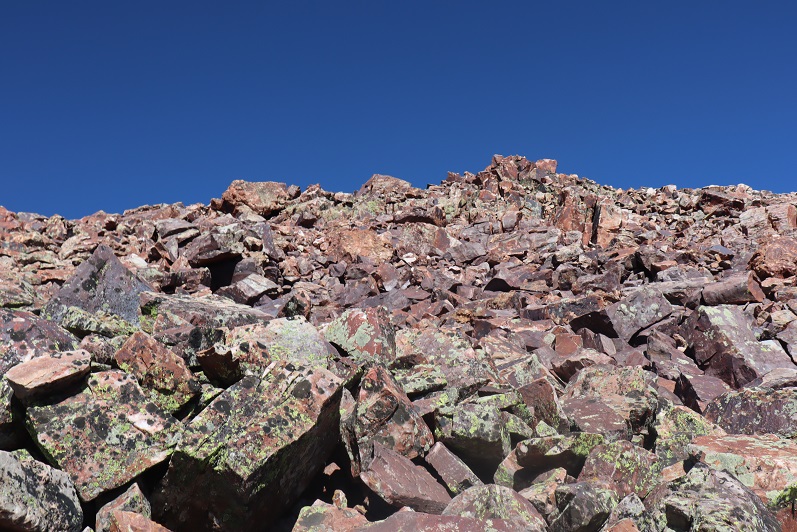
After the grassy area the terrain became rocky. I aimed northwest (note, this is a false summit)
Here’s a view of the summit of Hunchback Mountain
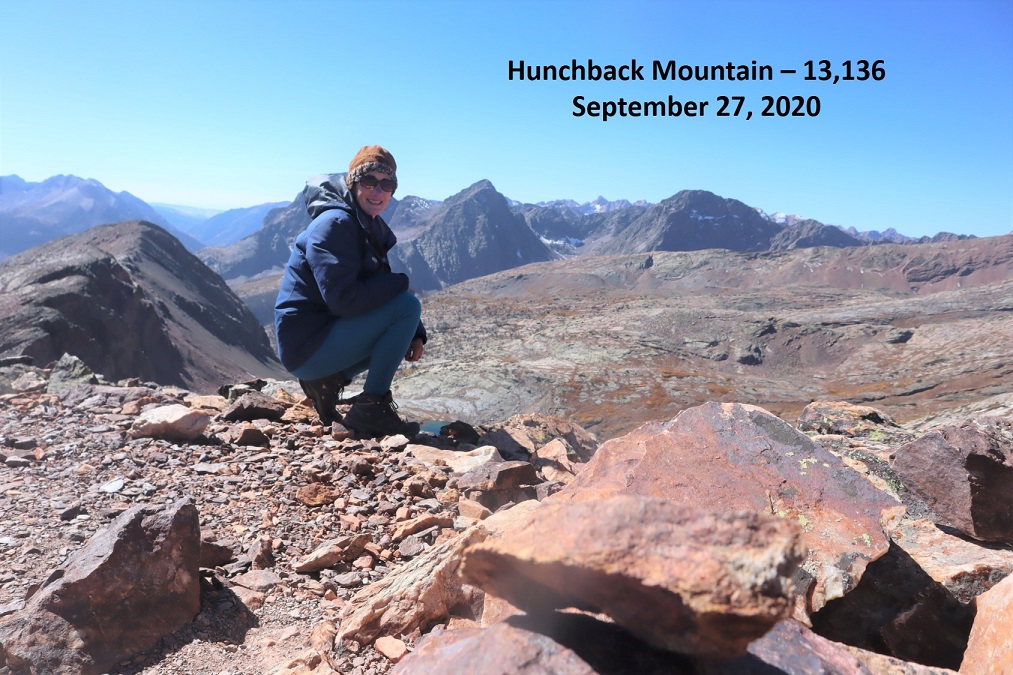
I summited Hunchback Mountain at 11:15am
Hunchback Mountain:
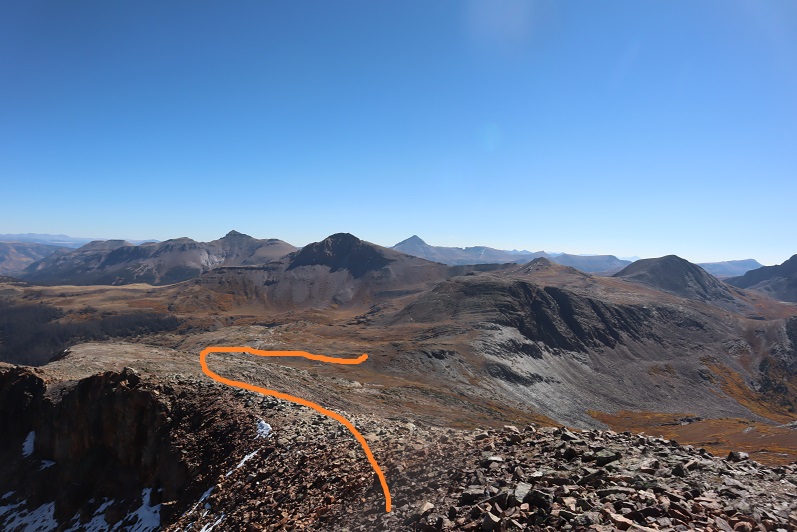
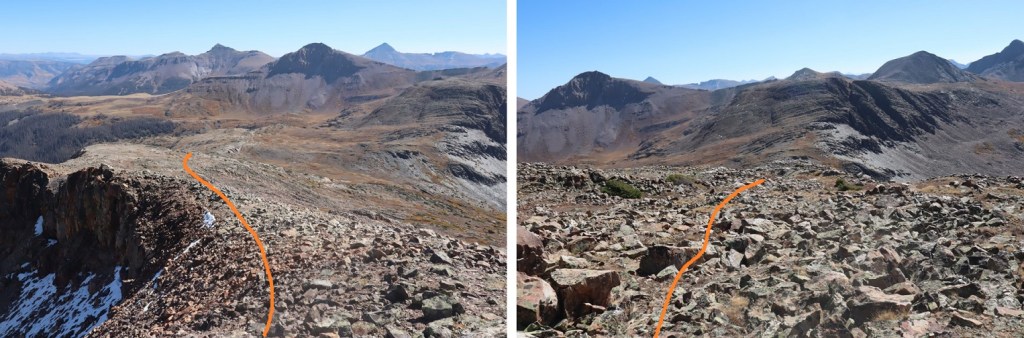
I spent some time on the summit, getting a good look at some 13ers I wanted to attempt next weekend if the weather held out. I figured out which route I wanted to take next week, and then it was time to head towards Hunchback Pass. I just followed the ridge east until I reached a tundra/willow filled gully, then followed the gully back to the trail.
Here’s looking back on my descent
Back on the trail it was an easy hike back down to my truck
I made it back to my truck at 1pm. This was a 3 day hike, with 39.49 miles and 11981’ of elevation gain according to CalTopo, 28.9 miles and 19042’ of elevation gain according to Strava. I’m not sure why the big gap in elevation gain/mileage, but to remain consistent I always use CalTopo data.




























































































 Wild Wanderer