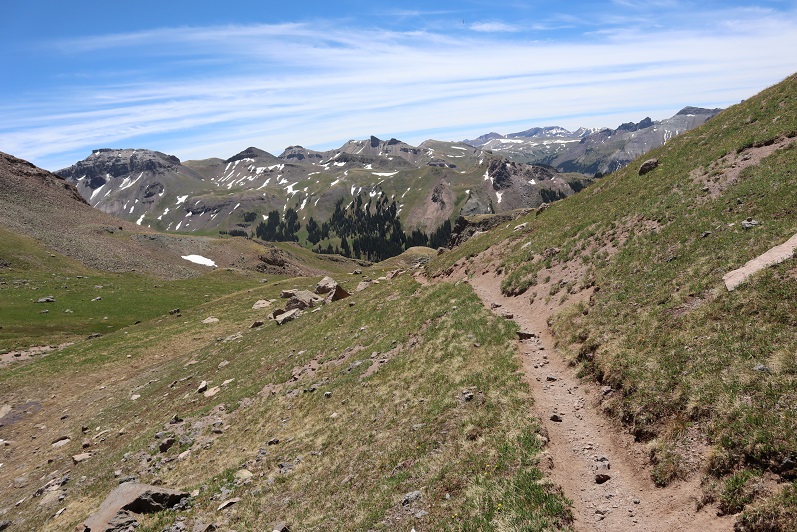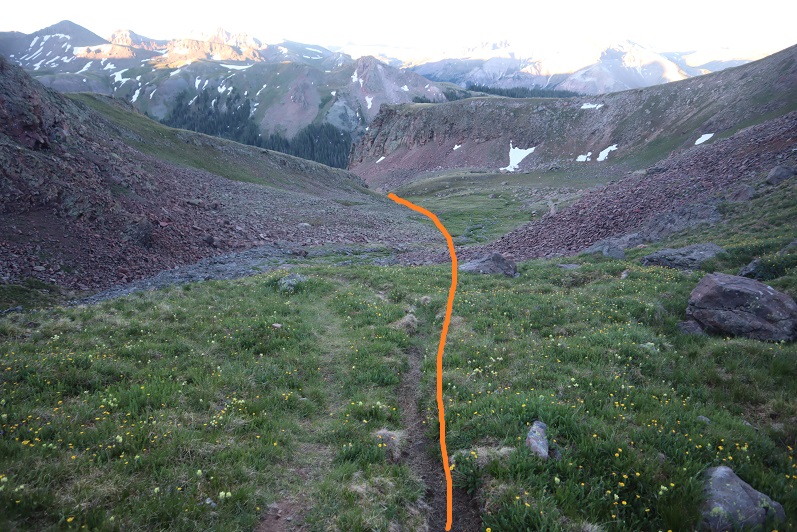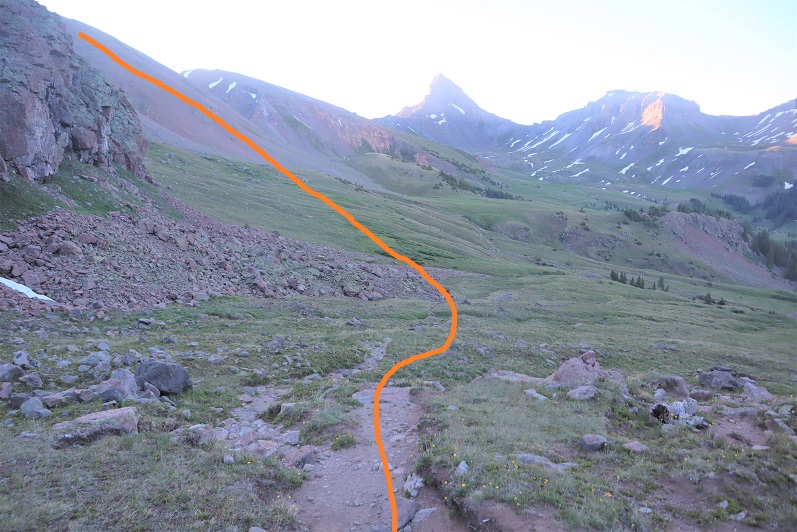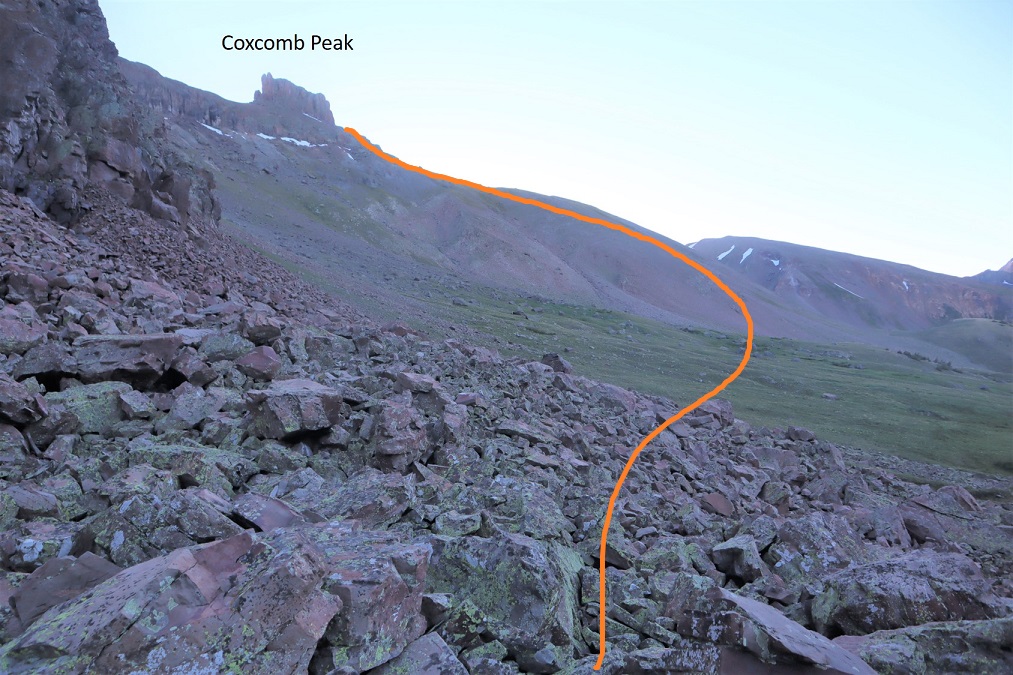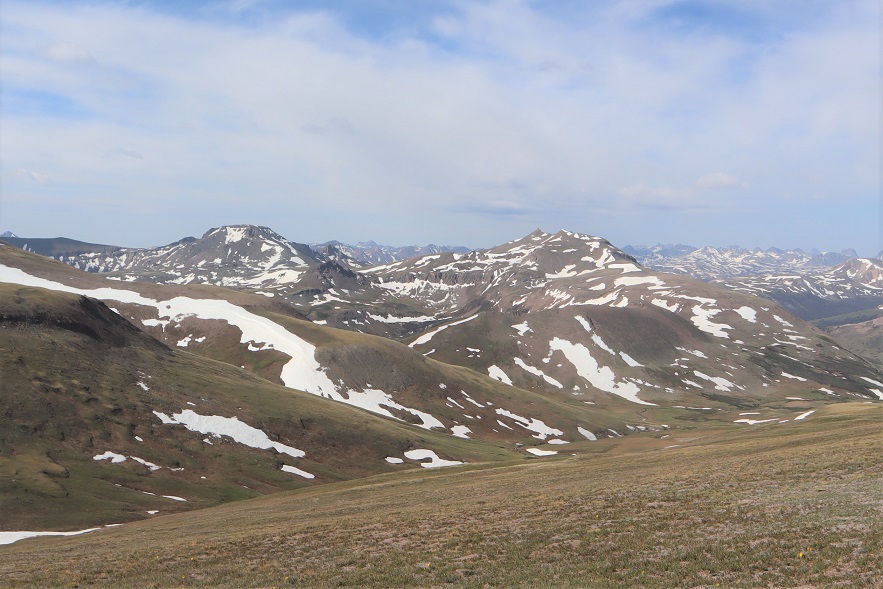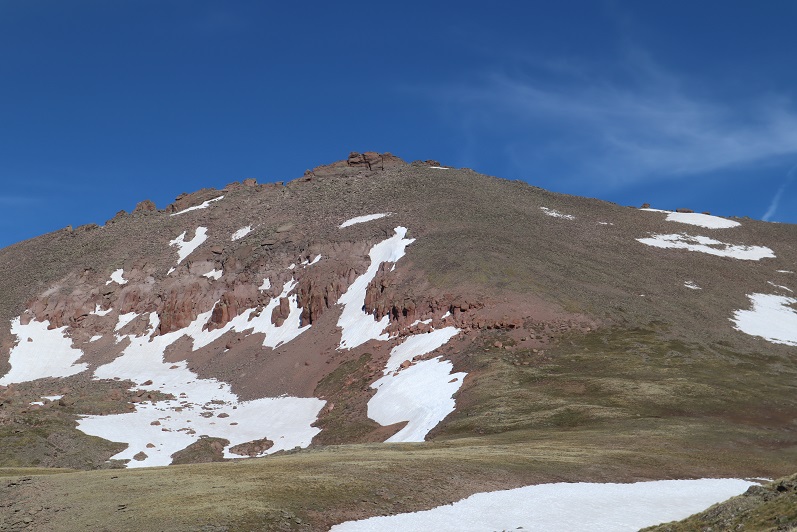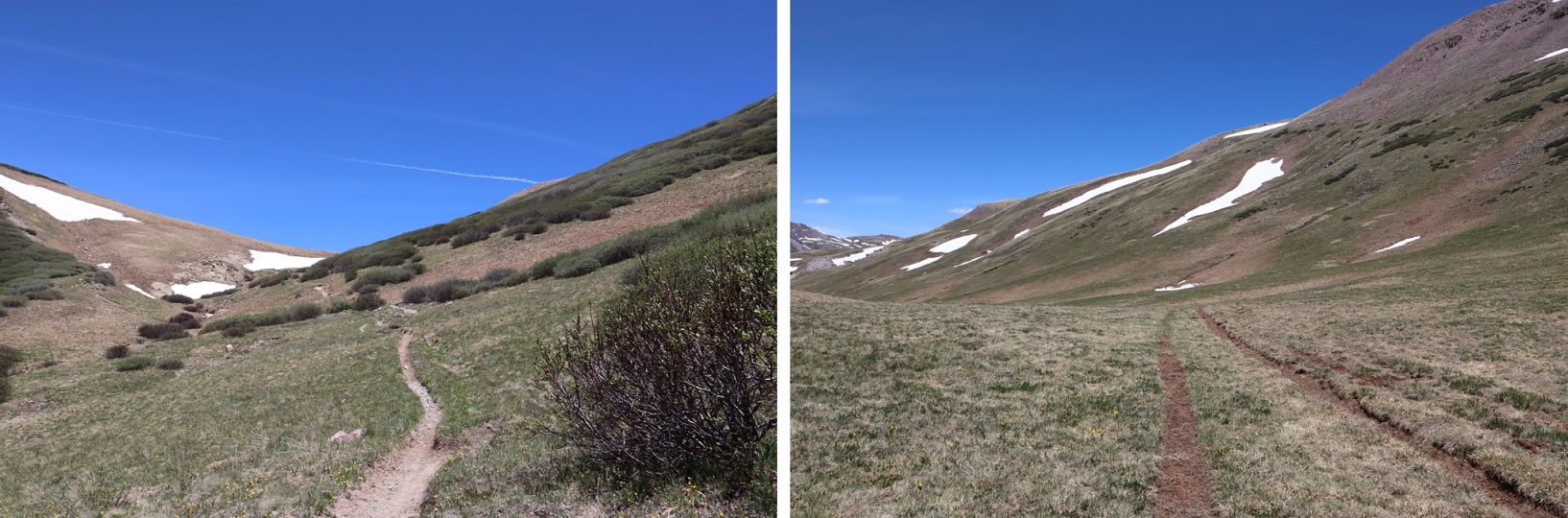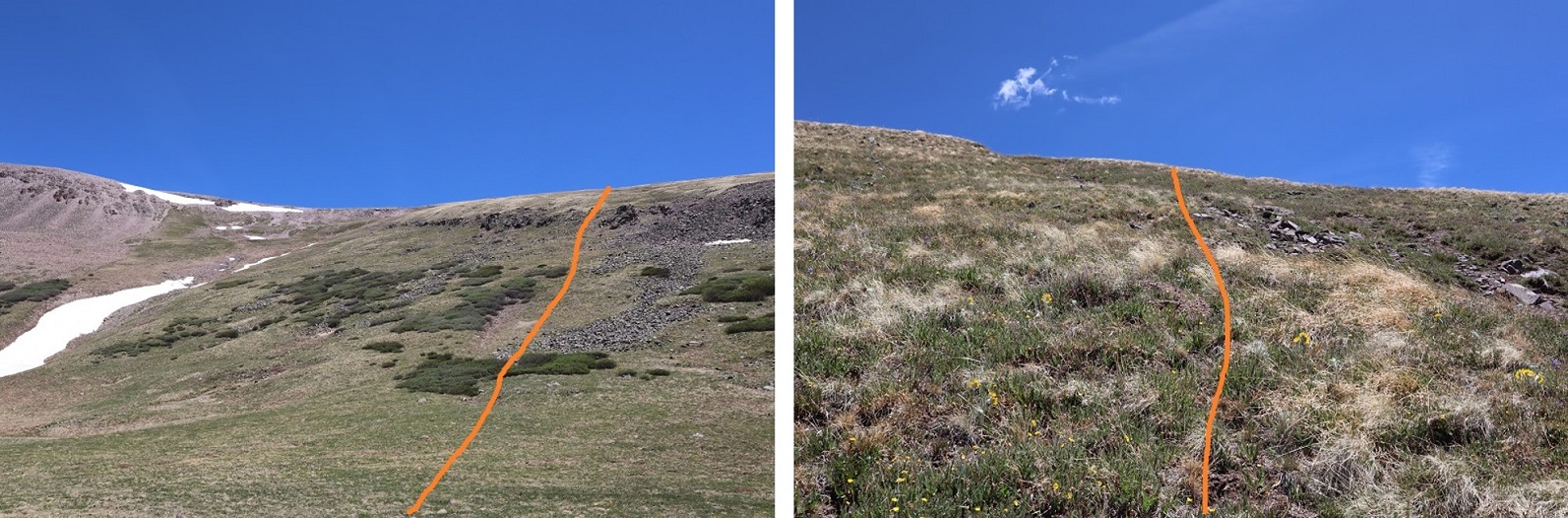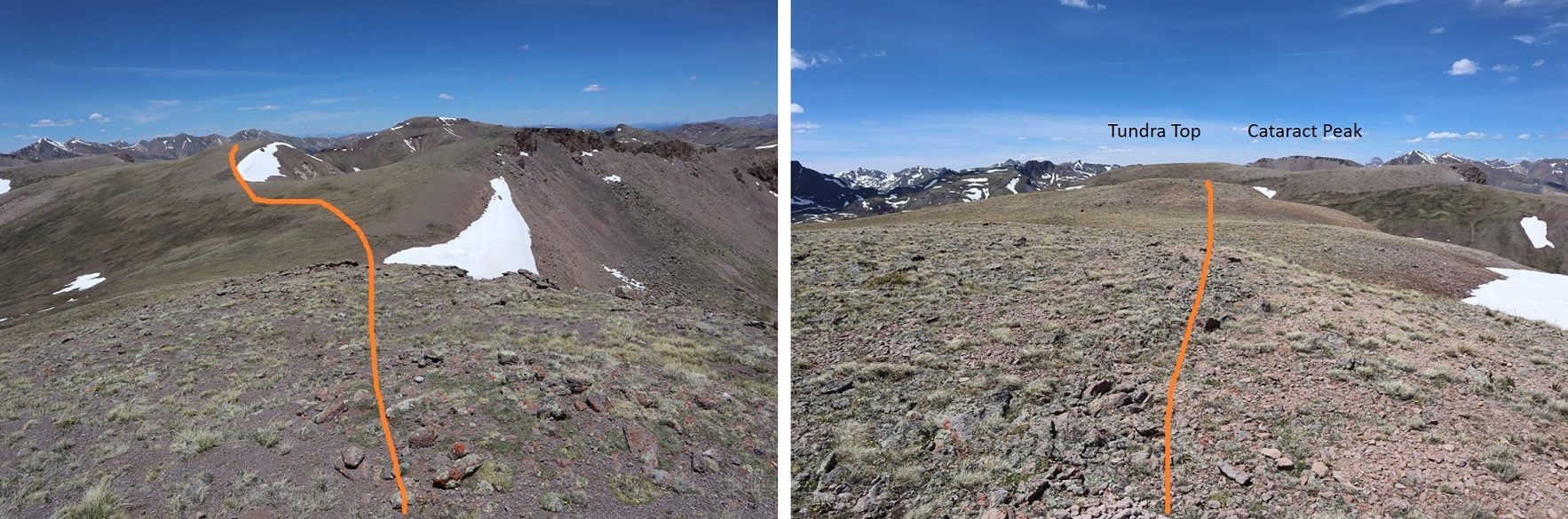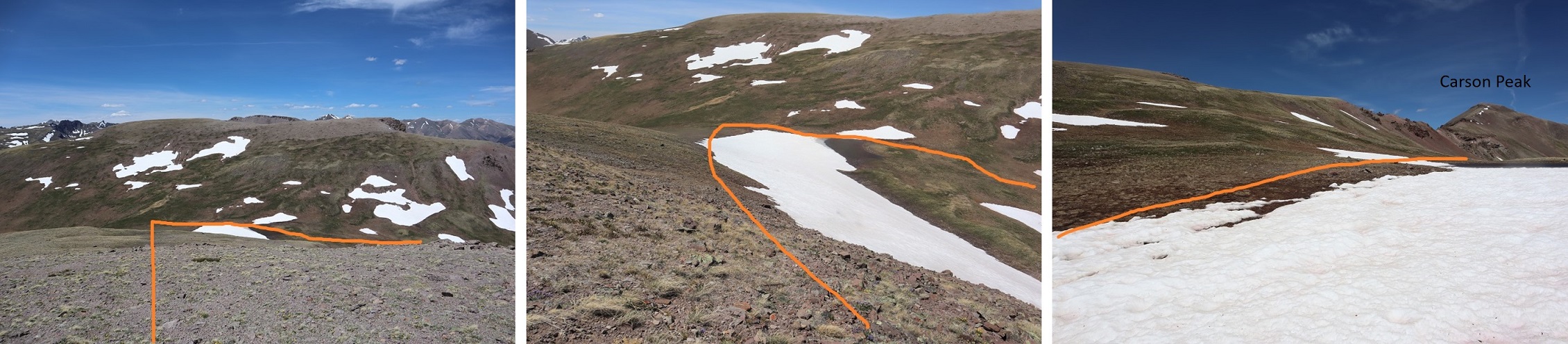
Brown Mountain – 13,347

RT Length: 1.02 miles

Elevation Gain: 425’

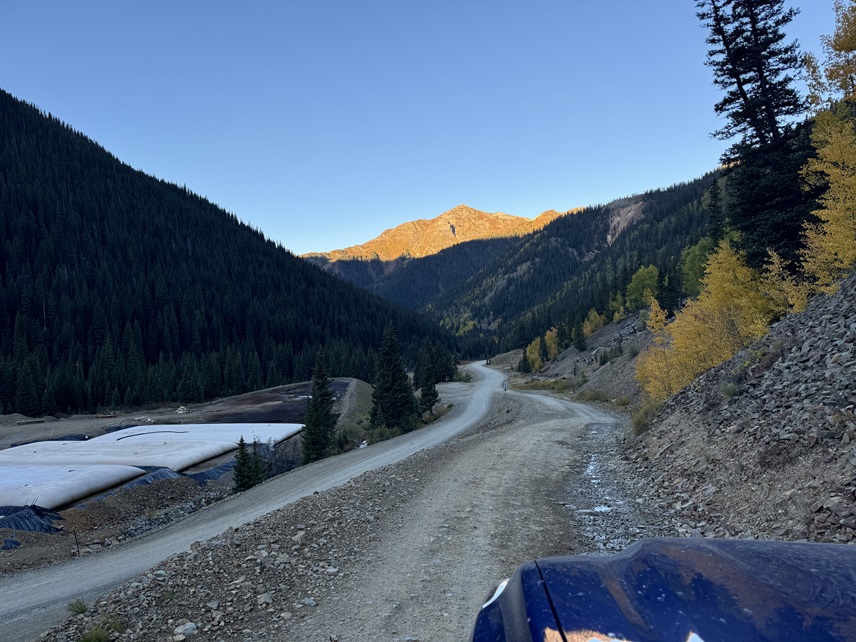
I parked at the Gladstone Mine off 110 outside of Silverton and contemplated my options for the hike the next day.  The weather forecast was calling for rain and snow the next morning but amounts and times were varying.  I don’t like driving up 4WD roads.  It’s not the driving, it’s the oncoming drivers I don’t like.  Most are nice, but a few are jerks and make passing people an experience.  I decided to spend the night in my vehicle at the junction with 110 and 10 outside of the Gladstone Treatment Plant near Gold King Mine and make my final hiking decision the next morning.
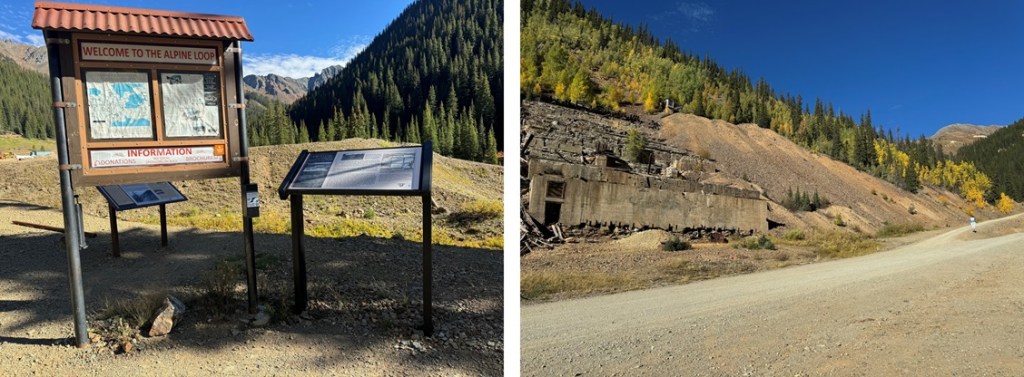
I woke up at 4am the next morning to clear skies, but it was cold and windy.  I warmed up in my truck for a bit before starting my hike.  I got about 100 yards into the hike and said “this is too windy for me!”  and hiked back to my truck to warm up.  The wind chill was bitter cold.

The past few weeks had been difficult for me mentally.  I’d done a lot of backpacking and had to turn around on a lot of peaks due to weather.  I homestead (basically, if I don’t raise it, shoot it, or grow it, I don’t eat it), and I have difficulty eating while hiking/backpacking, meaning while I get a lot of protein, I don’t get a lot of fat in my diet. 

Last week my husband got 2 elk, so I took a break from backpacking to help him process the meat.  When he saw me again after being gone for a while he mentioned I’d lost about 10 pounds, and needed to put on more weight.  To put it in perspective, I weighed 105 pounds before and was down to 95 pounds.  At 5’4”, this isn’t a good thing.  I don’t have the fat reserves to keep me warm, which is a major problem with my Raynaud’s.  I tried to bulk up when I was home, but I wasn’t able to gain 10lbs in 2 days. 

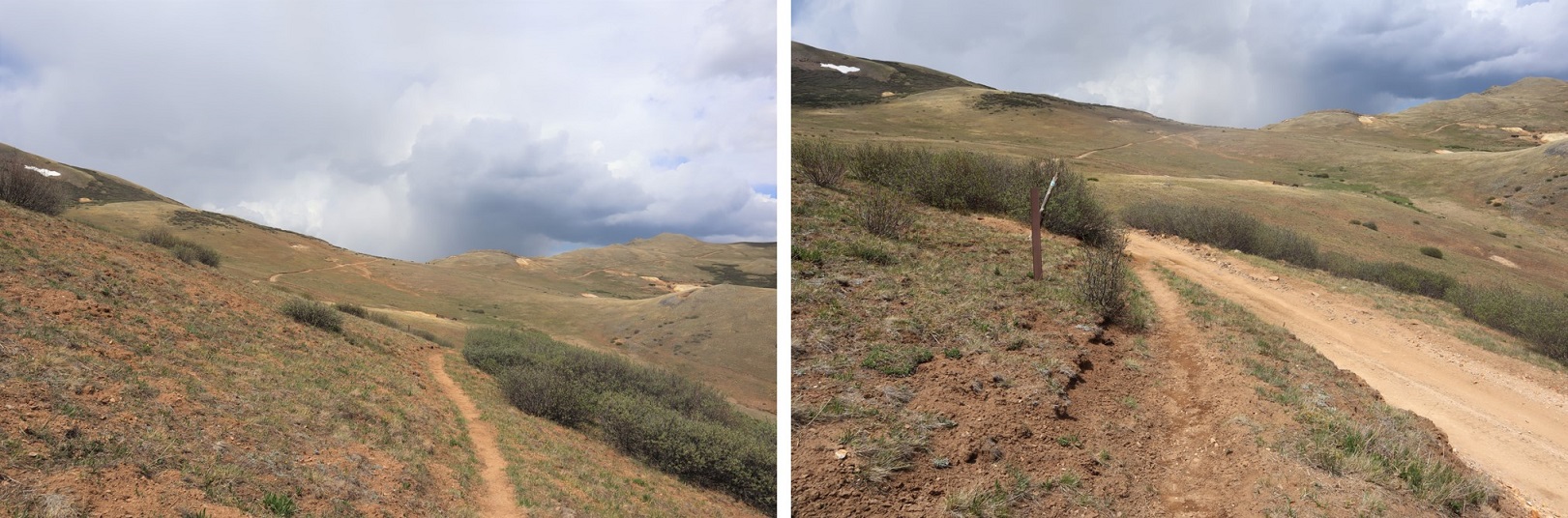
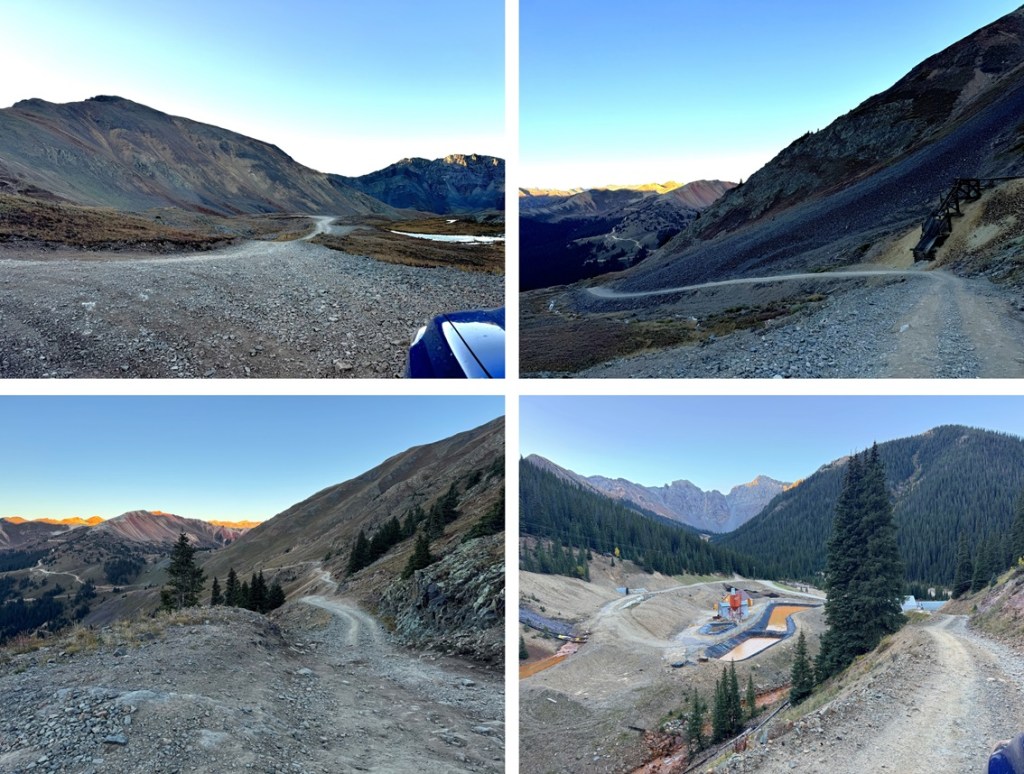
Losing weight and having a handful of failed summits that I should have been able to climb (darn weather!) put me in a moody mental state.  So, this morning I was unconsciously looking for any excuse to just go home, and the cold, windy, and potentially snowy weather was giving me that excuse.  I knew the wind was blowing in a storm that would hit full force later that day.  That’s why I chose something easy for today:  I didn’t want to get stuck in a storm.  I sat in my truck for a bit trying to will myself to get out and hike when I decided to just drive up the dirt road to see how bad it would be.  After all, it was now 5am, and I’d most likely be the only one on the road. I headed up 10:

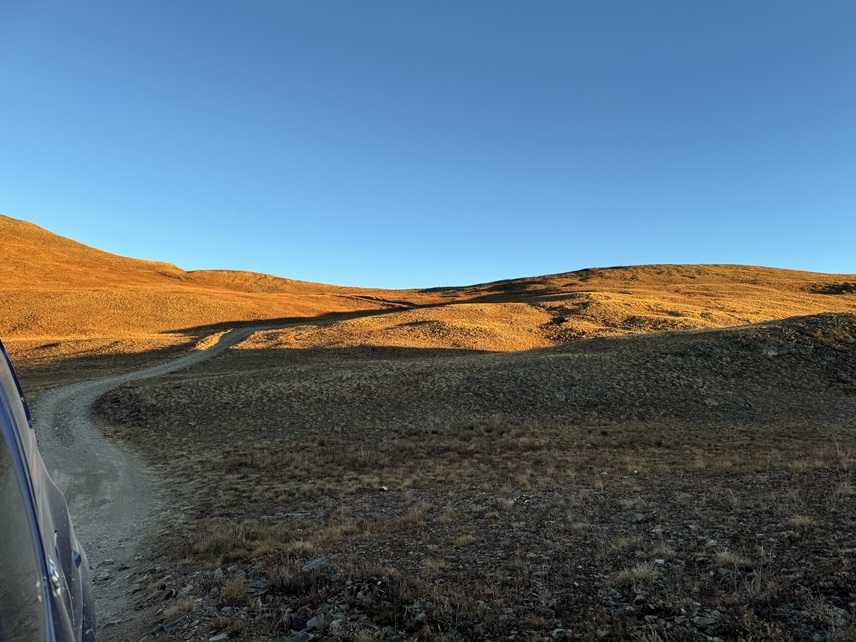
For those of you wondering, the road isn’t that bad.  It’s doable in a high clearance 2WD with a capable driver.  I followed the road 3.68 miles north to an unnamed pass at 12900’ to the east of Lake Como. (For those of you hiking this, it’s 2419’ of elevation gain). This is a bit of a shelf road in areas, but it’s wide and there are plenty of places to pass oncoming vehicles.
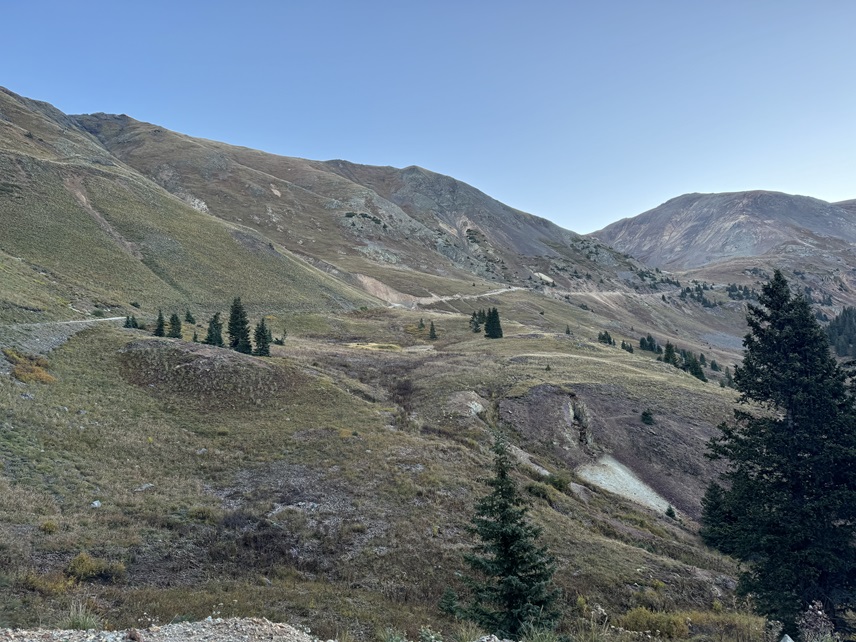
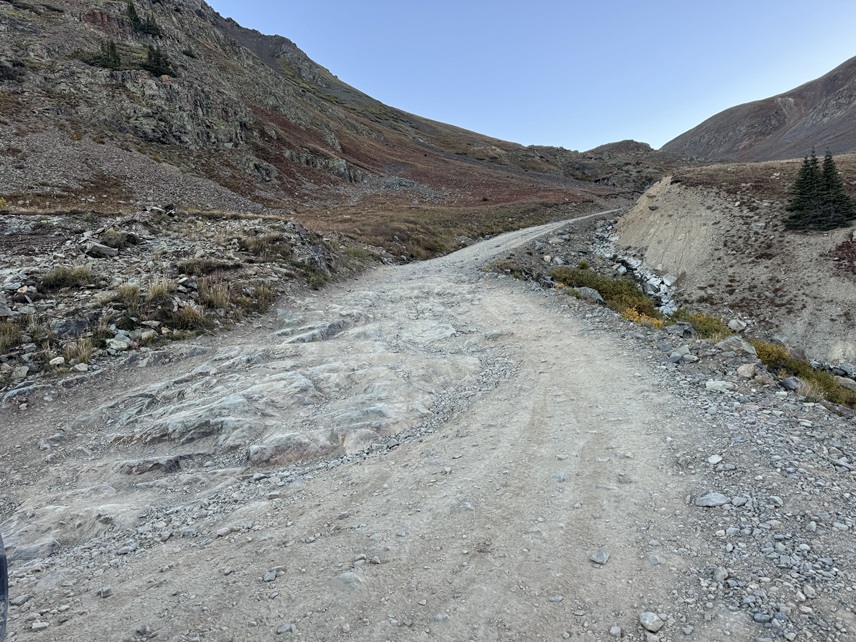
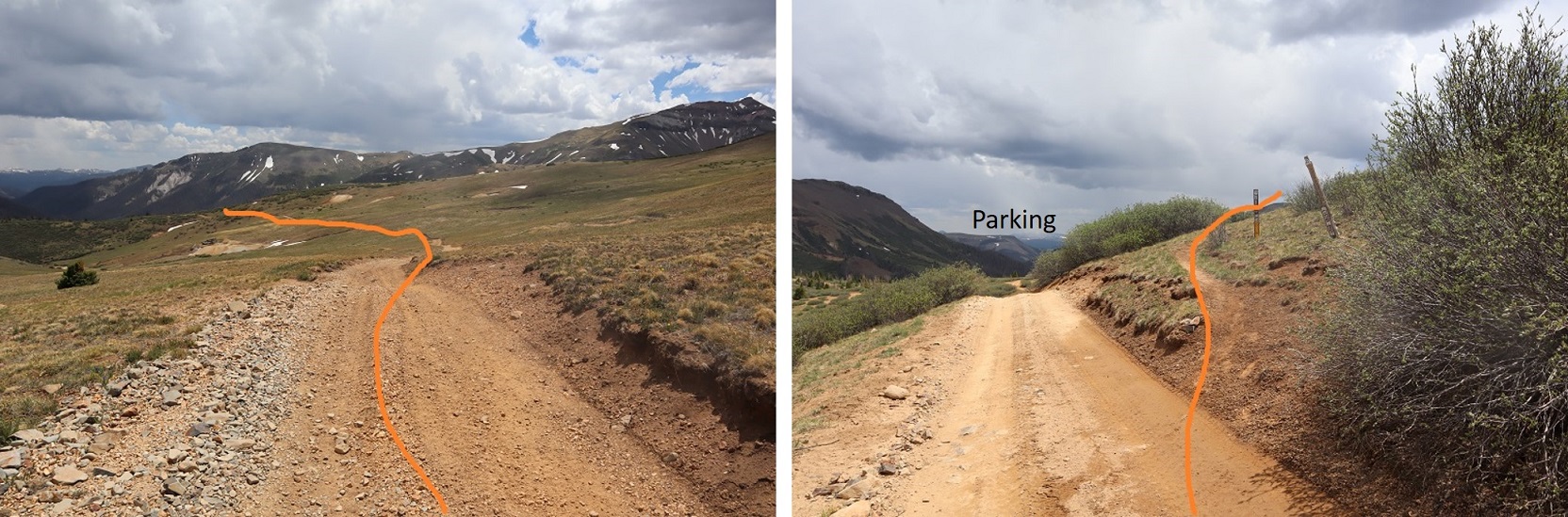
There was a parking area at the pass, so I parked and sat in my truck, waiting for the sun to come up.  I could hear the wind howling all around me, shaking my truck back and forth.  I wanted to use the restroom and tried to open my truck door.  The wind immediately slammed it shut.  My mind said: “not today” and I drove halfway back down the road, intending to just head back home.  In the time it took me to get halfway down the road I’d talked myself into driving back to the pass.  After all, it had been dark and I didn’t even have a visual of the peak yet.  The least I could do was get a visual, and then decide.  So, I drove back up to the pass.

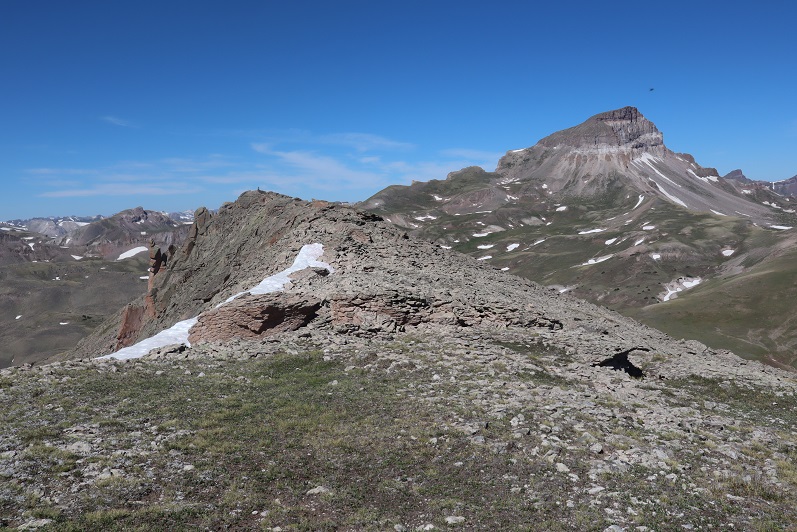
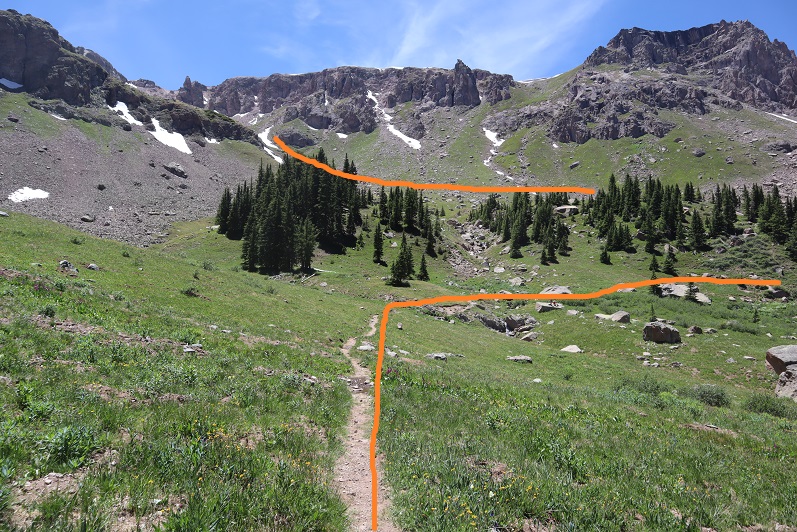
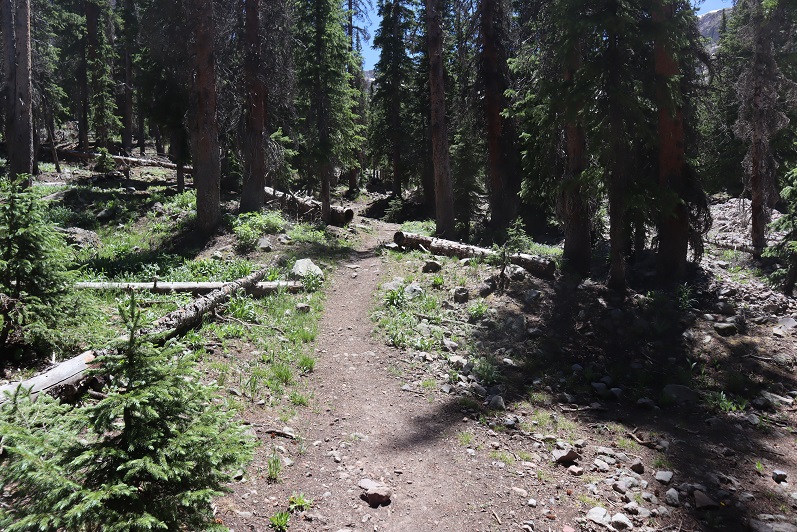
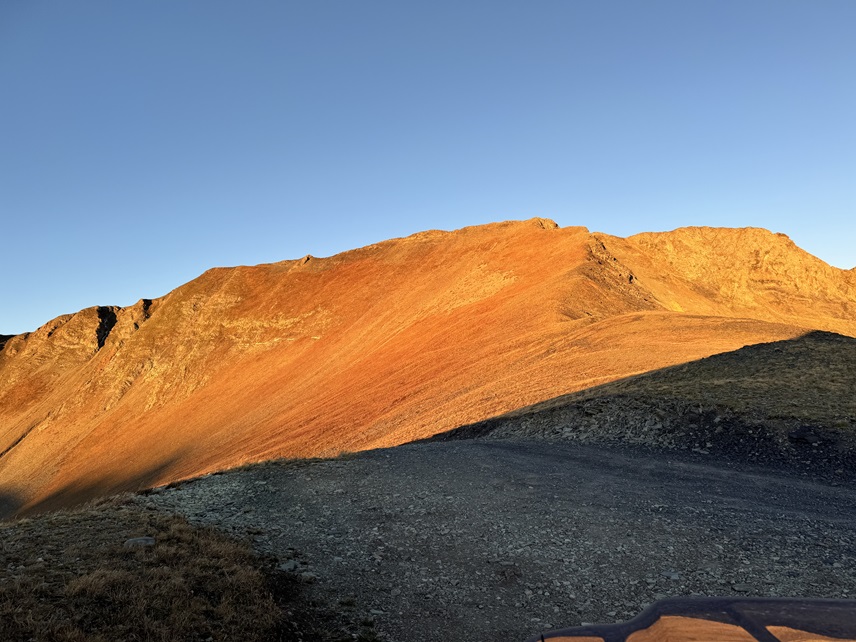
I sat there and waited for the sun to rise and the wind to die down.  As soon as I could see the mountain, I realized it would be a very quick and simple summit from this saddle.  I told myself the only reason it was so windy was because I was on the saddle:  As soon as I ascended, the wind would stop.  Surely I could brave the suck for a few minutes?  At 6:35am I left my truck and headed up the ridge. 
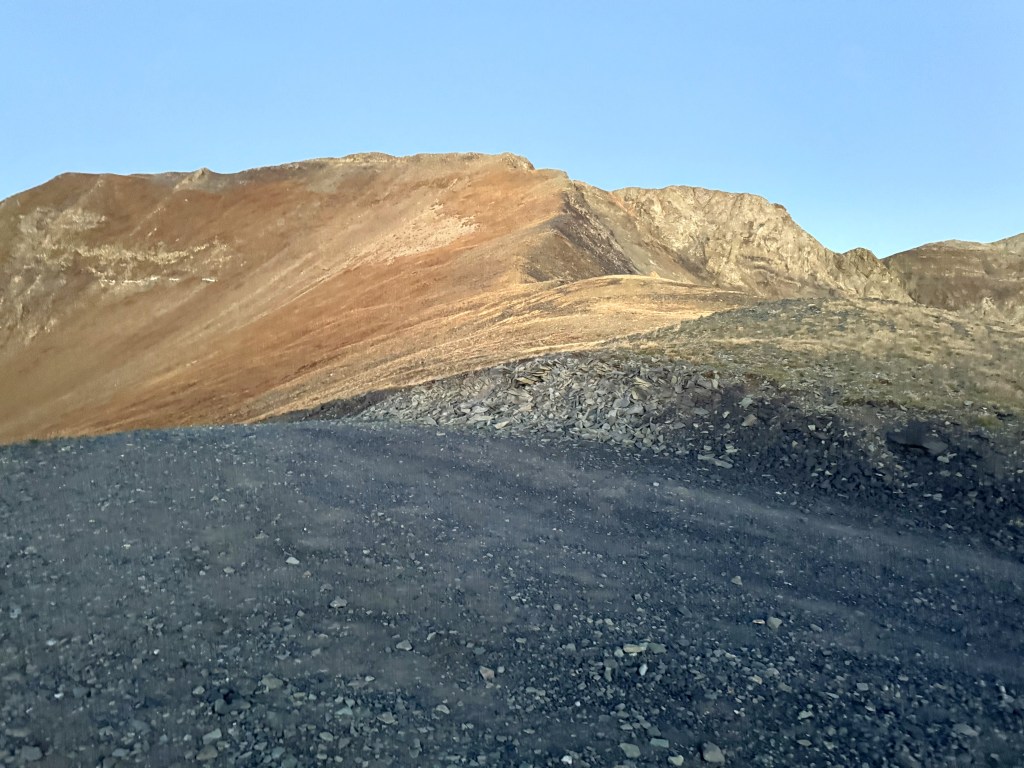
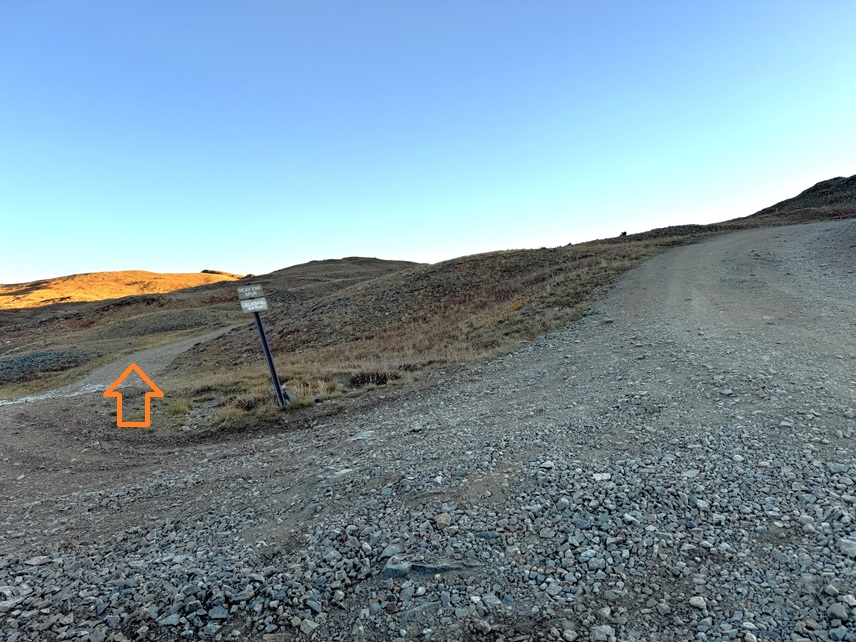
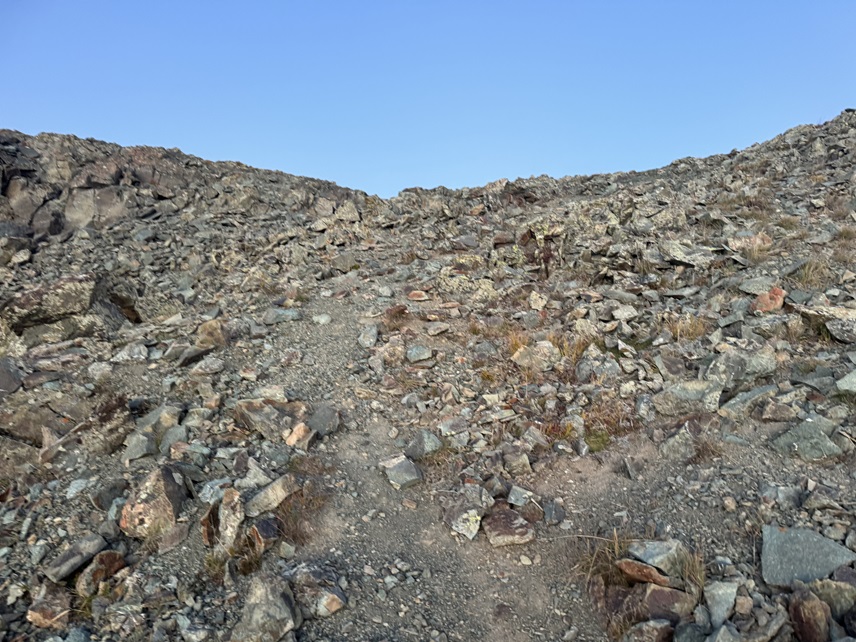
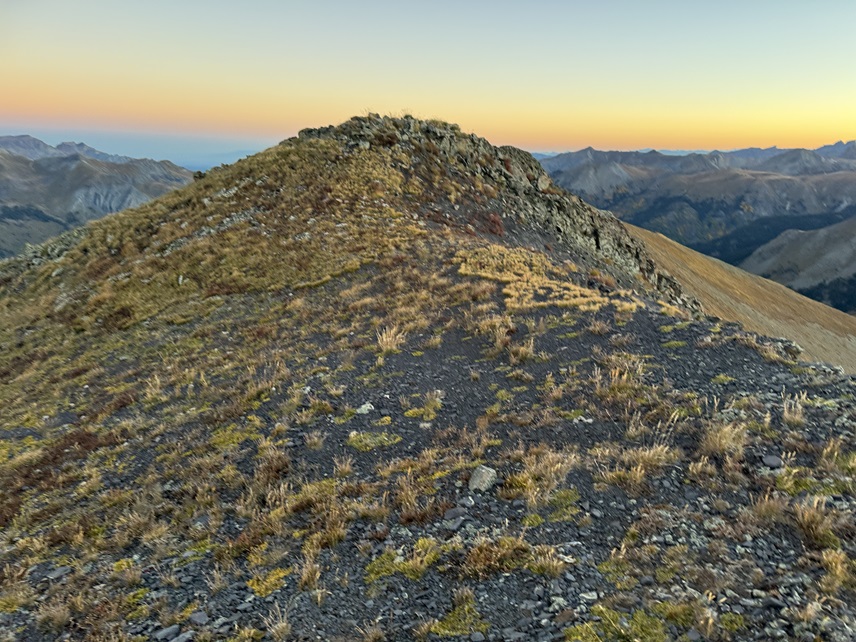
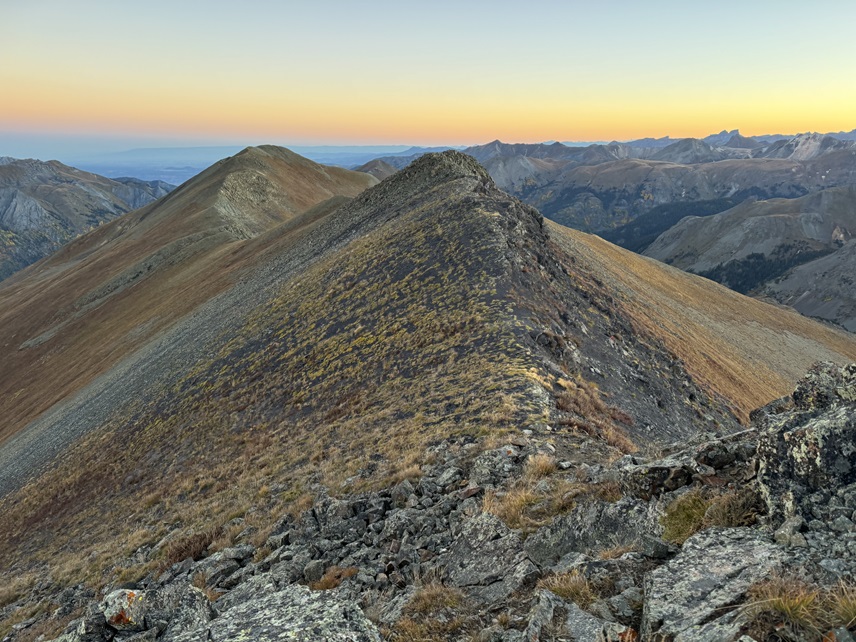
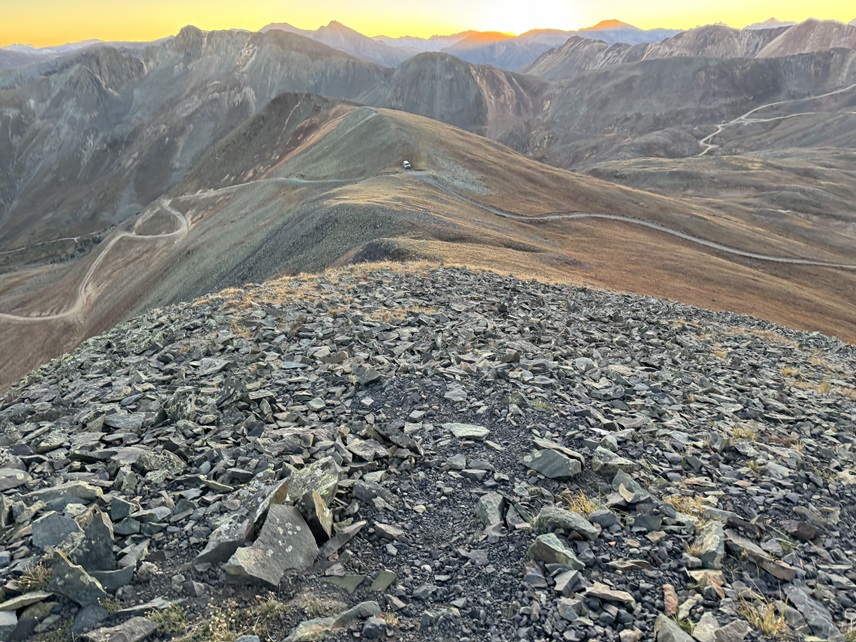
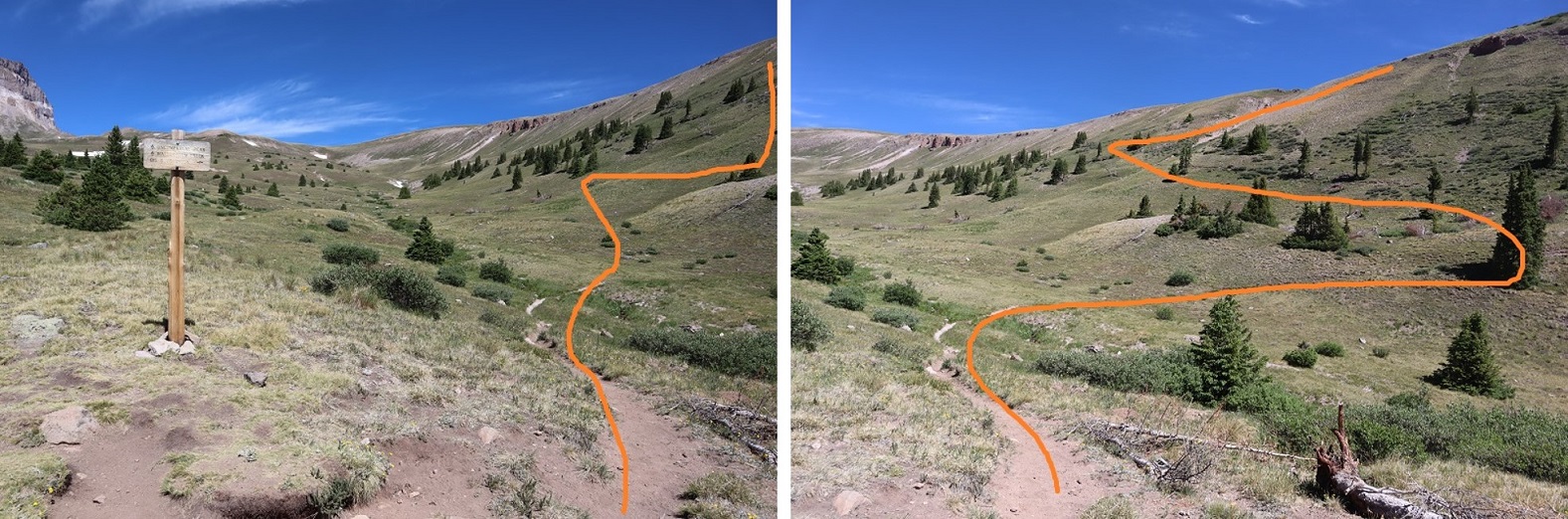
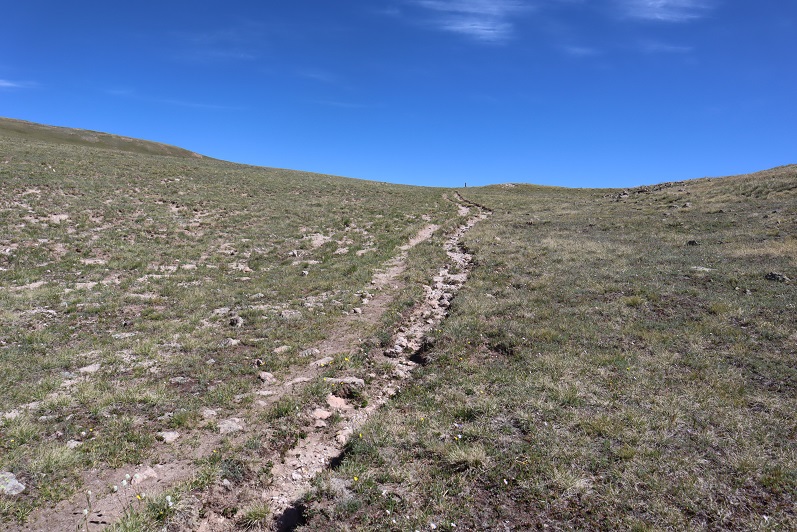
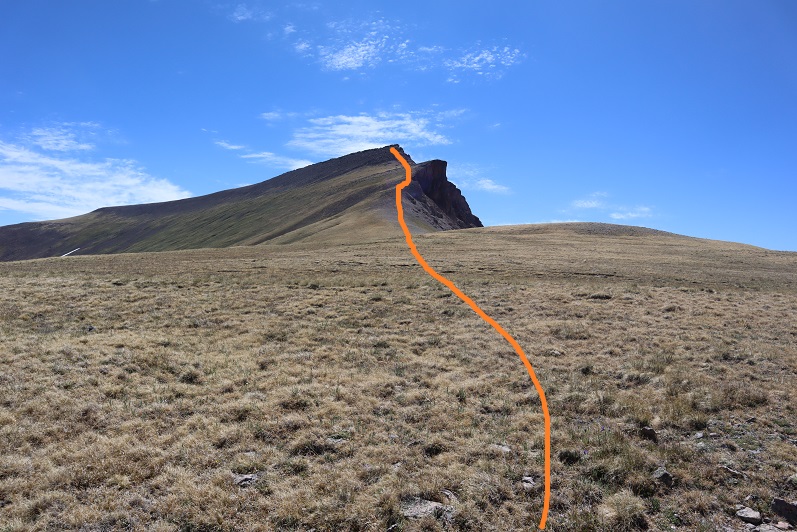
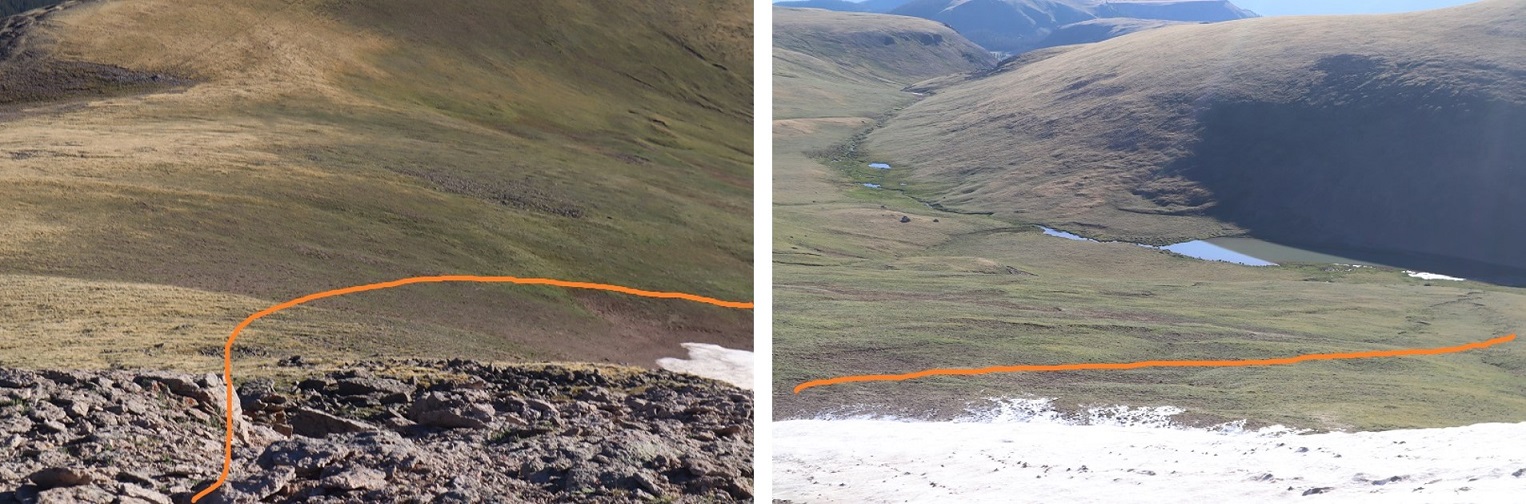
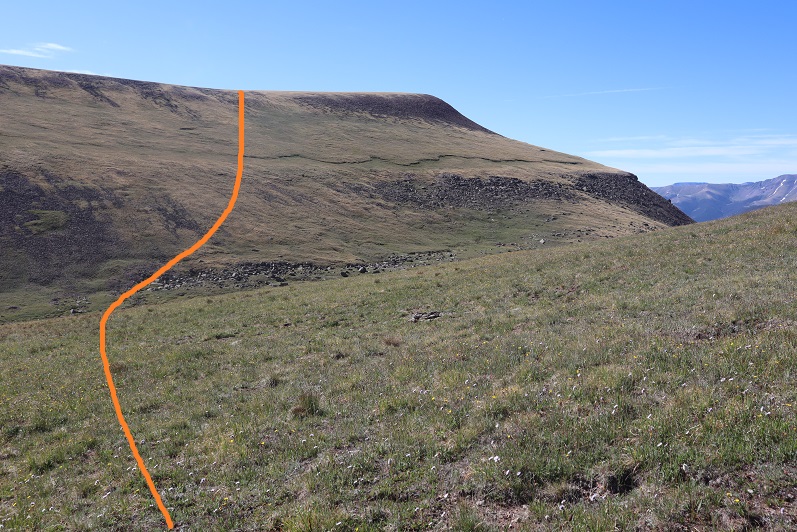
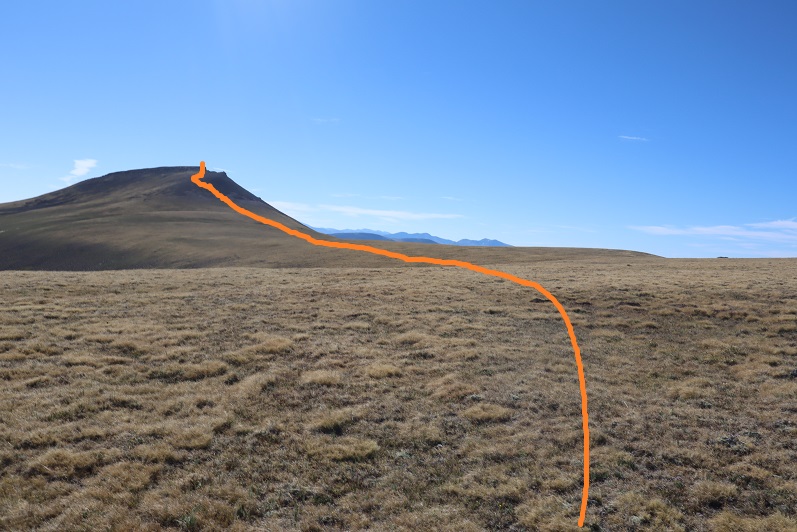
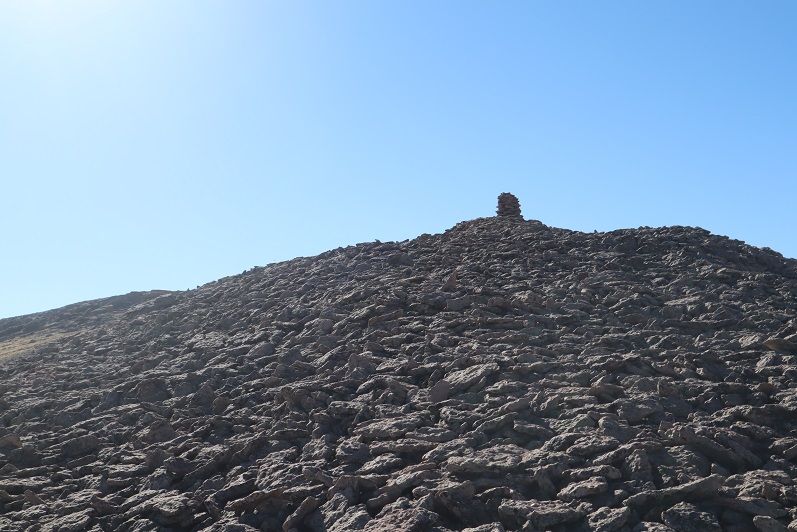
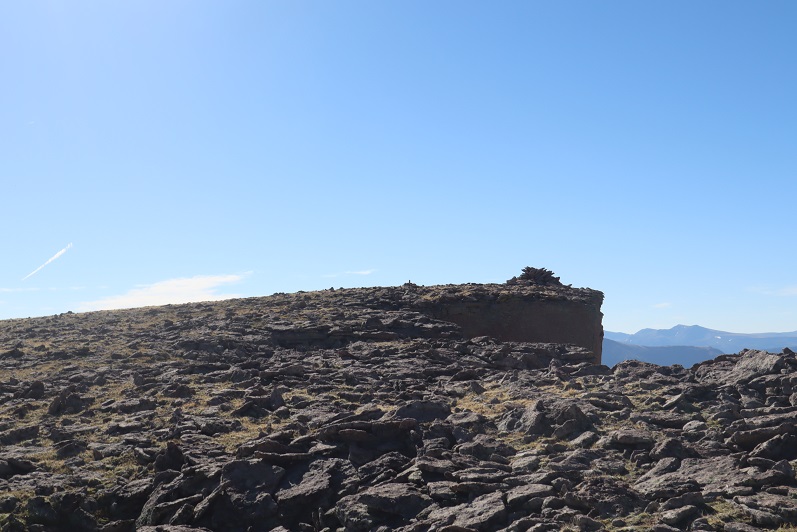
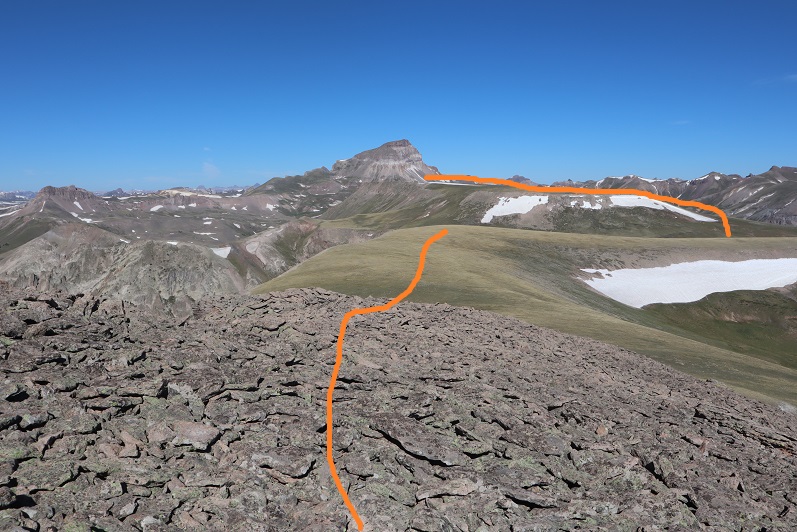
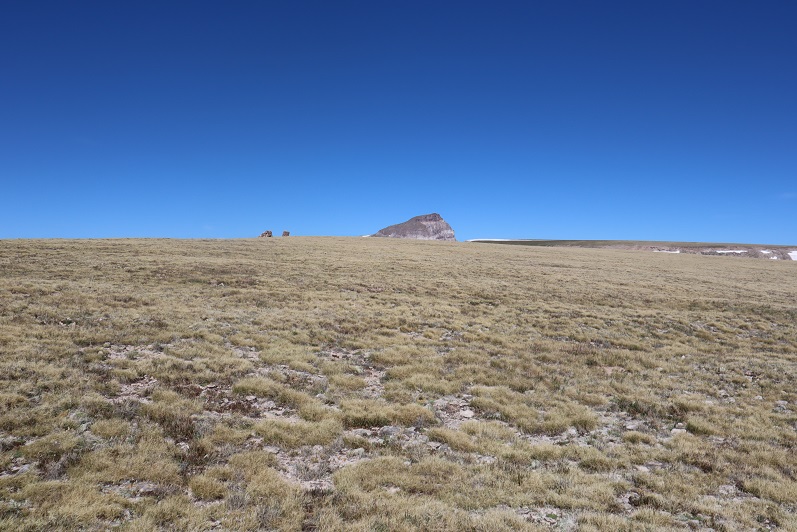
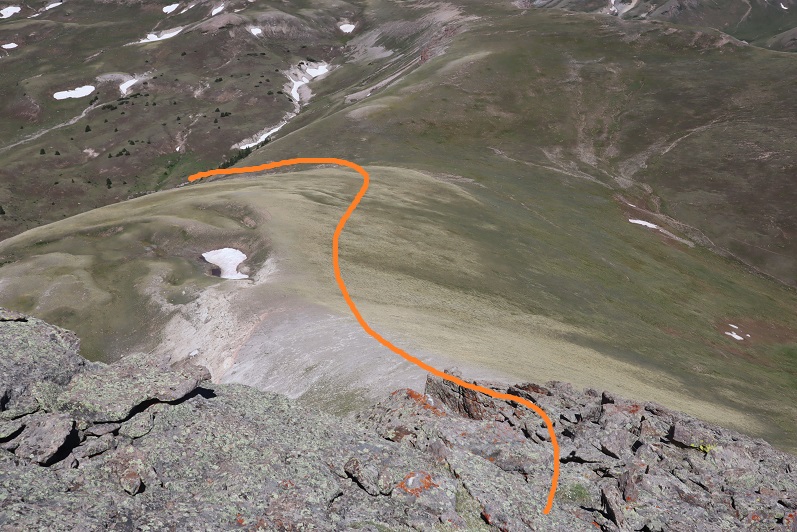
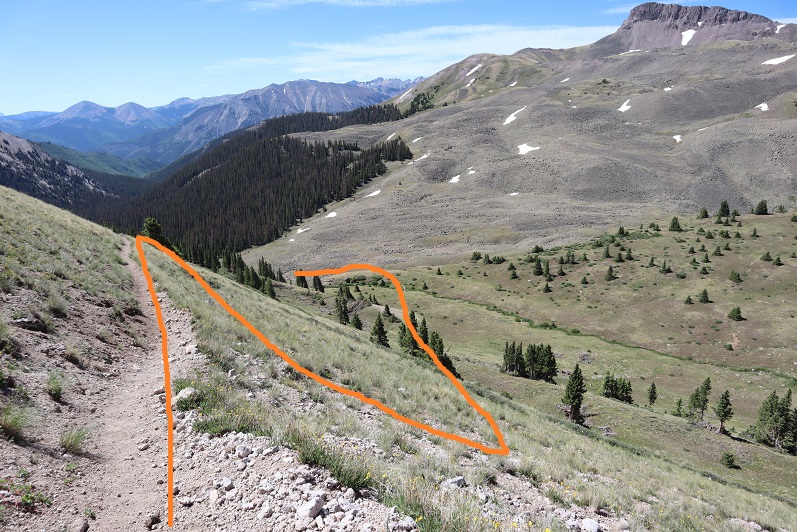
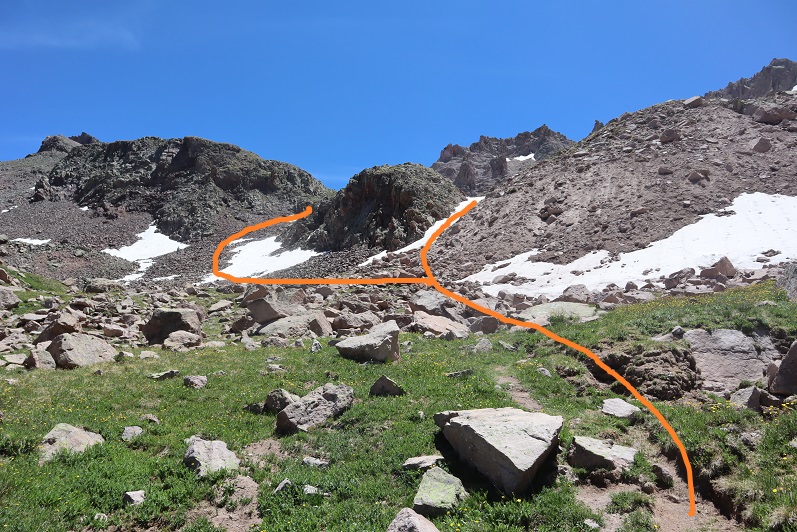
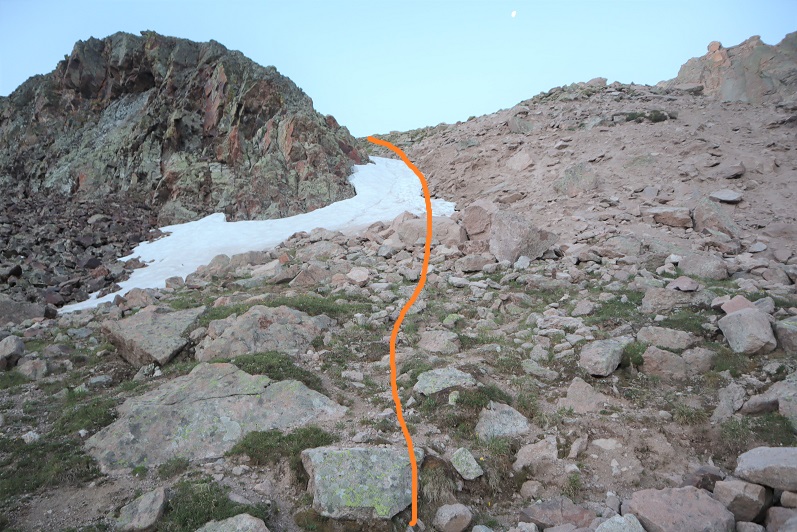
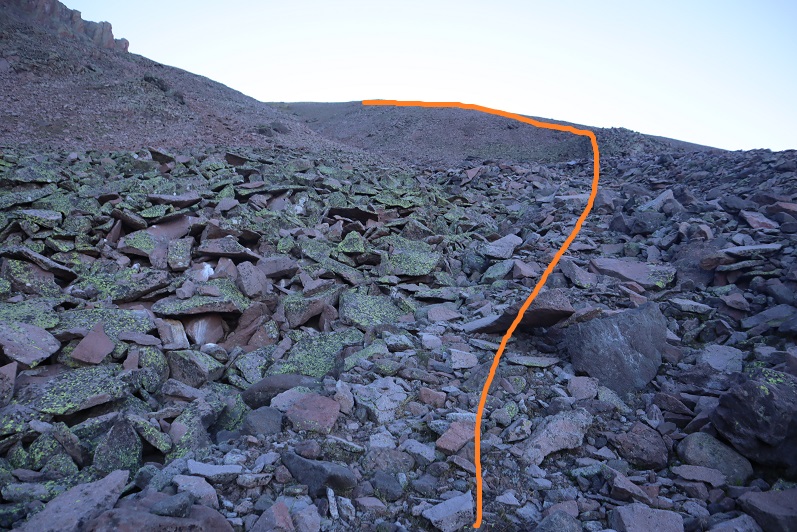
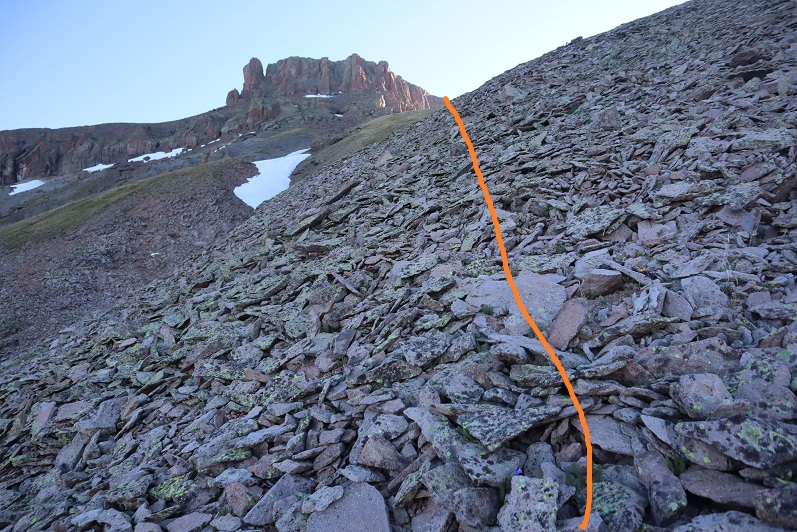
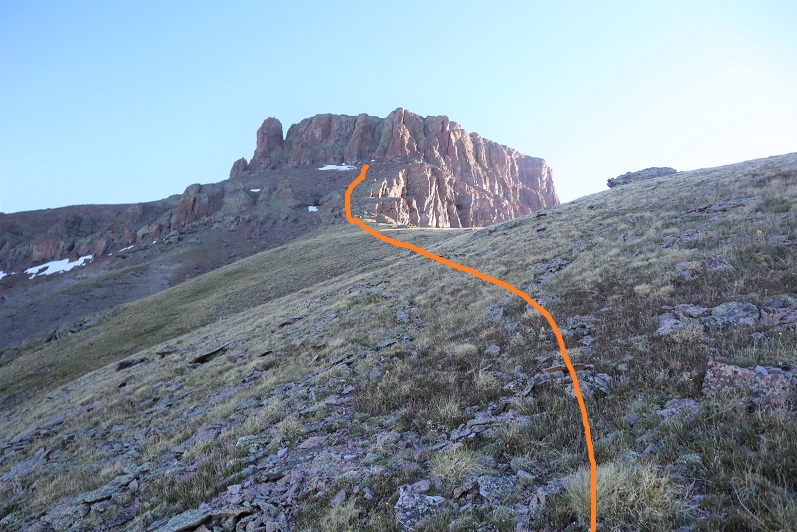
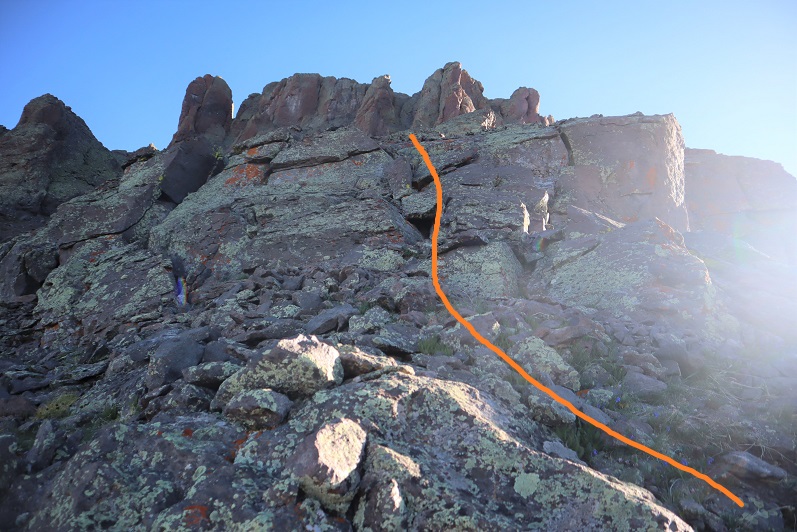
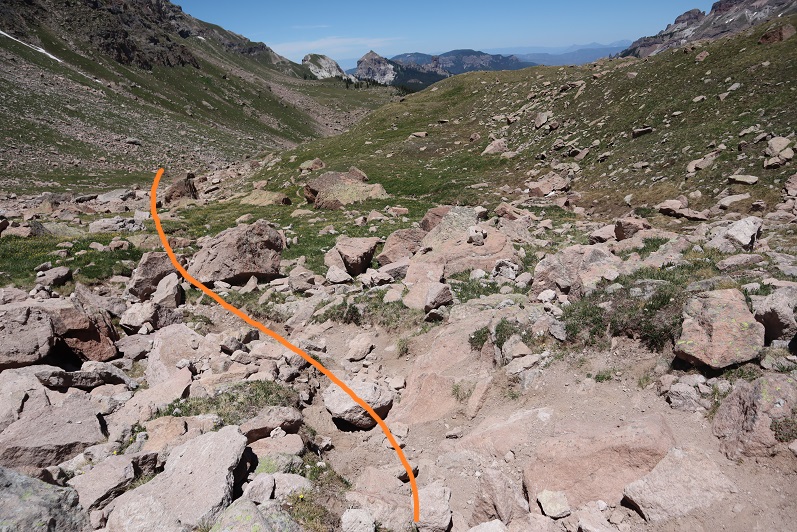
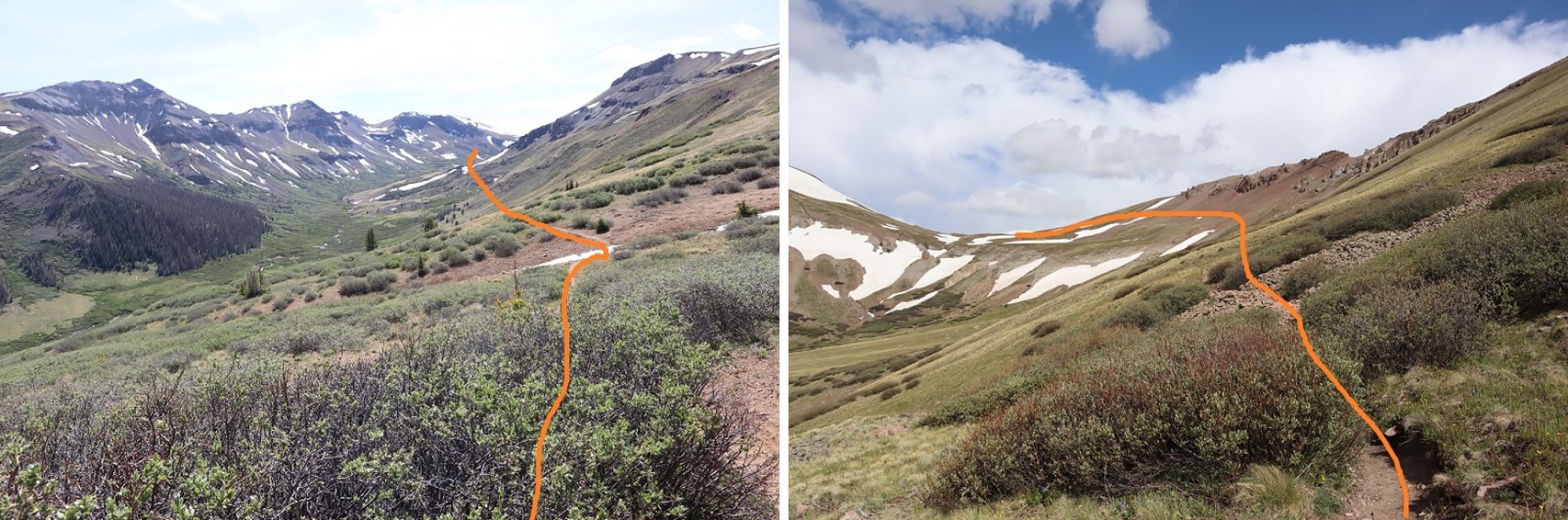
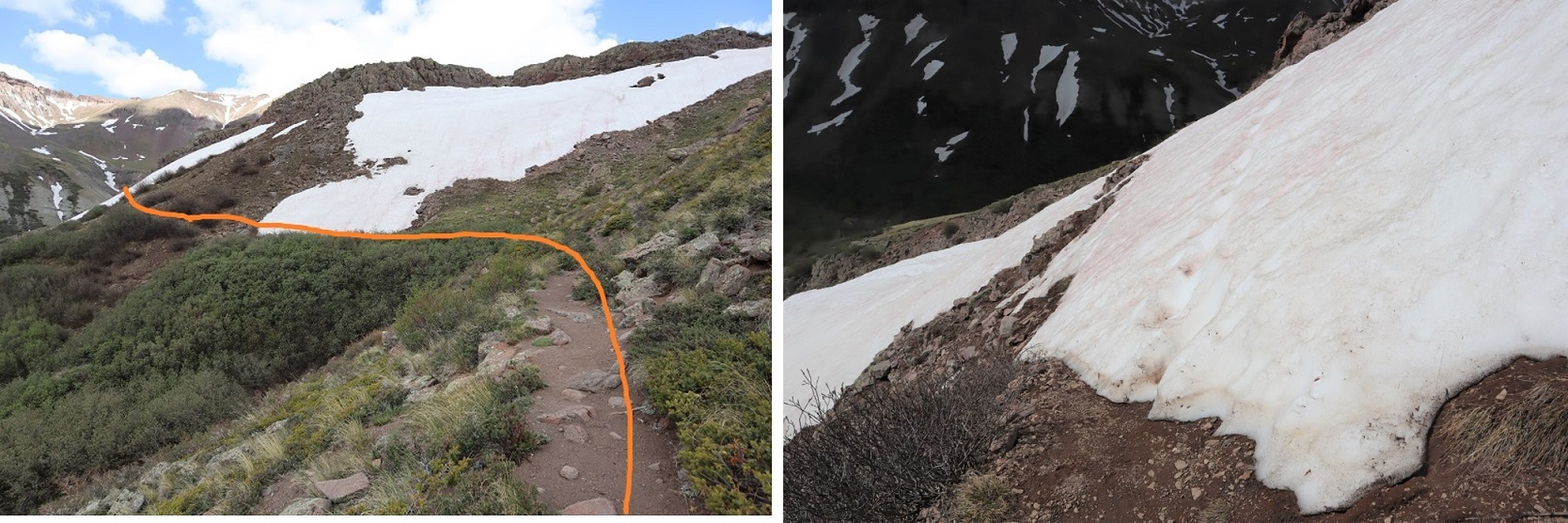
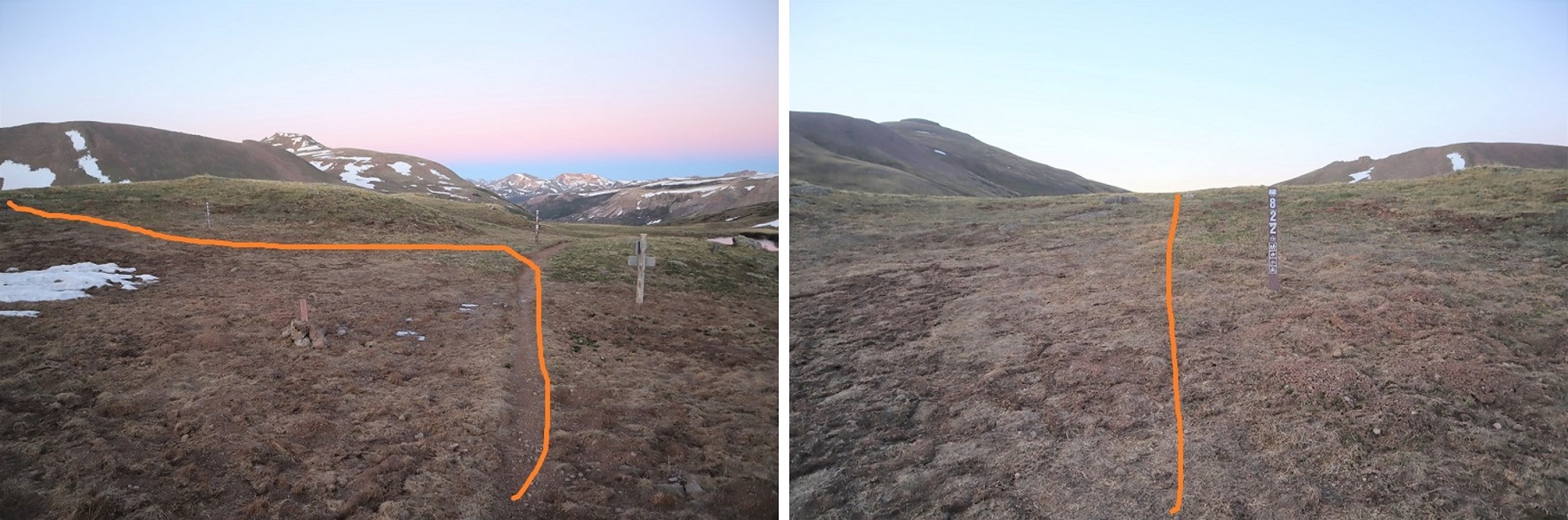
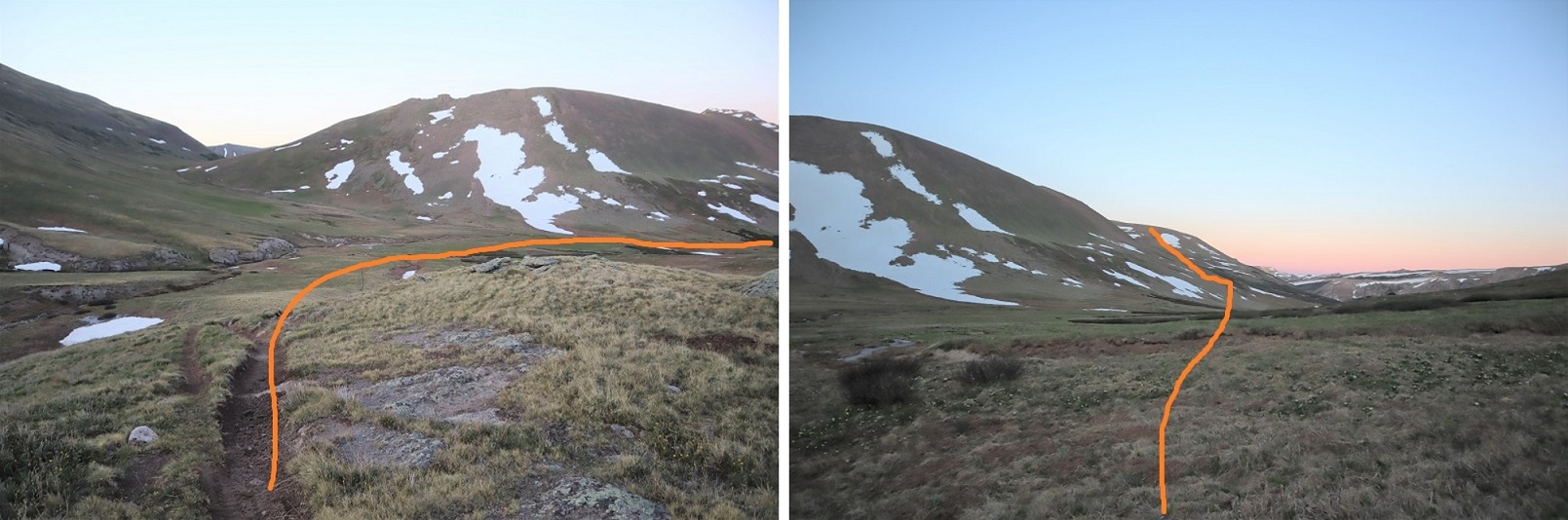
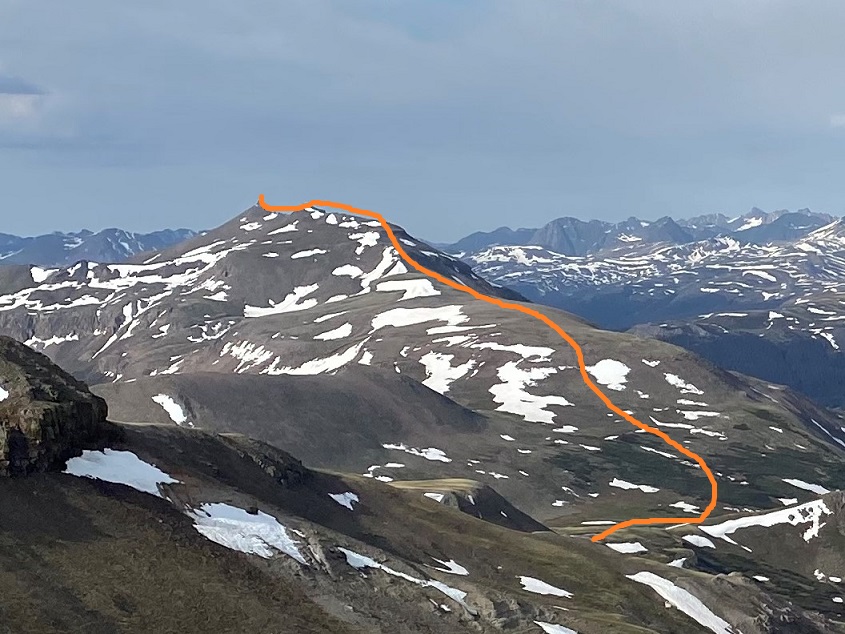
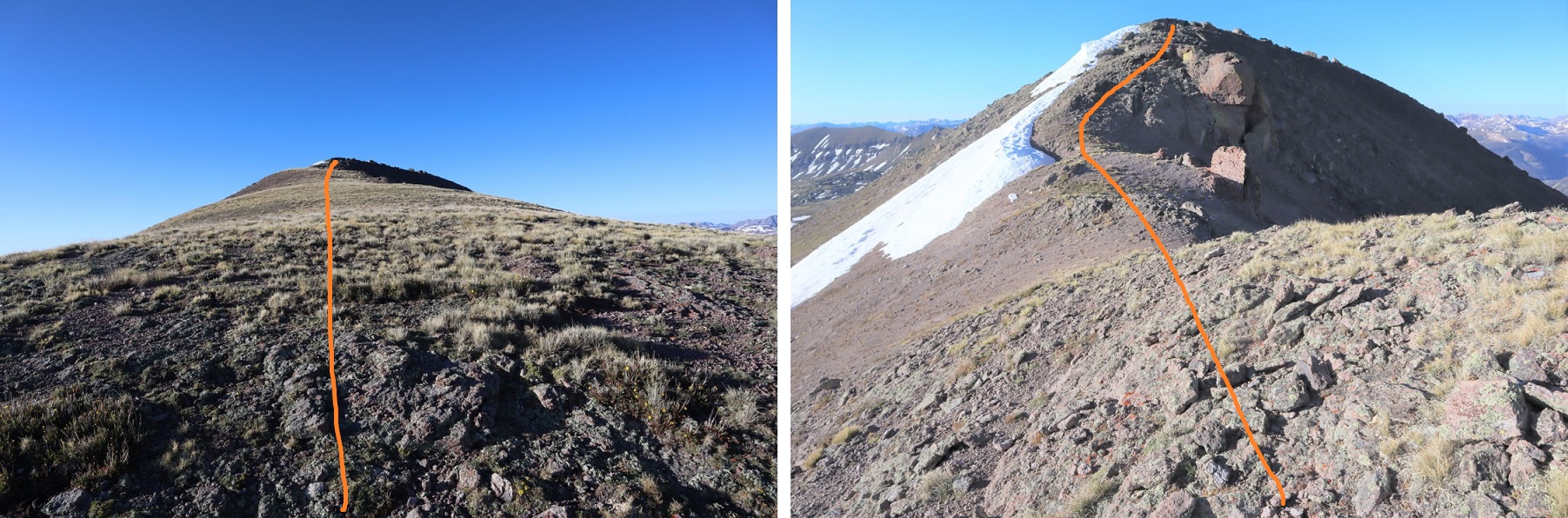
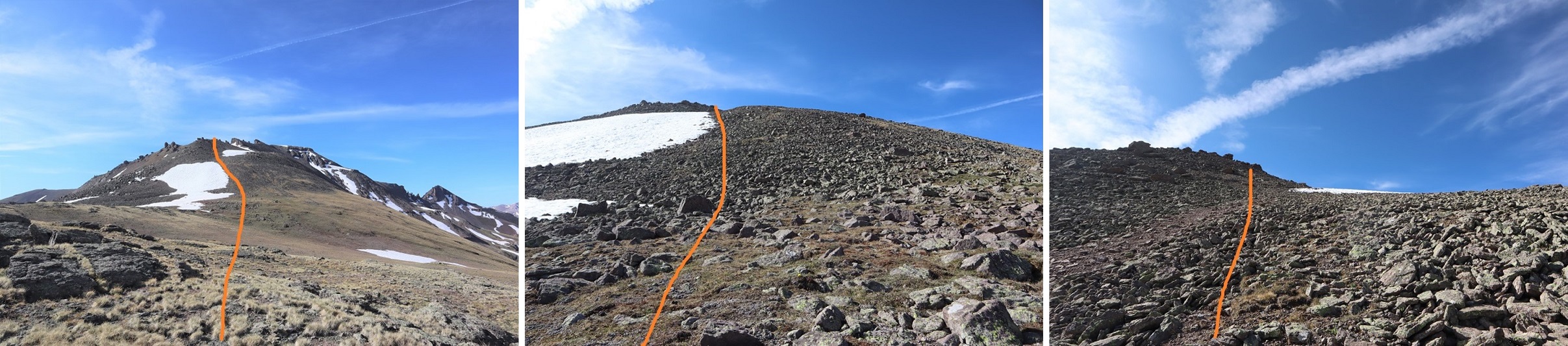
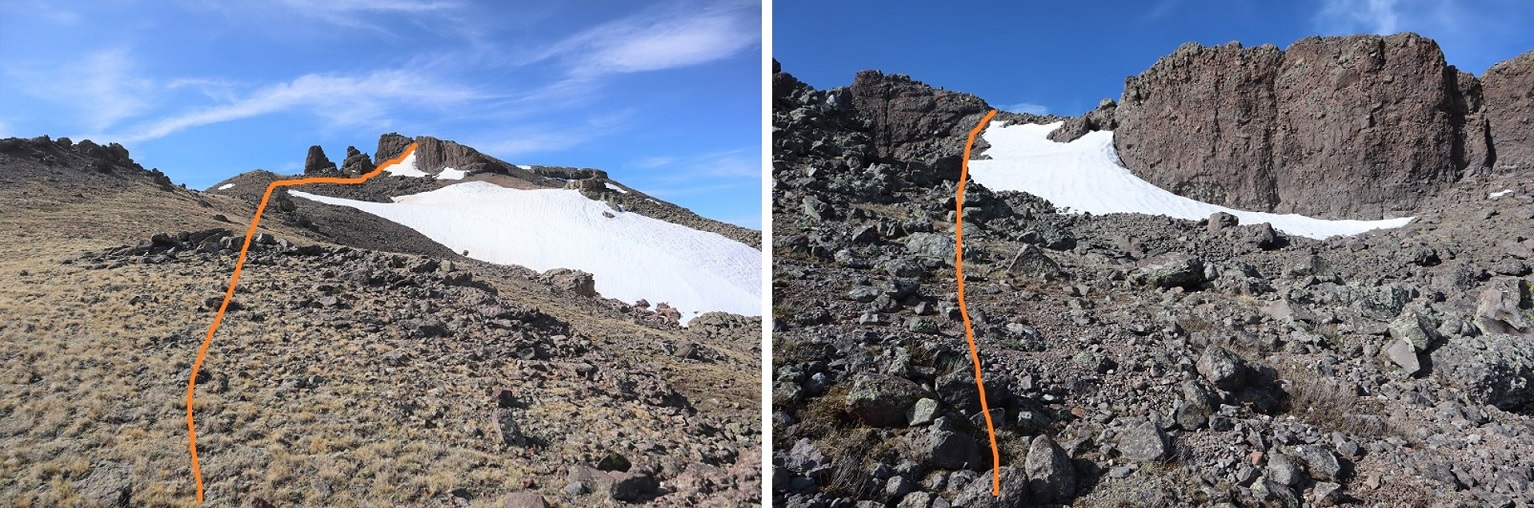
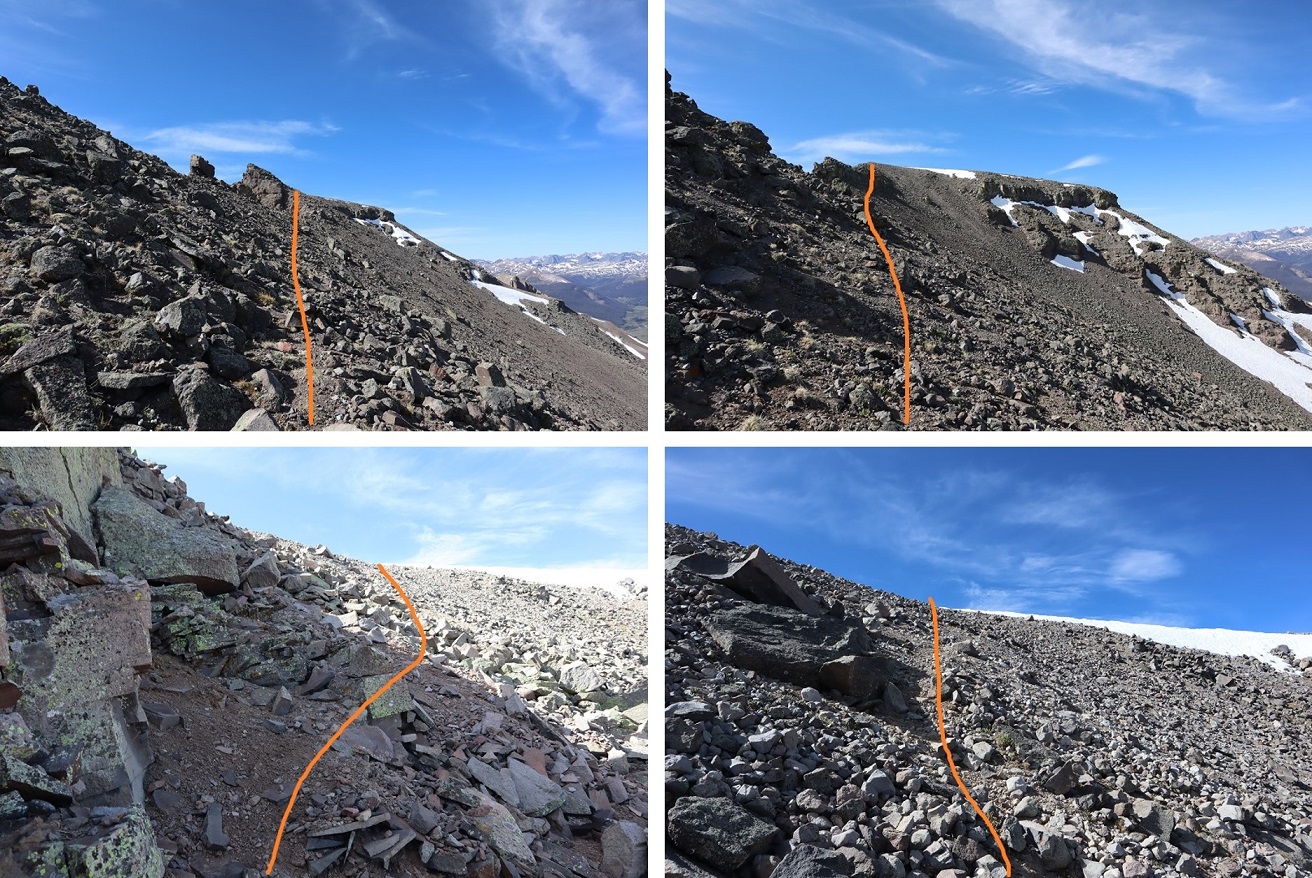
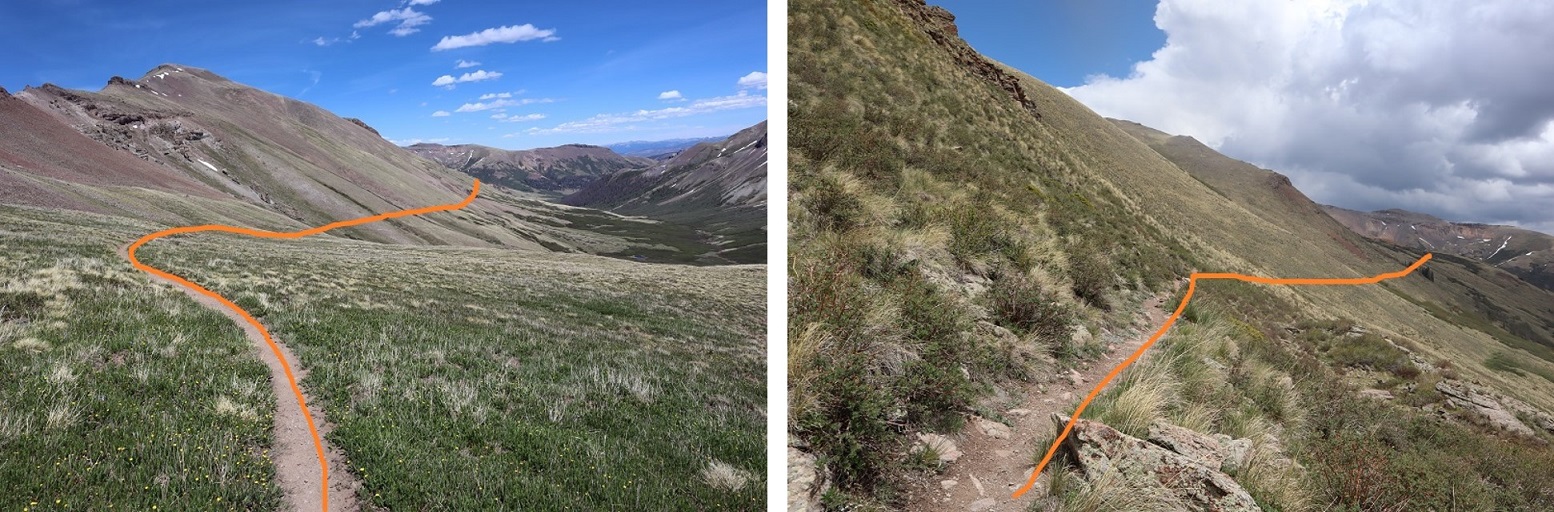
This is a very straightforward hike, entirely class 2.  I ascended the tundra to the ridge, turned left, and ascended the shale and then tundra again to the summit.  

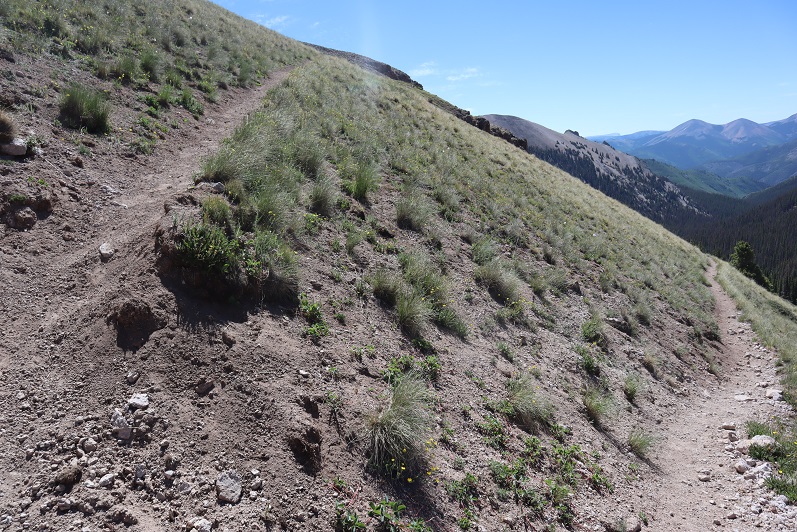
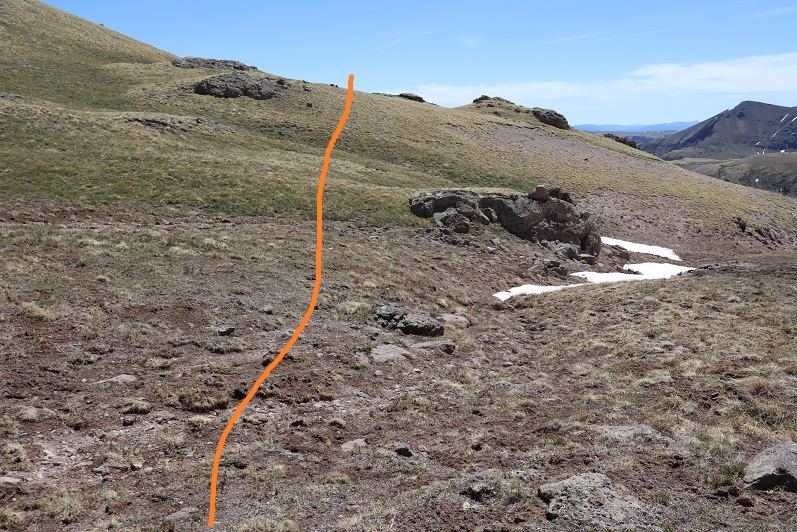
Halfway up the ridge I came to a game trail and followed it west.
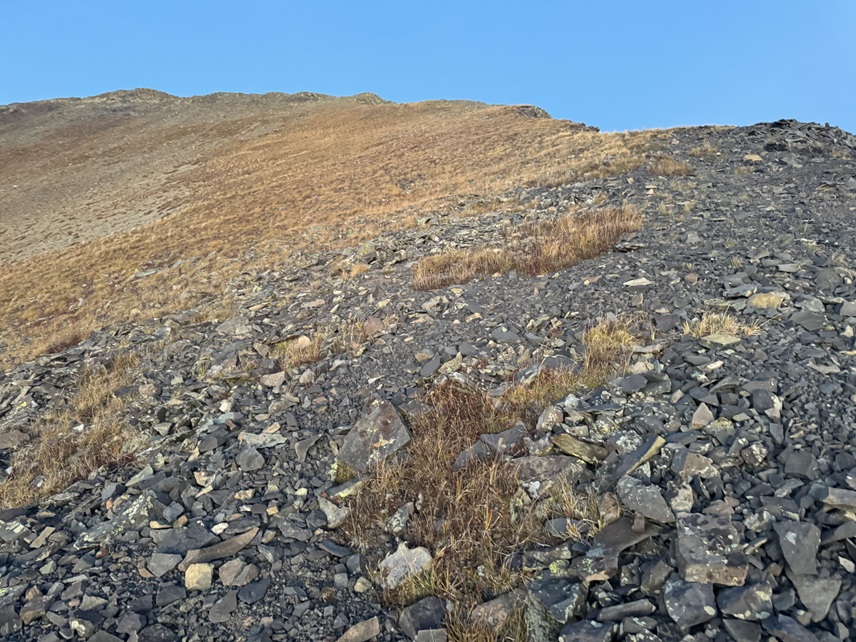
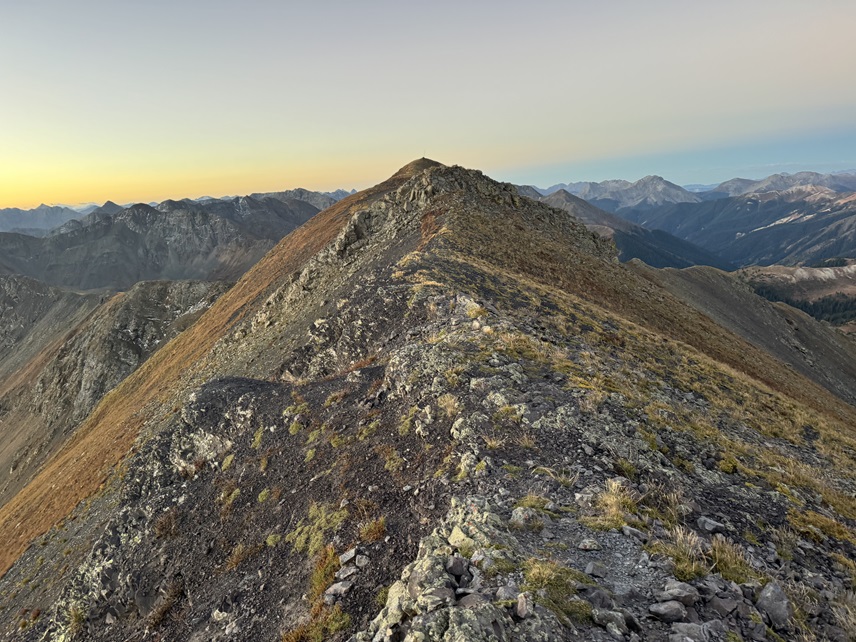
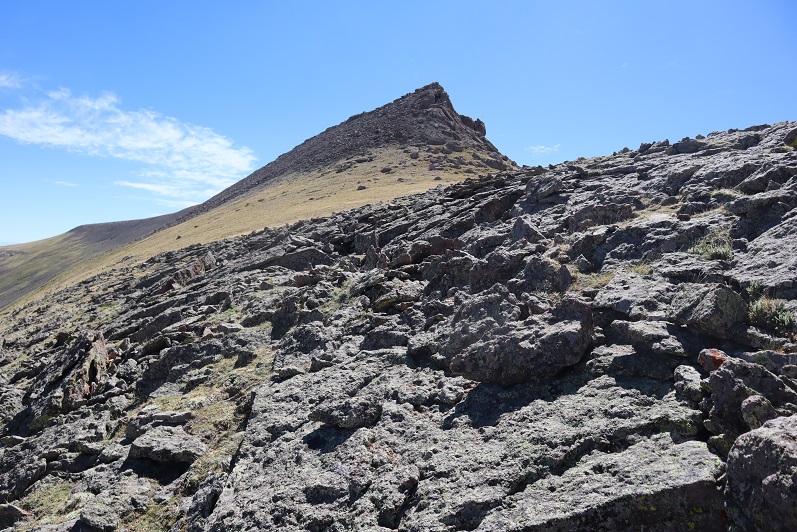
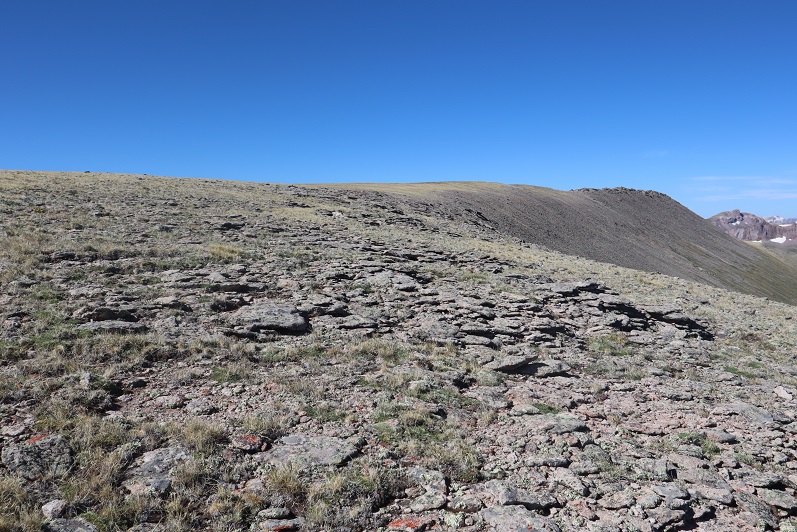
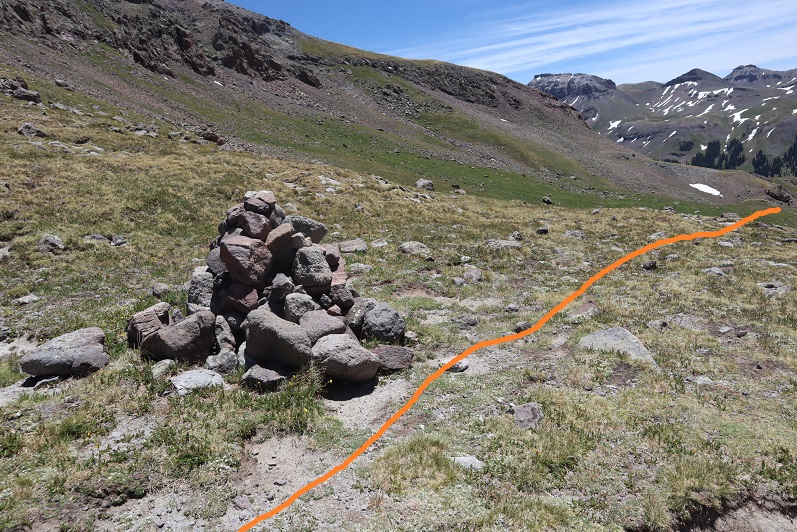
Once on the ridge, I turned left and followed it south to the summit. It started out as rocky, then turned to tundra.
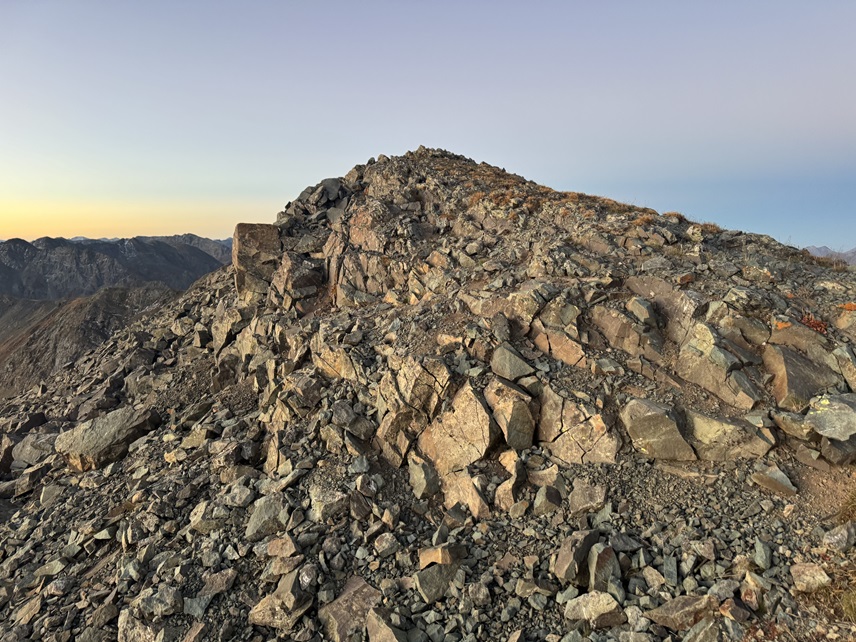
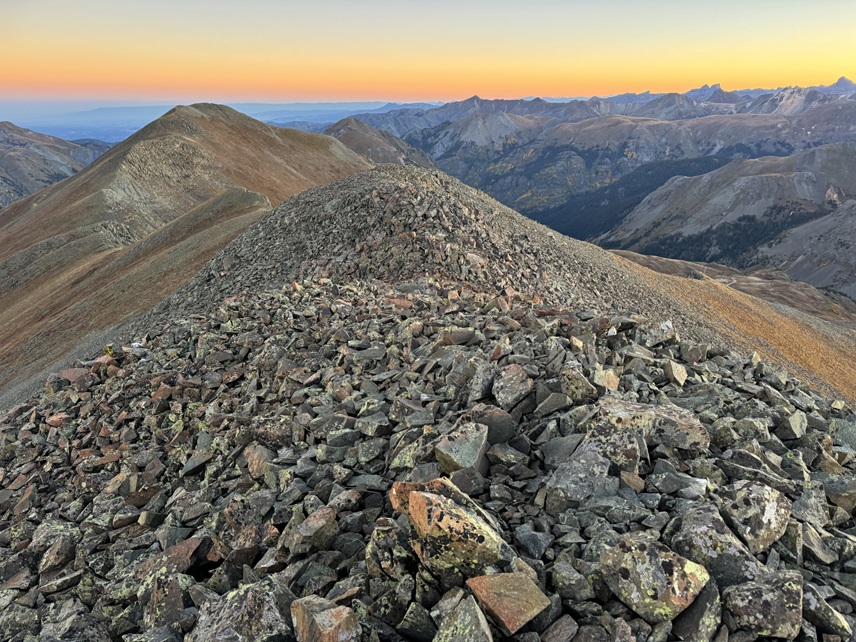
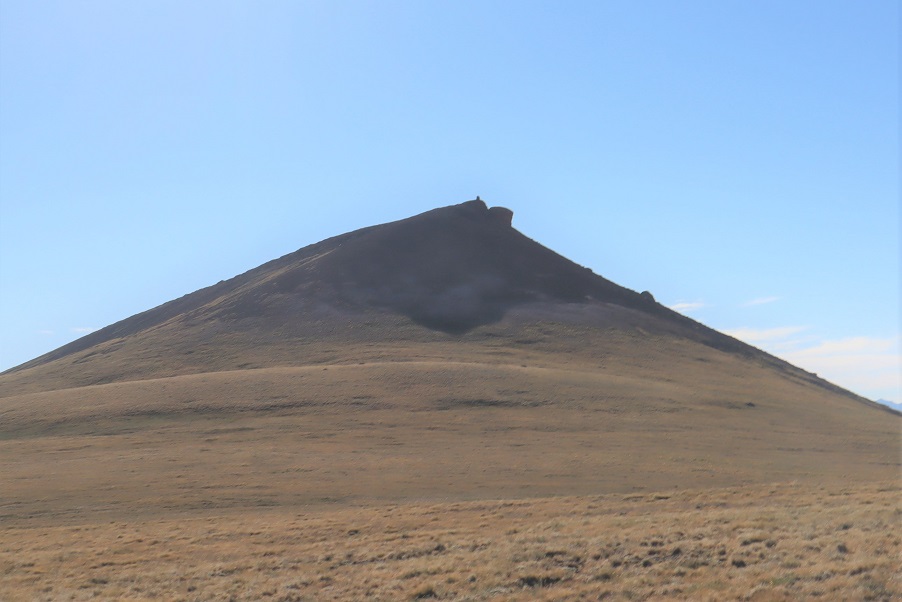
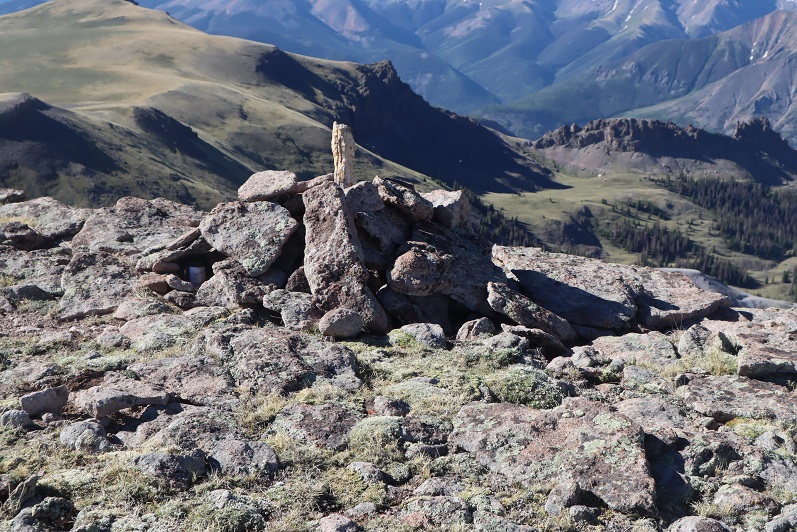
The summit is marked by an obvious cairn.
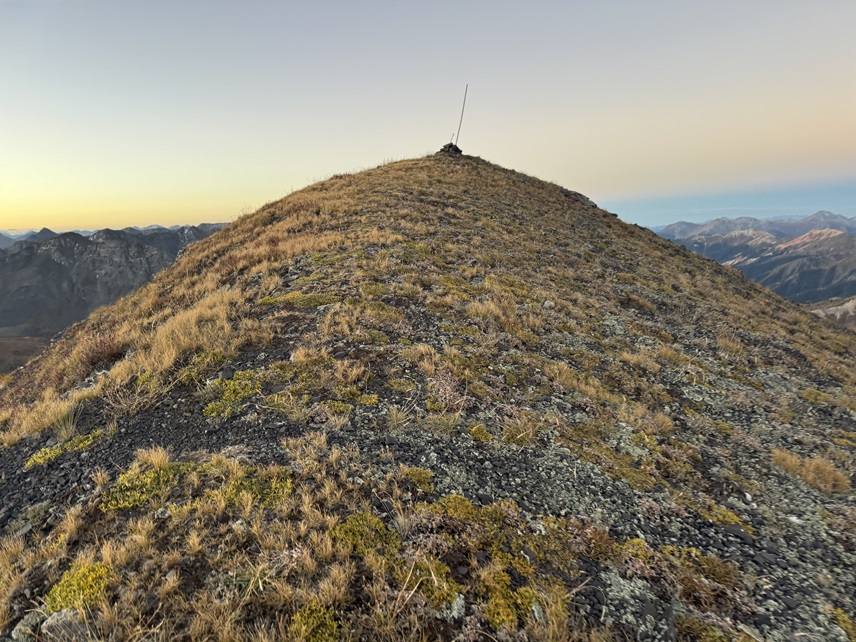
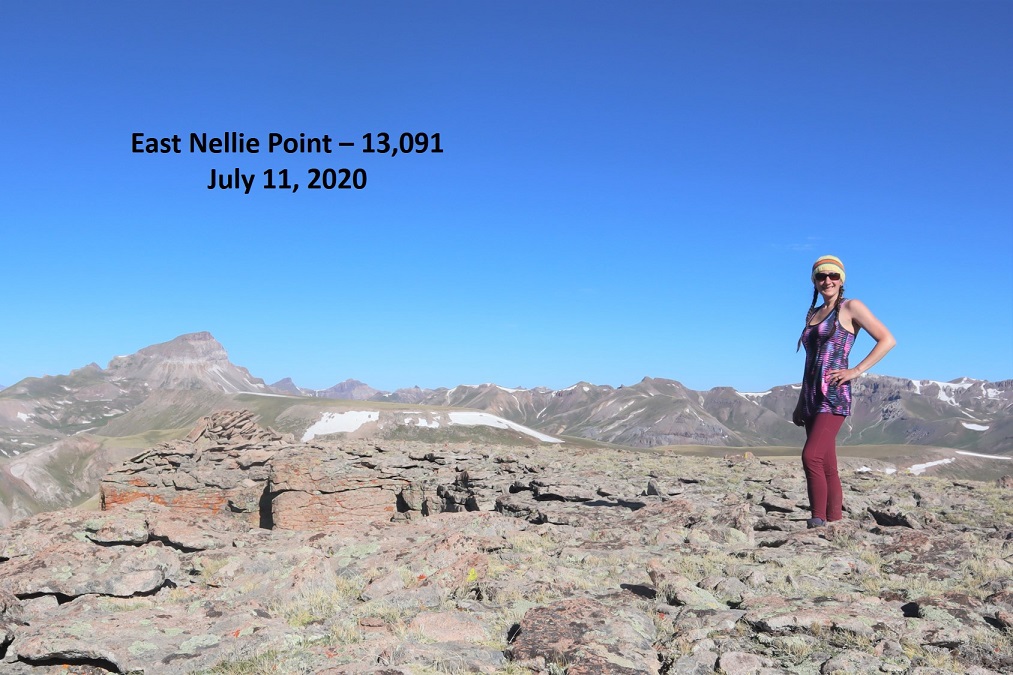
I summited Brown Mountain at 6:50am and could not feel my fingers. As you can hear in the video, the wind never let up, but once I got started I kept telling myself I’d be a fool not to finish because the summit was RIGHT THERE, and I’d be in sight of my truck the entire time.  I may be frozen when I made it back to the truck, but at least I could turn the heat on. 
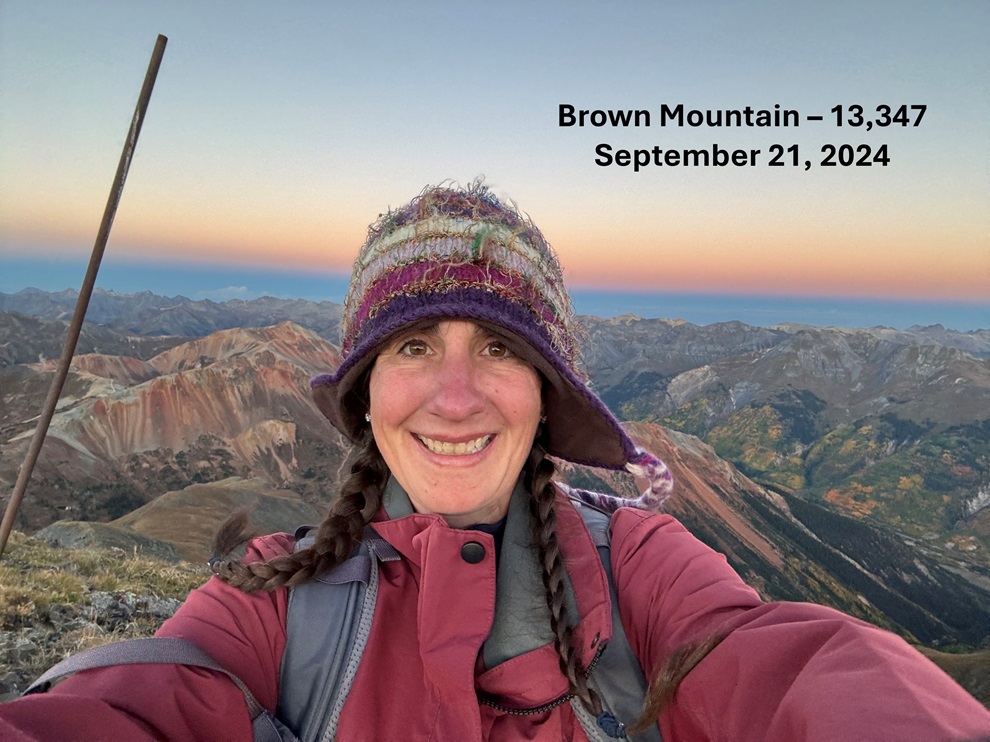
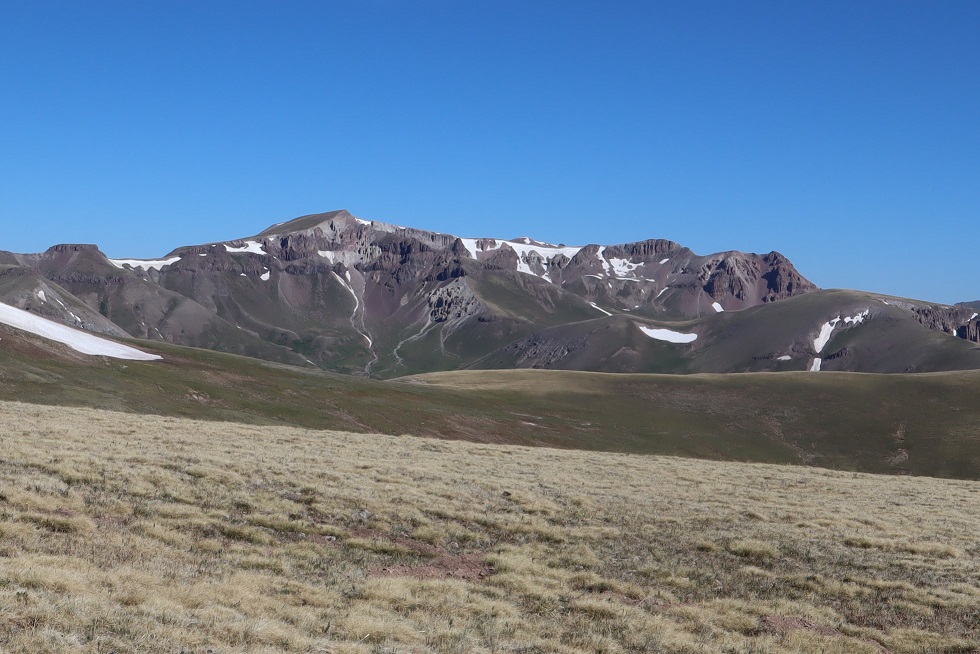
Brown Mountain:

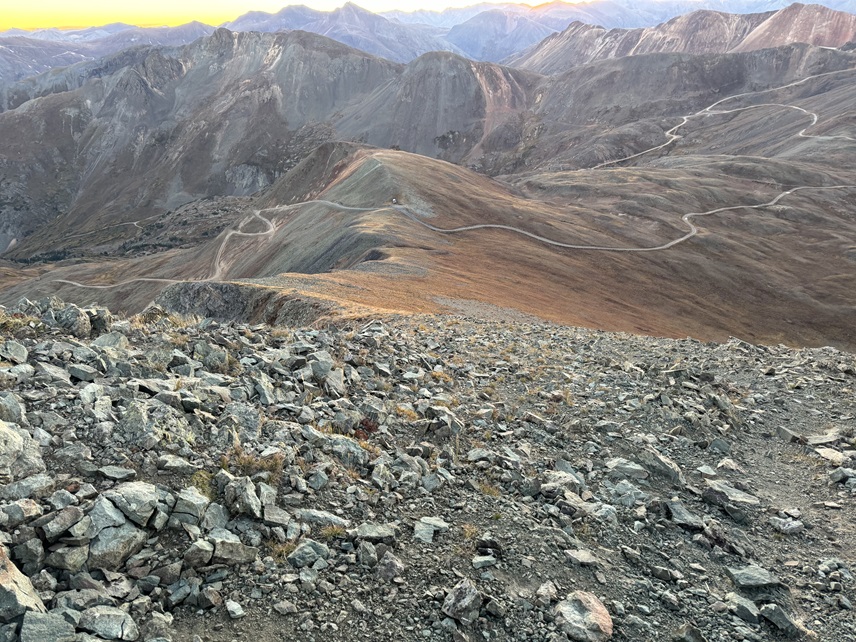
I didn’t stay too long at the summit.  I turned around and headed back the way I’d ascended, my truck below in sight the entire time.
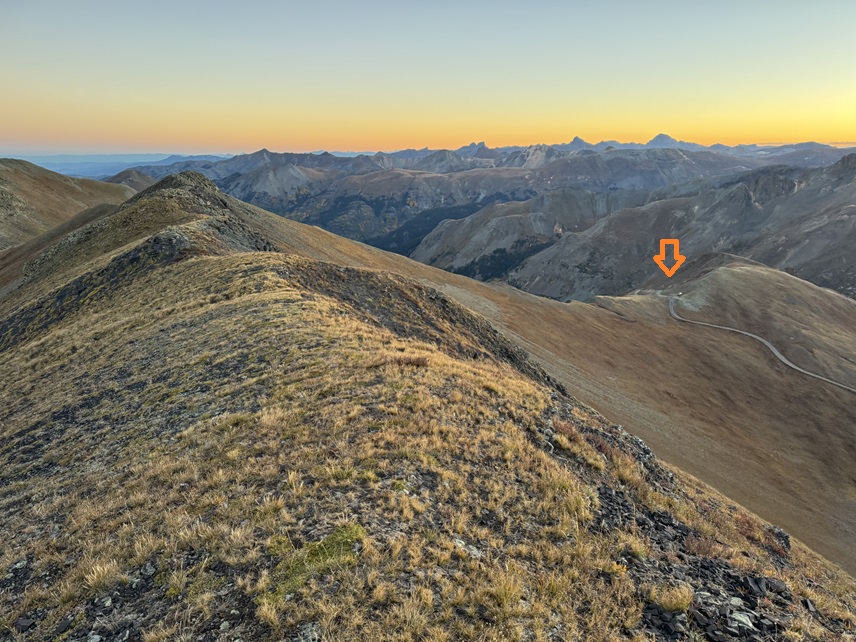
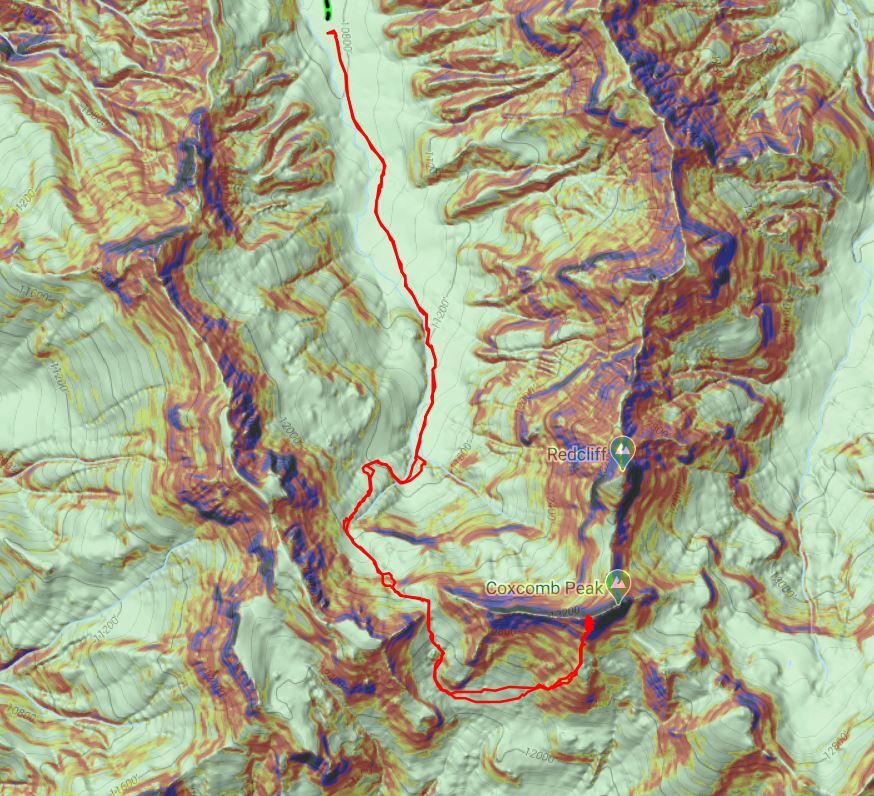
I made it back to my truck at 7:05am, making this a 1.02 mile hike with 425’ of elevation gain in 30 minutes. If you start from Gold King Mine it’s 8.38 miles with 2844′ of elevation gain.
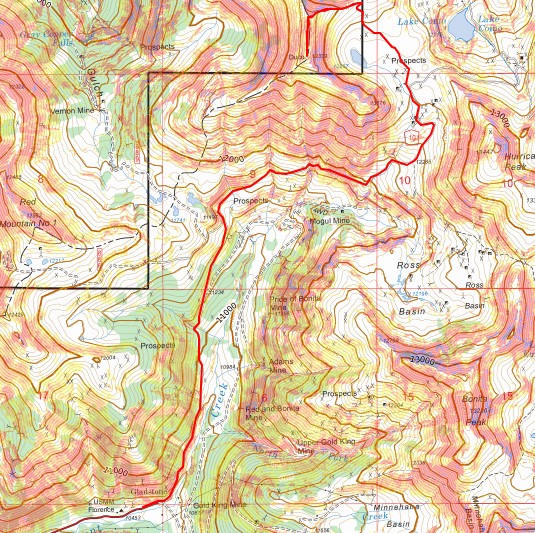
Then I drove back down to Gladstone and Gold King Mine. In any event, long story short, hiking is very mental. Knowing how to talk yourself into a hike is a great asset, especially when you’re not ‘feeling it’, as long as you have a backup plan and don’t put yourself in a dangerous situation. It’s always the right decision to turn around and go back, but sometimes you need to dig deep and push on. I needed an easy win today for my mental state. Once again, easy hike, but it would have been easier to have just given up and gone home.
On to the next trailhead!

Nellie Peak – 13,106 and East Nellie Peak – 13,091

1

RT Length: 13.72 miles

Elevation Gain: 3833’


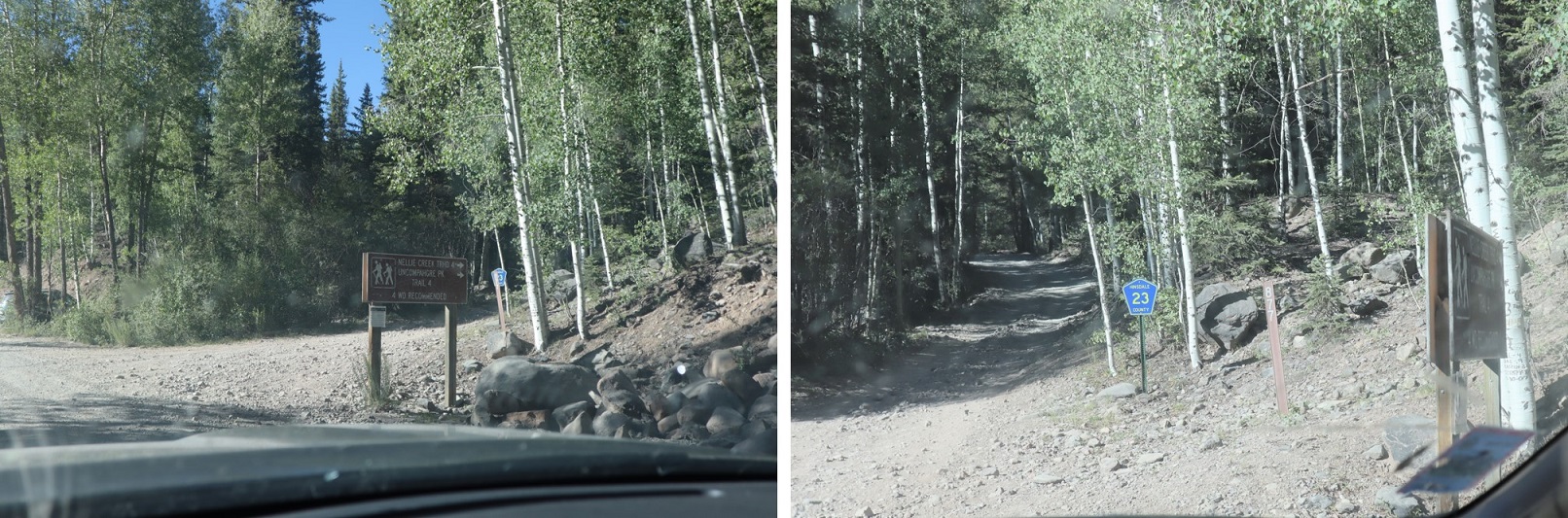
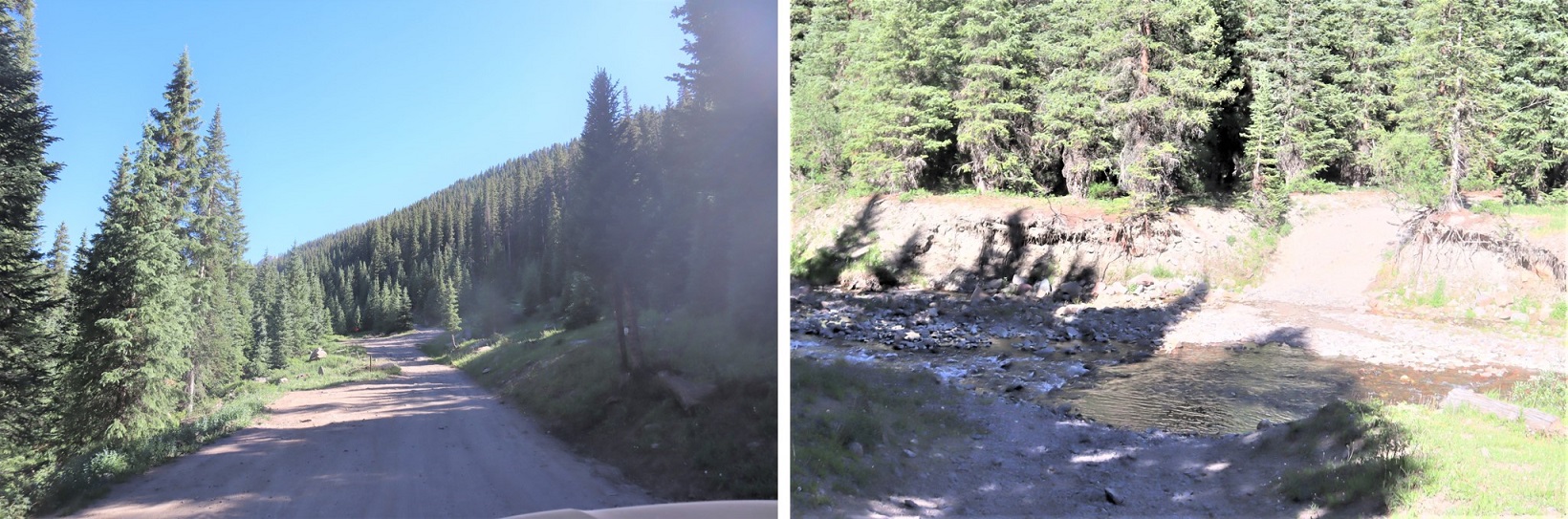
Wow, the 4WD road to Nellie Creek is much worse than I remember!   It’s absolutely 4WD from the turnoff, all 4 miles to the trailhead, with 2 creek crossings. Have I mentioned I love my truck?

2

3

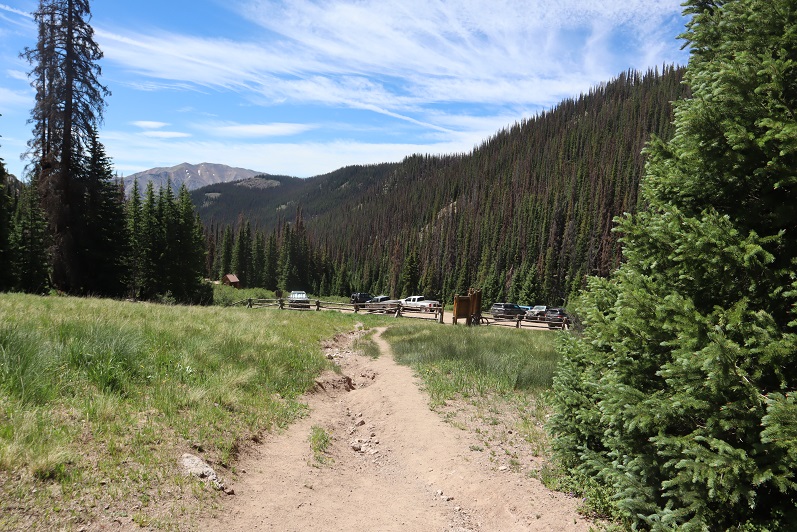
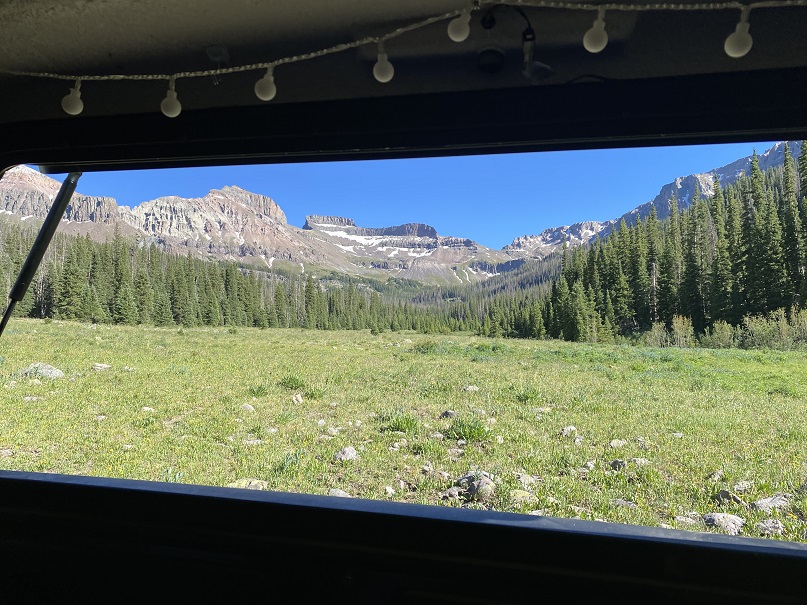
I made it to the trailhead, which was empty. There were a few dispersed campers in the area however, taking shade beneath the trees.

4

The trailhead was also very much in the open, so I turned around and drove a short distance and parked my truck in a narrow parking spot under the trees, just off the road. There were mosquitoes all around, so I ate dinner in the back of my truck, jotted down notes and checked my topo map for tomorrow.   I decided to go to the trailhead to take a look around and get a visual for the start of tomorrow’s hike. There was a couple with a dog standing in front of the trail maps when I arrived. Their dog charged at me, barking loudly. The couple seemed surprised and apologized for their dogs behavior. That dog barked all night long.

I walked back to my truck, took care of a branch that had been scratching the roof of the truck like a critter trying to get in, and read for a bit before turning out the light.

If you couldn’t already tell by the tone of this post, from the time got to the trailhead I wasn’t ‘feeling it’. This rarely happens to me, and I was thinking maybe I need a short break from my goals? Or maybe expand them a bit? I love to hike, but today I couldn’t seem to get myself out of bed to start. I blame it on yesterday’s failed attempt on Coxcomb, which put my training into a different perspective.

Also, I was still worried about the injured horse. My mind had a lot to think about and I couldn’t turn it off. I finally started on the trail at 4:15am.

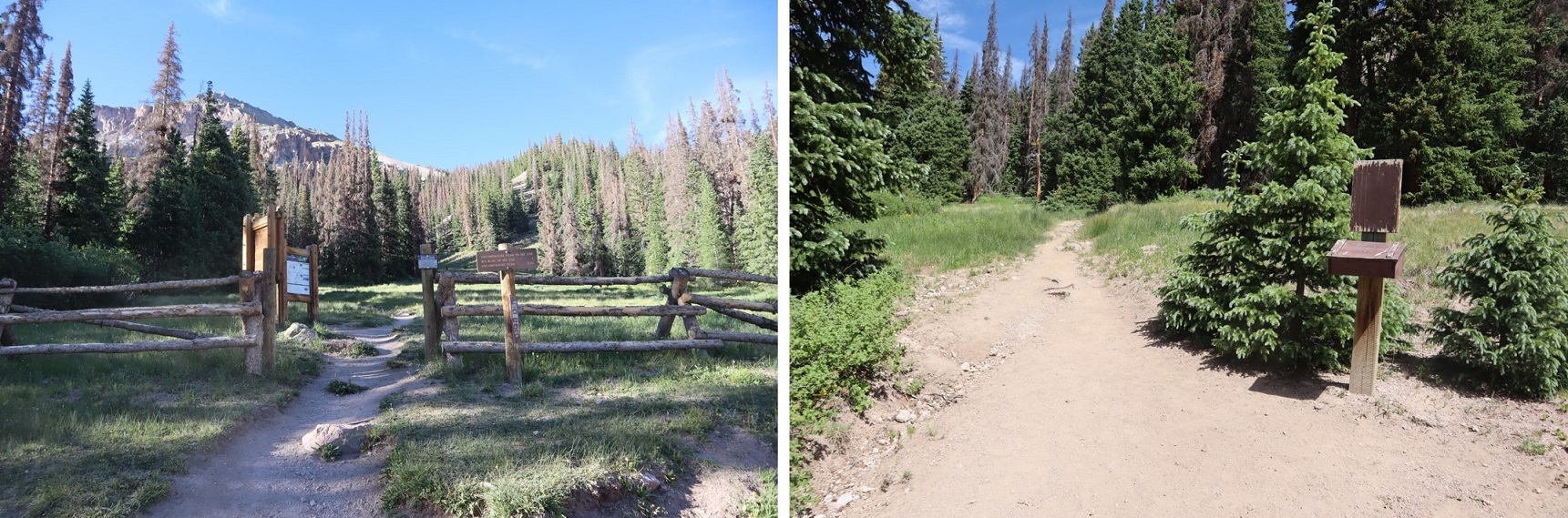
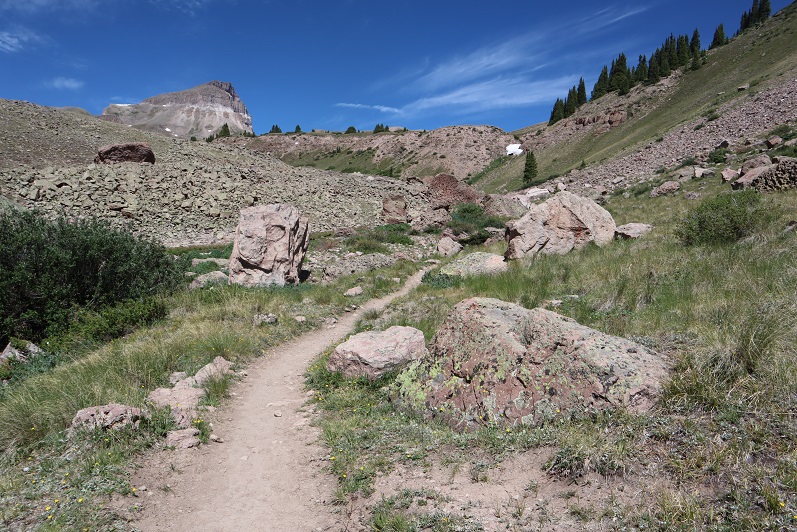
The trail starts at the north end of the parking area and follows a well defined, class 1 trail.

5

6

After hiking for 1 mile I turned right at this sign and switchbacked up the side of the mountain

7

After hiking for 2 miles I made it to the top of the pass

8

It was still dark at this time, and I knew I needed to descend a couple hundred feet. The trail seemingly ended and it took me a while to figure out which way to go, but there is an actual trail here that picks up again after about 50 feet of absence. In the daylight it wouldn’t have been an issue. I finally found it and descended in to the basin. And descended, and descended, and descended. I looked at my altimeter, concerned I’d lost too much elevation. At this point I’d lost 800’, and I could tell I’d need to lose several hundred more before starting to gain elevation again. The sun was starting to rise and I still didn’t have a good visual of the peak I’d intended to climb. I still wasn’t ‘feeling it’ and didn’t like the prospect of gaining 1000’+ at the end of today’s hike after climbing up gullies (I’m not a fan of gullies). I decided to call it and turn around. I headed back up towards the pass. I’d much rather get my elevation gain in the beginning of the hike, rather than at the end. However, I wasn’t done hiking for the day; just changing my plans. When I made it back to the pass I turned and headed east up the side of Unnamed PT 13106 (which I later found out is nicknamed Nellie Point, so that’s how I’ll refer to the peak. Names are better than numbers IMO).

9

This was mostly a tundra hike until the end, when the tundra turned into very large rocks.

10

These rocks were fun to navigate, kind of like a maze with large obstacles to go around. All class 2. My mood improved dramatically and I was excited to be out adventuring.

11

12

There were several large cairns on the long summit. I wasn’t sure which one was the actual summit until I found a summit register inside one of the cairns. It was kind of in the middle of the summit area (which was about a quarter mile long).

13

14

Nellie Peak:

From the summit of Nellie Peak I continued following the long summit northeast. There was still some leftover snow here from winter, which didn’t pose a problem at all.

15

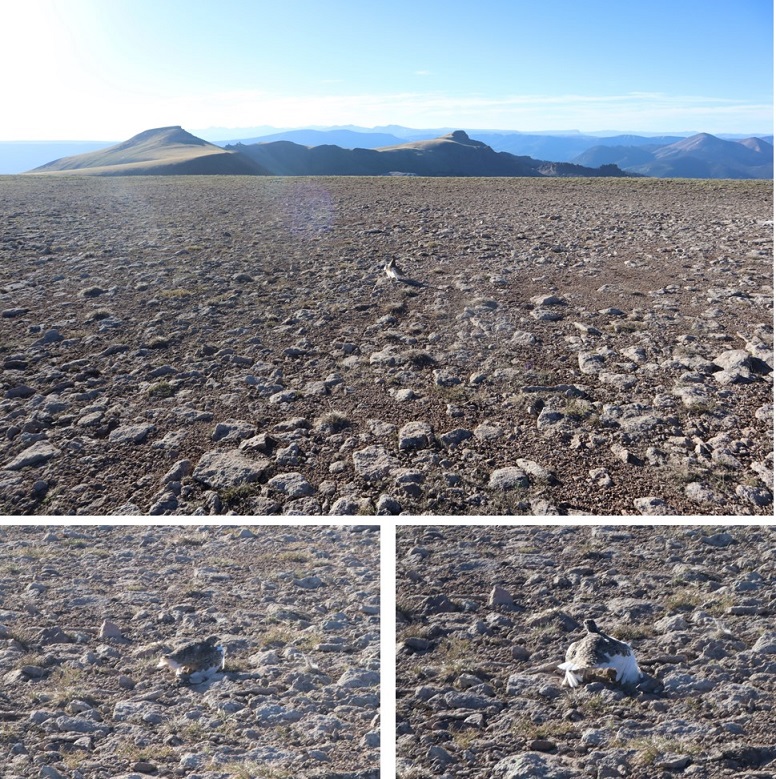
While on the ridge I scared a Ptarmigan mother and her chicks (they scared me too, as I didn’t notice them until the mother squawked). Immediately the chicks dispersed and the mother pretended to be injured, leading me away from her babies. I kept telling the mother I didn’t want anything to do with her or her chicks, but unfortunately she was leading me exactly in the direction I needed to go. She did a wonderful, if unnecessary, job leading me away from her babies. When she felt I was far enough away she flew back in their direction, chirping to gather them all together again.

16

Ptarmigan:

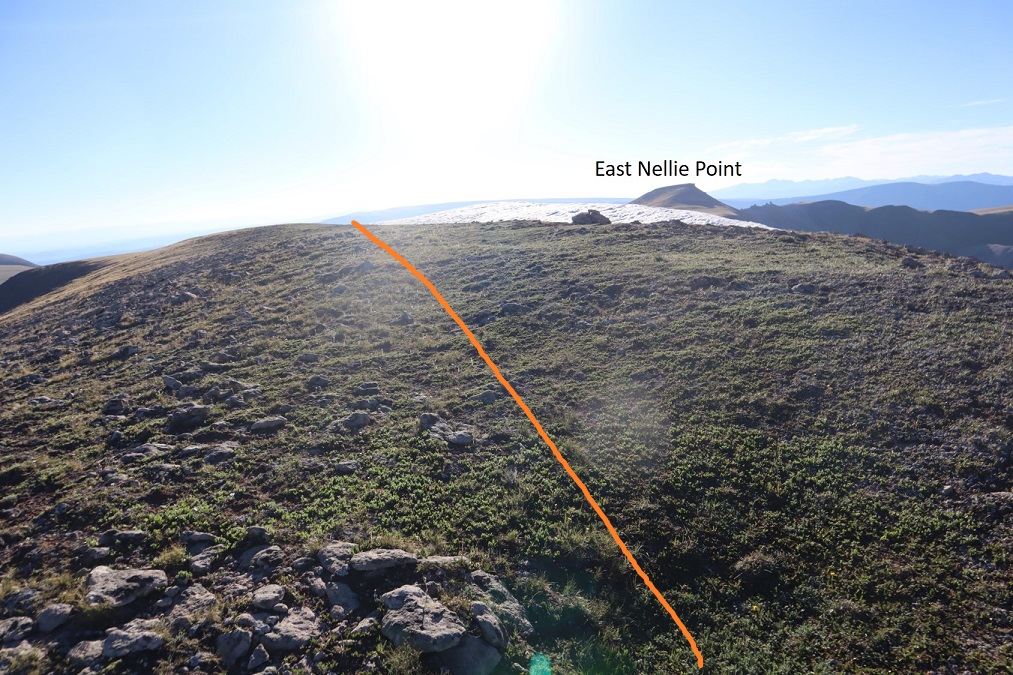
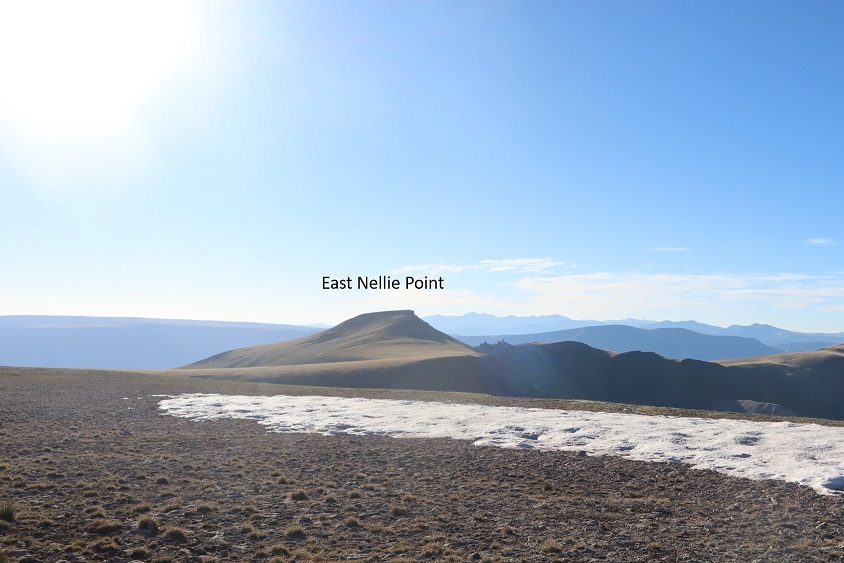
From the summit ridge I could see East Nellie Point, but getting there isn’t as easy as it initially looked.

17

I followed the ridge almost to the saddle and then turned and headed east, losing 600’ of elevation. Luckily this part of the hike was mostly on rolling tundra and wasn’t too taxing.

18

Once at the bottom I was able to avoid the small pond/creek and ascend the hillside towards East Nellie PT.

19

This was still rolling tundra, and there were even game trails in the area (and tons of elk tracks). At the top of the tundra hill I had about a quarter mile of tundra to walk through to the final summit push (if you could call it that).

20

21

The final push to the summit was rocky and there was no trail, but it was straightforward

22

There was a large cairn just before the summit

23

The actual point of this summit was difficult to tell as well. Once again I knew I was at the summit when I found the summit register stashed inside a cairn

24

25

26

Summit Photo:

27

East Nellie Peak:

Here are some photos from the hike back down. I decided to make this an out and back hike, retracing the steps I took to get here from Nellie Pt.

28

The tundra can be vast. Luckily, I could keep Uncompaghre Peak in my view most of the time, and just kept heading towards that 14er.

29

I also had a good view of Silver Mountain (my original choice for a summit today). With this view I could see there was still snow at the top of the access gully, so it had been a good idea for me not to attempt that peak today because the snow was unavoidable and I’d left my ice axe in my truck (I had my crampons). I was feeling better about my choices.

30

I hiked down to the valley and then back up to the ridge

31

I followed the ridge back to Nellie Point

32

33

34

And back down to the pass

35

And the class 1 trail that leads you back to the trailhead

36

37

38

39

The trailhead now had several vehicles

40

Also, I came to the conclusion it’s impossible to get a bad photo of Uncompaghre

41

I made it back to my truck at 11:15am, making this a 13.72 mile hike with 3833’ of elevation gain in 7 hours. Obviously, I made this hike more difficult and added more elevation than needed, but in the end I was happy with today’s hiking change of plans. In fact, I wished I’d have made the choice to change routes earlier. Any day above treeline is a good day. The 4WD road was easier to navigate driving down than it was driving up.

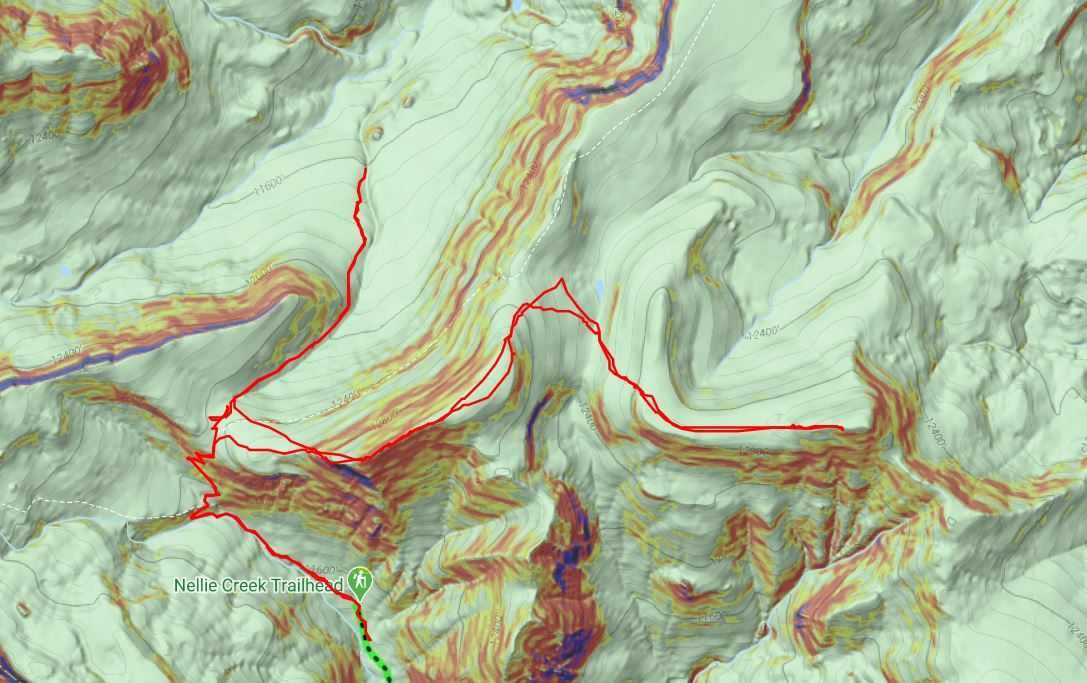
Here’s a topo map of my route

42


Coxcomb Peak (attempt) – 13,656

1

RT Length: 17.4 miles

Elevation Gain: 5544’

NOTE:  I’ve since summited this peak successfully.  that trip report can be found here.

I told myself as soon as someone posted a successful summit for either Coxcomb or Peak 15 I’d attempt it as soon as the weather was good (they’re my last 2 class 5 bicentennials). A conditions report was posted for Coxcomb where the couple summited but the woman had to be belayed up. I’ve done several class 5 peaks solo, and I’ve talked to two men who’ve done Coxcomb solo, so I felt confident I could summit this peak solo as well.  Now I’m not so sure.

The weather was perfect and I had the day off. The only problem? I needed 2 60 meter ropes for the final rappel, and I only had 1 50 meter rope. I went to REI and Mountain Chalet and bought 2 new ropes (REI only had 1, but on the positive side I got to use my dividend).

2

Then I spent the afternoon practicing my double fisherman’s knot. That’s how you tie two ropes together so they don’t come undone.

3

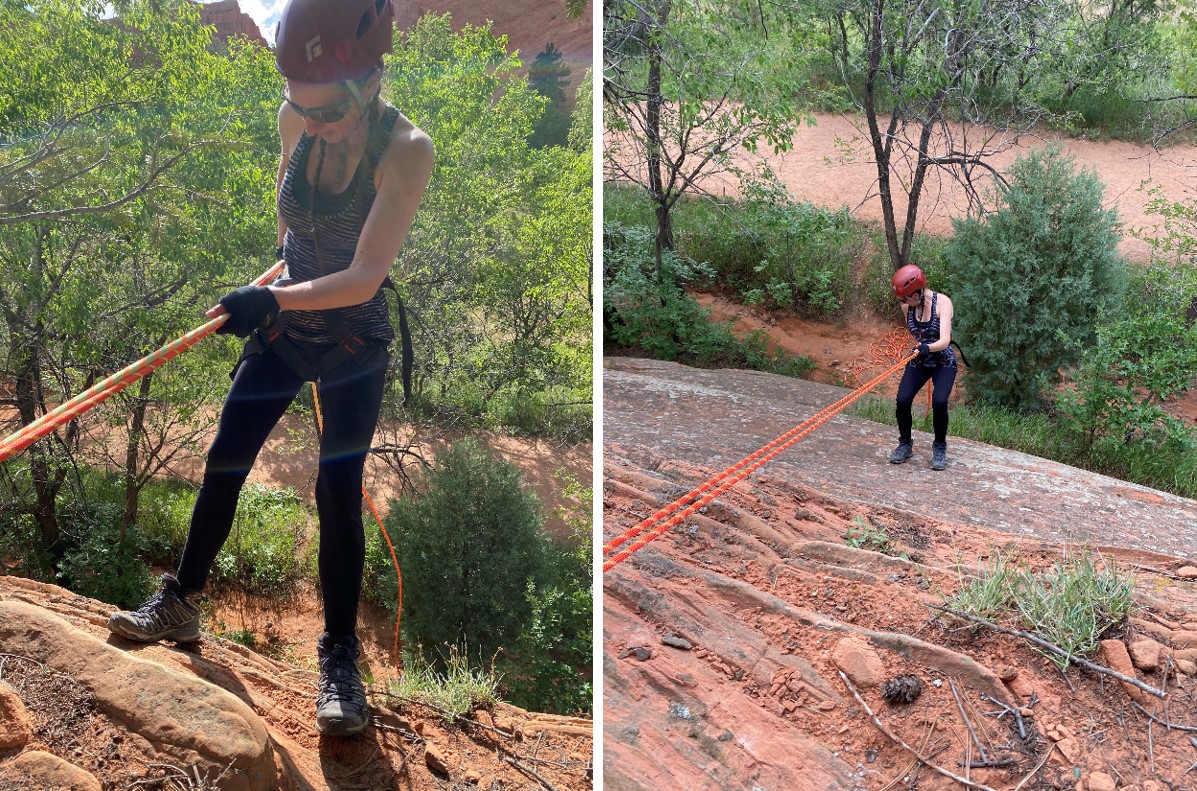
Confident I had the knot down, I wanted to practice rappelling with the two ropes, and I also wanted to break them in before using them for the first time in a scary situation (yes, a 175 foot rappel is committing, and can be scary, especially if you haven’t rappelled all season). I decided to go to Red Rock Open Space to break them in.

4

Success! I practiced setting up the anchor, tying the ropes together, and rappelling on easy terrain at least 9 times to break the ropes in. Yes, they were heavy to carry, and coiling them was no fun, but everything went smoothly. The weather forecast for the weekend was phenomenal: sunny skies with no chance of rain. I decided to drive to the trailhead the next afternoon and attempt Coxcomb peak the following day.

Most of the drive in to the trailhead was on a 2wd dirt road.

5

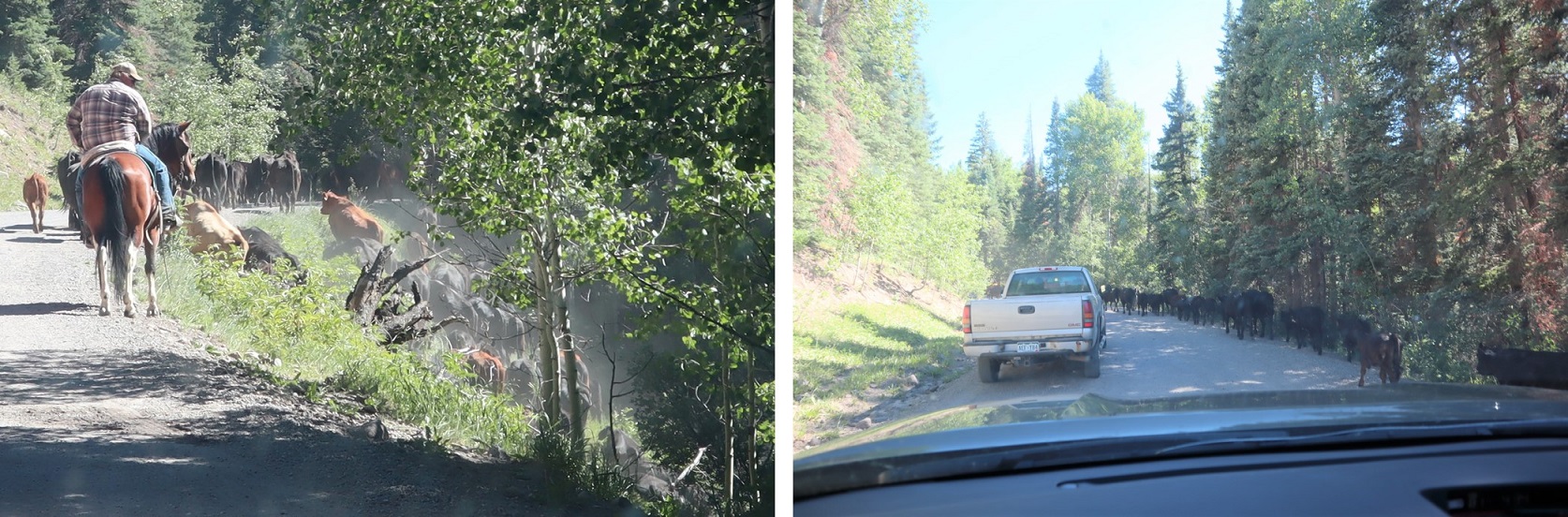
Then all of the sudden I came upon stopped vehicles along the road. A rancher was moving a herd of cattle, and the first vehicle in line didn’t feel comfortable driving alongside the moving herd so he decided to stop and park his car until the herd had moved (despite the rancher continually waving him on: the cattle would have been fine if he’d just drove slowly past). I wasn’t in a hurry so I wasn’t too bothered by the extra time spend sightseeing cattle. A lot of the other drivers were though.

6

The last 2 miles to the trailhead were 4WD and included a fun creek crossing.

7

I made it to the trailhead, parked my truck, and got out and took a look around.

8

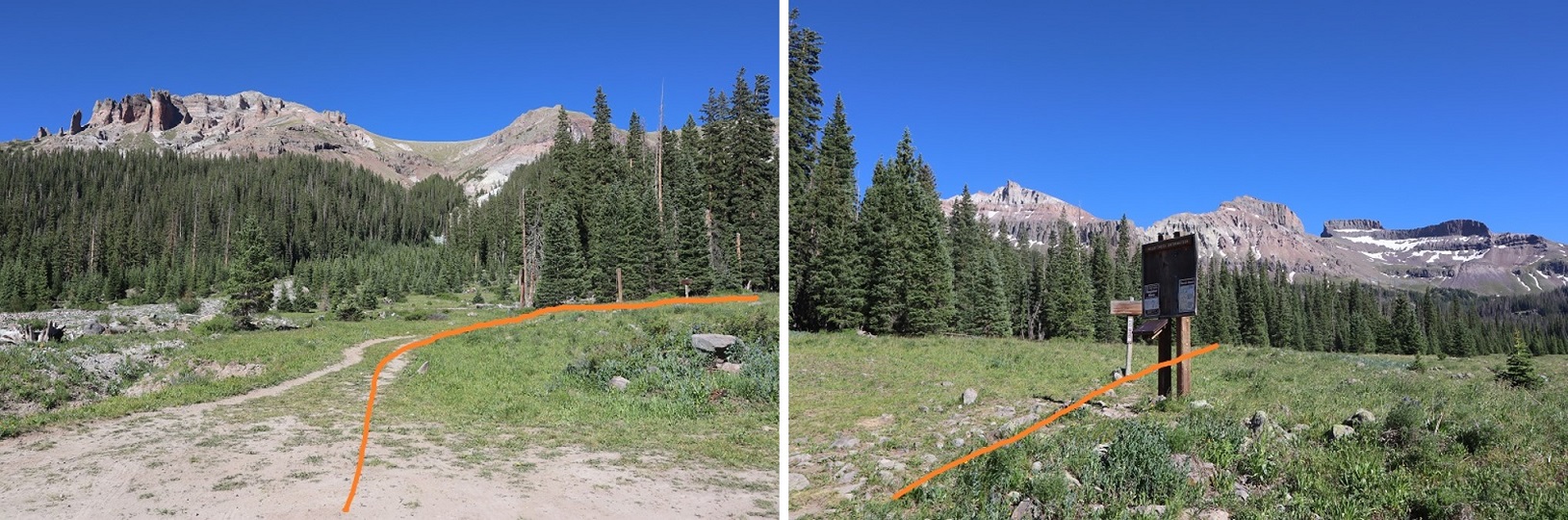
I wanted to get a visual of the route for tomorrow’s hike. I took some pictures of the trail entrance, trail register, and the way I wanted to head out tomorrow. Then I ate my dinner, did a little knitting, and generally enjoyed the view as I relaxed in the bed of my truck.

9

The next morning I was on the trail at 4:40am, armed with my helmet, harness, 3 climbing ropes (2 60 meter ropes and one 30 meter half rope) and my climbing shoes. My pack was completely filled, and I’m guessing it weighed 40lbs. I only took the essentials.

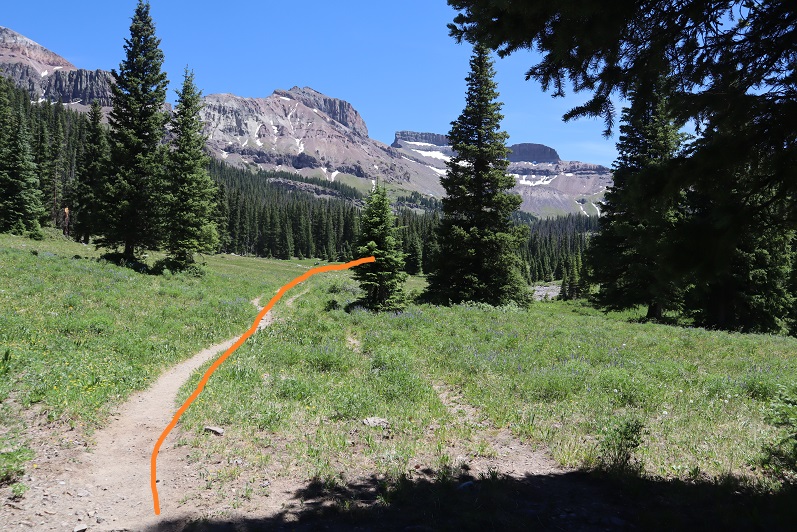
The trail starts at the east end of the parking area and heads south.

10

I followed the class 1 trail for 2 miles until I came to a steep section

11

12

At the pass the trail diverged into two and then kind of ended. I could tell I just needed to get around the small outcropping. I decided to go up right and descend on the left on my way back down. Both sides were easy.

13

14

The trail picked up again after I climbed this area.

15

After 3.3 miles of hiking I came to the top of the pass.

16

From here I continued following the class 1 trail, losing 400’ in elevation as I went

17

18

At the bottom of the pass I left he trail and headed east

19

My goal was to gain the ridge and follow it to the base of Coxcomb Peak

20

The ridge was full of loose talus

21

22

The talus eventually gave way to a little bit of tundra

23

Then I came to a rocky class 3 section

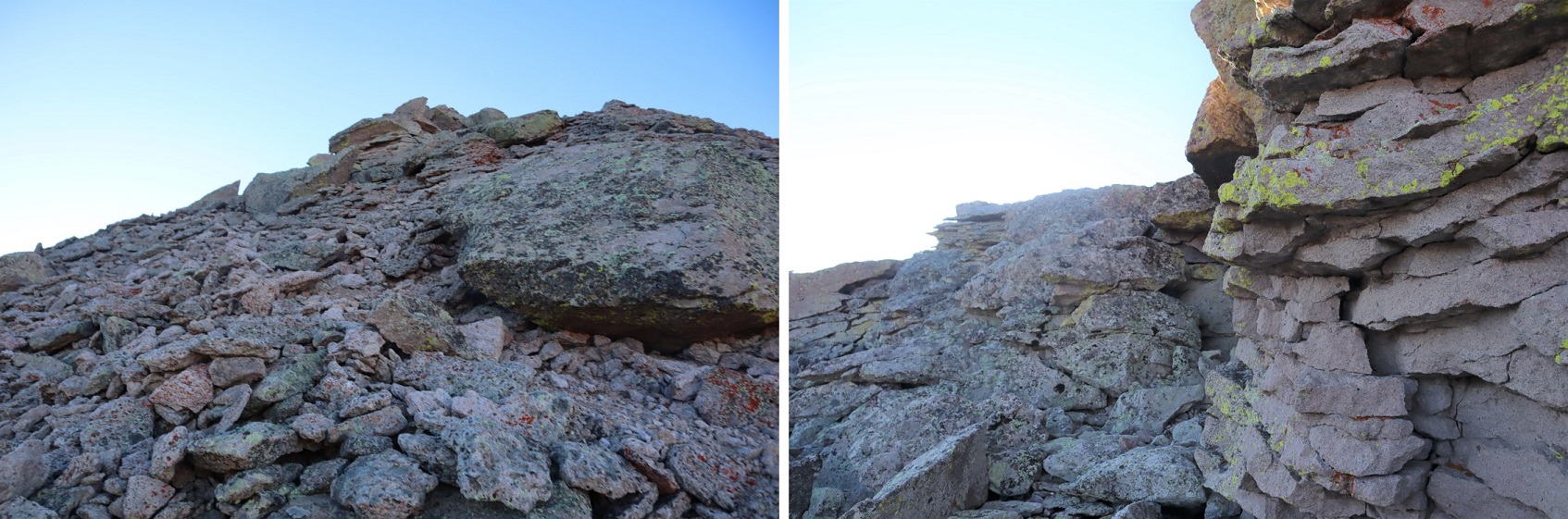
24

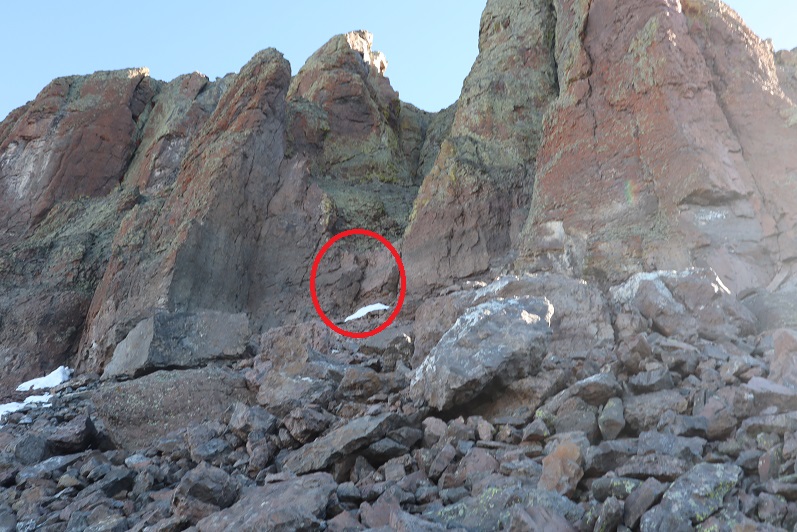
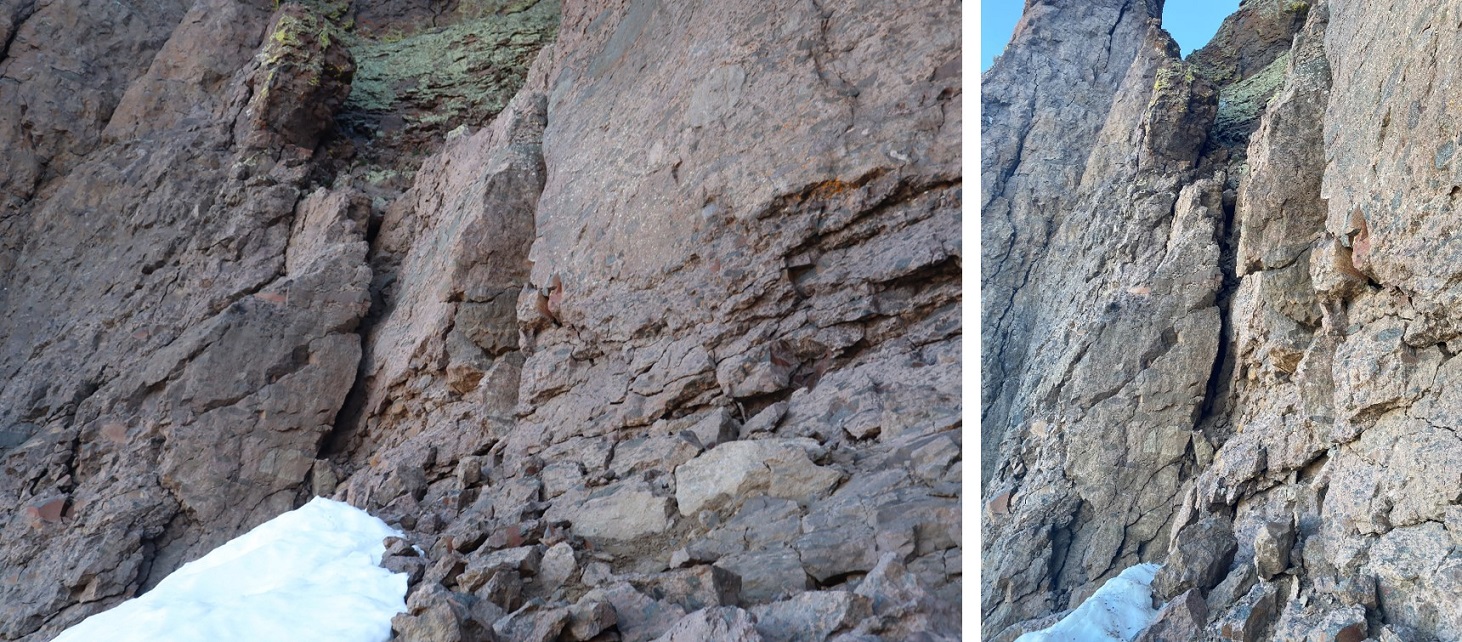
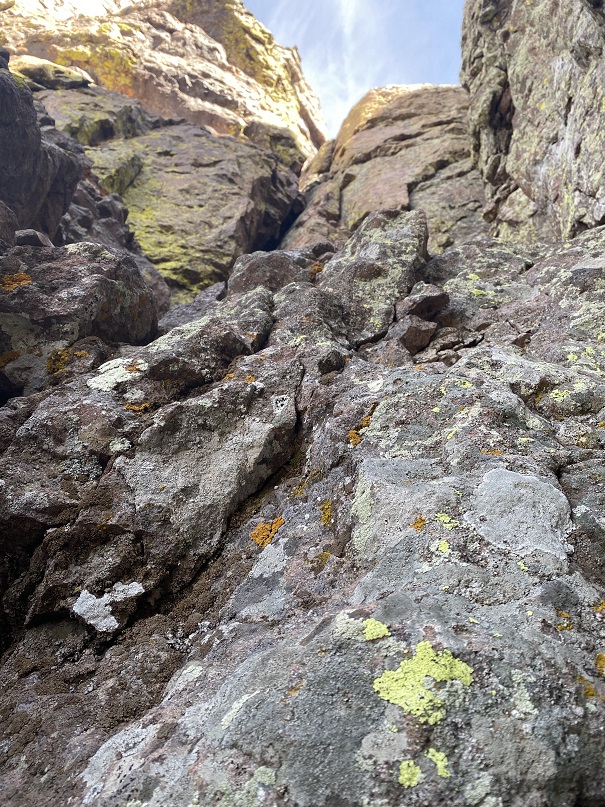
Which brought me to the base of the crux of Coxcomb. Wow! The approach had been much easier than expected. The entrance to the climb starts at the small gully. I’ve seen a few reports on how to climb this area, and every report rated the difficulty different. Some gave it class 3 (it’s NOT class 3, but there could have been a rock slide since that person posted conditions), some gave it class 4, and some class 5. The couple that summited last week said this was the most difficult part of their climb.

25

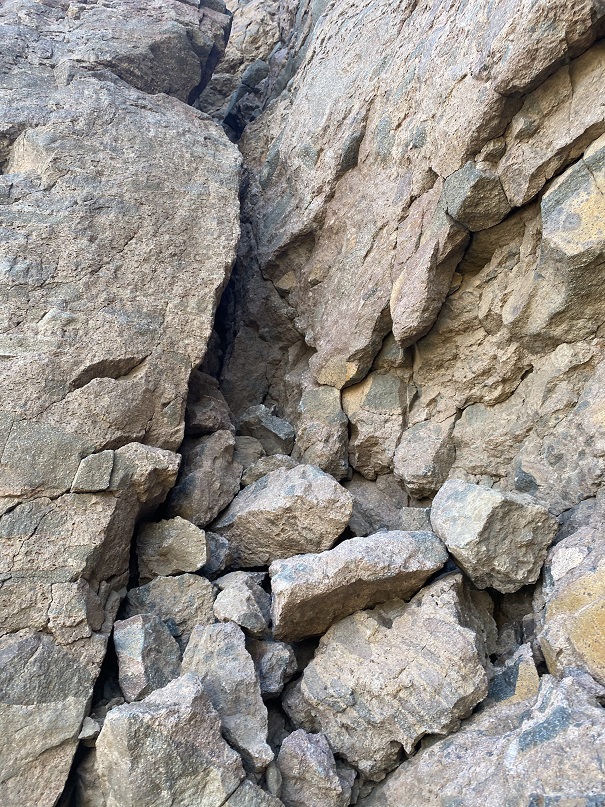
I walked up to the gully and tried to devise a plan. I decided to put on my climbing shoes and just go for it. I tried to ascend, but there just weren’t enough foot/hand holds. I tried and tried and tried. Then I tried ascending to the left but those rocks are loose and kept crumbling in my hands. I wasn’t about to put any physical weight on them.   I tried the gully again, and then the rocks to the left again. I spent over an hour trying to figure this problem out! If I were only a few inches taller this wouldn’t have been an issue. Hmph. I sat down to think. Here’s a close-up of the gully

26

All I needed were a few more footholds. That’s when it came to me: there were rocks all around! I’d just fill the gully as far as I could and use those rocks as stepping stones. I dropped my pack and spent the next 45 minutes or so filling the small gully with rocks. I even put in a chockstone for a handhold. When I felt I’d done enough I tried climbing a few feet to see if the rocks were stable. Success!

27

I put my pack back on and started to climb but my pack was heavy. It made me top heavy and I couldn’t pull myself over. Drat! I sat back down to think. I could see a rappel set up at the top of the gully. I decided to take my 30 meter short rope, attach it to my backpack and my harness as well, leave my backpack below, and climb up the gully without gear. Then I’d use the rope to pull up my pack. If I wasn’t able to pull my pack up I knew I could just rappel back down with the sling already in place and the rope I’d attached to my harness (I was glad I’d brought the 3rd rope!).

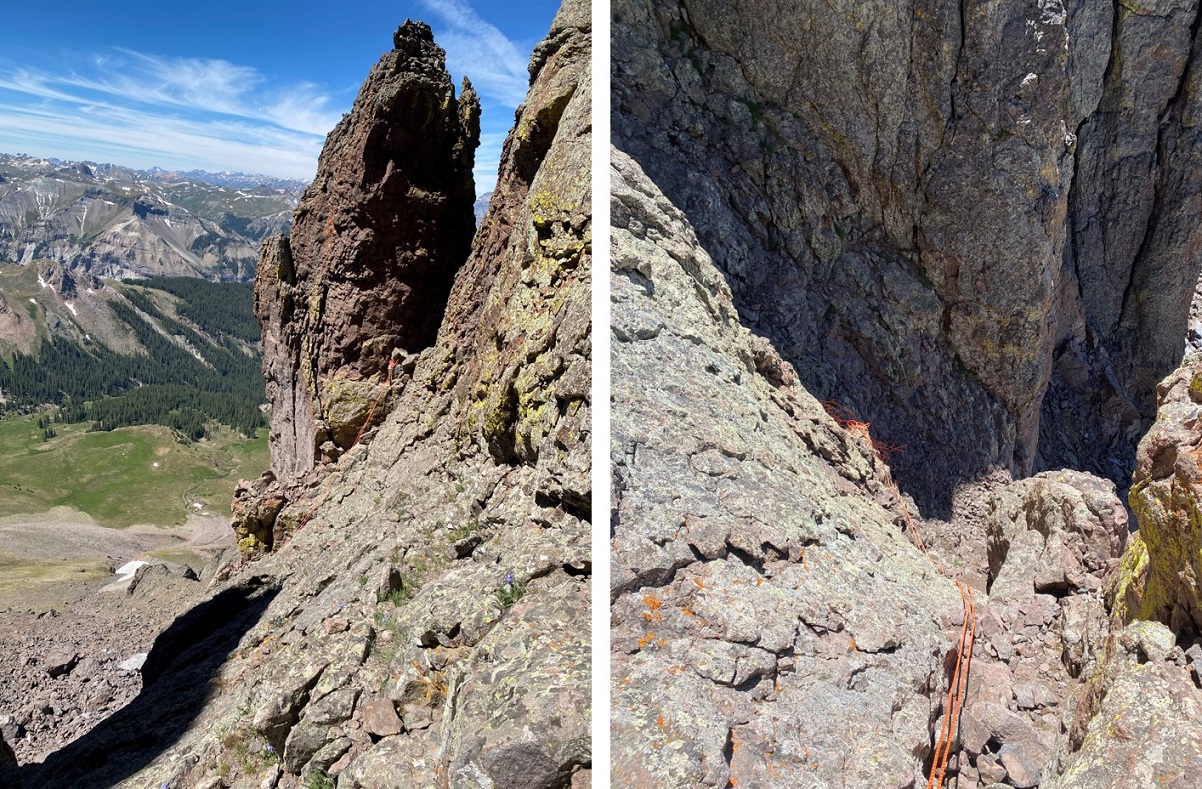
I looped the rope around the straps of my pack, attached the other end to my harness, and easily climbed up the gully. Success! Wow, I felt great! That had been the crux of the route for the couple who were here last week, so I now felt confident I’d be able to make this summit. I hauled up my pack, which took quite a bit of upper arm strength and balance not to fall back down the gully as I was lifting the pack up.

28

I coiled up my rope, attached it to my pack, and continued on. The next section was class 3, and only lasted about 50 feet or so

29

This brought me to a class 4 section I had to upclimb. I was able to do this wearing my pack

30

I’d made it to the base of the chimney area, also rated class 4.

31

From my research I’d learned to take the ‘easier’ chimney to the left. Um, this did not look easy! I spent a lot of time determining if I was even in the correct area, and backtracked a little just to make sure. Yep, this was it. I decided to just start climbing. Boy, was this tiring work! My pack made climbing so much more difficult, but I wasn’t giving up. I made it about half way up the chimney and wasn’t able to stem with my pack on. I decided to retreat and try again.

32

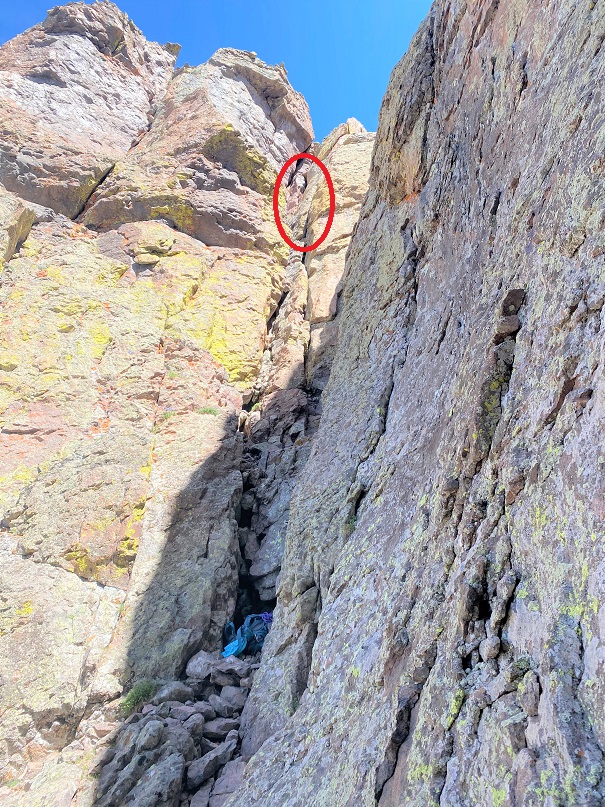
Taking off my pack had worked last time, so I decided to try that again. I rigged the rope the same way I had last time and started up. Wow! This was so much easier! I made it about ¾ of the way up the chimney when the hand/foot holds gave out. This was definitely difficult class 4 (if not class 5). The pictures I’d seen of others climbing this part made it look so much easier! They looked like they just walked up this section. They’d been roped in, and about a foot taller than I am, but still, it didn’t seem fair. From here I just needed to stem for about 20 more feet which would put me in the upper gully, and then I’d need to exit via the right side. The problem? I couldn’t see any anchors set up, or even any places to set an anchor, and without a visual of the last part of the gully I didn’t feel comfortable committing to this part of the climb, not knowing if I’d be able to rappel down. I knew if I went any further I would not be able to climb back down, so rappelling was my only option. It was here I made the decision to call the climb for the day. I just didn’t feel like I could commit to continuing on without putting myself in unnecessary danger. I kept thinking how infrequent this mountain is climbed and how I’d be stuck for weeks, if not months (or longer) if I wasn’t able to downclimb.

Note: On my drive home I came up with the idea of tying all my ropes together, carrying an empty pack up, and then hauling the ropes up behind me. The only downside to this scenario is if the ropes got caught on something while I’m trying to haul them up (a very real possibility). I need to do more research and find out if there is a sling set up in the gully, or if I just need to commit. Also, I need to practice stemming in a climbing gym with a full pack. That’s not going to be easy…

Here’s how far I made it up the chimney.

33

I made it back to my backpack and set up a rappel to head back down. At least I was getting some use out of my 60 meter ropes today.

34

Here’s a picture of the route

35

I rappelled back down, changed back into my hiking boots, and retraced my steps back down the ridge and back to the trail.

36

37

38

I followed the trail back up the pass, cursing the weight of my pack the entire way

39

40

As I was coming back down I noticed blood along the trail, and a few guys with horses down below.

41

I made it to the bottom of the pass and the oldest man there talked with me for a bit (he looked like a grandpa out with his grandsons). He wanted to know if there was more snow further along the trail. The blood I’d seen had been from one of his horses: it had spooked on the rocks and snow and flipped over backwards when it lost its footing. It had injured its hoof. I was confused as to why they were even contemplating continuing on? They had an injured animal! The man agreed with me and I’m pretty sure he decided to head back.   A little further along the trail I met up with a woman who said when the group had passed by their campsite earlier this morning one of their horses stepped on their dog (the horseback riders horse stepped on the horseback riders dog) and caused an awful commotion. And one of the boys had lost his jacket. So the group wasn’t having a great day.

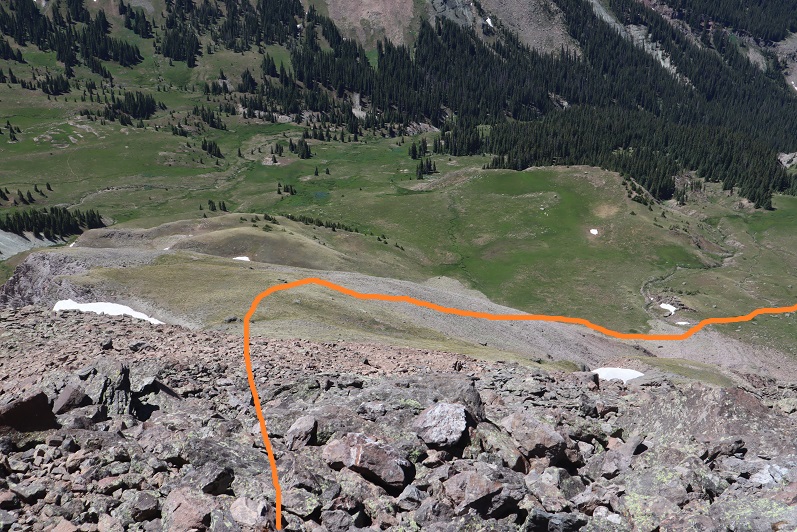
Here’s my route back down the mountain to my truck

42

43

44

45

The entire route down I ruminated on the days experiences and tried to think if I could have done anything differently. I also considered the need for a climbing partner on this route: someone taller than me who could belay me from the top. This idea doesn’t sound appealing, but it is the safest option. In the end I decided I needed more stemming practice, and I need to actually speak with people who’ve accomplished this route.

I made it back to my truck at 2:40pm, making this a 17.4 mile hike with 5544’ of elevation gain in 10 hours. Here’s a topo of my route

46

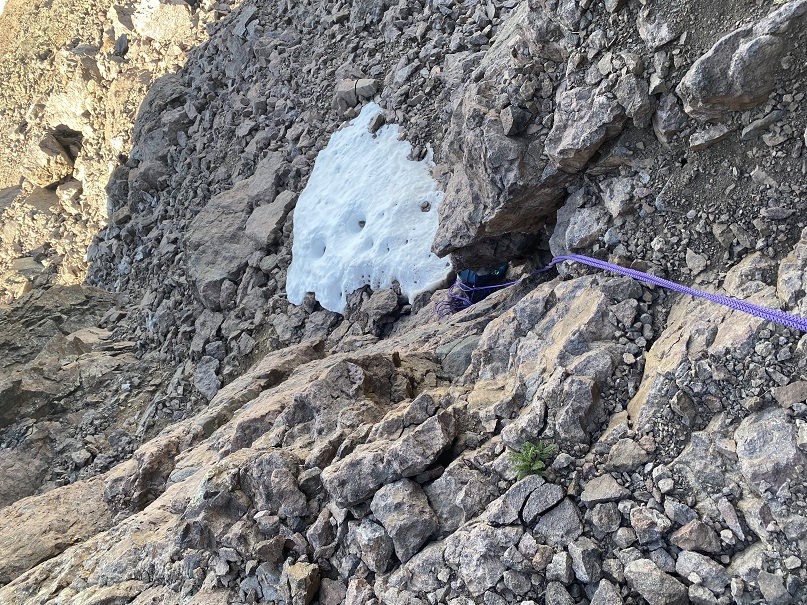
And just for fun here’s a close-up of my problem solving skills. I worked this problem for a long time!

47

When I pulled up my gpx file I found I made it to 13,560’, which means I was less than 100 feet from the summit when I turned back. Ouch. On to the next trailhead!
 

Northwest Pole – 13,660, Pole Creek Mountain – 13,716 & PT 13,573

1

RT Length: 19.67 Miles

Elevation Gain: 5926’

I drove up to Carson Pass a few days before and slept in my truck, hiking Bent Peak the first day, and Carson Pass, Tundra Top, Cataract Peak, and PT 13581 the next. For details on the drive in, please see this post: Carson Pass.

2

I woke up before my alarm again today, but not because I was well rested: I was cold! As I turned on a light I realized I only had half of my blankets covering me. There wasn’t any wind last night, and when I looked outside I could see tons of stars. The clear skies had made for a cold night. I jumped in the cab of my truck to warm up and get ready for the day, noticing it was 32 degrees outside (as compared to yesterday morning’s 43). It was amazing what difference a few degrees makes.
I turned the truck on to turn on the heat and was once again disappointed to notice my ABS and Traction lights were still on, as well as my 4WD light still blinking. That was going to haunt me all day.

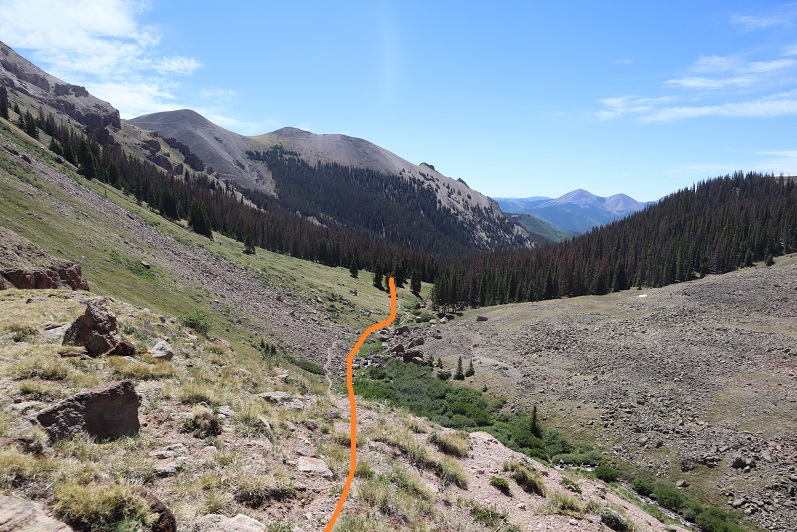
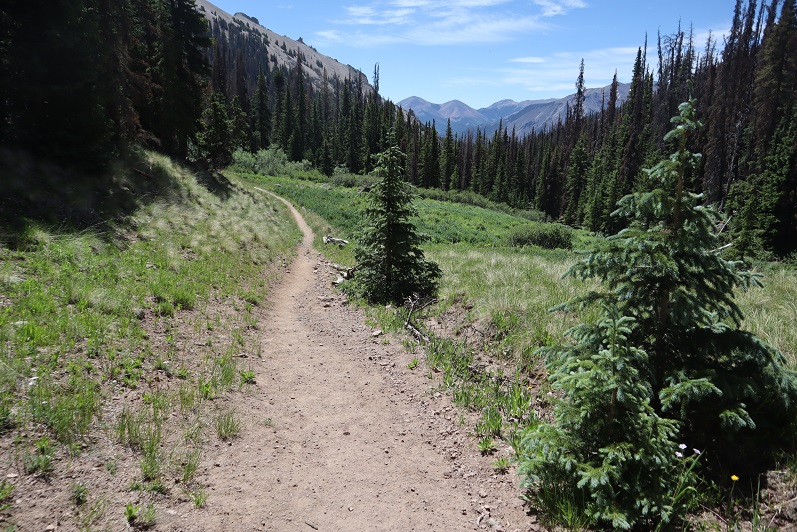
I was on the trail by 3:30am, and it was so cold I turned back at one point, intent on sitting in my truck a little longer, but I immediately turned back again: I’d knew I’d warm up a bit once I started moving. The weather forecast was better for today, but I still wanted to get an early start. I followed the 4WD dirt road 821 to the class 1 Trail 813 as it lost a total of 400’ as it wound down the canyon, and then gained almost 1000’ to the top of the pass.

3

There was one small section of snow to cross, but luckily the elk had already done a great job blazing the trail.

4

Once at the top of the pass I continued along the trail, dipping down into the basin, losing another 700’ of elevation.

5

After hiking for a total of 5 miles at this junction I turned and followed 822 southwest to the base of the Northwest Pole Ridge.

6

In the basin I left the trail and headed for the Northwest Pole Ridge

7

My goal here was to gain the ridge and follow it to the summit of Northwest Pole. Here’s an overview of the route:

8

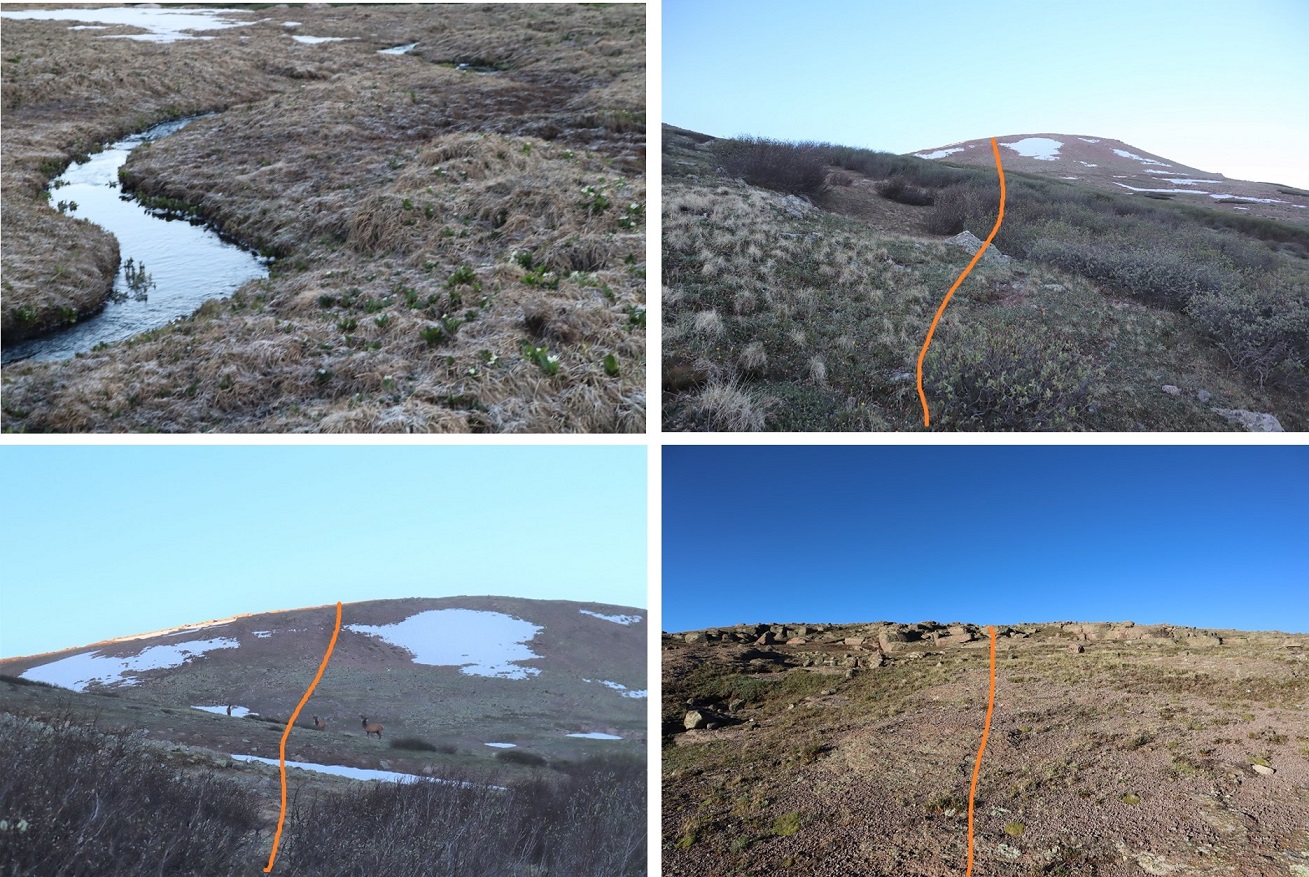
And what it looks like gaining the ridge (yes, tons of elk out there today). Also, the basin was marshy, but since it was so cold and early in the morning it was frozen and crunchy. There were ribbons of water that I hopped across. I wouldn’t want to pass this area when it’s soggy and wet.

9

Once on the ridge it’s easy to see the snow free path to follow, all on tundra. This is all easy class 2

10

11

From the top of the ridge you dip down a little bit and then back up on loose rock

12

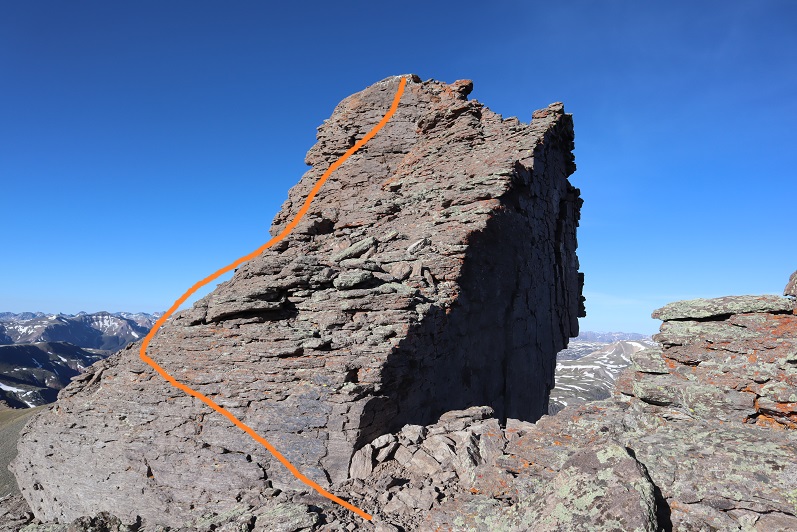
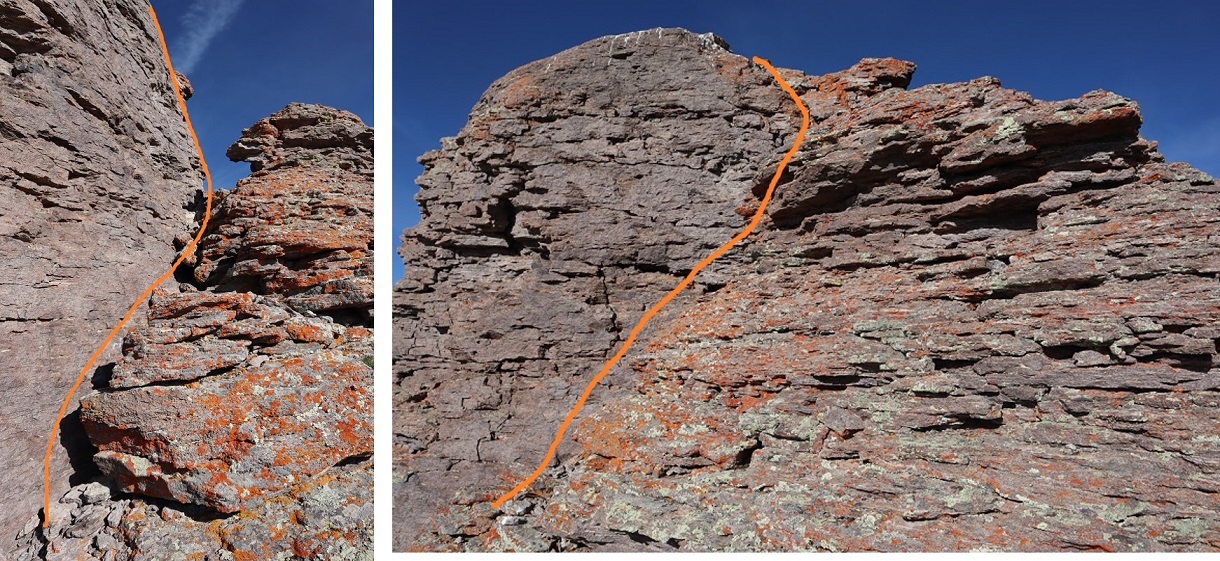
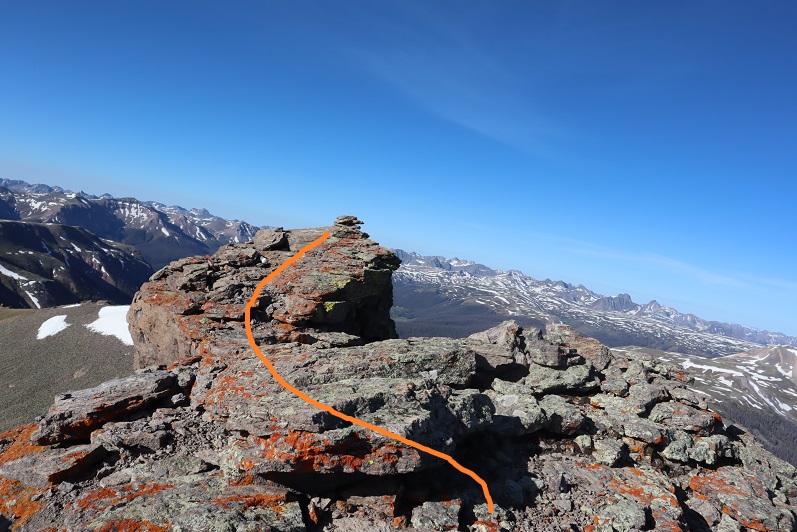
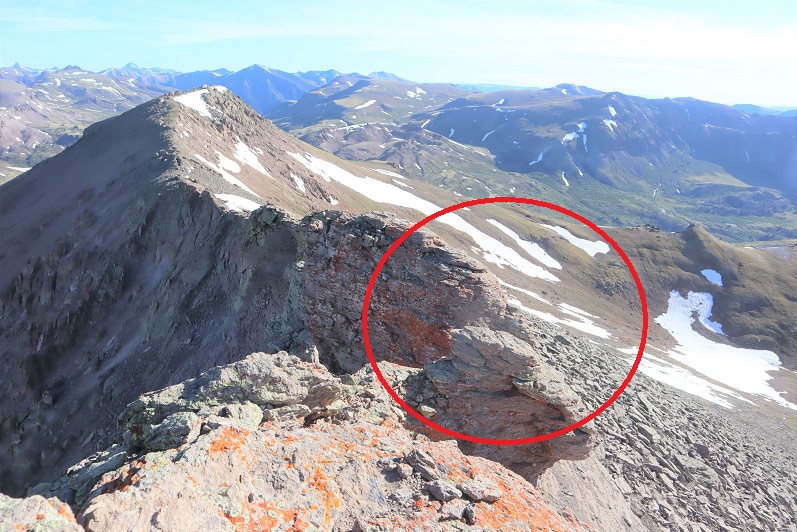
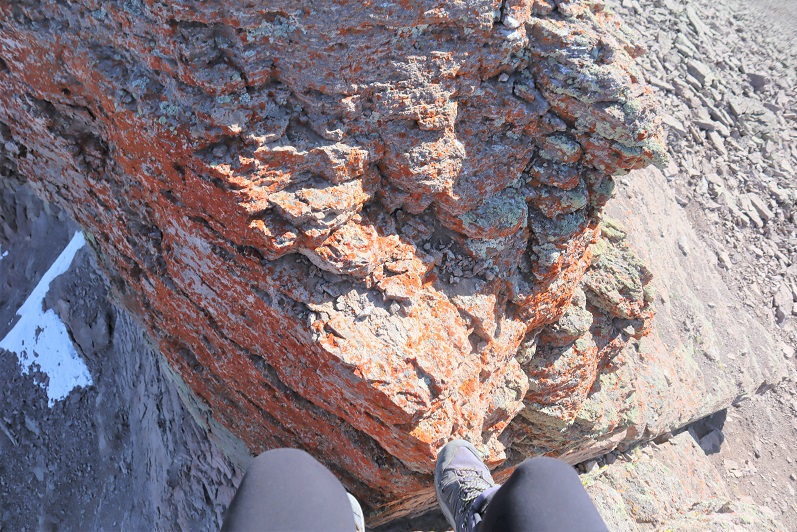
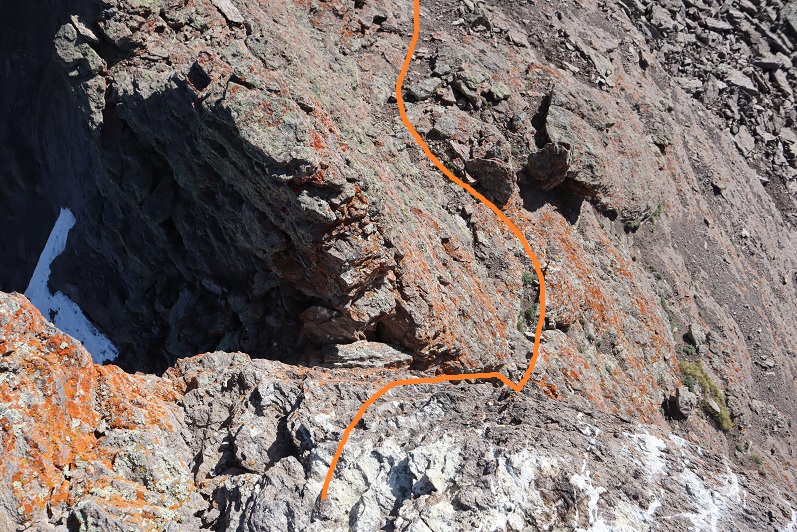
The crux of this climb comes at the very end. I spent some time trying to figure out how I wanted to summit. At first I tried to gain the block at the area where all the bird droppings were, but it didn’t look like it was the easiest way. Next I tried summiting up a chimney, but about halfway up I knew I’d need rope to get back down (I’m short) so I stopped and looked for another route. In the end I was able to summit by going up the area with all the bird droppings, just from a different angle. There is a lot of exposure here and small scree on the rocks, making it slippery and a fall dangerous.

Here’s the route I took:

I aimed for the bird droppings. Here’s what that looked like from a couple of different angles.

13

14

From there I traversed along the exposed edge towards the summit.

15

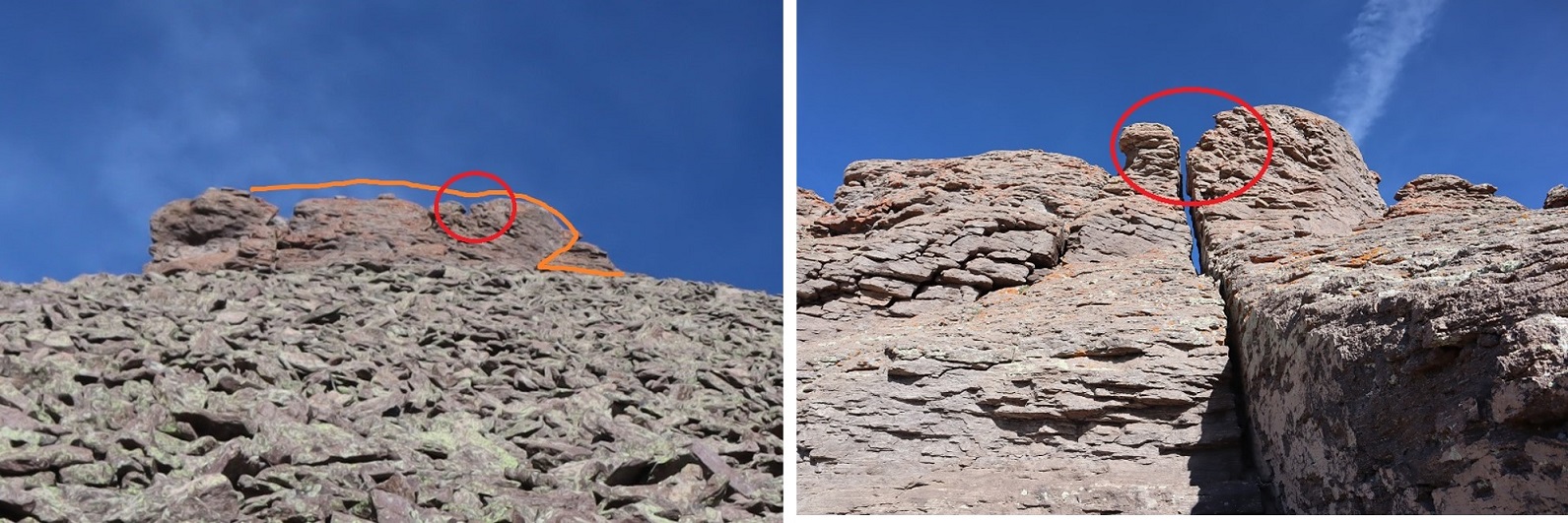
It looks easy, but this is the exposure, and yes, it included a trust jump (once again, I’m short, it could have been more of a long lean for someone over 6 feet tall, but I had to jump). Here’s looking back on the jump area (it’s too difficult to see in a picture coming from the other way, but this picture offers a good look back on the ridge too)

16

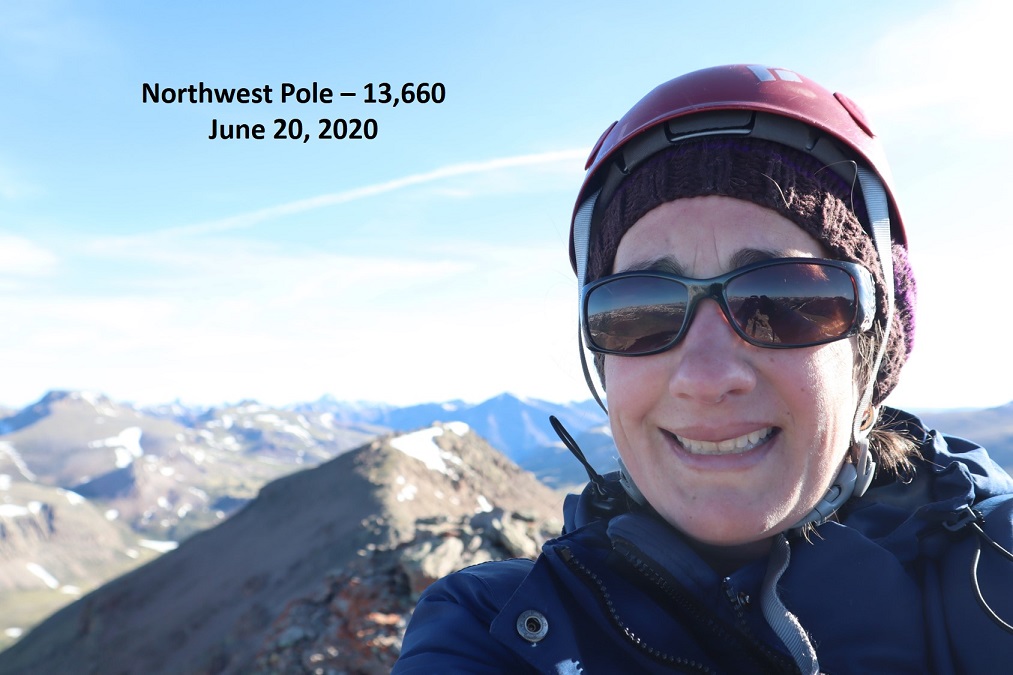
I summited at 9:45am

17

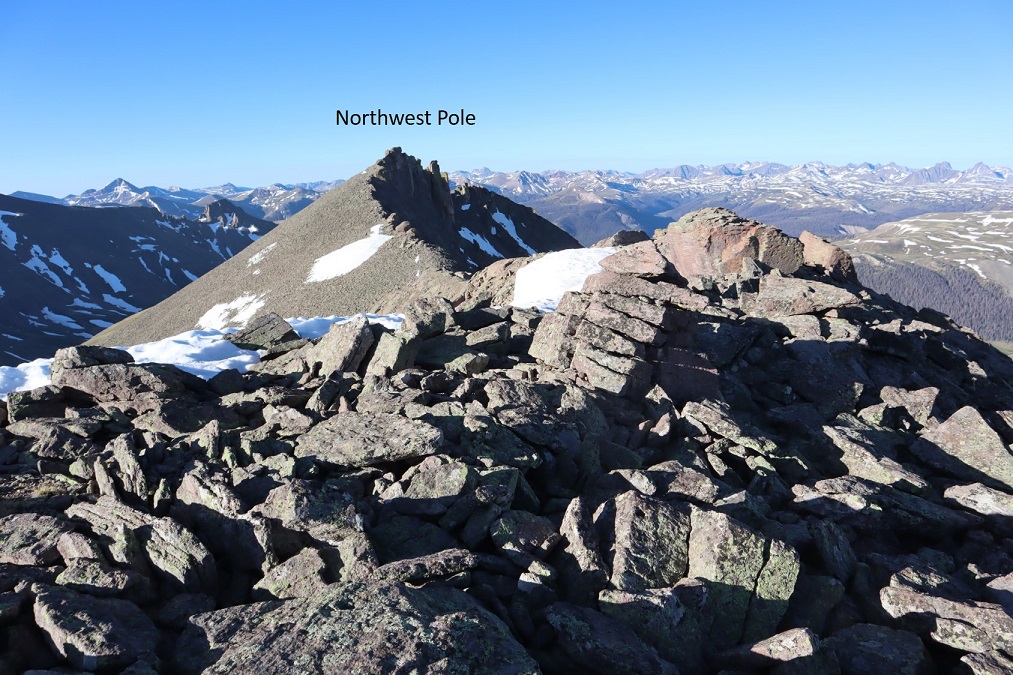
Northwest Pole:


Here I am getting ready to jump the area on the way back.

18

And from the top where the bird droppings are back down. Yes, it’s as steep as it looks

19

Back on solid ground I took a picture of the summit block and how I traversed it. I circled where I jumped.

20

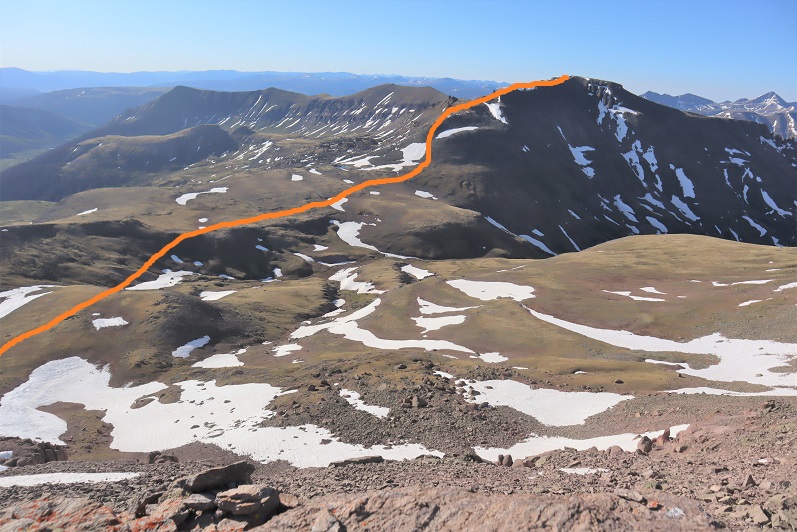
Time to head over to Pole Creek Mountain. Here’s an overview of the route from Northwest Pole

21

I descended east towards the basin, first on loose rock that gave way to tundra, losing 850’ of elevation, crossing a stream, and heading back up towards Pole Creek Mountain.

22

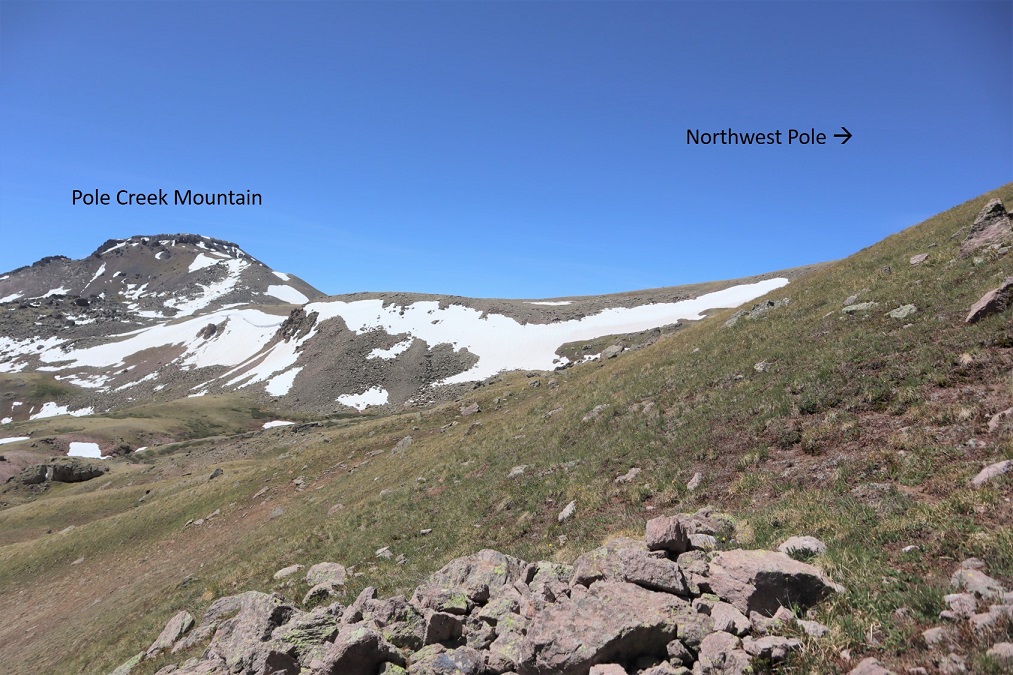
Here’s looking back at Northwest Pole

23

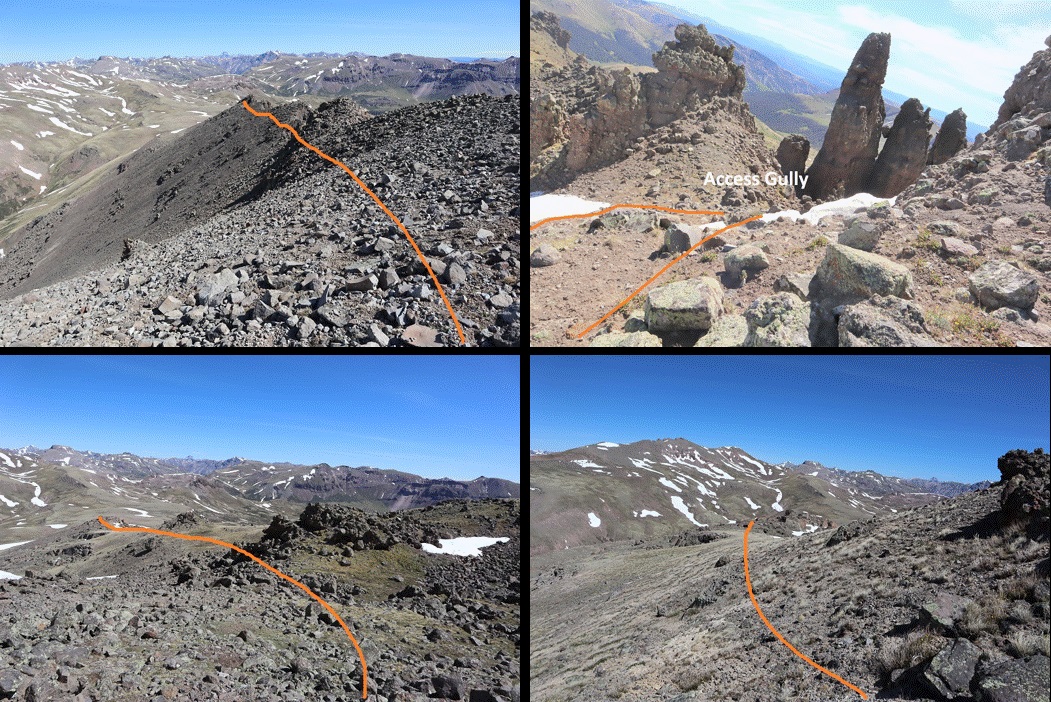
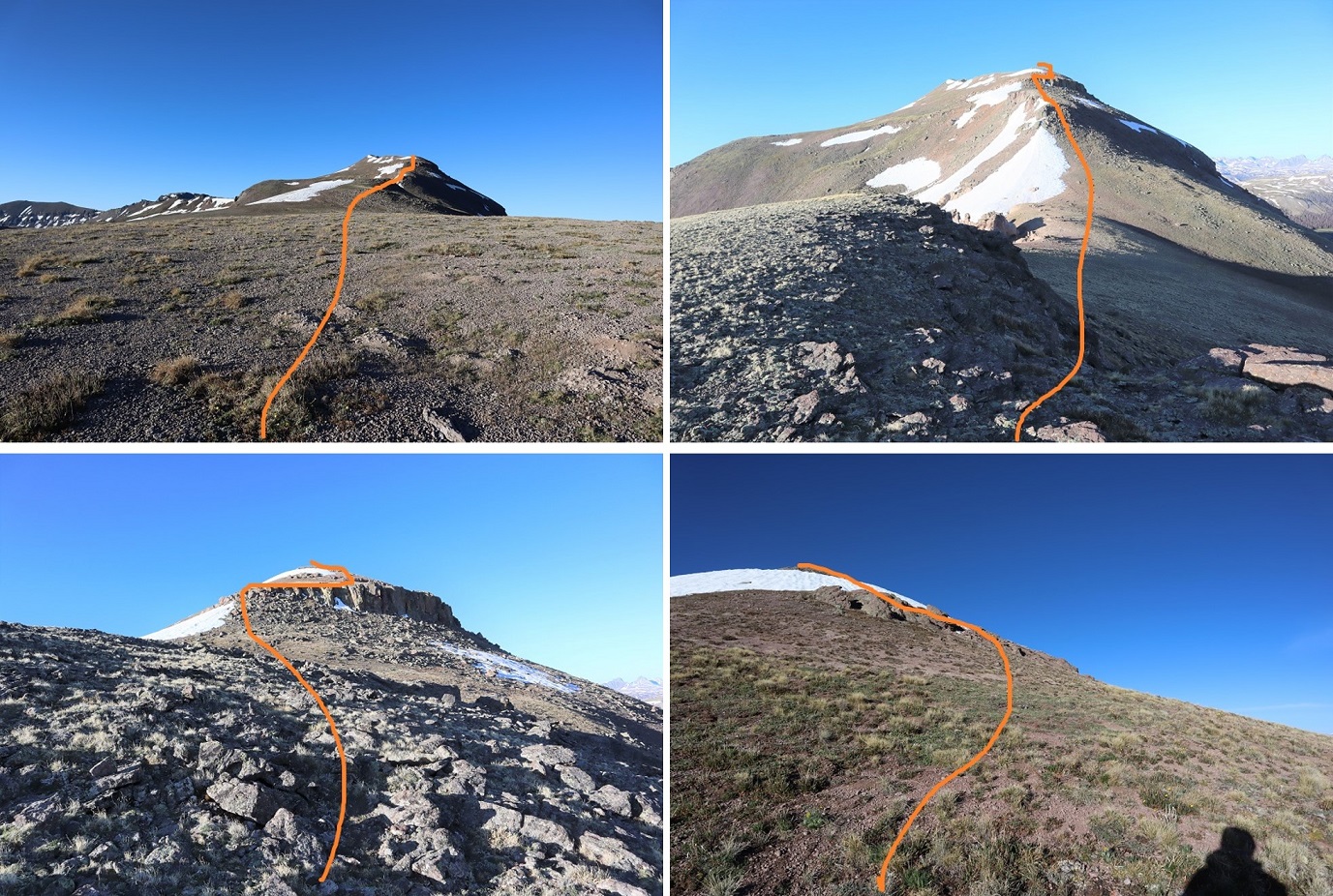
I continued southeast towards Pole Creek Mountain. Here’s how I ascended; the snow was easy to avoid, and I used it to track where I wanted to go:

24

After ascending the ridge I aimed for the access gully, which had snow but enough dry areas to pass easily without traction

25

Then I just followed the ridge south towards the summit

26

I summited Pole Creek Mountain at 9:45am, after almost 10 miles of hiking

27

Pole Creek Mountain:

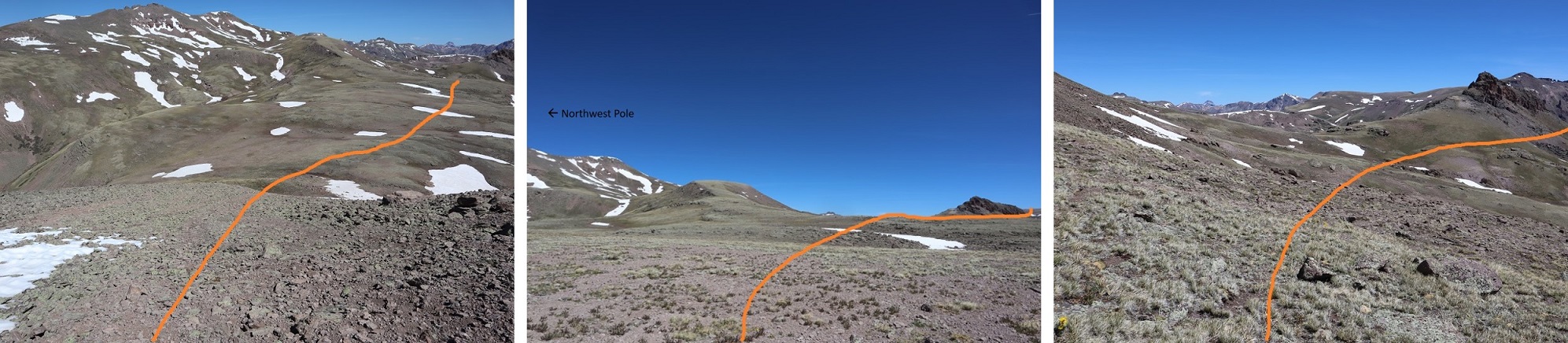
I headed back the same way I’d come in, following the ridge and then going back down the small access gully. Everything looked totally different on my way back and I second guessed myself a few times, but keeping Northwest Pole in sight helped.

28

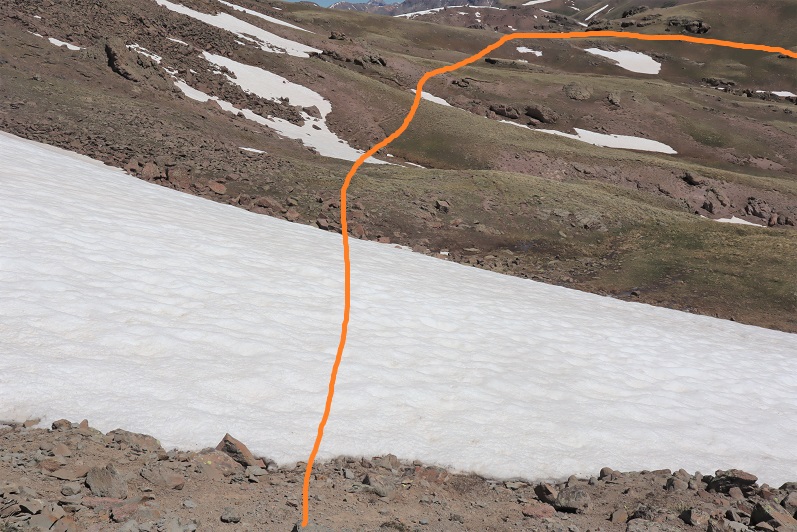
Once back down in the basin between Pole Creek Mountain and Northwest Pole I wanted to stay high on my way back out to avoid the snow below Pole Creek Mountain to the east

29

I headed north, and then east around this small peak.

30

There was some snow here, but elk in the area make a great trail and traction wasn’t needed

31

I rounded the east side of the small peak

32

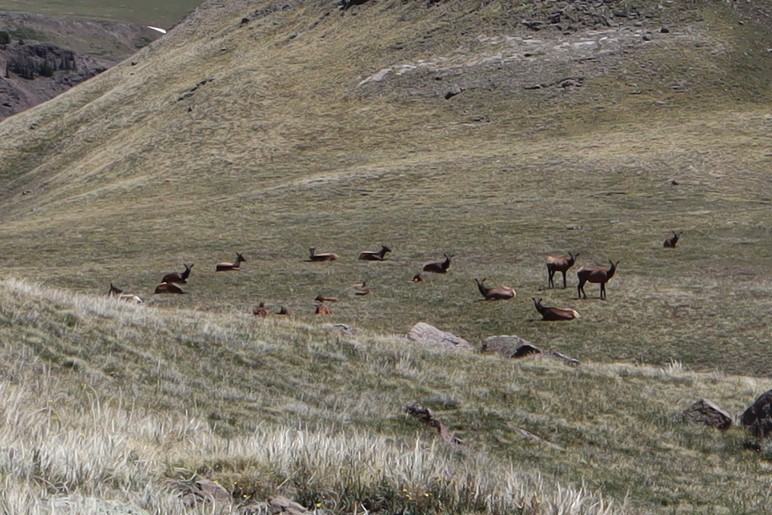
And unexpectedly came across a small herd of elk! This was so cool! I’ve heard of elk doing this, but I’d never actually seen it before: the mama elk were laying in a circle, with the babies laying down inside and two sentries standing guard. I saw them a split second before they saw me (the wind was blowing towards me, so they hadn’t heard/smelled me) and I was able to get a picture before they took off
33

As soon as one of the elk standing guard saw me I could almost hear him say:
“See? This is why we always employ the safety circle! Always! This is not a drill! Move! Move! Move!”
And they were off and down the hillside, out of sight.

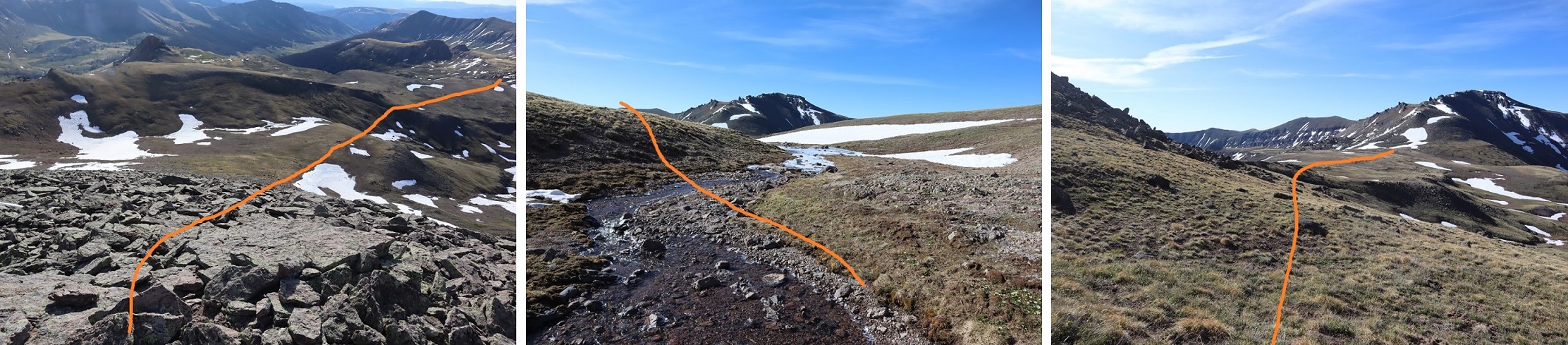
Well, that had certainly been a neat experience! I continued rounding the peak and then made my way down the hillside, all the way to the basin floor. Here’s an overview of the route I took

34

And looking back, here’s the route I took down into the basin. For obvious reasons I’m now referring to this as “dementor ridge”

35

Once in the basin I was at the lowest elevation I’d be at all day, and still had a lot of hiking left to do. I aimed northeast until I hit a trail, and then followed it up. This was trail 822 that would bring me back to Trail 813 (if I chose to go that route). This was actually easier than it looks because there are a lot of good elk trails in the area, passing through the willows.

36

I followed the trail to a sort of a saddle, and stopped to think

37

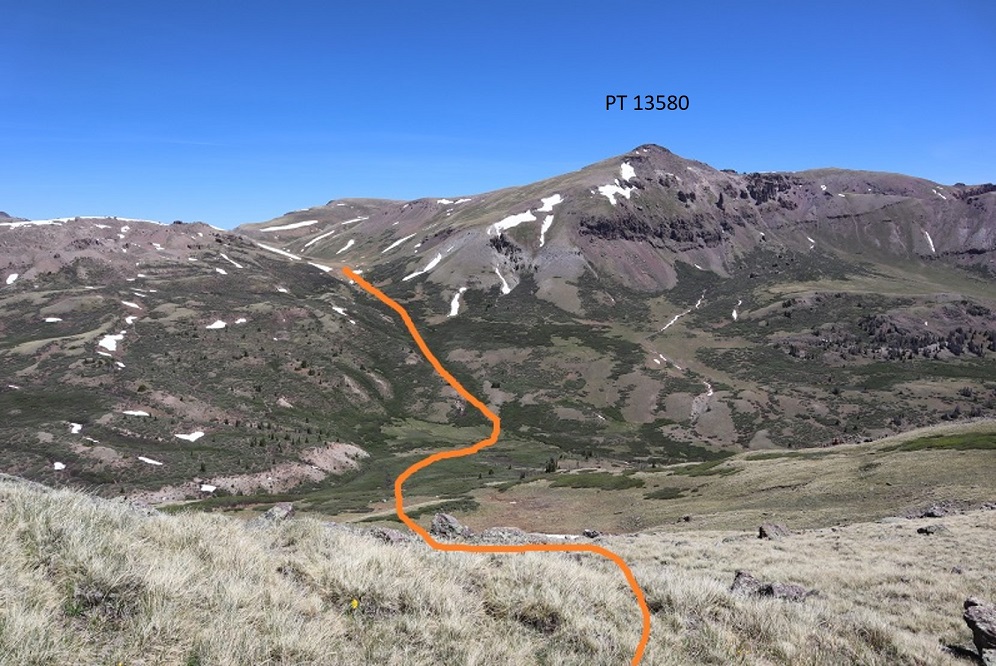
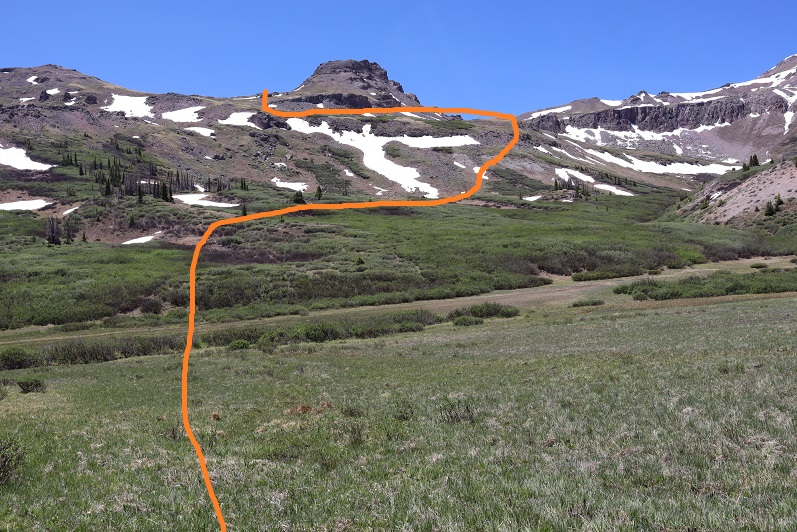
From here the trail obviously dipped down once again, losing several hundred feet of elevation before reconnecting with Trail 813 and gaining the pass, then dipping back down into the basin and up again out. Here I was, sitting directly below PT 13580, a ranked 13er that I’d want to hike sometime in the near future, but in which I dreaded that drive into Carson Pass that would be necessary again next time. It was still early in the day and the weather was great. I decided to just summit PT 13580 now while I was in the area. I’d done some scouting yesterday and today, and I was sure the route from the summit of 13580 back to the pass ‘went’ easily and would be snow free. I turned right and headed east up the mountainside. This was a very straightforward hike up tundra

38

At the top the tundra turned to rock, all class 2 and easy to navigate

39

At the top of this rocky area was the summit. I summited at 2:15pm

40

PT 13,580:

Here’s a look back at the route

41

Now I decided to stay high on the ridge and aimed north, following the ridge towards the peaks I’d climbed yesterday

42

And then back down to the pass and trail 813

43

The hike out was uneventful. It was a beautiful day and I just followed the class 1 trail back. Oh, and I saw the moose again, in the same spot as yesterday.

44

45

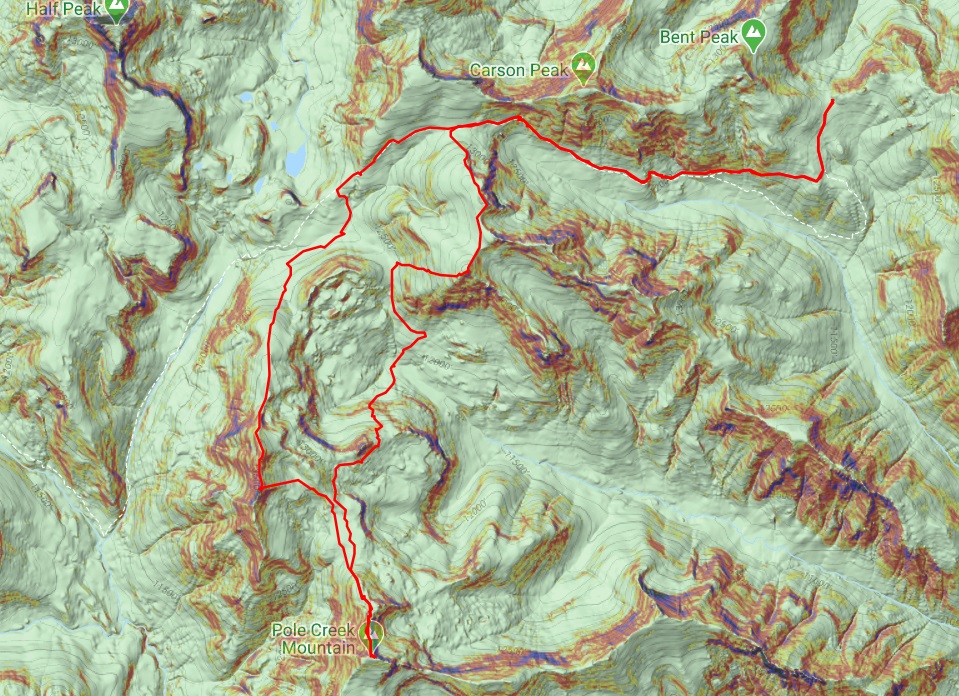
I made it back to my truck at 4:15pm, making this a 19.67 mile hike with 5926’ of elevation gain in 12 hours, 45 minutes. Here’s a topo map of my route:

46

When I made it back to my truck I noticed a marmot running out from underneath. Great. I decided it would be best to try to drive my truck down today in the daylight in case I got stuck, but because I also didn’t want to encounter other vehicles (if possible) I decided to eat dinner first and take my time. Also, I wasn’t even sure yet my truck would drive.

When it was time to go I was able to get the truck to move and tried to see if I could get 4WD to engage by driving the truck around for a bit, but that didn’t work. So I decided to just go for it and head back down the road, going as slow as possible. I probably maxed out at 2mph. When I got to about a mile from the end of the 4WD road I saw another vehicle turning around. It took them 20 minutes to do so, and by this point I was feeling pretty confident about my truck.

47

I made it back to the 36, kept trying different things to get my 4WD light to stop flashing and realized it was hopeless. I drove home and the first thing the next morning went to the dealership. The diagnosis: rodent damage. One of those darn marmots, chipmunks, pikas (etc.) had bitten through the wiring. Luckily it was fixable, and I was out of there within a few hours. They put rat tape over the wires to hopefully prevent this from happening again. I’d never heard of rat tape before, but it sounds like it should be on all wires.

I consider myself lucky: after years of leaving my truck in the backcountry this is the first time I’ve ever had this issue where it’s caused concern. I’ve chased some porcupine’s out from underneath my truck before, but that was before any damage was done.

I’ve done some serious thinking about the issue, and I think a physical barrier is the only way I’m going to keep rodents out. So here’s my idea: tomorrow I’m going to Home Depot and buying a large tarp and some bungee cords. When I park at the next trailhead I’m going to lay out the tarp, drive over it, and then secure it around my truck with bungee cords to prevent critters from getting underneath.

This is just a thought at this point, but something I hope to implement and test soon.