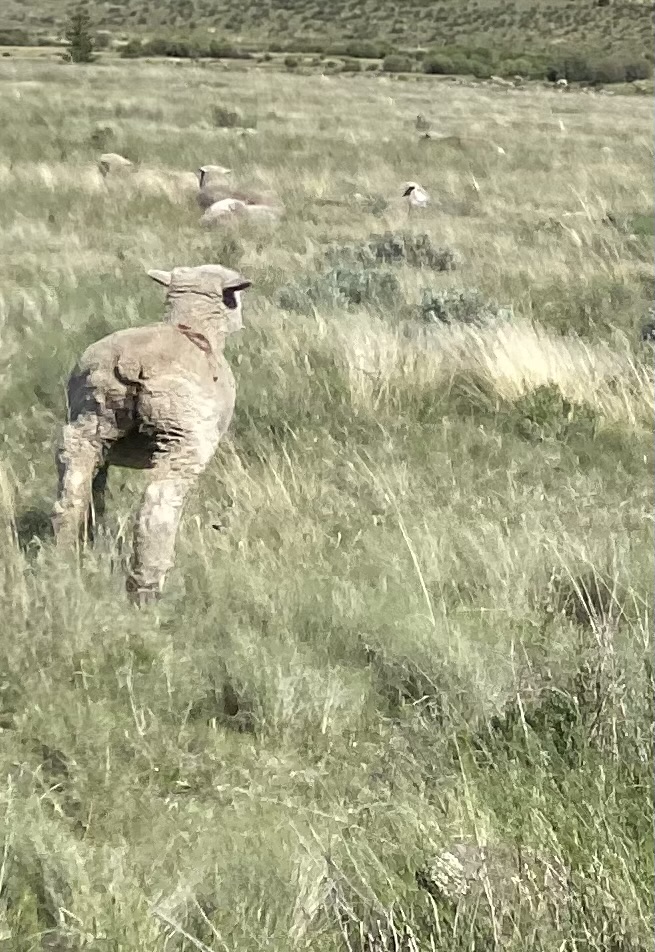
I drove to the Eddiesville trailhead the night before, hoping to get a good look at current conditions in the mountains. On the way in I saw an old, 1980s brown Tacoma parked on the side of the road, and a man sitting on a rock, watching a herd of sheep. All the sheep were facing the opposite way (I’ve become a pro at animal butt shots at this point).
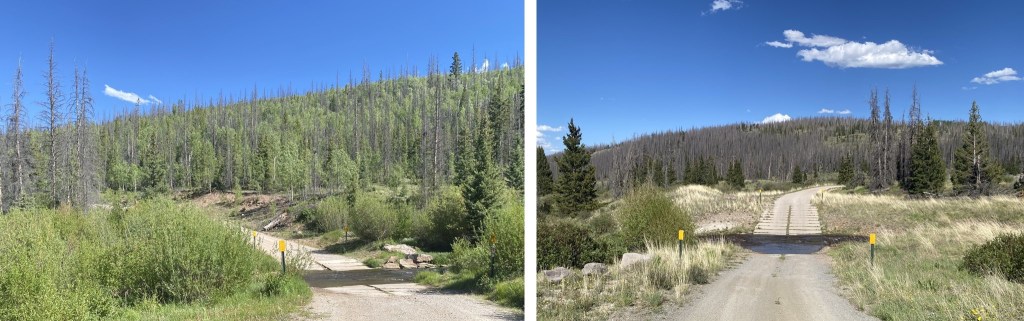
Both creek crossings were manageable, and all the downed trees had been cleared off the dirt road.
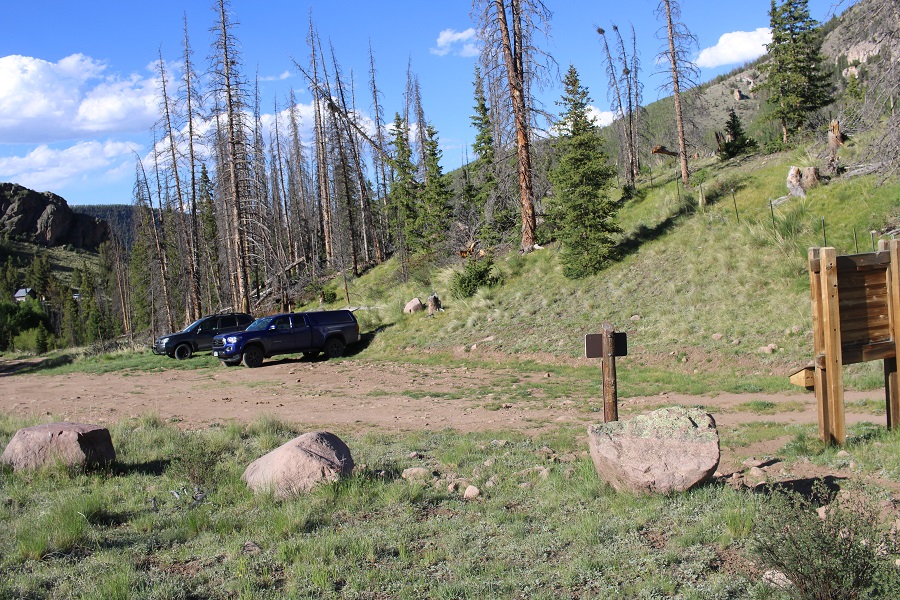
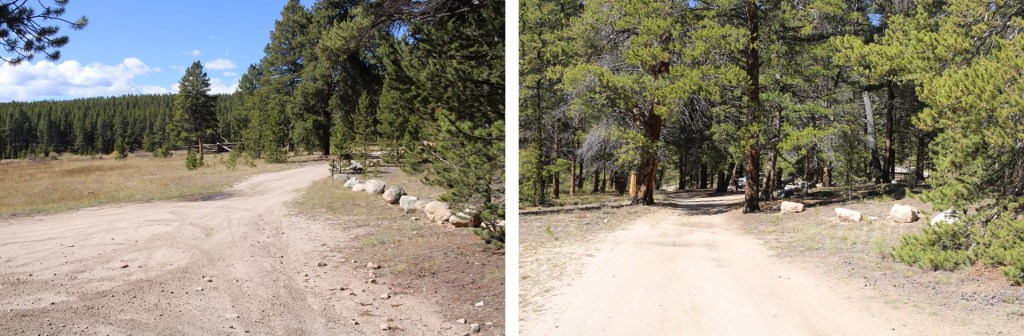
There was only one other vehicle in the parking area, which fits about 10 vehicles if everyone parks nicely. No mosquitoes, but tons of flies (they didn’t bite, they were just annoying).
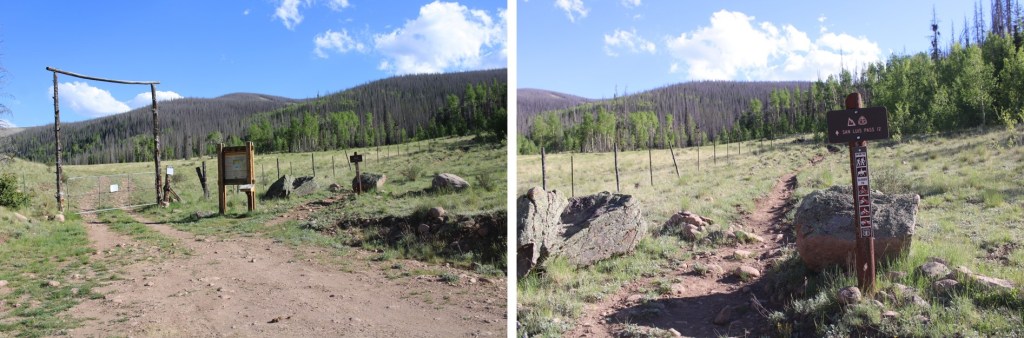
I threw 3 socks full of moth balls under my truck, wondering where the 4th one went (maybe a marmot absconded with it?) and went to bed. I was on the trail at 4am. The trail starts at the south end of the parking area, and follows the Colorado Trail.
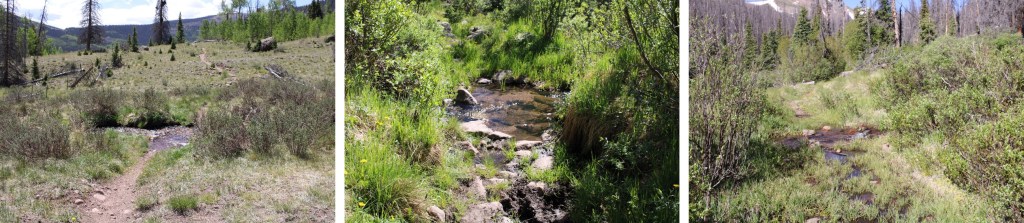
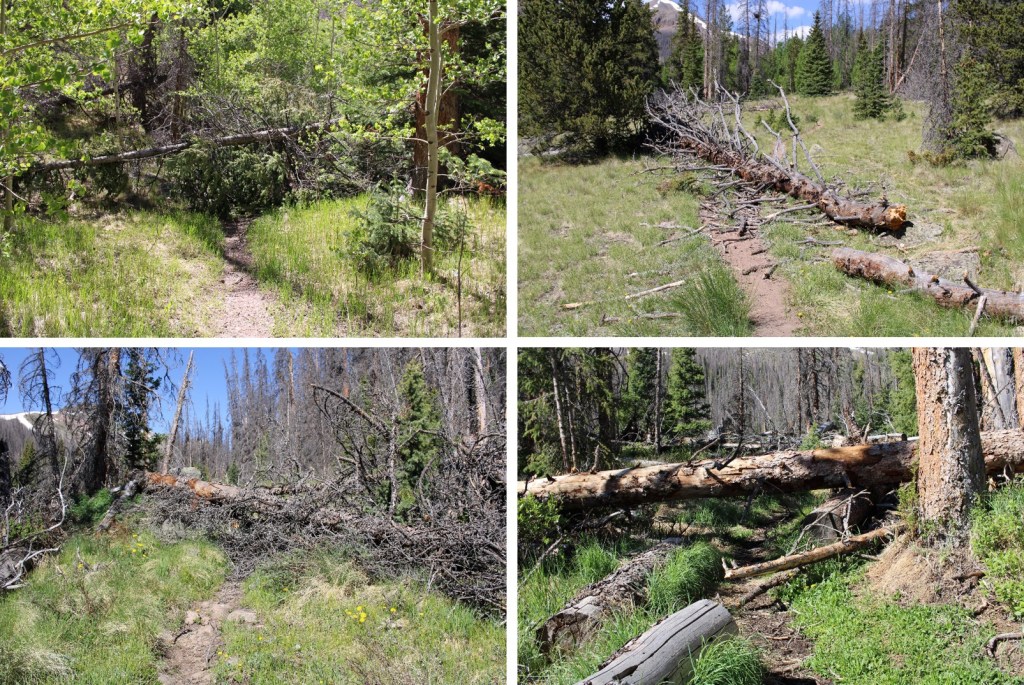
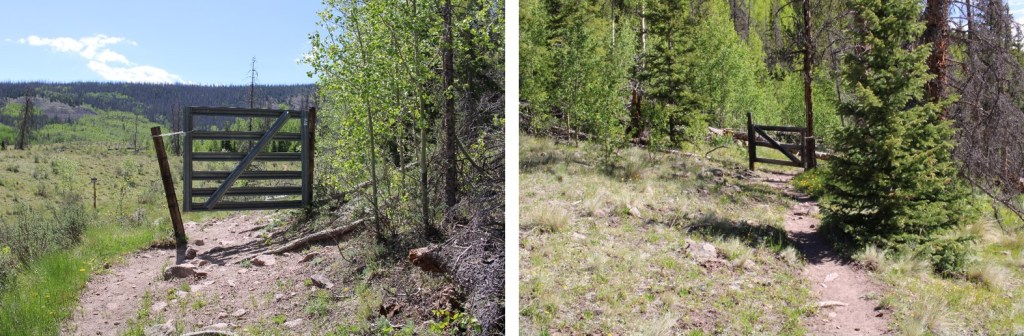
I followed the Colorado Trail for 8.25 miles, all the way to the San Luis Peak/13166 saddle. This was a very well-marked trail, which made it difficult to get lost. Also, there weren’t many trail intersections, also making it easy not to get lost. I crossed several small creeks and downed trees on my way, and passed through two gates (latched, not locked).
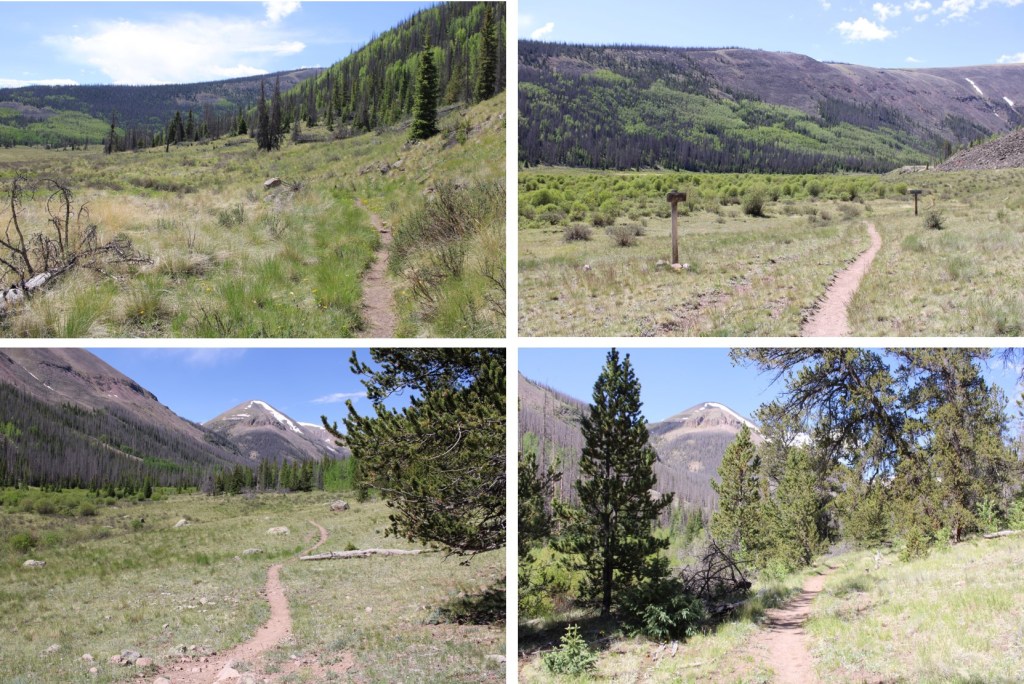
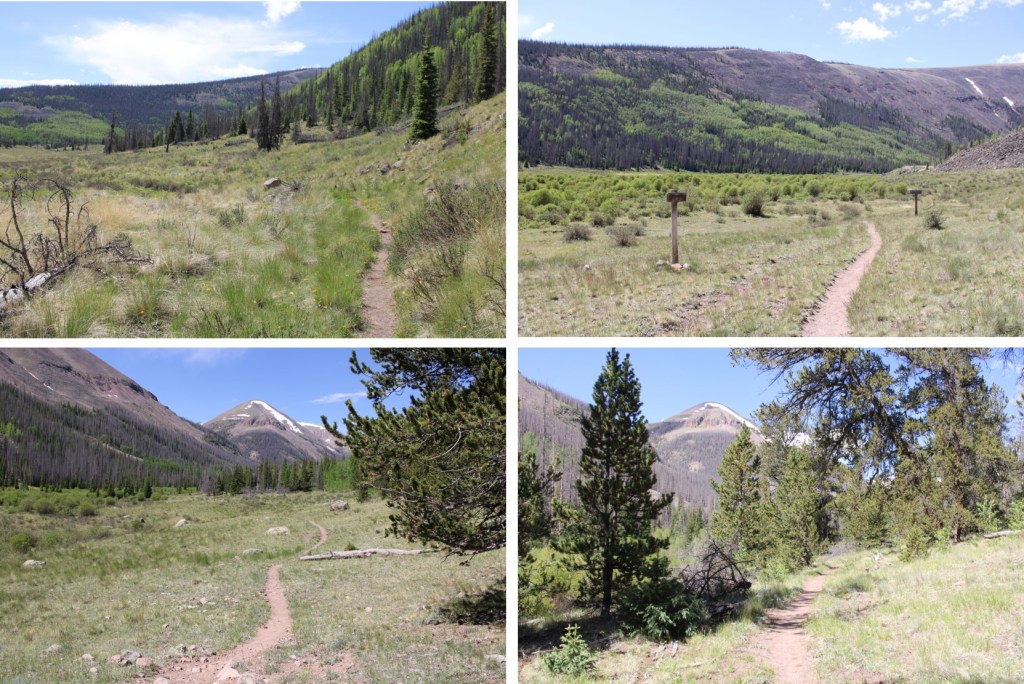
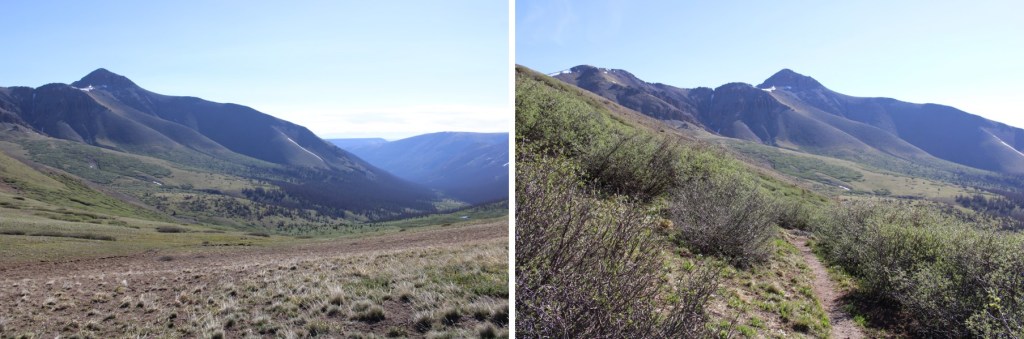
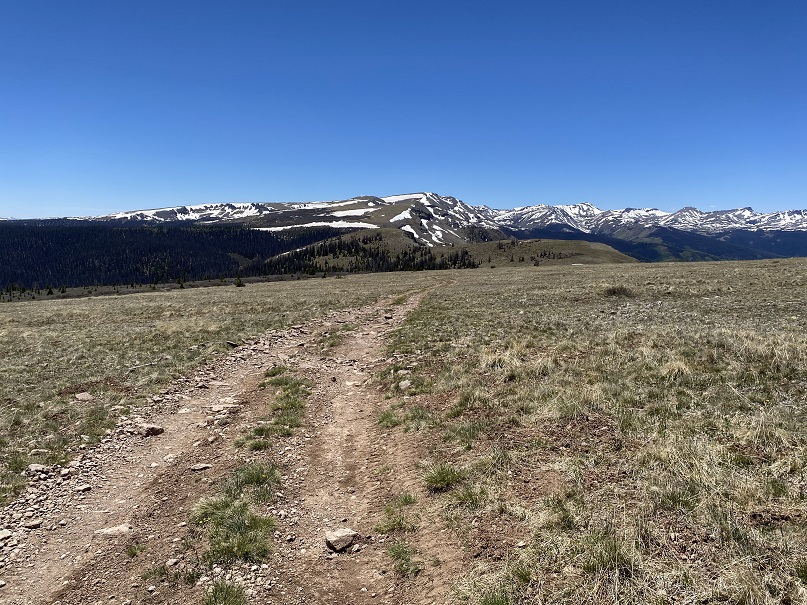
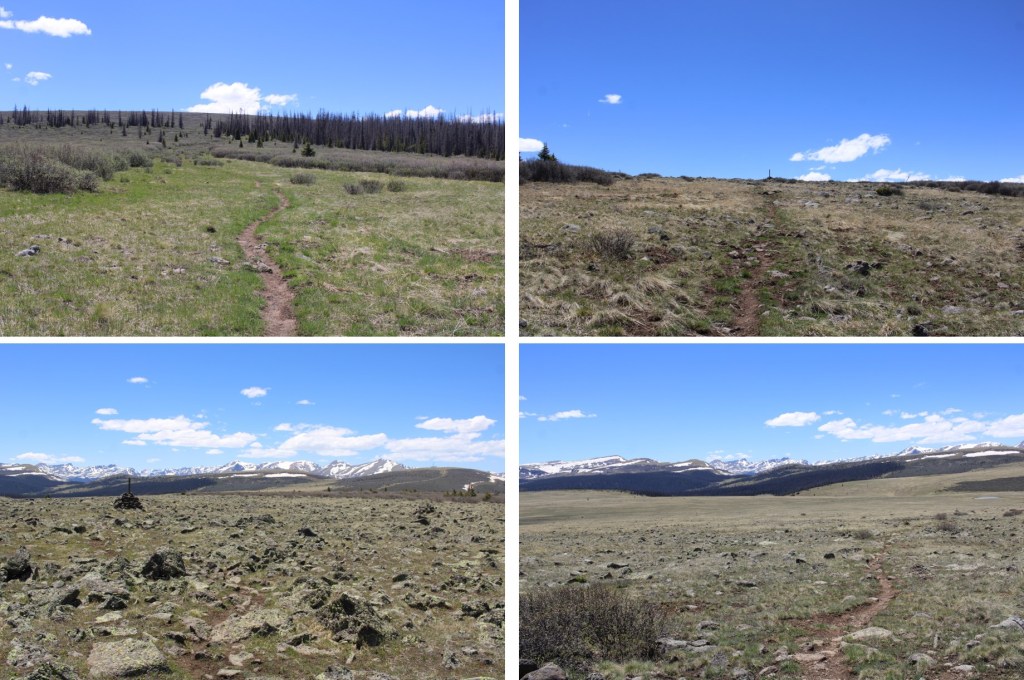
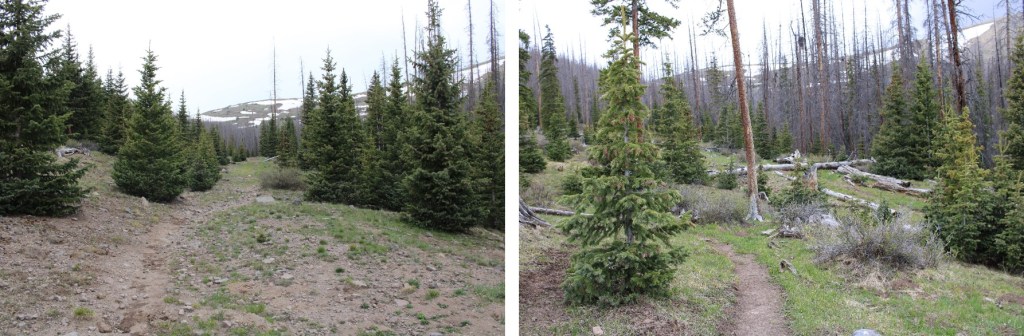
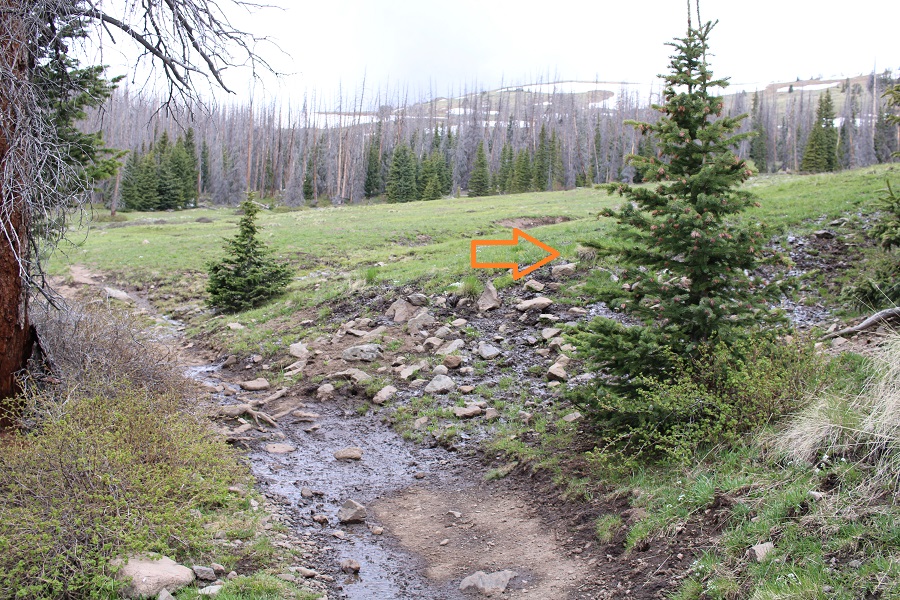
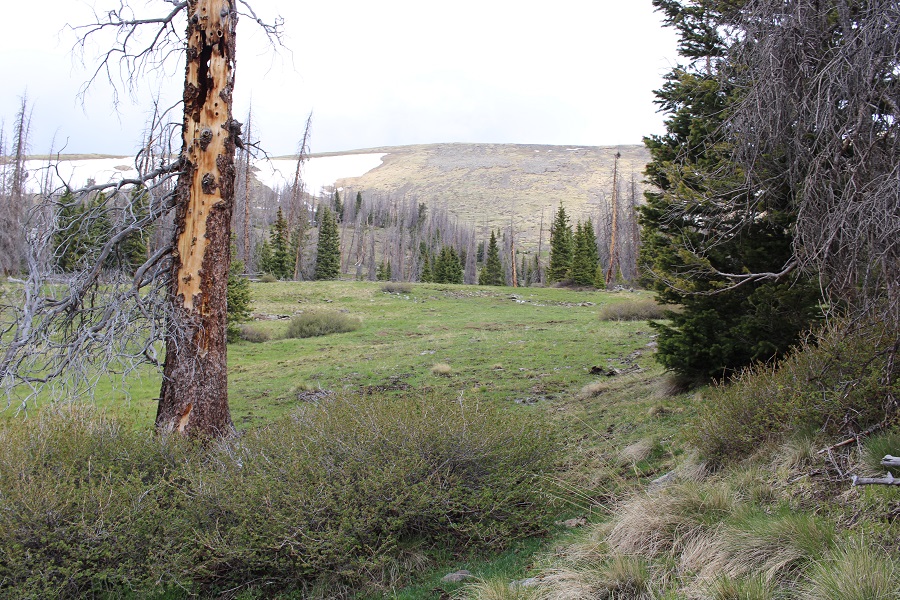
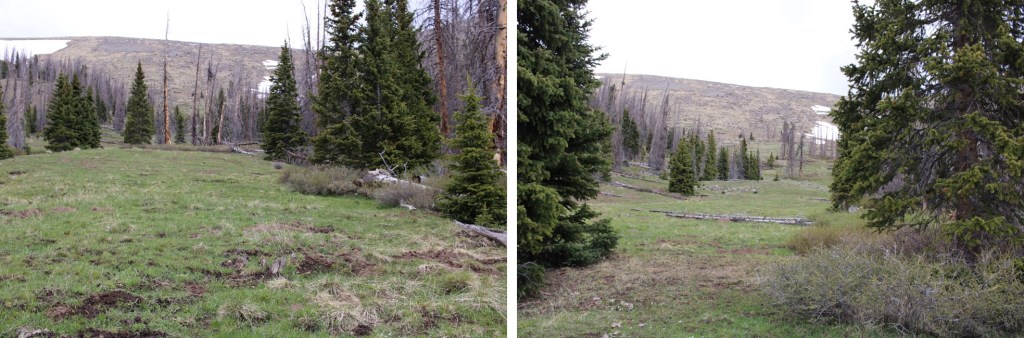
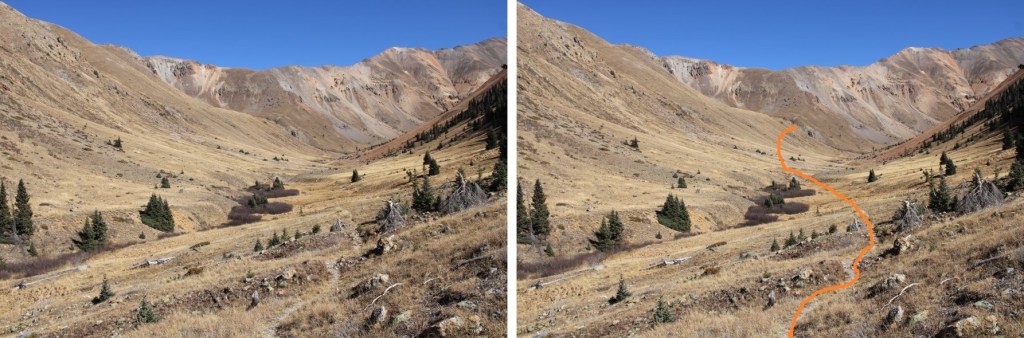
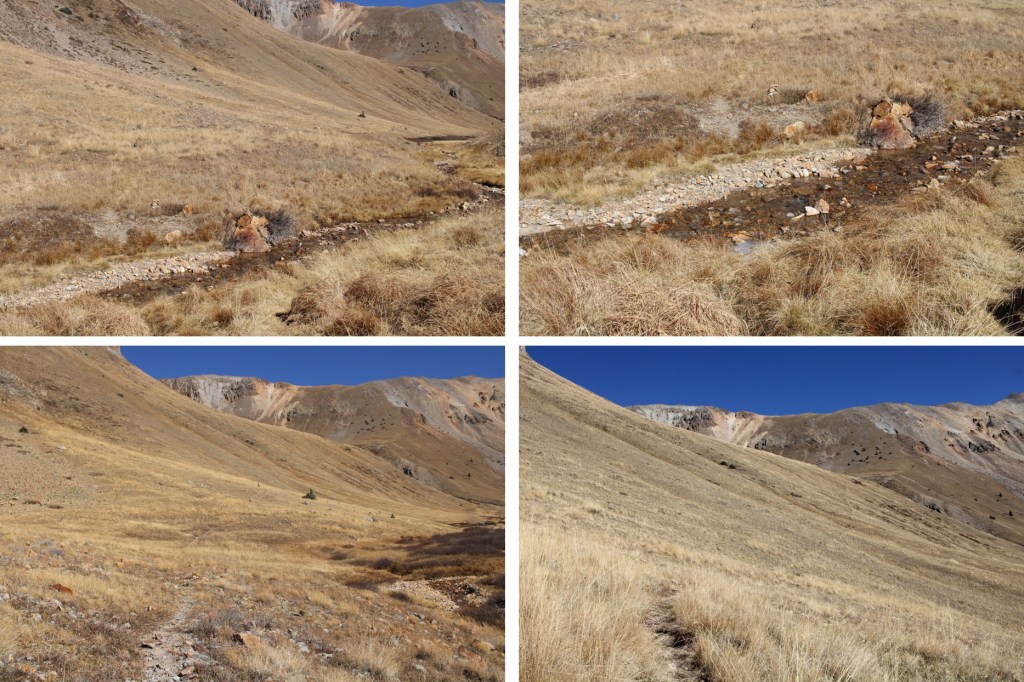
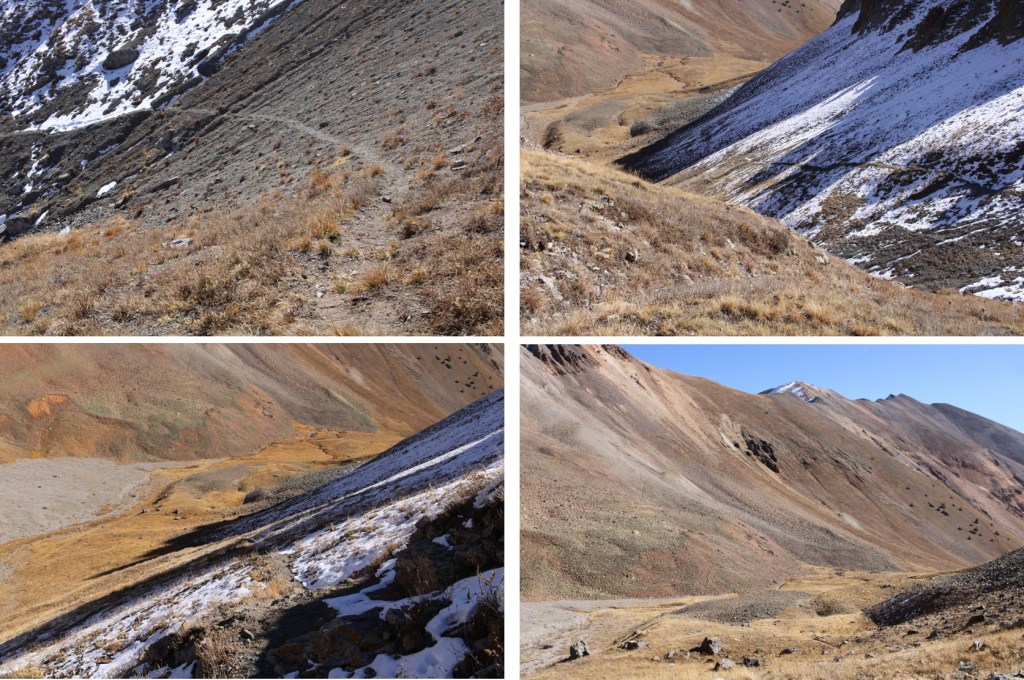
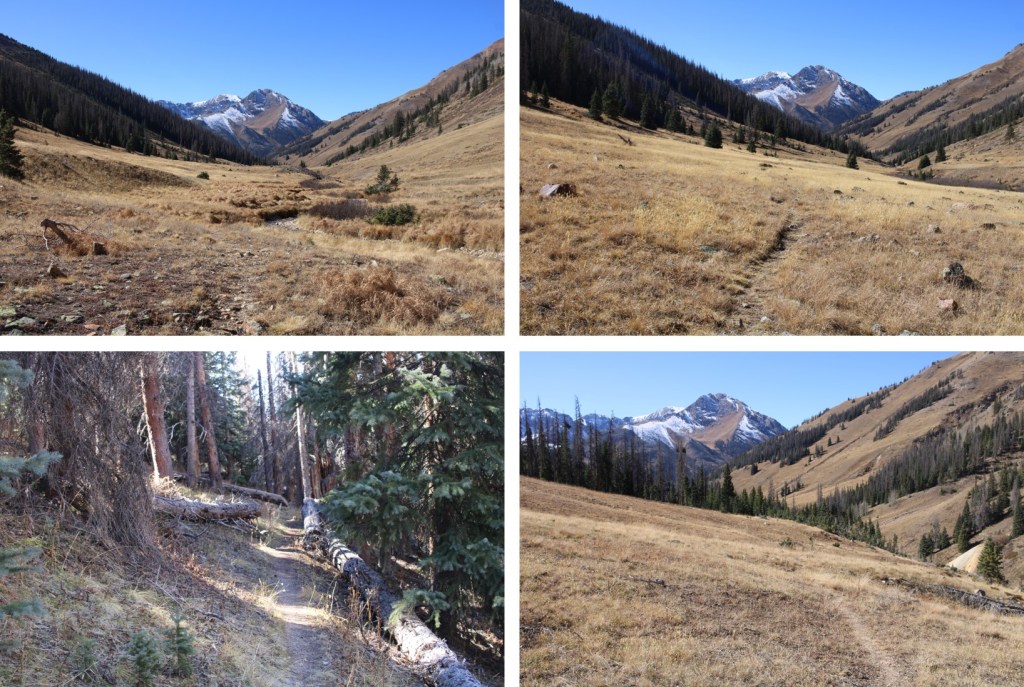
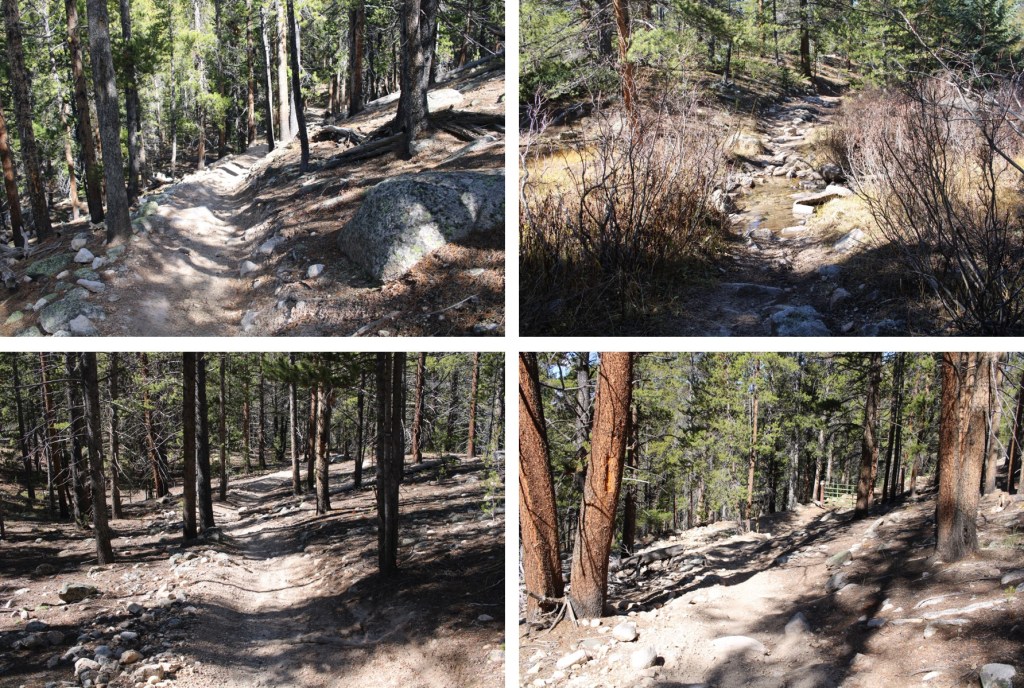
Here are some pictures of the terrain, which followed Cochetopa creek up the basin.
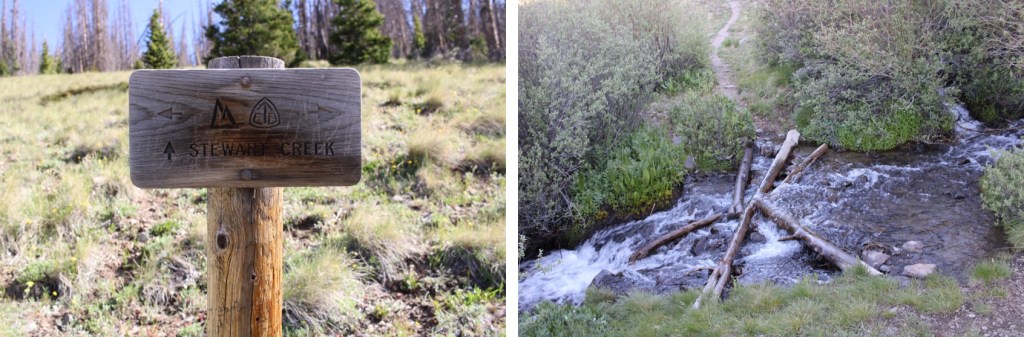
After hiking for 7 miles, I crossed Stewart Creek
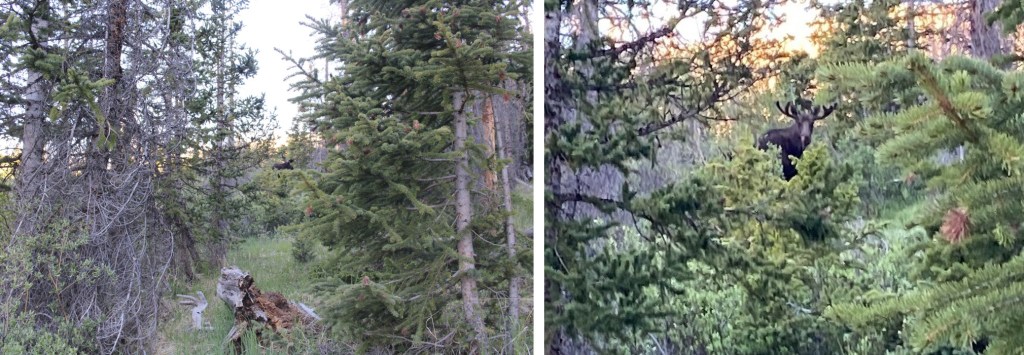
and saw a moose. I have him his space, even though he was directly on the trail.
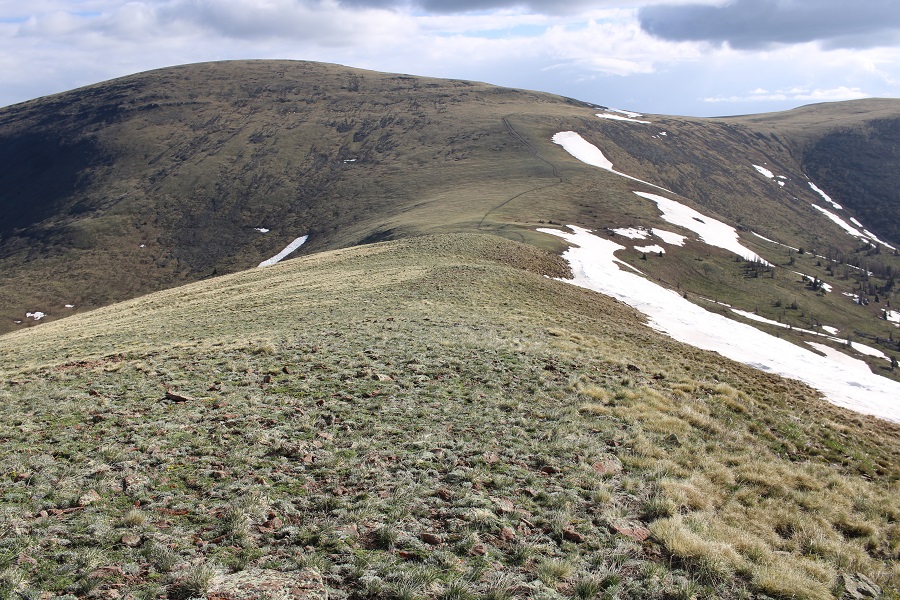
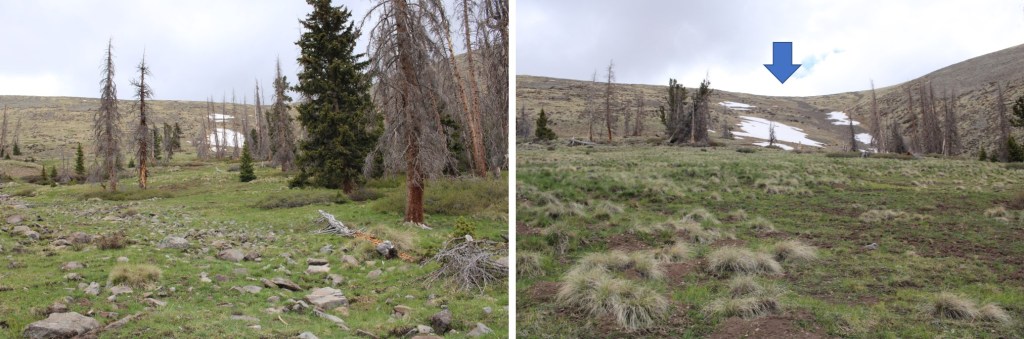
I was now above treeline, and could see the 13166/San Luis Peak saddle.
The Colorado Trail nicely brought me there.
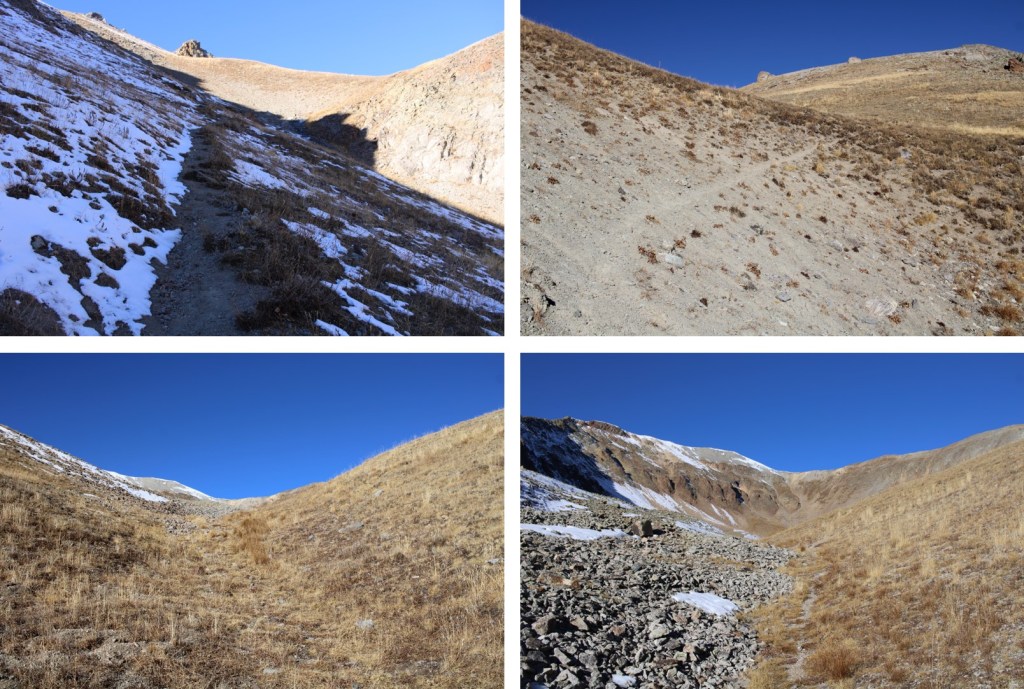
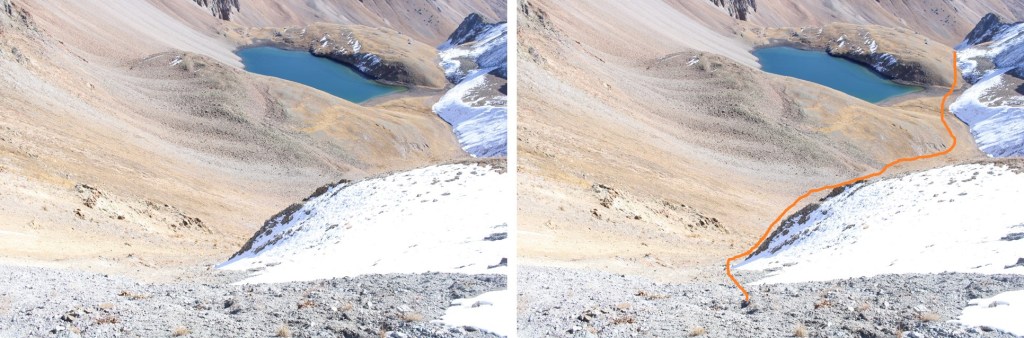
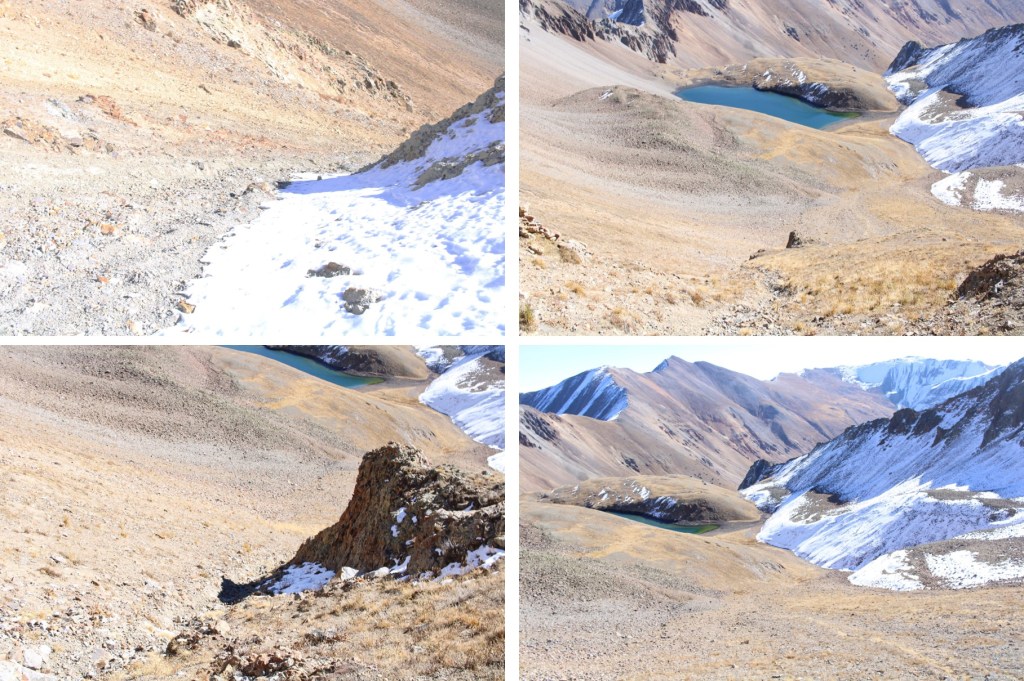
For those of you looking for the current conditions for San Luis pass, here they are. Still areas of snow on the trail, but passable.
At the saddle, I disturbed a small herd of deer.
Deer:
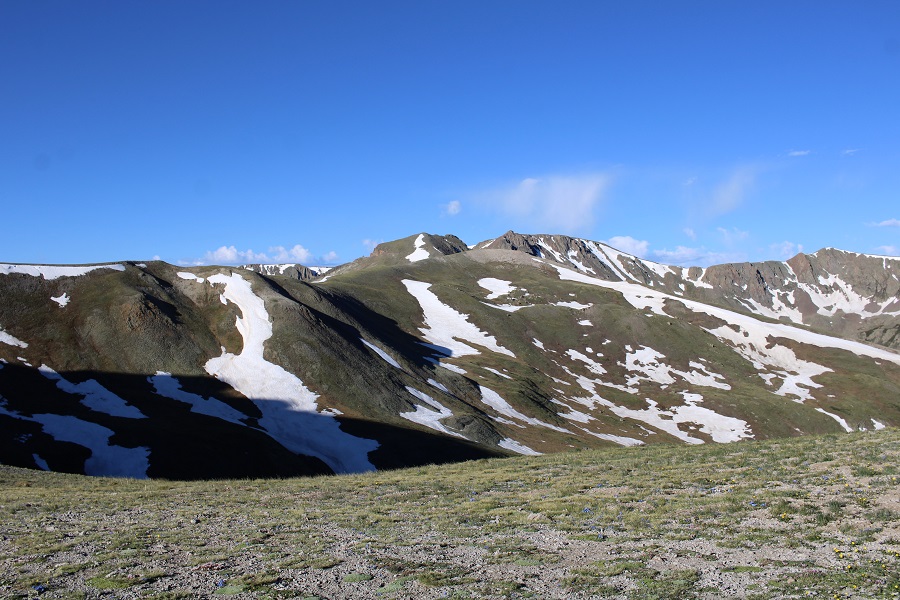
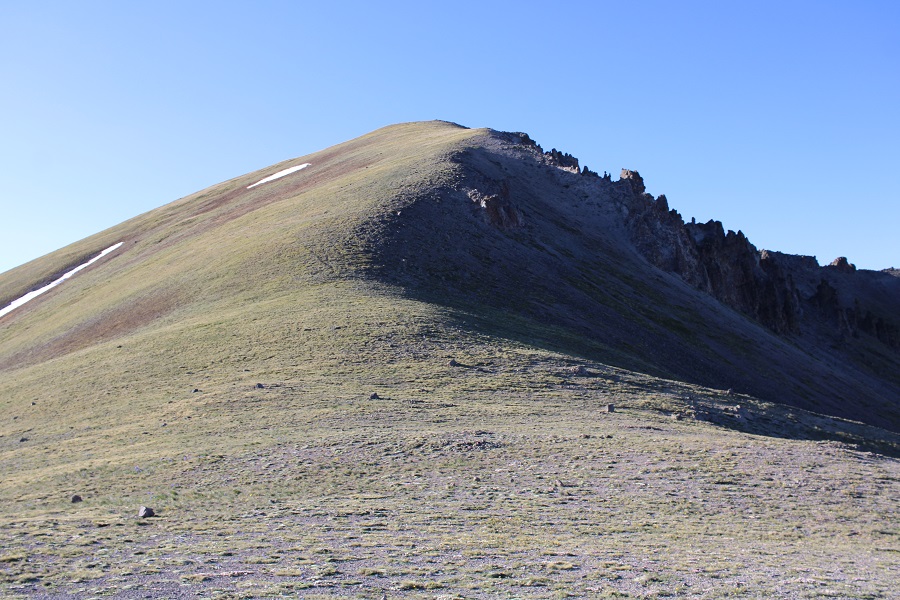
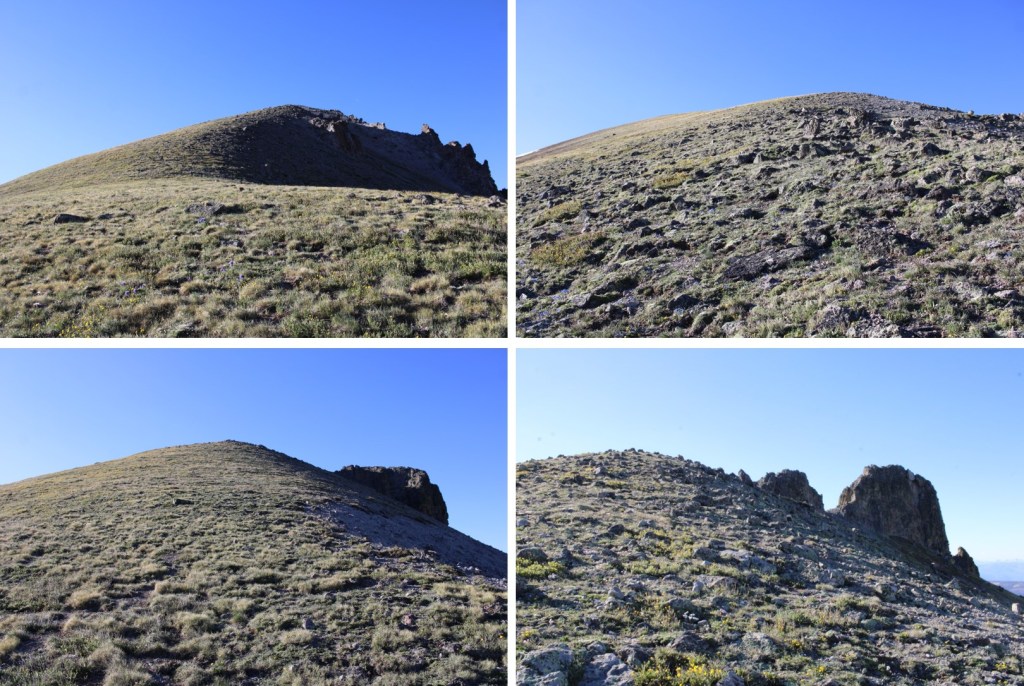
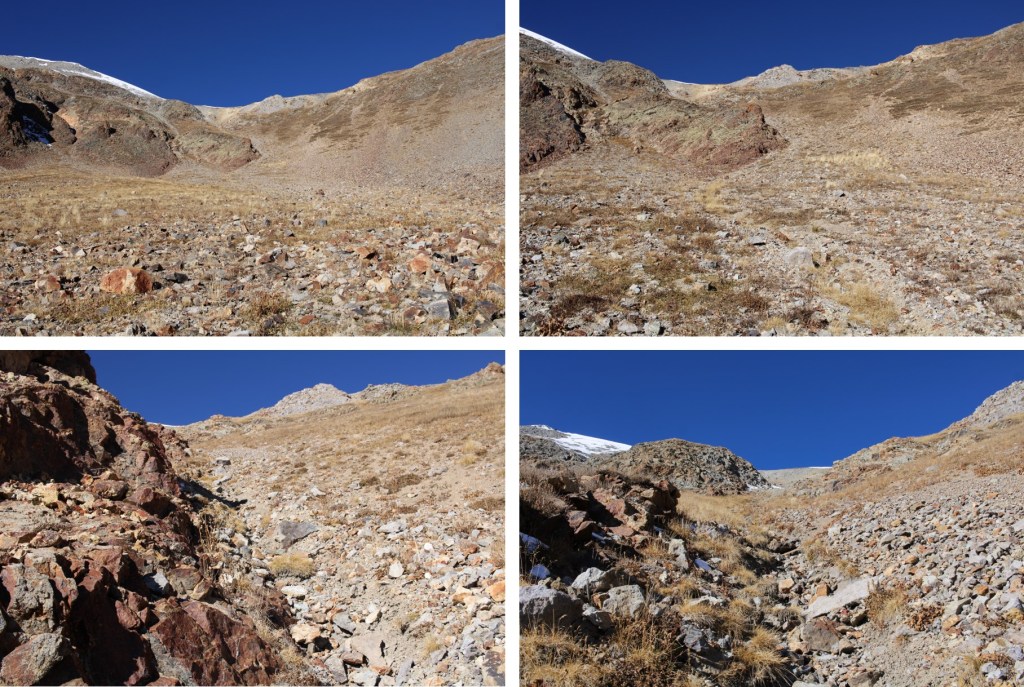
From the saddle, I turned left and headed southeast, gaining 525 feet of elevation towards the summit. This was easy tundra to navigate.
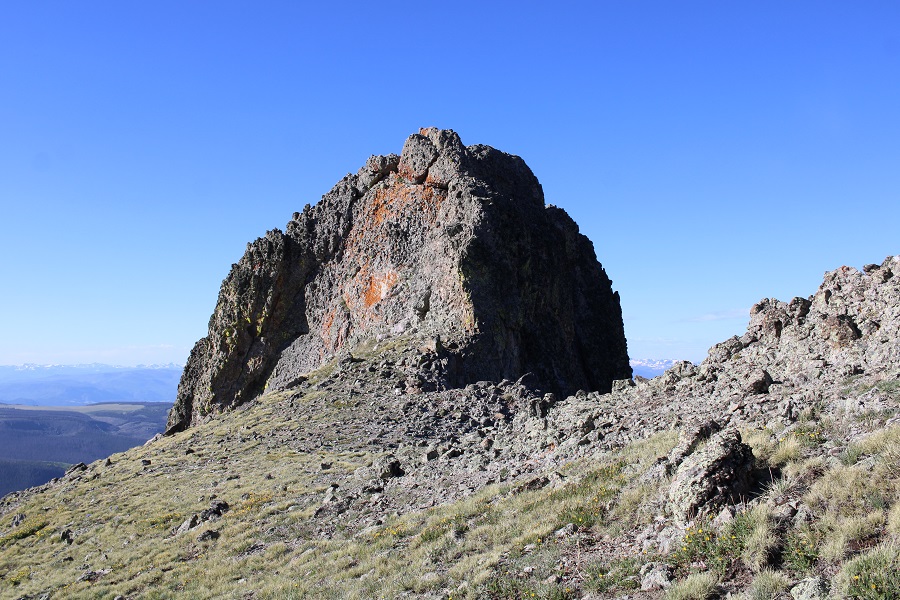
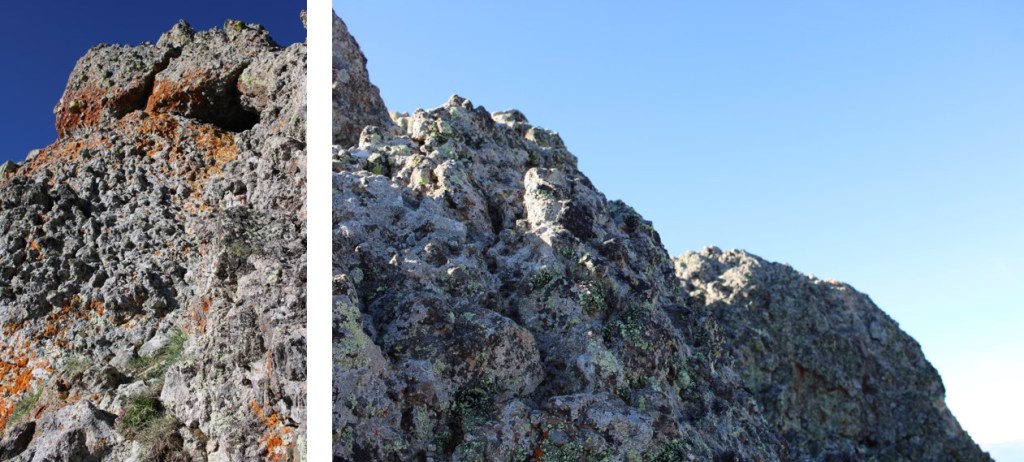
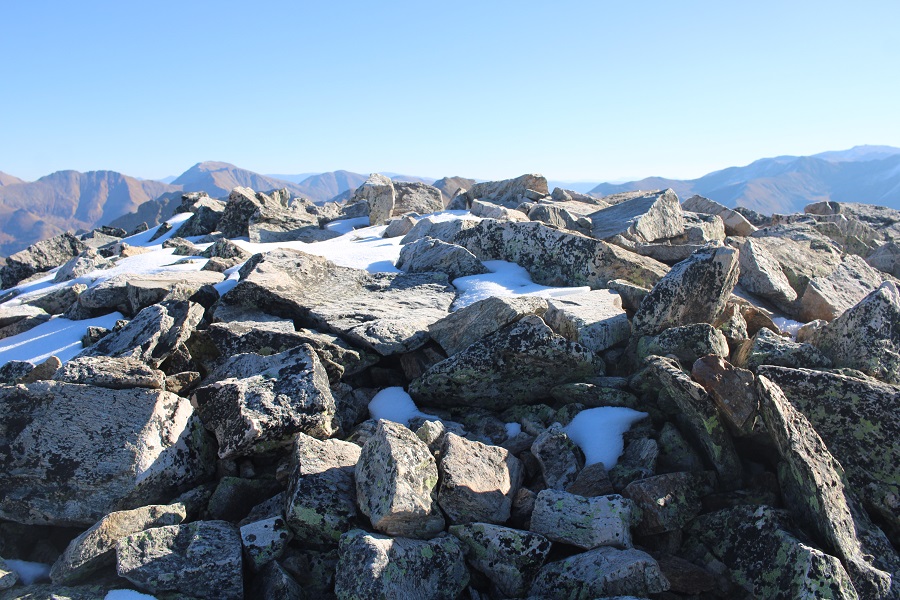
Until I saw this. Hmmm… I was going to have to go and investigate. I headed to the east side of the formation, dropped all my gear except my camera, and headed up. Sorry, no helmet, as I wasn’t aware this was more than a class 2 hike.
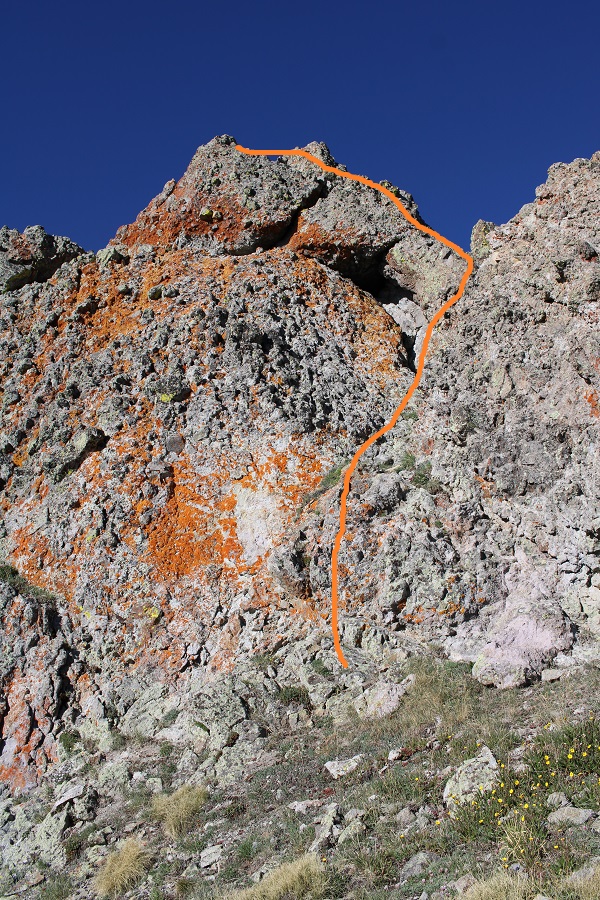
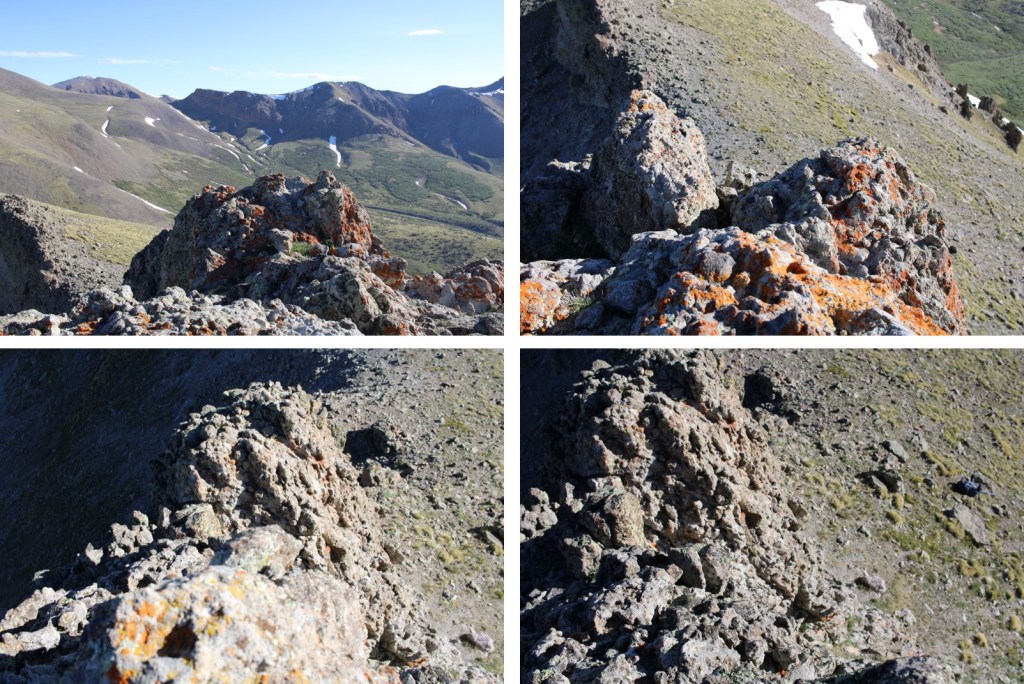
This was easier than it initially looked, nothing worse than rainbow climbing at the gym. The rock was all grippy, sturdy, and had lots of hand/footholds. The rock was solid, like in the Crestones, but with more and larger hand holds. I’d call this 30 feet of vertical climbing exposed class 3.
Here’s the route I took up, following the orange rock to the ridge, turning left, and crawling on hands and knees to the summit because it was windy (and exposed, and I didn’t have a helmet, etc.).
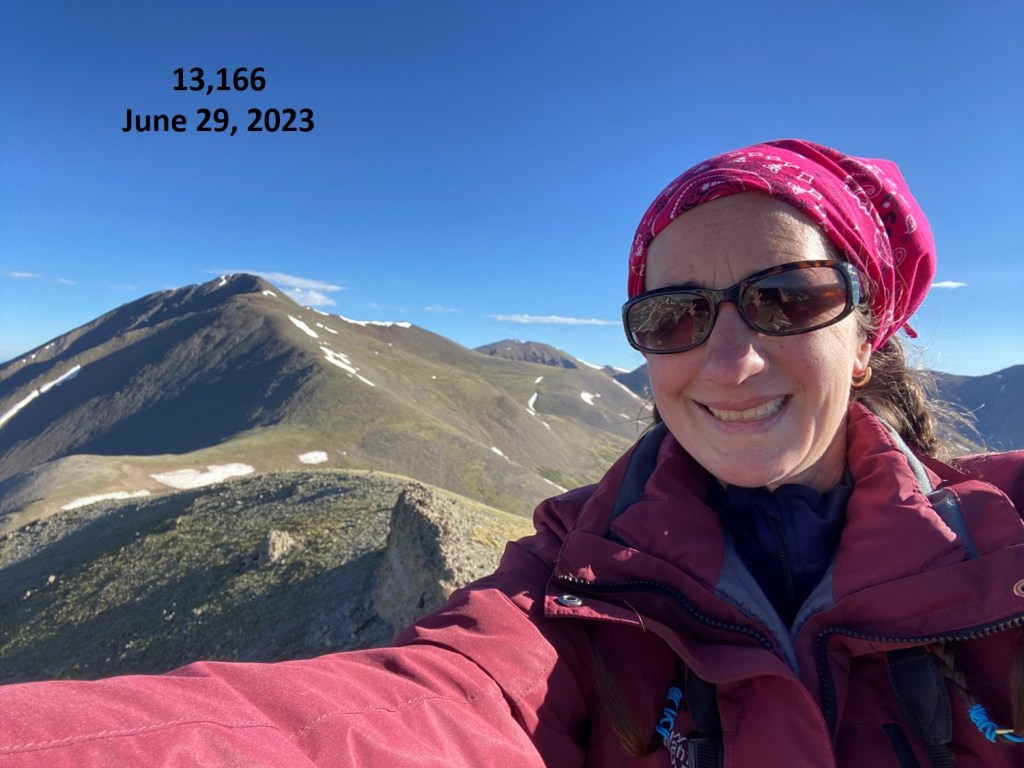
I summited 13,166 at 8am
13166:
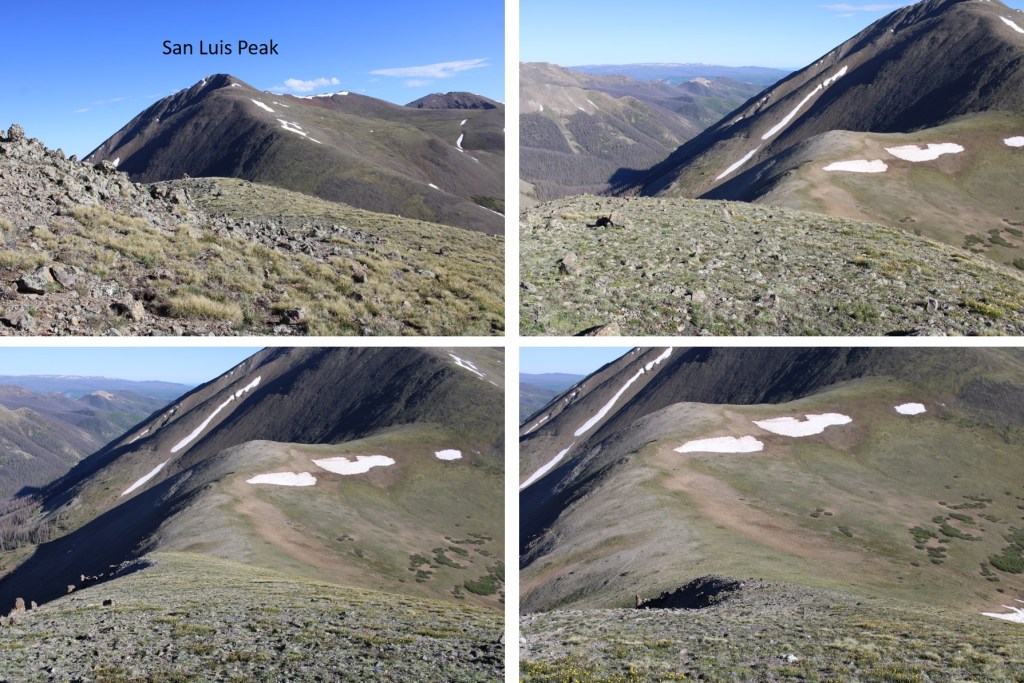
Now to head back down. I actually just did this feet first, no need to turn and face the wall. There are plenty of hand and foot placements to use for support.
Back on firm ground, I grabbed my gear, and headed back to the saddle.
Back on the Colorado Trail, I followed it back to the trailhead
Oh, and I saw another moose. This one was curious, and kept walking towards me, so I didn’t stay long.
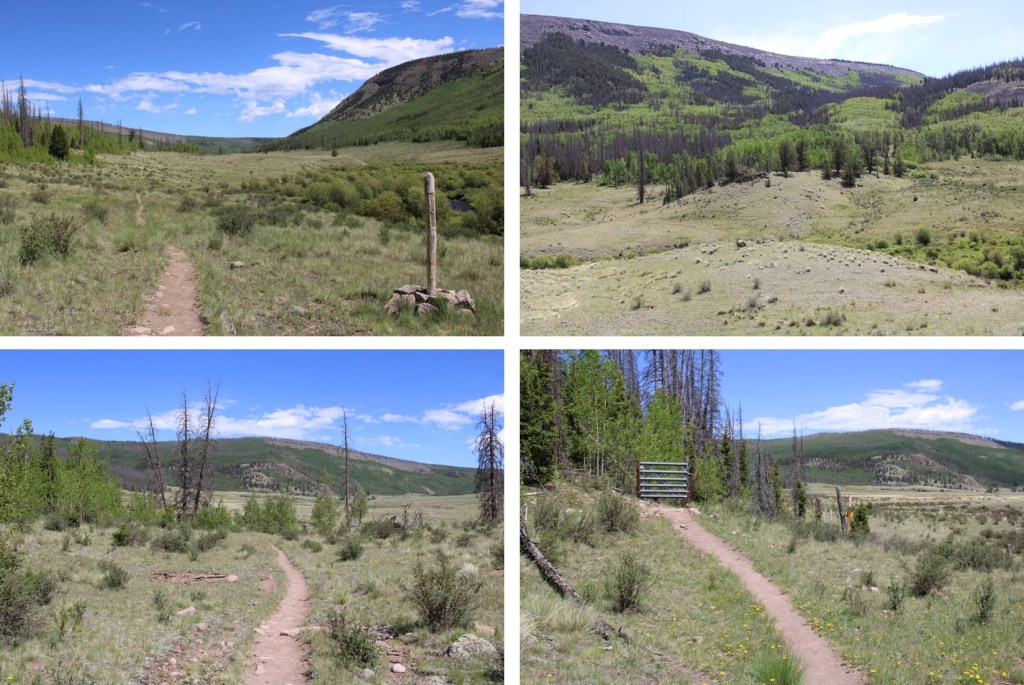
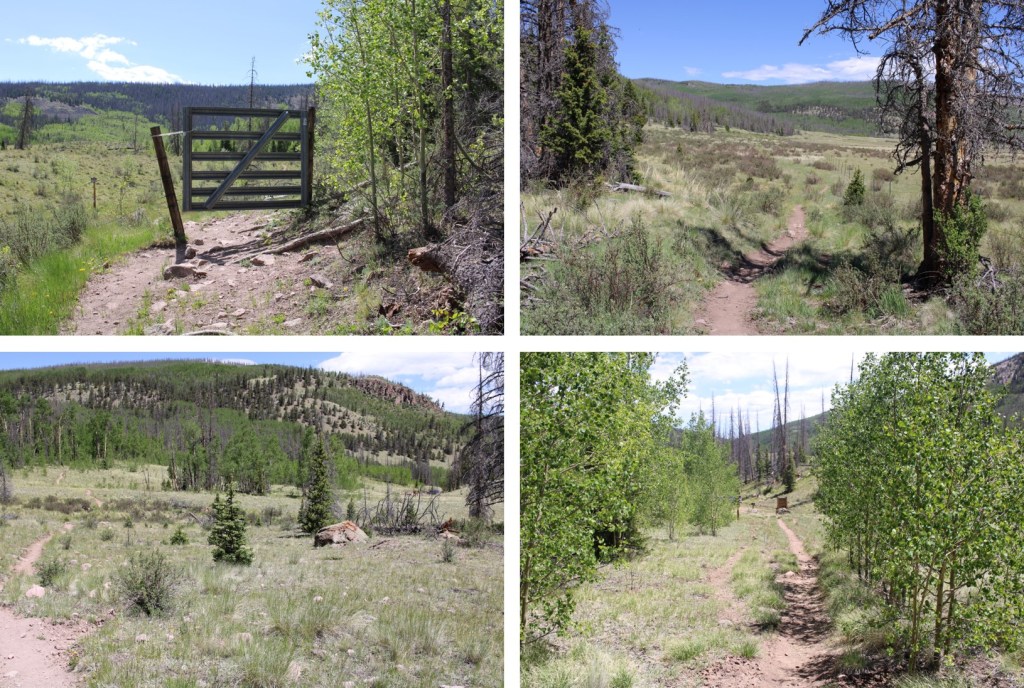
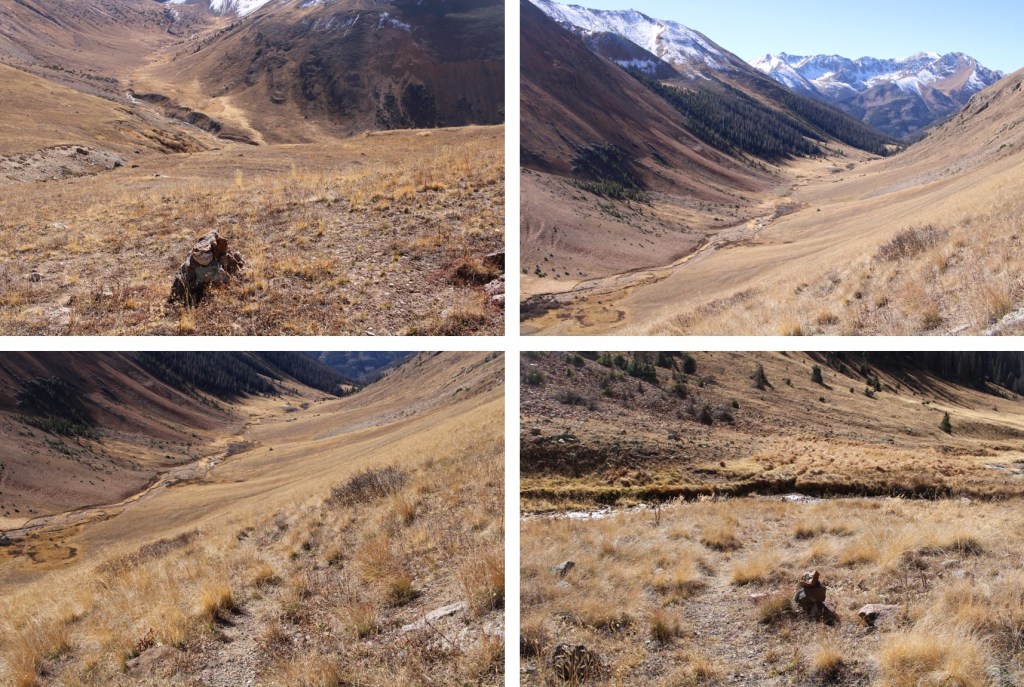
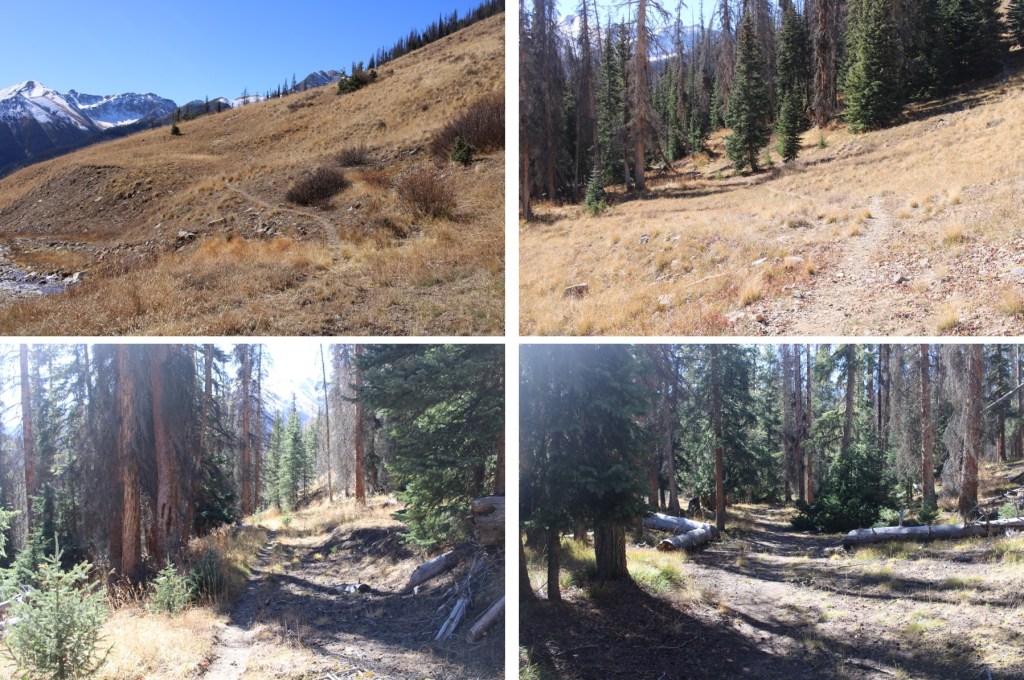
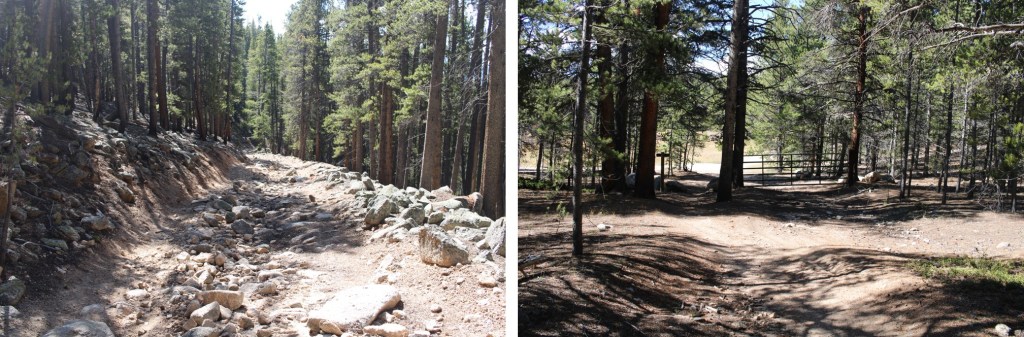
Here are some pictures the rest of the way back to the trailhead
Back at the trailhead, I noticed a chipmunk under my truck, seated atop a sock full of moth balls. So I’m guessing they don’t work with chipmunks. Oh well, at least it wasn’t a marmot. I made it back to my truck at 11am, making this a 17.29 mile hike with 3120’ in elevation gain in 7 hours.
I’d say “on to the next trailhead!” but I’m staying here.
I know the traditional way to do this peak is from Carson Pass, but the last time I drove that road I told myself it would be the last time. I had marmot issues parking at the pass, and lost my 4WD on the way down. It wasn’t ideal. Earlier this summer I had attempted to make it to Carson Pass from the bottom of the trail, near where CR 30 and 36 meet. I was greeted with hoards of mosquitoes, and decided to hike another peak instead.
This time, I parked at Spring Creek Pass, knowing it was going to be a long day. What I hadn’t anticipated were all the elevation gains and losses along the way. The parking lot holds about 20 vehicles if everyone parks nicely. Another bonus: It’s a paved 2WD road to get there, and the bathroom was stocked and clean.
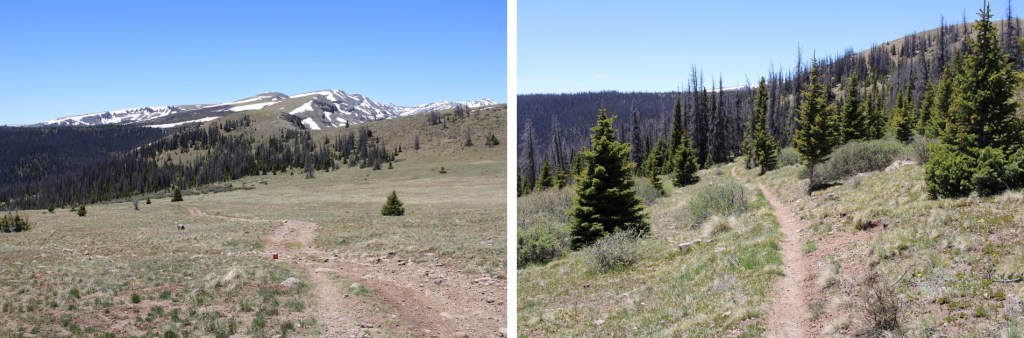
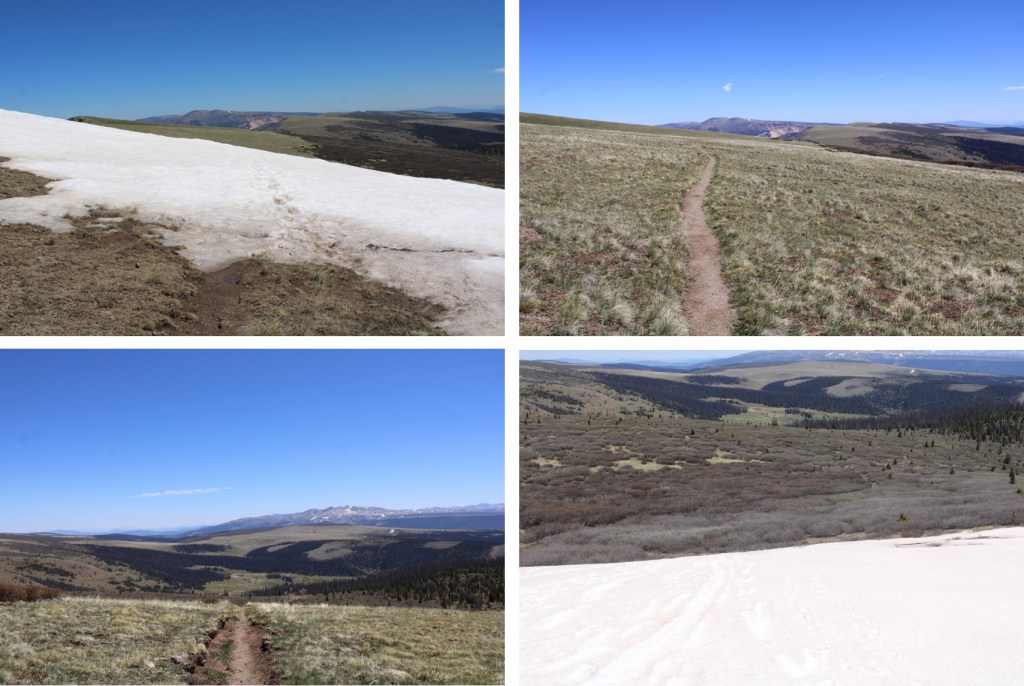
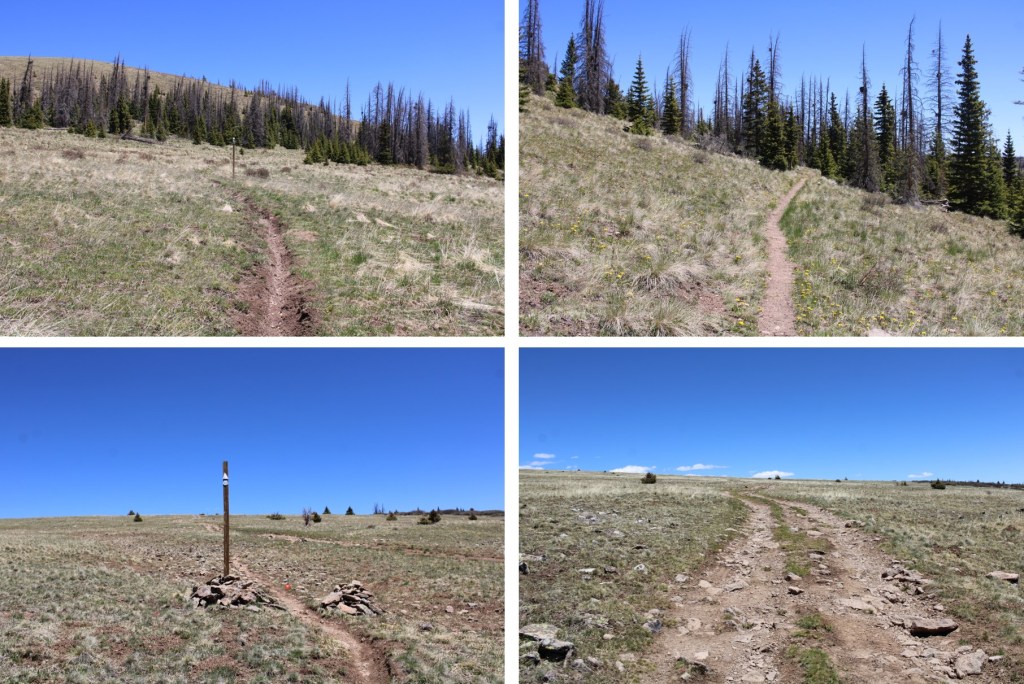
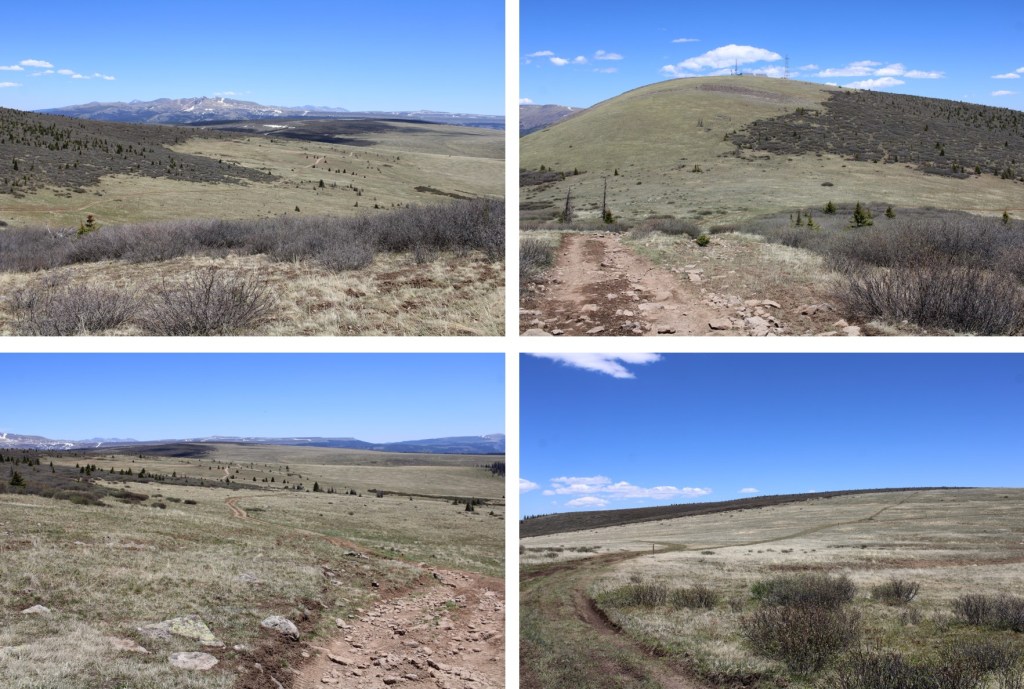
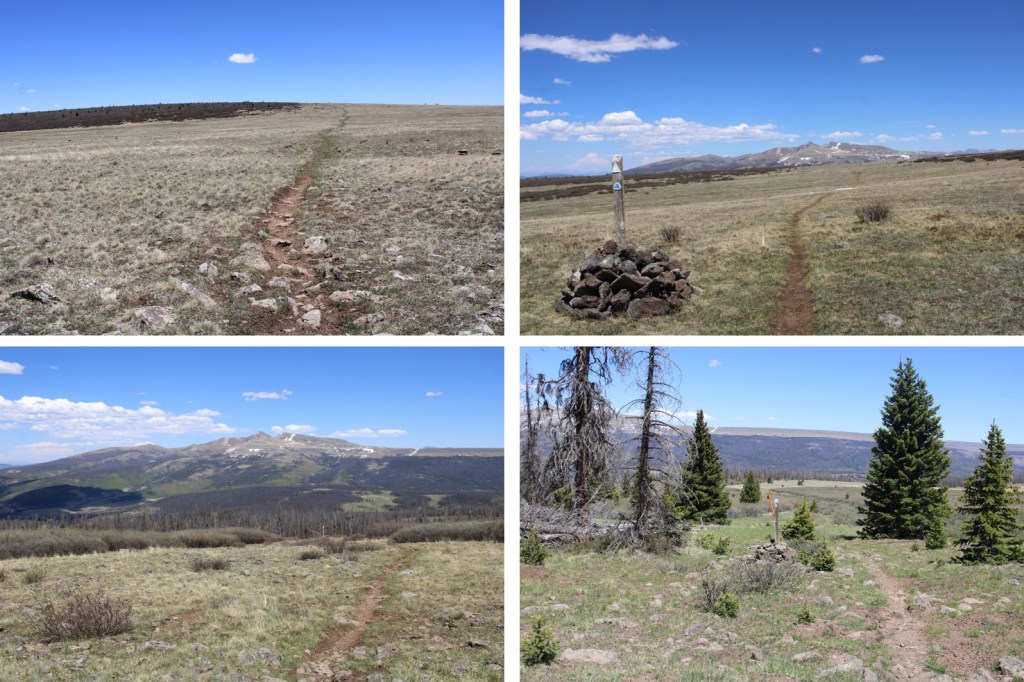
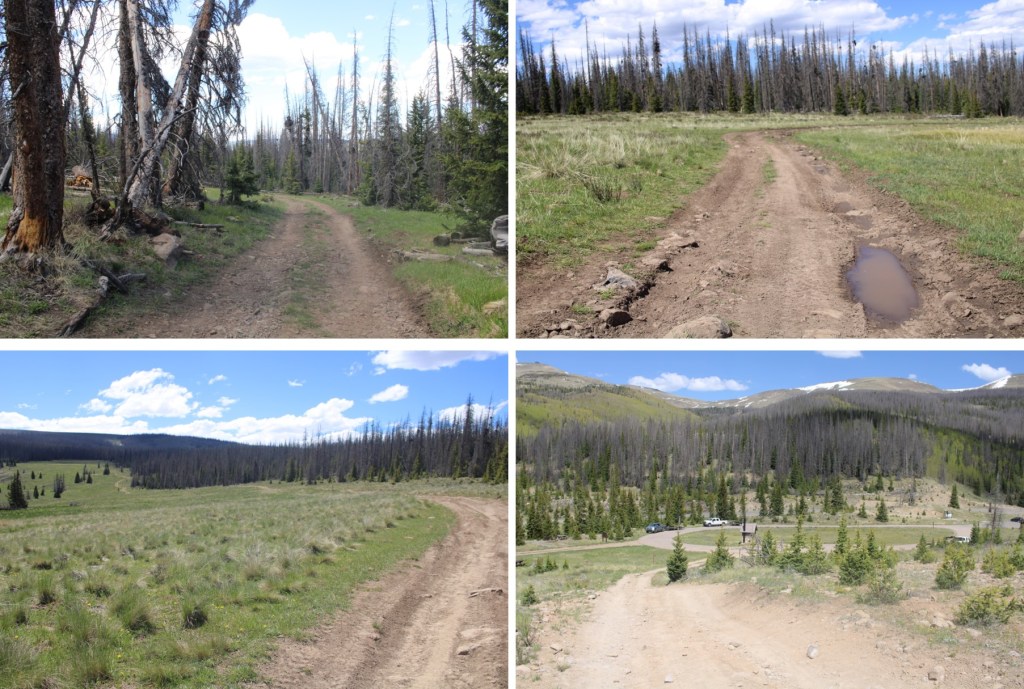
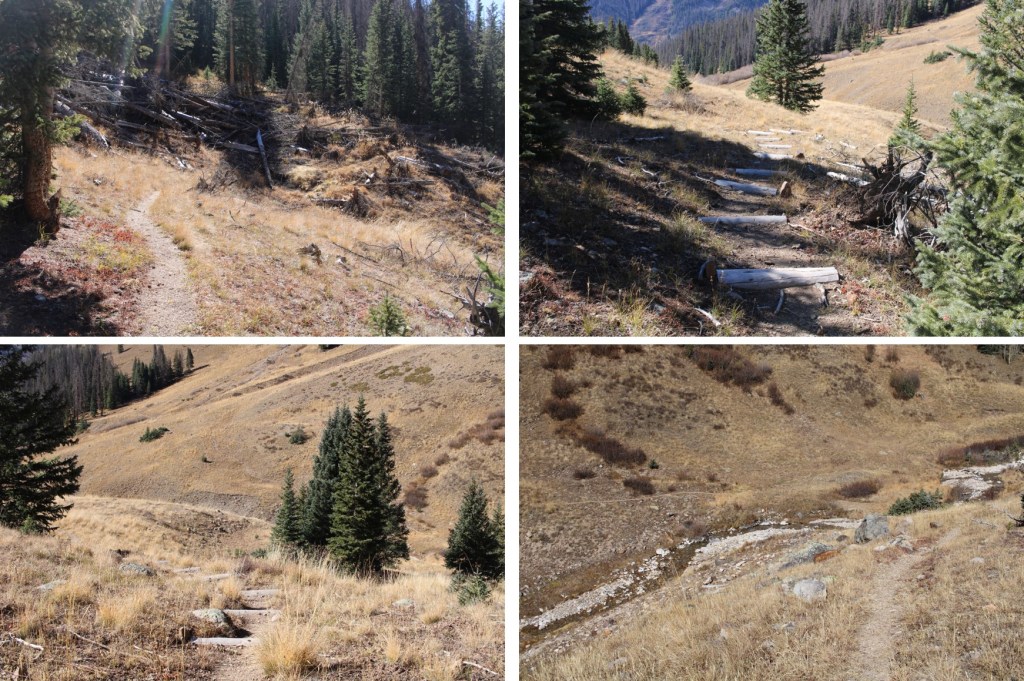
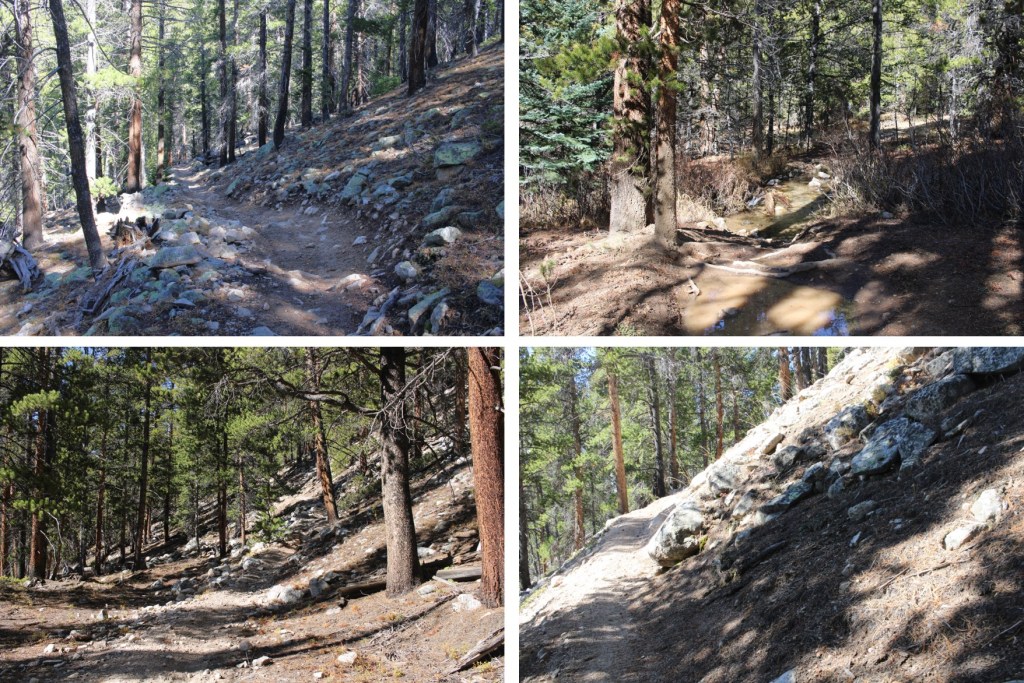
I parked and was on my way at 1:45am. I followed Trail 813/Colorado Trail/Continental Divide Trail for most of this hike. On the way in, in the dark, I took the 4WD road 547.1, which eventually connected back up with the Colorado Trail, but added about an extra mile. I followed the very well-marked trail west for 8.25 miles. Here are some pictures of that well marked trail, as it went in and out of the trees (which it seemed to do the entire hike).
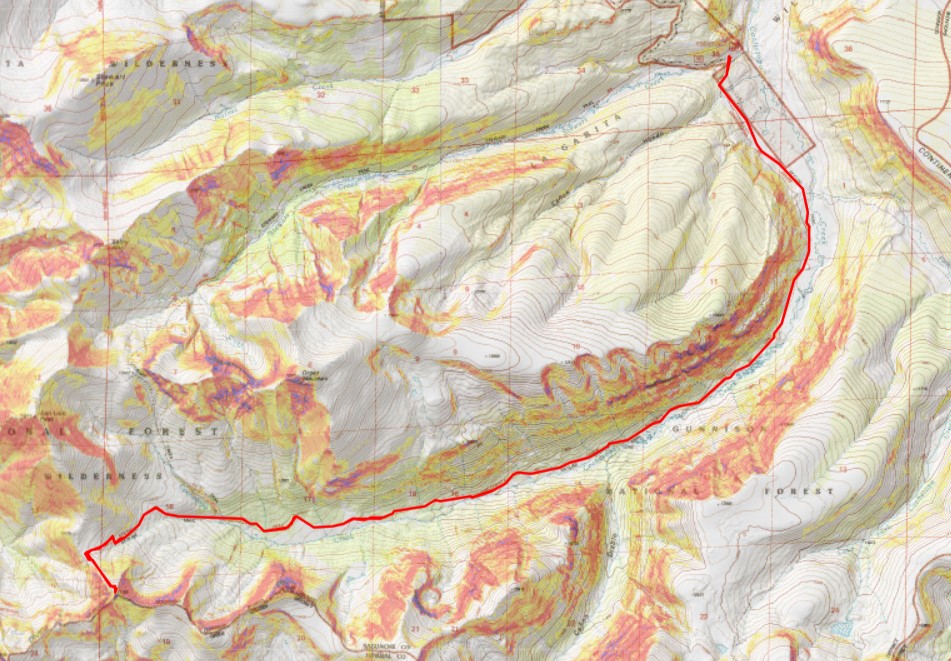
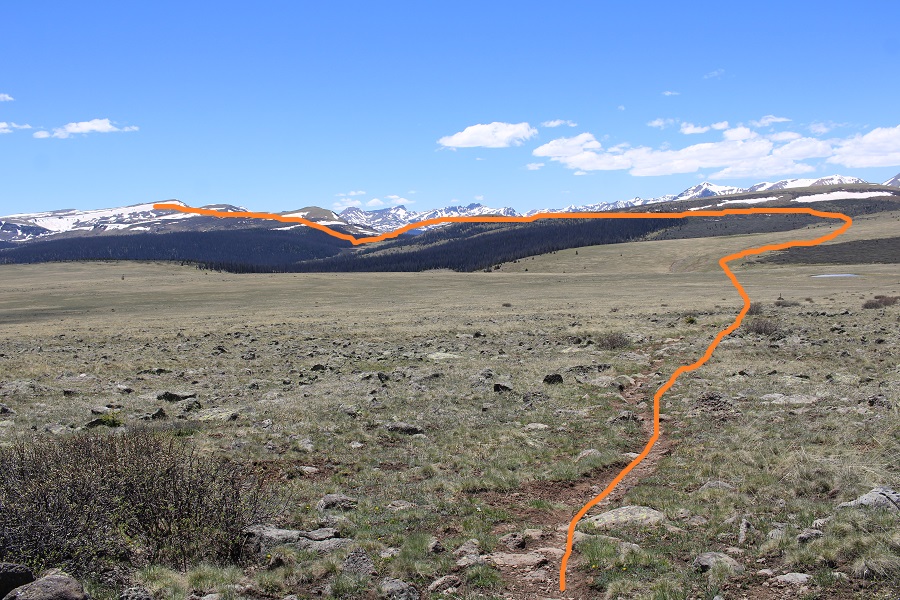
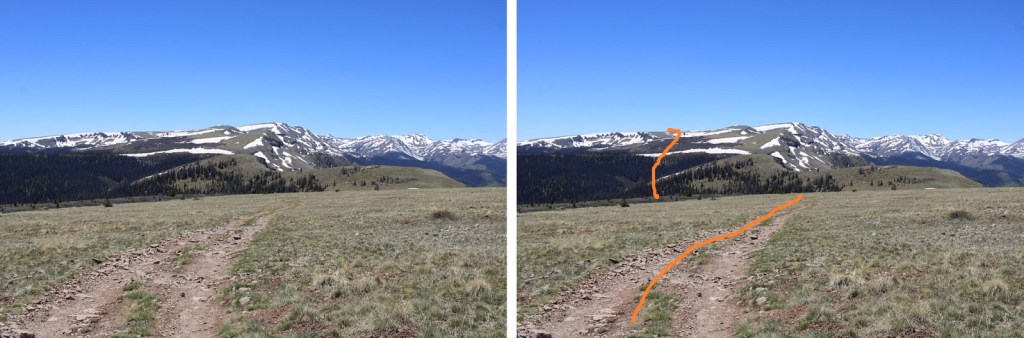
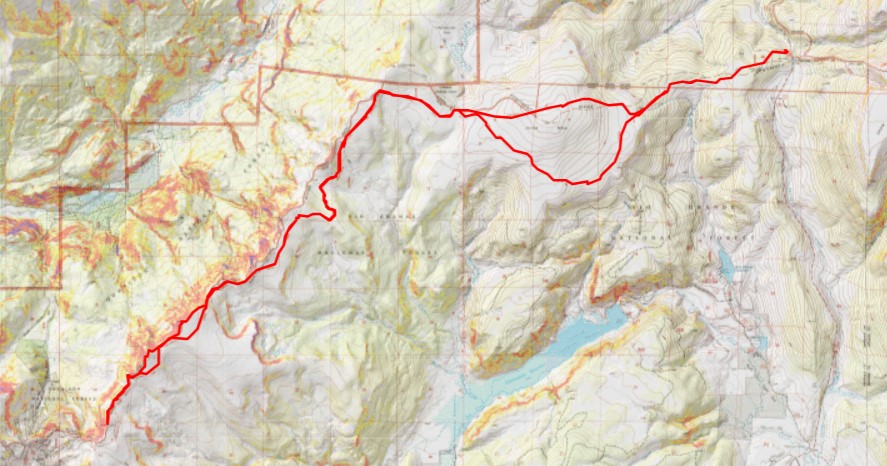
Here’s an overview of the route you can see at this point
After hiking about 8.25 miles, the road curved to the left, and I was now heading southwest. Here the trail loses about 500’ of elevation as it brings you back into the trees.
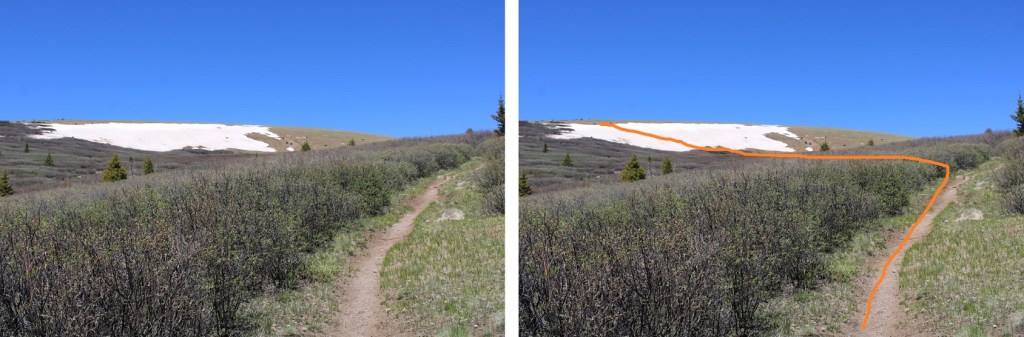
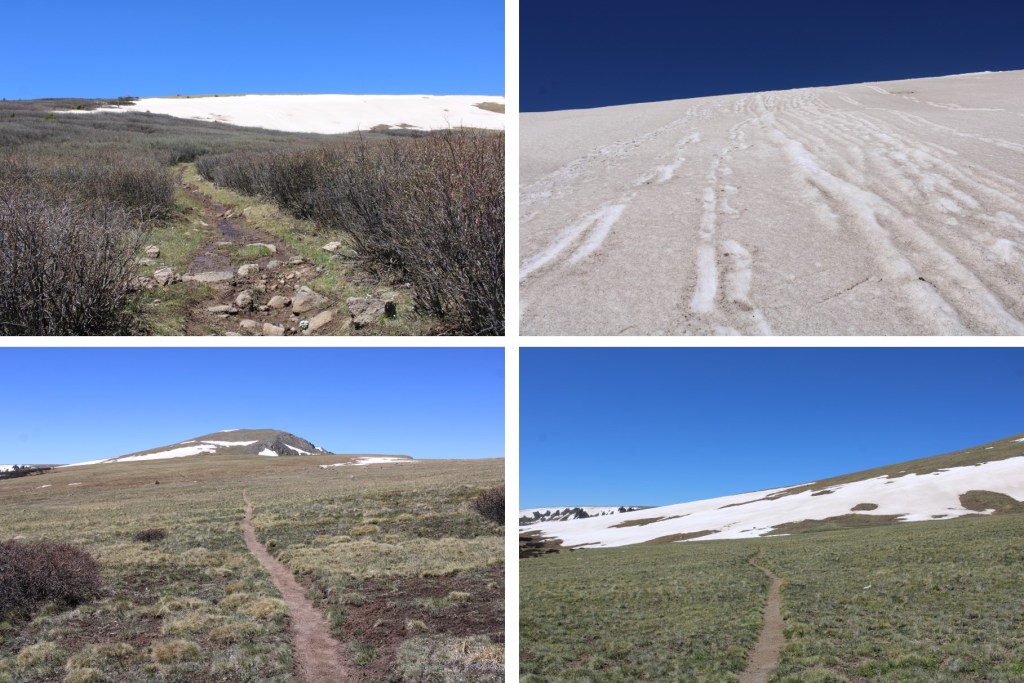
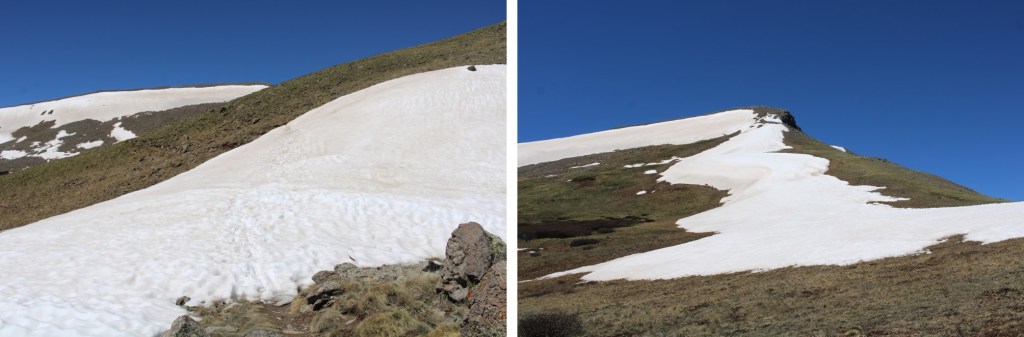
I passed through some willows, and continued following the trail to gain the ridge. This is where the snow began and the trail was no longer obvious. I was able to do all of this with just microspikes, but on the way back, I really, really wished I had an ice axe.
Here the trail was again obscured by snow, so this is the route I took to gain this ridge, keeping it mostly snow free
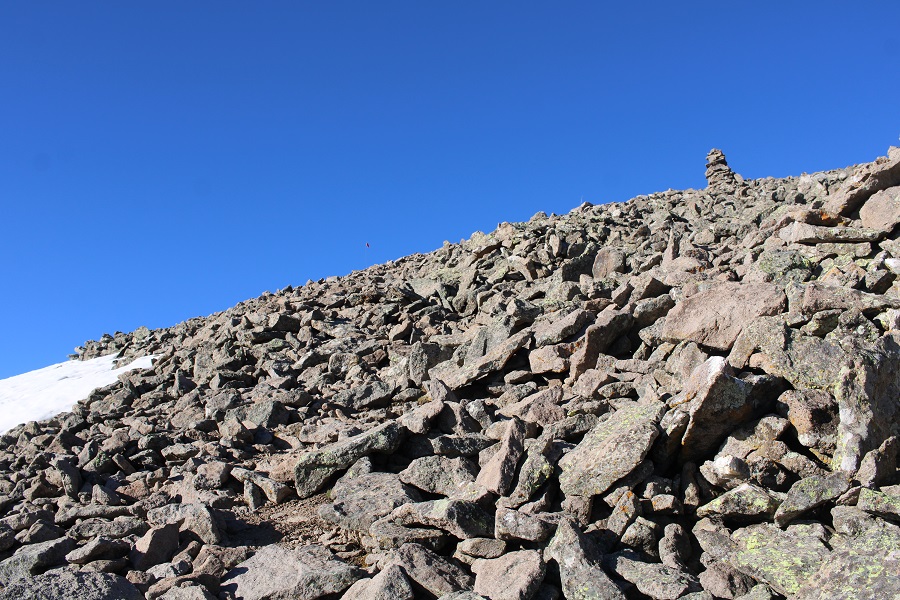
It was rocky near the top, but still class 2, and there was a large cairn to guide me.
The trail picked back up again, and I followed it southwest, skirting below UN 13138
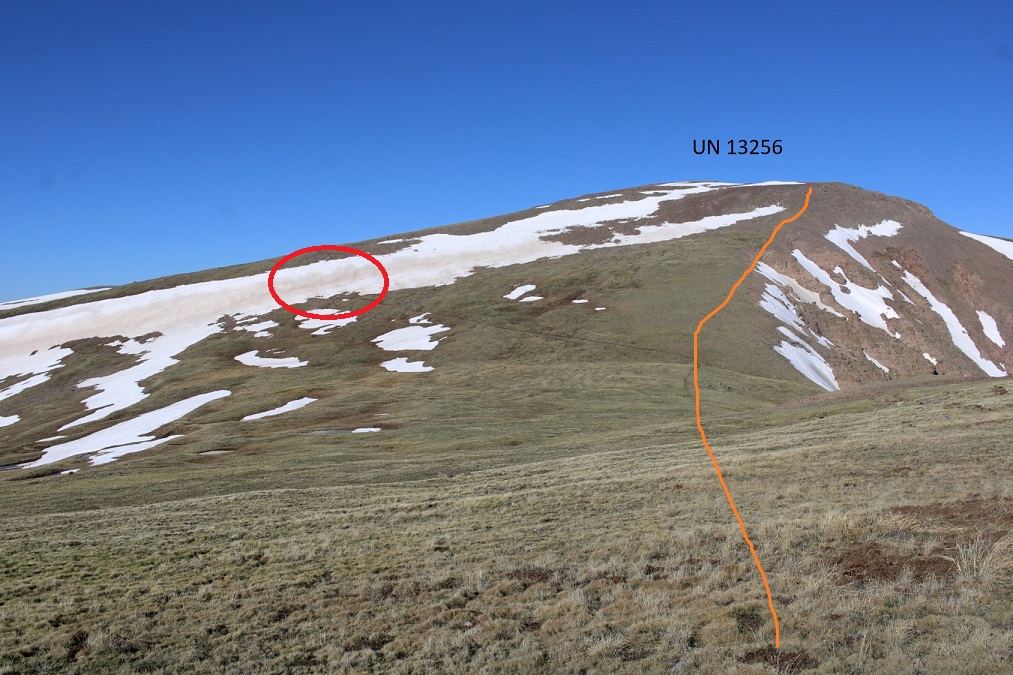
After hiking for 14.5 miles, I could finally see the two ranked peaks I was aiming for today
To avoid the snow on the way up (circled in red) I decided to just ascend straight up the slope. (I crossed the snow on the way back down, and this is mainly where I wished I’d had an ice axe).
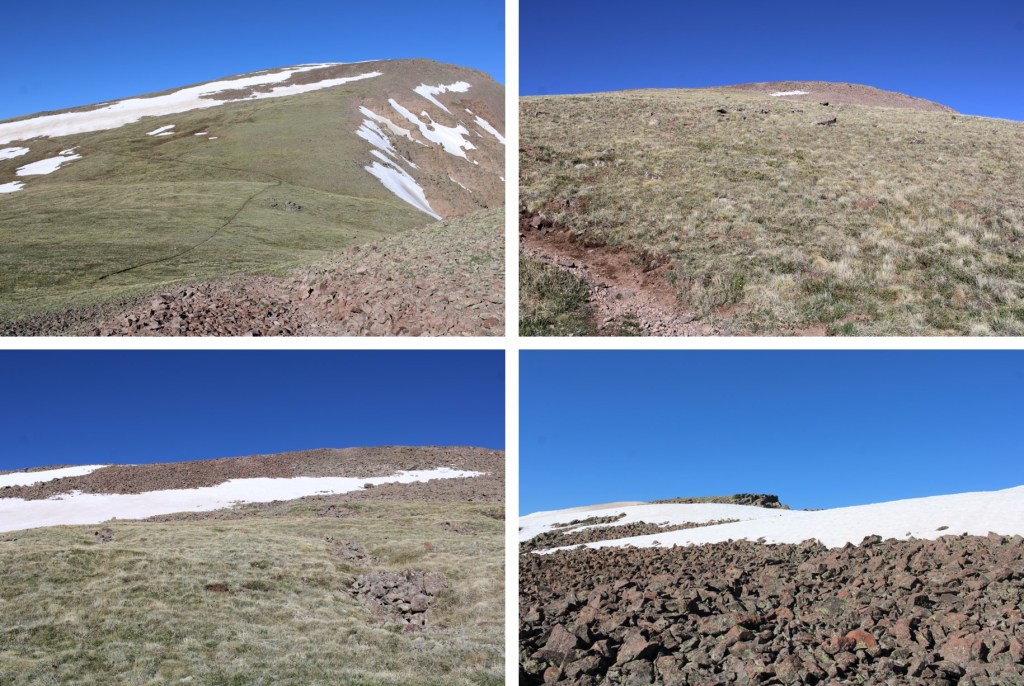
The terrain quickly turned from tundra to rocks (still class 2)
After gaining the ridge, the summit was to the southwest.
I summited UN 13256 at 8:15am.
UN 13256:
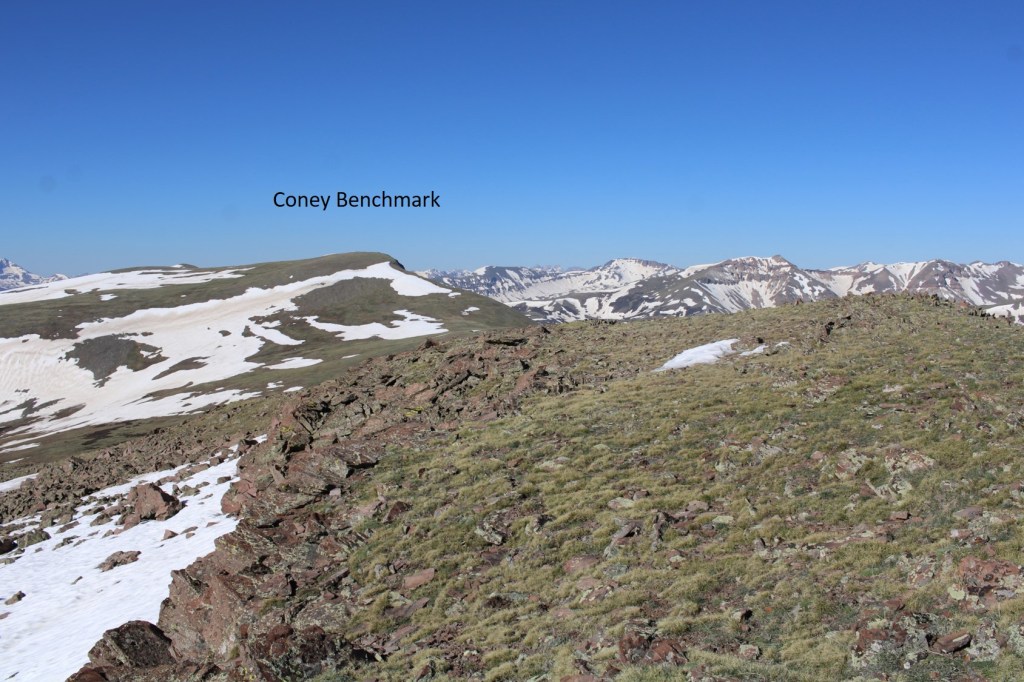
To the southwest, I could see Coney Benchmark. I would lose almost 400’ of elevation to get there.
Knowing the Colorado Trail was down there somewhere, I headed south until I found it.
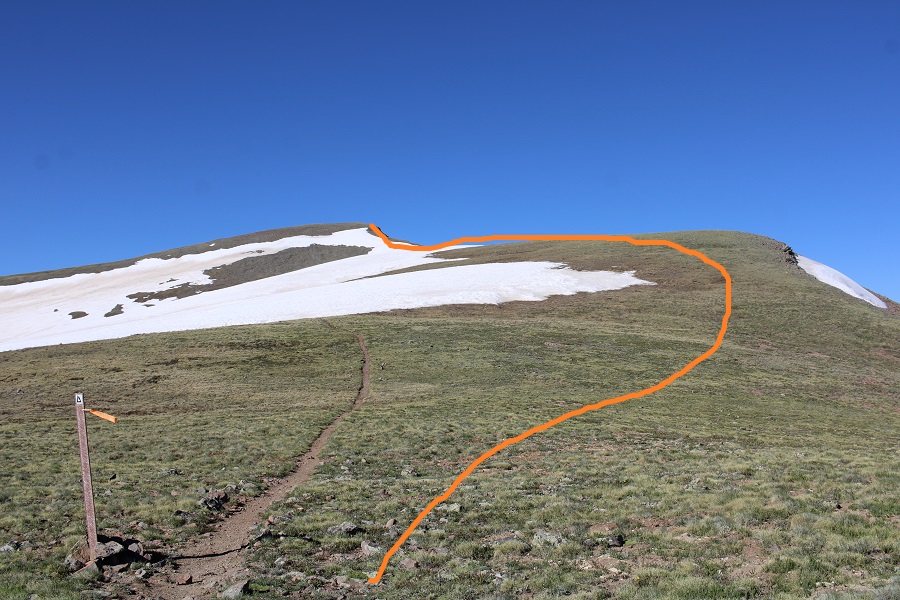
I then gained 475 feet to the summit of Coney Benchmark. Here’s the route I took.
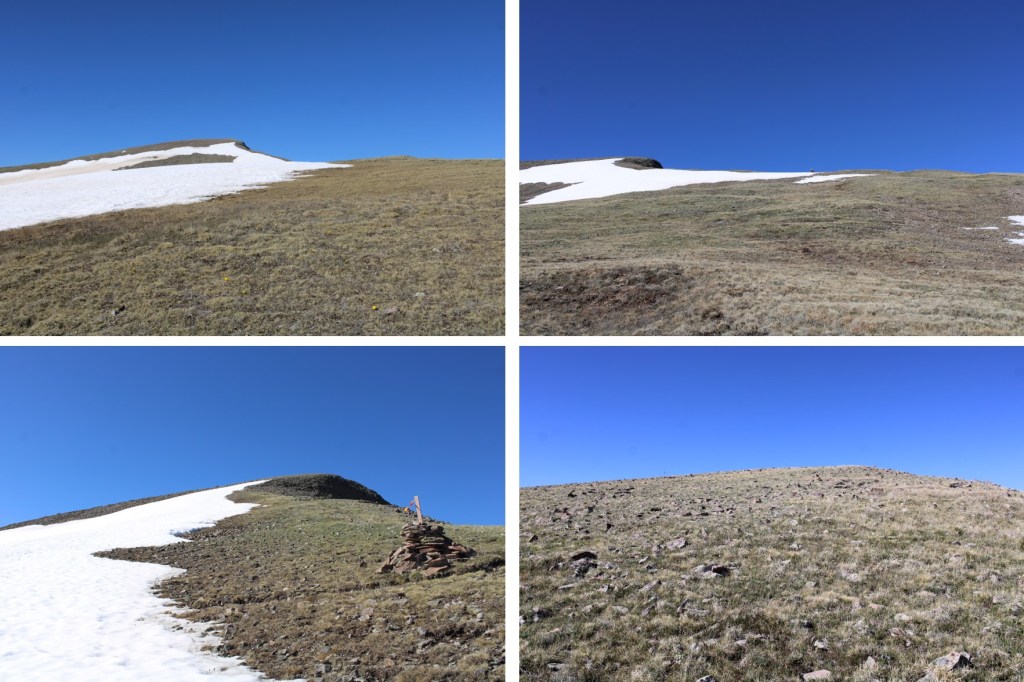
This was all class 2 to the summit.
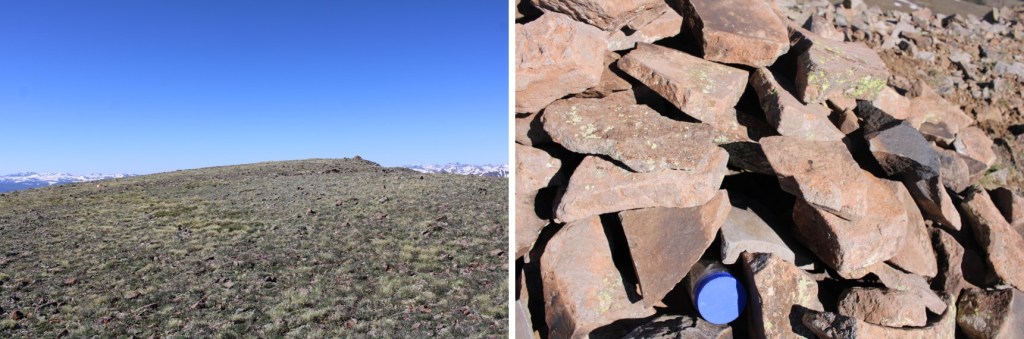
The summit was easy to find, but someone put a plastic summit register at the top, so of course the paper inside was wet.
I summited Coney Benchmark at 9:15am
Coney Benchmark:
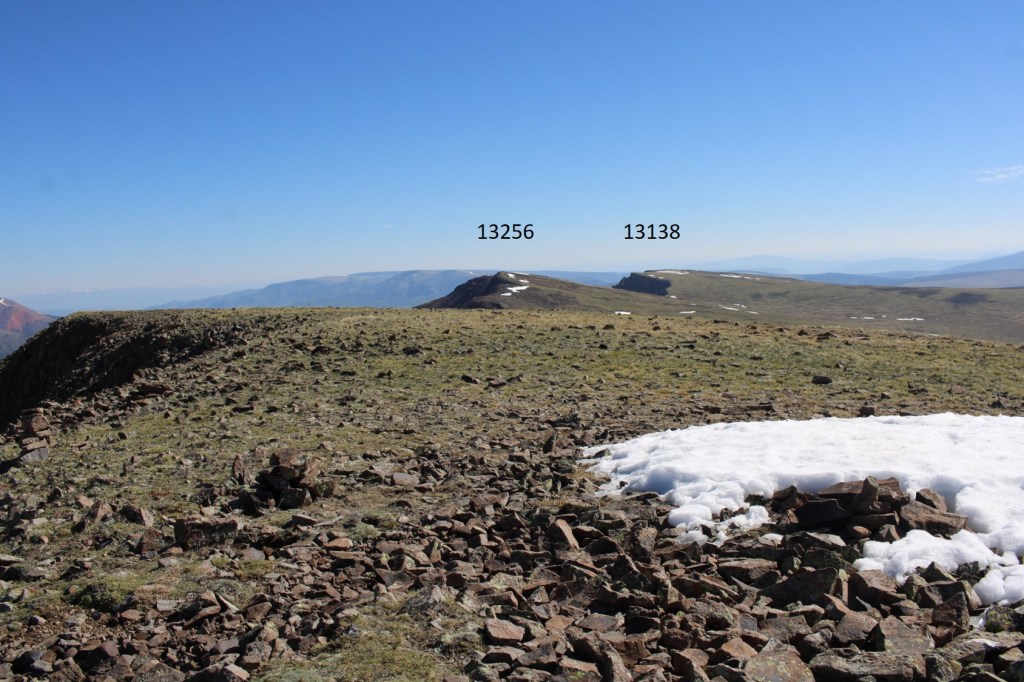
Looking northeast, back the way I came, I could see UN 13256 and UR 13138
I retraced my steps back to the Coney Benchmark/13256 saddle
This time I skirted around 13256 and followed the Colorado Trail
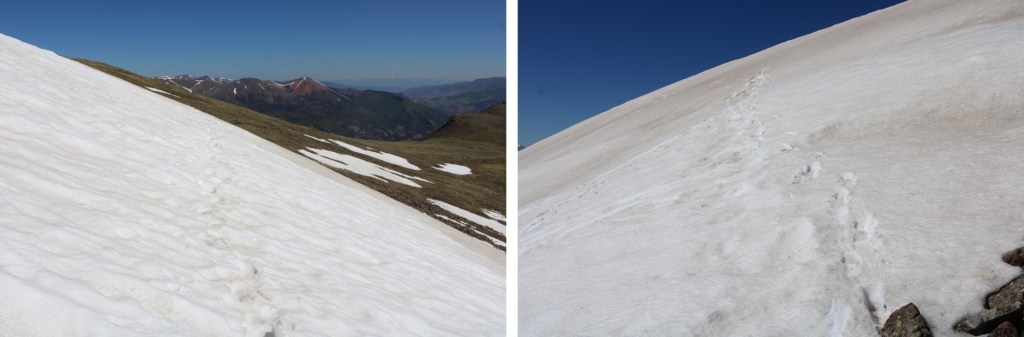
This was the sketchy part, where I wished I’d had my ice axe. It’s steeper than it looks.
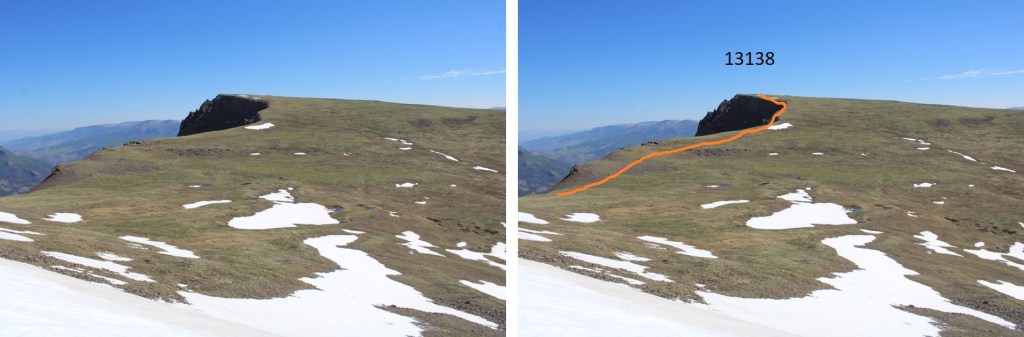
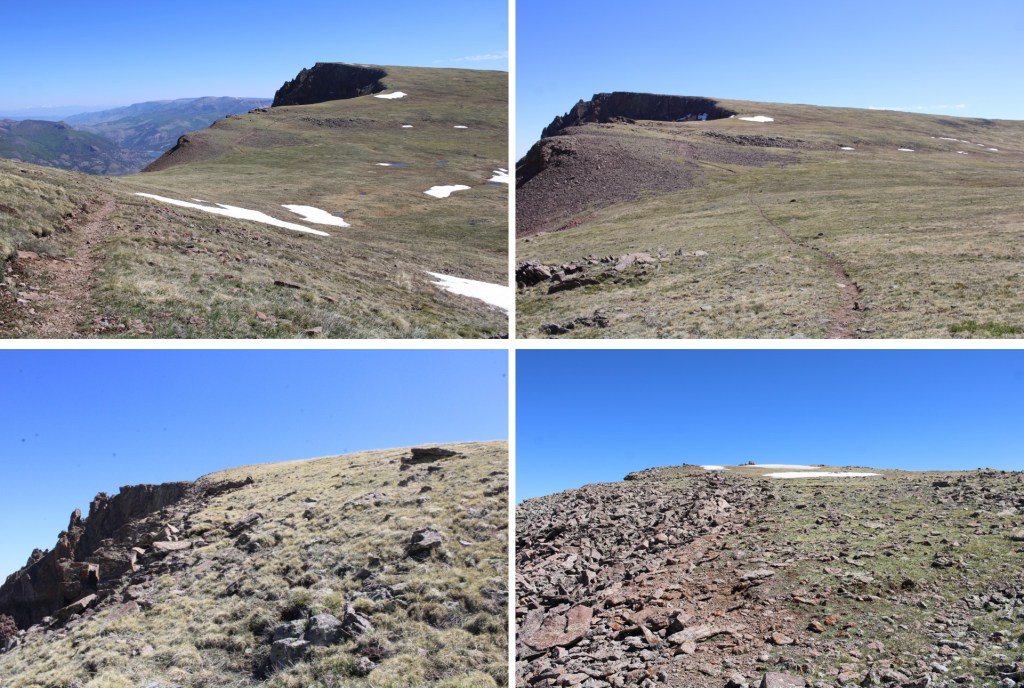
To summit 13138, I made my way to the 13256/13138 saddle, and just followed the ridge. All class 2.
I summited UR 13,138 at 10:35am
UR 13,138:
Knowing if I continued to follow the ridge northeast I’d come back to the Colorado Trail, that’s what I did.
I picked up the Colorado Trail, and followed it 13 miles back to the trailhead, losing and gaining elevation the entire way back.
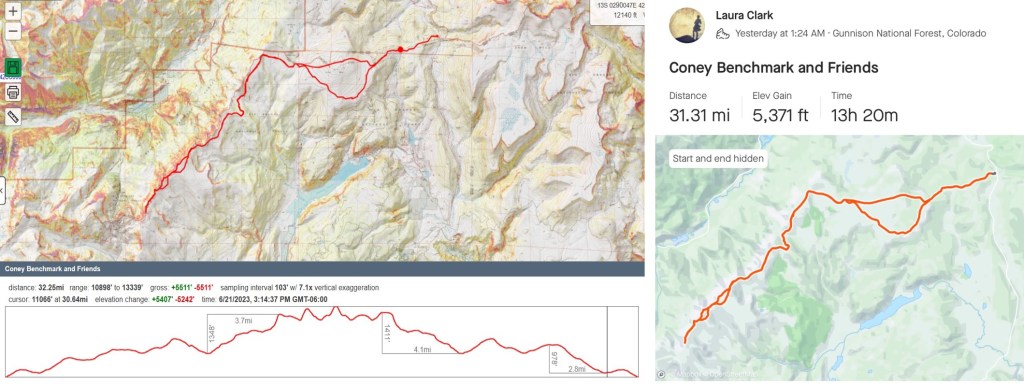
I made it back to my truck at 3:45pm, making this a 32.25 mile hike with 5511’ of elevation gain in 14 hours.
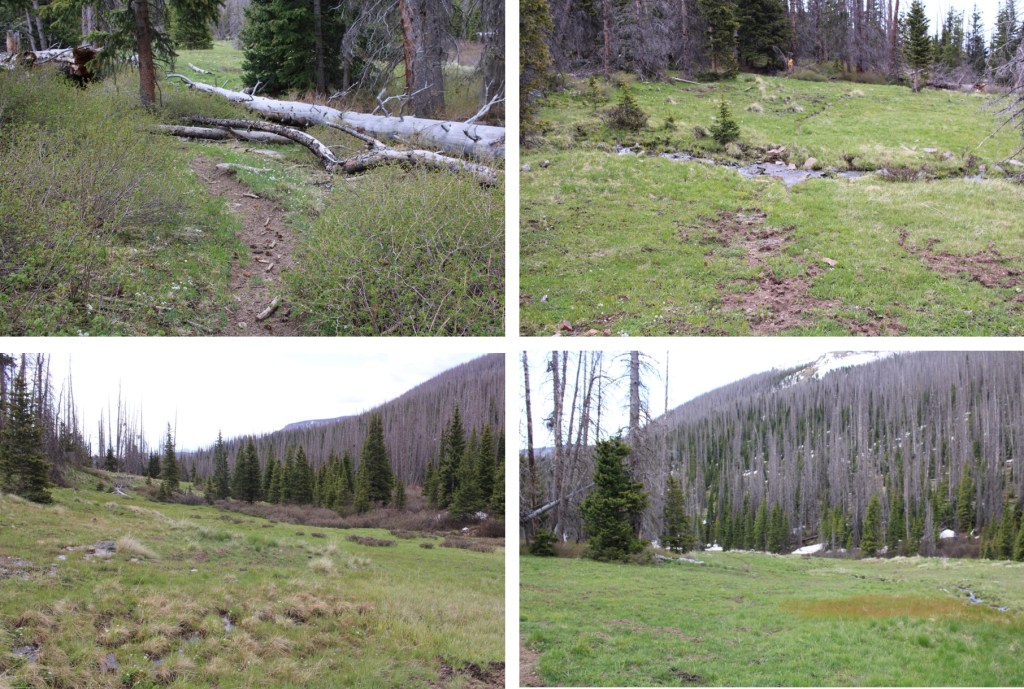
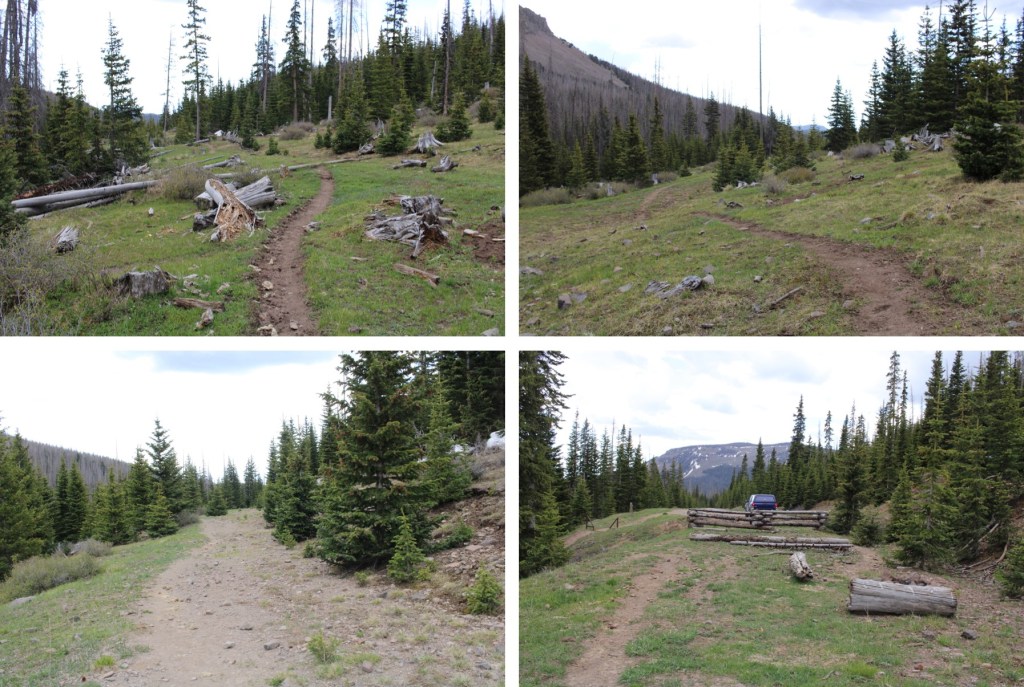
I started at 5am from the South Fork Trailhead, at the end of 28 and Trail 702. The road was a well maintained dirt 2WD road, with about 5 parking spaces at the trailhead.
Instead of taking the trail, I followed the road that had been blocked off
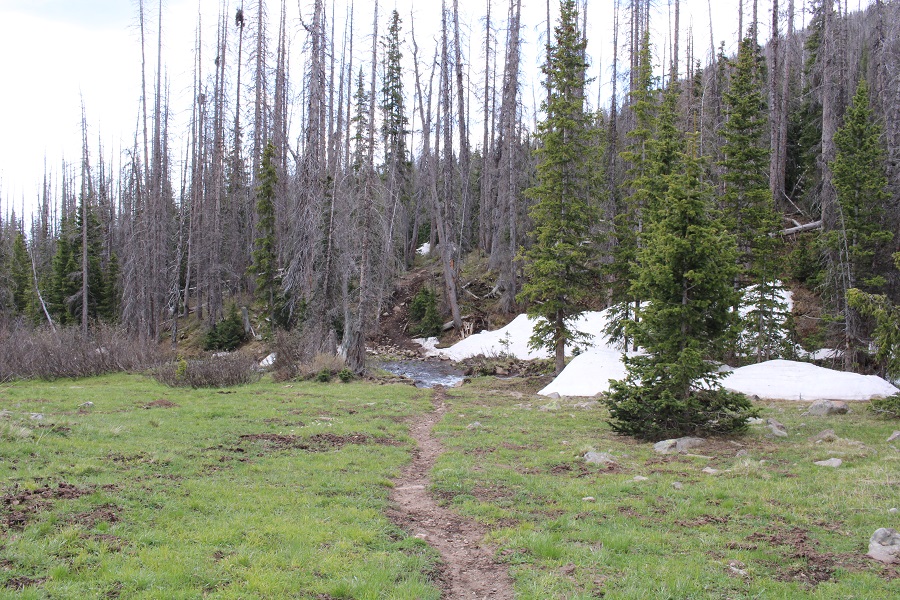
This road eventually became a trail. I followed that trail northwest to the stream crossing
The I was able to cross by hopping across the rocks and jumping a few feet at the end.
A trail picked up on the other side, but quickly dissipated. To combat this, I just kept heading north-northwest up the basin, towards the gully I could see ahead of me to the northeast (I know that sounds contradictory, but I had to make my around the trees to get there. If you’re doing this in the daylight, the gully should be obvious above the trees).
After hiking a total of .81 miles, I came to South Rock trail, turned left, and followed it about 20 yards to a small stream crossing and a ravine. I turned right, and followed the ravine to the gully, staying in what looks like an avalanche runout.
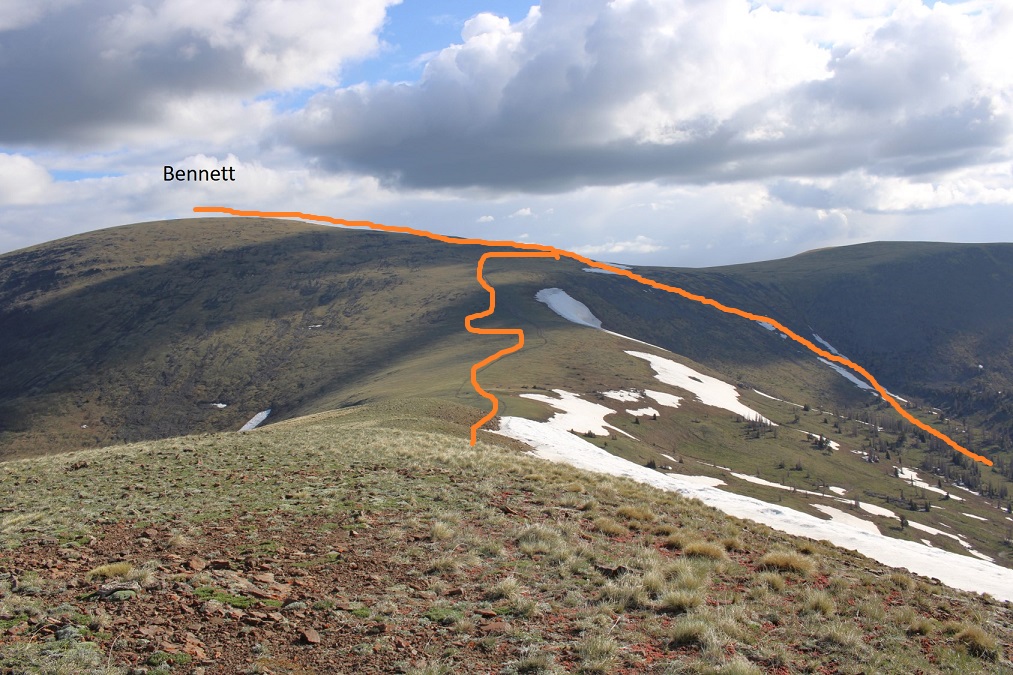
This is the route I took up the gully. This was easy to navigate, all class 2. I just kept heading north.
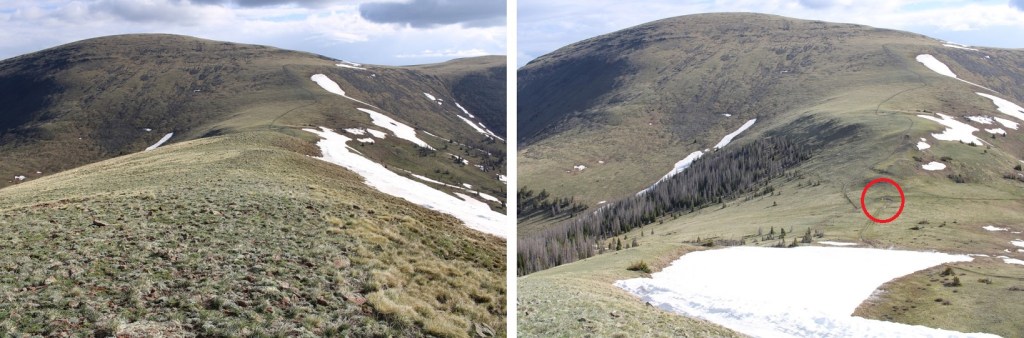
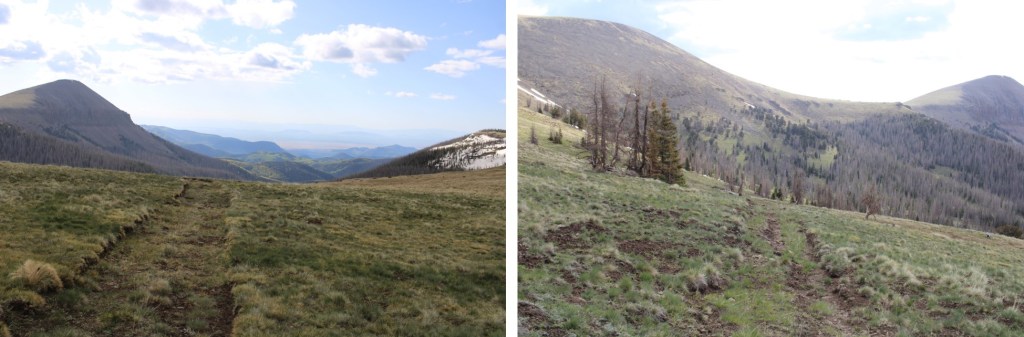
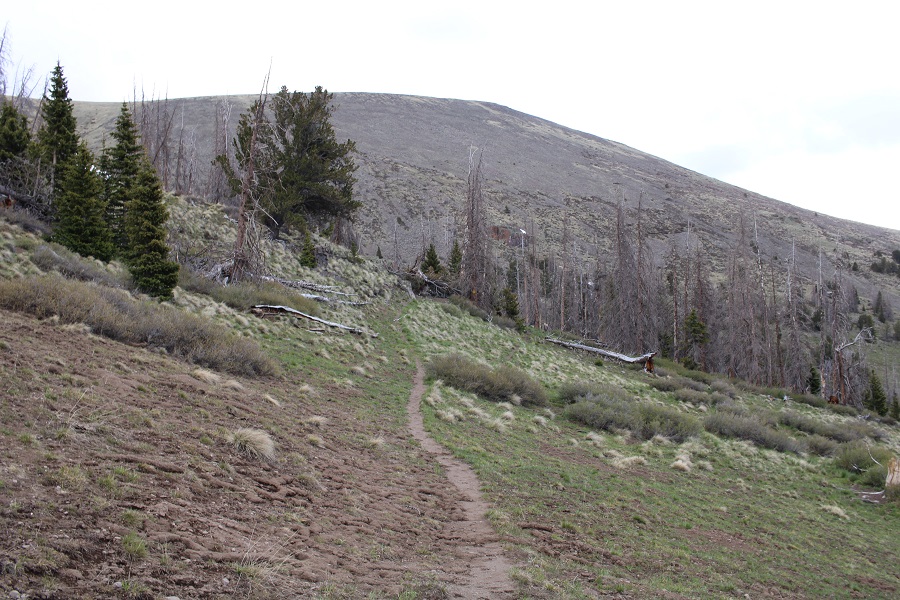
Here are some pictures of the route
At the top of the gully I headed northwest, which included a lot more class 2 ascending on grassy tundra
I eventually came upon an ATV road, and followed that to the summit
I summited Bennett Peak at 6:45am. It was 2.37 miles to the summit from where I parked.
Bennett Peak:
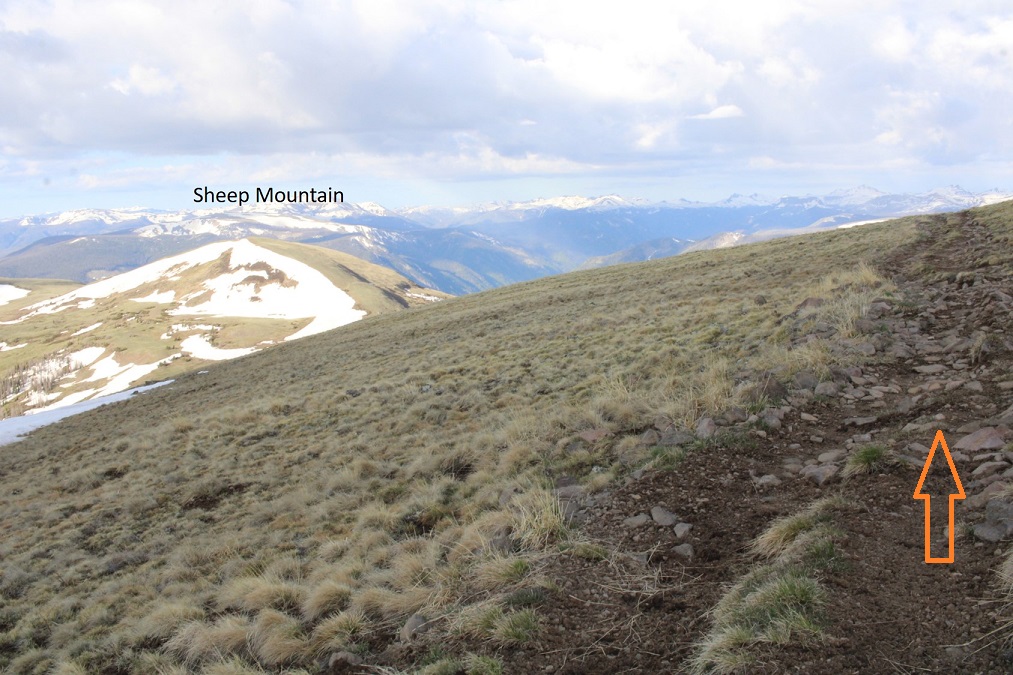
My next objective was Sheep Mountain, but I wanted to take the ATV road to get there, so I headed back south, the way I’d come in, towards the road.
Here you can see the road below I was aiming for
When I made it to the road I turned right, and followed it southwest to the Bennett/Sheep saddle
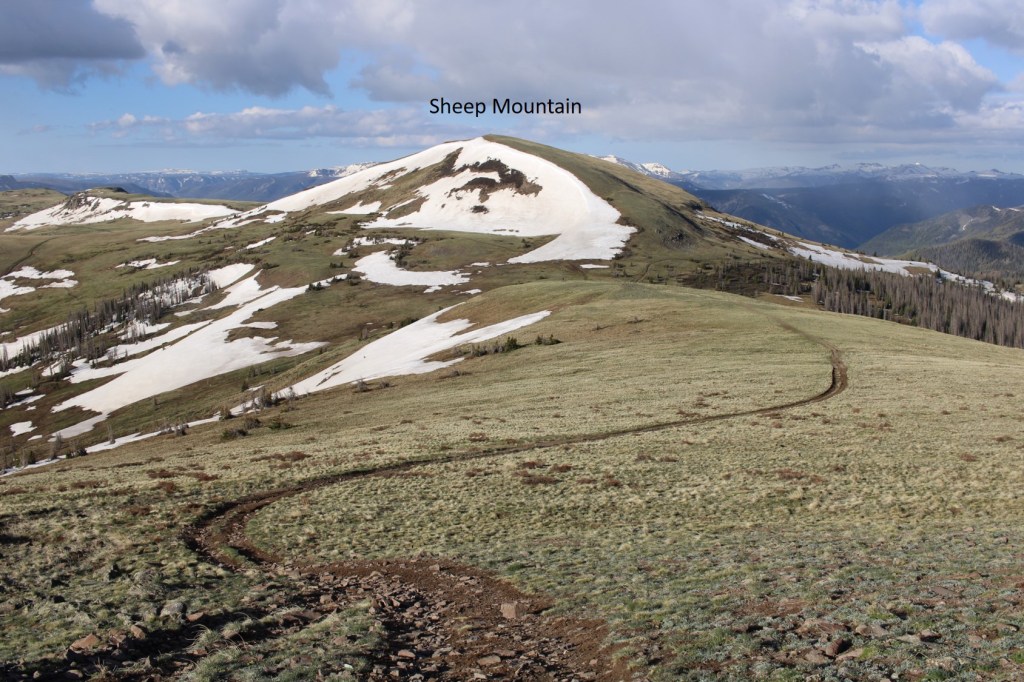
As you can see, this was an easy descent to the saddle
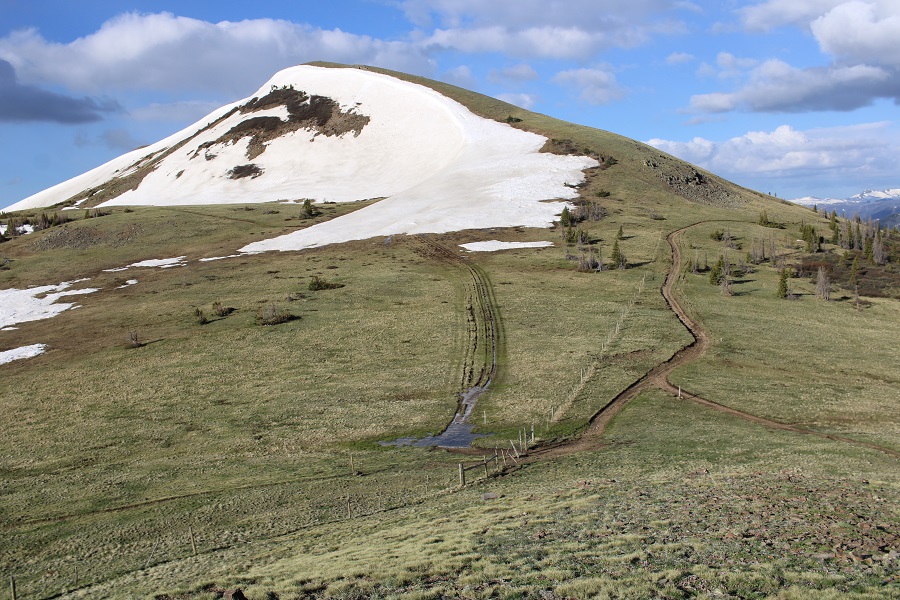
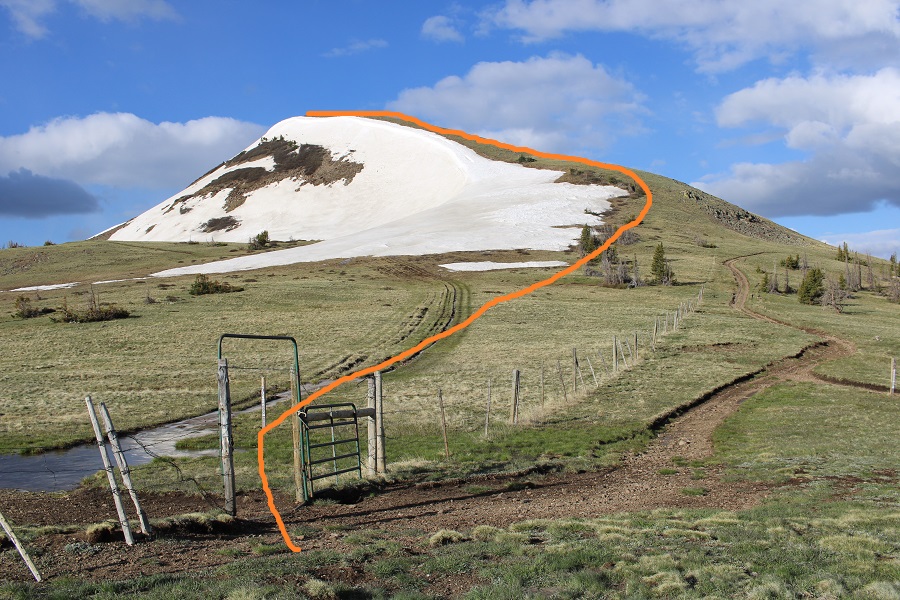
I hiked down to an open gate at the saddle, walked through it, and ascended the ridge
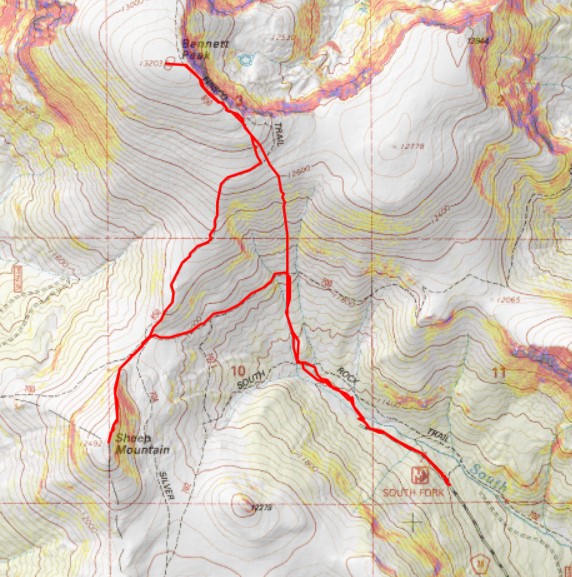
Here’s my route
And some pictures of the class 2 ridge covered in tundra
And the false summit
Here’s the real summit
There was no summit register. It was 1.6 miles from Bennett to Sheep
I summited Sheep Mountain at 8am
Sheep Mountain:
Here’s a look back in the route from Bennett Peak to Sheep Mountain
And the route I took up the gully to the summit of Bennett, and over to Sheep
I turned and headed back towards the Bennett/Sheep Saddle. Specifically, to that open gate
Once at the gate, I turned right and followed Trail 700 back towards the gully (I’d noticed it on my way up, and thought it would be a convenient way back down). You could also take it to the saddle and summit that way.
It actually became a nice trail
When I made it back to where I’d ascended the gully, I turned right and followed it south, and then southeast, back down to the road
This was a drainage, and very marshy
I turned left at the road, and followed it for about 20 yards before turning off the road and heading back down to the creek.
There are a lot of game trails here, but they aren’t all consistent
I crossed the creek again, which was a little more difficult with the rising temperatures and rising water level
I then picked up the trail on the other side, and followed it south back to my truck
I made it back to my truck at 9am, making this a 6.91 mile hike with 2451’ of elevation gain in 4 hours.
Side note: Mt Lady Washington is no longer a ranked 13er, but it does have 271’ of prominence. It would be a nice addition to anyone doing Longs Peak, as it’s directly on the route. This peak has been on my bucket list for years, so I’m including it on my website.
I started on the well-marked Longs Peak Trailhead at 4:30am, glad I’d put on microspikes in the truck.
Snow levels increased as I hiked, but they were firmly packed down in the morning. After .65 miles I came to a well-marked junction, and followed it left.
I followed the trail a total of 2.5 miles to treeline.
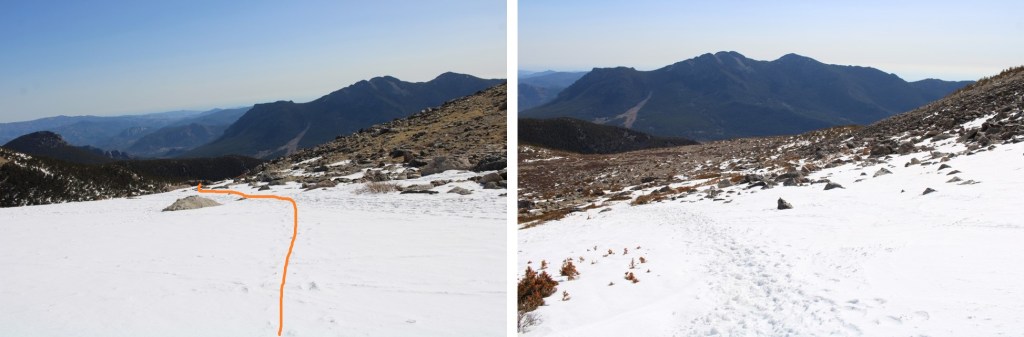
At treeline the trail became difficult to follow, so I headed west, looking for the trail I knew I’d find in the upper basin.
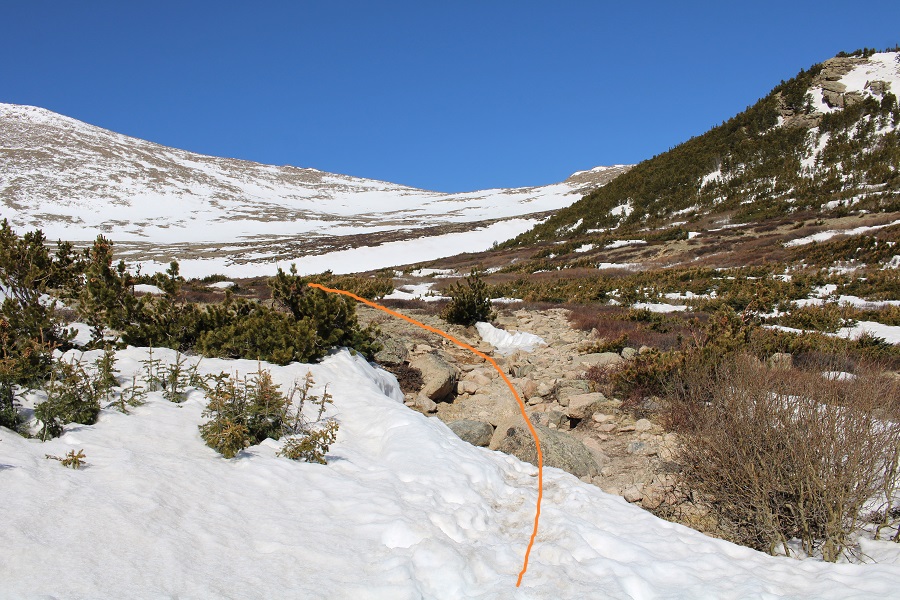
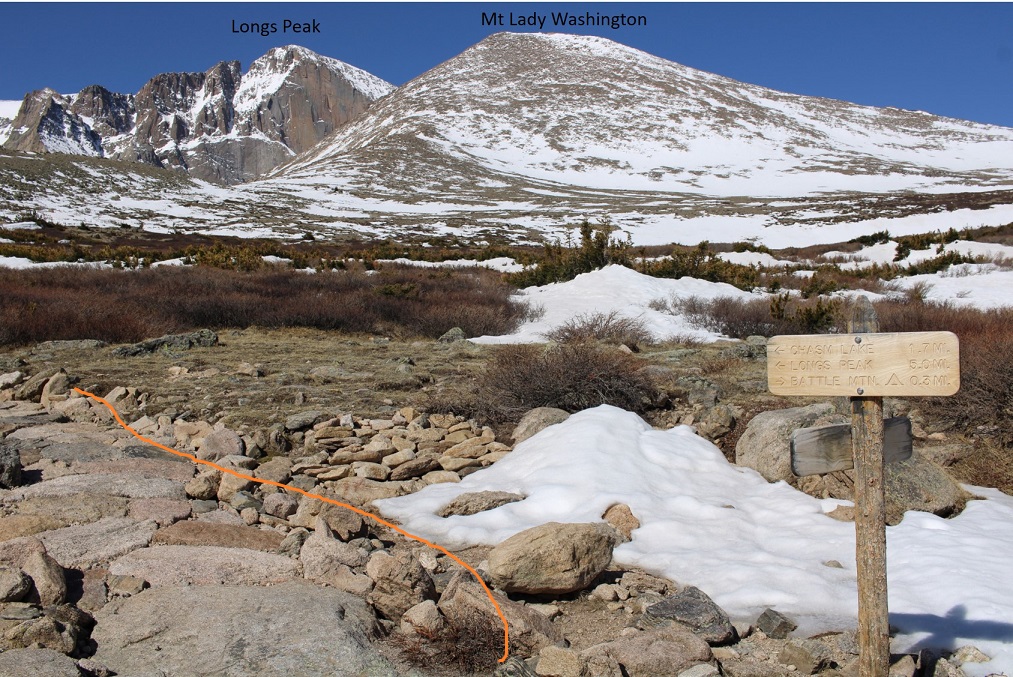
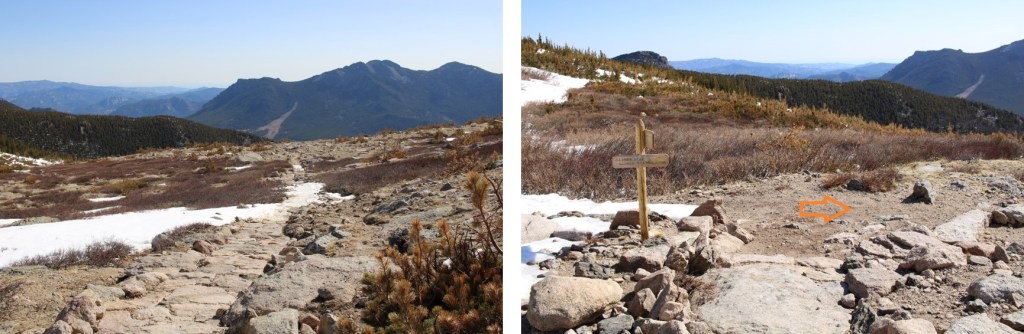
Once above treeline I turned left at this sign
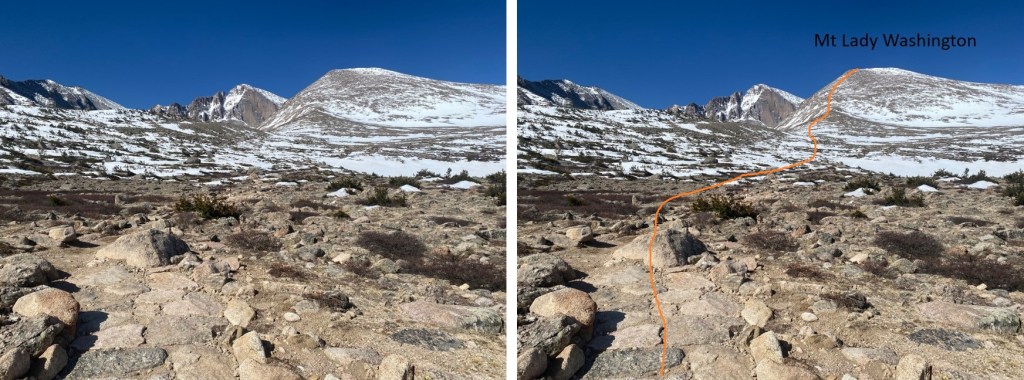
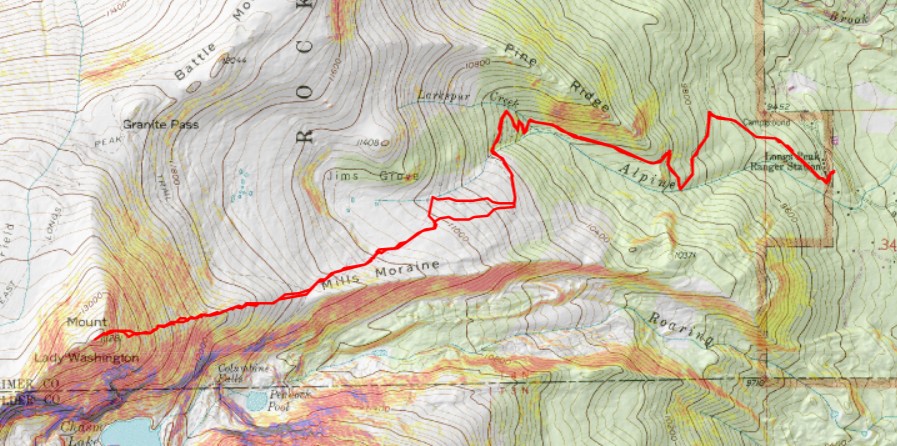
Here’s an overall view of the route. It was very straightforward.
I made my way on the class 1 trail to the junction for Chasm Lake. I’d hiked a total of 3.4 miles to this point.
I then turned right, and headed up the east side of Mt Lady Washington
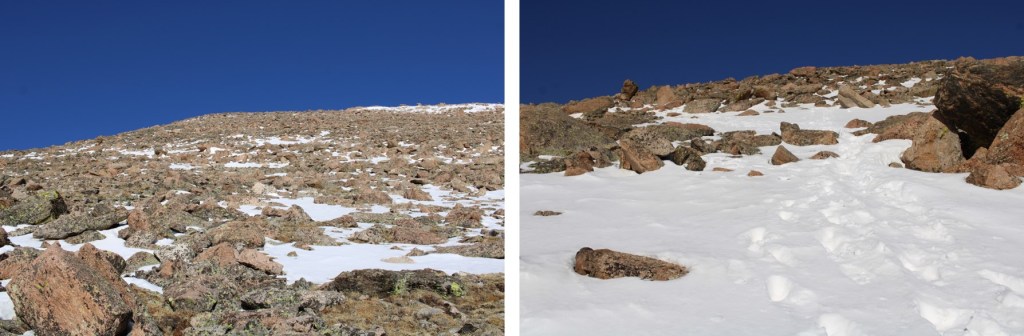
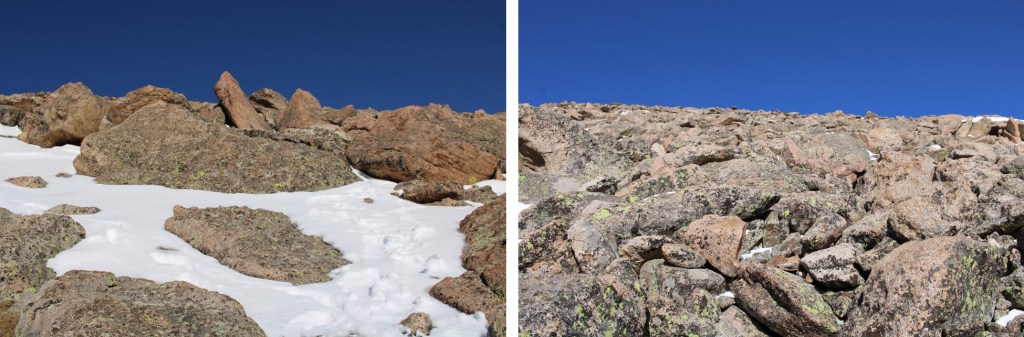
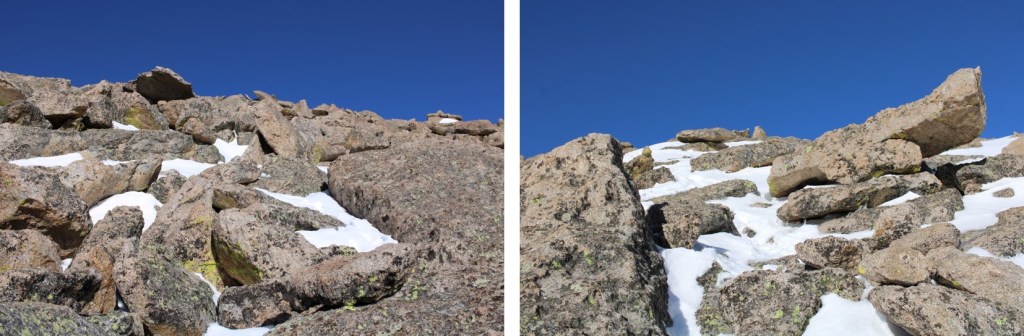
This was a class 2, choose your own adventure, 1 mile with 1700’ of elevation gain trek from the Chasm Lake turnoff to the summit of Mt Lady Washington. Here are some pictures of the hike to the summit, which included a lot of rock hopping. I just kept heading west, to the obvious summit.
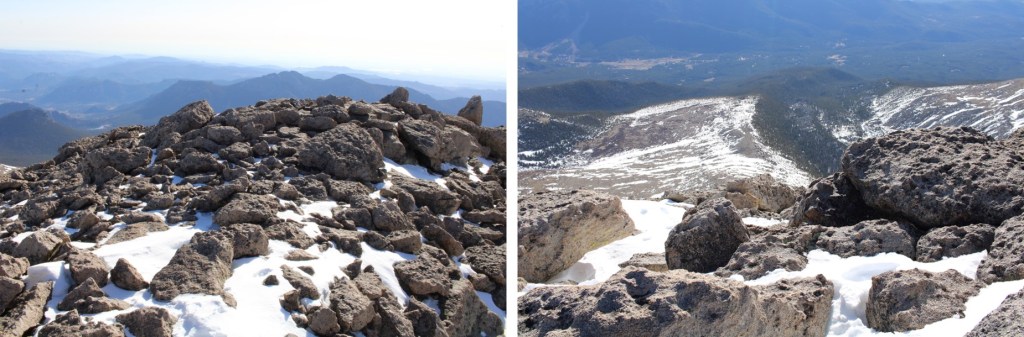
Here’s the actual summit, which is a class 2 rock scramble
I summited Mt Lady Washington at 8am
Mt Lady Washington:
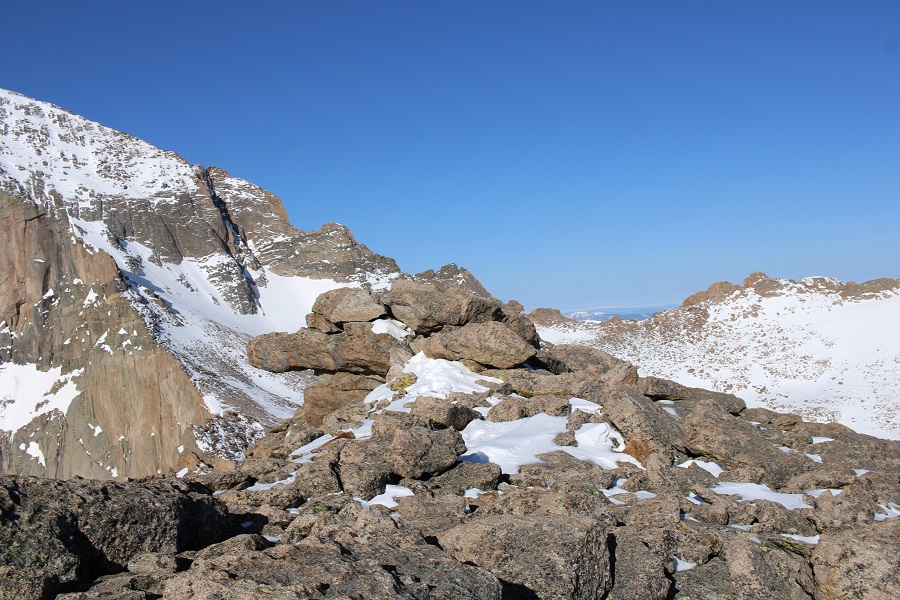
Mt Lady Washington has arguably the best view of the Diamond on Longs Peak, so I sat for a bit to enjoy the view
Now to head back. This was an out and back hike for me, so I turned and headed east, following my tracks back down to the trail.
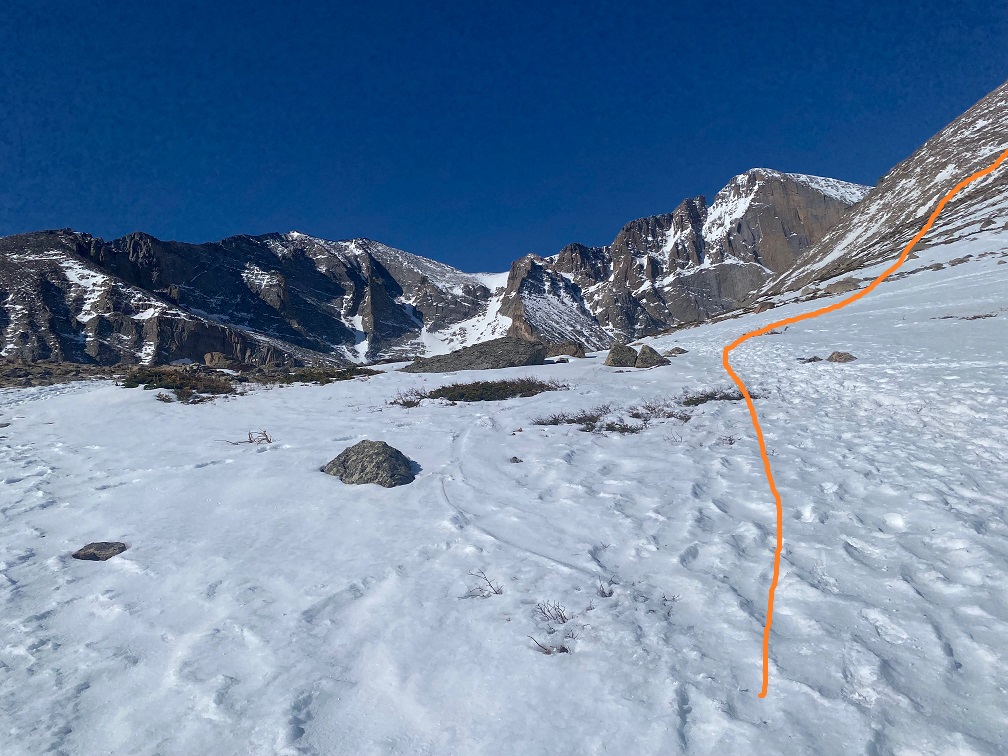
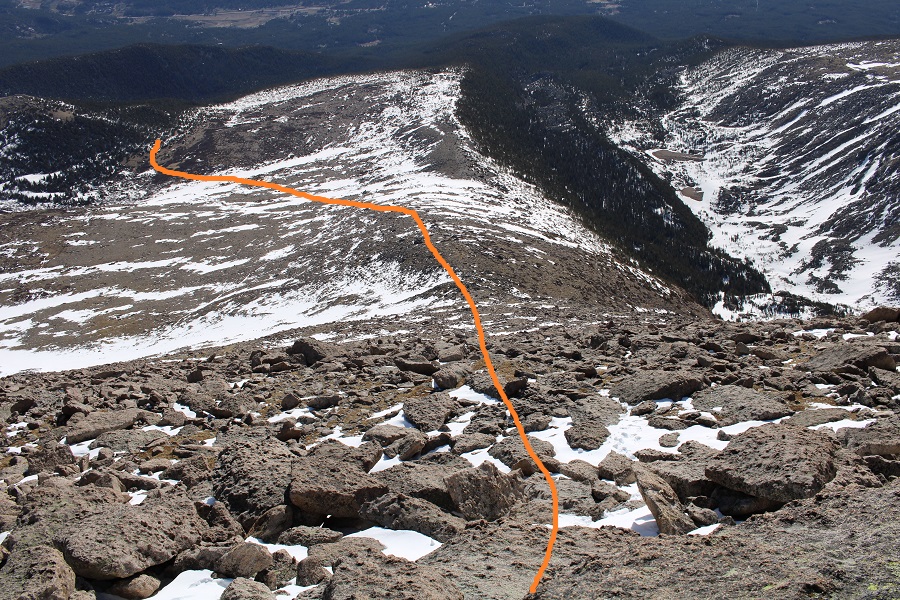
Here’s an overview of my route back to the Longs Peak Trail
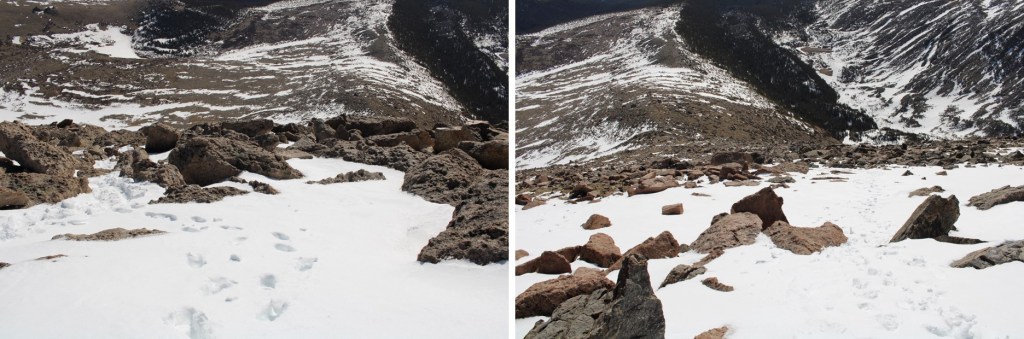
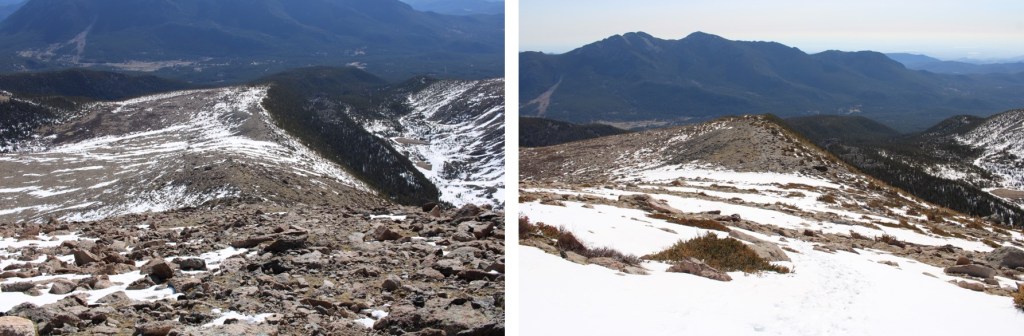
And some step-by-step pictures of the terrain
Once back at the junction of the Longs Peak/Chasm Lake trail, the trail was easy to follow back down to treeline
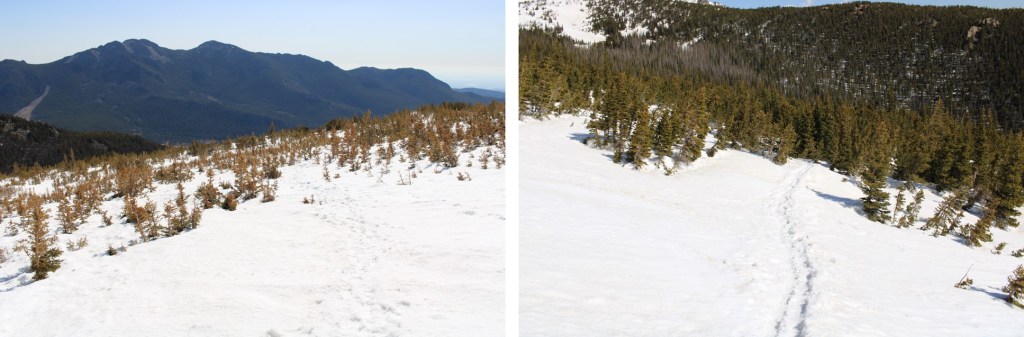
Here are some pictures of the route back to the trailhead. It was only 8:30 in the morning, but the snow was already softening up. There was evidence others had postholed at least 4 feet in this section. I was glad I’d gotten an early start.
I made it back to my truck at 10am, making this a 8.85 mile hike with 3869’ of elevation gain in 5.5 hours. On to the next trailhead!
My trail name is Wild Wanderer. I’m a mountaineer, and I have Raynaud’s. I’ve summited over 500 peaks above 13,000’, many of them in winter conditions. With the cold weather approaching (or already here!) I’ve been asked to put together some tips on how I successfully mountaineer in the winter and manage my Raynaud’s. I believe these tips can help all cold weather hikers and adventurers.
Disclaimer: These tips in no way all-inclusive or a substitute for the education you should receive before entering the backcountry in winter. Please consider taking classes in alpinism, orienteering, avalanche awareness, and wilderness first aid before entering the backcountry, especially in winter.
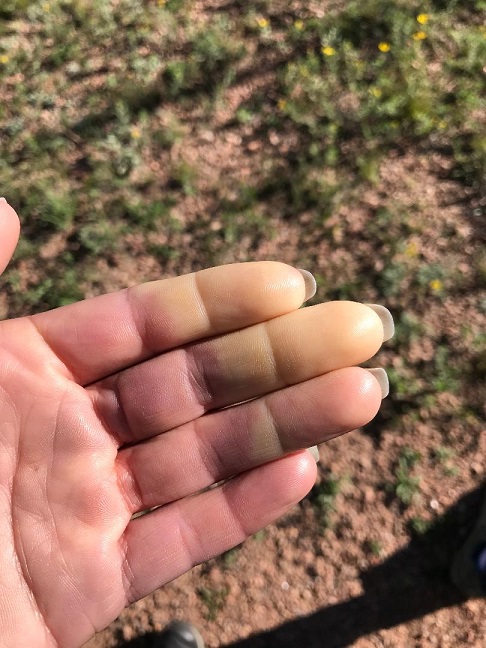
Raynaud’s causes some areas of your body — such as your fingers and toes — to feel numb and cold in response to cold temperatures or stress. In Raynaud’s disease, smaller arteries that supply blood to your skin become narrow, limiting blood flow to affected areas (vasospasm). This can happen even in warm weather. The picture below was taken of my fingers while camping on a 70-degree day.
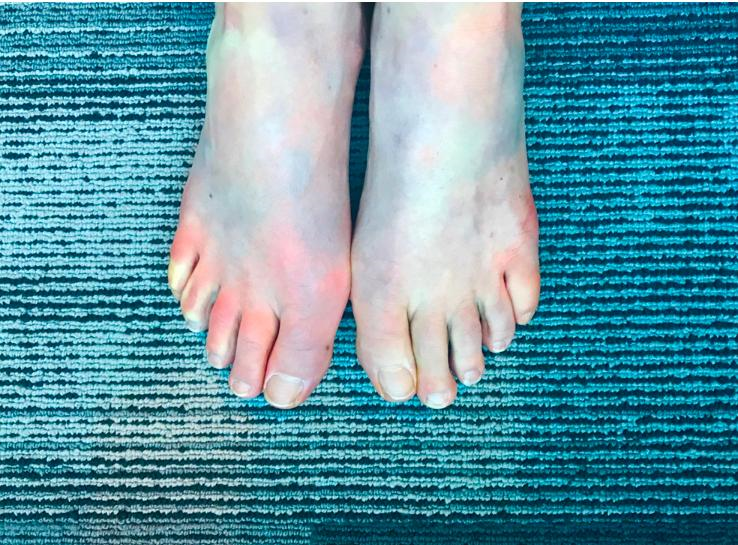
And these are my feet having an attack while I was at work, sitting at my desk
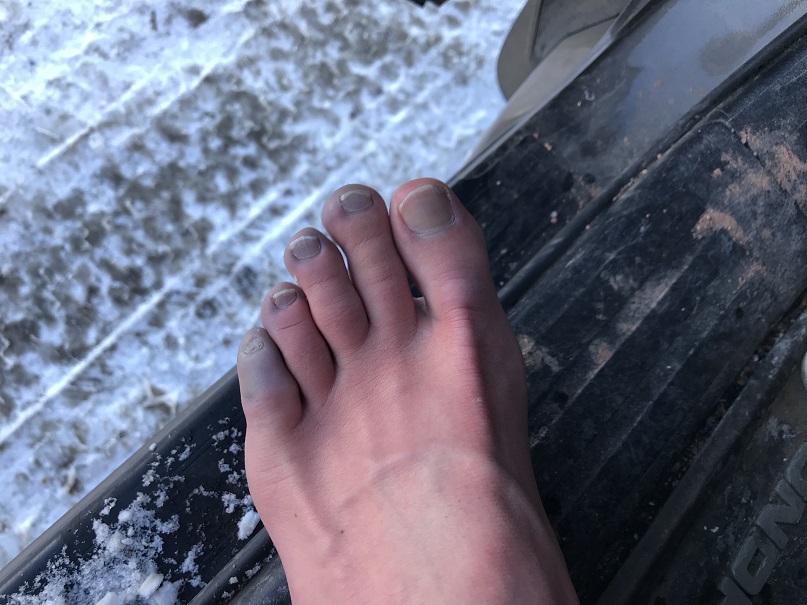
During an attack of Raynaud’s, affected areas of your skin usually first turn white. Then, they often turn blue and feel cold and numb. As you warm and your circulation improves, the affected areas may turn red, throb, tingle or swell. This can be a very painful experience. Many people mistake it for frostbite. This time I’d earned my blue toes, as I’d been snow-shoeing without the proper gear
Winter hiking is a wonderful experience. There’s a special reverence and tranquility to a winter mountain landscape. The trails are less crowded, the views are amazing, the wildlife easier to spot, and with this comes a unique sense of achievement to summiting a mountain covered in snow and ice. However, the cold and wind can be a barrier to this sport. I’ve been a mountaineer for 6 years now, and I’ve learned quite a few tips and tricks to keeping myself (and my digits) warm and attack free. It all comes down to prevention and preparedness.
What to Wear
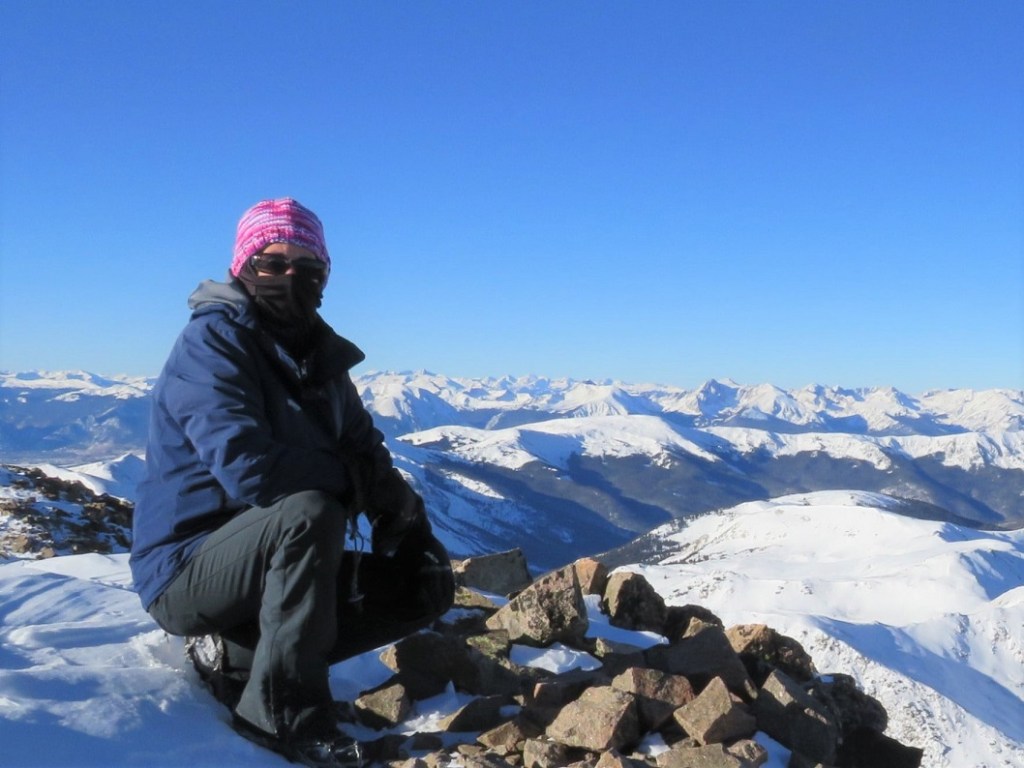
I usually wear the same outfit every time I mountaineer, emphasizing moisture wicking layers and fleece. It’s kind of boring and predictable, but it keeps me warm.
Here’s what I wear, from head to toe (scroll down for detailed information):
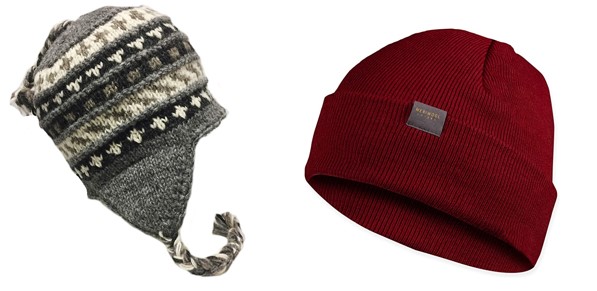
Knit/Wool Hat
Balaclava
Sunglasses / Snow Goggles
Sports Bra
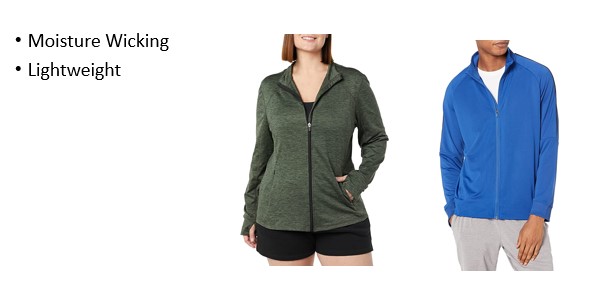
Moisture wicking tank
Moisture wicking jacket
Puffy Jacket
Jacket Shell
Yoga Pants
Snowboarding Pants
Wool Socks
Mountaineering Boots
Gloves
Bandana
Extra Gear (depending on weather/conditions)
Snowshoes
Microspikes
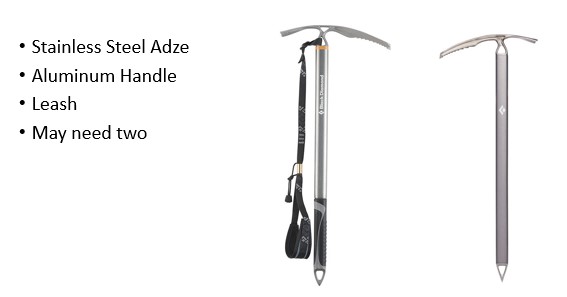
Ice Axe
Crampons
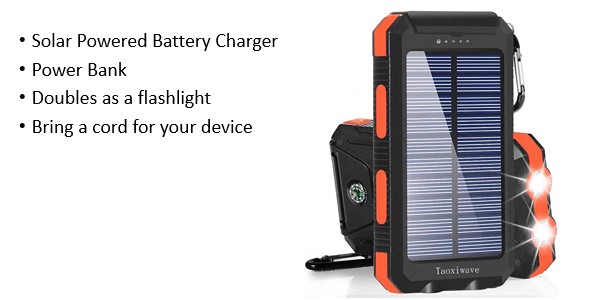
Solar Powered Battery Charger
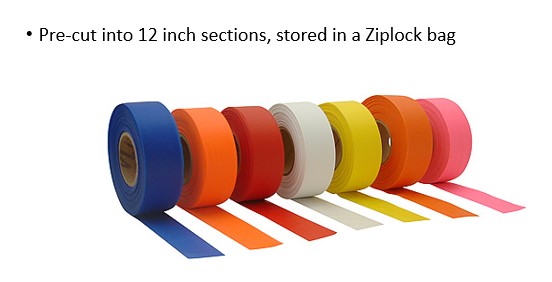
Surveyors Tape
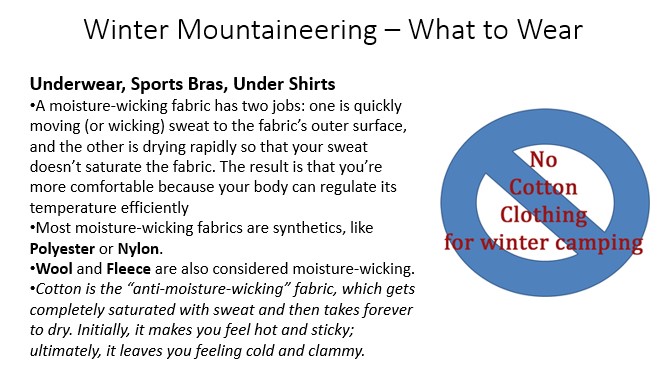
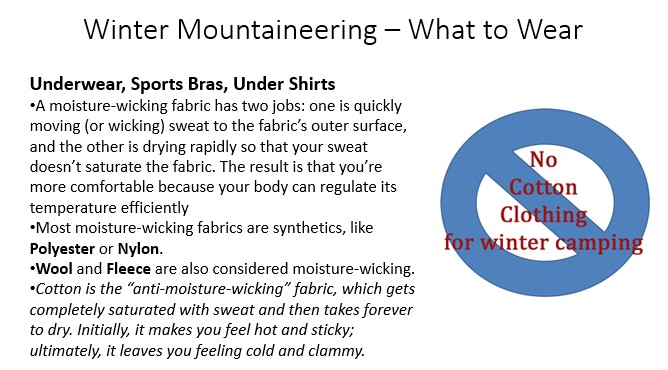
Note: Do not wear Cotton:
Knit/Wool Hat:
Balaclava: If it’s windy you’re going to want one of these. Make sure it covers your whole face and nose, is made out of a breathable fabric (polyester works) and covers your neck and is long enough to be tucked underneath your inner layers.
Sunglasses / Snow Goggles: The snow can be blinding, and you’d be surprised how a good pair of goggles cuts down on the cold the wind can bring. I put my sunglasses in my jacket pocket before setting out, so they’re easily accessible. I like sunglasses over goggles because they don’t fog up.
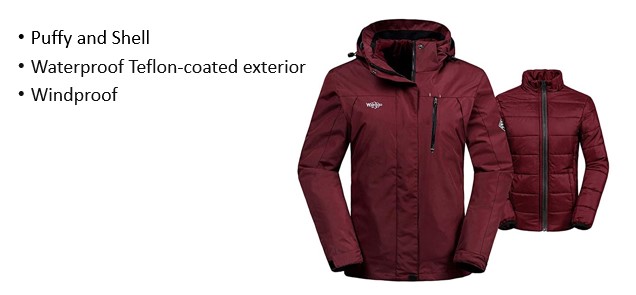
Upper Layers: I rarely take layers off during a hike, as I’d rather be too hot than too cold. With Raynaud’s it’s easy to cool off when hot, but difficult to warm up once cold. I wear a moisture wicking sports bra, tank, and jacket all the time, no matter what. On top of that I have a puffy and a shell (the shell doubles as a rain jacket). The shell has a hood, which I have prepped to fit my head if needed to block out the wind.
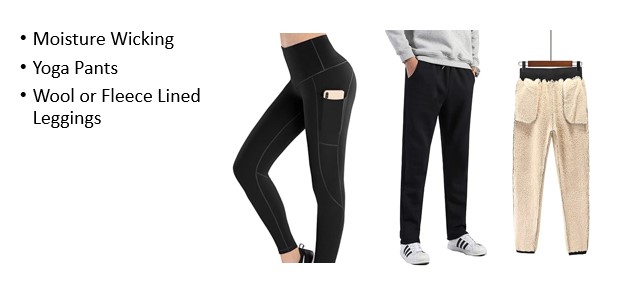
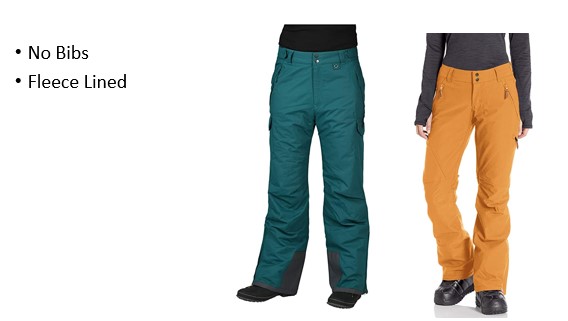
Bottom Layers: To prevent chaffing, I like to wear form fitting yoga pants (polyester/spandex) under fleece lined snowboarding pants. These snowboarding pants will get torn up from crampons, microspikes and snowshoes, so I reserve a pair primarily for mountaineering. NOTE: Ski bibs are a terrible idea, as you need to take off unnecessary layers to use the restroom. Make sure your pants are just that: pants.
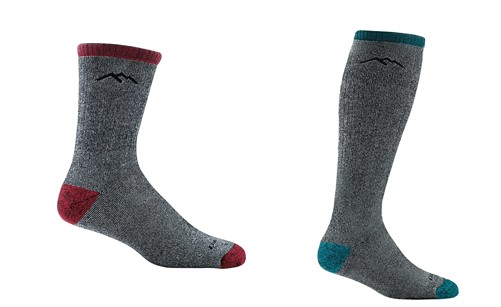
Wool Socks: Not cotton. Not too snug. You want your feet to be able to breathe and circulation to flow. Also, this is an instance where two is not better than one: only wear one pair of socks.
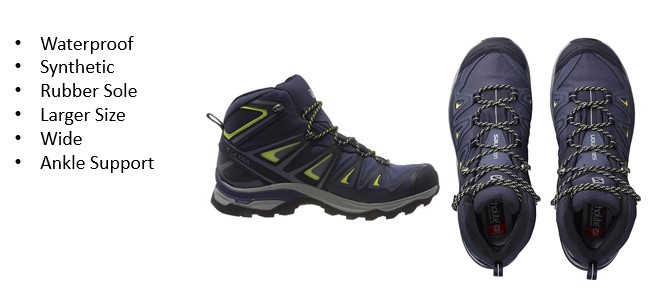
Mountaineering Boots: This is going to be a highly personal choice. I go through 4 pairs of boots a year, but to be fair I put a lot of miles in a year – around 2500 and over a million feet of elevation gain. What’s important here is to buy a pair a size larger than you’d normally wear, and, unless you have extremely narrow feet, get them in a wide size. This is because your feet will swell above treeline and you want them to have room to do so freely. A constricted foot is a cold foot. You don’t want to wear anything too constricting on your hands or feet. The footwear should also be waterproof, have a good tread, be flexible, and feel comfortable. Go to an outdoor recreation store and try on a few pair to see what works best for you before buying. If you plan on carrying more than 30 pounds of gear, you’ll want the added ankle support.
Gloves: Unfortunately, hand warmers have never worked for me (not the chemical ones, the battery-operated ones, or the ones that use fuel). Note: If you have Raynaud’s you can never take off all your gloves while winter hiking. Never. The cold will zap the heat out of your hands instantly, and regaining that heat is difficult.
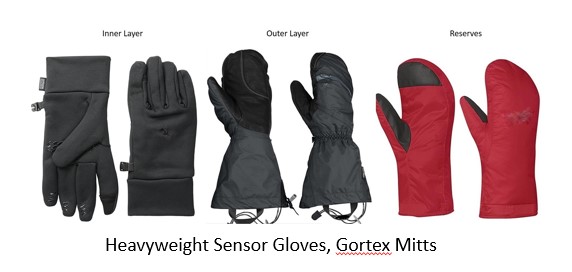
I bring along 3 pairs of gloves: I wear two at a time, and have the third in reserve in case I loose one I’m wearing: The wind above treeline can be ferocious, and I’ve seen gloves blow away in the wind. If you have Raynaud’s and you lose a glove above treeline it’s quite possible you’ll be losing fingers with it. I buy all gloves one size bigger than I normally wear. This allows for my hands to swell at altitude and makes them easier to put on/take off as needed.
The first pair I wear is made of a 95% polyester, breathable, wicking, quick drying fabric with 300-weight fleece and a 100 weight fleece liner. I always have a glove with fingers as the base layer so I can move my fingers to perform tasks that require dexterity with a layer still on, protecting my hands from the elements. I never take these gloves off. Ever. (See stylus information below).
The second pair I wear is a shell. They’re waterproof, breathable, windproof, wicking, fully seam-taped with a water-resistant leather palm. These do a great job keeping out the wind, and are easy to take on and off. It’s important the outer layer are mittens and not gloves because my fingers and hands stay warmer in a mitten.
My reserve pair is also a pair of mittens. They’re fleece lined and come with the outer mitts. I keep these as a back-up in case I lose one of my other gloves.
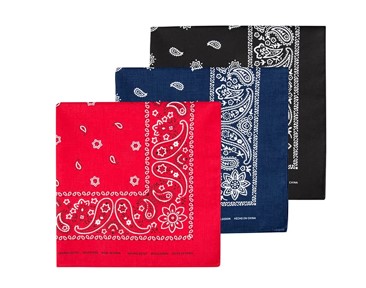
Bandana: This is very important! I tie one to a carabineer and put it on the side of my pack so I have easy access to blow my nose. My nose drips like a faucet above treeline, and it’s nice to have something readily available to wipe my nose. (Yes, learning how to clog one nostril and blow is helpful, but not practical with large mountaineering gloves). The bandana should be made of polyester so it dries out fast. If you buy a cotton one it will freeze faster, get stiff, and be unusable until it melts. It becomes frozen snot.
Snowshoes: When it comes to snowshoes, you most likely won’t be putting these on at the trailhead, but later in your hike. Thus, ease of use is very important: you want to be able to put them on without taking off your inner glove. The three things I look for in a snowshoe are that they’re made of steel (not aluminum), have heel risers, and ratchet bindings. Ratchet bindings are the most important feature: I climbed all of Colorado’s 58 peaks over 14,000’ in a cheap pair of snowshoes, but I wouldn’t have been able to accomplish this if they hadn’t had the ratchet bindings.
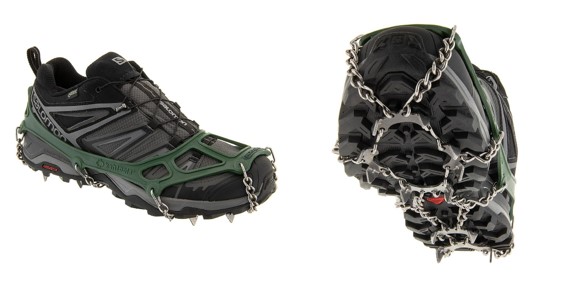
Microspikes: Don’t spend a lot of money on these, as a good pair is $10. I use them year-round (they work great on scree for stability). My advice here is if there’s any ice at the trailhead to put them on while you’re still in your vehicle, keeping your hands warm while doing so. I’ve worn microspikes for miles when they weren’t needed, and it didn’t damage them. It did however keep my fingers from getting needlessly cold by taking them off. (Remember, when it comes to the cold, prevention is key). Microspikes can also be worn with snowshoes: There’s no need to take microspikes off to put snowshoes on.
Ice Axe: These are usually made of stainless steel/aluminum, which gets cold. I have an ice axe with a rubber grip (which is moderately warmer) and a leash. The leash goes around my wrist, under my outer glove but on top of my shell. I try to hold the ice axe by the leash when it’s not necessary to hold the shaft for safety purposes. Another way to avoid the cold here is to put a bandana around the shaft while gripping it.
Crampons: Make sure they’re made of steel and not aluminum (aluminum bends) and have front facing spikes for traction. Learn how to use these before trying them in the elements for the first time, as they can be tricky to put on correctly, especially while wearing gloves.
Solar Powered Battery Charger: Never worry about your phone losing battery again! I clip one of these onto the outside of my pack, and allow it to charge all day. Most double as a flashlight as well. Just make sure you remember to bring a cord for your device.
Surveyors Tape: I use surveyors’ tape as a way to self-rescue if I think I’m lost. I have a roll I bought at home depot, in a bright color so I can see it, like yellow or orange. I precut about a dozen or so strips about 12 inches long, put them in ziplock bag, and bring the roll with me as well. If I feel like I’m lost, I stop where I am, and create a ‘home base’. I get out my compass, and point it in the direction I think I should be going. Let’s just say that’s north. Then I mark a tree, rock, etc with a piece of the tape, and follow my compass north, adding strips as needed as I go. If I don’t find my way back on route, I follow the strips back to where I started, collecting them on my way. Then I try another direction, like east, and do this over and over until I find my way back on route. Surveyors’’ tape can also be used to mark and entry or exit point, or to signal danger. It’s inexpensive and lightweight and worth having in your pack
Keep Your Pack Packed
Unfortunately, those of us with Raynaud’s don’t have the luxury of packing light: we need to be prepared for all types of weather, and due to the possibility some of our gear might fail/get lost, we need backups. I like to keep all my gear in my backpack when not in use. When I get back from a hike, I usually wash my bandana, refill my water bottle, wash my sunscreen compact, and put them all back in my pack. I don’t forget important gear at home, as it’s always in my pack. In addition to the 10 essentials, I carry the following items (scroll down for detailed information):
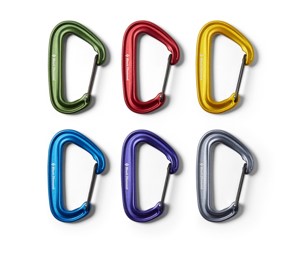
Carabiners
Jetboil
16oz water bottle (in addition to my regular water bottle)
Stylus
Vaseline
Sunscreen
Camera
Collapsible trekking pole
Shovel
Carabiners: Carabiners are your friend! The larger the better, so they’re easier to manipulate while wearing gloves. I use them to attach my water bottle to my pack, as well as my ice axe, bandana, and any other gear I want easily accessible.
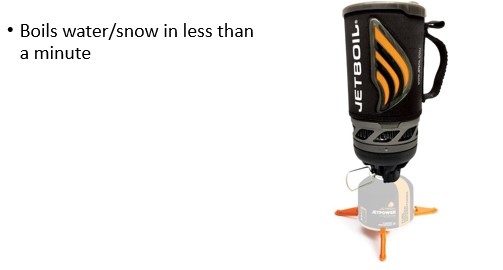
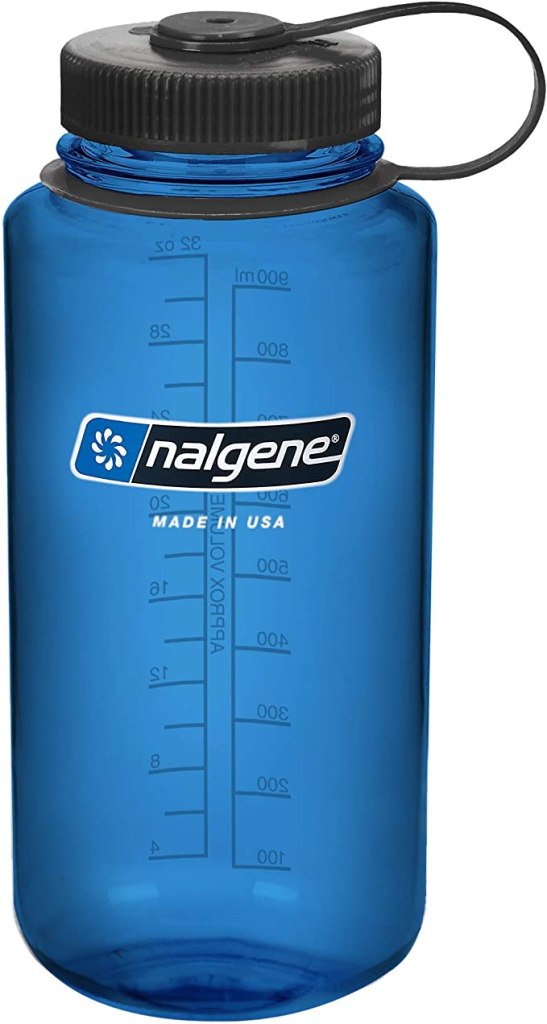
Jetboil and 16oz Water Bottle: Jetboils are a useful tool, as they are relatively lightweight and can boil water very, very quickly. I have one in my pack during the winter, along with a 16oz Nalgene. Before the hike I warm up water, put it in the Nalgene, and keep this smaller water bottle close to my skin as I hike (sometimes in a pocket, or the waist of my pants, etc.) This helps keep me warm. I also start my hike with warm water in my drinking water bottle to help prevent it from freezing. Keeping the water bottle close to my body (and not in my pack) helps to keep the water from becoming frozen during the hike. The Jetboil comes along with me, and if needed I can warm up the water again, or, if the water is frozen, I can quickly heat up snow.
Stylus: These are so helpful to people suffering from Raynaud’s! Our fingers don’t register well on touch screen devices, including ATMs, gas station machines, phones, and tablets. A stylus is cheap (I bought 12 in a pack from Amazon for $4) and solves the problem of using our fingers on screens. A stylus while hiking has the added benefit of reducing the need to take off your gloves to use your phone or GPS device to take pictures or find direction. I keep a stylus attached to all my devices that require touch to operate.
Vaseline: I’m in love with Vaseline/Petroleum Jelly. Movie stars have sworn by its beauty effects (wear it to bed to keep skin soft and younger looking), it helps wounds heal faster, restores moisture after wind burn, and when you’re a mountaineer, it keeps your nose from freezing. Before hitting the trailhead I slather a generous layer of Vaseline on my nose to keep my nose warm. It works wonders!
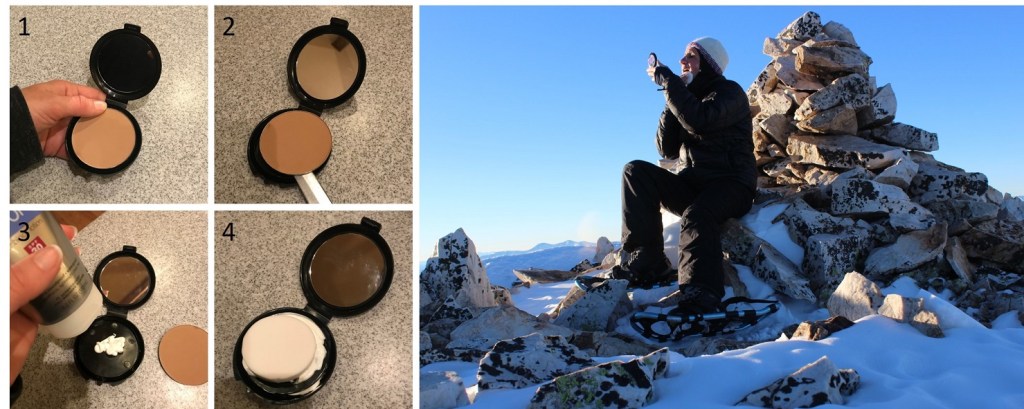
Sunscreen: OK, so it’s cold above treeline, but due to the reflection of the sun on the snow sunscreen is still needed. This can be problematic because a tube of sunscreen freezes in the winter above treeline. Using an aerosol spray isn’t practical for obvious reasons (wind) and the sunscreen that comes in a deodorant-like stick doesn’t apply evenly/melt when frozen. To combat this, I went to the dollar store and bought a compact, took out the powder, cleaned the compact out, and filled it with my favorite sunscreen. Then I placed a new compact sponge over it (30 sponges for $1 at the dollar store) and let the sponge absorb the sunscreen.
I keep the compact in my pocket as I’m hiking (inside of a plastic ziplock bag) and when the sun comes up, I take out the compact and apply the sunscreen. The first time I did this I was surprised at how well it worked: The sunscreen doesn’t freeze this way, and is easy to apply. The only downside is the set-up needs to be washed/replaced every time you use it.
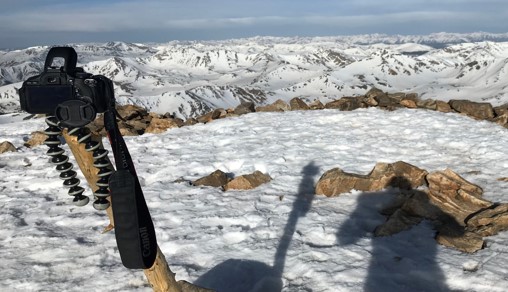
Camera: Of course, you’ll want to bring a camera, and the specific kind is up to you. Did you know cameras get cold too? The batteries freeze and they stop working. To combat this, I put my camera on a strap around my neck, and in between snapping photos keep the camera between my puffy and outer layer. This keeps the battery from freezing.
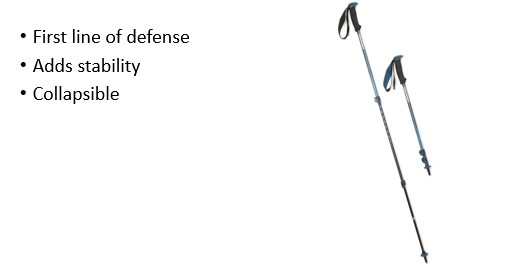
Collapsible Trekking Pole: These are indispensable for a variety of reasons at all times of the year. In the winter they are used for probing the snow to measure snow depth, determining the stability of ice at frozen stream/river crossings, and to whack snow off trees bent over with snow and blocking the trail. Make sure the handle is made of cork or plastic (not metal/aluminum) and easy to manipulate while wearing gloves. When not in use because you’re using your ice axe, collapse and attach to your pack with a carabiner. Also, a trekking pole is your first line of defense against 2 and 4 legged animals.
Shovel: Two different types, one for digging out of avalanches, one to dig your vehicle out of the snow.
Trail Tips and Tricks:
Use a water bottle, not a water bladder: The hoses in water bladders freeze in the winter, making them inoperable. I like a water bottle with a large opening, as it takes longer to freeze. I like to start with warm water, and if it’s very cold out, place it close to my body so it doesn’t freeze as quickly. Warm water in a water bottle is also a great way to warm up your hands.
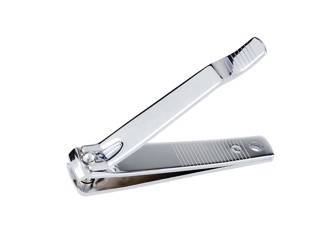
Keep your toenails cut short: This will help prevent excess rubbing, discomfort, and blisters.
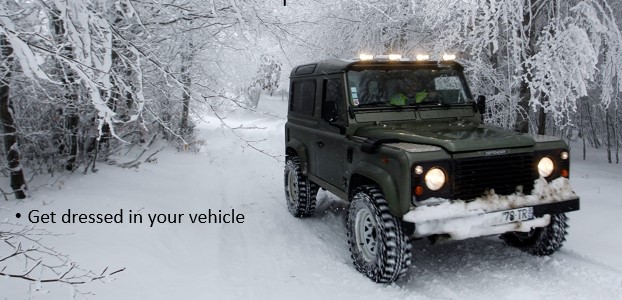
Get dressed in your vehicle: It’s cumbersome to drive to the trailhead wearing all my winter gear, so when I arrive at a trailhead I tend to get dressed in the car. I do so with the heat on high, and put all my gear on without opening the car door (this includes snowshoes). It takes a little maneuvering, but I start the hike warm.
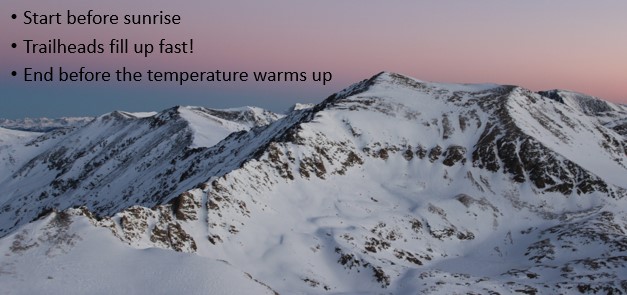
Start Early: Just like in summer, when you want to start early so you can be down below treeline before the noon storms,in the winter you want to start early so you can be down before the worst avalanche danger I’ve found the trailheads in Colorado fill up fast! Many of them before 7am. A side note with popular trailheads, don’t keep valuables in your vehicle, as thieves frequent these sites
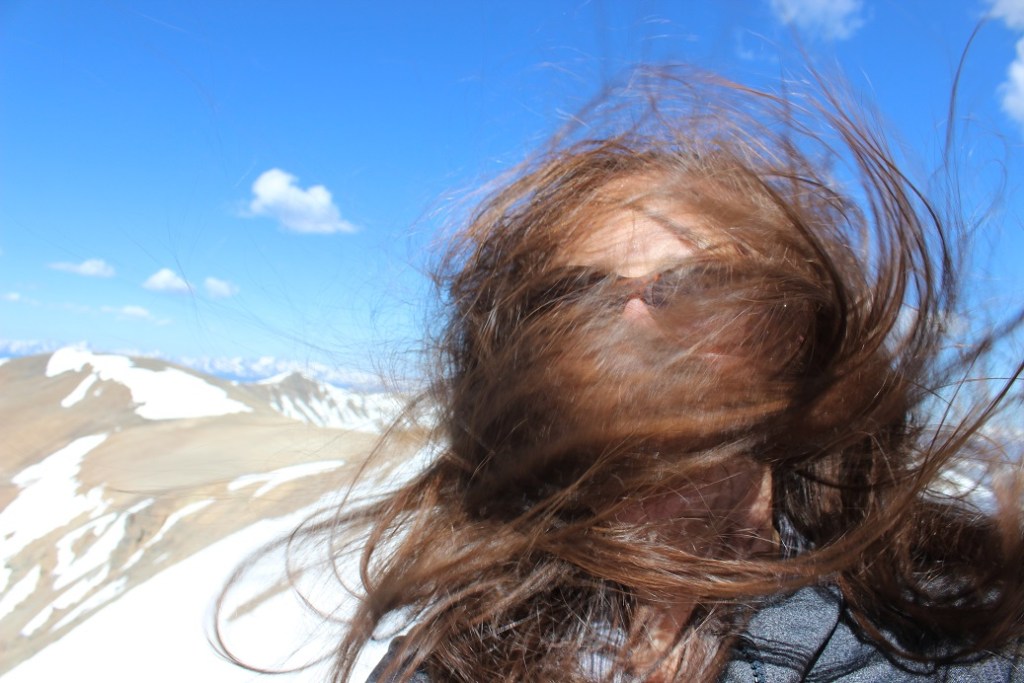
Tie your hair back: Here I believe a picture is worth 1000 words. I now braid my hair before a climb.
Don’t Wear Cotton: Cotton is heavy, takes a long time to dry, adds to rapid body heat loss, and absorbs too much moisture. That means you stay wet/cold for a long time. This includes jeans and that cool ‘It’s another half-mile or so’ t-shirt. Instead, pick a synthetic fiber such as polyester, nylon, fleece, or merino wool.
Add string to your zippers: Yes, wearing lobster-claw gloves is great for keeping your hands warm, but it makes manipulating your fingers and doing ordinary tasks, such as unzipping a zipper, difficult. I’ve added string to my zippers so they’re easier to grab while wearing bulky gloves. Note: don’t make the string too long, as it will flap in the wind and hurt when it hits you in the face at high speeds. 6 inches of string is best.
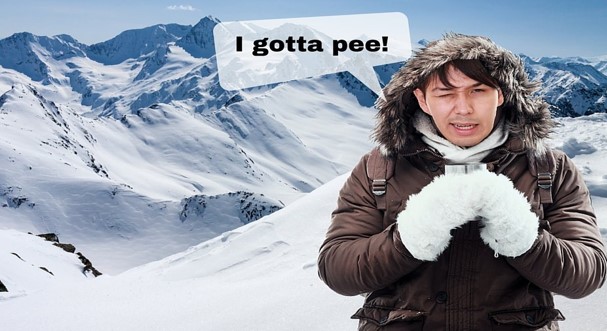
Pee Before Treeline: Wind intensifies at treeline, and stripping off layers in these conditions is not a good idea. If you’ll need to use the facilities (always assume you will), do so under the cover and protection of the trees.
Never Leave Gear Stashed: It’s tempting to leave your snowshoes stashed somewhere when no longer needed to pick up on your way back, but I’ve learned it’s important to carry all gear you’ll need to get down the mountain for your entire hike. I’ve had gear taken (either stolen or someone brought it down to the trailhead, thinking I’d lost it) and it’s easy to forget where you’ve placed the items. If you needed the gear to climb up the mountain, keep it with you so you’ll absolutely have it to get back down.
Keep Moving: There are times when rest is necessary, but resting can quickly lead to frigid body temperatures. Never allow your feet to stop moving, as this is when they cool down. If you’re taking a sip of water or rearranging gear, keep your feet engaged, moving them up and down (marching in place) as you do so. This will help prevent cold toes. Pump your fingers back and forth inside your gloves to keep the circulation going.
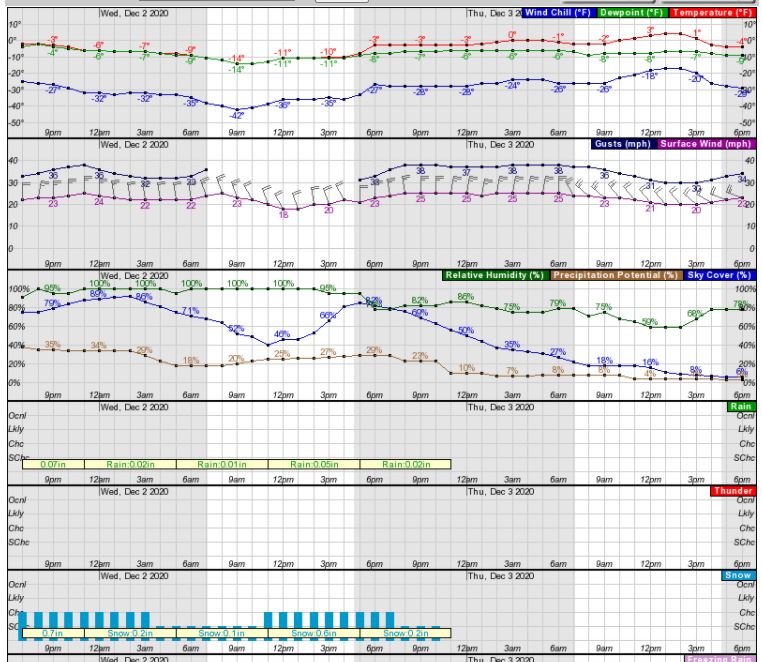
Become a Hobby Meteorologist: In winter the days are shorter, so daylight hiking time is less than in summer. Always check the forecast, but remember forecasts are often wrong and change during the day. Learn how to read weather forecasts and know how they relate to timing, topo maps, and geographic features. I’d recommend spending time learning how to navigate the NOAA weather forecasting site, particularly as it pertains to hourly weather forecasts for specific regions/peaks. You’ll gain information such as temperature, wind speeds, wind gusts, sky cover, potential precipitation, lightning, etc. in an hourly forecast. What you see may look daunting at first, but a few minutes studying and it’s mostly self-explanatory picture of the day’s conditions, letting you know the best times to climb, or if you should climb at all.
Windy Weather: When reading forecasts, know wind speeds/gusts are often much more important than how cold it is outside. Hiking in 20 degree weather is actually quite nice when prepared in proper gear and the sun out, but add in windchill and it can quickly become hazardous. I’ve mountaineered in winds up to 80mph, and from personal experience, if the wind predicted to be above 20mph I choose a different area or stay below treeline.
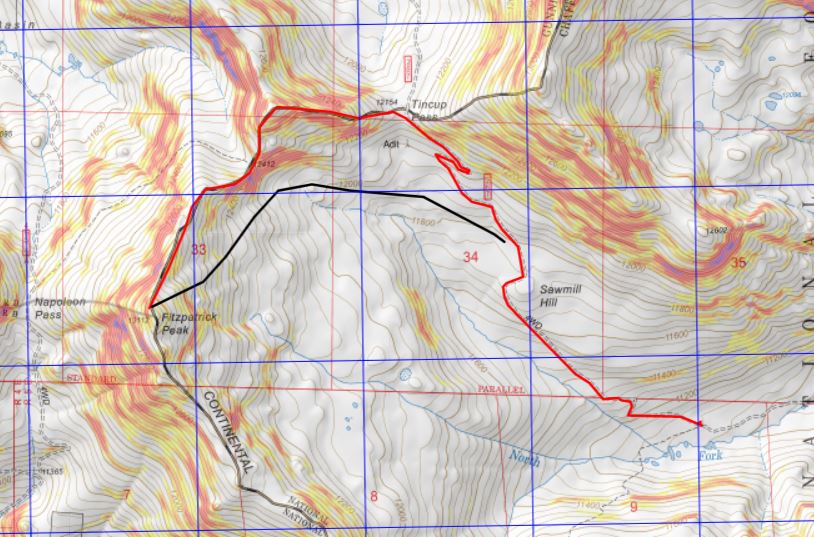
Learn how to read the forecasts to see which way the wind is coming from, and then you can plan your route to avoid ridges where there will be more wind, or at minimum design a route that avoids the brunt of the wind for as long as possible by staying below treeline for a longer period or in the shelter of the side of the mountain with less wind.
For example, in the picture below, if the normal route is in red, but there are winds coming from the north or west that day, you could avoid most of the wind by taking the black route instead, limiting your exposure time on the ridge.
The summit is only halfway: Know your limits, and realize when to turn back. People with Raynaud’s experience cold much more intensely than other people, with quicker and more drastic effects. Summiting is optional, making it back to the trailhead is mandatory. Preferably with all your digits intact. Know when to turn back. Also know when to celebrate. While a lot of people like to down a beer or a shot of whiskey at the summit, this is a dangerous practice, as often times the route down is more difficult than the route up. You want full use of all your senses.
Prevention is key: A Raynaud’s attack, once triggered, is very painful and can take a while to recover from, even after the affected area has been re-warmed. Doing as much as you can to prevent an attack is never wasted: Dress warmly, wear a wind barrier (outer shell), never take off your inner gloves, keep all your gear easily accessible, and bring along warm water. Start with short winter hikes and work your way up to longer, more technical climbs.
I hope this article has been helpful for those of you with Raynaud’s, as well as those of you who may not have Raynaud’s but are interested in staying warm while winter hiking. I’d love to hear from you! Do you have any advice for winter hiking? Comments? Questions? Is there a topic you’d like me to discuss? Contact Wild Wanderer here.
This was my third attempt at Gudy Peak. The other two attempts were thwarted from various approaches due to either snow or ice. With another storm rolling in this weekend, I realized this would be my last opportunity this year to summit this peak, so I was going for it.
I camped the night before at one of my favorite dispersed campsites, near Cooper Creek.
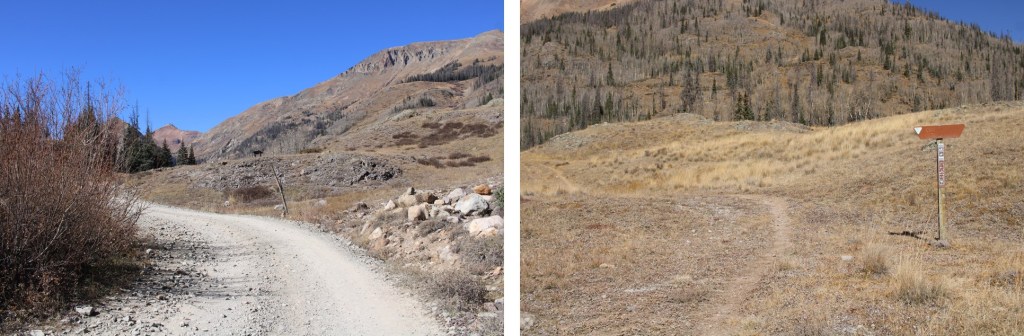
When I woke up the next morning there was a layer of frost on the inside of my topper. It was going to be a cold morning. I sat in the cab of my truck to warm up and get ready, and was on the trail at 7am. I started out heading northwest on the 4WD road, and then turned right onto Cooper Creek Trail
This trail is class 1, and pretty well maintained for the first two miles or so, when it fizzles out into more of a game trail.
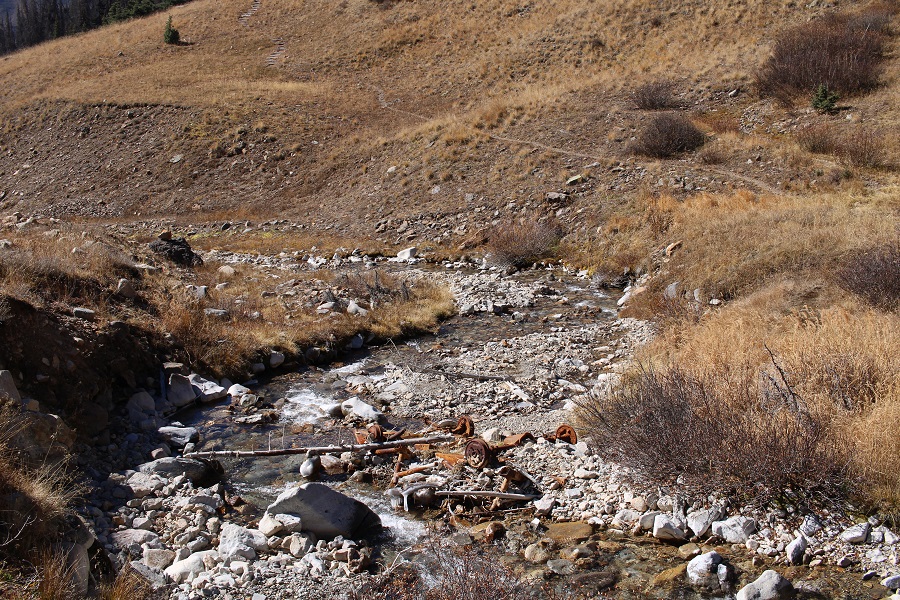
After hiking for about 1.5 miles the trail lost elevation and crossed Cooper Creek, then picked up again on the other side. There is what I’d originally thought was a vehicle at the creek crossing, but upon closer inspection, realized it was an old mining cart or trailer tipped over.
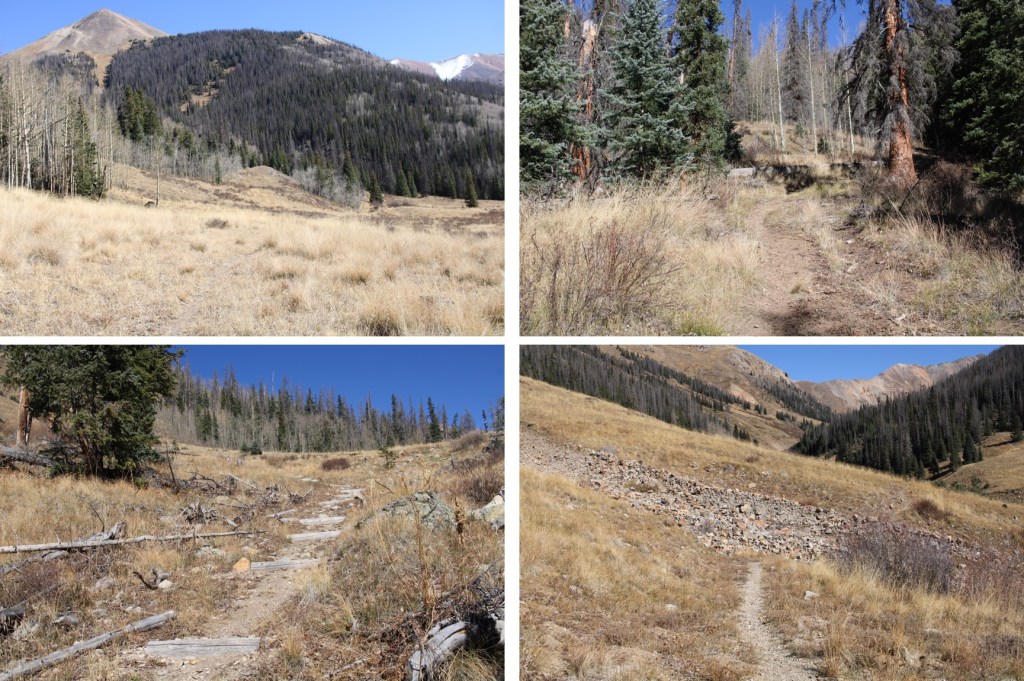
I followed the trail northeast through the basin
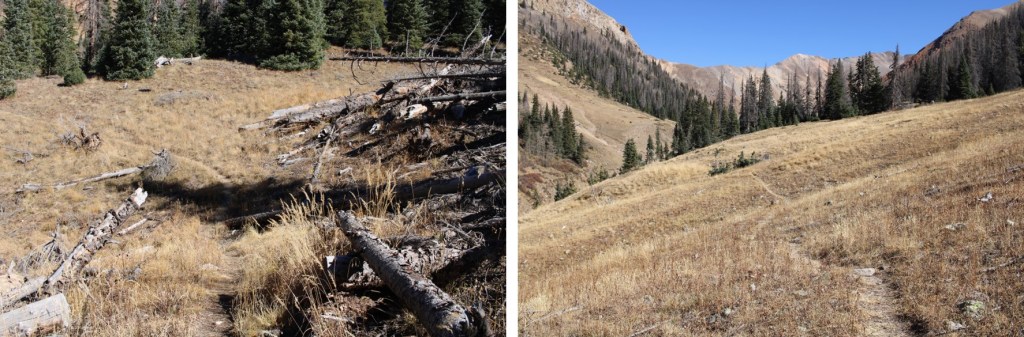
When I made it to treeline, I could see a faint trail that would be my route into the upper basin
Here are some step-by-step pictures as I crossed the creek and headed towards the upper basin
I was now headed west, and needed to ascend this gully. When I’d been here in the past this had been a sheet of ice, and difficult to ascend, even with an ice axe and crampons. Today I realized there’s actually a trail that will lead you up this area.
Now to gain the ridge. I took the gully straight in front of me. Take a good look at the top of the gully. It’s much, much steeper than it looks. This is the route I took:
That gully is a lot steeper than it looks folks! About 20 feet from the top I felt out of my depth, and with one hand put on my microspikes and ice axe. I wasn’t able to reach my helmet without taking off my pack, or I would have put that on too. I literally kicked in steps with my microspikes and used my ice axe and trekking pole to haul myself up. My trekking pole was not enough. Take the top of this gully seriously.
At the top of the gully I turned left, and followed the ridge southeast towards the summit
I summited Gudy Peak at 10:15am
Gudy Peak:
There were some great view of Uncompahgre, Wetterhorn, Matterhorn, Coxcomb, Redcliff, etc.
Now headed back, I retraced my steps back down the ridge
I put on my helmet and spikes for the gully, and headed east towards Cooper Lake. Here’s an overall route out of the upper basin
Back on trail, I followed it back to Cooper Creek
Then southeast back to the trailhead
Back on the road, I turned left and followed it east back to my truck
I made it back to my truck at 12pm, making this a 10.27 mile hike with 3191’ of elevation gain in 5 hours.
I’d forgotten what an intense drive Cinnamon Pass was… or at least, I didn’t remember it being this bad. I drove a stock Tacoma to the pass, and while it handled famously, I probably asked it to do more than it wanted to do. Luckily, at this time of the year, I was the only one there, and I didn’t see anyone else on the road the entire day. I parked at the pass and was on my way.
There is a trail here that goes all the way up to the saddle. I started by following it south
It had snowed in the last week or so, and even though there weren’t any footprints on the trail besides a few game tracks here and there, the path was obvious to the ridge
Also, all the little snow there was, was on the trail. I sunk up to my thighs post-holing.
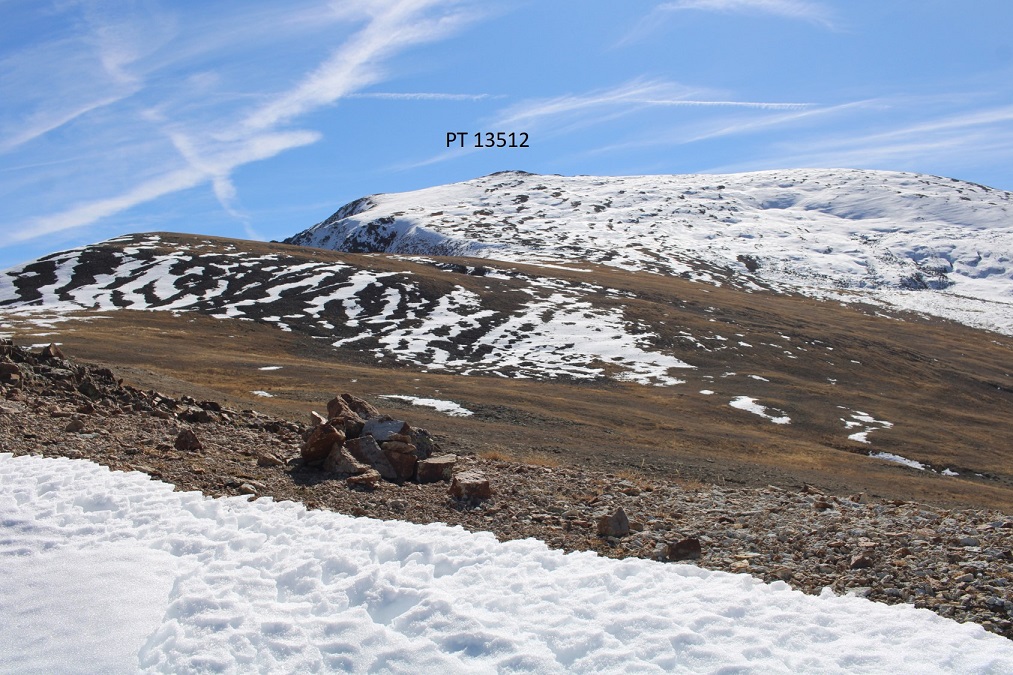
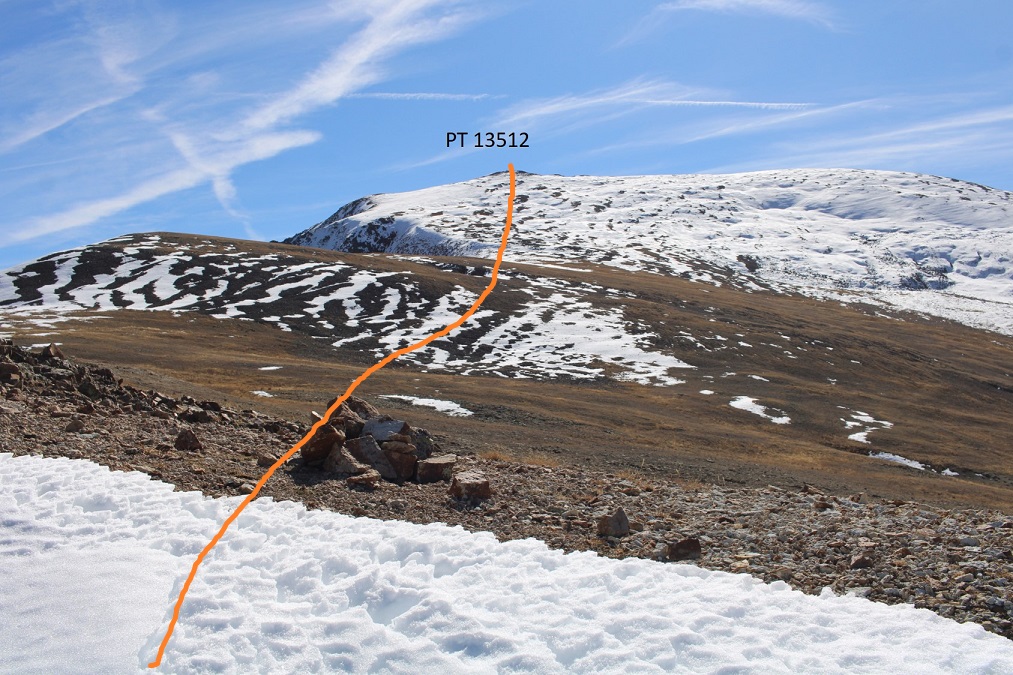
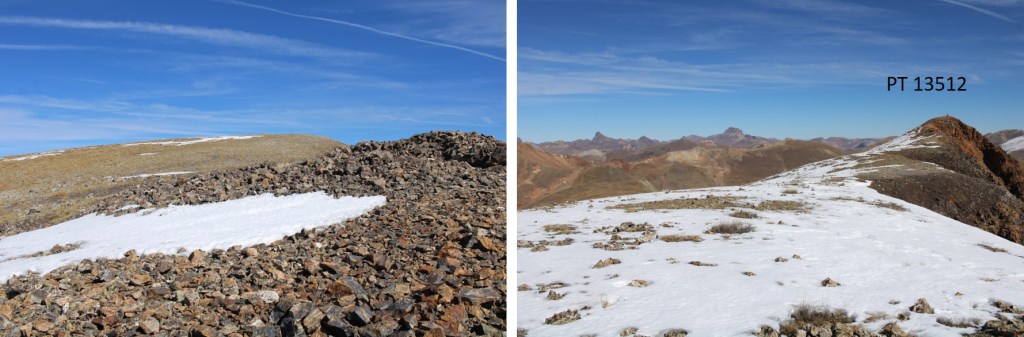
Once on the ridge, I could clearly see PT 13512, my first objective
This was very straightforward. I just headed southeast. Side note: If you’re a rock hound, there are a ton of really cool rocks on this hike, complete with white, black, yellow, and orange crystals that shine in the sun.
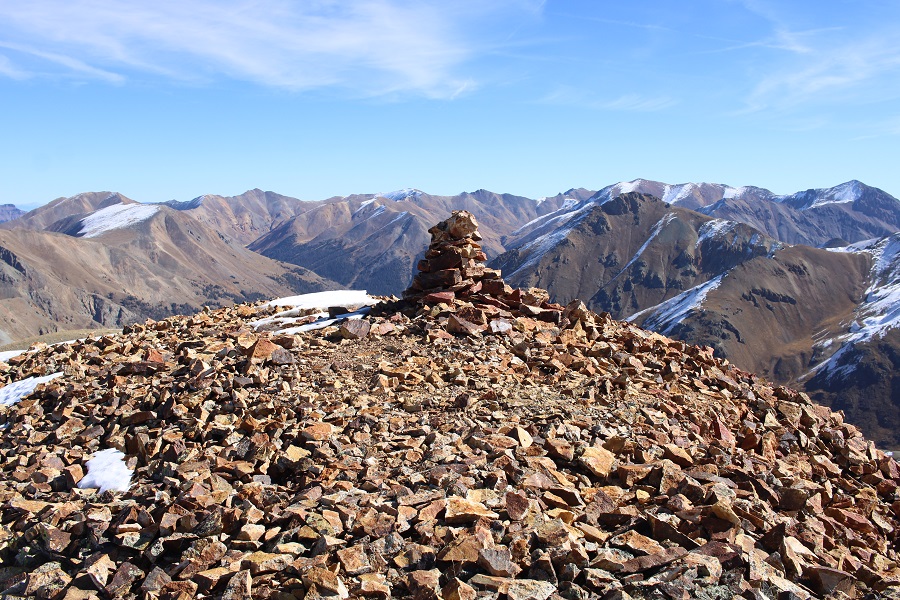
The ‘summit’ was obvious
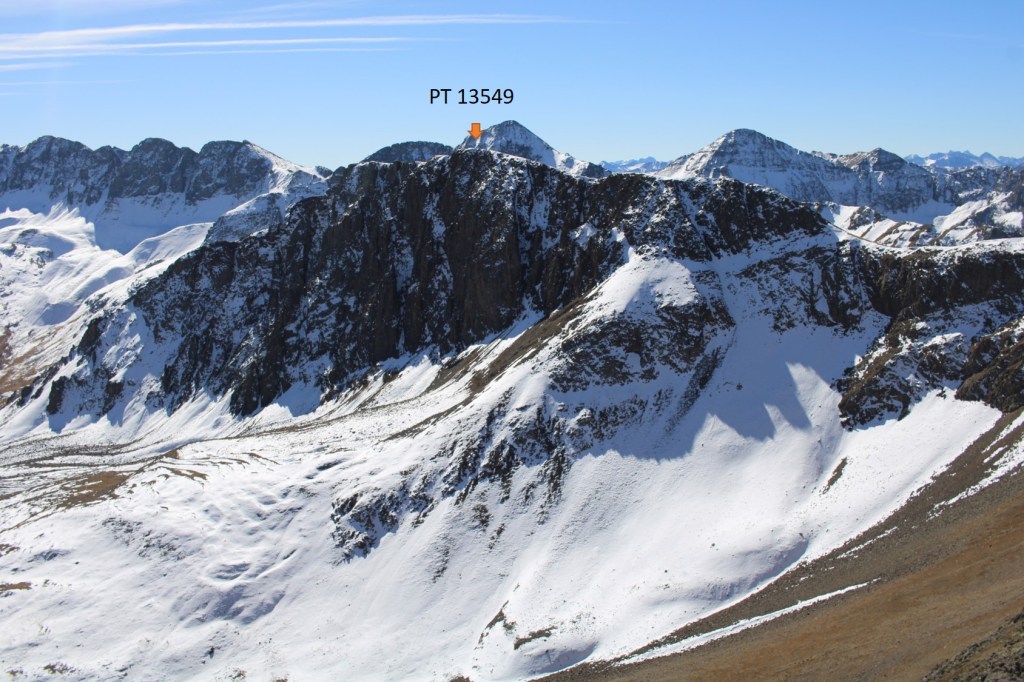
However, this wasn’t an actual ranked summit. I was headed towards PT 13549, to the south
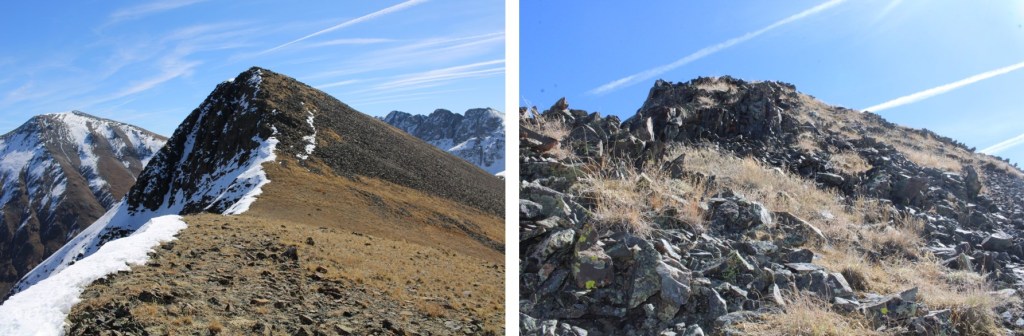
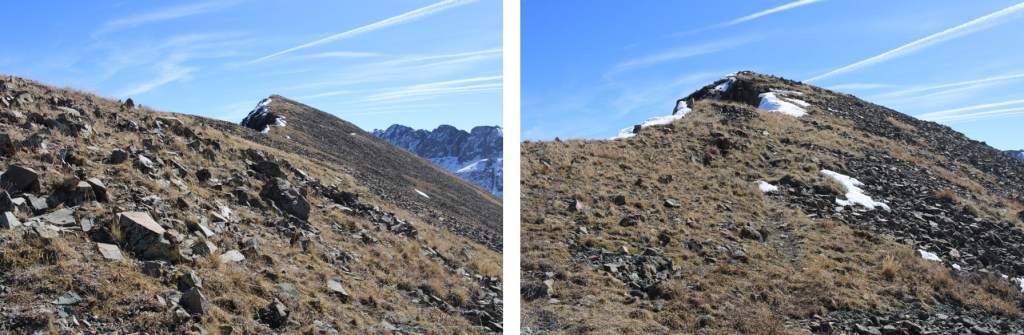
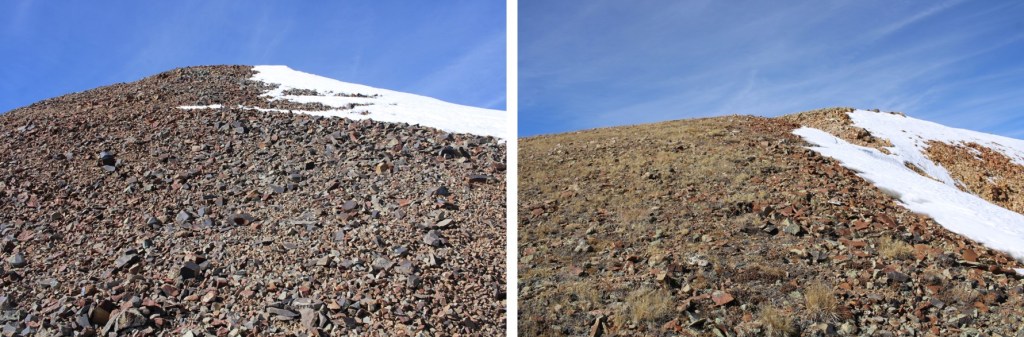
To get there, I followed the class 2 ridge as it curved southwest, and then southeast towards the summit. Here are some pictures of the ridge.
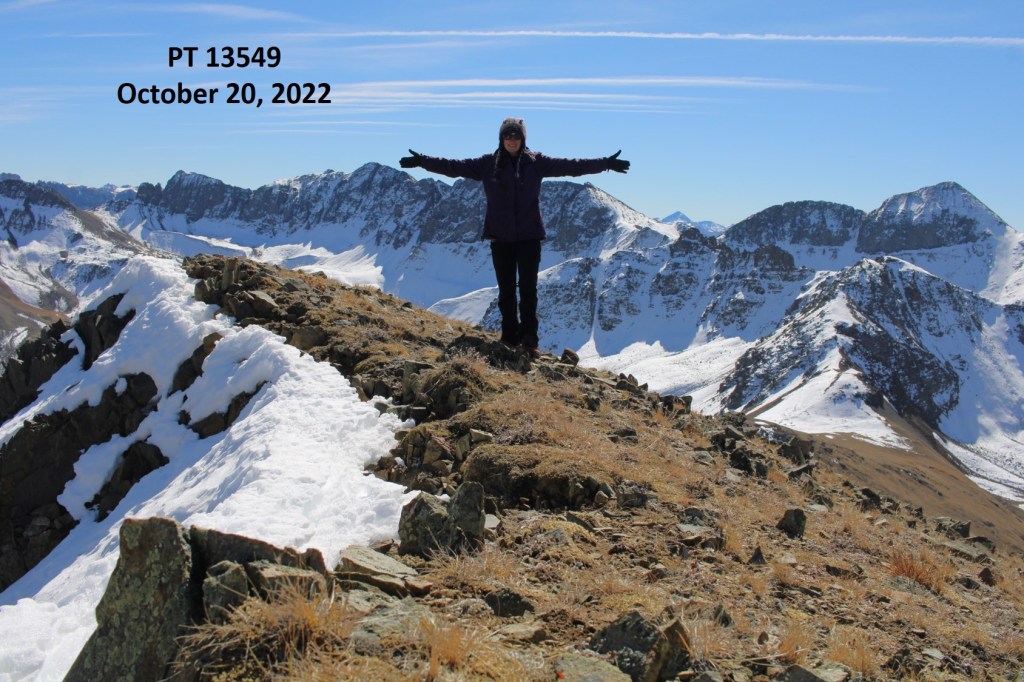
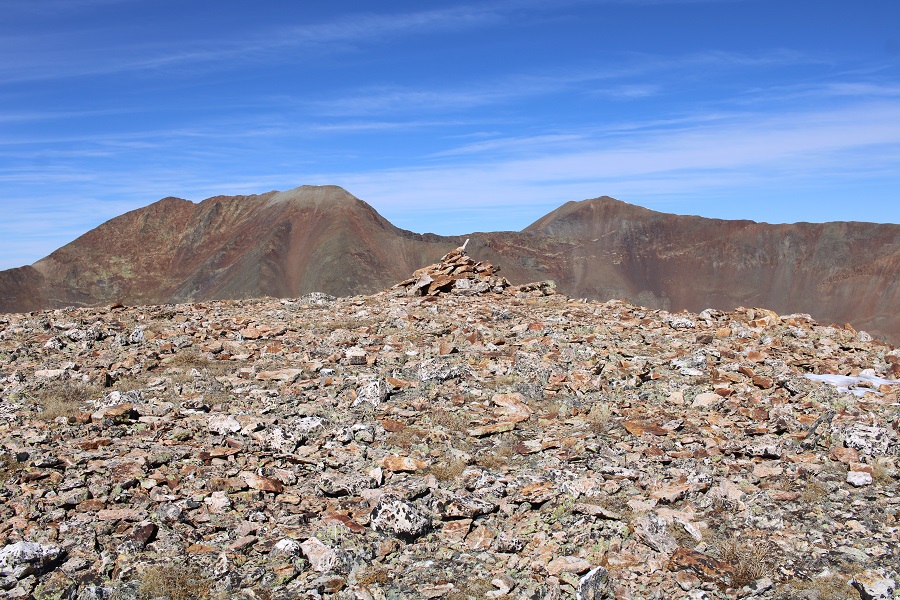
I summited PT 13549 at 11:30am
PT 13549:
After taking in the views, I followed the ridge back to PT 13512
Once back at 13512, I turned left, and headed northeast over to Cinnamon Mountain. This was once again a class 2 hike
I summited Cinnamon Mountain at 12:30pm
Cinnamon Mountain:
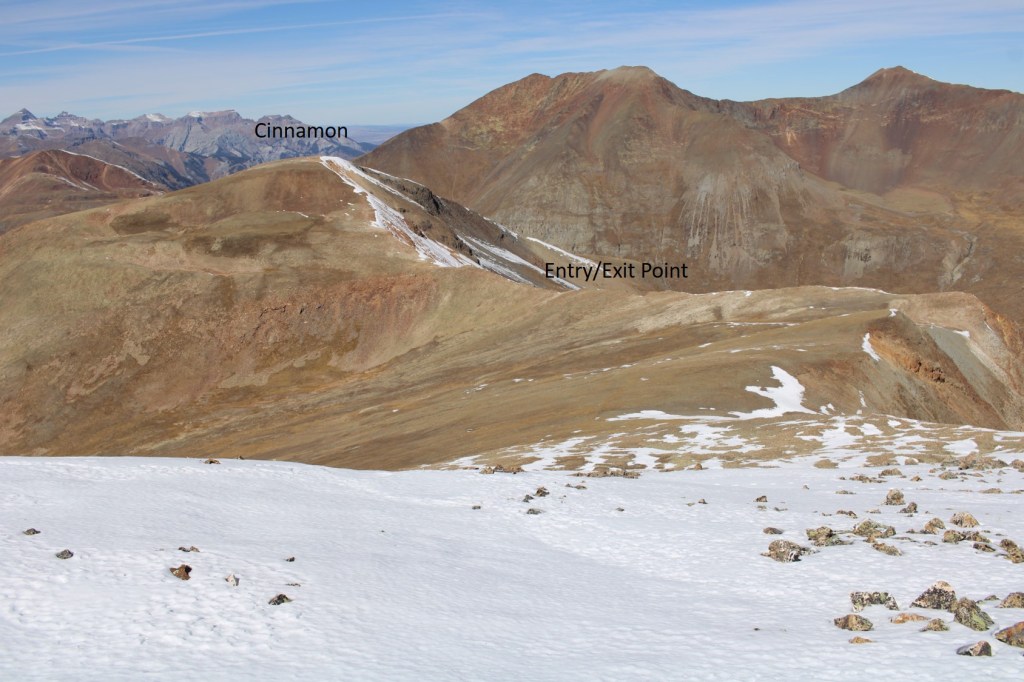
When I looked east, the route back to Cinnamon Pass was obvious
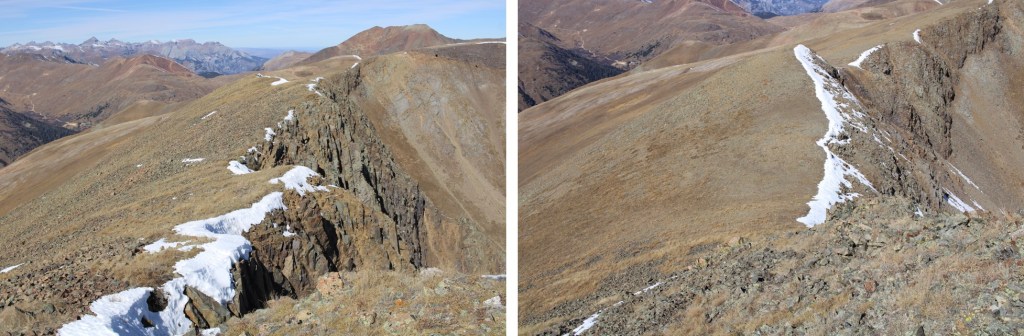
Here are some pictures down the ridge
And then from the ridge back to the trailhead
I made it back to my truck at 1pm, making this a 4.06 mile hike with of 1419’ of elevation gain in 2.5 hours. And now, to drive back down from Cinnamon Pass.
Imagine my surprise when I was heading towards the Long Lake trailhead, only to find the entire area was closed a the Brainard Lake entrance station. While I’d known the permit system ended October 15 (yay!!!) I’d not heard they planned to lock the gate as well. Have I mentioned I’m not a fan of the permit system? In any event, I parked in the winter lot, and was on my way at 5:15am.
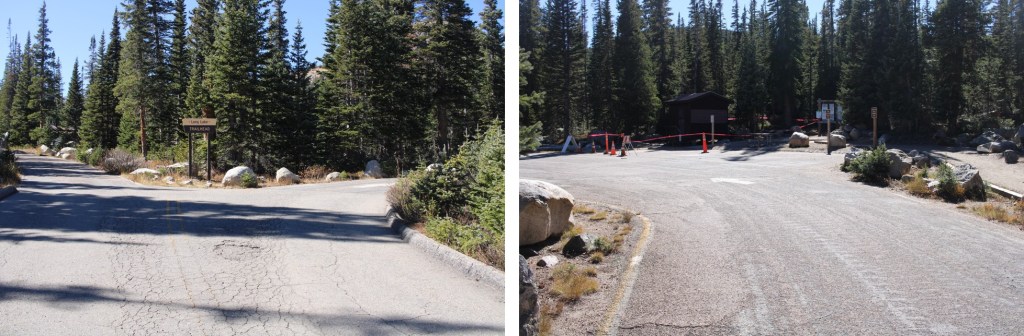
I walked for 3.1 miles west, on a snow-free, dry, and clear paved road, to the Long Lake trailhead.
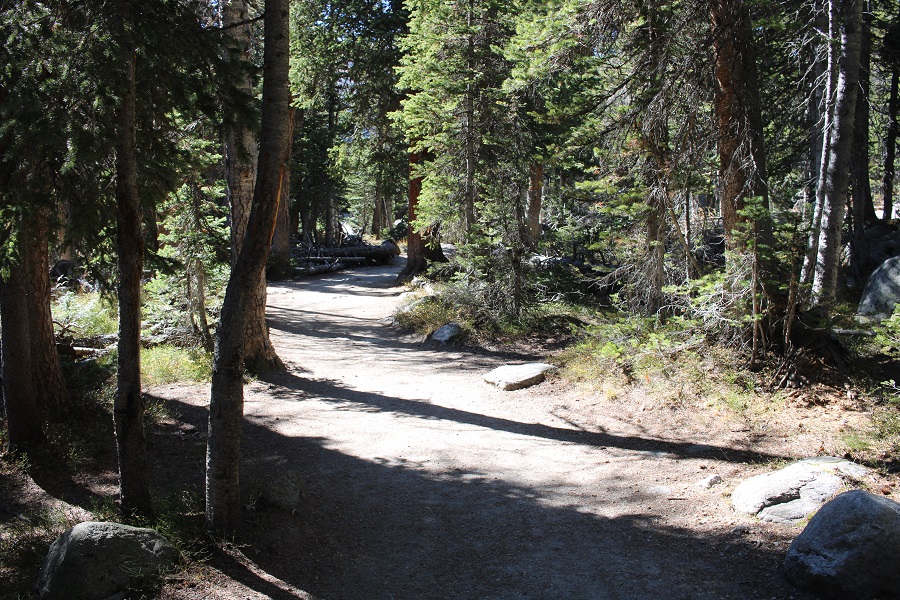
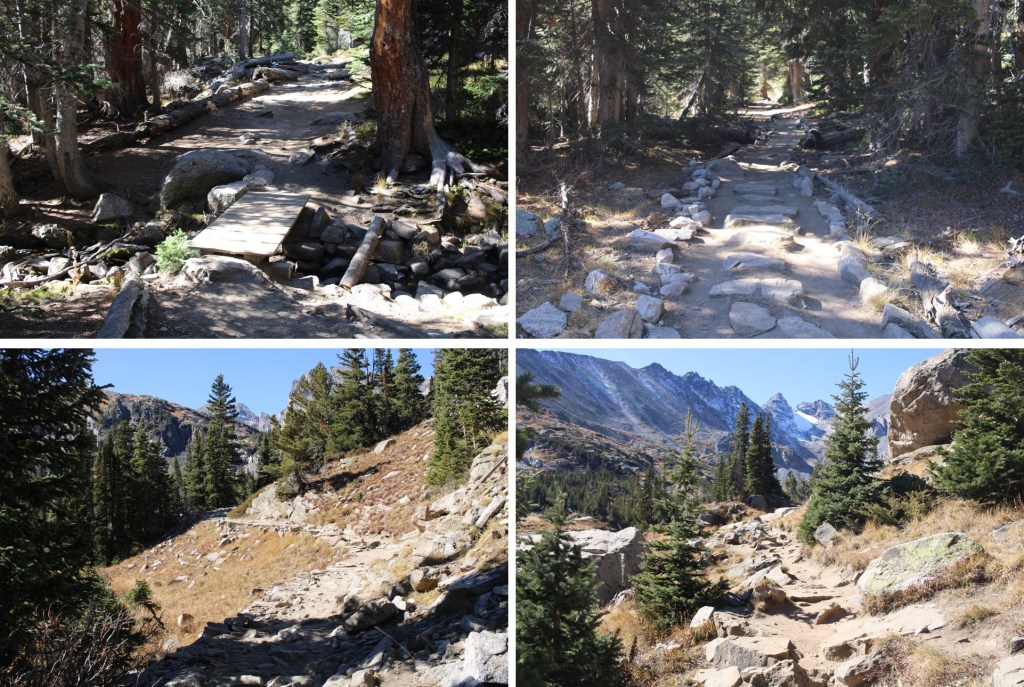
Now on the trail, I followed it west. This is a very well-marked, class 1 trail, all the way to Pawnee Pass.
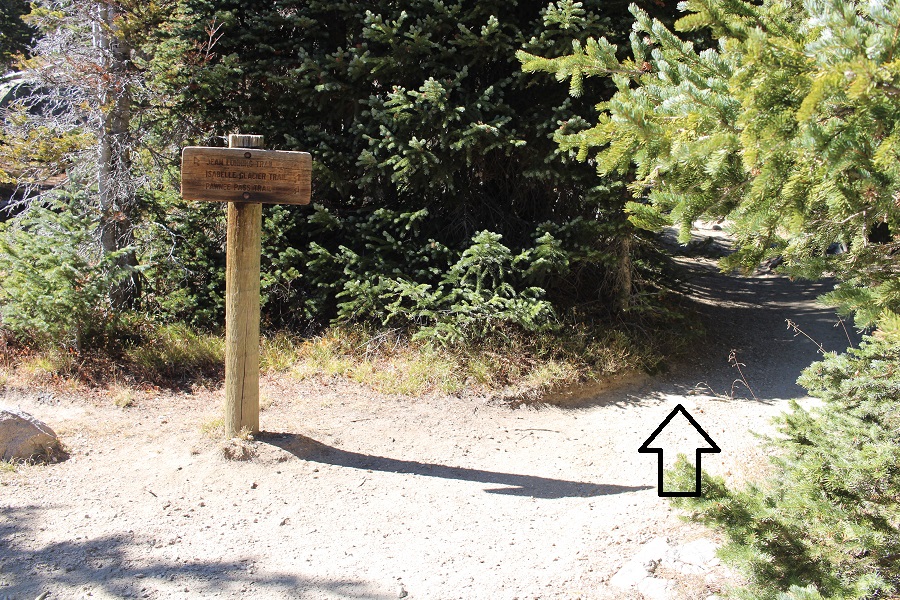
There are several junctions. I went right at each one. First to follow the Pawnee Pass trail.
The second to also keep following the Pawnee Pass Trail
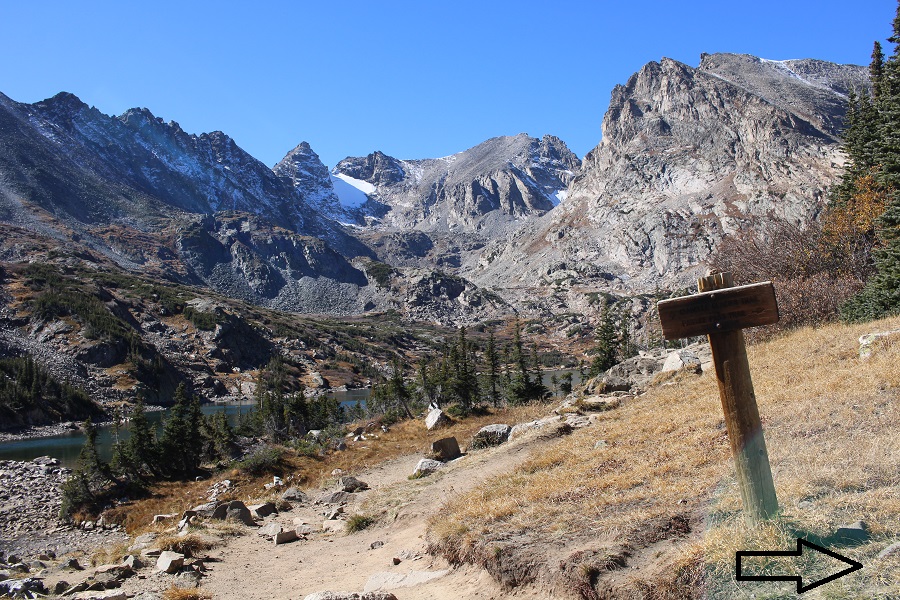
And the third time, just before making it to Lake Isabelle, to also keep following the Pawnee Pass Trail.
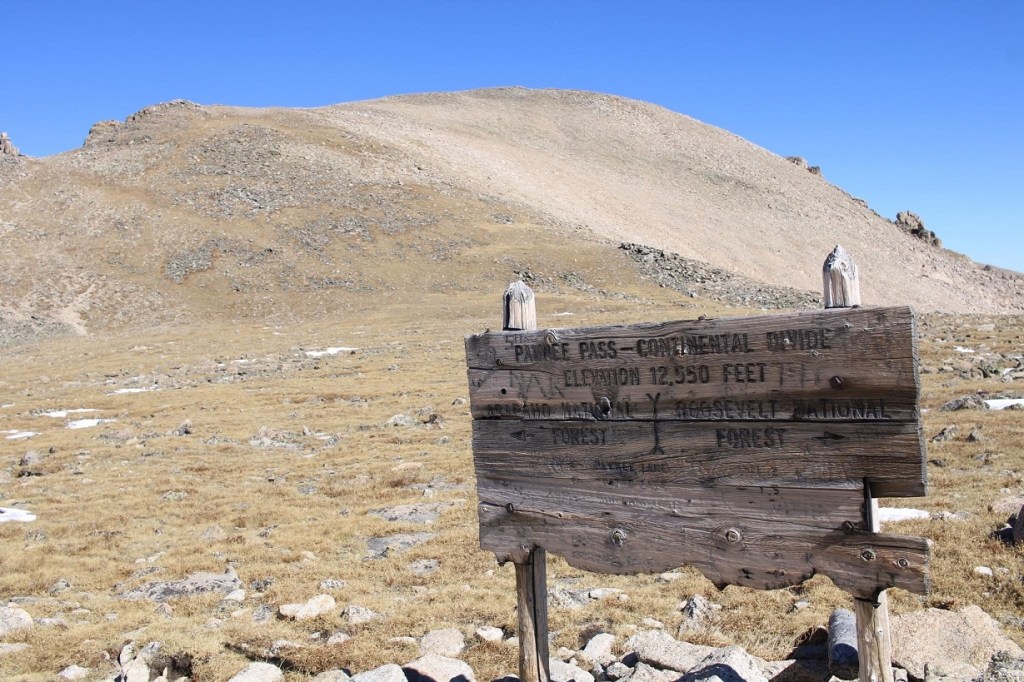
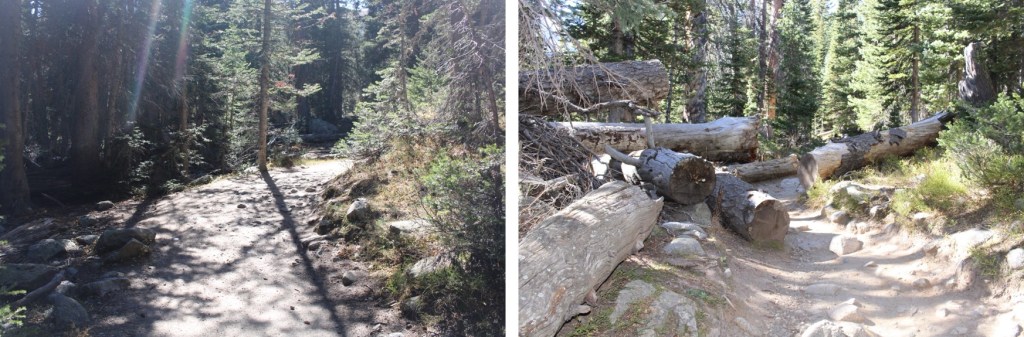
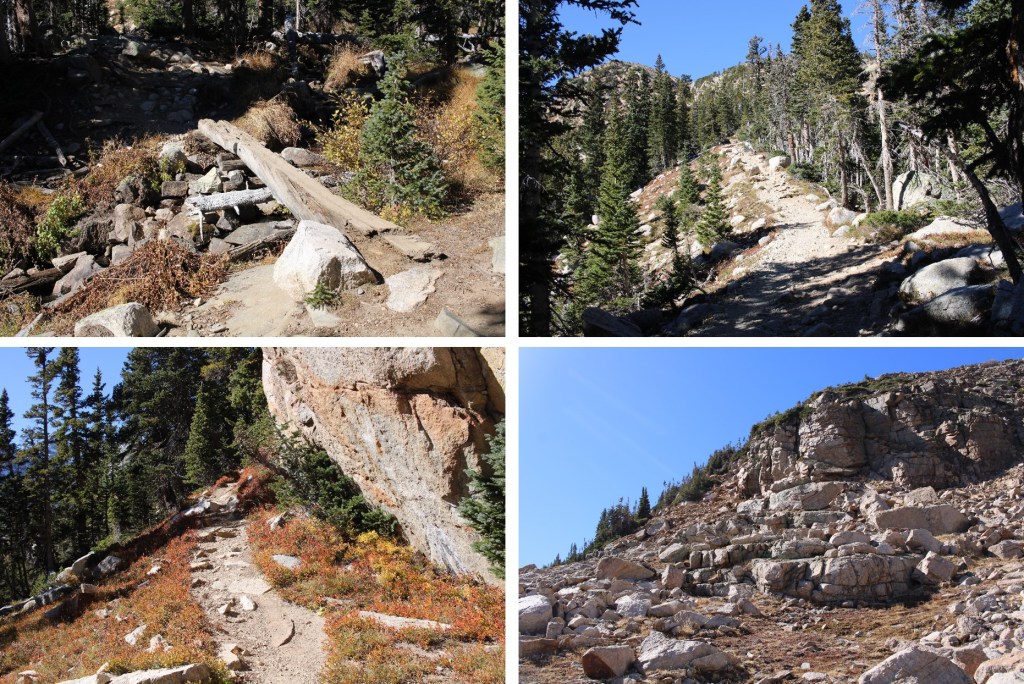
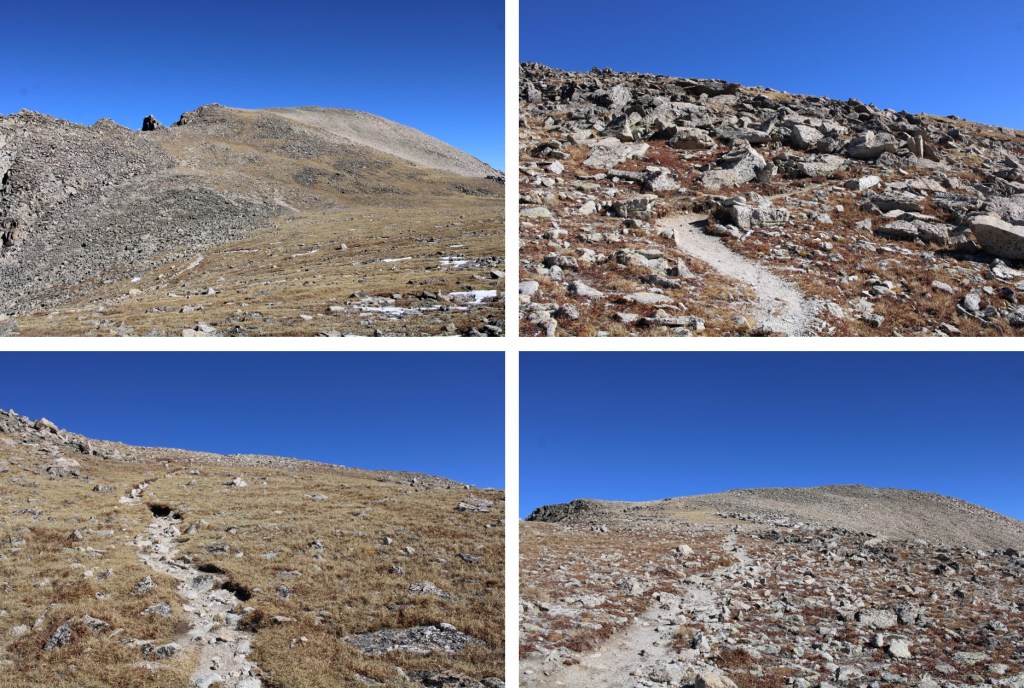
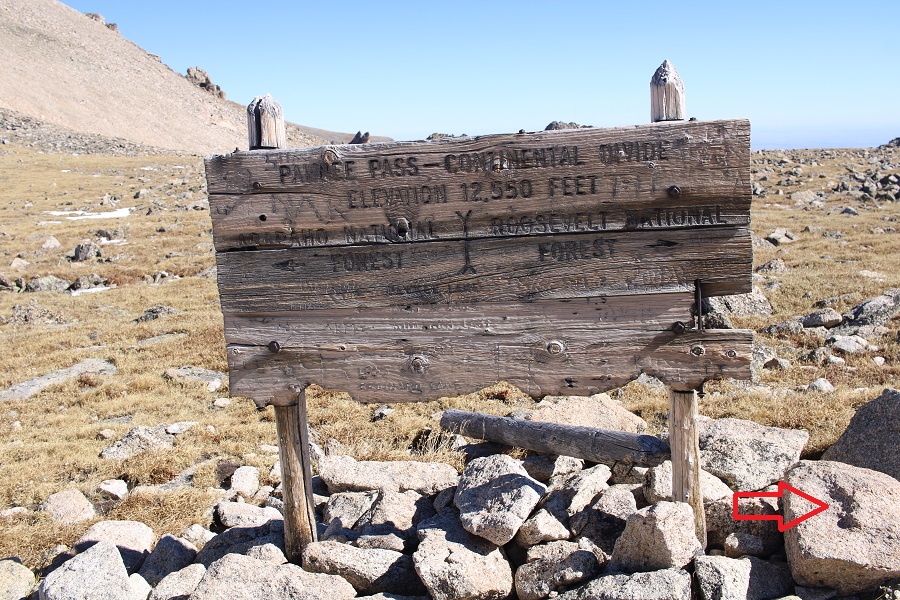
I followed the Pawnee Pass Trail almost all the way to Pawnee Pass
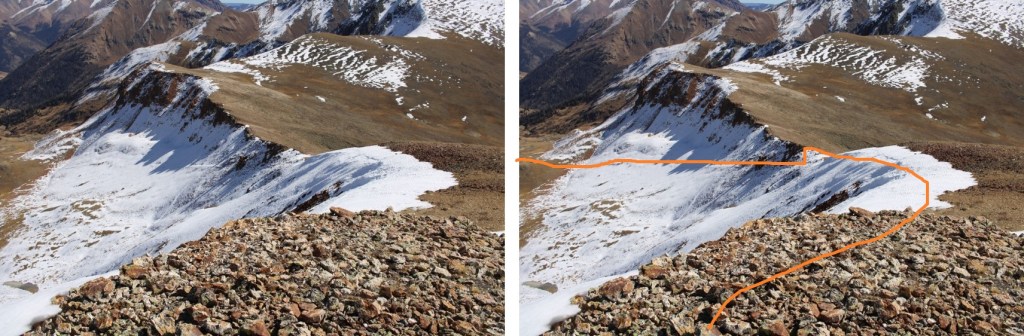
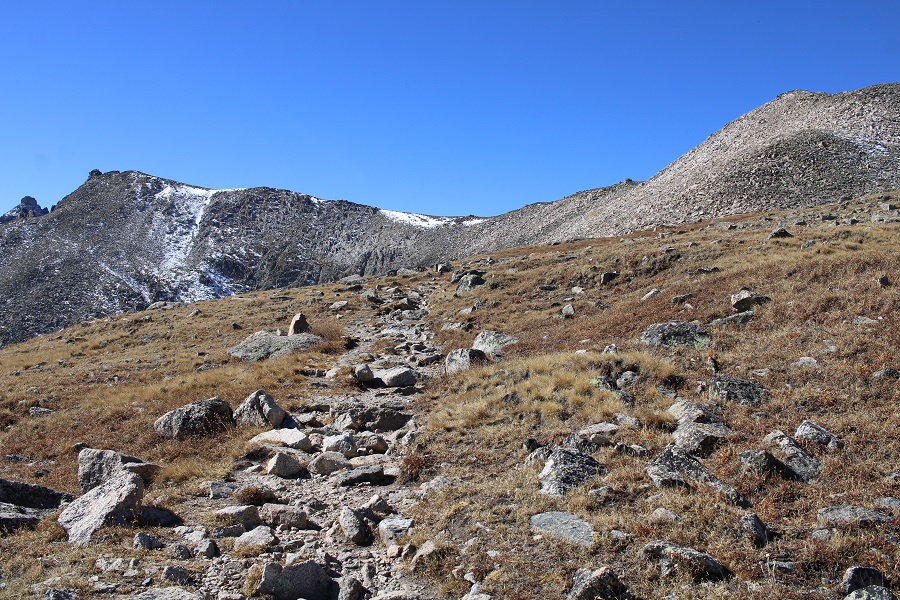
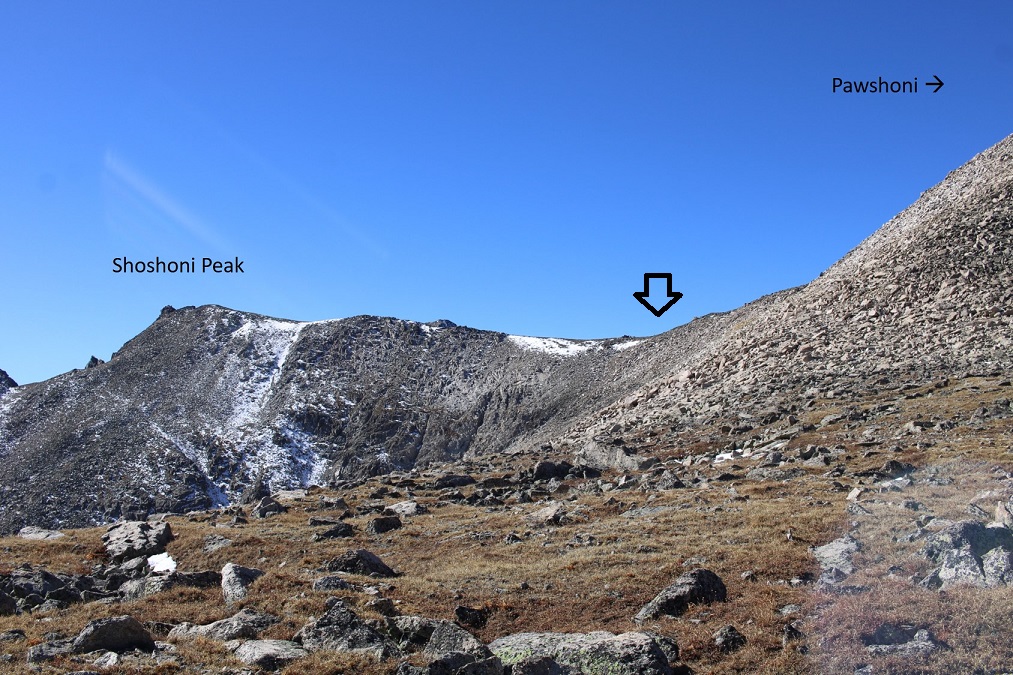
At 12530’ I left the Pawnee Pass trail, and headed southwest towards the saddle of Shoshoni and Paswhoni
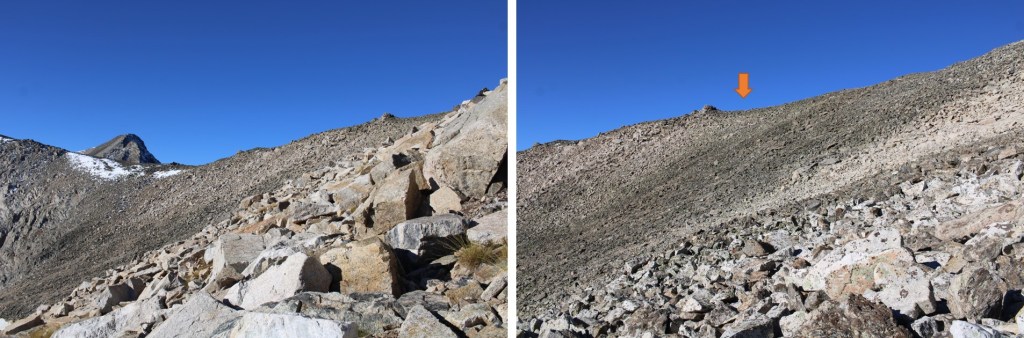
This was straightforward, class 2 rock hopping.
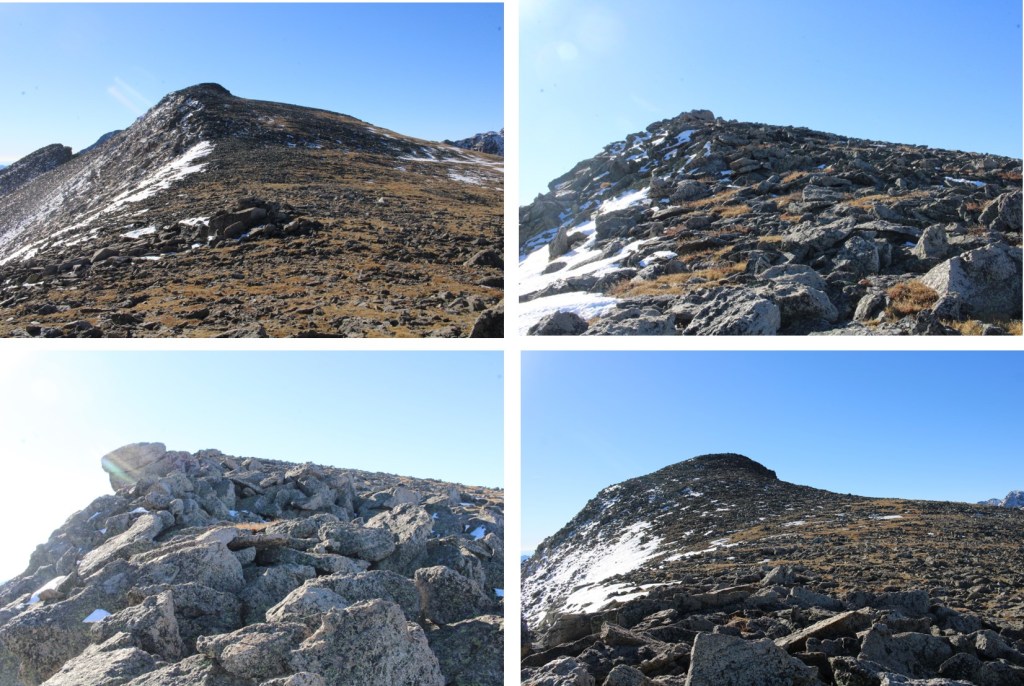
When I made it to the saddle I turned left, and followed the ridge south towards Shoshoni Peak
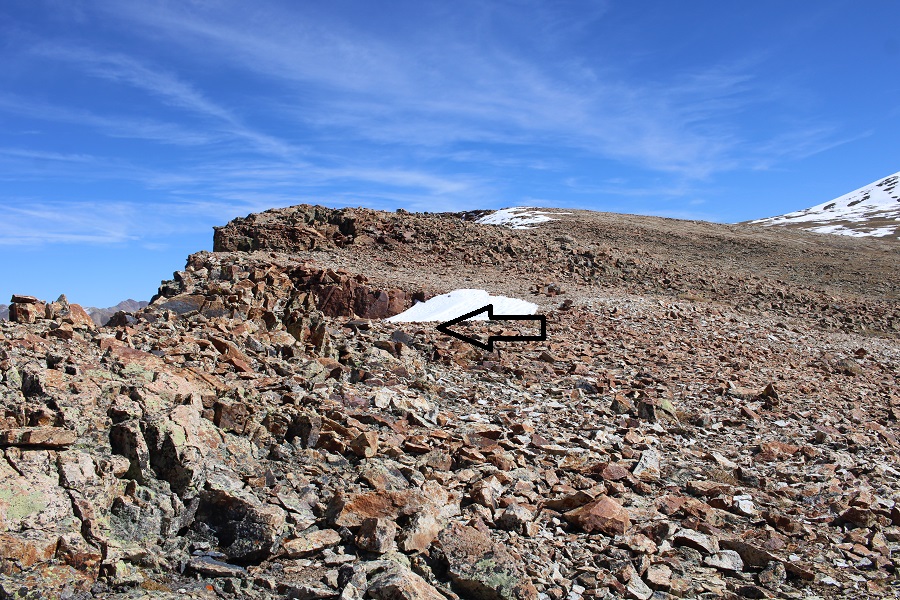
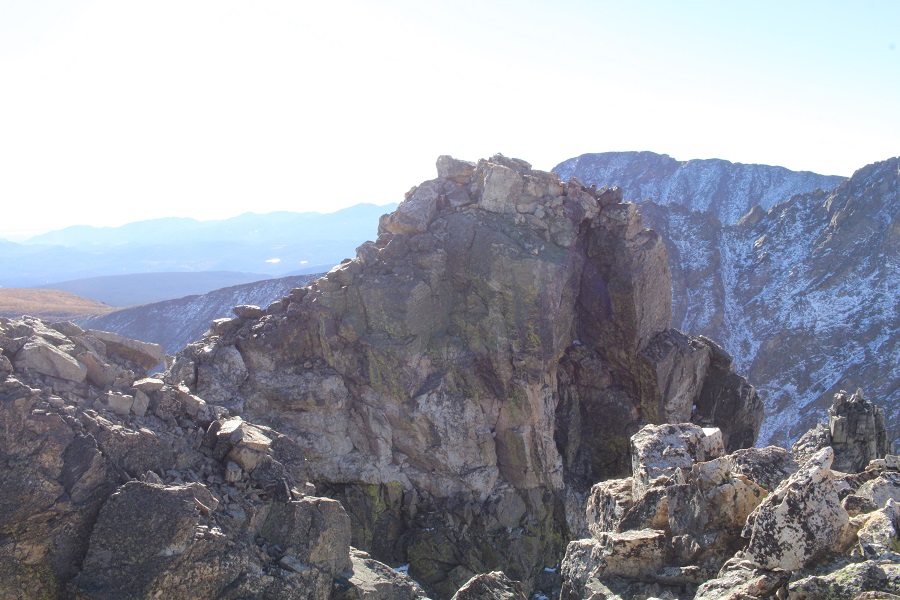
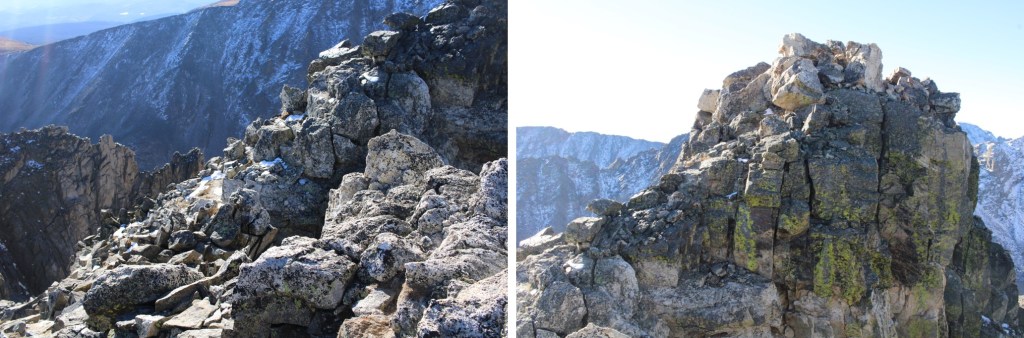
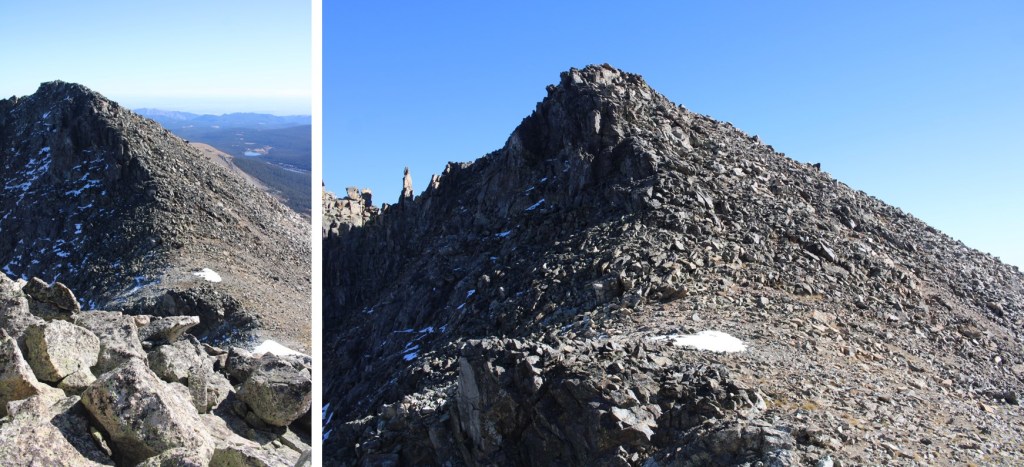
When I got to what I thought was the peak, I saw this
Not sure which was the actual peak, where I was standing or the outcropping in front of me, I decided to climb up the rocks, just to be sure. This was class 3 climbing. I ascended on the left
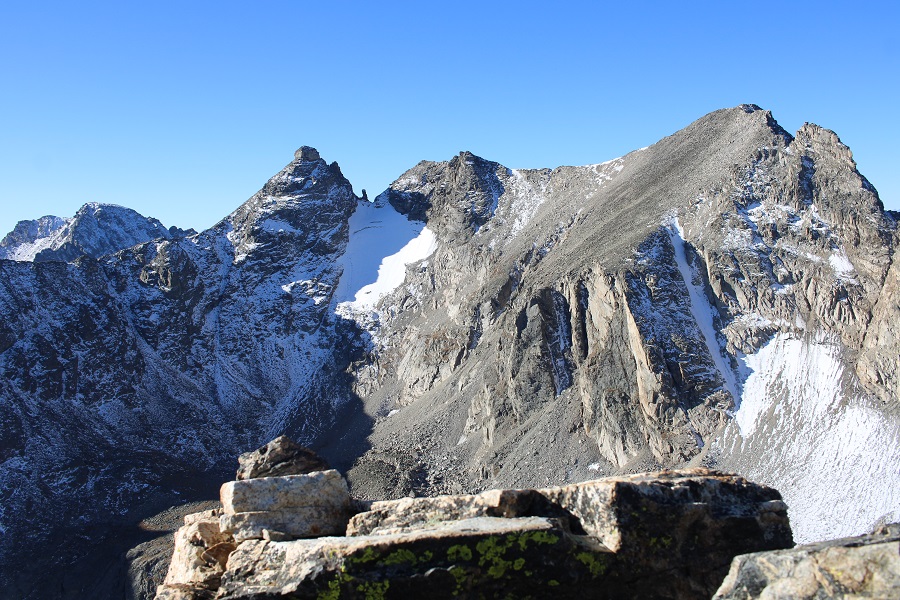
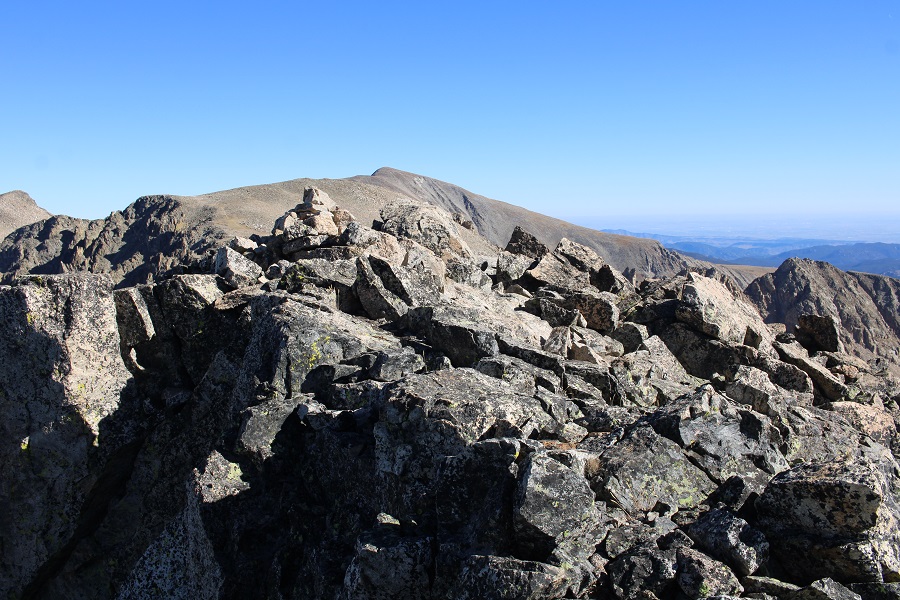
At the summit, the views of Navajo and Apache were amazing
I summited Shoshoni Peak at 9:45am
Shoshoni Peak:
I climbed back down, and retraced my steps to the Shoshoni/Pawshoni saddle on class 2 terrain
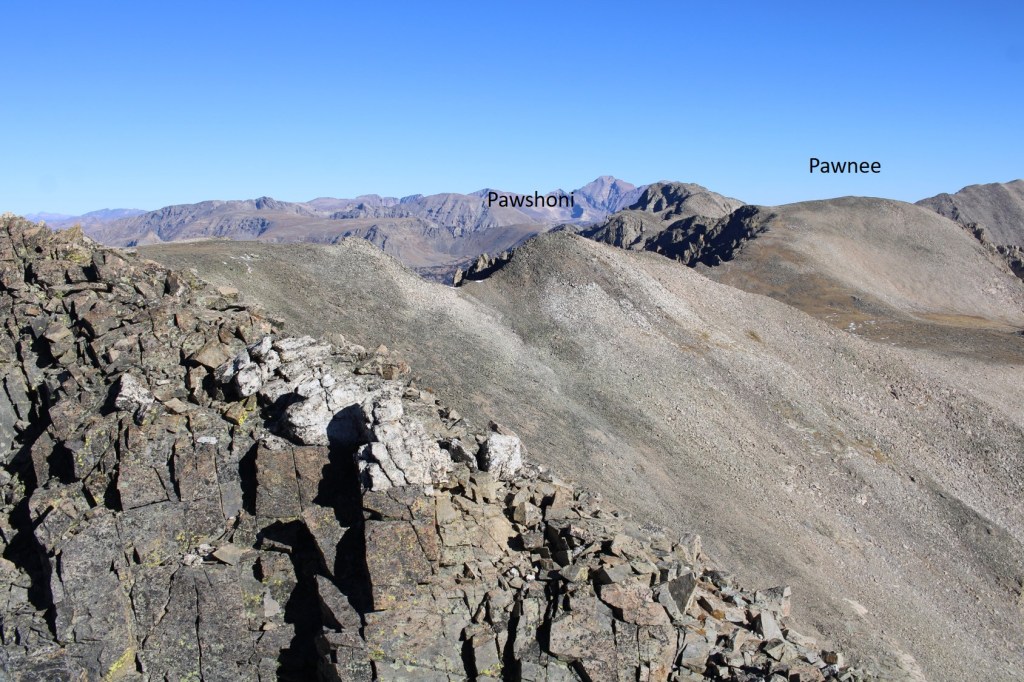
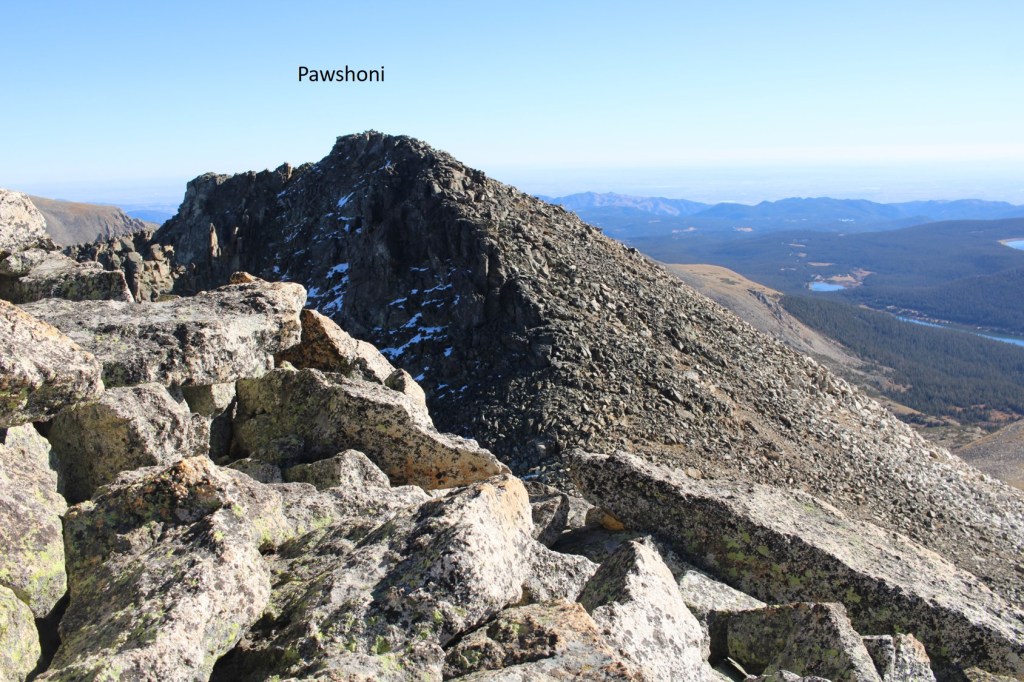
I followed the class 2 ridge northwest and then northeast all the way to Pawshoni
I summited Pawshoni at 10:30am
Pawshoni:
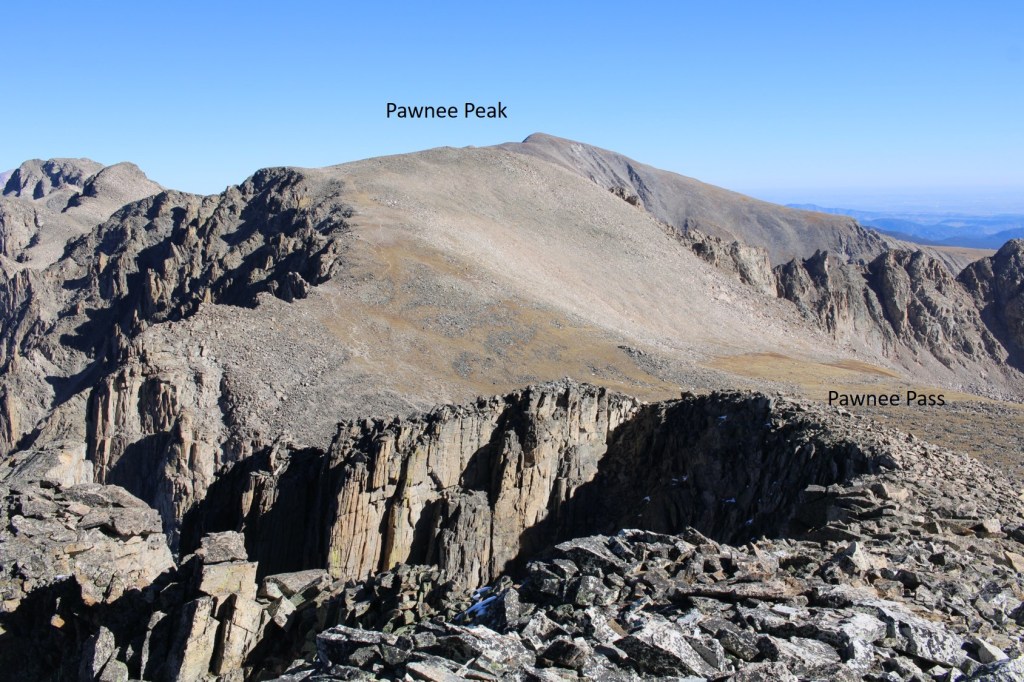
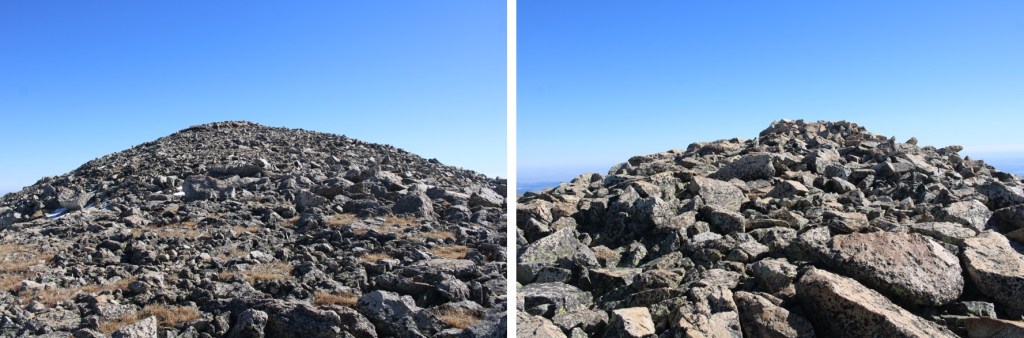
Next up was Pawnee Peak, to the northeast
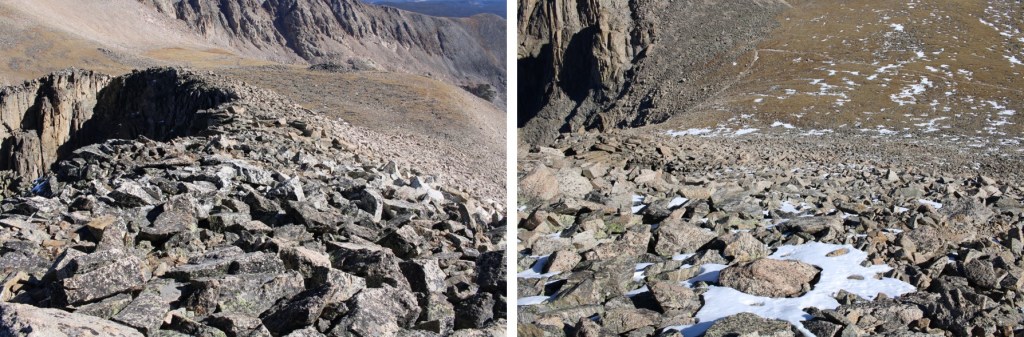
I continued to follow the ridge down to Pawnee Pass, and the up to Pawnee Peak. Once at the pass, there was a game trail I could follow to the summit.
I summited Pawnee Peak at 11am
Pawnee Peak:
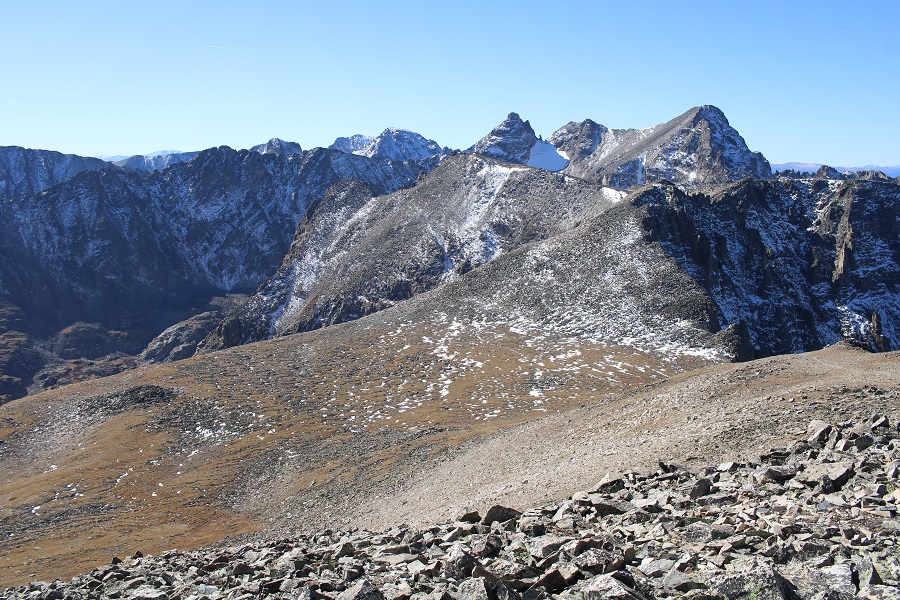
There were some amazing views of the peaks I’d just summited, as well as other 13ers
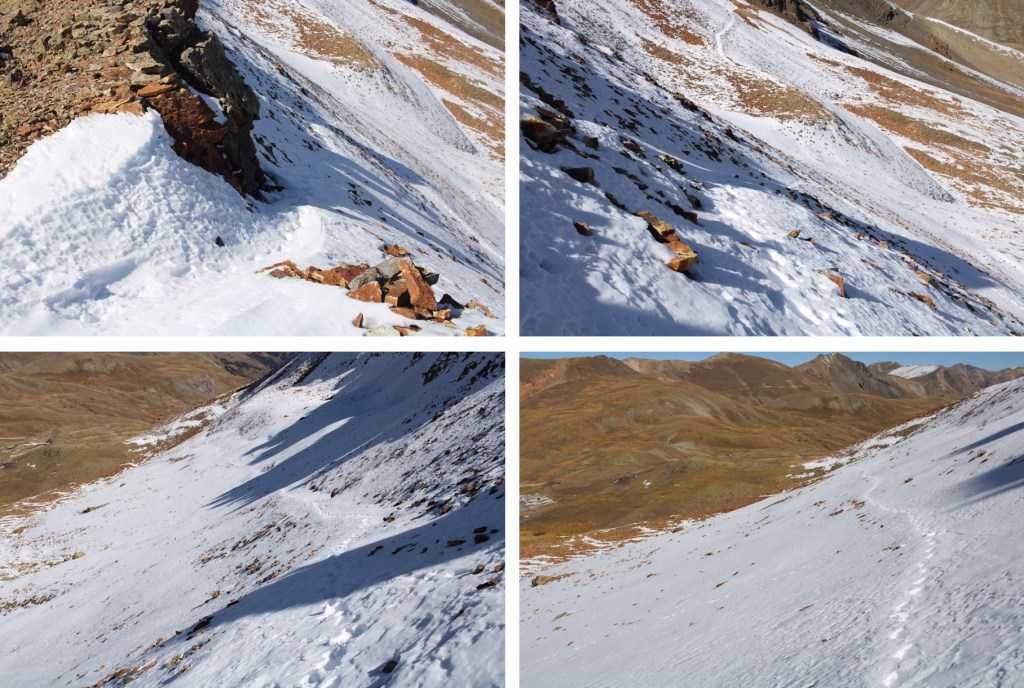
I turned and headed back towards Pawnee Pass, following faint trails along the way
Back on the trail, I followed it as it wound its way and switchbacked east towards Lake Isabelle
Then I followed the trail east back to the trailhead
From the trailhead it was a 3.1 mile walk along the paved road back to my truck
I made it back to my truck at 2:15pm, making this a 19.63 mile hike with 3728’ of elevation gain in 9 hours.
I slept the night before at Pieplant Mill so I could get an early start the next morning. The last half mile drive to the site was definitely 4WD. There were plenty of campsites along the way. The Pieplant Mill site has several historical structures to explore… all of them are empty.
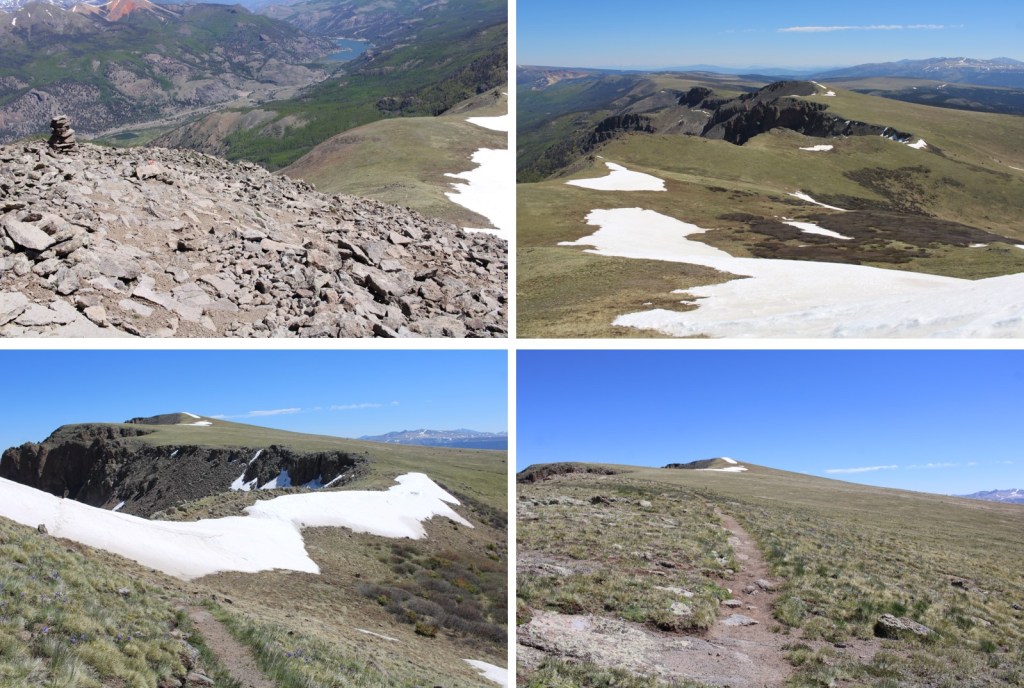
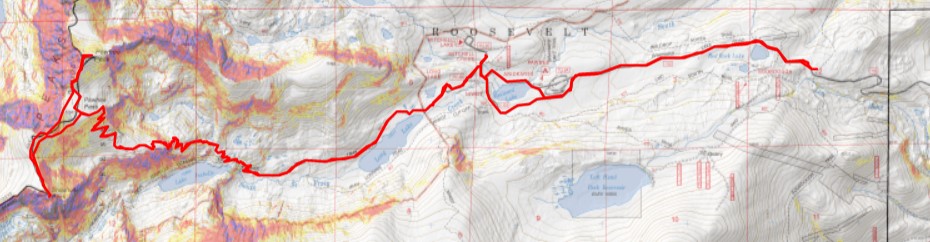
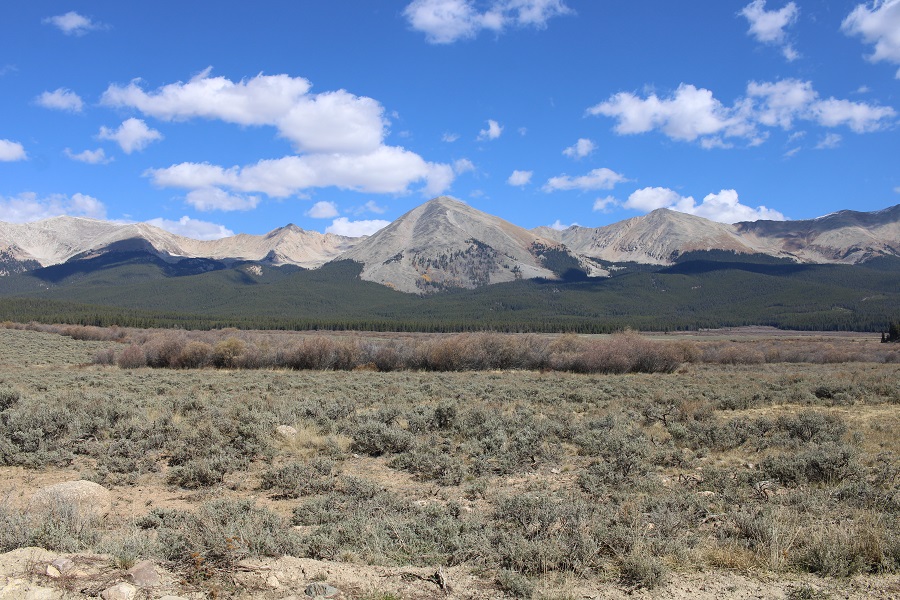
For reference, this is Grizzly Peak. I took the solid line up, the dotted line down, and they both went at 2+. The ridge on the left looked like it went at 2+ as well, so this is really choose your own adventure once you hit treeline to the summit.
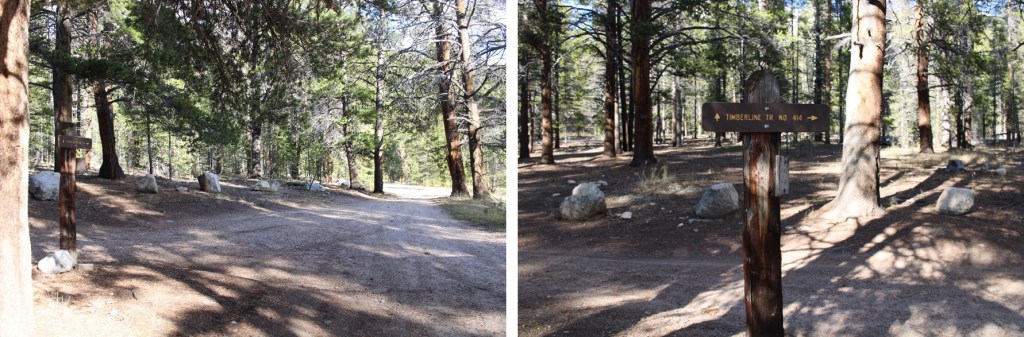
I woke up the next morning to a brisk 25 degrees outside, put on my winter gear, and was on my way. I started by following the Timberline Trail 414 east.
I continued through a locked gate
Followed the road
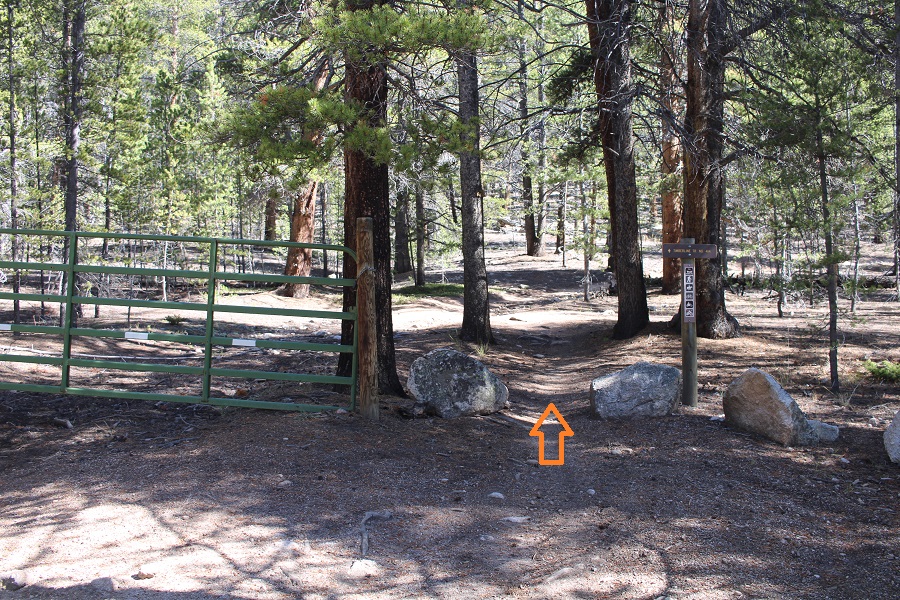
And eventually came to a second locked gate, with the trail continuing to the right.
This trail was more of a bike trail, with tons of motorized bike tracks. I followed this class 1 trail as it wove around the mountains
I’d been hiking for about 2.25 miles total at this point, and was at 10950 when I left the trail and headed northeast to treeline. I placed a small cairn where I left the trail.
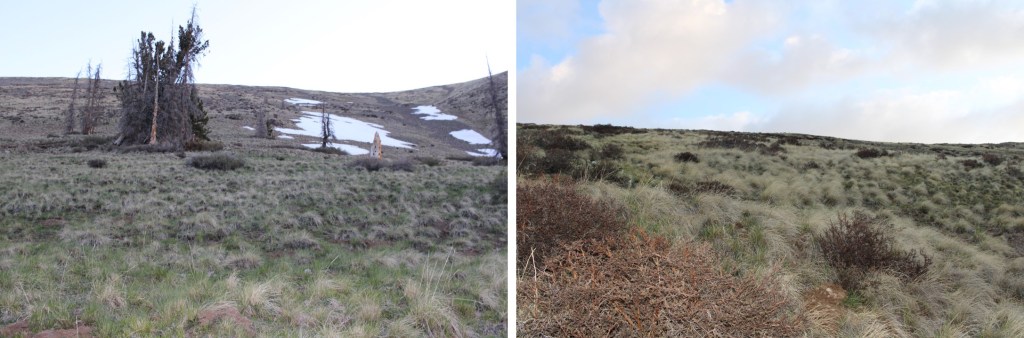
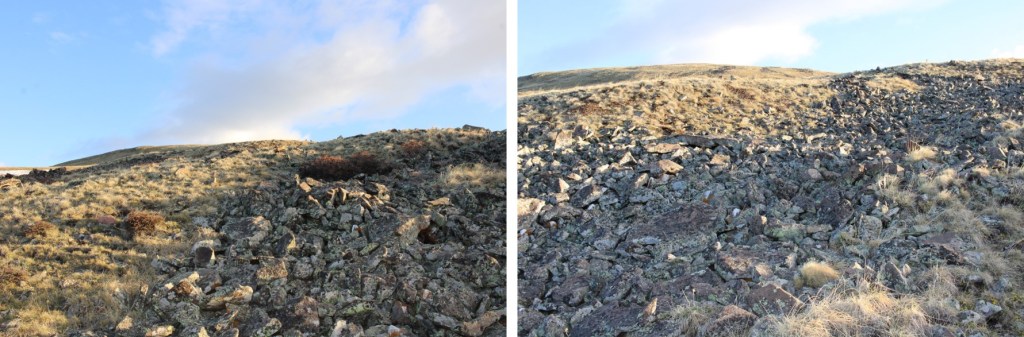
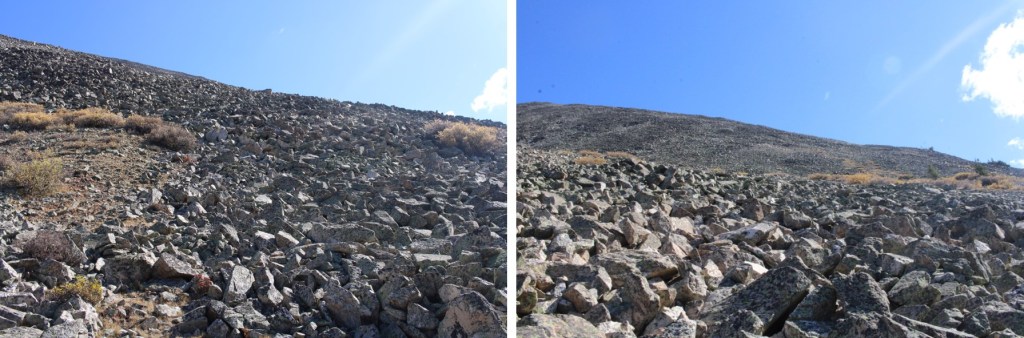
Once at treeline, I followed the rocks east. The rocks never let up
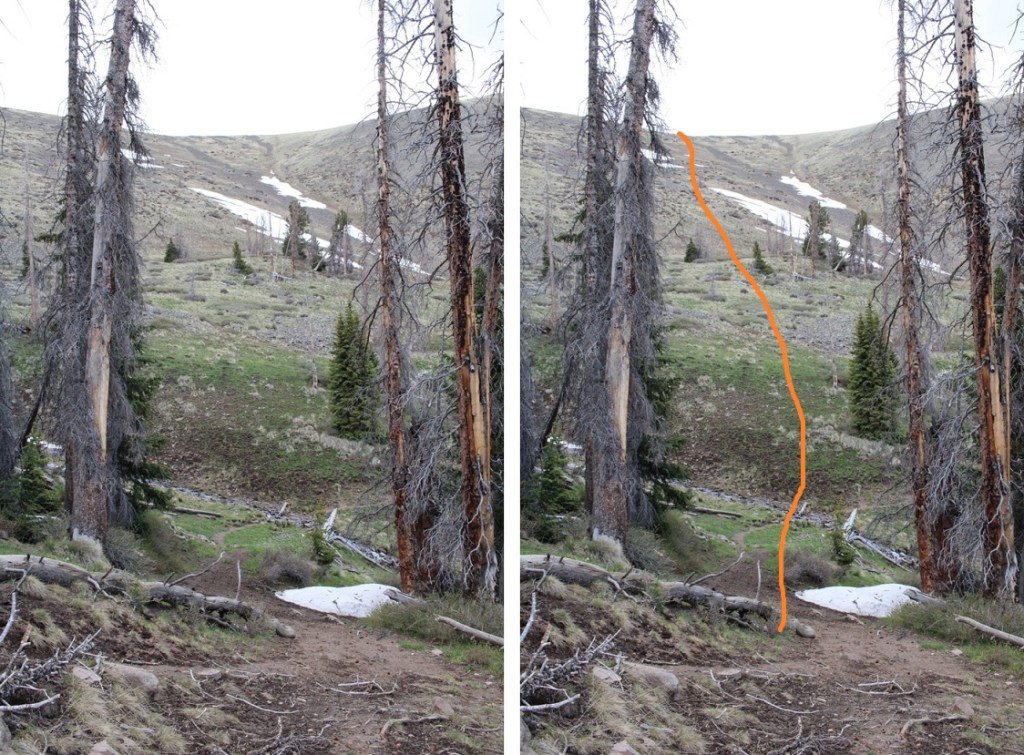
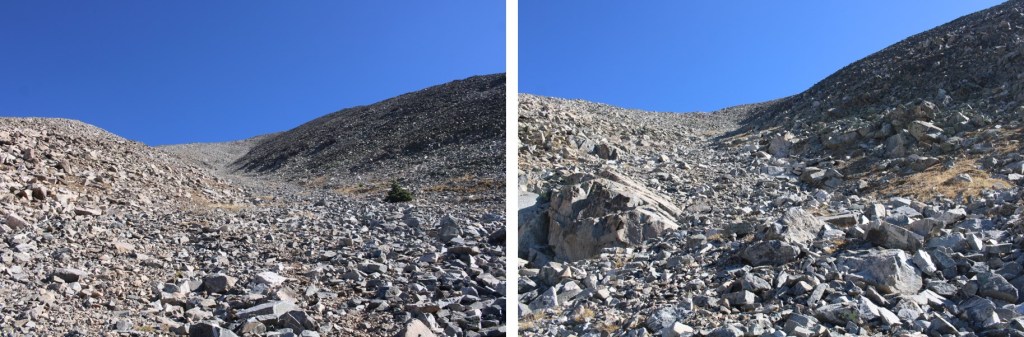
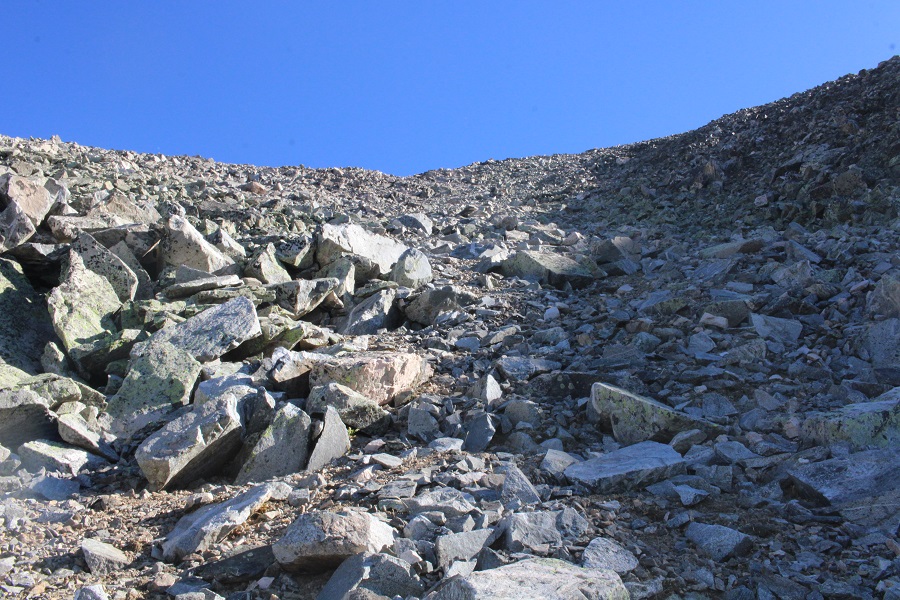
I was aiming for the ridge. You can take either the ridge or the gully. Both are class 2+. I found the ridge full of large, loose rocks, and the gully full of scree. Both seemed to go on forever.
Here are some pictures of the gully going up
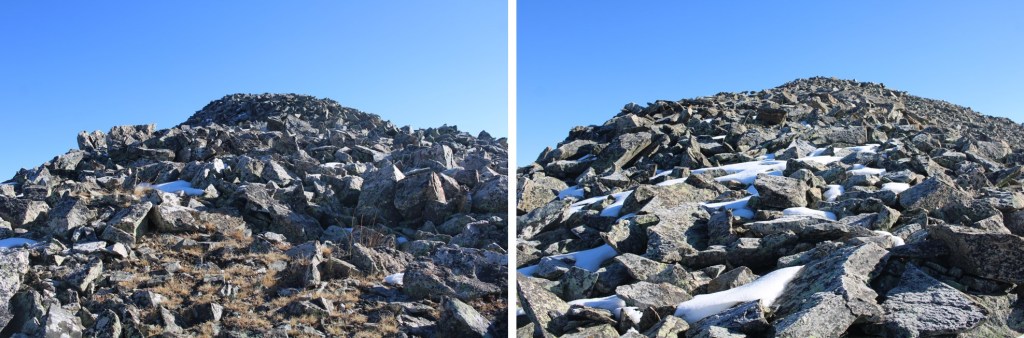
And the way I took up: the rocky ridge
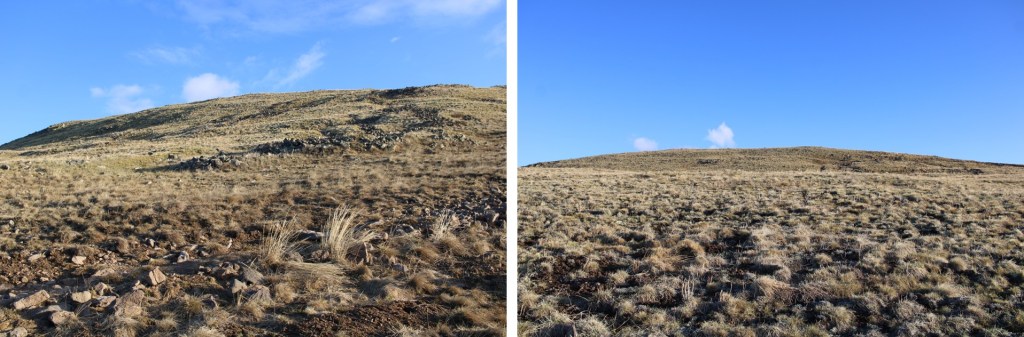
Here’s the last bit to the summit (both the ridge and gully obviously end at the same spot)
I summited Grizzly Peak at 9:15am
Grizzly Peak:
Now to head back down the gully. I followed it southwest. The route was obvious.
At the base of the gully I aimed for treeline
Once at treeline, I headed southwest back to Timberline Trail 414. As long as you keep heading southwest, you’ll come across this trail.
Now back on the class 1 trail, I followed it as it curved northwest, back to the road
Once at the road I turned left, and followed it back to Pieplant Mill
One of the best parts about the hike was I didn’t see another person the entire time I was there, and the weather was absolutely beautiful (if cold). I made it back to my truck at noon, making this a 7.78 mile hike with 3312’ of elevation gain in 6 hours. The ridge really took quite a bit of time to navigate.
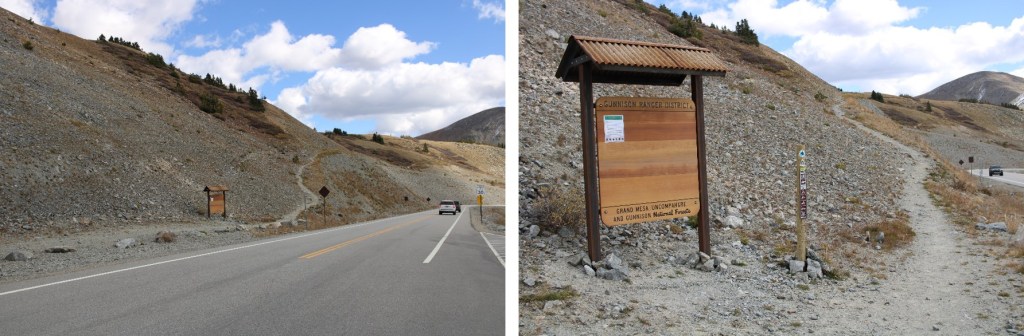
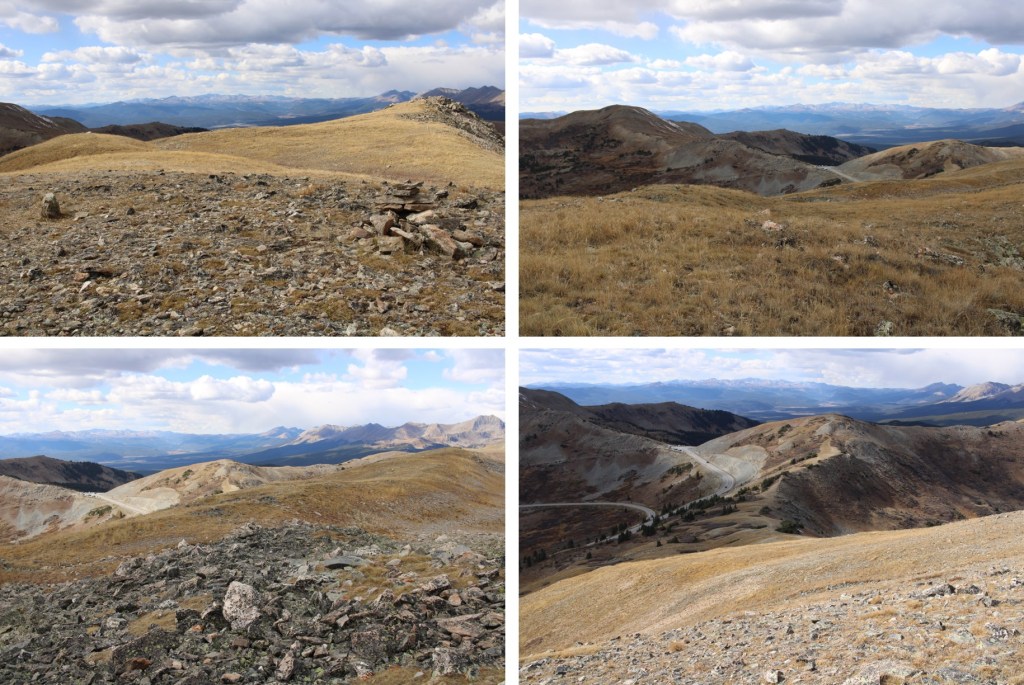
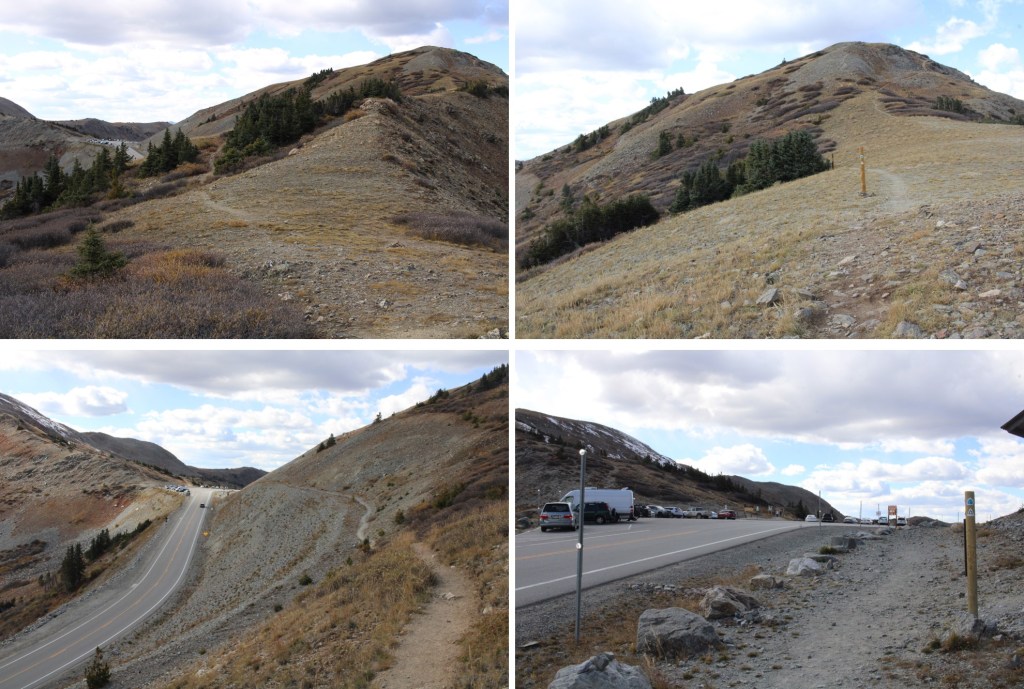
Not gonna lie… I woke up late and wasn’t able to do the peak I’d planned, so I switched gears and headed to Cottonwood Pass instead. I was on the trail at noon, starting out by crossing the road and heading east along the obvious trail.
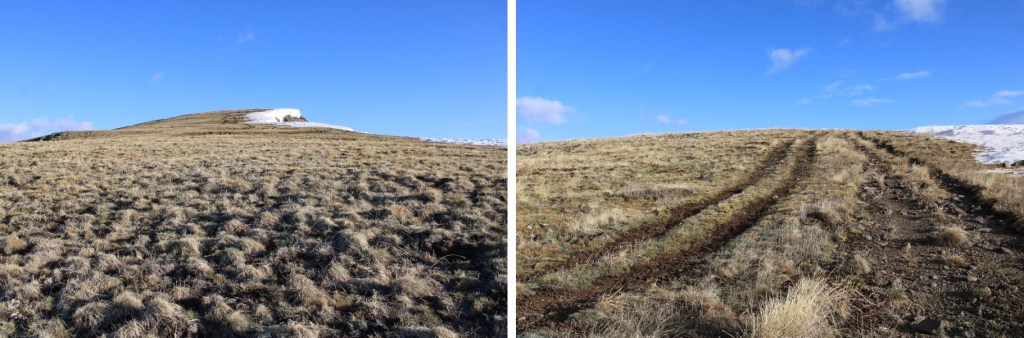
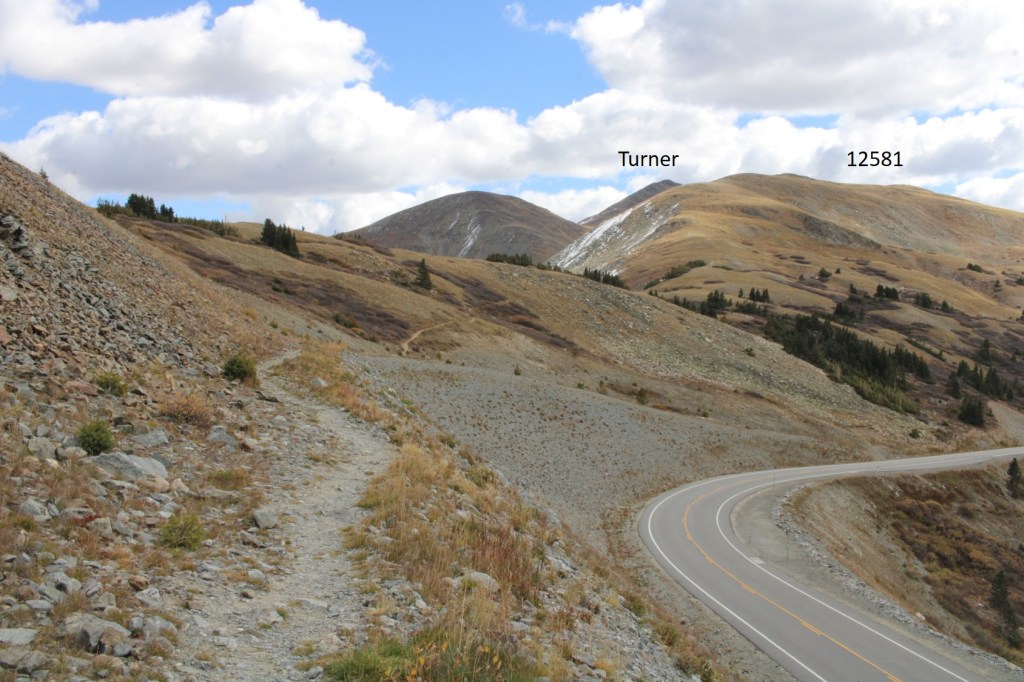
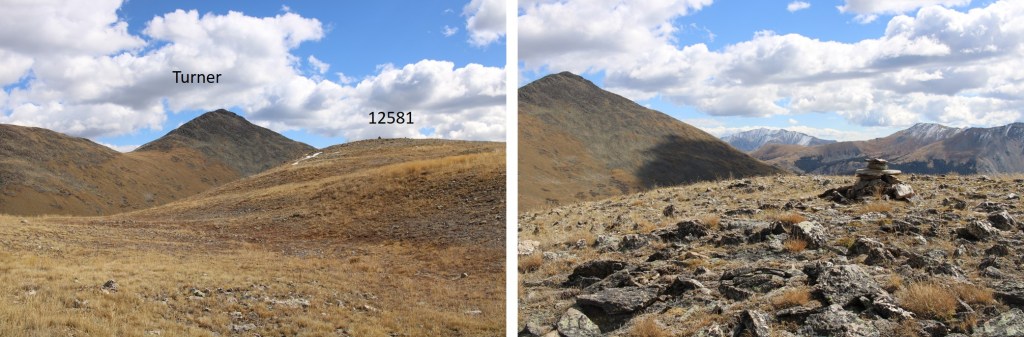
You can see both PT 12581 and Turner from the beginning
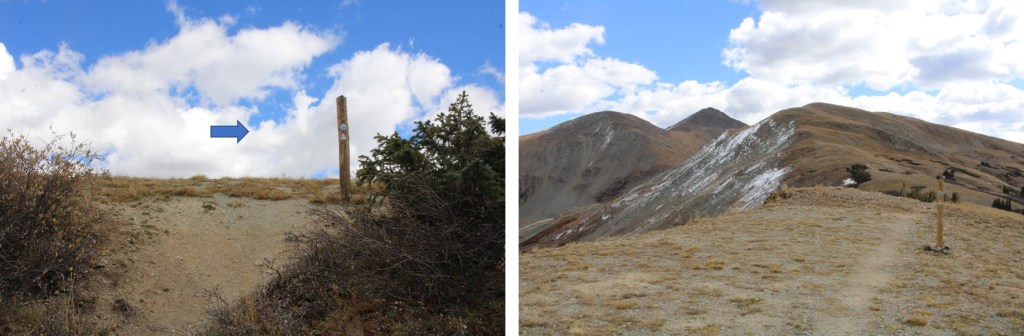
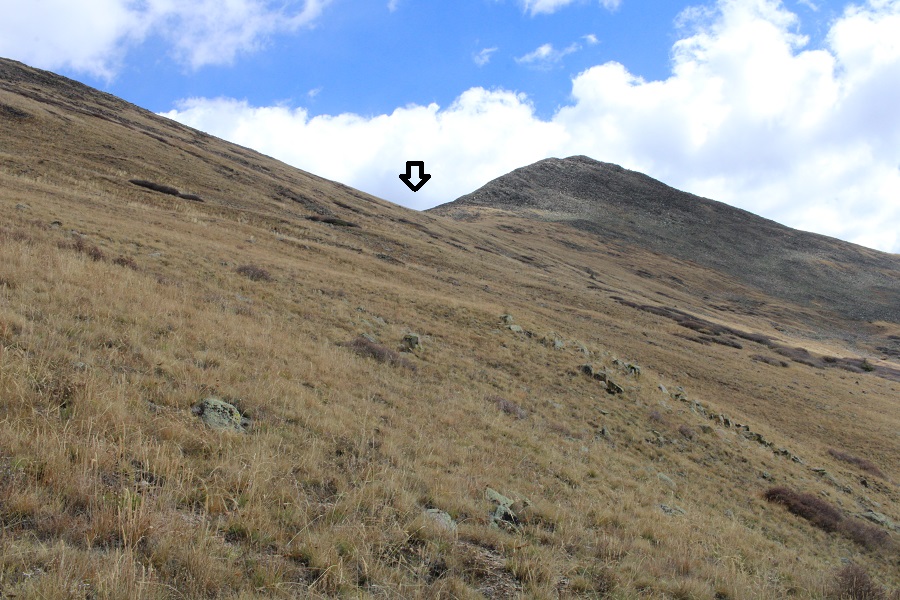
At the saddle, I turned right and continued following the ridge
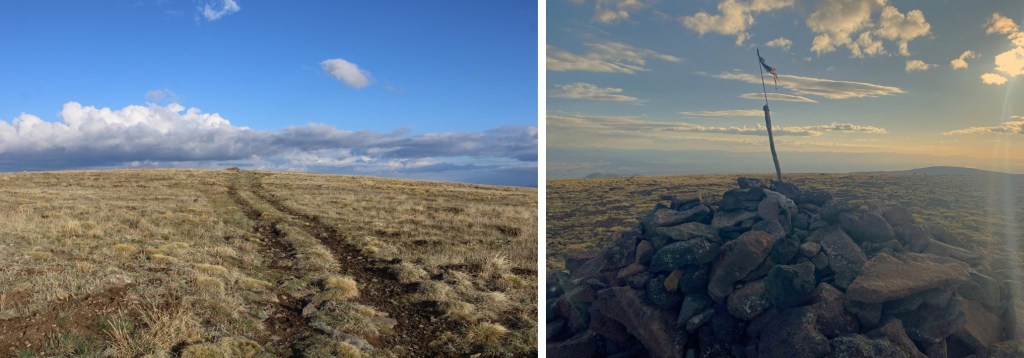
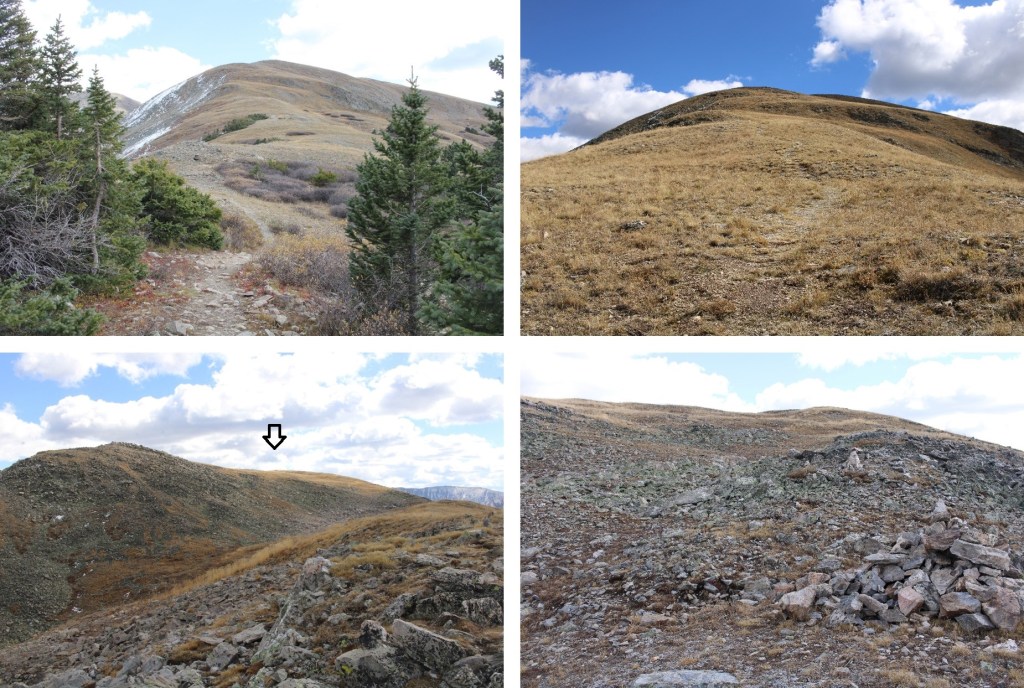
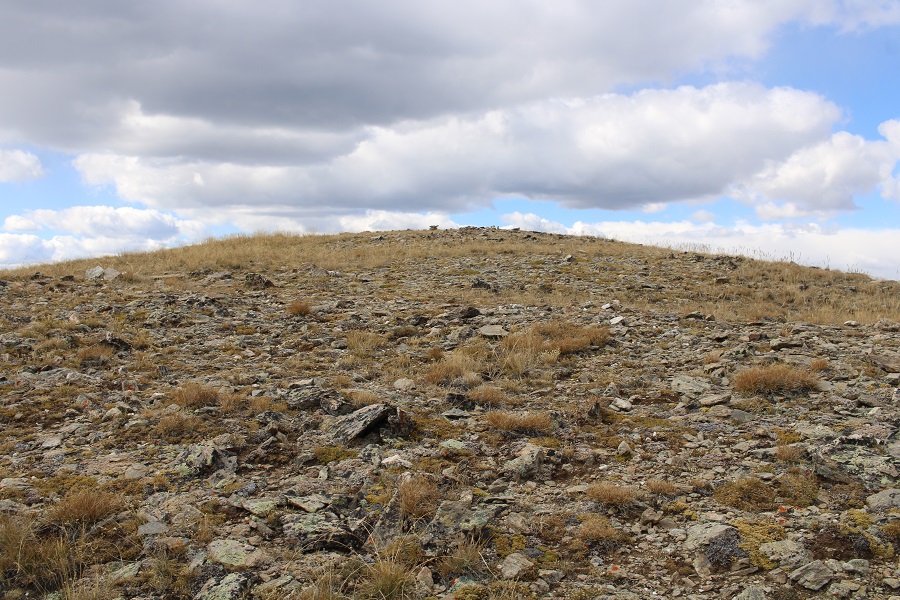
This was an easy tundra walk, all the way to the summit of 12581
I summited PT 12581 at 12:35pm
PT 12581:
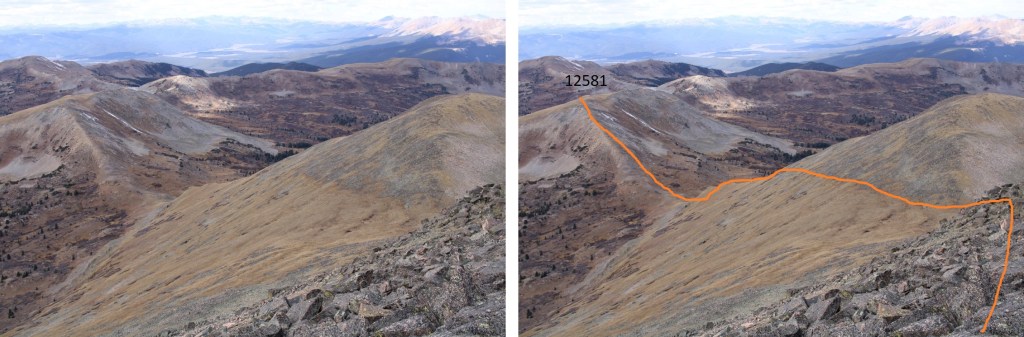
From there the route to Turner was obvious. Here’s my route:
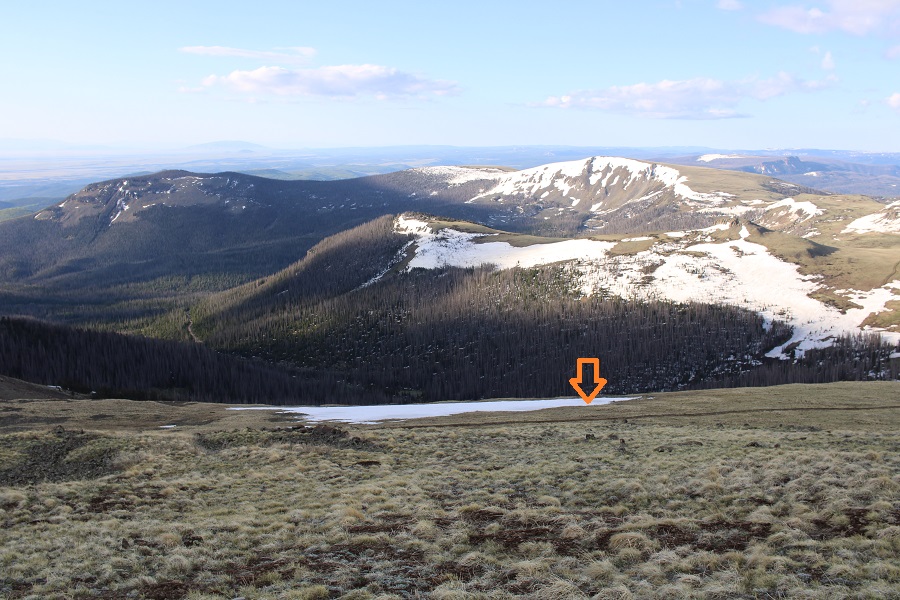
I continued following the ridge east, losing 490’ of elevation
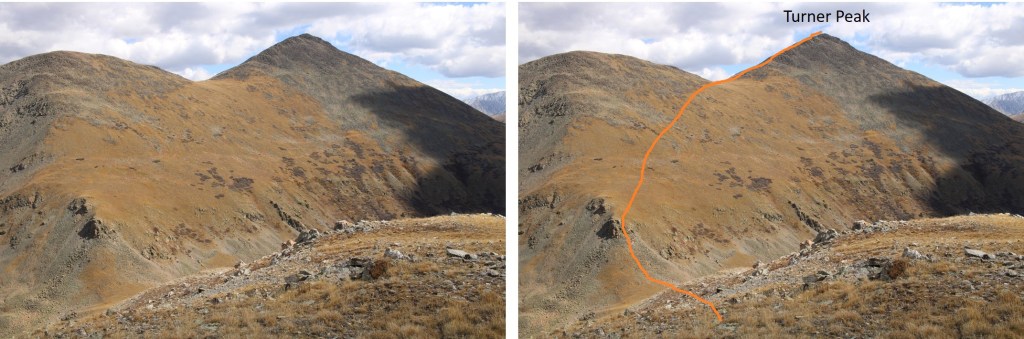
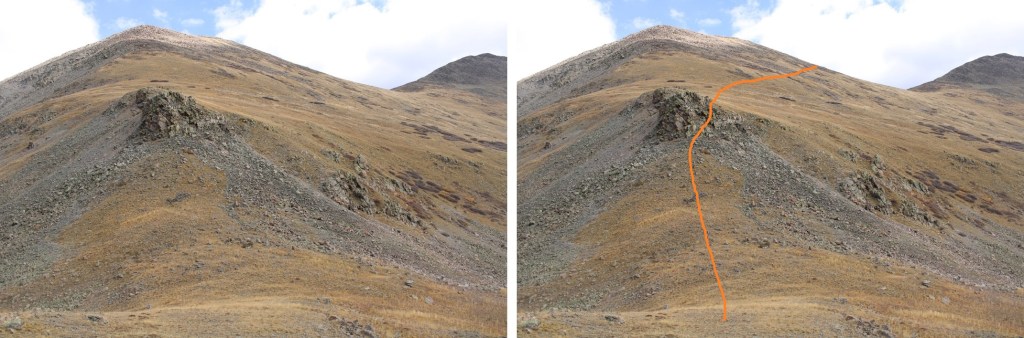
Once at the Turner/12581 saddle, I started ascending. At first, the rocky outcropping looked interesting, but it was class 2 all the way. It was 1130’ to the summit of Turner Peak.
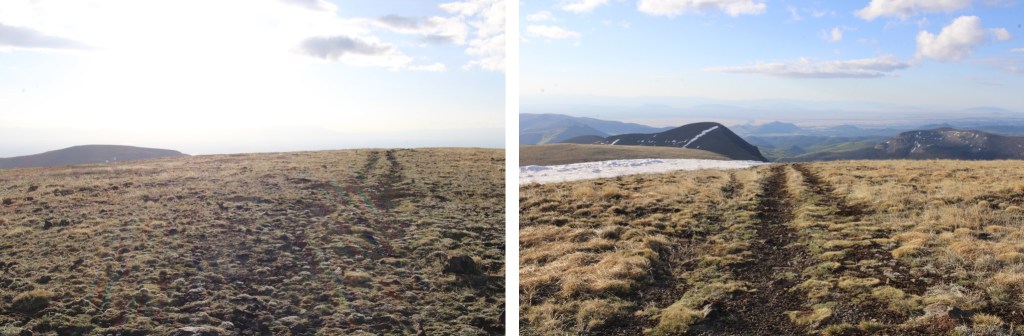
Once past the rocky area, it was tundra all the way to the saddle
The route obvious to the summit, the rocks here were solid and easy to navigate. I simply followed the ridge southeast
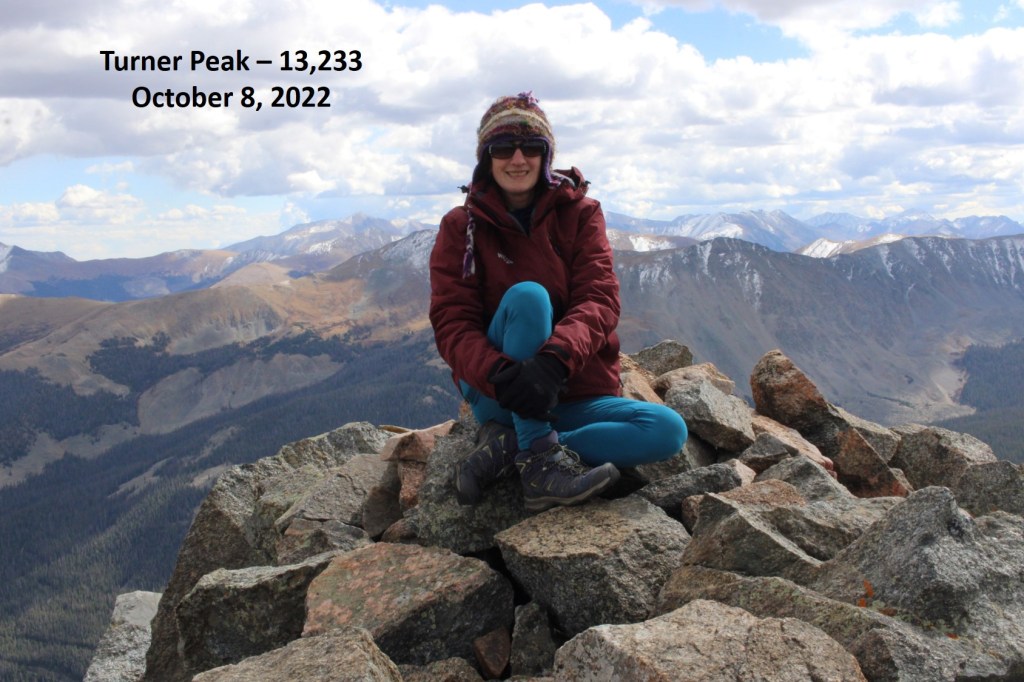
I summited Turner Peak at 1:40pm
Turner Peak:
This was all I had on my agenda for the day, so I turned around and retraced my steps back to PT 12581
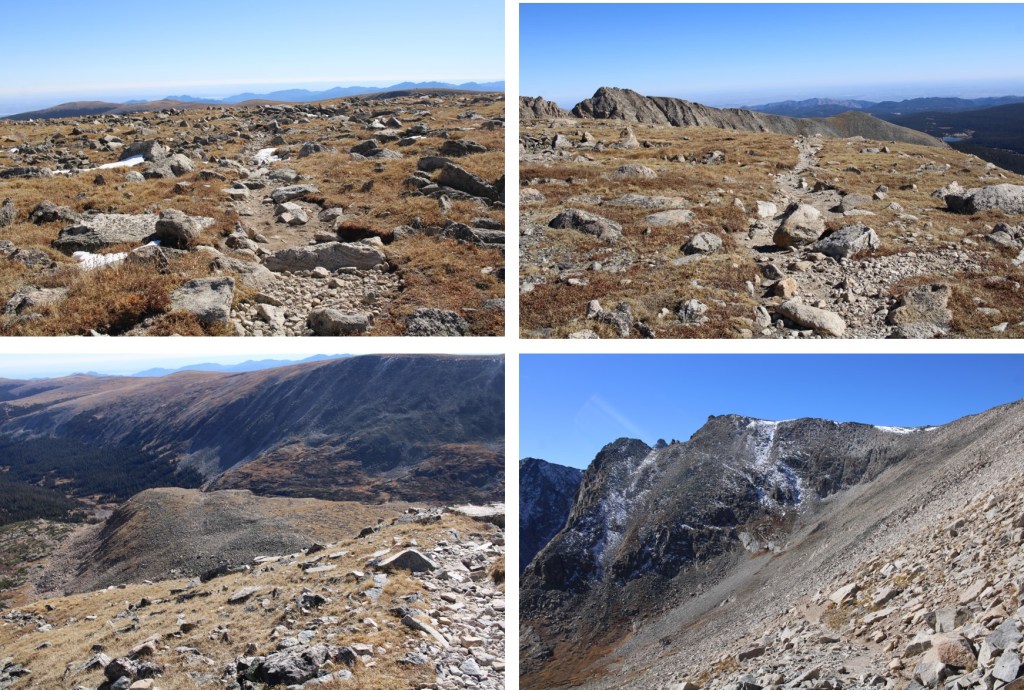
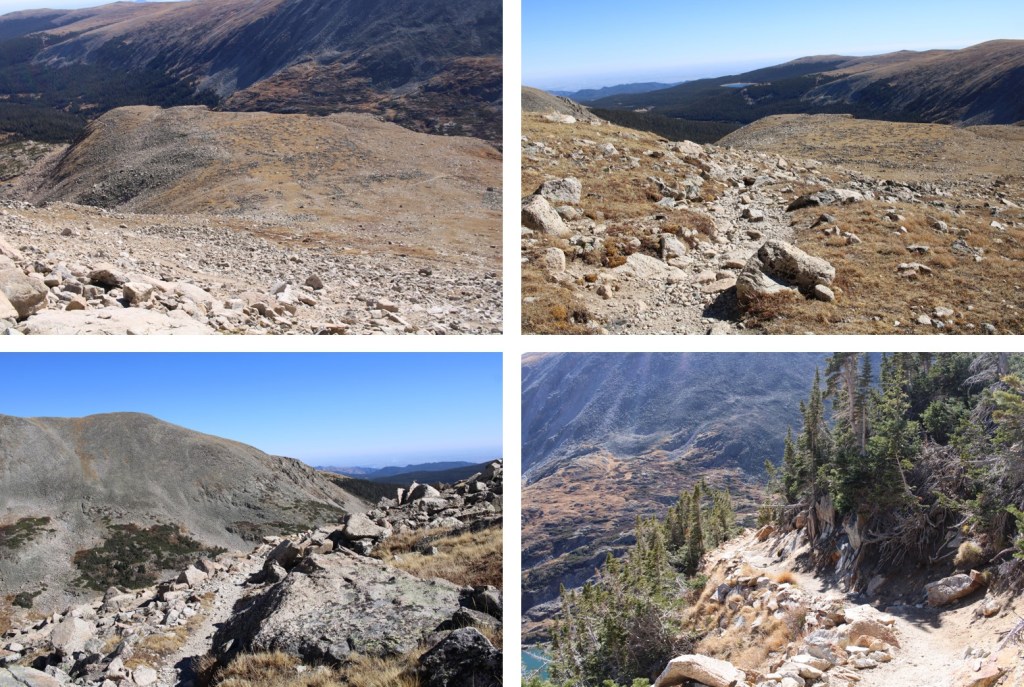
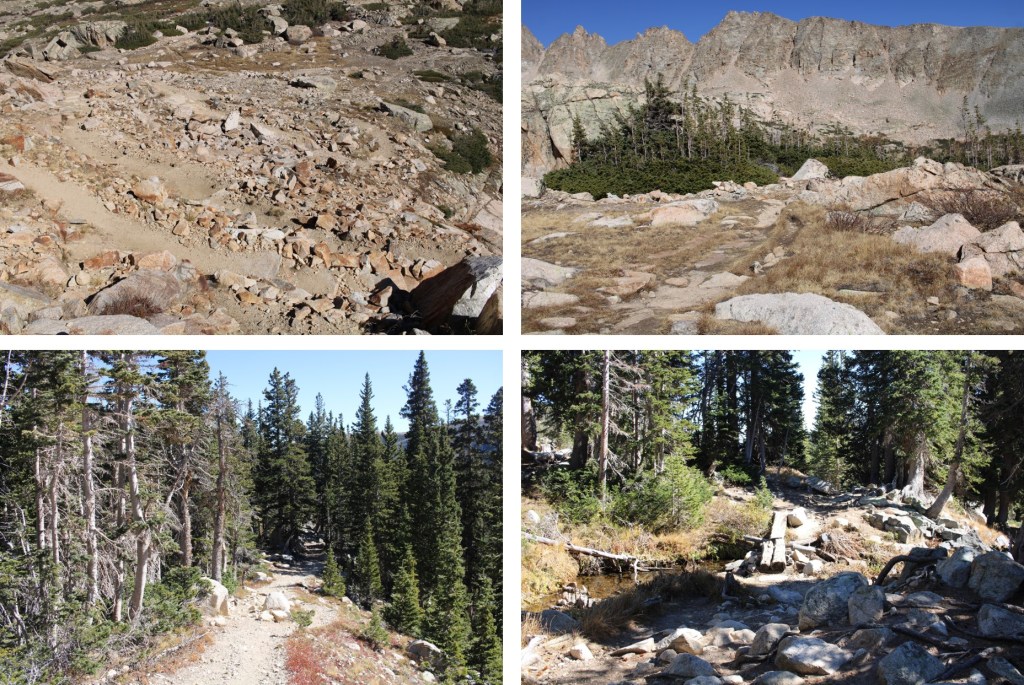
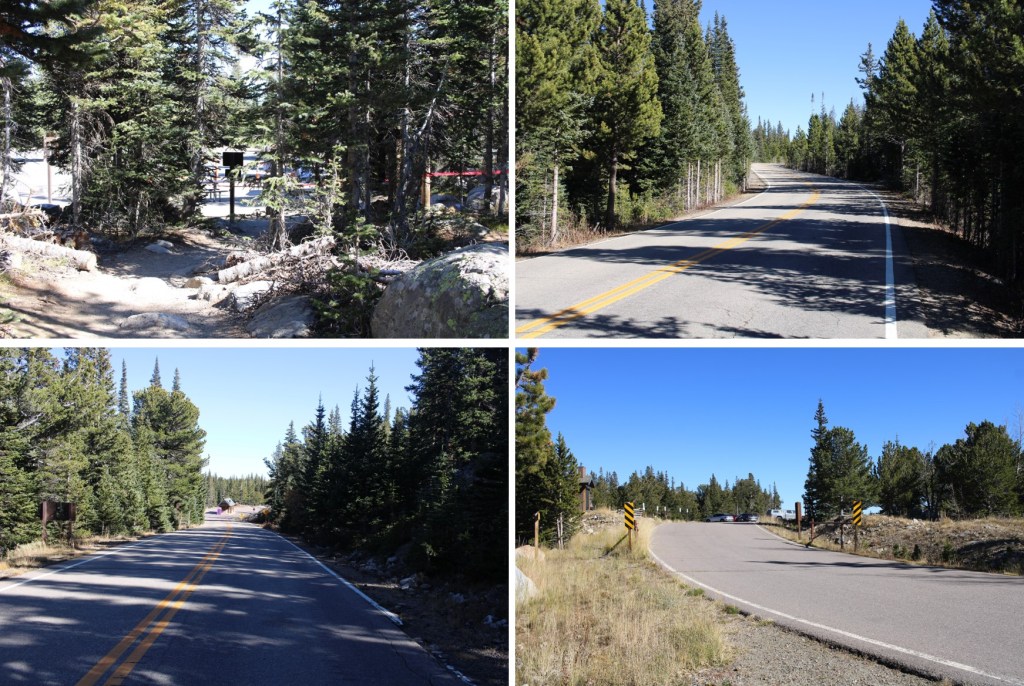
Then followed the ridge west towards the trailhead
I made it back to the trailhead at 3pm, making this a 4.72 mile hike with 2178’ of elevation gain in 3 hours. All in all, quite a pleasant afternoon.



















































































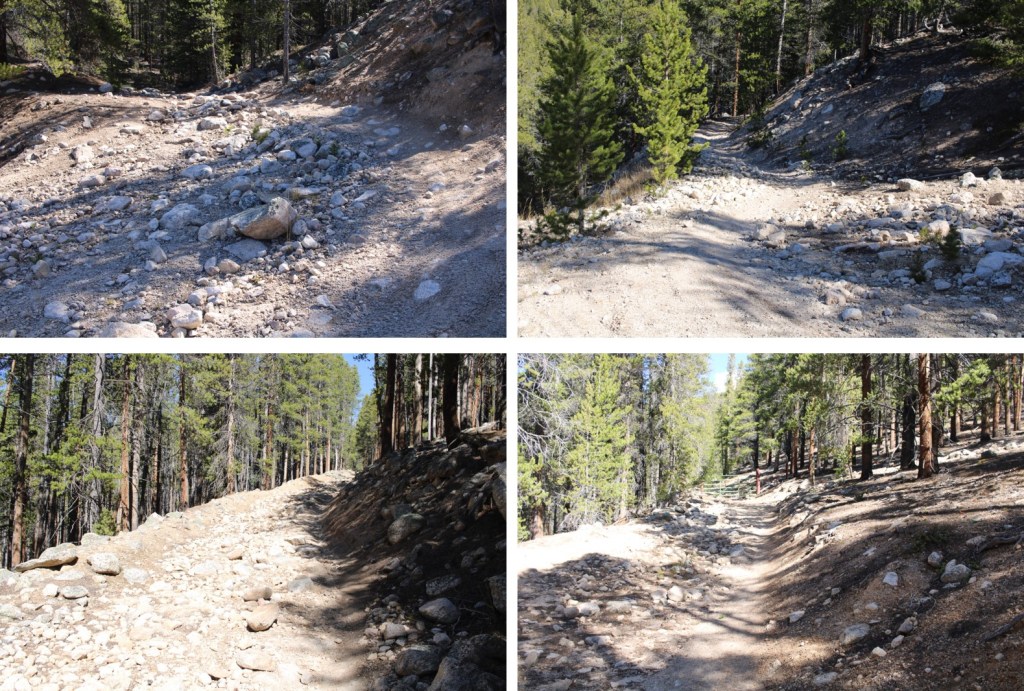

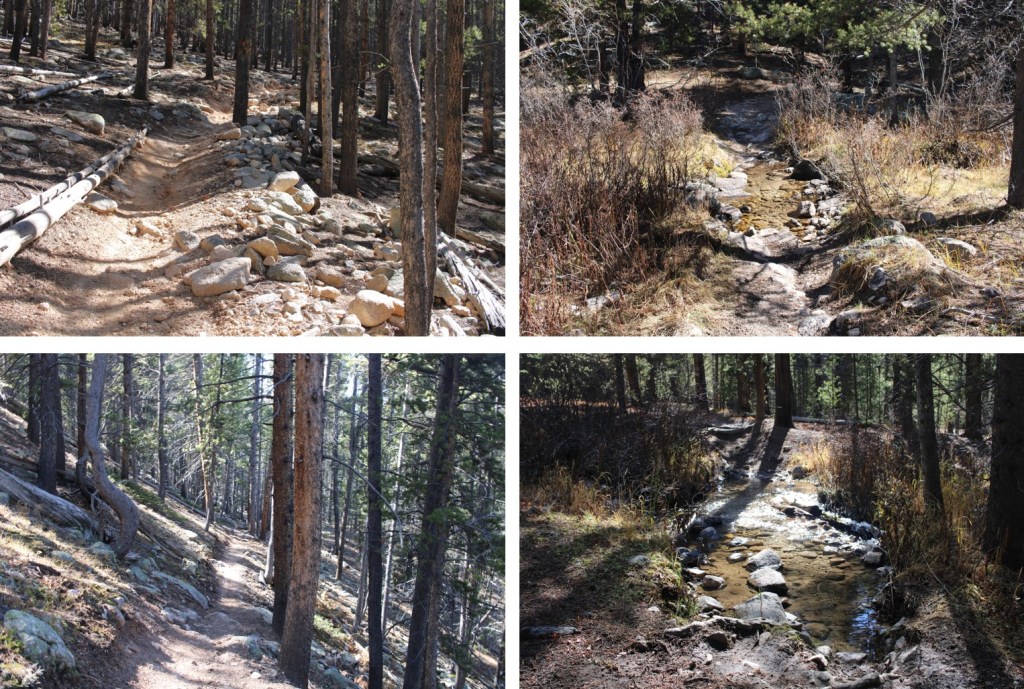
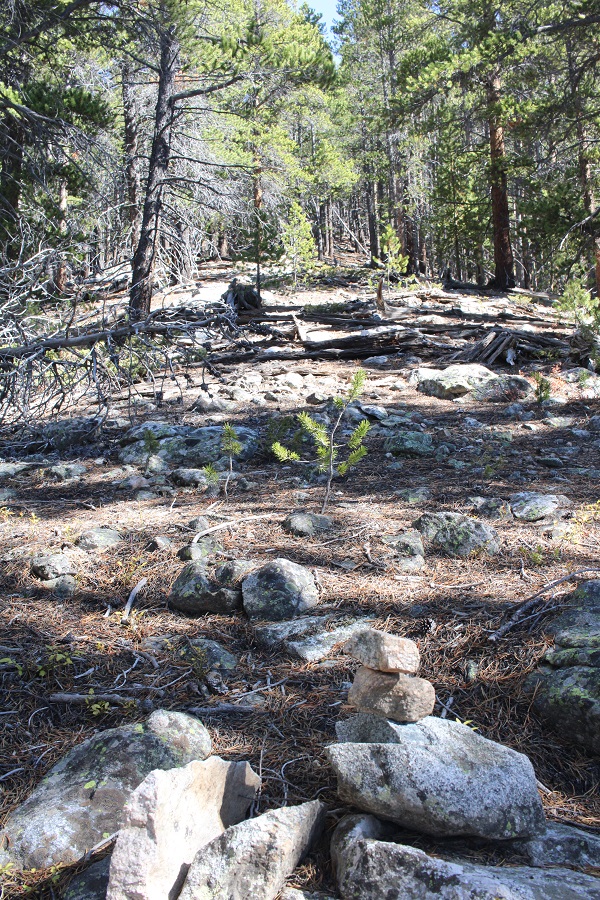
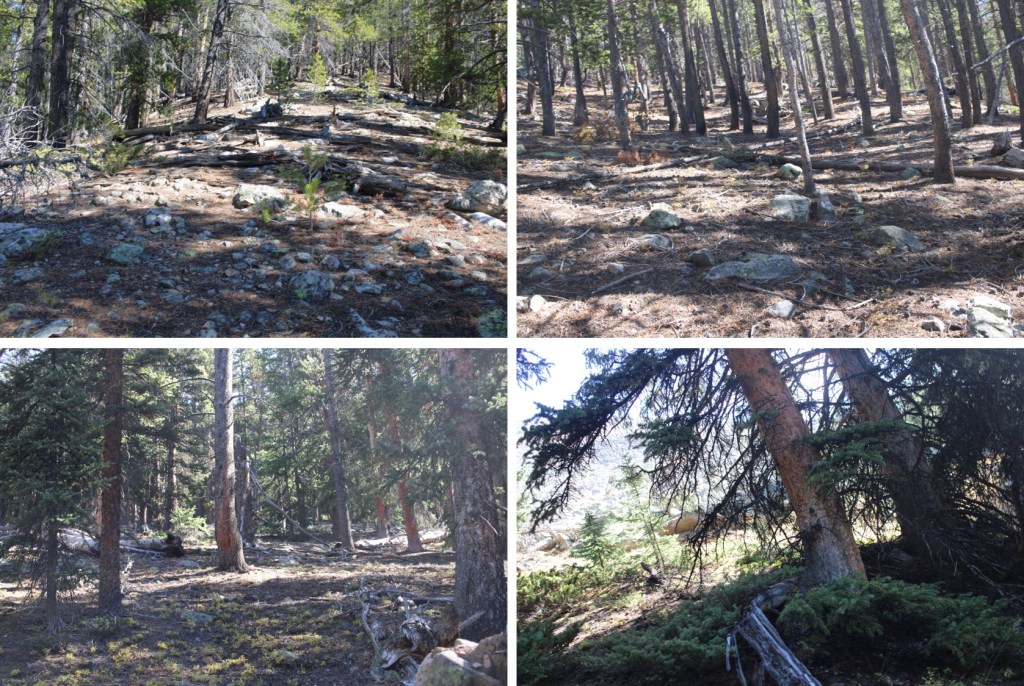











 Wild Wanderer