I chose this route mainly because I haven’t used the North Lake Creek Trailhead before, and since all the other routes started from trailheads I’ve already used I wanted to try something new. I began at 3am, and when I arrived at the trailhead my truck was the only vehicle in the lot.
The trail begins at the east side of the parking area, heading north-northwest. There had been a recent avalanche in this area but the debris had been cleared off the path and in the dark I couldn’t even tell there had been an avalanche.
After about 1/10 of a mile I turned right at this boulder.
There is no distinct trail here, but if you continue northeast you’ll eventually run into what could have been a trail at one time (or a dried up creek bed).
This led me to a creek crossing that was just deep enough to make it necessary for me to take off my shoes.
There was another crossing just after this one, but it was small and easy to cross. From here I followed an overgrown 4WD dirt road switchbacking up the mountainside.
Curiously there was an old outhouse right alongside the trail, which looked useable.
The 4WD road led to a smaller trail that led to a bunch of dilapidated cabins (I’m guessing there were 3?) and here is where the trail ended.
From here the goal is to head down the hillside that’s behind this cabin (a few dozen yards), cross the creek, and continue west.
However, I was doing this in the dark on my way in and it proved to be more difficult that it sounds, especially the creek crossing. I was unable to find a crossing in the dark due to avalanche debris in all the wrong places, so I once again sat down, took off my shoes, put on my sandals, and crossed the creek. On my way back I noticed snow bridges that were no longer usable, but also a few areas to cross on the rocks.
This part of the hike was actually a challenge in the dark, but simple in the daylight. There was no defined trail here, but many game/social trails. I tried to follow a trail alongside the creek, but there just wasn’t one that was continuous. What made this difficult in the dark were the overgrown grass and downed trees everywhere.
However, if you just follow the creek (staying about 10 yards to the north of it) it will lead you up and out of Lackawanna Gulch and into an unnamed basin. Every once in a while I’d come across what looked like a proper trail, and even a cairn or two, but the trail always ended (usually at a tree or bush or over a cliffside).
Here’s your path through the basin. You’re aiming for a low ridge at the end of the basin. Once again, there are lots of trails here, but I’m pretty sure they’re all game trails. Also, the willows aren’t that high and the ground was mushy with water. This wasn’t fun to cross in the dark, but at least there weren’t any trees to contend with. In the daylight it was beautiful.
I was fully expecting to see some sort of wildlife, especially with all the hoofprints and game trails I was coming across, but alas, nope. From the north end of the basin I continued east on a low lying ridge towards Casco Peak. Knowing there was a lot of loose rock above me I was aiming for the lowest point on the ridge for my ascent. You can basically gain the ridge from anywhere. I took the solid line up, dotted line down.
Before gaining the ridge I passed through some muddy/wet areas
Here’s what it looked like as I was nearing Casco Peak
I couldn’t see much but the sun was beginning to rise, which was helpful. I could tell the scree was pretty bad in some areas, but it looked like there was talus ahead (which I prefer to scree for an ascent) so I headed for the lowest point in the ridge and began the climb. The talus eventually turned to scree just before the ridge.
Ridge gained I turned right (south) and looked at the rest of the route before me
This wasn’t technical in the slightest. I just stuck to the ridge until I came to the base of the summit. Here it became a short class 2+ trek to the top.
I summited Casco Peak at 7am
Casco:
From here the route to Frasco looked straightforward, but let me tell you, that section north of the saddle (named Fiascol) was a rough and loose ridge
Here’s your first look at the ridge
This is a class 2+ ridge that looks harder than it is. It took careful footing but wasn’t actually technical. I mainly stayed to the top of the ridge, dropping to the left or right as needed. Most of the time if I had to drop off the ridge it didn’t matter if I went left or right: both ways went. Here are some close ups of the route
The final push to the top of Frasco is actually longer than it looks, with a small false summit
I summited Frasco Benchmark at 8:30am
Frasco:
This summit had a summit marker (curious, the unranked peak had a marker, yet neither of the ranked ones did?).
To get to French Mountain from Frasco is straightforward: just follow the ridge (named Friscol). I was surprised at how narrow the beginning part of this traverse was.
I descended 250’ to the Frasco/French saddle, stayed left (north) to avoid a snow patch
and then ascended 320’ to the summit of French Mountain.
I summited French Mountain at 9am
French:
From French, here’s a look back on the route from Casco to Frasco to French
It was a beautiful day so I sat for a bit on the summit, enjoying the views before starting my way back.
Here’s a look at the look to Frasco from French
I mainly stuck to the ridgeline. Around the French/Frasco saddle I saw a ptarmigan and a caterpillar I thought was living pretty high
Here are the areas of avoidable snow on the ascent of Frasco from French
After summiting Frasco a second time it was time to head back towards the Casco/Frasco saddle for my descent. Also, it wasn’t lost on me how much easier the route looked coming up from the Halfmoon Creek area: the scree was almost nonexistent on that side when compared to the Lackawanna Gulch side. The decent along the ridge to the saddle was uneventful.
However, I didn’t go all the way to the saddle: Instead I chose to descend earlier because I liked the scree here better.
Here’s a look at the route back down the basin and towards the creek
The scree here was the kind of scree you want to descend, not ascend. It allows you to scree surf, but doesn’t allow for much traction. I put on my microspikes and headed down the slope, sliding one foot in front of the other. I got a quick video: quick because it wasn’t safe to take a video while scree surfing, but I was basically moving down the hillside with the sliding scree. You can see why this wouldn’t be fun to climb up.
Scree:
Here’s a look back up that scree slope from the bottom
and a look at the route out of the basin
Also, the flowers here didn’t disappoint
As I exited the basin and descended into the Lackawanna Gulch I couldn’t help but think how much easier route finding was in the daylight. I wasn’t concerned as much with where I was because I had visuals that told me I was ‘close enough’ to where I needed to be. I could tell the difference between game trails and actual trails (which is much harder than you’d think in the dark).
The hike back was beautiful! I loved seeing the cabins, flowers, trees, and creeks in the daylight. I took off my hiking boots and put on sandals for the last creek crossing. The cold water felt wonderful on my feet! I decided to keep my on sandals for the rest of the trek to my truck (maybe a quarter mile).
When I made it back to my truck at noon my feet were still wet. This was a 10.5 mile hike with 4549’ in elevation gain completed in 9 hours.
This climb was several years in the making. Knowing if I wanted to complete the Centennials (etc.) I’d need to have rock climbing skills I started going to a rock climbing gym once a week a few years ago. While I enjoyed the climbing and the skills I learned helped immensely with scrambling on class 3+ peaks, I didn’t get a lot of experience with actually setting up/taking down ropes and anchors.
I bought books on mountaineering and watched YouTube videos, but there isn’t a lot of information out there on self-belaying/rappelling (I wonder why?). So I turned to friends I knew who rock climbed and picked their brains. A couple even offered to take me out and show me the ropes. I took them up on their offers, and by mid-summer this year I felt confident enough to go out and try this peak on my own. Please note, I’d already gone out dozens of times and set up anchors and rappelled locally, this was just the first time I was going to do so solo and, well, without anyone to help if needed.
I arrived at the Yankee Boy Basin restroom area at 3:30am and was on the trail by 3:45am.
I put my helmet on before I left the truck, and my pack was curiously not as heavy as I’d anticipated. I considered this my first win of the day. I walked about 1/10 of a mile down the road, realized I’d left my DSLR in the front seat and quickly turned around to retrieve it. I’d been a little worried about my bruised tailbone from last week, and while I have a good 5 inch bruise on my backside my pack wasn’t bothering it as I hiked. Second win of the day!
Camera retrieved I hiked northwest along the dirt road, crossing a large mud puddle and turning right.
Note: I chose this route because on a topo map it looked easier. After completing the hike I have my doubts, and believe this is the correct entry point:
The elevation gain begins immediately and doesn’t quit. I headed northwest up a steep grassy slope, enjoying the meteor shower and a herd of either goats of sheep watching my ascent (in the dark I couldn’t tell which they were, but could see them watching me).
The grassy slope turned to large rocks and talus as I entered a basin.
In the moonlight I could see my goal: this steep scree section at the base of the black gully. I’ve lightened these pictures up for detail, but this is where I was headed.
The ascent was a grueling climb over steep scree, made marginally easier when I put on my microspikes. The worst part was getting all those small rocks inside my shoes. I couldn’t help but think I should be wearing gaiters to keep the rocks out. Don’t they make something for this for runners so they don’t get rocks in their shoes? Anyway, the terrain was not ideal in the least: some of the worst scree/talus/etc. I’ve ever encountered. At times I was literally grasping the dirt for traction with my hands.
I exited climbers left out of the black gully. The black gully is class 2+ climbing, and much easier than the scree/talus I encountered before the gully. I was pleasantly surprised with how easy it was to climb.
Here’s a look back down the black gully. You can see “Coffeepot” in the upper left corner
Here’s a look at the route from the top of the black gully
I followed the rock rib around until I came to another gully, climbed up, and turned left
From here there’s some rock scrambling. I kept heading northwest towards the summit tower
Ok, easy part over. Now it was time to get out my gear and mentally prepare for this climb. Looking at the route it didn’t look that difficult. I felt confident I could climb both up and down without needing ropes (ha!). I changed into my rock climbing shoes, put on my harness just so I wouldn’t need to at the top, and left my trekking pole and hiking boots at the base of the climb: no need to carry unnecessary equipment.
Here’s the route up
The first half of this climb was indeed straightforward, but as soon as I crossed over to the ‘actual’ climb things got a little more hairy and I quickly came to the realization I was not going to be able to downclimb if I continued, and if I were to go any further, I would need to fully commit. It was either downclimb now or I was doing this all the way. My legs started to shake so I took a steadying breath and reminded myself I’d trained for this and it was within my abilities. I looked up and steadily climbed to the top, being careful with each hand/foothold I chose. I couldn’t help thinking to myself (over and over again) how much easier this would have been if I’d been a few inches taller. I’m happy with being 5’4”, but at times like this being 5’6”+ definitely would have its advantages.
I made it to the top and looked back down on what I’d done. Woot! I’d made it! I dropped my gear and tried to get a few pictures. This wasn’t working, mainly because the summit just wasn’t big enough. So, selfies it is again. I did get a video and a few pictures to prove I’d summited (you’d be surprised how much some other people care…). I summited Teakettle Mountain at 7:15am
Summit Video:
Oh, and I know that’s not a teacup but an espresso cup. I don’t own any teacups and I was planning on climbing “Coffeepot” today as well, so I compromised (also, this is Teakettle, not Teacup… and btw I do love all those teacup photos, not throwing shade here, just rambling). Mississippi is a nod to family. Also, there may or may not be whiskey in that cup. Ok, there was, but only a sip. I still had to make it back down but still felt a bit like reveling: I’d climbed up without a rope!
Now for the true test: setting up an anchor and rappelling back down. There were several anchors already set up, and while I’d love to trust someone else’s’ anchor (let’s face it, the odds are in their favor here) I didn’t know how long they had been there, so I decided to set my own anchor up and attach it to the ones already in place.
I was worried I’d forget something. Not that I didn’t know what I was doing, but I was at altitude, hadn’t had any food/water besides a sip of whiskey (personal choice on 99% of my hikes to prevent nausea) and had done a lot of physical activity and I didn’t want to mess up here, so I checked and re-checked everything twice and then a third time and made sure to secure my sling(s) before even beginning. Luckily there was a stable rock behind the anchor for me to use during set-up as well.
Anchor all set up I uncoiled my rope, attached it to the anchor, and threw it in the position I wanted for a rappel.
OK, moment of truth. I put back on all my gear, attached the belay device, leaned back and everything held, so I unhooked my slings, took a deep breath, and leaned back. It all went smoothly and faster than I’d anticipated. So much so that I stopped about 10 feet from the ground and played with the side of the wall, pushing my feet off the rocks and bouncing back and forth for a bit before finishing the rappel. Yes, I was pretty proud of myself when my feet hit the ground safely, and even more so after I’d retrieved and recoiled my rope.
After changing back into my hiking shoes and putting all my gear away I figured it was a good time to celebrate: I actually took a full shot of whiskey (now that the hard part was over) and decided to play a bit with the rock formation. It would have been really cool to get one of those pictures with me in the hole, but there was no way I could set up my camera and make it back into position in time, so I settled for one of my shadowselfies.
I spent a lot more time here than I usually would at a ‘summit’ but I was celebrating: This climb had been several years in the making, I’d put a lot of energy and effort into all this climb entailed, and (with the training help of friends) I’d successfully summited solo. I was going to celebrate!!!
After a few minutes of fun I turned and headed back towards the Black Gully. From the Black Gully here’s the look at the route over to “Coffeepot” (and the route I would have taken over to the Black Gully had I not taken the scree route up)
Here’s a look in the daylight back down the scree route up
From the bench below “Coffeepot” here’s a look back at the Black Gully
From here I turned left (east) and decided to check out “Coffeepot”. It doesn’t much look like a coffeepot from this angle, does it? It’s basically a quick class 3 climb over some rocks, and a short class 5.0-5.2 climb (per Roach) up a chimney.
I made it about ¼ of the way up the chimney and realized I didn’t fit with my backpack on, so I retreated, set down my pack at the top of the class 3 part, and tried again sans gear. It was much easier this time and reminded me of when I was younger and would climb through a tree hollowed out by lightning. It was a tight fit but I felt very secure as I twisted around and topped out at the top of “Coffeepot”. I summited “Coffeepot” at 8:45am
Video:
Back down was a bit tricky because I had to go over an overhang to get back into the chimney, but in today’s conditions I felt in no way was a rope necessary (I did hold onto the anchor a bit as I was steadying myself in the beginning, but it wasn’t necessary).
It you feel comfortable at class 4 climbing and are considering trying “Coffeepot” I’d say go for it. Here’s a look at the climbing side of “Coffeepot”
From here I could see Potosi Peak, my next objective.
I was feeling pretty good at this point, having completed two Class 5 climbs. However, this peak actually proved to be difficult because there were some unexpected obstacles in the way. Here’s the initial route down and back up the ridge, over to the corner of the cliffs
From the Coffeepot/Potosi saddle up the ridge was full of very loose talus. I’d encourage you to keep your helmet on for the entire hike, even though some of this stuff is labeled at 2+
The traverse around to the corner of Potosi took much longer than anticipated, but was straightforward.
At the corner I turned left and headed northeast up and over some more loose talus and rocks
And around the south side of Potosi until I came to a gully. This area was well cairned until the gully.
As I rounded the corner and came to the gully I was surprised to find a large mass of snow blocking the route up. This snow was at least 4 feet thick, 30 feet across, and 50 feet vertical, turning the class 2+ gully into a class 3 climb over large, unstable and loose rocks to get around the soft snow.
Here’s looking back down on the snow filled gully area
After the snow there was more class 3 climbing to get to the top of the gully. To be fair, it looked like there had been quite a bit of recent rockfall, including several large boulders.
About 100 feet before the top of the gully I headed up and over this rocky area. The rock is stable but covered in a lot of small rocks, making it slippery to climb. There were cairns here as well.
Almost done, I headed up through more loose talus, through a notch, and turned left for the short push to the summit
There was a bit of snow here, surrounded by squishy mud: the kind that will suck your shoes off if your foot settles on it for any length of time, so I quickly traversed this area to the summit
I summited Potosi Peak at 11:05am
Summit Video:
The summit was relatively flat
I pulled out my phone and checked my tracker. It said I’d gone 3.9 miles so far today and that seemed like a lie. I thought to myself I’d need to delete and re-download the app because last week it had stopped on me unexpectedly during my last hike and now it wasn’t tracking accurately… it must need a reboot.
I quickly headed back down the gully, around the side of Potosi, and back towards the Potosi/Coffeepot saddle. This is where I made my first mistake: I had the option of climbing back up to Coffeepot and taking the traditional way down, or going straight down from the Potosi/Coffeepot Gully. I chose the gully (I’d advise you to instead head back up to “Coffeepot” and then down).
In any event, I made it to the saddle and turned to head down the gully, aiming for the most stable sections of scree, navigating between rock formations
Here’s a look back up at the decent route I took from the saddle
When I got to the base of the rock formations I looked ahead and could tell I did not want to continue straight: The gully turned into a waterfall and I could see snow at the base. It did not look safe. (Solid line). That was ok though because I had beta from a friend telling me I could just traverse over the hillside and I’d eventually run into the trail that led up “Coffeepot” (dotted line). I figured nothing could be worse than the talus on the ascent, right?
Here’s what I was trying to avoid
Let me tell you, this beta was FALSE! Even though it looks like you can traverse over, you cannot. Well, I did, but went through a lot of very sketchy terrain. Visually it looks like you can cross on tundra the entire way but there are rock gullies you can’t see from here, and in fact can’t see until you’re right up on them. Yes, I checked beforehand it looked like it went on a topo, but on the ground it wasn’t working. There were gullies everywhere that were extremely difficult to cross. Every time I made it over one I’d encounter another. I didn’t even feel comfortable stopping to take pictures. It was frustrating because I could clearly see where I needed to be, I just couldn’t get there. Please don’t take this way. It looks like it goes, and maybe it does in winter, but it wasn’t safe. My advice is to skip this decent route all together and hike back up to “Coffeepot” and then down. It took me a lot longer than it should have to descend, and there were many times I almost turned around and retraced my steps back up to the saddle (which I was very close to doing before figuring out the route). Oh, and there was graupel involved. I was ecstatic when I finally did link up to the ascent route and made my way down to the parking lot.
Here’s a look from the road at the route I don’t advise you to take
I made it back at 3pm, making this a 6 mile hike/climb with 4168’ in elevation gain in just over 11 hours. And yes, my tracker was correct (it just felt like so much longer due to all the elevation gain).
All in all, I considered today a great success: I’d summited Teakettle solo, tagged “Coffeepot” and Potosi, and learned a lot about trusting someone else’s’ beta. I drove the 6 hours home, took a bath, and then took my daughters out to a late dinner to celebrate my oldest being home from drum corps and my youngest completing her first week as an upperclassman.
I seriously debated on whether or not this hike would even be possible today: I had to be home no later than 2pm because that’s when Troop 2393 was meeting at my house for the Reach for the Peak survival competition. They train all year for this, and as their coach I didn’t want to disappoint them by making them late to the event. I did the math and figured if I started hiking at 1am I’d make it back just in time. It meant hiking and route finding for a long time in the dark, but I felt this was within my abilities.
I left my house at 10:00pm and drove to the trailhead. It took longer than anticipated on the 4WD part of the 390.2B dirt road due to running water (not a big deal) and mud puddles (looked bigger in the dark).
Parking was at the Lake Ann / Clear Creek / Huron / South Winfield 4WD trailhead. I didn’t make it to the trailhead until 1:15am, but I was on the trail by 1:30am. I set my alarm for 7am as a turnaround time. There’s plenty of parking at this trailhead.
The trail begins at the south end of the parking area, and follows the Lake Ann Trail
The beginning part of this trail is easy to follow on a wide path
At this junction stay left
And enter the Collegiate Peaks Boundary at about .6 mi
If it had been daylight I would have been able to see North Apostle and Ice Mountain here
At 1.2 miles there’s another junction. Stay left here
I quickly arrived at the next (unmarked) junction and turned right, crossing a creek in the dark on a solid log bridge.
The trail was still easy to follow through the trees. I’d heard there was an avalanche area somewhere, but never saw it in the dark
The real route finding began when the trail ended at the creek
I spent about 15 minutes walking up and down the banks of the creek in the dark trying to find a way to cross, but was unable to find a log bridge (etc.). It looked like a bunch of logs and small trees had been used as a makeshift bridge recently, but it had washed out. I found a few trees, tried to make a quick bridge and realized I was just wasting time, so I took off my shoes and crossed the creek. There wasn’t a moon, but the stars tonight were amazing!
On my way back in the daylight I was able to find an actual crossing that didn’t require getting my feet wet. If you continue along the banks of the creek after the trail ends for about 200 feet you’ll find a large tree that creates a crossing. There’s some walking through the willows to find the crossing. Here’s where I found it:
After crossing the creek I sat down to put on my shoes and then continued southeast up and around to the basin. There was no trail here, so I just had to skirt the mountainside and head up. Also, I saw a flash of light and then it started to rain. Violently. There had only been a 20% chance of rain before noon today, and here it was at 3:30 in the morning pouring rain. I put on my helmet and sheltered in place until the lightening stopped. I was surprised the sky had been full of stars one minute, cloudy and stormy the next.
The rain stopped as quickly as it had started, but now everything was slippery and wet. This part of the hike required about a half mile of bushwhacking through the trees to make it to a waterfall area. There were several game and social trails, but none of them were continuous or led up to the waterfall area. I just kept hugging the mountainside, trekking southeast.
I made it out of the trees to a rocky waterfall area (that was more of a slope than a fall) and rock-hopped up
At the top of the waterfall area there are a bunch of willows and another stream to cross. The stream isn’t very wide, but it’s fast flowing and covered by willows. By getting creative and using the willows I was able to find a crossing area here
Once I crossed the creek I continued southeast into the basin. The only thing that made this difficult was route finding in the dark. I wasn’t able to see the outlines of the mountains, or anything much that was further than 20 feet ahead of me. I could hear rocks falling in the basin, and was glad I had already put on my helmet. I found a few cairns which were helpful to let me know I was on the right track. In the light of day I figured out this area is very well cairned, but in the dark I only saw about 1 out of every 5.
Here’s the route through the basin. I was doing this in the dark, so I just hugged the climbers left side of the basin (southeast)
I rock hopped on solid rocks and then came to a scree section. This scree section actually wasn’t that bad because of the earlier rain: scree provides great traction when wet. The wet rocks were another story: they were slippery and required patience.
I encountered two small patches of snow. I had crampons and microspikes, but after testing the snow didn’t feel they were necessary and just walked across them. I didn’t realize it in the dark, but I was aiming towards a rock ‘gate’. Also, I could hear running water to my left.
Once through the gate I turned left (east)
And gained the saddle between North Apostle and Ice Mountain
Once at the saddle I could summit either Ice Mountain or North Apostle, but chose North Apostle so I’d have a good view of Ice Mountain (class 3) on a class 2 route. Here’s the final push to North Apostle
This as an easy class 2 route that took me less than 15 minutes to complete from the saddle. The sun was beginning to rise
I summited at 6:15am
North Apostle
I turned and looked at the class 3 route up Ice Mountain. I knew I was a little pressed for time: my turnaround time was 7am, and it was already 6:15am. I didn’t stay long on North Apostle and worked my way carefully back towards the saddle, being careful not to slip on the wet rocks.
From the North Apostle/Ice Mountain Saddle the first obstacle was this section of climbing. I stuck to the ridge and didn’t find it difficult
I rounded the ridge and dipped down just a bit to a notch, crossed the notch, and headed up the solid and cairned route up the ridge. My alarm went off. Drat. It was 7am, and I was so close to the summit! I went back and forth in my head a few seconds, realized I’d started later than I’d planned, so surely I wasn’t at my halfway point yet? I could squeeze in another 20 minutes and still be fine, right? My math here was iffy, but I figured I was less than 15 minutes from the summit: I’d find a way to make up the time. Surely route finding would be much easier in the daylight? That would help… right?
Here are some closer pictures
I came to a gully and took the solid route up and the dotted line down. The solid route felt sketchy to me (which is why I took the other way down). I don’t think either was better than the other.
I summited at 7:10am.
Ice Mountain
Here’s a look back on the route up to North Apostle
Ok, had no time to waste so I didn’t stay long at the summit. I decided to head down a slightly different way than I’d headed up.
Before making it to the saddle I found it easier to just begin descending a gully towards the gates I hadn’t seen in the dark
Here’s looking up at the way I came down from Ice Mountain
Ok, time to go through the gate and head back down the basin. This was so much easier in the daylight! I was definitely going to be able to make it back to my truck by 11am.
The running water I’d heard earlier was a trickle of a waterfall down the side of the mountain that was flowing beneath the rocks I was hopping.
I made it to the first patch of snow and misjudged its texture, thinking it would be similar to how it was when I crossed 2 hours ago: solid but soft enough to provide traction. I stepped on the snow and immediately slipped, flailing my arms and flying backwards, landing on my tailbone. That wasn’t snow but ice, and it was solid. It felt like I’d landed my tailbone on a rock. OUCH! I knew as soon as I hit this was not good. I jumped up, glad to find nothing was broken and I could stand, and did what I always do in this kind of a situation: I kept moving. The first fifty yards or so were painful, but then just became uncomfortable and it only hurt when I upclimbed. Eventually it stopped hurting altogether and just became a nuisance. I could tell it was going to bruise and it would be sore for a few weeks, but immediately walking it out seems to be the best policy for me.
All those cairns! I was so glad to see them all in the daylight! I rounded the end of the basin and had a great view of 14er Huron Peak as well as the rest of the route to the trail.
Route finding was much easier in the daylight on my way back down, but still an exercise in bushwhacking and following my compass. At least now I had visuals to help
The only problem with walking through all the grass and shrubs were they were still wet from the rain, and even though I have waterproof boots they were soaked through at this point. I was debating if it was even worth it to take off my boots for the creek crossing (decided in the end it was because stream water dries with a terrible stench) when I saw a felled tree crossing the creek. I crossed the creek on this tree and then walked through the willows a bit by the bank of the creek to eventually link back up with the trail. The rest of the hike out was uneventful and absolutely beautiful. I was able to enjoy the blue skies and greenery without the nuisance of mosquitoes. I saw a pair of hikers about 2 miles from the trailhead, but that was it for people for the whole day.
It had been my goal to make it back to my truck by 11am, and I was able to make it down by 10:40am, keeping me right on track to be home by 2pm so I could take a shower and pack before the girls all arrived. (For those wondering, they won the Eagle Award).
I made it back to my truck at 10:40am and went to stop my tracker, only to find it had stopped on its own 3.7 miles into the hike. I’m not sure why it stopped (maybe the rain?), but I don’t have a track for this climb, so I’m going by my iPhone app when I say it was about 10.5 miles and using the 4000’ in elevation gain as an approximate from topo maps and guide books. This hike took me just over 9 hours to complete.
My decision to attempt Mt Adams from Horn Creek was based on distance to the trailhead: The Willows Creek trailhead was an extra 1.5 hours in driving time from my house than the Horn Creek Trailhead, so that’s the route I chose. There were several cars in the parking lot when I arrived, and at least two parties camping in tents. The bathrooms were open and clean. It had rained the night before. I was on the trail at 2:30am.
I followed the well defined trail to the left. While the path was easy to follow, I could tell the rocks on the trail in this section were going to be hard on my feet on the way out.
After about .3 of a mile I came to a junction in the dark. My instructions said to go southwest here, so despite doing the obvious thing and following the sign that pointed right to Horn Creek I got out my compass and saw southwest was left. I turned left and walked for about a quarter mile before realizing (remembering) I was on the trail for Colony Baldy, and there was no way it was taking me to Horn Creek. I turned around and retraced my steps and corrected where I’d gone wrong… (turn right at this sign, do not go southwest)
Continue on this trail for about one tenth of a mile and you’ll come to another junction where you then turn southwest (left) and follow a well defined trail for about 5 miles to Horn Lakes.
There’s a trail register shortly after the second junction. I signed my name and for some reason wrote “Horn Peak” as my destination even though it was actually Mt Adams, but didn’t realize this until I’d hiked a few miles past the register. Whoops!
From here the trail became less rocky and followed Horn Creek. I could tell even in the dark the flowers were amazing right now!
At about 2.5 miles I crossed Horn Creek on what I’d describe as ‘bouncy’ logs: They bounced up and down as I walked across them.
The trail became quite overgrown at this point, and my legs were getting a little damp from the plants still wet from last night’s rain. I looked for animal/human tracks and didn’t see any on the trail. It was a nice and gentle hike in without a moon. Oh, and there were moths I honestly thought were bats at first they were so big. They were white, loud as they flapped their wings, and quite attracted to my flashlight. The first few gave me quite a start, but I quickly got used to them.
There was water in the middle of the trail around mile 3
And another stream crossing at mile 4. I crossed the creek and headed up into the basin
I was a little worried I wasn’t following the correct trail here because there was also a trail that didn’t cross the creek the second time and in the dark looked like it paralleled this trail, entering the basin as well. The trails never converged, but it looked like the other trail made it to Horn Lakes too
The trail goes all the way to the end of the basin, but at some point you need to turn right (west) and head up a steep grassy slope to gain Point 13,325 and the ridge to Mt Adams. I did this at about 11,780’ while I was still under treeline, and as I turned west this is what I saw
There was a lot of bushwhacking involved for about 20 yards or so, and then the brush and trees cleared and I could see where I was headed.
As I ascended the northeast ridge the sun began to rise and as I looked back I could see some of the lakes I’d passed and not noticed in the dark
This slope is very steep and longer than it looks. There are willows here, but luckily they’re only about a foot or so off the ground so they’re easy to navigate. There are a lot of different ways to gain the ridge. This seemed like the easiest route to me
I did my best to avoid the willows when possible
Here’s looking back down on the basin from about halfway up the slope
Once I made it up the top of the slope (Point 13,325) I turned left (southwest) and could see the rest of the route before me. The ridge looked like fun!!!
This ridge can be kept at a class 2 if you know where to go, but class 3-4 if you just stick to the ridge. I like scrambling so I took the solid route up and the dotted line down.
The first obstacle was this bump in the ridge. I went straight over the top but you can keep this class 2 by going to the right and skirting the bump
Here’s the next obstacle. Once again you can go straight over the top or keep it class 2 by going to the right
Finally I had to decide which way I wanted to summit. I like sticking to ridges when I can, so I decided to continue my climb along the ridge. I took the solid line up, and dotted line down
I kind of skirted the point next to Mt Adams and aimed for the ‘saddle’ between the point and summit block
Once at the base of the summit block there were several options to summit, all easily kept at a difficult class 2. The ground here was surprisingly stable and covered in vegetation.
I summited at 8am
Summit Video:
The summit marker was missing a few things…
But the views of the surrounding peaks were amazing!
I decided to descend a different way than I’d taken up. Here’s a look at the route I took back to the ridge
I skirted Point 13,325 to the right on my way back
Here’s another look at the steep slope
And the path I took down
Here’s where my route diverged a bit from the way up: I continued to follow the ridge, staying just a little to the right as I did, and ended up in a navigable scree-filled gully. I descended the gully and aimed for the trail I could see in the distance that would lead me back down the basin.
At about 12,000’ I found what I’m pretty sure are oceanic fossils in the talus.
I exited at 11,690’. Here’s looking back at the route. The solid line is the way I took up, dotted is back down. Neither was better than the other, and there seemed to be many ways to ascend the slope and gain the ridge.
As soon as I found the trail that would lead me back to the trailhead the mosquitoes started swarming. This is the type of area they liked best. Luckily it only lasted for 3 miles or so…
There were tons of mosquitoes. I could swipe my hand through the air and dozens would be on my arm. I couldn’t stop to take pictures of flowers (etc) without mosquitoes taking it as an opportunity to land and feast.
They were biting me through my clothes. Even though it was around 80 degrees I put on my puffy jacket and a hat and stopped stopping. Back at the trail register I corrected my hike to Mt Adams (not that it mattered anymore) and luckily by then the mosquitoes had died down a bit. The rocks on the trail were indeed bothersome on the way out. I made it back to the trailhead a little before 12pm, making this a 13.5 mile hike with 5292’ in elevation gain in 9.5 hours.
There are so many routes up Mt Meeker, and some have pretty cool names: Flying Dutchman, Dream Weaver, Dragon’s Tail, etc. I chose the Iron Gates route because for some reason it sounded cool to climb through The Iron Gates. I was also told this route had the best views of Longs Peak (I wasn’t disappointed). Plus… the knife edge between Meeker Ridge and Mt Meeker sounded like fun, and I wanted to find out what a “flying buttress” was.
I was surprised with how many vehicles were in the Longs Peak Trailhead parking area when I arrived. It’s a large lot, and was at least halfway full. Several hikers were readying their gear. Last time I was here was the Friday before a Labor Day weekend, and I hadn’t seen very many people at all. I saw dozens of hikers on the trail this morning.
I arrived at the parking lot at 2:30am and was on the trail by 2:40am. I chose to take the Chasm Meadows Approach from Longs Peak Trailhead. The trail starts to the left of the Rangers Station.
I could see headlamps shining brightly ahead of me, and passed four groups of hikers before making it to the first junction about ½ a mile from the trailhead. Stay left here
The trail is definitely class 1 all the way to Chasm Lake. I saw multiple groups ahead of me, all intent on Longs Peak. They had very bright headlamps. Very bright. In fact, at times they were almost blinding, especially as I got closer to a group of hikers and they’d turn around to look at me. I realized this morning just how dim my flashlight actually is (but I like it that way: sometimes a bright flashlight gives too much information).
Around treeline I could see the full moon with city lights in the background.
After making it to treeline there’s still 1.7 miles left to Chasm Lake. Stay left here as well.
About a mile before reaching chasm lake there’s a trail junction where you can stop for a bit to use the privy and let your horses rest.
Having to do neither I continued on towards chasm lake, a little disappointed to lose a couple hundred feet in elevation in the process.
Here there were a couple of small snow areas to cross that were quite slippery in the morning, but easy to navigate in the afternoon.
Just before Chasm Lake the trail ended. I made it to this area while it was still dark and it looked like there was a lot more snow than there actually was. The dotted line is the route I took up the gully, the solid one is the route I took on my way back down. This ended up being a good approach, as the solid way down went through a waterfall that would have been messy in the dark.
My goal was to make it to the Iron Gates. In the dark I couldn’t see much and while I knew I was headed in the correct direction I didn’t have a visual yet of the Iron Gates.
The terrain at the base of the Iron Gates was very loose scree, mixed with small rocks. As I climbed higher the ground became loose talus that became more stable until it eventually turned into solid rocks. I headed straight through to the back of the Iron Gates
Here the sun began to rise and I was able to see why this route is said to have great views of Longs Peak
At the end of the Iron Gates there’s some class 3 scrambling to gain the ridge
There’s a cairn at the top I made a mental note of to help me find the entrance on the way back down
Here’s a look back down the Iron Gates at Chasm Lake
At the top of the Iron Gates I turned right (south) and climbed the northeast ridge to Meeker Ridge (the unranked peak, not the ridge itself)
Yes, there were some pretty awesome views of Longs Peak
I made it to Meeker Ridge at 6:45am. I got a quick selfie and video at this unranked 13er
Meeker Ridge:
Up until this point the hike had been easy, but now it was about to get a little spicy. It was time to traverse the short ridge between Meeker Ridge and Mt Meeker. This ridge has a ‘mini-knife edge’ similar to the one on Capitol Peak. I was able to stick to the ridge for this short traverse, dropping down to the right only once when absolutely necessary. This is a solid class 3 ridge with exposure.
Here’s a tip for the knife-edge part: It’s very similar to the one on Capitol Peak, and would make for a great practice run if you’re hesitant to try Capitol but feel solid with class 3 climbing. While on Meeker’s knife edge you can cross and use your right foot for balance by placing it on the rock beneath the ledge. This rock is underneath the knife ledge and difficult to see, but a few inches wide, solid, and you can use it for extra balance if needed. The rock here felt more solid than on Capitol.
Here’s looking back at Meeker Ridge
And some of the climbing/exposure on route
I made it to the summit of Mt Meeker at 7:15am, or what I thought was the summit of Mt Meeker. At the top of the traverse there were two points about 40 feet apart that both looked like the true summit. I sat on top of the first point, but the second point looked higher. So I went over and climbed to the top of the second point, but from there the first point looked higher. So I decided to take a video from the middle of both points and pictures from both.
Mt Meeker:
It was still early in the morning and the weather was holding out nicely. I decided to descend Mt Meeker and cross the Loft towards Longs Peak. Longs Peak wasn’t my goal, as I’ve already summited Longs, but I wanted to get a look at the Notch route up Longs and summit Southeast Longs (an unranked 14er sub summit). Southeast Longs is where the orange line ends.
To get there I descended 450’ to the loft, and then gained 600’ to the top of Southeast Longs.
The rocks here were solid and much larger than they looked from Mt Meeker. There were a bunch of social trails here so I just took the path of least resistance to the top.
I made it there at 8:25am. You can see Longs Peak Summit in the background
Curious as to what the Notch and path to Longs Peak looked like from here I descended to the cairn that indicated the entrance to the Notch and looked over. It looked like a class 3 scramble that would lose a couple hundred feet in elevation, and then re-gain it on the other side, connecting with the traditional Longs Peak Route just before the final pitch.
I briefly thought about attempting Longs Peak as well, but did some mental calculations and figured it would get me back around 3-3:30pm, and I really wanted to be back around 1:30pm, so I decided to save Longs Peak round 2 for another day. Also, there were a ton of people queued for the final push on Longs (I could see/hear them) and a lot of people on the summit as well. I’m not a fan of crowds, especially on peaks. In any event, I still had some more climbing to do myself, as I needed to re-ascend Mt Meeker to head back. I did not want to make this a loop.
The clouds were starting to build as I gained Meeker’s ridge
While they looked ominous at first (especially for being so early in the day) nothing came of them. The clouds did hide the sun for most of my return back to the trailhead and I did get a few drops of rain here and there, but I was never worried about thunderstorms.
Time for knife-edge part 2. I felt much more confident the second time around, and the traverse went much faster. I was well aware of the group of 15 or so people on top of Longs Peak watching me make the traverse. I could hear them talking to each other as I climbed up boulders and balanced on the ridge.
Just as I made it back to Meeker Ridge I met a young man beginning his attempt of the traverse. He’d had a long day, starting from Sandbeach Lake. I wished him luck and was on my way back down the Northeast Ridge towards the Iron Gates
As Chasm Lake came into view I could hear loud shouts that sounded like a large group was down there having fun. A group was paddleboarding. It seemed like a lot of work to me to get multiple paddleboards up to Chasm Lake, but hey, they must really be into the sport. I wondered to myself if it was legal to paddleboard there? I descended into the Iron Gates and had no problem on the larger rocks/talus. However, descending the scree was a bit of a small nightmare. I was so glad when I made it to the bottom of the Iron Gates and turned around to see them in the daylight
I followed the gully more to the west this time and descended via a wide waterfall area with small rivers of water flowing throughout
This brought me to the base of Chasm Lake, where I picked up the trail back to Chasm Meadows. This is also where I met up with a group of 12 or so campers from a nearby camp. I could tell immediately they weren’t Girl Scouts because there was only 1 adult with them, the girls were all wearing shorts and did not look like they’d been “roughing it”. I asked them where they were from and wished them well as I hiked out.
A few minutes later as I reached the Jims Grove area I could hear the girls behind me, their counselor yelling at them every 10 seconds or so to “hurry up” even though they were setting a fast pace. Long story short, she pushed them too hard and one of the girls clipped and fell. She’s alright and just scraped her knee, but I hope the counselor learned her lesson and slowed down a bit.
It was great seeing the waterfall crossing areas on my way down in the daylight.
I made it back to my truck at 1:15pm, making this a 13.5 hour hike with 5764’ in elevation gain in 10 hours 30 minutes
Today’s hike was absolutely beautiful! I can’t wait to head back here to tackle a few more 13ers…
No, I didn’t drive straight to the Missouri Gulch trailhead. It took me forever to drive home going 50mph on the I70. I made it home at 7am and limped out of the truck. My feet seemed to hurt more now than they did last night. They’d dried out, but were now red and raw. I decided to take a few hours ‘off’ to let my feet rest. After cleaning up and pampering my feet I took a 5 hour nap. When I woke up my feet had dried out and I was able to get a better look. No blisters. That was a relief. They were still red and swollen though, meaning I’d had a Raynaud’s attack yesterday. It all made sense, and was most likely caused by the 20 minutes I spent trying to dig out my water shoes from the cold creek combined with a long, physical day.
Driving home had been the right thing to do. By the middle of the day my feet were still sore but I found I could walk on them. Kind of… you see, it hurt terribly to begin walking, but after the 10th step or so the pain went away. So I figured I just had to start hiking and not stop and I’d be fine.
At 9pm I made the decision to drive to the trailhead, try to nap for an hour, and attempt another hike. It was either that or stay home and do the treadmill thing in the morning, which did not sound appealing with sore feet.
Everything went well. I made it to the trailhead and slept for an hour before my alarm went off at 2am. There were tons of vehicles at the trailhead. As I was putting on my hiking boots a couple drove up in a Subaru. We were hitting the trail at the same time, so when I got out of my truck I waved and said hi to them. No response. Hmmmm… ok. Maybe they hadn’t seen me (or that the lights on in my truck)? I turned on my flashlight, walked over to the trailhead and once again said “hi guys!” I was hoping to just chat and see where they were going before setting off. When I see others at trailheads I like to connect in case something happens (to either of us). Once again, they didn’t respond (but their dog looked back at me). Maybe the creek was making too much noise for them to hear me? Ok, well, I don’t like to be rude but I’d tried to be nice. Maybe I’d see them on the way down. I didn’t say anything as I quickly scooted past them and headed down to the stream, crossed the bridge, and headed up the trail.
Yes, my feet hurt, but I had a plan: don’t stop. Also, take ibuprofen every 4 hours. The first few steps were painful, but after that as long as I kept moving the pain went away. This was my second attempt of Emerald/Iowa, and my 4th time hiking via the Missouri Gulch trailhead. Call me crazy, but those switchbacks are getting easier. Also, the baby grave doesn’t bother me so much anymore.
The avalanche area has been nicely cleared, and now there’s a log bridge over the creek and a nicely manicured trail through the avy debris.
I made it to the cabin in exactly 1 hour and thought that was pretty good time, considering.
I entered Missouri Gulch and had no problems following the well established trail. The willows seem so much bigger without all the snow.
I turned right at the junction for Elkhead Pass/Belford and followed the trail towards Elkhead Pass.
There were several stream crossings to navigate here. These were not fun in the dark, but in the daylight didn’t pose much of a problem. Oh, and there aren’t any ‘easier’ ways to cross: just cross them right where they intersect with the trail.
I felt like I was making pretty good time. It’s amazing how much easier the gulch is to navigate without snow. I made it to the Elkhead Pass/Missouri Mountain junction
This is where I got a little worried: this is the first hike all year I haven’t brought along my snowshoes, and the area before Elkhead Pass looked to be full of snow. Luckily there actually wasn’t that much and what snow there was was solid in the morning so I didn’t need traction (I had spikes and crampons in my bag, but didn’t need them).
It was still dark as I navigated my way through the snow and sometimes trail up to Elkhead Pass. Here’s a look at the route from later in the day coming down from Missouri. The snow was easily navigable, but seems like much more when you’re down there hiking through it.
I found myself at the top of Elkhead Pass at 5:15am. It had taken me 3 hours to get here (4.1 miles and 3580 in elevation gain). Remembering how icy conditions had forced me to turn around here last time I was a bit worried to see snow at the top of the pass, but as I got closer I noticed there wasn’t as much snow as I’d initially thought. (Sorry for the poor quality of the next few photos: I took them in the dark and had to lighten them up so show details)
I descended Elkhead Pass, but not all the way to the bottom of Missouri Basin (Yes, Missouri Basin, not Missouri Gulch. We need to get more creative with these names people!). I found a cliff band below Missouri and followed that towards the little lakes, as I didn’t want to lose more elevation than necessary. Here’s the path I took hugging Missouri
At the cliff band I descended the least amount possible, heading towards the lakes
Here’s looking back at Elkhead Pass and the way down (don’t drop lower than necessary: there’s a trail that takes you all the way to the bottom; avoid that).
The area between Missouri and Emerald was mucky
There are several ways to gain Emerald’s ridge. There was snow surrounding the access area to the south, so I went a little further north and took this path, avoiding the lakes and snow as much as possible.
Here’s a look back at the route and Elkhead Pass
Once I gained the ridge I turned right (west) and followed a faint trail up the ridge. (Note: the standard route up is the dotted line. I did not take this route because I wanted to avoid kicking in steps in the snow: I wasn’t sure my feet would appreciate that today)
Instead I skirted the mountain to the northwest to the saddle between Emerald and Iowa and summited via Emerald’s north slopes
The last 500 feet or so to the summit were filled with scree/talus and tons of goat/social trails. Just aim for the ridge
I had a goat watch me the entire way, then disappear when I reached the ridge
From the ridge I turned right (west) and walked my way to the summit
I summited Emerald Peak at 7:20am
Emerald:
Despite the threat of forecasted afternoon storms this morning was beautiful! I looked over to Iowa and back at the route I’d taken thus far. An idea came to me: it looked like similar elevation gain/loss going over Missouri as it did going back over Elkhead pass. I might as well tag Missouri again. I decided to wait and see if the weather held out before making a final decision, but it seemed a draw either way. Oh, and my feet were holding up, so that’s a plus.
The route to Iowa and Missouri was obvious. I headed down Emerald’s north slopes and towards the Emerald/Iowa saddle and up to the summit of Iowa
The hike up to Iowa’s summit was easier than expected; I just stayed to the left of the snow on the ridge. Once again, a goat watched my ascent.
I summited Iowa Peak (an unranked 13er) at 8:10am. You can see Emerald Peak in the background of this picture
Iowa:
The decision had been made: on to Missouri! Initially I tried to descend Iowa too far to the right (east) and had to turn back due to snow I didn’t particularly want to cross. To avoid all snow it was easier just to follow Iowa’s ridge to the Iowa/Missouri saddle.
Looking back at Iowa from the Iowa/Missouri Saddle
The ridge up to Missouri was much, much easier than anticipated. I don’t know if it was the ibuprofen I took on Iowa or just conditioning, but I felt the ridge from Iowa to Missouri wasn’t very challenging at all. In fact, when I made it to the top I’d assumed I was only halfway up, and actually asked the 10 other people I saw as I was approaching “Is this seriously the summit!?!?” (Note to self: not a good question to ask a group exhausted hikers when you aren’t even winded. Tone it down a bit.).
I reached Missouri at 9am and asked one of the other hikers to take my photo because I thought it would look silly setting up my gorillapod.
Missouri:
Missouri had been an added and unexpected bonus peak today, and it has a summit marker!
Here’s a look back on Emerald and Iowa
Knowing I couldn’t let my feet stop moving for long I thanked the photographer for taking my picture and headed back down via Missouri’s northwest ridge. There’s a great trail the entire way from the summit back to the Missouri Gulch Trailhead. Here’s the route of the ridge
The crux area was much easier to navigate than I remember it being when I hiked Missouri last time. This time I could even hold onto the rock face for added stability if needed
Is this rabbit named?
Here’s a look back at the ridge
Exiting the ridge is marked by a cairn (and today a tiny bit of snow). After rounding the corner get ready to do some scree surfing. (Note: if you’re not a fan of scree (who is?), microspikes help provide traction. Seriously, try them on scree, it’ll change your life).
Looking back up at the scree slope to gain the ridge
There were some slight snow fields to cross, but nothing that required traction
From here there’s an obvious trail back down to the gulch.
I met tons of people hiking on the way down from Missouri. It was the perfect day for a 14er, there are 3 in the area, and everyone was out. I made it back to my truck at 11:45am, making this a 14.5 mile hike with 5985’ in elevation gain in 9.5 hours.
My feet did not look pretty when I was done but I was very pleased with today’s hike. I didn’t feel tired, even at the end. My feet successfully made it the entire way without complaining (too much). I think the ups and downs in elevation gain on the ridges gave me little breaks that made all the difference. I’m sure you could do this hike in reverse and feel the same way. I never saw the couple I’d seen at the trailhead in the morning, but I’m hoping they stayed safe and had a fabulous hike as well!
After my failed attempt last week I decided to do more research and try Hagerman again today. I learned the upper road to Lead King Basin had an avalanche about 1 mile after the stream crossing (very close to where I’d parked) so I decided to take the lower road from Marble to Crystal instead. I’d heard a lot of conflicting reports on this road, but when I searched it online I found this video, which was very helpful.
The road itself wasn’t that difficult with a 4WD (I wouldn’t attempt in a 2WD), and my Tundra handled it just fine. The only problems I can foresee would be passing other vehicles. Luckily there are a lot of small turnout areas on this road, especially before and after the committing areas. I drove in at night to ensure I wouldn’t need to pass oncoming vehicles, which I knew would be problematic in my big truck, no matter the size of the other vehicle.
Since I drove in when it was dark I wasn’t able to see the Crystal Mill, but I expected to see it on my way out the next day.
I made it to Crystal around 10pm on a Thursday night and all the lights in the ‘city’ were out. As I passed the Crystal Mill I saw a sign saying Lead King Basin was closed, so I dimmed my lights and parked at the east end of town, mentally calculating the extra mileage and what time I needed to start in the morning. Looks like I was getting about 3.5 hours of sleep.
As I was preparing to go to bed (my lights were out) I saw the lights go on in the second story windows of a cabin across the street. The two story 18th century style wood cabin had two tiny windows upstairs, covered in lace curtains. The light from the windows was glowing pale blue, and I saw the silhouette of a woman walking around. She was wearing a long nightgown and her hair was pinned up in a bun. The woman slowly walked around the room, picking up objects and setting them back down. Then the lights went out.
I set my alarm for 2am. When I woke up I crawled from the back seat into my front seat and started putting on my shoes. I didn’t need to turn on any lights because the full moon was shining bright enough to allow me to see. I saw a fox run down the center of the road, and then noticed the lights in the second story window of the house across the street turn on. Once again I saw the silhouette of a woman walking around. She was wearing a long nightgown and her hair was pinned up in a bun. She slowly walked around the room, picking up objects and setting them back down. Then the lights went out.
Whoa. That was spooky. I knew I hadn’t woken her up because I hadn’t made any noise, opened any doors, turned on any lights, etc. I was going to have to investigate that house in the daylight upon my return because that was just… weird. I mean, what are the chances she was up at 10pm and 2am, just like I was? Also, how many women still wear nightgowns to bed?
Ok, so I was on the trail at 2:15am. It was a 2 mile hike to Lead King Basin along a 4WD road that didn’t offer many turnouts, but was indeed open and my truck could have made it just fine to the trailhead. Oh well, I was getting in 4 extra miles today.
The trailhead was about 2 miles from Crystal. I didn’t see any of this in the dark (these signs seriously need reflective elements to them for us who start before daylight).
There’s a nice junction where you turn left to head up and around the north end of Lead King Basin to Geneva Lake
Here the trail was quite overgrown with flowers, plants, and trees. I thought to myself how it felt a little like being in a rainforest, and how much fun the flowered areas would be on my way back (I’m not a fan of flying-stinging insects, so I was being sarcastic). On the positive side: no mosquitoes!
It was in this area I saw my first ever porcupine on the trail. I see them along the side of the road when I’m driving to trailheads quite a bit, and one time I heard one under my truck at the Grizzly Gulch trailhead and had to fend it off in the middle of the night, but this was the first one I’d encountered on the trail.
He was just sitting there, staring at me. So I talked to him to get him to move. He turned around and waddled ahead of me, staying directly in the middle of the trail. I didn’t really want to follow a porcupine to the lake, so I talked a little louder to him. He scurried into the bushes and I immediately realized the error of my ways: now I couldn’t see him and didn’t know where he was. I didn’t want to experience porcupine quills and all that entails, so I nicely talked to the porcupine in a sing-song voice as I passed where I’d last seen him, crossing my fingers I hadn’t made him mad/scared and that he wasn’t sitting in the bushes: poised to shoot.
Mission “pass the porcupine” accomplished I continued on to the lake. The moon was full and bright so I conserved flashlight battery and hiked by the moonlight. Just as I made it to the lake I heard a faint barking in the distance. I was worried there was a lost dog out there somewhere (hey, it’s happened) but as I rounded the bend to the lake the barking got louder, and then I saw a flashlight turn on. The owner was pointing the flashlight in the direction opposite of me, and the dog was starting to bark really loud. I yelled up at them “It’s just a hiker!” I received no response, but the dog stopped barking and the flashlight turned off. It was about 4:45am. I immediately felt more secure hiking in the dark: I was pretty sure there wasn’t another animal in the area, as that dog would have been alerted to it.
Just north of the lake the trail continues north and then there’s a stream crossing. There were tons of areas to cross here, and all required taking off my shoes. At times the water was knee deep (I’m 5’4”), but mostly it was just high on my shins. Also, it was cold. When I was done my water shoes were quite muddy so I left them on a rock to dry and to pick up later.
This is where my trip report diverges from some of the more popular field guides. I took the 1st west side gully to the southwest ridge.
I crossed the creek and headed north for about 100 yards, looking for a gully to my right (west gully). I’d seen pictures of the access gullies on the east that were still full of snow, so by taking the west side I was hoping to avoid any snow filled gullies. I wasn’t disappointed. Here’s the gully I took:
This gully was steep and loose. I did not feel comfortable sticking to the scree in the middle, so I stuck to the right side where the rocks were larger.
My goal was to gain the ridge as quickly as possible, aiming for this small saddle
Here’s looking back on the route
From the small saddle you can see Hagerman Peak
I turned left (north) and faced a class 3 section and headed up and over the ridge.
At the top of this point I could see the rest of the route before me
It’s important to note if you’re attempting this ridge to start early and make sure you have a large weather window. This ridge is very committing. I went at it slowly and carefully. The rocks here crumble: I’d find a hand hold, grip, and the rock would crumble in my hands. I had to make sure to test out each hold several times before using it to secure myself. Luckily, the ridge was snow free.
This is definitely a ridge you take by… sticking to the ridge. I was able to go directly up and over most areas, dipping to the left or right just a couple of times. As I ascended the rocks stopped crumbling and started tipping a bit (nothing fell, but not much was stable). Here’s the final push to the summit.
I made it to the summit at 9:10am
Hagerman:
I started the ridge at 7:15am and ended at 9:10am, making this a 2 hour ridge to cross. Here’s looking back at the route
The day was absolutely beautiful and it was still early morning so I considered traversing over to nearby 14er Snowmass Mountain. I’d done a lot of research and came up pretty empty with details, but I knew it could be done. I spent quite a bit of time looking around at possible paths before deciding if I was going to attempt traversing or not. I looked at Snowmass Mountain’s east side: nope, that was a no go. Tons of snow and no way I could see to begin from the summit. Next I looked to the left (west). A lot less snow but the shadows weren’t helping much.
I stopped and did a lot of thinking here. I knew the traverse was possible. The rock looked loose, but I could also see goat trails (or maybe those were gullies…). I was confident I could find traction in the dirt. I mentally calculated how much time I had, the weather, and looked for exit strategies in case I got to a place where I couldn’t continue. I decided both time and weather were in my favor today so I decided to go for it.
Note: This may not be the safest way to traverse from Hagerman to 14er Snowmass Mountain. For me and my abilities, it was the safest way on this particular day.
The first move committed me to the traverse: I down climbed about 50 feet of… this. I’m not sure I could have climbed back up this wall. (Ok, I could have or I wouldn’t have climbed down, but it would have been a lot of work).
I turned and looked towards Snowmass Mountain. This is what I saw. So I headed northeast and rounded the corner.
I was taking this one section at a time, focusing on what was directly in front of me but glancing up at the rest of the route every so often to make sure I was on course. I found myself trying to stick to the ridge, but that is not the way to do this traverse: you need to drop down much lower than you want to. Every time I tried to regain elevation I was forced to head back down.
My advice is to descend lower than the saddle, and then take the scree line up to where the trail connects with the east route. The best terrain was consistently 100-200 feet below the ridge.
Once you connect with the ridge where the east route links up you can easily follow the cairns to the summit.
This was a very slow climb. Everything was loose and what wasn’t loose was scree. I took extra time to be careful with each and every step, and kept the entire route in view as often as possible. I most likely made this take longer than necessary, but I stayed safe. I made it to the summit of Snowmass Mountain at 12:50pm, making this a traverse that took over 3.5 hours to complete. Here’s looking back at the route
Summit photo
Summit Video
I spent a lot of time on this bluebird day taking pictures. It’s harder than you think to set an automatic timer and then scramble up to the summit block. It took a few tries… and the ones that actually turned out were fuzzy, so I gave up.
After spending much more time on the summit than necessary I needed to make the decision of how I was going to head back down. I’d been hoping, similar to the west side of Hagerman, that the west side of Snowmass Mountain would be free from snow. No such luck. There was still snow in the gullies.
I did not want to do the traverse back to Hagerman because that and another 3 hour traverse would have been exhausting. I could tell the gullies on the west side of Snowmass Mountain ended/cliffed out in a waterfall area, but I could also see bare rock I could traverse either north or south to connect up where I needed to be. I decided to head down Snowmass Mountain’s west side, but for safety I would slightly alter the traditional route. It was too late in the day to safely take the gullies, so I was going to take the rock rib that wasn’t a rib but a bunch of loose rock that bulged from the mountainside. Here’s the route I took
Do not let these photos fool you: this is where I encountered the loosest rock of the day. These rocks are the size of refrigerators and tables. Every 3rd rock would tip, and I would think to myself: “That’s a lot of rock to tip!” Luckily not one rock actually tipped/fell/tumbled/caused a rock slide.
This was a very slow process but eventually I made it to the waterfall area. My feet were starting to hurt at this point from all the rock work.
The snow ended just at the waterfall and surprisingly I crossed the waterfall pretty easily here and headed down. I made it down to this area at 3:30pm.
The snow started up again after the waterfalls
From here I looked down at the basin, and unfortunately there was a lot of snow covering the trail I was supposed to take back to Geneva Lake. That snow was going to be several feet of mush at this time of day so I decided to traverse south along the mountainside, looking for a safer route down.
I made it here and unfortunately cliffed out yet again… but I could see where I needed to be: That goat trail should get me down.
After searching around for a bit I was able to find a way off this spot by circling the area to the north and down the small cliff
From here I followed the goat trail that went down a forested gully and came out ready to exit and head towards Geneva Lake.
The area through the trees to the stream crossing was wet.
At the stream crossing I reconnected with my water shoes. They were now dry but had been scattered and were now no longer sitting on the rock together but in the grass a few feet apart. I changed out of my shoes into my water shoes and crossed the creek
I’m ashamed to say the creek ate my water shoes. Seriously. The banks were quite muddy and during the last two steps my water shoes got sucked off my feet and into the muck. I spent 20 minutes trying to dig them out with my ice axe, but no dice. I couldn’t find them. They were buried in the banks of the stream. Ugh. From here I sat and put on my shoes and new, dry socks. I looked back at the route I’d taken to Hagerman.
My feet were hurting, and I still had 4 miles to go. Time to hit the trail. I skirted the lake and headed back towards Lead King Basin.
One great part of this hike was being able to see the waterfalls. And, since it was so late in the day: no bees!
At the base of the waterfalls the trail was running with quite a bit of water.
In the daylight I could see the upper 4WD trail to Lead King Basin
This is where my feet really started burning. I was surprised, since I’ve done more challenging hikes with greater mileage/elevation gain than this one, yet my feet were very sore. I made it past the Lead King Basin trailhead as the sun set and each step I took hurt more than the last. I wanted to cry. I’ve never felt foot pain like this. Also, I’d been hoping to stop in Carbondale tonight to get Subway for dinner, but it looked like I wasn’t going to make it back in time for that to happen.
It seemed as if it were taking forever to reach Crystal. I eventually came across a sign that said “Private Property next 2.5 miles” and mentally freaked out for a second. There was NO WAY it was 2.5 miles to Crystal! Not only could I physically not make it 2.5 more miles (My feet! My feet!!!) but I was pretty sure it had been 2 miles to the upper trailhead. Had I been wrong and it’d been 4? Ugh, I needed rest and I needed calories because my mind was playing tricks on me. Luckily it was only half a mile past that sign to the town of Crystal. I finished this hike at 8:45pm, making this a 15.5 mile hike/climb with 6211’ in elevation gain in 18.5 hours.
Read on for gross feet pictures and segue into the next hike…
I limped to my truck and sat down by a small access creek about 1 foot wide on the side of the road. I took off my shoes and gasped: Yuck! My feet had never looked like that before! The heels and pads were completely swollen and red/gray, and very painful to the touch (no blisters though).
I decided to wash them off in the water. I placed them both in at the same time and immediately felt relief, and then 2 seconds later started screaming because they started burning as if I’d placed them into a pot of boiling water. My feet turned bright red and were rendered useless. Seriously.
I couldn’t walk the 5 feet to my truck so I sat there for half an hour in the wet creek bank and thought about what I was going to do. I was supposed to drive to the next trailhead for my hike tomorrow, but doing the math if I left now I would get there and only have 1 hour to sleep before starting again. This hike had taken much longer than anticipated. I’d only had 3 hours of sleep last night so it was a bad idea to try to drive and then hike at this point. Also… my feet. I wasn’t sure they’d function tomorrow. They needed time to dry out. But long distance runners/thru hikers have this stuff happen, right? They just tape them up and hike/run anyway. I decided I was really, really tired and should sleep before attempting anything. I’d adjust my schedule as needed.
I had pain killers but decided not to take them: I wanted to be sure of an accurate pain level when I woke up so I could plan my day accordingly. Unfortunately, I never really made it to bed. I crawled into the cab of my truck, thankful I hadn’t rolled up my sleeping bag this morning. I tried to nap but even though I was exhausted I couldn’t get myself to fall asleep. After 2 hours I gave up and decided to drive home, with the added bonus of doing so in the dark late at night so I most likely wouldn’t need to pass anyone on the shelf road out. My feet had dried out a bit and were raw but less sore. They still overreacted every time I tried to use them. My right foot was healthier than my left; I couldn’t press down on the pedal very hard, so I drove slowly, but I made it.
Oh, and since I’d returned in the dark I never got to see the Crystal Mill, or get a good look at that old house with the lady in the windows…
I really did’t want to write this one up because I made some amateur mistakes, but I also learned something, so here it goes…
My goal today had been 13er Centennial Hagerman Peak. I drove from the Cathedral Lake Trailhead and set my GPS to Geneva Lake, where the trailhead was supposed to begin. Just after the small town of Marble (which had tons of marble statues on front lawns) the road became rough and honestly quite fun in my 4WD Tundra. The dirt road was narrow, and I had to pull over a few times to let OHVs by, but all in all I was having a great time.
I came to a stream crossing and looked at my navigation. I was 5.5 miles from the trailhead. Not bad. Even if I decided to stay where I was and camp for the night I could still do the hike in under 20 miles. Totally doable. It’s important to note at this point I had no signal, so I was just going off this picture of my location (which rotated as I drove).
As I sat in my truck eating dinner (I’d found a Subway on the drive in) I watched several vehicles attempt to cross the creek.
The water was just to the top of most of their wheels. The OHVs were lower to the ground and thus their occupants got soaked. The vehicles did just fine crossing though. I watched a GMC truck get stuck, but after some back and forth action it was able to get unstuck. Then I saw an F150 cruise across the stream and thought “My truck can do anything those trucks can do and more” so I put it in drive and crossed the stream, no problem.
About a mile and a half up the road began to get rough. I’m talking closed upper south colony lakes trailhead rough (the part you can no longer drive on). My truck was handling just fine, but huge boulders and water were increasing on the trail and there weren’t many (any) places to turn around, so I used a switchback to reverse my course and ended up parking back at 9960’. I was pleased with this spot, as I was now 4.2 miles from the trailhead.
I got out my topo and did my best to guestimate where I was on the map. Unfortunately I was pretty sure I was currently “off map” at this point, but figured I was about here (red x). I realized later I was indeed correct in my assumed location.
Had I had a better topo or cell service I would have realized my mistake instantly, but going off of what I had I was sure of my current location (and actually, I was). I just needed to follow the 4WD road to the trailhead and I could pick it up from there. I had several great topo maps that started at the trailhead, as well as a pre-loaded GPX file. I spent the next 15 minutes or so going over the route again, and calculating how much elevation gain I’d add from starting from my current location. It looked like an extra 700’ each way, so no more than 1500’in total. I was willing to live with that.
I made it an early night and woke up at 10:30pm to start my adventure. I was on the road by 10:50pm. It started out easily enough: I just followed the 4WD road. I didn’t think to take out my map (etc) because I was just following the road. After about a mile the snow started, and it was obvious no vehicle had been in this area yet this year. Hmmm. That was curious: I saw a conditions report from last week stating it was snow free to the lake. I should have stopped and reassessed here, but if I had I wouldn’t be telling this story. Also, some people lie on conditions reports (it’s happened before).
I continued on and thought to myself “Wow! This sure does feel like more than 700’ in elevation gain! I must still be sore from yesterday.” There was a full moon out but it was obscured by the trees. I kept following the road through increasing snow until the road just stopped. That was curious. It just ended and there was no trail to hook up with it. There was supposed to be an obvious trailhead… and I’d never decreased in elevation.
I took out my phone and looked at the picture I had of where I was going, and then looked at my tracks so far. It sure seemed I was going in the right direction. At least my tracks looked similar to the route description. The trail must hook up here somewhere close. I got out my GPS track and yes, it looked like I just had to head in that direction and I’d make it. The problem was ‘that direction’ led me over a cliff.
I kept scouting around and found what looked like fresh tracks. Awesome! Someone had been here after all. I walked over to them and noticed the tracks were from a mama bear and cub, and yes indeed they looked fresh. That did it. I was turning back and heading back to my truck. I did not feel confident continuing in the direction I was going, and I was sure something was wrong with my navigation (I just wasn’t sure what I’d done wrong).
I followed my tracks back to my truck and made it back a little before 1:30am. Drat. It was too late to drive somewhere else and start another hike. The day was shot. What really stinks is I lost an entire day of potential hiking. I decided to drive back home and figure out where I went wrong. On the positive side I was the only one on the 4WD road at 1:30am, so I didn’t need to move over for any passing vehicles.
OK, so here’s what I’d done wrong: I followed the orange line, when I was supposed to follow the red line. Note: the orange trail hadn’t been on my map, so I didn’t even know it had been an option. I just figured I was following the same 4WD road.
But if you look at my tracks, they do look pretty similar when you rotate them (which was what was happening as I was hiking)
On the positive side, I ended up unknowingly summiting Sheep Mountain, a ranked 11er, so there’s that. Also, I got in 1659’ in elevation gain (see, I knew I’d gained more than 700’). So, lesson learned. Have topo maps that cover the approach in, even when it’s on a road. I’m going to have to attempt this one again… luckily it’s only a 5 hour drive.
This was my second attempt to summit Cathedral Peak this year. The first time was back in April when I had to turn around due to avy debris I was unable to navigate in the dark. I’d read a recent conditions report stating there was now a path around the avy debris and decided to attempt Cathedral Peak on my next free day.
My sleeping schedule is currently all messed up. I’d woken up at 2pm, took my daughter to the art museum, and then left my house at 9:30pm to make it to the trailhead by 2am. I wanted to get an early start on this one because of the potential thunderstorms later in the day, but mostly because I was worried the snow in the couloir would soften up early in the sunlight.
The trailhead had room for plenty of vehicles. When I arrived, there were 4 or 5 cars in the lot, but when I left there were dozens, all lined up on the side of the road. Also, apologies to the man I woke up who was trying to sleep in his vehicle: apparently my trucks headlights were too bright. I was on the trail at 2:10am.
The trail starts off meandering through an aspen grove. Last time I was here this had been covered in 3-4 feet of snow and I’d missed the sign…
I made it to the avy debris area after about a mile and a half of hiking. When I was here last I couldn’t see the top of the downed trees; they were supported by a huge layer of ice that was at least twice as tall as I am. Today the area was much more manageable to navigate.
Next I followed the side of the mountain up some switchbacks on an obvious trail. Side note: Beargrass (the tall plant with lots of tiny white flowers) looks scary in the dark; kind of like children waiting for you silently in the night. I like to keep my flashlight directly in front of me to keep myself from freaking out.
Once again, the trail is easy to follow. Here’s a look back at the trail
I stayed left at this junction on the way in (but on the way out ended up coming back down the Electric Pass trail and rejoining the trail here)
The most difficult route finding occurred here, before the lake. I knew I could pass the lake on either side but due to a creek crossing I didn’t want to take I navigated to the north. I was told there was a miners trail here, but was unable to locate it in the dark. I lost half an hour going up and down the trail, looking for the offshoot and was unsuccessful (although I did find a lot of trails that went in other directions). Finally, I decided to just head northwest through the willows. This sounds easy enough, but the willows here were several feet taller than I am. I just turned my trekking pole parallel to the ground and held it out in front of me while I bushwhacked across them. I only got hit in the face a few times (and had a swollen upper lip the rest of the day to prove it). The good news is I made it across, and the willows were no worse for the wear. On my way back I could see the miners trail in the daylight (more on this later). Here’s the route I took through the willows and across the creek (which was small enough I could jump across here without getting my boots wet).
Next I rounded Cathedral’s east ridge and found a well cairned trail that led me into the basin
This trail brought me above Cathedral Lake
This route was well cairned, and the talus was terrible. I got to be the first to experience the spider webs this morning. Tons of fun in the dark! Second only to phantom children.
Once in the basin you can see the route up the access gully. Today the basin was half filled with snow and I couldn’t help but think how much easier it would have been to traverse if it had all just been snow.
In the morning I didn’t need snowshoes. I made it to the base of the access gully at 5:25am and put on my crampons and helmet and got out my ice axe and garden tool (that tool’s really coming in helpful, but I may just break down and buy another full ice axe). This is steeper than it looks, but luckily it ‘went’ all the way to the ridge
Here’s looking back at the basin
The snow was still really firm and I was unable to kick in steps but I was able to ascend with crampons and ice axe. I was glad to have both my ice axe and (garden) tool. I was about 30 feet from the top when I decided it was better to be on the left side of the gully rather than the right and started traversing sideways. About 4 steps in my crampon hit the ice sideways and my boot slipped out of the bindings. This was the worse possible place for this to happen: I was balanced on the side of the wall of ice, with one foot in front of the other (I wasn’t able to kick in steps here, and was balancing on a very small mound of frozen snow with my right toe pointed at my left heel, sideways). I needed to have an ice pick in the wall for balance or I was going to slide all the way down the gully. My pulse rate quickened as I realized the severity of the situation. Luckily I had two tools. I carefully balanced on the working crampon and tried to knock the other back into place with my ice axe. No dice, my crampon wasn’t going back over my toe by sheer force (as well it shouldn’t; I’d fastened it pretty tightly initially, and had no idea how it had been knocked loose from my boot). That meant I was going to have to untie the crampon and re-tie it with one hand while holding onto the ice with the other: Without losing my balance and sliding down a few hundred feet of ice. It took me a solid 10 minutes to gingerly untie and re-tie the crampon, but I was able to do so from where I was perched. I mentally praised my daily yoga routine for developing my balancing skills. Here’s where my crampon was knocked sideways
Ok, crampon back on I carefully hustled my way to the top of the gully, topping out at 6:09am, a little shaky as I looked back down.
From the top of the gully I turned right and noticed the rest of the route was snow free. Woot! I took off my crampons and put them in my pack. Time for some scrambling! On the way up I took a class 3-4 route up and over the ridge (solid line) on the way down I found the cairns and took the class 2+ route along the side of the towers (dotted line).
The last bit to the summit was easy
I summited at 6:40am (it took me half an hour from the top of the gully to summit).
Summit Video
Check it out! A summit marker!
Here’s a look back at the basin and my route up to the gully
Time to head back down. I made it back to the top of the gully and met 3 other climbers. We chatted for a bit. They said they’d kicked in steps on the way up to make their descent easier. It was 7:20am as I headed back down the gully. On my way up I’d forgotten to put on my gloves (it wasn’t cold) and my knuckles were a bit tore up, but that’s the best way to learn a lesson. Also, I wasn’t sure I’d have been able to untie and then re-tie my crampon with gloves on. At any rate, I was putting gloves on for my descent.
I turned, faced the gully, and began my descent. It was only just after 7am, but there was a huge difference from when I was climbing at 6am. The snow was quickly softening up. I was careful to either avoid the kicked in steps, or if I had to use them to make sure I only made them better, but the softening snow wasn’t making things easy. Sticking to the climbers left of the gully seemed the best way to go. About ¾ of the way down the snow was slush and I really just wanted to glissade the rest of the way (but didn’t because I was worried I’d mess up what was left of the kicked in steps).
Here’s the route once again
I actually took more time than necessary heading back down, and as soon as I could I switched out my crampons for snowshoes to exit the basin.
I met a man starting his climb up the gully and was worried for two reasons: #1, the three people I’d met at the top of the gully hadn’t yet began their descent, and #2, it was rather late in the day for someone to start their climb (the snow at this point was rubbish). I figured the trio up top must have decided to picnic at the summit and asked the current climber to look out for them. It was now 8:25am, and I knew I wouldn’t want to begin my descent at this time. I figured I’d timed it pretty well starting at 2am: it would have been perfect if I hadn’t spent half an hour lost in the willows.
Speaking of willows, I made my way back to the small creek crossing and in the light of day was able to locate the miners trail. I crossed the creek and headed up the slope, aiming at a small pine tree. From here I was able to follow a faint trail, which eventually led me to the Electric Pass Peak trail, which I took back to the junction with the Cathedral Lake trail.
On my way out I couldn’t help but think how dreadful this climb would have been with snow all the way up to the lake! I have no idea how I found my way so far the first time. Here’s a look at some of the avalanche debris
I made it back to my truck at 10:55am, making this a 9.5 mile hike with 4416’ in elevation gain in 8.5 hours. The hike felt longer than it was, most likely because much of the trek out was done in direct sunlight on the way out (no trees for shade).
After 2 hours of sleep I woke up at 9:30pm to drive to the Halfmoon/Tigiwon/Fall Creek Trailhead. My kids think I’m nuts, but starting early when hiking above treeline really has its advantages. I was afraid of encountering afternoon thunderstorms, as there was a 50% chance after noon, and while I didn’t know if I’d be encountering any snow it was likely and would soften up during the day so I wanted an early start. The 2WD dirt road in was a little rough but easy to navigate. I arrived at the trailhead at 2:15am and took one of the last available parking spots.
There’s a ton of signage at this trailhead and multiple routes up to the same peak(s). I chose to take the Fall Creek Trail, heading south.
This trail is well established and well maintained. The first half mile or so was dry
And then the trail was completely covered in several inches of water. I took off my boots to cross the waterfall area (about 1.5 miles into the trail)
At 2.4 miles I came to a trail junction for Lake Constantine and Notch Mountain Trail, taking Notch Mountain Trail west.
This trail switchbacked up the side of the mountain for another mile or so, and where there wasn’t water there was snow
At 11,750’ I came to the base of the slope up to the ridge, and needed snowshoes
In the dark I could only see a few feet in front of me and there was a lot of snow, so here I lost the defined trail and just hiked straight up the ridge. Snowshoes were very helpful here! It’s also steeper than it looks
About 150’ from the ridge the snow stopped and I was able to follow a snow free trail to the ridge
The sun was beginning to rise, and I love sitting and watching sunrises, so as soon as I reached the ridge I ascended a small (and unranked) slope to sit and enjoy the view
The sunrise didn’t disappoint!
The best view was behind me though, of 14er Mt of the Holy Cross. Wow! It’s beautiful in the morning light.
After enjoying the sunrise I walked over to the ridge shelter and was excited to find it unlocked (well, it had a lock but the lock wasn’t securing the door).
The shelter’s actually quite roomy, with a fireplace (not that there’s any firewood above treeline) and a great view of Mt of the Holy Cross. This would be a nice place to shelter if a storm hit the ridge.
From the cabin I could see much of the rest of the route: Up Point 13,248, over to Point 13,373, and across to Holy Cross Ridge
The hike over to Point 13,248 was full of large rocks and hollow snow: the kind where you step on it and sink in a hole between the rocks up to your waist. After the first few postholes I stuck to the rocks
I summited Point 13,248 at 6:20am
Point 13,248
Here’s looking back at the shelter
And here’s the route before me. It didn’t look like the sun wanted to peak out above the clouds this morning
Here’s where I got a little nervous. The ridge looked like it was covered in more snow than I’d anticipated.
But when I made my way down there (losing about 600 feet in elevation along the way) the ridge was snow free enough to walk across. Well, not really walk, but more like scramble up and down on the rocks. Sticking to the ridge worked well.
I was a bit worried about the large patches of snow I saw, hoping they weren’t hollow like the snow I’d encountered higher up on the ridge. Luckily, the snow here was solid
This is also where the crux of the route began. The solid line is the route I took up, and the dotted one is the route I took on the way down.
On my way up I went straight across the slope and then up the ridge
If I were to do this again I’d take the route I took down up as well. I didn’t initially because the rocks looked loose and unstable, but on my way down I found them to be stable and easy to climb through. I needed my ice axe and crampons for this part (on the way up and down) because the snow was steep. The traverse across the slope on my way in was sketchy, as every few feet or so I’d hit an air pocket and sink to my waist. I went slowly, seriously worried at some point I was going to slip and fall. Once I’d traversed the slope I needed to gain the ridge. This was steep as well. I couldn’t have done this without my ice axe and crampons
I breathed a sigh of relief when I finally gained Point 13,373. That had been more difficult than anticipated. I took a look back at Point 13,248
And at the rest of the route before me
I descended a bit, and then traversed a flat area before ascending once again. The last few hundred feet go up and down in elevation quite a bit, creating a few small false summits. My advice is not to go straight up the ridge, but circle the mountain to the left (west), gaining in elevation as you go
There were several large patches of snow to traverse here as well, and just my luck, the sun started to peek out from behind the clouds, making these crossings tricky as well
I summited at 8:30am
Holy Cross Ridge:
Here’s looking back on the route I took along the ridge
Ok, the sun was really warming things up and I was debating how safe the route back down Point 13,373 was going to be with soft snow. The ridge to Mt of the Holy Cross looked quite easy, and I considered just making this a loop, but I really wanted pictures of the route I took in, meaning I was going back the same way. Time to head back.
This time instead of going directly over the top of Point 13,373 I skirted the mountain to the right (east)
This put me at a great place to descend, so I once again put on my crampons and got out my ice axe and garden tool
The snow had indeed softened up, but was now perfect for kicking in steps. I felt much more comfortable traversing down than I had up, and the best part was the rocks I thought had been loose were really much larger and stable than they’d looked from across the ridge. Here’s the route I took down
And now the fun part: re-ascending point 13,248
I skirted the summit of this one as well, sticking to the left and then heading back to the shelter
Once at the shelter I met a couple eating lunch and taking a break. They’d intended on hiking the ridge today as well but were turning back due to weather/conditions. I thought this was a great idea, and noted it did look like we were indeed going to get some thunderstorms today after all.
I made it back to the switchbacks and when I came to snow put back on my snowshoes. This section looks short, but it’s actually a long and steep descent (which is made ‘easier’ with the switchbacks I couldn’t see under the snow, so I just headed straight down).
The sun had warmed up the snow, and what had been solid on my way in was now the consistency of a slushie. Each step I took I sank in the snow past my knees, and my trekking pole and ice axe were useless. I was sliding everywhere, and finally gave up and glissaded down. The couple behind me kept getting their feet stuck in the snow between rocks. The conditions were terrible, and I mentally high-fived myself for an early start: I wouldn’t have been able to descend Point 13,373 at this time of day.
Oh, and I saw a ptarmigan. I love those guys!
Snow stopped at about 11,700’ and everything was wet again, including my feet. The slushy snow had gotten inside my boots and my feet were soaked through. Changing socks wouldn’t have helped because my boots were wet as well. I didn’t even bother taking off my boots for the creek/waterfall crossings because they were already soaking wet
I made it back to my truck at 1:30pm, making this a 13.5 mile hike with 4863’ in elevation gain in 11 hours.


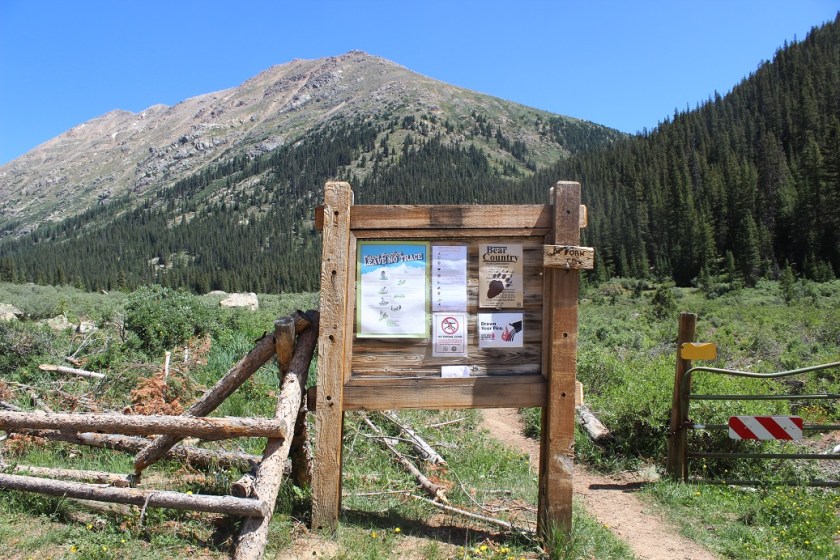
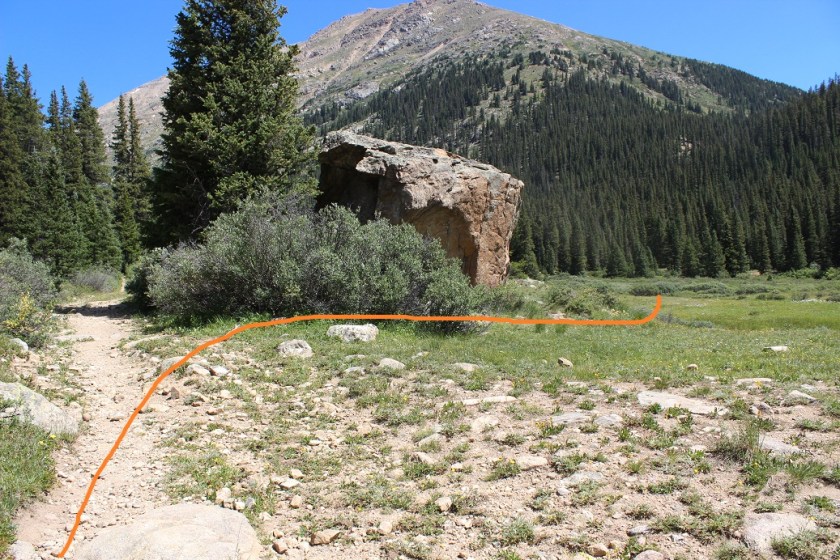
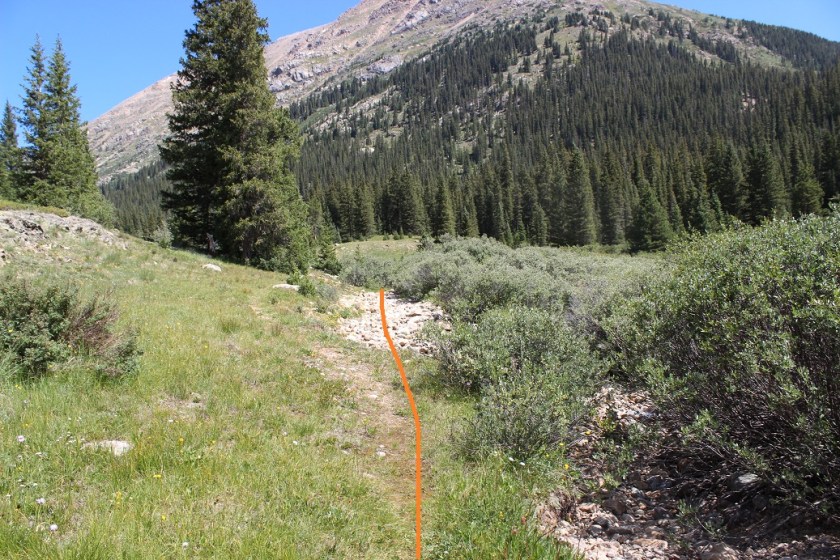
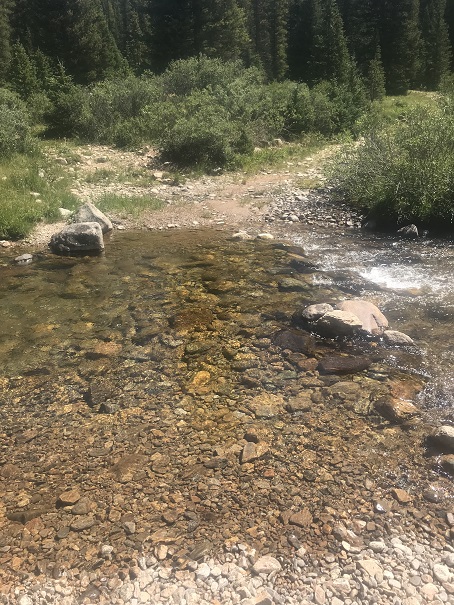
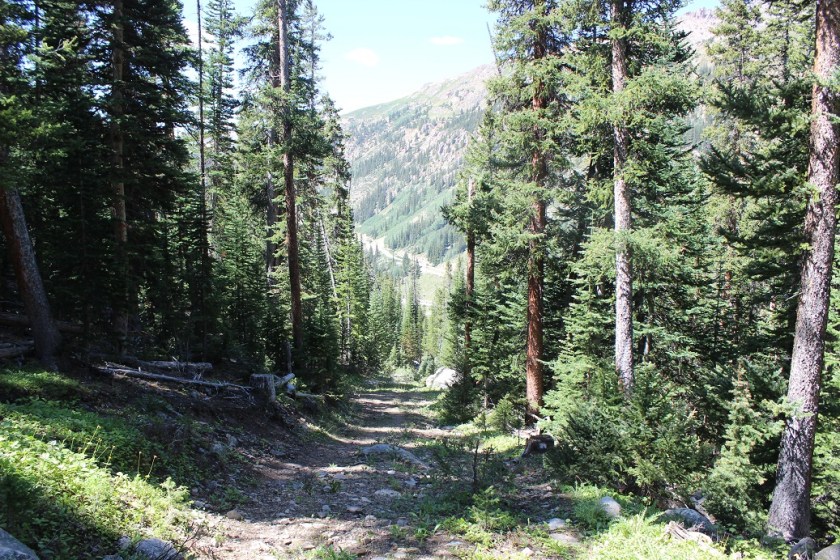

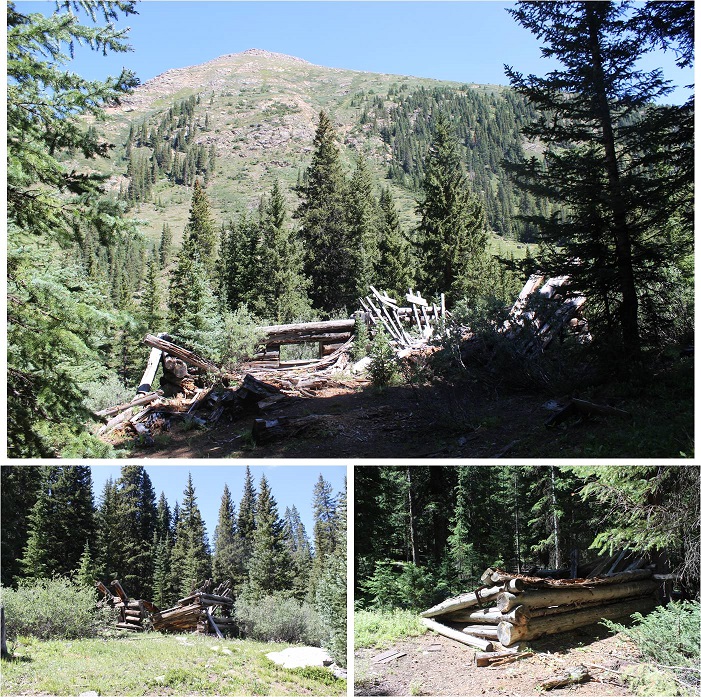
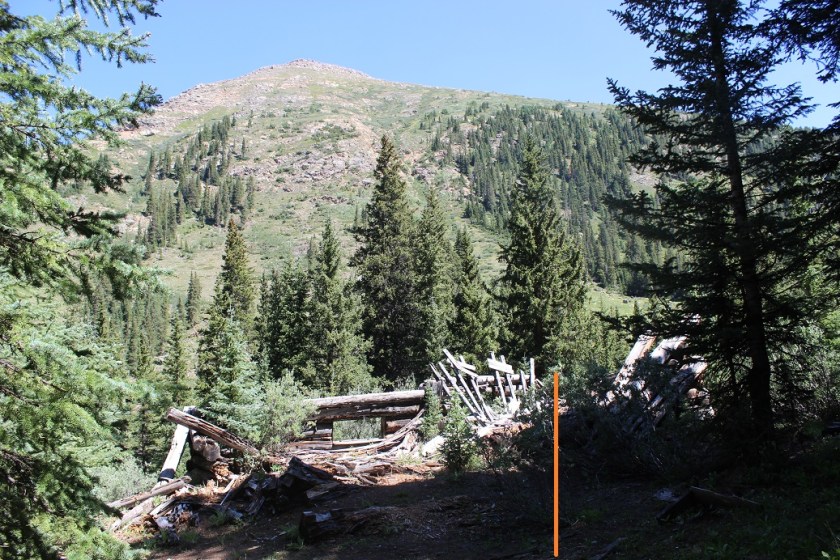

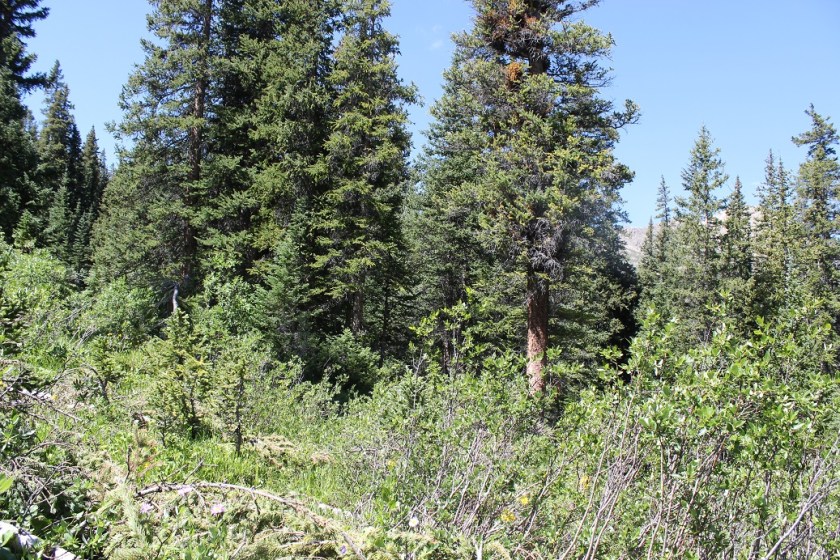
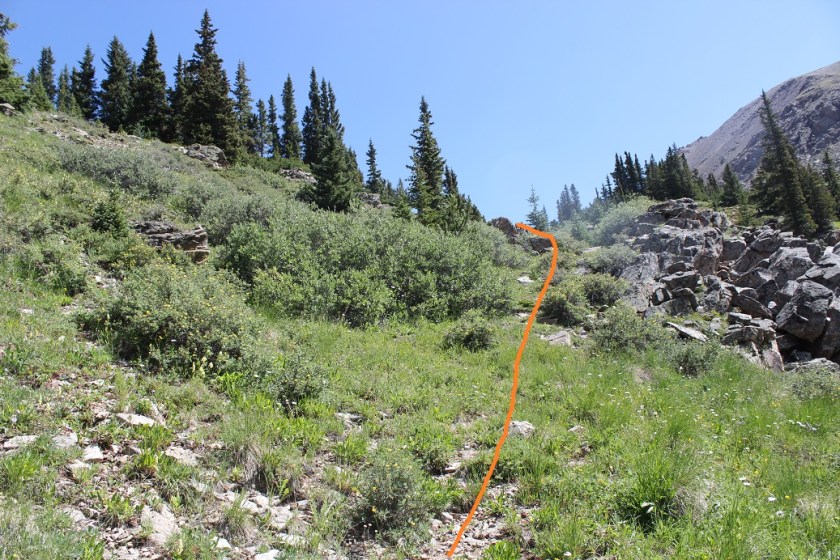
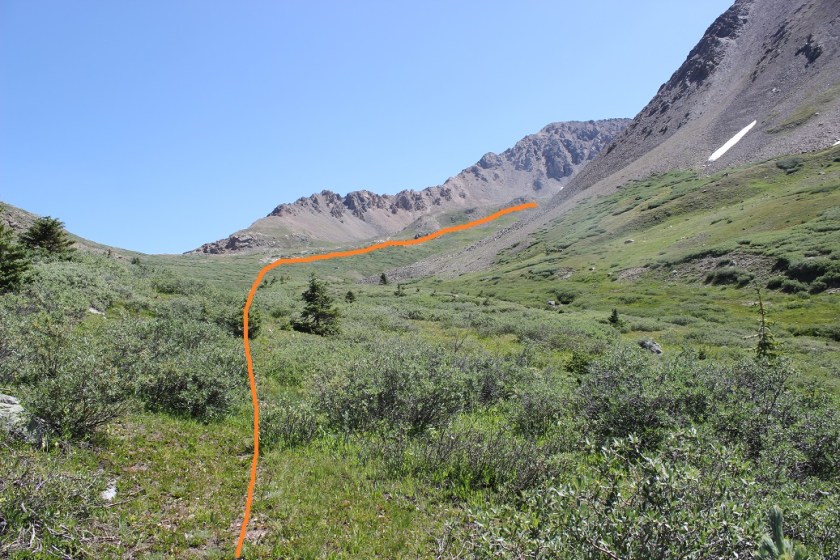
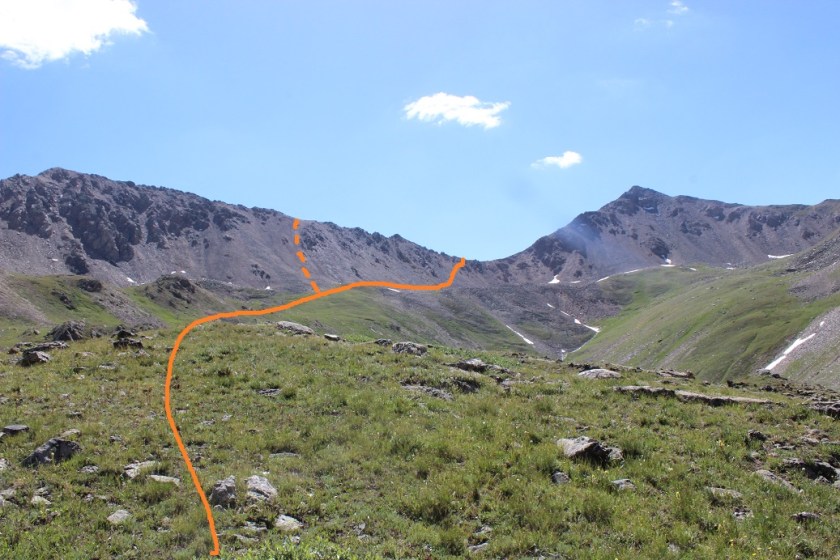
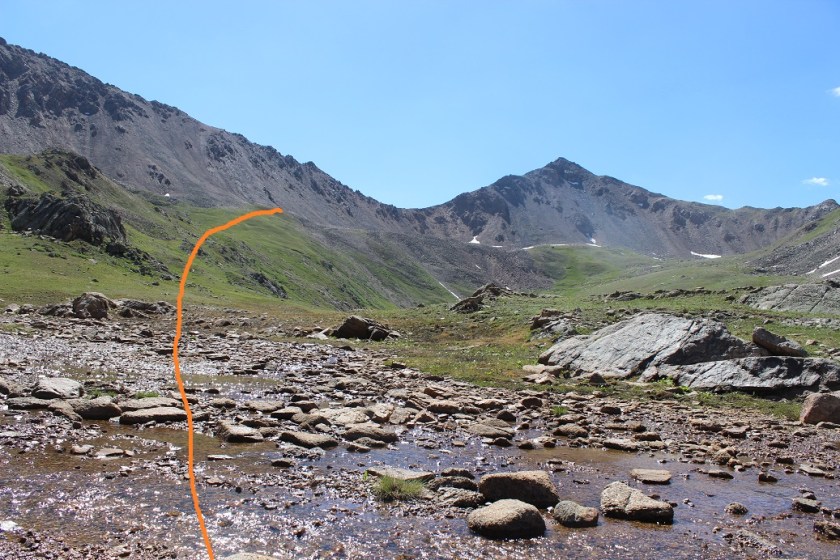
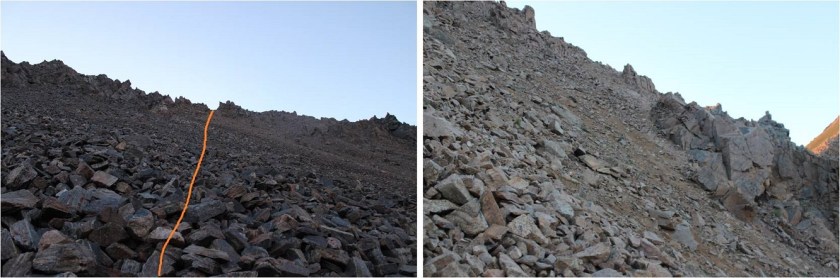
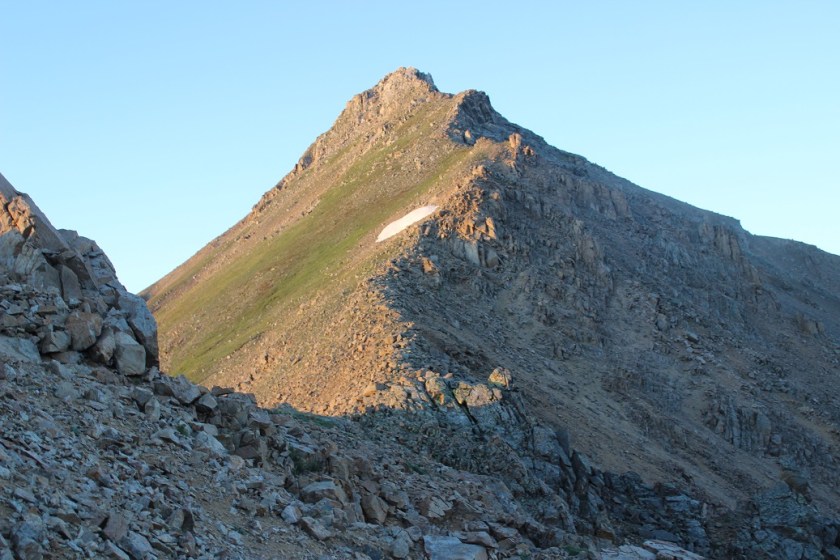
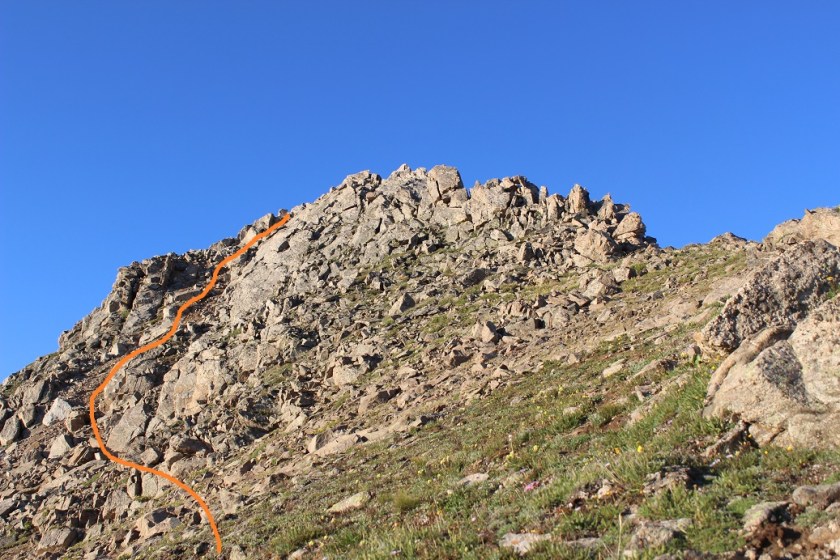

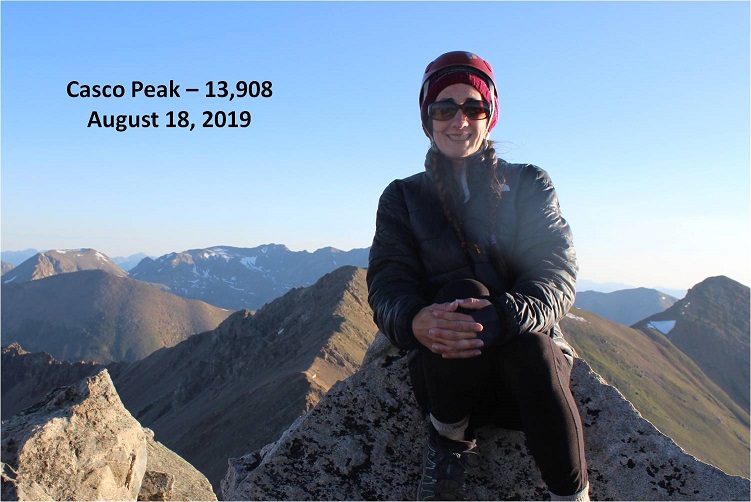
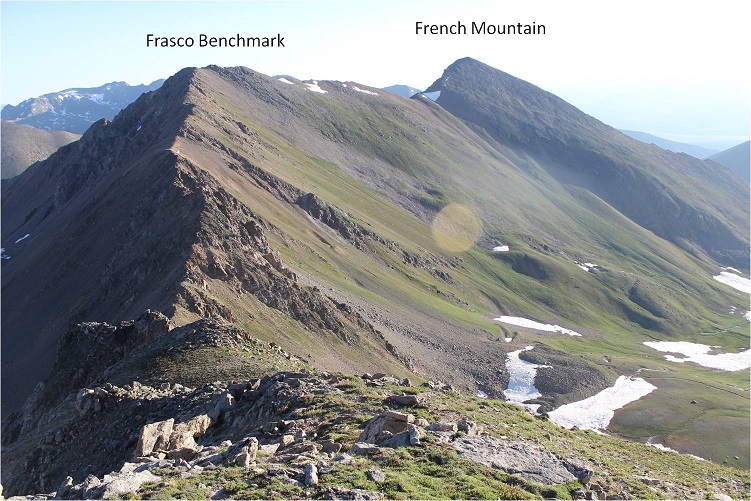
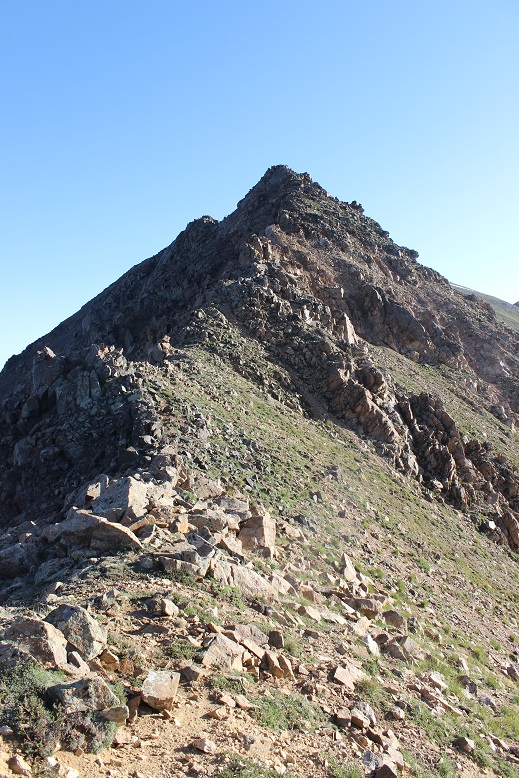
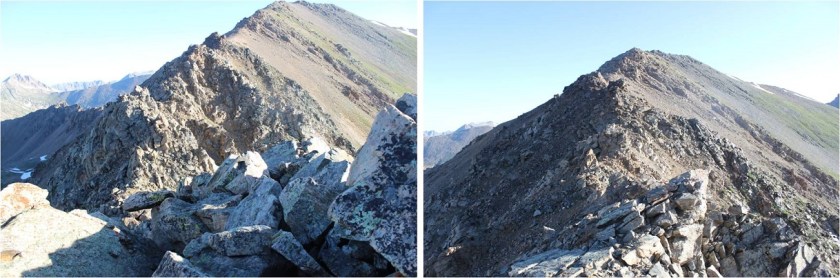
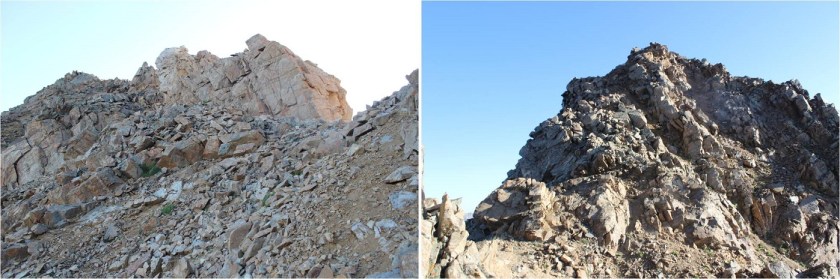
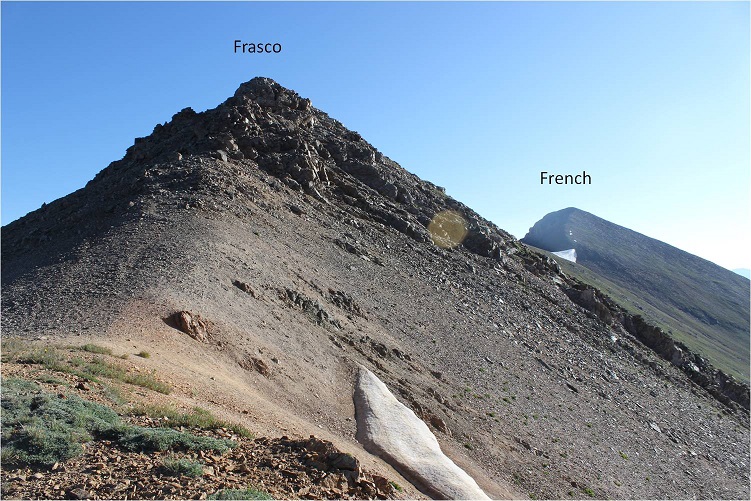
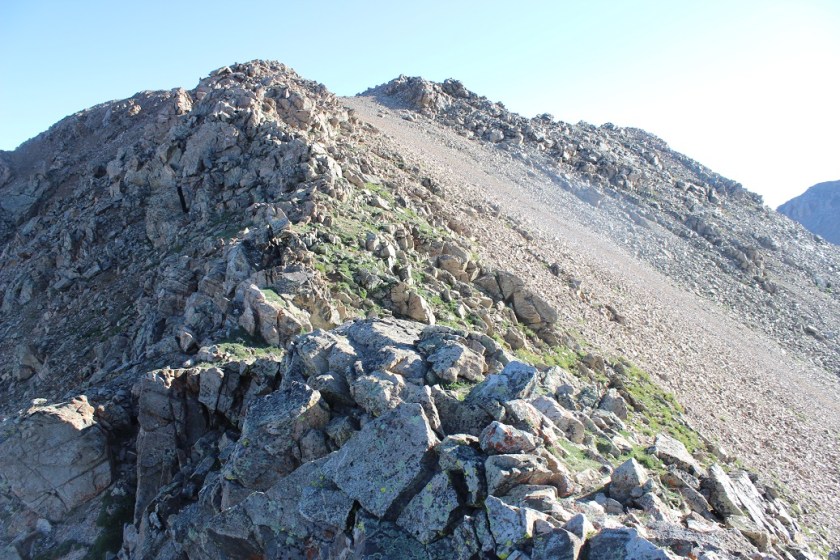
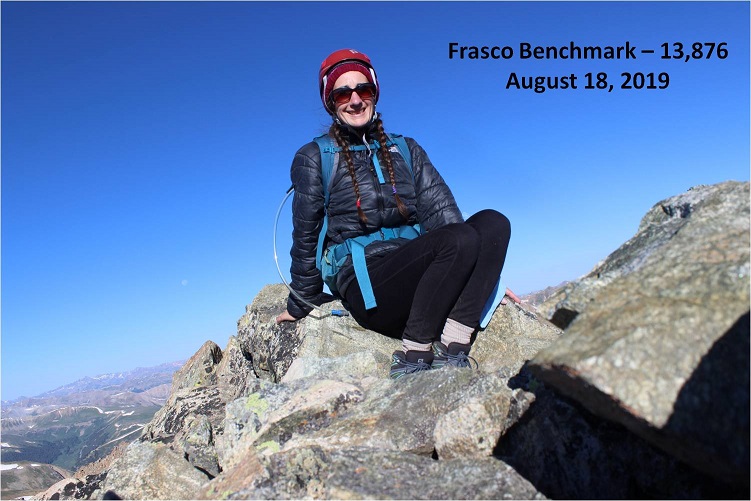
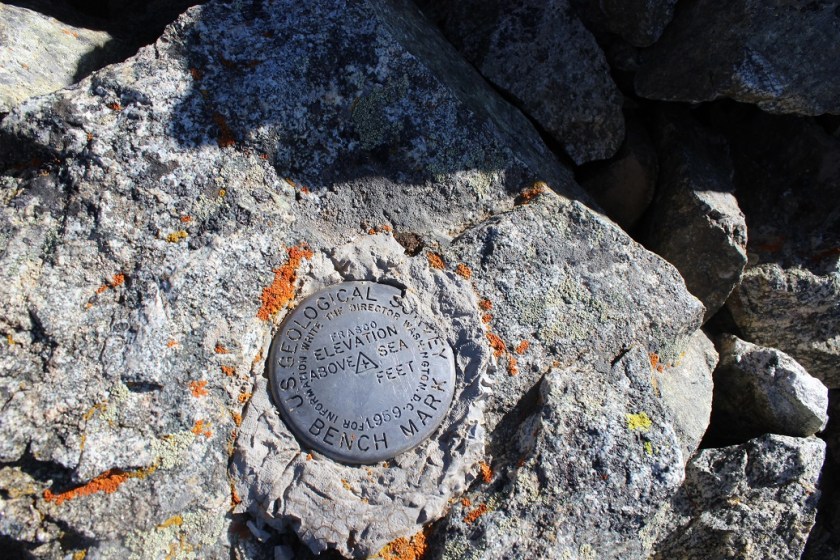

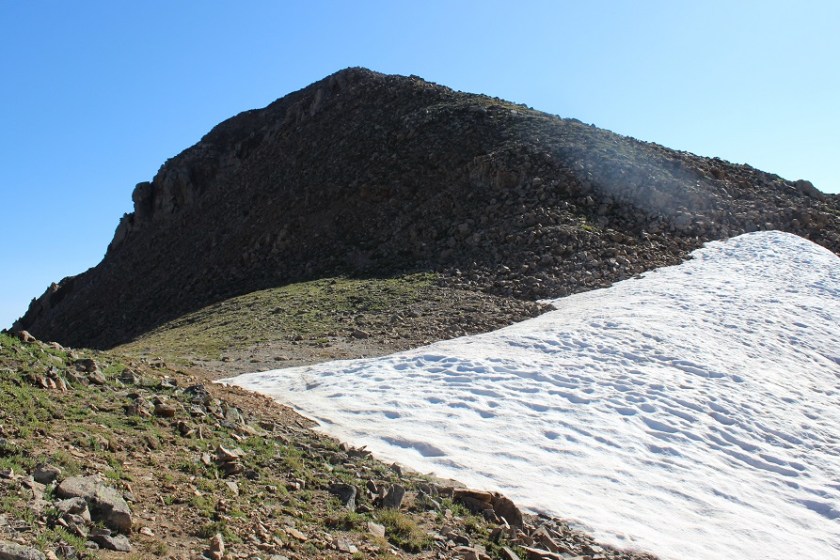
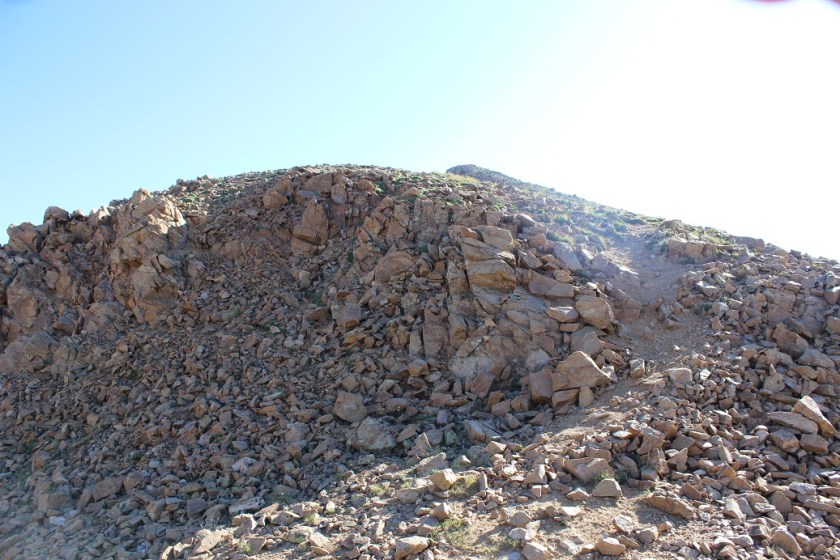

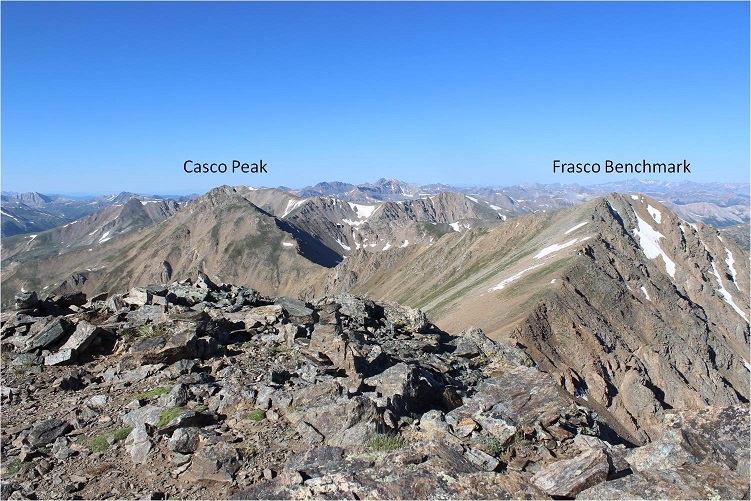

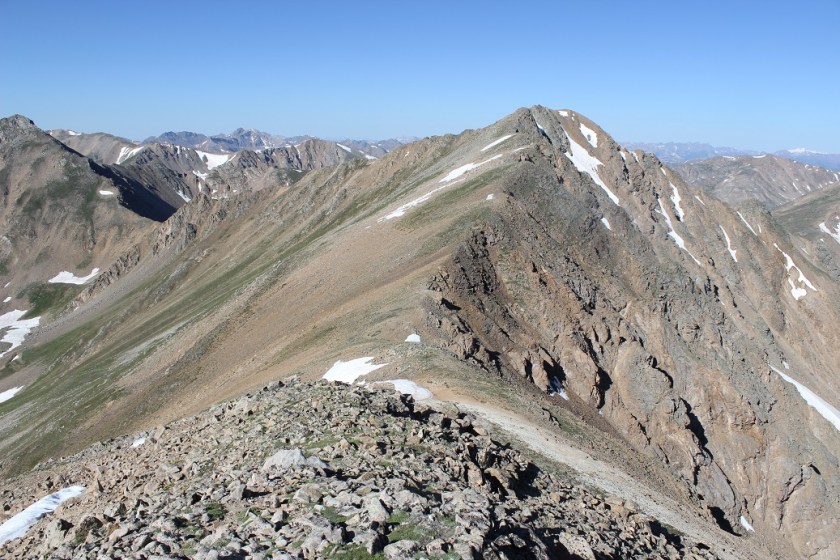
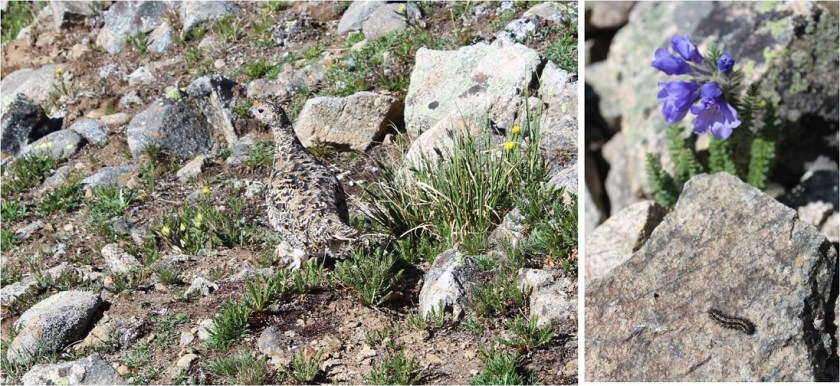
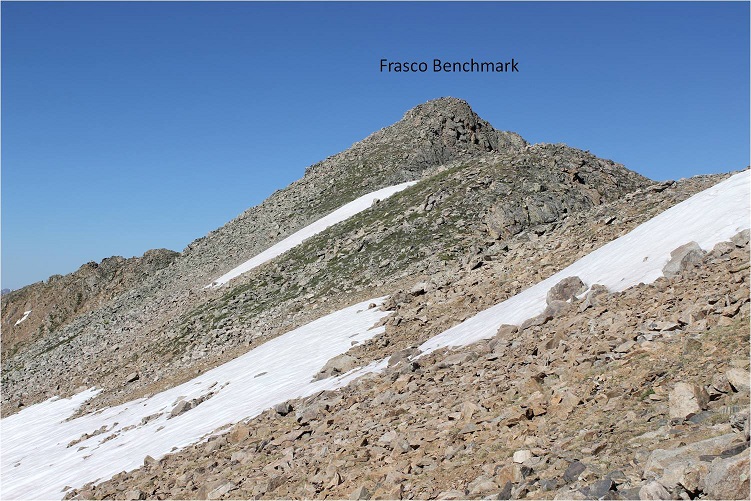
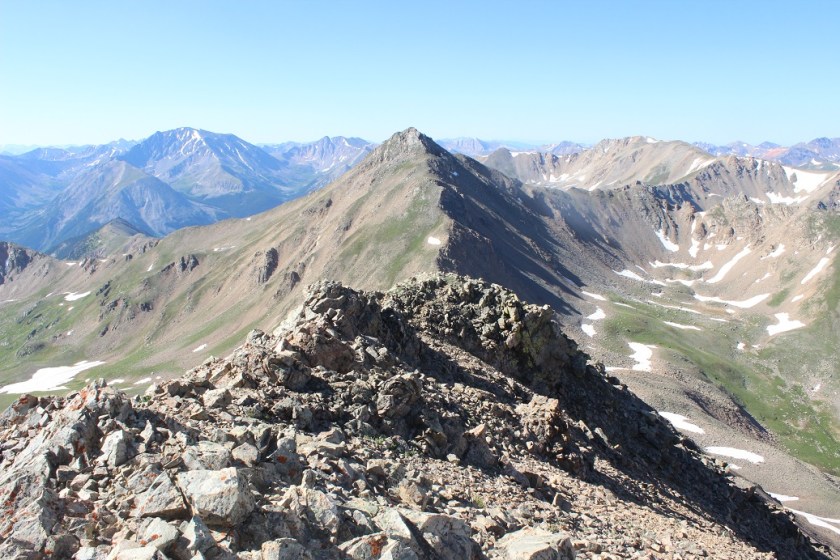

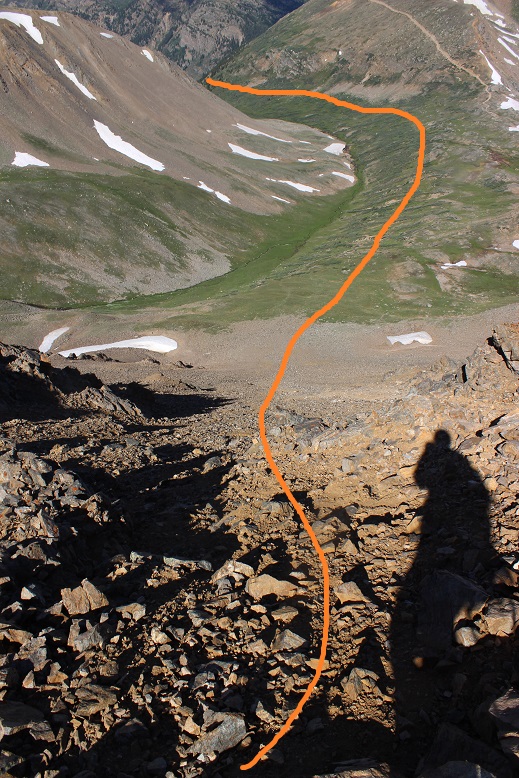
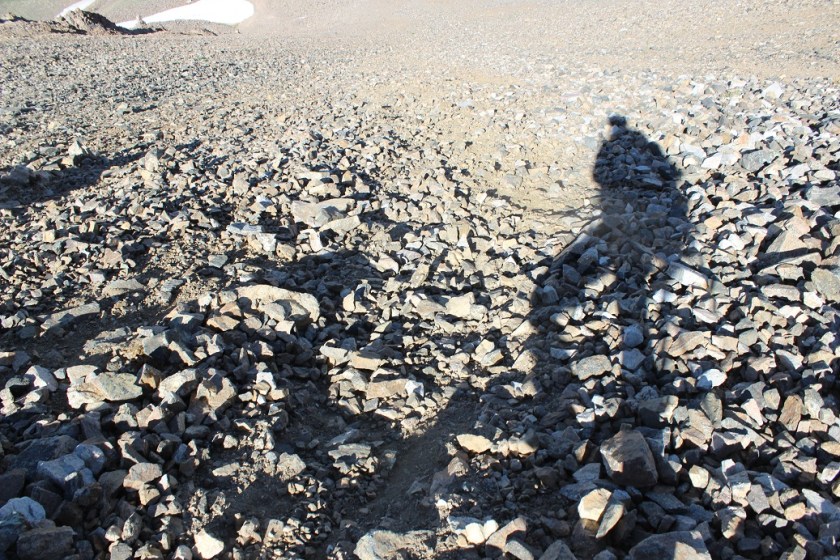
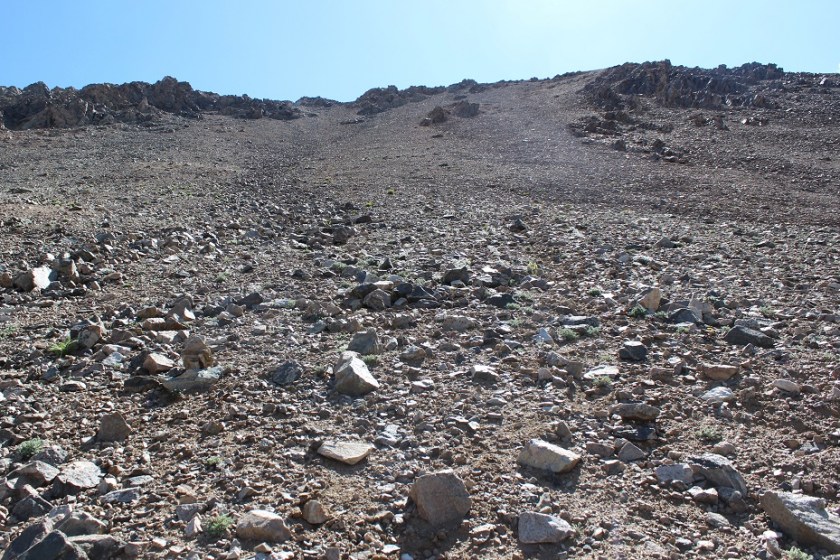
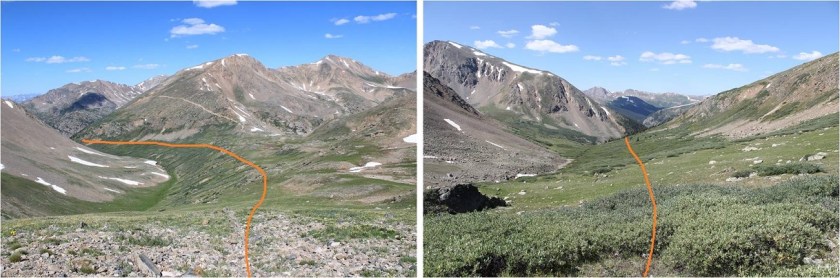
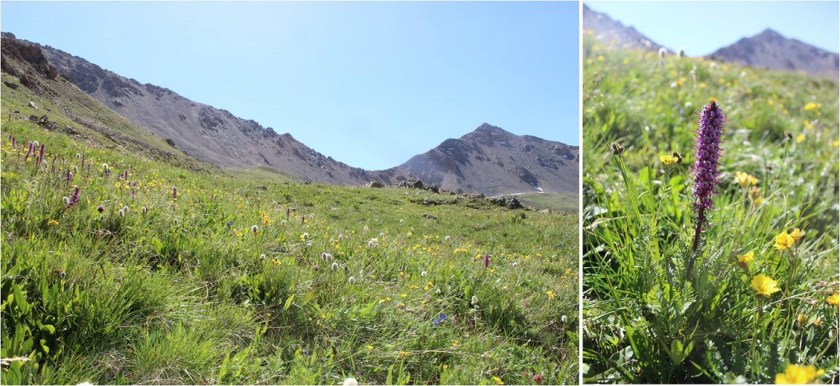

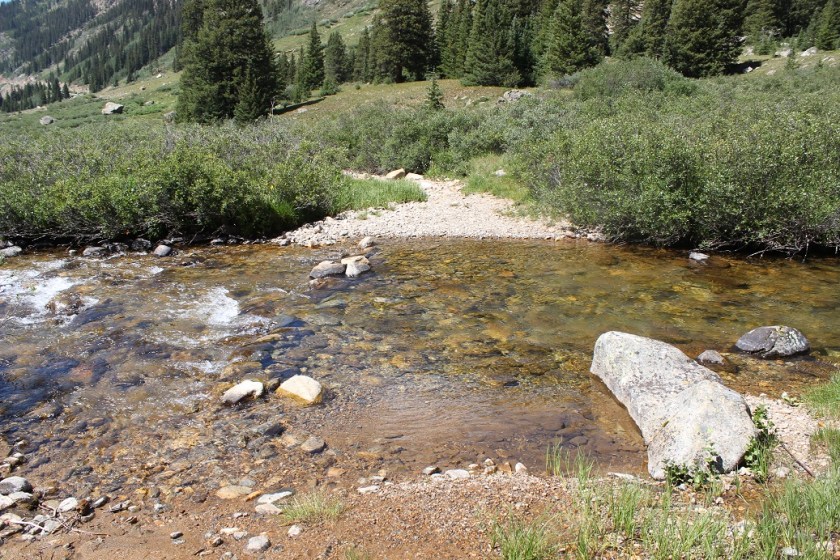
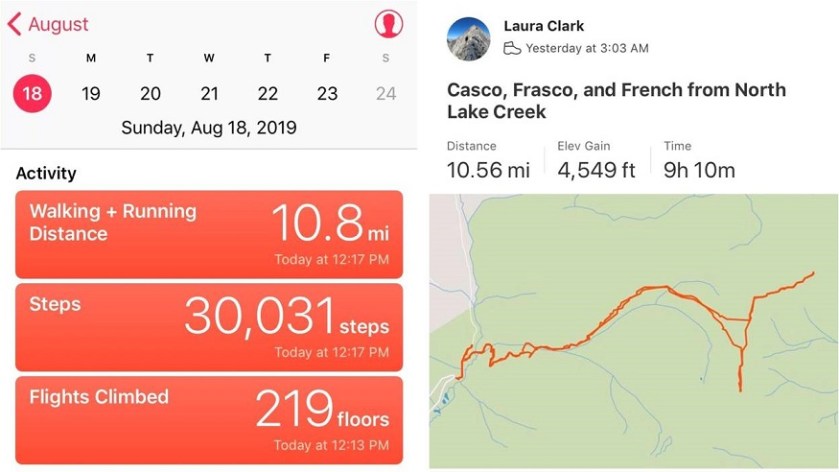

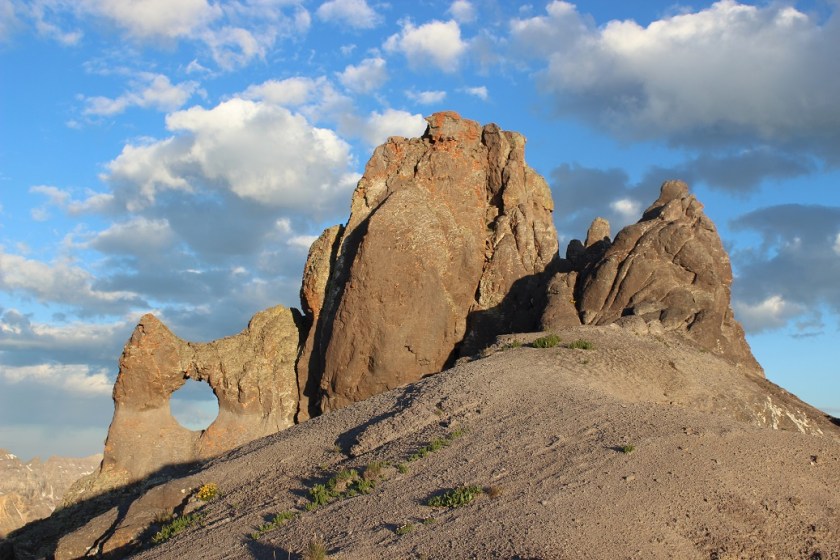
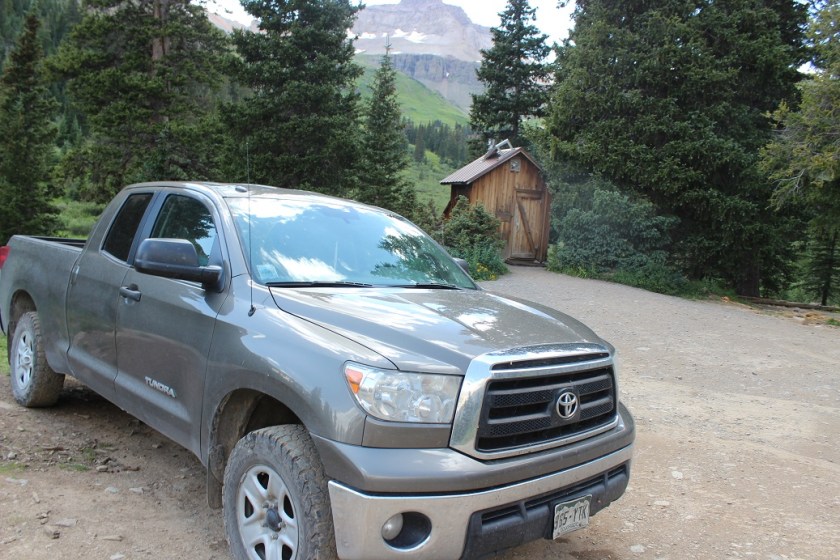
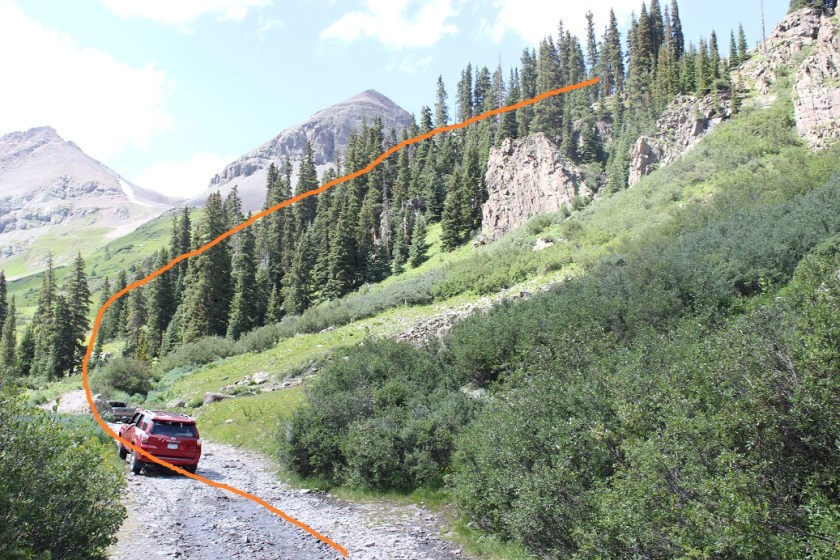
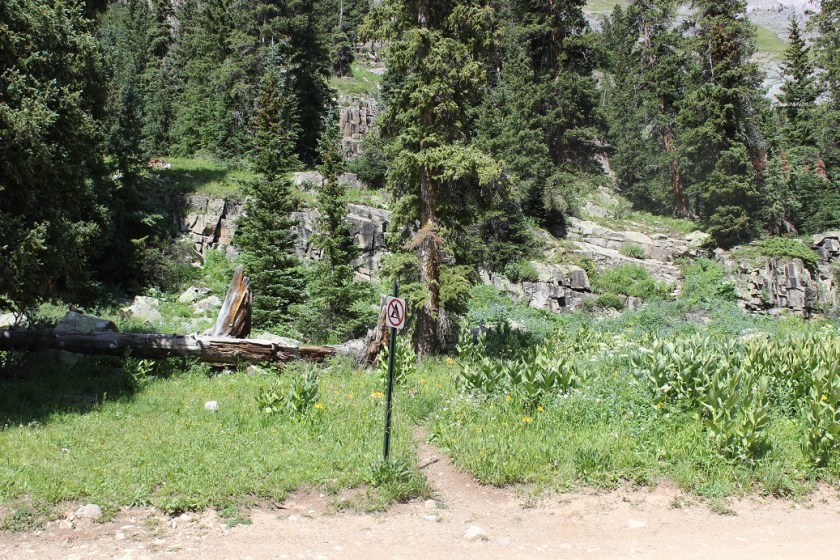

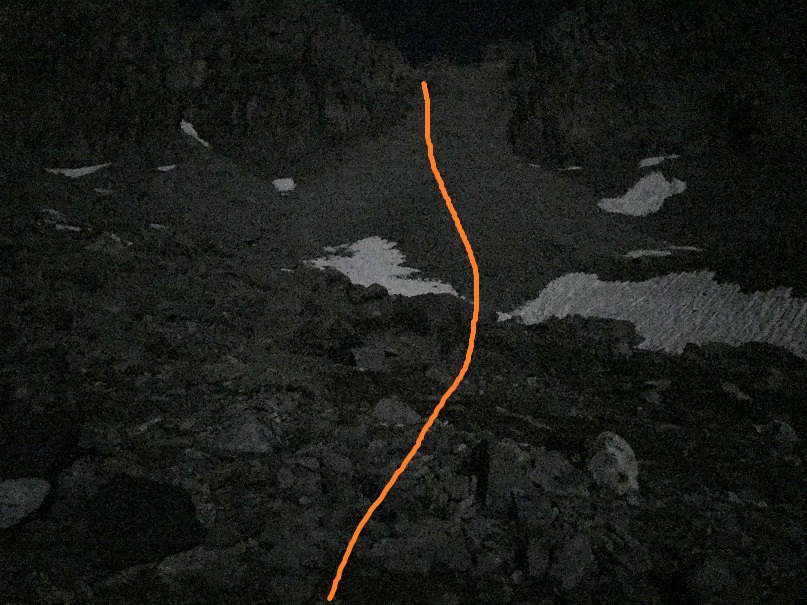
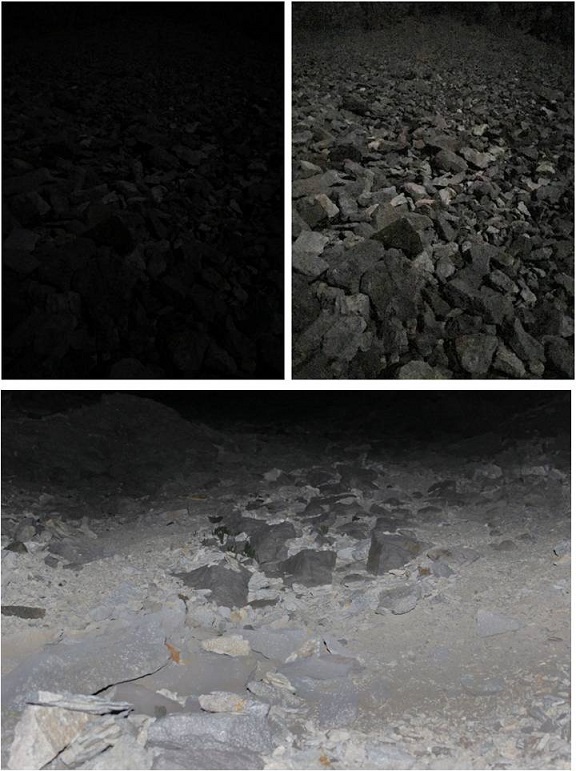
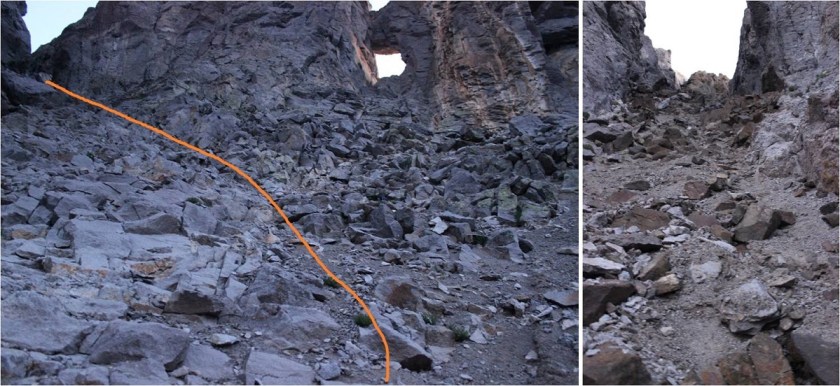

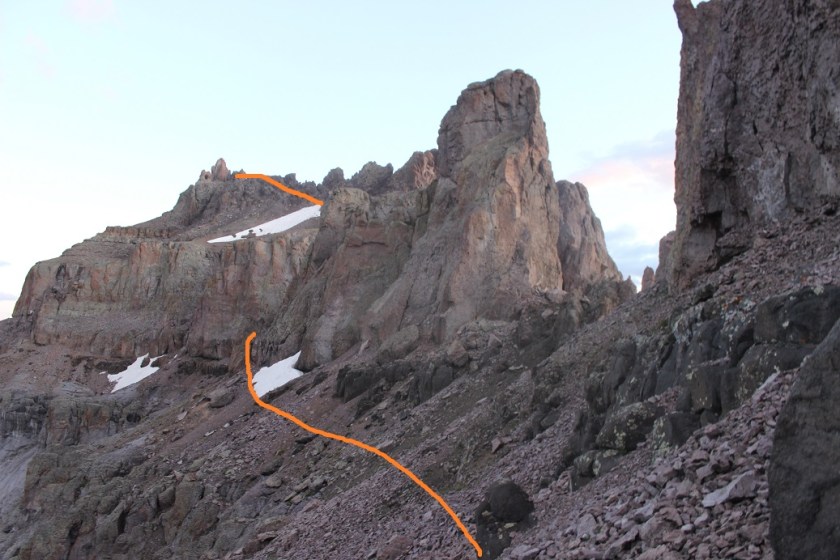
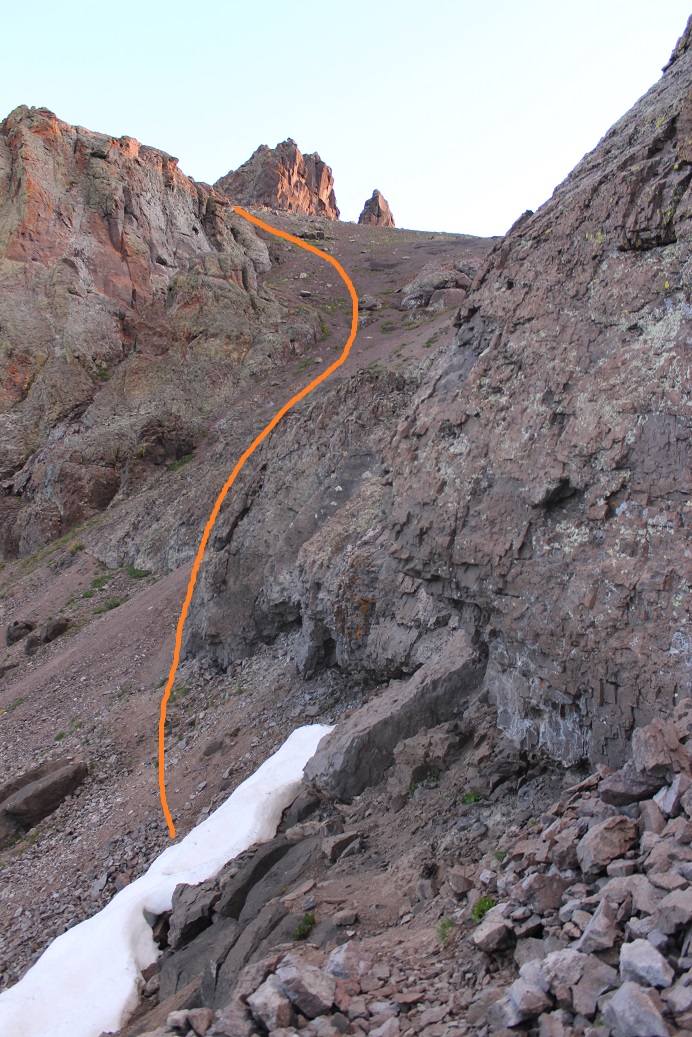
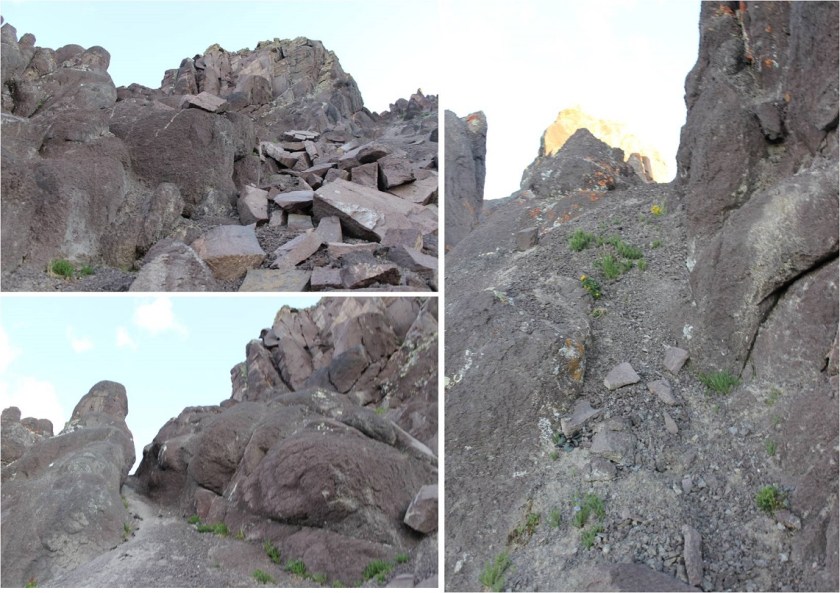
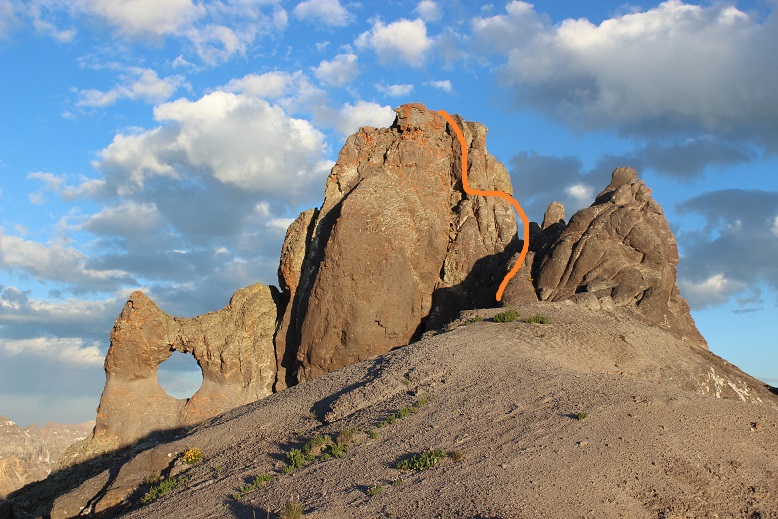
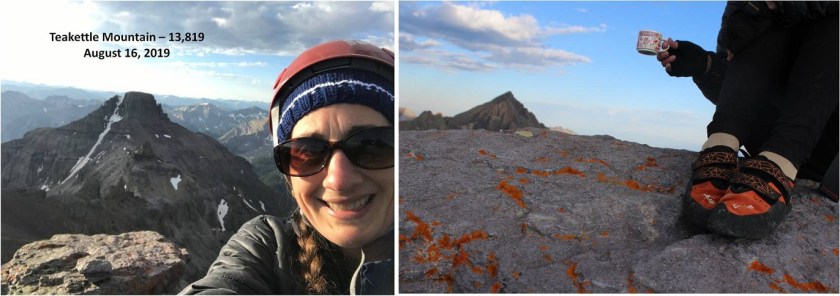
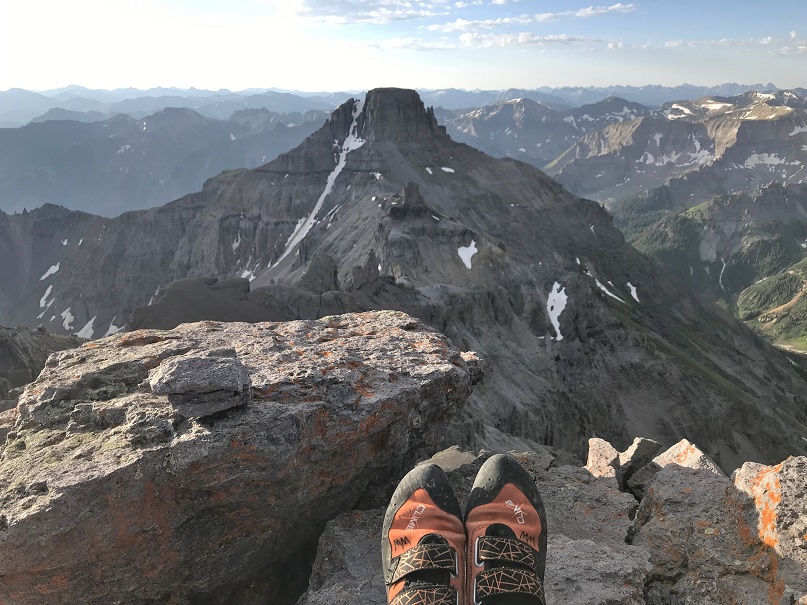
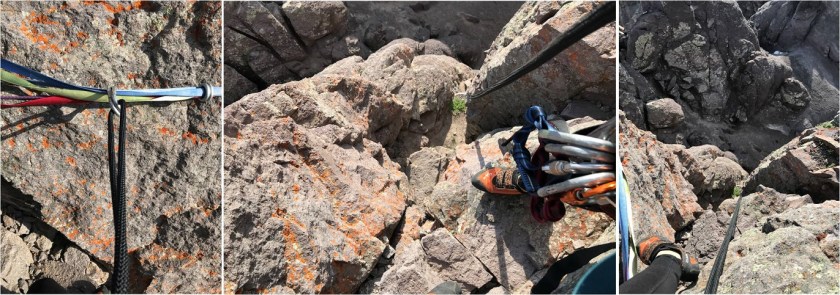
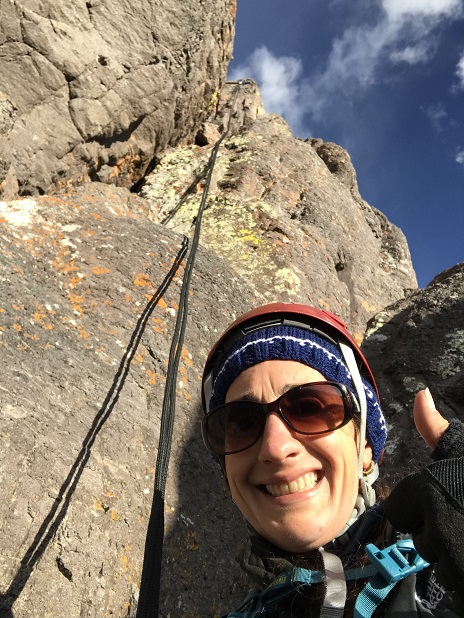
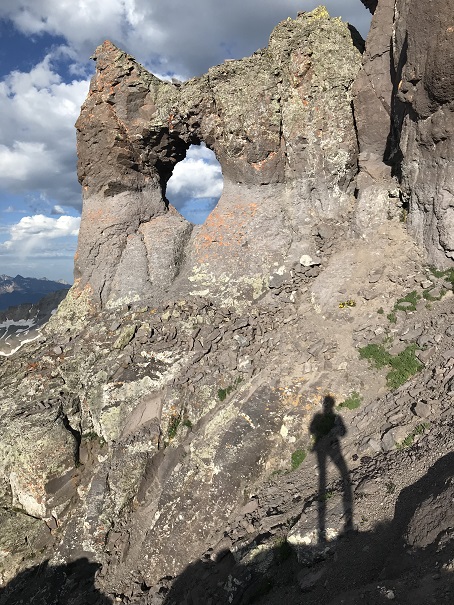
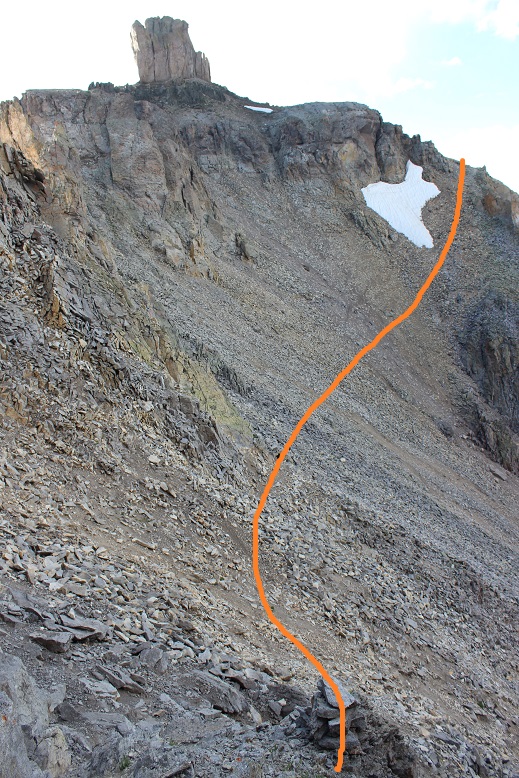
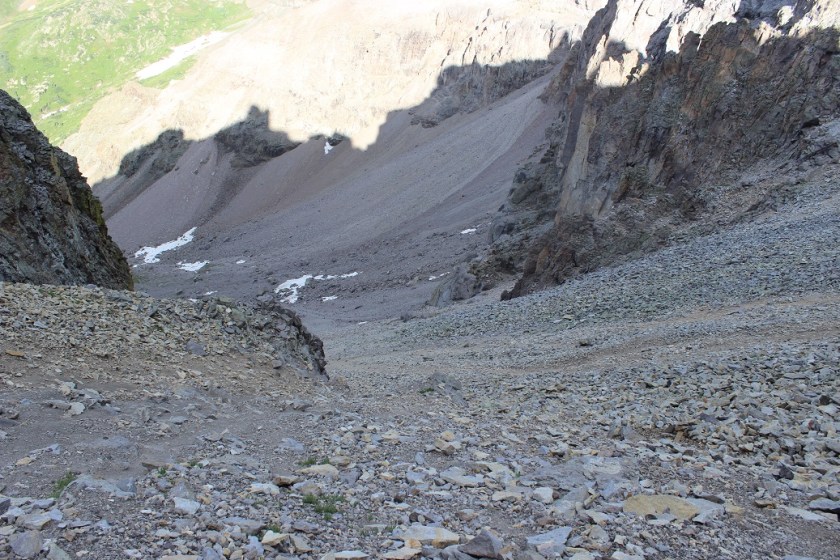
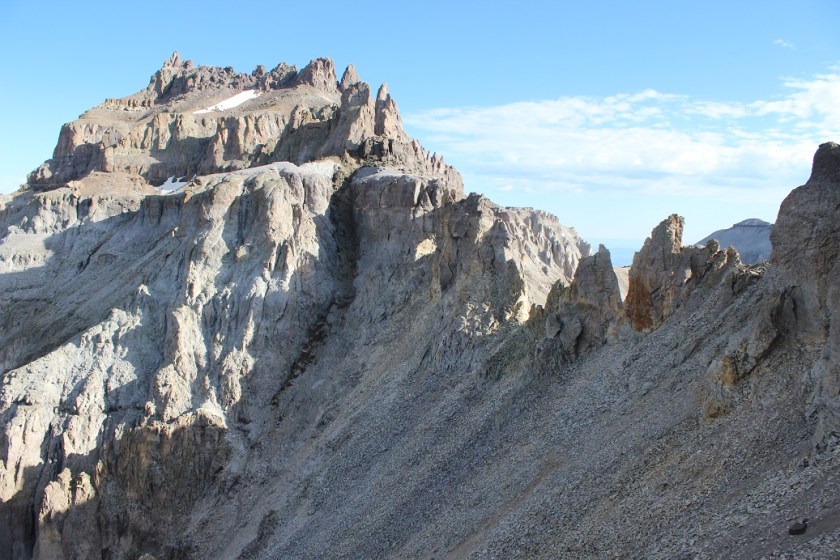

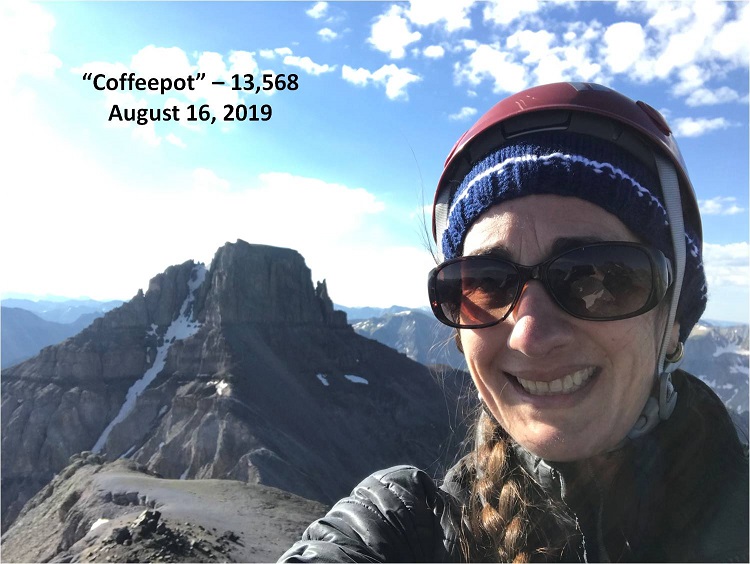

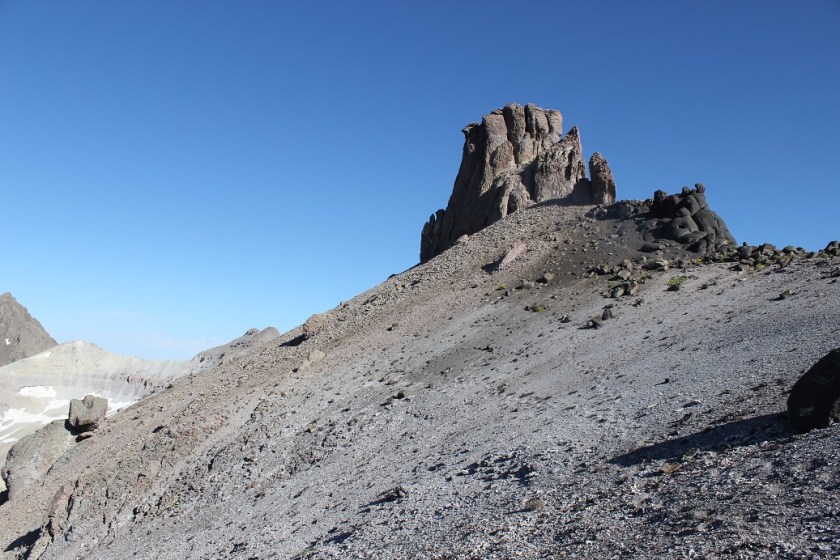

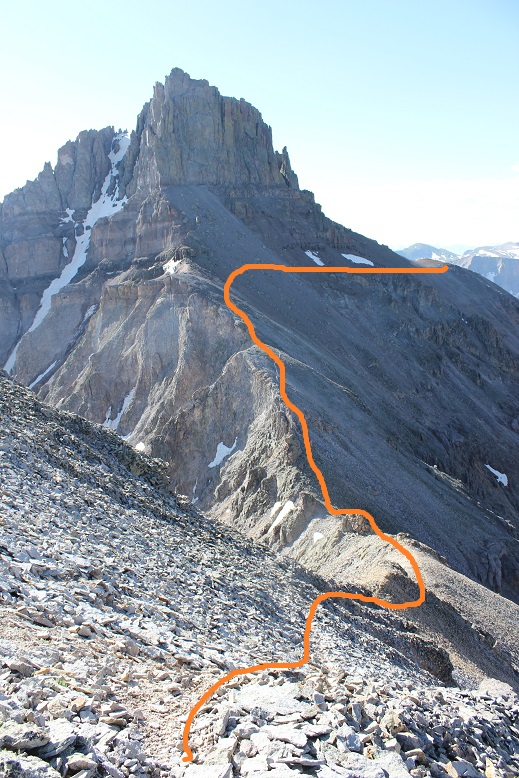


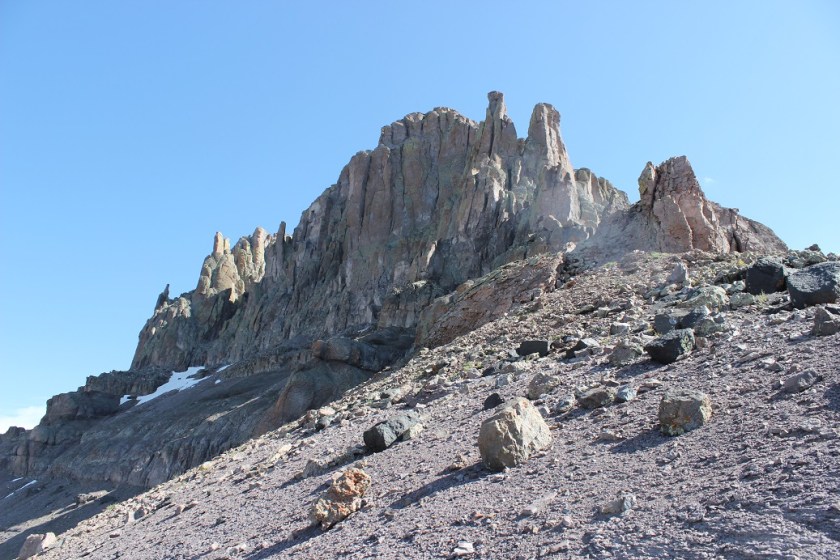

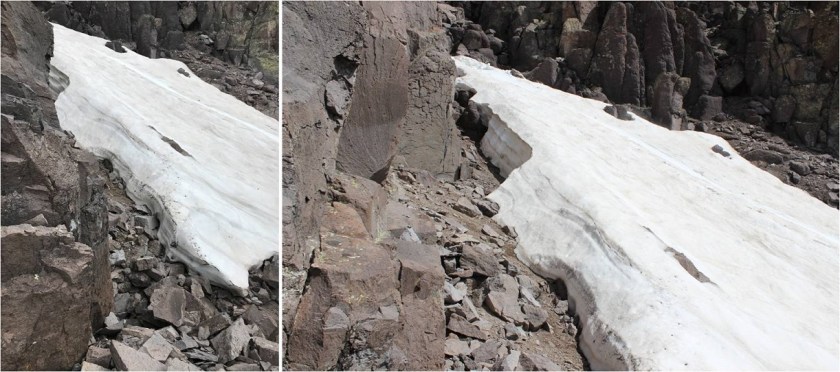
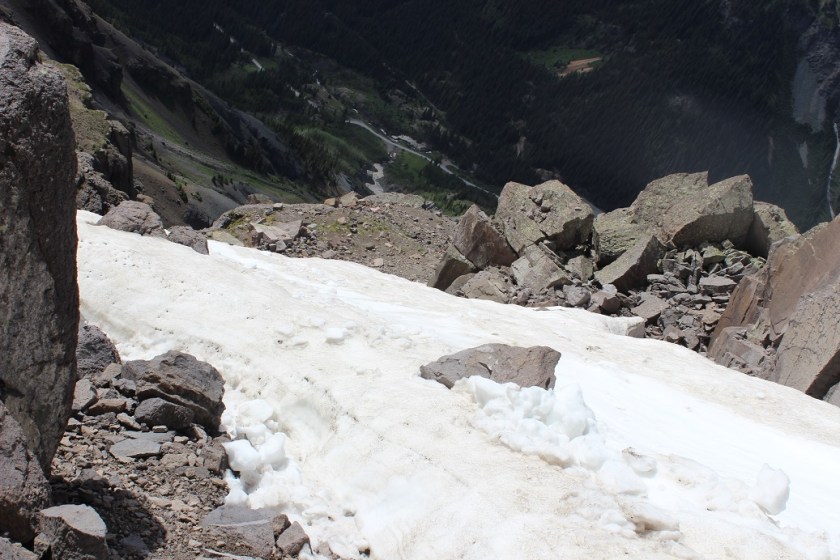


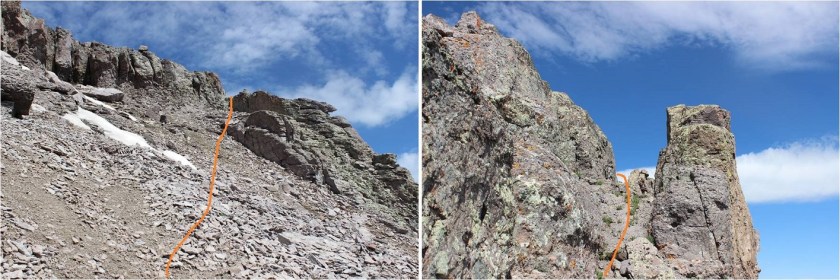
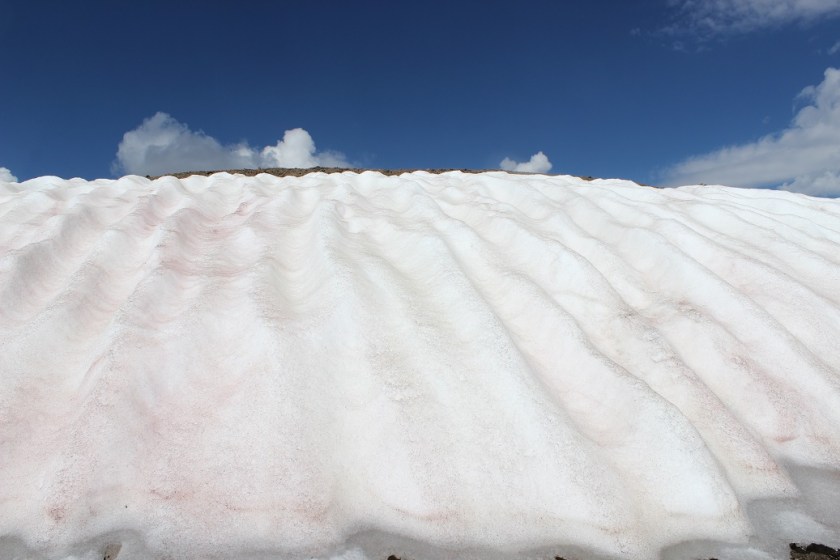
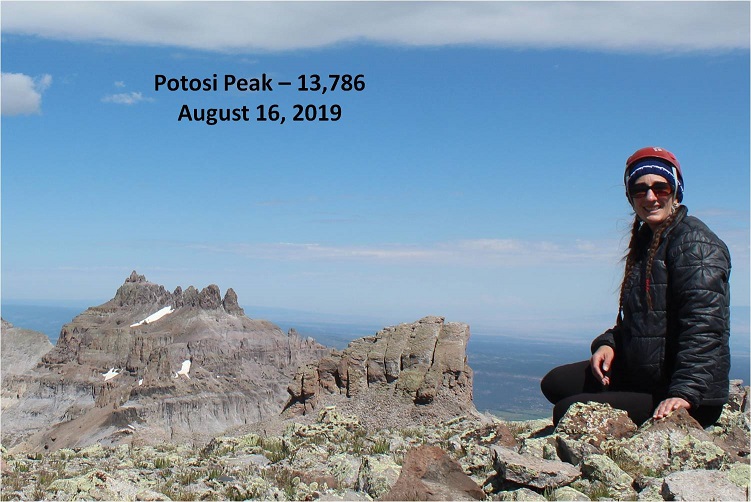

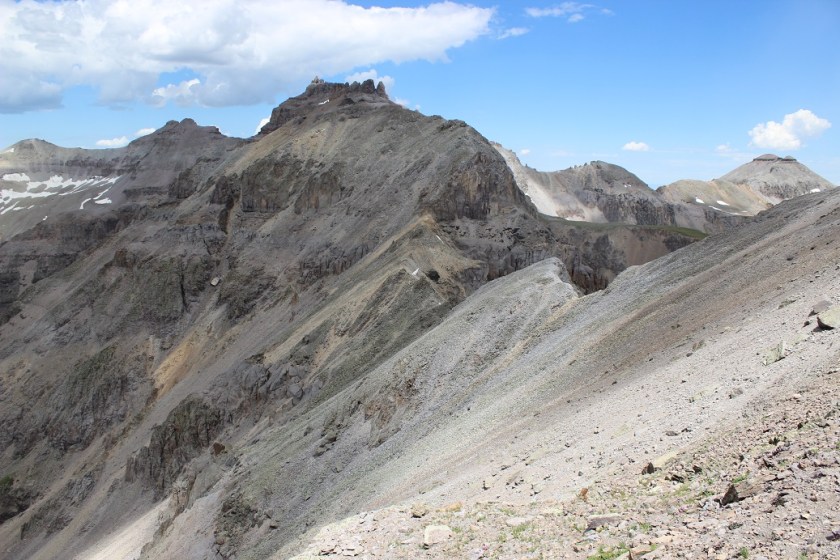
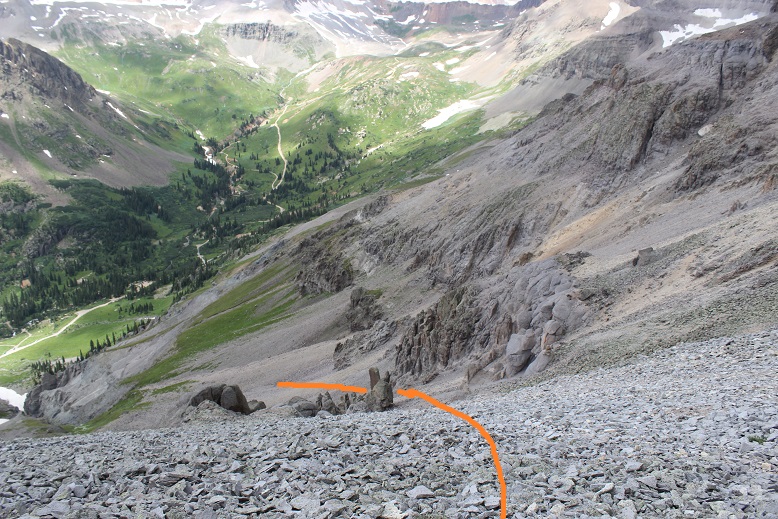
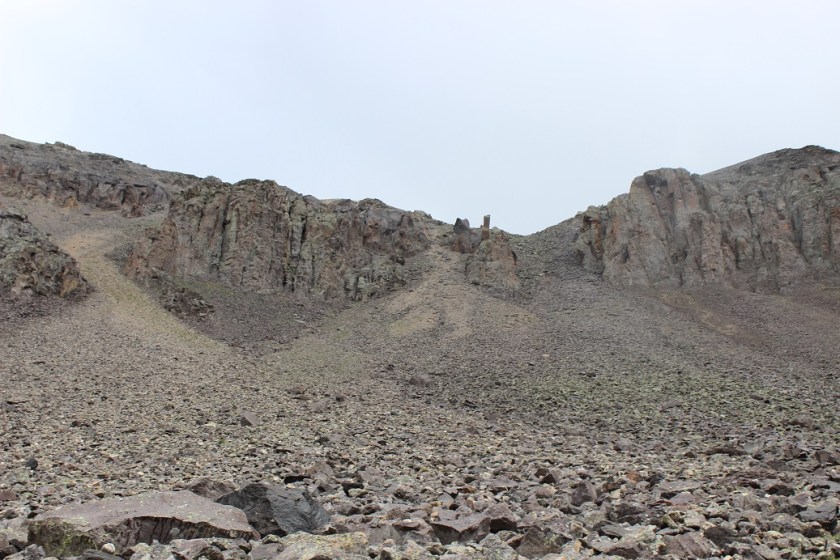
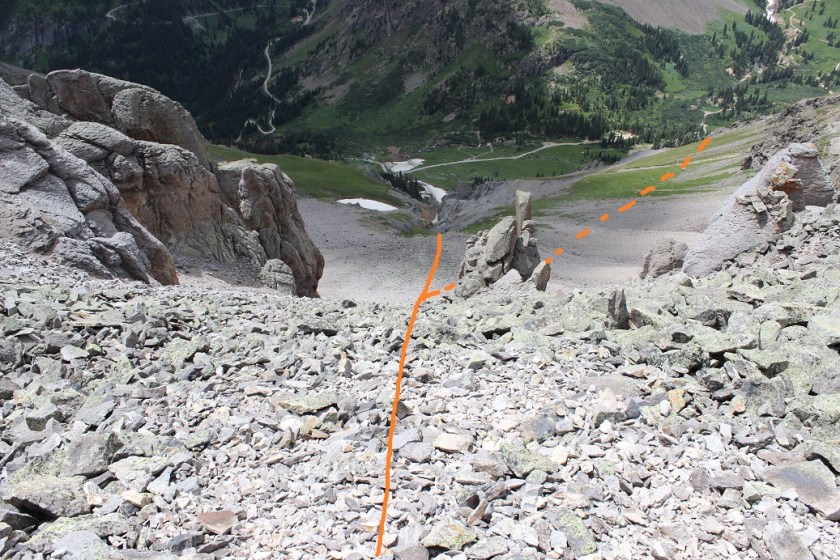
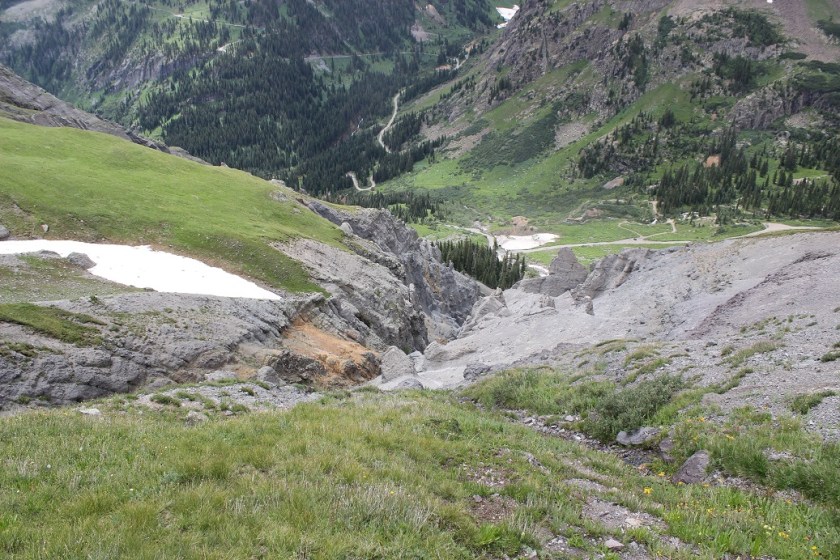


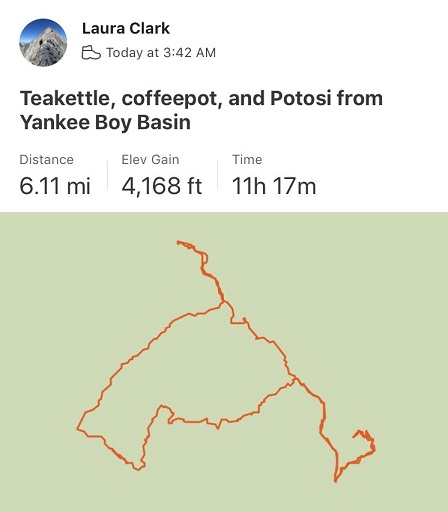
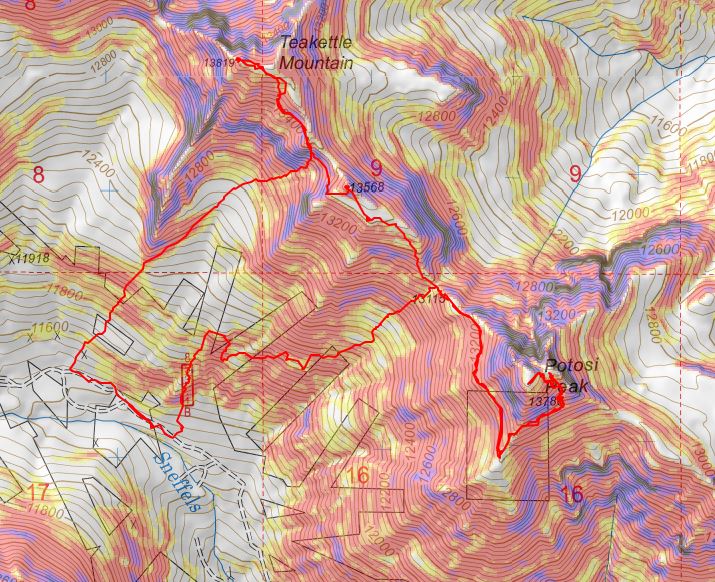
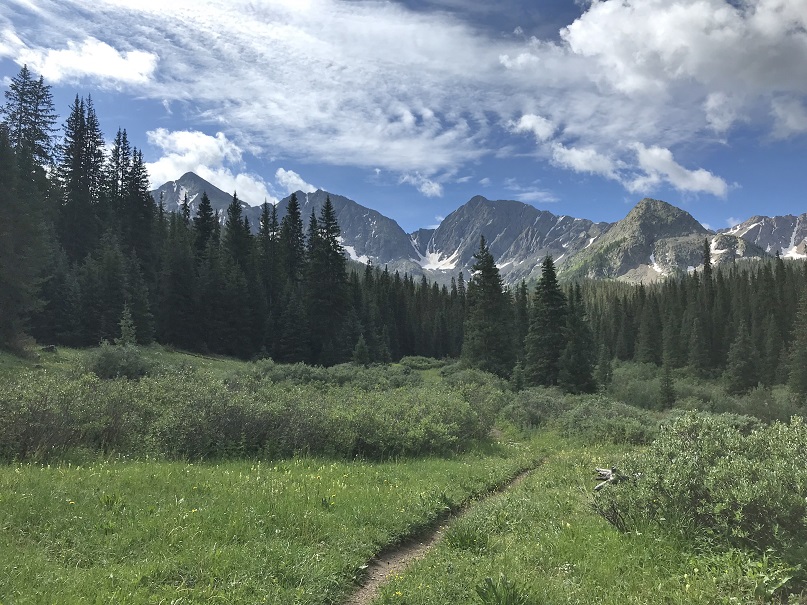
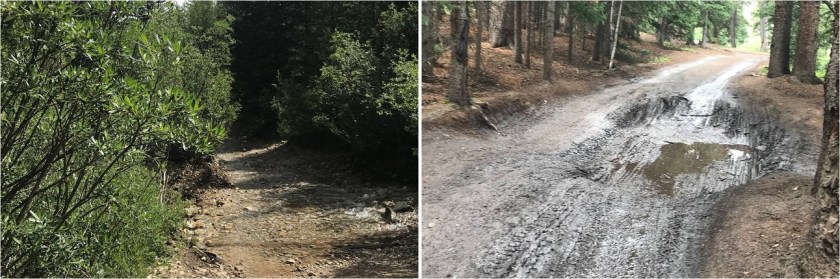
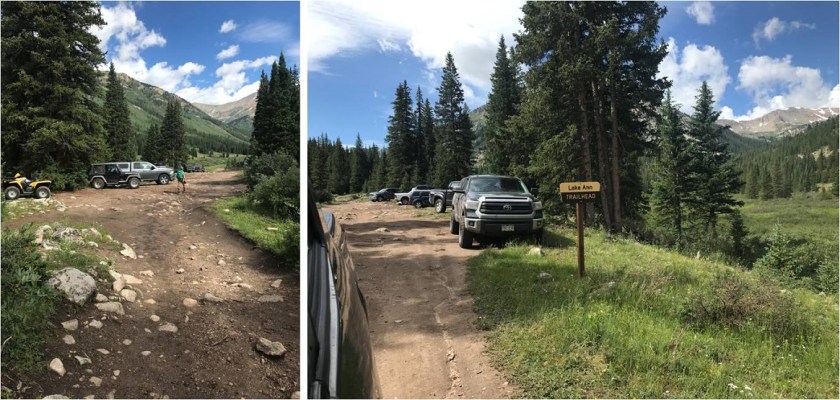
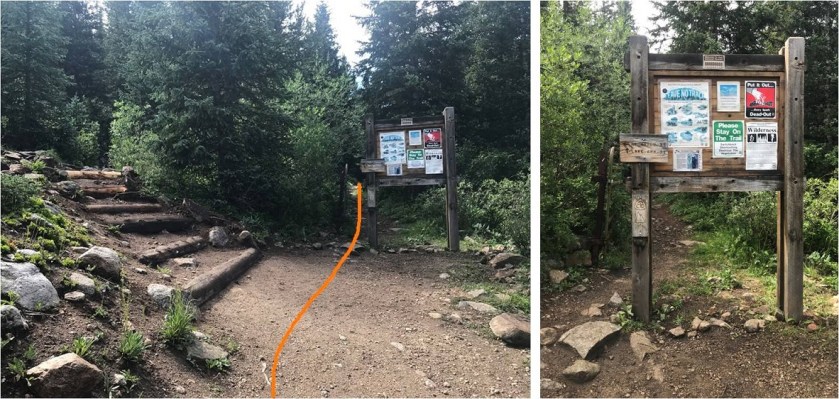
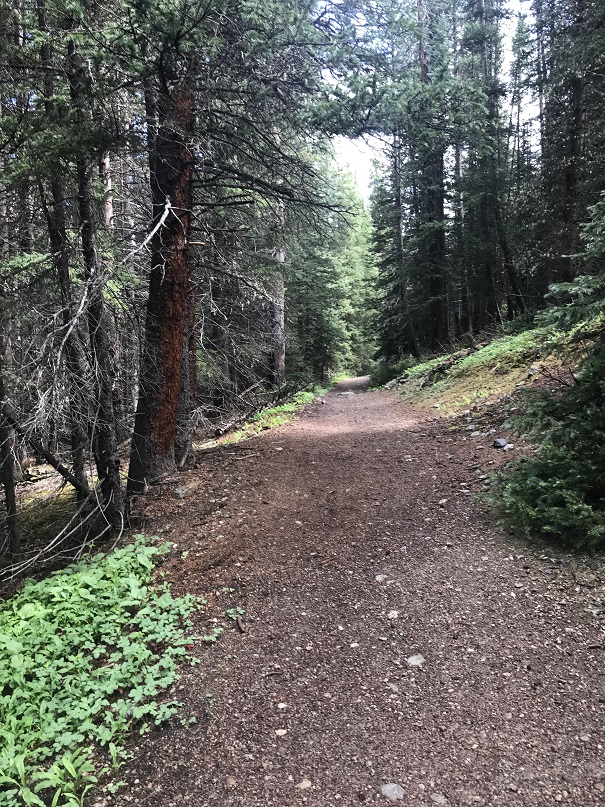
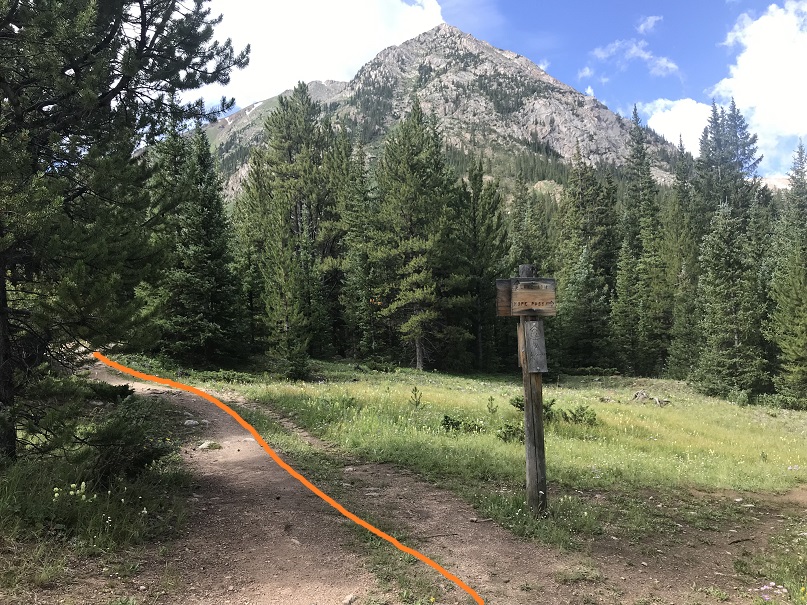
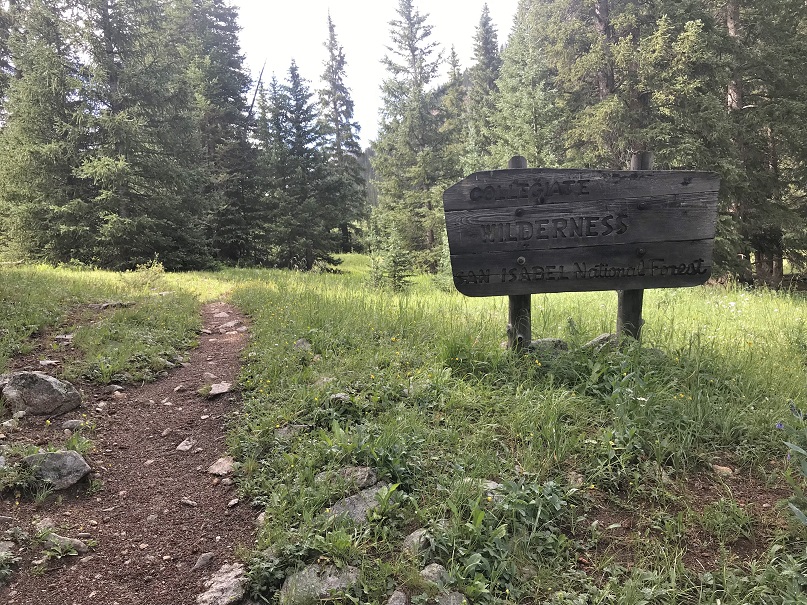
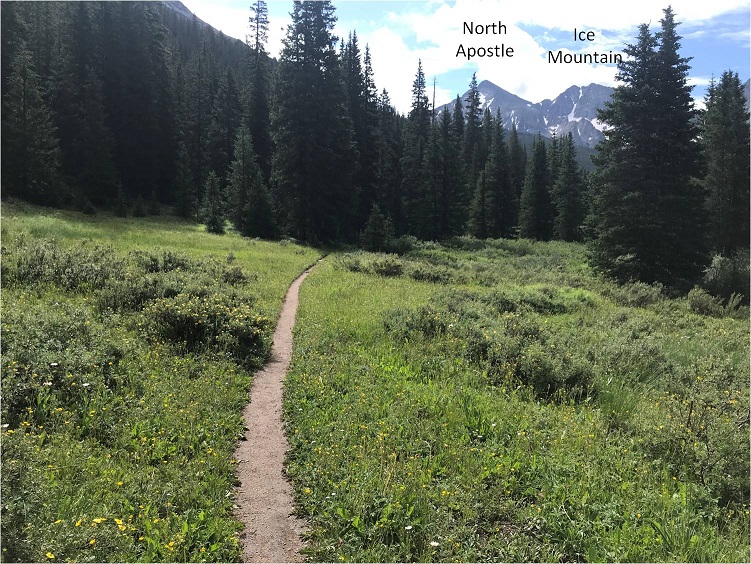
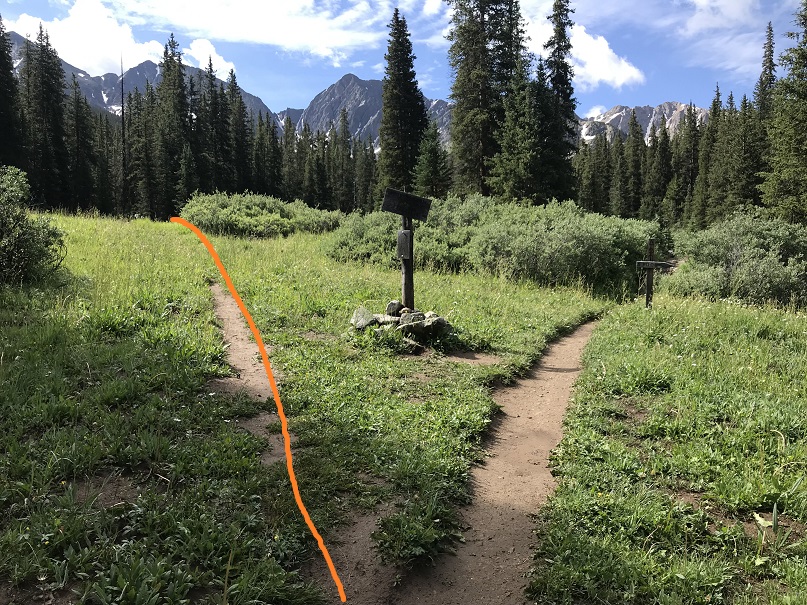
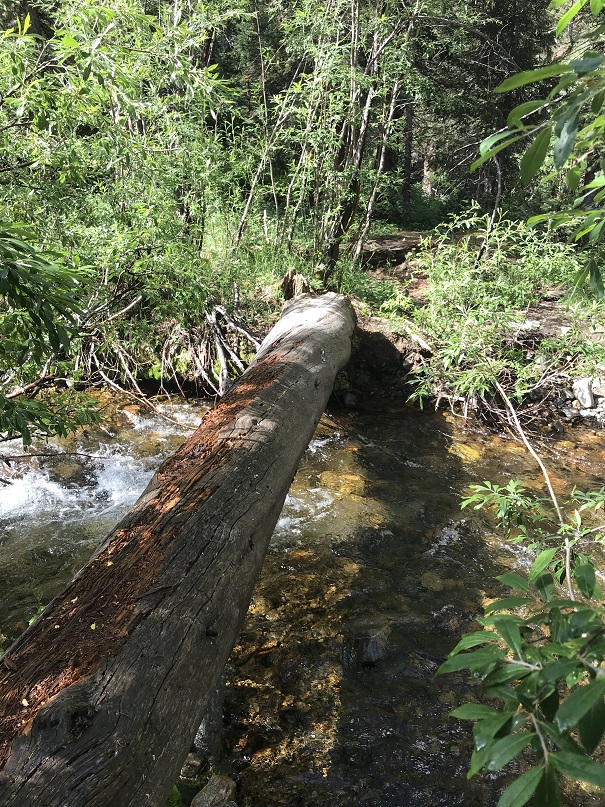
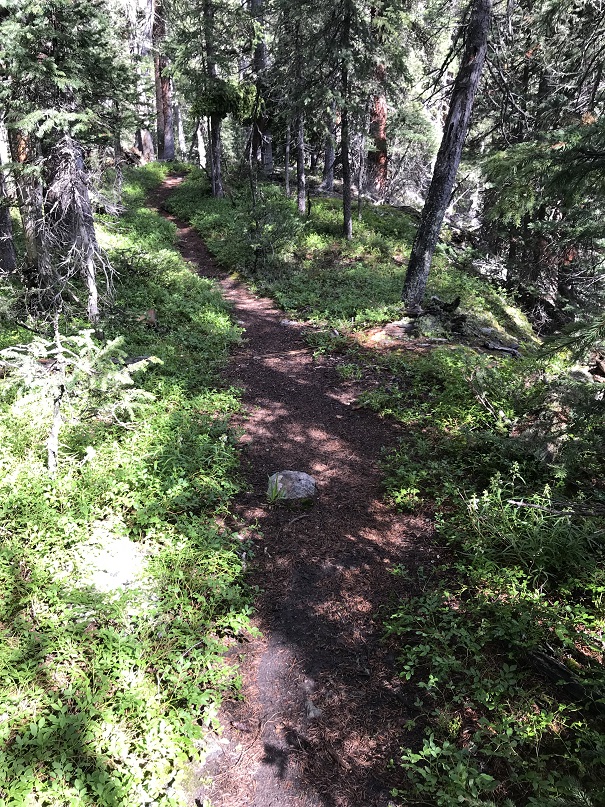
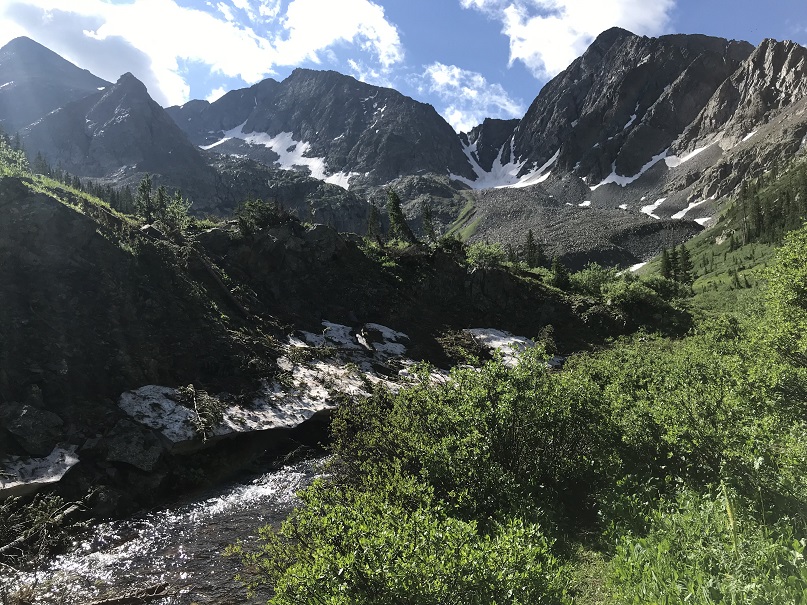
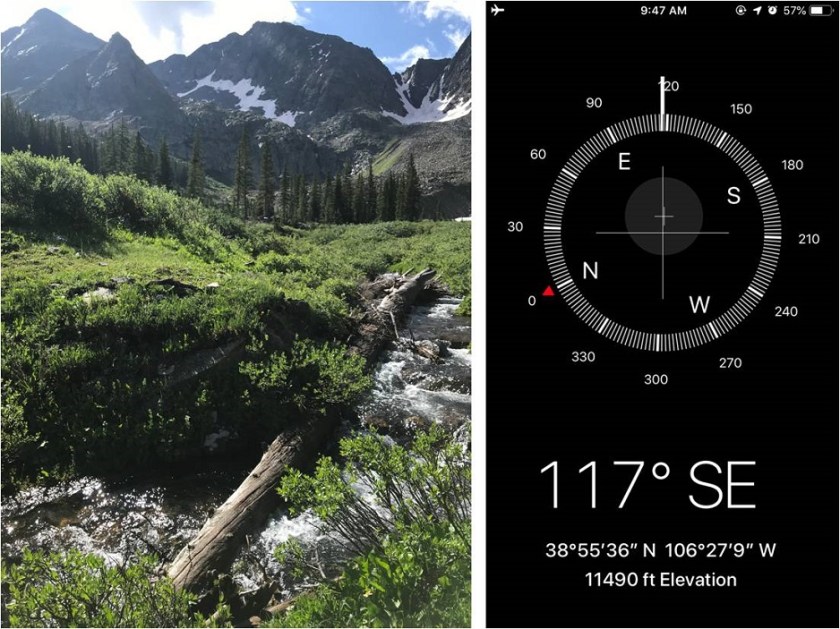
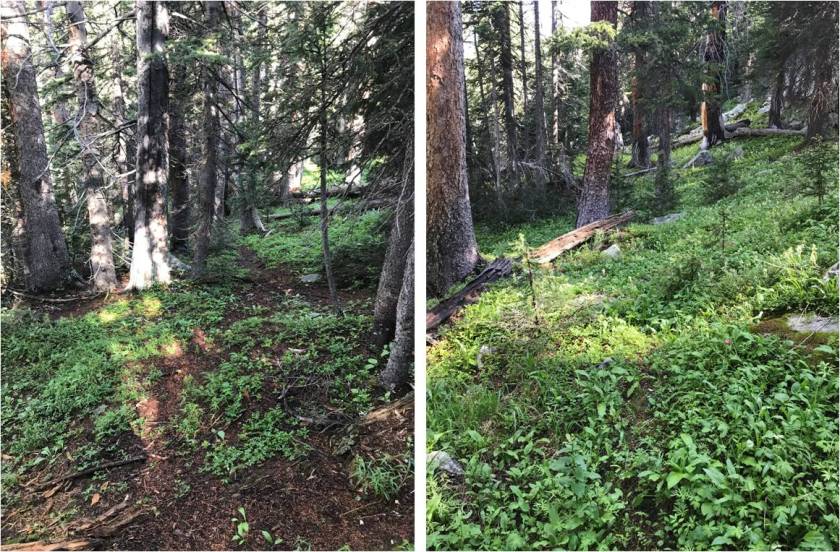

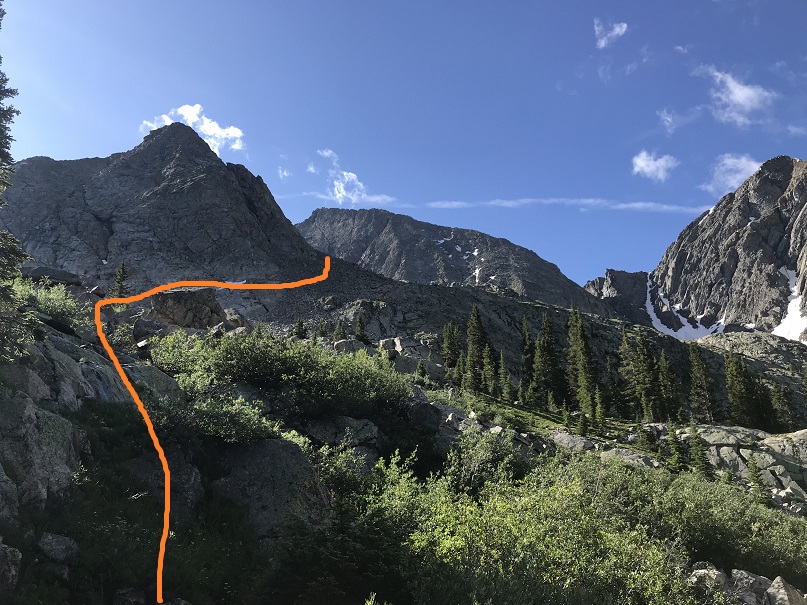
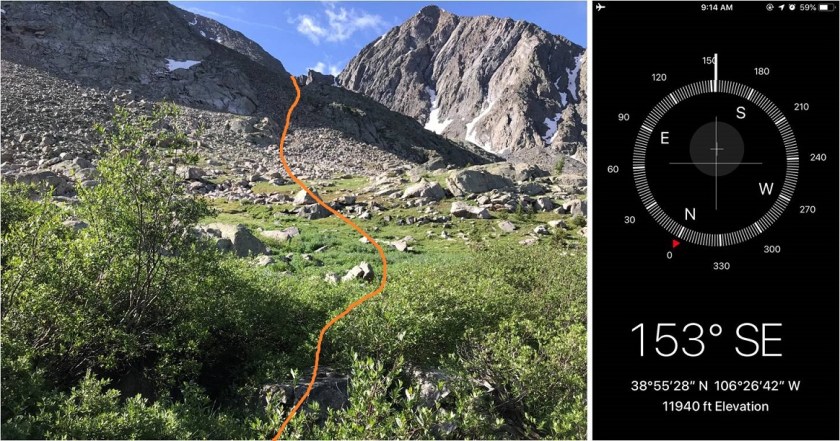
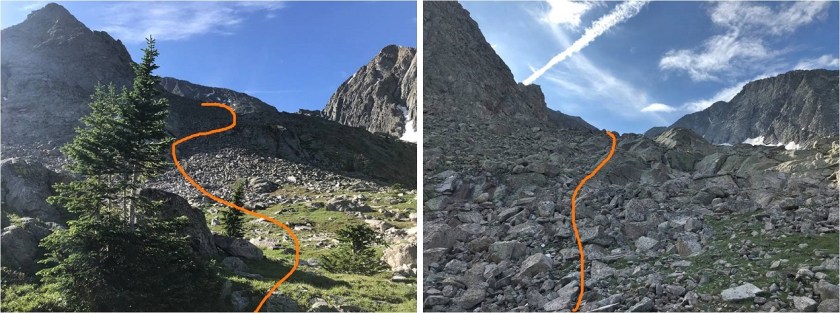
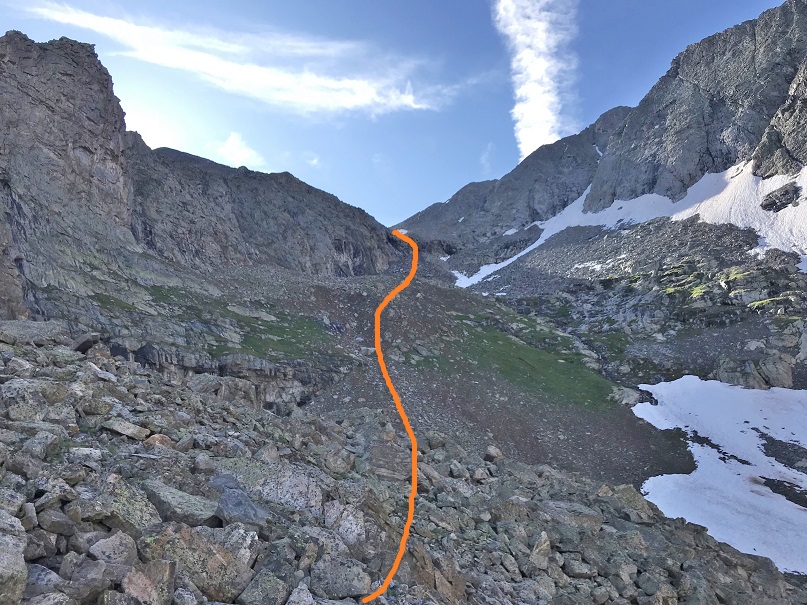

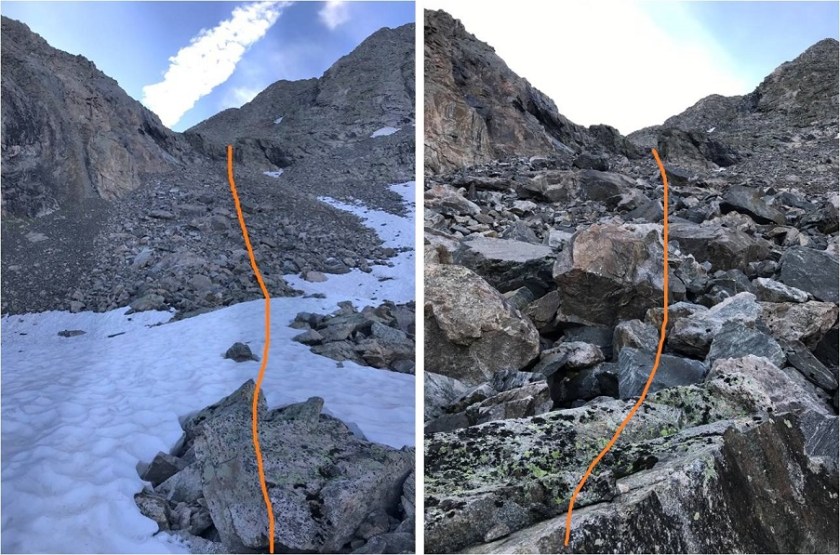

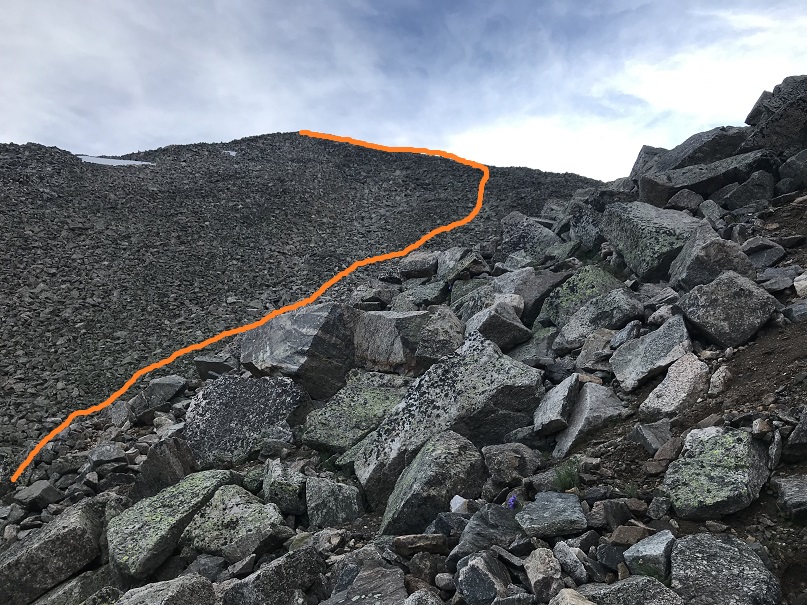

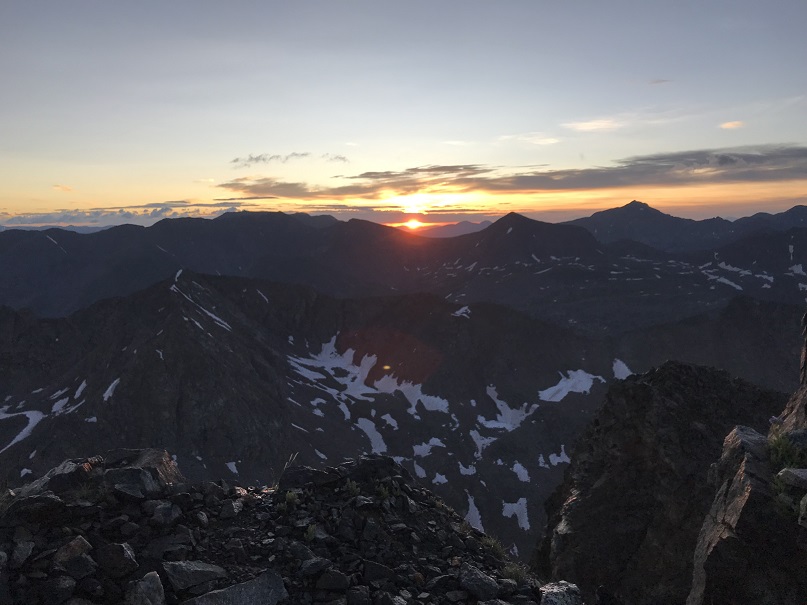

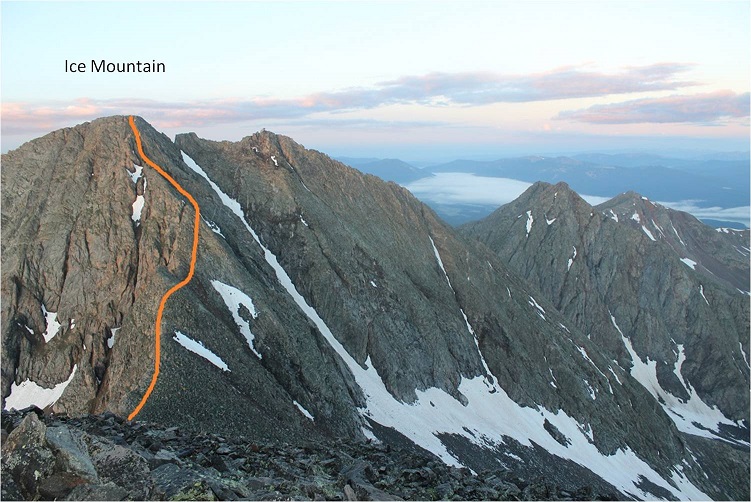
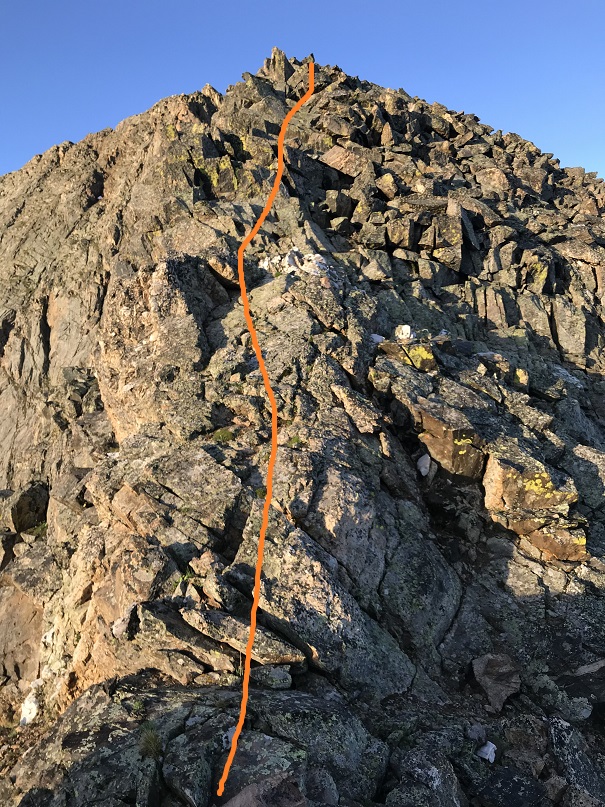
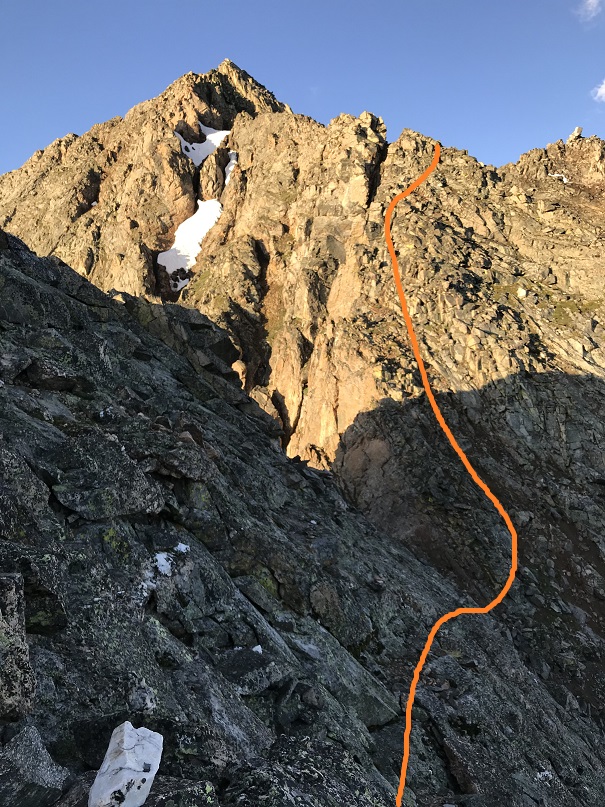
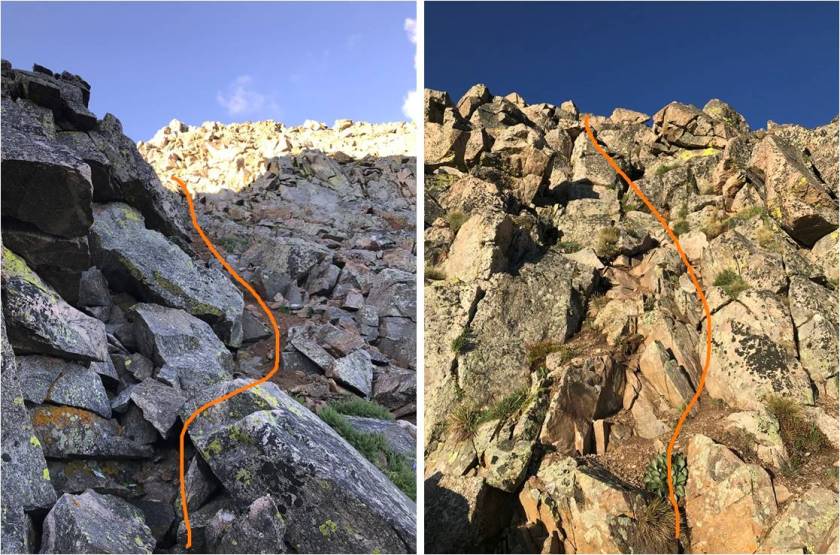
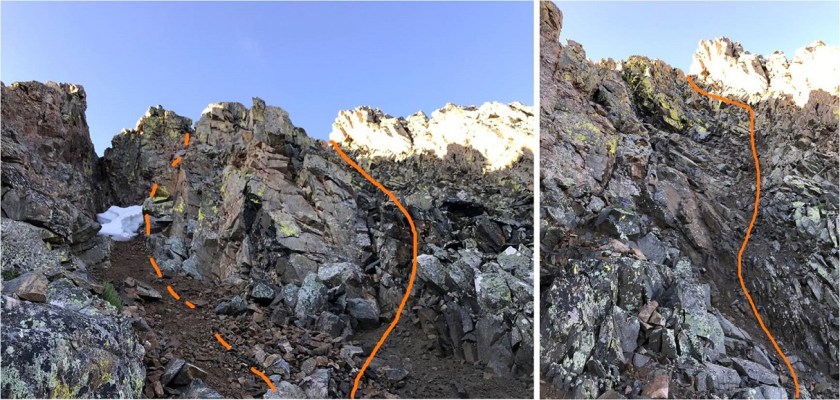
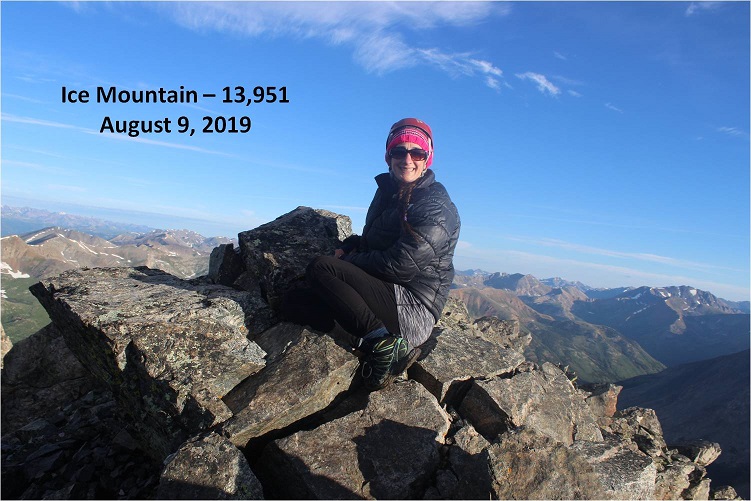

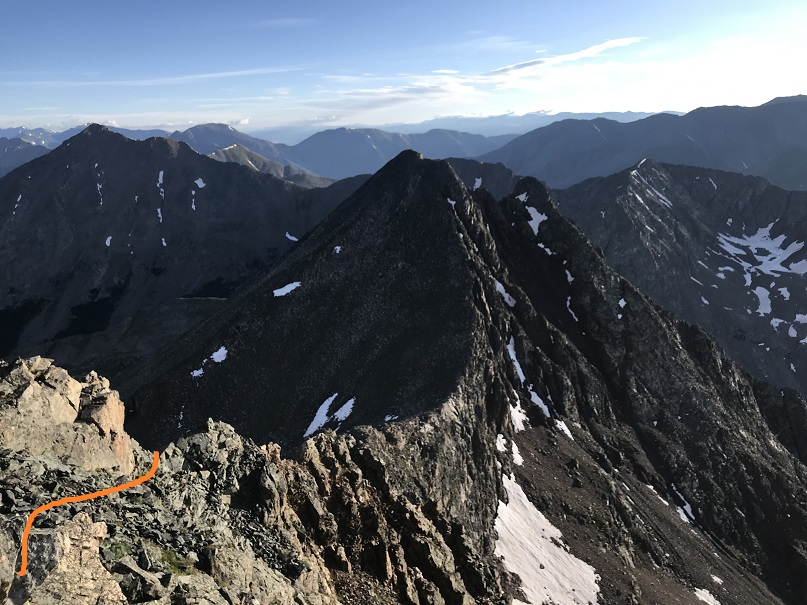

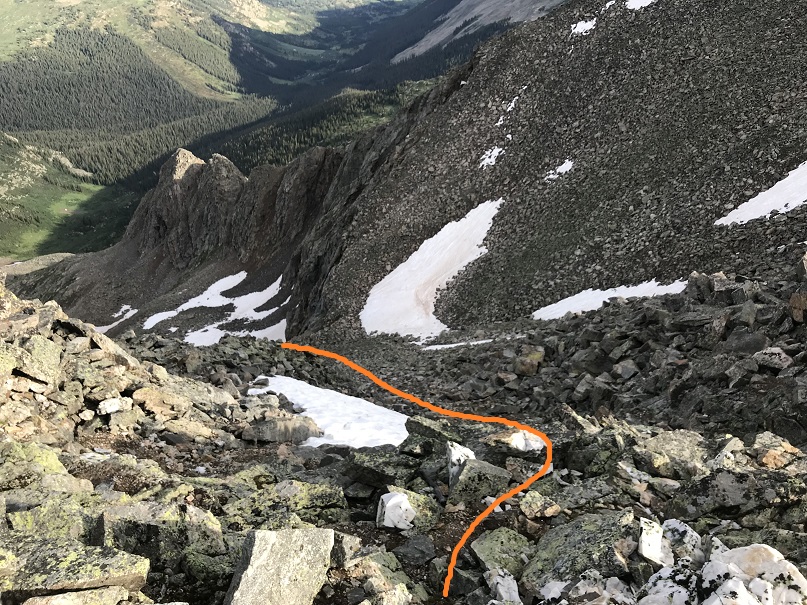
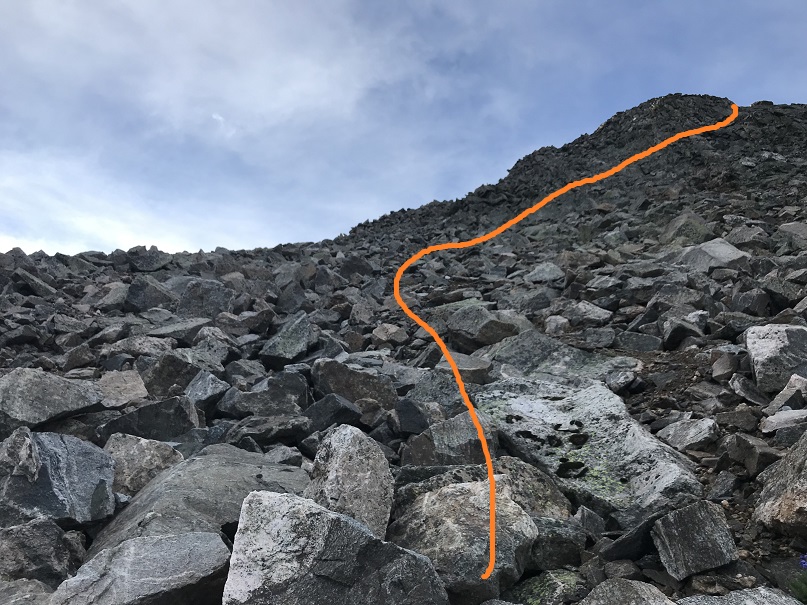
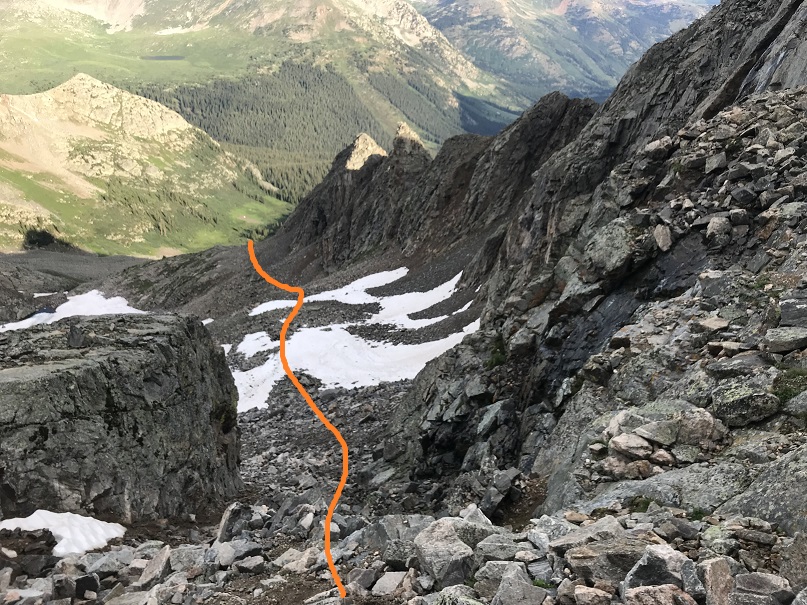
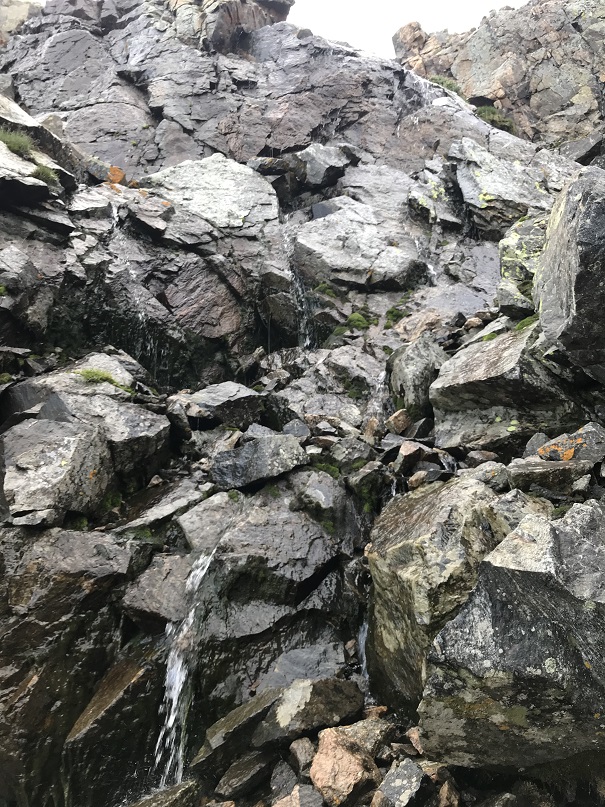
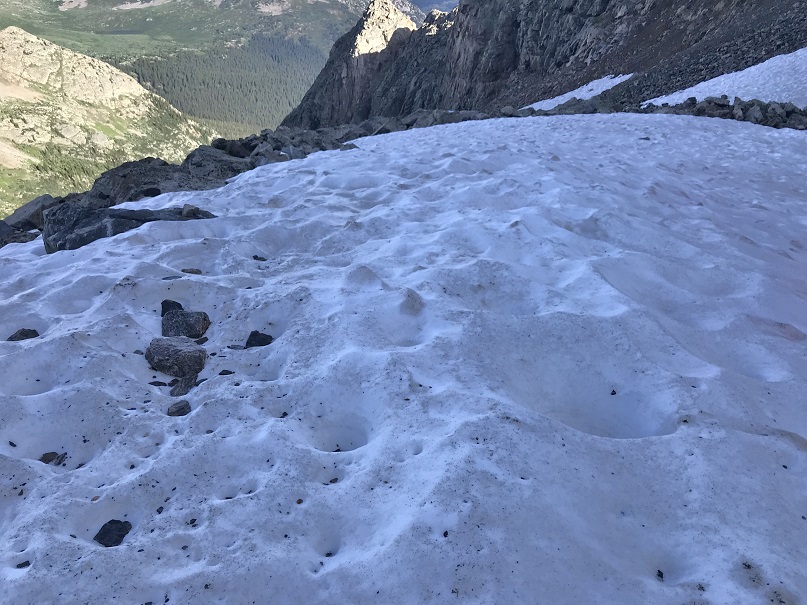
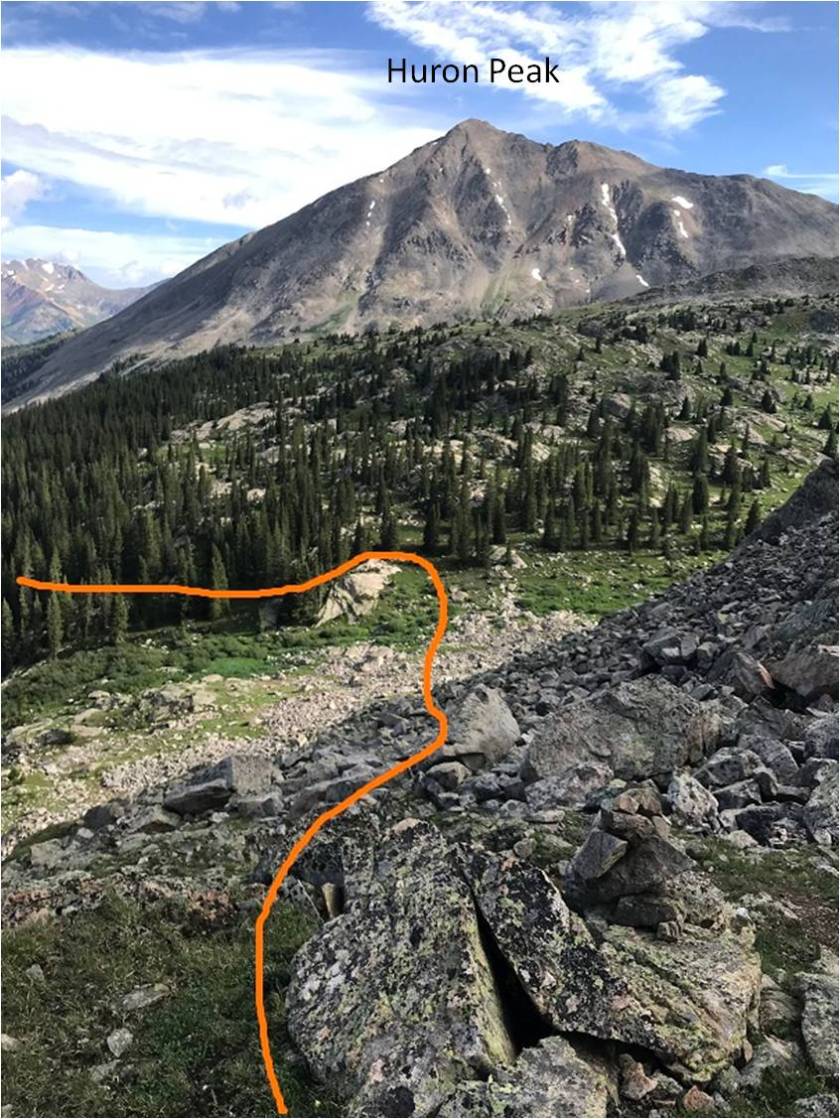
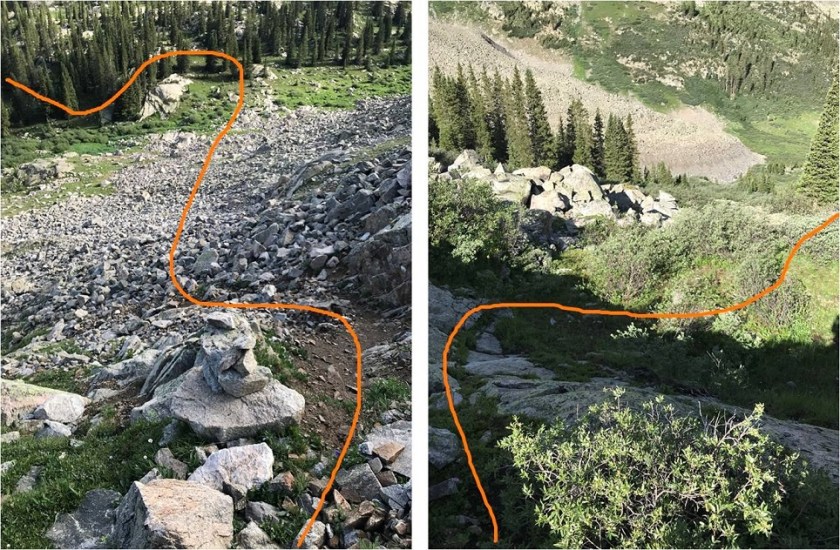
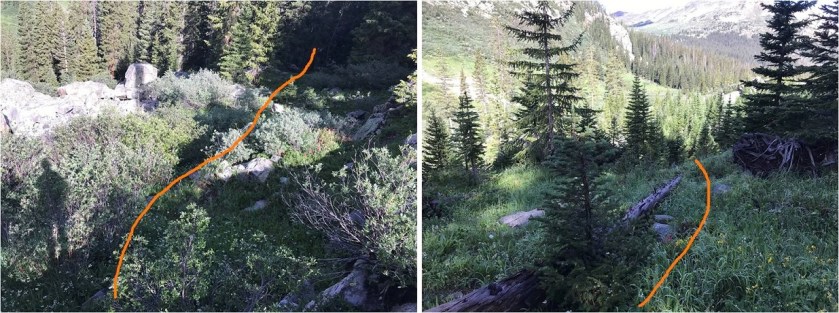
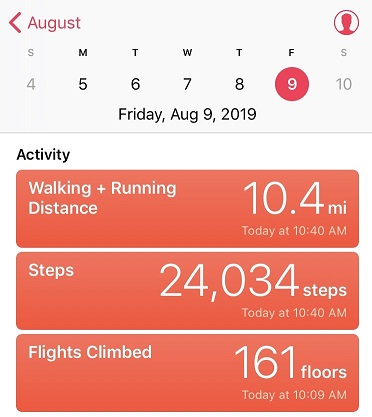
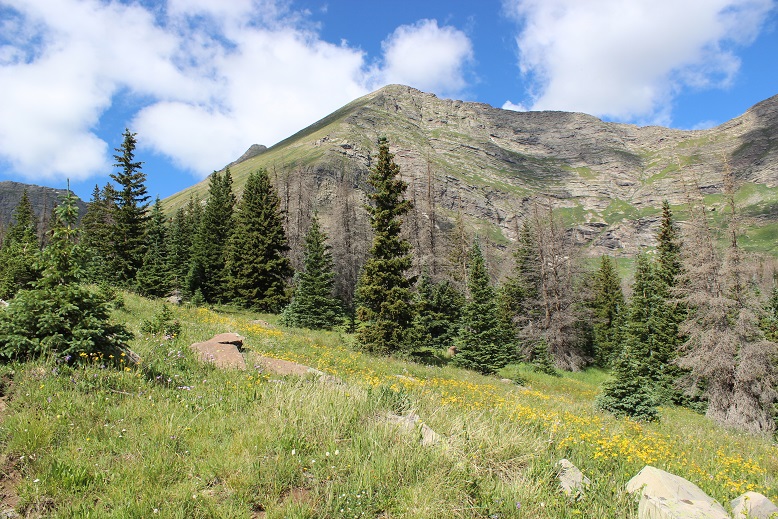
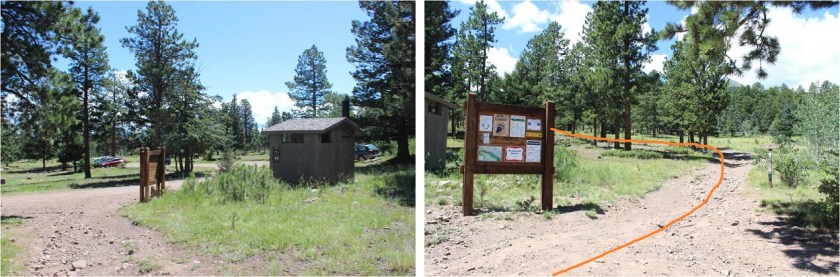
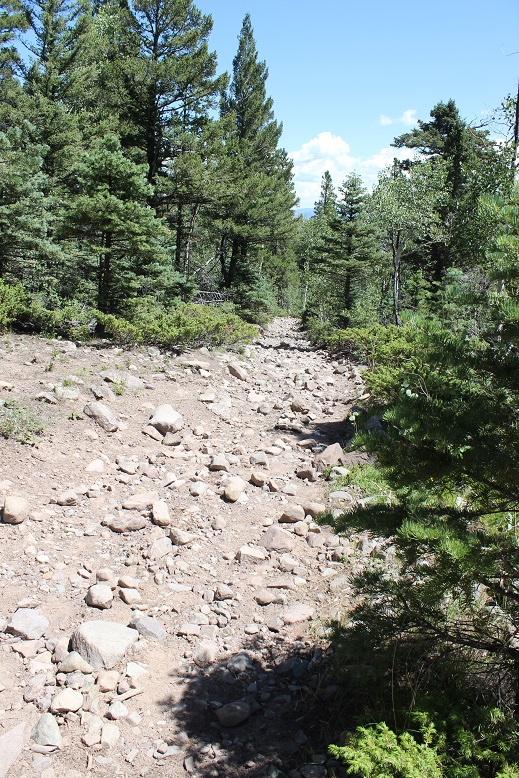

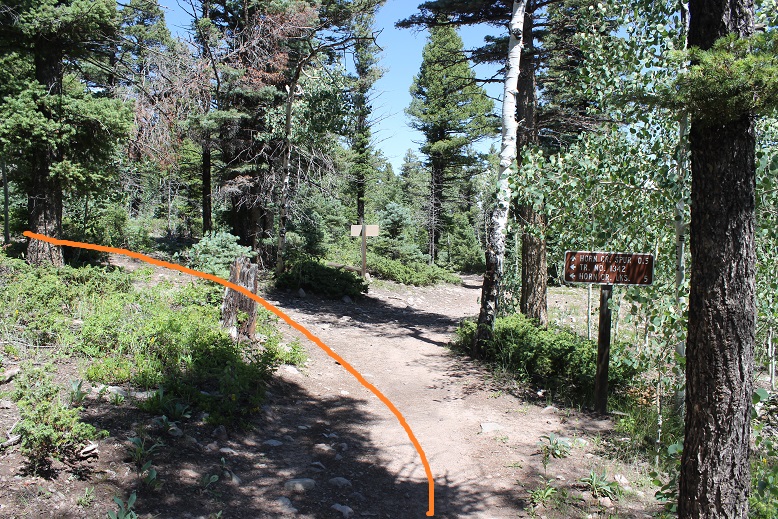
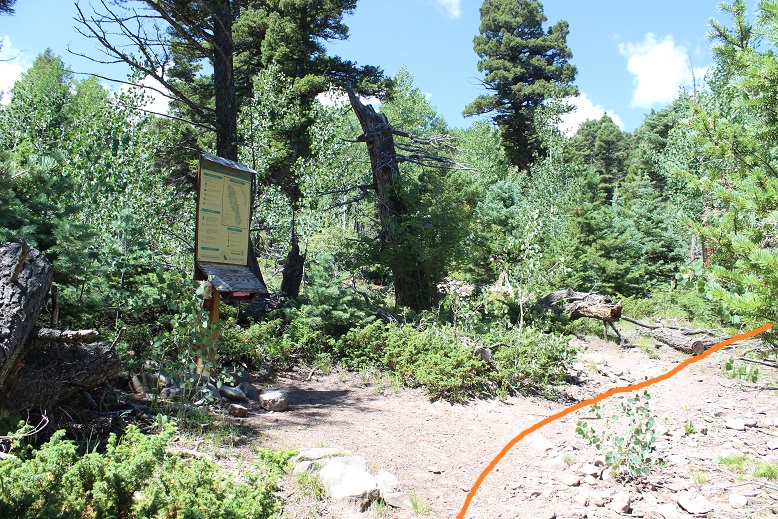

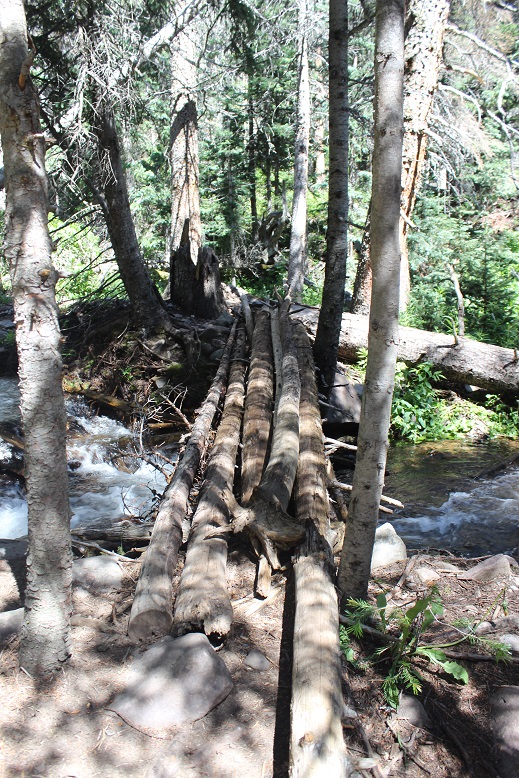

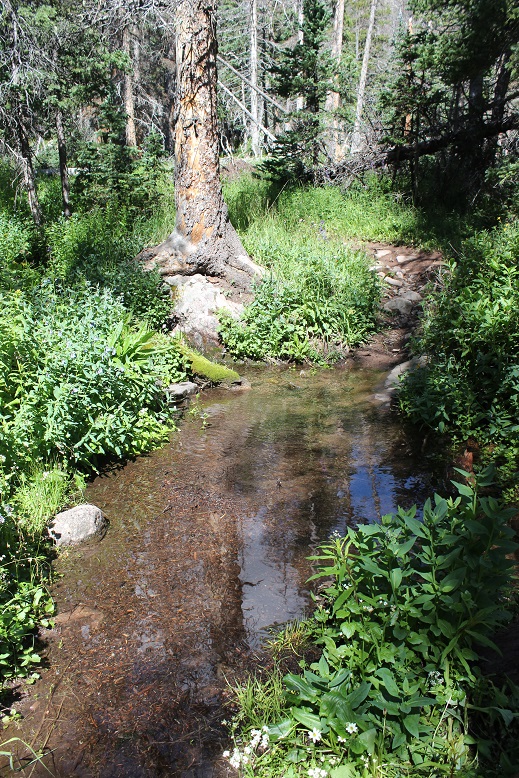

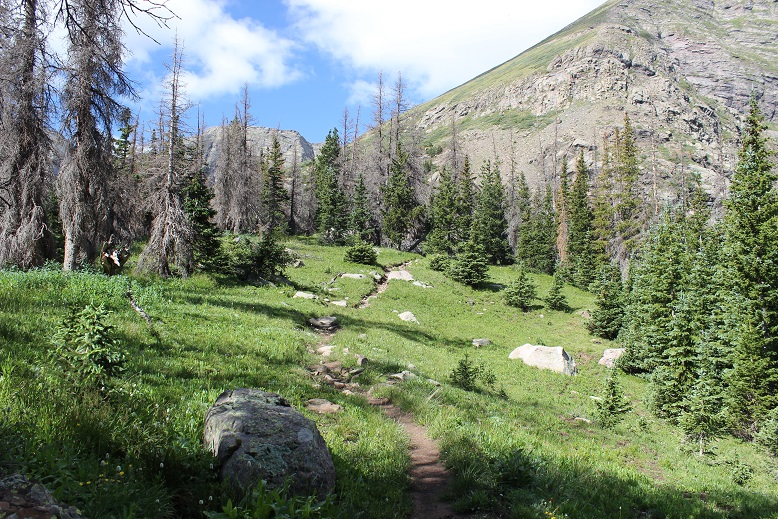

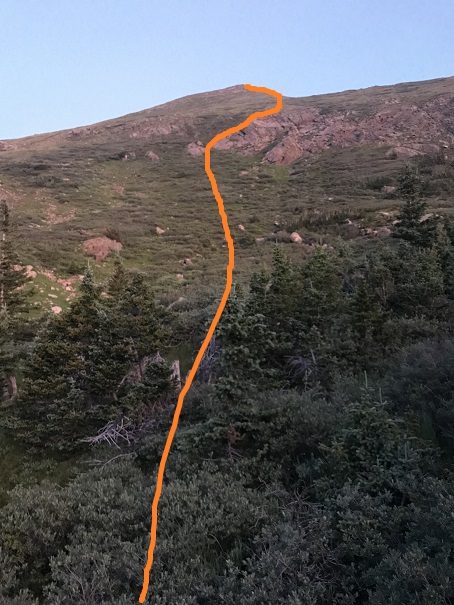


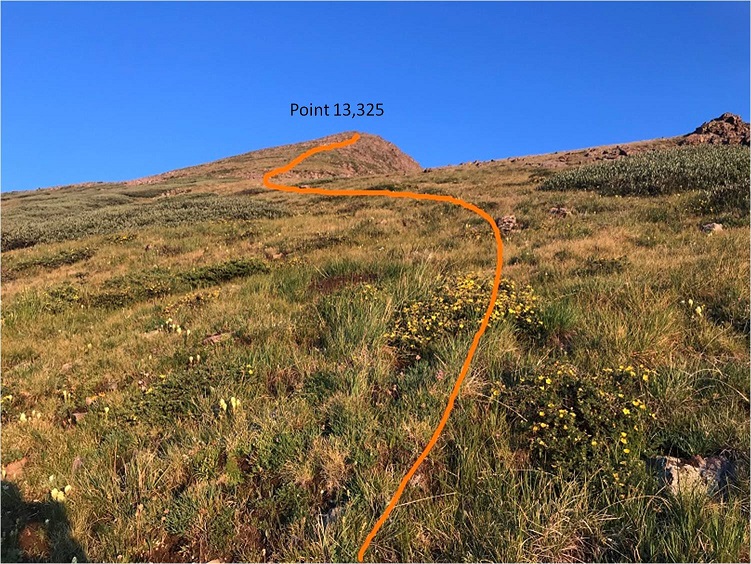
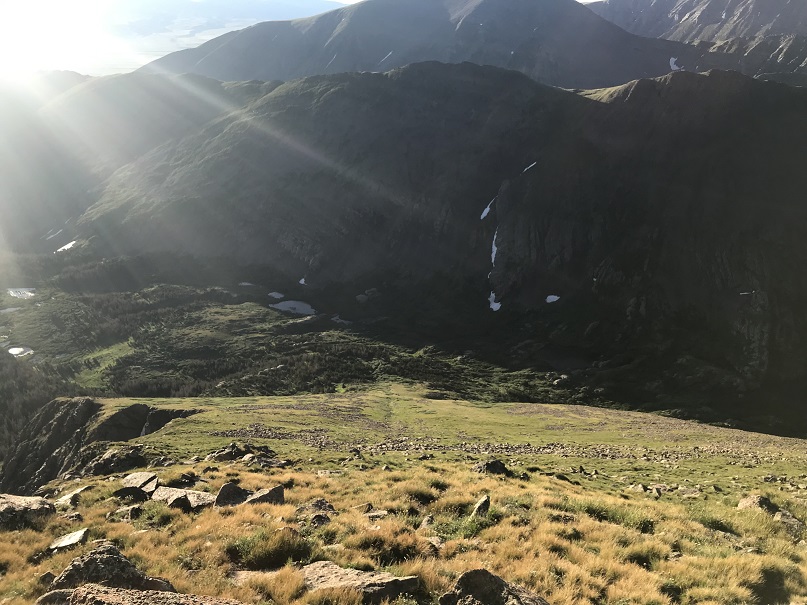

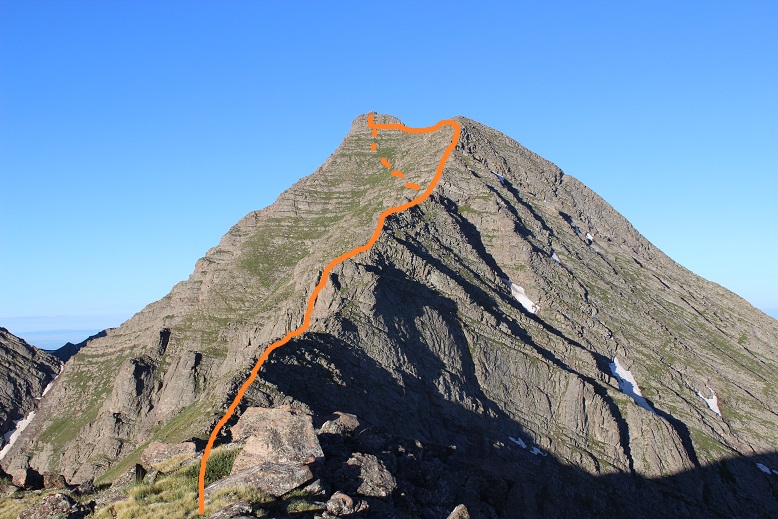
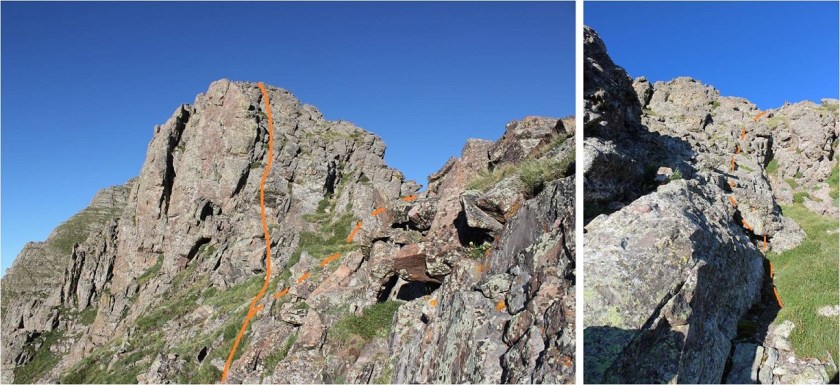
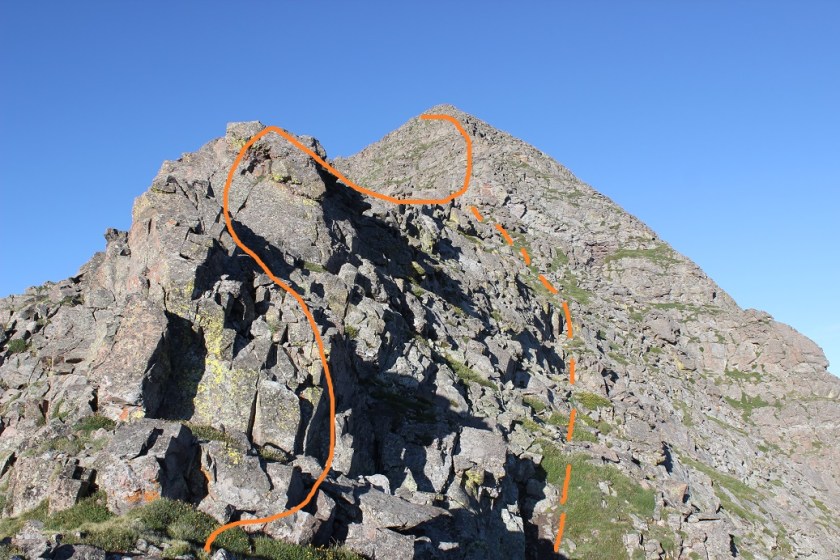

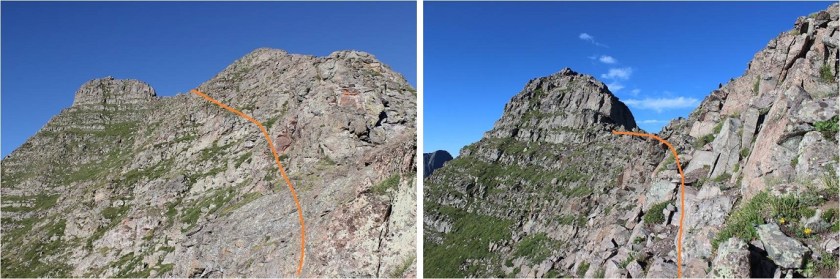
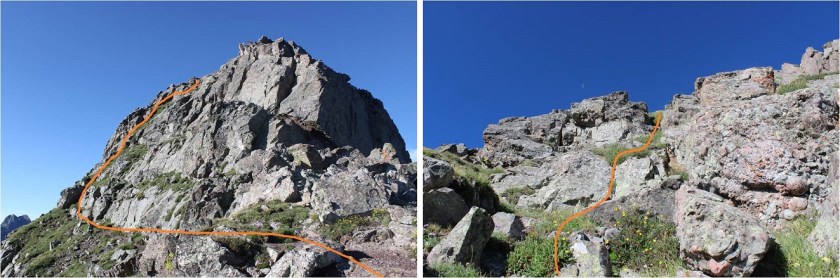
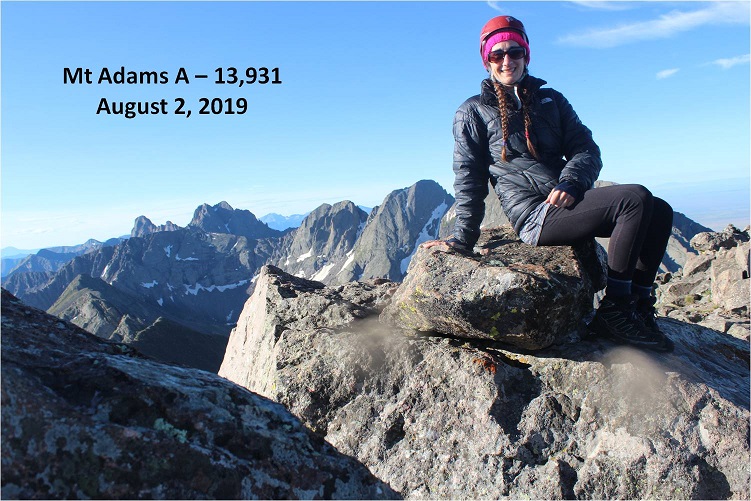
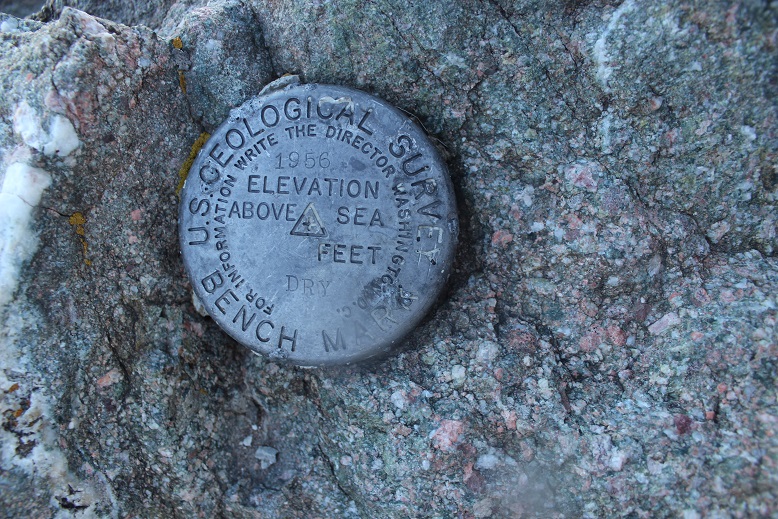

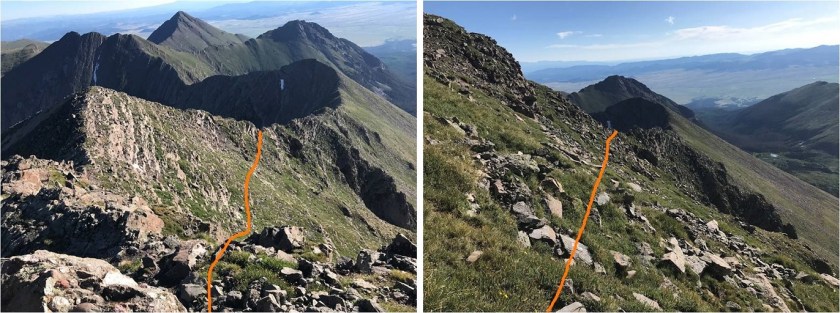
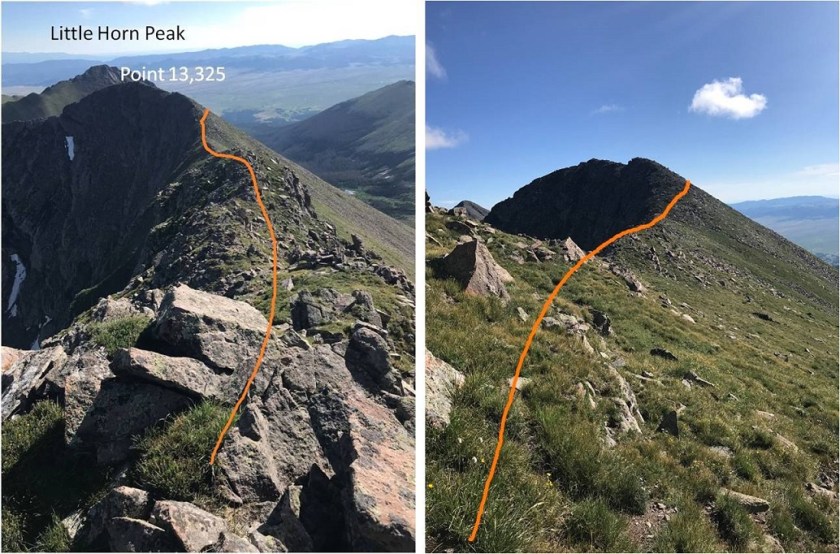
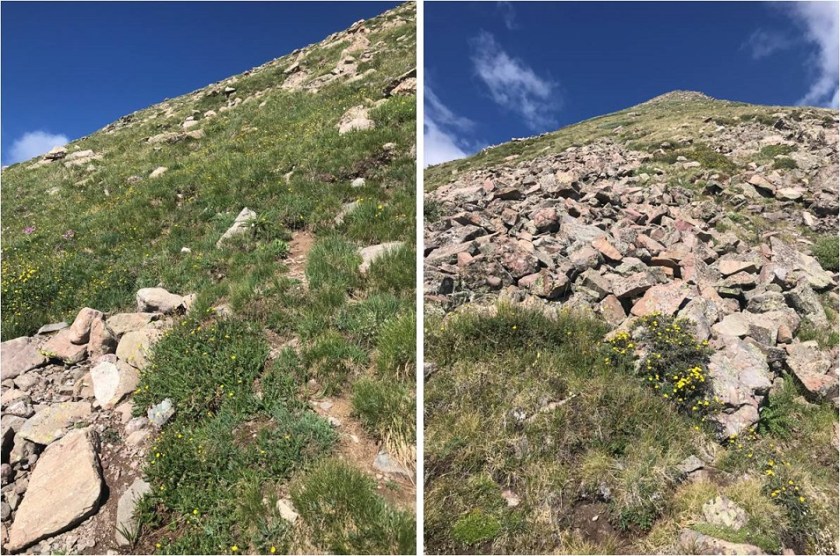
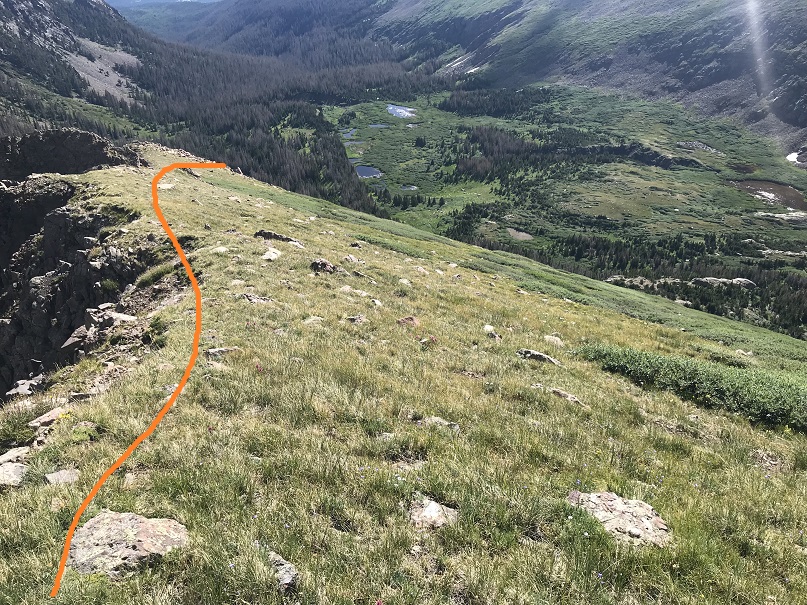

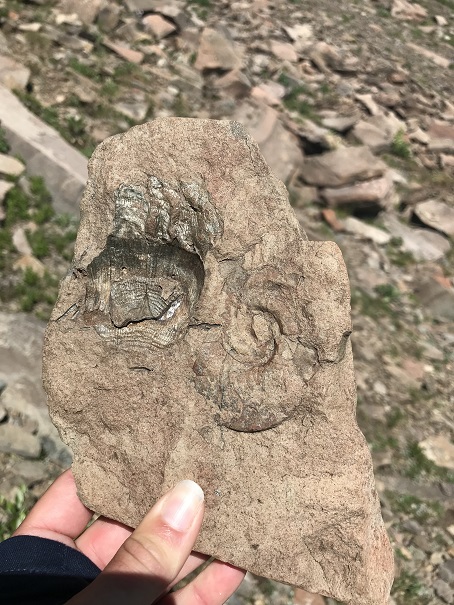
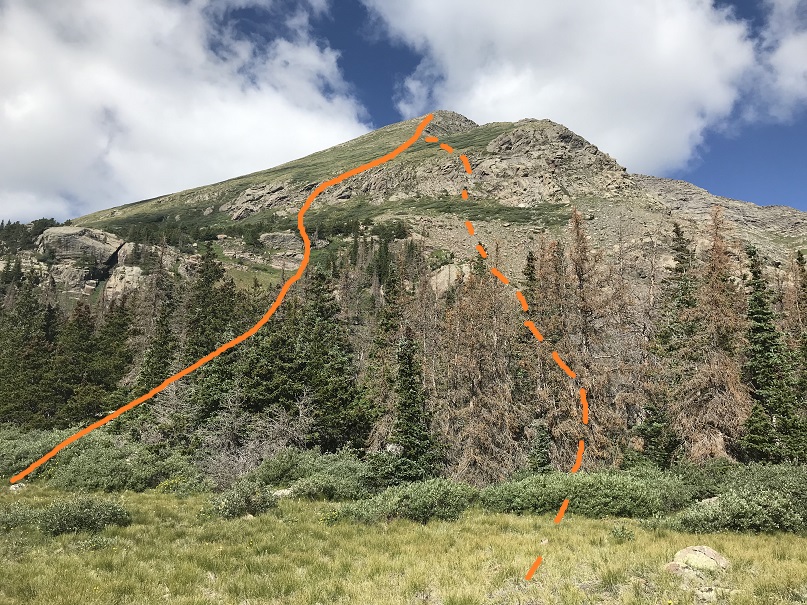
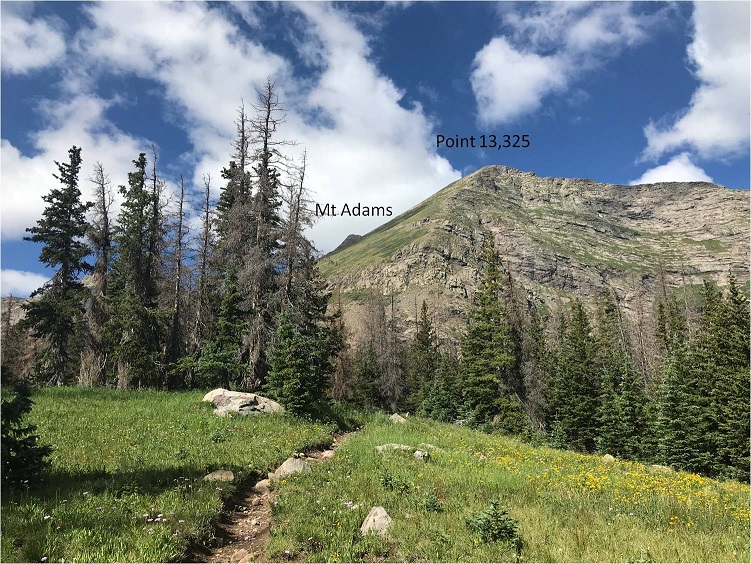
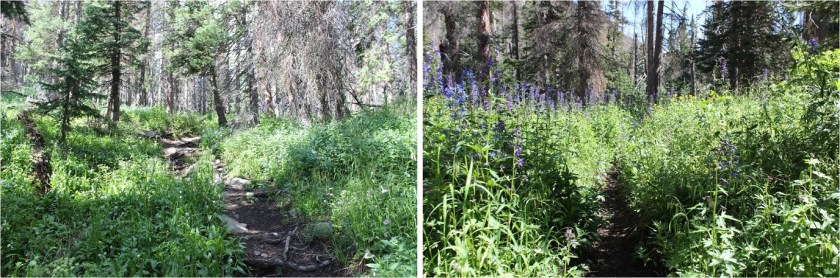
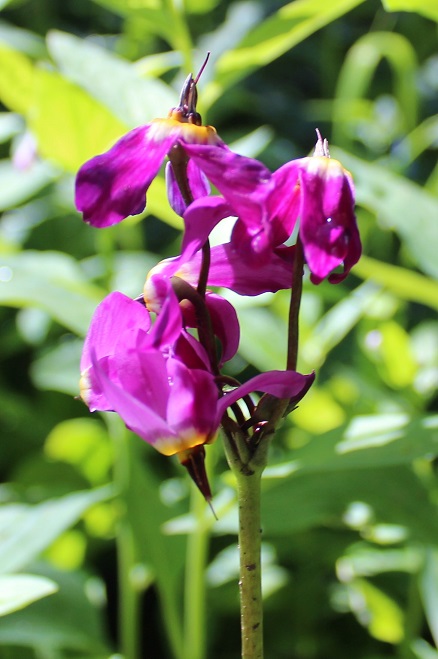

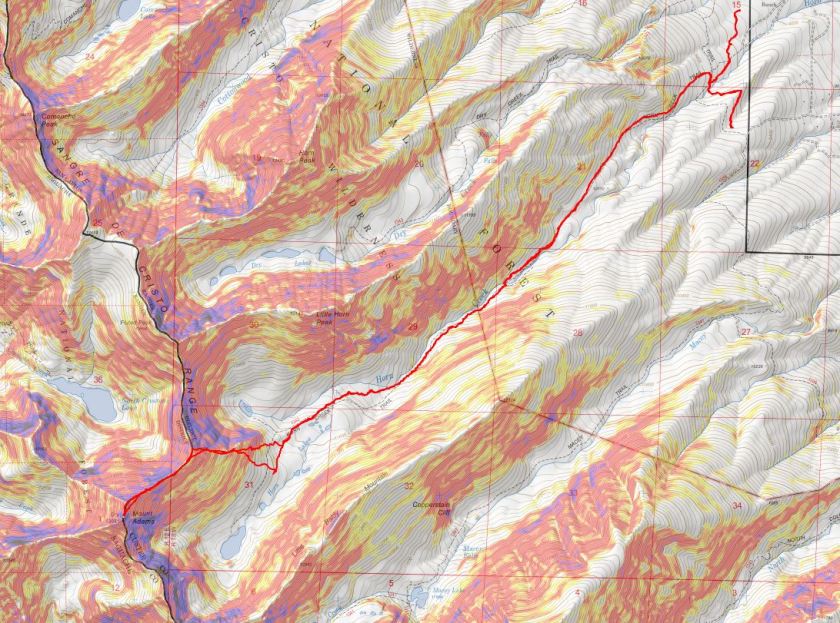
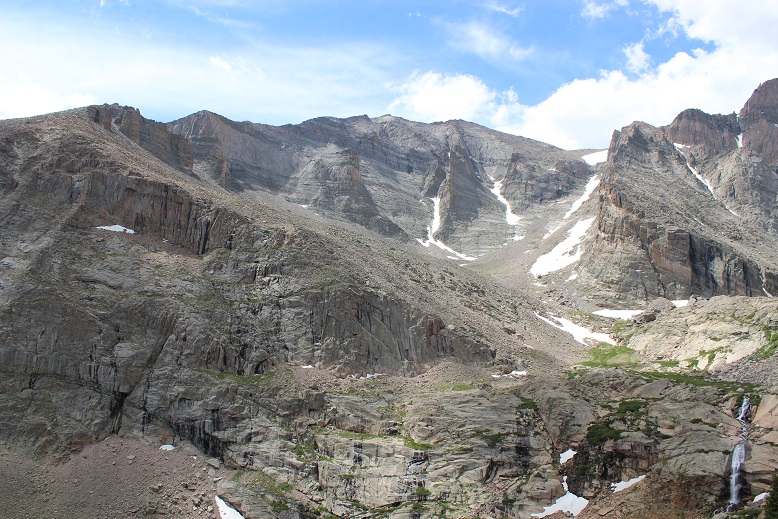
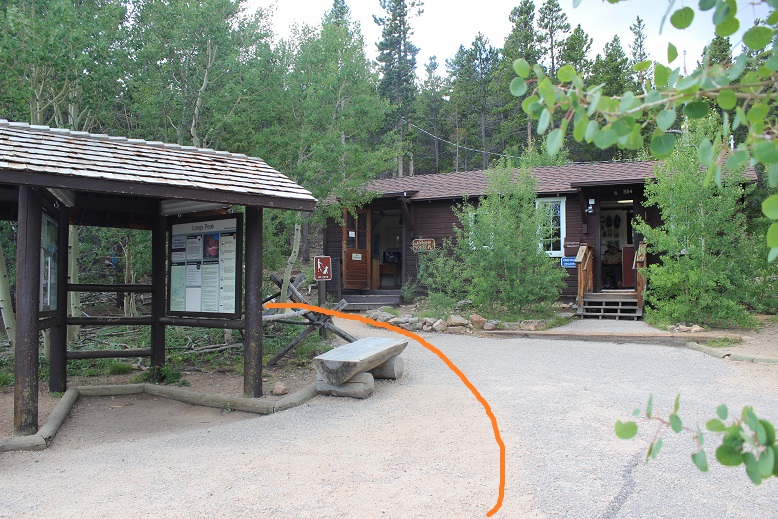
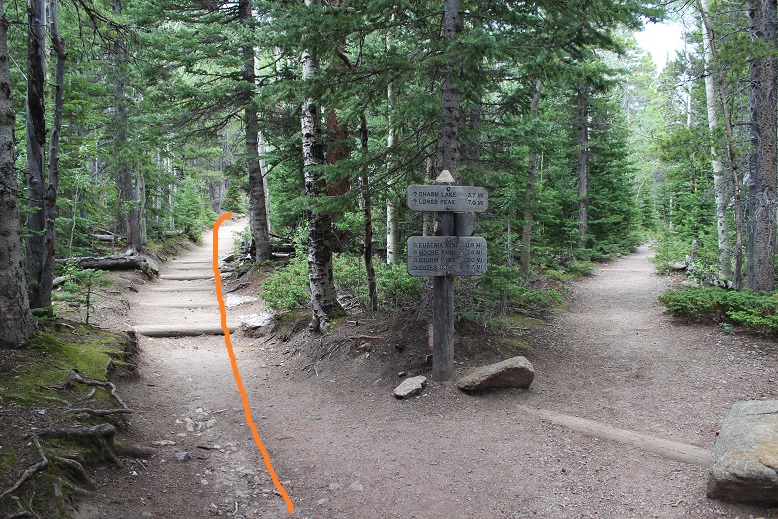
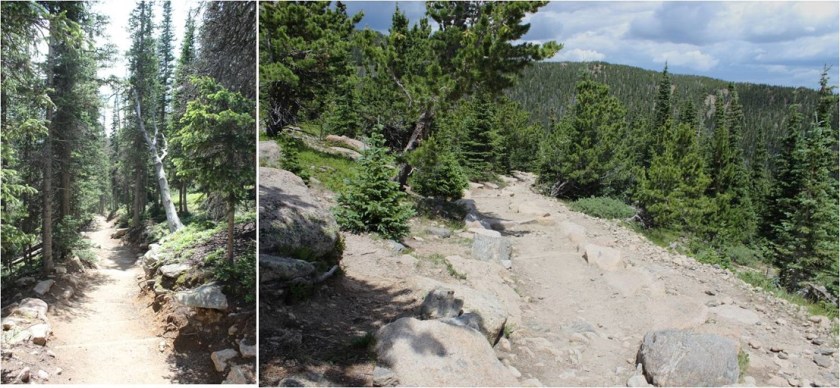
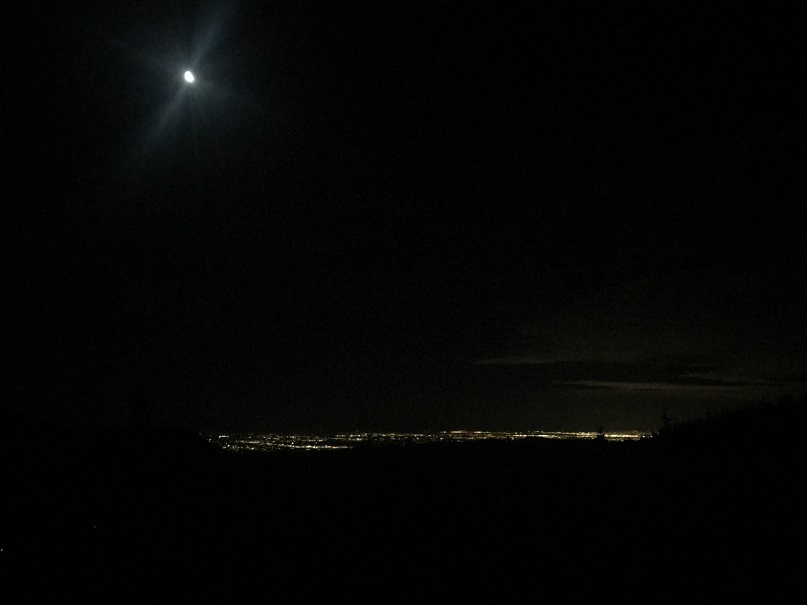

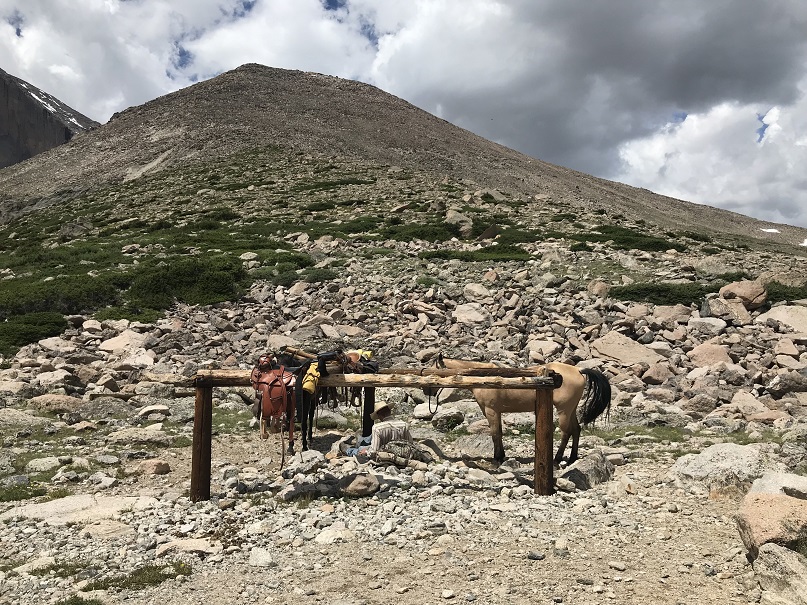
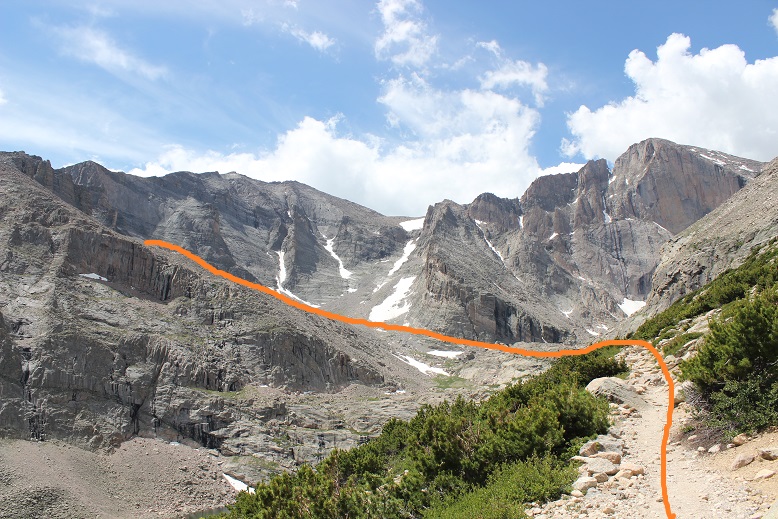
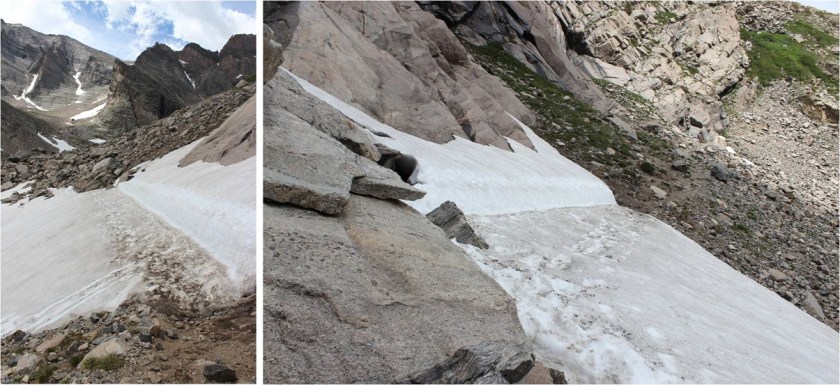

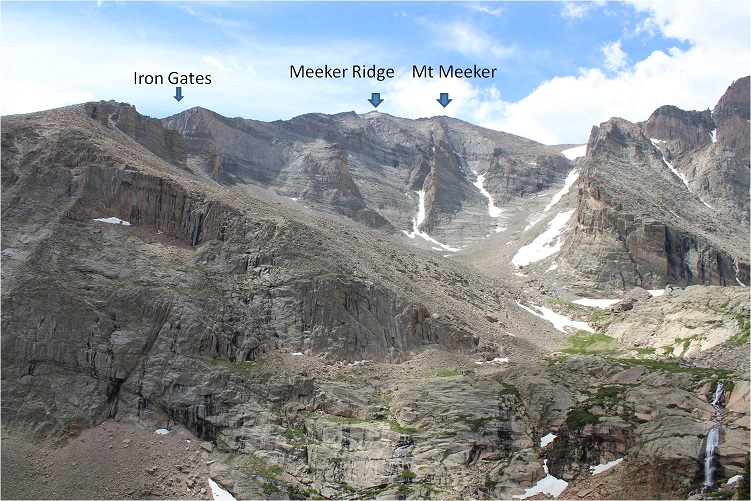
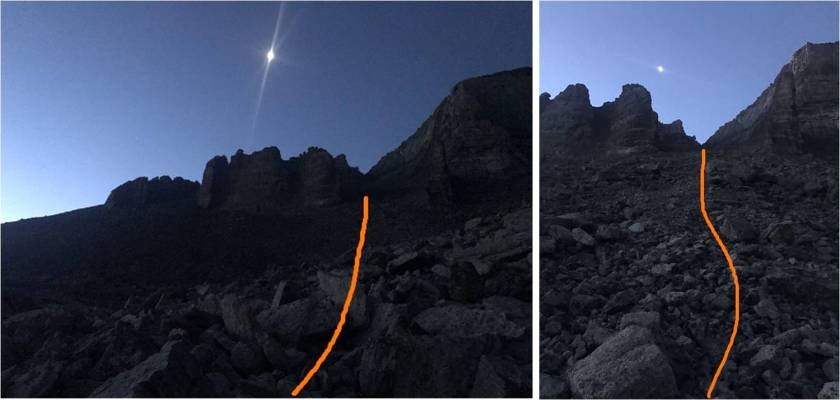
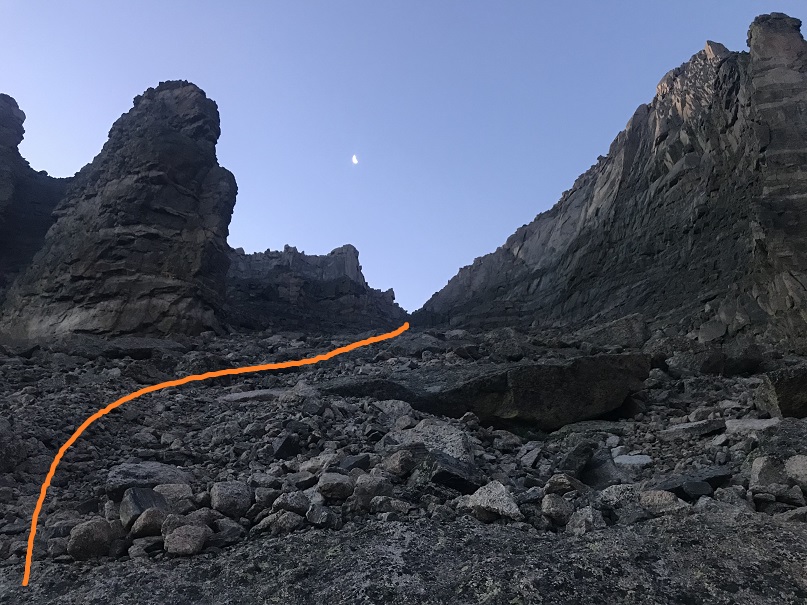

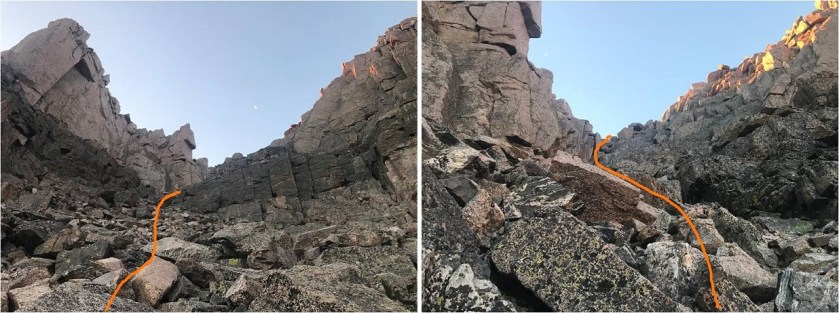

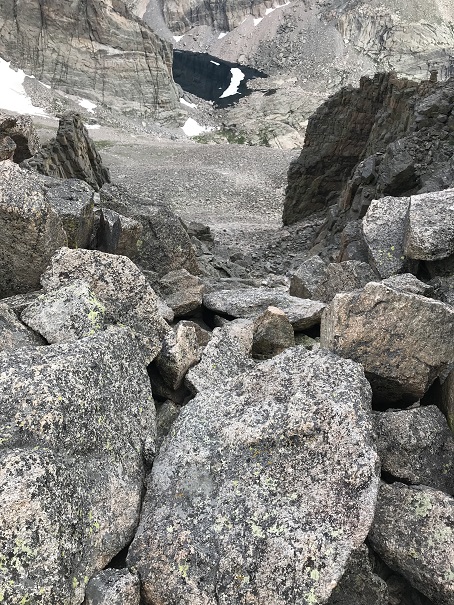
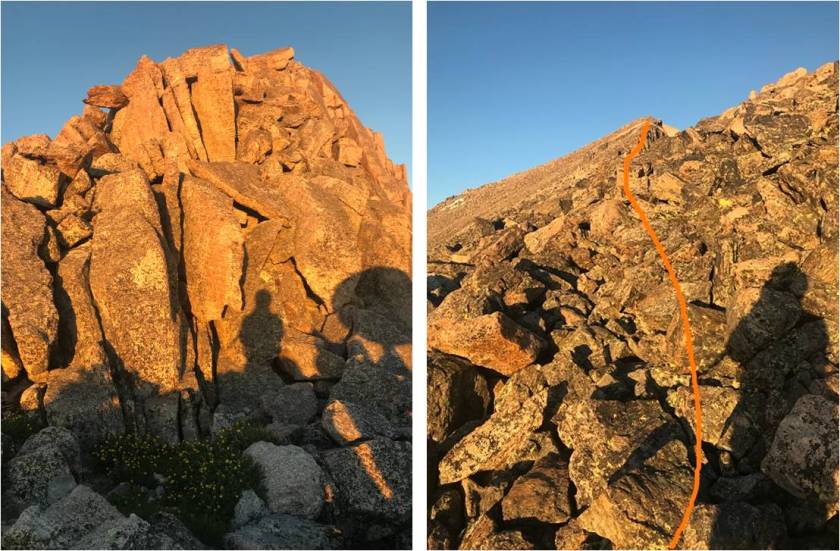
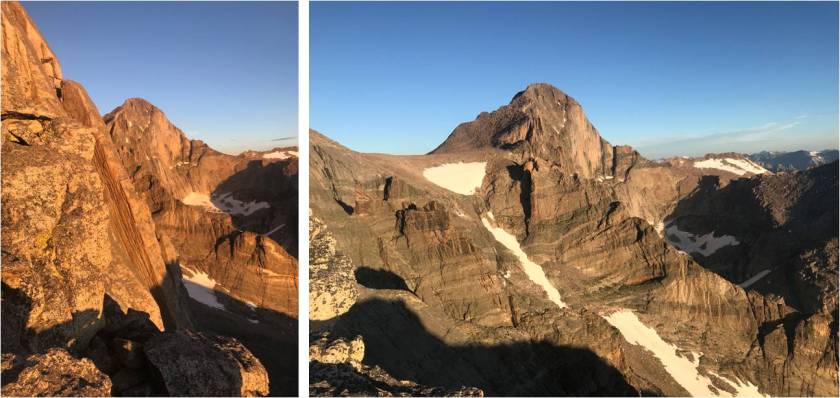


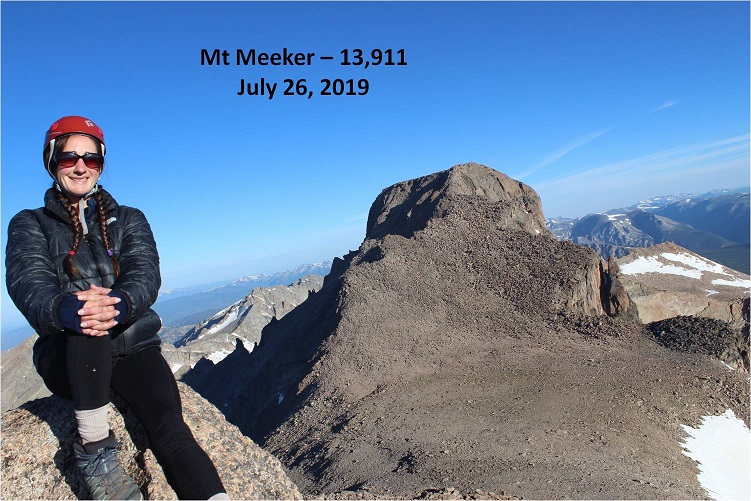
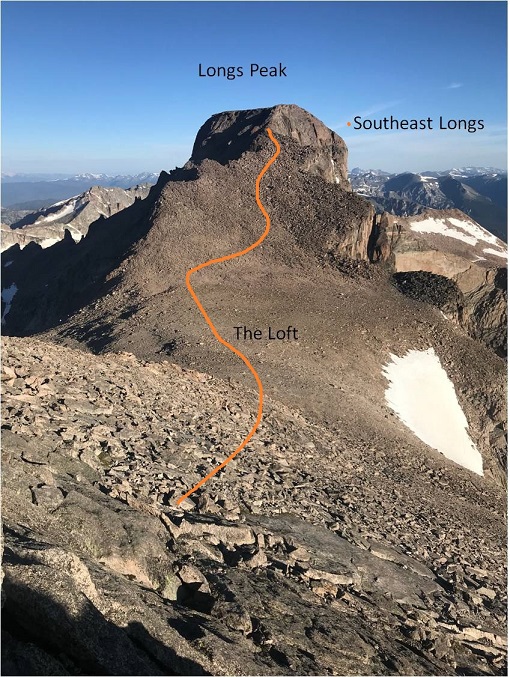
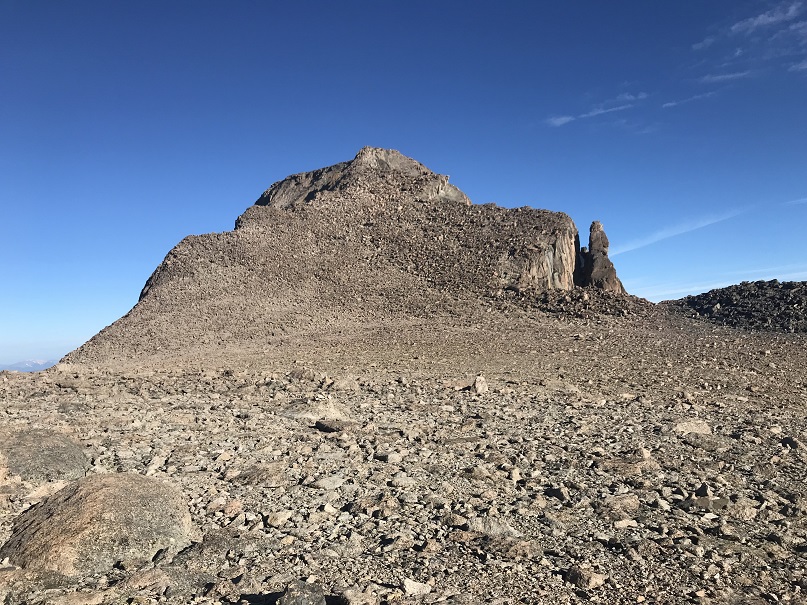
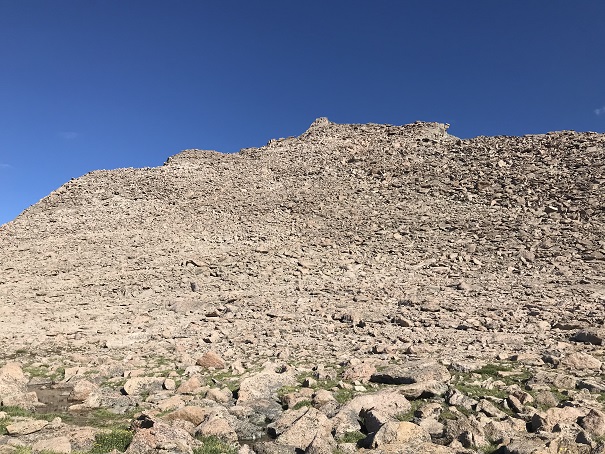

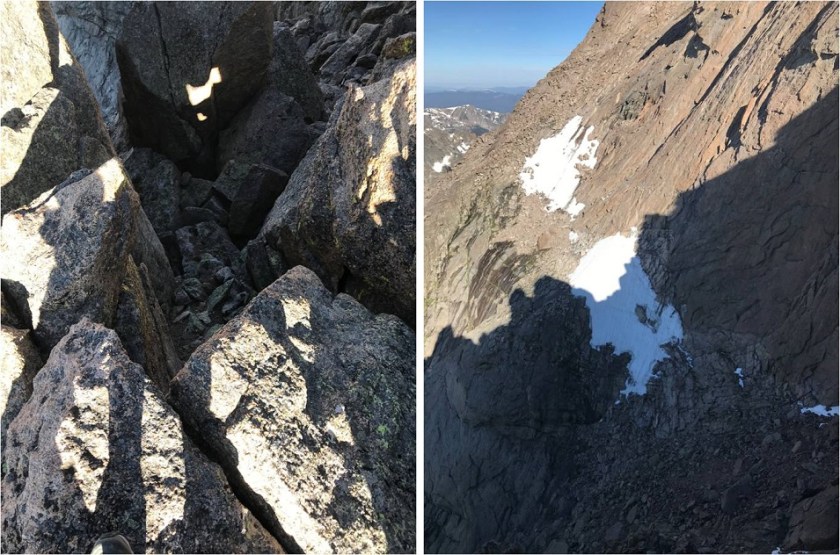

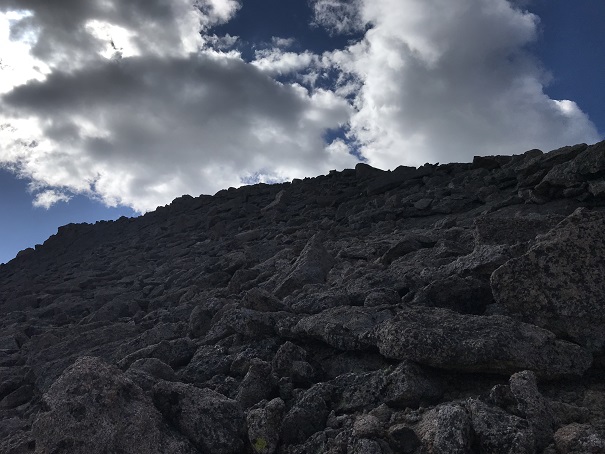
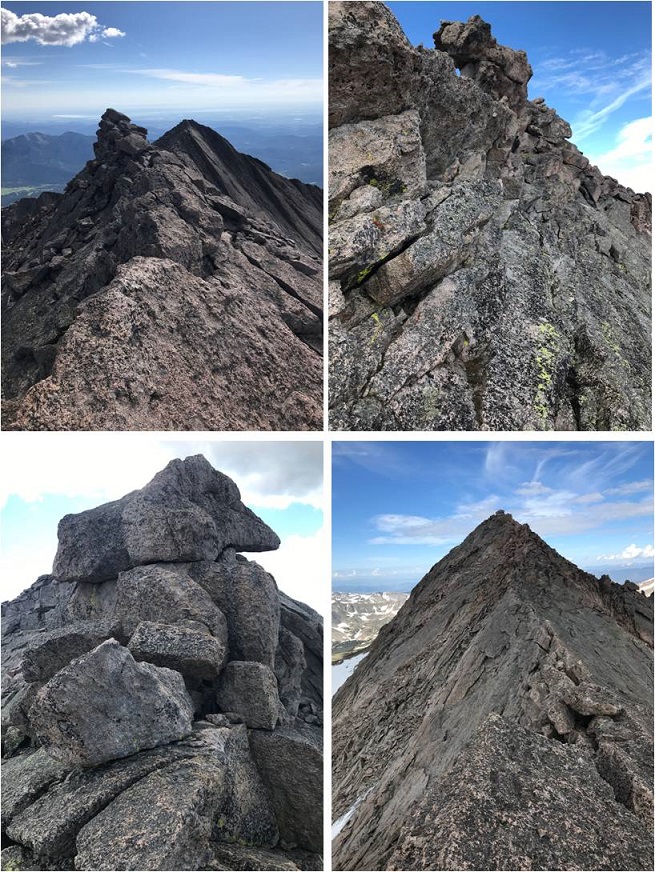
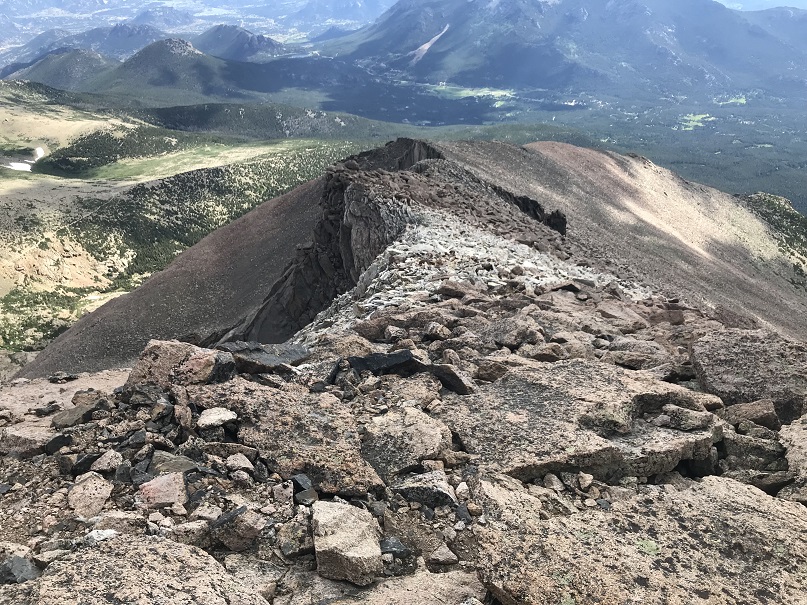
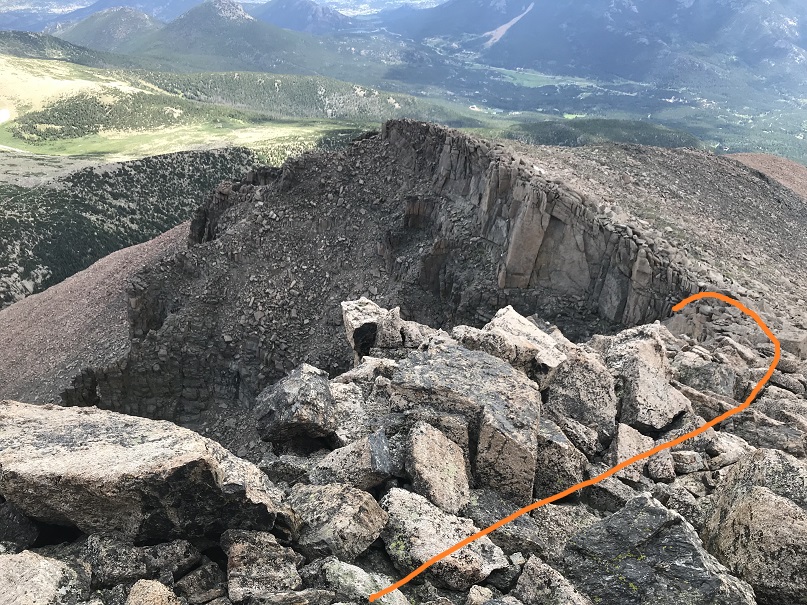

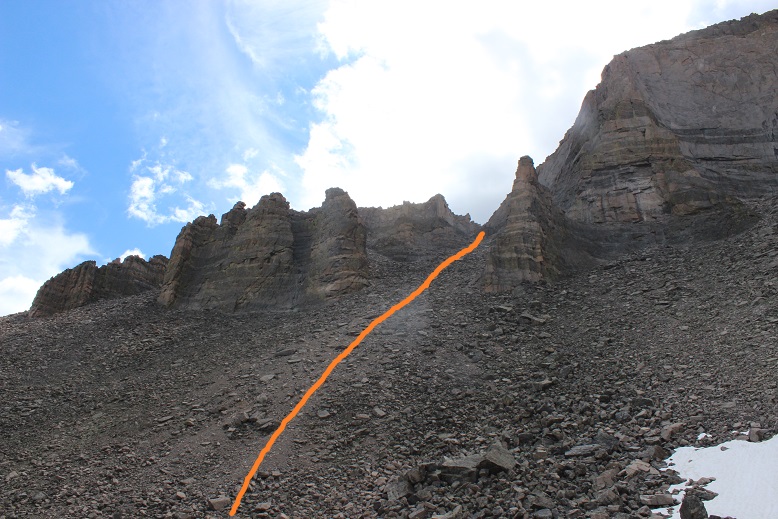
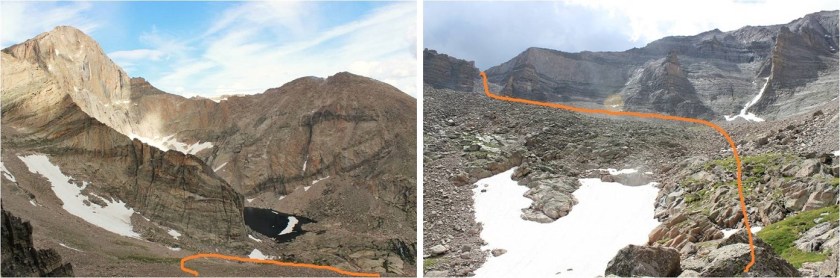
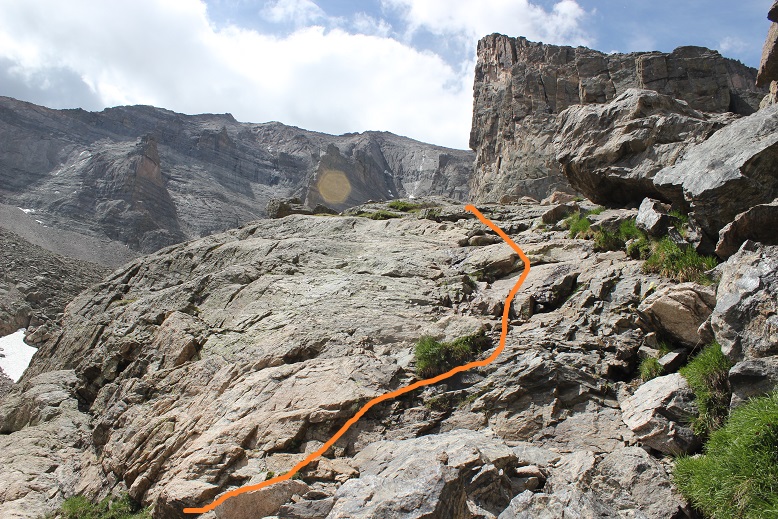

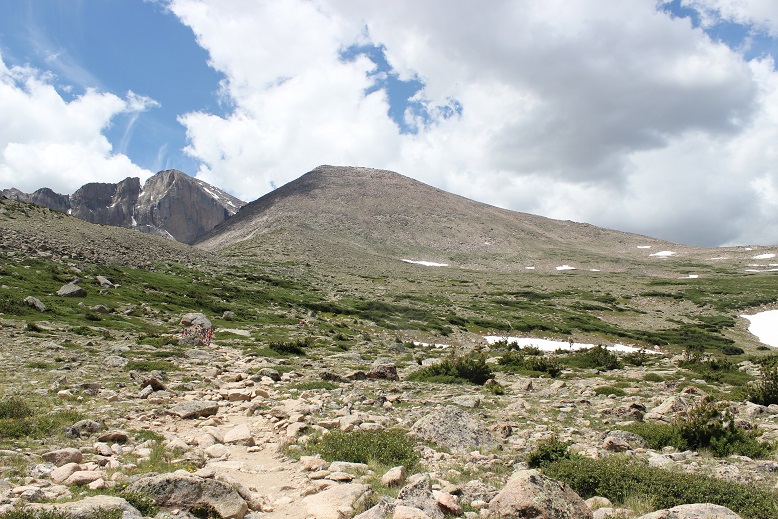
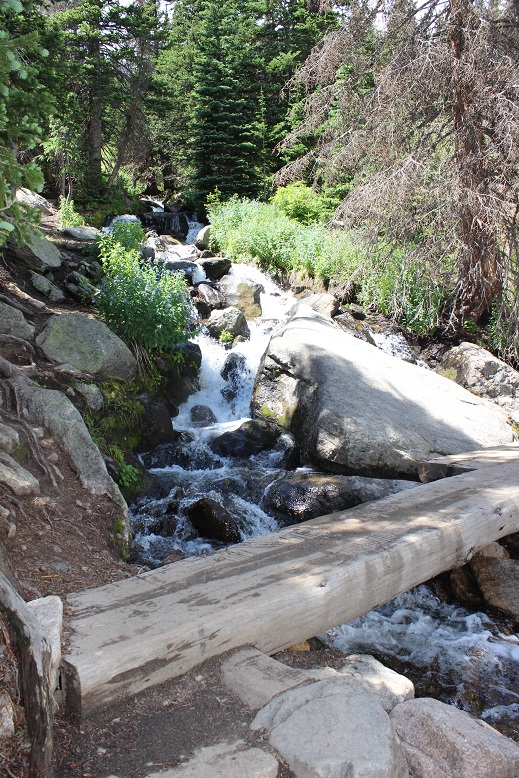


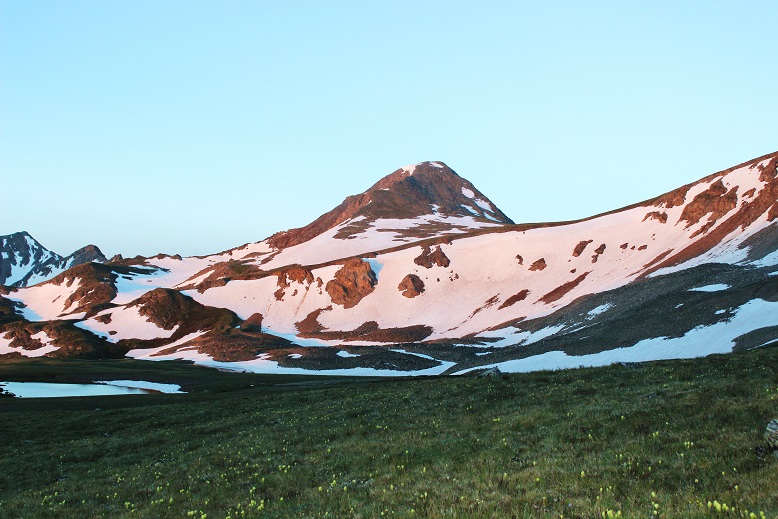


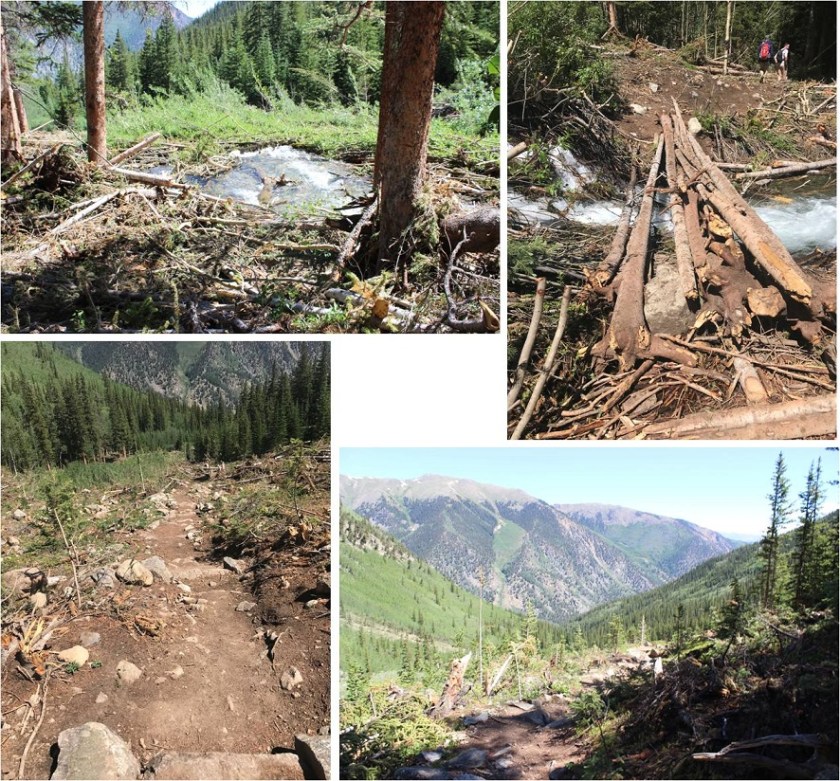
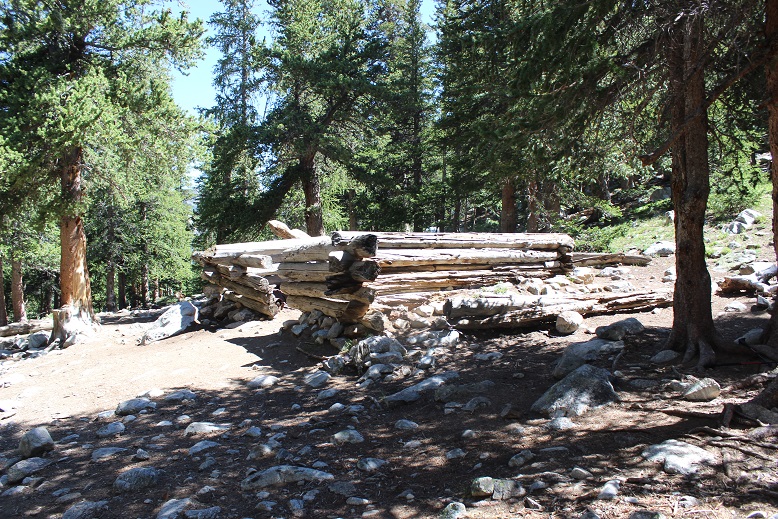
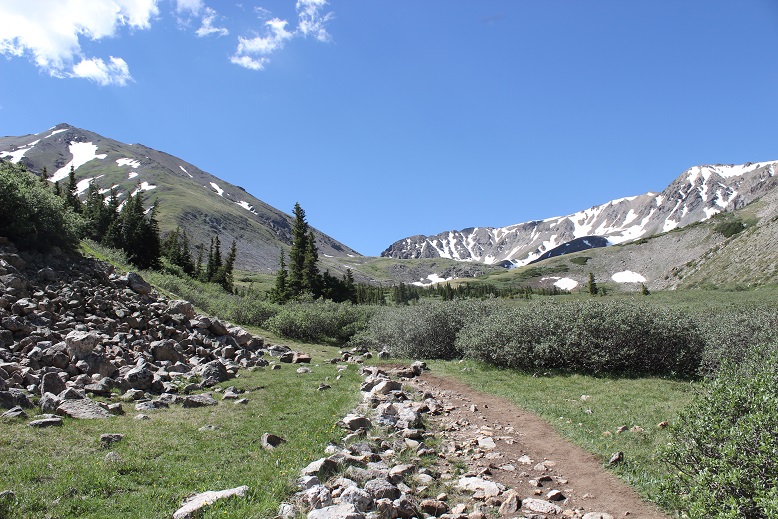

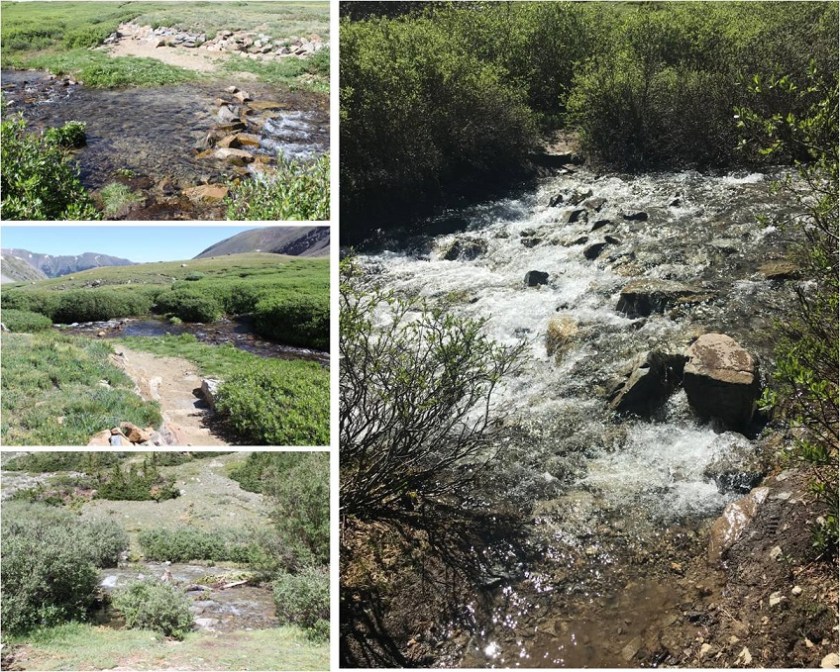
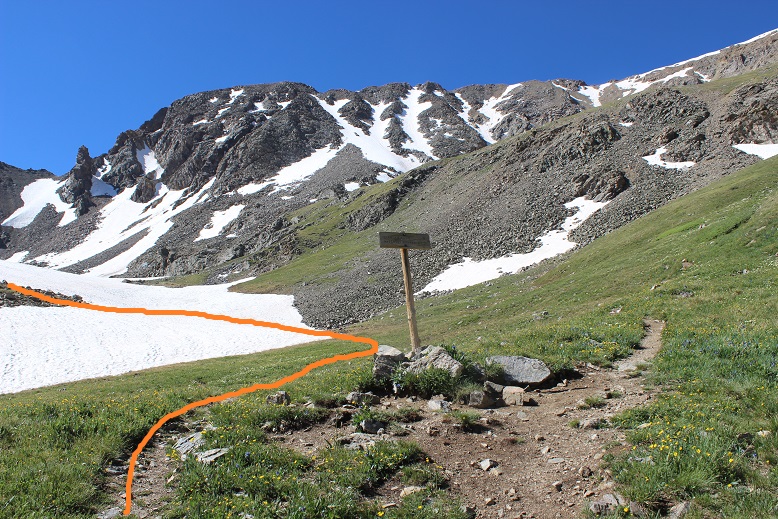

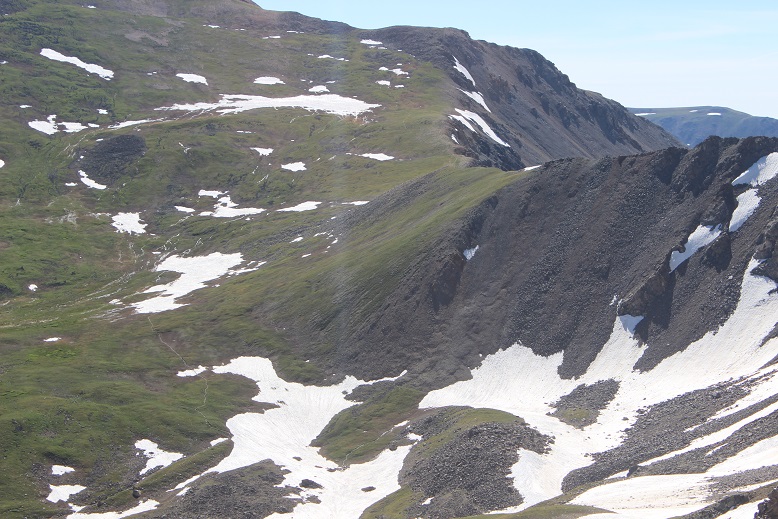

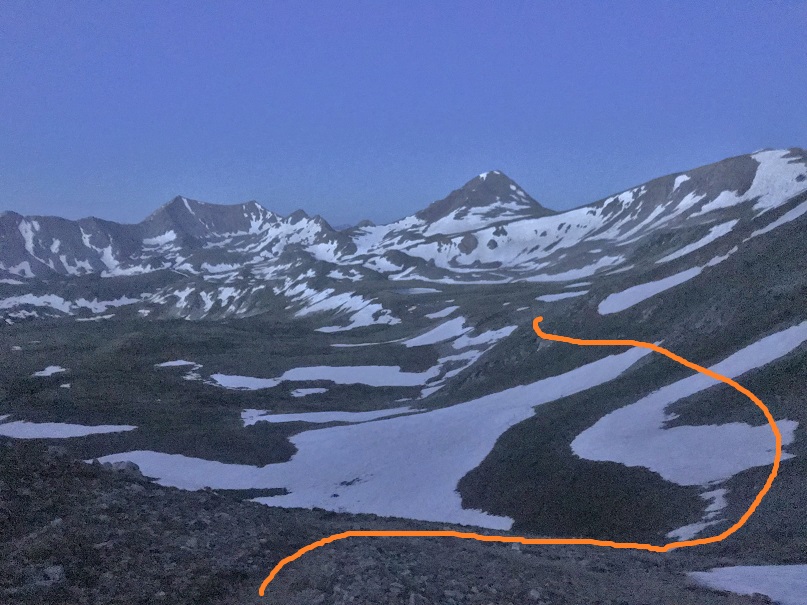


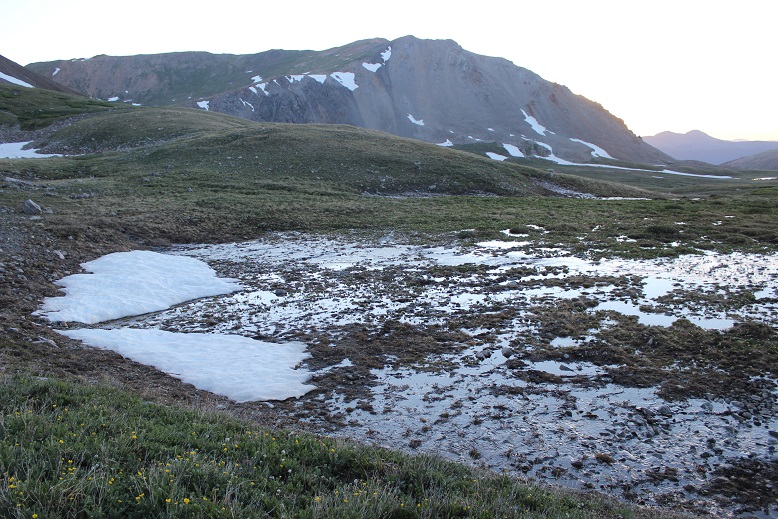
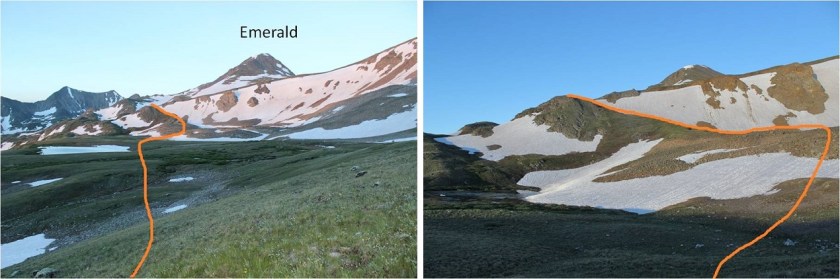

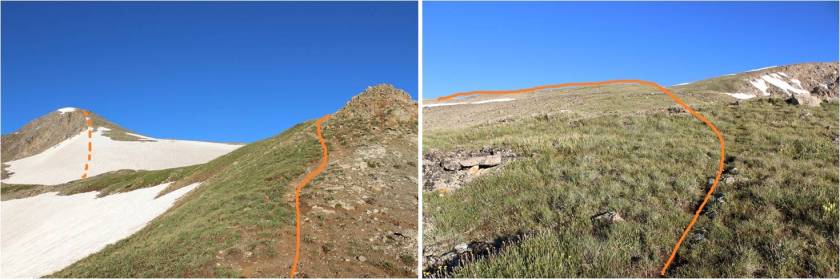
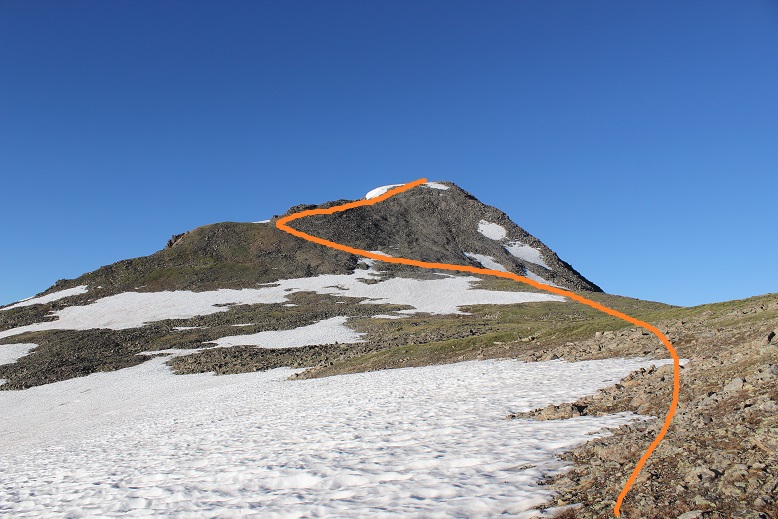


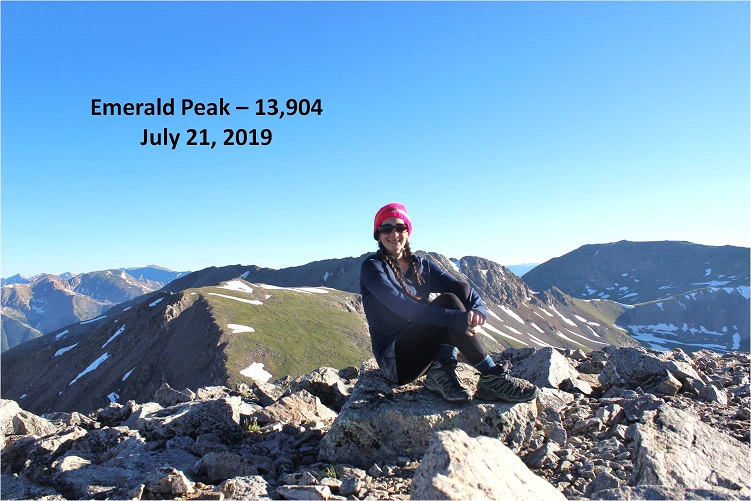
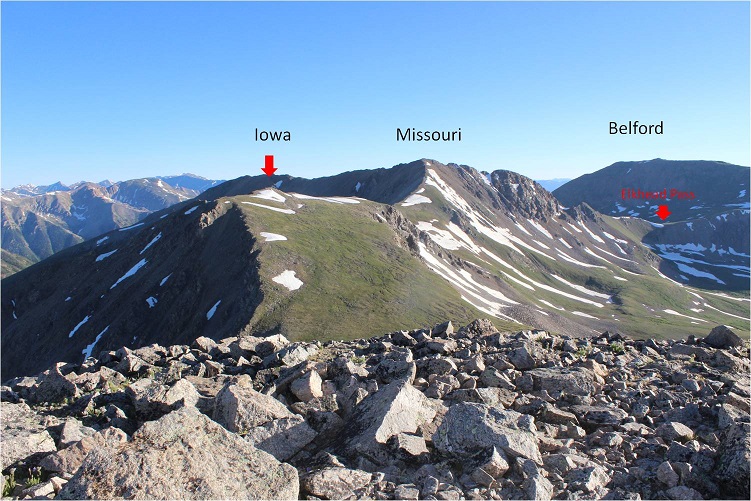
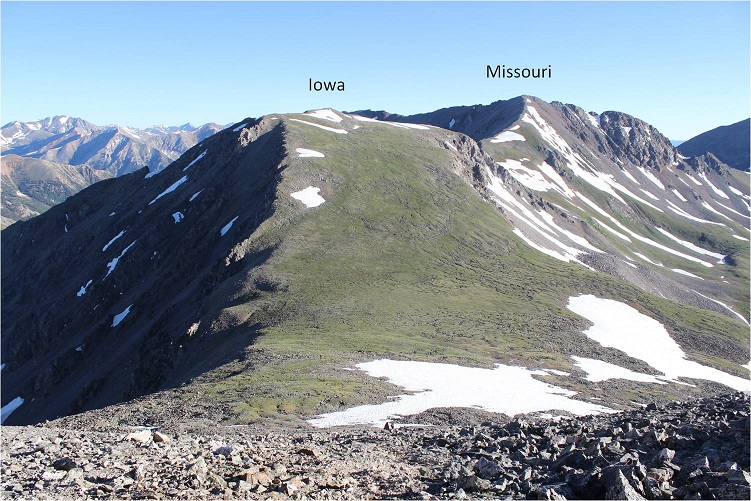
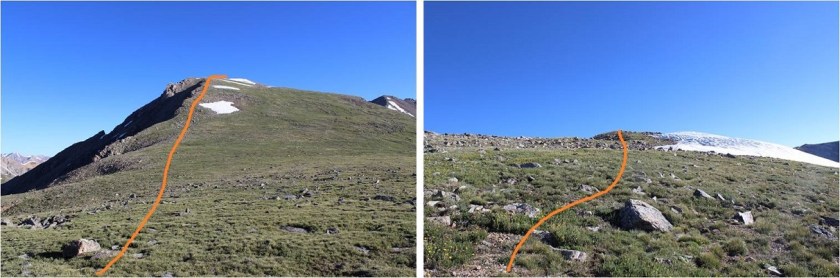
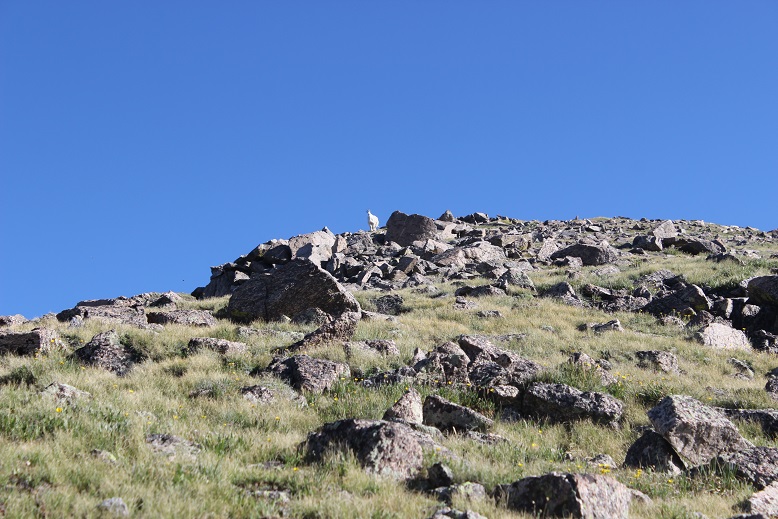
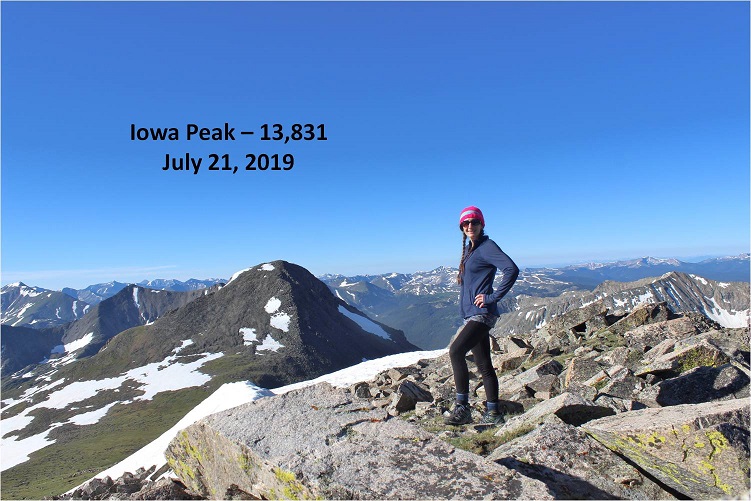

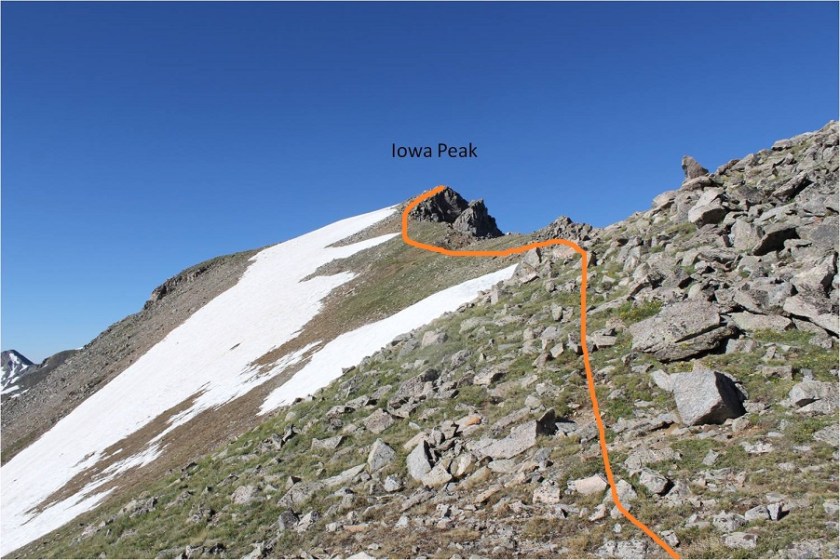
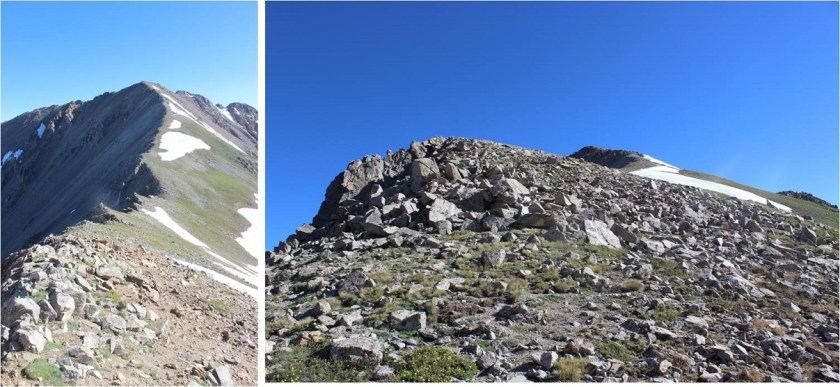
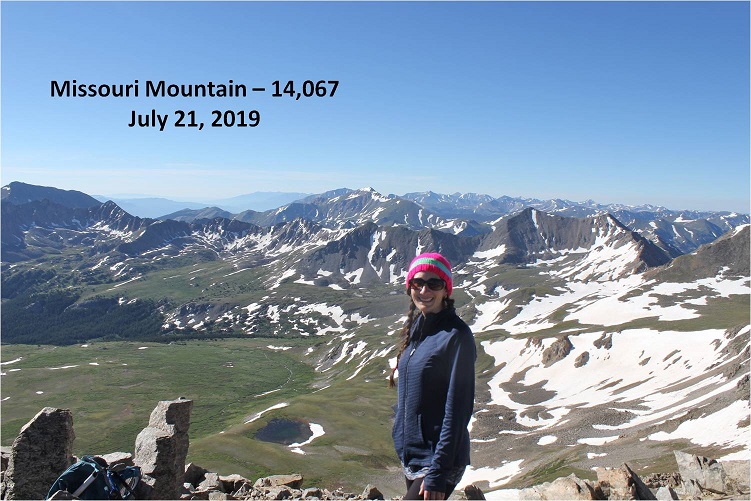
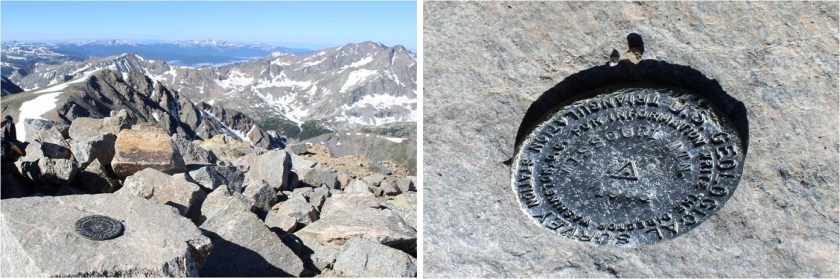
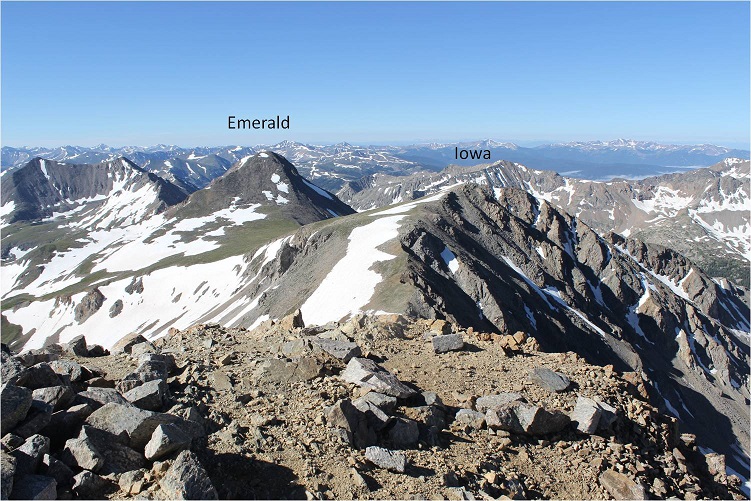
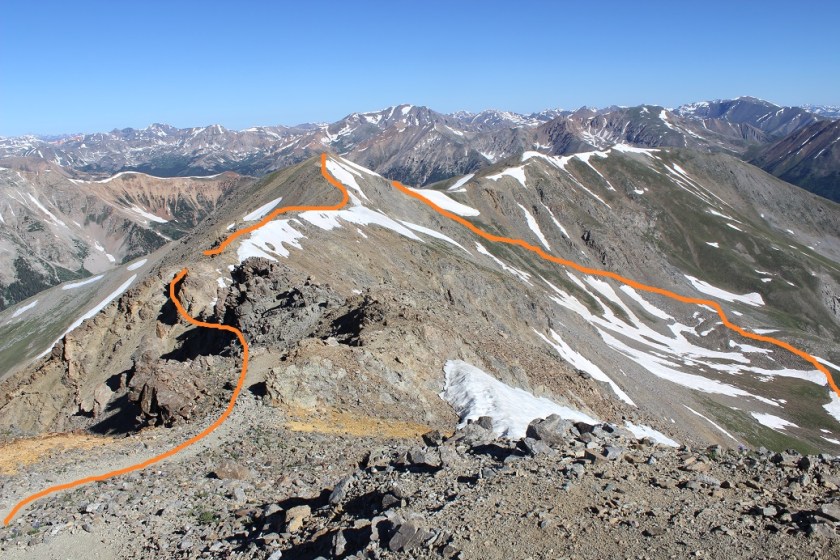
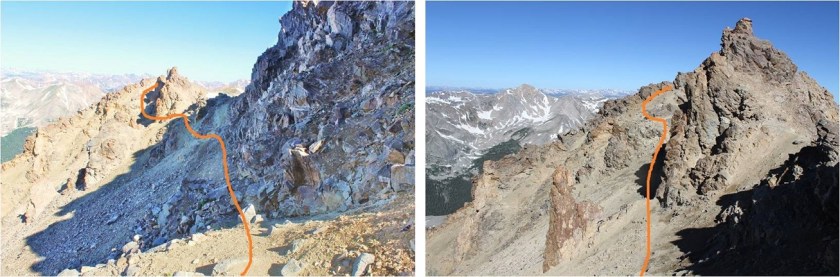

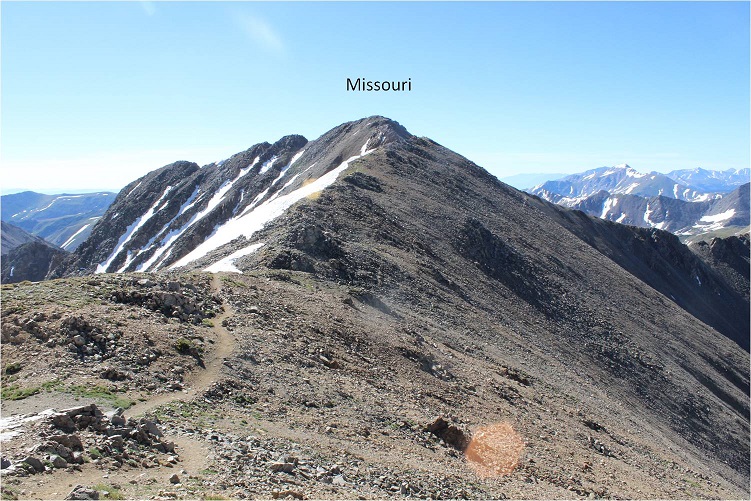
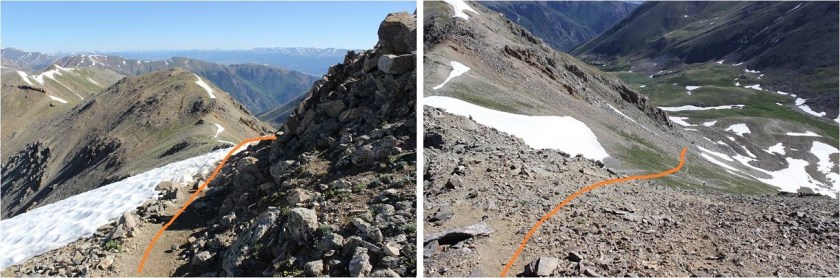
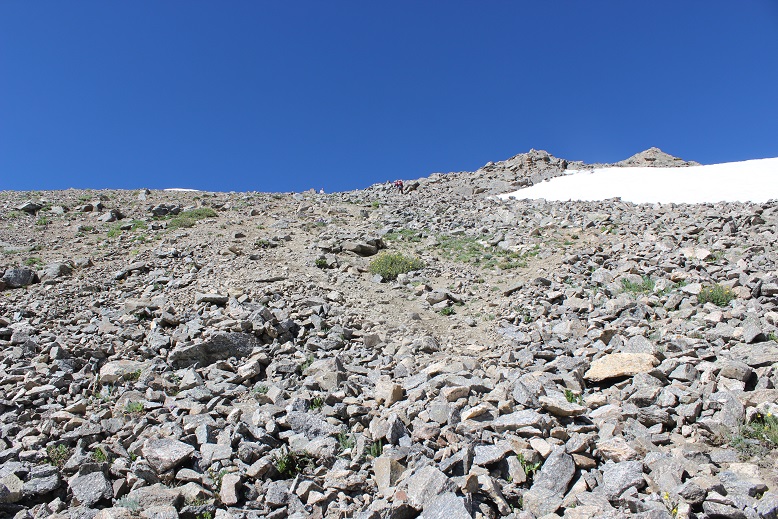

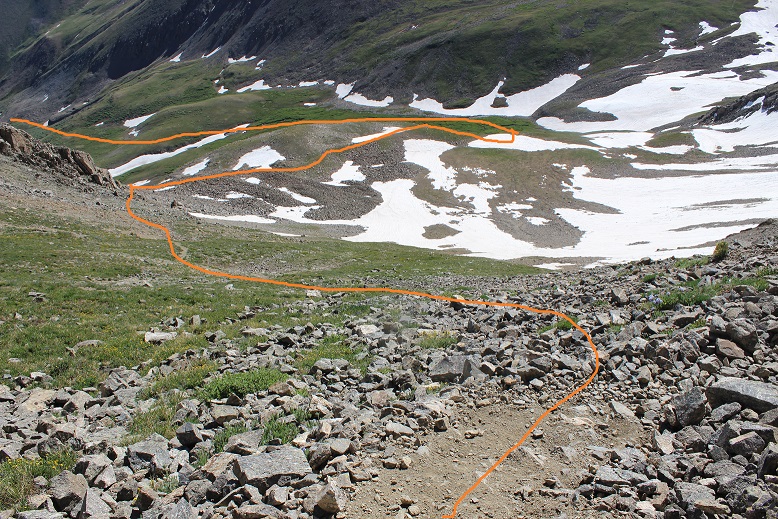

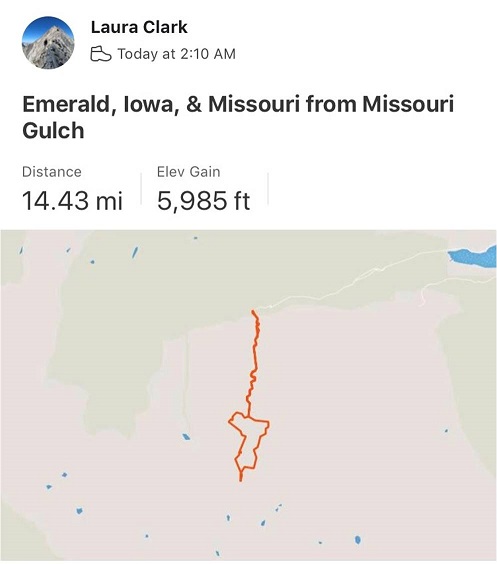
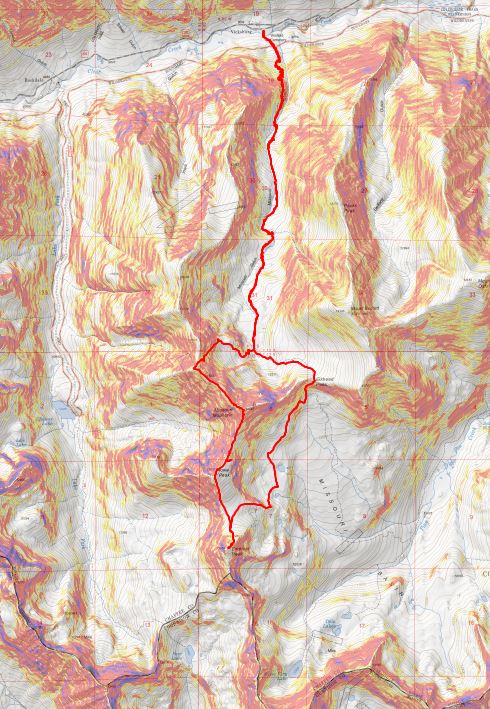
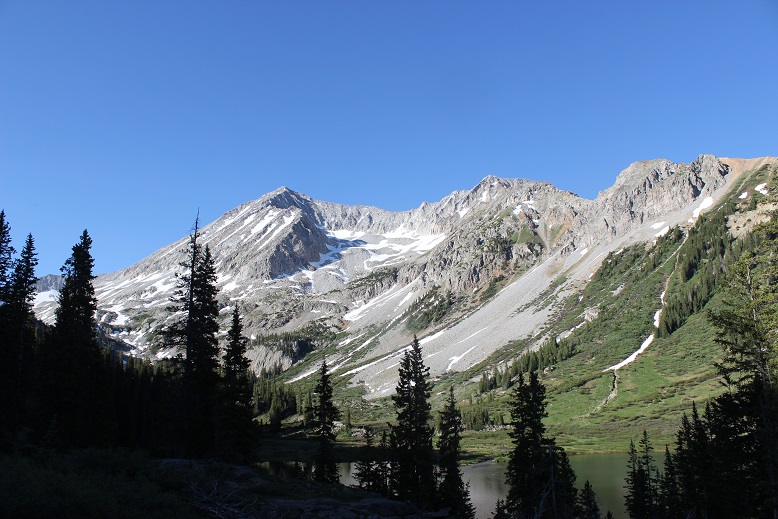
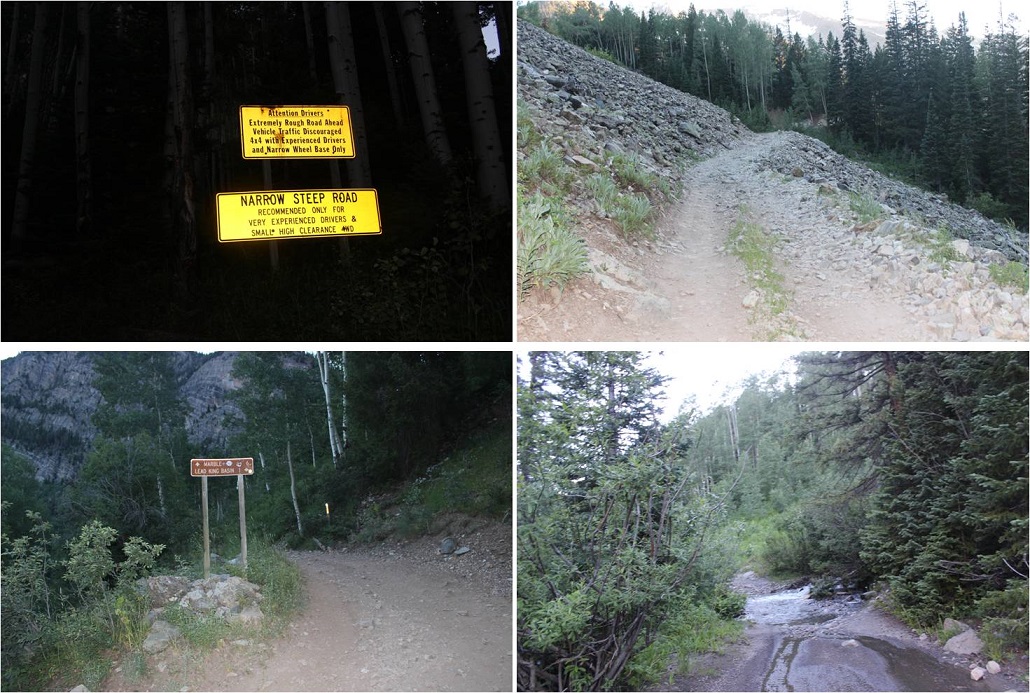
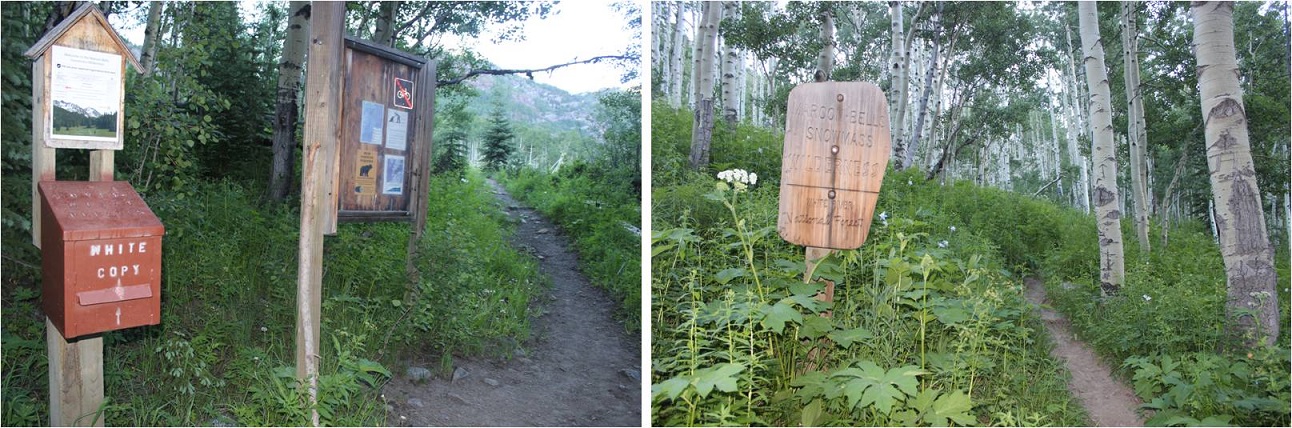
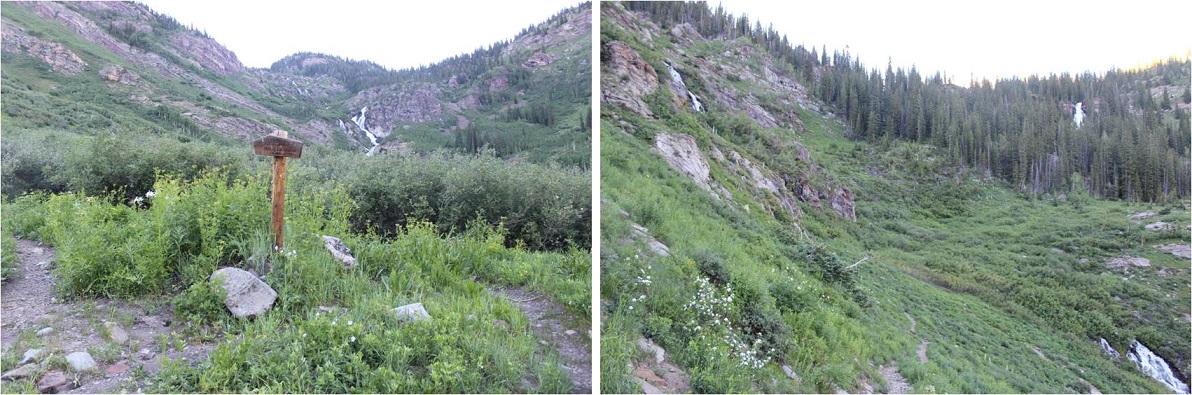
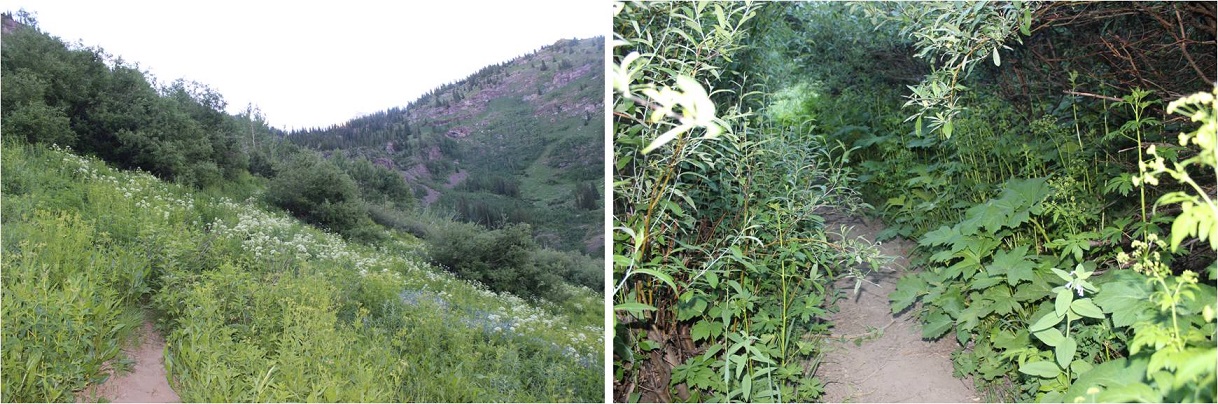
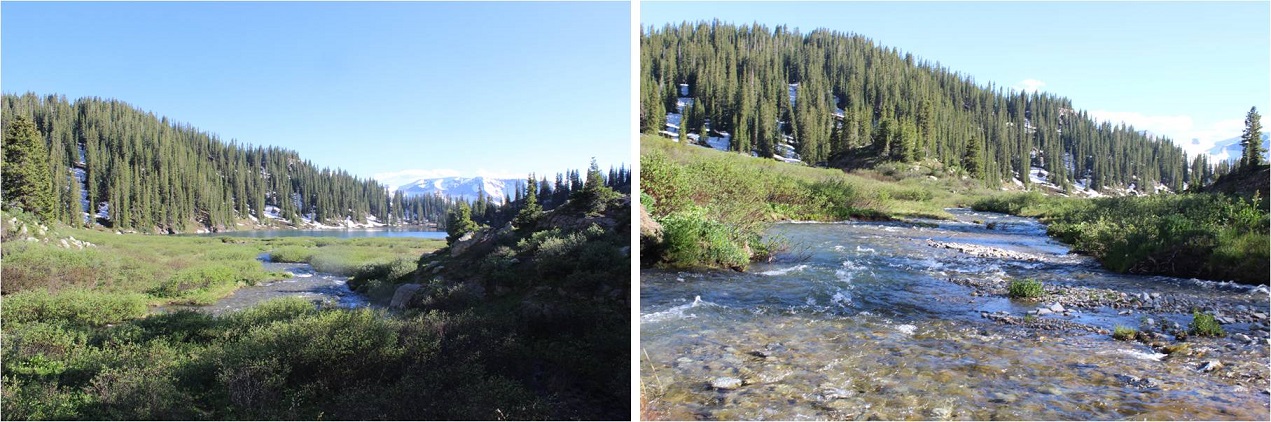
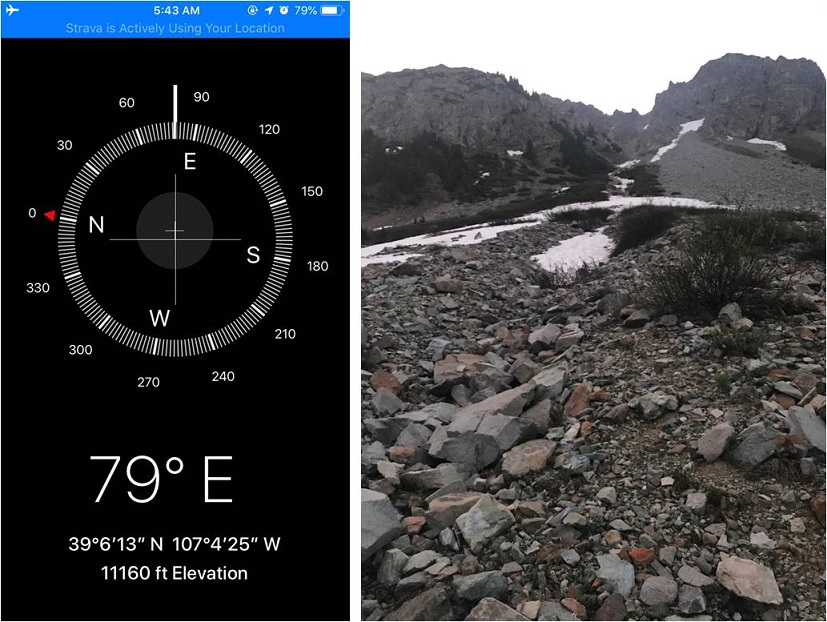
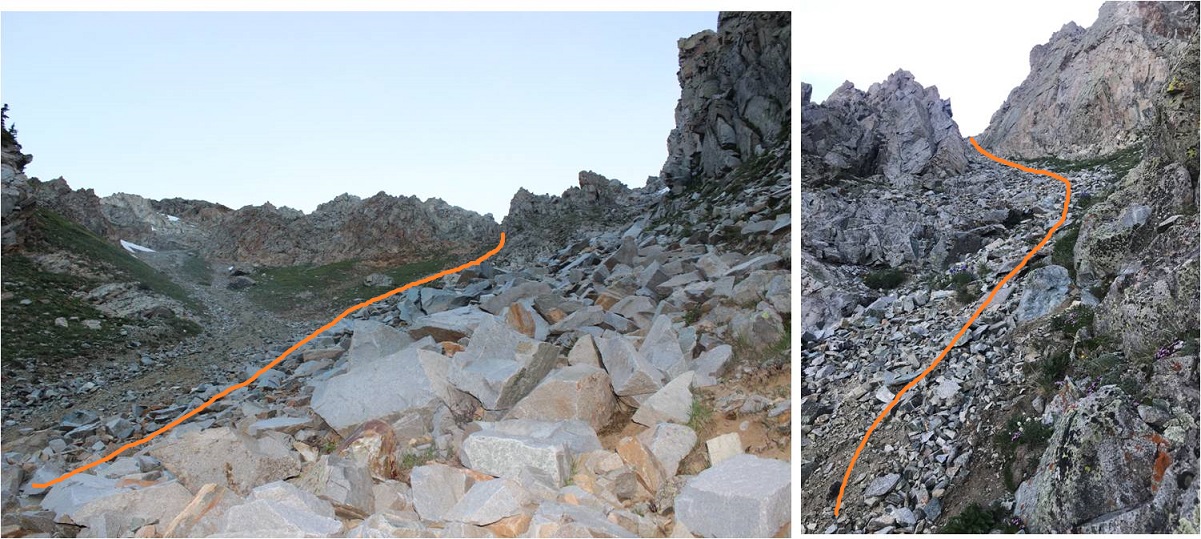
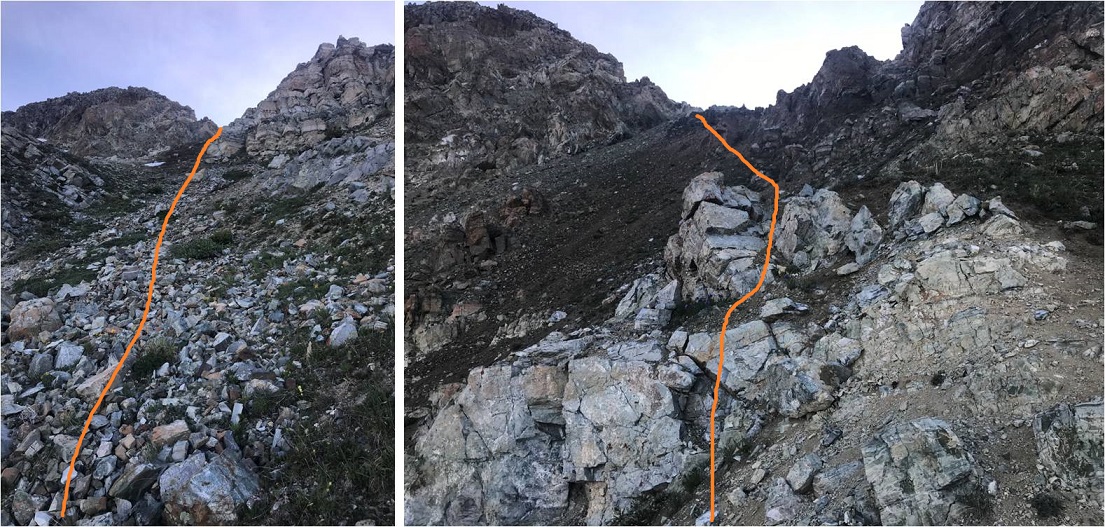


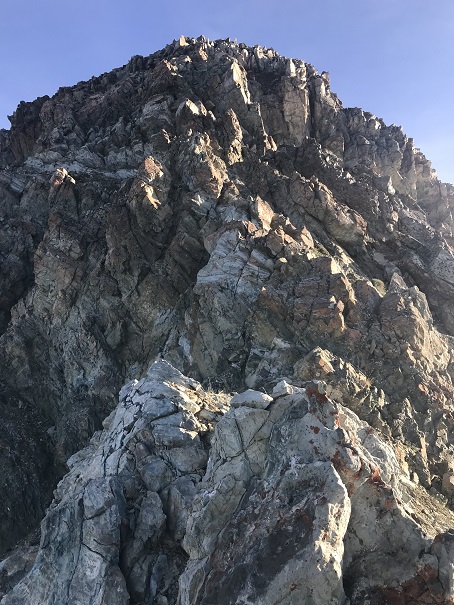
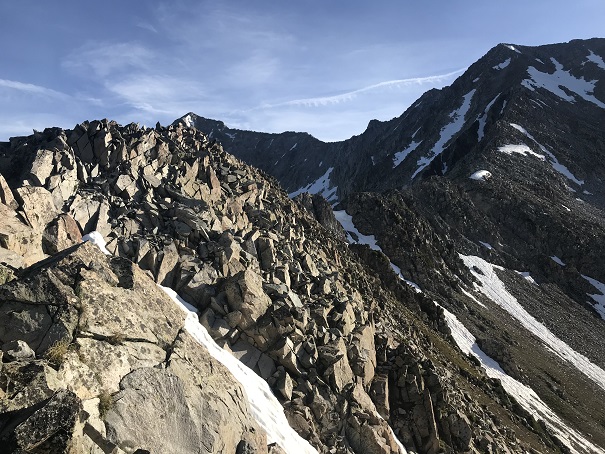
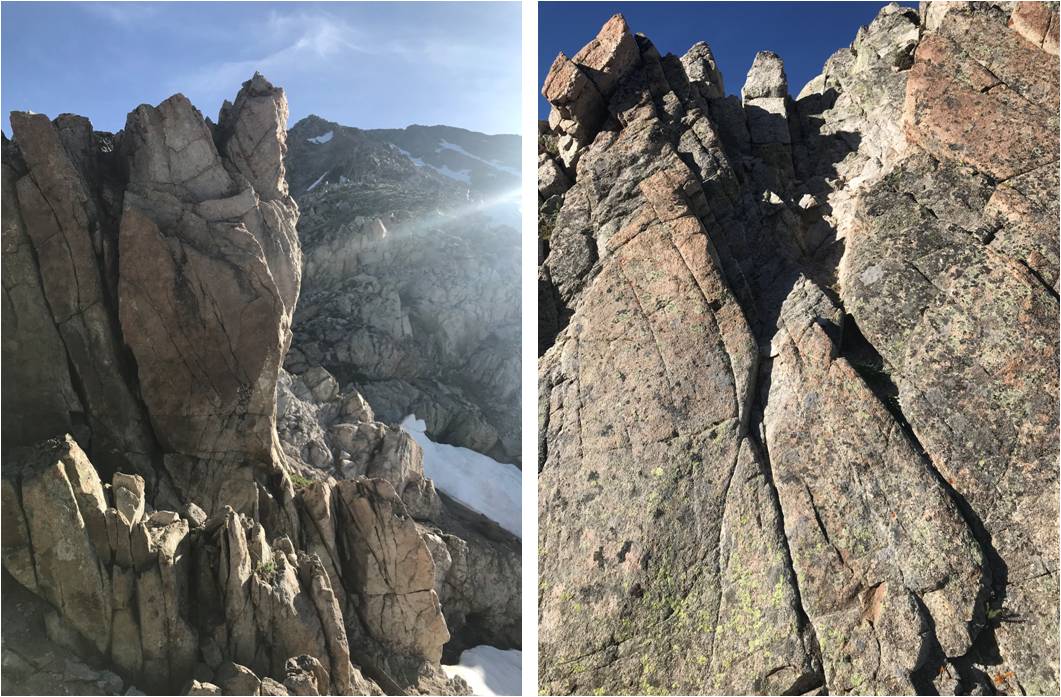
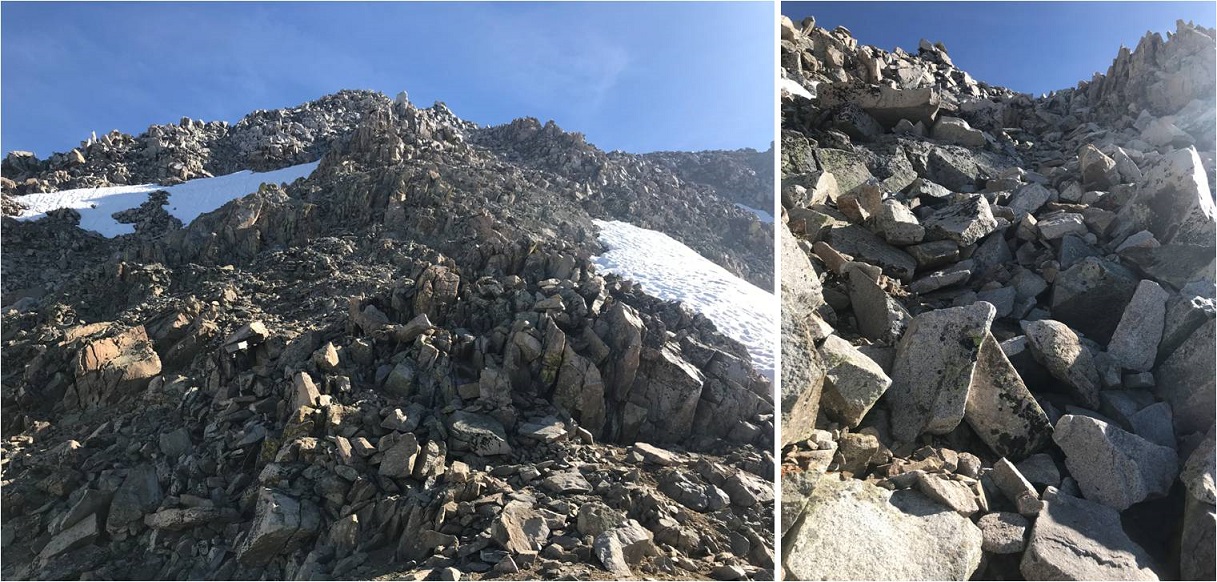
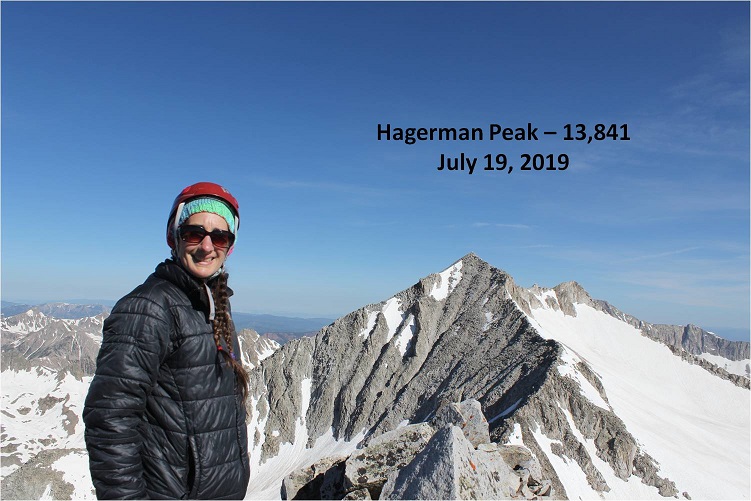
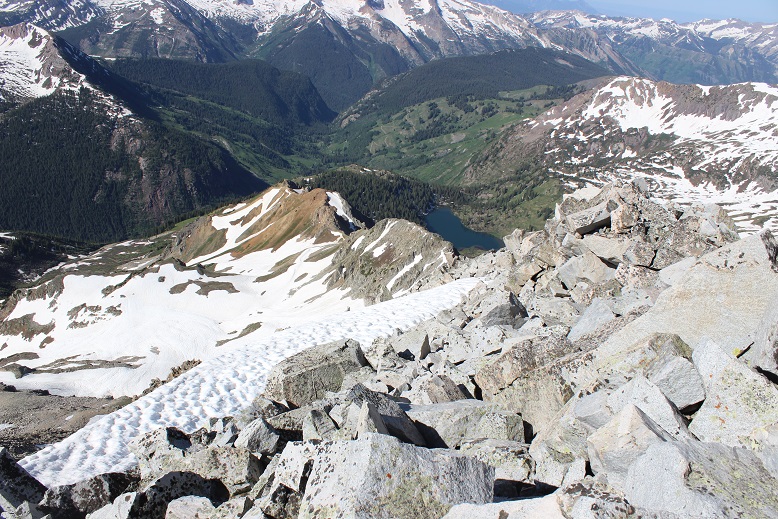

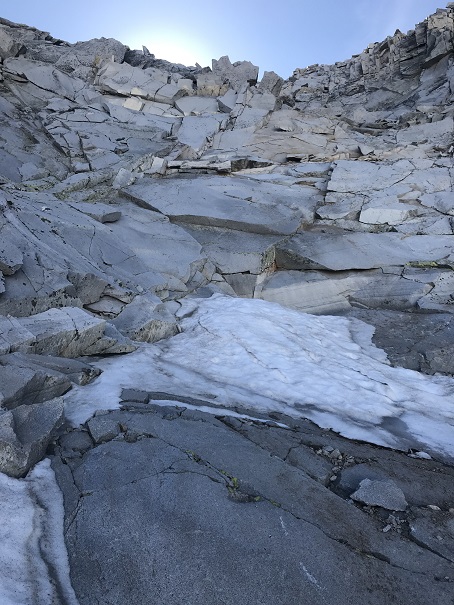
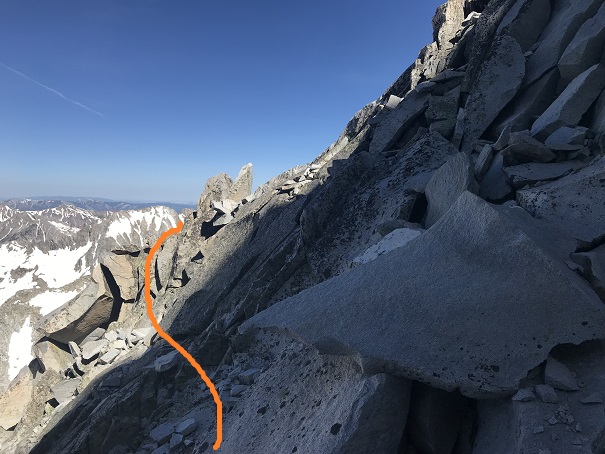
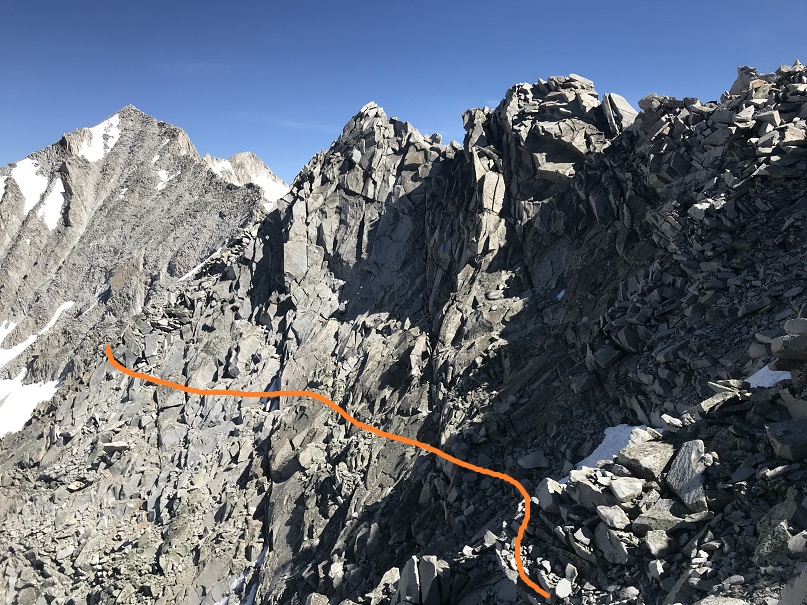
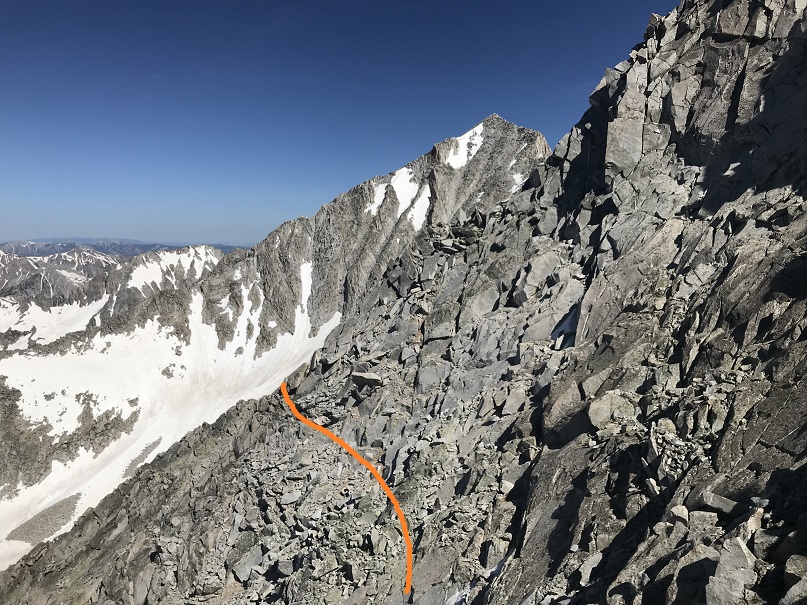
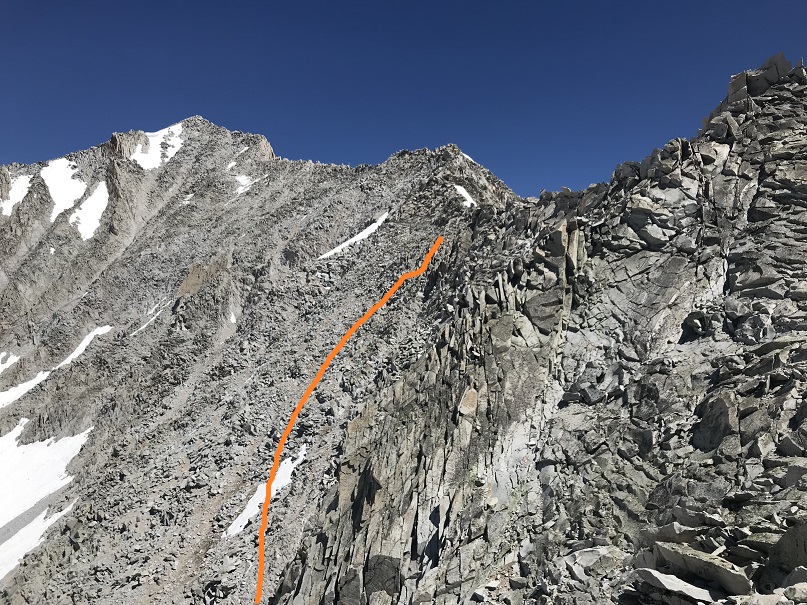
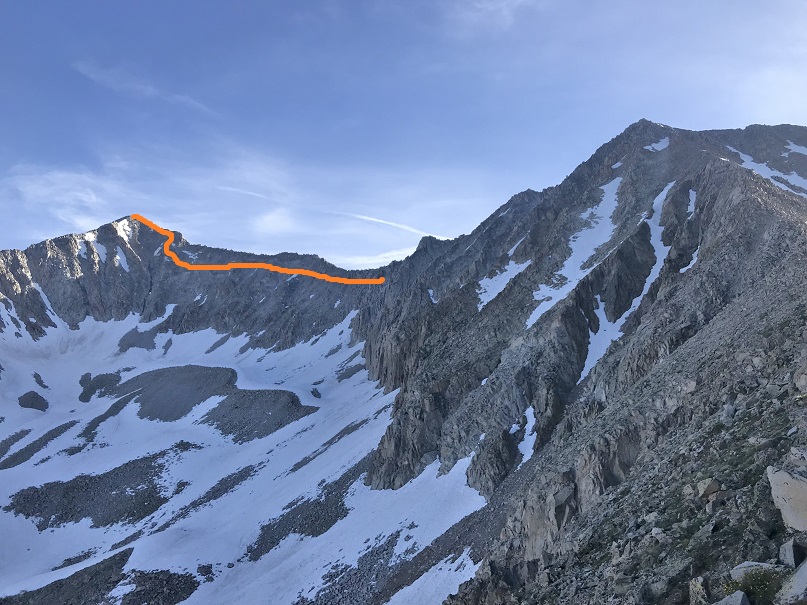
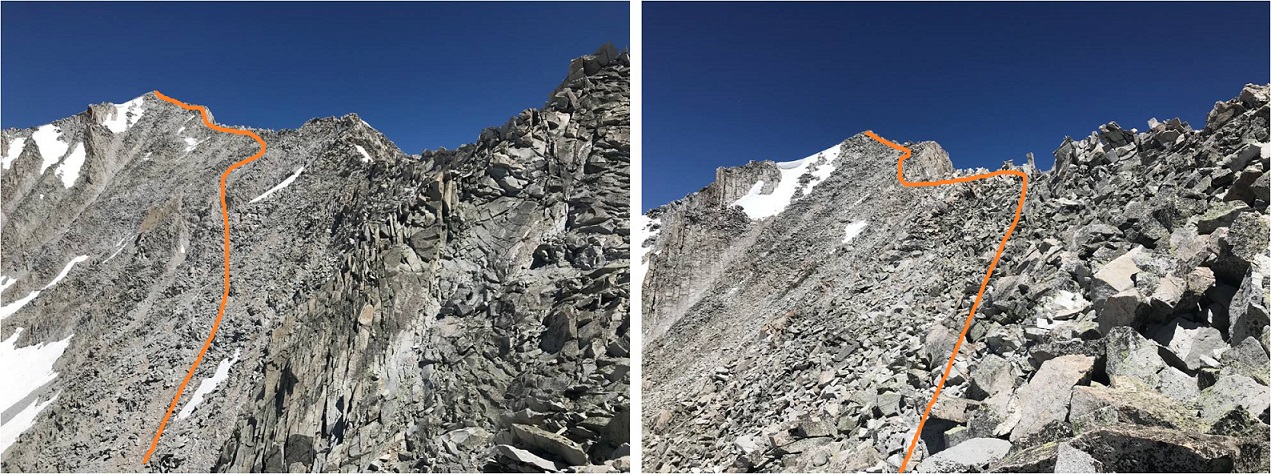

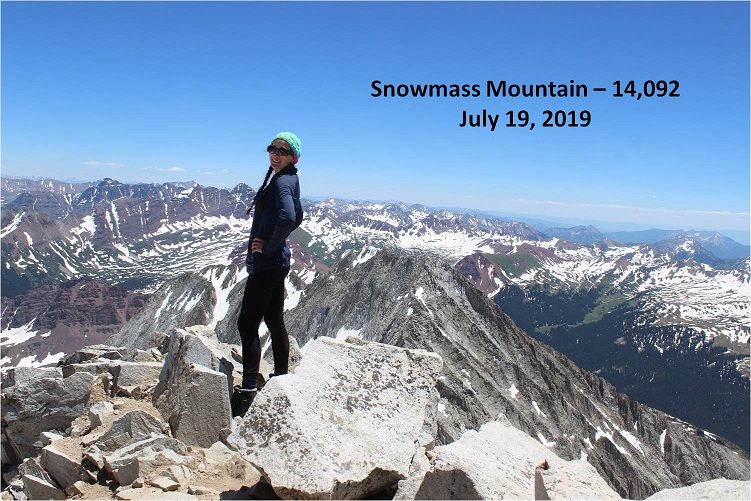
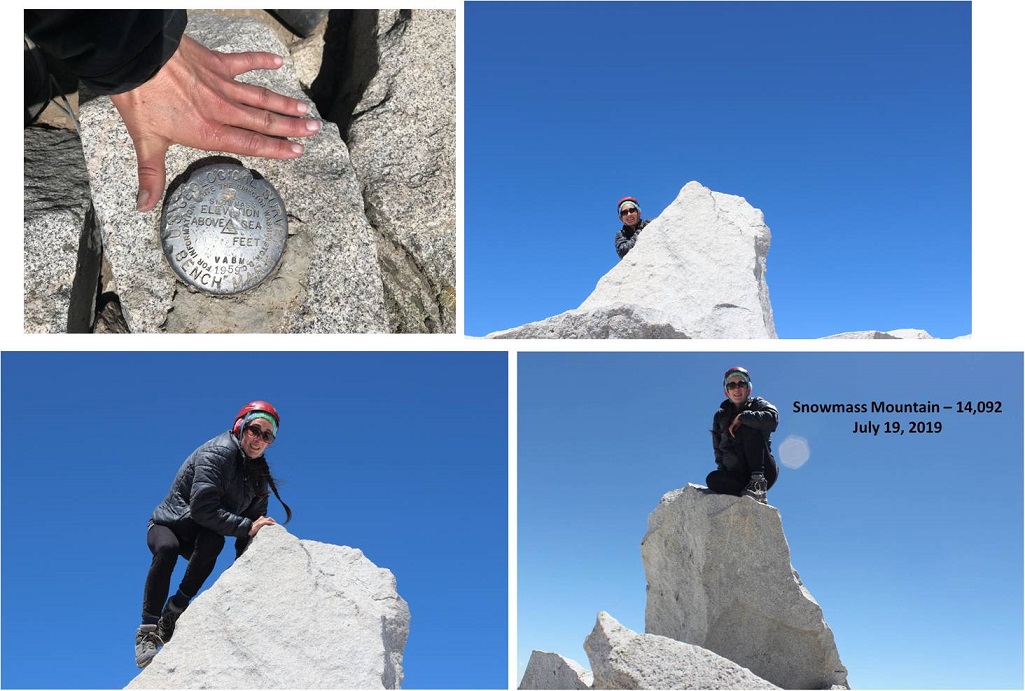
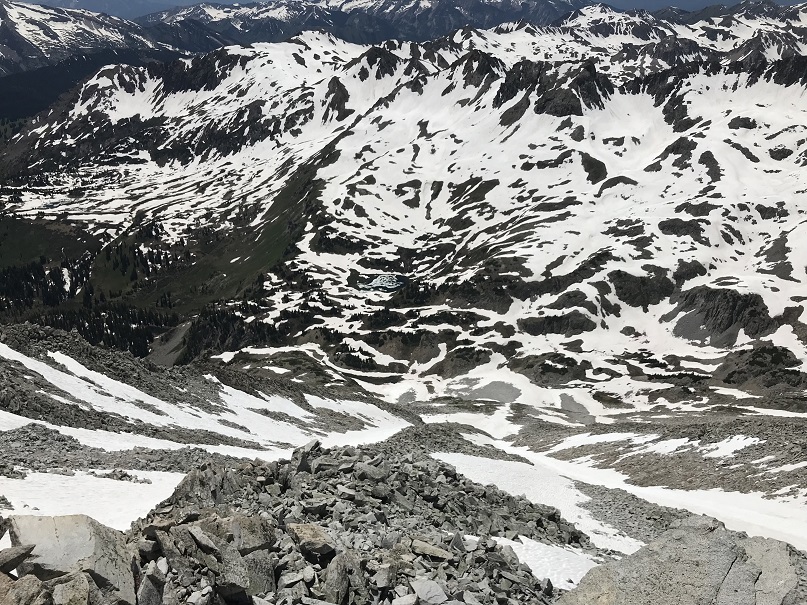

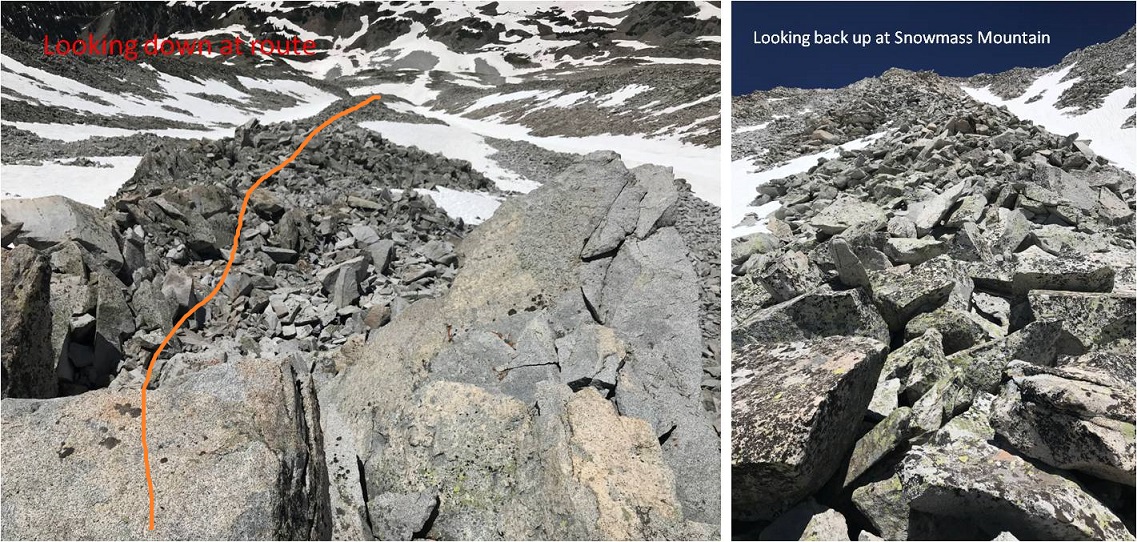
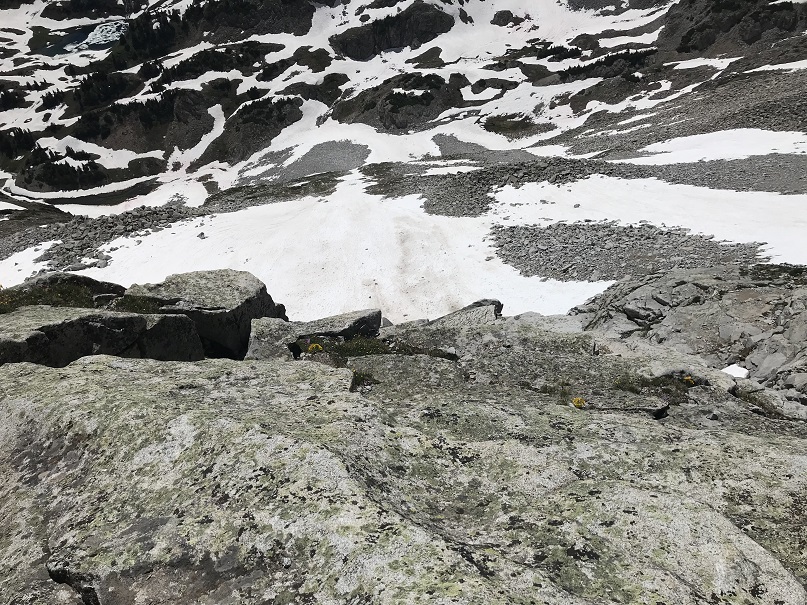
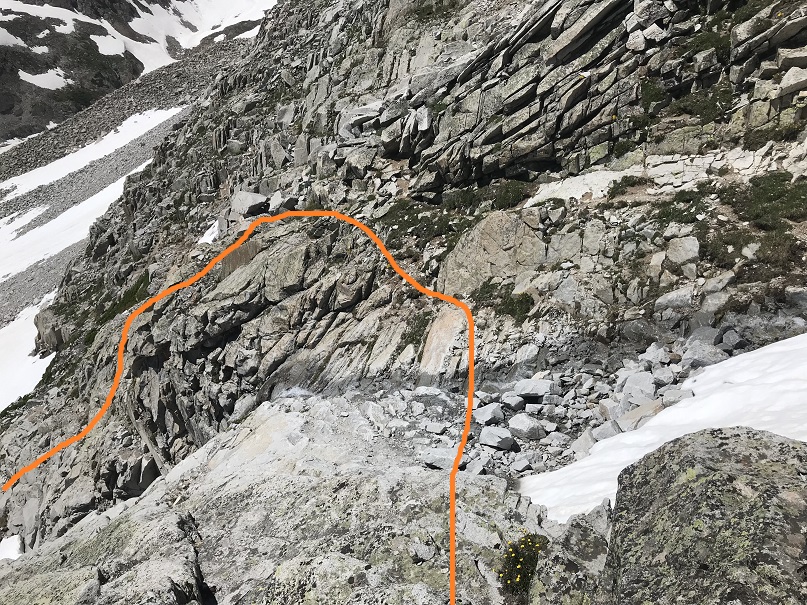
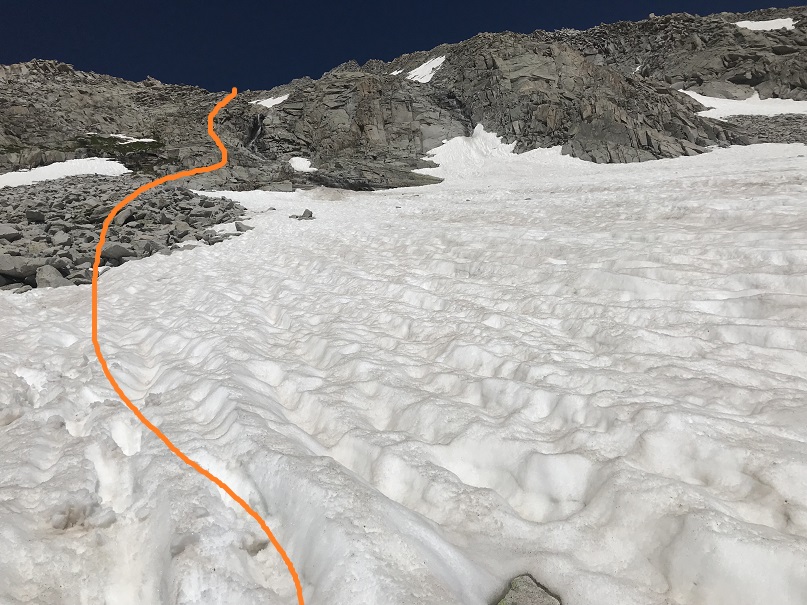
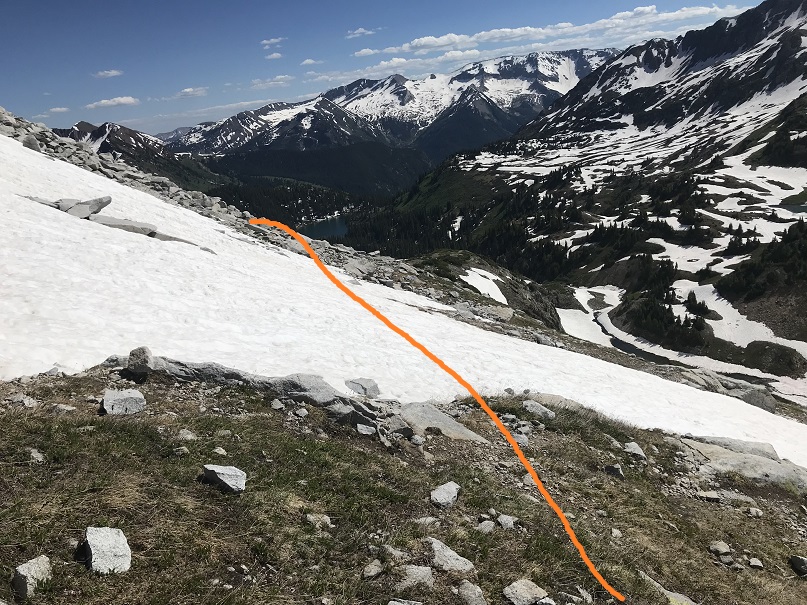

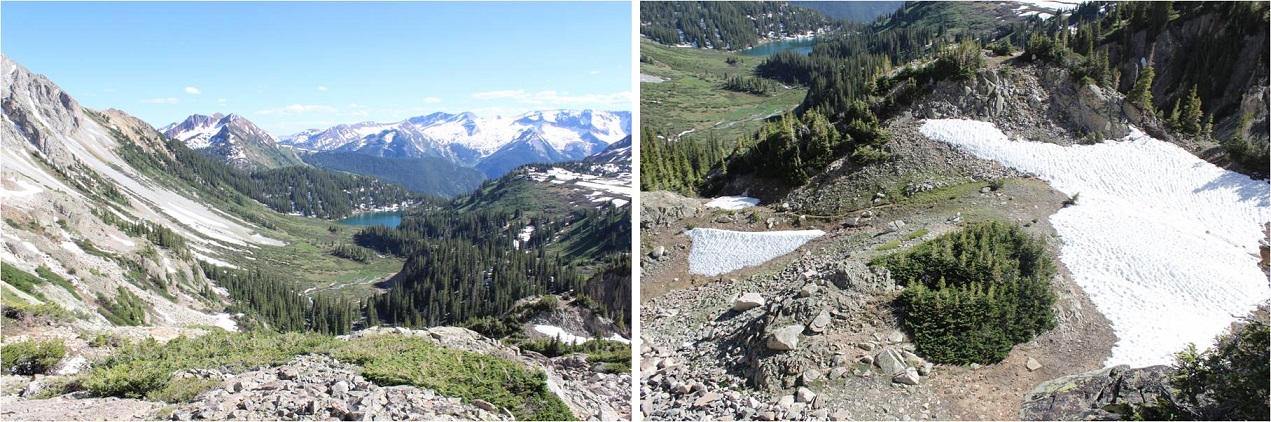
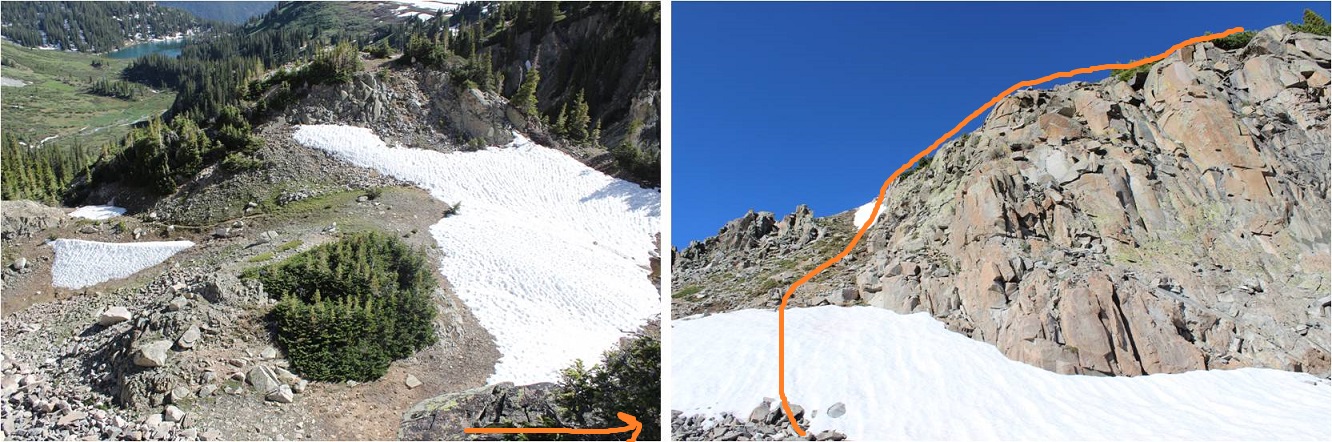
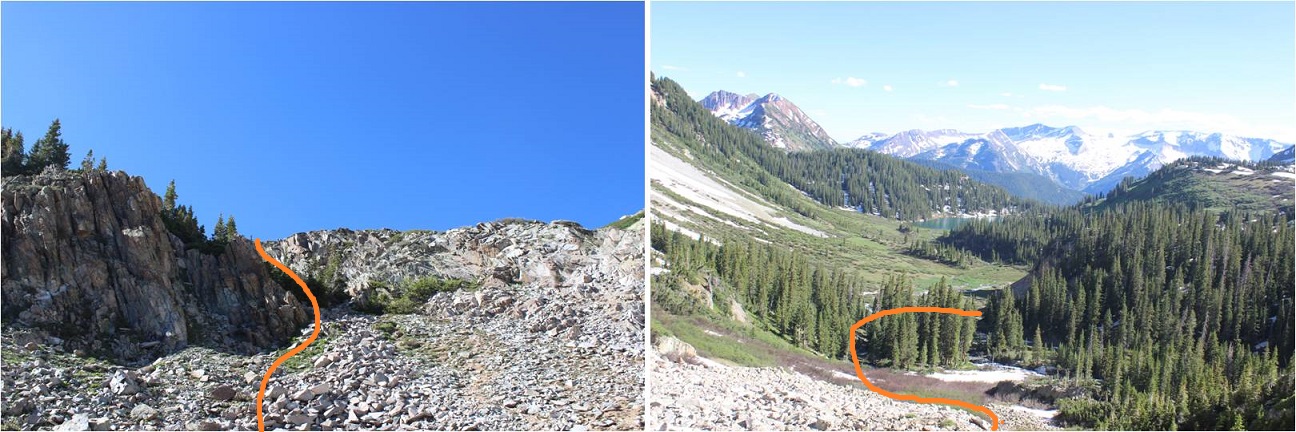
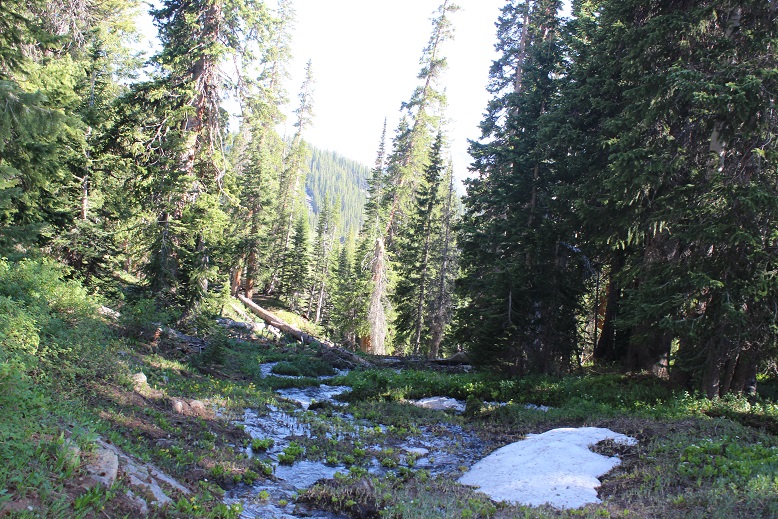


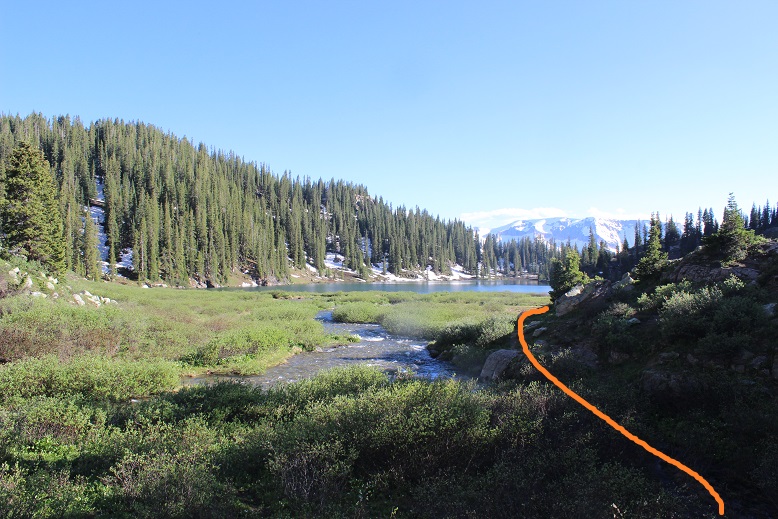
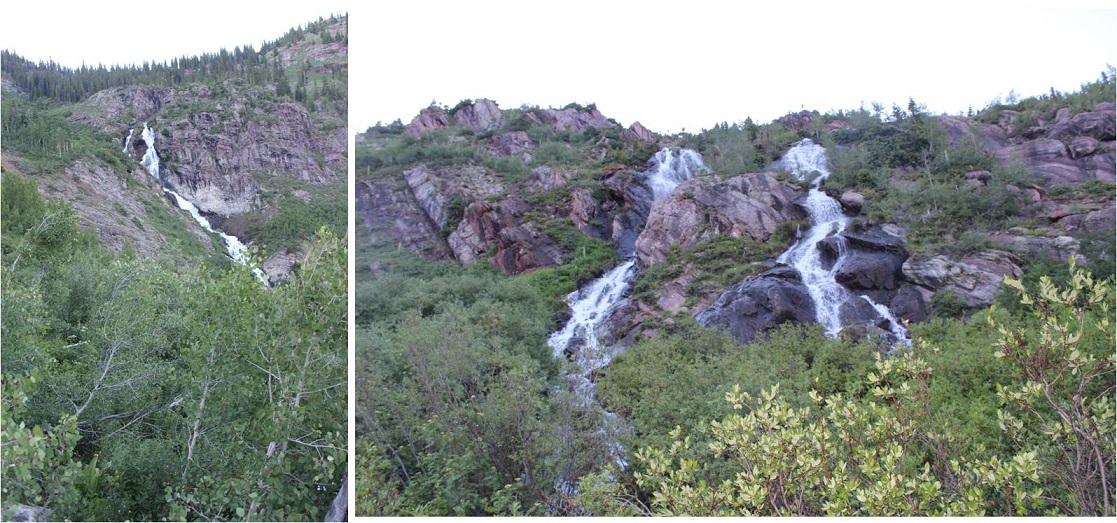
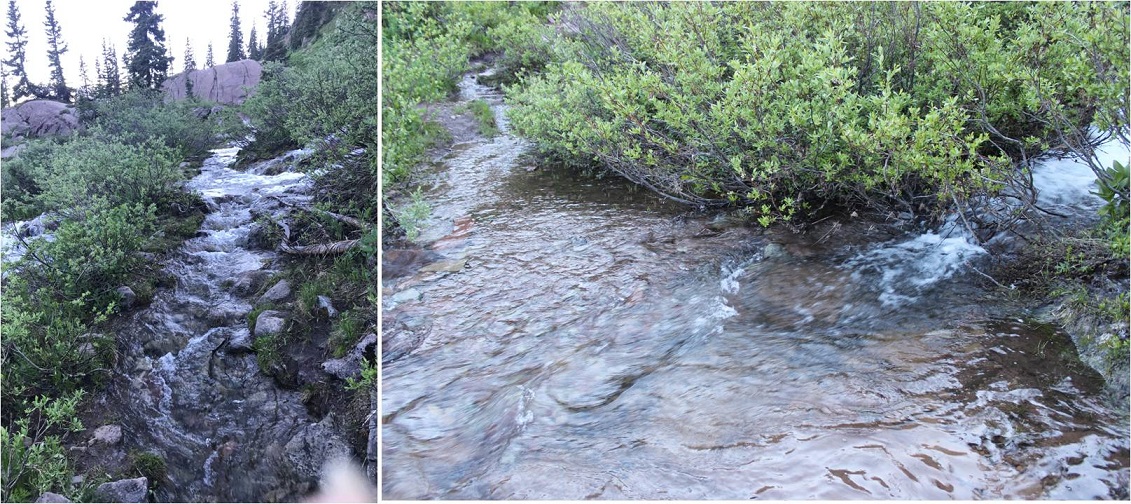


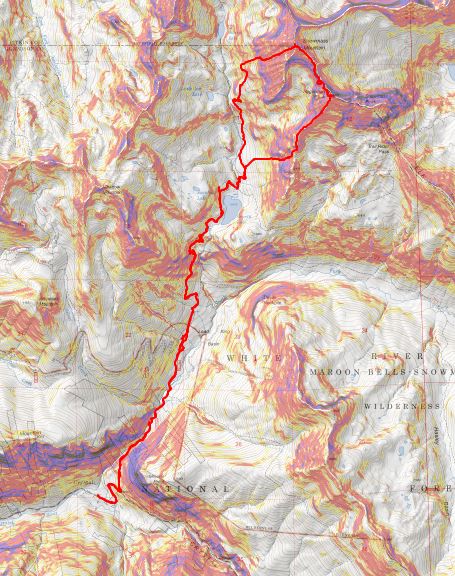
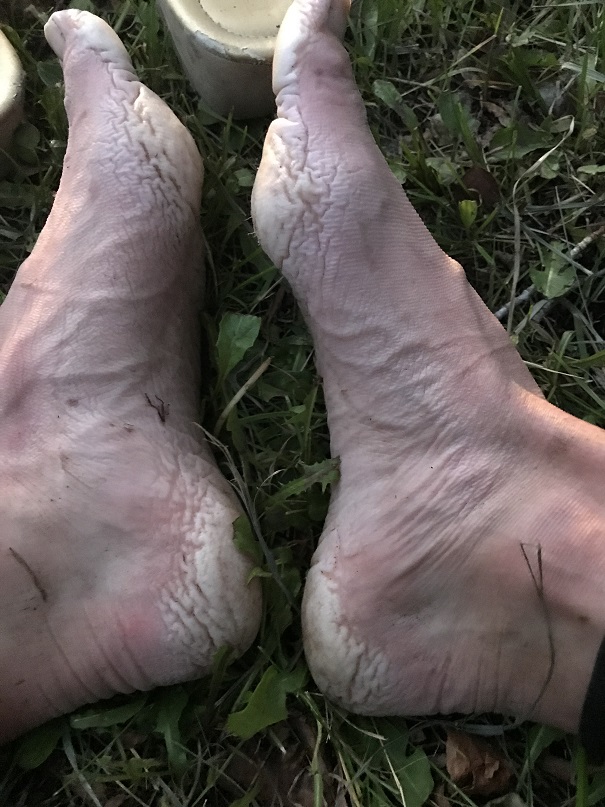


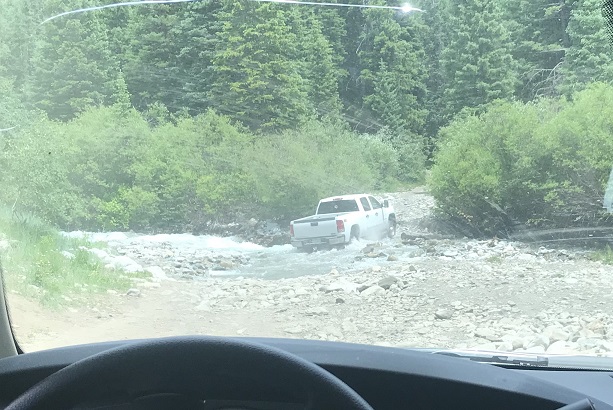
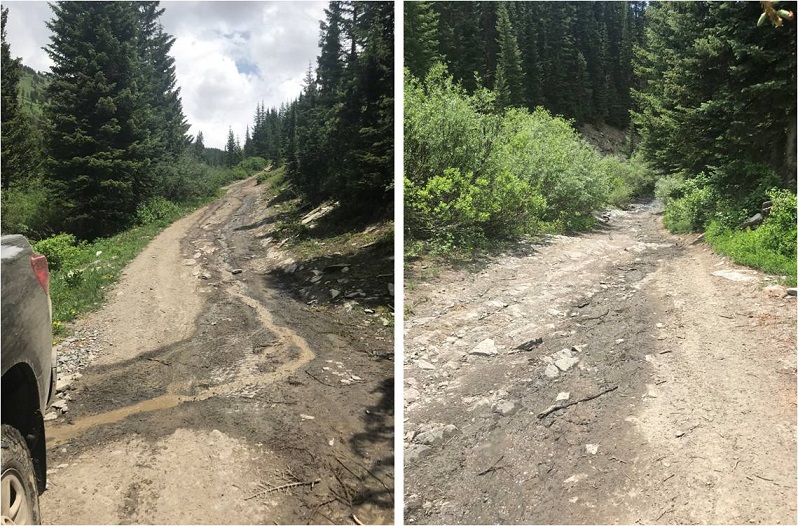
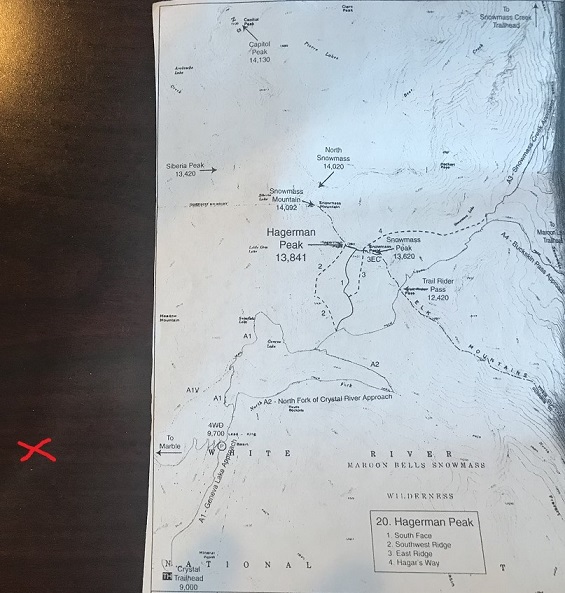
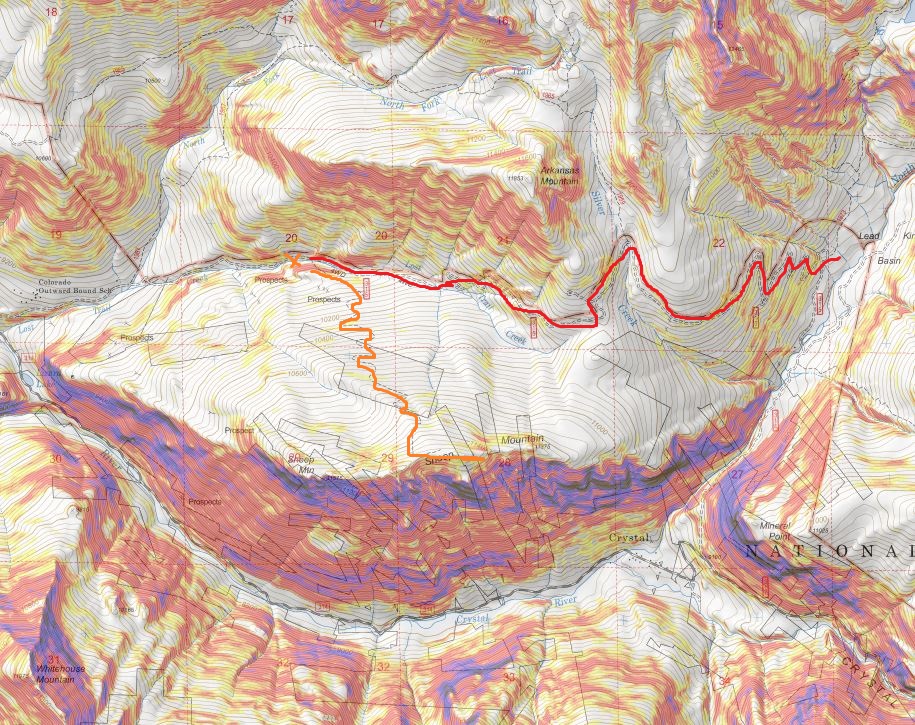
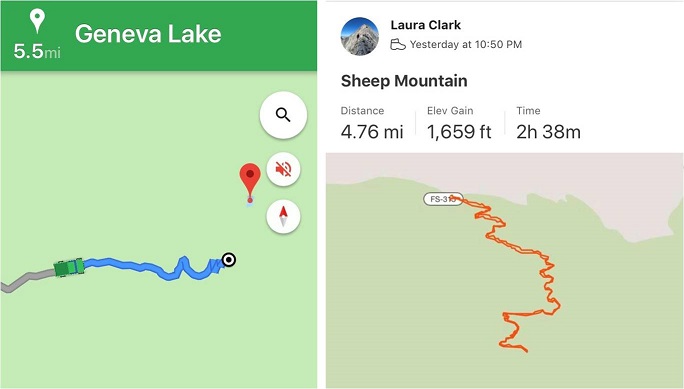
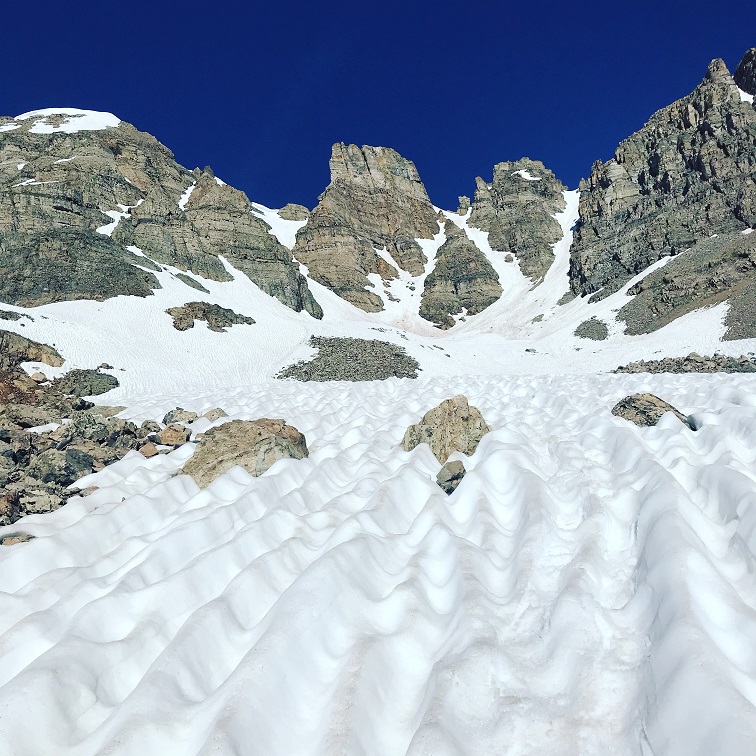
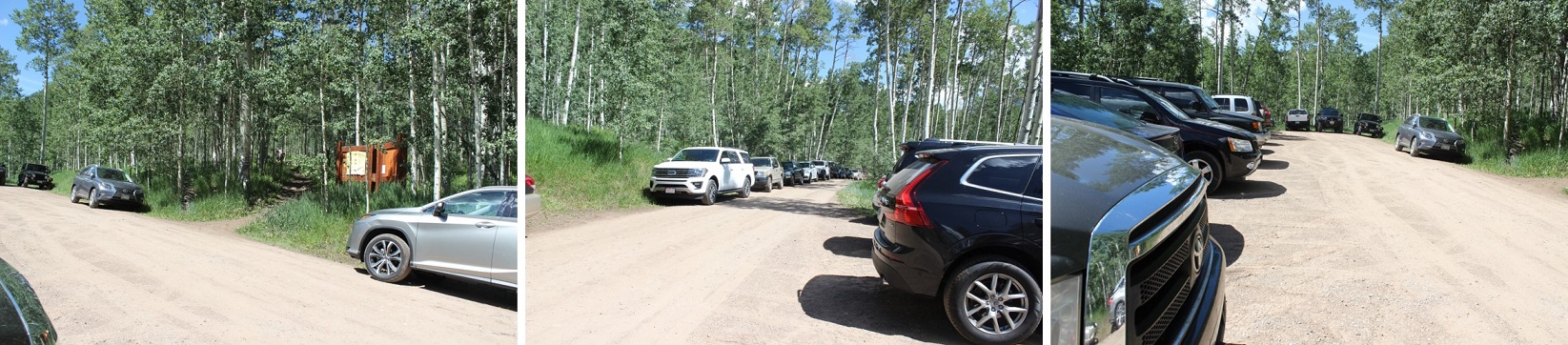

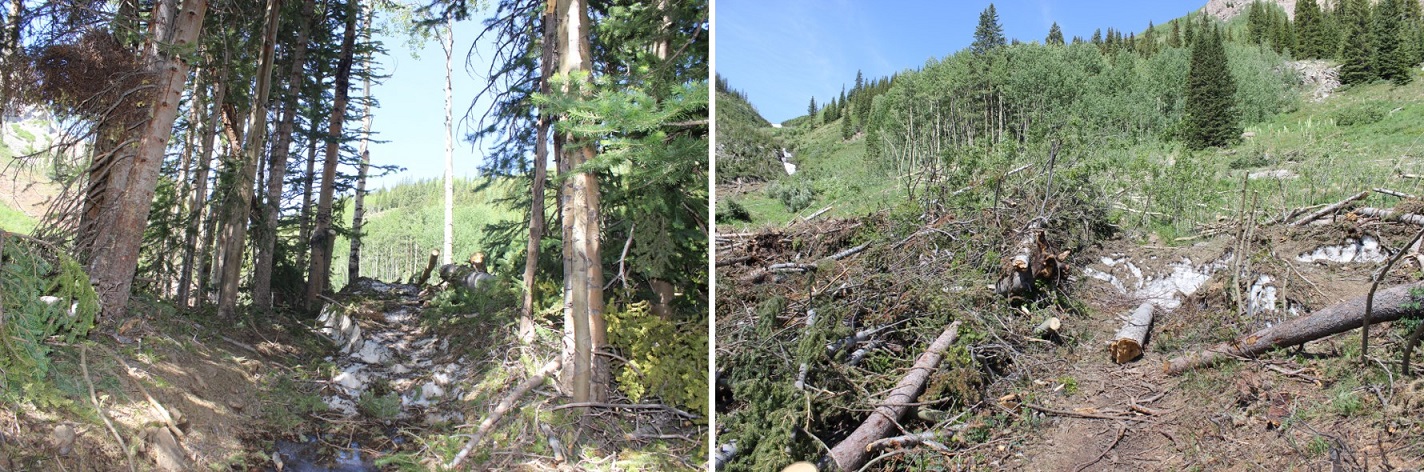
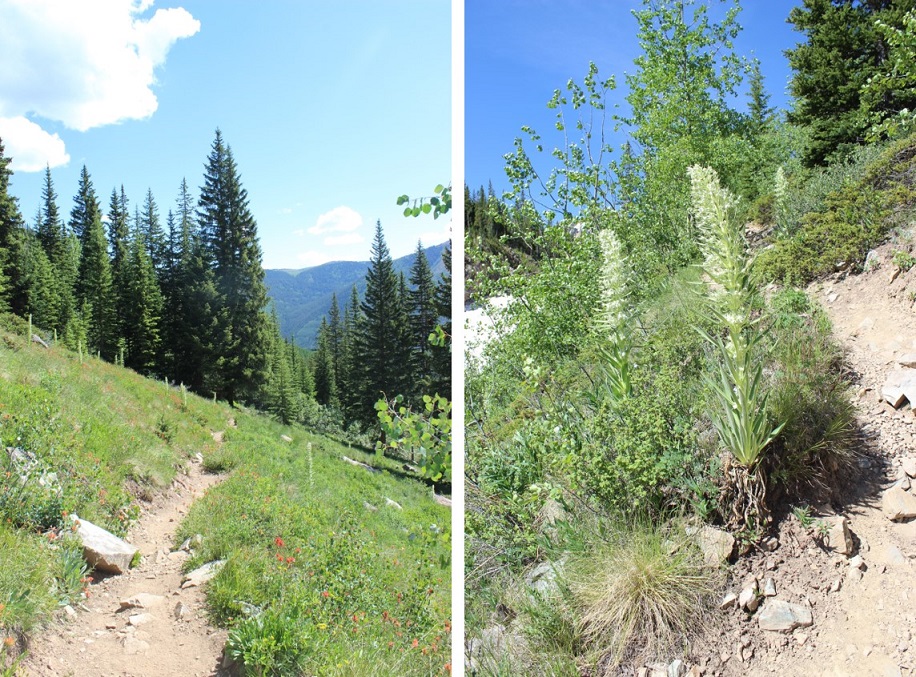
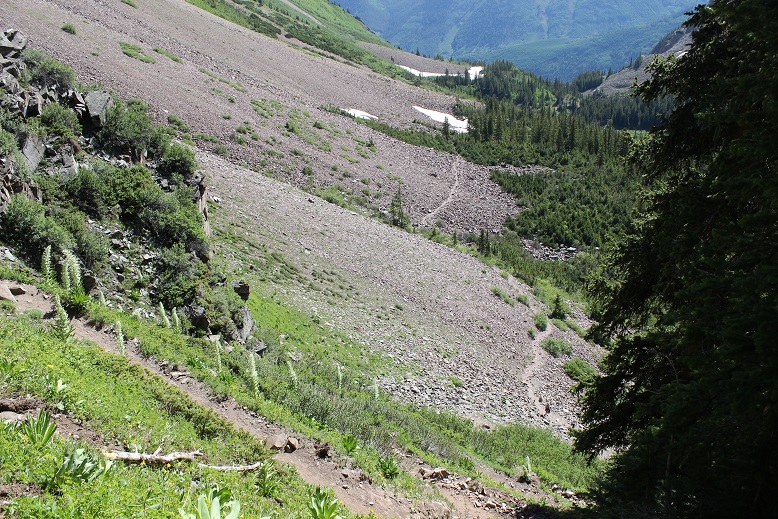
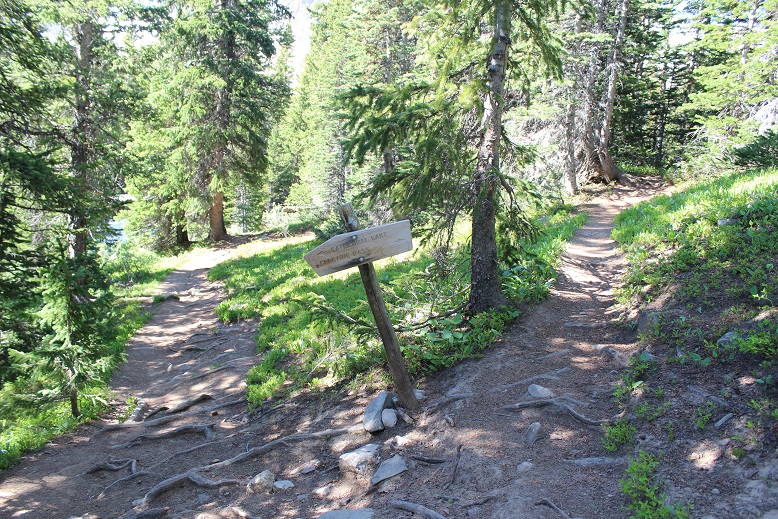
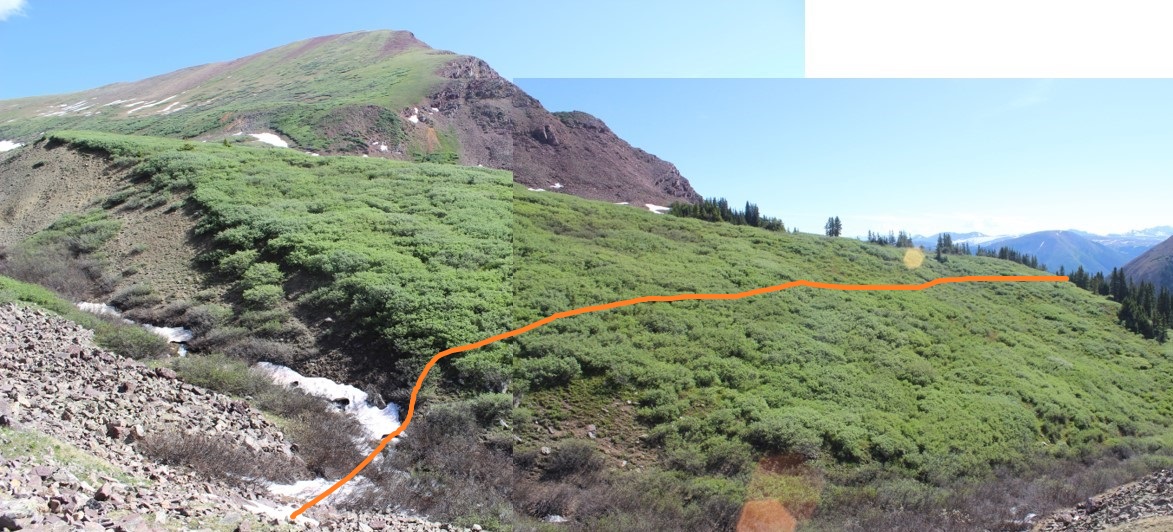

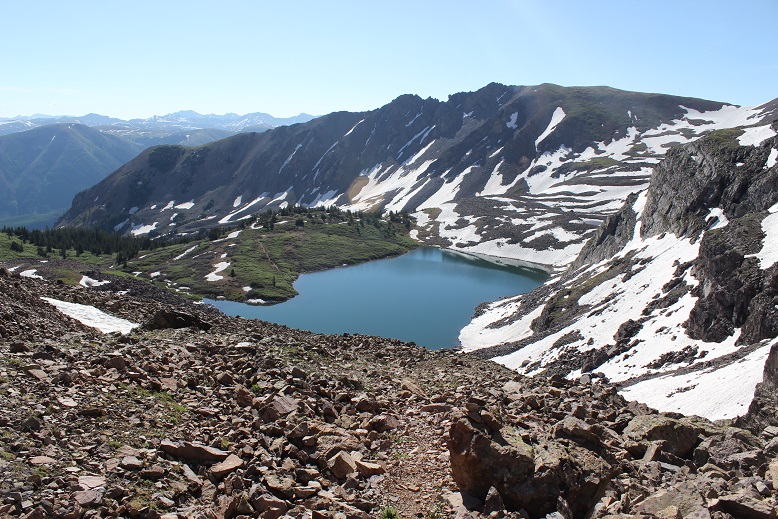
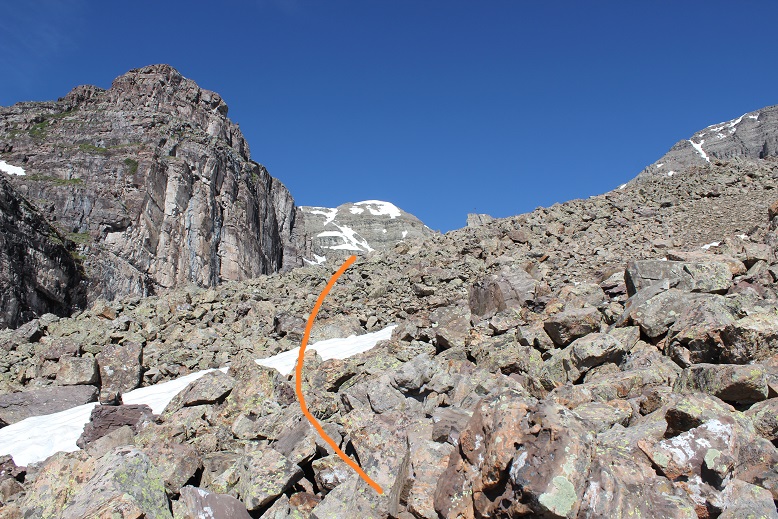

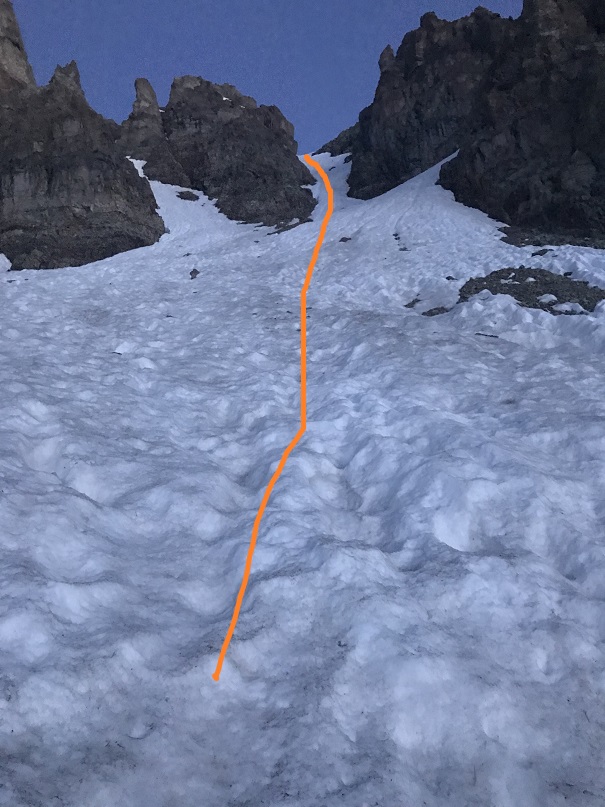


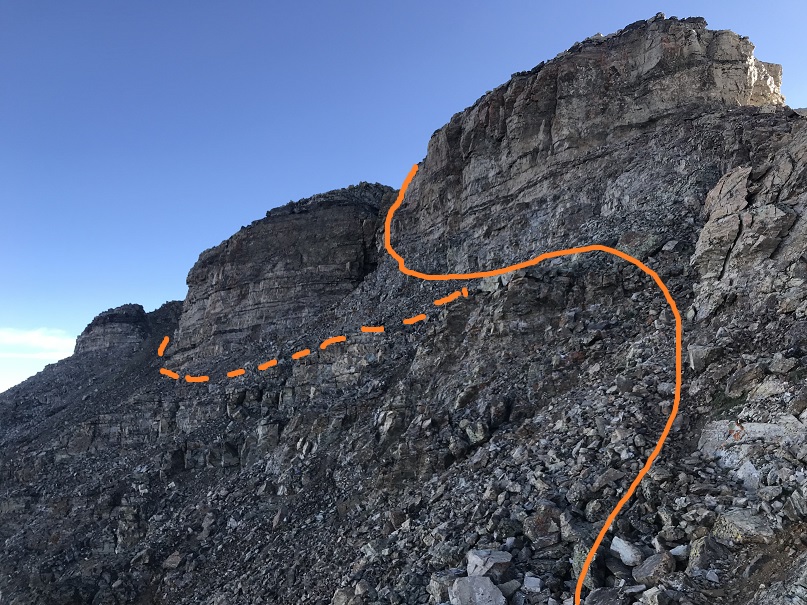

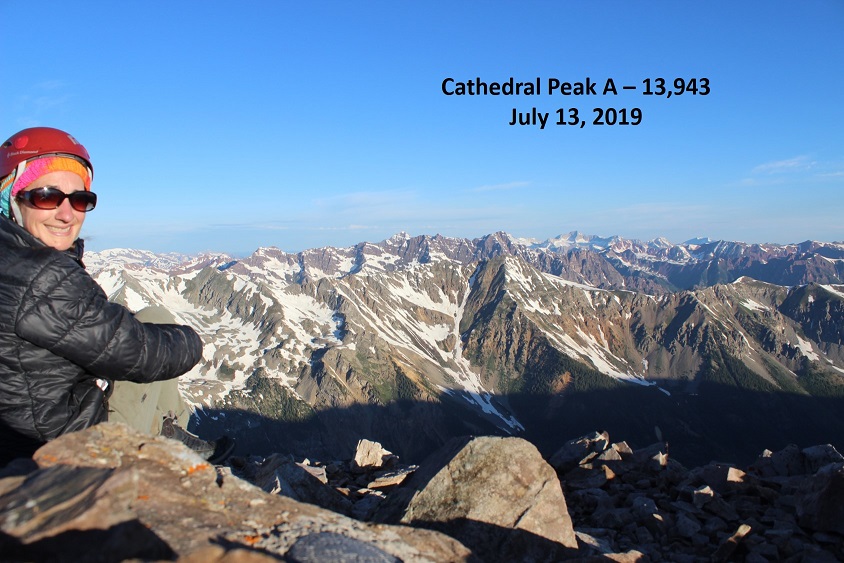

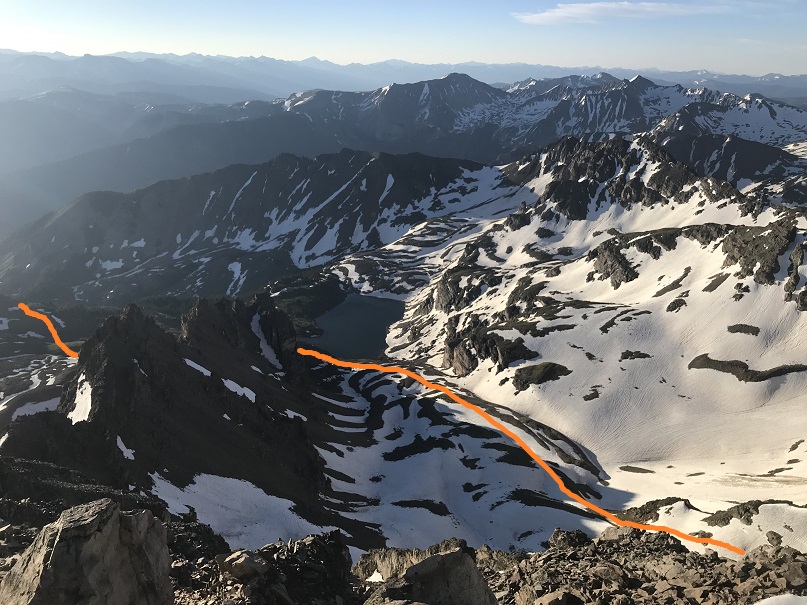
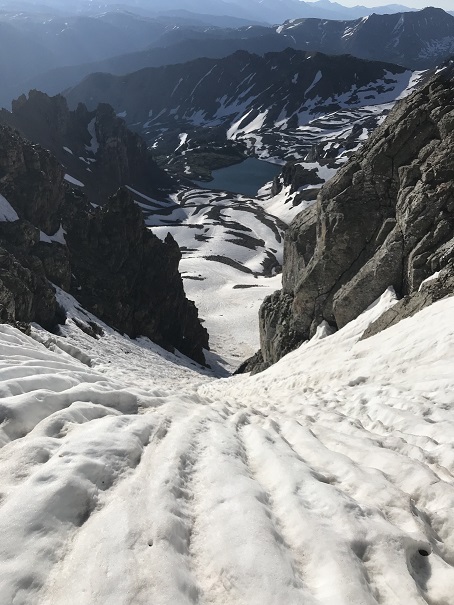
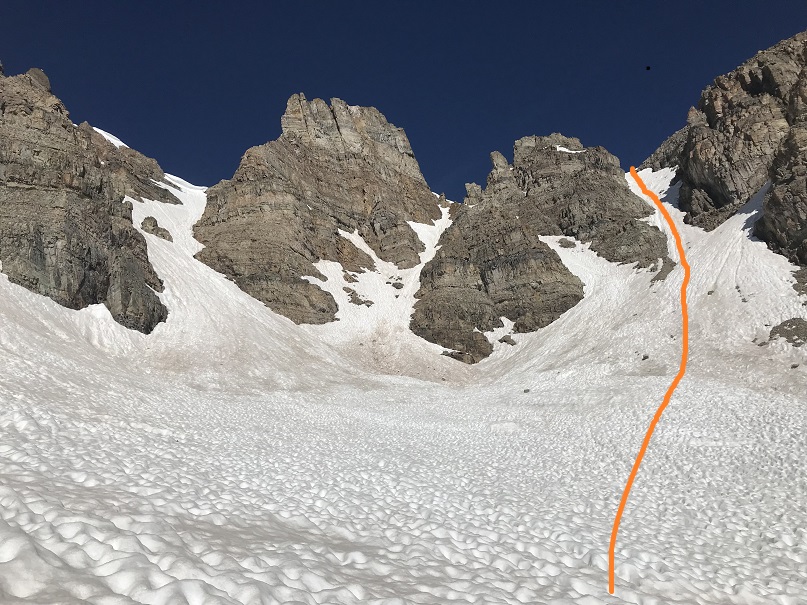
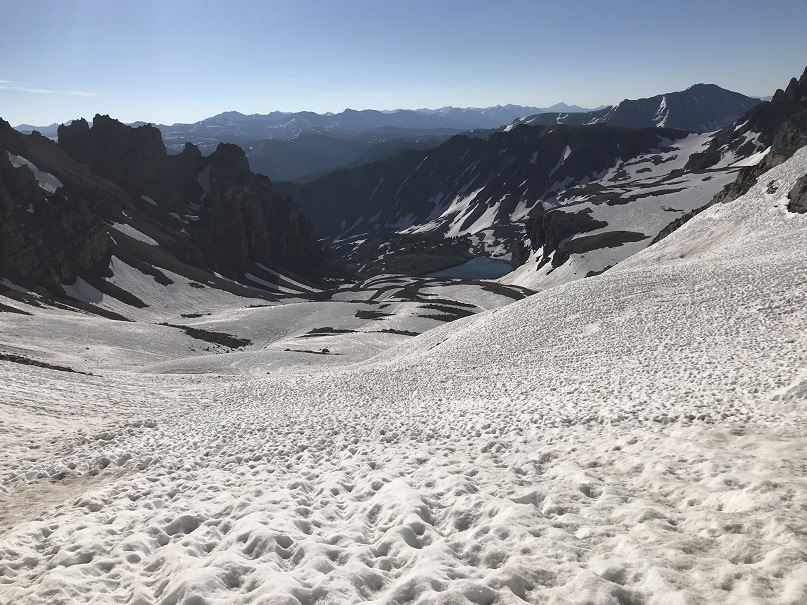
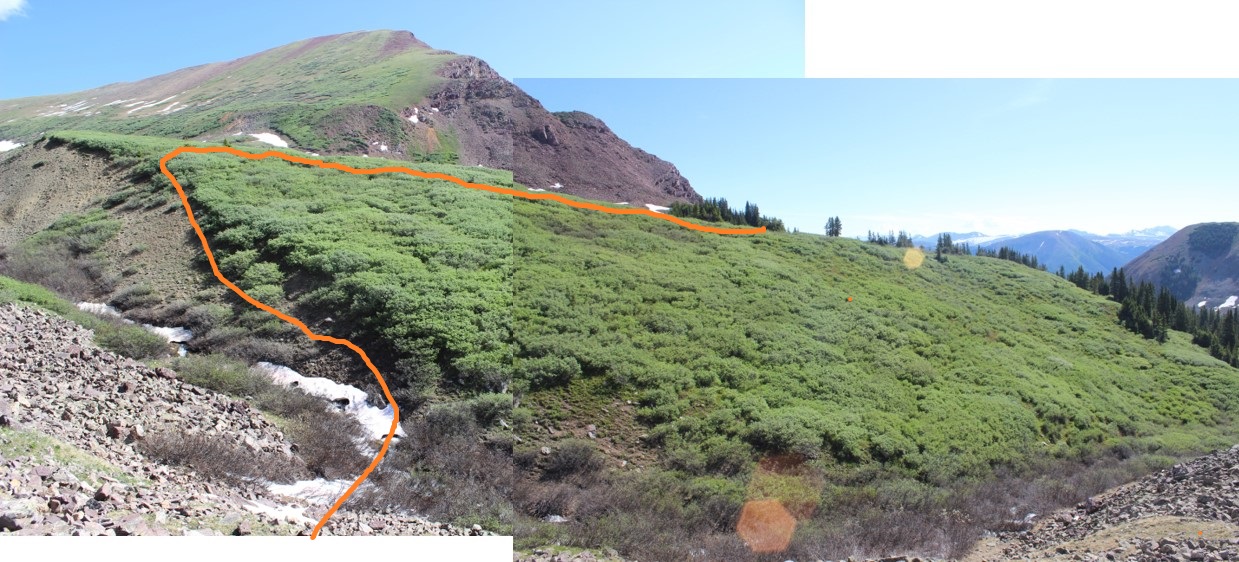

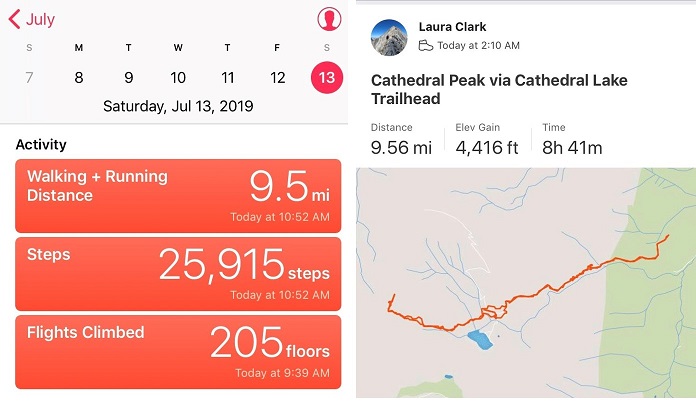
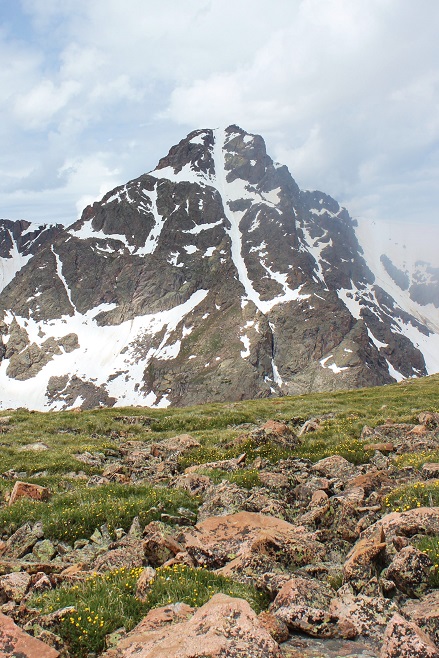
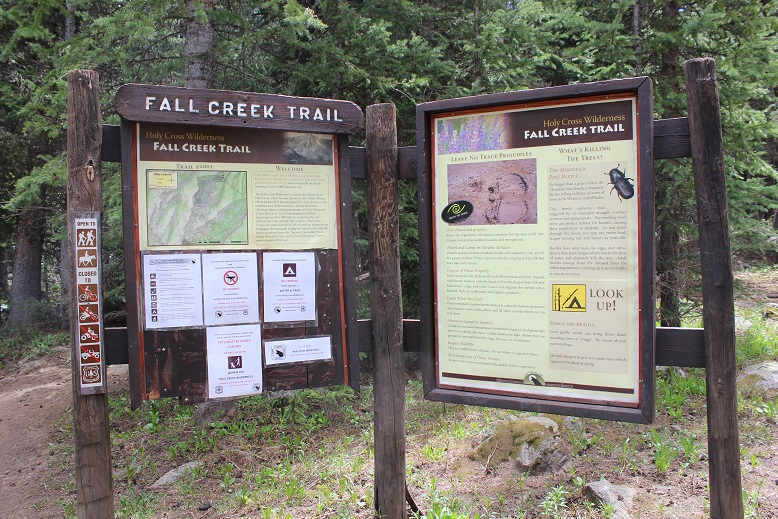



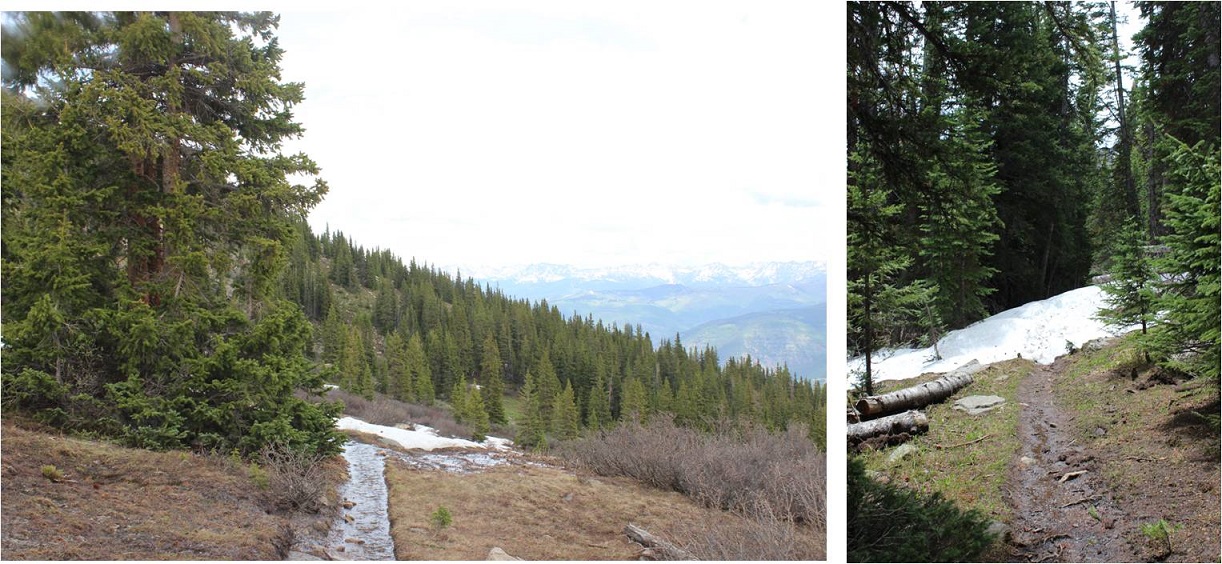
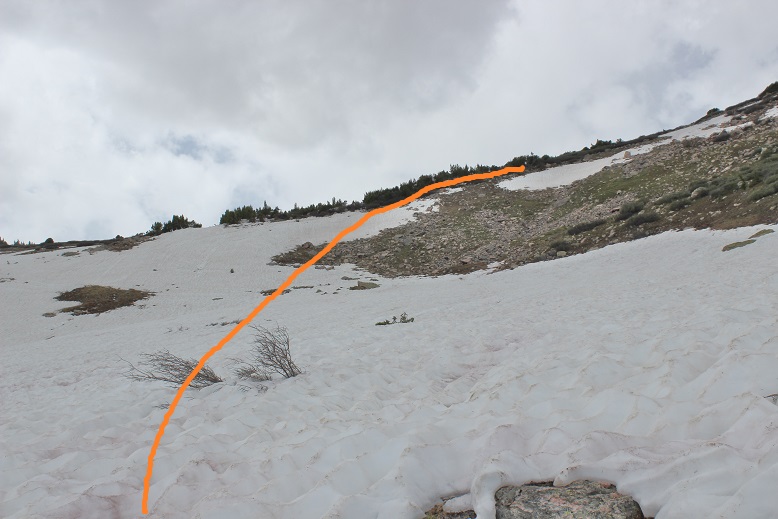
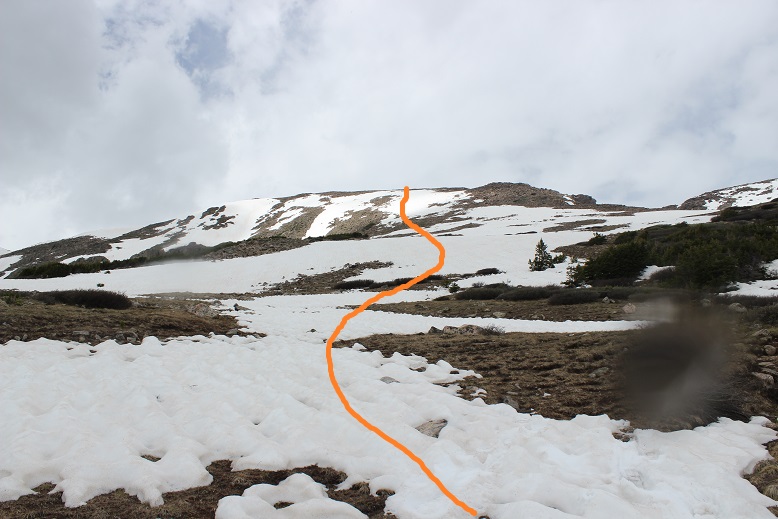
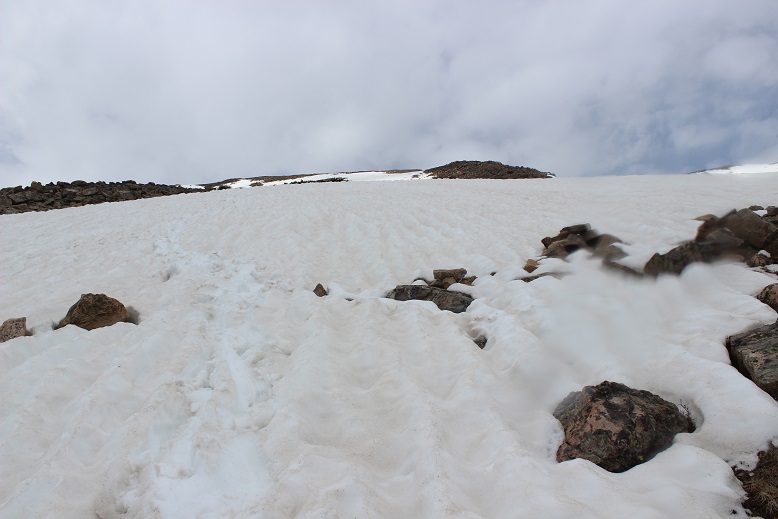
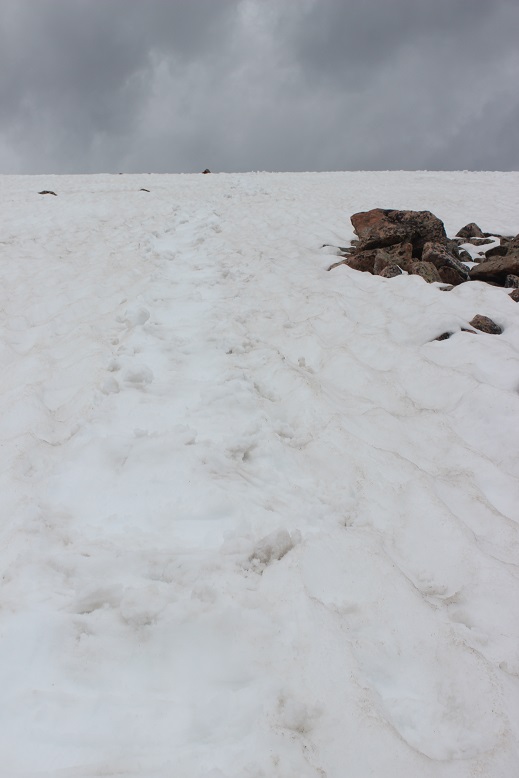
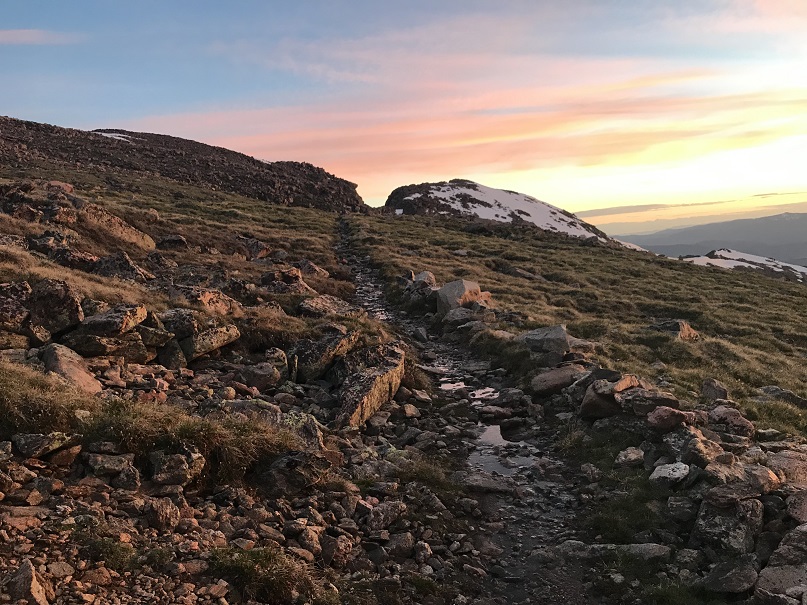


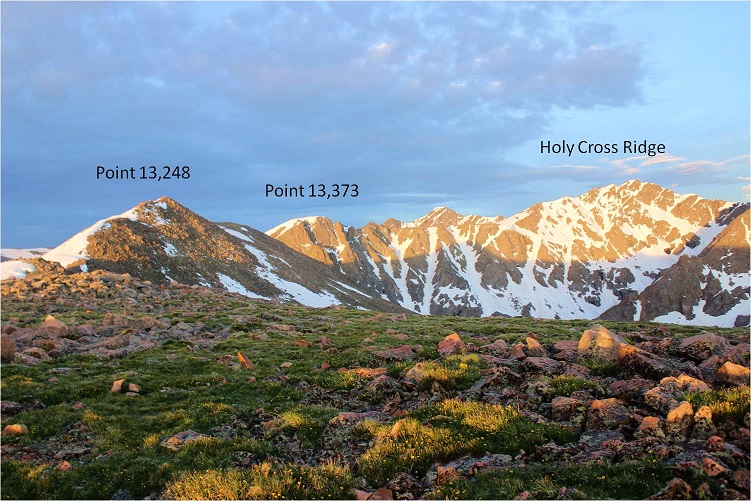
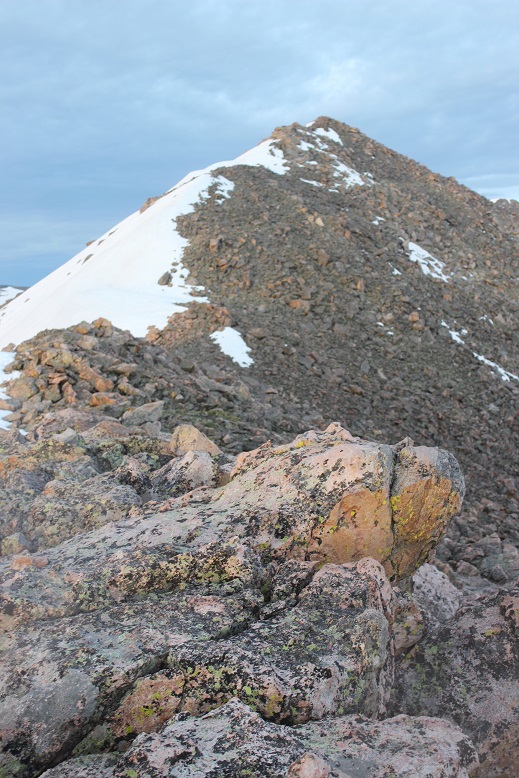

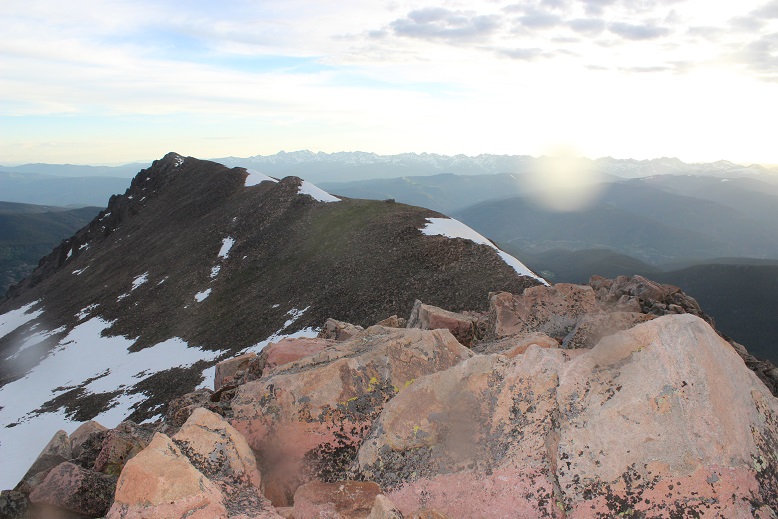

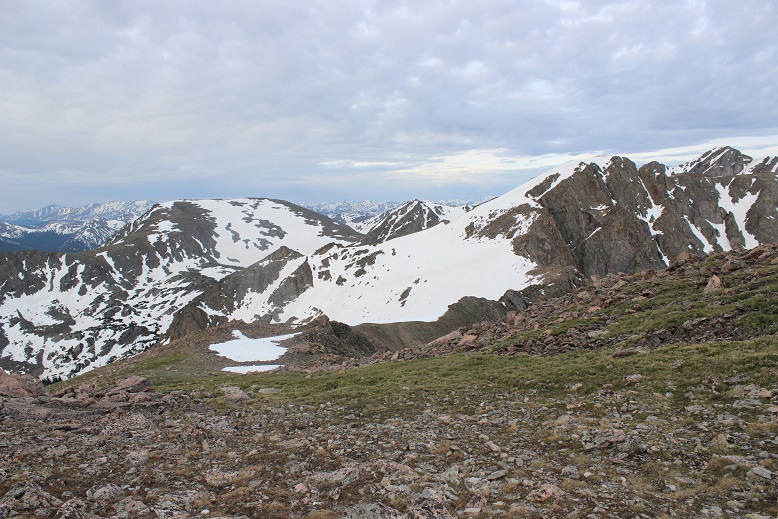


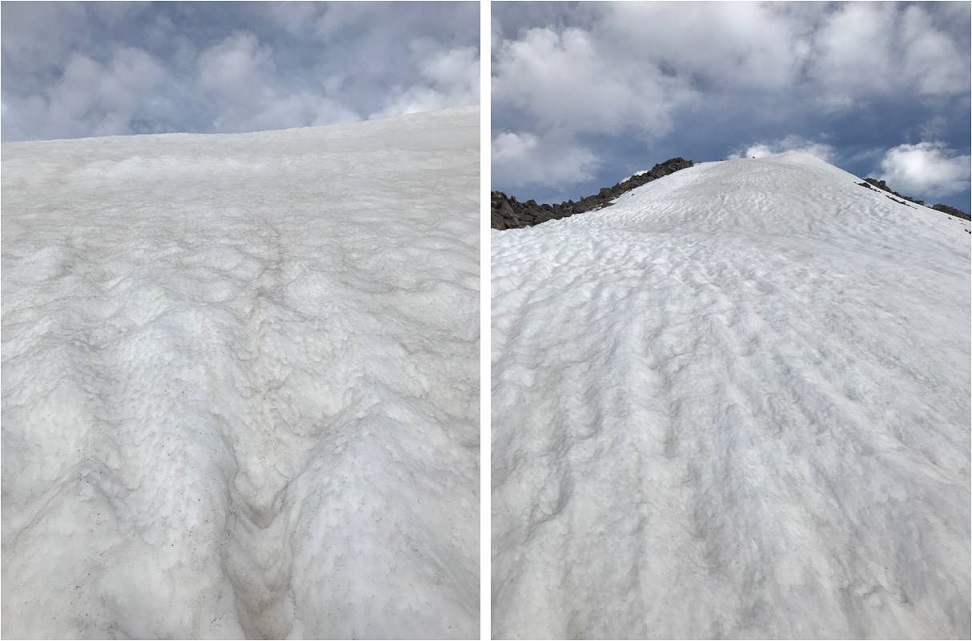


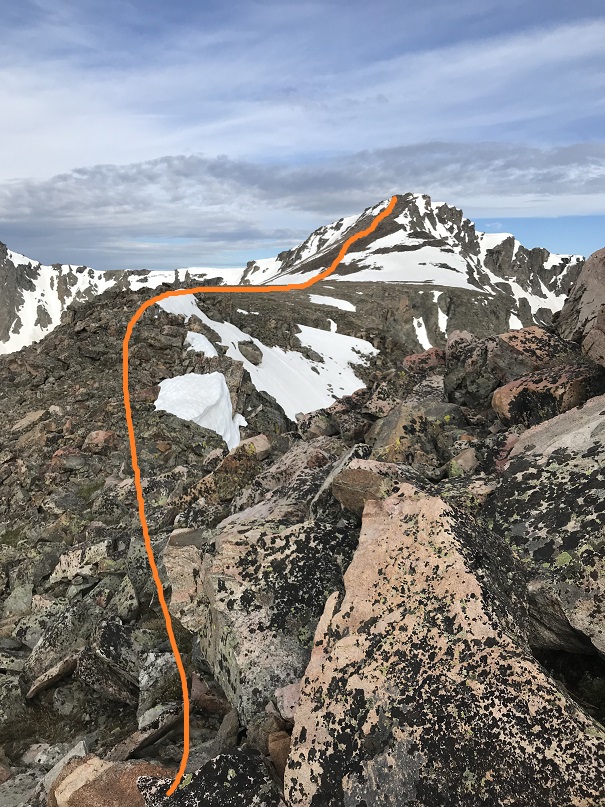


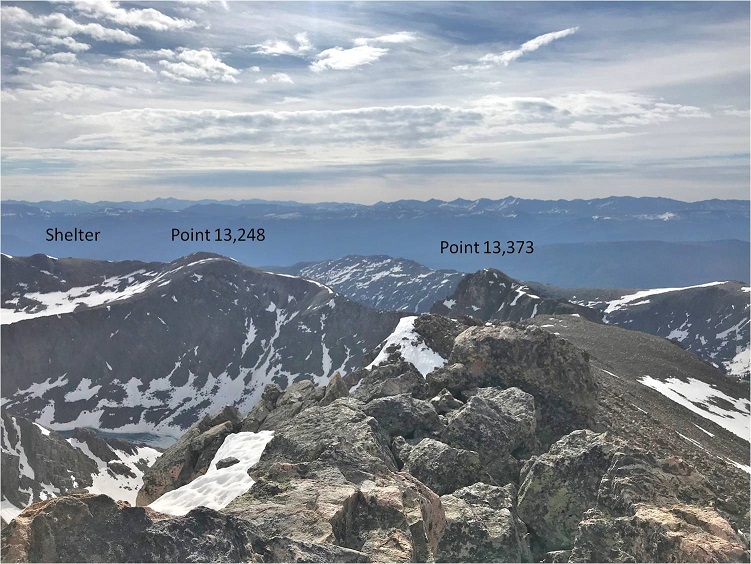

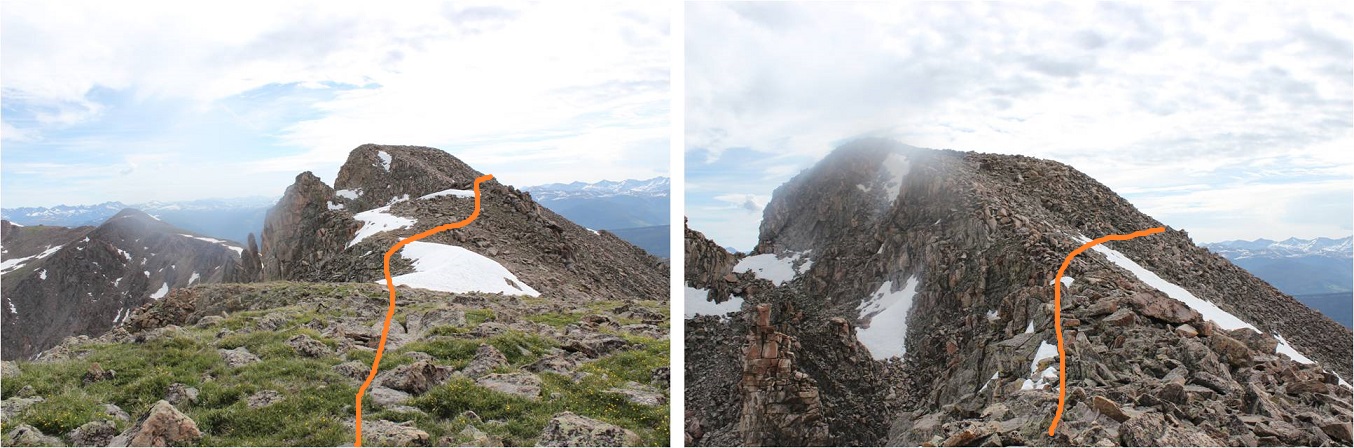
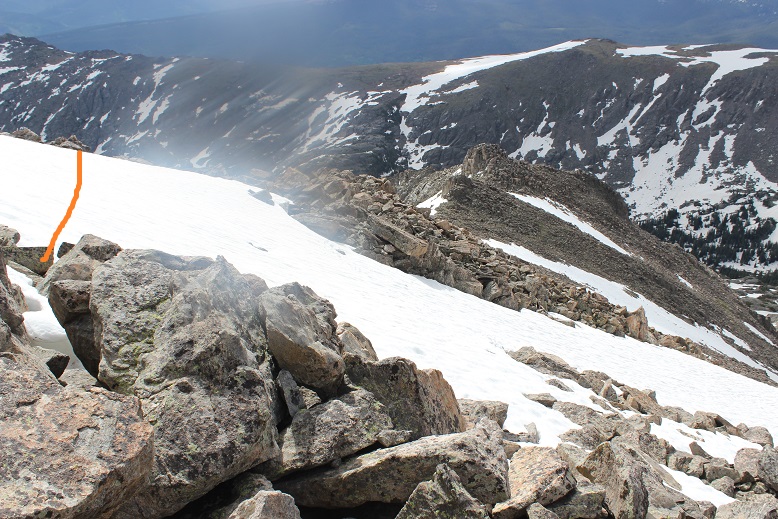

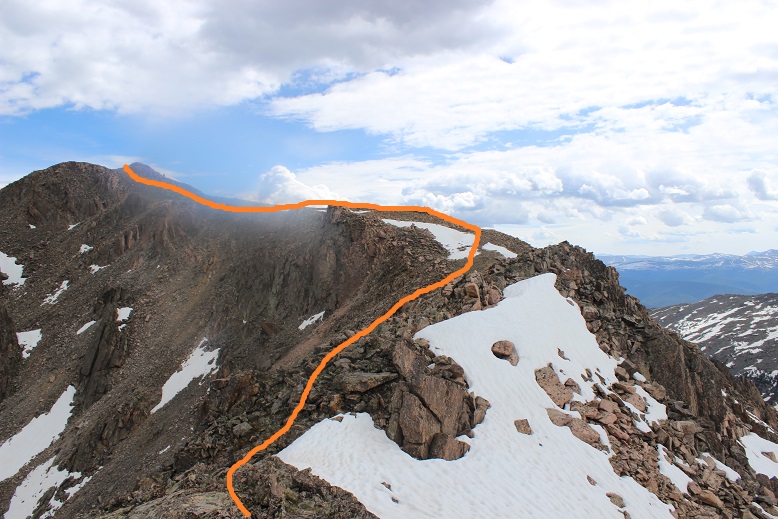
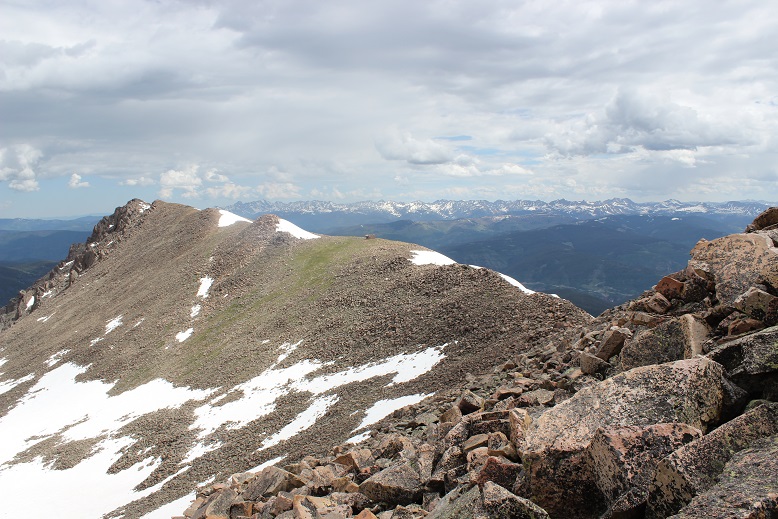


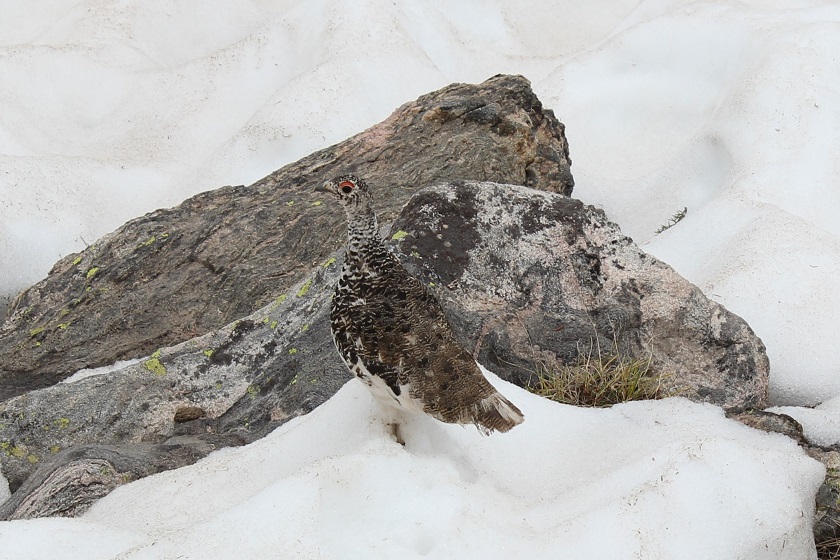

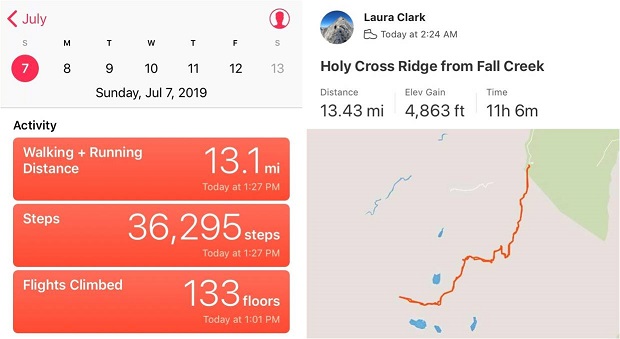
 Wild Wanderer