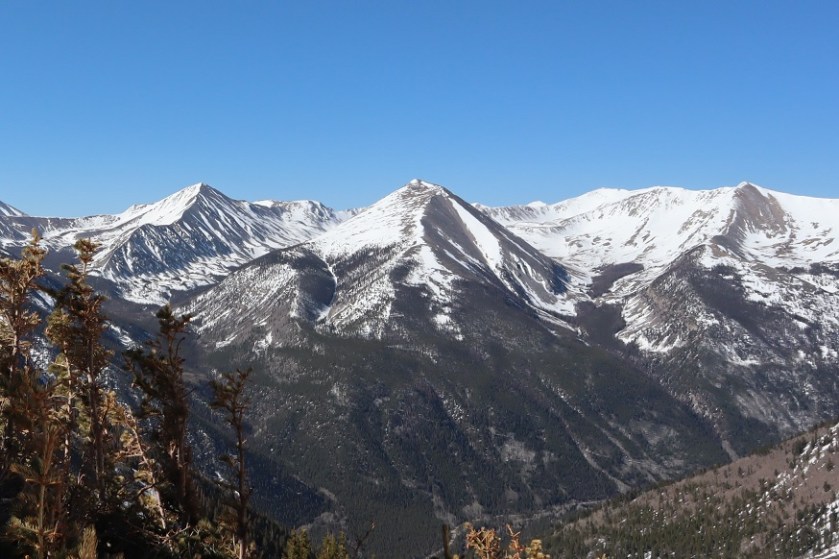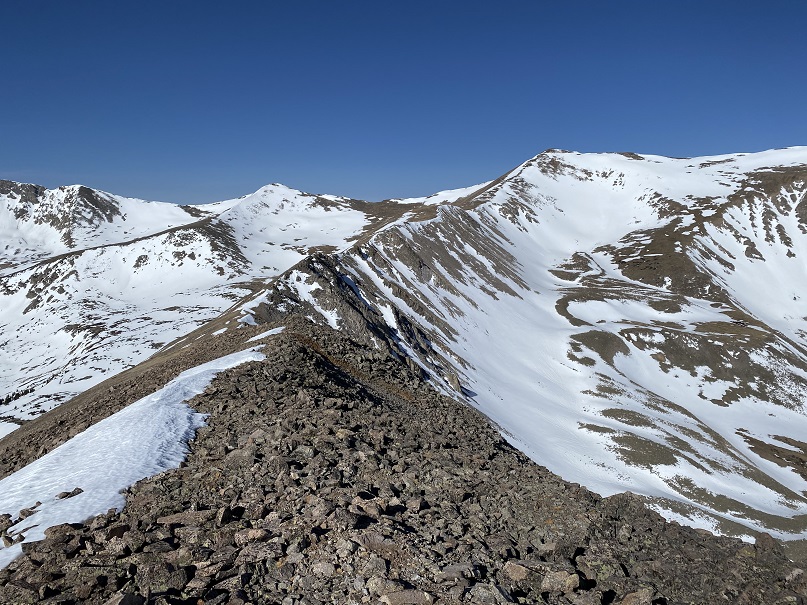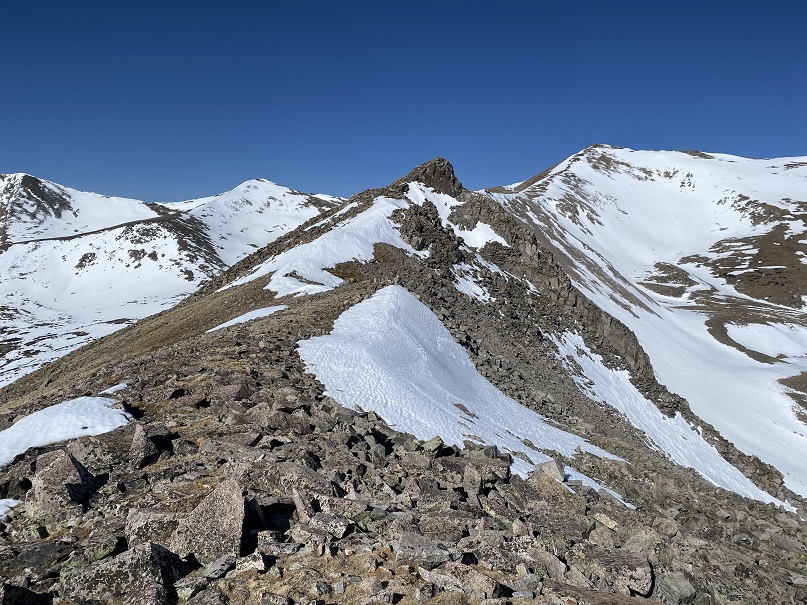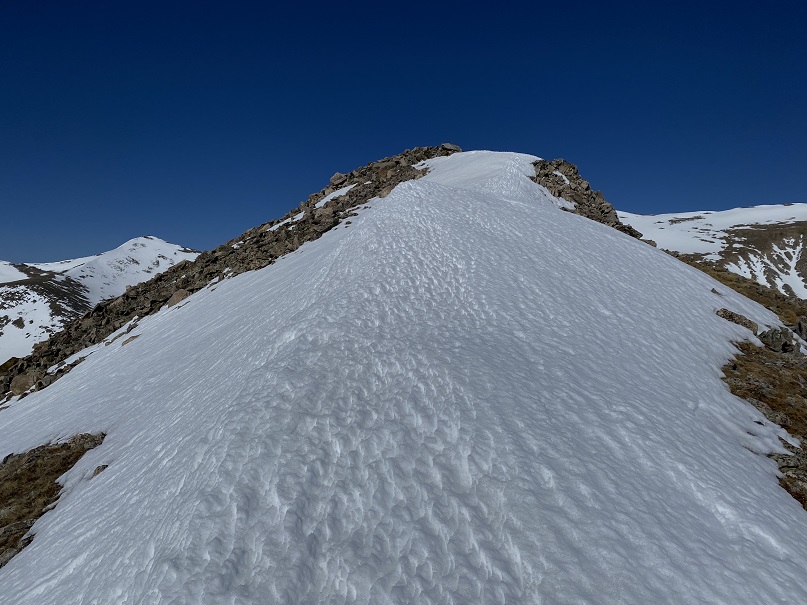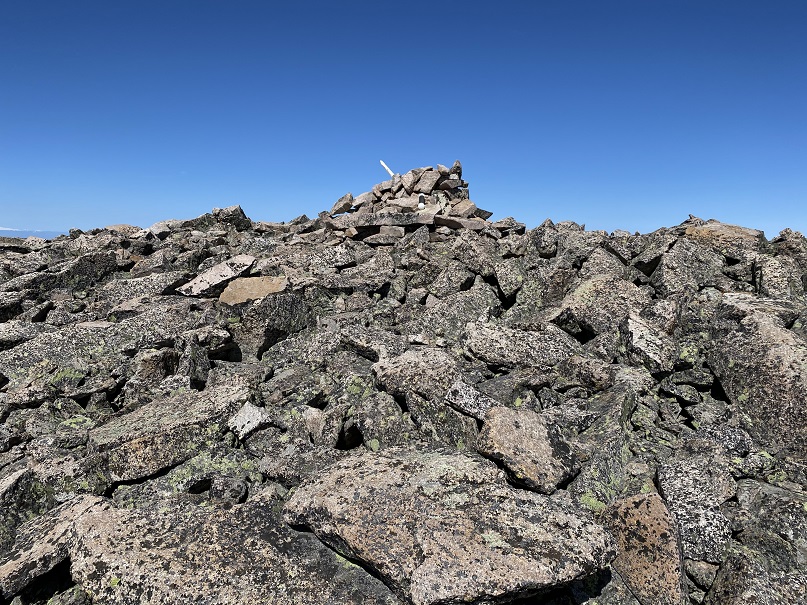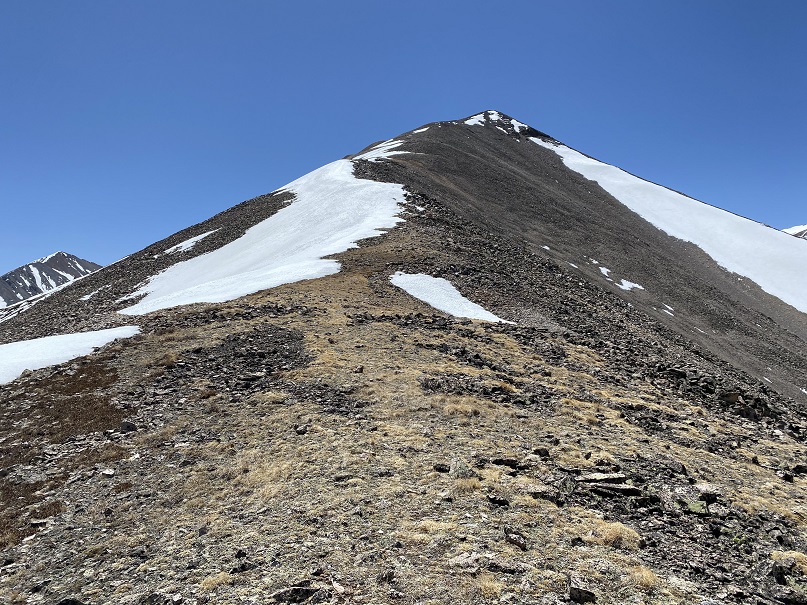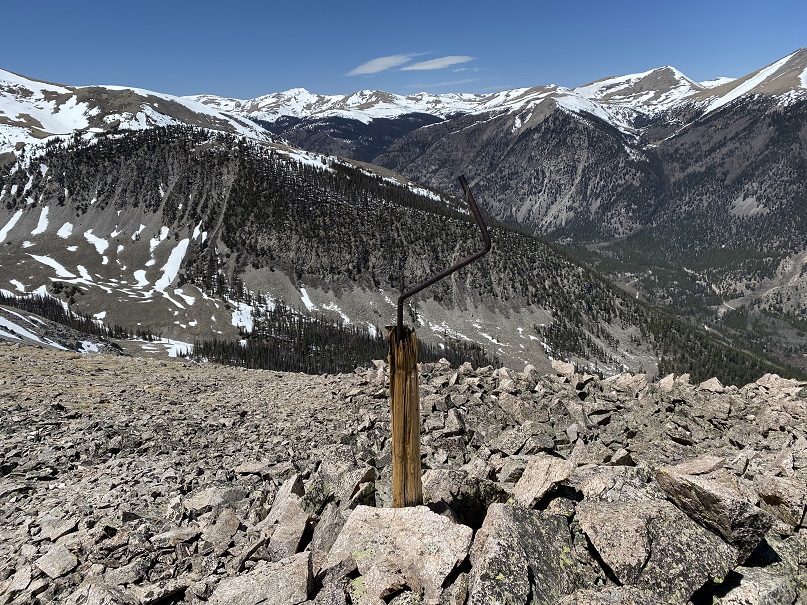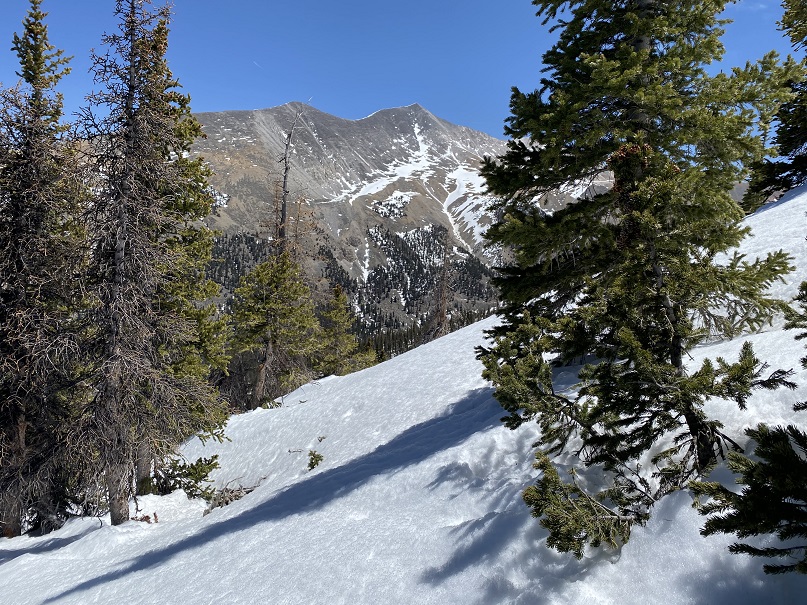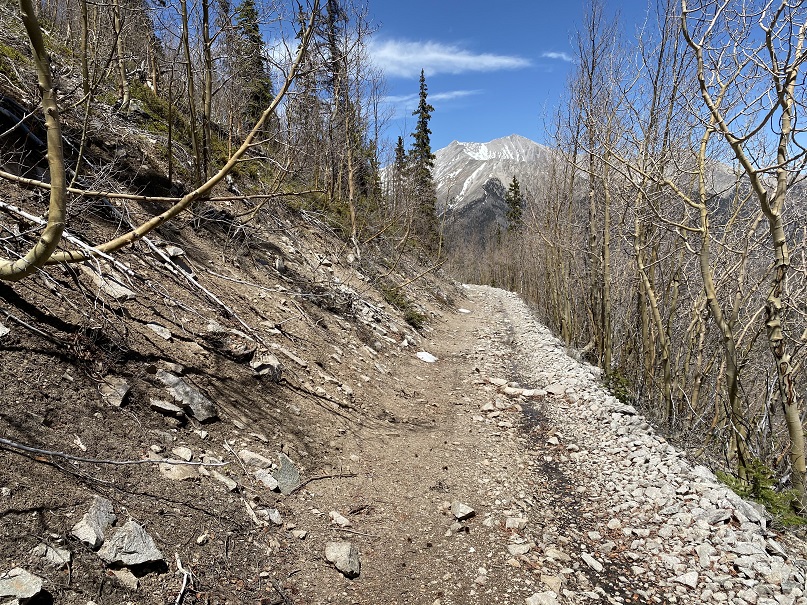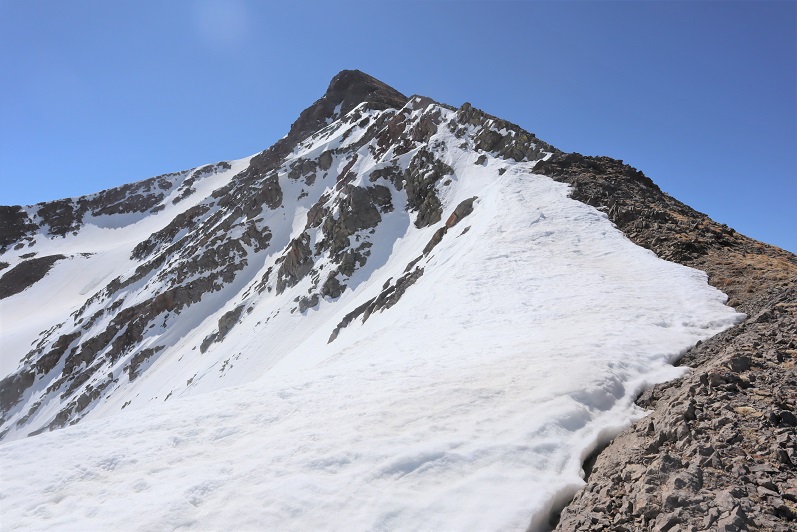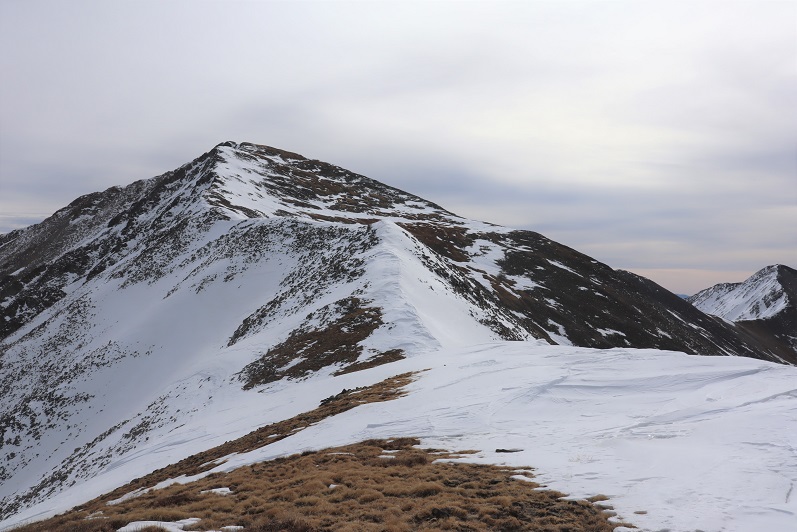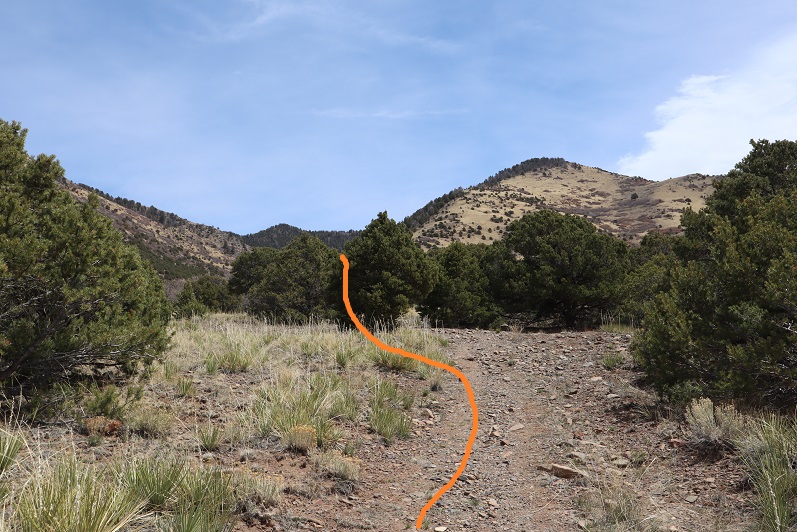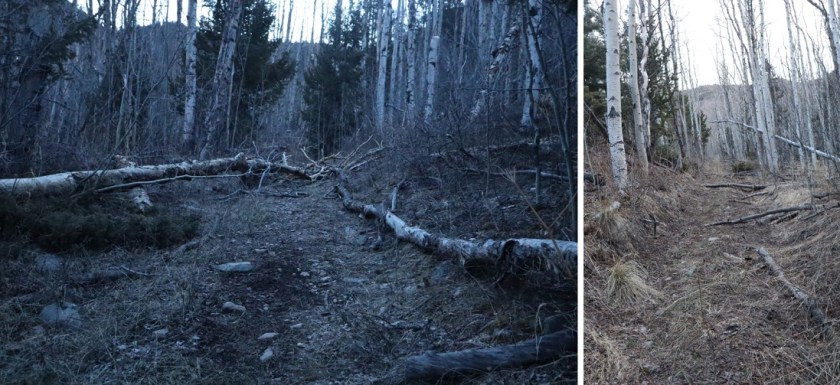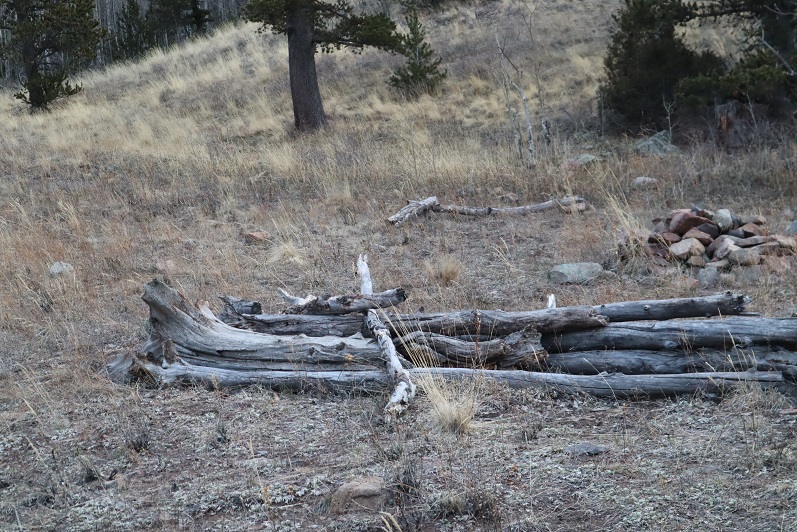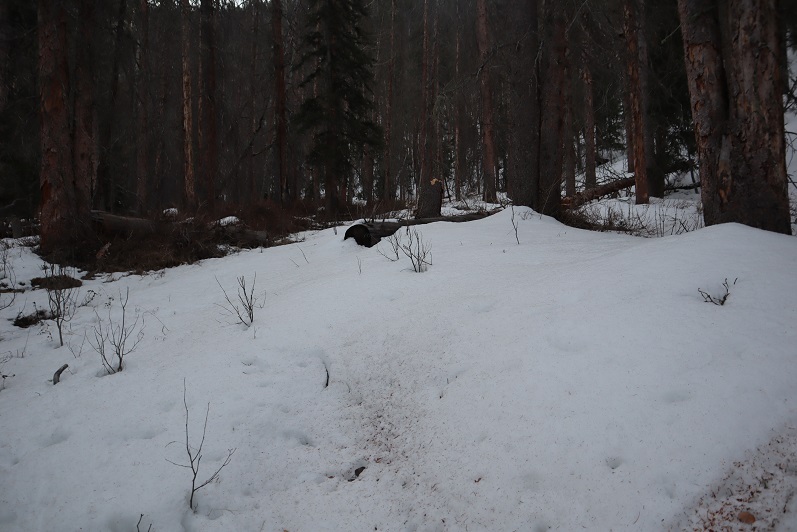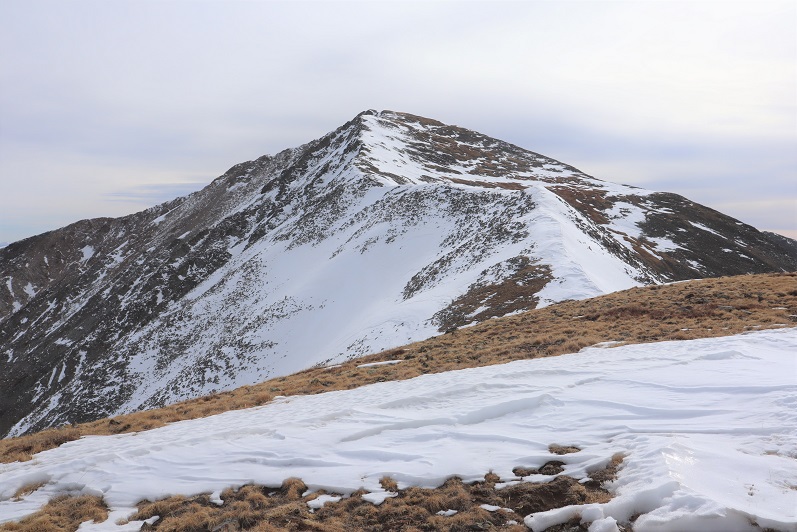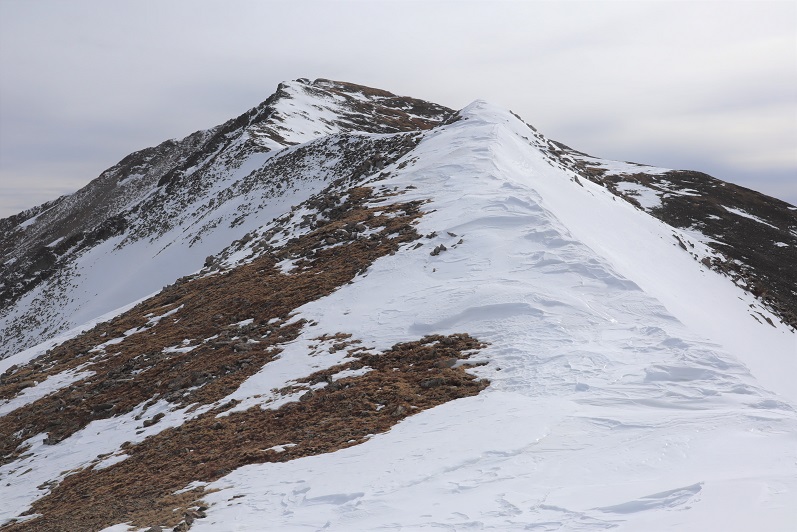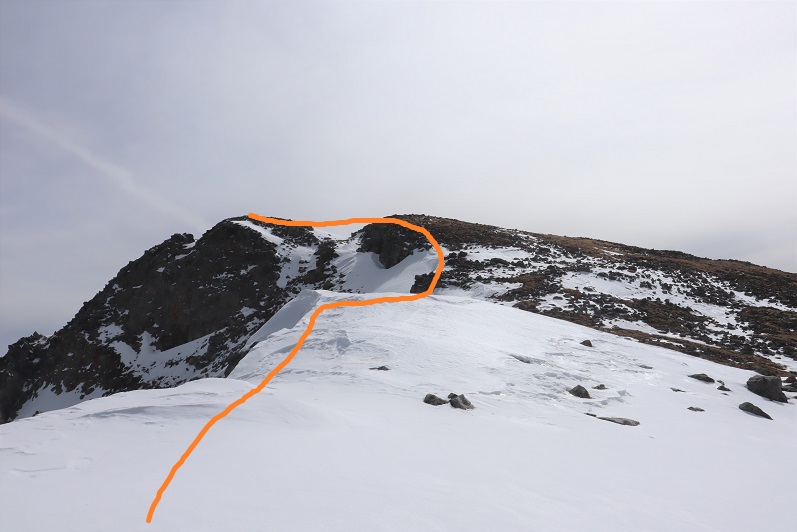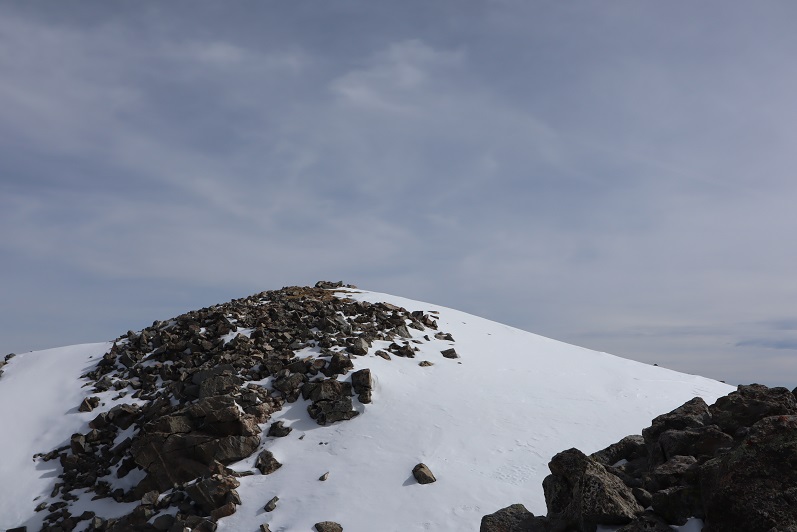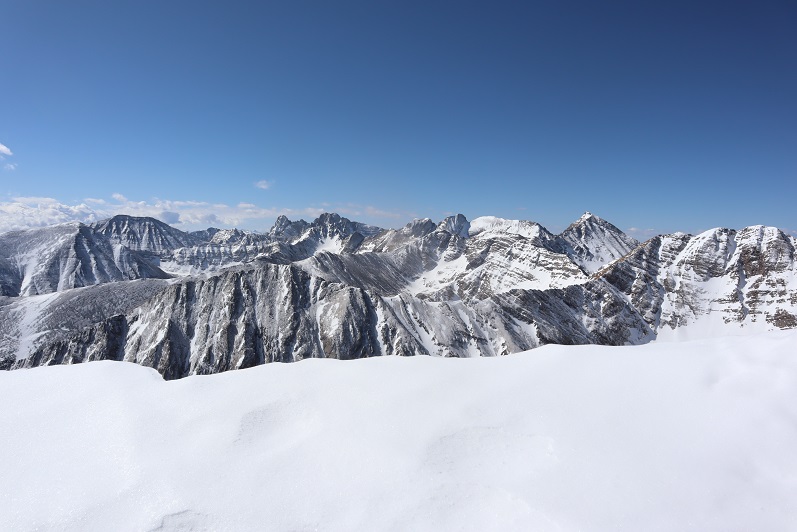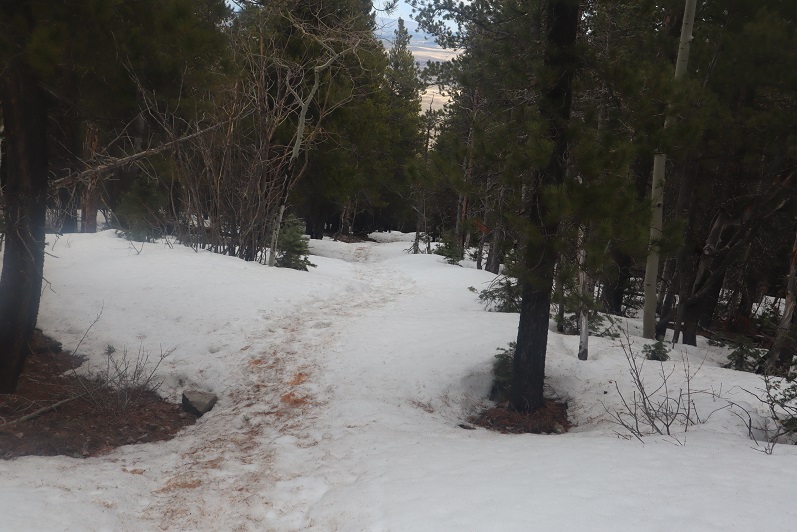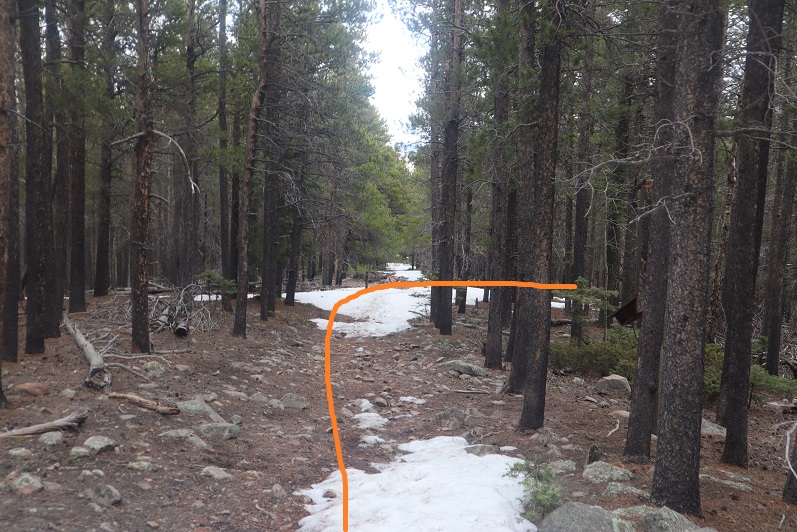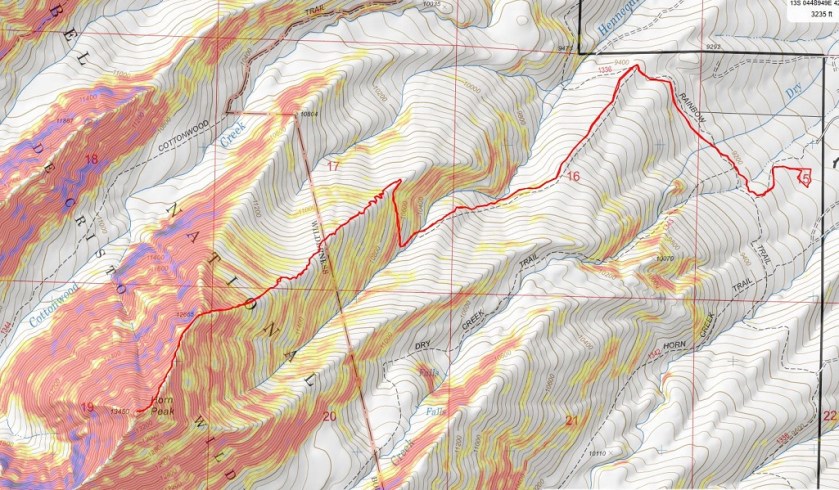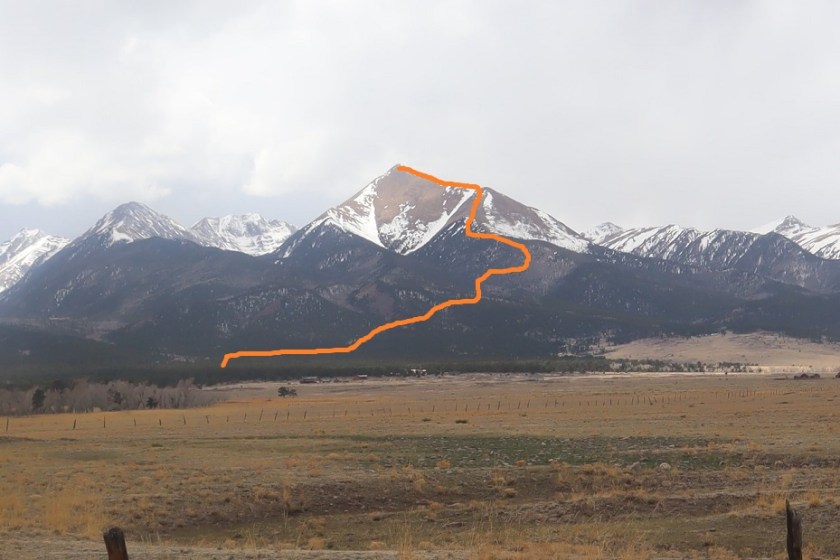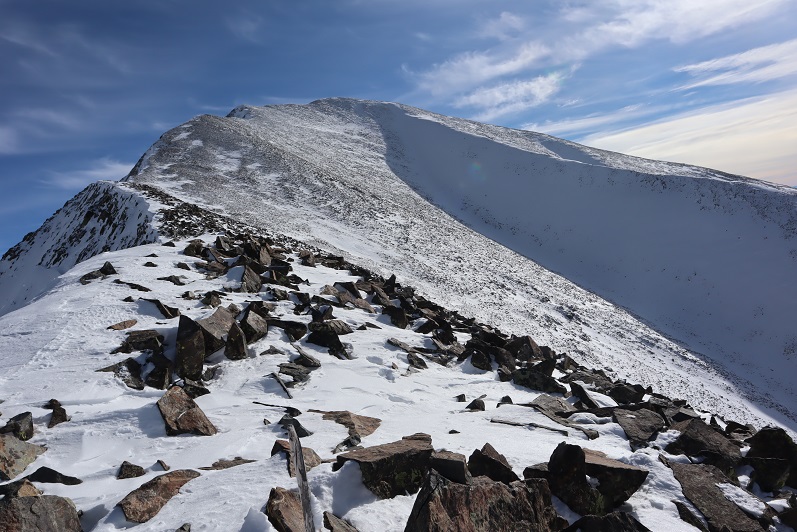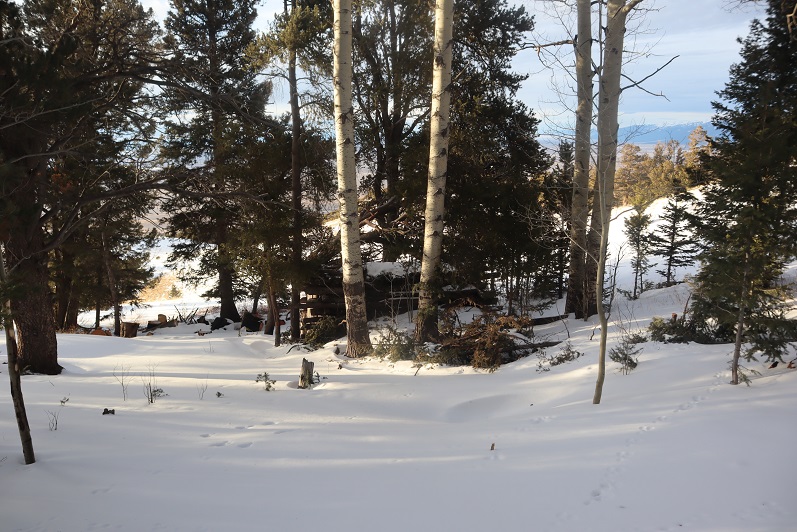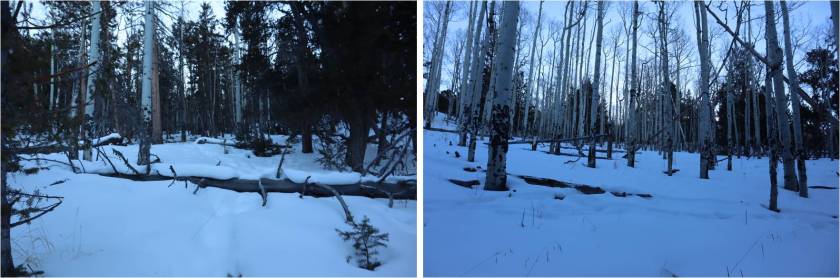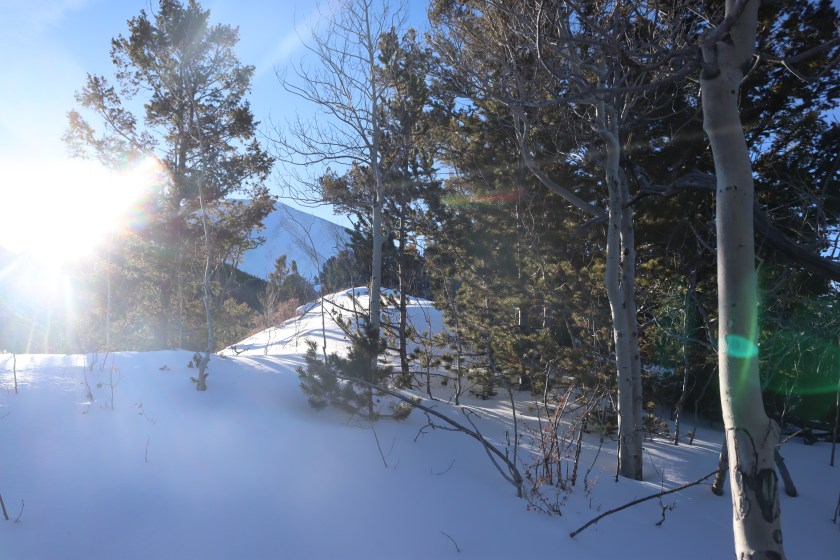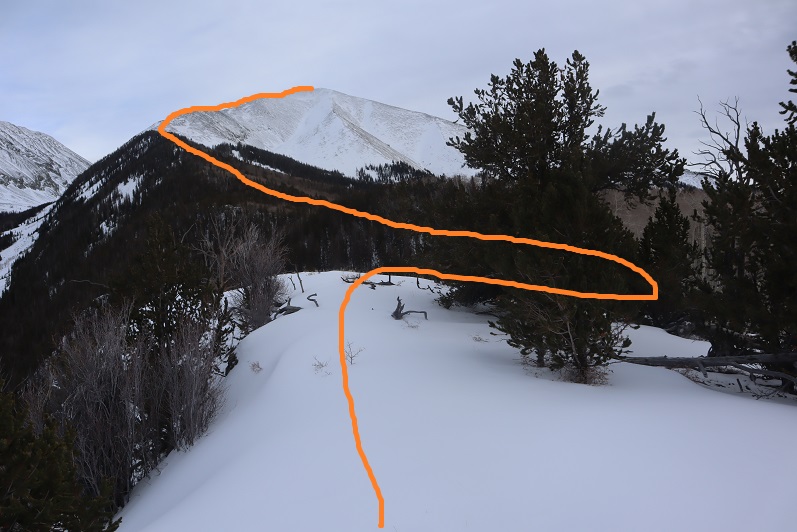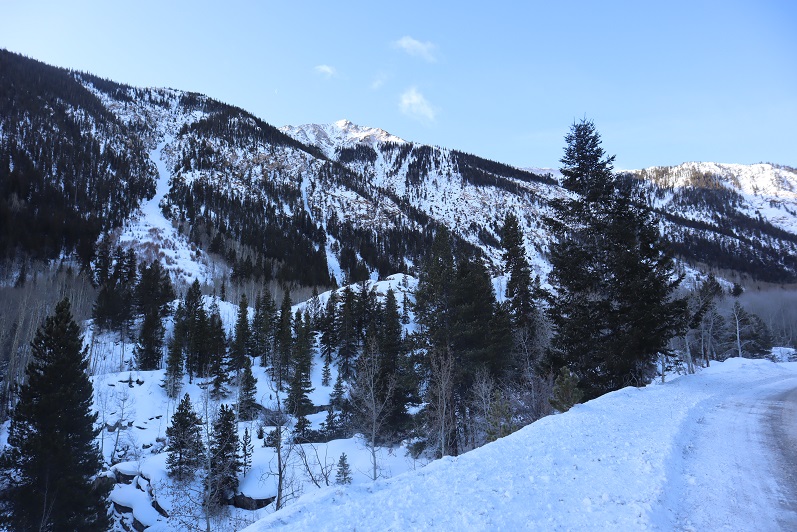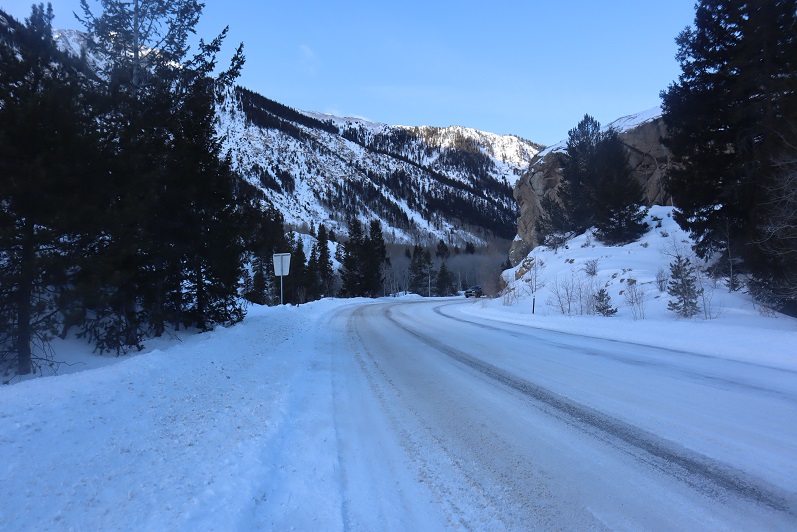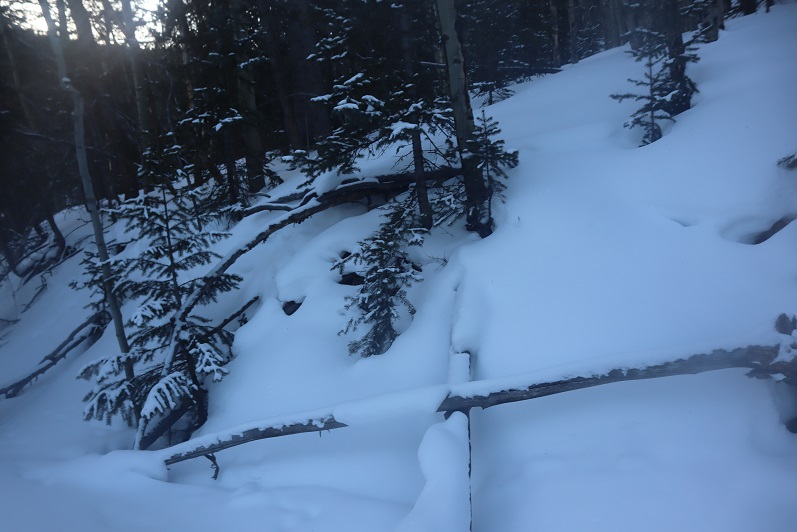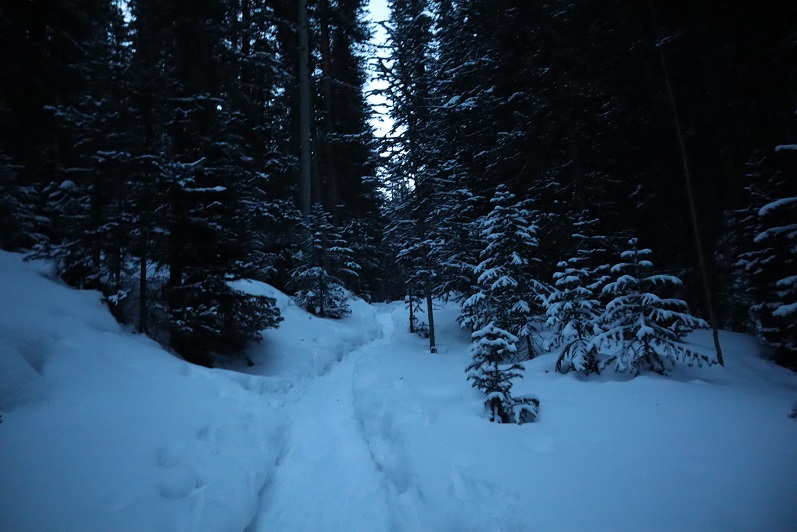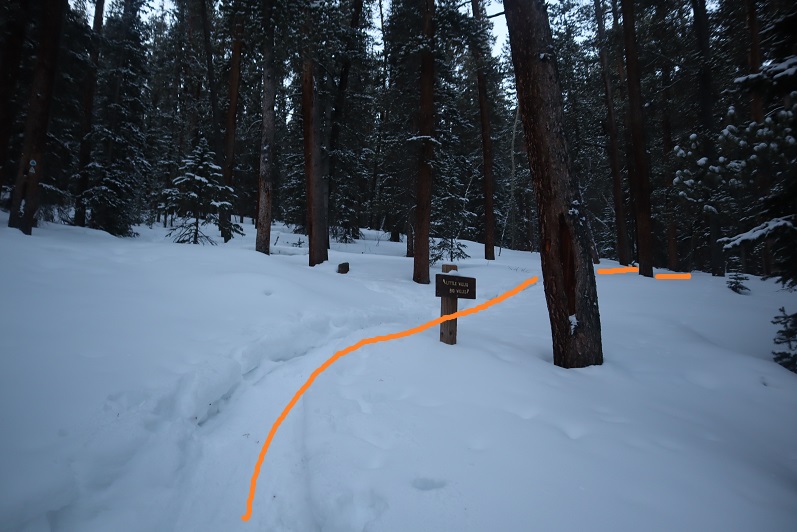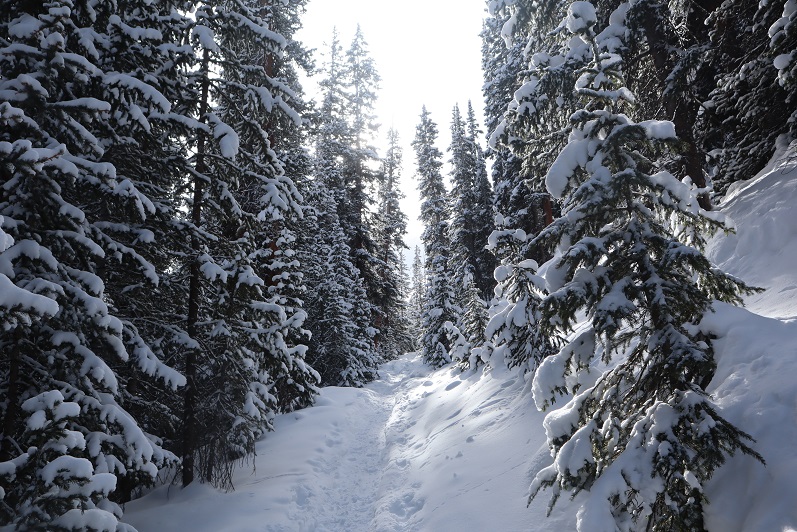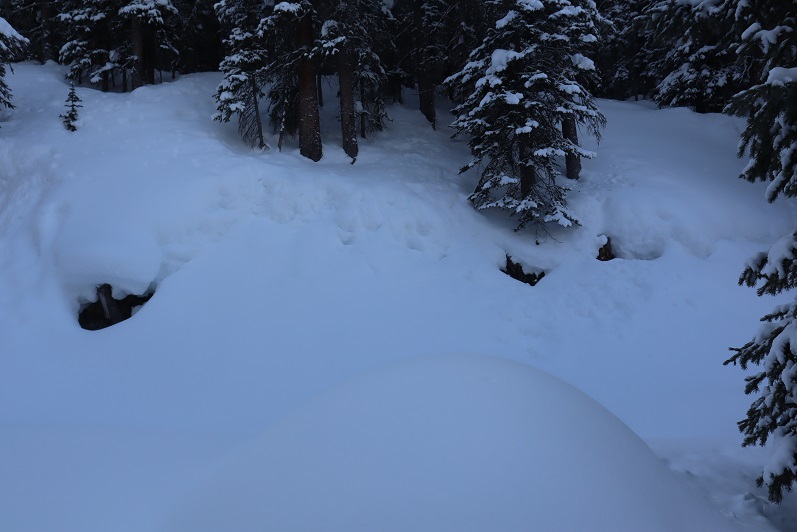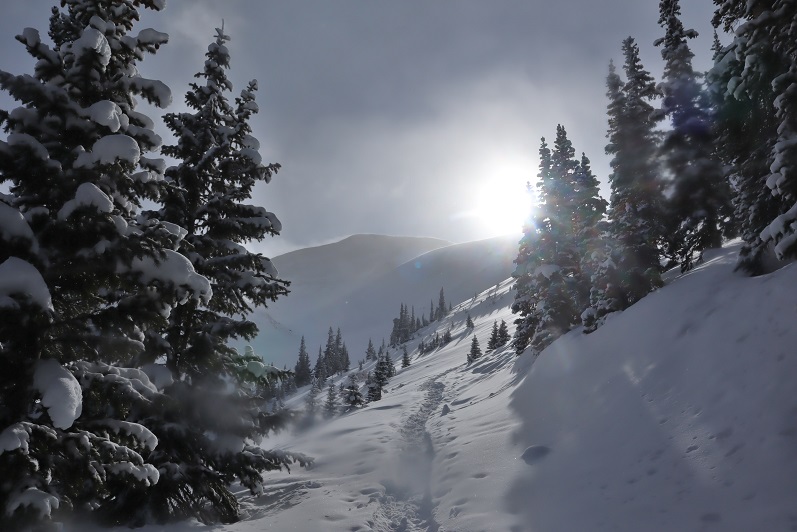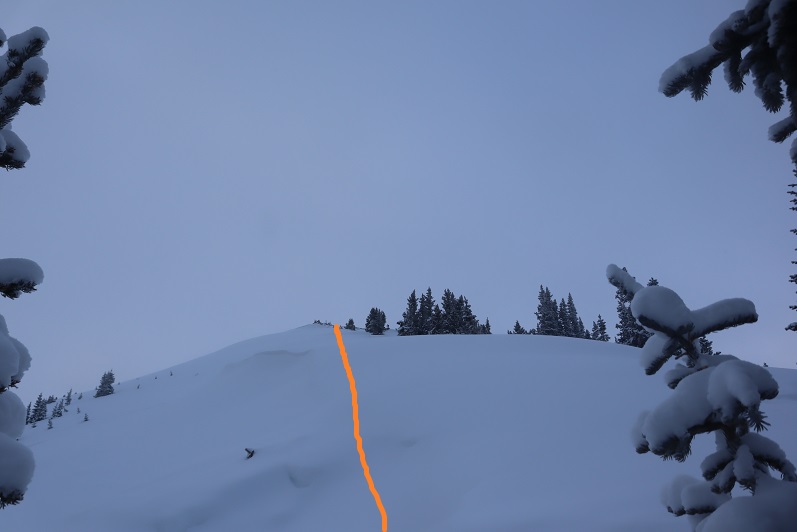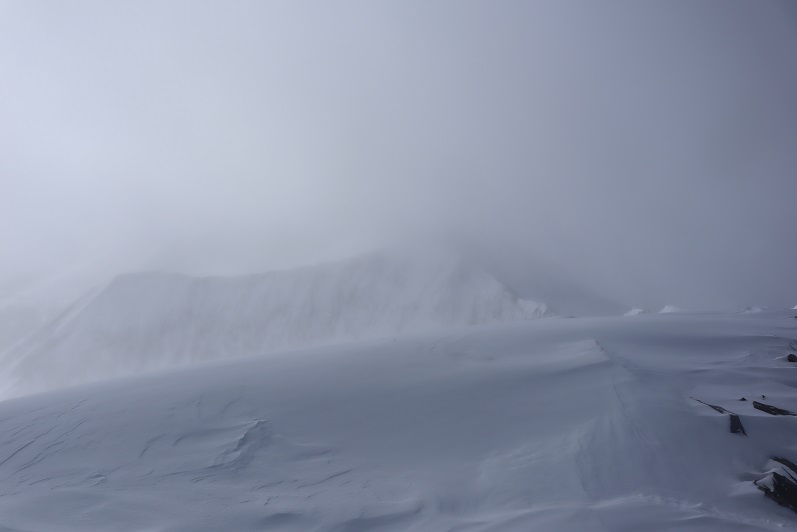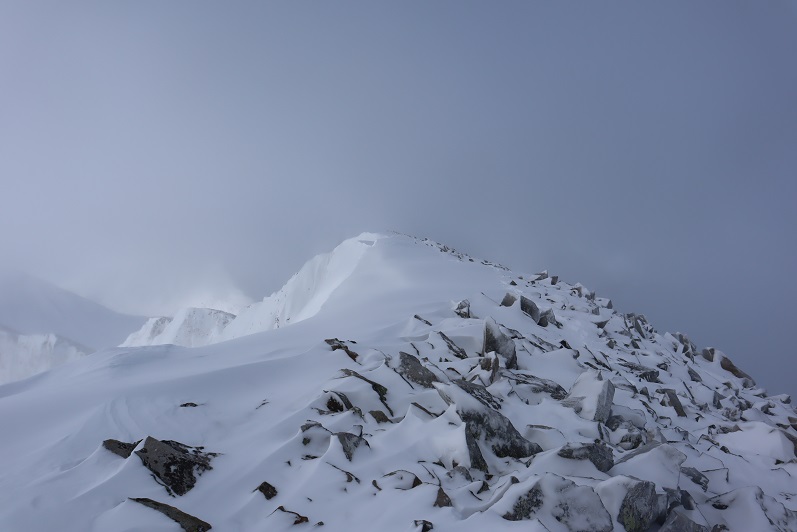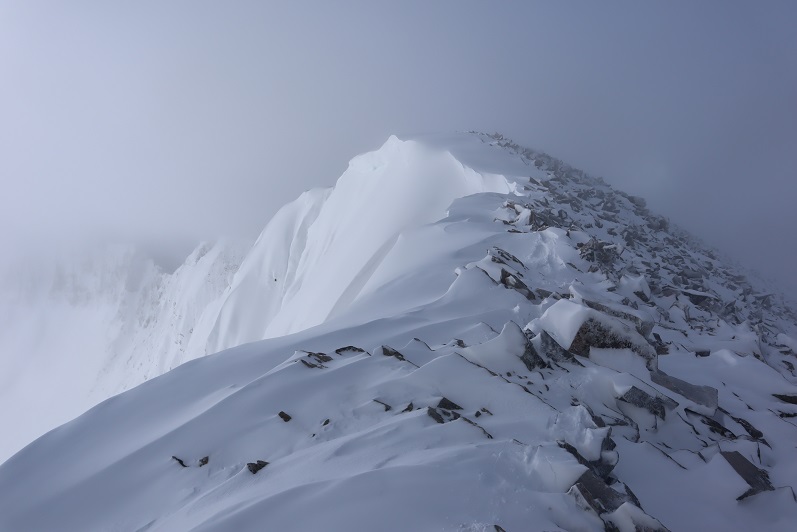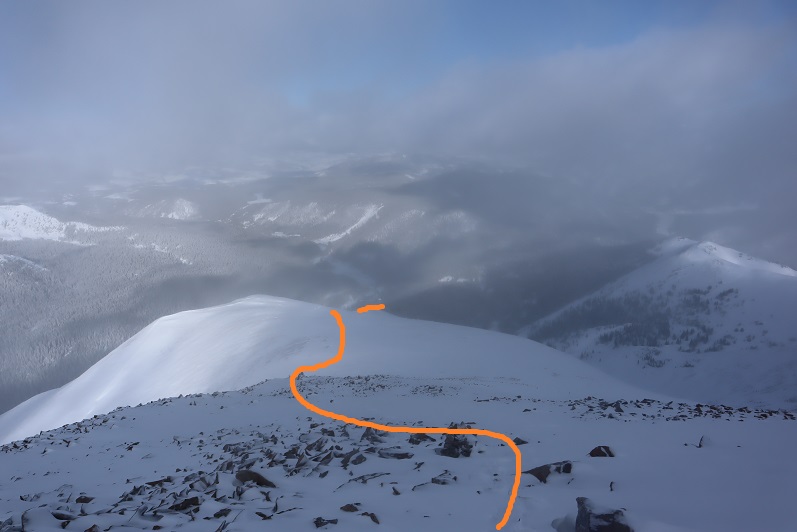
PT 13,712

1

RT Length: 18.69 miles

Elevation Gain: 5360’

I only woke up one time during the night, and that was just to put on my thermal top and hide under another layer of covers. When my alarm went off at 1:30am I started my coffee and decided it was too early to get out of my warm truck-bed, so I re-set my alarm and didn’t get up until 2:15am. I was on the trail by 2:30am.

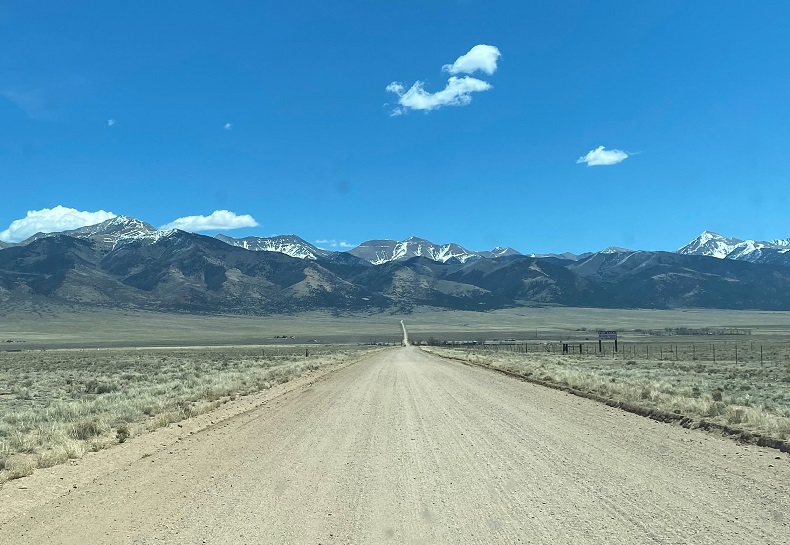
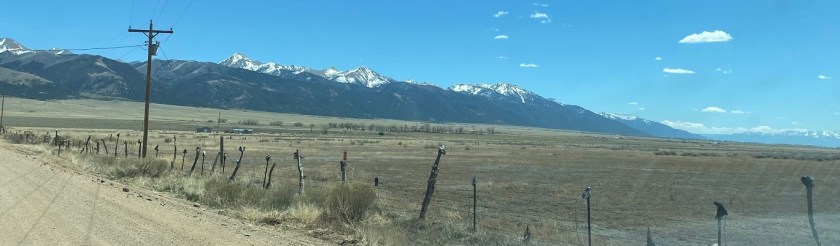
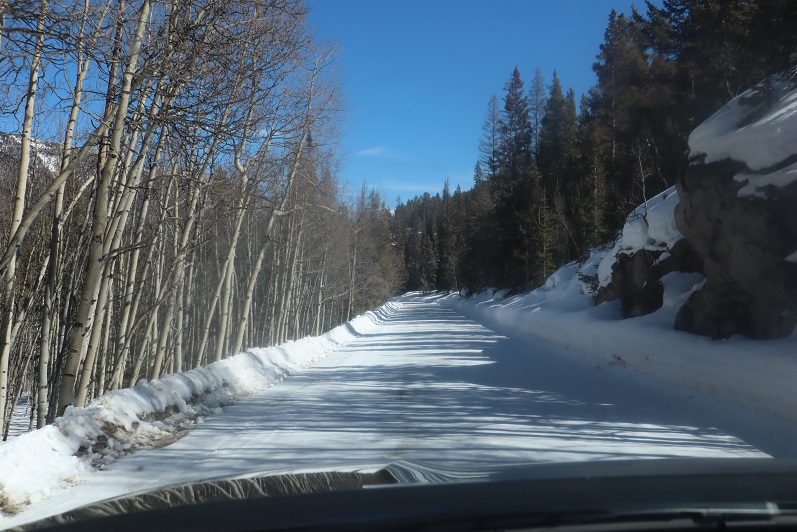
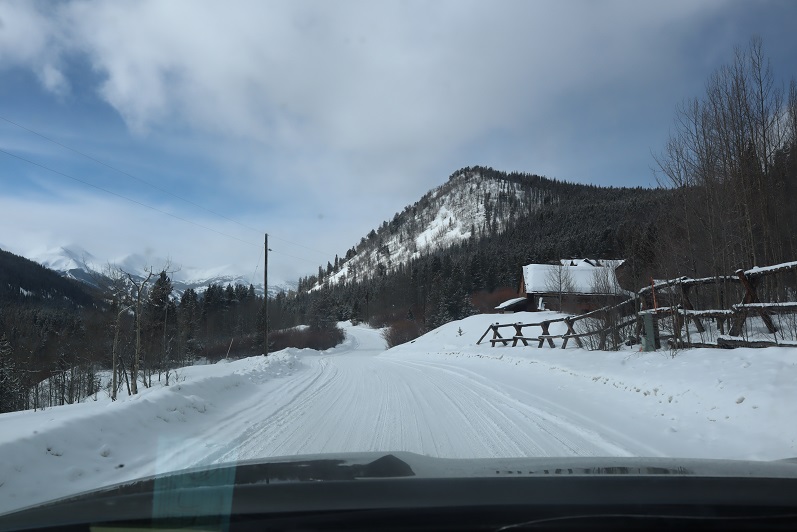
The road to Browns Creek Trailhead is an easy 2WD dirt road.
2

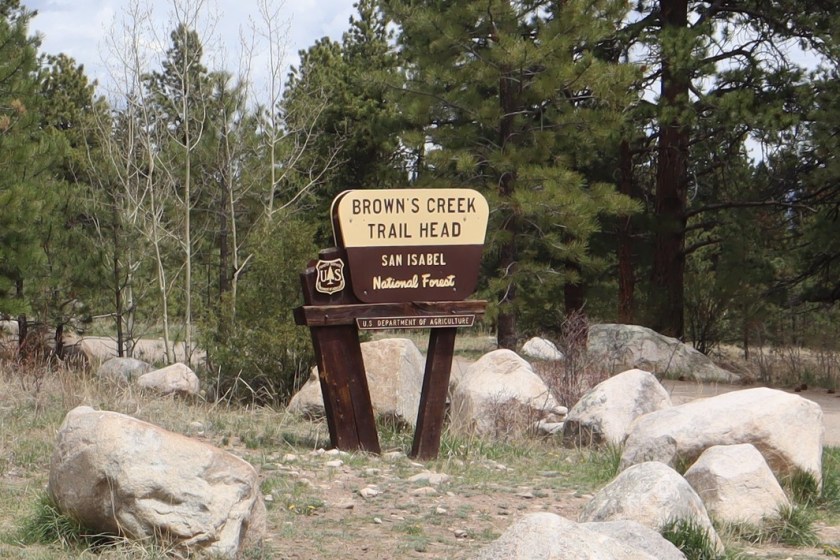
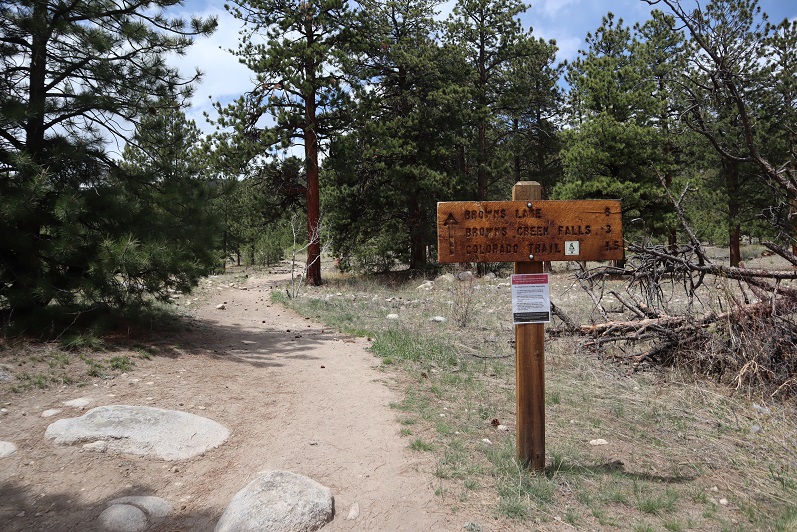
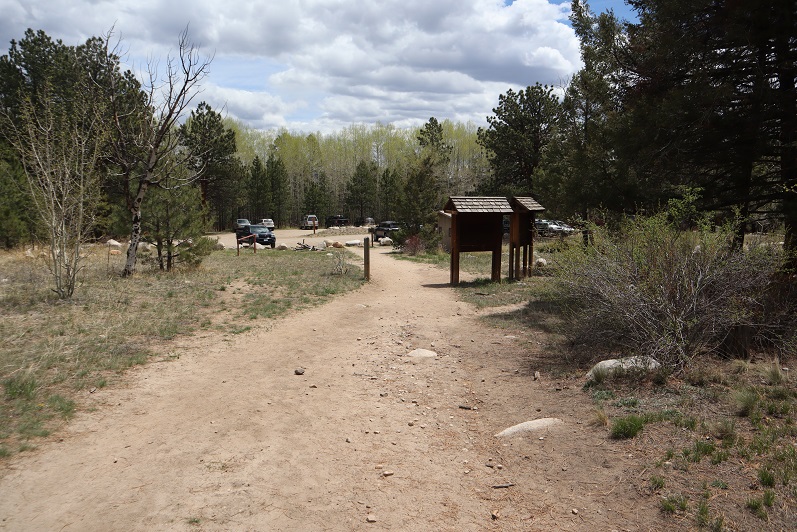
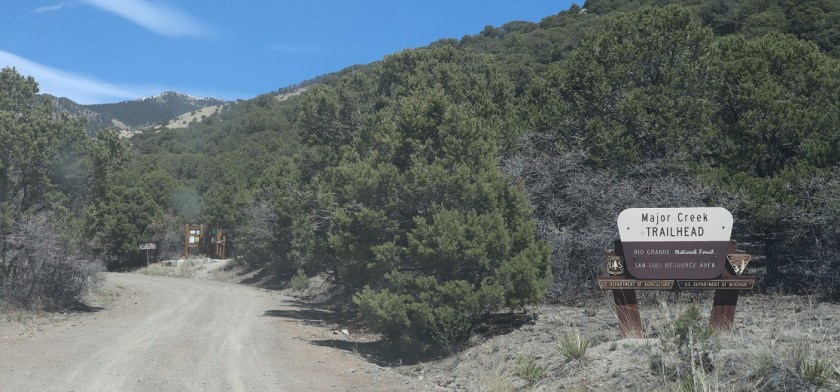
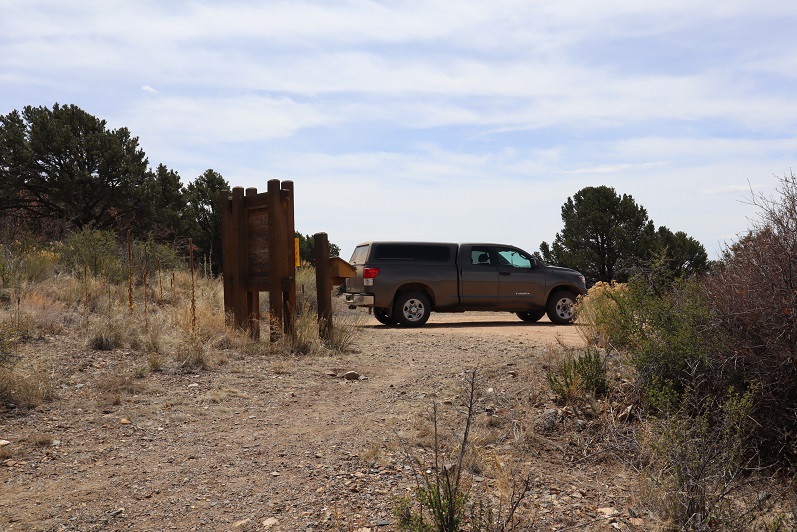
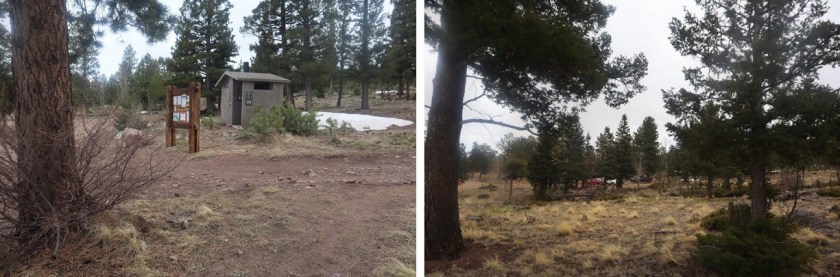
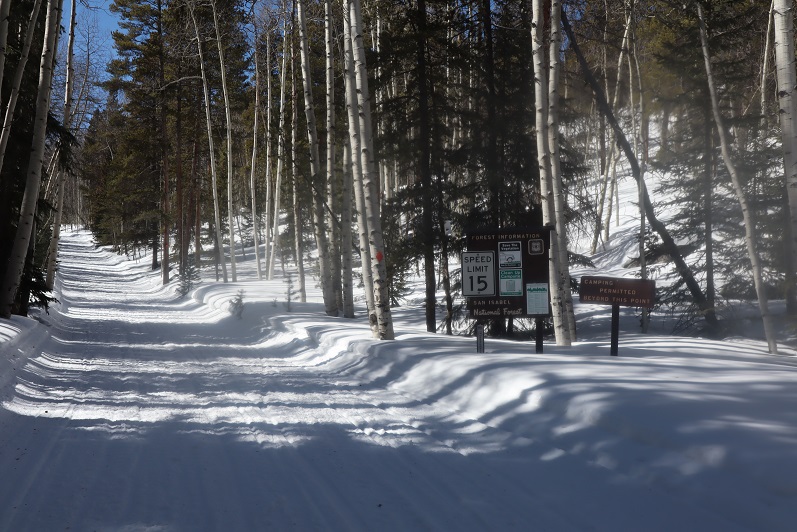
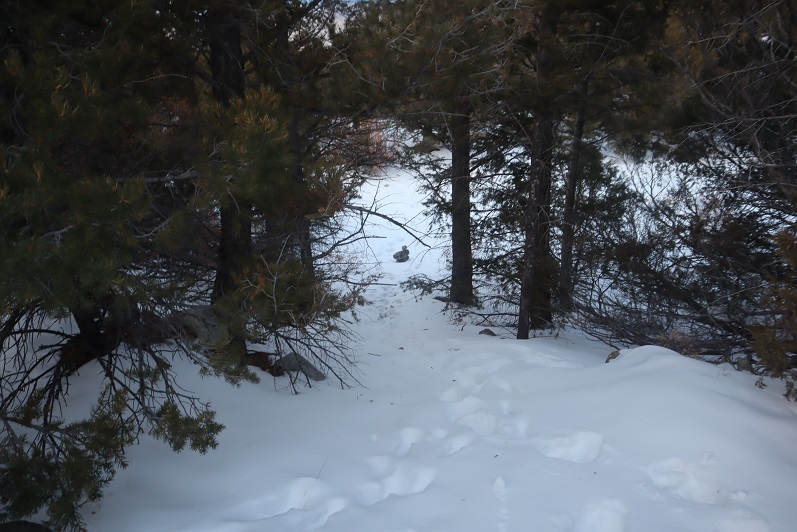
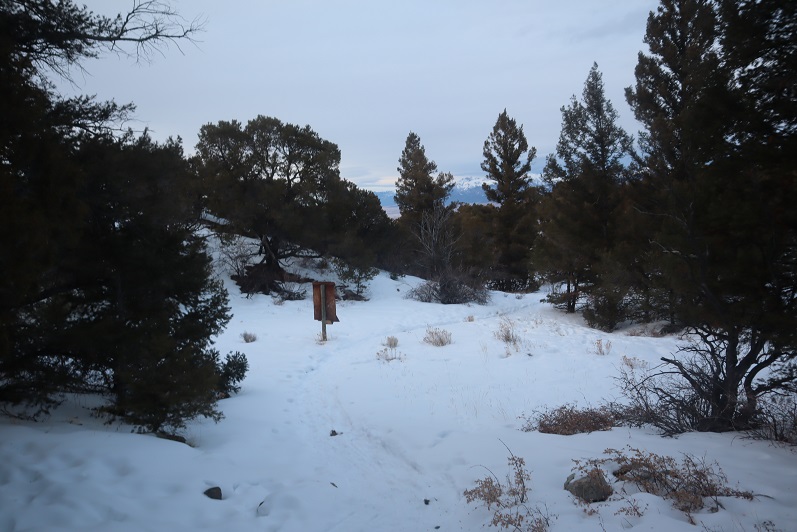
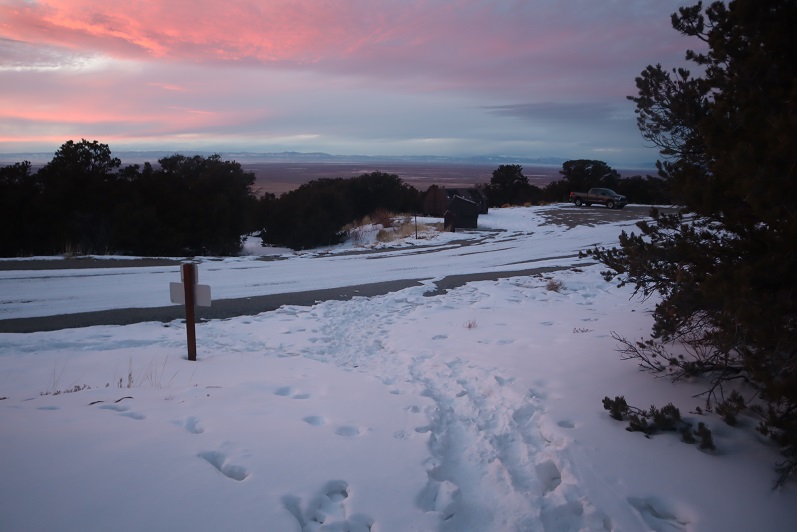
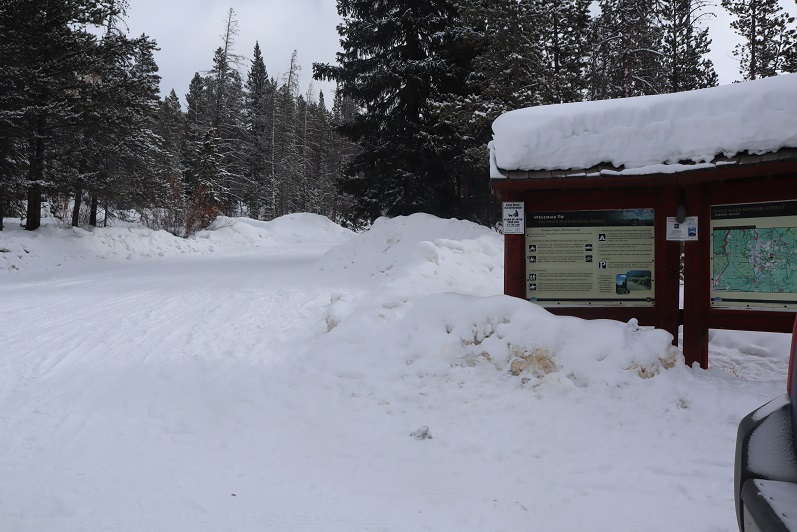
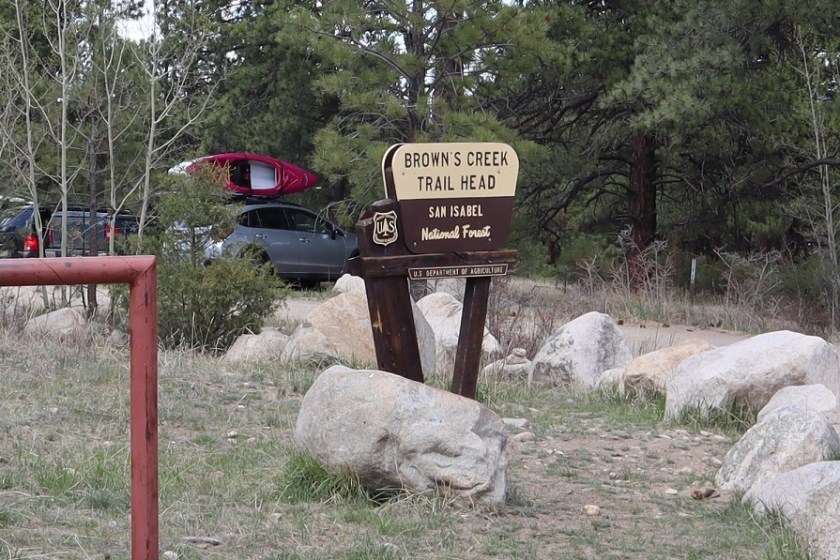
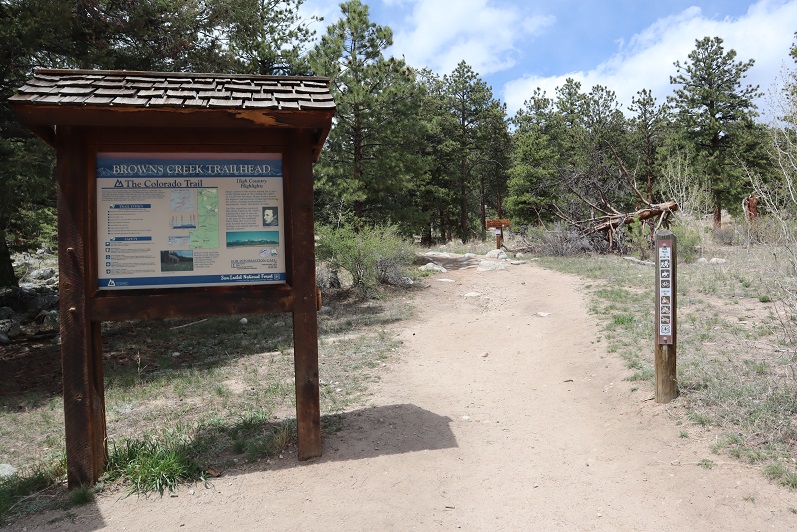
The trailhead had plenty of parking and restrooms (which are currently closed due to Covid-19: they had signs asking us to “recreate responsibly”). The trail starts at the north end of the parking lot, and follows trail 1429 west
3

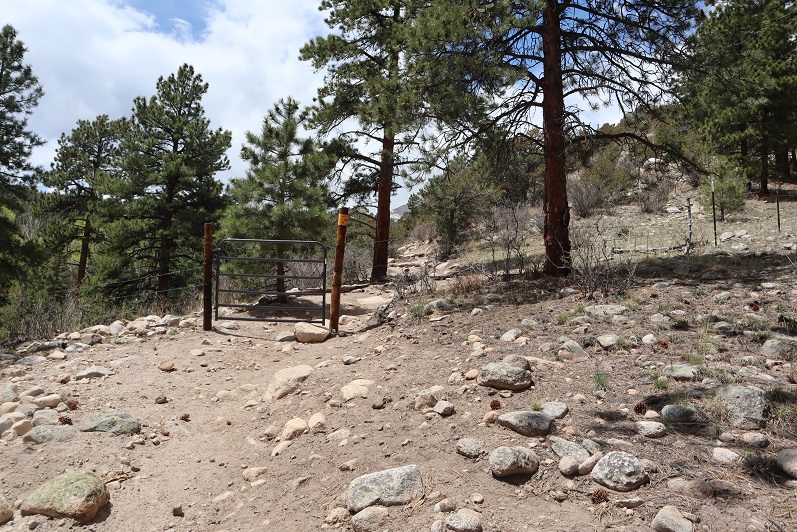
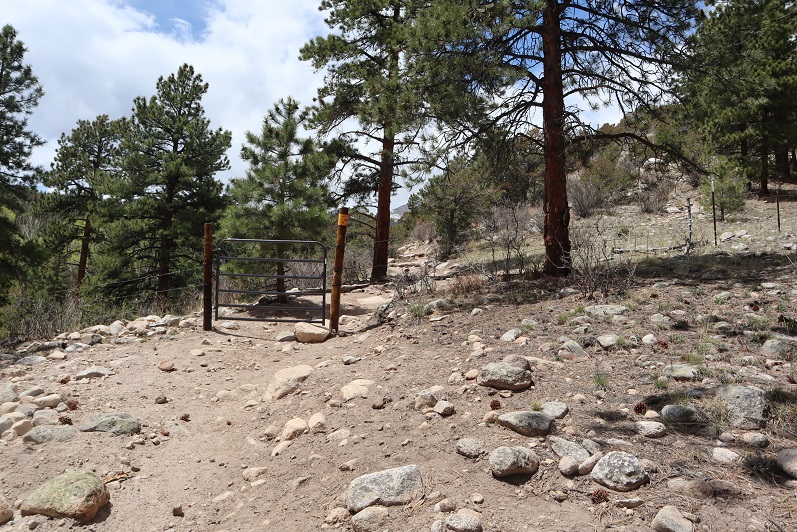
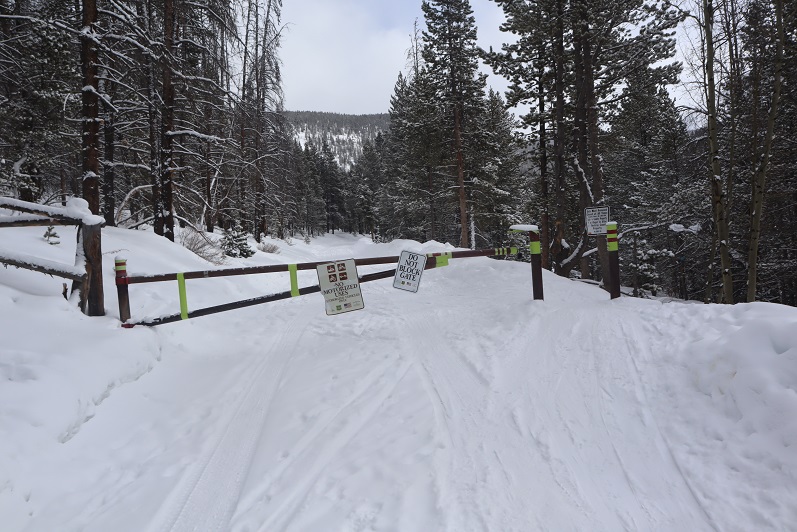
I passed through an unlocked gate

4

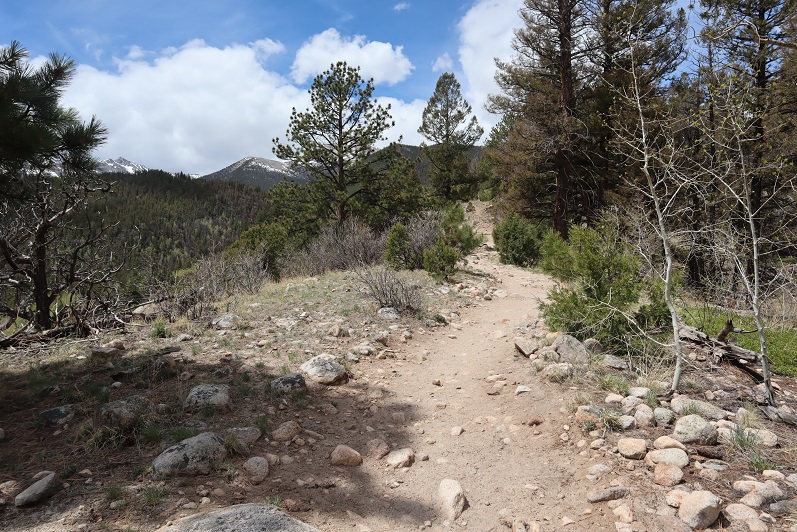
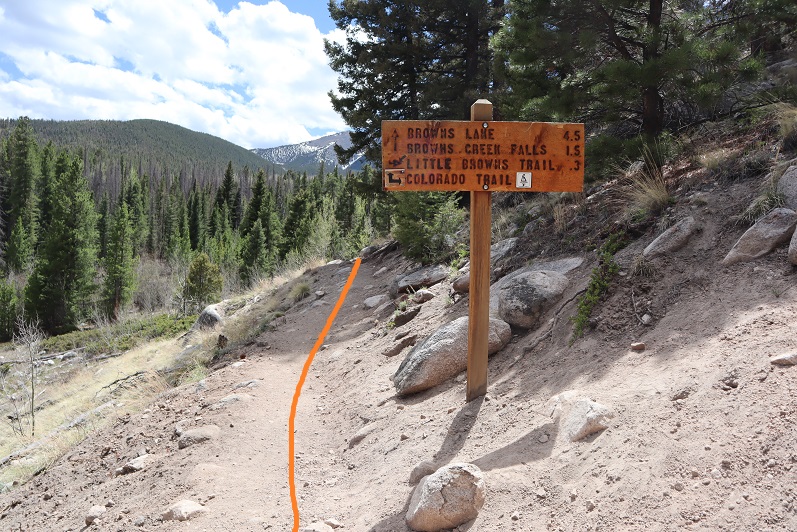
After hiking for 1.5 miles I came to a junction and continued west on trail 1429
5

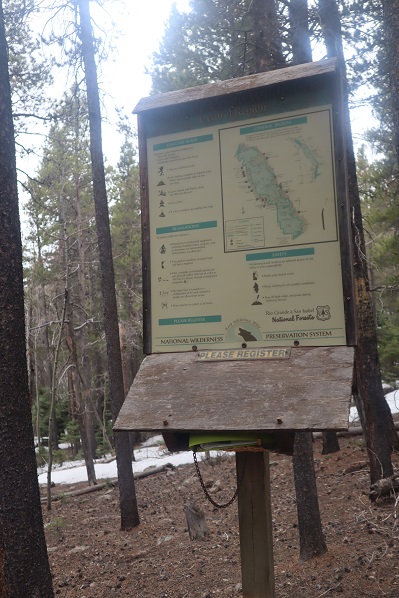
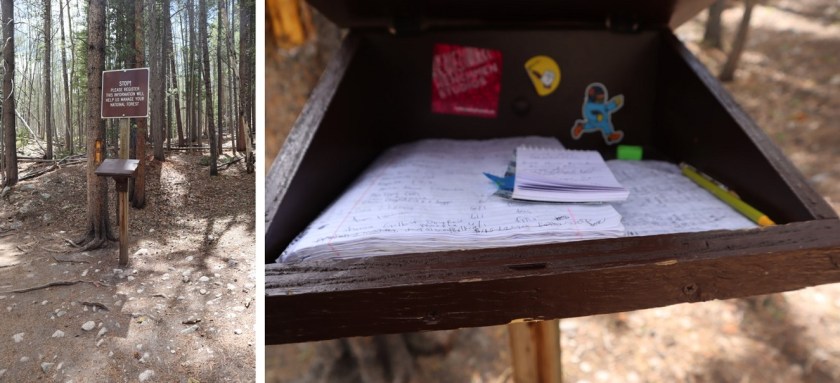
Shortly after the junction there was a hiking register with a spiral notebook inside that had every single page full. On my way back someone had left a small 3 x 5 notepad for people to write on inside. This must be a popular trail.  Here is also where I realized I’d left my creek crossing sandals in my truck. I hoped that didn’t come back to haunt me…
6

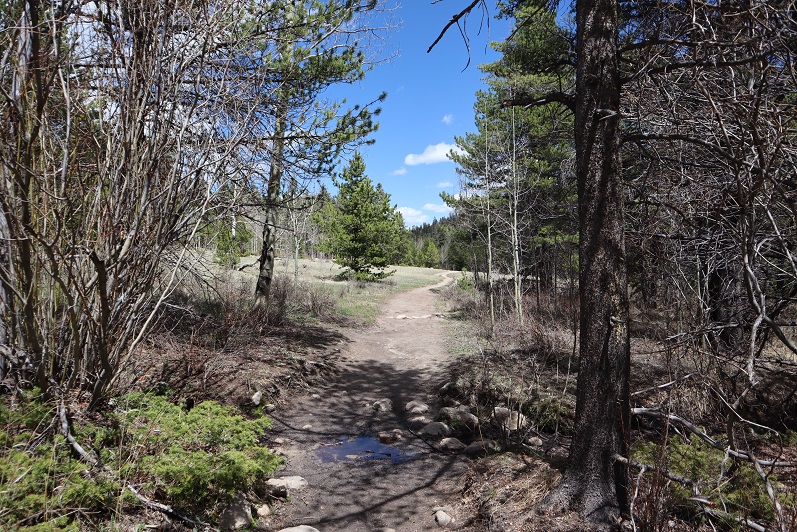
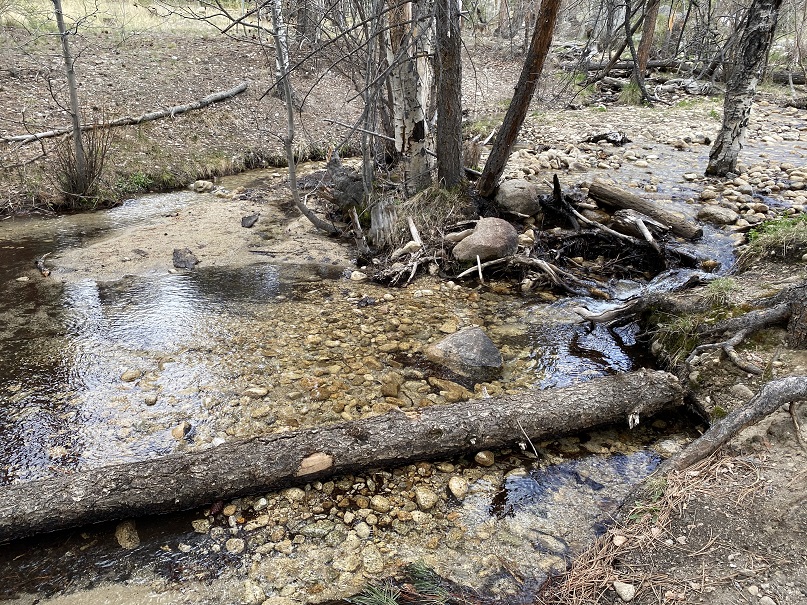
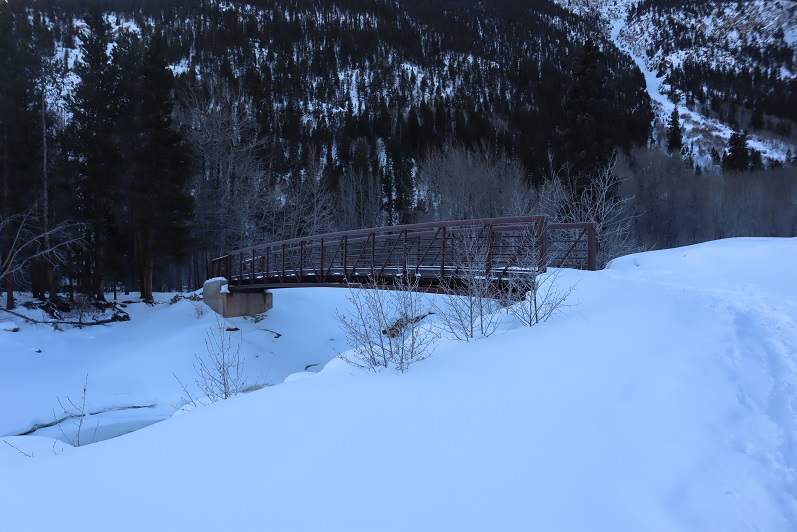
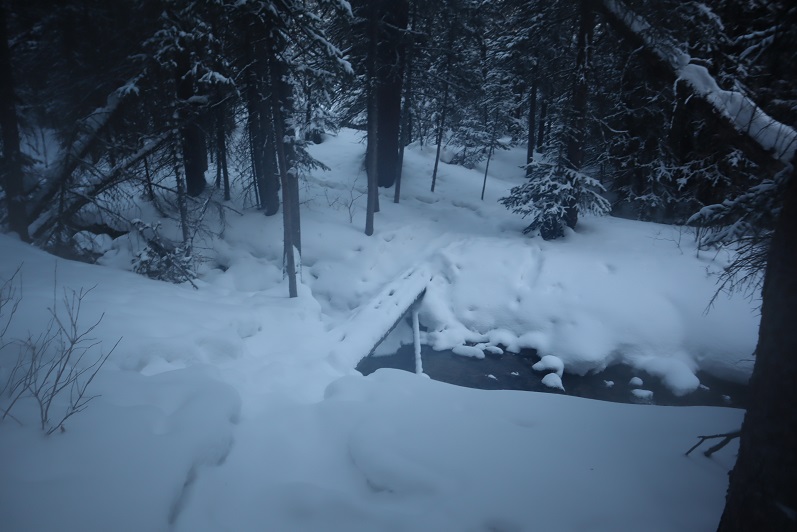
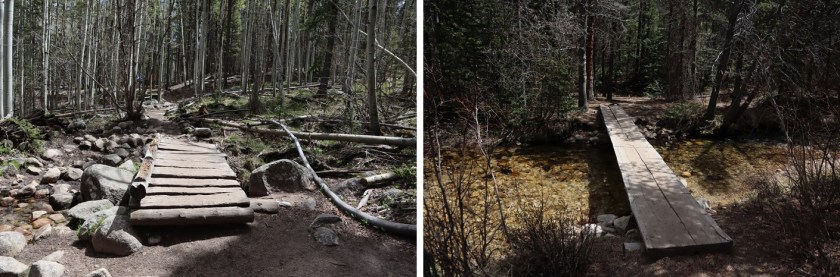
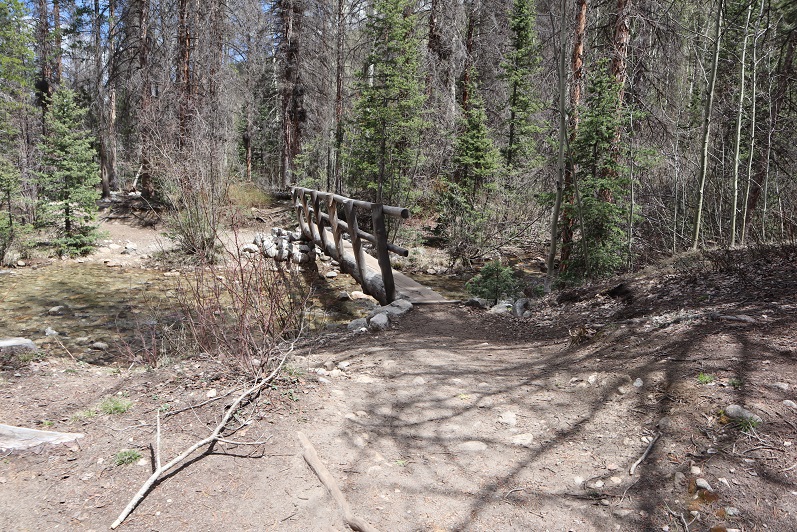
I crossed Browns Creek several times, always on a good footbridge
7

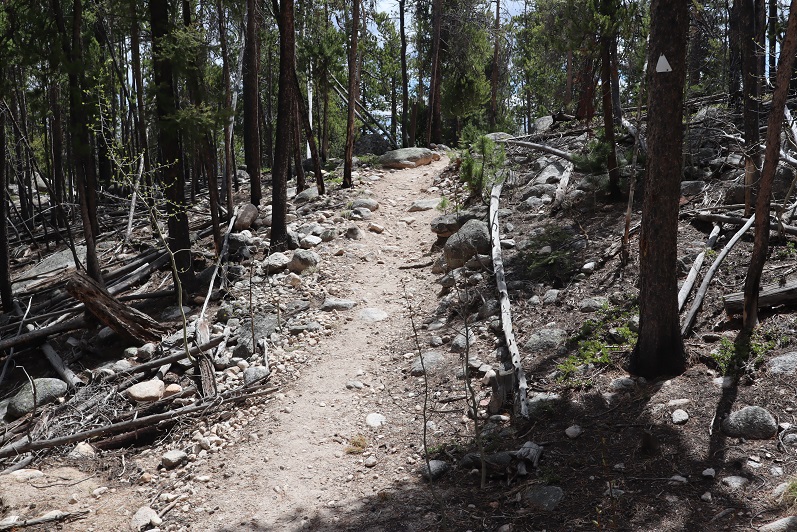
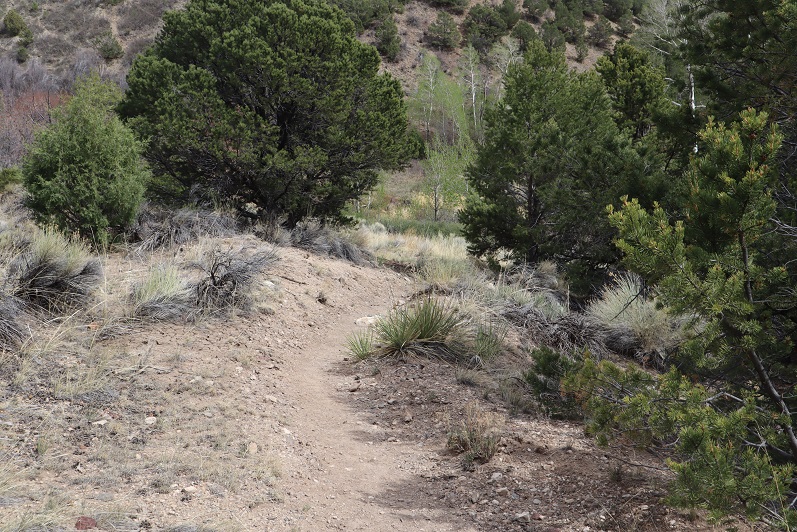
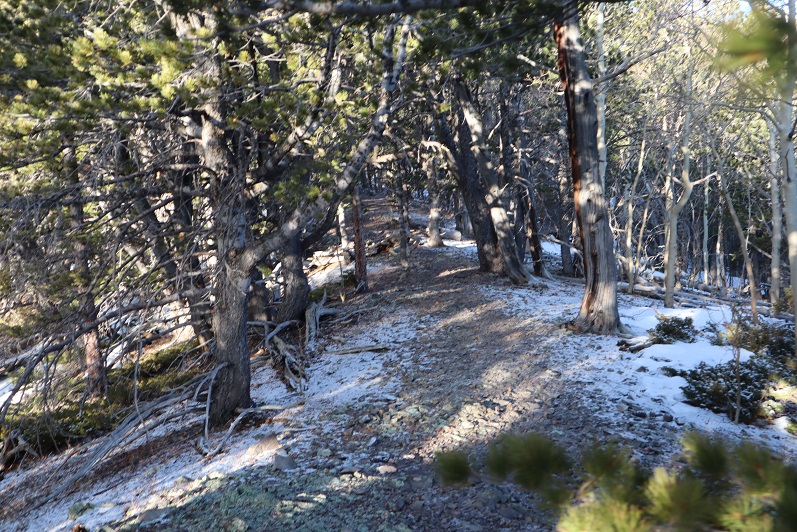
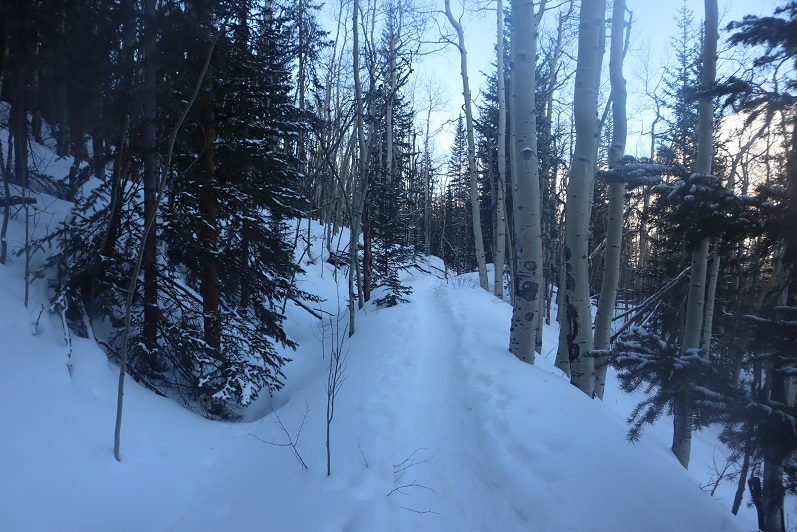
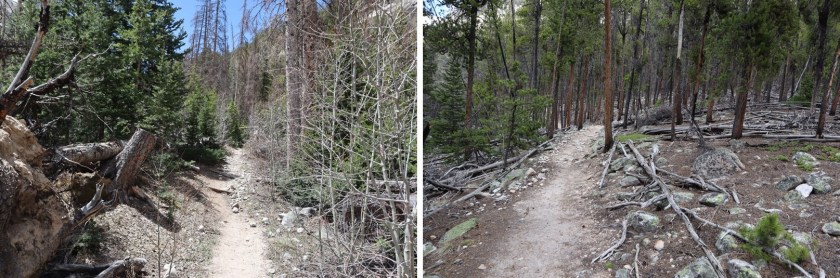
At 2.9 miles I crossed the last bridge and continued hiking along the class 1, well defined trail. Route finding was minimal.
8

9

10

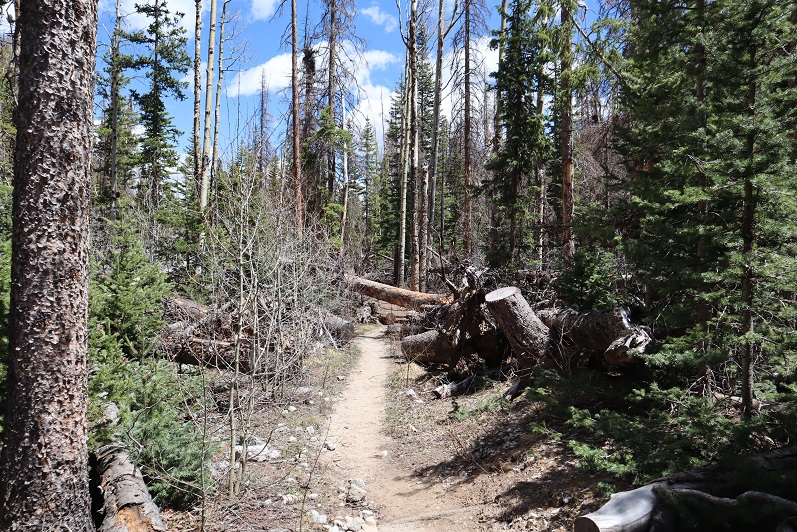
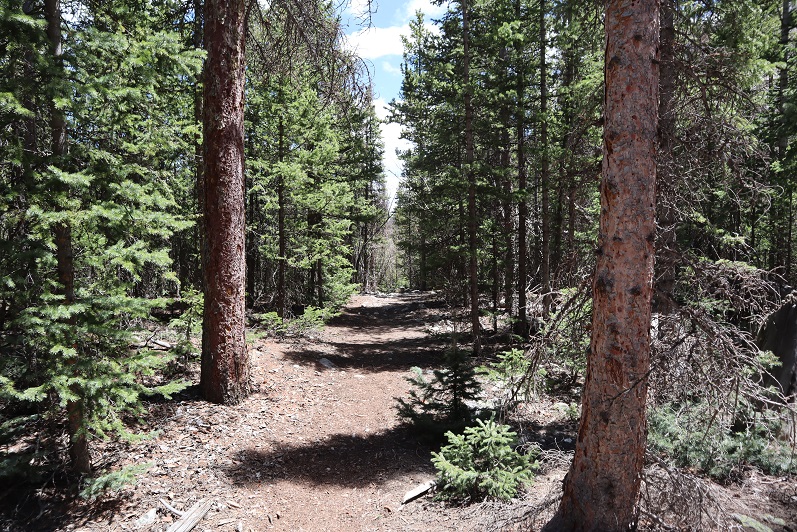
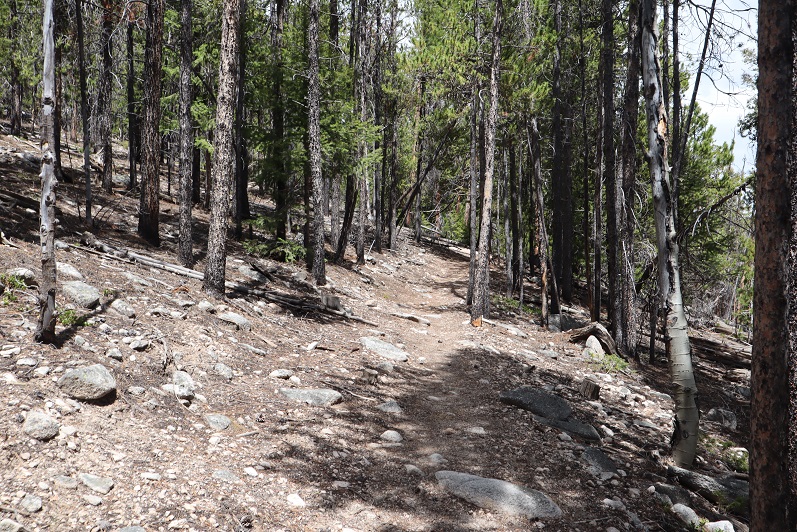
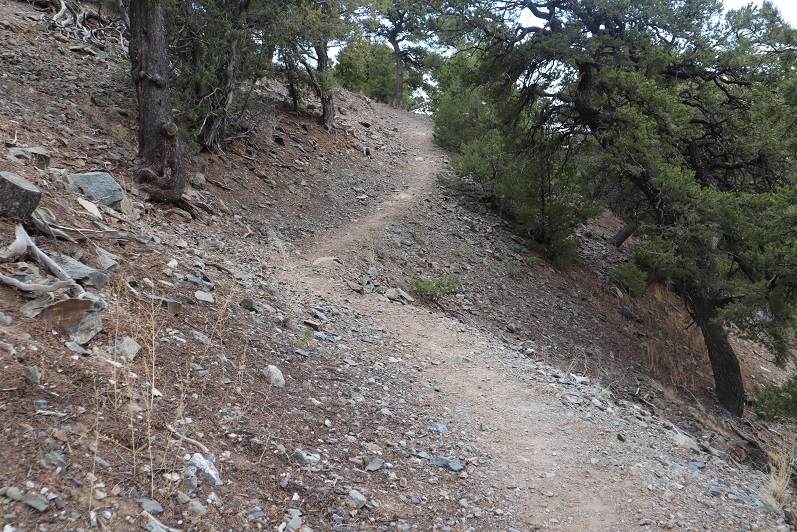
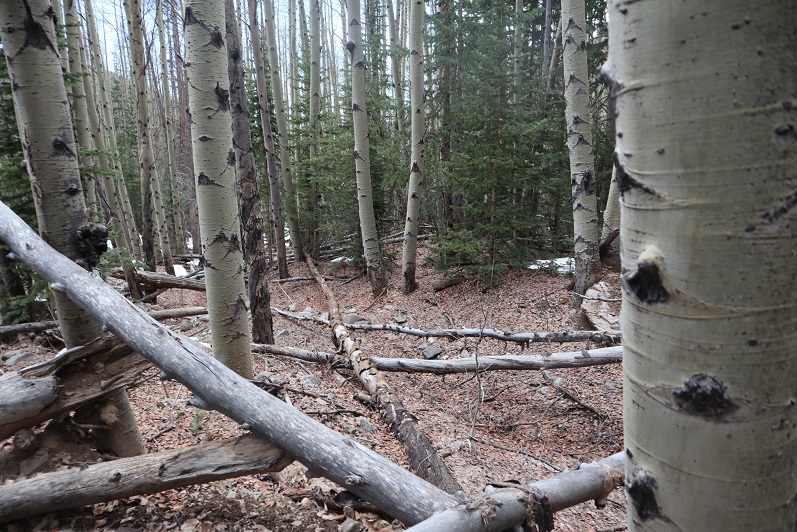
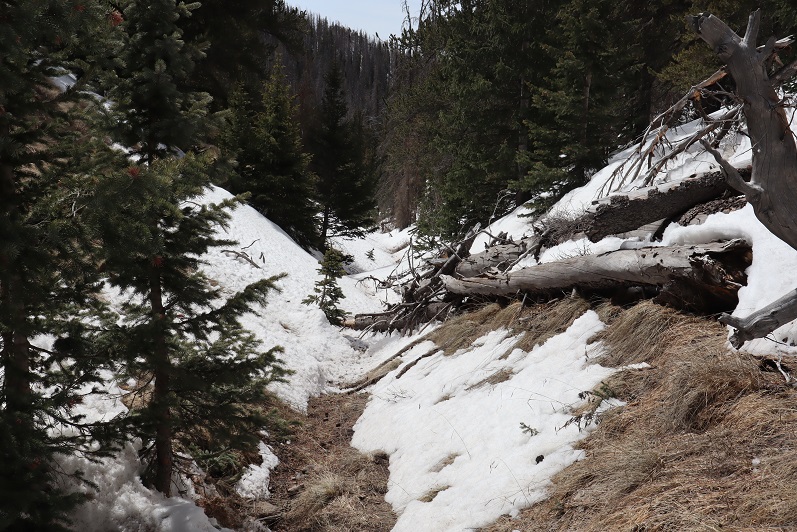
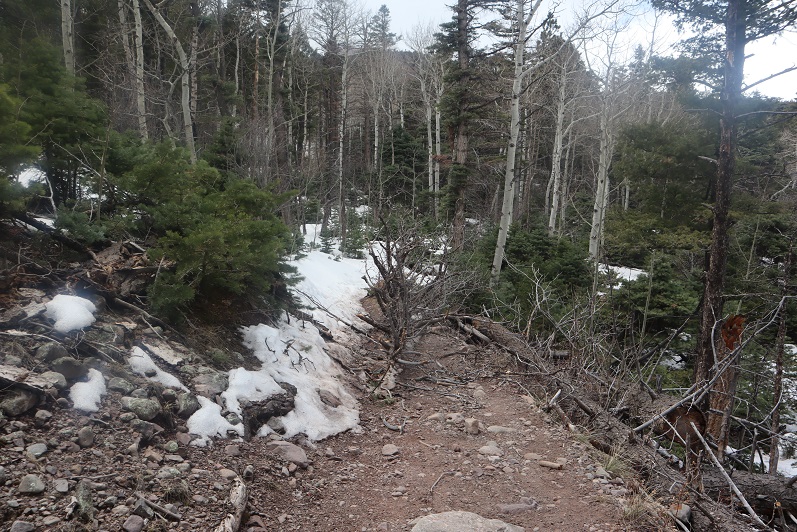
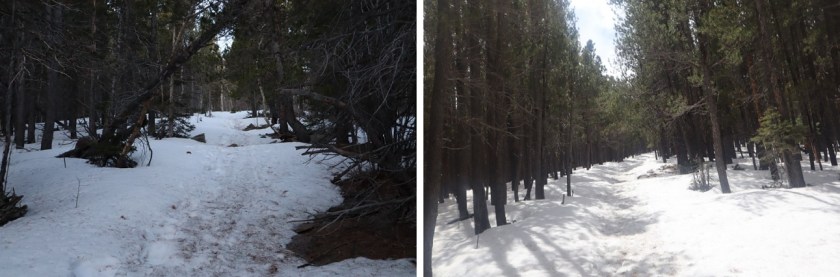
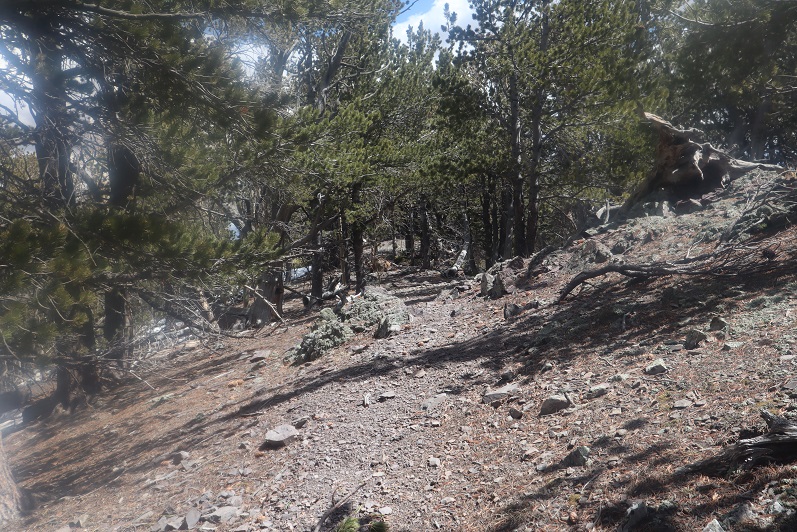
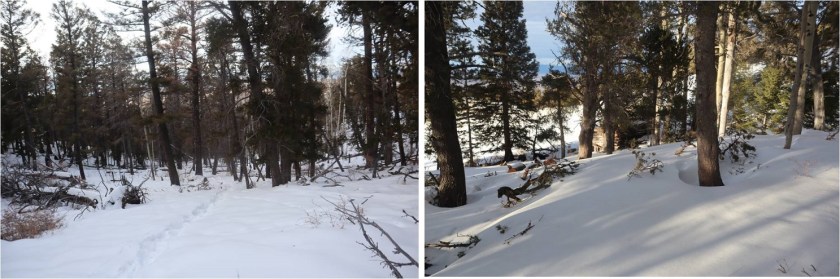
The trail parallels Browns Creek, which was difficult to see because of all the trees covering the water. It looks like there was a wildfire in the area some years ago, and the land is still recovering. The trail was mostly clear of trees however.

11

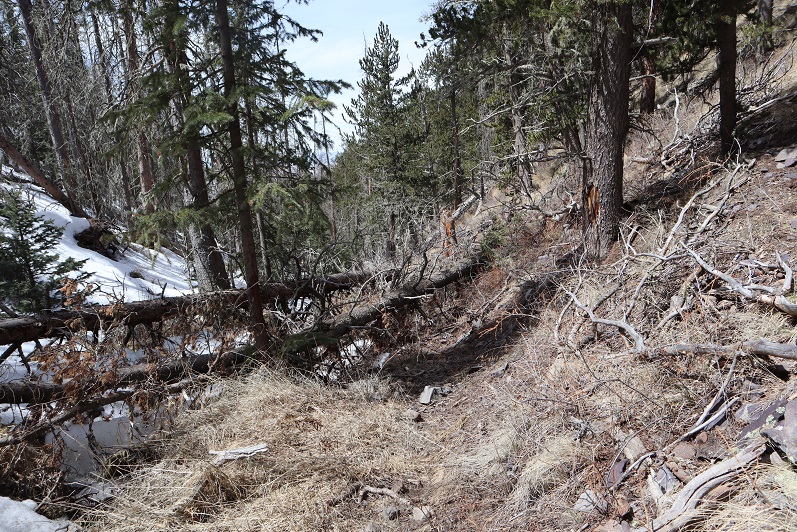
I was hiking this portion in the dark, and at one point I heard a rather loud twig snap off to my right. I did the only logical thing and used my trekking pole to make as much noise as I could, banging it loudly on every rock and tree I came across, and stopping every few yards for a while to turn around and scan the area with my flashlight. I never saw anything, but on my return noticed I’d been in an area with a lot of downed trees, as well as boulders that would make a great den for a large animal. Curiously, I also heard a loud noise in the daylight crossing the same area on my way back, but didn’t see anything.

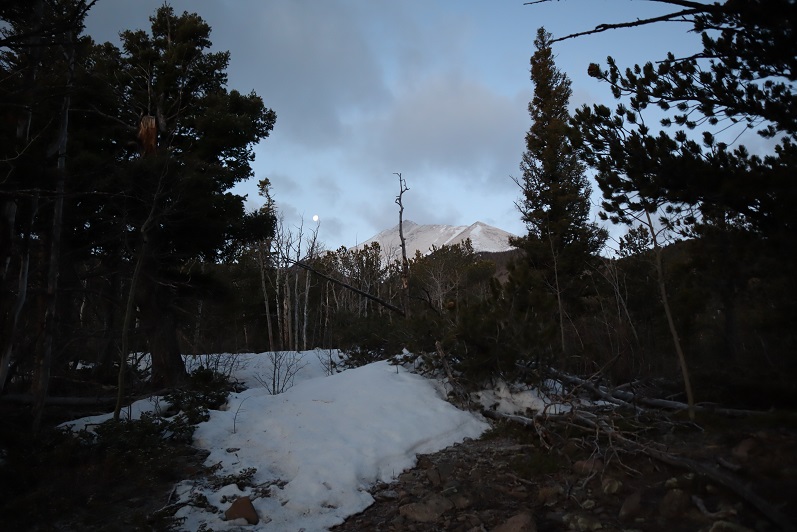
After hiking for about 3 hours in the dark the sun finally started to rise.  My reward was hearing the birds wake up and wish each other a good morning. What’s even better is my presence didn’t seem to bother them

Birds:

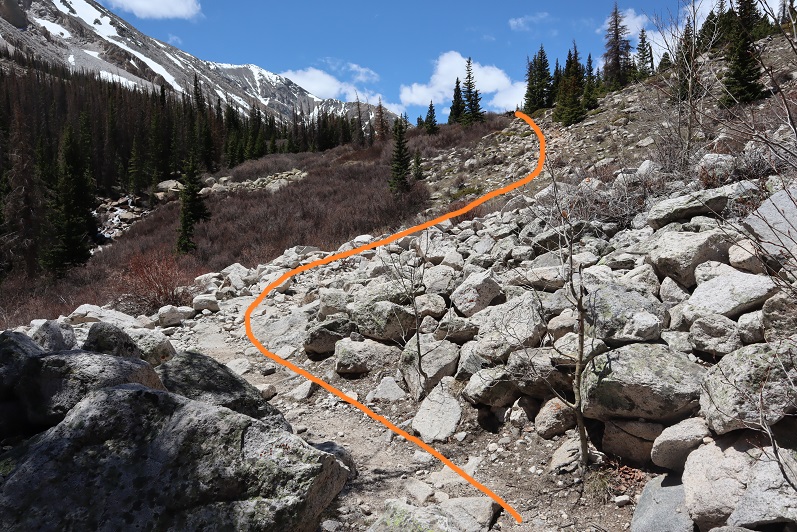
After hiking for 6 miles I came to a small boulder field
12

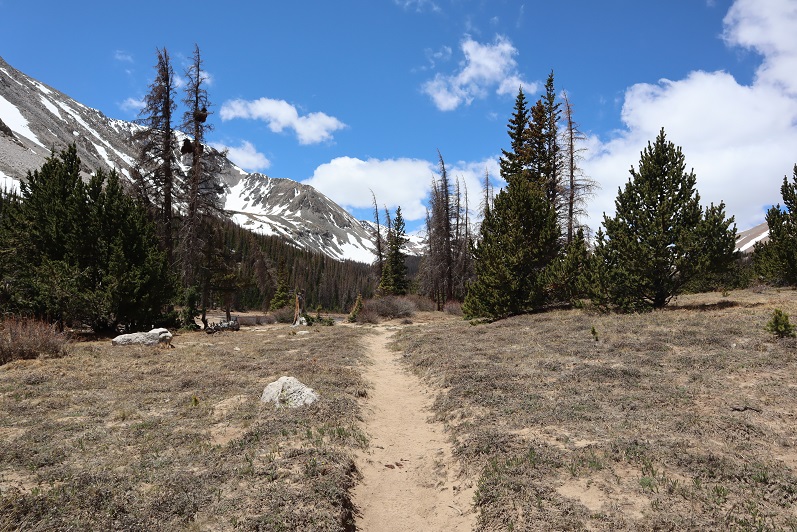
On the other side of this boulder field is Browns Lake
13

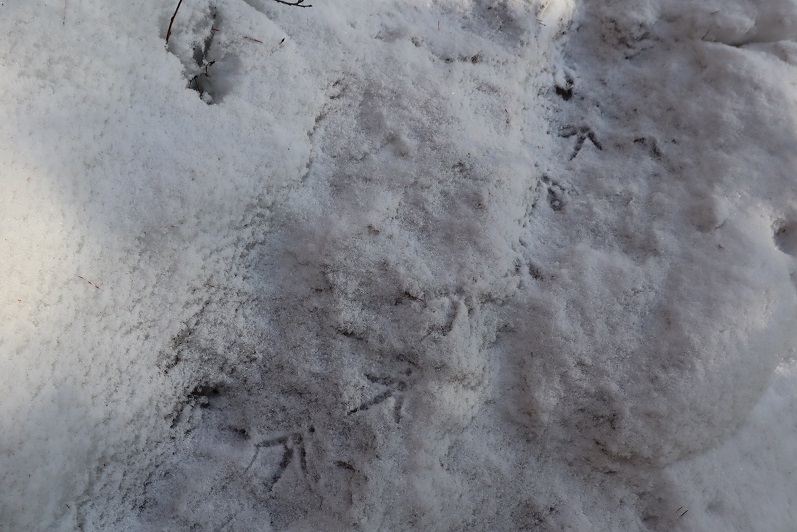
This area is marshy and has a lot of willows. Unfortunately, I didn’t see any wildlife or signs of wildlife (besides the birds). I continued west along the trail
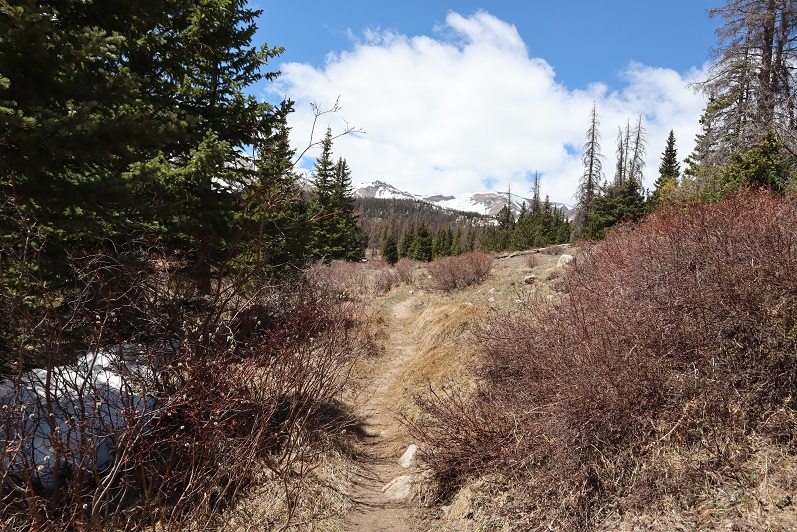
14

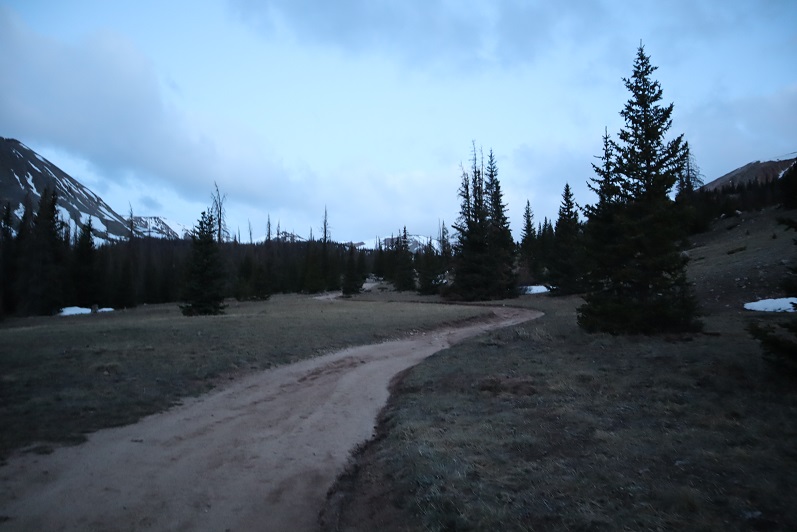
Until it turned into a 4WD dirt road

15

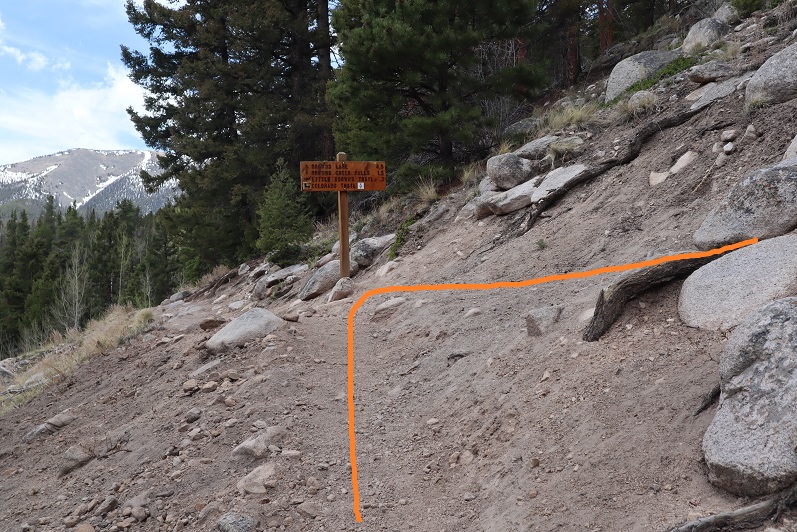
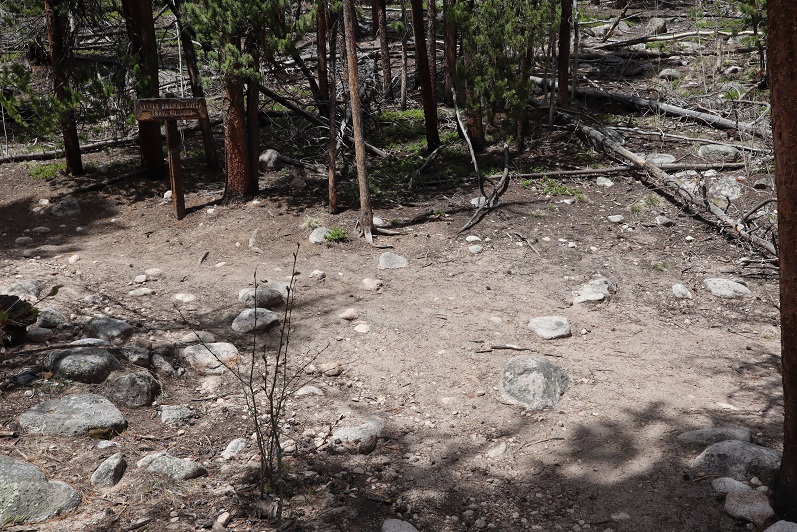
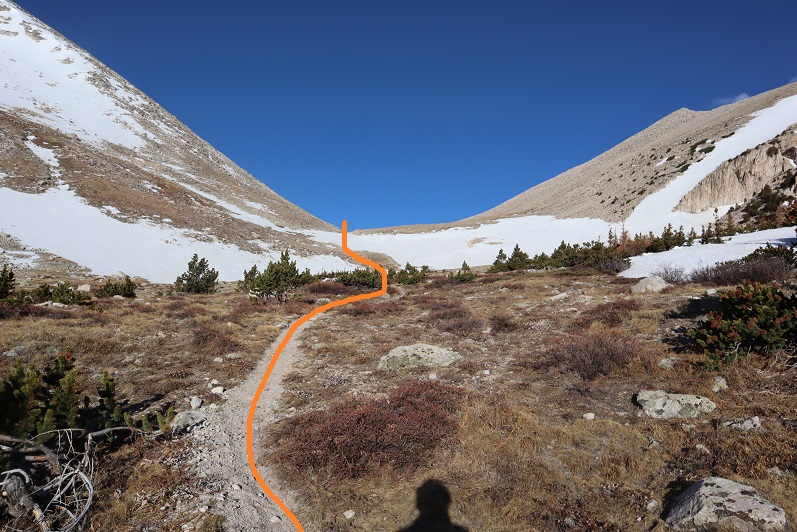
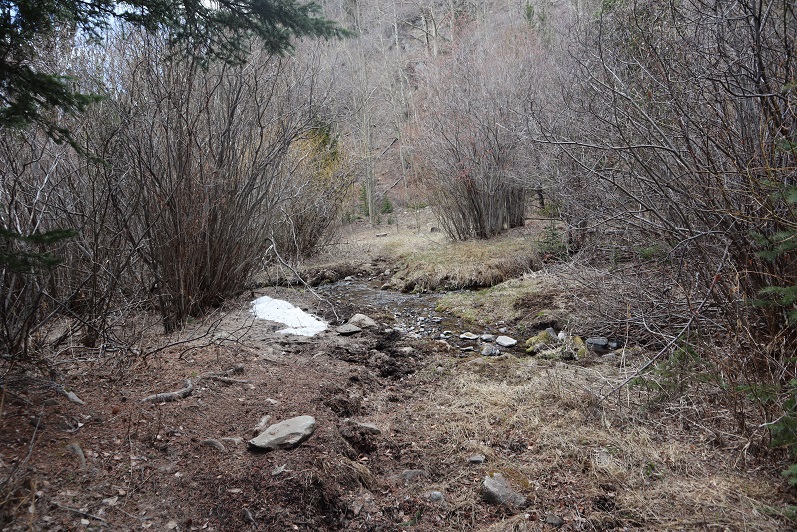
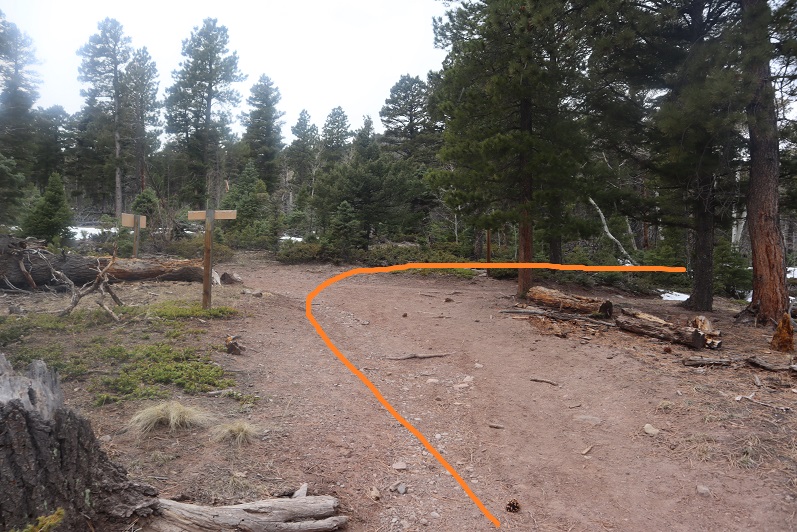
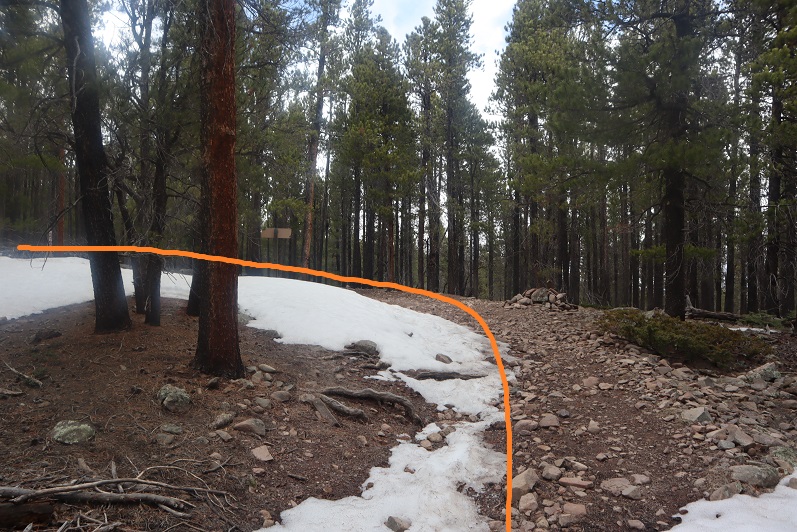
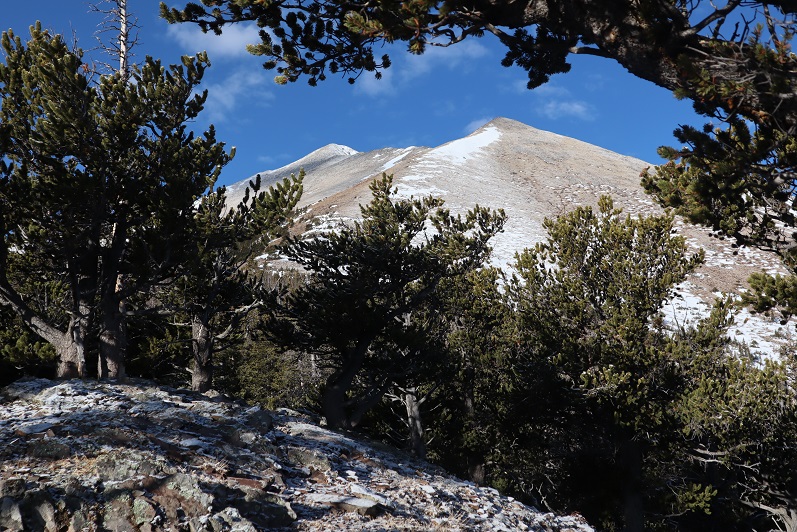
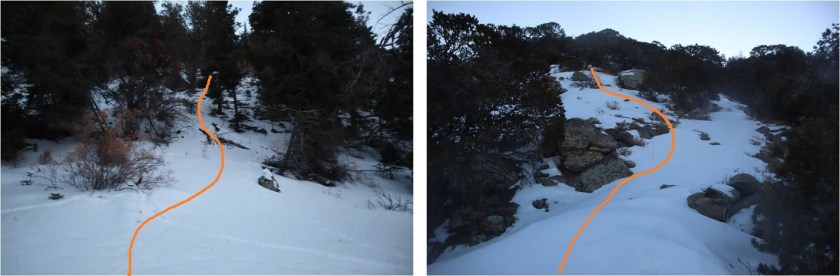
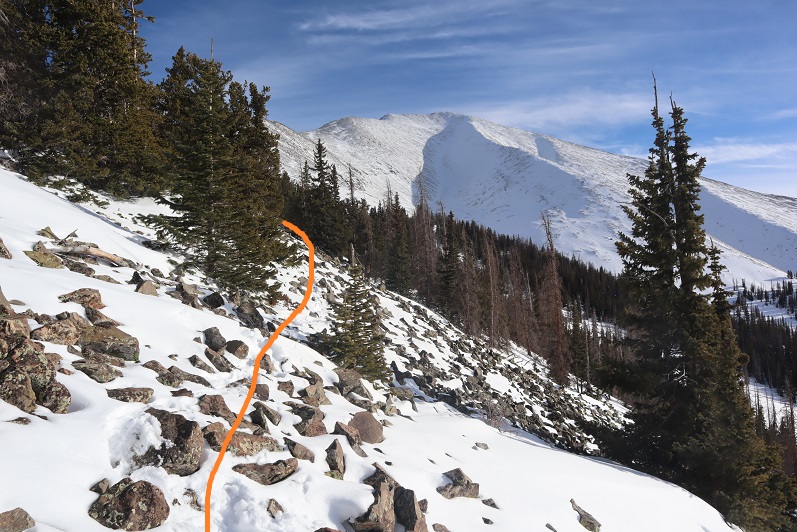
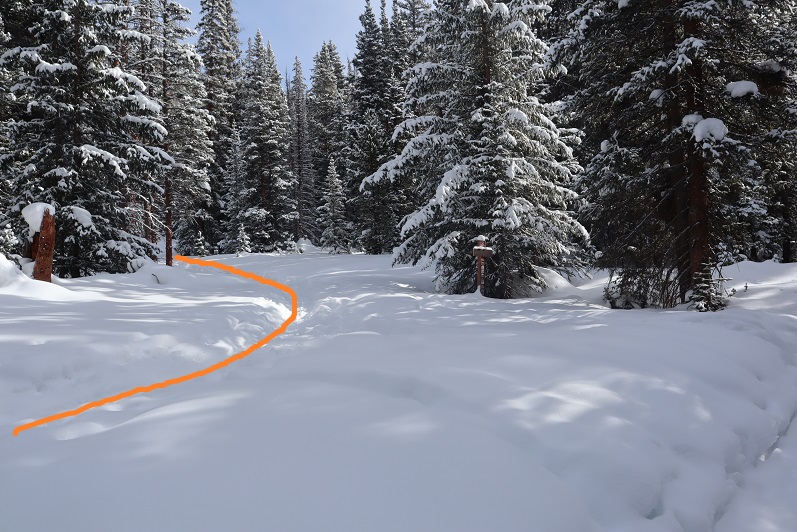
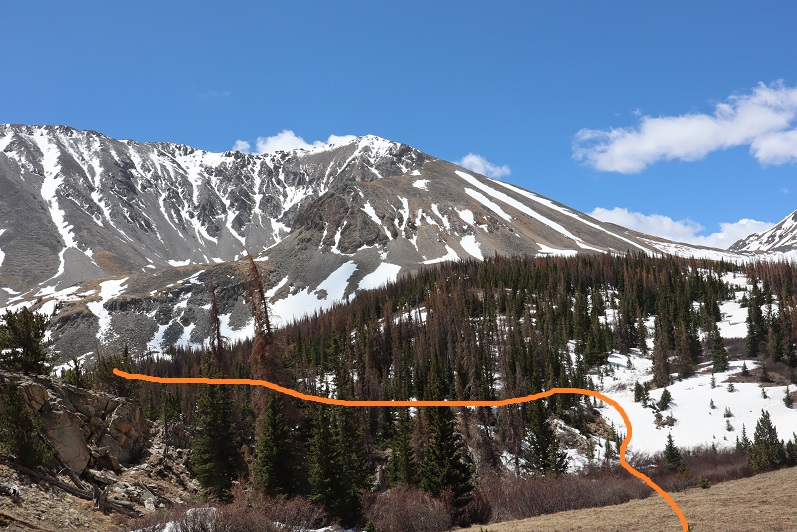
I followed the road for .6 of a mile before coming to a creek. This is where the route finding became tricky. I needed to leave the road and traverse the east side of the mountain and make my way towards the marsh area, cross the willows, and then enter back into the trees and find my way to treeline.

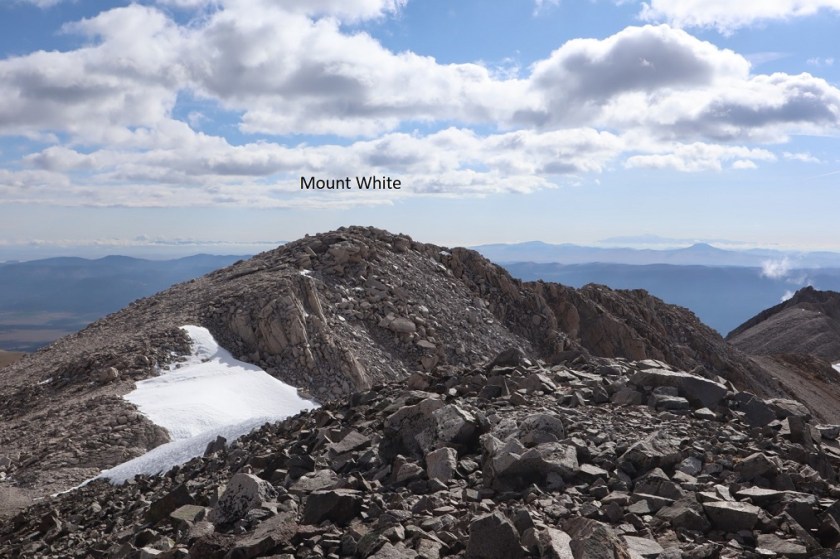
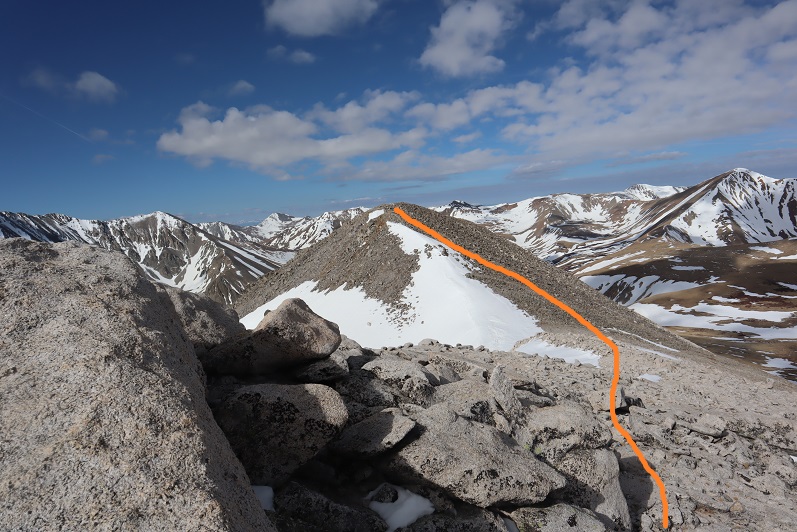
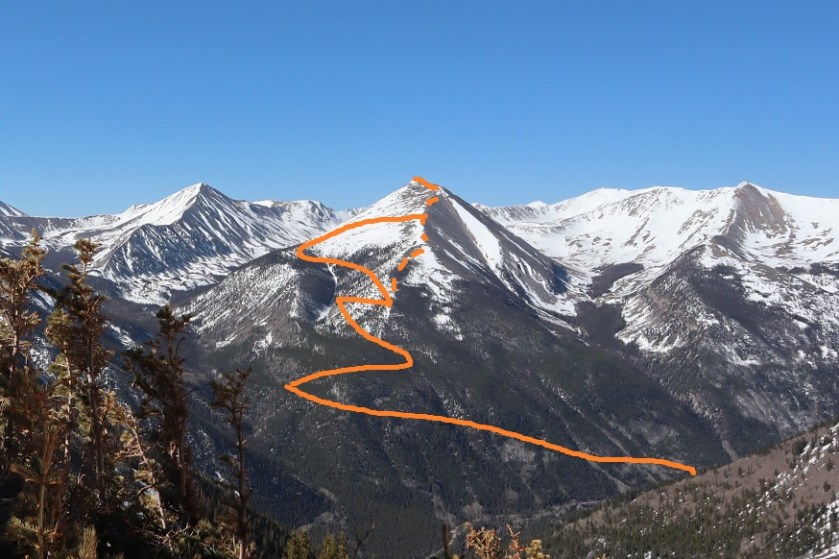
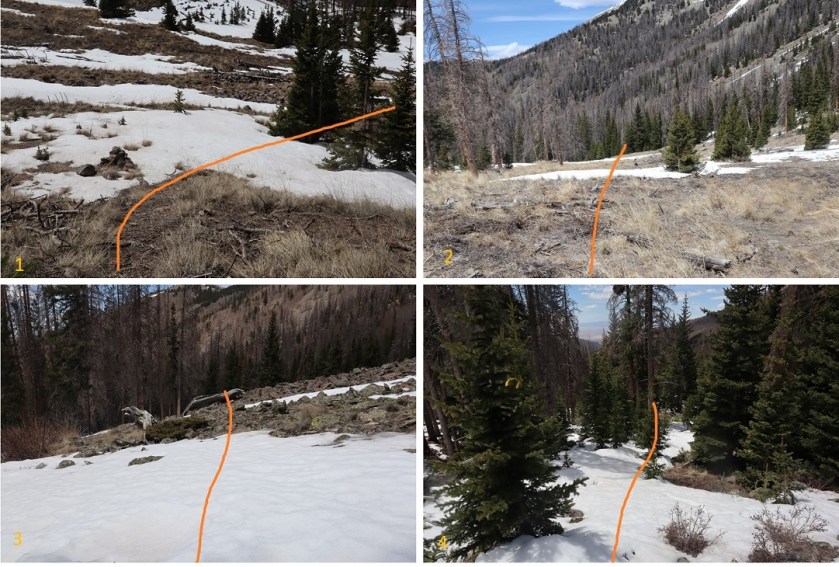
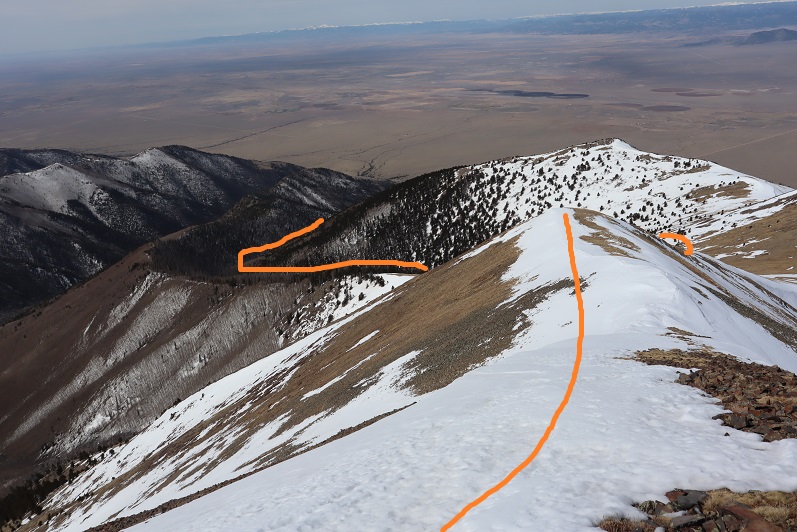
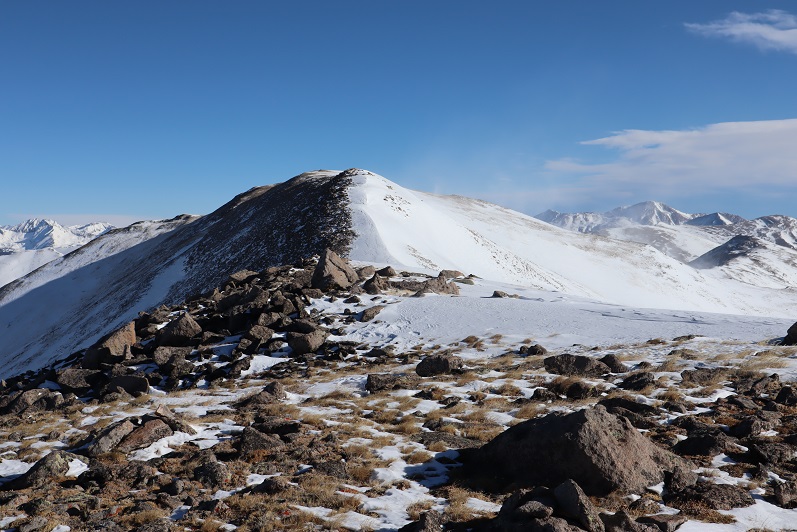
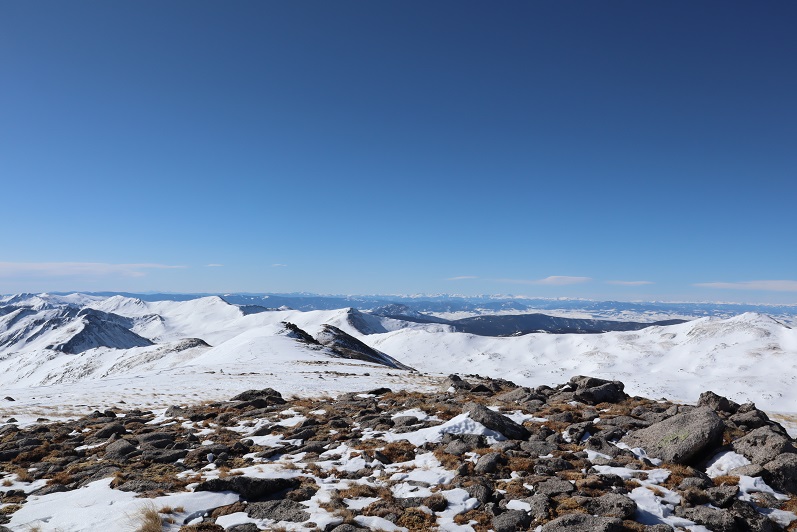
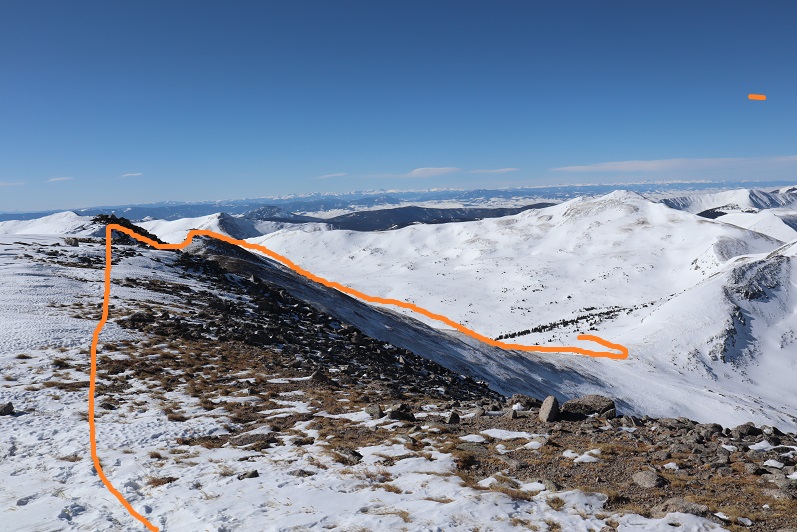
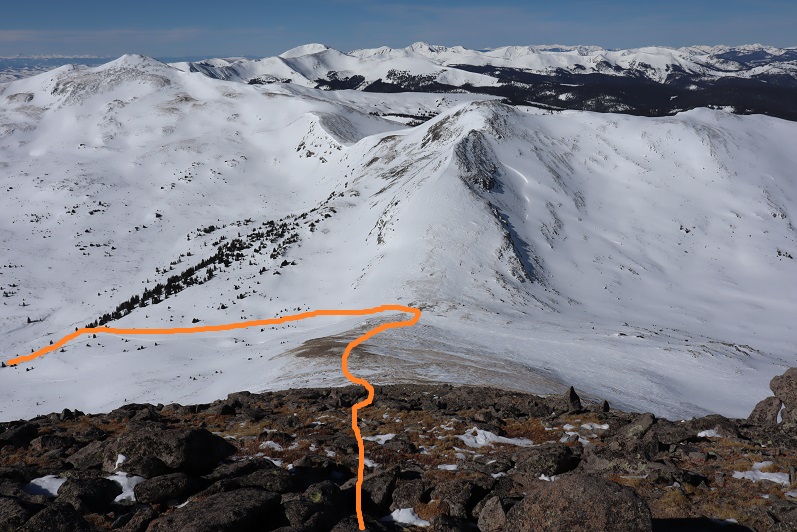
Yesterday while on the summit of Mount White I visually tried to get a good view of the route I wanted to take. This 1 mile section included lots of route finding. I’ll do my best to give you pictures so it’ll be easier for you (as you can see from my topo below, I had to do some route finding and backtrack a few times myself to figure out the correct path).

Here’s an overview:

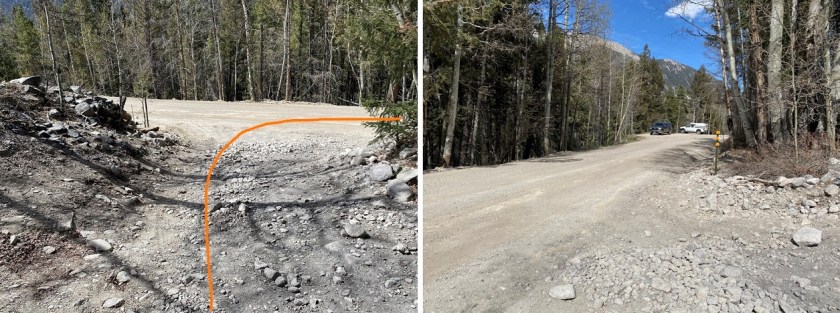
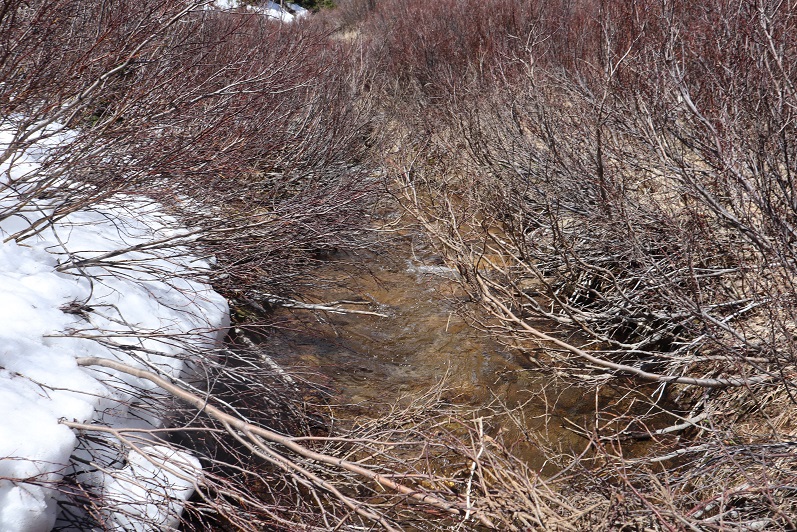
I left the 4WD road after hiking a total of 7.5 miles (I was at 11600’). I hiked south to cross the creek. It is important you cross here because there’s a small gorge you want to avoid to the left (east)
16

17

There is no trail here, and yes, the willows suck.
18

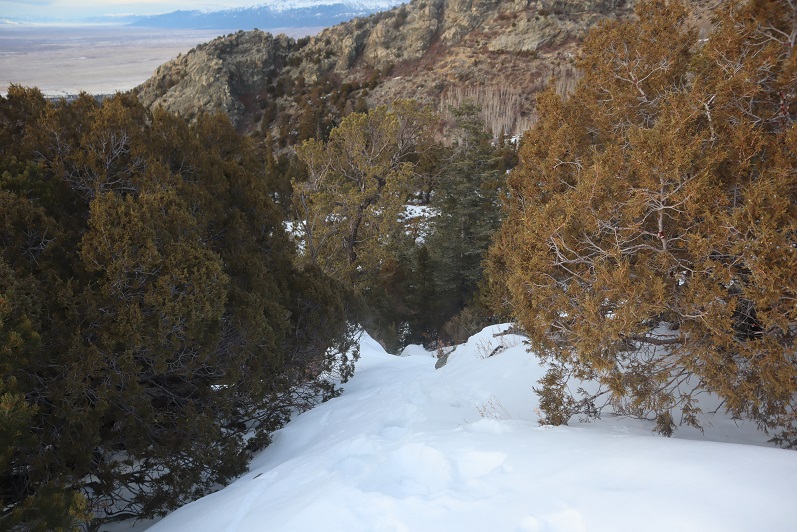
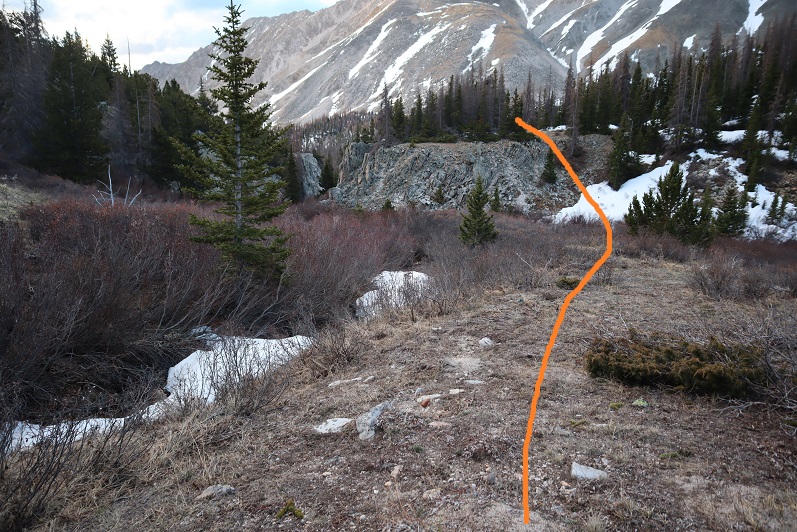
Once you’ve crossed the stream, make your way up the banks to the top and then skirt the mountainside to the left

19

To the left is the small gorge you’re trying to avoid.
20

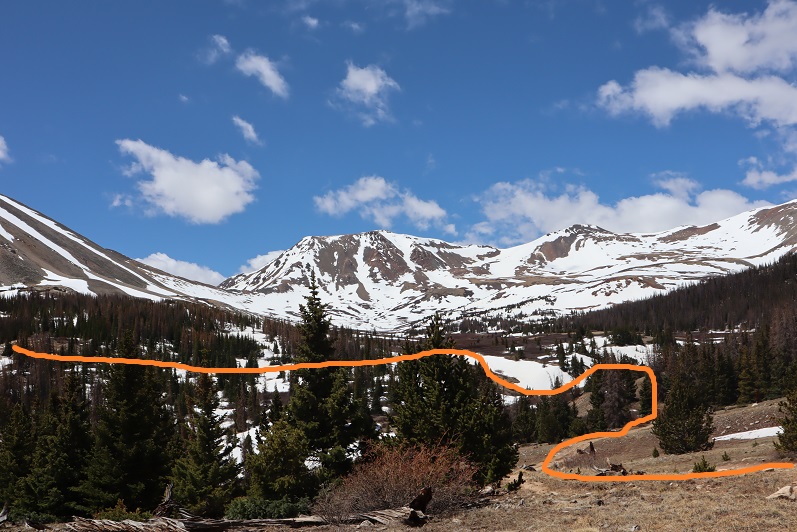
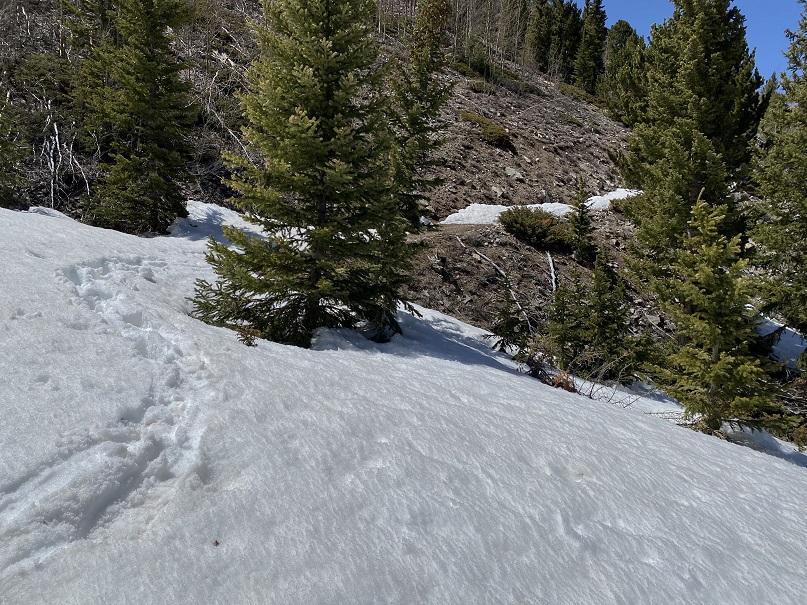
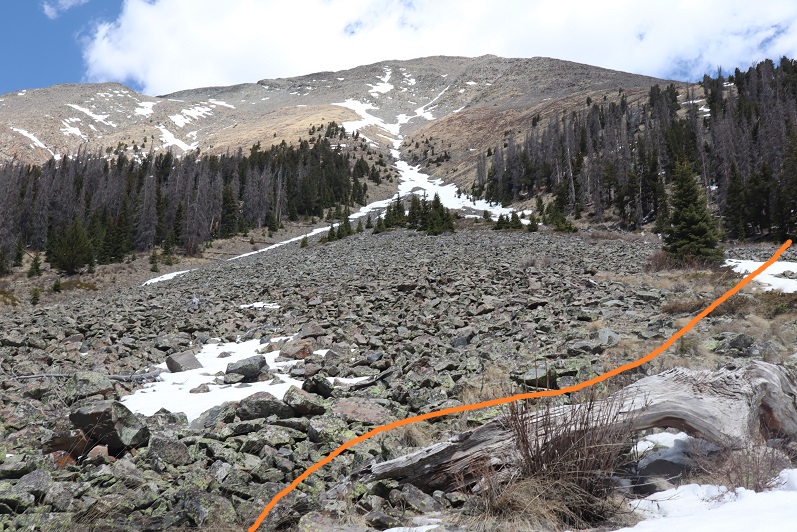
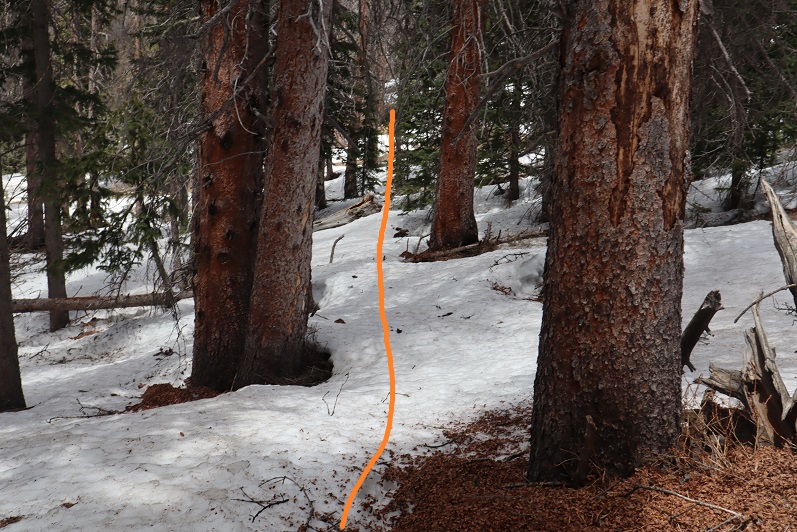
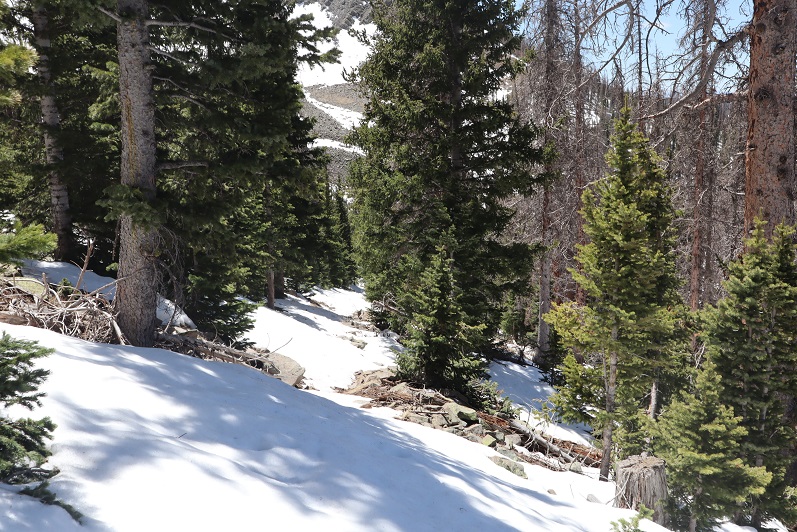
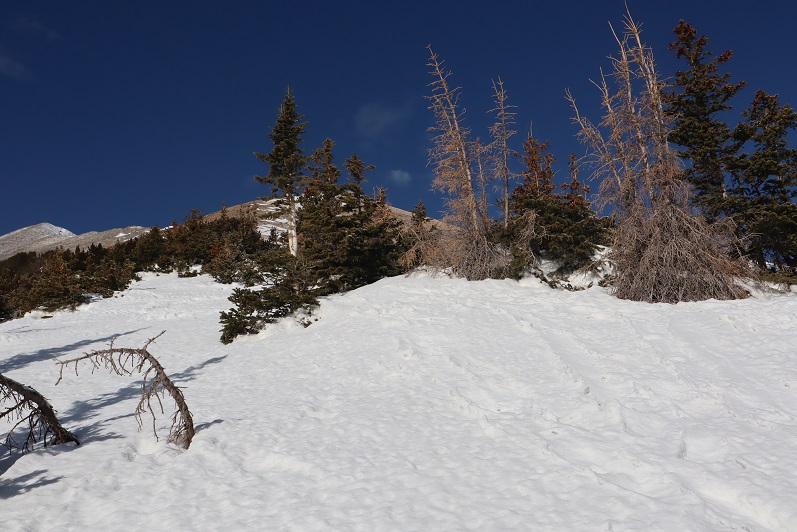
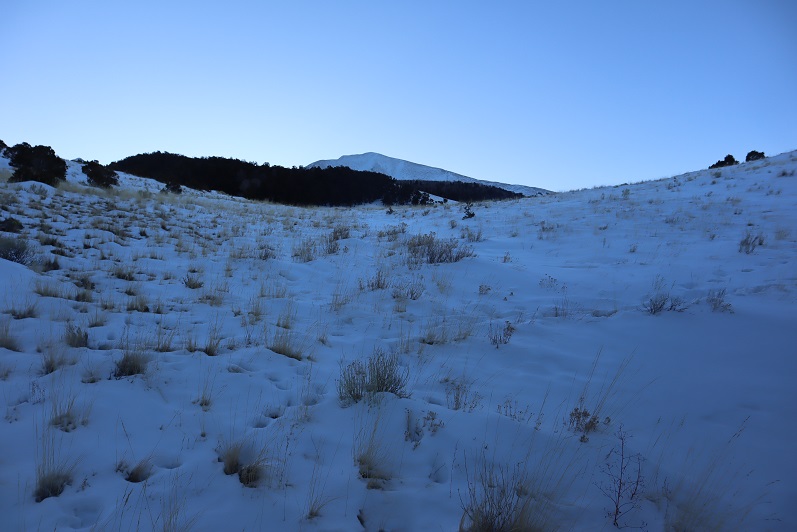
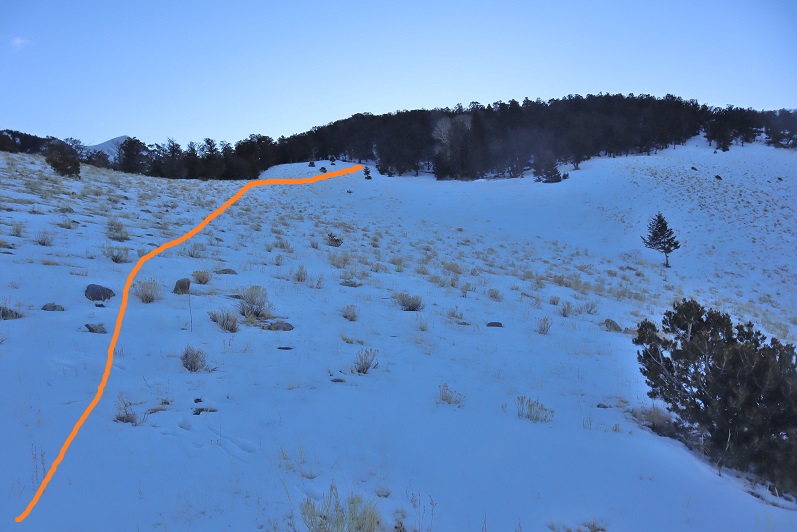
From here you don’t need to hike along the ridge because you’re really aiming for the marsh. The reason you’re hiking towards the center of the hillside and not the top or bottom is to avoid the gorge and some rock outcroppings closer to the marsh on your way in. There’s no need to hike all the way to the top because you’ll be heading back down anyway. Here is where the route finding got fun, and I needed to strap on my snowshoes. Here are a few visuals:

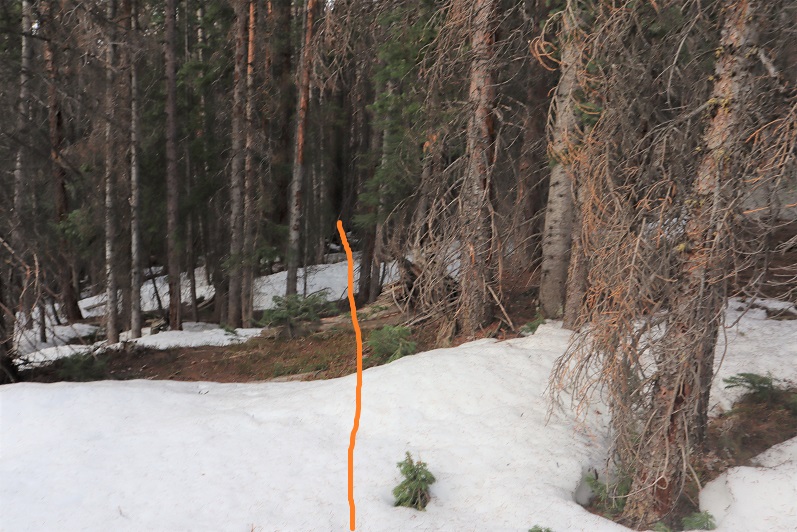
You’ll want to avoid the rocks to the left and head into the trees (no trail)

21

22

To avoid the large rocks (circled in red)

23

24

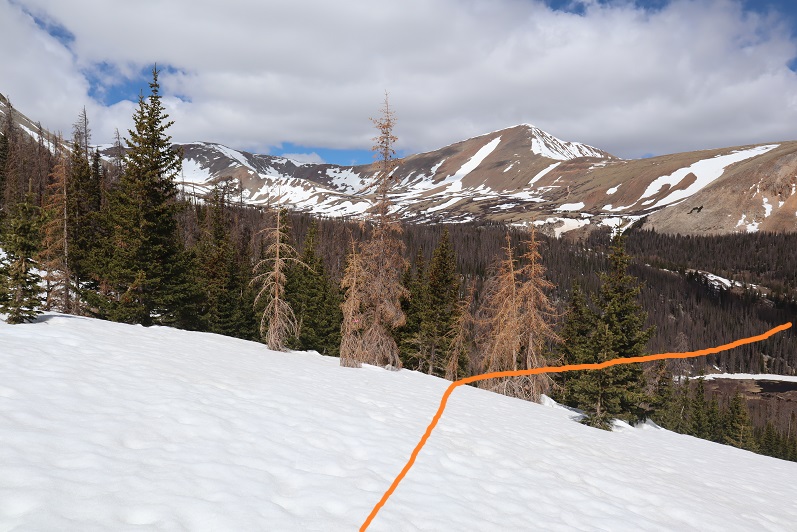
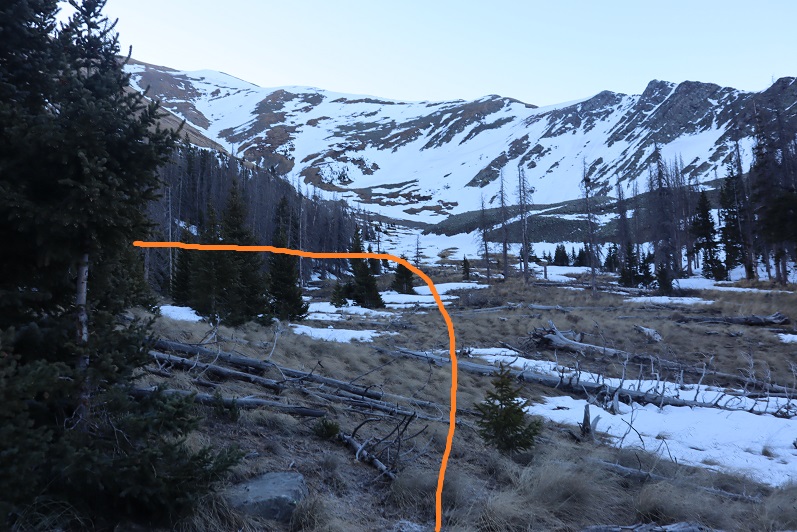
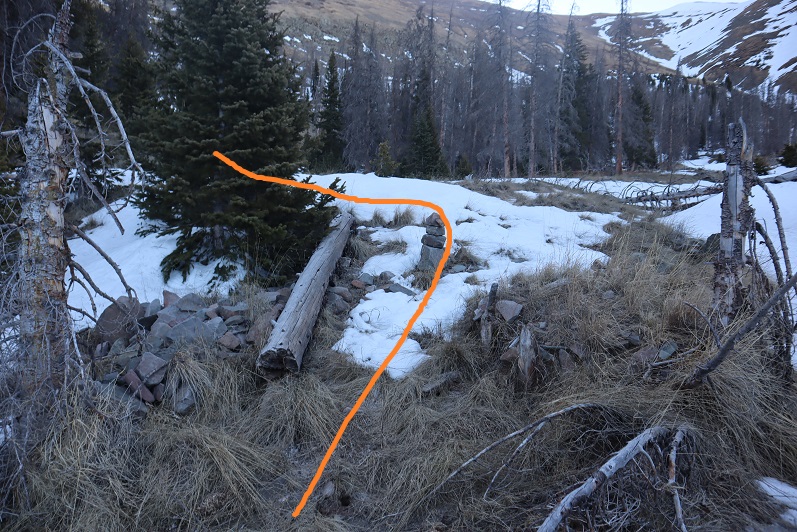
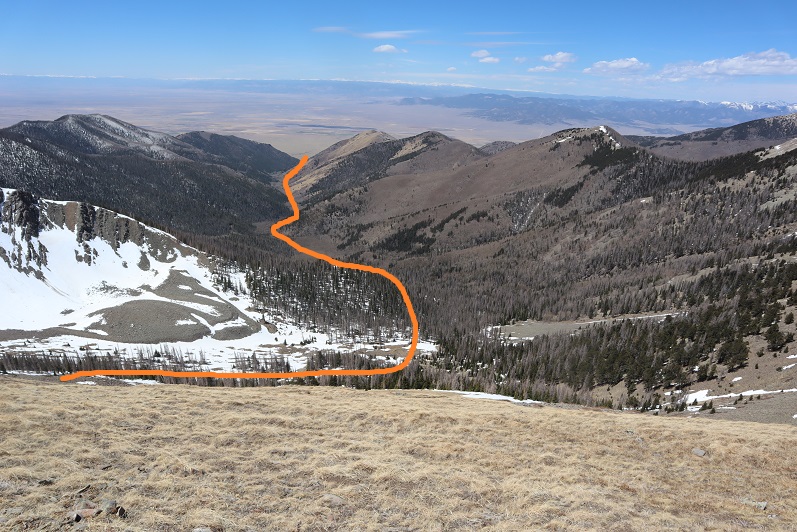
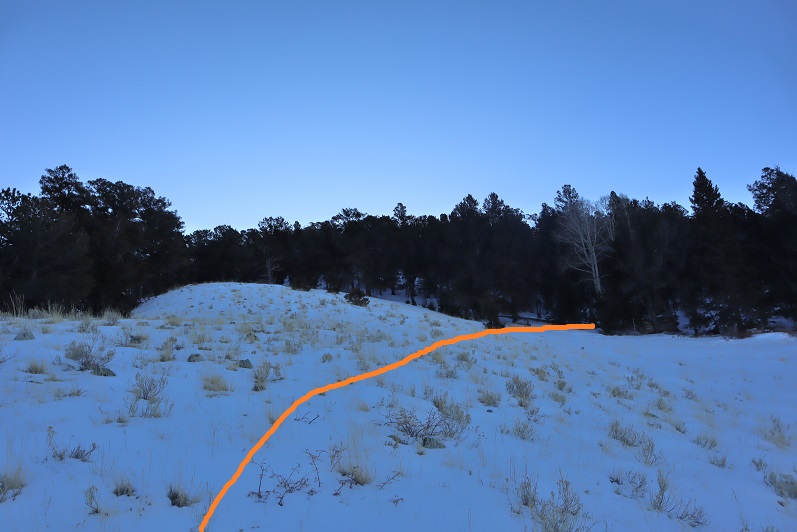
After avoiding the rocks you want to make your way down to the willows, skirt the willows, and re-enter the trees, making your way towards the gully. Here’s an overview of the entire route
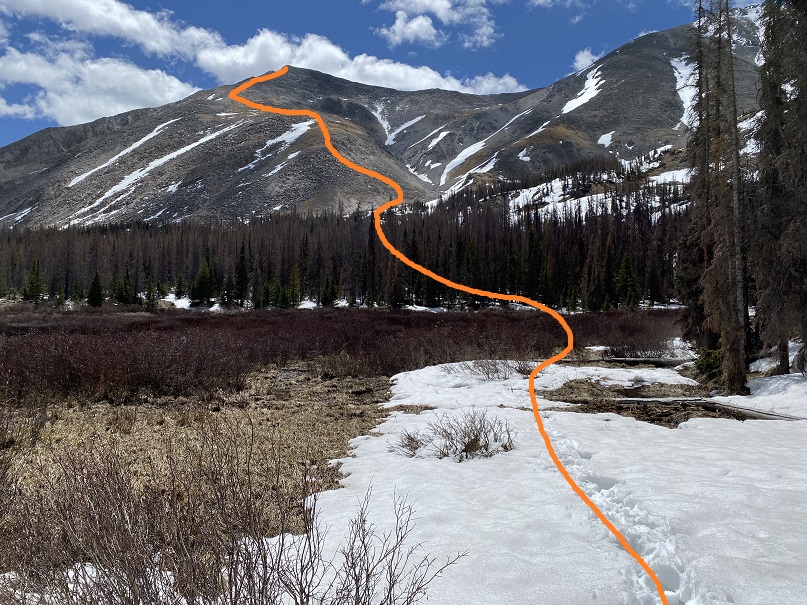
25

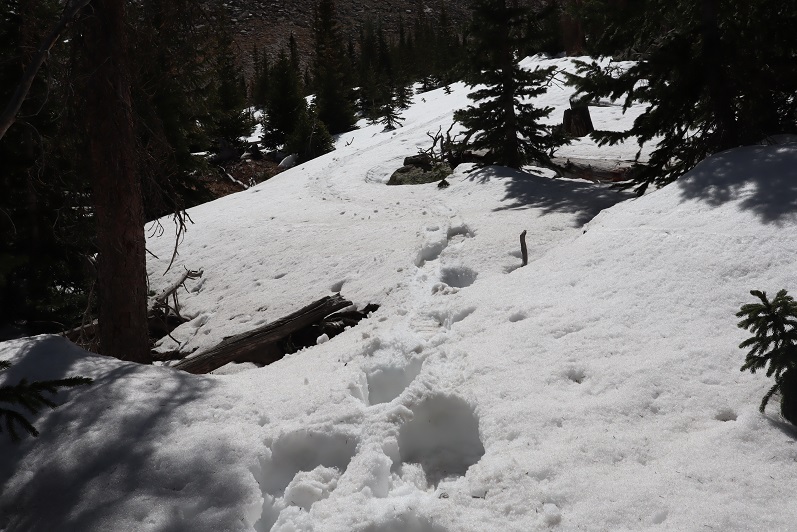
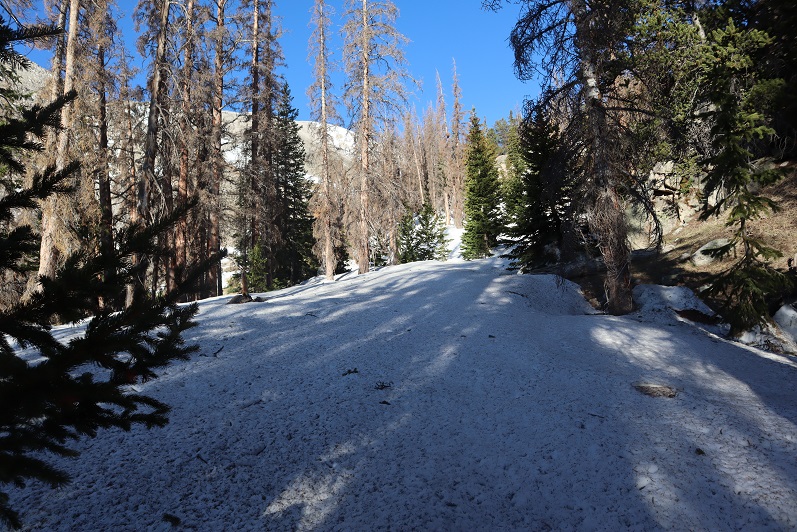
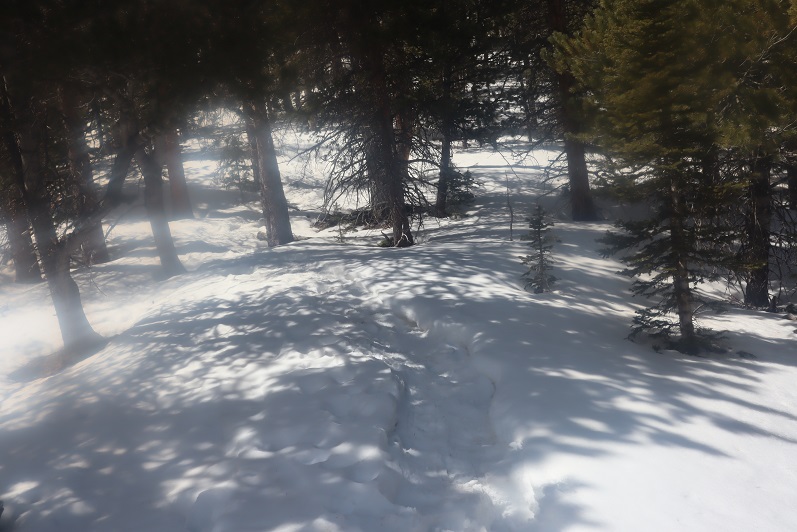
This was harder than it looked, as the marsh was more like a bog, the willows were dense, and once back in the trees the snow and downed trees were cumbersome to say the least. I was very grateful I’d lugged my snowshoes this far. They were only needed for this one mile section, but I wouldn’t have been able to summit without them.
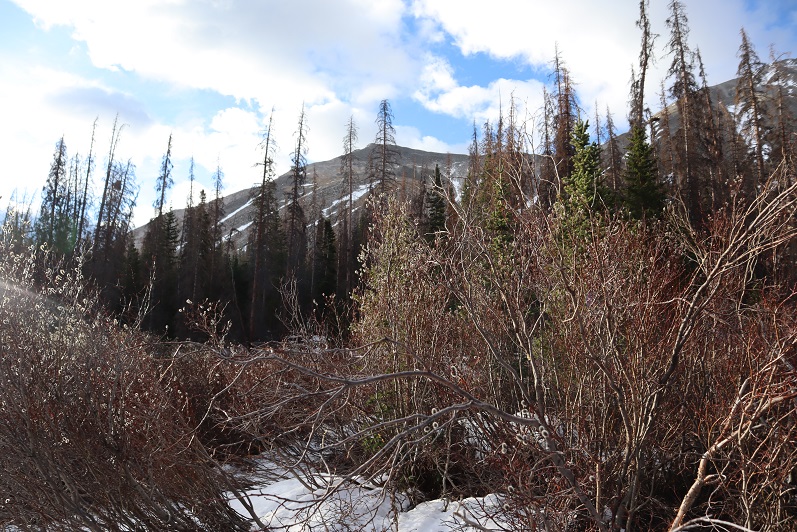
26

27

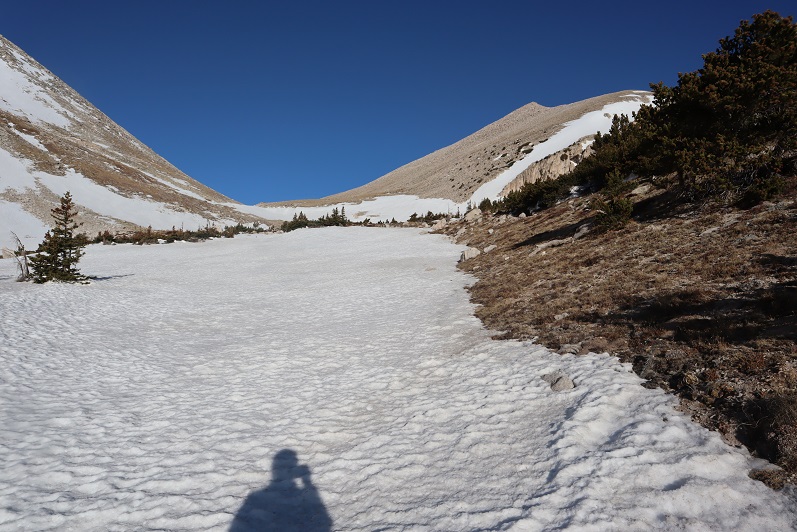
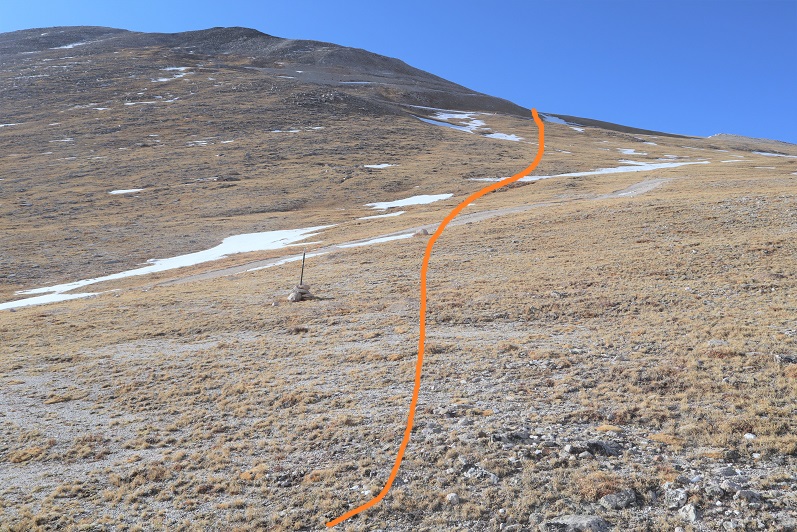
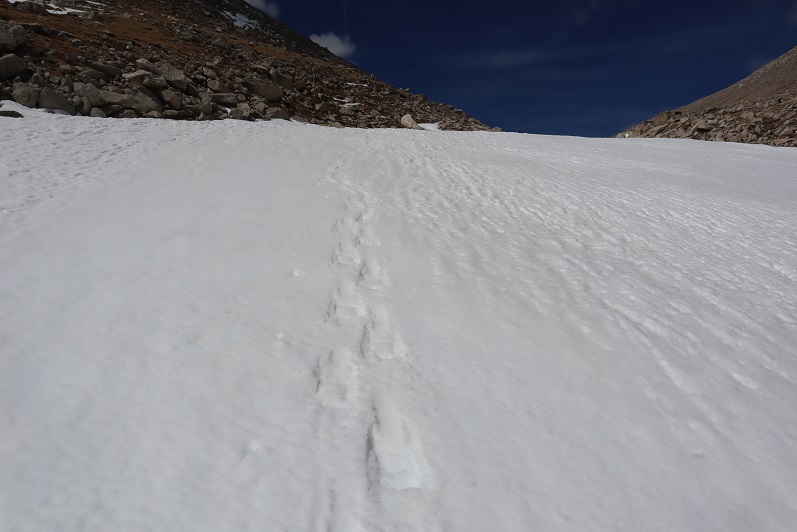
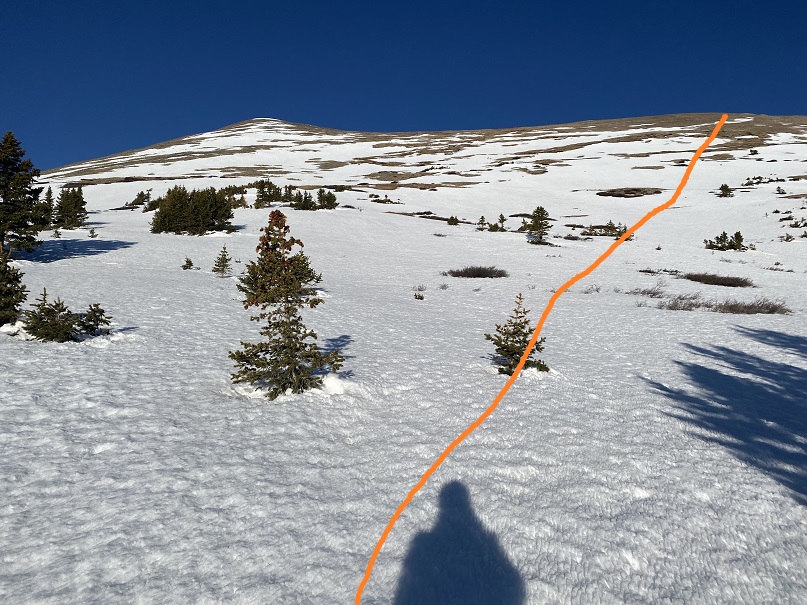
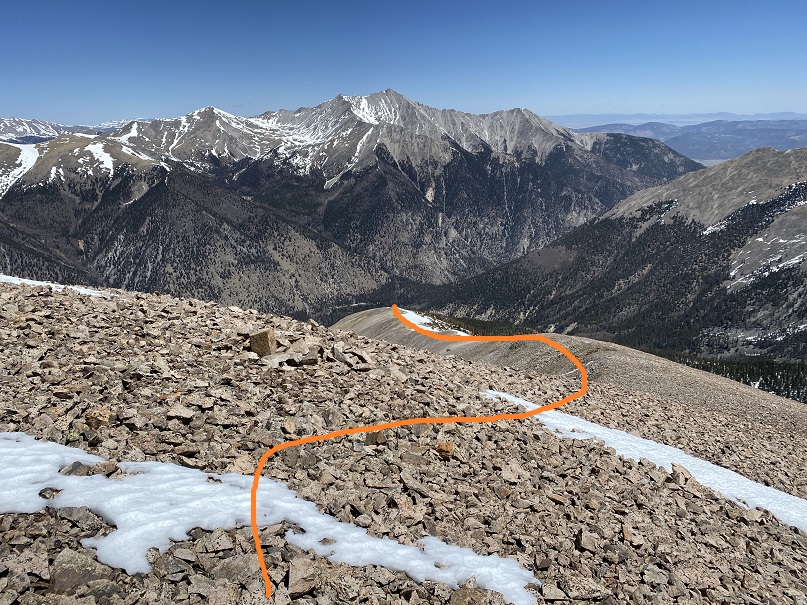
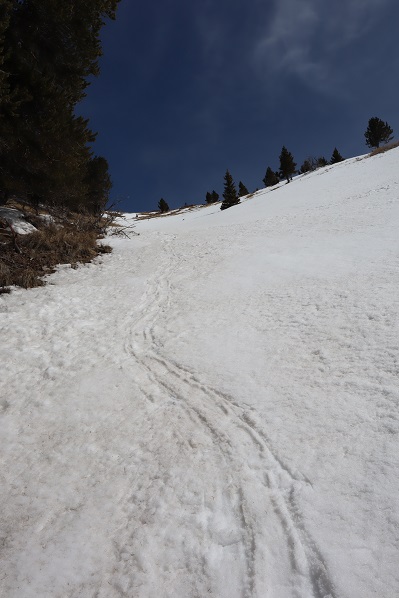
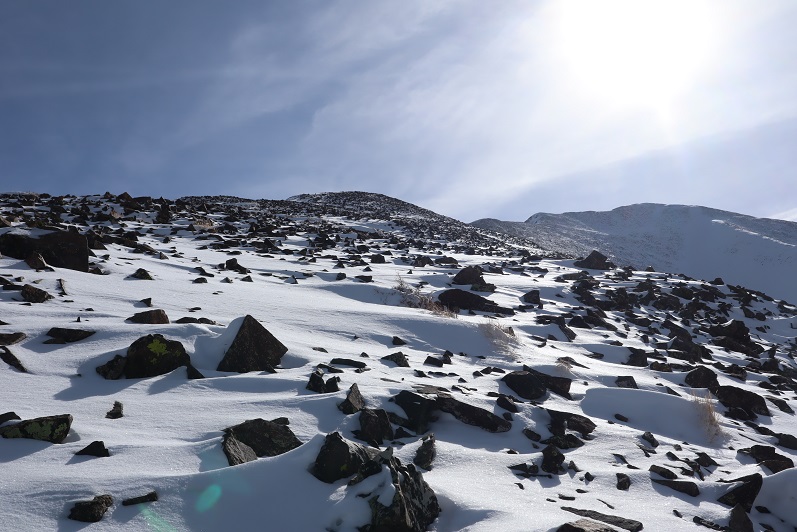
Once above treeline the route was much more obvious. I crossed a small runout/gully and began ascending the loose, rocky, scree filled slope. There are a few cairns here, none of them seem to follow the same path and all seemed arbitrary. Just head up. It looks like the rocks shift often, so pick your line carefully. Microspikes are helpful on the scree.
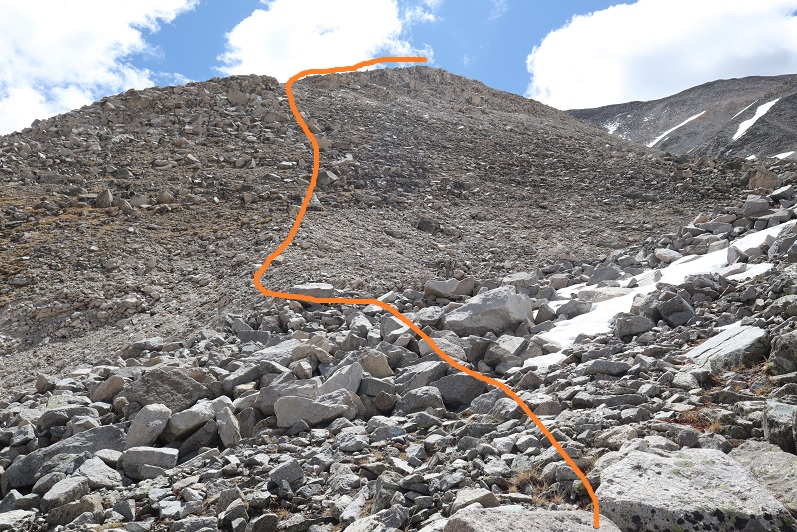
28

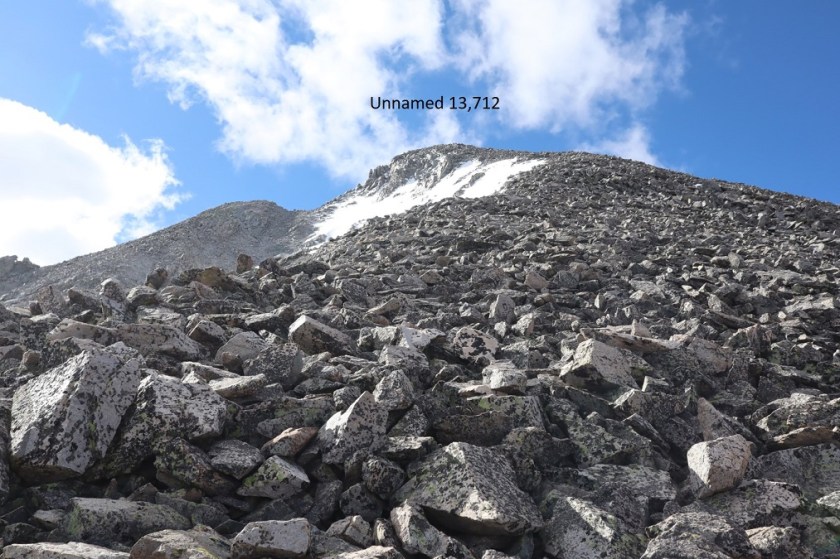
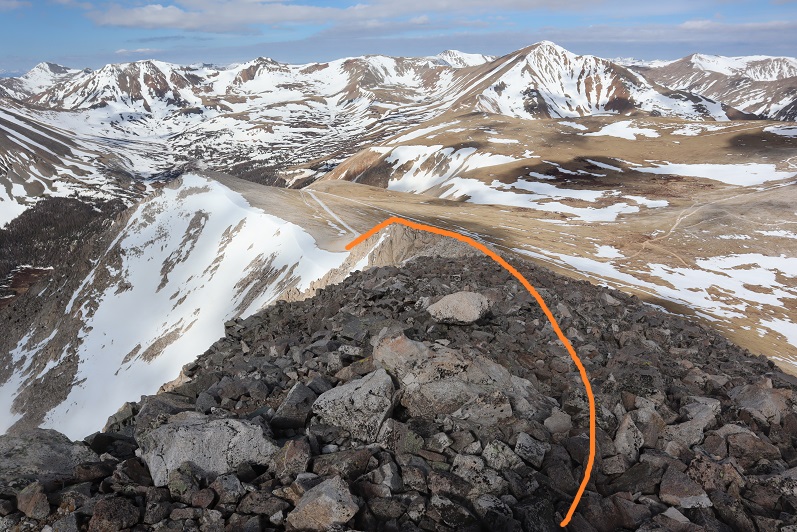
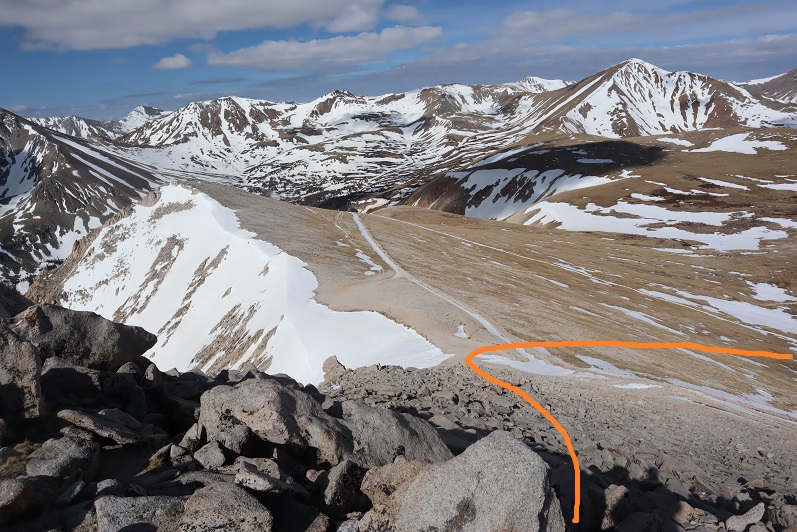
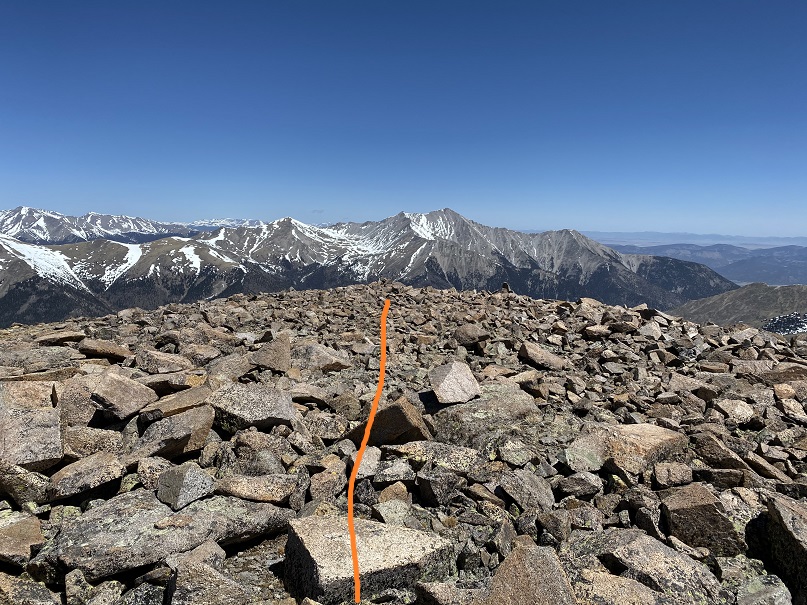
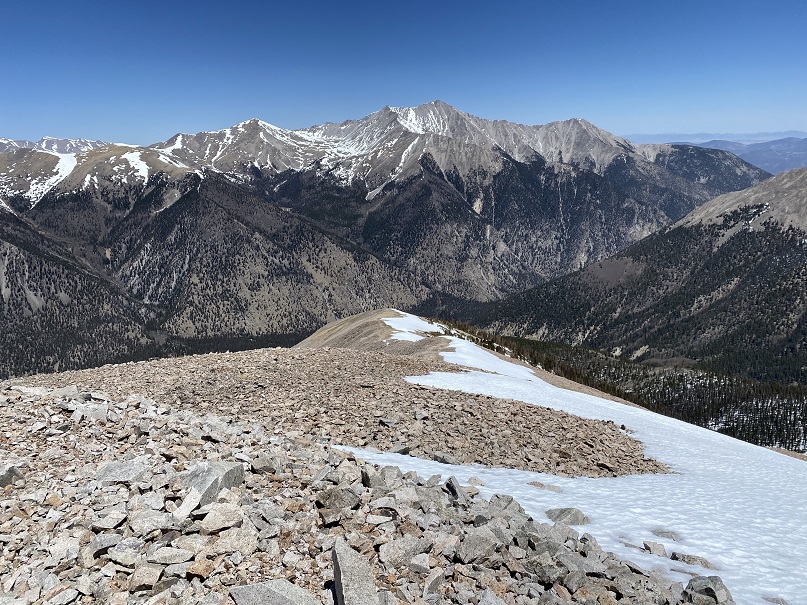
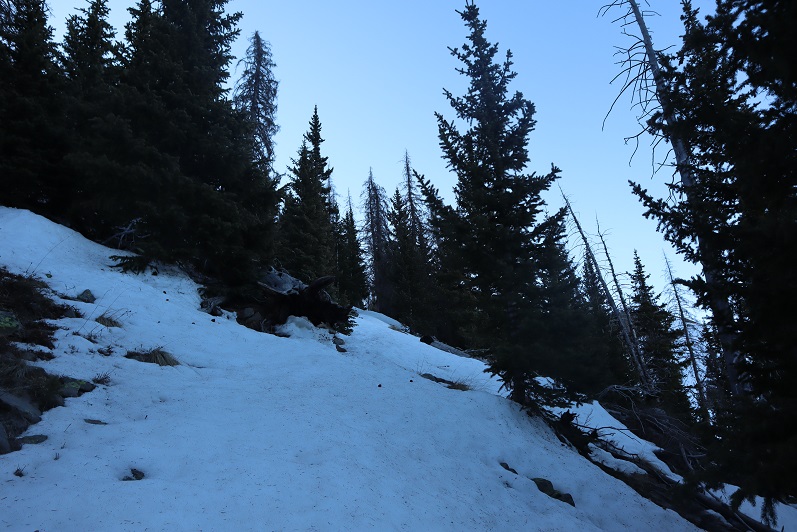
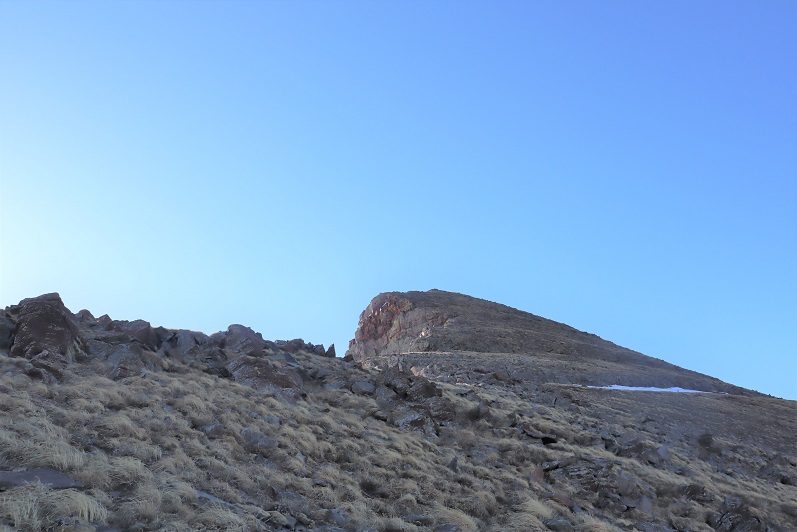
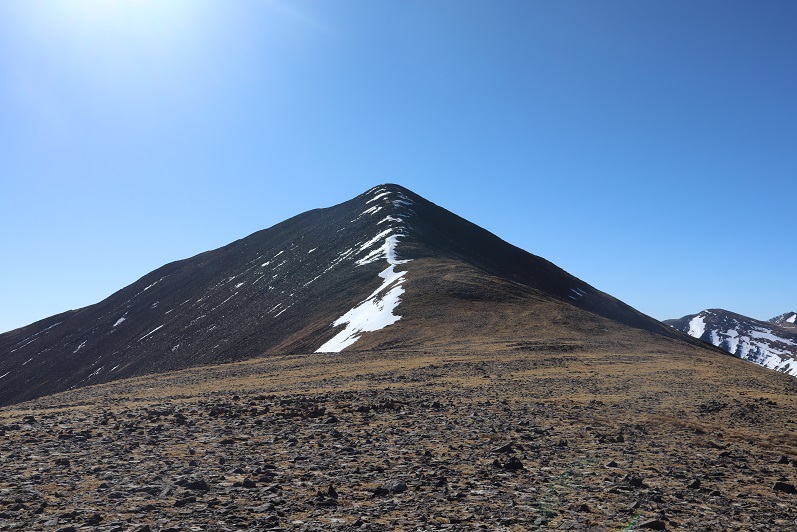
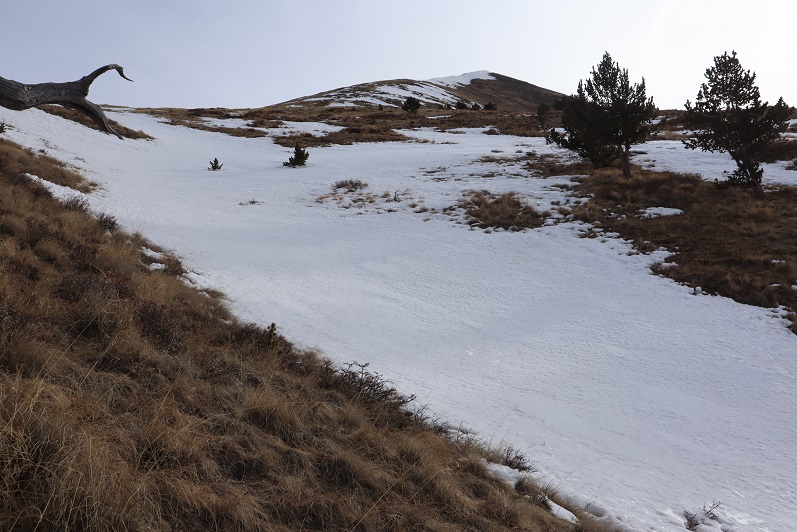
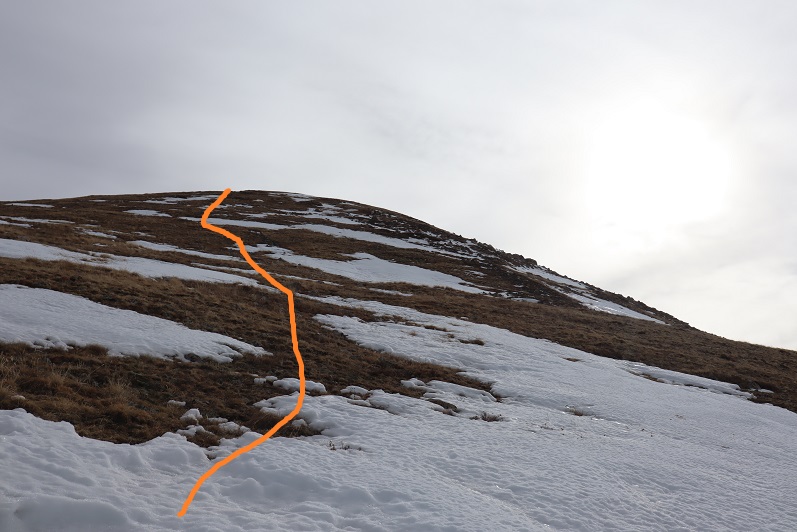
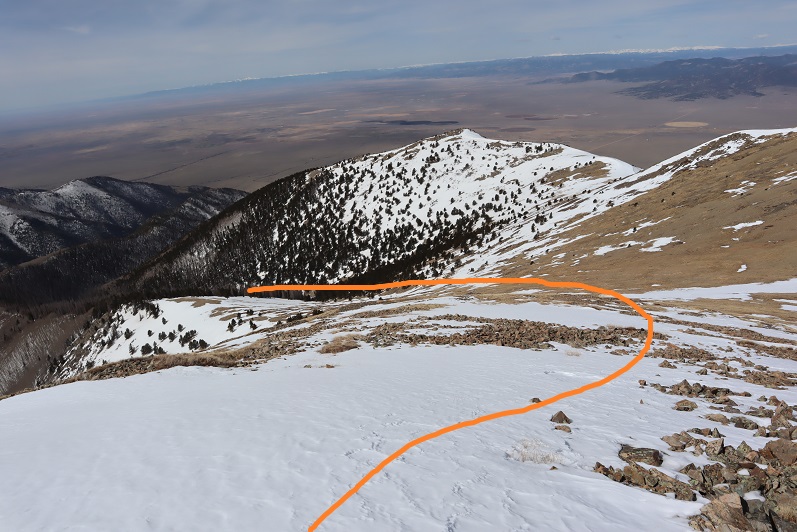
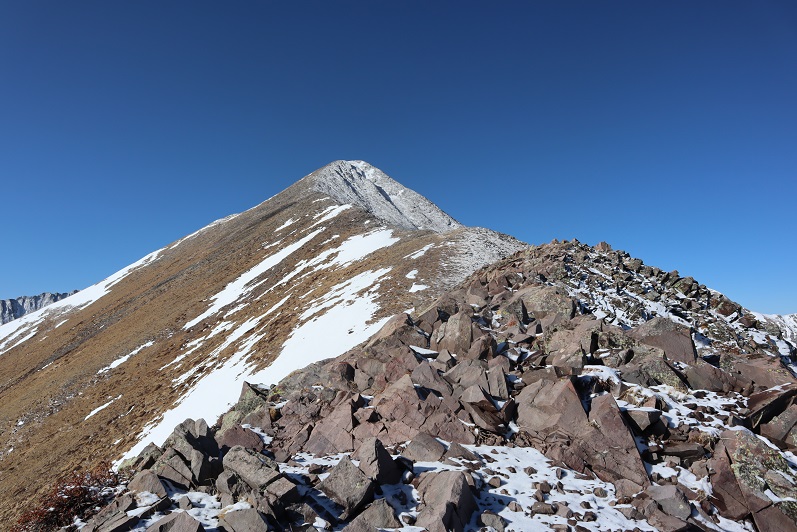
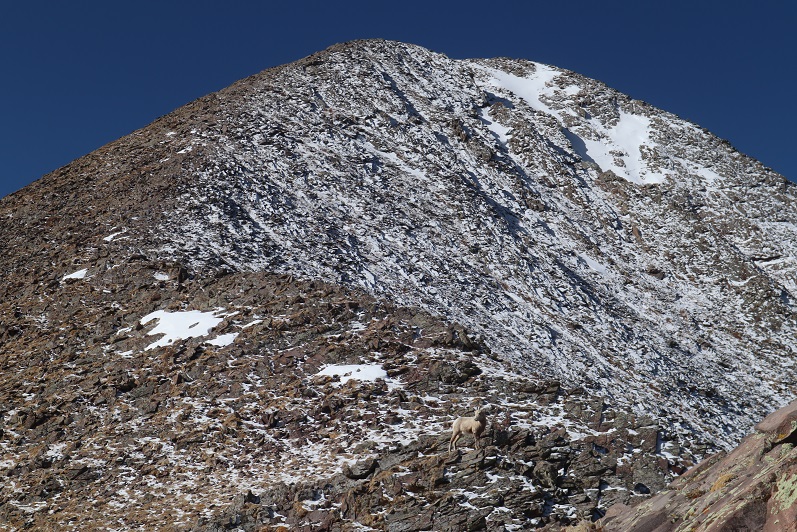
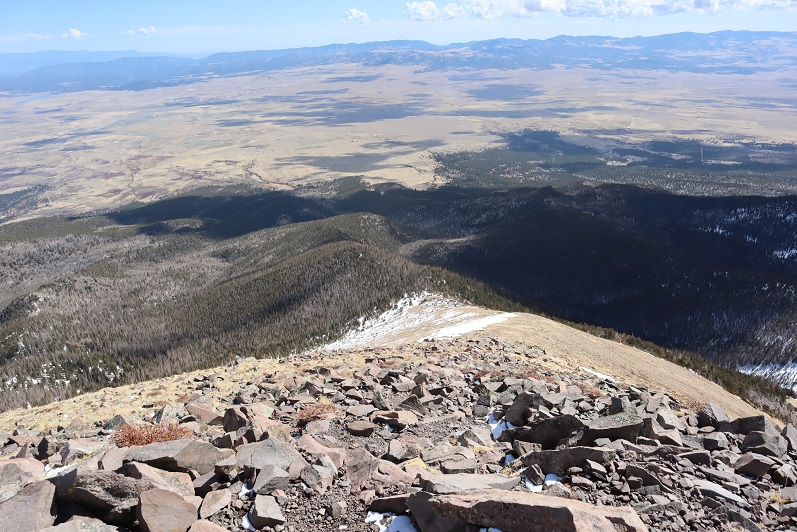
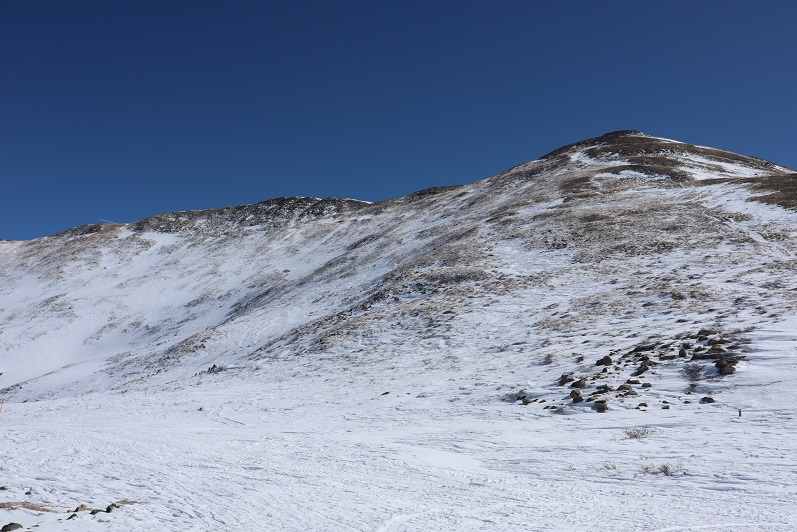
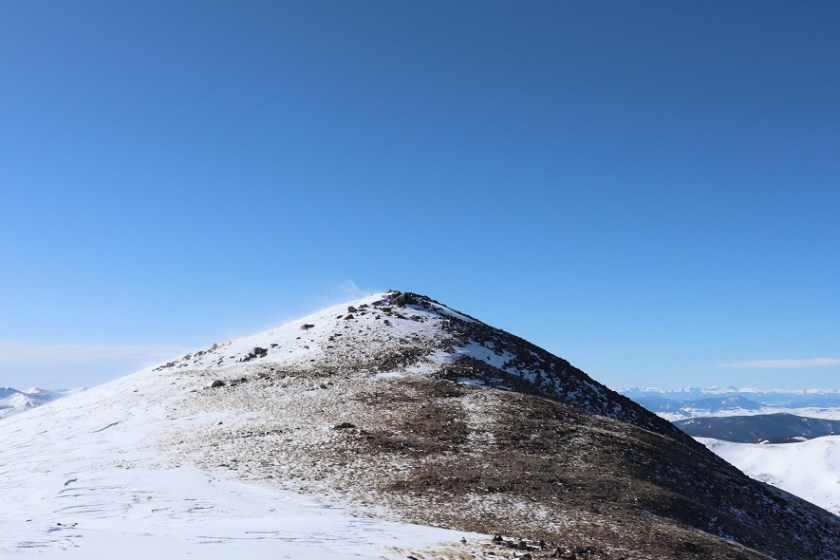
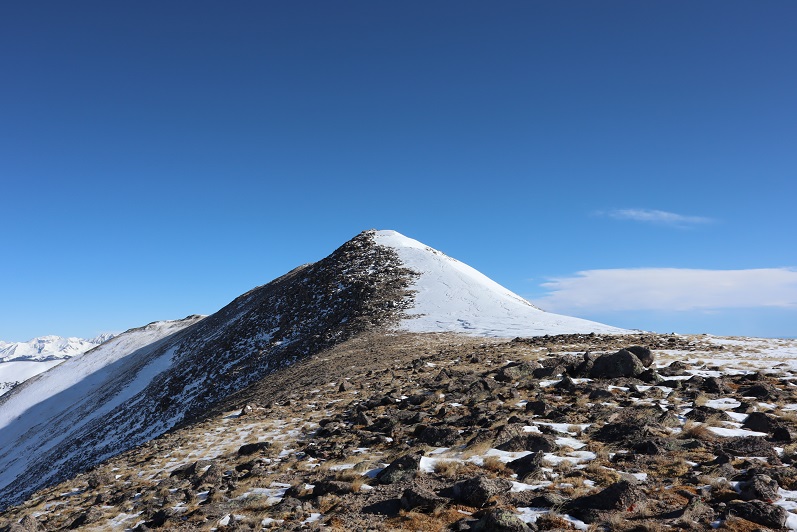
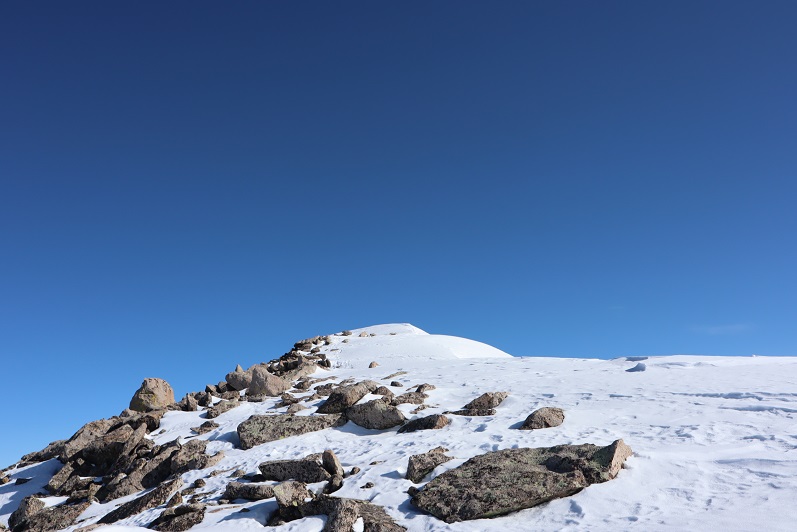
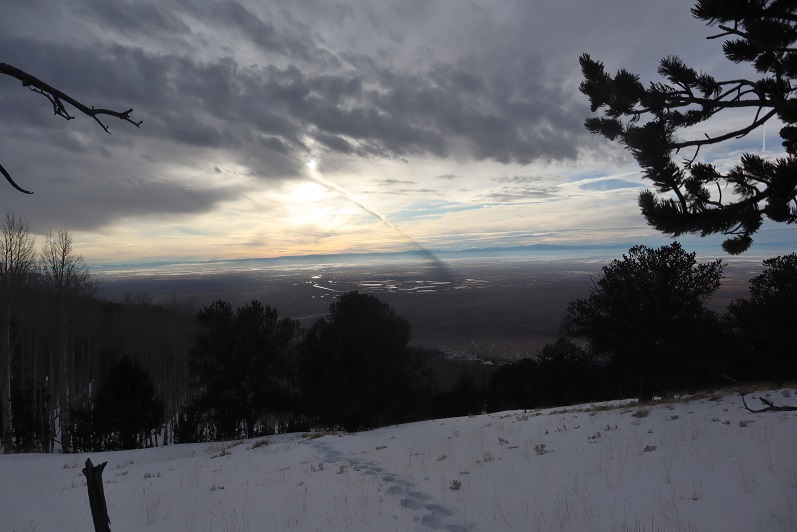
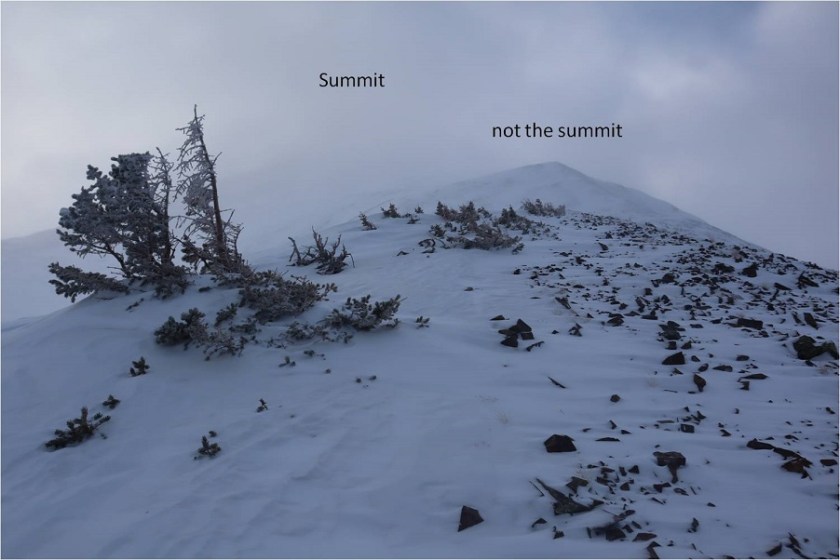
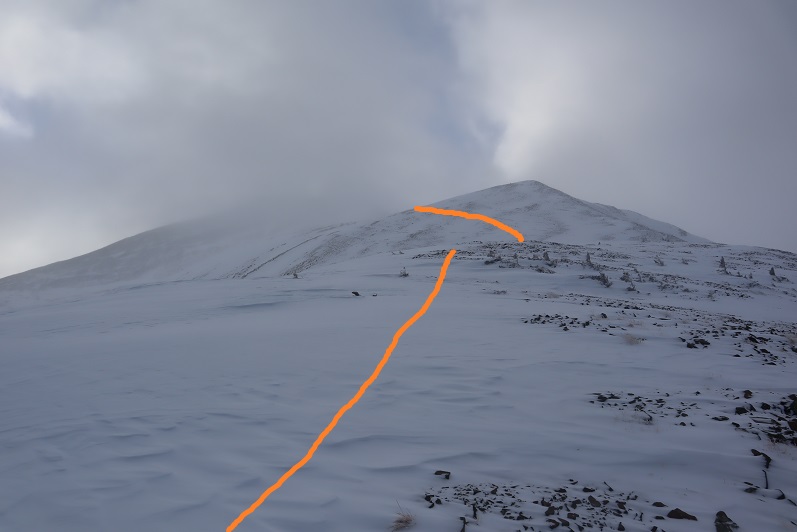
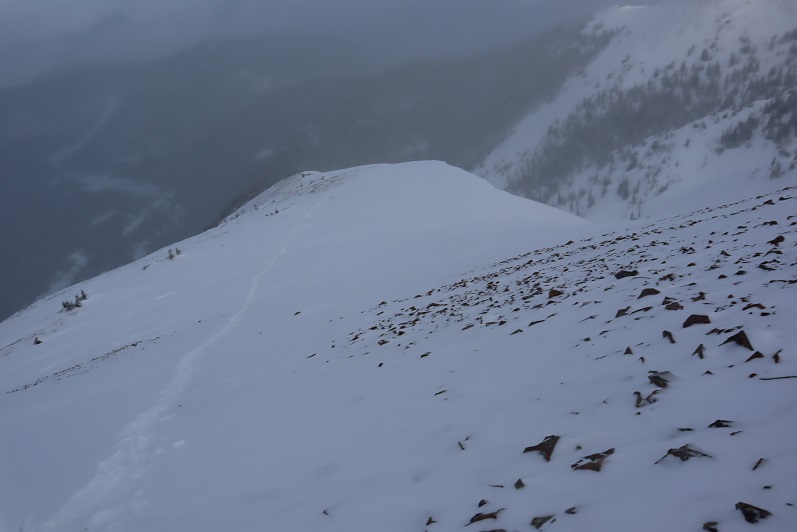
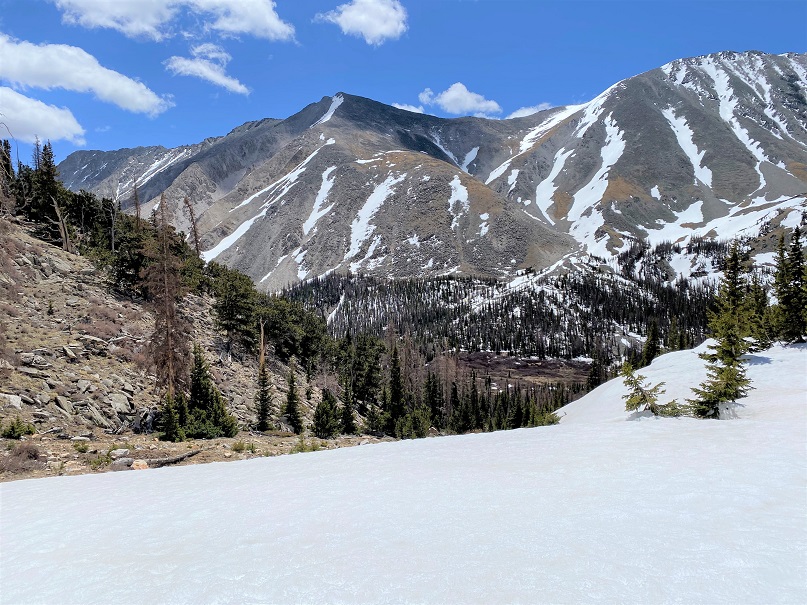
The scree eventually gave way to some tundra (I was aiming for the ridge: yes, that summit is 13,712, so no false summits today!!!)

29

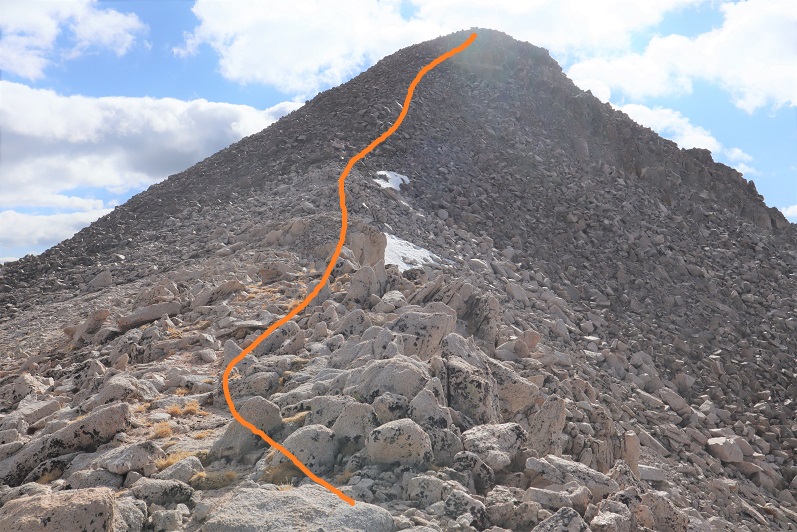
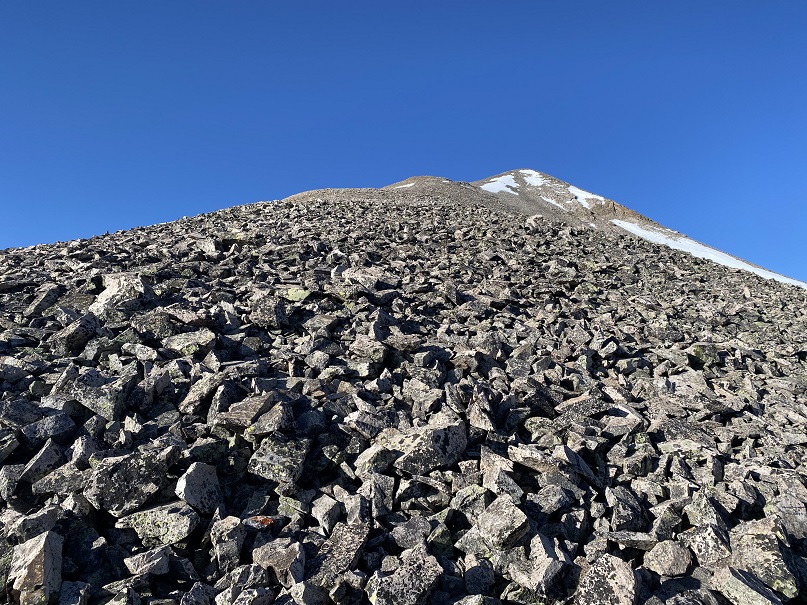
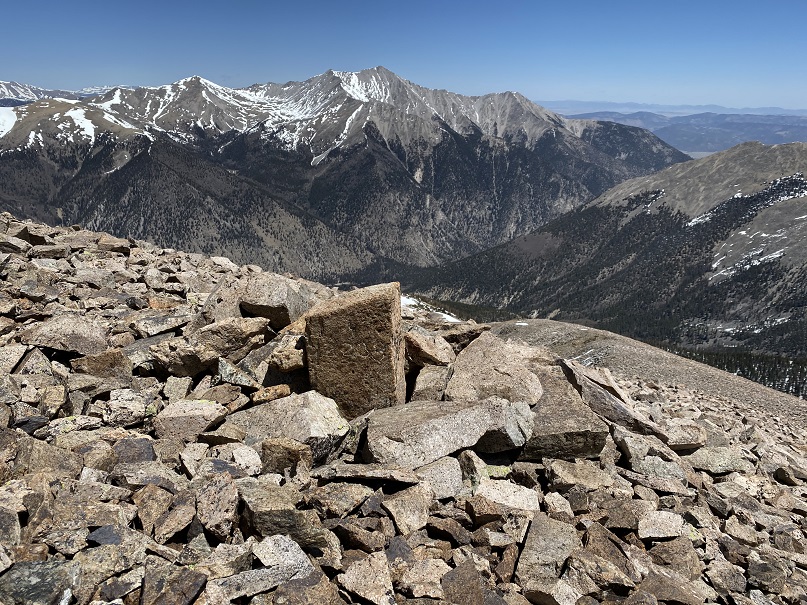
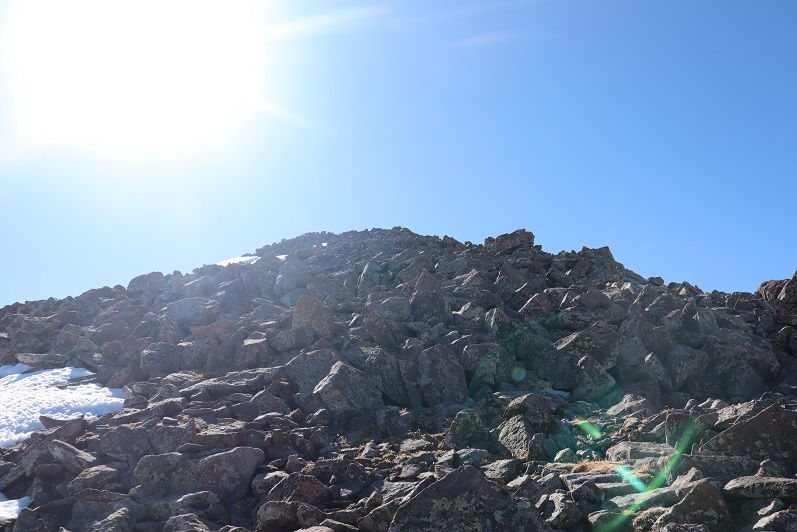
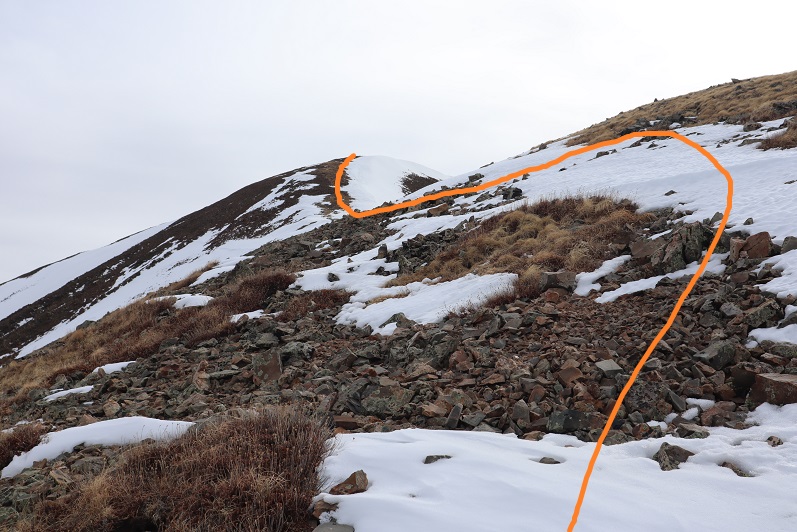
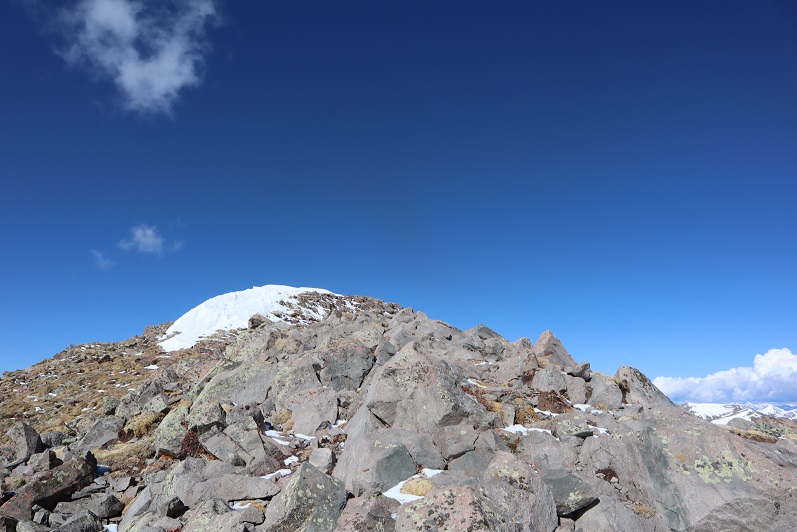
And then more loose rocks (bowling ball and microwave size, none of which were stable)
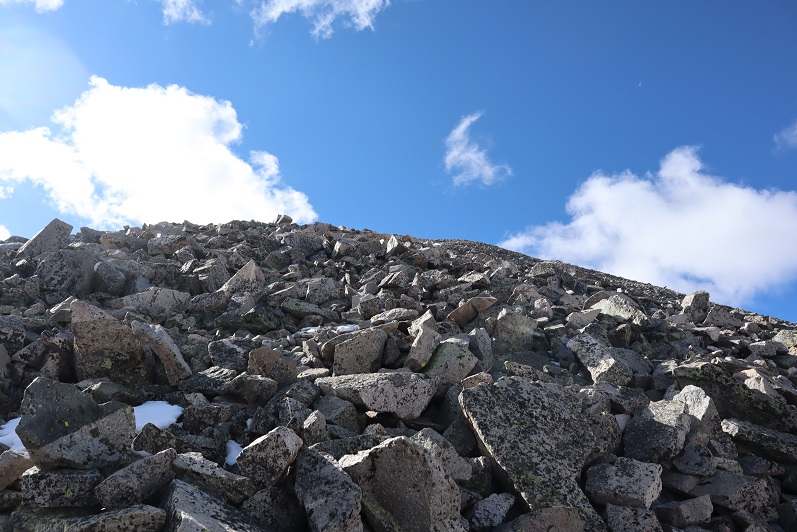
30

31

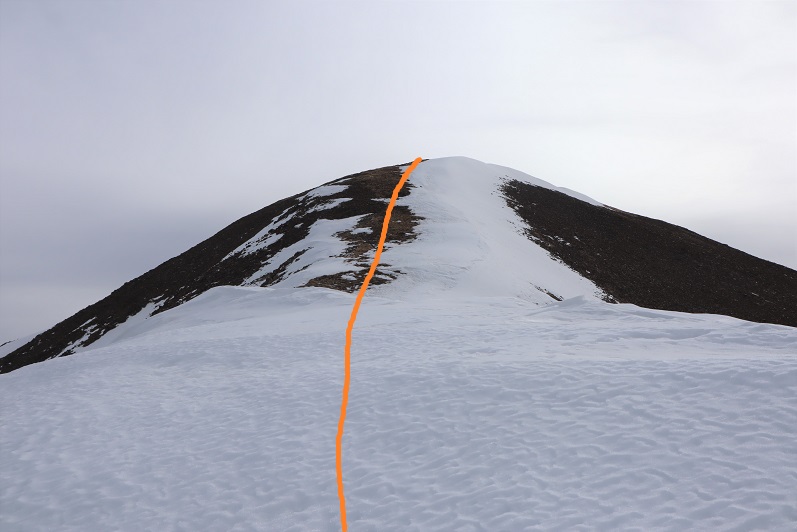
I summited at 9:10am. I’m not fond of this picture, but it’s what I’ve got
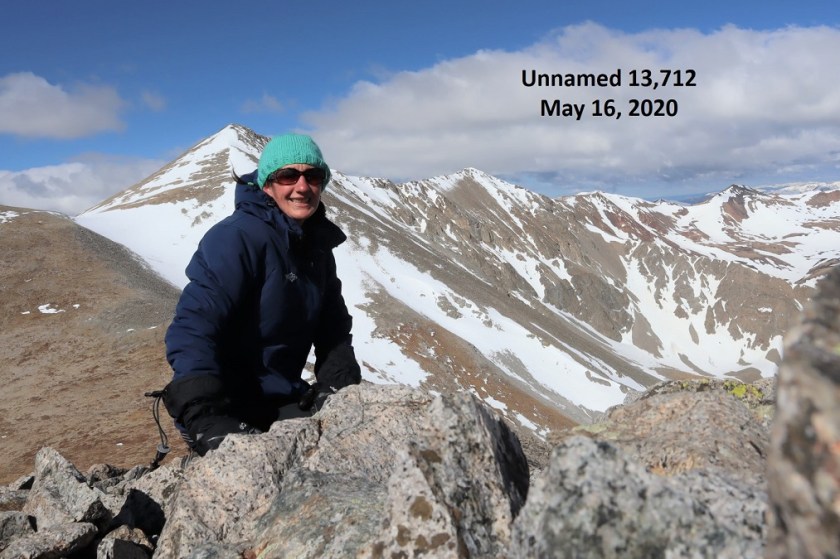
32

13712 Summit:

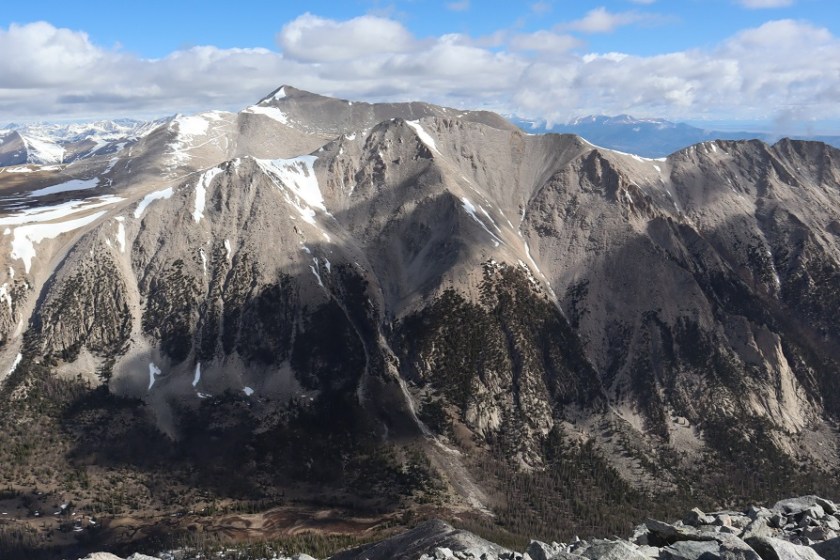
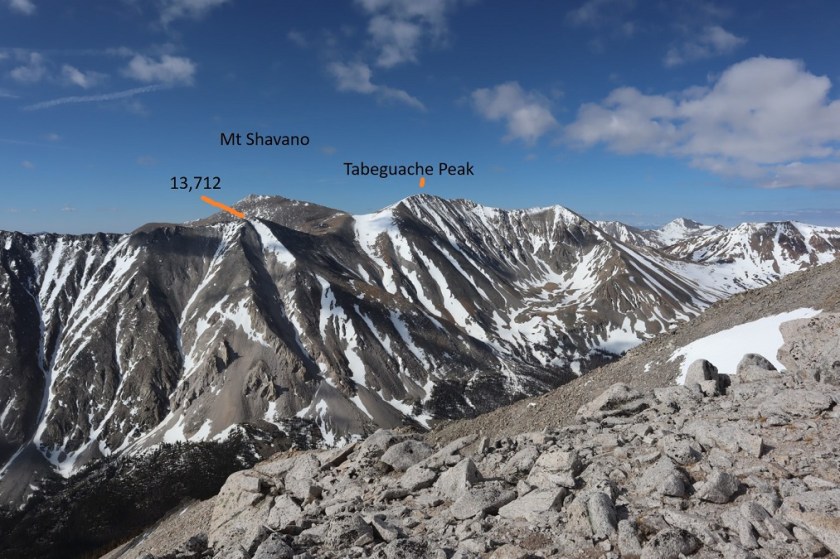
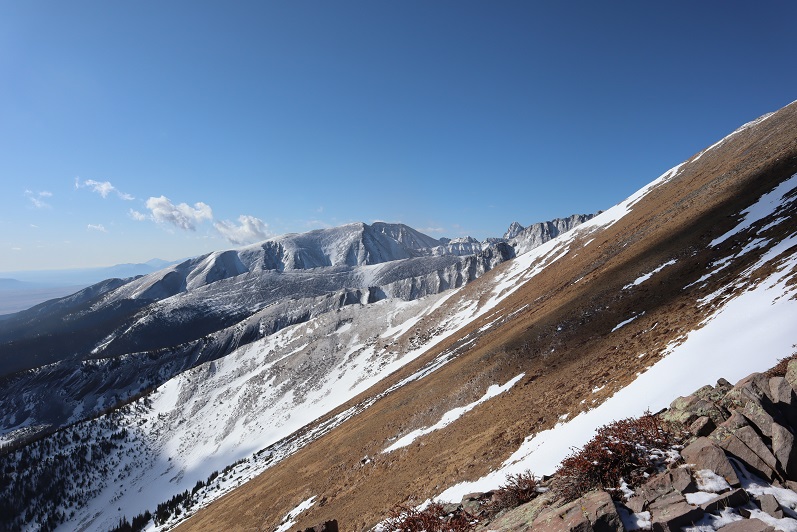
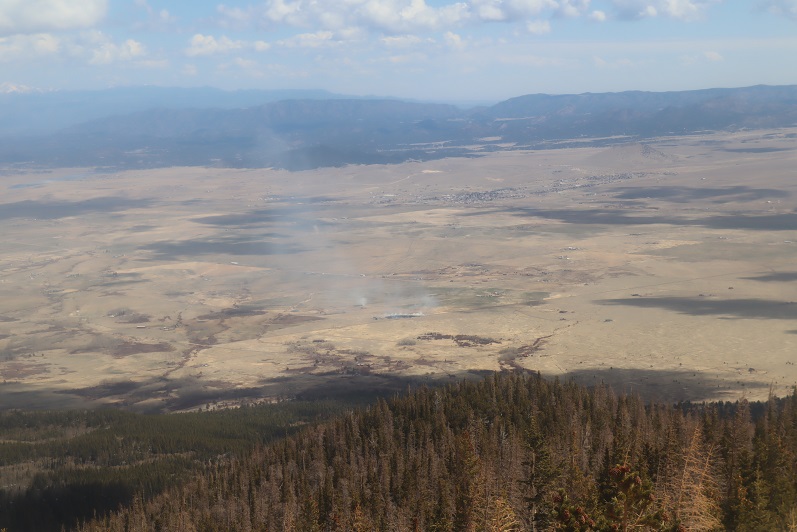
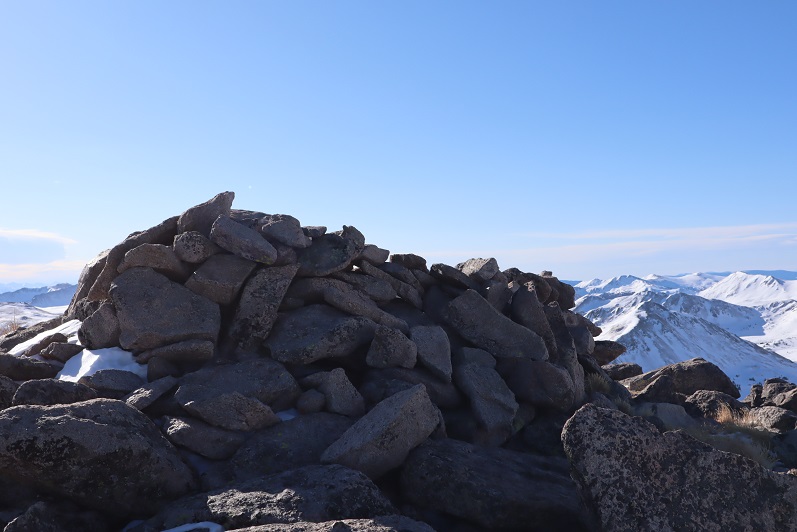
It was very, very windy on the summit. I was surprised to see just how close I was to Shavano and Tabeguache and noticed two climbers making their final ascent up the snow on Tabeguache.
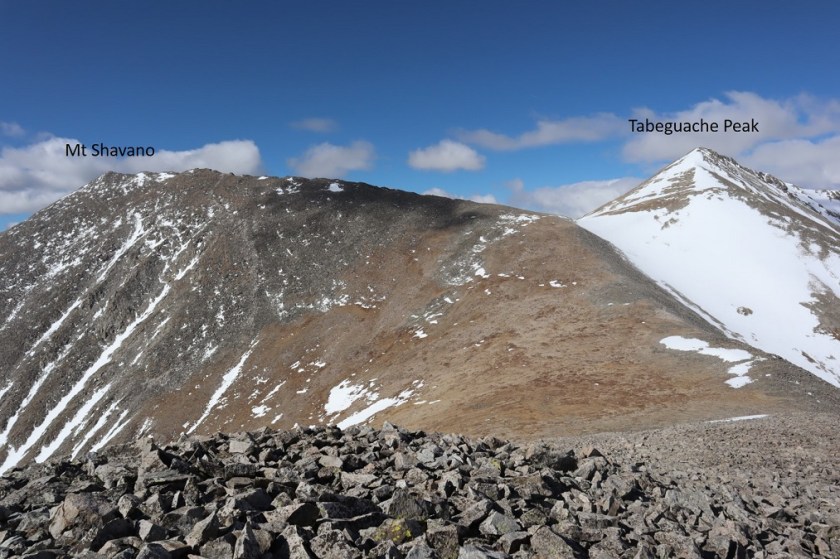
33

I didn’t plan on summiting either of those peaks today however: The snow had been soft enough on my way in, and I needed to make it back down before it became any softer.

34

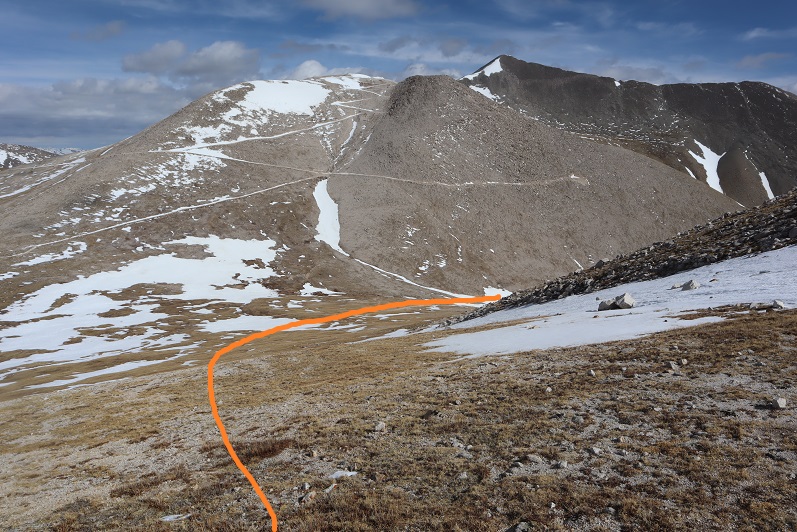
All along the ridge I looked for a safer way back down than the way I’d come up, but couldn’t seem to figure a better way: the marshy area was full of either snow, ice, or deep water I didn’t want to cross, so I did my best to retrace my steps back down. The snow made the mile a slog.

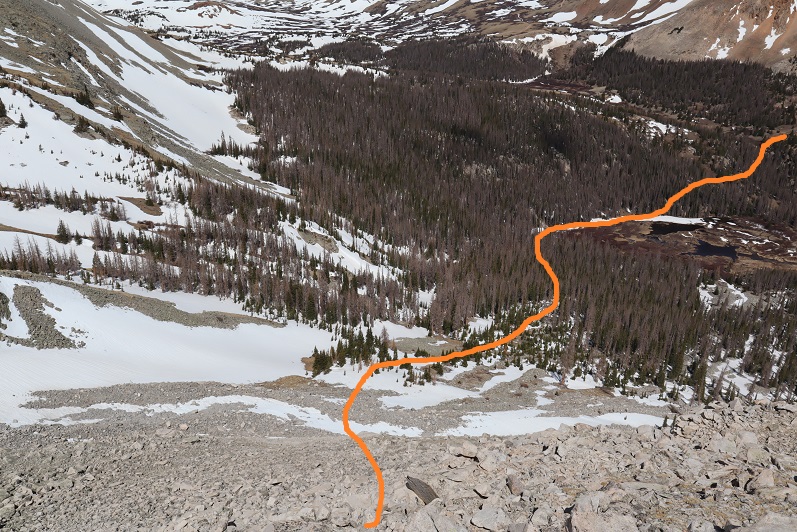
35

36

37

38

Here’s that boulder you’re trying to avoid on your way back
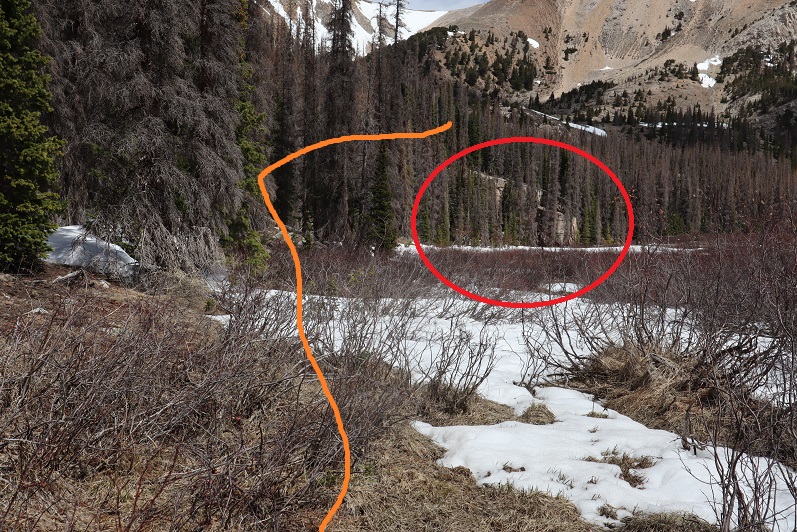
39

I made my way back to the creek, crossed it and headed back to the 4WD road, happy to be done with snowshoes for the day. While crossing the creek I’d accidentally stepped in it (both feet ended up getting wet when I lost balance because I was too hard-headed to take off my snowshoes first) and now my hiking shoes were soaking wet. Should be a fun 7.5 mile hike back to the trailhead! Here are some photos of the way back:
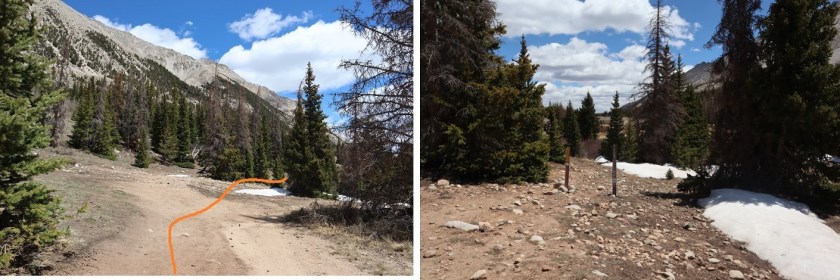
40

(also, whoever made this sign forgot the letter ‘d’: there’s obviously space for it, and upon closer inspection there was never a letter there to begin with)
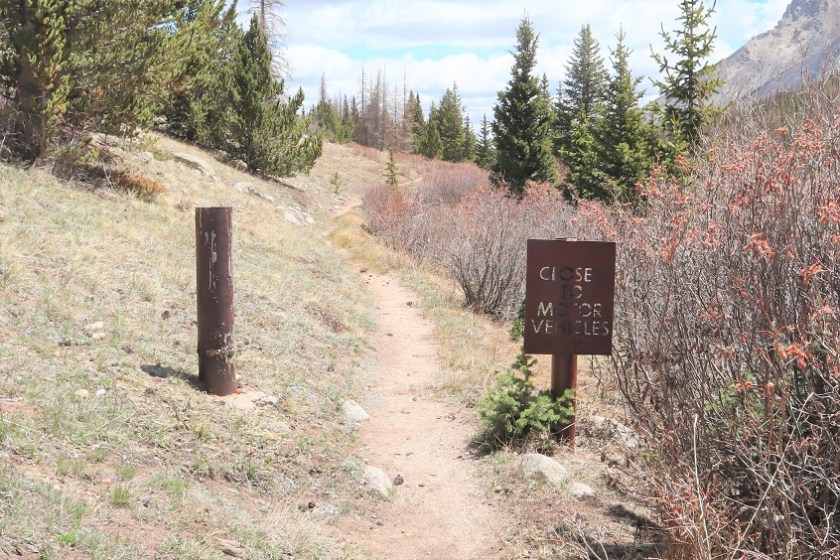
41

42

43

44

45

As I passed Browns Lake and made my way closer and closer to the trailhead there were more and more people on the trail, and everyone seemed to have a dog (or two or three) and I even saw people riding horses. Indeed, this is a popular trail. On a positive note, I didn’t see dog-waste bags lining the trail. I did see someone fishing in the creek in an area made for horse crossing.

I made it back to my truck at 2:45pm, making this an 18.69 mile hike with 5360’ of elevation gain in 12 hours, 15 minutes.

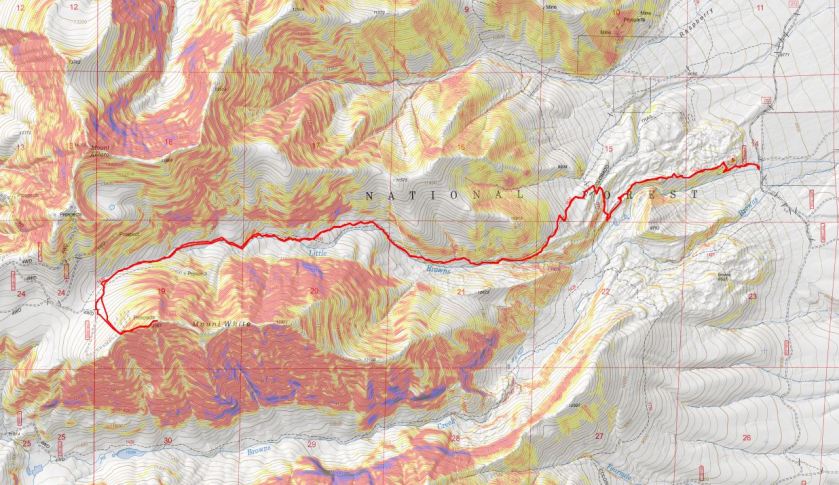
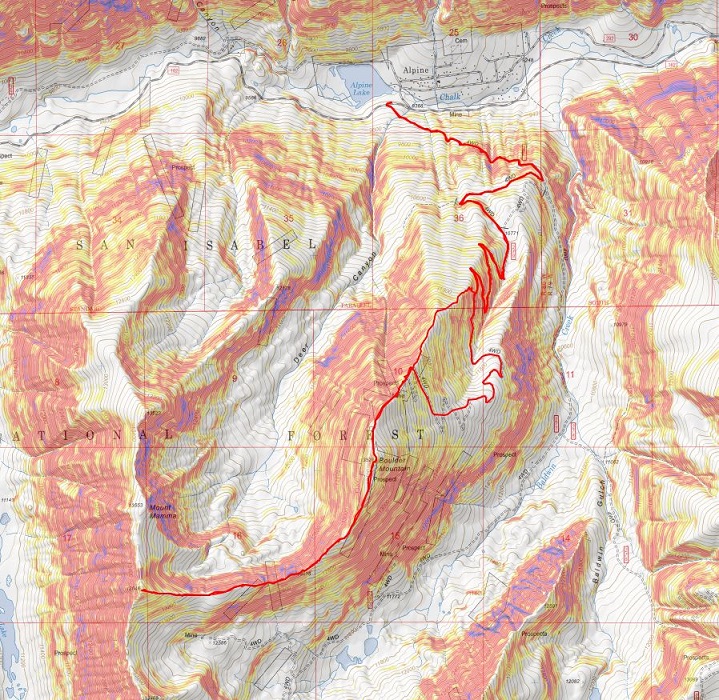
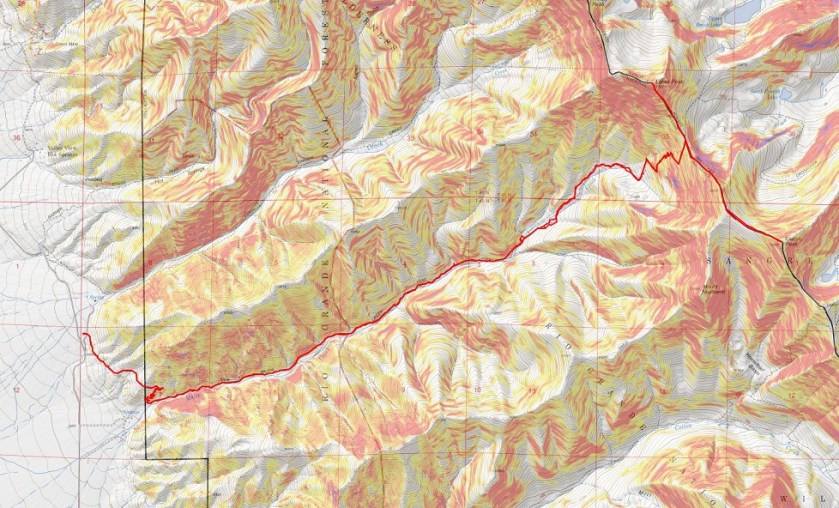
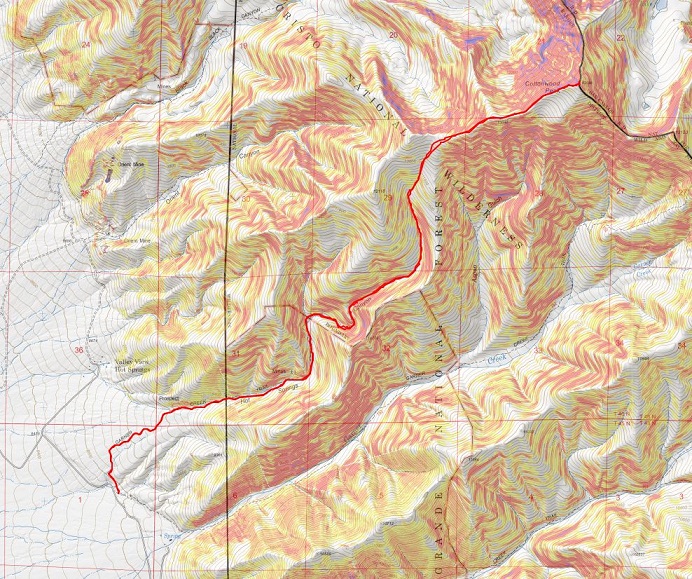
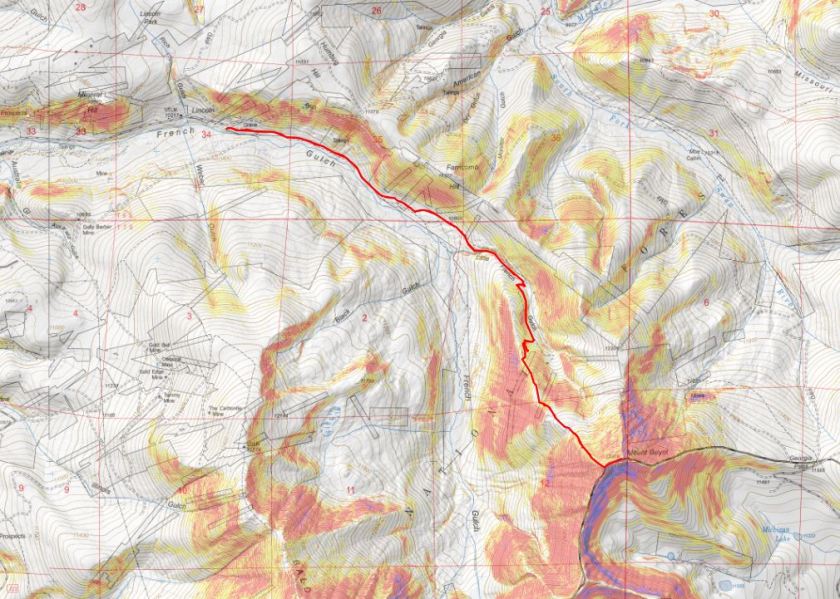
Here’s a topo map of my route

46

Mount White – 13,657

1

RT Length: 14.25 miles

Elevation Gain: 4945’

I arrived at Browns Creek Trailhead to one other vehicle in the lot. It didn’t look like they were sleeping in their car so I assumed they were either already on the trail or camping in the basin overnight. I didn’t pass anyone all day, so they must have been in Browns Creek (I was taking the Little Browns Creek approach). The road to Browns Creek Trailhead is an easy 2WD dirt road.

2

The trailhead had plenty of parking and restrooms (which are currently closed due to Covid-19: they had signs asking us to “recreate responsibly”). The trail starts at the north end of the parking lot, and follows trail 1429 west

3

4

I walked along the trail and quickly encountered a gate (not locked)

5

6

After hiking for 1.5 miles along a well maintained trail I came to a junction and turned right (north) and followed the Colorado Trial for a bit (not long) before continuing on trail 1430. There are well placed and visible signs at each junction.

7

For the first 5.25 miles of this hike it was an easy, class 1 trail that was both horse and bicycle friendly (I saw evidence of both)

8

9

10

The sun seemed to rise earlier than normal, and I was able to easily see where I was going. After 5.25 miles however, snow began to cover the trail at around 11,490’. This was punchy snow, and I couldn’t have crossed the area without snowshoes.

11

I strapped my snowshoes on and followed the ravine west.

12

13

There was one spot that was a little steep, but nothing I needed an ice axe for

14

It was clear there was a trail under the snow, as at times it would rise above the snow before sinking back down. Luckily it was still early and the snow was firm enough to navigate with snowshoes. I would not have been able to traverse this area without them, especially on the way back.

15

At 6.4 miles (12,670’) I left the trail to follow a 4WD road. I was supposed to take the road to the ridge, but what little snow there was here only seemed to be on the road itself, so instead I just hiked straight to the ridge

16

17

Once at the ridge I turned left (east) and hiked the third of a mile to the summit on rocky terrain. The was class 2.

18

19

There was a false summit (but it wasn’t too far from the actual summit)

20

21

I summited at 8:40am, after 4.5 hours of hiking and 7.2 miles

22

Mt White Summit:

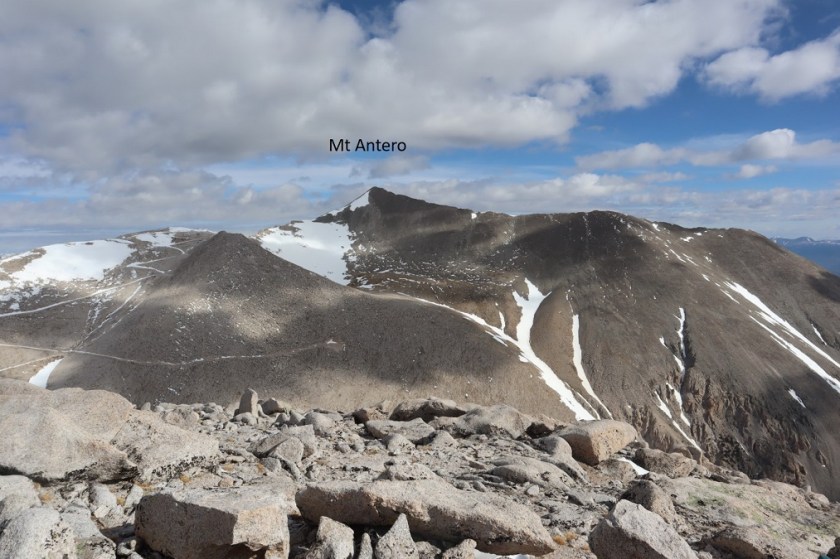
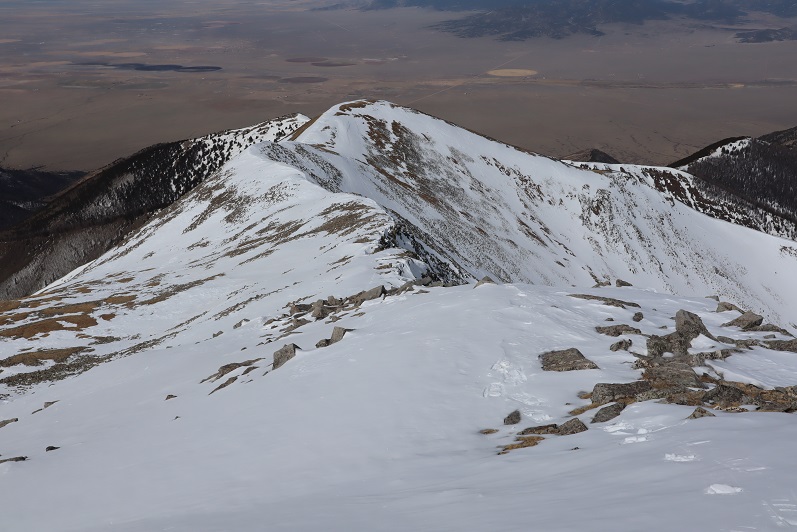
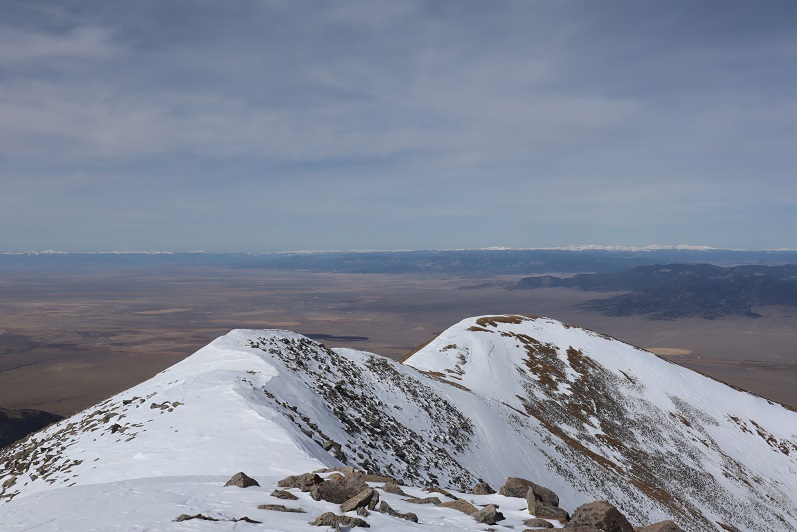
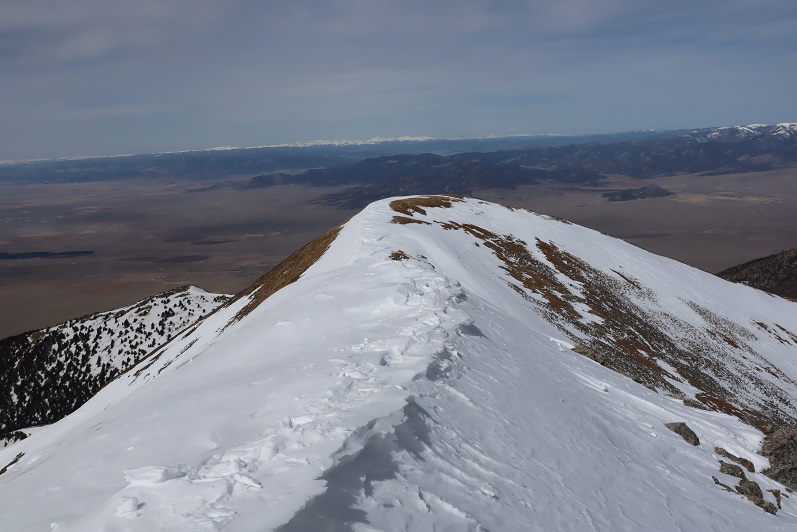
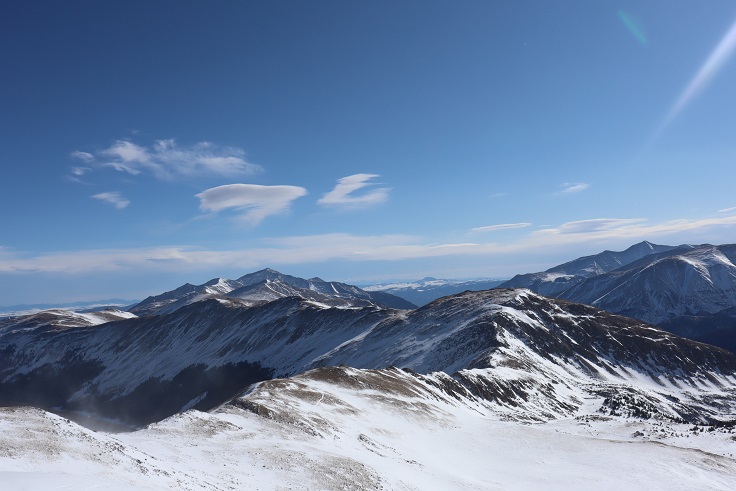
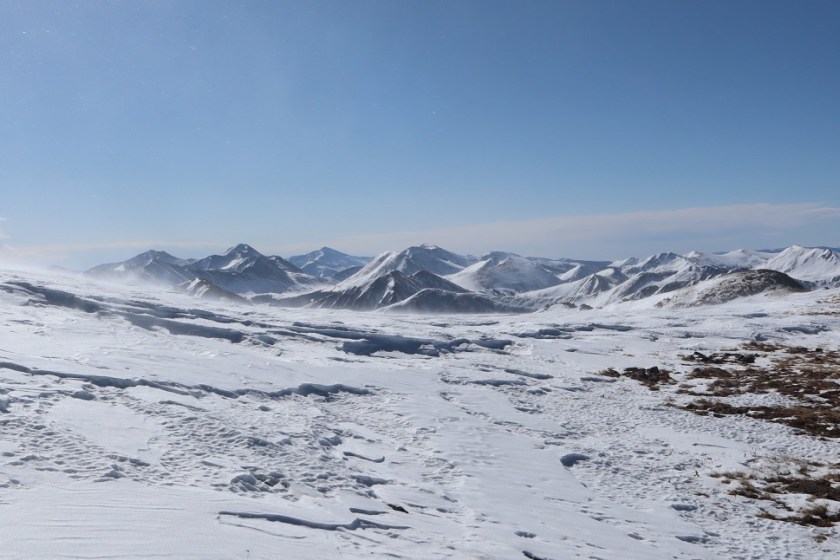
It was quite windy but I still spent a few minutes getting a good look at the conditions of the local mountains: I intended to summit Unnamed 13,712 tomorrow and wanted to get a good look at the route. To be honest, I wasn’t exactly sure how I was going to summit, so I took a bunch of photos to study later tonight along with a topo map. Check out some of the surrounding peaks:

23

24

Time to head back down the ridge

25

26

27

I made a new friend

28

And turned right (north) and headed down into the basin

29

It was still morning, yet when I hit the area with snow it was already very soft. I put my snowshoes back on and headed directly down the snow, back to the trail. I was very happy to have lugged my snowshoes all this way: they weren’t always needed, but it would have been a miserable trek without them, if not impossible.

30

31

32

33

35

36

After taking off my snowshoes I followed the class 1 trail back to the trailhead. Little Browns Creek was dry the entire way.

37

38

39

It looked like this area had seen a fire in the past few years, but the trail was clear of debris

40

I made it back to the trailhead at 12:30pm, making this a 14.25 mile hike with 4945’ of elevation gain in 8 hours, 30 minutes.

41

Here’s a topo map of my route:

42

It was my intention to stay here tonight so I cleaned up, made dinner, took off my shoes, and enjoyed eating by the creek with my feet in the water.  Well, I didn’t much enjoy the food (I have to force myself to eat after a hike) but it didn’t taste bad. It took me about 45 minutes to finish my spaghetti, but I’m proud to say I ate it all.

43

I did a physical check: I’d returned the boots I’d previously bought and wore my old boots today instead. They were full of holes but at least they didn’t rub my ankles raw (my ankles were still red and raw from last week, but nothing my old shoes and some rather large band aids couldn’t fix. Also, I’m in the market for good winter hiking boots). I had cell service, so I text my kids to see how their day was (my youngest rocked her online APUSH exam and was now headed to work), answered a few emails and checked the weather for tomorrow.

I was surprised at how many people were at the trailhead now. The parking lot was completely full. Everyone seemed to have kids or a dog. The creek was a great distraction for both.

After dinner I sat in the back of my truck with a glass of whiskey and my topo map, trying to figure out how I was going to summit PT 13,712 tomorrow. It might have been the alcohol talking, but I couldn’t help but think of how much I loved my new truck set-up! I had another hummingbird fly into the back: that’s twice in as many days camping out and I think it’s because they think my hanging lights are flowers. I was just glad the buzzing noise wasn’t a giant bumblebee. The mosquitoes started coming out around 3pm so I shut my tailgate.

It became cloudy and started to rain. I looked at the time: 4:30pm. I decided to read for a bit, and then get to bed early. I needed to be up around 1:30am to hike past the snow before it got too soft. I prepped my coffee for the morning so all I had to do was turn on the stove, set out my clothes for tomorrow, and closed and locked all my doors/windows. It was still warm and very light outside but I knew it would get rather cold tonight. I was pleased my blackout curtains did their job and despite the early hour I was able to fall fast asleep.

Boulder Mountain – 13,528 & Mt Mamma – 13,646

1

RT Length: 15 miles

Elevation Gain: 5607’

I realized I’d forgotten my camera about 10 minutes after leaving the house, and decided it wasn’t worth it to drive back and get it. That decision haunted me for the next hour. Luckily I still had my phone and it was supposed to be a warm day, so as long as it wasn’t too windy I’d still be able to take pictures.

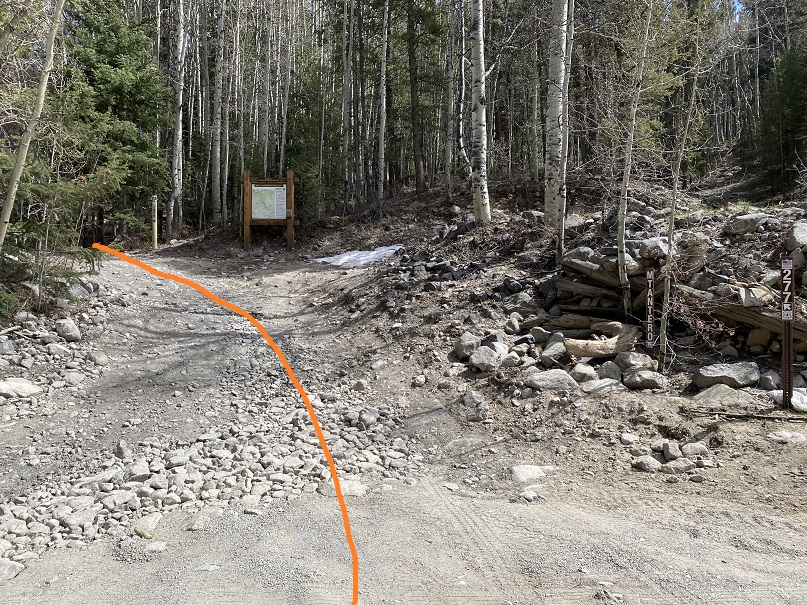
I arrived at the Baldwin Gulch trailhead, parked, and was on the trail by 4:30am. A little later than I’d wanted to start, but early just the same. The trail starts here, at the intersection of 162 (which parallels Chalk Creek) and 277.

2

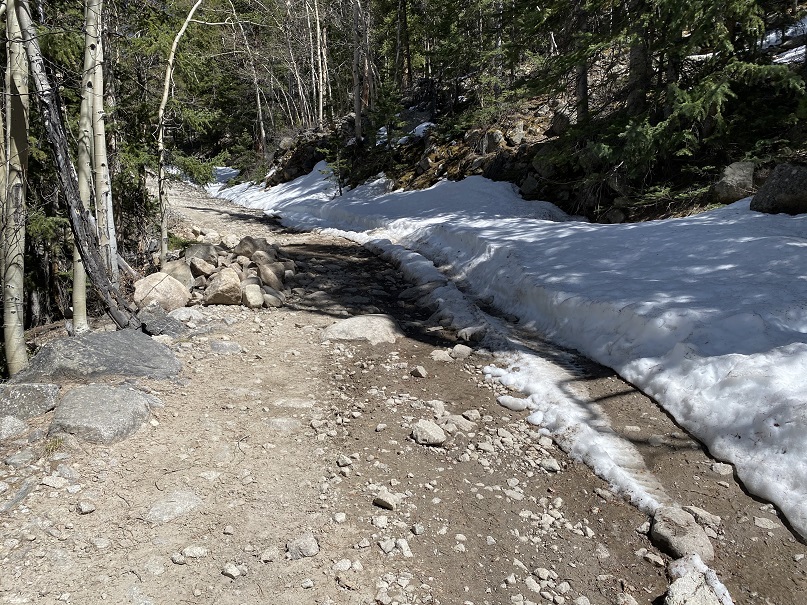
The 4WD road that is 277 was drivable, but I was glad I’d walked the 1.25 miles because there was no place to park a vehicle: all of the parking areas were covered in snow.

3

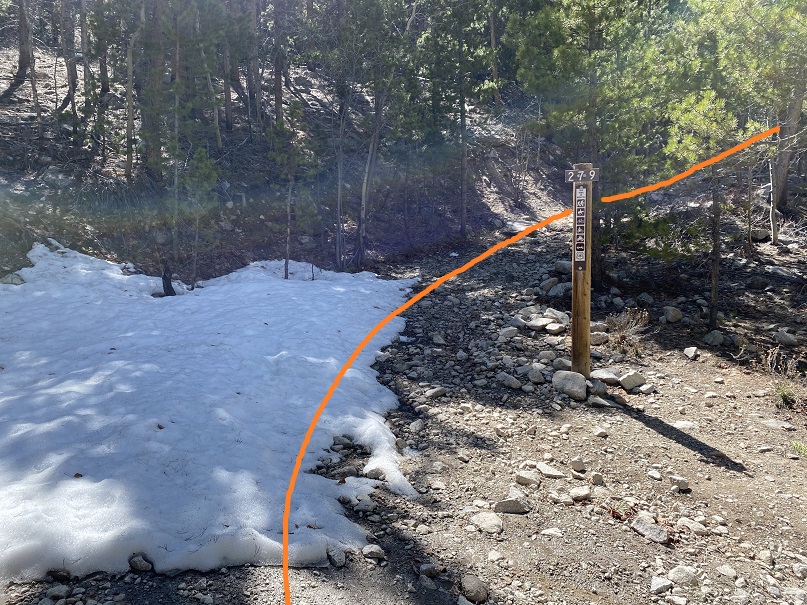
After hiking for 1.25 miles I turned right (west) onto 279 and followed another 4WD road. This road was not drivable.

4

5

At this time in the morning the snow was still solid and I could walk on top of it, but I knew it would be a slog-fest by the afternoon. There weren’t any footprints/snowshoe/ski/animal tracks on this entire road, so I knew no one had been here in while.

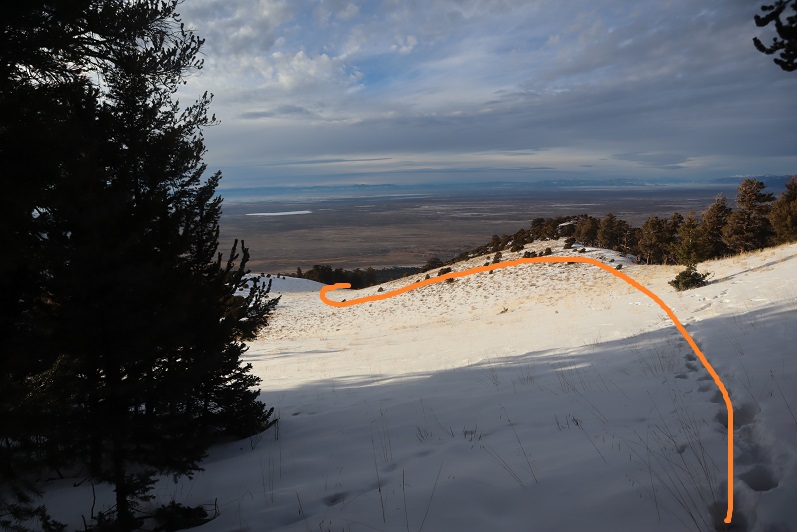
279 switchbacks around the east side of Boulder Mountain. Last week I’d attempted 13,626 and got a good view of how I wanted to summit Boulder: My goal was to hike along the road until I made it to the ridge, and then take the ridge up. However, as I was hiking the road looked ‘doable’ so instead of aiming for the ridge early I continued hiking on the road. I realized later this wasn’t the best option. I crossed a snow-filled gully at 11,700’ that did not look like it would be stable in the afternoon sun and followed the road until about 12,100’ when the road became too dangerous to traverse. The slope angle here was between 29-32* and luckily for me the snow was still fairly solid. I decided to leave the road and instead climb straight up to the ridge. Snowshoes and spikes were not needed, as the snow was still firm.

6

7

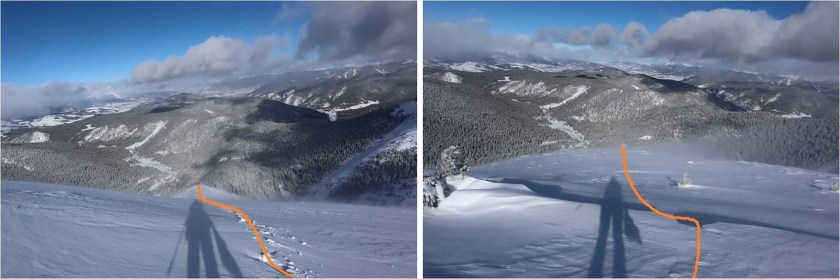
This was trickier than I’d anticipated, and I decided as I was climbing up I was not going to take the same way back down. I had several options for my descent and would make my final decision depending on further conditions. The route I took is in orange, the gully I wished to avoid is circled in red, and everything above the circle was avalanche prone. I didn’t want to walk on the road below the gully on my descent, or traverse across the gully again.

8

I felt much safer once I made it to the windswept ridge. It was a simple hike up the ridge to the summit on loose talus. Also, that’s not the summit.

9

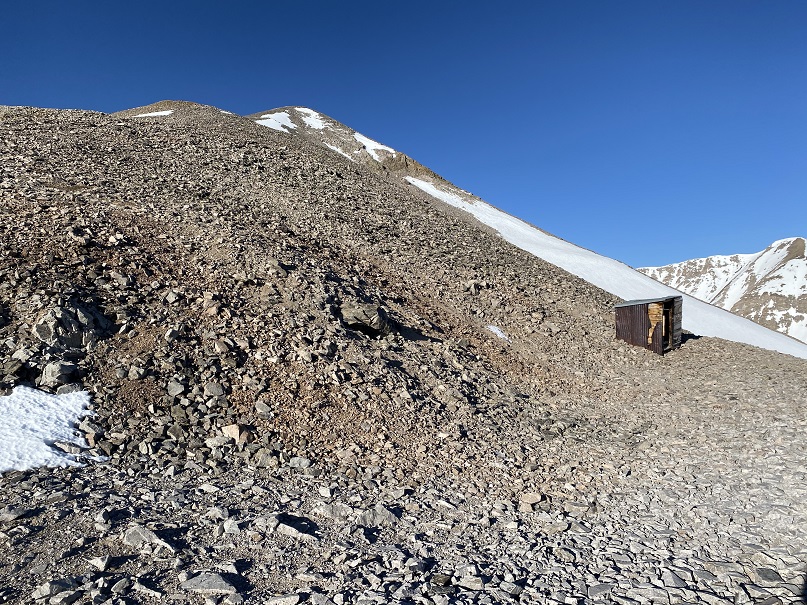
I passed quite a few mines and a small, empty building

10

As I continued hiking up the ridge the true summit came into view

11

It was a straightforward hike to the summit. I summited at 8:15am. It was a little over 6 miles from where I parked my truck to the summit.  This summit gets a selfie because I left my camera at home…

12

Summit of Boulder Mountain:

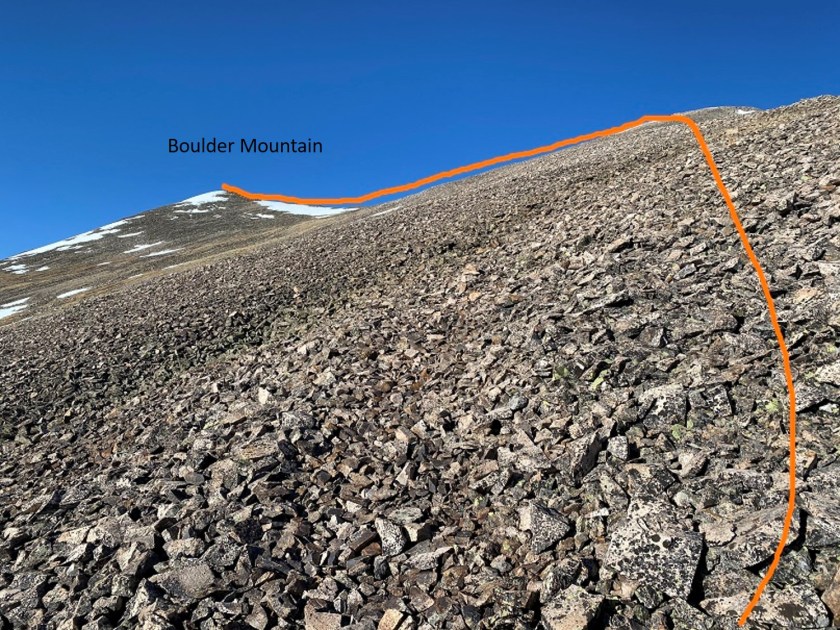
Here’s the view of the ridge over to Mt Mamma

13

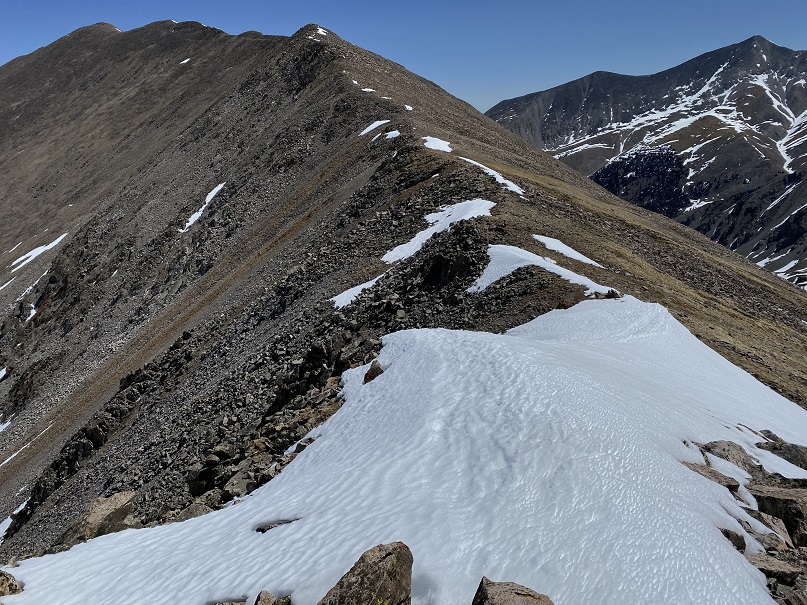
The traverse was straightforward. I stuck to the ridgeline as much as possible to avoid the snow

14

It looked like there was a trail to my right, but when I tried to take it I found it was full of very loose talus. One slip would send me tumbling, so I stuck to the ridge.

15

While on the ridge I got a good look at the basin below and Baldwin Lake. Nope, I didn’t want to descend that way, as it looked too similar to the conditions I’d experienced last week on 13,626: The basins looked the same, and last week I found the basin to be impassable due to punchy snow. I didn’t want to get all the way to this basin just to have to turn around because the snow was dangerous and re-summit the ridge.

16

17

There were a few cornices to contend with on the ridge, but the snow was firm so they weren’t a problem to traverse. Sticking to the ridge is the way to go.

18

19

20

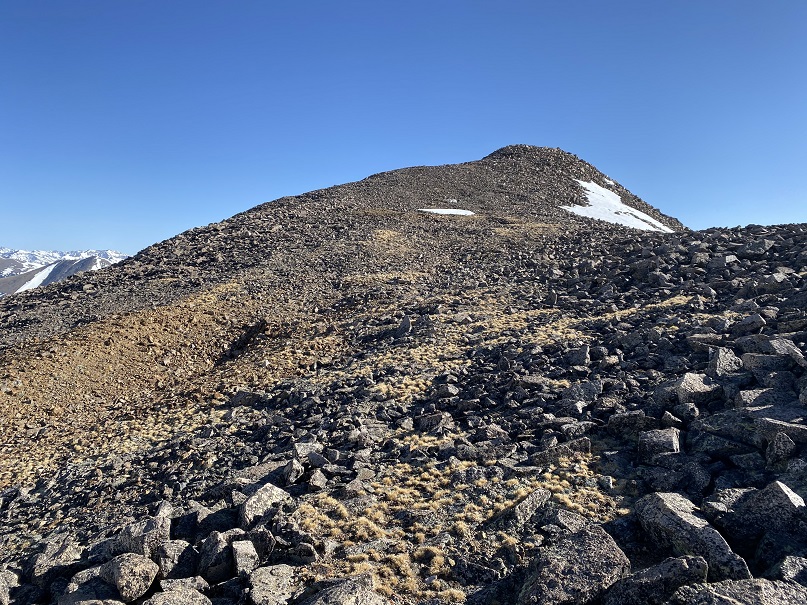
There was a bit of a saddle before the final push to Mt Mamma. I was glad there was a seemingly straight snow free line to the summit.

21

There were a few areas of snow to contend with, but nothing that kept me from hiking straight up

22

The rocks here were loose and rolled, so watch your step

23

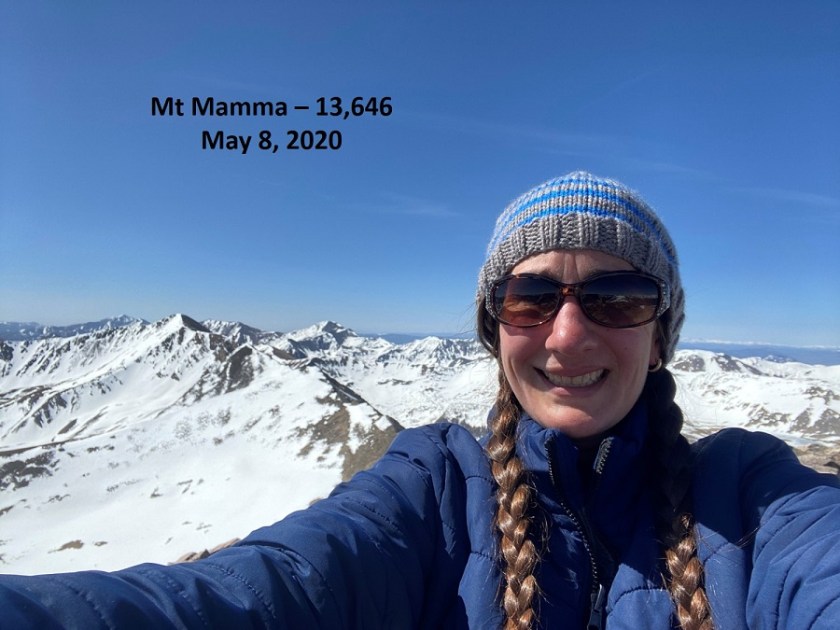
I summited Mt Mamma at 10am, after hiking for 8 miles. It took me about an hour and 45 minutes to complete the 1.8 mile traverse from Boulder to Mamma. Once again, no camera, so I got a selfie with my phone.

24

25

Summit of Mt Mamma:

The summit had a register, with the last person to sign being from October 13 of last year. Also, the register needs a new pencil, so if you go up there soon be sure to bring one with you. The day was perfect: no winds and lots of sunshine. This is probably the best weather day I’ve had on a mountain so far this year. I decided to head back over to Boulder Mountain, as I did not want to get stuck in the basin.

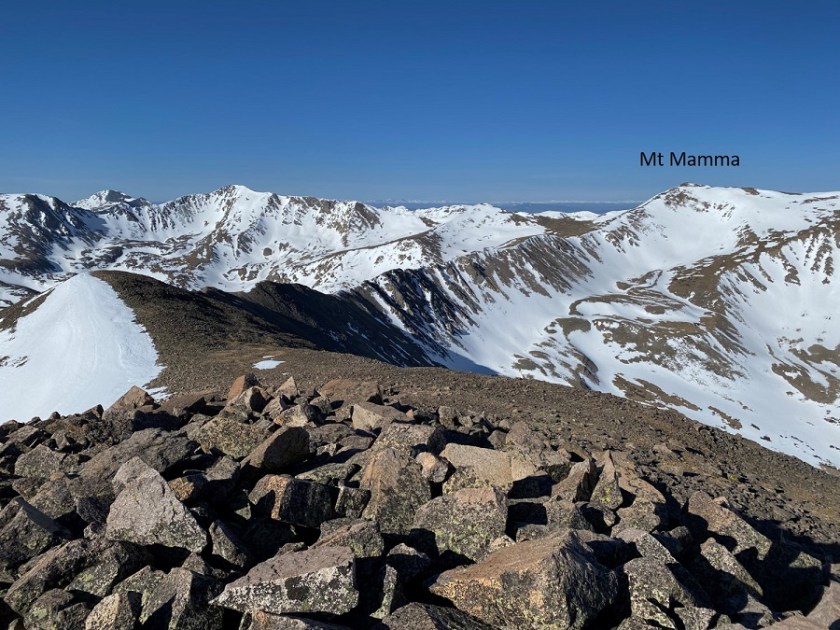
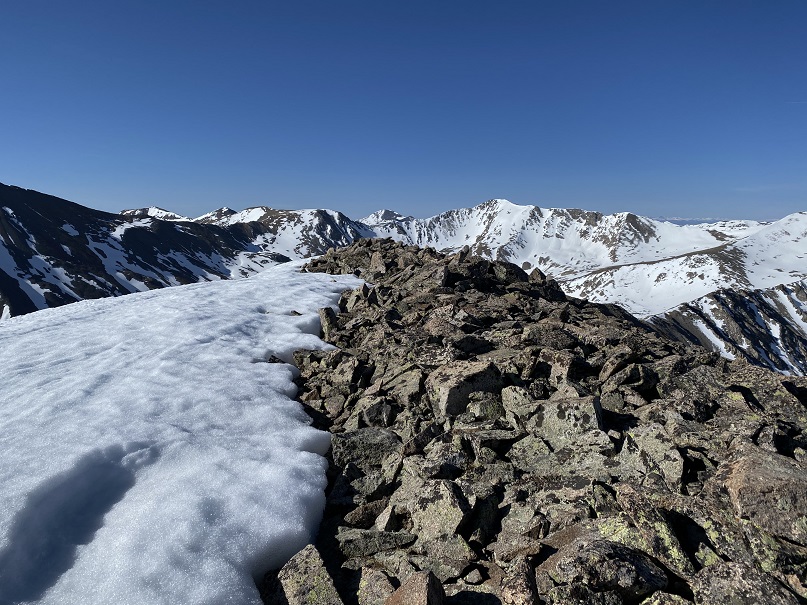
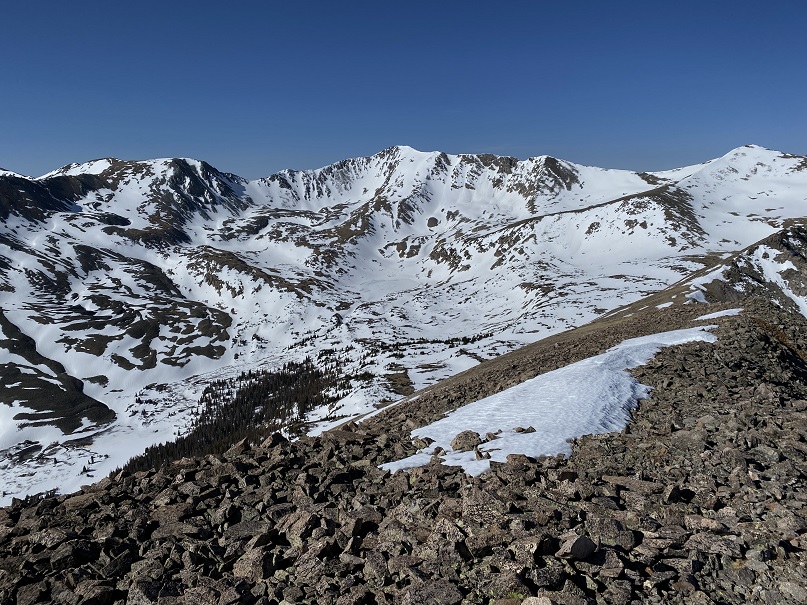
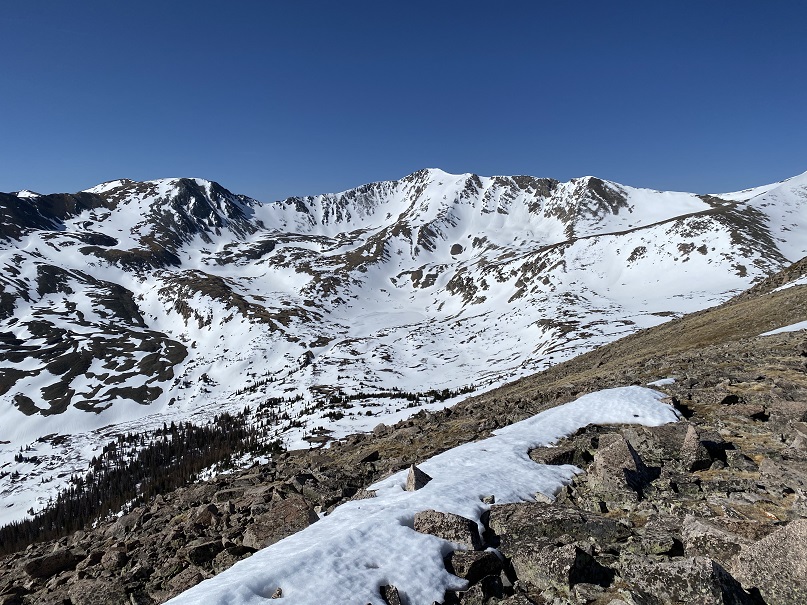
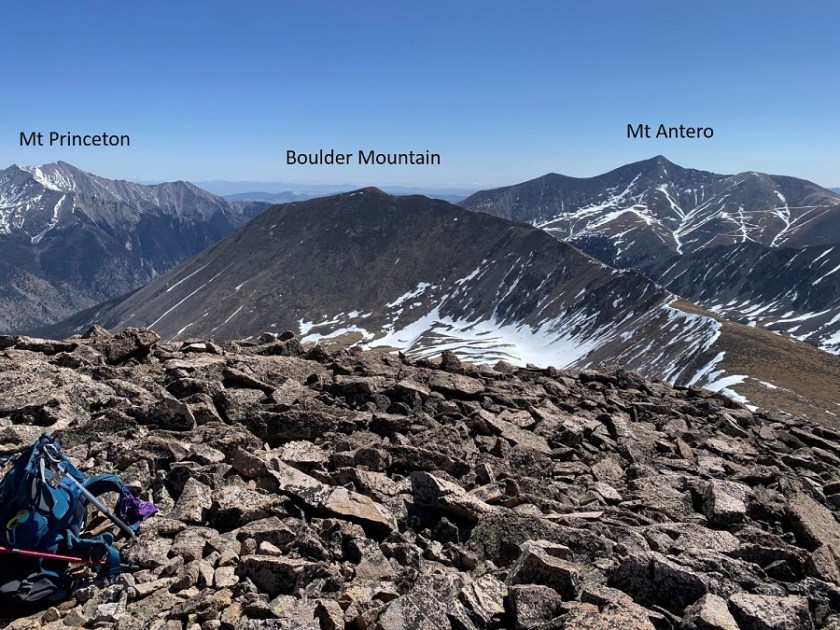
Here’s a look at some of the mountains visible from Mt Mamma on the route back

26

27

Time to head back towards Boulder Mountain

28

As you’re hiking down from Mt Mamma you can clearly see a trail on the west side of Boulder Mountain. Don’t take it: stick to the ridge. I’m pretty sure the trail is a goat trail, not a human trail. It’s very loose and a fall would send you a long way down the mountainside. I saw mountain goats grazing in Deer Canyon to my left.

29

The ridge was still almost completely snow free, but the areas with snow were turning to mush quickly.

30

I re-summited Boulder Mountain

31

And decided to take the ridge as far as I could back down.

32

33

I passed a stone with some numbers engraved on it

34

And kept following the ridge, keeping to the left of the snow. From my view last week I knew the ridge would be dry all the way to treeline

35

Here’s a look back up at the ridge

36

There were cairns here (some not so traditional) so I knew I was on some sort of a trail

37

I looked over at the route I’d taken in and knew it had been a good idea not to take it back: I could tell by just looking at the snow it wasn’t stable. The ridge was indeed snow free/snow avoidable until treeline

38

But once I got to treeline I encountered unexpected deep, slushy snow. I knew I couldn’t go back the way I’d come and to be honest, this snow caught me off guard. I could tell I only had a couple hundred feet to deal with, so put on my snowshoes and zig-zagged my way carefully through the snow towards the road I knew would be below.

39

40

It was touch and go at times, and more than once I asked myself if this really was the safest way, but when I made it back to the road I knew I’d made the right decision. The snow stopped about 200 feet before the road (which is why I’d thought it would be snow free from the ridge to the road; thankfully I only had a couple hundred feet of snow to contend with).

41

42

Once on the road I breathed a sign of relief but kept on my snowshoes. I knew there would be just enough snow to need them for a while yet. Every time I encountered snow on the road I postholed. It was indeed a long slog back to the snow-free 277 4WD road. On a positive note, the pine trees smelled amazing!

43

44

From last week’s trek up 13,626/Mt Princeton here’s a view of Boulder Mountain and my route. My ascent is solid, my decent is dotted. You can clearly see the gully you want to avoid: the road traverses it and should be avoided in snow.

45

I made it back to my truck at 3:15pm, making this a 15 mile hike with 5607’ of elevation gain in 11 hours, 45 minutes. Here’s my topo

446

I picked the wrong time of year to do this hike. It’s definitely not a spring hike, and still needs a few weeks to melt out. If I were to do this again I’d take the ridge up from the beginning and only take the road if it were in summer conditions. I’d take the basin by Baldwin Lake in more winter-like conditions. Beware of the gully area if you take the road, as it’s full of snow and looks prone to avalanching. I’m a little upset I didn’t get a picture of it on my way in for a visual, but I’d avoid the area if possible if there’s any snow at all.


Electric Peak A – 13,618 and Lakes Peak – 13,384

1

RT Length: 19 miles

Elevation Gain: 6661’

I feel like I was just here. Well, actually, last week I climbed Cottonwood Peak which is 2 miles away, so it stands to reason.

2

I got a picture of the shoes on the drive in this time… easy 2WD dirt road to the trailhead.

3

This time I got to spend the night. I arrived at the trailhead early (around 2pm) after my failed attempt at 13,636.

4

I was excited to discover I had cell service, and the first thing I did was order a new water bottle (I’d lost mine on my last hike). So, what to do with all this extra time? I really wanted to sleep, but I just…. Couldn’t. It was too hot outside. I know, right? Too hot, in the first week of May? But there you have it, I was roasting in the back of my truck, so I kept the windows open. The view was great. I’d parked near a copse of scrub oak.

5

I decided to write down some trip notes from the day and text a few people (since I had service). There was a nice breeze outside. I heard a loud buzzing noise, and had a hummingbird fly into my truck and back out again. So cool! Someone drove in with a rather large horse trailer and I thought I may have neighbors for the night, but they lived adjacent to the trailhead and just drove through.

Oh, I should eat.   But I wasn’t hungry. I forced myself to eat some tuna and a handful of pistachios. And I had 3 shots of whiskey. There, that should make me tired. But nope, I still couldn’t fall asleep.

So I set up everything for tomorrow and walked around a bit. When I got back to my truck a car was parked in front of mine, and I saw an older woman walking around. I said hi, and that I hadn’t heard her drive up. But that wasn’t her car. She lived across the street and was just checking the trail register. A man had signed it, saying he was headed towards Major Creek and should be back by 5. Well, now I wouldn’t be able to sleep until after 5. He didn’t show up by 5:30, and I decided to was exhausted by that time, so I fell asleep.

I only woke up once during the night, around 10:30pm, to barking. The barking didn’t stop all night, and I assumed it belonged to the lady I’d seen earlier in the day (ok, her dog). My alarm went off and I snoozed it for an hour (the dog was still barking), but eventually I left my warm bed and got ready for the day. I was on the trail by 3am, armed with 2 16oz bottles of water. The dog was still barking.

To expedite things I’d signed the trail register the night before, so today I was able to start hiking right away. The trail starts to the right (southeast) and hugs the mountainside.

6

7

Then the trail switchbacks down to Major Creek.

8

I must admit, this caught me off guard. Not the part about crossing Major Creek, but the part about losing 300’ of elevation to do so. In fact, I got out my map and compass several times to check that I was going the correct way. Unfortunately my compass wasn’t working correctly. It must have been the location, because I could clearly see the town lights to my right yet my compass was telling me I was headed in the wrong direction. In any event, yes, the trail does switchback all the way to Major Creek, and then quickly crosses it twice. I was easily able to rock hop across without getting wet.

9

10

The trail winded through brush and chaparral

11

12

Before entering Aspen groves

13

Here’s a look at the route

14

After a mile of hiking I could no longer hear the dog barking, and I started seeing discarded deer legs on the trail (and hanging in the trees) from hunters last fall. I even saw a dead mouse in the middle of the trail. Oh, how I was regretting binge watching Stranger Things last month! After hiking about 3 miles I heard a loud “Woof!”. I stood still for 3 seconds, trying to figure out if I’d really heard what I’d heard when I heard two more quick barks: “Woof! Woof!”. I thought to myself “What wild animal barks? Coyotes yip and howl and so do wolves”. I concluded it must have been a dog (a large dog) and continued hiking. Weird since I was the only one for miles…

There was one annoying aspect to this hike (besides all the horse poop): So far I wasn’t gaining any elevation. I’d lost 300’ going down to Major Creek, and from then on I kept hiking up and down small hills. I’d think I was gaining in elevation only to lose it again and head back down to the creek.

At 4.8 miles (10100’) I came across measurable snow on the trail, and at 5 miles I crossed a small creek and came to a camp.

15

It was obviously a horse camp and I figured the guy who lived adjacent to the trailhead spent a lot of time here (in the summer).

16

The trail had been nice up until this point. A few downed aspens here and there, but nothing major. However, it was obvious not many people used the trail after the camp area.

17

I just kept heading northeast, and every now and again I’d find the trail. And then the snow began. Around 10,900’ snowshoes became mandatory.

18

At 11,000’ I turned right (east) and rounded a boulder field. I put some surveyors tape on a tree so I could remember where I exited. I only barely skirted the boulder field, and then continued southeast through some trees and into a meadow.

19

20

21

There was a lot of evidence of elk and moose in the meadow. I think they may bed down here at certain times of the year. At the end of the meadow there were cairns and I turned left (northeast) and followed a much better trail up the mountainside.

22

At times this trail was covered in several feet of snow, and at times it was bare, but it was always easy to follow. Postholing wasn’t fun, so I put on my snowshoes for a bit, and kept them on until the snow subsided.

23

24

25

Making it to the saddle was easy

26

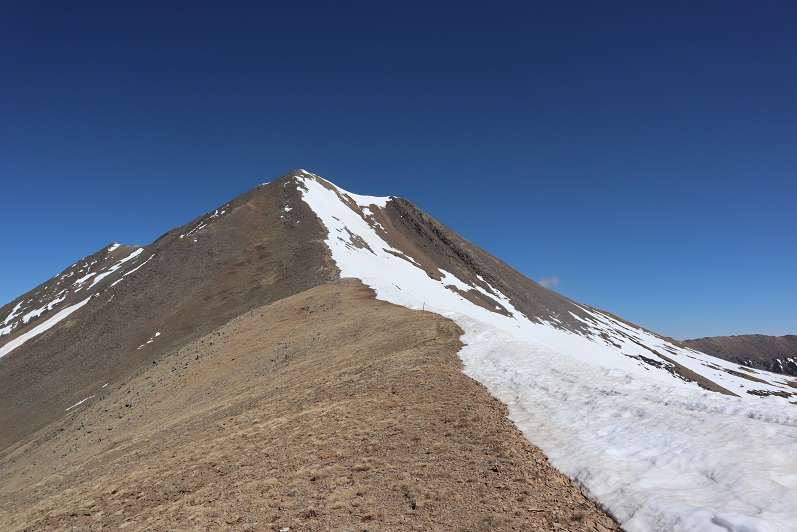
From here I chose to do Electric Peak first, mainly because it was the taller of the two ranked peaks, and a little longer of a hike. I turned right (southeast) at the saddle, and followed the saddle towards the peak. This is much easier than it looks.

27

28

However, this is not the peak

29

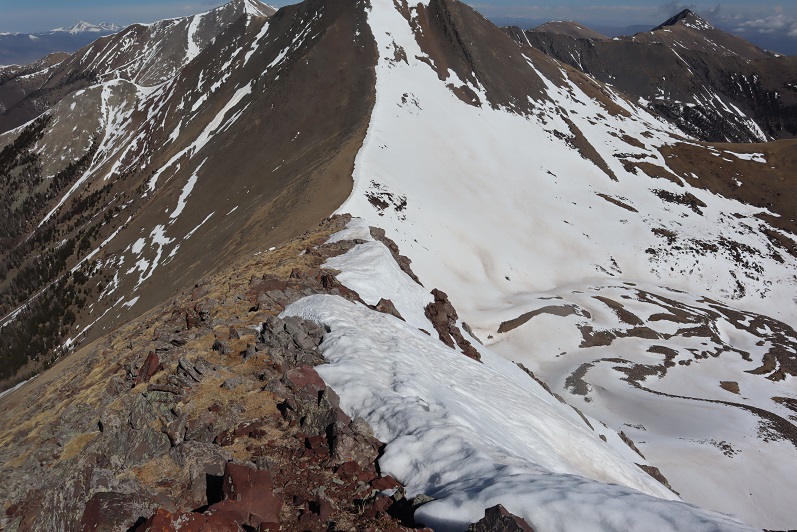
As with Cottonwood Peak just a few miles away, Electric Peak A has a hidden summit

30

Luckily it was an easy ridge walk, first starting out with tundra, and then moving to larger rocks (all pretty stable)

31

32

33

I summited at 9:15am

34

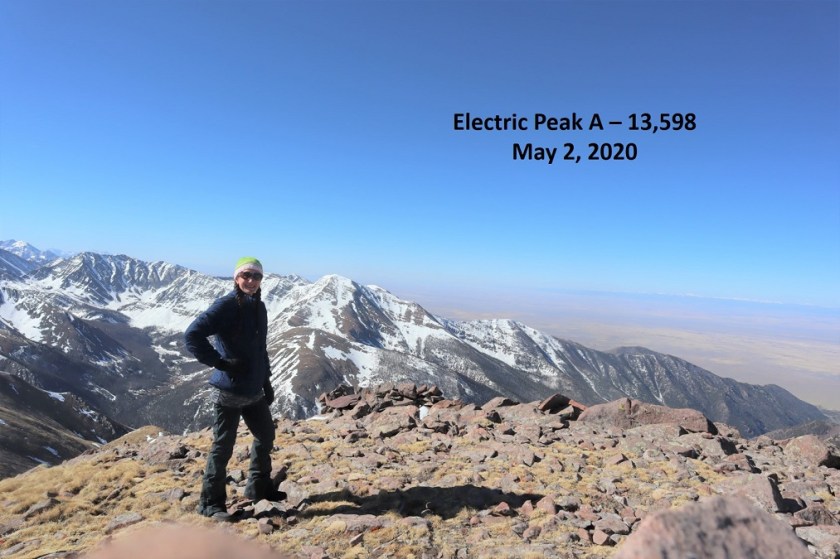
Electric Peak A

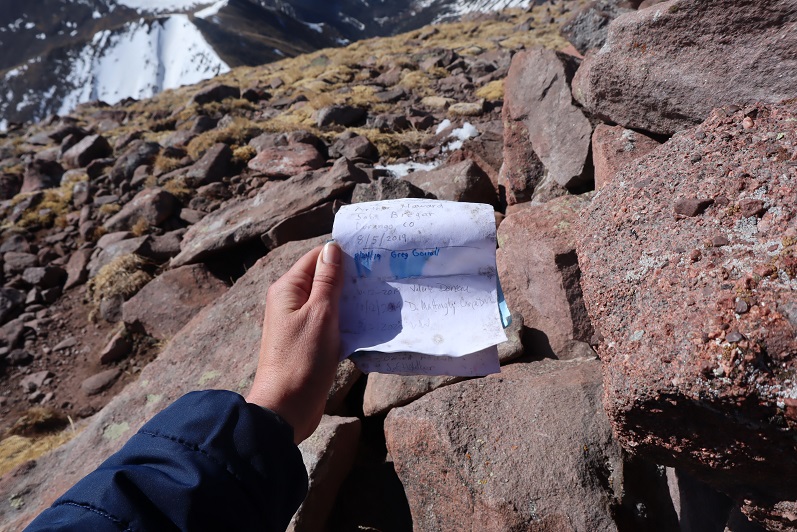
There was a summit register. I don’t normally sign these things, but since it was apparent I was the first person to summit since October of last year and it was warm enough for me to take off my gloves, I signed it.

35

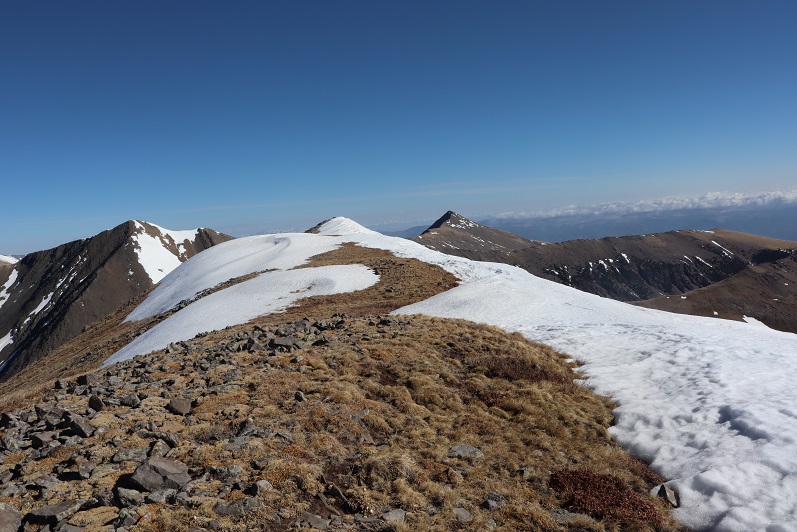
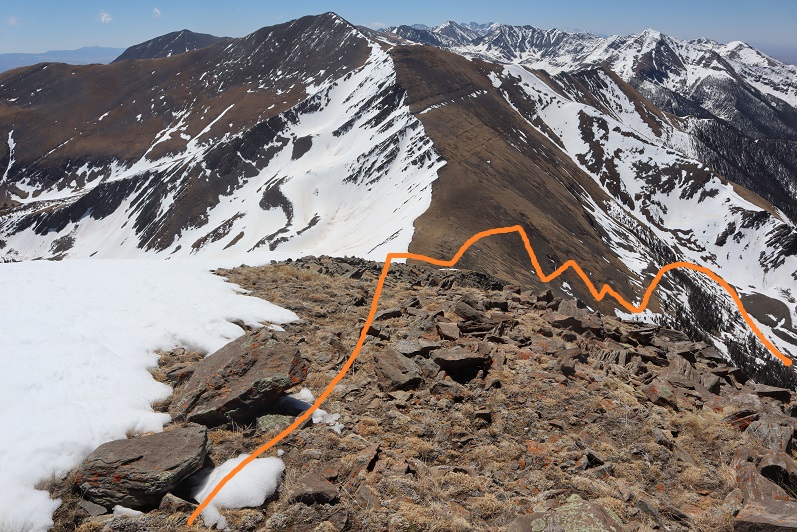
And turned to head back. I was a little worried about where the true summit to Lakes Peak was, considering all the false summits in this area. Originally I’d thought it was the peak to the left of the saddle, but now I was worried it was the peak behind that peak. I decided to get out my altimeter when I made it to the top of the false summit and do the math. Here’s a look at the ridge back

36

37

When I made it to just above the saddle I was very pleased to find out the peak before me was indeed Lakes Peak. I headed down to the saddle, and then up the ridge, being careful to stay just to the left of the snow

38

There was still a lot of snow in the basin to the east, but not much to the west. While hiking down I saw a boulder the size of a microwave break off and roll down the hillside, coming to rest in the basin. It was neat to see the trail it left behind.

39

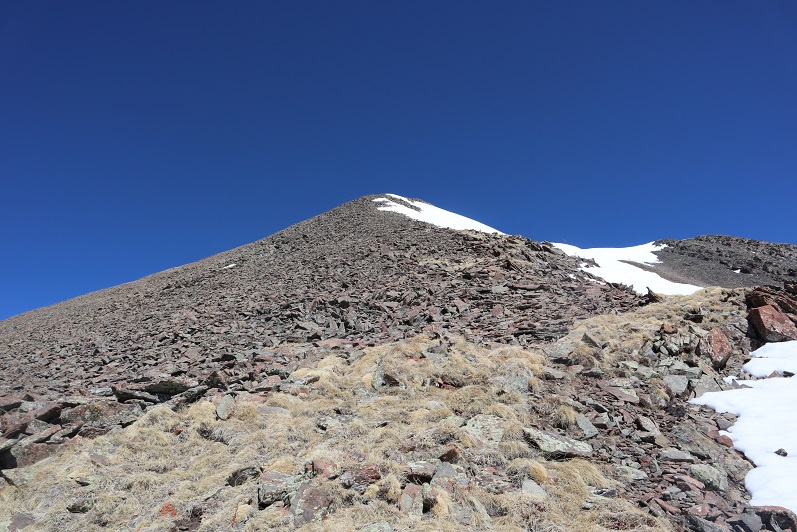
The trek up Lakes Peak was full of very loose rock. I felt that at any minute I was going to cause a rockslide, so I placed my footing accordingly. By this time I was quite tired, so it was slow going.

40

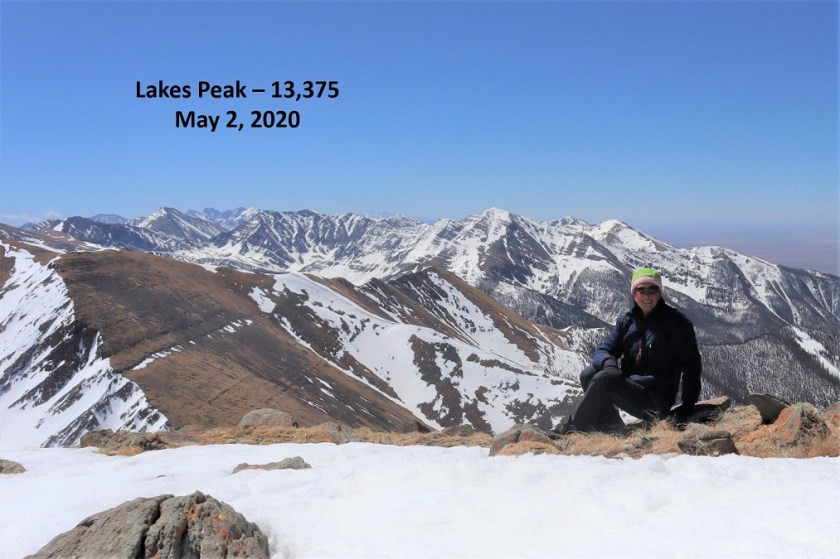
I summited Lakes Peak at 11:10am

41

Lakes Peak:

There was a summit register here too, but I couldn’t open it so I didn’t sign it. Also, the clouds were moving in quickly and I wanted to get below treeline. I turned to head back down the ridge

42

When I got to the saddle I stopped to fill one of my water bottles with snow. It was a hot day and I wanted to be prepared in case I needed more water: It was still 7 miles back.

43

From the saddle, here’s the route back (after you make it to the basin)

44

The snow at treeline to about 11,000’ was awful: Mushy stuff that I sank in with every step (with snowshoes on) for about 2 miles.

45

I made it back to the basin, found the cairn, and headed back over the boulder field, found the yellow surveyors tape I’d left, and headed southwest back down to Major Creek

46

No, it was not a fun trail to follow, even in the daylight

47

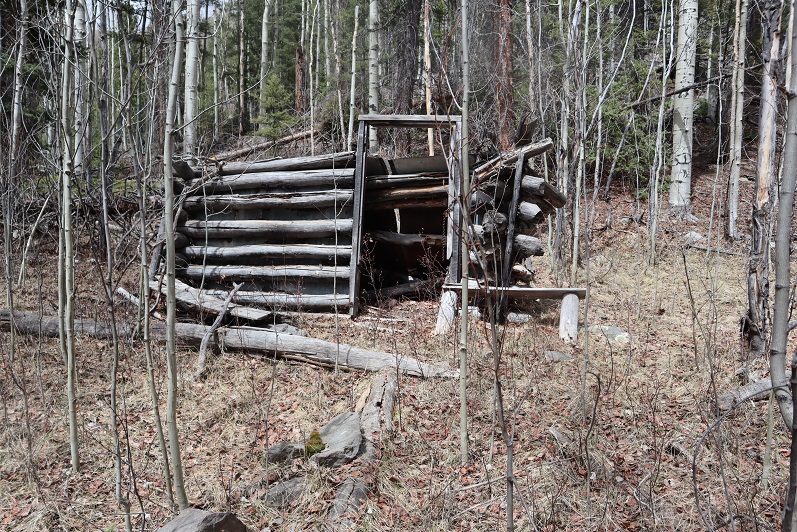
I passed the horse camp, and an old abandoned cabin at 9780’

48

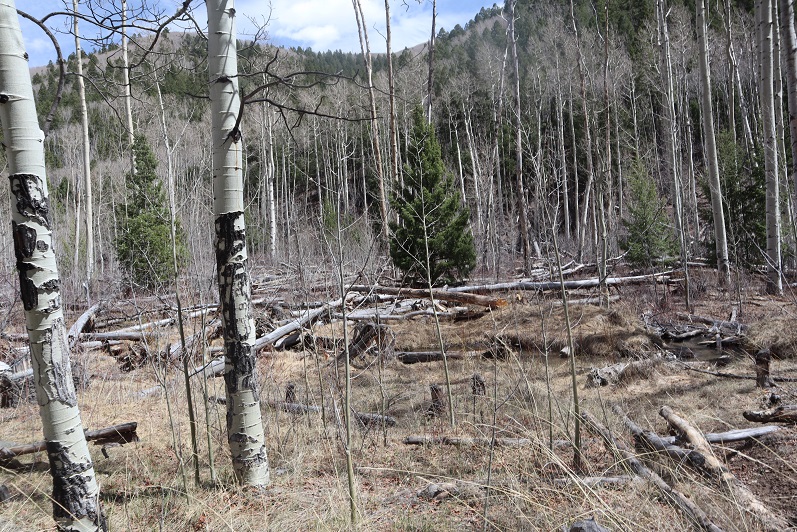
The entire way back there were hundreds (thousands?) of dead trees littering the sides of the trail. It looked like an avalanche had come through, or the trees had all been killed off and the wind had blown them over. Speaking of wind! It didn’t stop! It kept getting stronger and stronger, and I feared one of the dead trees would fall over on me as I was hiking. I heard lots of creaking and swaying.

49

I’d been worried about the last 300’ of elevation gain climb from Major Creek up to the trailhead, but it ended up being easier than I’d thought, mostly because of the great cloud cover and wind cooling things off. I just took it slow and kept putting one foot in front of the other. The cactus blossoms were nice.

I made it back to the trailhead at 3:45pm, making this a 19 mile hike with 6661’ of elevation gain in 12 hours, 45 minutes.

50

OK, I’ll do my whining here: I bought a new pair of winter climbing boots last week and wore them for the first time yesterday. I didn’t think much of it, and my feet did well. Today however, not so much: my feet did fine on the way up, but on the way back I was limping. The new boots were just too tight around my shins and when I took off my shoes at my truck noticed large bruises (3 inches in diameter) and blisters on my ankles both inside and outside. I really, really like these shoes, as they kept my feet warm, but I’m worried they’re going to take a lot of breaking in. Tonight I’m going to put them by the fire and hit them with a hammer for a while, trying to loosen them up, after soaking my feet in a salt bath.

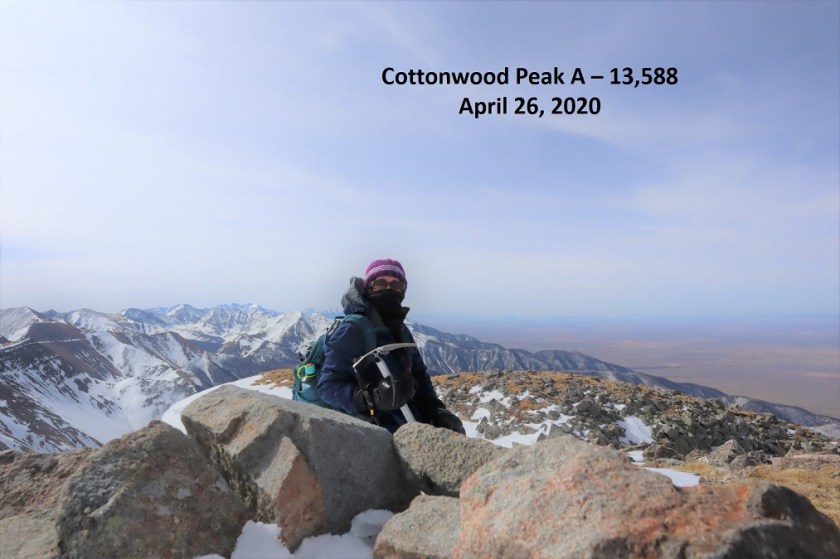
Cottonwood Peak A – 13,597

1

RT Length: 11.5 miles
Elevation Gain: 5110’

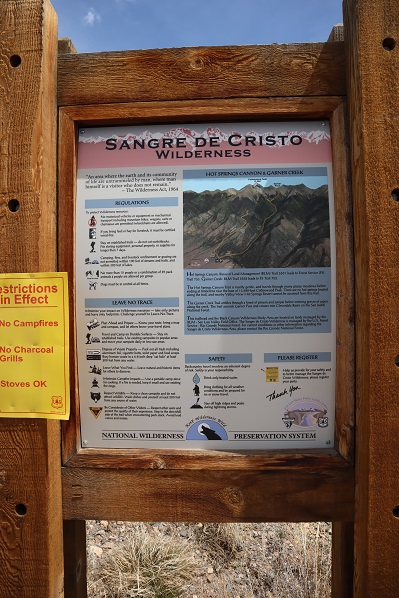
I got a bit of a later start on this one that I’d intended, as when my alarm went off at 12:30am I hit snooze and slept another hour or so (I’d already summited 7 peaks in the past 2 days and was a little tired). I made it to the Hot Springs Trailhead after first being led by GPS to the Hot Springs (which the sign indicated clothing optional: it was also closed due to Covid-19 fears).

The drive to the trailhead is easy 2WD on a dirt road.

2

There was 1 other vehicle parked there when I got there, which I thought was odd. It was a newer VW and didn’t look like it had been there overnight. I tried to be quiet in case someone was sleeping in their car but thought to myself “Great! Someone else is trenching the trail for me!”

The trail is a loop, and I was surprised to find out it was actually an established trail. The morning was getting better and better!

3

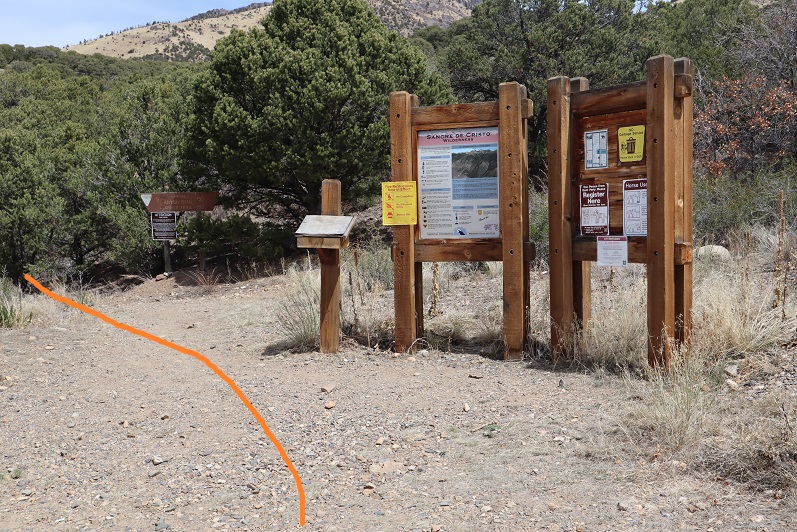
Just as an FYI, you cannot see the peak from the parking lot, but it was dark so that didn’t matter anyway. I signed the trail register (which was difficult due to the cold temperatures and ballpoint pen available). I wanted to summit Cottonwood Peak first, so I took the trail clockwise, starting to the left

4

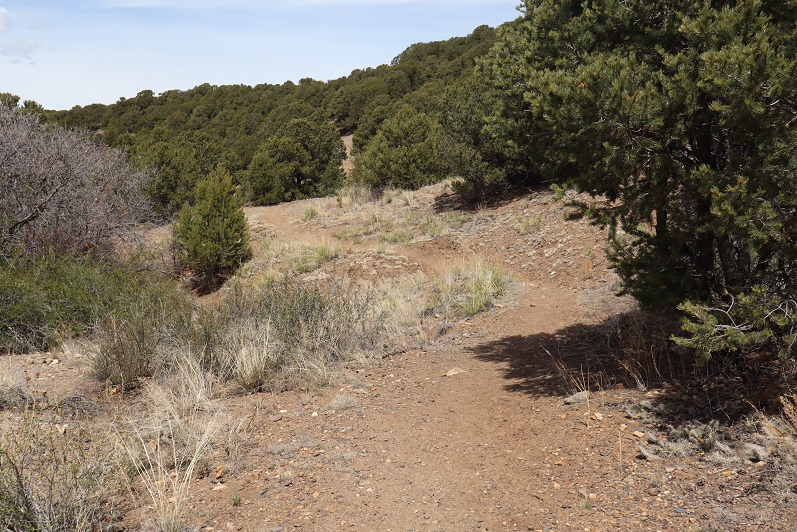
The trail starts off wandering through chaparral

5

Here the trail was clearly marked and easy to follow.

6

I rustled a sleeping ptarmigan as the trail switched to scrub oak

7

Once I entered the aspens the trail started to deteriorate. What I’d been pleased to discover was a good trail became a trail in much need of maintenance. I was navigating over fallen trees for the rest of the hike, and it became increasingly obvious no one had used this trail since the Fall and no one would be trenching for me today.

8

Around 2.4 miles there was a great spot for a campsite (10130’)

9

What I found disturbing were the number of dead animals I encountered on this hike. There were deer remains everywhere (I’m pretty sure it was more than one deer, spread out over a few miles) and a lot of bird feathers. It let me know there was a predator in the area, I just wasn’t sure which kind?

10

I encountered the first real snow after about 2.6 miles. It was still early in the morning so I didn’t need traction, but I did posthole from time to time. Here the trail was difficult to see, as it was both covered in fallen trees/branches and snow.

11

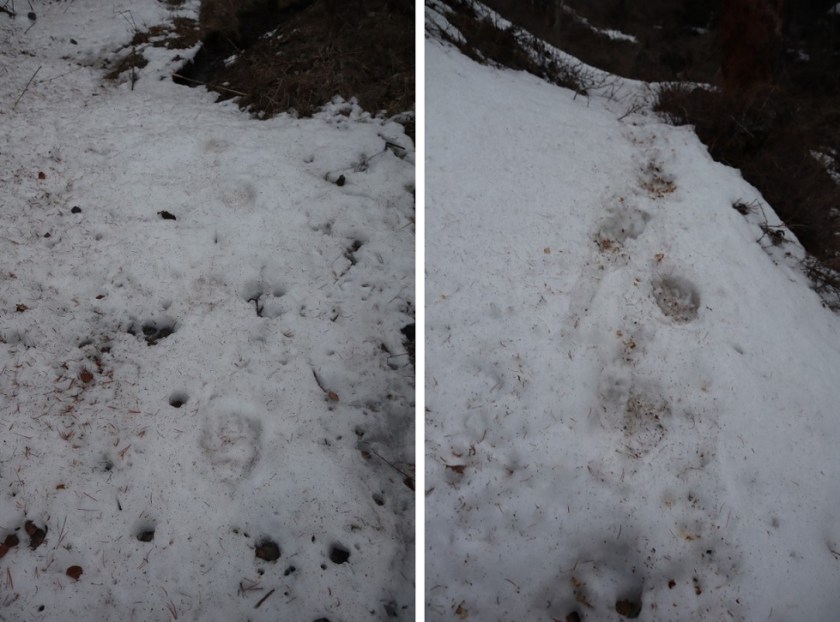
Here things got interesting: I came across bear tracks! They looked like they were from the day before, and since there was only one set of prints I knew it wasn’t a mama, and that it was just passing through. I followed prints along the trail for about a mile

12

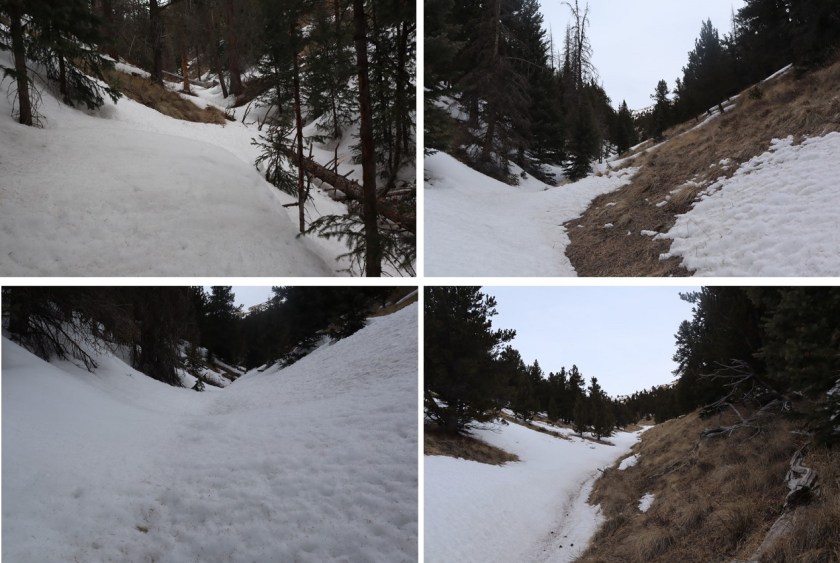
Since the trail was difficult to follow and the snow was getting softer I found myself straddling the ravine and following the small stream around the mountain

13

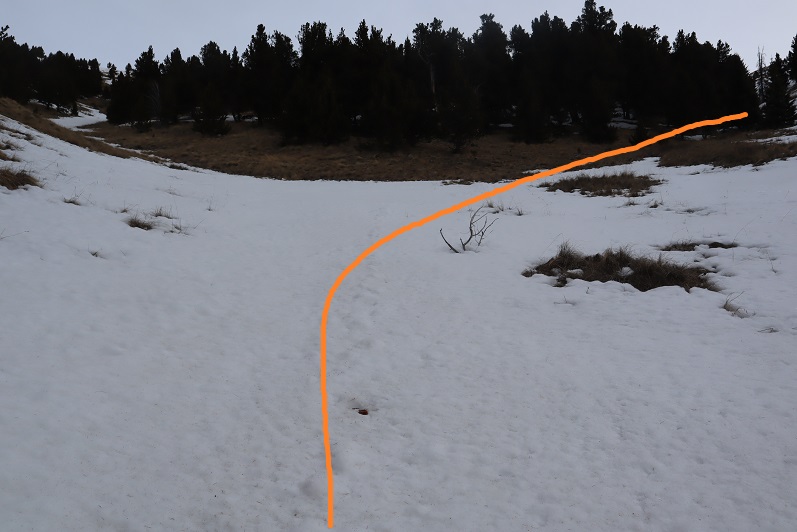
It became increasingly apparent I was the only one to use this trail in a long time. I circled around to a gully, which would have been challenging if there’d been more snow. Instead it was a steady climb up, and when I had the option, I took the gully to the right, also easy to navigate

14

15

The second gully ended near treeline, and I became excited as I thought I could see the peak.

16

Of course in my mind I knew I was too close to treeline for that to be the peak, but surely it had to be just behind it? As I continued on I saw another peak behind the first one and figured that was the summit

17

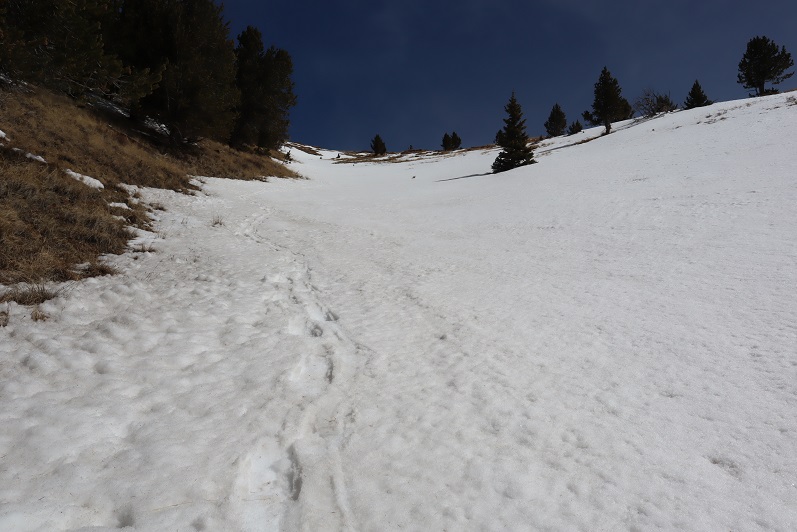
Up, up, and up I continued, doing my best to avoid the snowy areas.

18

19

20

Imagine my surprise (and dismay) when I finally reached the top of the second peak and noticed I wasn’t anywhere near the summit: it was still quite far away

21

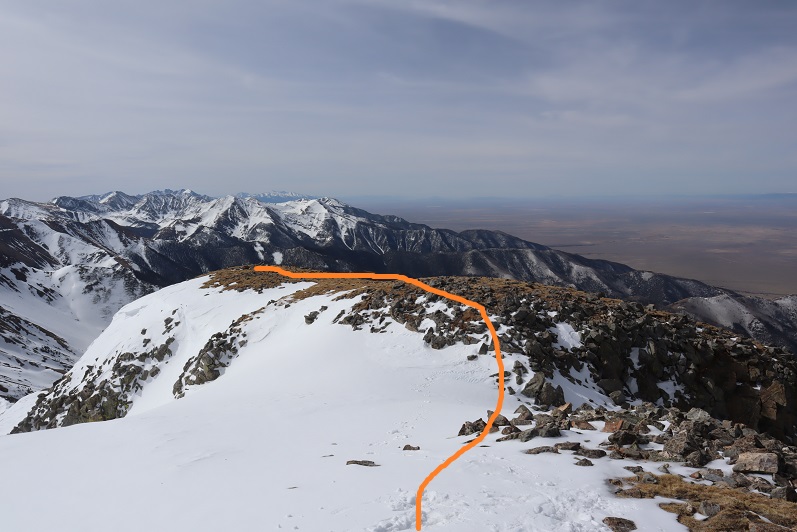
Not only was I still a good distance from the summit, but I would need my ice axe and snowshoes. Luckily, I had both. I sighed, broke down, and put them on. There was no way I was turning back now. The weather was great (the best day I’ve had all year) and while I’d already done 30 miles this weekend with 15K of elevation gain and was physically exhausted, I wasn’t quitting this close to the summit. I left my trekking pole here and continued on, ice axe in hand. The only way across the ridge was to walk directly on top of the cornices. Luckily the snow here seemed firm

22

23

24

25

The last bit to the summit was easier than expected

26

27

I summited at 9:30am

28
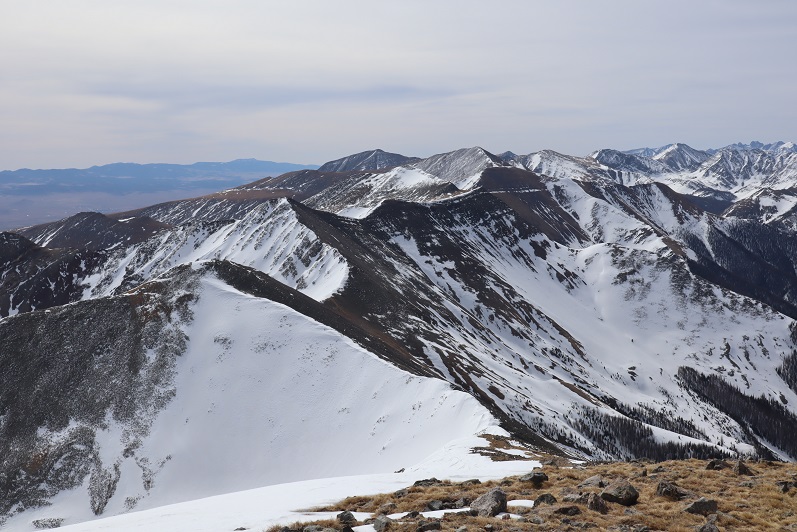
Summit Views:

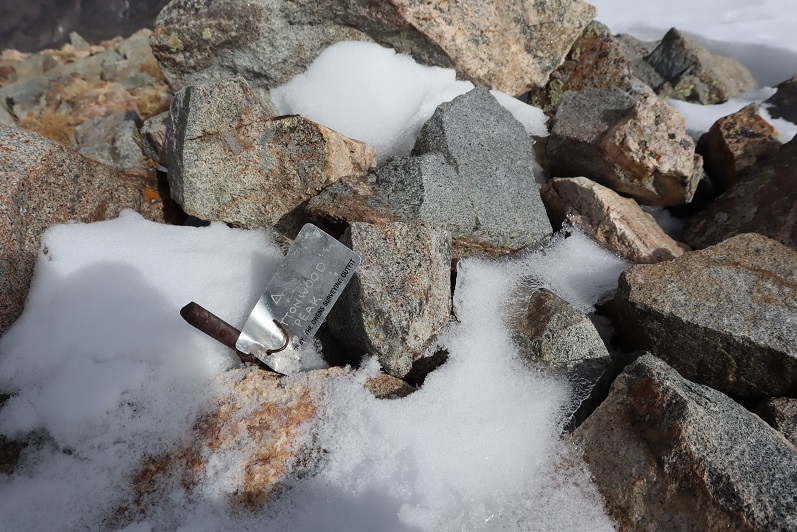
There was even a summit tag on top

29

This hike is traditionally done as a loop along with Unnamed 13123B, so I went over to get a good look at the route

30

Hmmmm…. The route didn’t look that difficult. Actually, the ridge looked better than the one I’d just traversed, but it was a really nice day and the snow was warming up fast. I knew I could summit 13123, but I was unsure of the snow conditions on the route back below treeline if I were to make this a loop. I didn’t want to re-summit Cottonwood because a) I’d already done 5000+ feet of elevation today and b) the snow was getting softer by the minute on this side as well.

31

In the end I decided to go with the safer route and descend the way I’d summited, figuring that while the conditions wouldn’t be ideal, at least I knew what to expect.
I turned and headed back the way I’d come, first over a pretty cool cornice

32

And then back down the ridge

33

34

My favorite part was toe-heeling it across the cornices

35

Here’s the route back

36

37

I decided to keep my snowshoes on, and this time stuck to the areas with snow.

38

The snow was a terrible mush and I was glad I’d decided to return the way I knew, even if it meant postholing and navigating felled trees

39

I kept my snowshoes on for longer than needed, but they came in helpful when I hit the boggy areas where there was no discernable trail but a lot of willows/snow/downed trees

40

They were cumbersome in areas such as this:

41

On the way back I scared the same ptarmigan as this morning and saw a cactus in bloom

42

I made it back to my truck at 12:30pm, making this an 11.5 mile hike with 5110’ of elevation gain in 7 hours, 15 minutes. The VW was gone.

43

44
I was really happy with my decision not to make this a loop today, and look forward to trying the trail counter-clockwise next time, when there’s less snow…

Horn Peak – 13,450

1
RT Length: 9.5 miles
Elevation Gain: 4600’
After binge watching Stranger Things this week I was a little worried about hiking alone for miles in the dark but decided to go for it anyway. It was snowing at the trailhead but I could see stars in the sky so I figured the snow wouldn’t last long. I arrived at the trailhead at 5:15am and was on the trail by 5:30am. The parking lot was empty when I arrived (two other vehicles were there when I got back.

2

It was apparent after the first 20 feet or so I wasn’t going to be spooked hiking solo in the dark. I’ve done this hundreds of times before and still felt comfortable. In fact, I was a little upset I hadn’t started earlier. From the parking area I walked west to the Rainbow Trail

3

At the Rainbow Trail I turned right and headed northwest for 8/10 of a mile

4

The trail here was covered in fallen trees and snow, but was still manageable

5

I crossed dry creek (yes, it was dry) and continued to just past a meadow,

6

before turning left onto an unnamed trail that would lead me to the summit of Horn Peak.

7

Right about now the sun was starting to rise, and I got my only scare of the day: I heard a strange noise coming from behind me to the left and jumped a bit before realizing it was a turkey gobbling. Must have been because day was breaking. I saw some turkey tracks here too

8

I followed this new trail southwest to a trail register

9

10

Signed the register and was on my way. The trail was easy to follow, but kept going up, up, up for about a mile and a half

11
The snow here was soft, and I could tell I’d need my snowshoes on my return. I got my first view of Horn Peak and saw it had a light dusting of snow

12

I was able to wear microspikes until I came to the gully that crosses over from one side of the mountain to the other. Here I donned my snowshoes to traverse the small gully. I’m not sure I could have made it without them

13

Once past the gully the trail conditions kept changing. The trail could be dry, covered in snow, or a mixture of both. I kept my snowshoes on, even when unnecessary.

14

I made it to the ridge after hiking 3.3 miles

15

Here I turned left and followed the ridge to treeline.

16

I saw 5 or 6 ptarmigans and some ptarmigan tracks. The birds were quick to fly away when I startled them, so no pictures of the actual birds. I was surprised the ptarmigans were already brown, figuring they’d still be in their winter whites

17

There was an old trench I re-trenched to treeline, which was slow going but it was nice not to need to route find.

18

19

At treeline I stopped to take off my snowshoes, as I could see they wouldn’t be needed for the rest of the hike to the summit. Here’s the route I took to point 12665

20

It’s actually much steeper than it looks

21

Once at point 12665 I turned left and started hiking the rest of the ridge to the summit

22

About halfway along this ridge I saw some bighorn sheep. I noticed them before they saw me, so I got to see them startle when they saw me. They jumped a bit, and then walked away. Here’s one of the younger ones

23

Bighorn Sheep

At about this time I started keeping a close eye on the weather. Clouds were forming around 13K. Not big clouds, but it was supposed to snow after 3pm and the clouds seemed to be forming pretty fast. It was neat to be eye level with them

24

The ridge was full of loose rocks the size of toaster ovens so I was careful with my foot placement

25

In no time at all I found myself at the summit!

26

Here I saw the Bighorn Sheep again

27

The views of the Crestones were absolutely amazing!!!

28

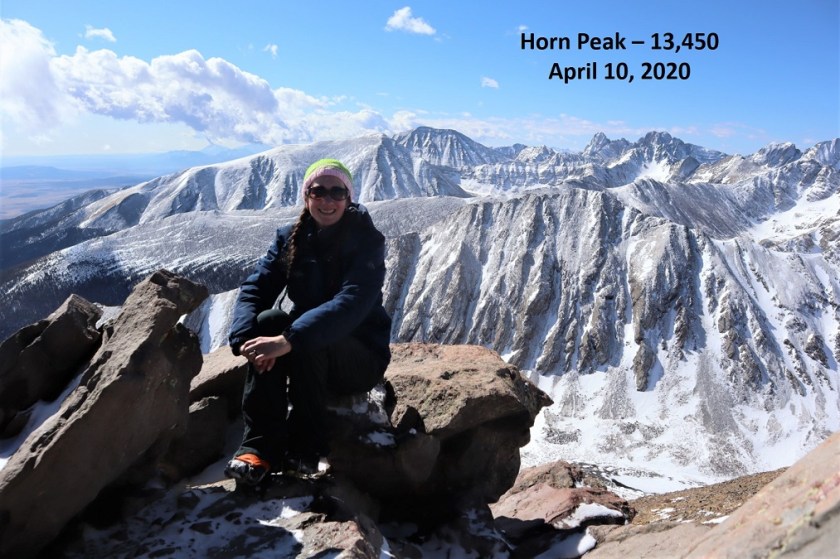
Here’s my summit photo

29
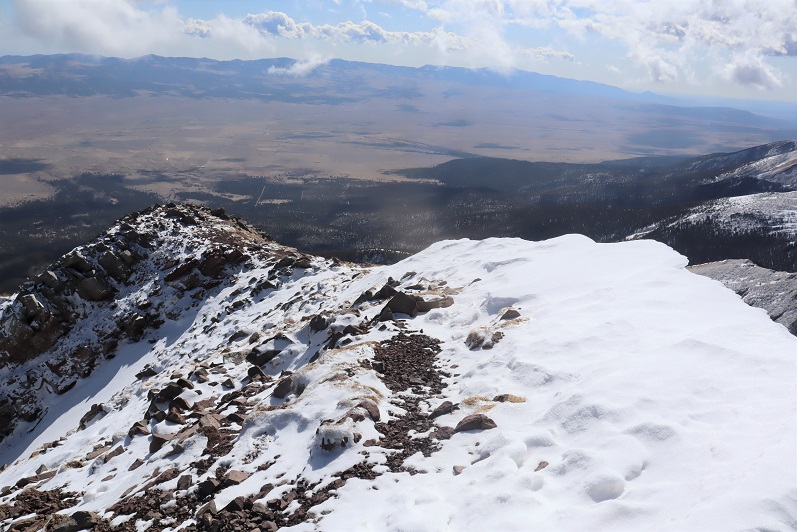
Summit Views

https://youtu.be/BL60mdxhDQg 
I wanted to stay on the summit forever! There was no wind, the weather was perfect, and the views were amazing. It wasn’t lost on me how lucky I was to be here right now. But, watching the clouds forming I realized I should get going, so I turned to head back down the mountain

30

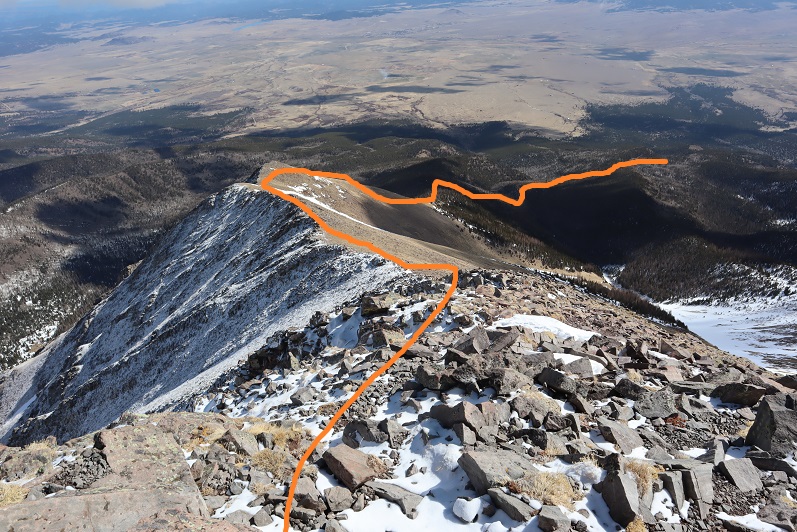
Here’s the route I took back down the ridge

31

Point 12665

32

And the ridge back to treeline

33

I could see a small grass fire starting in the distance. I think they put it out quickly because I saw a fire engine leaving the site on my way back

34

Once back below treeline I put on my snowshoes. The snow was indeed soft and progress was slow going as I kept postholing in slush. On the positive side I could follow my previous tracks when there was snow, and the trail when there wasn’t

35

36

37

38

I kept watching as the sky kept getting darker and darker, and then as little snow flurries began to fall. Hmmmm. It wasn’t yet 1pm and it wasn’t supposed to snow until after 3pm. I was glad I’d left the summit when I did, as it was now covered in snow filled clouds. I made my way back to the trail register and signed myself out. Then headed right (southeast) on the Rainbow Trail

39

40

I made it back to my truck at 1:30pm, making this a 9.5 mile hike with 4600’ of elevation gain in 8 hours. Slow going, I know, but that’s a lot of elevation gain for such a short distance!

41

For those interested, here’s the path I took

42

Disclaimer: Due to Covid-19 concerns, before attempting this hike I contacted the County Sheriffs department to see if I could hike in the area. In fact, I contacted several different counties, and when they told me their trails/cities were closed I just went on down the line, looking for an open place to hike. I was told by this county the trails and trailheads were open but they weren’t openly endorsing/encouraging people to hike. I was asked to not stop in town for gas/food/etc. and was notified the bathrooms would be locked (as they usually are this time of year) and if I was in need of rescue it would take extra time for SAR to be deployed. I was ok with all of these stipulations and decided to hike. I didn’t see another person all day and was glad I’d made the decision to head to the high country.

Tincup Peak – 13,345′

1

RT Length: 14.5 miles

Elevation Gain: 3590′

I absolutely needed to get above treeline today: the past few weeks has been a whirlwind cookie season, limiting my availability to hike, and the weather hasn’t been cooperating on the days I’ve had available so I’ve been highpointing instead closer to home. Also, today is a leap day and I’ve never had a leap day summit. So I did what I always do and checked the weather forecast for about 10 peaks and chose the one with the best forecast.

The road to St Elmo is mostly dirt and (thankfully) well plowed. A 2WD vehicle could easily have made it to the trailhead.

2

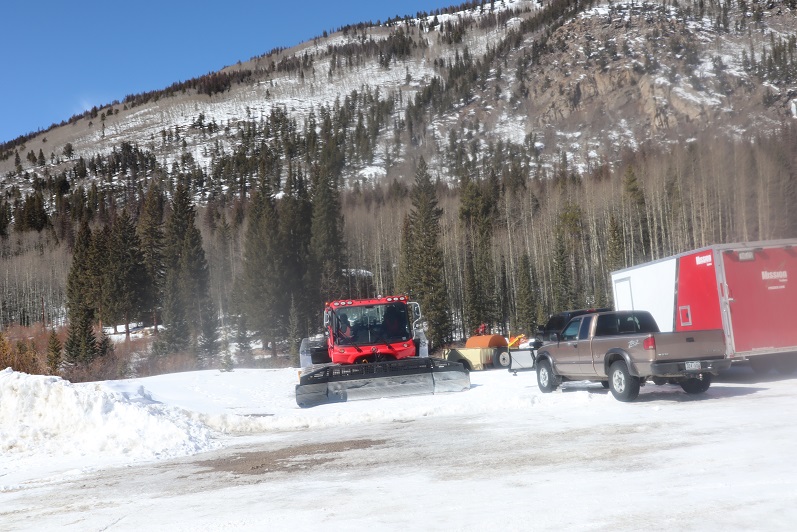
I arrived around 4:30am and drove through town looking for a parking space. No luck. The streets were plowed but because of the snow there was nowhere to park, so I ended up turning around (twice) and parking near the east end of town in a lot that looked reserved for trucks pulling trailers. I was the only vehicle in the lot when I arrived.

3

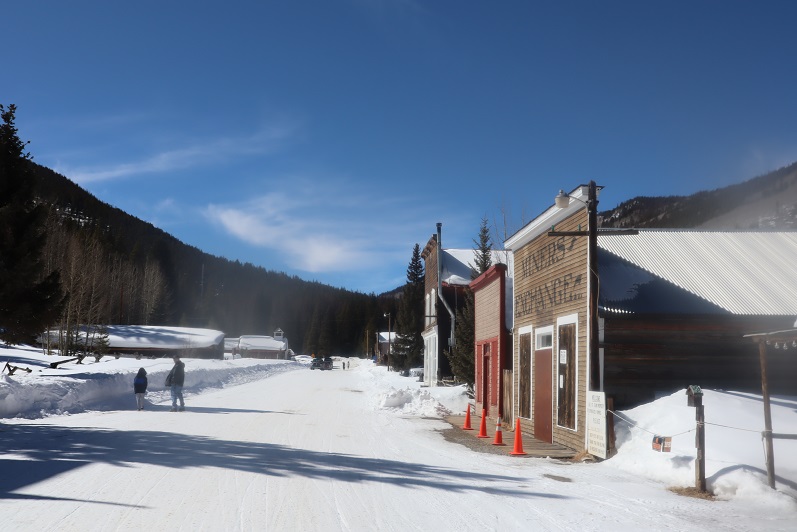
I gathered my gear and was on the road by 5am, turned and headed back to make sure I’d turned off the dome light in my truck, and started off again. Almost immediately a Bobcat ran across my path, doing it’s best to run away from me as fast as it could. I considered it a good omen. It was a bit eerie walking through a ghost town at night, and with all the snow you could tell which houses were occupied and which ones had residents who went somewhere else for the winter. Every building had a sercurity system flashing a red light every few seconds or so.

4

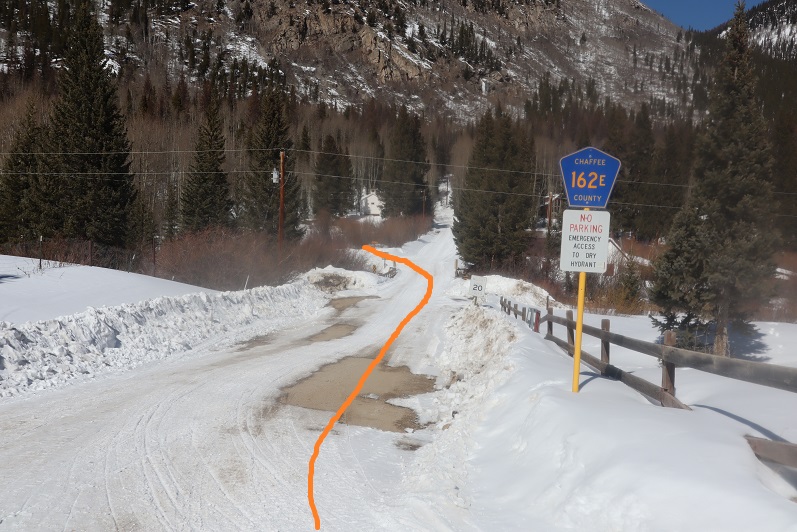
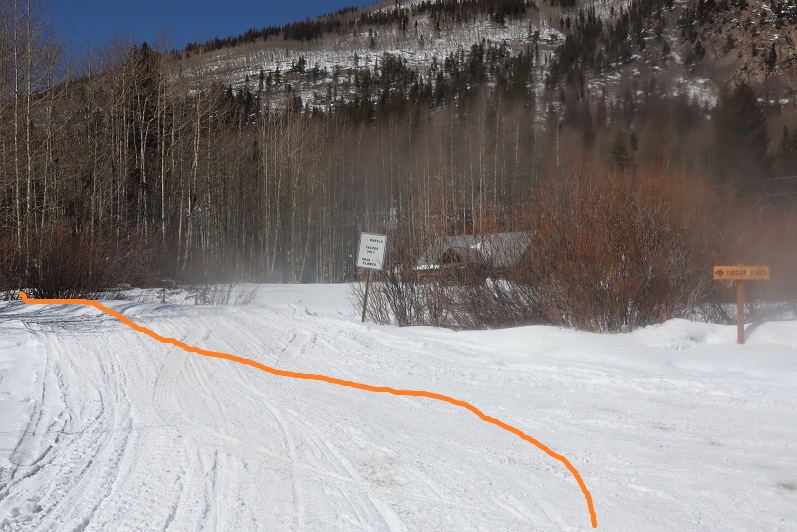
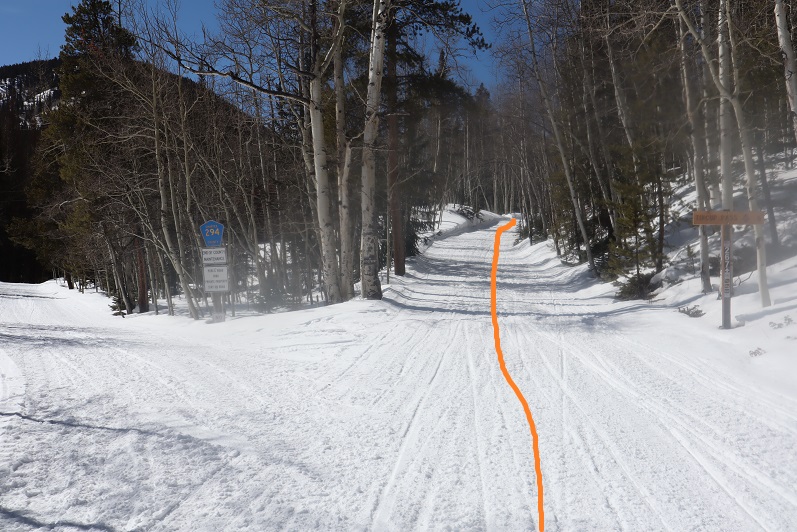
At the end of town I turned right onto 162E and then left after the bridge and followed the signs towards Tincup pass. It’s 6miles from here to the pass.

5

6

7

8

9

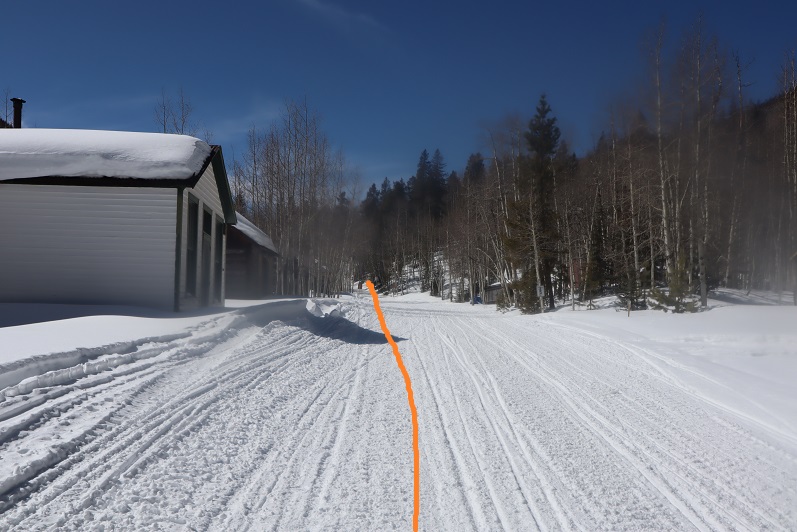
The road was nicely groomed and looked like it had a lot of snowmobile activity. I spent my time hiking fantasizing about the new truck set up I’m working on for Spring/Summer (same truck, new setup). Embarassingly I jumped a few times at noises in the night, just to realize it was the sound of an invisible (snow-covered) creek or a tree about ready to fall. My original intent was to leave the trail and summit Point 13,050 and traverse the ridge over to Tincup Peak, but it quickly became obvious that wasn’t going to happen today: the snow wasn’t going to cooperate. There were several sections where I could tell snowmobiles had gotten stuck in the snow and had to be pulled out after leaving the road to head north (the way towards 13,050). So instead I followed the road slightly southwest for 4 miles, until I came to a trail junction. I could also tell the weather wasn’t going to be as sunny/calm as originally forecasted. The winds were only supposed to be 5-10mph here today, yet I could tell by the sounds the trees were making the wind was much more intense. Several times I heard wind that scared me into thinking I was hearing an avalanche. Tons of fun!

10

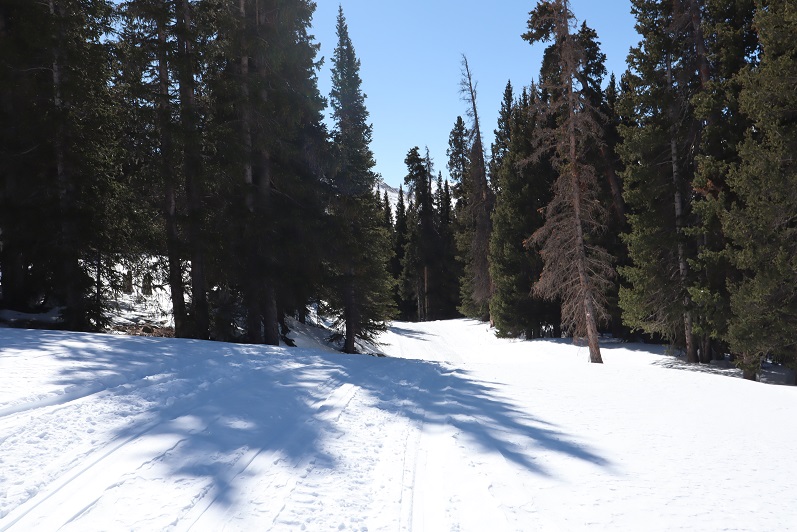
I continued straight (northwest) and followed the trail until I made it out of the trees.

11

12

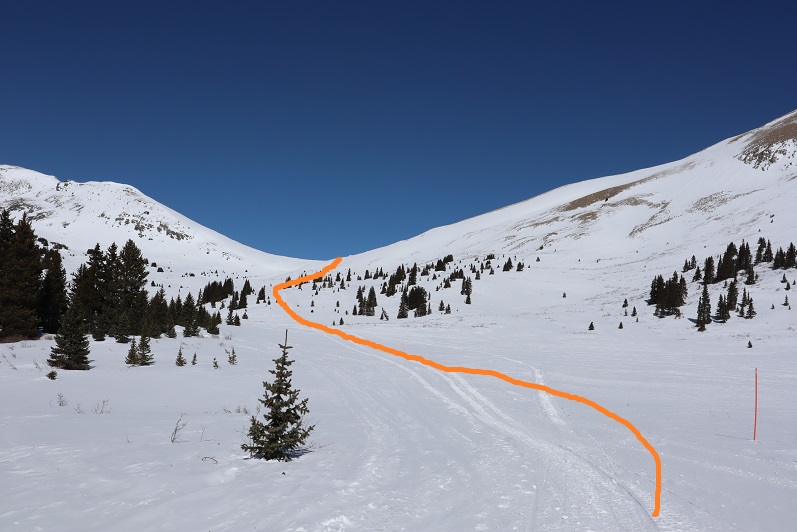
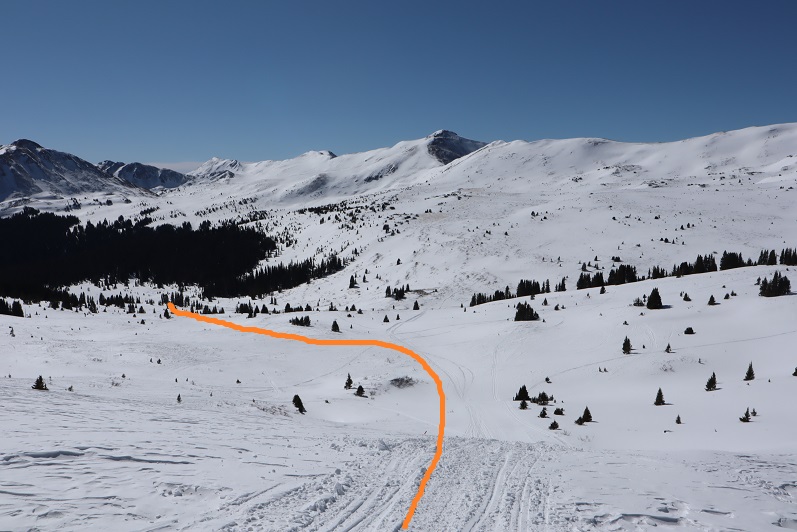
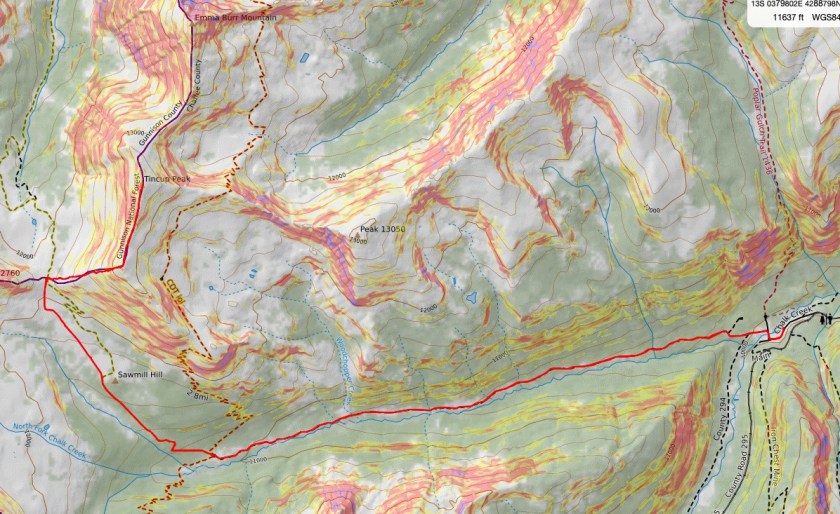
From here I followed orange poles to Tincup Pass. Here’s the basic route:

13

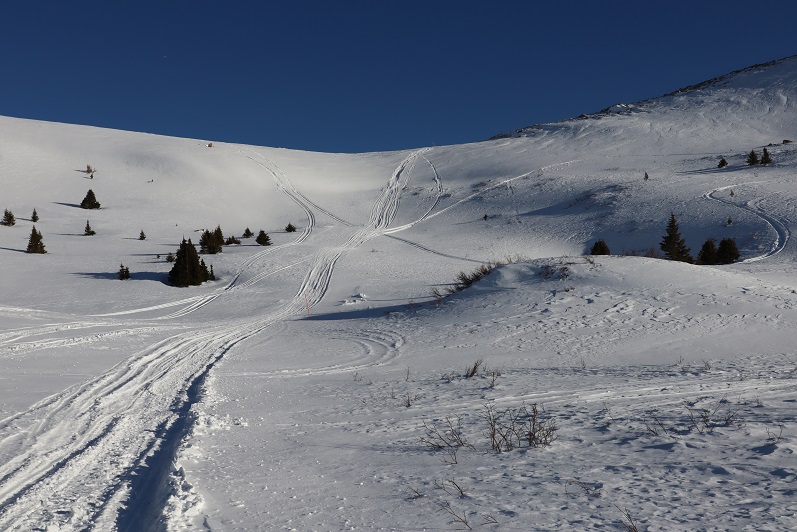
At about this time I couldn’t feel my toes/feet anymore, and it felt like I had two half-dollar sized rocks under the balls of my feet. I wasn’t cold, I was just having a Raynauds attack and decided to just keep pushing on: they usually only last about half an hour or so, and as long as I keep moving everything ends up fine. Here’s the last section up to Tincup Pass

14

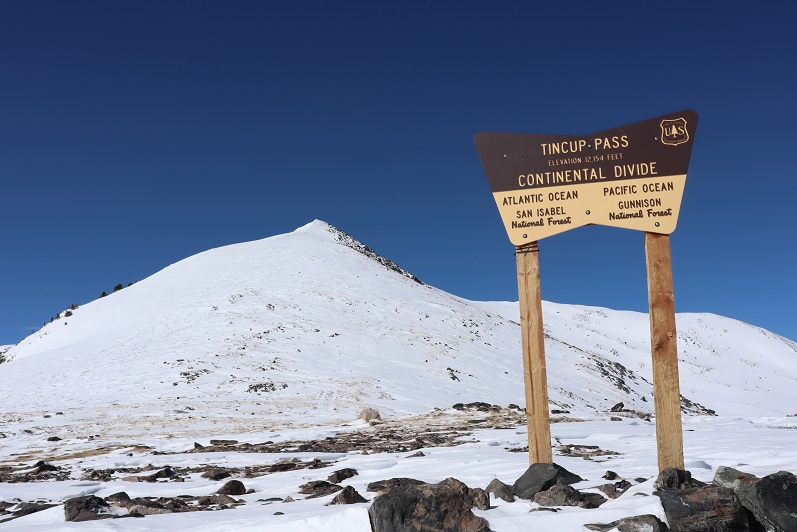
15

It’s steeper than it looks but honestly short and not too bad. Tincup pass is located at 12,154′

16

I turned right (east) and headed up the side of Tincup Peak. Here’s the route I took, doing my best to avoid the areas covered in snow (after postholing too many times to count):

17

About a quart of the way up the wind picked up fiercely. I hadn’t put on a balaclava this morning because it hadn’t been windy when I’d started, and now the wind was so intense I couldn’t get it on (well, I might have been able to, if I took off my gloves). The winds were forecastd at 5mph, but there were several times when I had to turn my back to the wind and brace myself to remain standing. Not for the first time I told myself that when the forecast looks too good to be true, it probably is. I made it to the top and took a look around what I thought was the summit: there were cairns and a windbreak.

18

19

The wind was extremely intense here. I still couldn’t feel my feet but I wasn’t cold, and I knew taking off my gloves would be a terrible idea in all this wind, but my face was starting to hurt from the constant abrasion of the wind. I crouched down behind the windbreak and clumsily put on my balaclava wearing just my glove liners, and then hastily put my gloves back on. It was here I noticed I was not at the summit of Tincup Peak. The sumit was actually to the north about another half mile or so.

20

Ugh! It didn’t look like to difficult a trek, but that wind was insane! And I still couldn’t feel my feet. I did a mental calculation and decided I wanted to go for it, so I headed north. The wind only knocked me down twice. From the small saddle here’s looking back at the way I came

21

and at the peak before me (spoiler alert: another false summit)

22

The snow on the last part here was soft enough to twist an ankle, so I tried to stick to the rocks where possible.

23

At the top of this hill I was disappointed to find I still wasn’t at the true summit, but determined to press on: I was too close NOT to summit at this point. So I kept going.

24

25

This last little stretch was still windy, but luckily not technical in the least. I also had a great view of PT 13,050 and the connecting ridge that I filed away for next time. I was so glad I’d decided against taking that route up today!

26

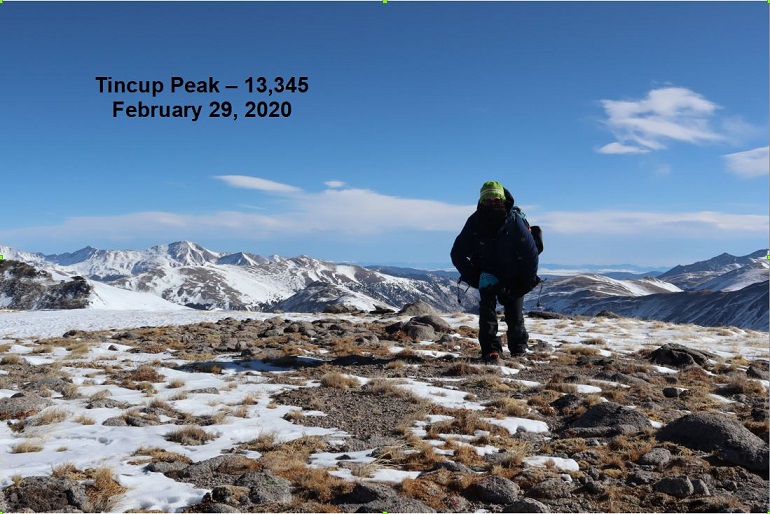
I summited and tried to take a summit photo but the wind kept knocking the camera (and me) over. I was finally able to get one shot while bracing myself against the wind

27

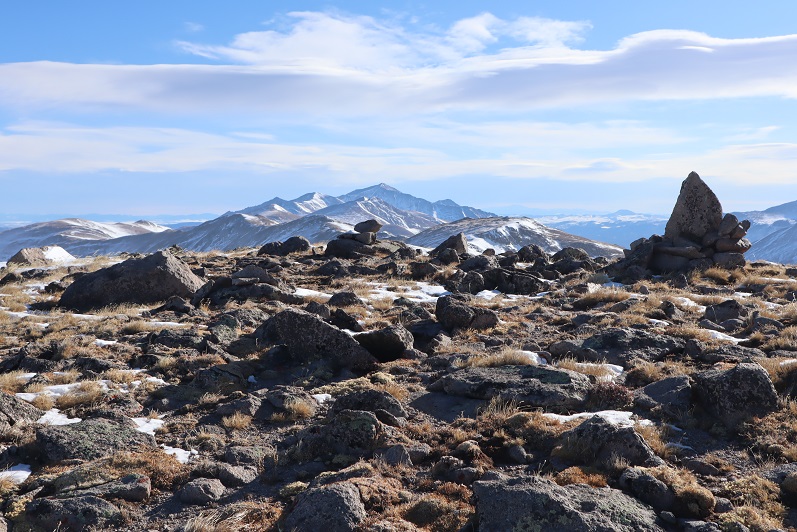
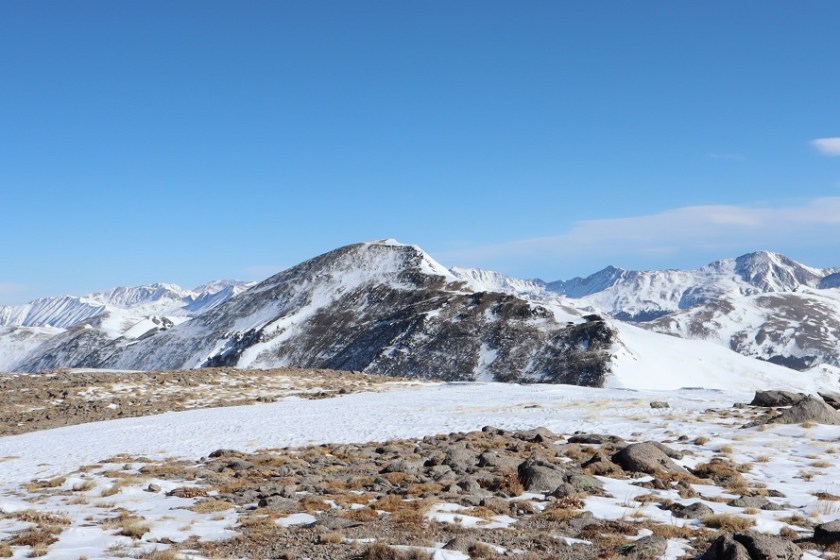
It was a quick decision not to attempt Emma Burr Mountain today: That wind was just too much and I still couldn’t feel my feet (I was getting worried now). I told myself I’d be back to get PT 13,050 and Emma Burr together another time. Here’s looking at Emma Burr Mountain

28

Time to head back

29

Here’s the path back to Tincup Pass

30

It was easy to avoid the cornices

31

32

And straightforward to Tincup Pass

33

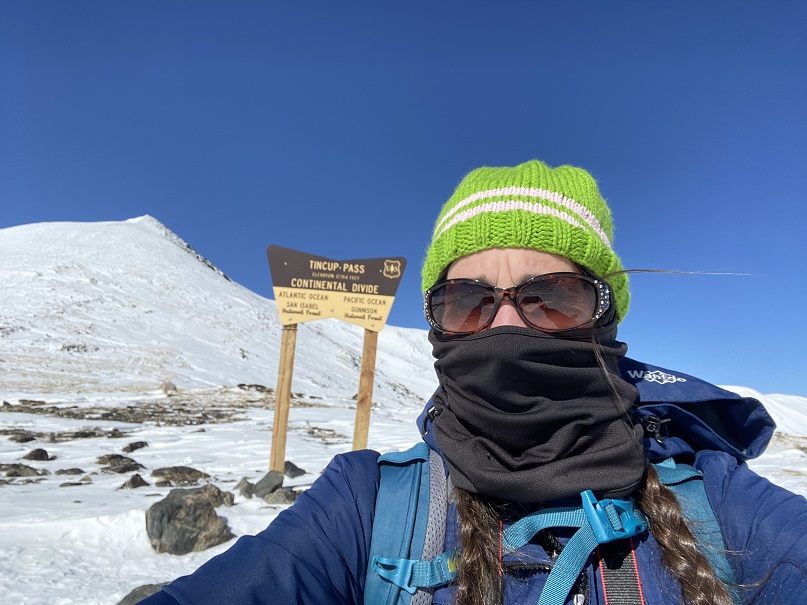
The wind didn’t die down until I was in the same place where it had started. I made it to Tincup Pass and decided to take a selfie (my son took one here a few years ago when he was here with his Boy Scout Troop and I wanted a similar one to show him).

34

Here’s the trek out of the basin. I was surprised I hadn’t see anyone all day, considering it was a Saturday. The basin was empty: There were tons of fresh snowmobile tracks, but they were all from yesterday.

35

The wind died down as I made it back into the trees, and I was finally able to feel where my feet were. There was about half an hour of intense pain as the blood started to flow again, but I kept walking, knowing stopping to take off my shoes (etc) was a terrible idea.

36

The 6 miles back to St Elmo seemed long, but as I was just walking on a groomed road not to terribly difficult. Snowmobiles started passing me at alarming speeds, and a few times I had to jump out of the way and into a snowbank to avoid getting run over.

St Elmo was beautiful with the snow, and just as wonderful as in the summertime, except of ourse the chipmunks were now hibernating.

I made it back to my truck at 12:30pm, making this a 14.5 mile hike with 3590′ of elevation gain in 7.5 hours. There were several trucks hauling snowmobiles when I got to the parking area, and it looked like there were a ton of people about to snowmobile into the basin. I counted dozens of snowmobiles and just as many people walking around the town. I totally needed my time above treeline today: I felt energetic and excited and not the least bit tired. Being in the mountains seems to rejuvenate me. Time to head home and pass out come more cookies!

Screen Shot 2020-03-02 at 8.08.46 AM

Twin Peaks A – 13,584

1

RT Length: 9 miles

Elevation Gain: 4625’

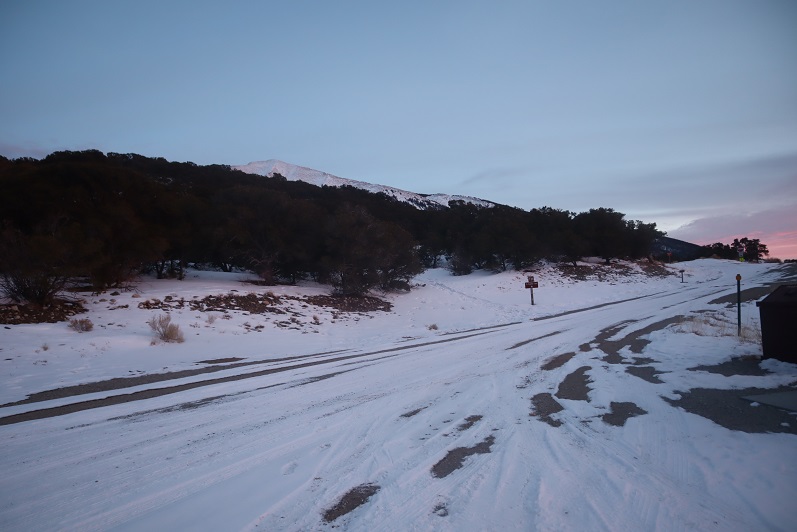
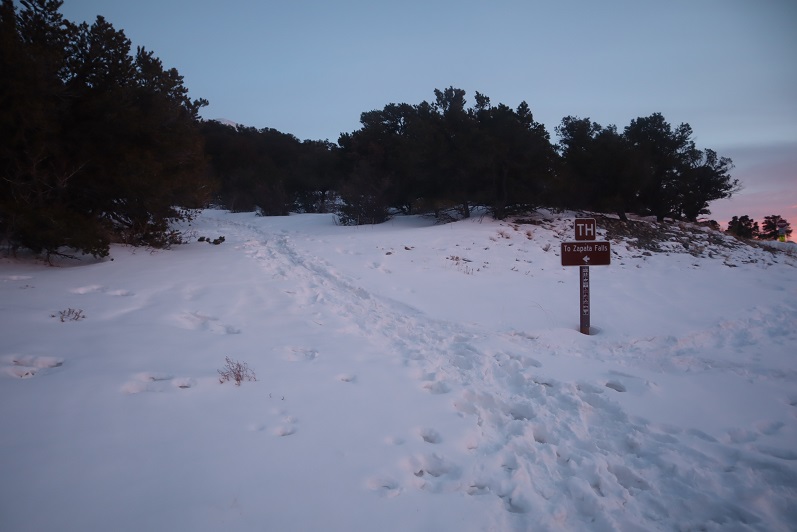
Any time your hike begins in the Piñon Pines and Junipers you know it’s going to be a long day. I arrived at the South Zapata Creek Trailhead after mistakenly being directed to a gated community a few miles away (Google Maps was taking me to South Zapata Creek, not South Zapata Creek Trailhead:  I’d suggest putting in Zapata Falls as it will direct you to the campground and trailhead).  No worries though, I was free all day and this only put me back about 15 minutes from schedule.  The 4WD road to the correct trailhead was a little rough in the beginning with a lot of softball-bowling ball sized rocks, but after the first mile or so it smoothed out.  I parked my truck just before the campground entrance and was on the trail at 6:30am.

2

I followed the trail that led to Zapata Falls for .85 miles

3

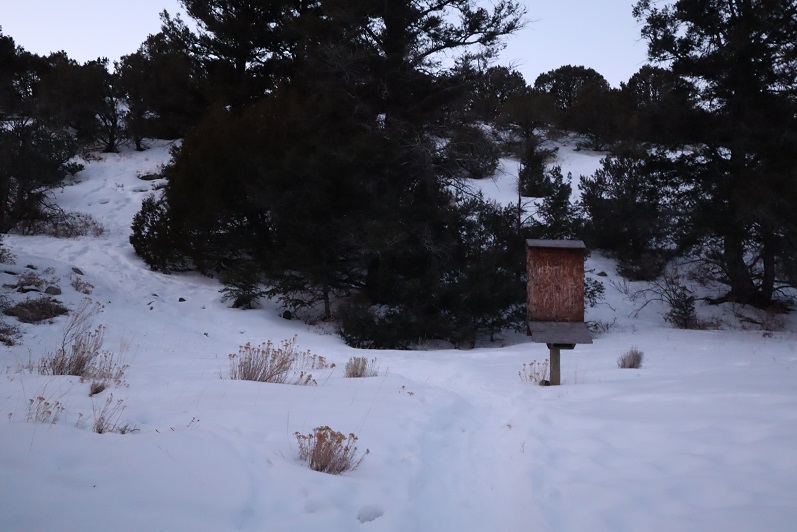
Just past a defunct trail register

4

And at this cairn left the trenched trail and turned right and headed up the hill.

5

From here on out I was ‘off trail’. At this point I should have put my snowshoes on, but I tend to be stubborn about such things and kept hiking in just my microspikes.  My next objective was to gain the ridge to the south.  This ridge was steep and I kept sliding backwards in the snow.  Yep, snowshoes would have been a good idea.  Here the snow was soft but I was only postholing about a foot at a time.  To make things easier I did my best to follow recent game tracks.  It looked like there were a lot of deer in the area.

6

From the top of this ridge I followed the drainage up to a small plateau. Once again, there were tons of deer tracks here and it looked like they’d bedded down in the area last night.  I even saw a buck bounding away as I arrived.

7

I also got my first view of Twin Peaks A

8

The view was short lived however, as I dipped back into the trees again.

9

In the trees I came upon an unexpected cabin. It looked old but well kept up.  I would have taken a closer look but the snow was really deep here.  I broke down and put on my snowshoes.

10

11

From here on out the snow just kept getting thicker and stayed sugary. I kept heading southeast, this time through some thick aspen groves. Shout out to the deer/elk that helped me by breaking about 250 vertical feet of trail:  I followed their tracks through the trees until they disappeared over the ridge.

12

This route mainly follows the ridge, but it takes forever to get to treeline. Well, it took me forever because I was trenching the entire time.  This was the most challenging trench I’ve ever put together:  the snow was deep, unconsolidated, and never ending.  Several times the snow was so deep I couldn’t go forward and I had to get creative and zig-zag my route to make it possible to continue.  This type of trenching is tiring!

13

14

I’d make it to what I thought would be the treeline, only to find more trees ahead of me. Here’s a look at the route from one such area

15

More trenching through the trees

16

And I came to an area so thick with snow it was untrenchable. I was exhausted and seriously considered turning back:  where was treeline anyway?!?!  Last week I’d had to turn back on Rinker Peak due to unconsolidated snow, and I really didn’t want to repeat the same scenario twice. I decided instead of continuing along the ridge to descend a little to the south to see if the terrain was any easier, and it was!  I came across a rocky area and easily traversed a little below the ridge and then regained the ridge (to more snow)

17

I (finally!) exited treeline and had just a little bit more trenching to do before taking off my snowshoes and tackling the rest of the route in just microspikes. Up until this point I wasn’t sure I was going to complete this hike:  all that trenching had worn me out and I thought I’d never make it to treeline.   Several times I’d thought about turning back, but I’d put in so much work I didn’t want to give up.  This clear view of the peak renewed my spirits and I was ready to go.
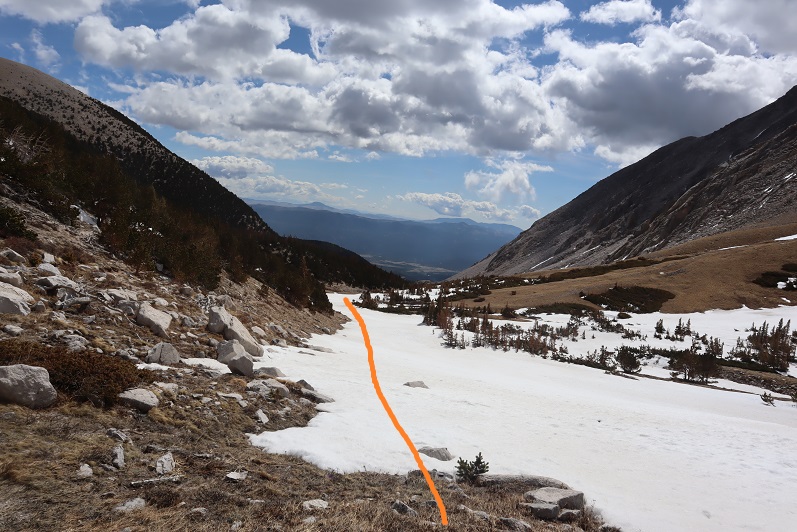
18

I could see the summit ahead of me and it was a nice day: warm with no wind.  I thought taking off my snowshoes would be a good idea and could also save some valuable time.  In the beginning, this was a good idea.  I was able to quickly rock-hop up the ridge

19

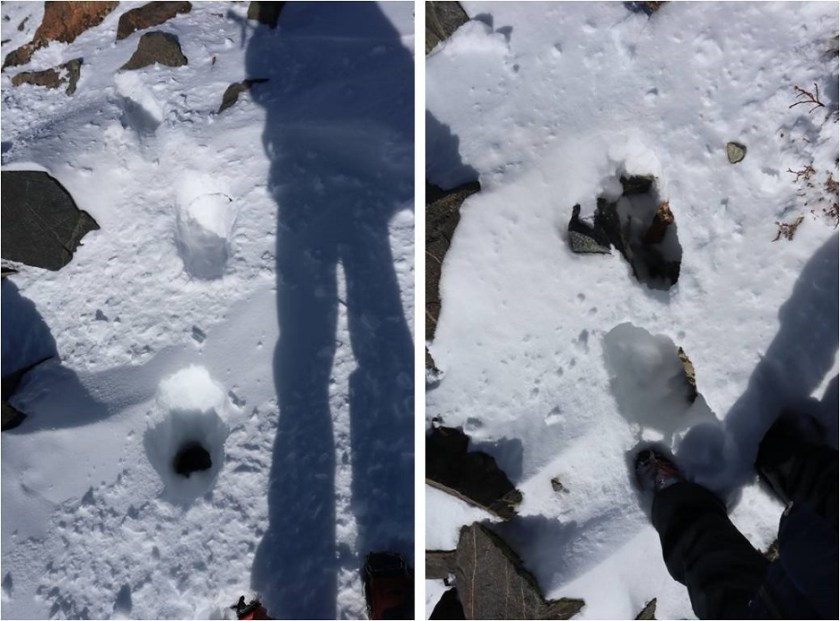
After gaining the first bump however, things changed. The snow was no more consolidated here than it had been before treeline.  In fact, the snow was 4-6 inches deep:  a thin layer over rocky terrain.  The snow never held my weight and I frequently postholed in areas where I could easily have twisted an ankle.  I was cursing myself for taking off my snowshoes, and would have put them back on except the wind had now kicked up and I was afraid to take off my gloves because of the exposure.  I was just going to have to be careful and rock-hop whenever possible.

20

I followed the ridge as closely as possible, but those cornices were weak. I kept postholing in the shallow snow and my feet were becoming frozen.  I wasn’t giving up though:  I could see the summit!

21

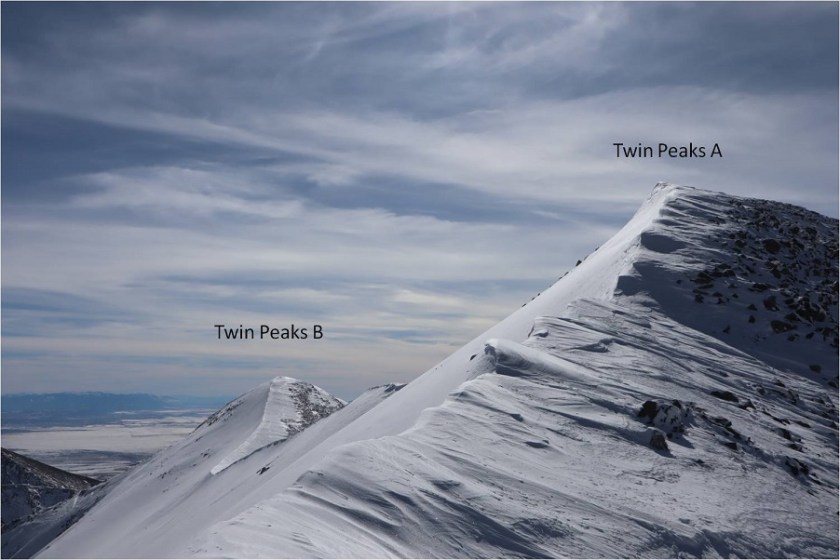
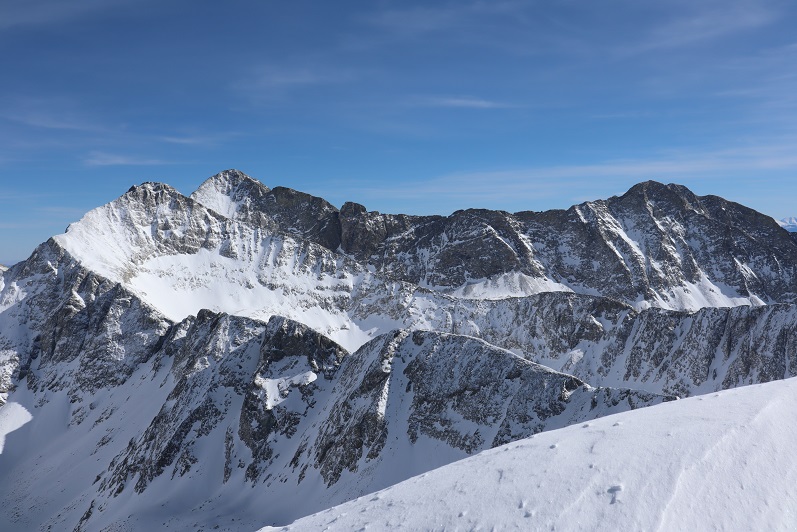
Here’s a look at Twin Peaks B (unranked) and Twin Peaks A. There was a lot more snow at the summit than I’d been able to see from below, those cornices are bigger than they look, and once again, hollow.  I followed the ridge to the summit.

22

I took a few steps up the cornice to try and get as high as possible and heard a hollow sound below my foot. I quickly retreated: In no way was I going to climb to the top of the cornice.

23

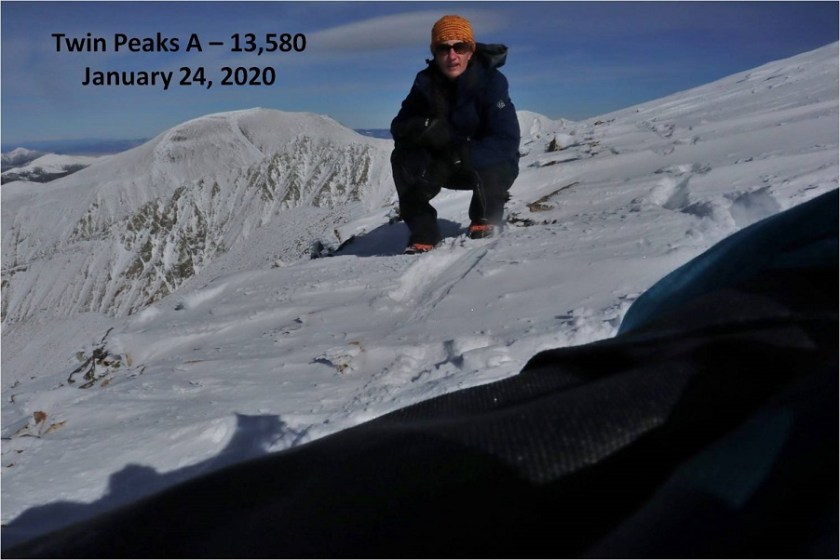
I found the summit wind break, set up my camera on top of my backpack, got a (terrible) picture, and decided to book it back down. I wasn’t going to play with that cornice.

24

I had no desire to climb Twin Peaks B today as well: The cornices were hollow and I would need to go over one just to start, that wind was becoming insane, and I could no longer feel my feet.

25

Time to head back down the ridge

26

27

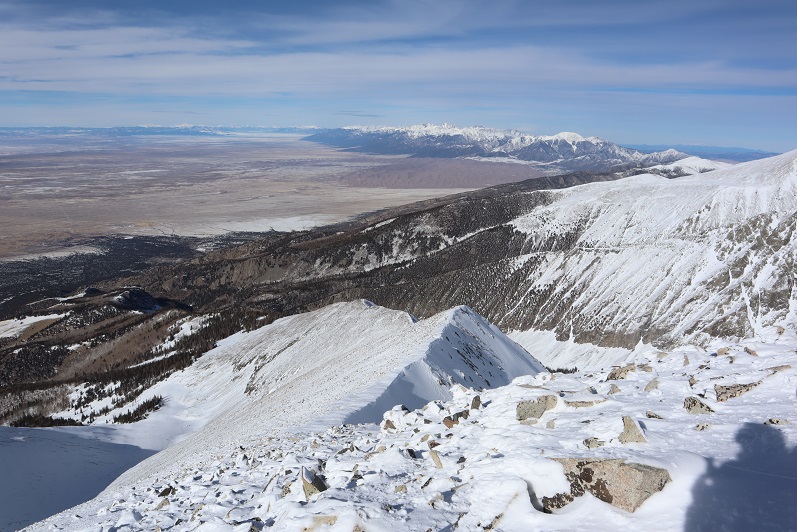
There were some great views along the way of Lindsey, Ellingwood Point, Blanca, and Little Bear

28

29

And also the Sand Dunes

30

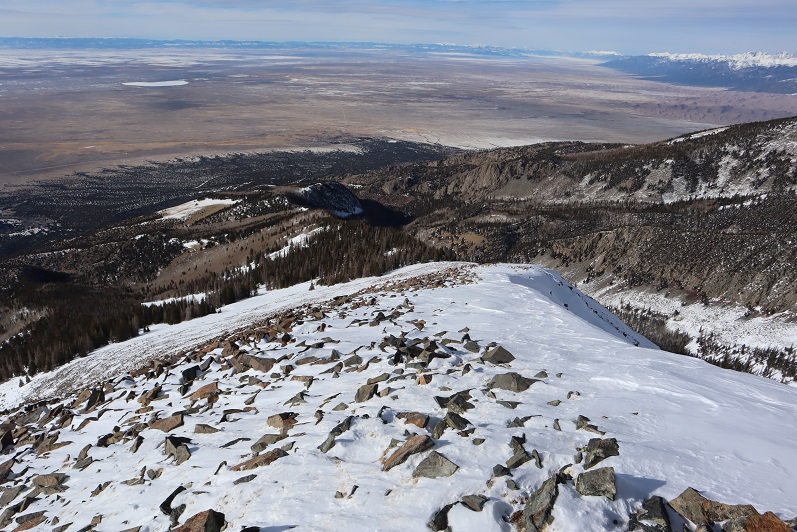
Here’s the rest of the route down the ridge and back into treeline

31

And a look from treeline up the ridge

32

I stopped to put back on my snowshoes at treeline and headed back to the trees, carefully retracing my steps and making my tracks into a solid trench. This is more tiring than it sounds.

33

I followed the ridge and in a small clearing between hills saw what looked like a reverse shadow far ahead of me. Anyone know what this is?

34

I made my way back to the cabin

35

And decided to keep my snowshoes on for the rest of the trek back to the trailhead. Here’s the way down the ravine

36

And down the ridge

37

Back to the Zapata trail

38

It had been a long day, and it was starting to get dark. I’d originally wanted to visit Zapata Falls while I was here, but looking at the time I wouldn’t make it there until after dark.  I’ll just have to come back when I’m here later this season. The trail was easy to follow from here

39

Back to the trailhead.

40

I watched an absolutely stunning sunset as I broke down my gear and got ready to head home.

41

I made it back to my truck at 5:30pm, making this a 9 mile hike with 4625’ of elevation gain in 11 hours. This was by far the most tiring day I’ve had trenching ever, but totally worth it!

42

Rinker Peak (winter attempt)

1

RT Length: 6 miles

Elevation Gain: 1500’

Note:  My successful summit of Rinker Peak can be found here.

winter. That time of year when I should stick to the peaks below treeline but find myself tempted by good weather and attempting higher summits anyway.  Each time I go out I’m reminded there’s a lot I still don’t know.  Today was such an event.

The weather was cold but the wind was forecasted to be nonexistent so I decided to attempt a ridge route. I picked the ridge with the best weather and made it to the trailhead while it was still dark.  Well, in actuality the Willis Gulch Trailhead was under several feet of snow so instead I parked along Highway 82.  It took me about half an hour of driving my truck back and forth along the side of the road, packing down the snow to make a parking space I felt comfortable getting out of on my return. I felt the time was well spent.

2

I put on my snowshoes and travelled a quarter mile down Highway 82 towards the trailhead. It was 9 degrees outside and I had on my new balaclava.  Brrrr!

3

From the road I was pleased to find there were tracks indicating the trail. I followed them south

4

Crossed a bridge

5

And followed Trail 1471.

6

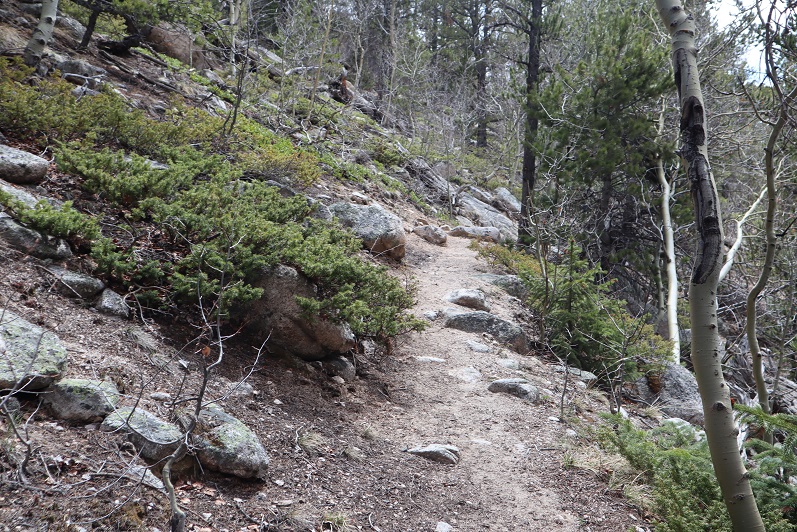
The trail was well trenched and I was getting excited for today’s climb. There were two ways to climb this peak:  One is to take the ridge, and the other is to take the gulch.  My preference was to take the ridge but when I got to the place where I was supposed to begin ascending there was too much snow to make it possible.

7

There wasn’t a trench indicating anyone else had attempted this route since the last snow, and when I attempted it myself I sank up to my waist. Oh well, I guess I’d just continue following the trenched route and try the gulch instead.  I continued on towards my second option
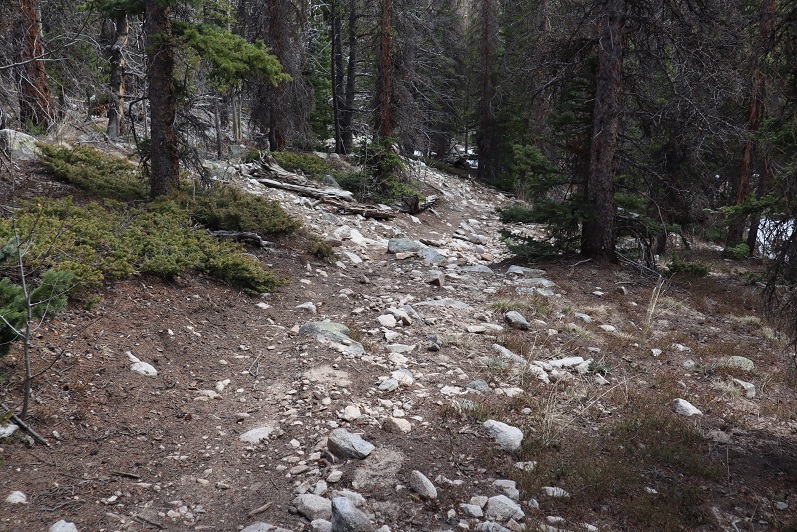
8

Passed a snow covered bridge

9

And continued following the well defined trail

10

I came to a junction for Little Willis Gulch and Big Willis Gulch, where I turned right (west) aiming for Big Willis Gulch.

11

Here the well defined trench stopped, but luckily there was still an older, snow filled trench I could follow. I was postholing but at least I had a trail to follow.  The trail had tons of rodent footprints scurrying back and forth on the new snow.  I was able to follow this trail as it crossed the creek again.  This log bridge was ‘fun’ to traverse while wearing snowshoes

12

I crossed the logs and followed the trail for about 10 more yards before it abruptly stopped. Hmmm…. Maybe this was the wrong way?  I retraced my steps, crossed the stream again and went a little more south, following tracks again.  These tracks ended sooner than the last; it looked like they’d stopped because the trees were too dense and turned around.  Whoever had trenched this trail hadn’t gotten further than here and decided to turn around.  Twice.  Once again I backtracked and crossed the stream a third time (in snowshoes) intent on trenching my own trail if there wasn’t one established.  I reached the area I’d previously stopped and took one step forward

13

And sank up to my chest in snow. The only thing that kept me from sinking further was my backpack.  It took me about 10 minutes to backwards-wriggle out of the snow, and when I was safe decided to call it a day and head back to my truck.  I wasn’t thrilled with this decision, but I also knew it was the right one.  There was no way I was going to be able to continue here without skis.

As I was trudging back the thought occurred to me if I’d have taken the ridge up and headed back down the gulch in a loop as I’d originally planned I could have ended up in a very dangerous situation: If I wasn’t able to go any further from this angle, just imagine the predicament I’d be in if I’d successfully summited via the ridge and went back down to the gulch, only to discover the snow was too deep to traverse?  I’d have been stuck in the gulch, or I’d need to re-ascend thousands of feet in elevation to gain the peak to exit, making for a very, very long day.  Instantly my mood improved:  Today was worth it after all, as I’d learned an important lesson:  in the winter, if doing a ridge route, always return the way you summit.  I re-crossed the bridge

14

And followed the side of the mountain back towards the trailhead

15

16

In the daylight, Lake Creek was beautiful!

17

I made it back to the road and back to my truck, where the temperature read 12 degrees and I had frost in my hair.

18

So in the end I didn’t get in a full hike today: Only about 6 miles with 1500’ of elevation gain.  I was bummed because I had so many options for hikes today and chose one I wasn’t able to complete, but I was glad I’d at least learned a valuable lesson (or two:  I should have picked an easier peak, but didn’t want to re-summit something I’d already done.  Next time I’ll take the safer option).

19

Mount Guyot – 13,370

1

RT Length: 8 miles

Elevation Gain 3115’

Time: 5.5 hours

As seems to always be the case, my plans changed last minute. The weather’s been so cold and windy lately I’ve been highpointing closer to home, sticking mainly to 9K and 10K peaks with less snow and warmer temperatures. I’m helping someone learn how to route find, but he has a minor heel injury.   Instead of hiking today closer to home he wanted to rest it for next week.  So I did a quick search and the best forecast I could find for a peak on my list showed 0-6 degree low/high temperature with 30mph gustss at the summit.  This would put wind chill in the negative 20s.  I debated back and forth and finally just decided to go for it:  I could always turn back, but there would be trenching involved, so at least I’d get in a good workout.
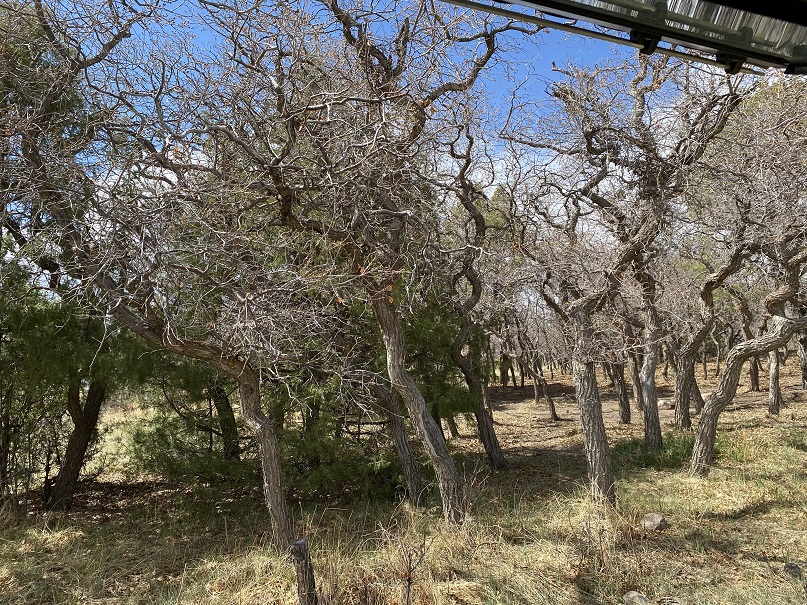
I’d wanted to be on the trail by 5:30am but I drove to the wrong trailhead. Actually, Google didn’t take me to a trailhead at all, and when I checked my map realized I was about a quarter mile away but needed to drive for a bit to make it to the correct place.  No worries though, because it was still dark outside and snowing, and I was hoping the snow would let up before I started.

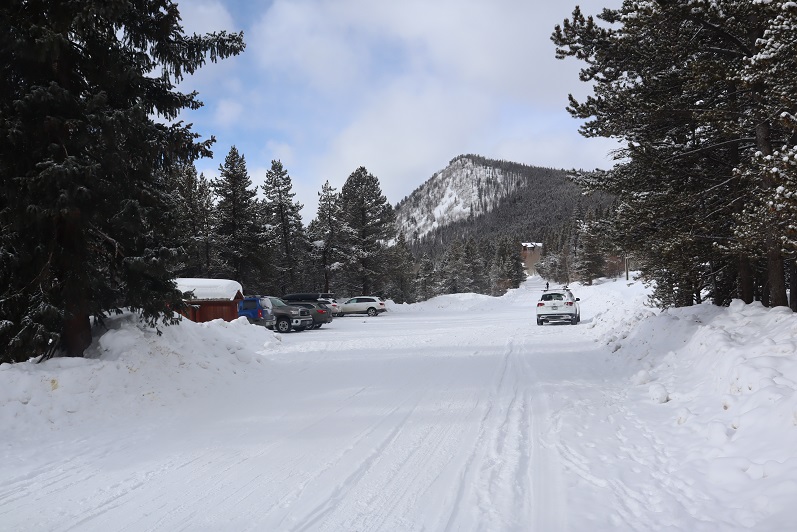
When I made it to the French Gulch Trailhead it was still snowing, and a balmy 9 degrees outside. The road to the trailhead was plowed and packed down.  I decided against putting on my snowshoes right away and attached them to my pack instead.  I did put on my microspikes.

2

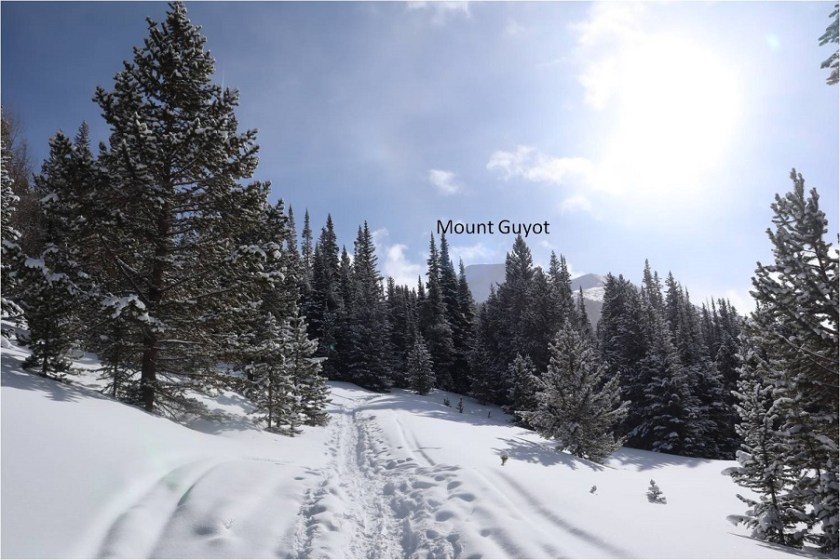
At 6:15am I started to the left of the trailhead sign, following the 4WD road past the closed gate.

3

4

It was snowing lightly and I could see the full moon through the clouds. It was a cool, quiet morning.  I followed the road until I came to the turnoff for Little French Gulch. Here I turned left and donned my snowshoes:  I was going to need them!

5

While the road had been pretty packed down the previous trench on the Little French Gulch trail had been filled with several inches of fresh snow. In most areas I could tell where the trail went, but the entire time I had to re-trench the trail.  I tried to see how deep the snow here was by probing it with my trekking pole, but the pole went all the way down and never hit dirt, so I’m guessing there was at least 5 feet of snow on the ground.

6

7

Last night, while looking at a topo map, I’d planned to leave the trail and head straight up the ridge just after the Little French Gulch turnoff. I realized this morning there was no way that was going to happen:  the snow was deeper here than it looks, and the first step I took I sank up to my waist in snow while wearing my snowshoes.  Nope.

8

So instead I followed the trail to just below treeline, where I turned right (west) and headed up to the ridge, switchbacking as I went. (Side note:  I took many of these pictures on my way back down.  The snow was sugary and often times I’d trench up to my waist and my camera would get covered in snow.  It was so cold I was unable to get the snow off the lens, so the pictures are a little blurry).

9

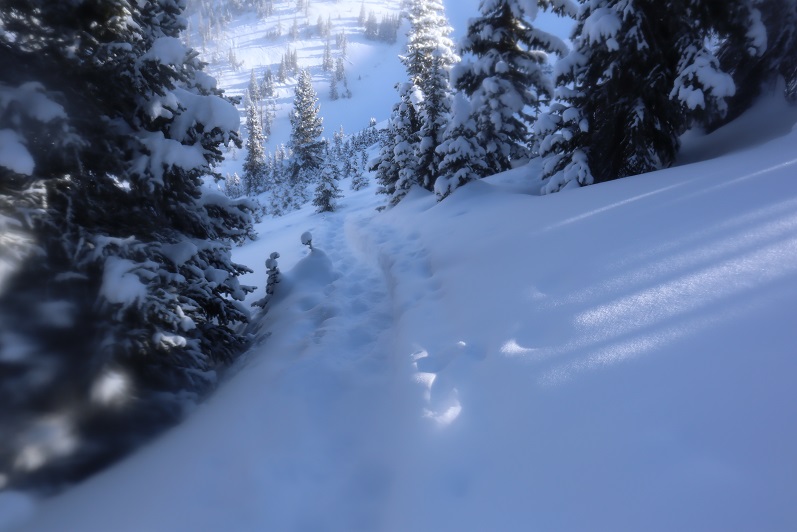
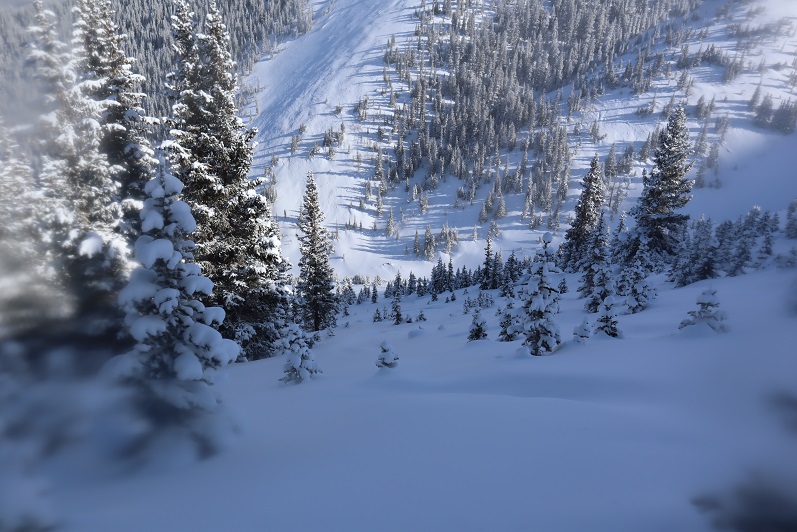
To avoid any avalanche danger I tried to stick to the trees, close to the ski area

10

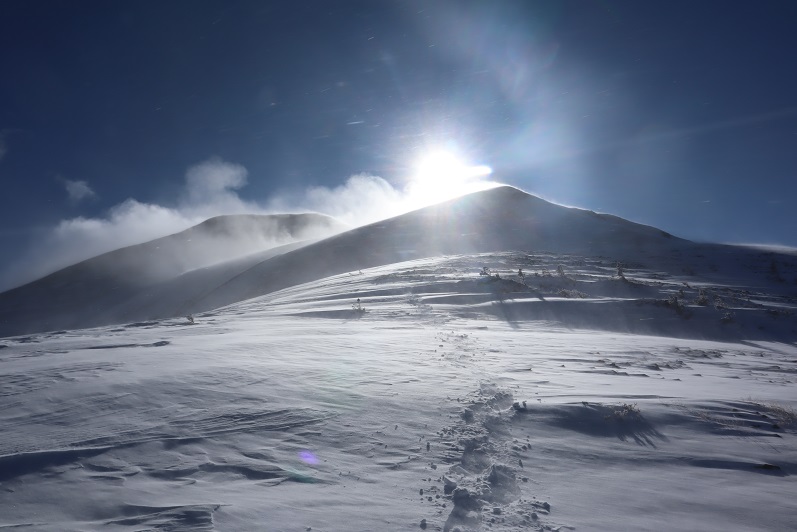
It stopped snowing just as I made it to the ridge. I turned left (south) and followed the ridge.  Here the snow was rather deep and sugary, and the wind picked up dramatically.

11

12

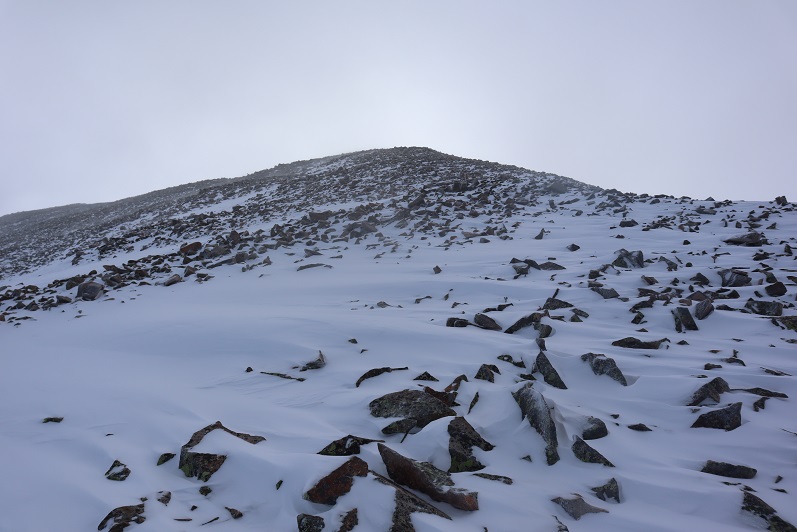
Once on the ridge the summit was obscured with clouds. Here the snow ranged from bare ground to several feet deep.  I kept on my snowshoes.

13

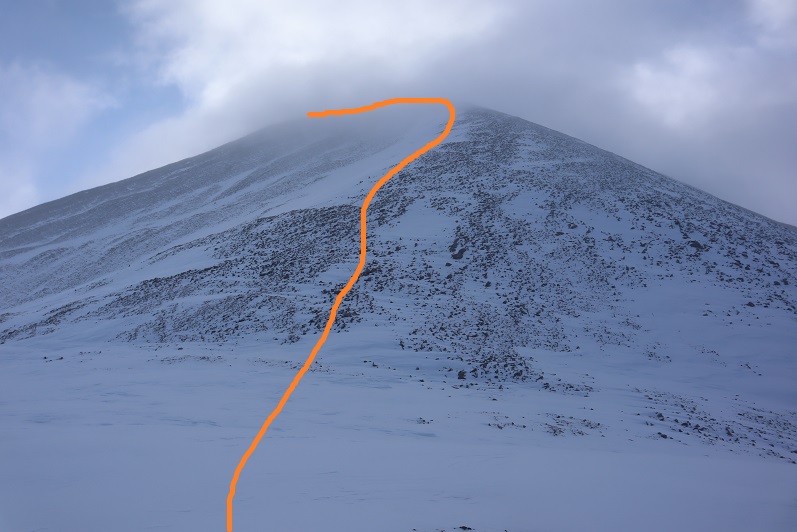
Instead of going over the bump I skirted it to the left (it’s a false summit that would be more obvious without the clouds)

14

There were several snow covered ‘trails’. I chose one of the higher ones.

15

Looking back down the ridge

16

And at the rest of the route to the summit
17

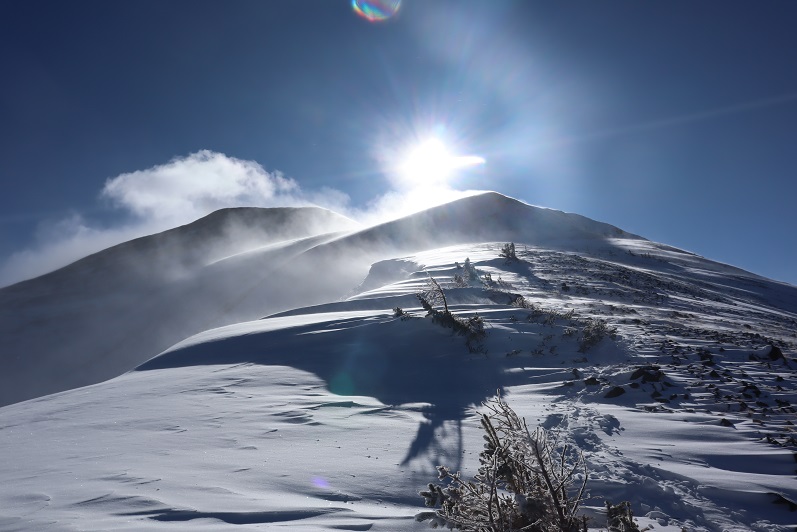
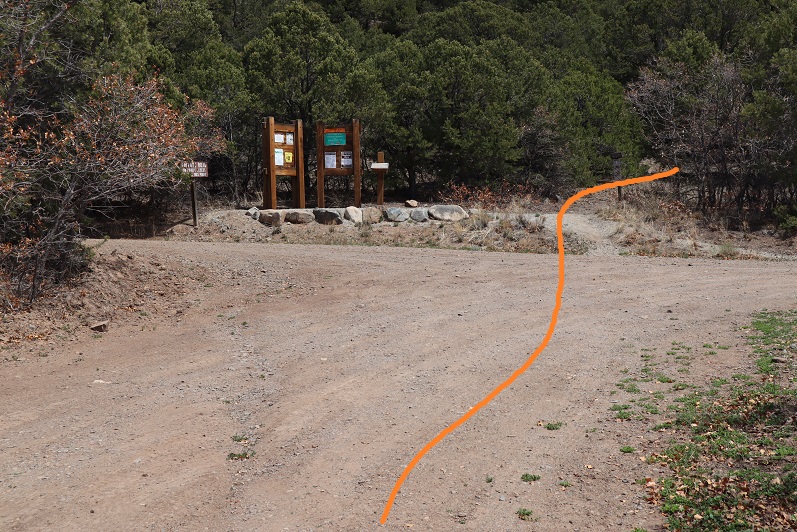
While the snow had stopped and the clouds had lifted, snow was being blown from Bard Peak, turning into clouds, and blowing over Mount Guyot.

18

The wind was intense and I couldn’t see very far ahead of me due to ice crystals in the air. I considered turning back several times more than I’d like to admit, but I wasn’t beyond cold (yet) and I decided to keep going.  My toes still felt fine, and my fingers were holding up.  The ridge to the summit was mostly windswept, with a few areas of deep snow.  I kept my snowshoes on because I didn’t have the dexterity in my fingers to take them off, and I knew if I did I wouldn’t be able to put them back on again. This meant my final push to the summit ridge was slow, as I was basically carefully rock-hopping in snowshoes, trying not to twist an ankle.  Cold doesn’t begin to describe the weather:  I thought to myself how I was glad I was solo today:  everyone else I know would have turned back, and if I were with someone I would have had to turn back as well (with my Raynaud’s I have to keep moving and not take breaks, especially in the cold/wind).  I went straight up the ridge, sticking to the snow when possible to avoid the rocks.

19

20

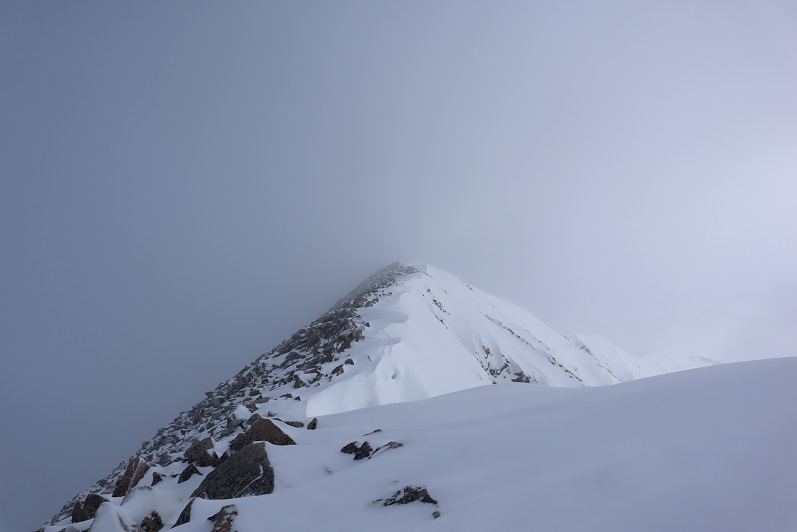
At the top of the ridge I turned left (east) and carefully made my way to the summit

21

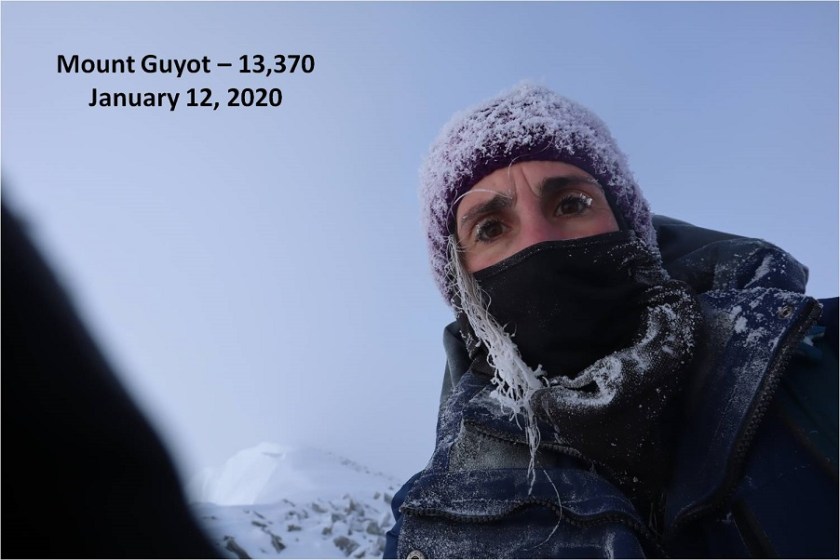
This area was fraught with cornices. In my snowshoes I tried to stick to the area of snow closest to the rocks, walking on the rocks when necessary to avoid the cornices.  It was cloudy when I made it to the summit, and I was cold.  Frigid even.  I kept pumping my fingers back and forth. I could feel the ice on my face, in my eyelashes, and on my hair.  Yes, frigid was a good way to describe the weather. I had sunglasses and ski goggles but couldn’t put them on because I had no dexterity in my fingers and told myself the sun wasn’t that bright anyway.  In no way was I risking taking off my gloves to get a photo of myself and I wanted out of this weather as soon as possible so I tried to take a selfie with my camera by just turning it around.  For some reason, I got a video instead (still not sure how this happens:  I should spend more time learning how to use my camera)

Summit Video:

I was finally able to get a picture (with my gloves in the way). I wasn’t about to try and get another photo.

22

There weren’t great summit views today.

23

I turned and headed back across the ridge. Check out those cornices!

24

25

Looking down the ridge

26

Most of my tracks were gone on my way back down.

27

I didn’t think it was possible, but the wind picked up even more on the way back down the ridge. 30mph winds seemed a low estimate for what I was experiencing now. Brrrr!

28

29

30

31

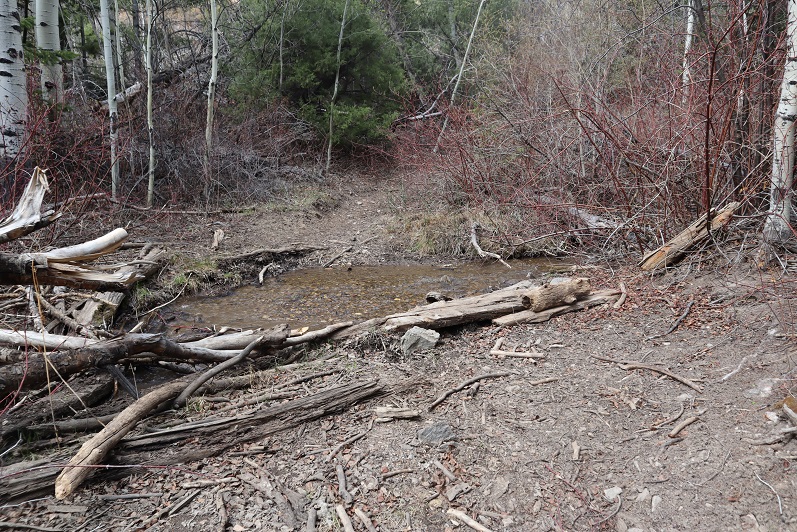
I was so excited when I made it back to treeline and out of the wind! Well, excited until I found the wind had covered most of my tracks and I had to re-trench them on the way back down.  The snow was soft and I frequently postholed up to my waist, causing me to twist and turn to get up, covering my snowshoes, clothes, etc. (and camera) with snow in the process.
32

After a few dozen yards the trail was once again easy to follow back down to the gulch

33

34

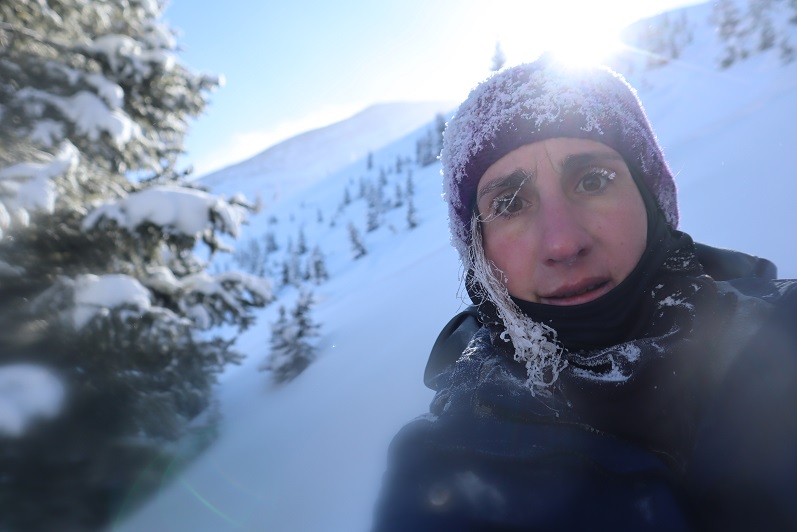
I’d honestly thought it would warm up when I made it back below treeline, but it didn’t. I’m kind of digging the frosted eyelash look…

35

I continued on the trail and came across some backcountry skiers with their dog. They thanked me for trenching the trail, and did a great job of smoothing it down with their skis.  I wished them luck, thanked them for smoothing my tracks down, and was on my way.  They gave me an odd look:  I smiled back, but I’m sure I looked a mess!

36

Back on the road I kept my snowshoes on just because I didn’t want to take off my gloves. It was still so cold out! There were now several cars in the parking area

37

I made it back to my truck at 11:45am, making this an 8 mile hike with 3115 feet of elevation gain in 5 hours, 30 minutes.

38

I was really glad I’d decided to hike above treeline today. I’d been a little put off due to the forecast, and I’d had to seriously push myself during the hike, but it had been worth the experience. It reminded me again when I have the option to go hiking or not, the answer is to at least give it a try.

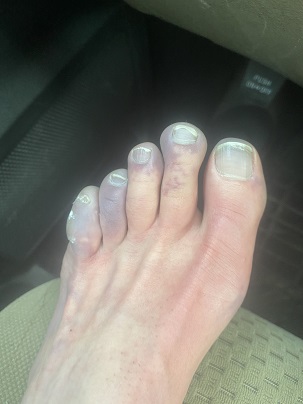
When I made it back to my truck I took off my snowshoes and hopped into the cab and turned on the heater to warm up. The temperature outside read 12 degrees.  Slowly, I re-warmed my hands and once my fingers were moving normally again I took off my shoes, socks, and outer jackets/layers.  I was happy to see my toes looked ‘normal’!  The ice in my hair was the worst:  it dripped onto my neck/shoulders as it gradually warmed and melted. I put on sandals and started my drive home.  About 10 minutes later my foot started throbbing.  I pulled over and drat!  My toes were blue!  I turned over my foot and the entire pad was blue as well.  So much for “operation no blue toes” this year.  I was so frustrated!  They’d seemed fine when I got back to my truck, why were they hurting and blue now?  After about 30 minutes they were back to ‘normal’ again, going from blue to a waxy red and eventually back to white.  No permanent damage, just a Raynaud’s attack (they only last about 30 minutes or so, and can happen in any weather, just most likely when cold).  One way to prevent them is to stop hiking in the winter, and that’s not going to happen, so I’m going to have to learn to live with the attacks or suck it up and take the medication (I’m not a fan of drugs, so this isn’t likely to happen either).  At least they’re not affected while I’m hiking.

39